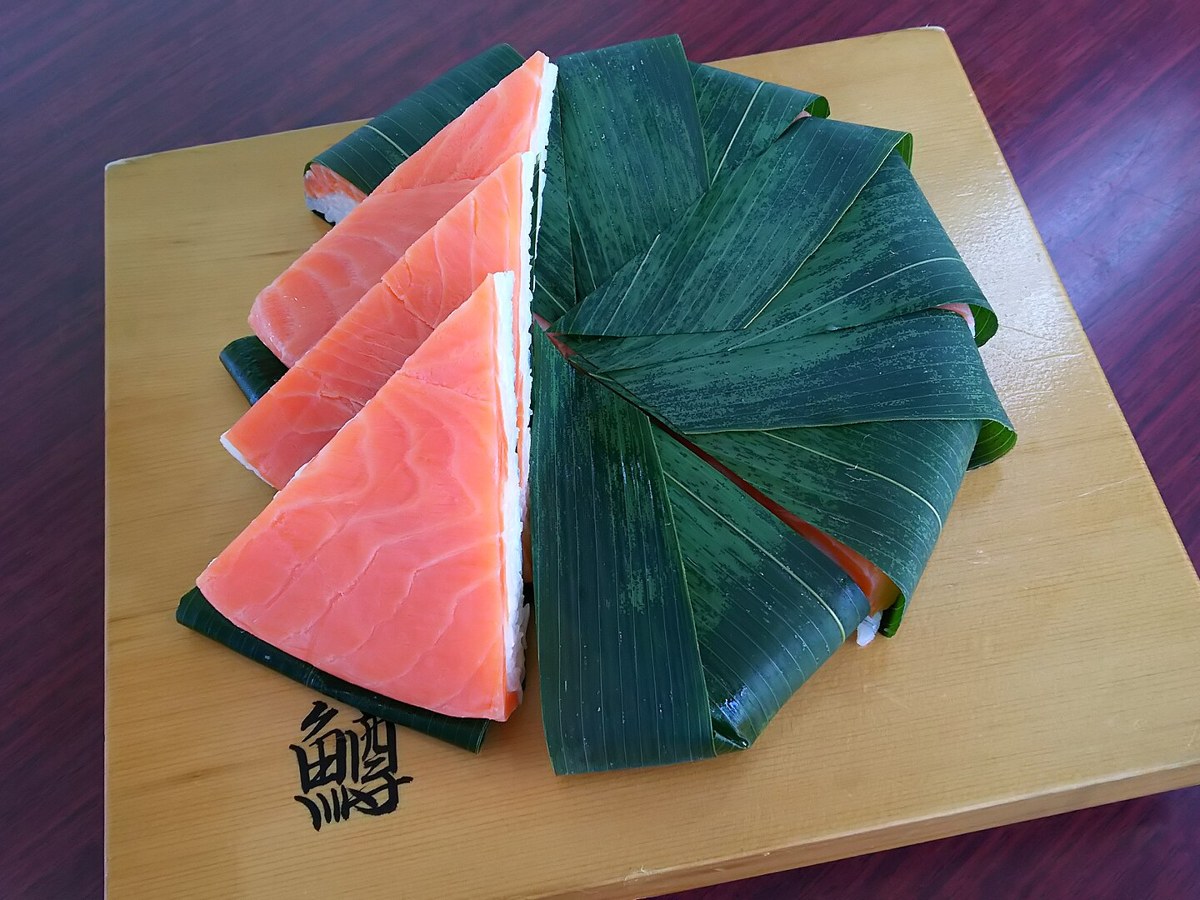
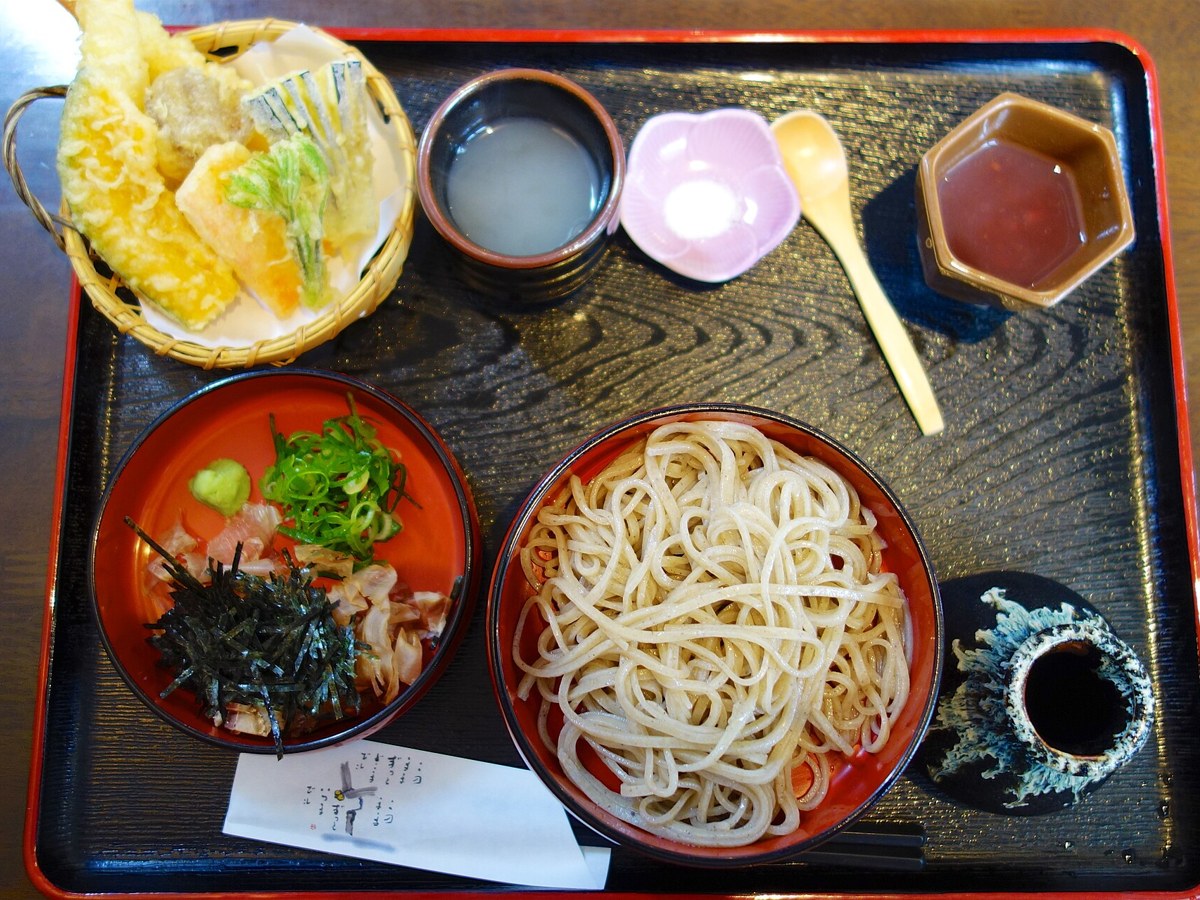
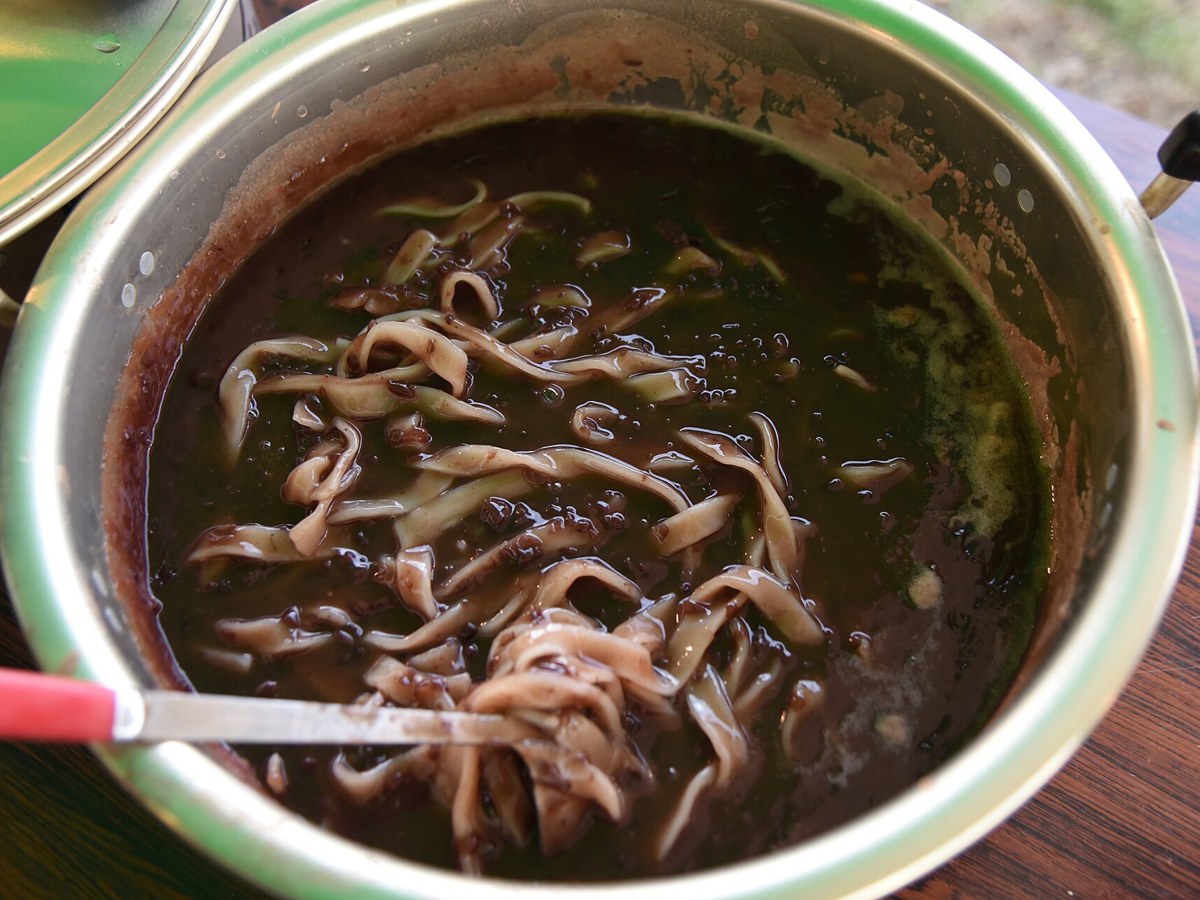
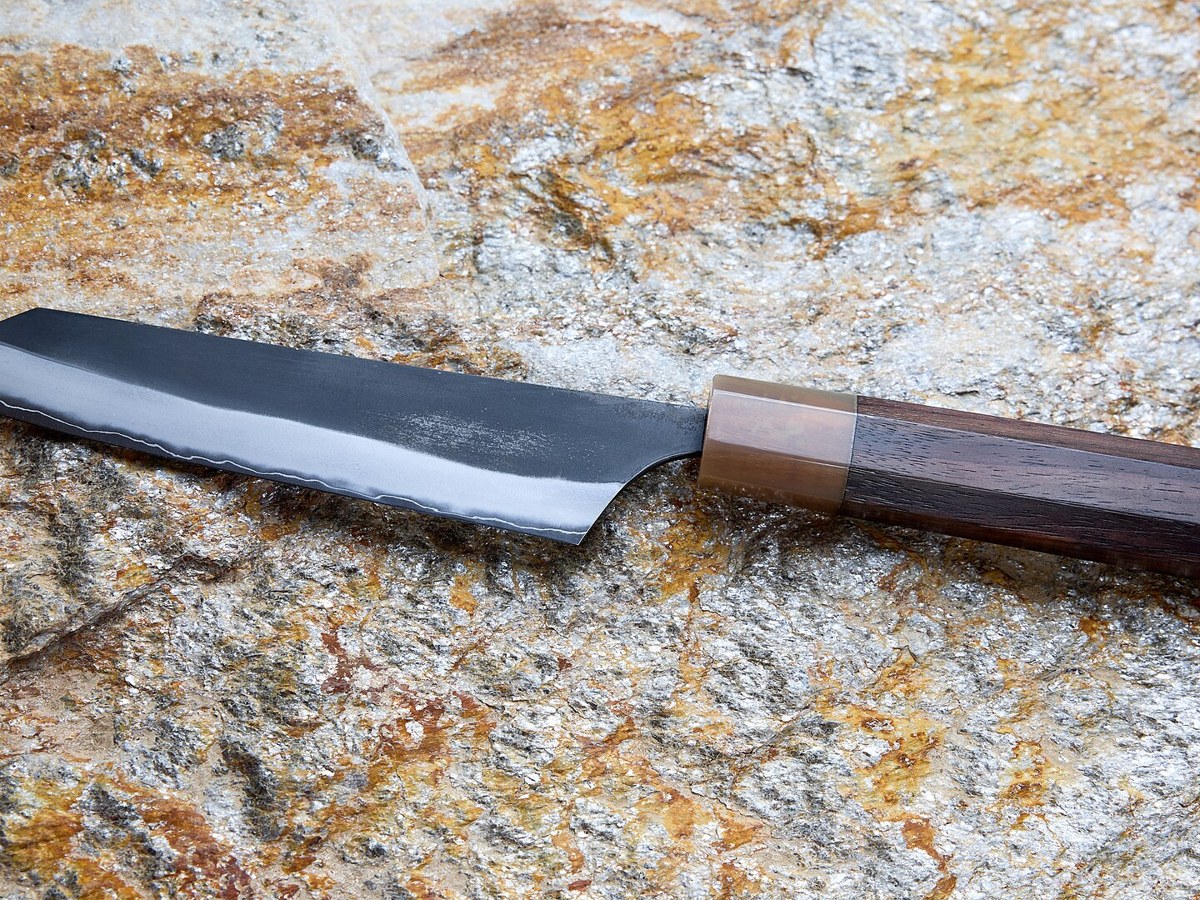
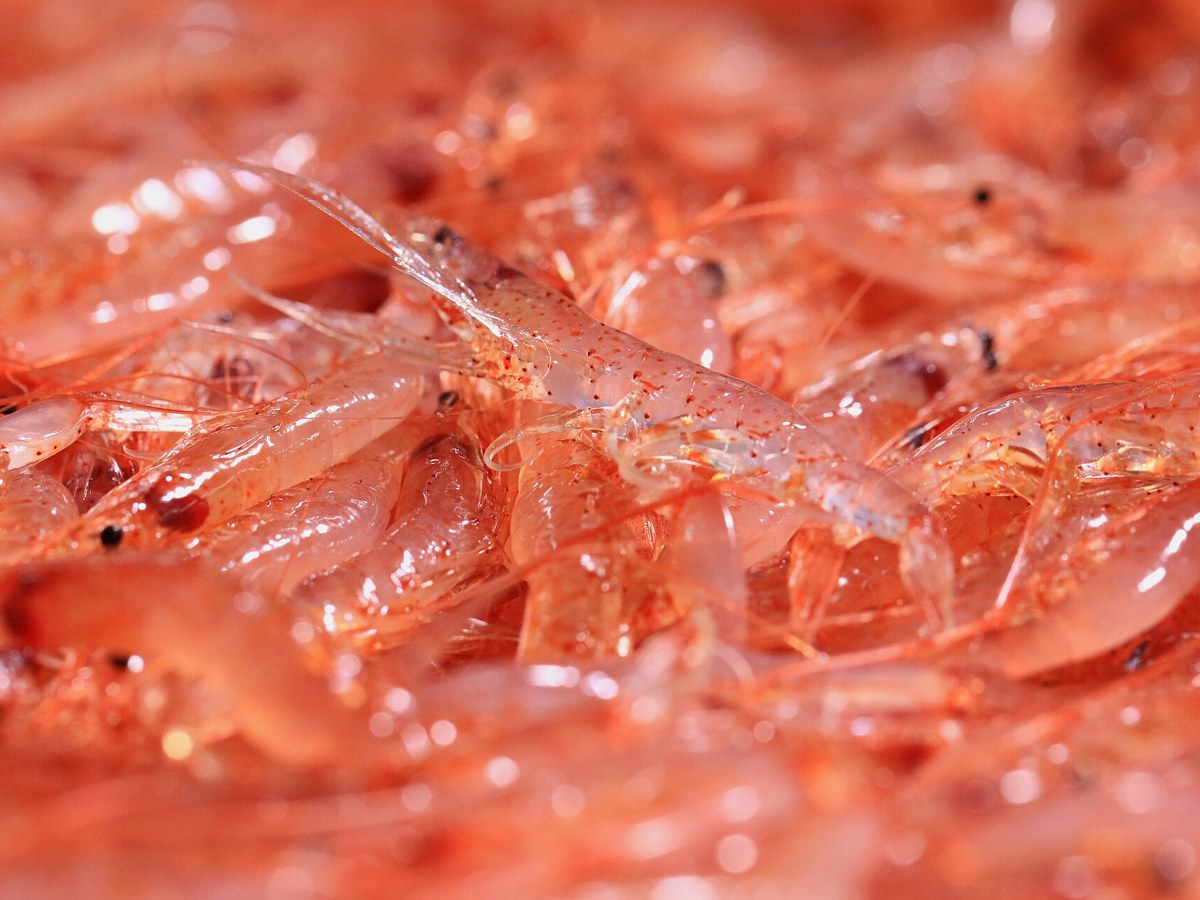
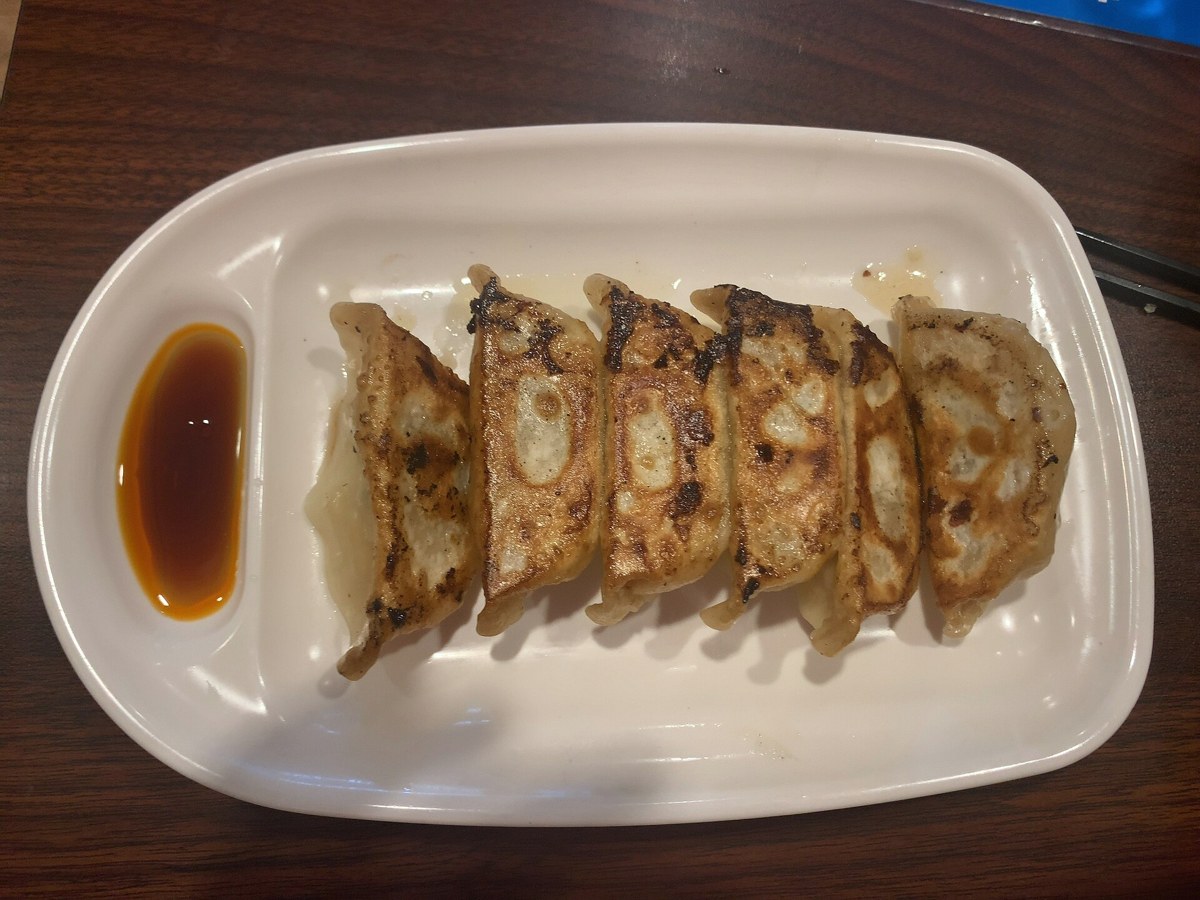
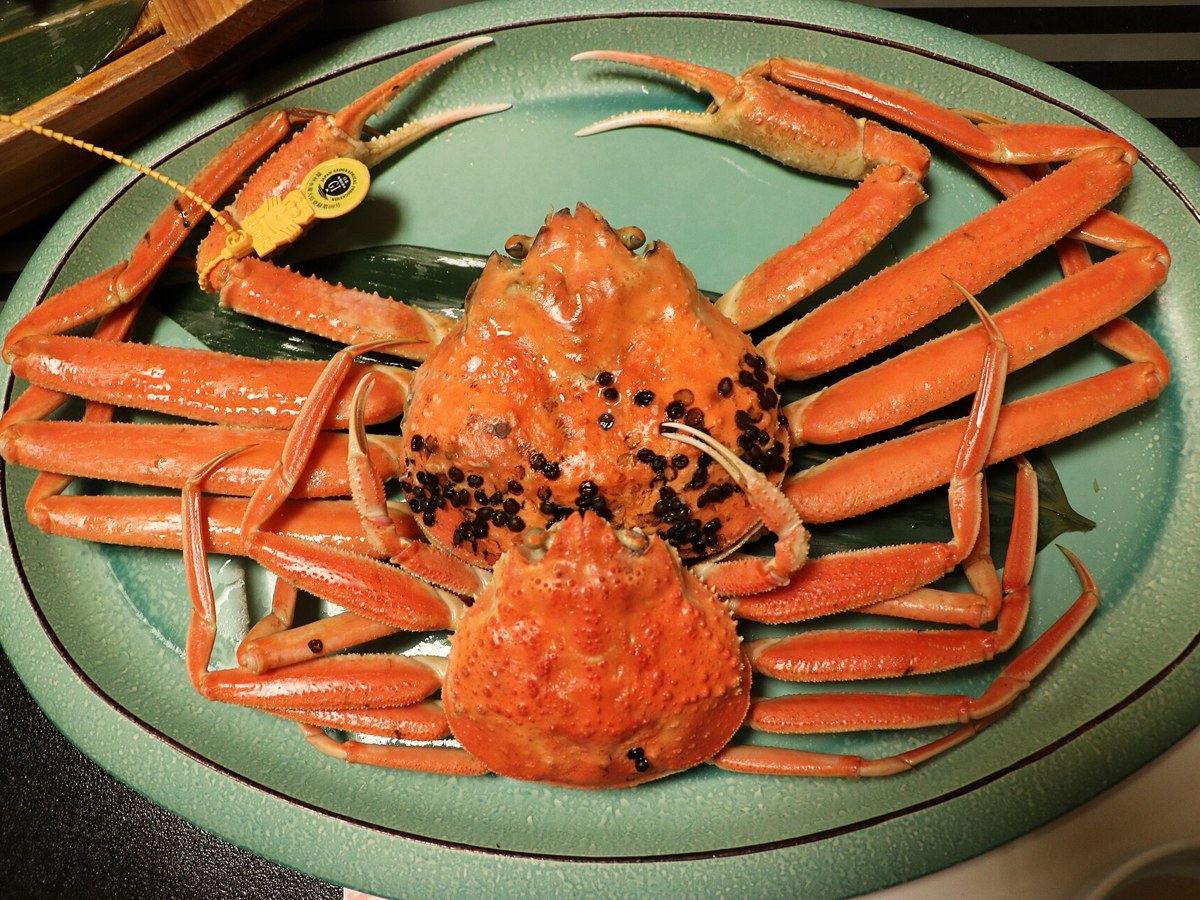
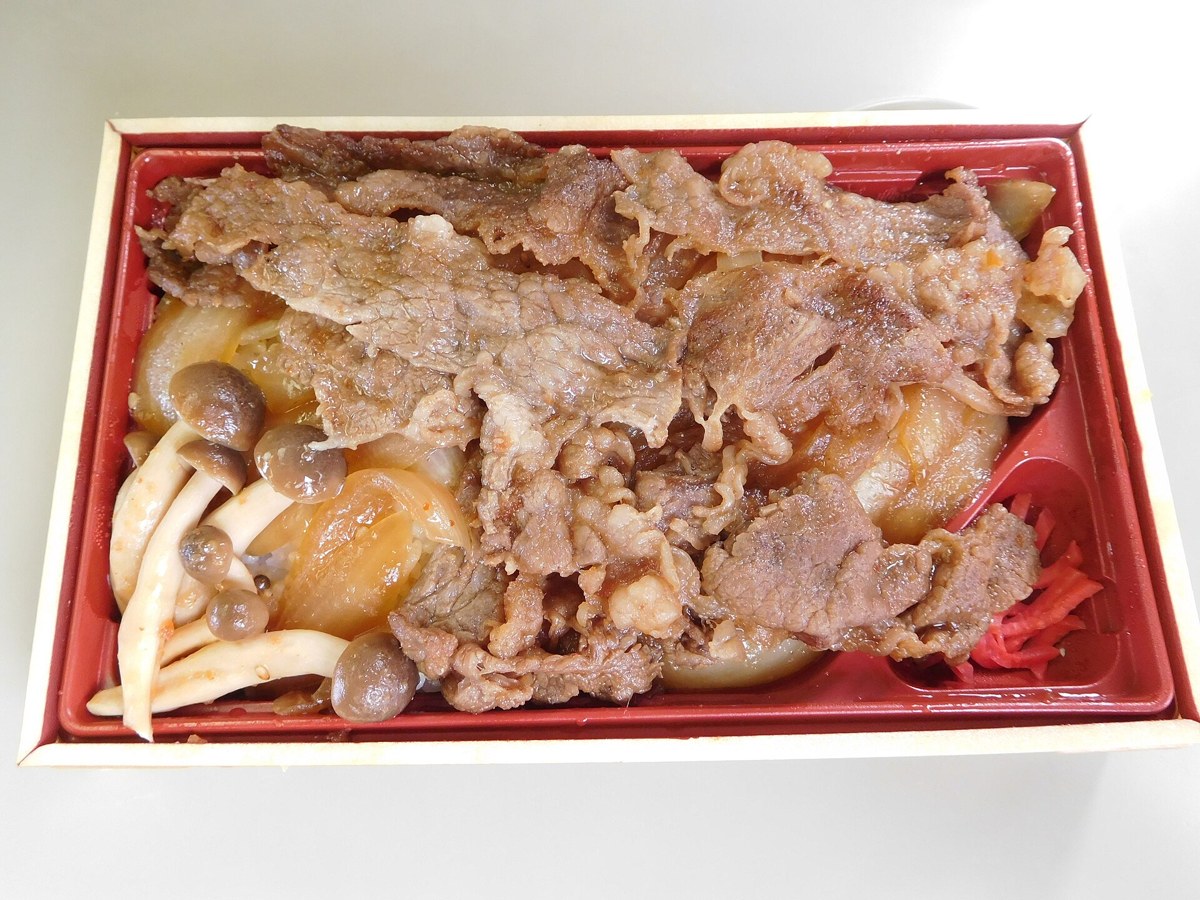
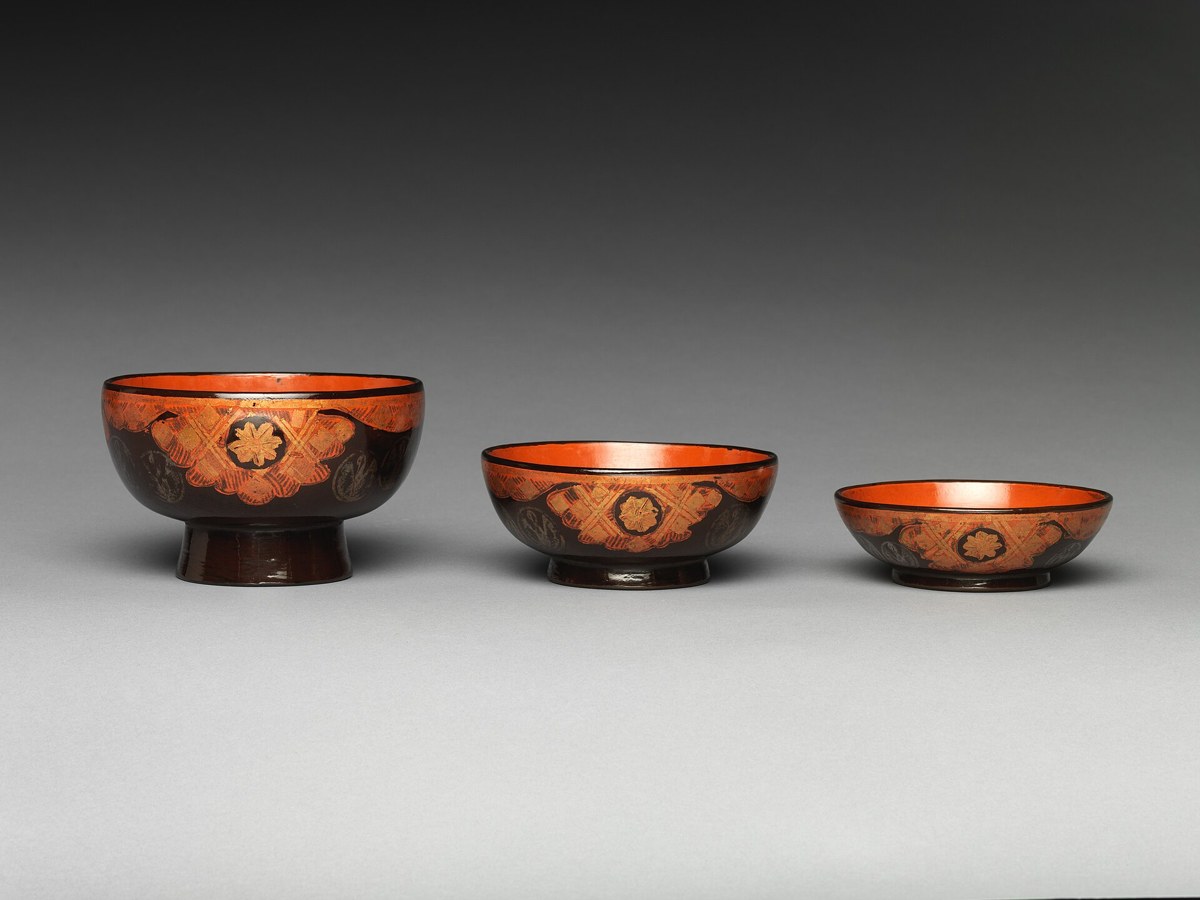
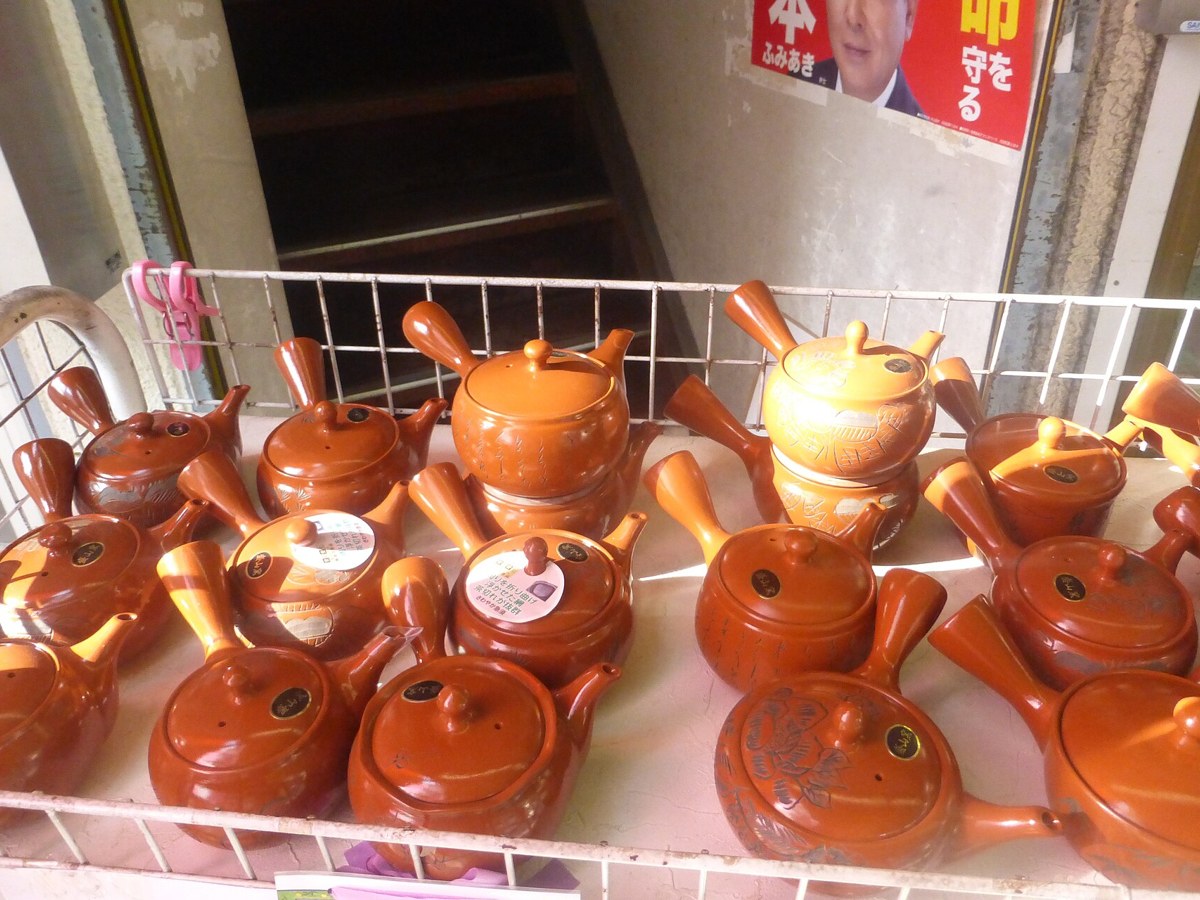
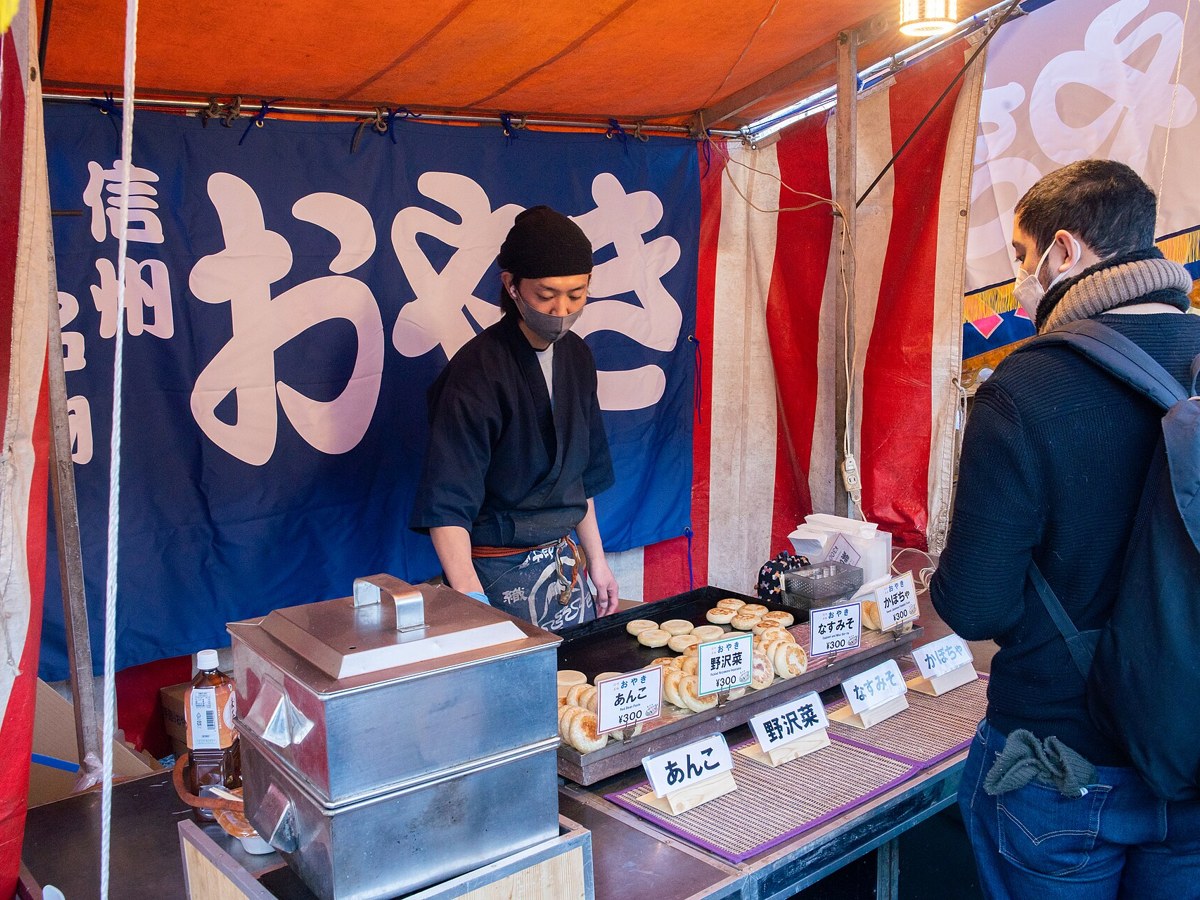
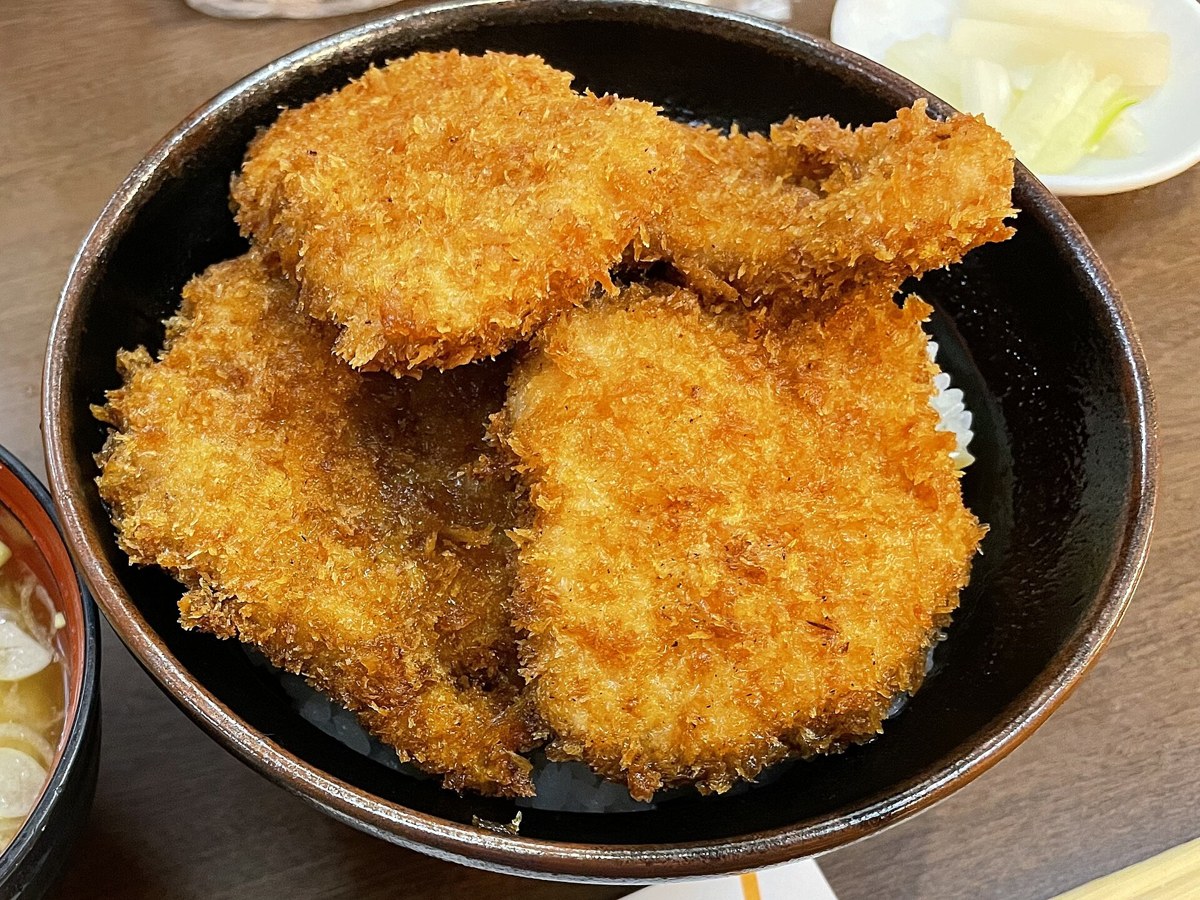
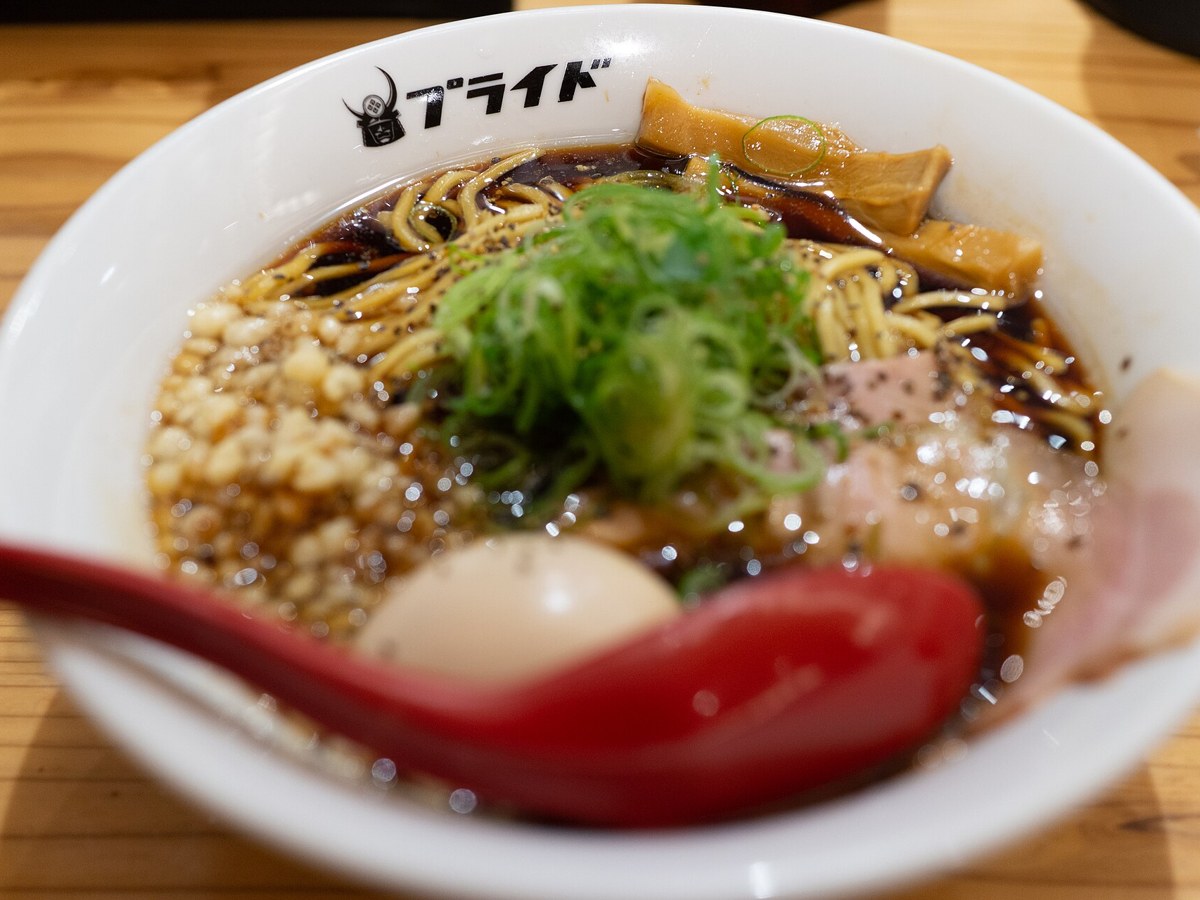
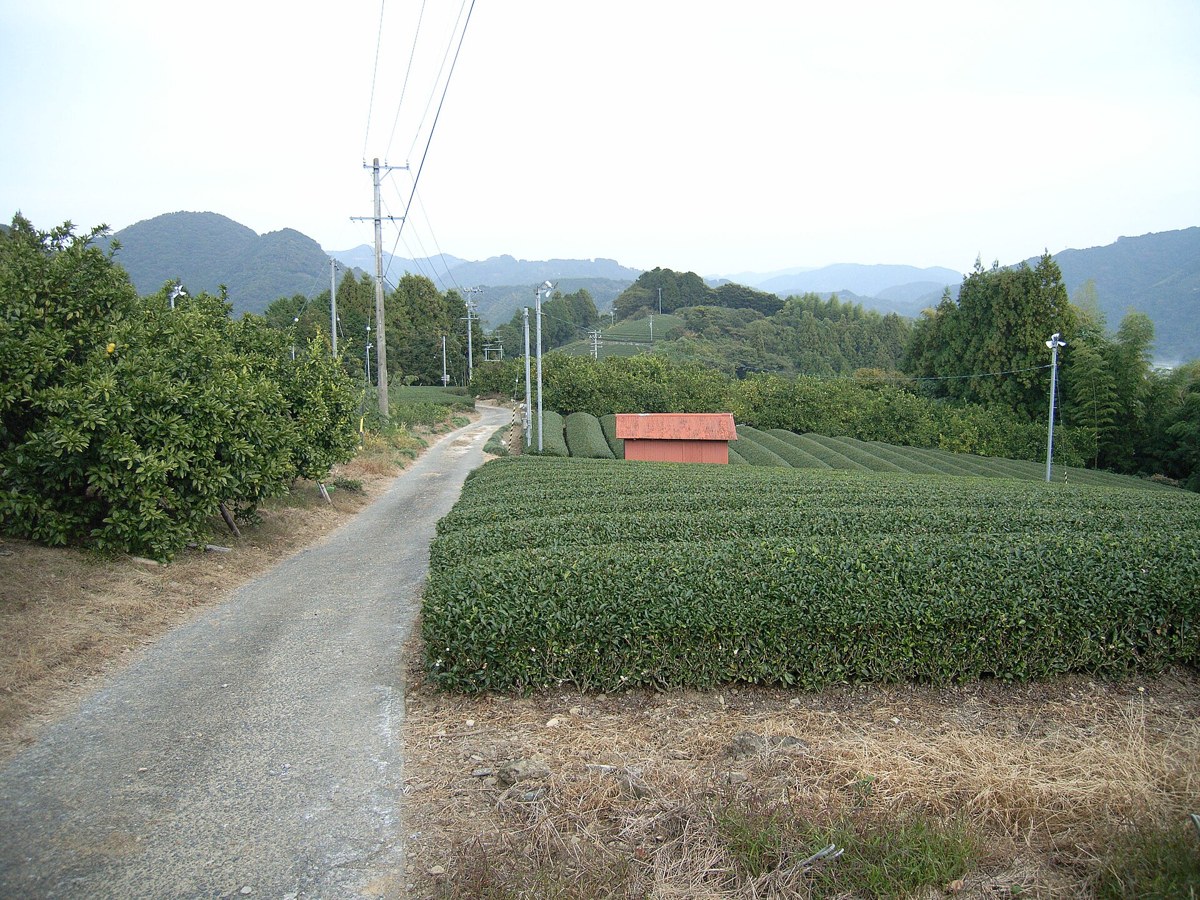
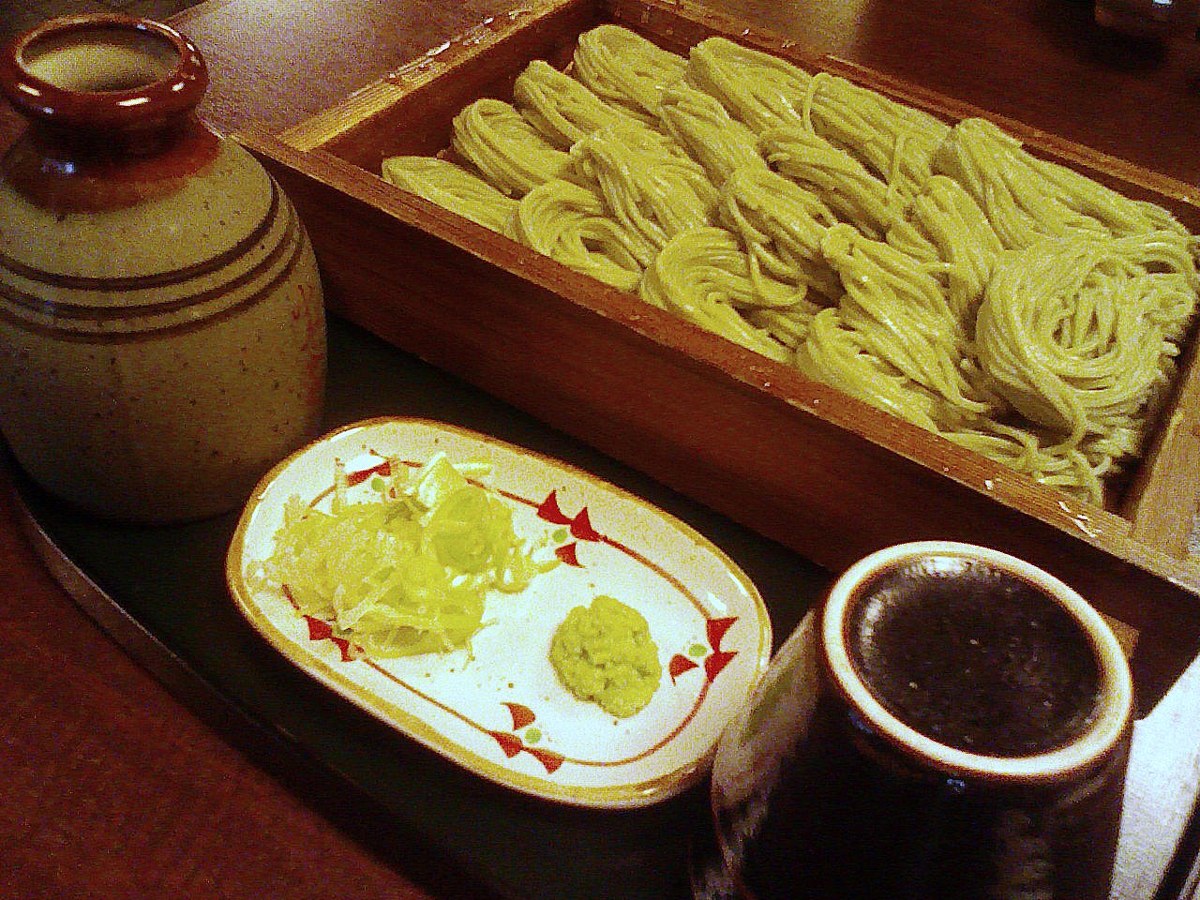
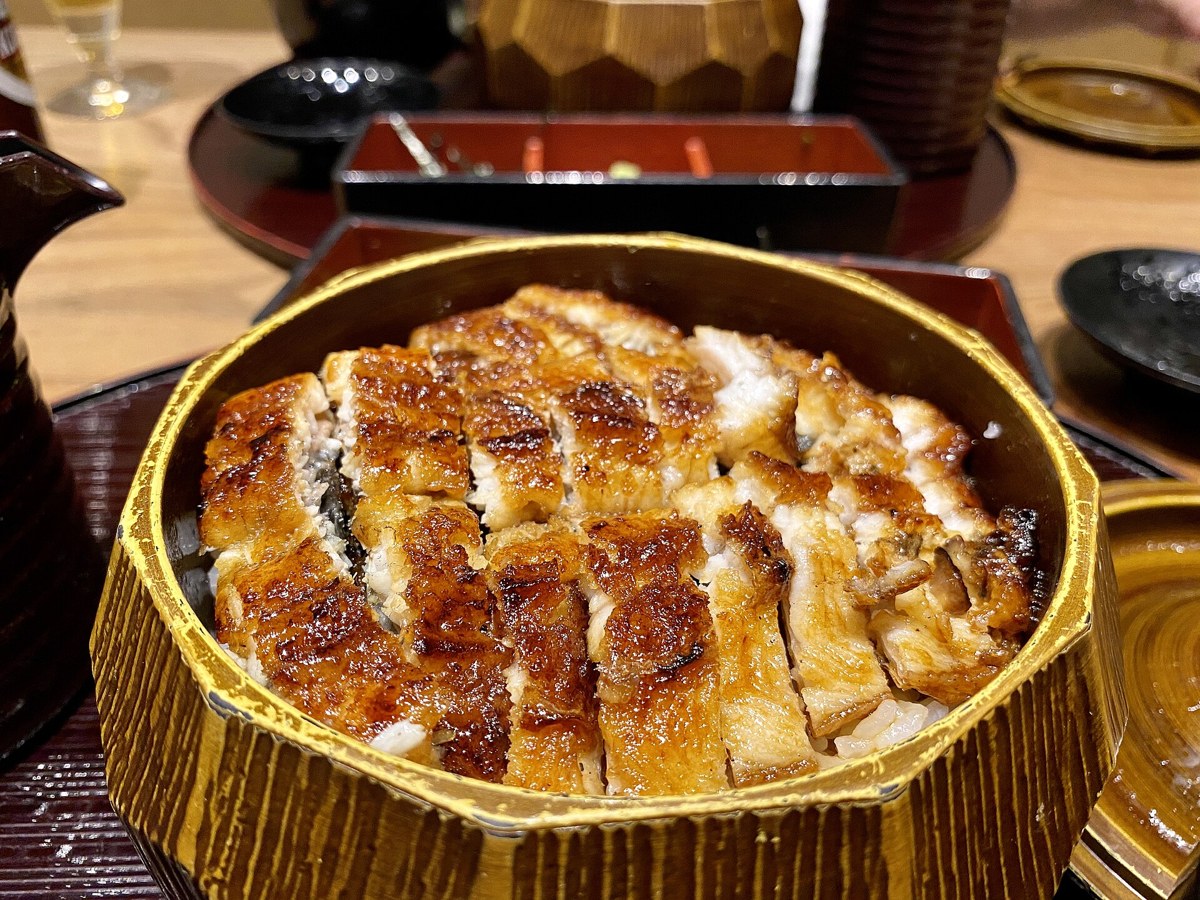
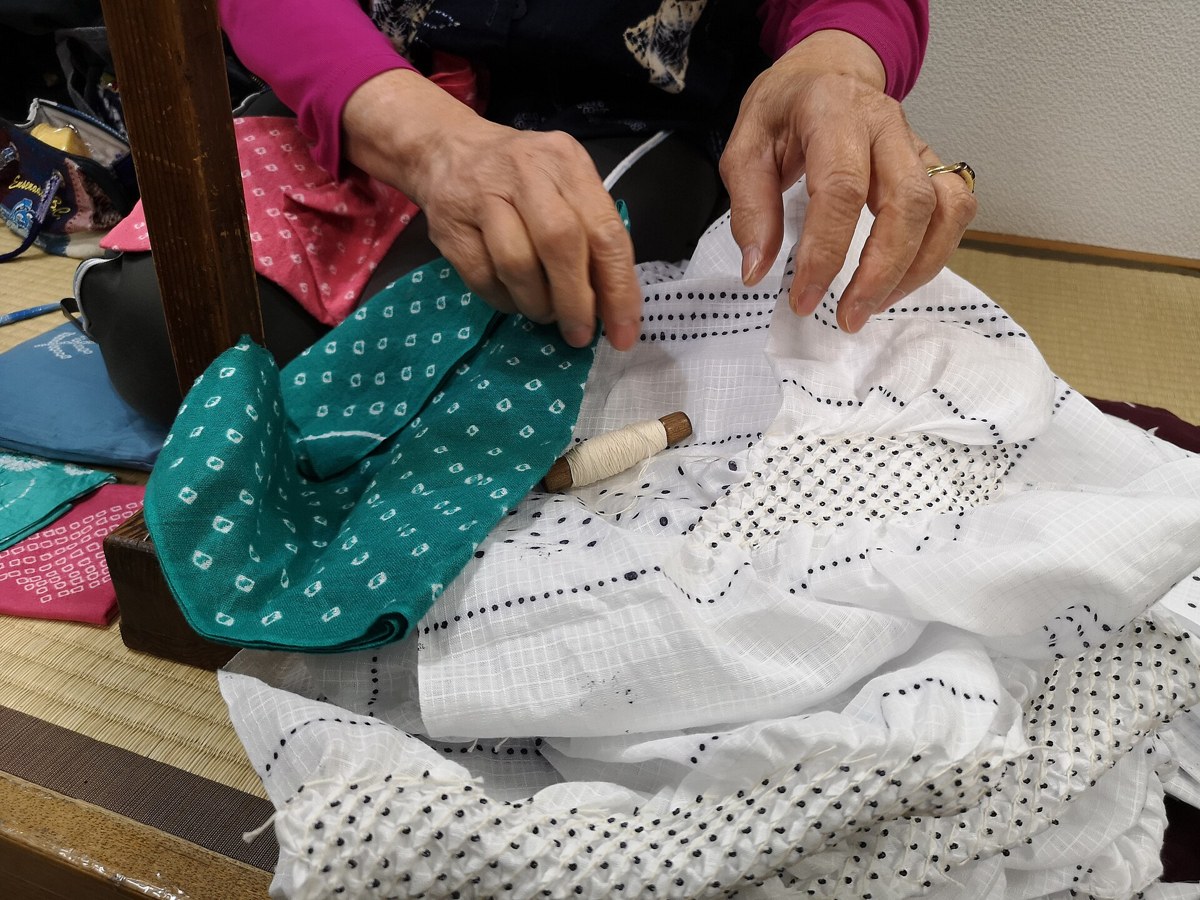
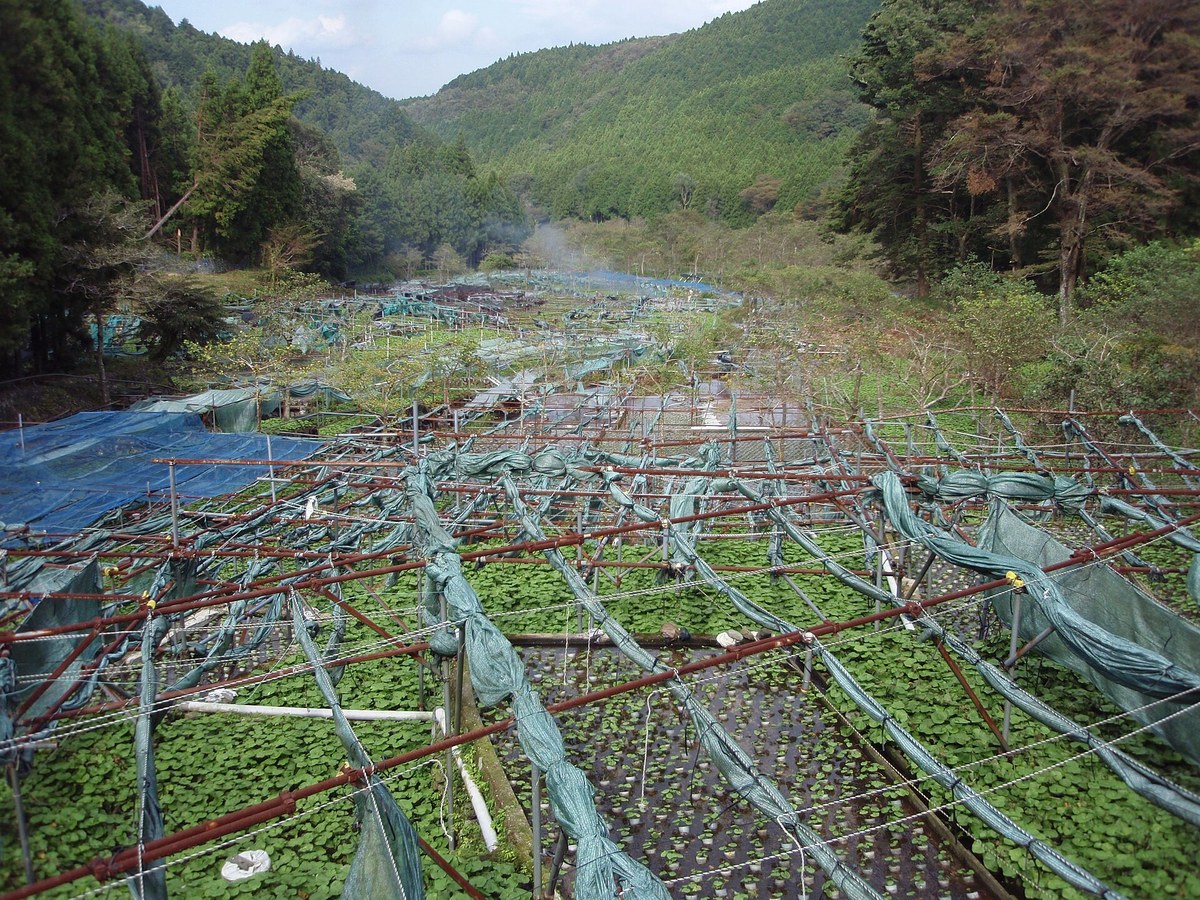
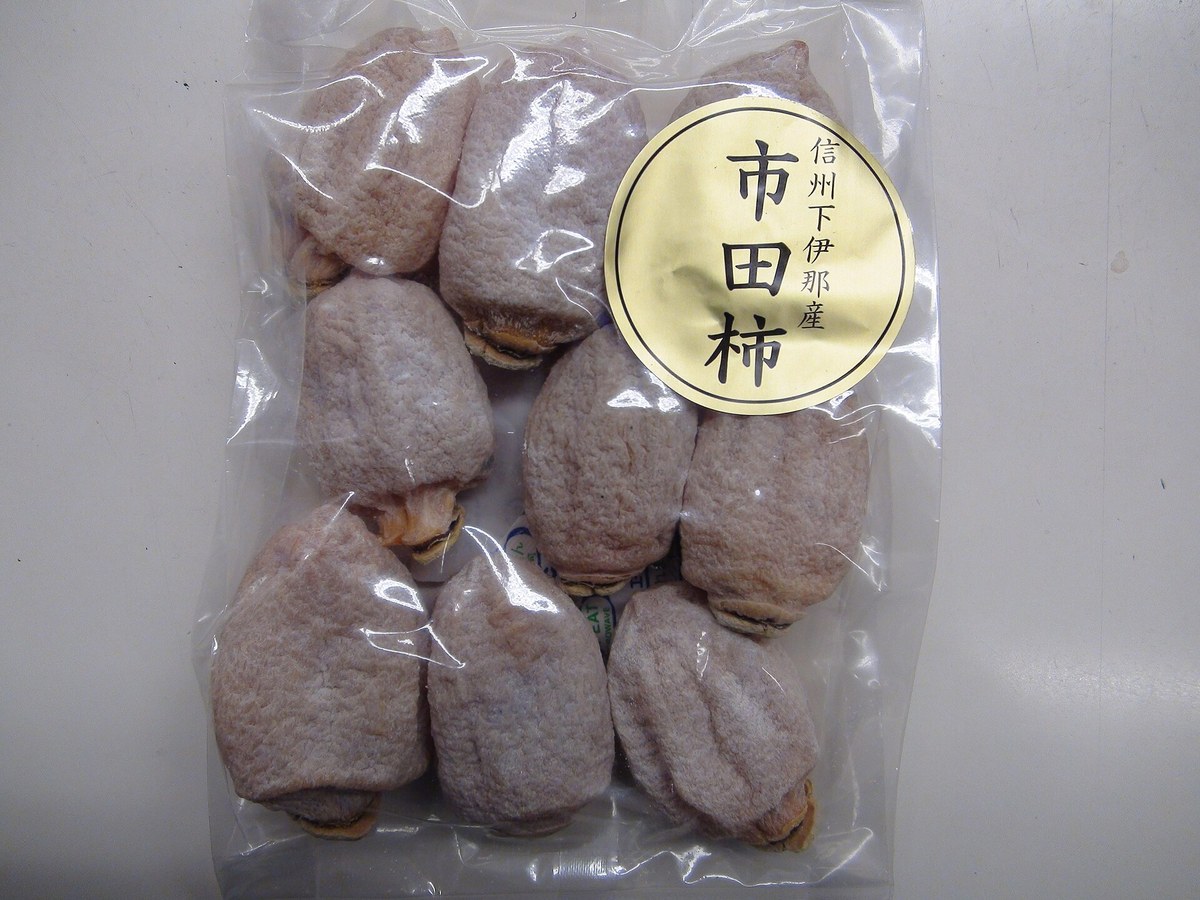
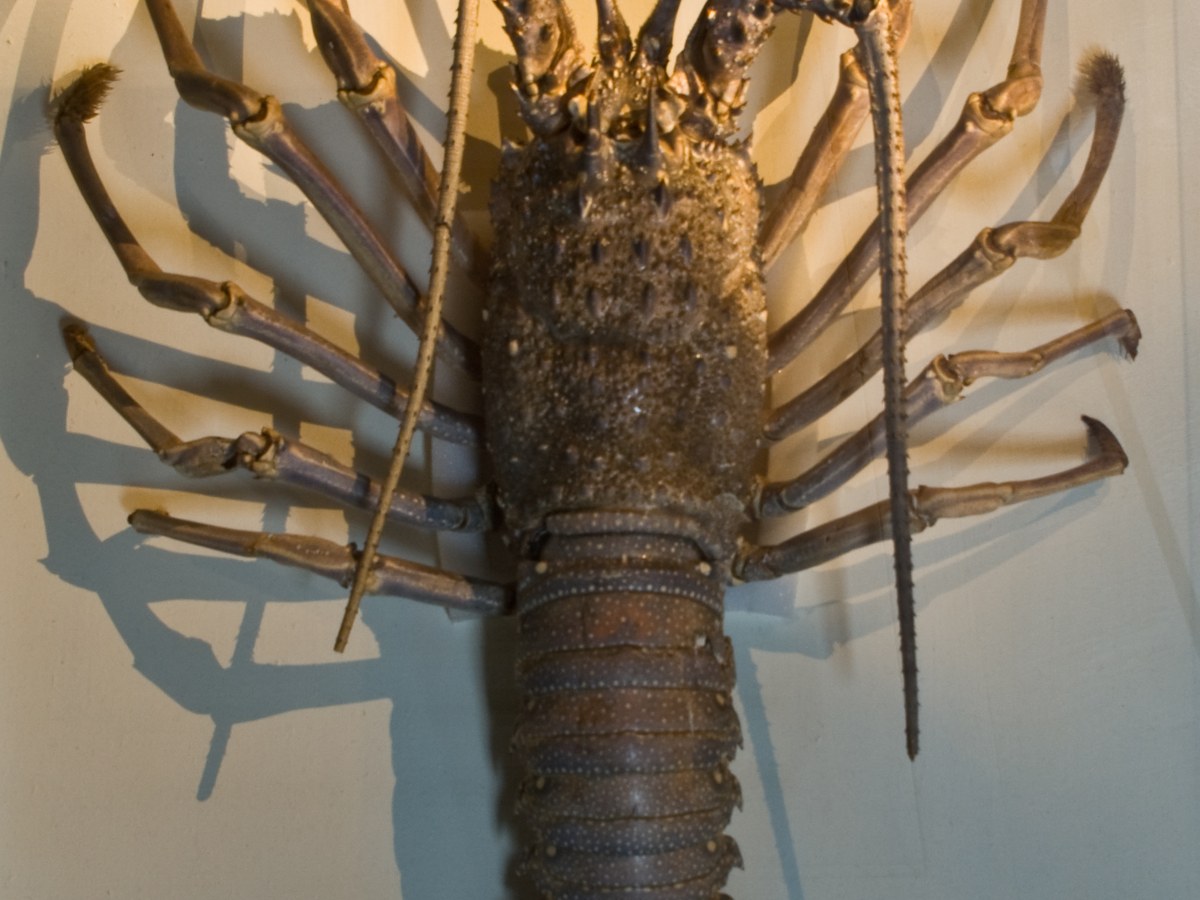
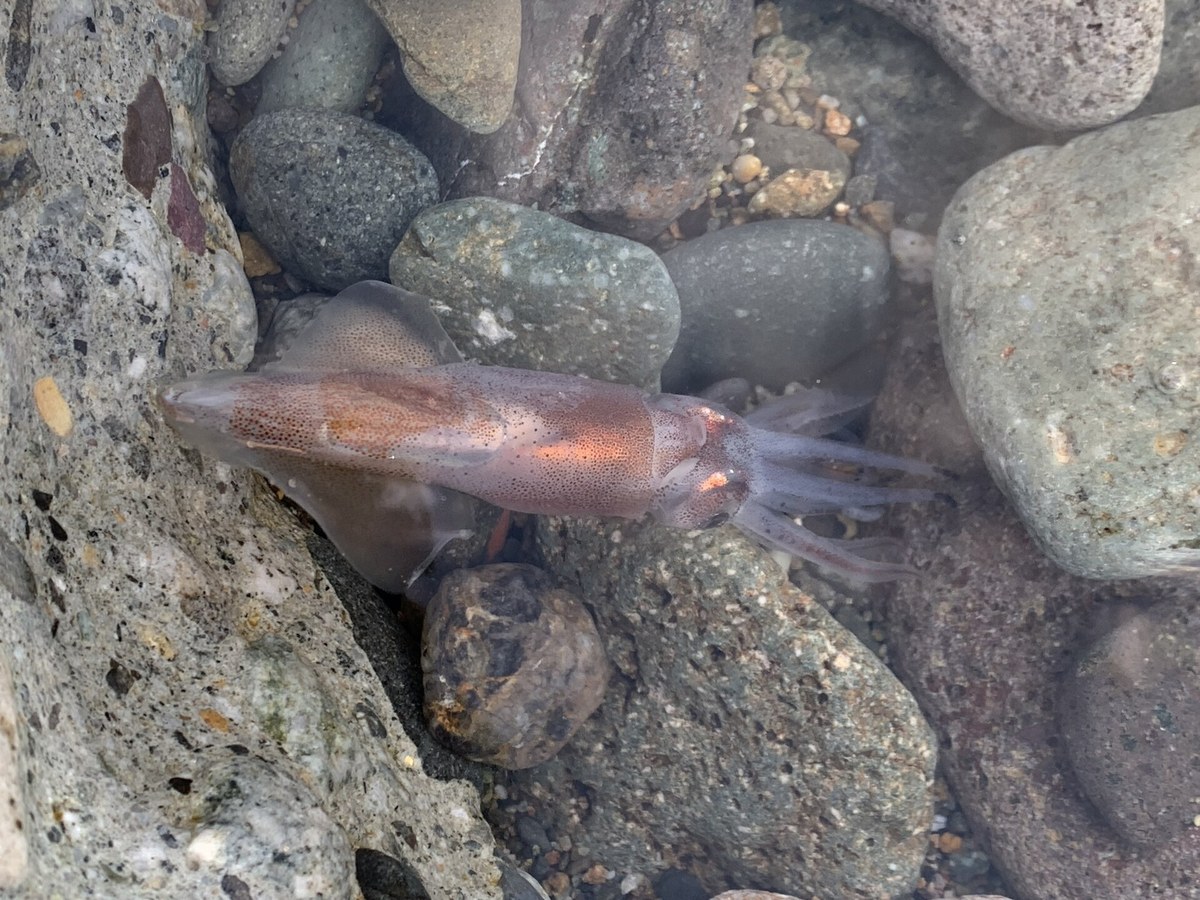
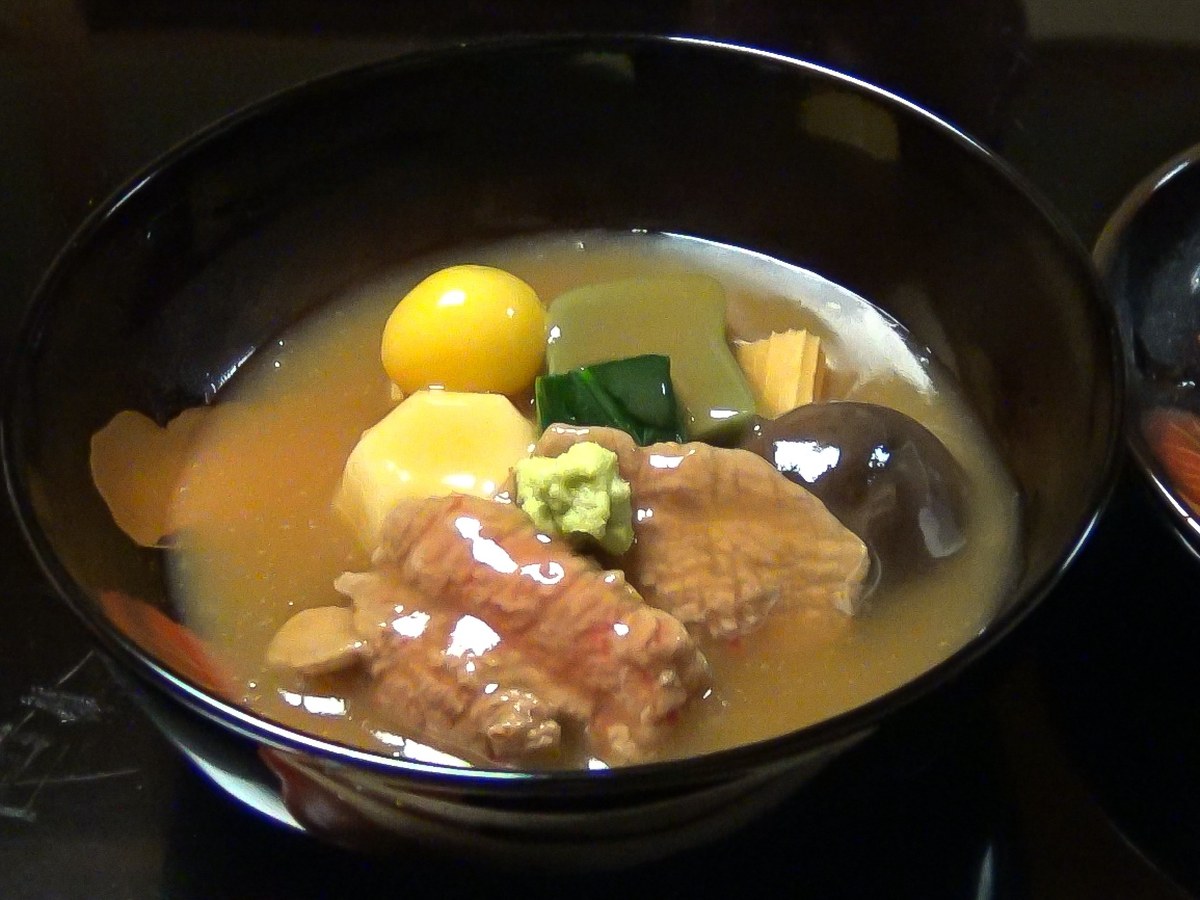
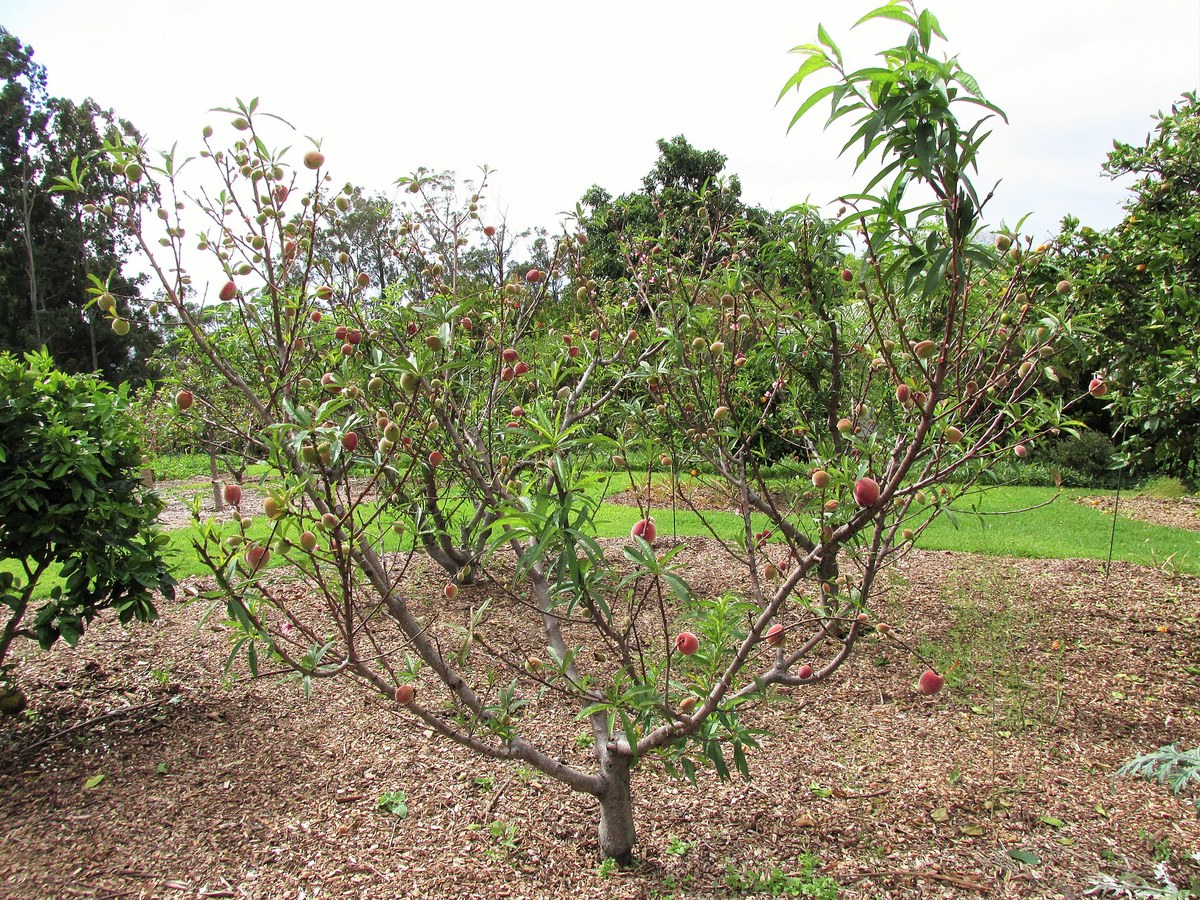
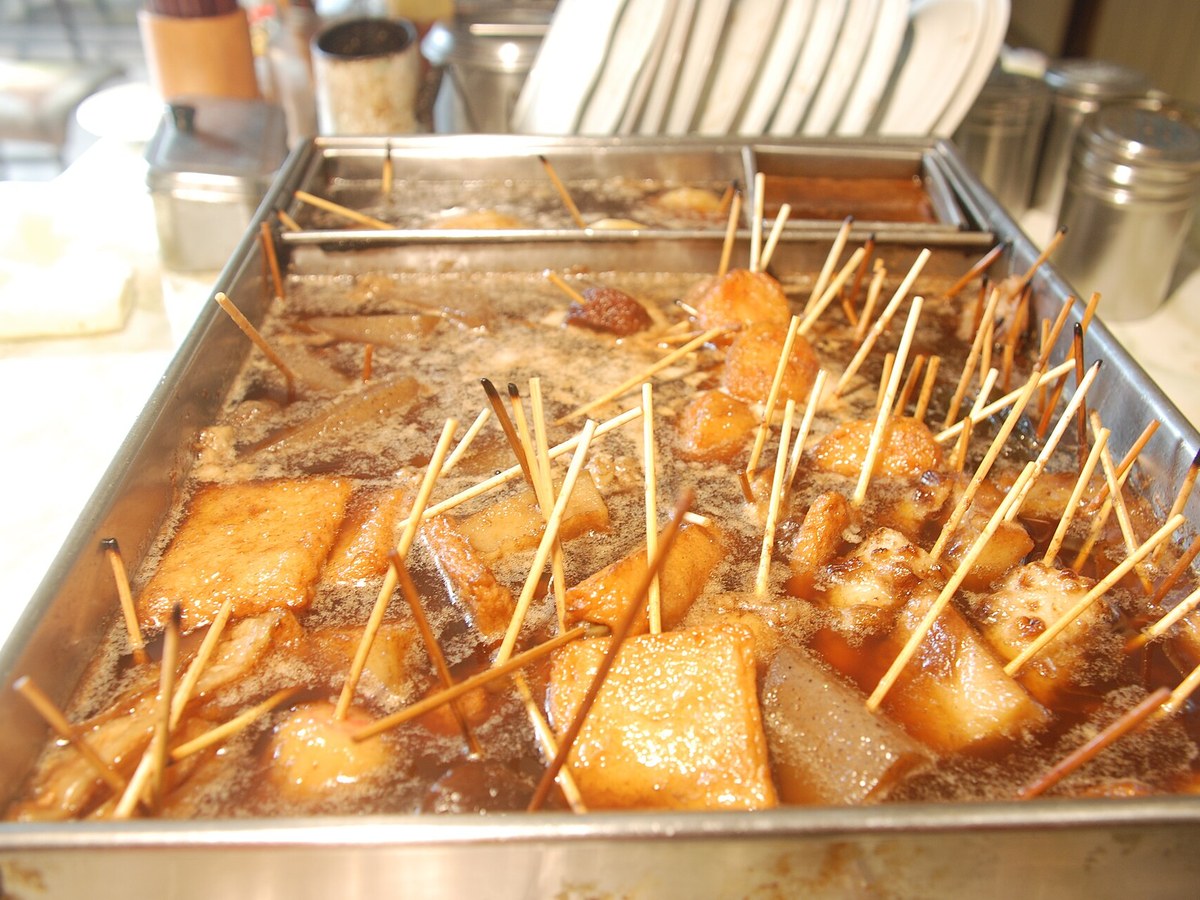
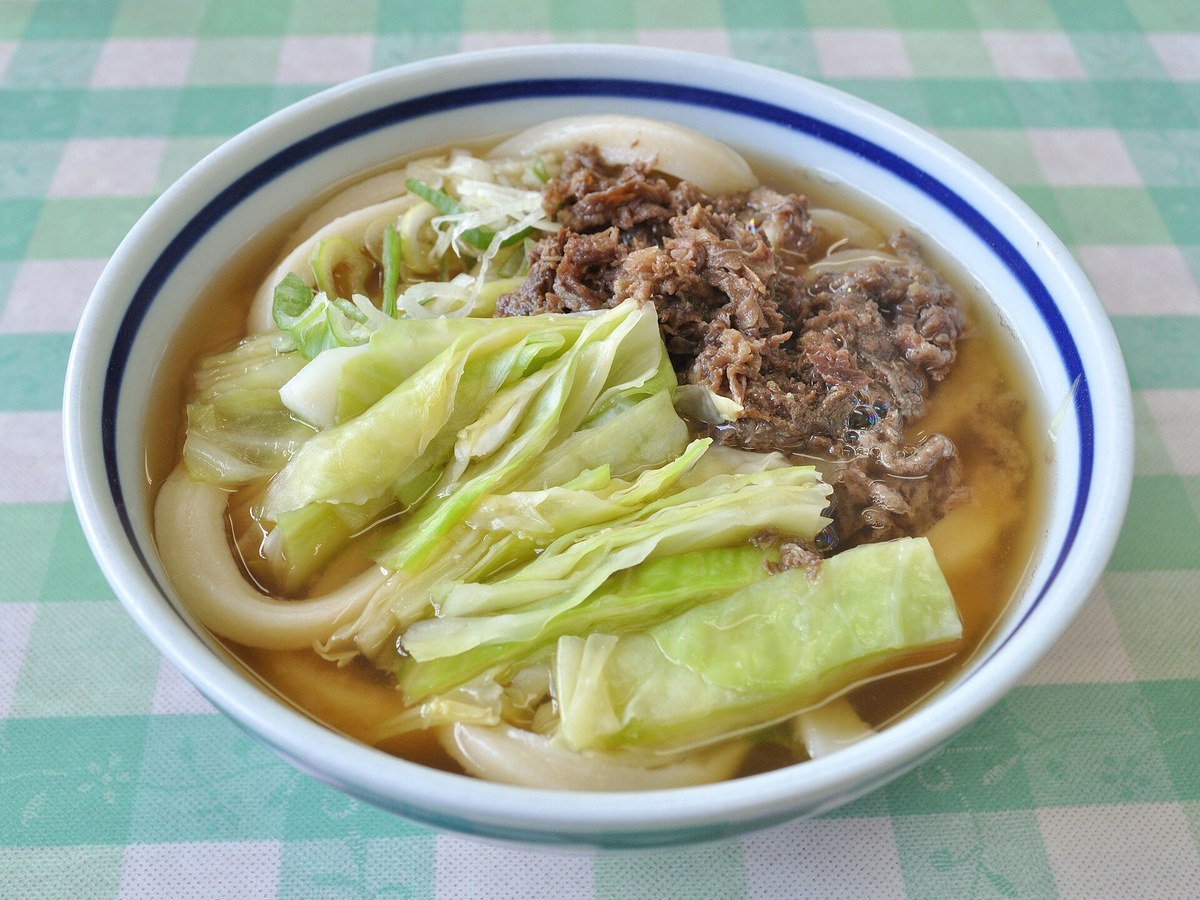
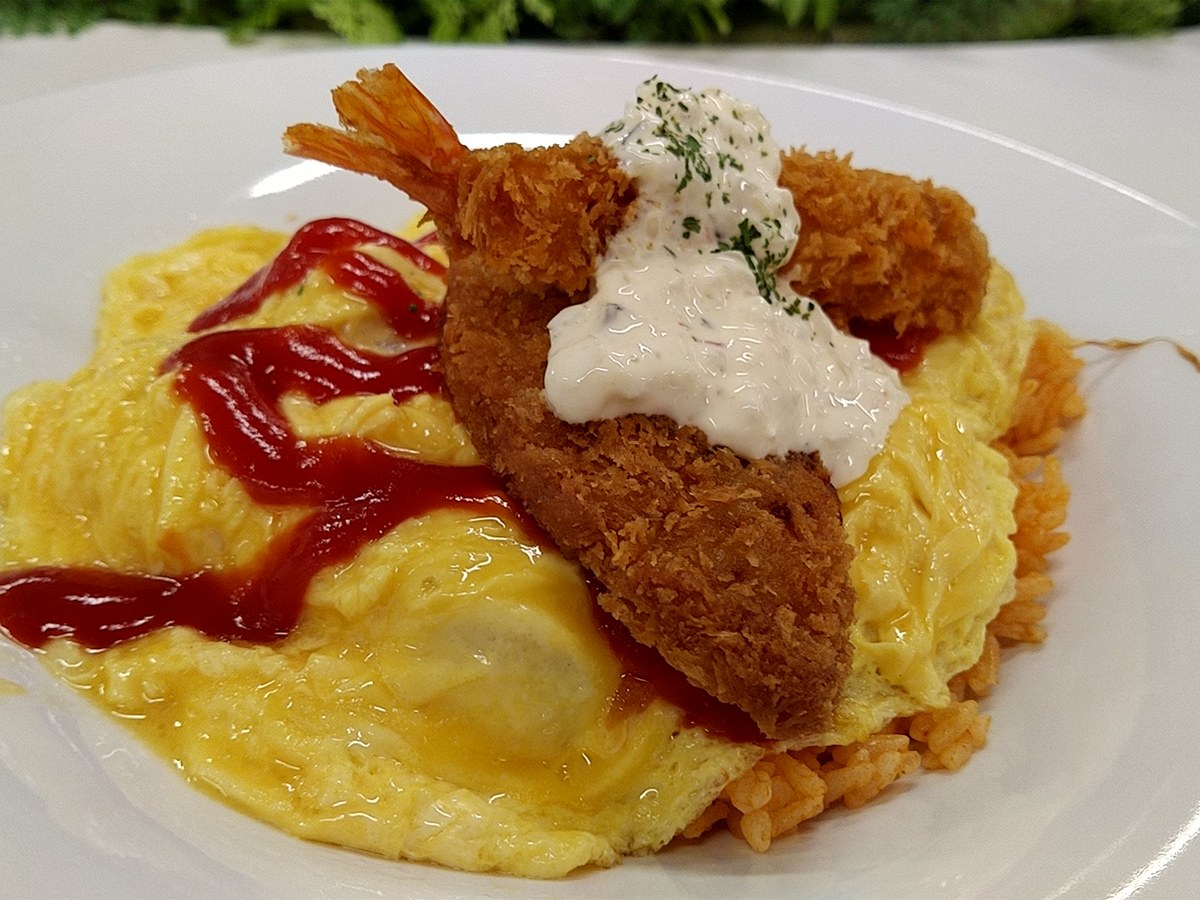
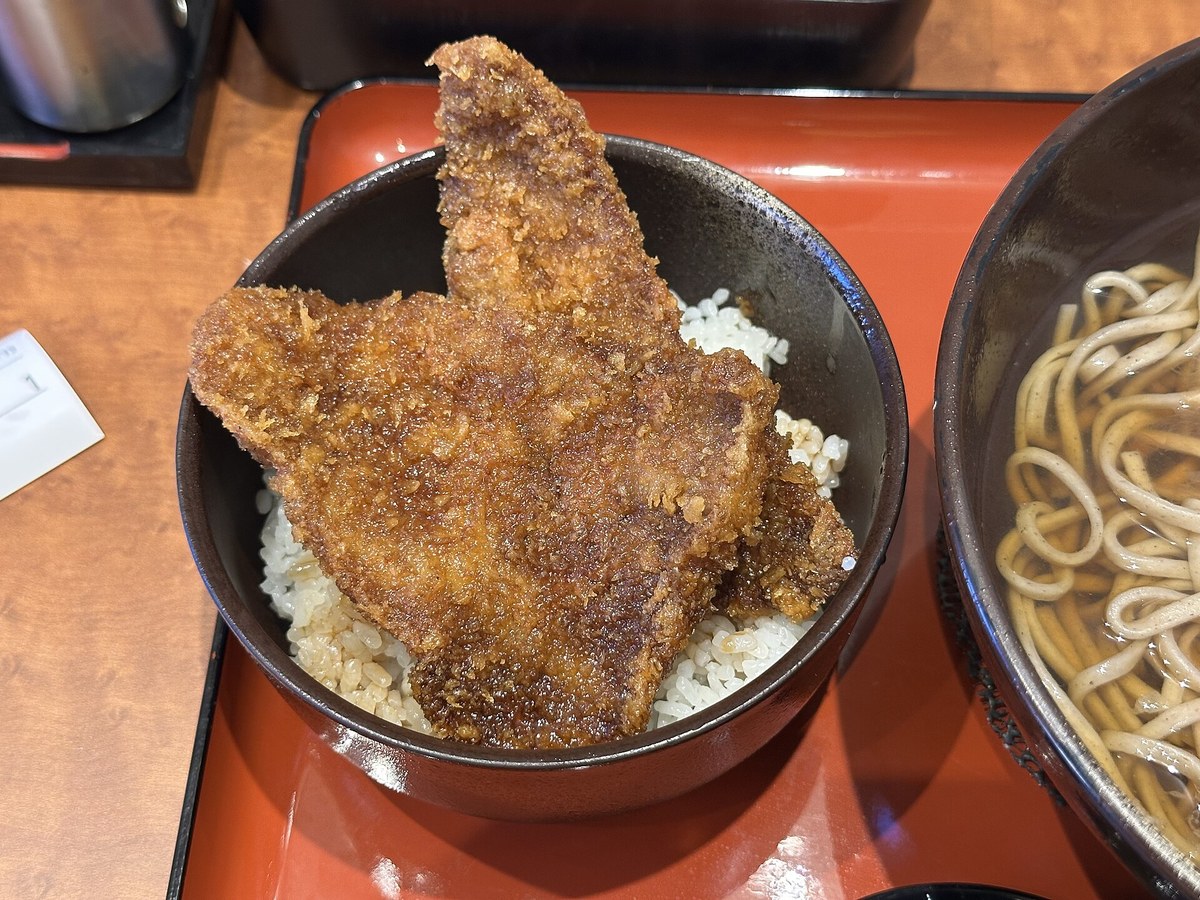
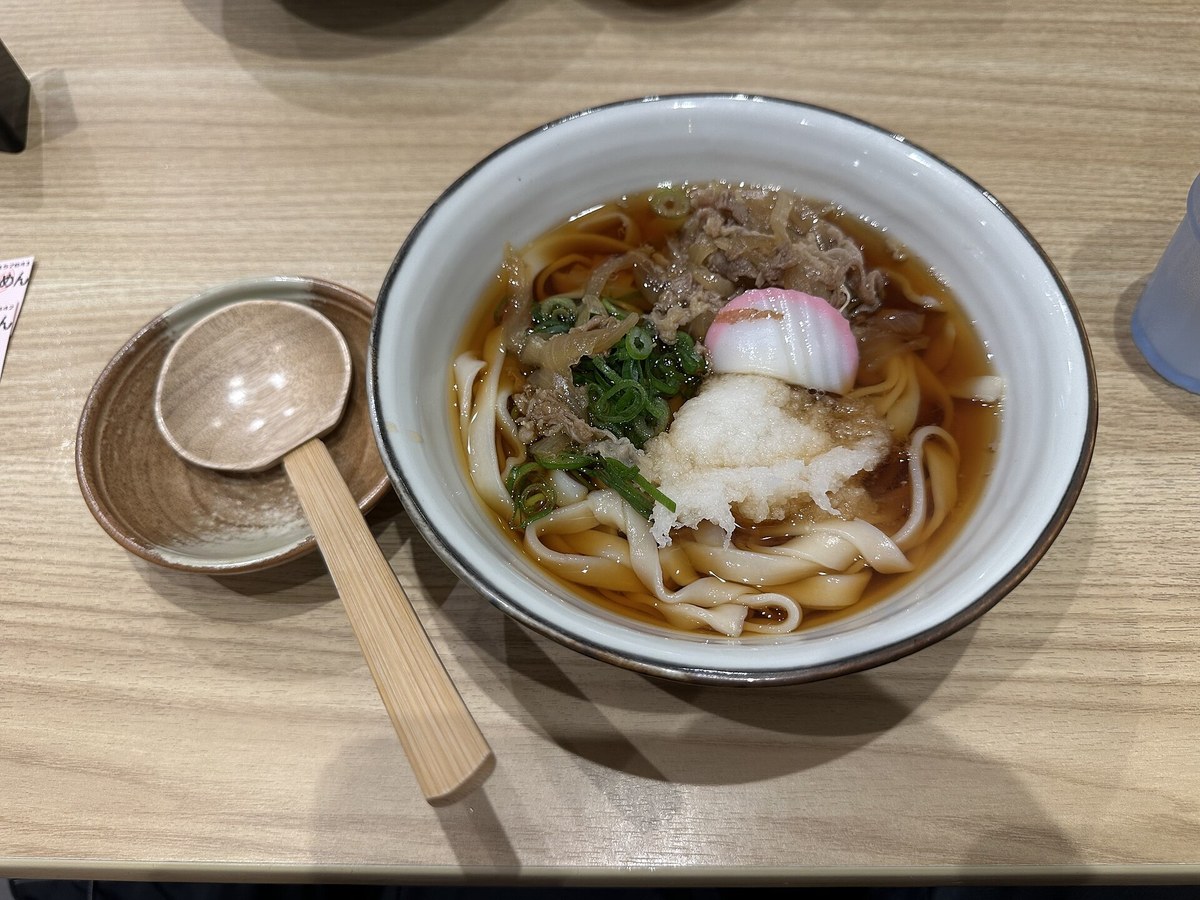
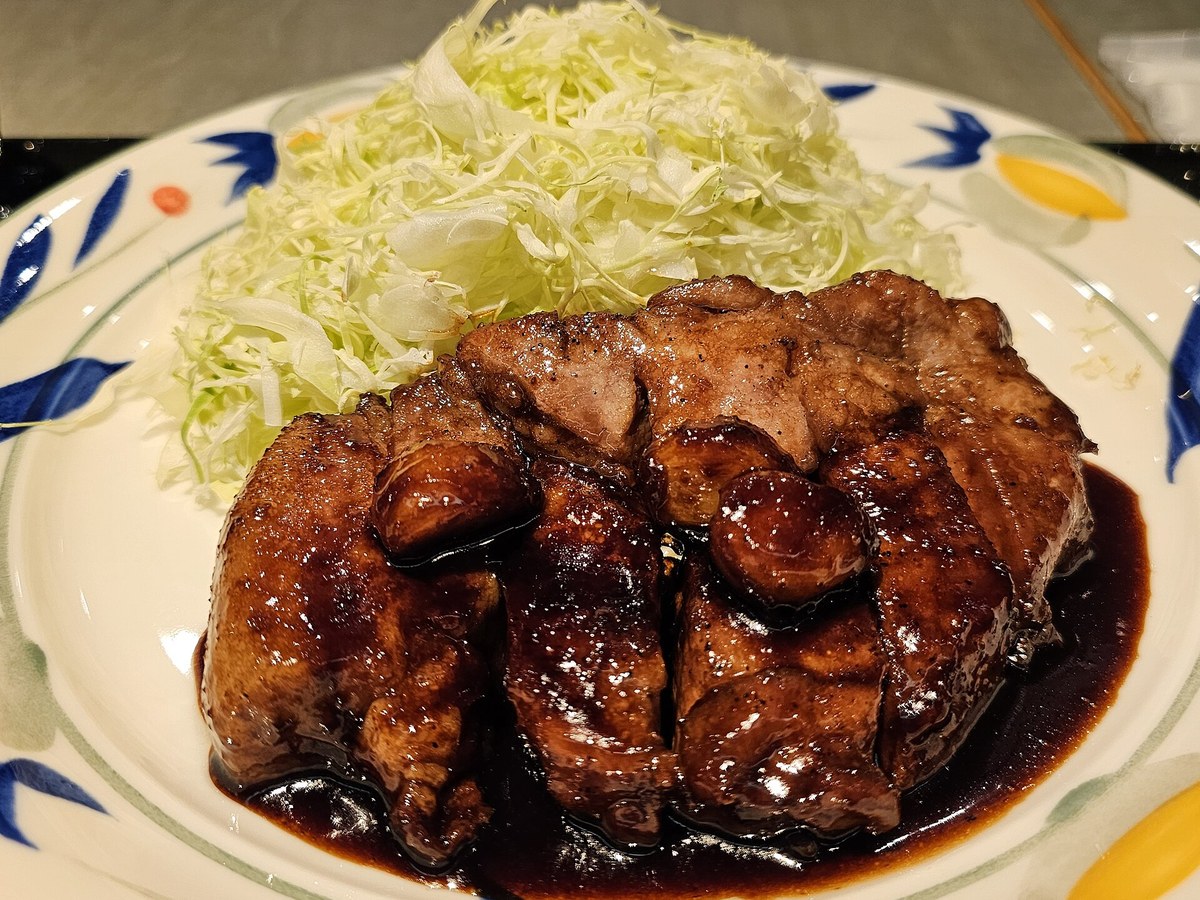
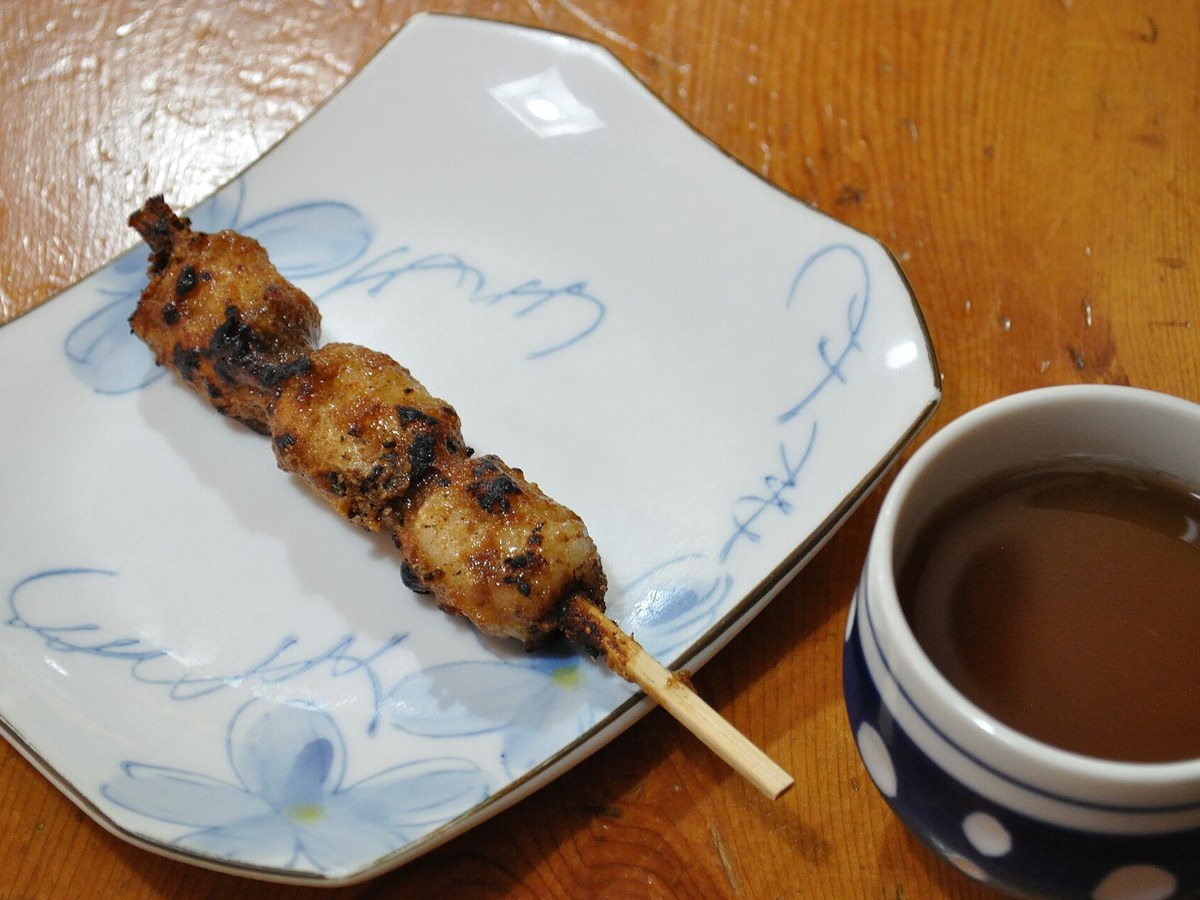
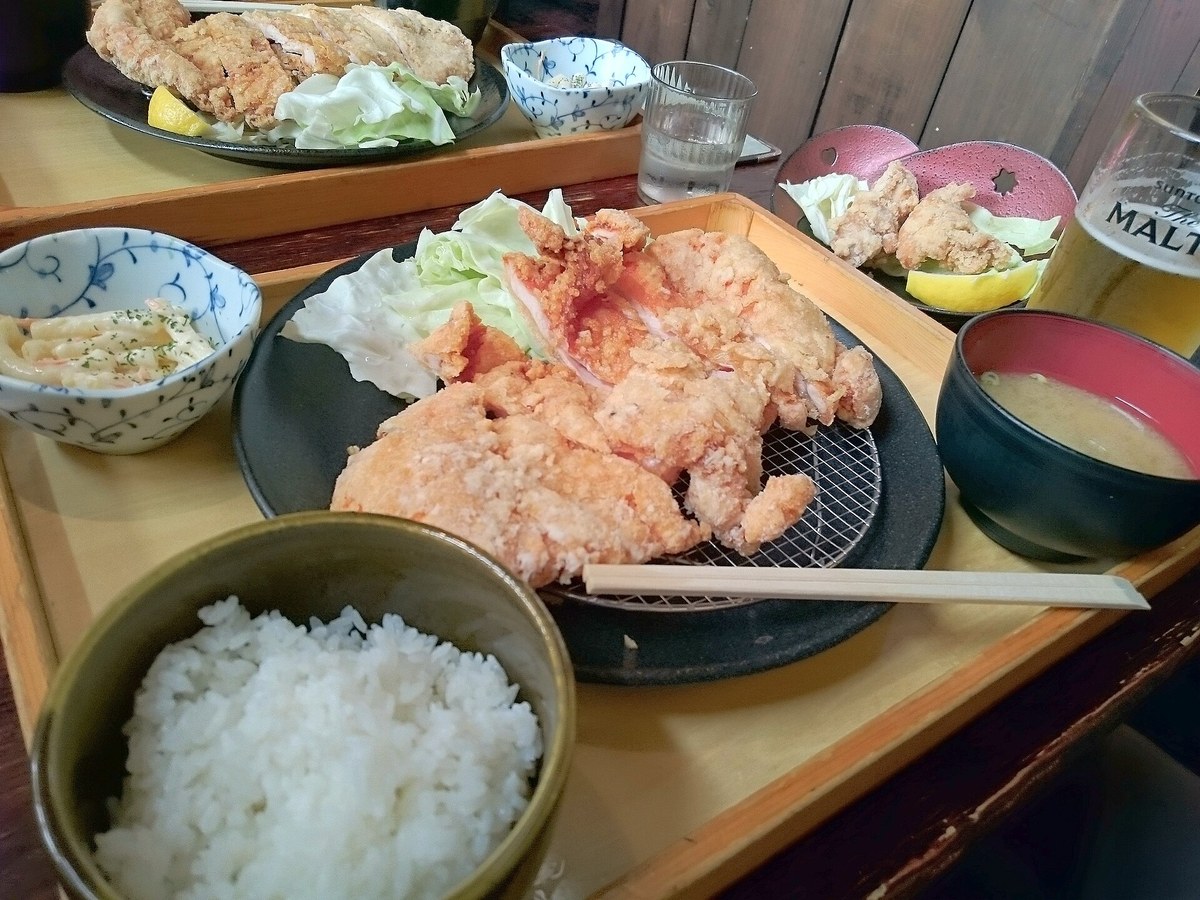
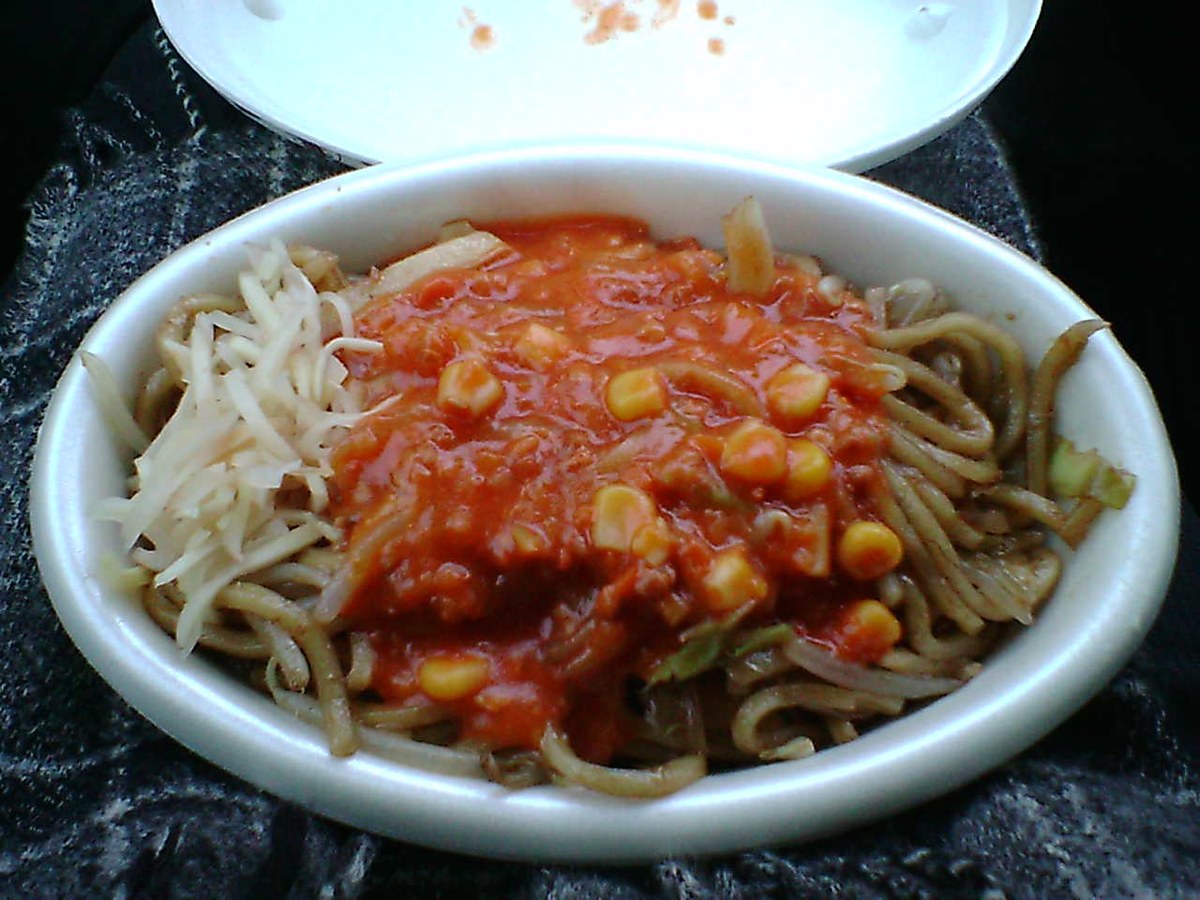
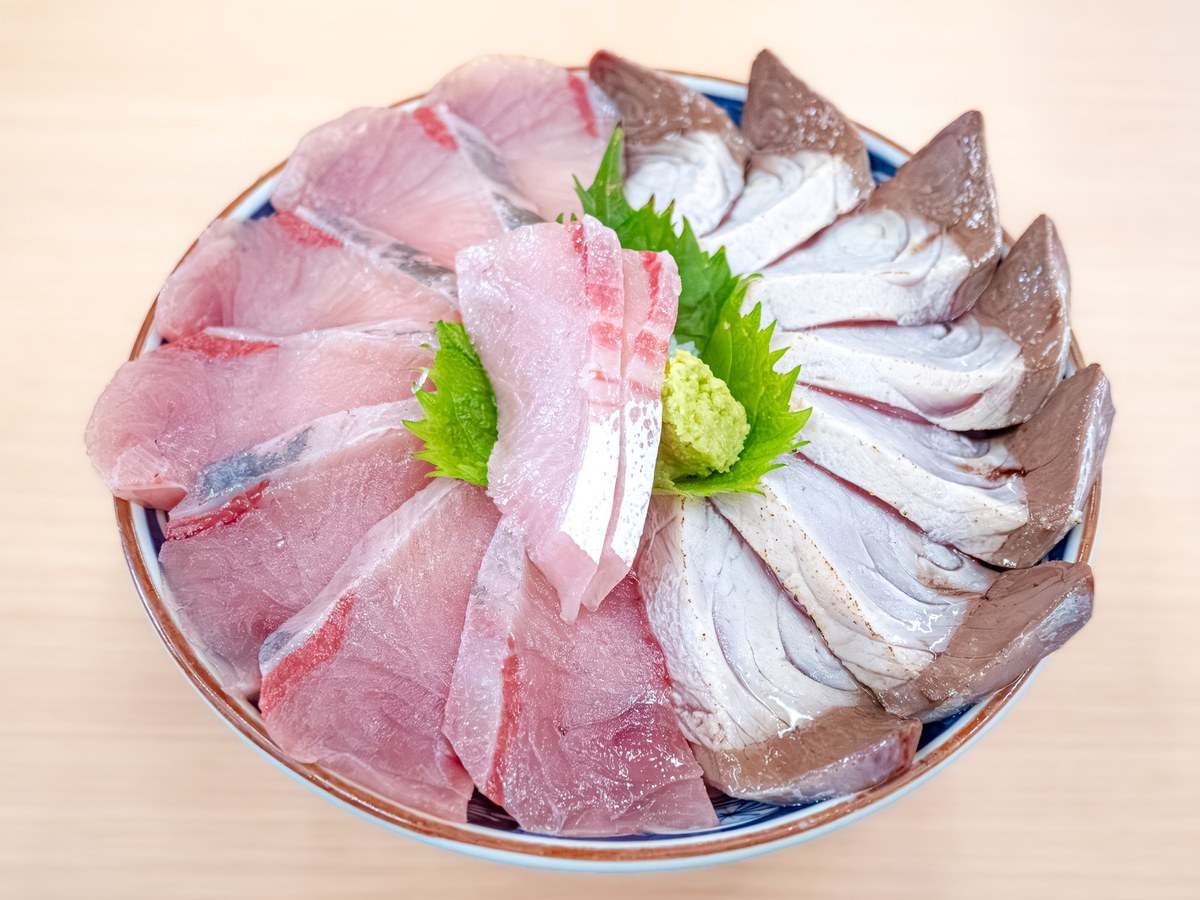
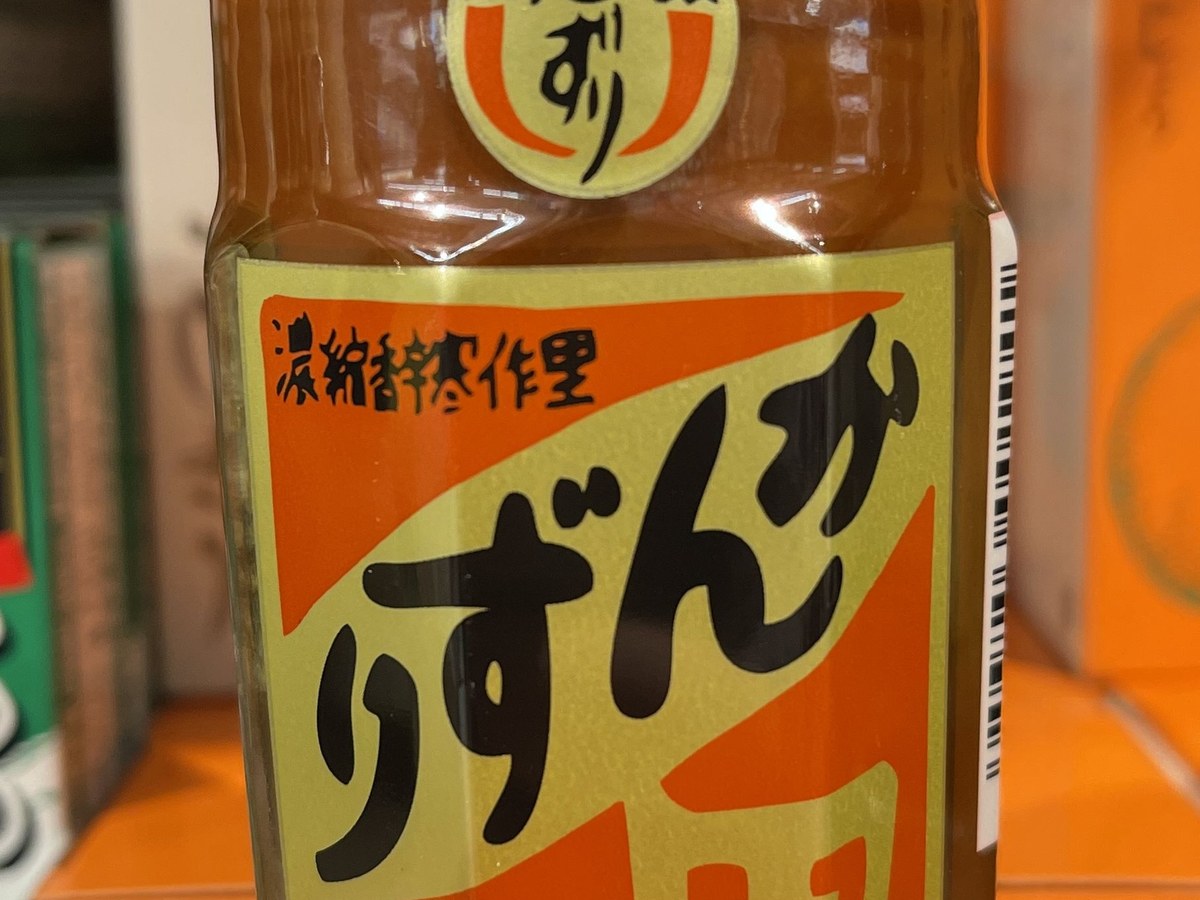
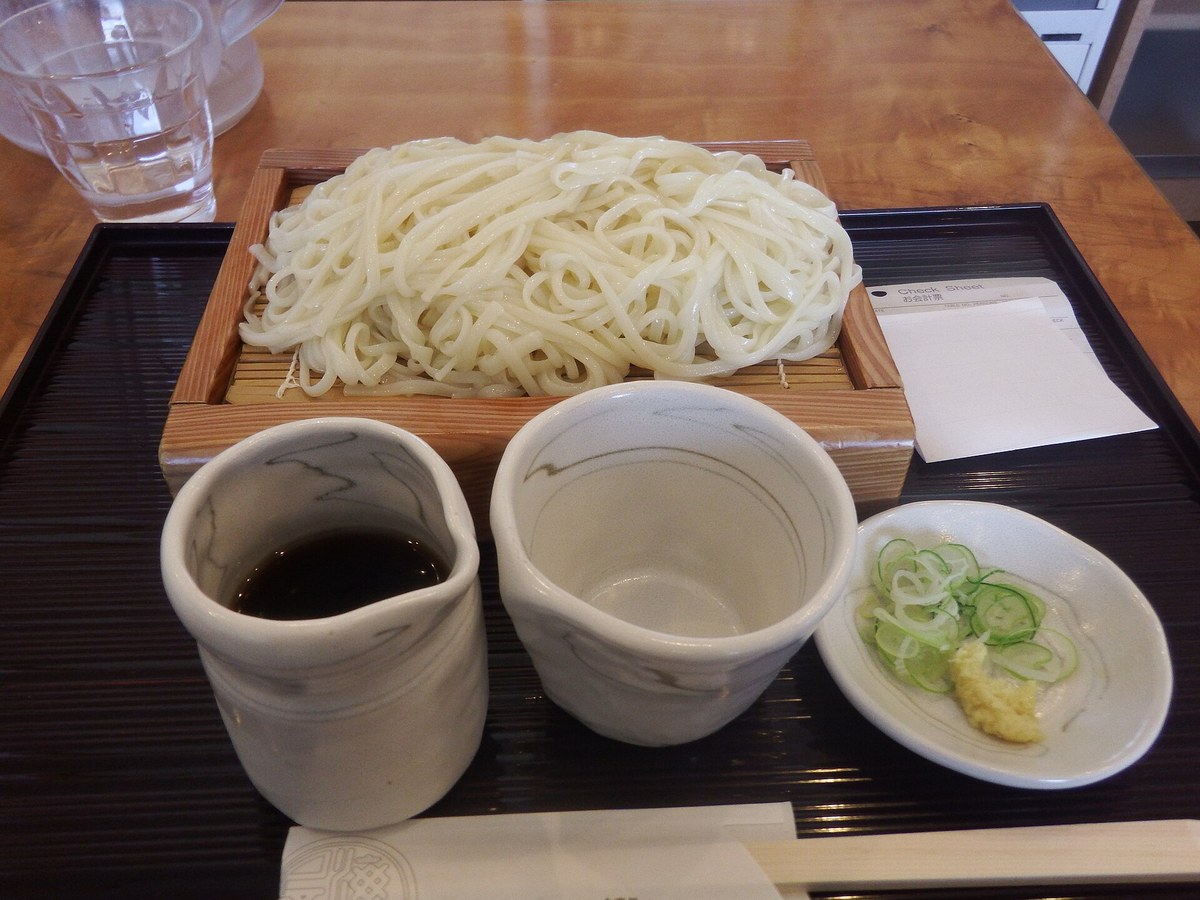
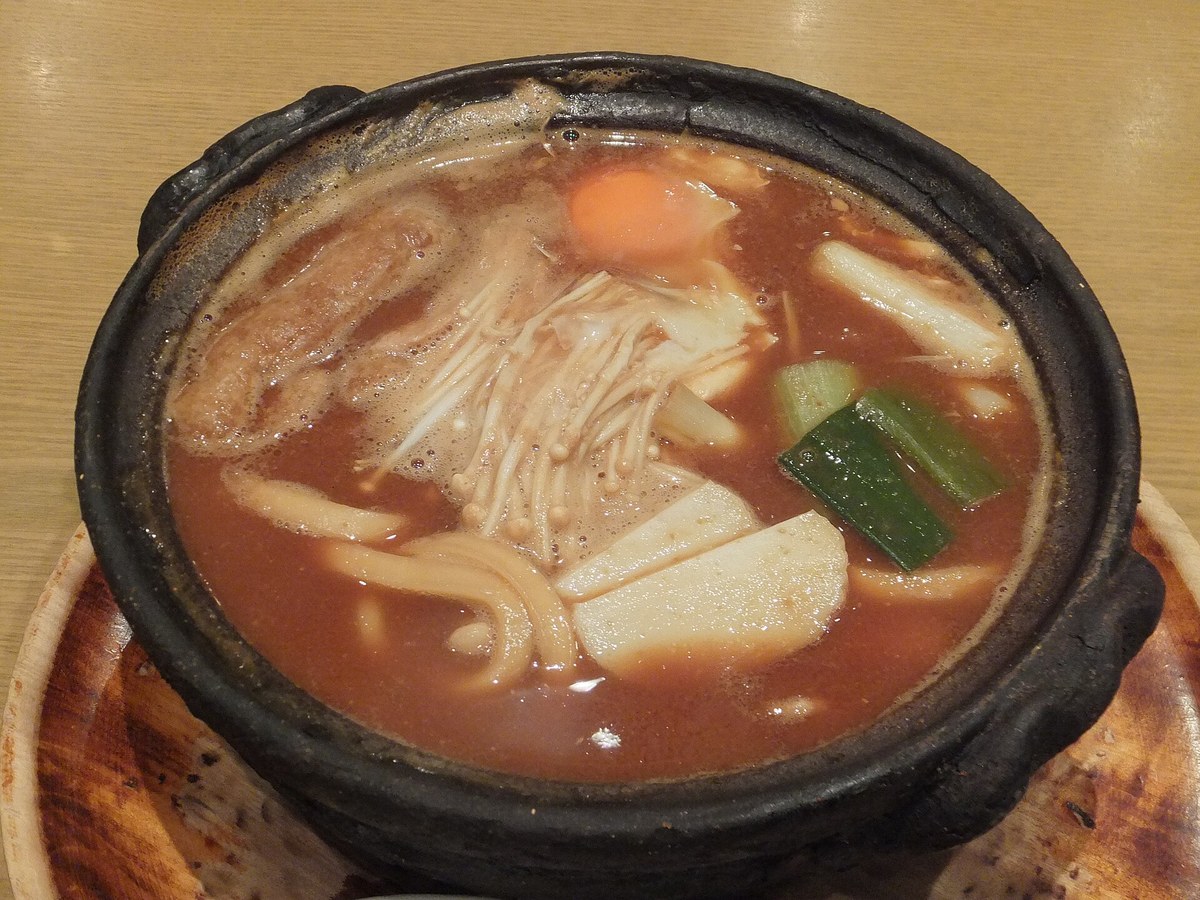
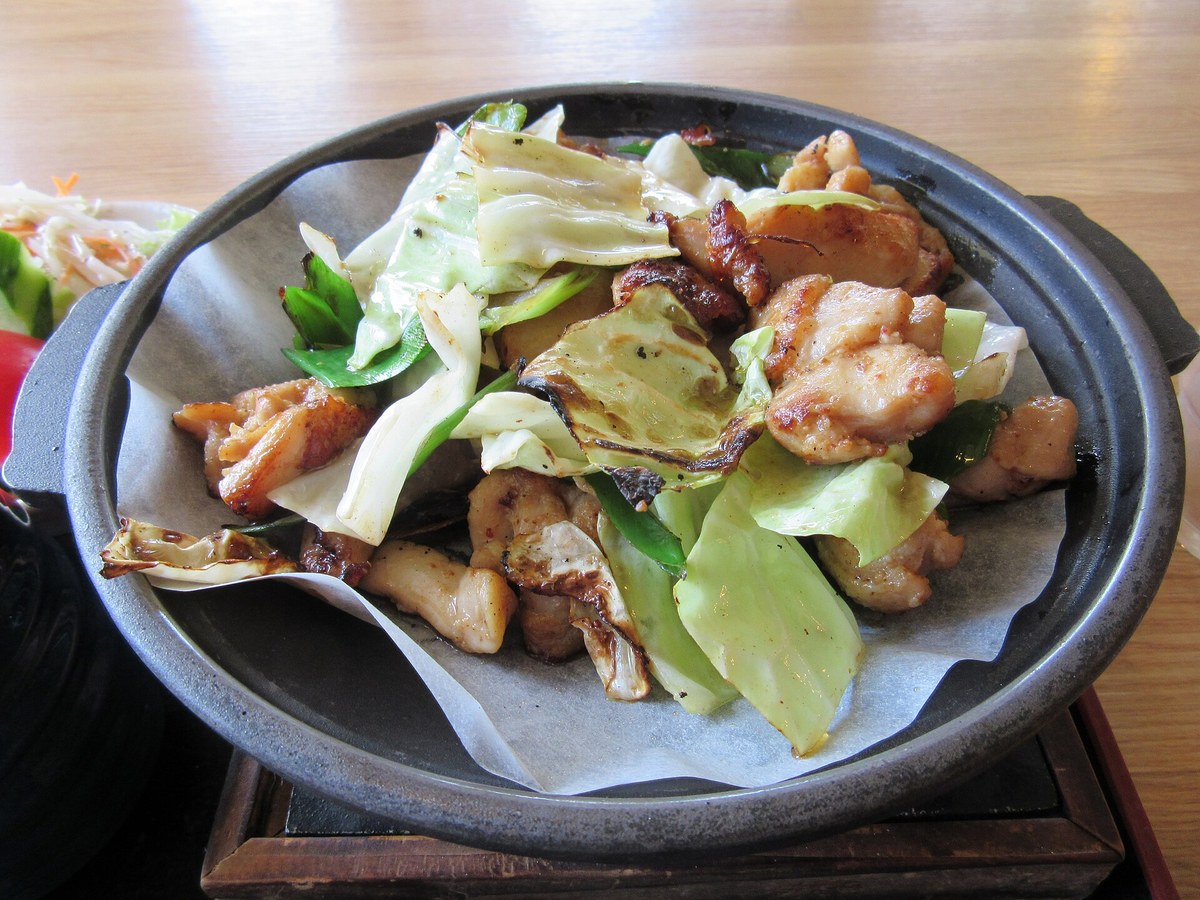
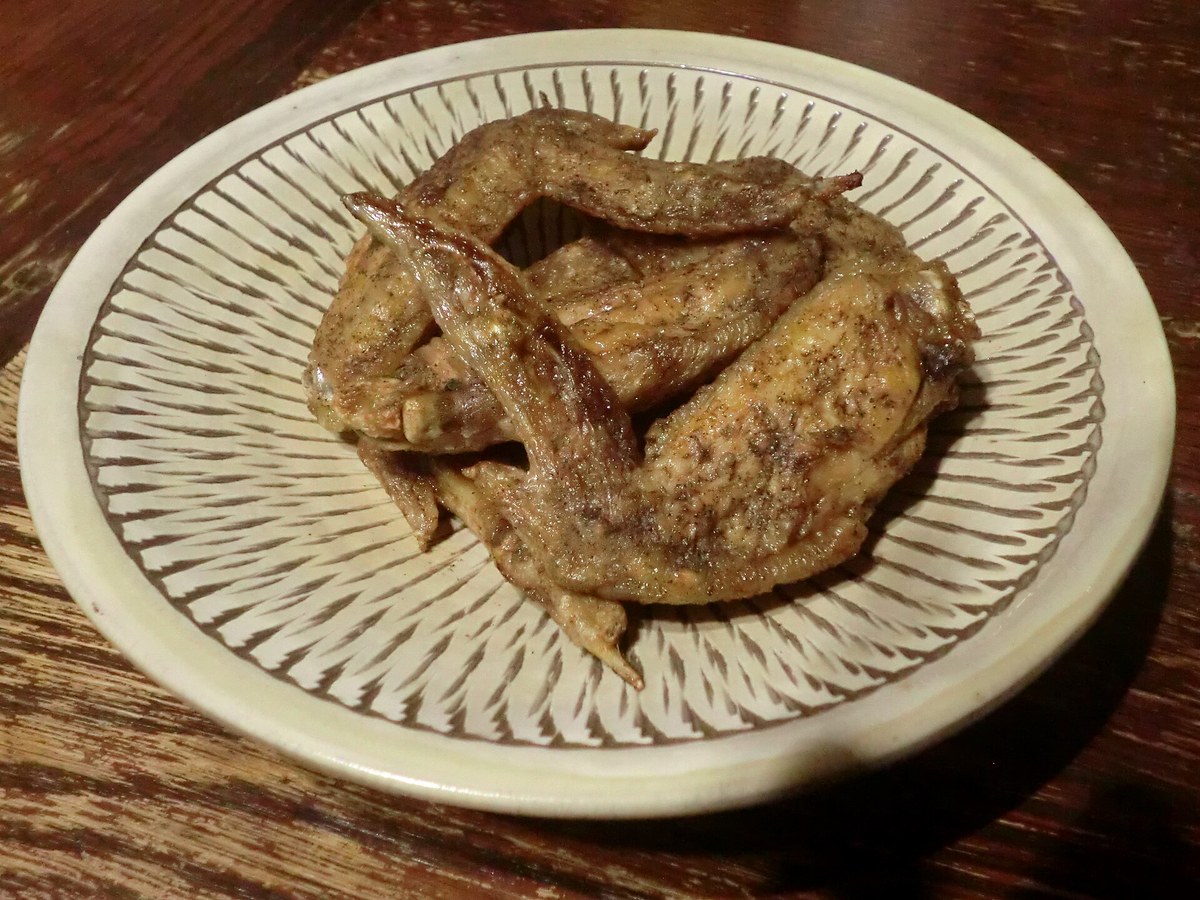
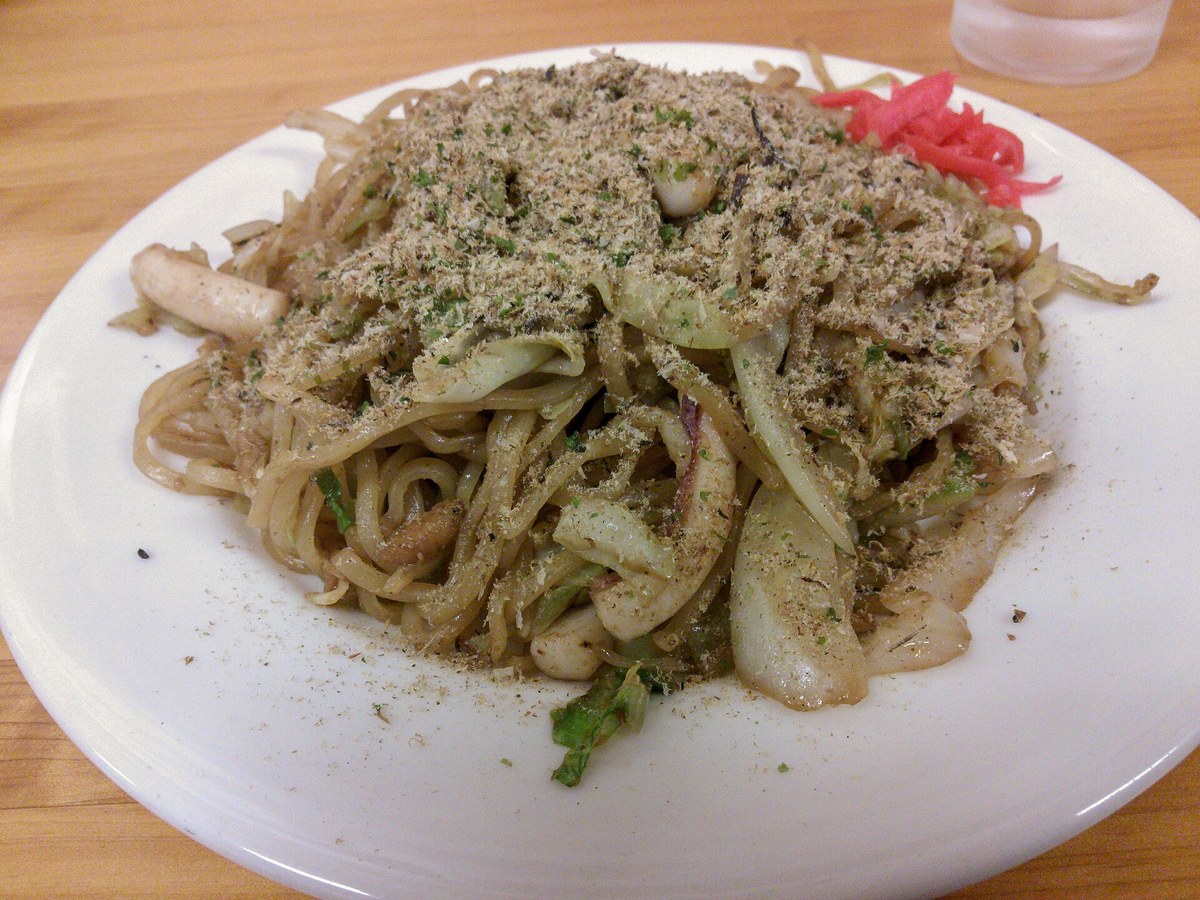
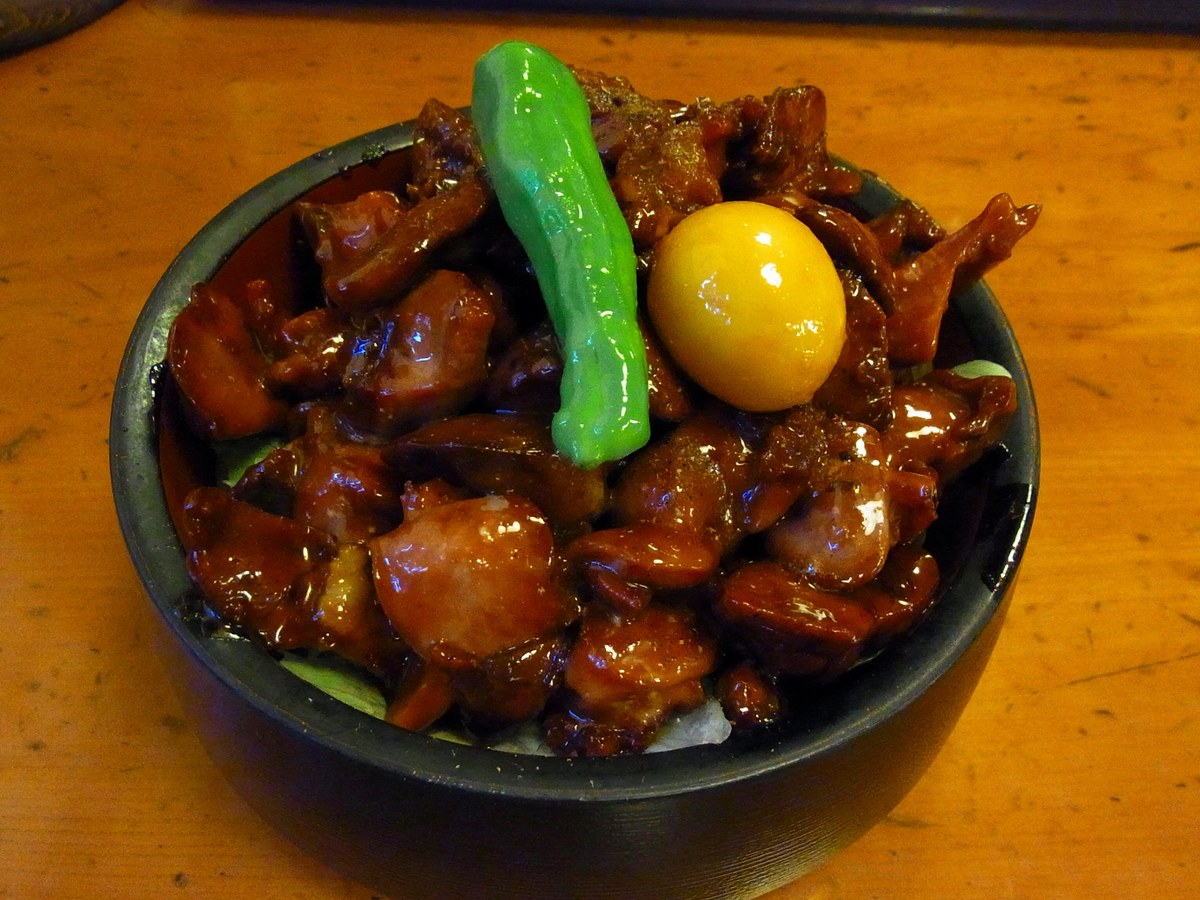
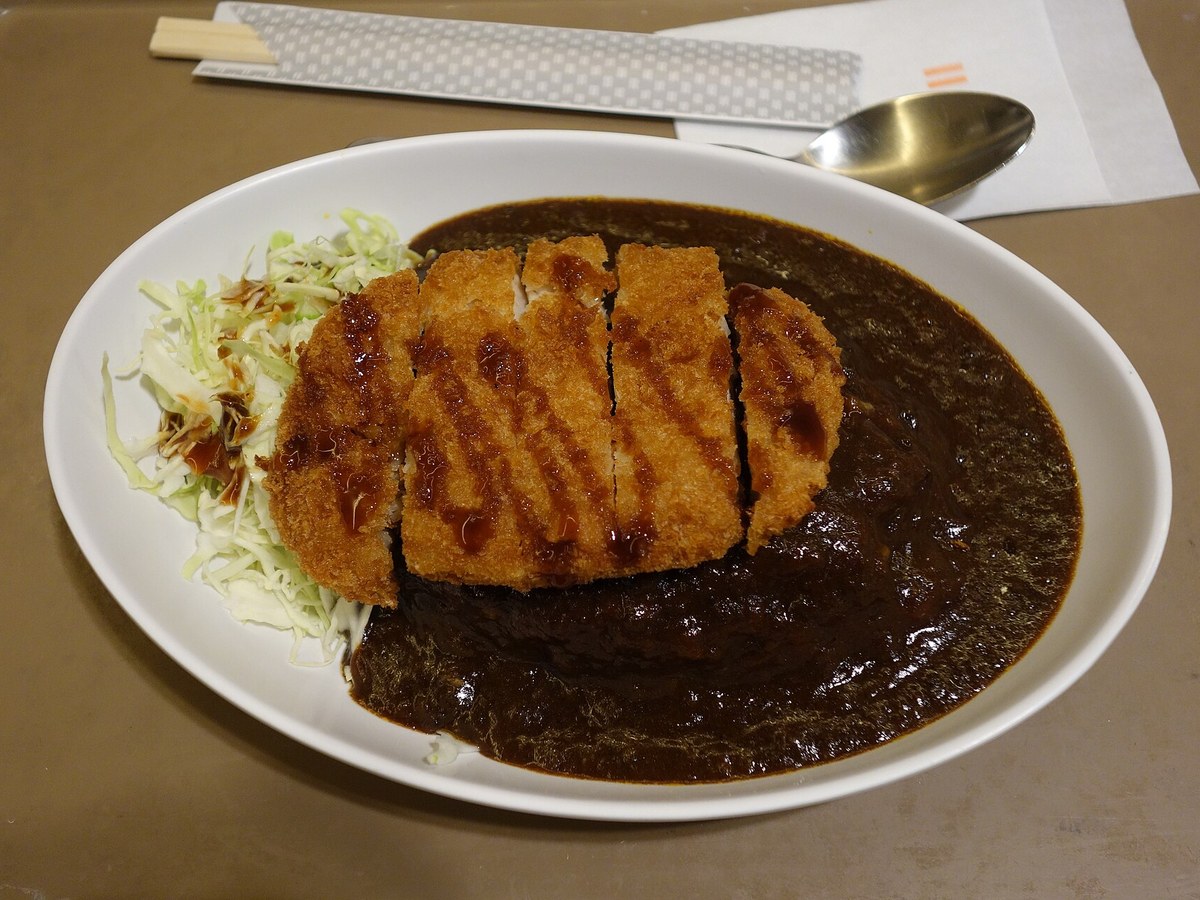
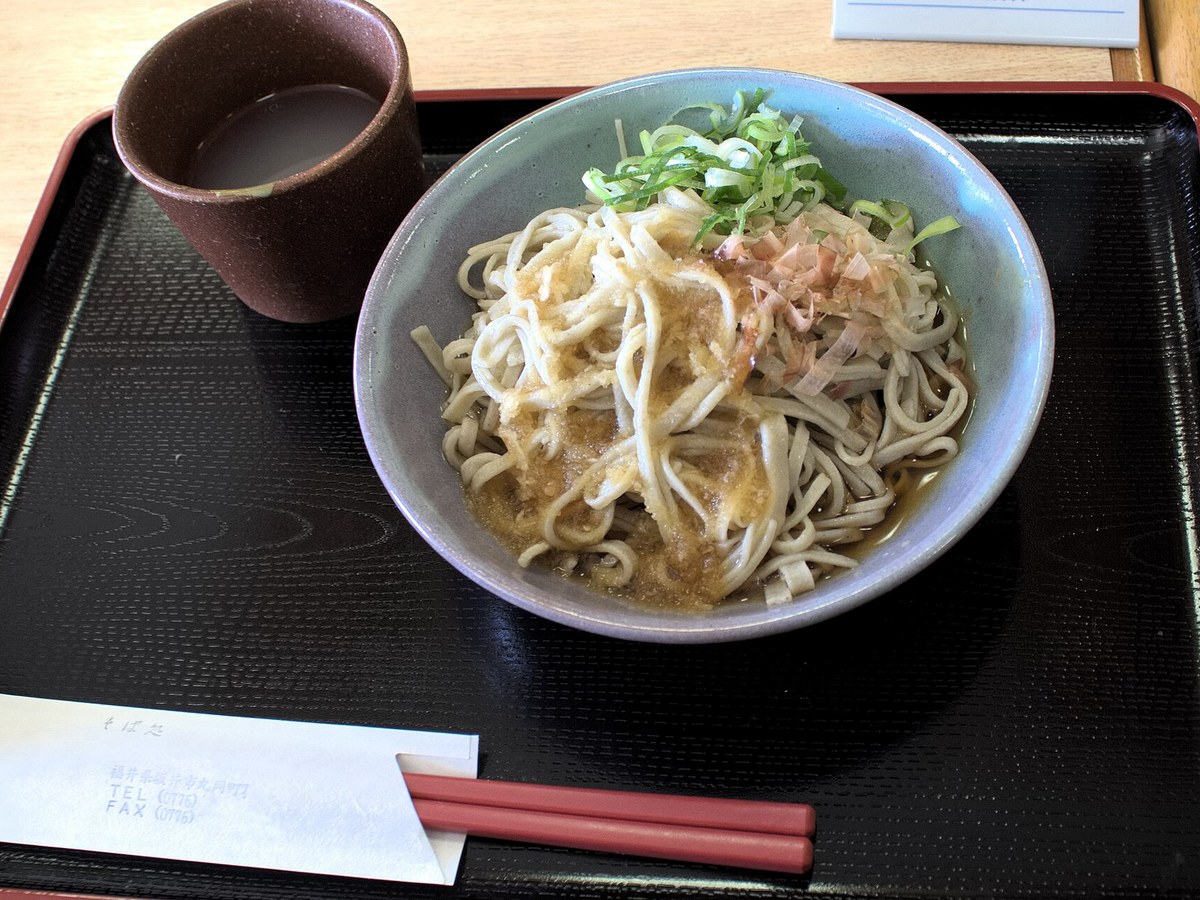
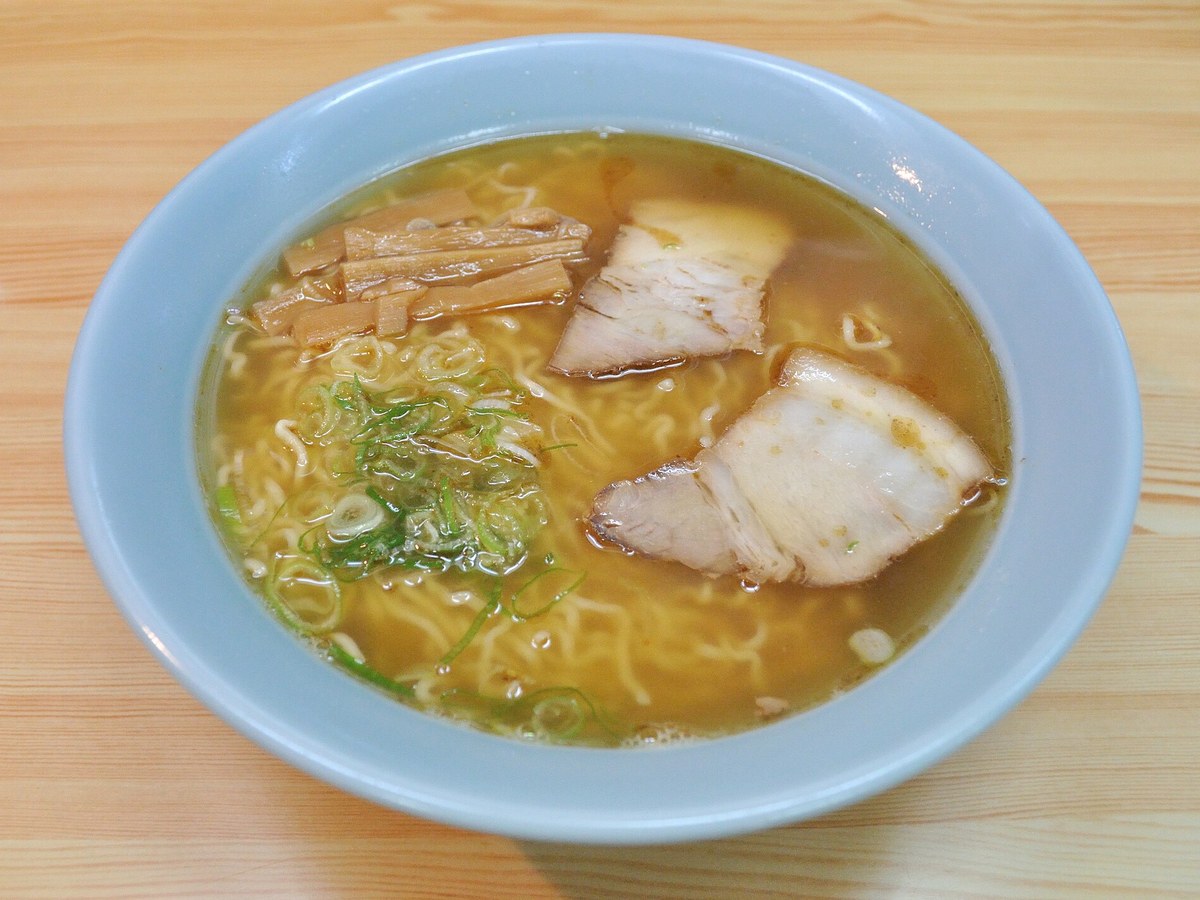
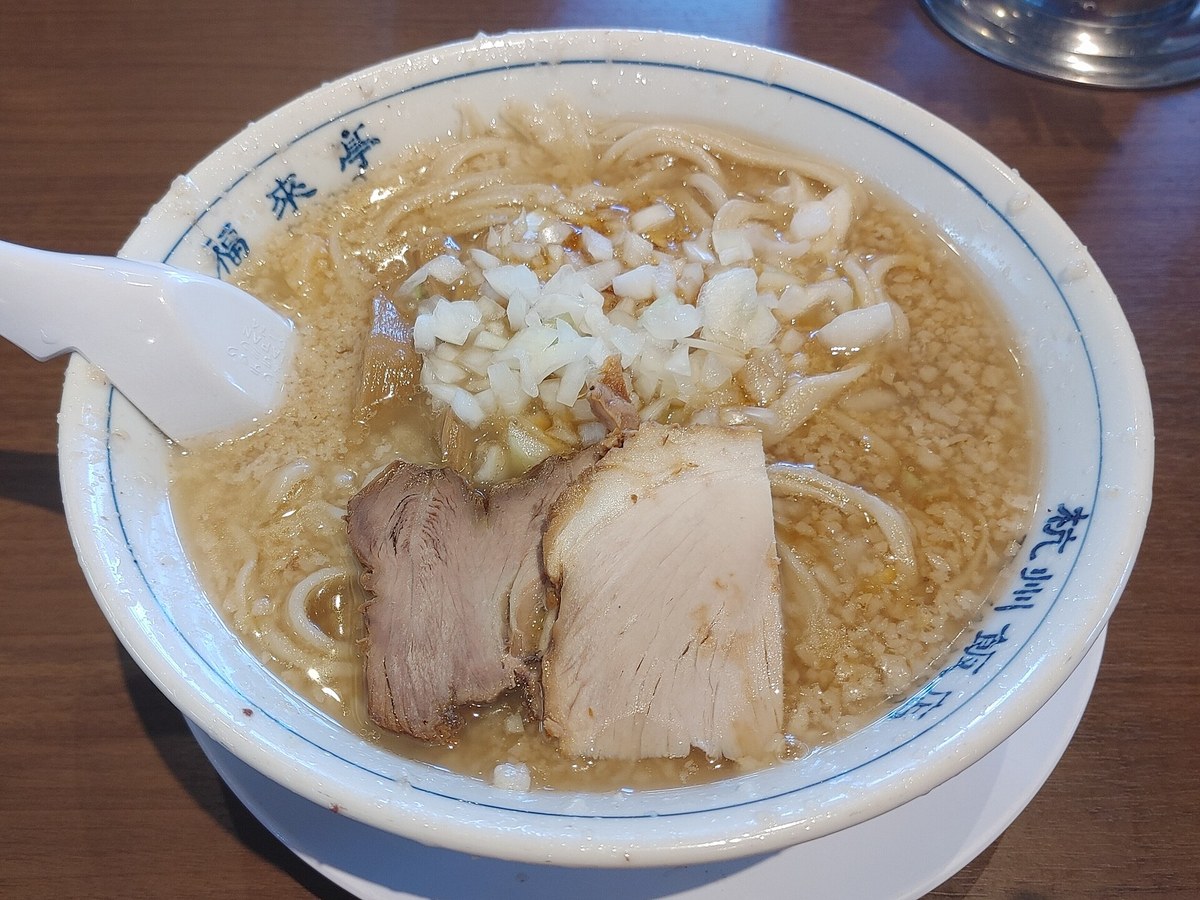
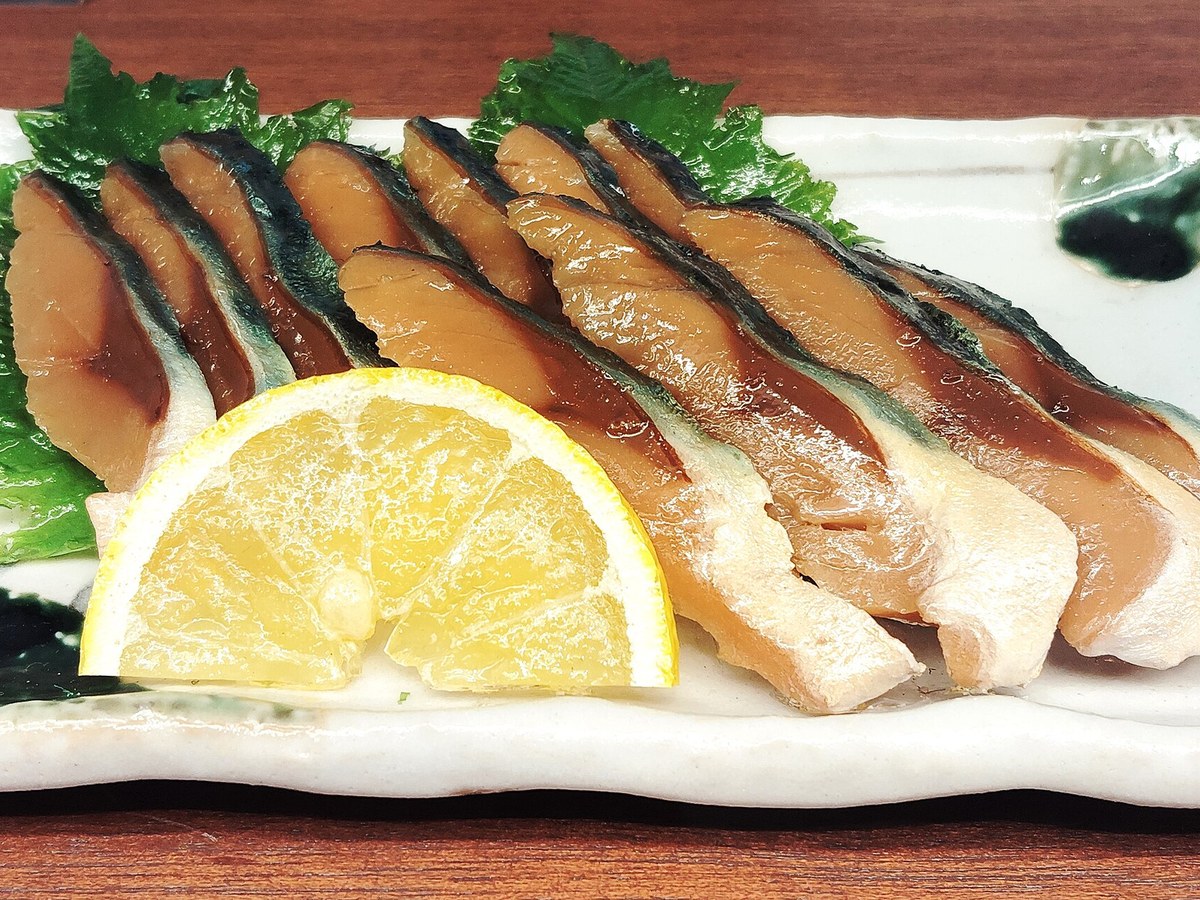
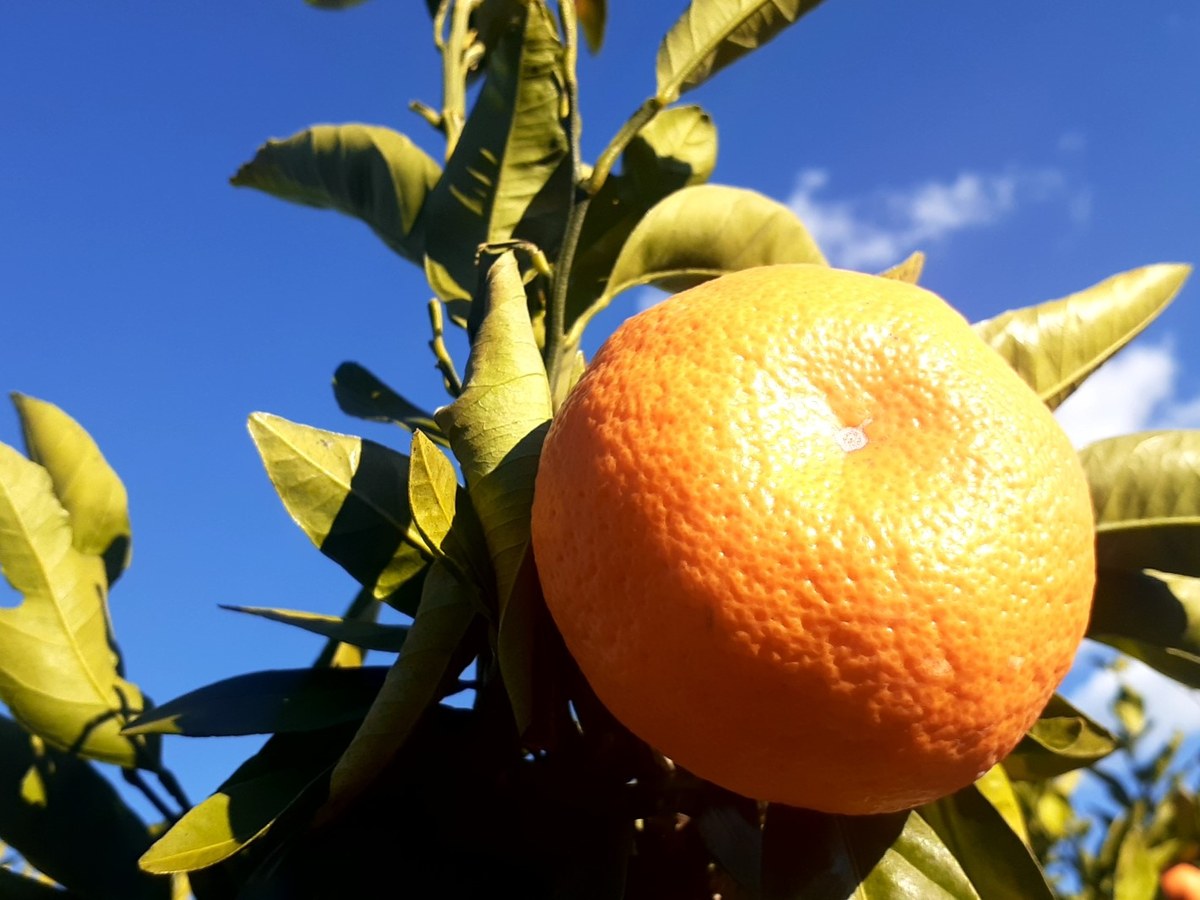
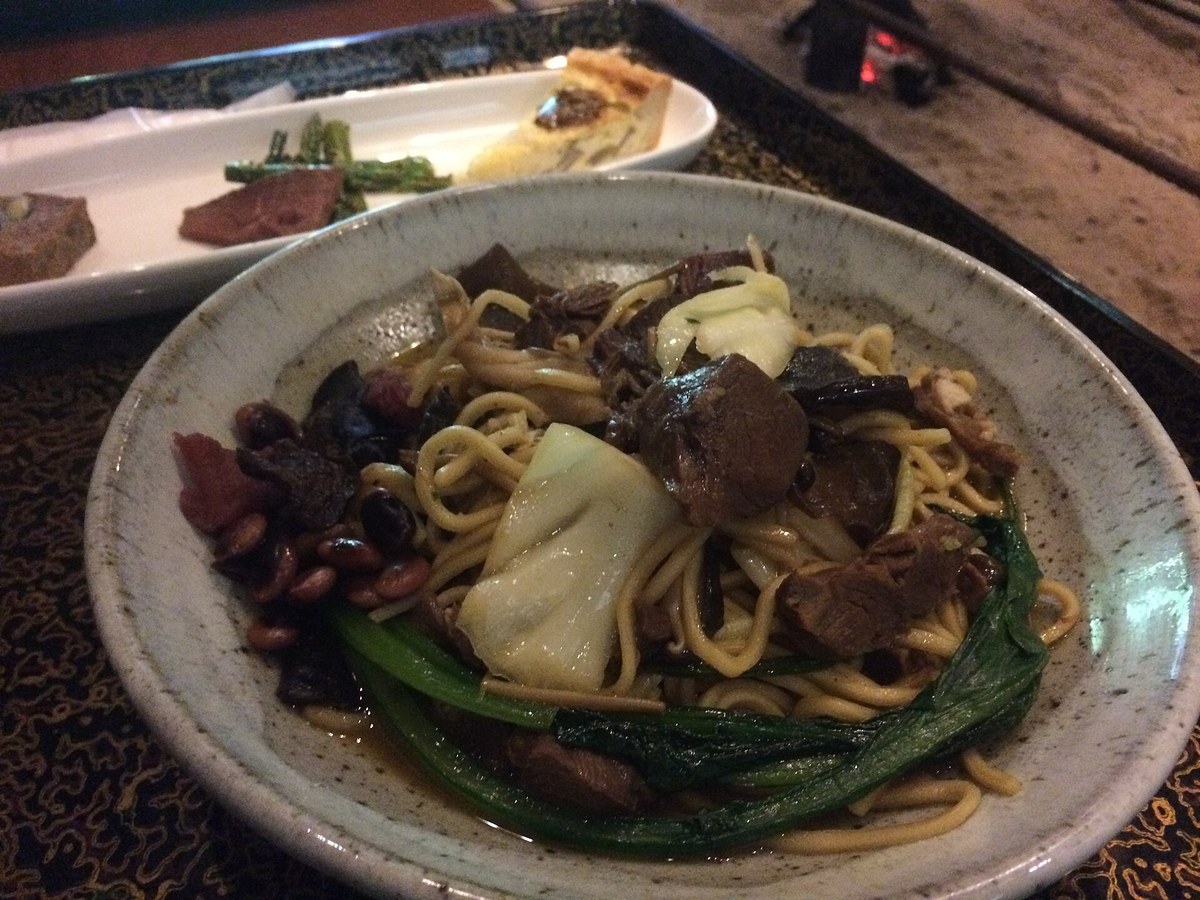
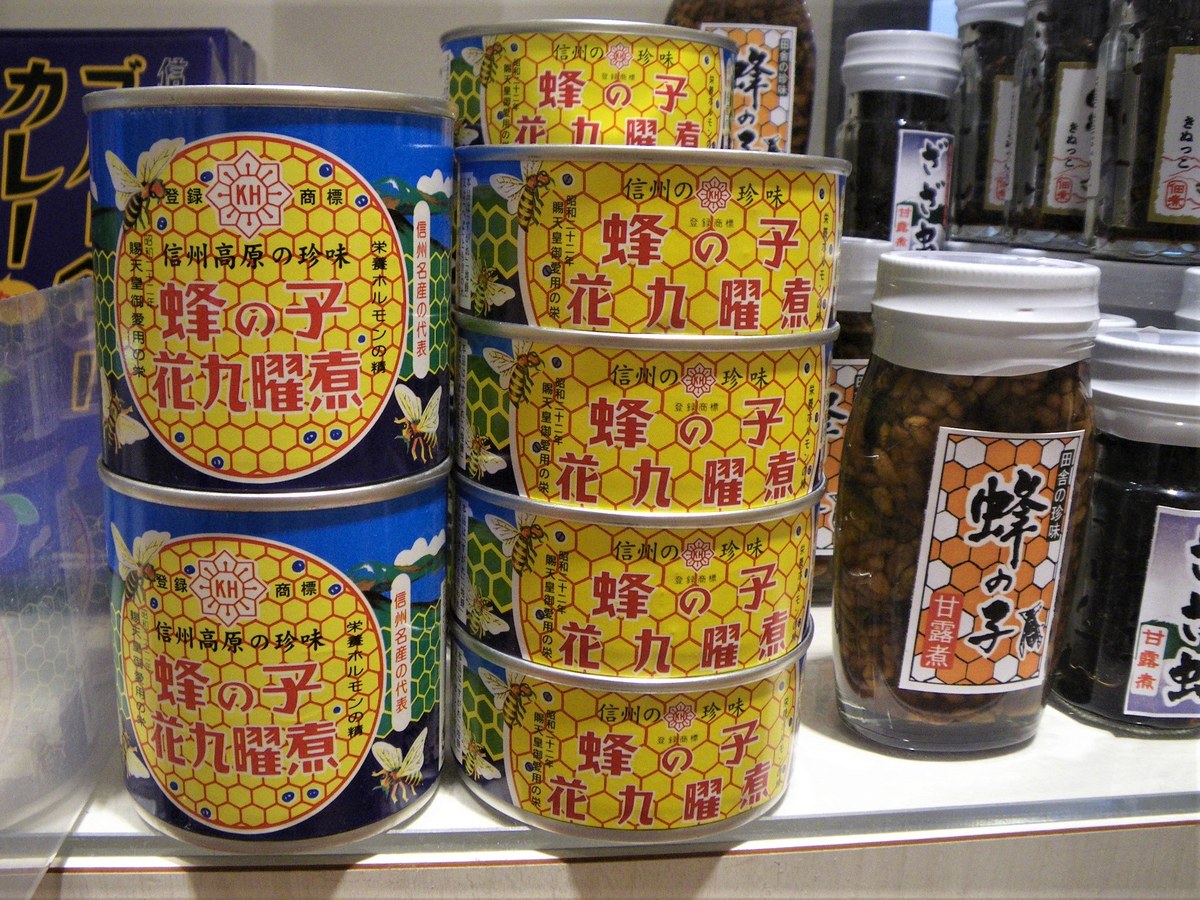
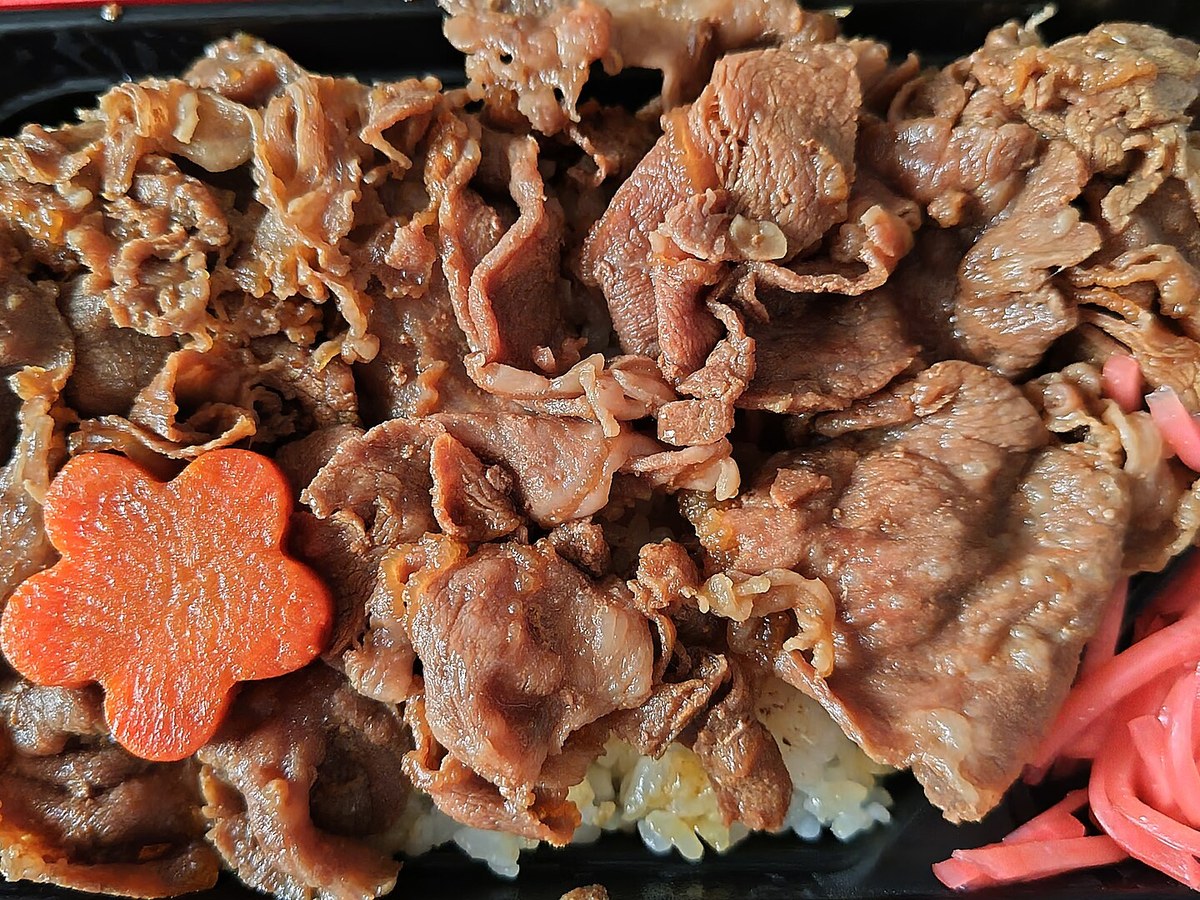
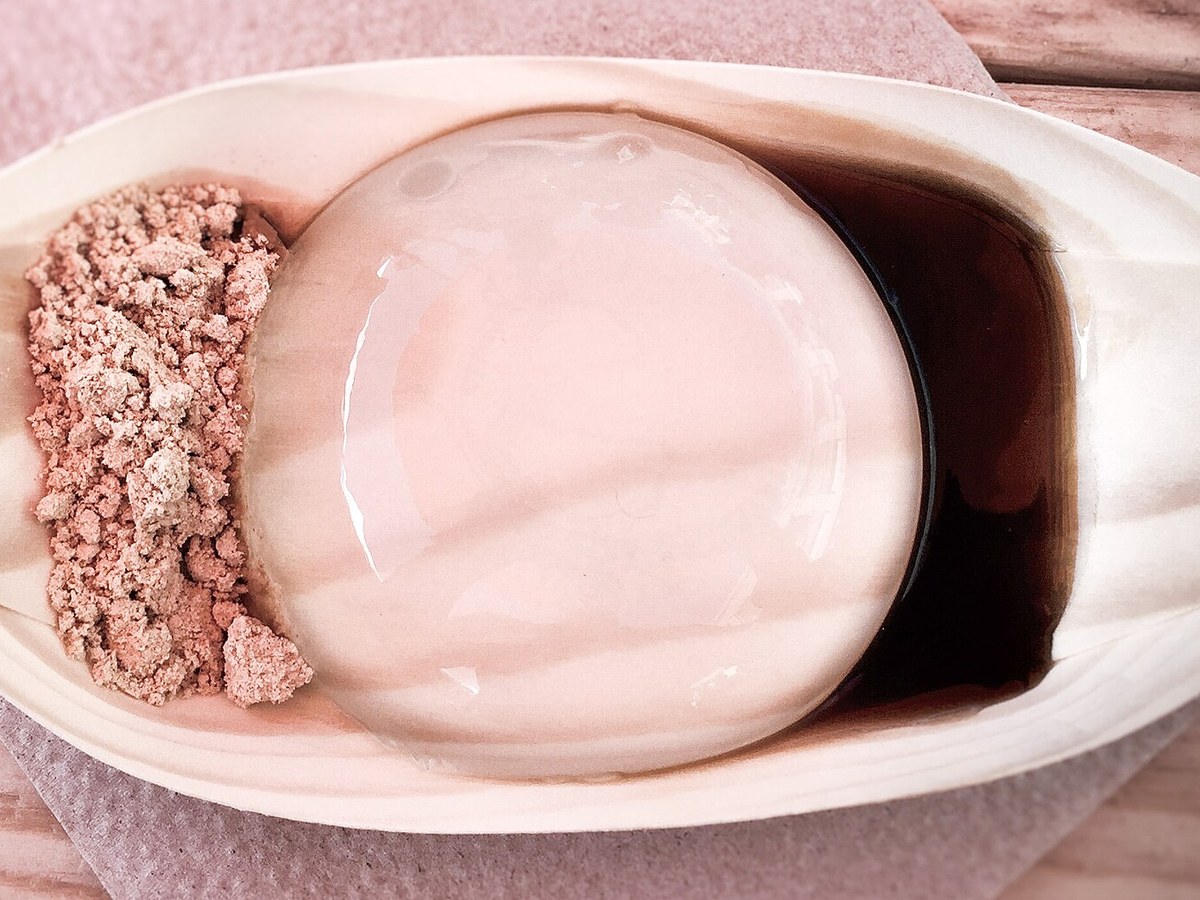
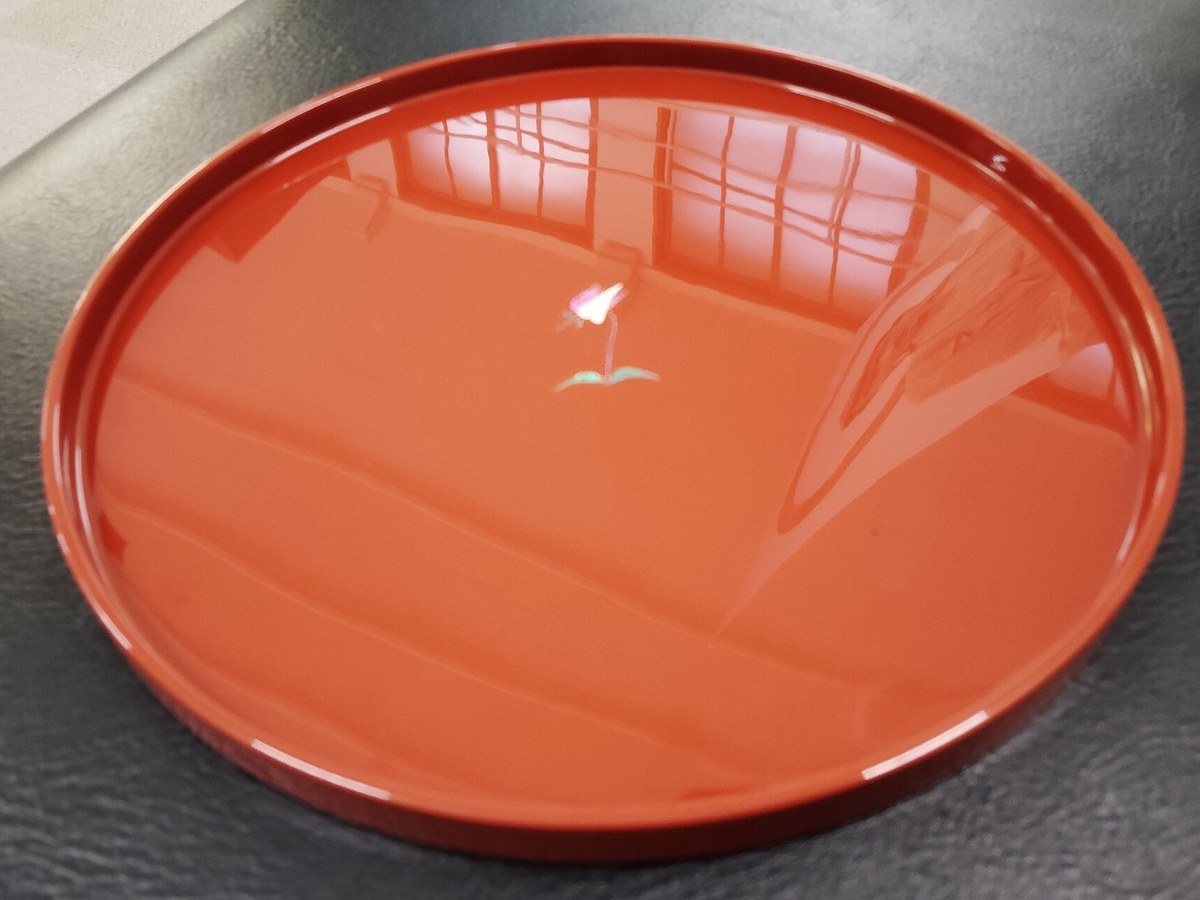
75 Chubu and Hokuriku edition stories — Kanazawa gold leaf, Wajima lacquerware, Tokoname and Banko ware, Arimatsu shibori, Mino washi, hegi soba, hitsumabushi, Sabae eyewear, Nozawana, Takaoka copperware, Seki blades, Shizuoka's heritage-listed water wasabi, Fukui's Echizen ware, Murakami's salmon, Nagano's GI Ichida Gaki dried persimmons, Mie's Ise ebi under its closed-season rules, Toyama Bay's glowing firefly squid, Kanazawa's wasabi-finished jibuni and Yamanashi's original Yumemizuki peach, Shizuoka's black-broth oden, every piece skewered and billed by the stick, Fujiyoshida's iron-firm Yoshida udon under its cabbage and horse meat, Kanazawa's hanton rice, the omelette plate crowned with fried fish and tartar, Nagoya's kishimen, the flat noodle the station platforms have served since the 1960s, Fukui's sauce katsudon, the cutlet dipped in sauce and laid straight on rice, Yokkaichi's tonteki, the garlic pork steak its own association defines, and Gifu's gohei mochi, mashed rice grilled on a skewer in the Nakasendo post towns, Matsumoto's sanzokuyaki, the bandit chicken fried whole in a garlic-soy crust, and Niigata's Italian, the sauce yakisoba under tomato meat sauce that a sweet shop named in 1960, and Himi buri, the certified winter yellowtail landed at Himi port at eight kilograms and up, and kanzuri, Myoko's snow-bleached chilli paste, fermented three years by its sole maker, and Himi udon, the noodle twisted and stretched by hand without oil, Nagoya's miso nikomi udon, salt-free noodles stewed raw in Hatcho miso, and Gifu's keichan, the mountain chicken grill copied from jingisukan, and Nagoya's tebasaki, the unbreaded fried wings Furaibo invented in 1963, and Fujinomiya yakisoba, the griddle noodle of three marks — designated noodles, niku-kasu and dashiko — that twice won the B-1 Grand Prix, and Kofu's torimotsu-ni, the chicken offal candy-glazed in sugar and soy that won the B-1 Grand Prix itself in 2010, and Kanazawa curry, the near-black roux on a stainless plate devised by one yoshoku chef in 1961, and Echizen oroshi soba, Fukui's grated-daikon soba whose pairing is documented to 1601, and Takayama ramen, the tare-simmered chuka soba a mountain city simply calls soba, and Tsubame seabura ramen, the niboshi bowl under a lid of back fat that fed a metal city’s workers, and Heshiko, Wakasa's mackerel salted and pressed down into rice bran, and Mikkabi mikan, the unshu brand of Lake Hamana's north shore, run as a wase and stored-Aoshima relay, and Ina romen, the steamed mutton noodle Ito Waichi devised in 1955, and Hachinoko, the wasp brood of the sugare-oi hunt, canned in the Ina valley, and Noto beef, Ishikawa’s certified wagyu that circulates almost only at home, and Mizu Shingen Mochi, the water dome of Hokuto that melts in thirty minutes, and Takaoka lacquerware, the castle town’s carved urushi — with prices.
75 of the collection's 369 stories belong to this hub. Open any card for the full story: price, where to buy, official online sales and the dated sources behind the edition claim.
How the place hubs work: the nine place hubs divide the collection without overlap — every place-based story sits in exactly one of them. Tokyo and Kyoto keep shelves of their own inside the wider Kanto and Kansai regions, so their stories are not repeated in those hubs. One stationery story, partner-shop stamp refills, is venue-based rather than place-based, so it appears in the Stationery and Venue goods hubs only.
Explore the other hubs
By subject
By place
New here? The places and editions guide explains how these editions work and how to check one before you travel.
Sources and checking
Membership of this hub is generated from the site catalogue, whose exclusivity statements were checked against maker and venue sources in November 2026 (original checks 5–15 November 2026). Hub membership and counts were re-verified at 369 stories on 15 November 2026. Availability is not monitored in real time; confirm stock with the shop before travelling.