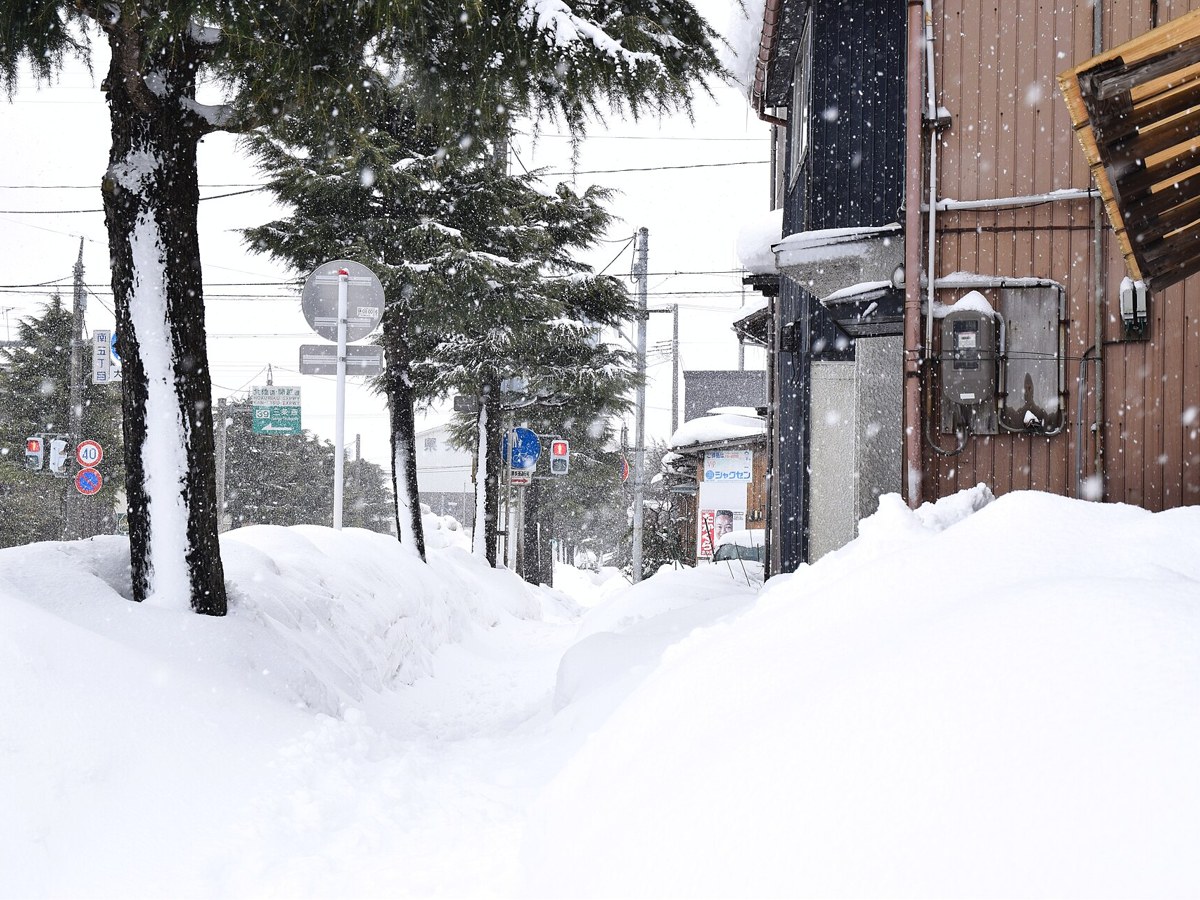
Every sake in Japan is aged by something — a tank, a season, a decision. This one is aged by snow. In Minamiuonuma, Niigata, the Hakkaisan brewery packs a storehouse with winter snow and lays its Junmai Daiginjo down inside for three years, at a steady three degrees, with no electricity at all. It is the first sake in this collection, and it opens the axis the way the region would want: not with a label, but with weather.
A brewery at the foot of a sacred mountain
Hakkaisan is named for the mountain that rises over the Muikamachi basin in Minamiuonuma, and the brewery — founded in 1922, in the deep-snow village of Nagamori — brews with the mountain's gift: the soft spring water known as Raiden-sama no Shimizu, the water of the thunder god. Niigata is Japan's great sake prefecture, famous for a dry, clean style, and its snow is not scenery; it is infrastructure.
Snowmelt filters through the mountain into the brewery's water; snow insulates the winter fermentations; and snow, in the Uonuma country, was for centuries the household refrigerator. The yukimuro — literally 'snow room' — is that tradition built to warehouse scale: tons of packed snow in an insulated store, holding its cold through the summer without a single watt.
Three years at three degrees
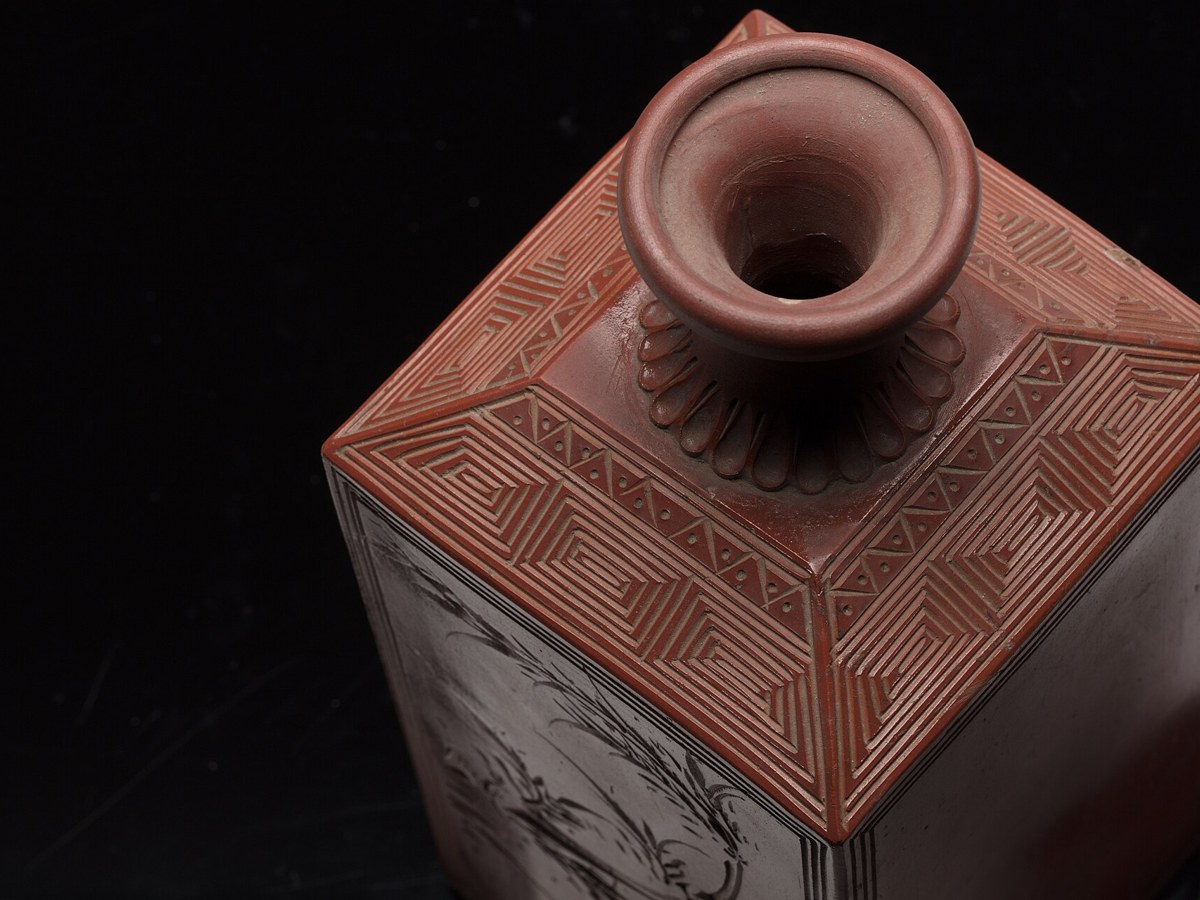
The Yukimuro bottling is a Junmai Daiginjo genshu — undiluted, at 17% alcohol, from rice polished to 50% — laid down in the snow room for at least three years. The cellar's temperature does not cycle: the snow mass holds it near 3°C (about 35–37°F) through every season, and sake aged that slowly and that evenly turns mellow and rounded without going dull or old.
There is also an eight-year Yukimuro bottling for those who want the experiment run longer. But the three-year is the reference bottle — the one Japan's department stores list, the one poured at the brewery's snow-room tastings — and its lesson is patience administered by climate: nothing in the process can be hurried, because the cellar's calendar is the snowfall's.
Practical details: price and where to buy
In Japan, Takashimaya's online store lists the three-year snow-cellar Junmai Daiginjo, 720 ml, at ¥6,050 tax included (shipping ¥715). Buy it in Japan if you can: overseas listings for the same bottle run from about US$64 to US$99.98, before any local taxes — the snow is free, but the freight is not.
At the brewery's Minamiuonuma site, the snow room itself can be visited, with tastings that have included the three-year bottling free and the eight-year for a small fee — check current arrangements before travelling, as the site sits a drive from Urasa Station with little public transport. However you buy it, treat the bottle as what it is: an aged sake, stored cold, and subject to drinking-age rules wherever you open it.
Why snow, of all cellars?
Most cellars fight their climate; this one hires it. Minamiuonuma's snow is otherwise a cost — roofs to clear, roads to plough, a winter to endure — and the yukimuro converts the region's heaviest liability into its rarest asset: perfectly stable cold, delivered free, forever, at exactly the temperature slow ageing wants.
That inversion is the story of this whole collection in one bottle. A place takes the thing it has too much of — snow, straw, small beans, persimmon tannin — and builds the product only it can build. Hakkaisan simply had the patience to let the conversion take three years a bottle.
Scope: what 'limited' means here
Stated honestly: Hakkaisan is a national brewery and its ordinary bottles are everywhere. The limited thing documented here is a method and a bottling — sake aged inside this brewery's snow room, in this snow country — not the brand as a whole. If the yukimuro ever empties, this page's claim empties with it.
Sources — checked 9 November 2026
- Takashimaya Online Store: Hakkaisan Brewery Junmai Daiginjo, aged three years in a snow cellar
- Umami Mart: Hakkaisan Yukimuro 3 Year Junmai Daiginjo Sake (720 ml)
- Uncle Fossil Wine & Spirits: Hakkaisan Yukimuro 3Yr Snow Aged Sake 720 ml
Original prose and official links only; no source text or maker media reproduced. Photos are credited Creative Commons works, not product photographs.
Editorial review 2026-11-09