The old tea-picking song divides the honours: colour belongs to Shizuoka, fragrance to Uji — 'but for taste, nothing surpasses Sayama.' Sayama tea grows around Iruma in western Saitama, near the cold northern limit of Japanese tea, where thick leaves and a fire-finishing technique of 1802 give a deep-steamed sencha of unusual richness. It is one of Japan's three great teas from only about 2% of its tea fields, at roughly ¥1,000 for 100 grams.
Tea at the northern limit
Most Japanese tea grows in the warm south. Sayama's fields sit on the Musashino plateau around the Sayama Hills — Iruma, Sayama, Tokorozawa — close to the northern edge of where tea can be grown commercially at all. The cold is the making of it: leaves grow thick, harvests come only once or twice a year instead of up to five, and the flavour concentrates.
The estates finish the job their climate starts. Sayama's signature is fukamushi, deep steaming, which breaks the leaf down into a brew of opaque green and rounded, almost toasty sweetness, and the Sayama Biire fire-finishing — steaming, then roasting the leaf on washi paper — has been practised since 1802. Unusually, a Sayama estate typically does everything itself: growing, picking, steaming, roasting and selling.
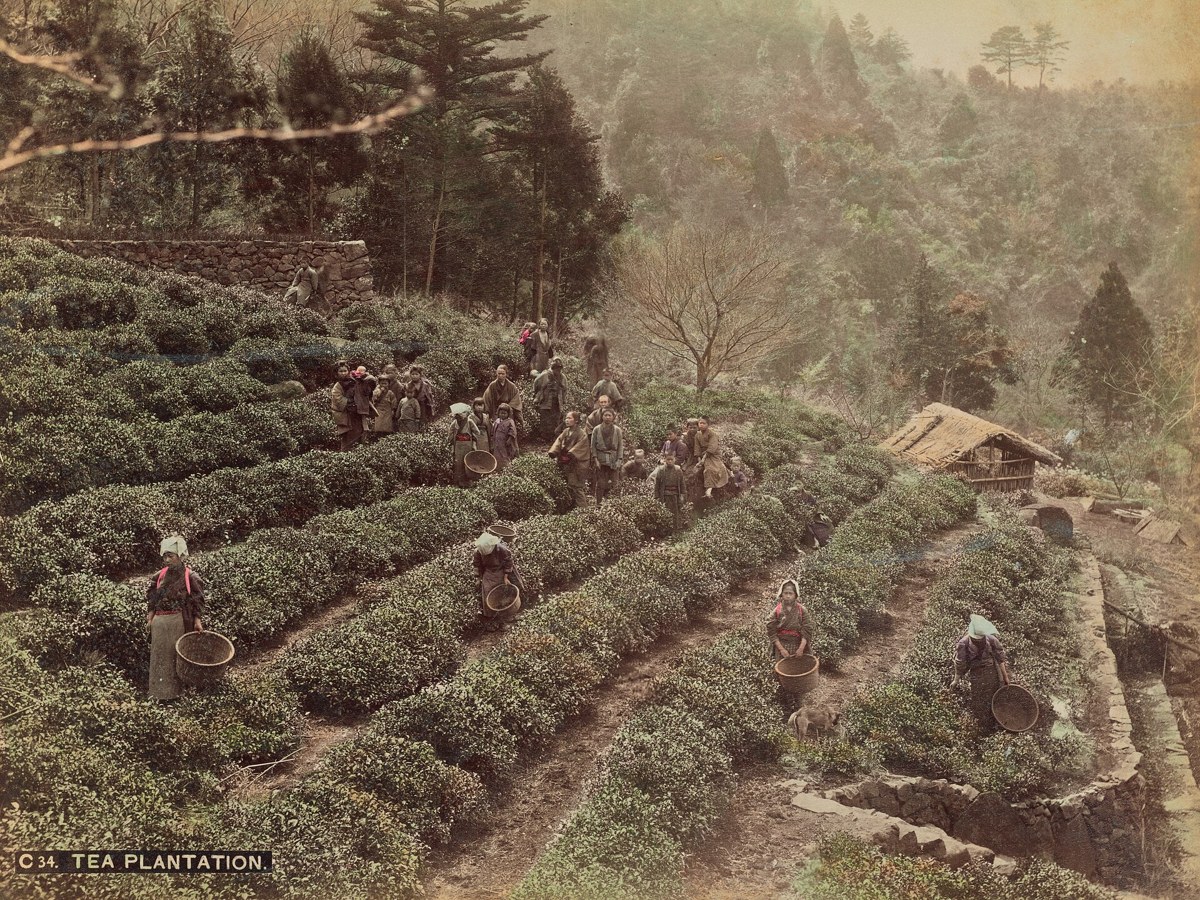
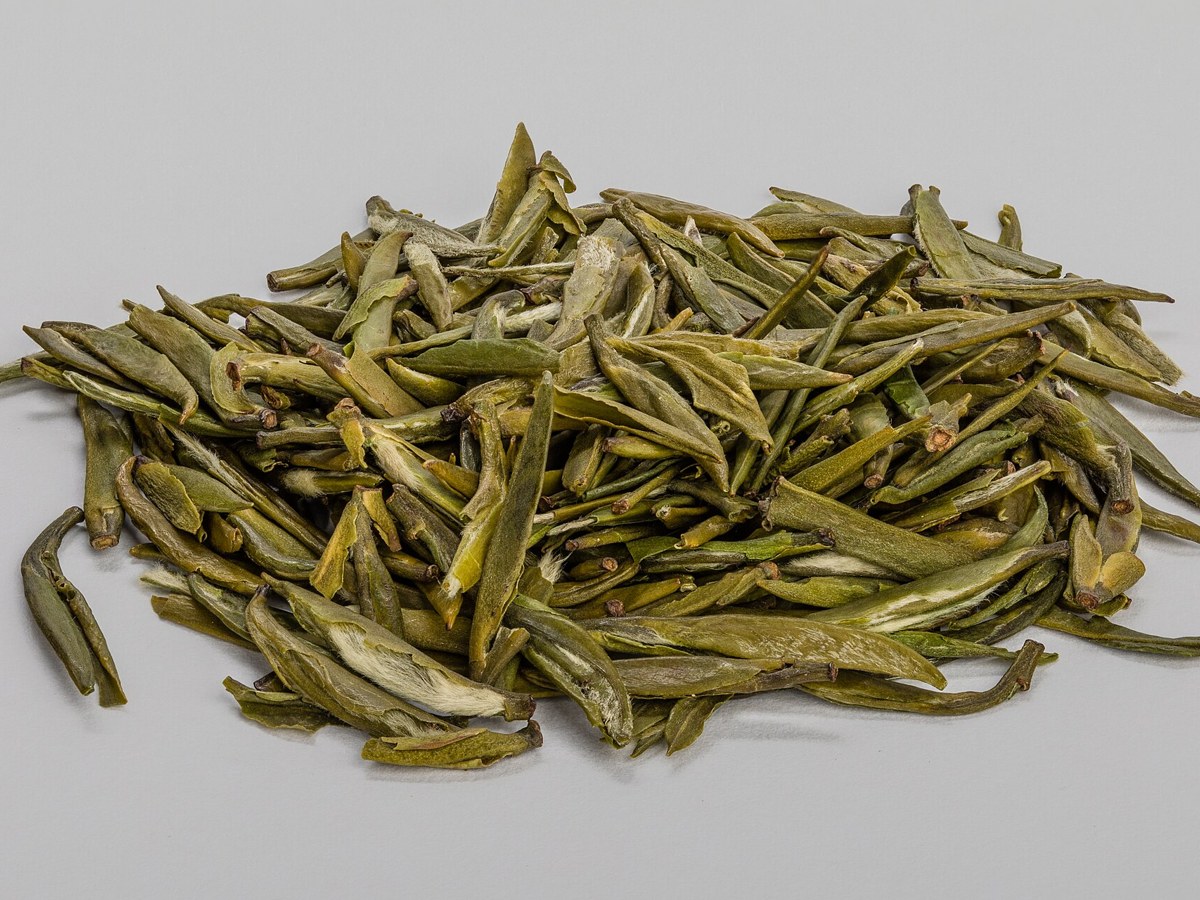
One of three great teas, on 2% of the tea
The 'three great teas' framing — Shizuoka, Uji, Sayama — is folk ranking rather than certification, and the sources say so honestly. What is measurable is the imbalance: Sayama holds that standing on roughly 2% of national production, from a prefecture better known as Tokyo's neighbour than as tea country.
Iruma is the centre of it, with approximately 100 tea estates in the city alone. Its official guidebook pours the local pride into a comparison tasting of its estates' sencha — mild, sharp, sweet — all within the standard price band, which is a useful reminder that 'Sayama tea' is a region of small makers, not a single brand.
Practical details: prices, where to buy, experiences
Prices (checked 9 November 2026): the Iruma City guidebook's comparison sampled the standard grade at ¥1,000 per 100 g — treat that as the honest going rate for estate sencha, with top first-flush lots above it and everyday blends below. Tea is light, keeps well sealed, and is the easiest souvenir on this page to carry.
Where to buy: the estates and tea shops of Iruma, Sayama and Tokorozawa, and Saitama antenna shops; estates sell online. Hands-on: at Miyanoen in Sayama, tea-leaf picking runs from early May to early November with activity fees starting from ¥1,000. Type of edition: regional edition — a defined tea region of western Saitama.
Taste is the argument
Sayama's claim in the old song is taste, and the tea is built to back it: brew it a touch cooler than a Shizuoka sencha and the fukamushi body arrives first — sweet, dense, almost soupy — with the fire-finishing underneath. It is a cold-climate tea that tastes like it is warming you, which in Saitama's winters is presumably the point.
For travellers it has another virtue: the fields are an hour from central Tokyo. Japan's most storied tea by reputation-to-acreage is also its most reachable, and an estate visit in Iruma fits inside a day trip with room to spare.
Scope: what 'limited' means here
Sayama tea is documented as the tea of western Saitama (with a small adjoining part of northwestern Tokyo), centred on Iruma's roughly 100 estates; estate and online sales beyond Saitama exist and are stated. Checked 2026-11-09. Teas blended from other regions' leaf are different products.
Sources — checked 9 November 2026
- Iruma City official tourist guidebook (2024): Sayama tea — leading producer, about 100 estates, standard price band
- Saitama Prefecture support desk: Learn all about Sayama tea, from leaf to drink
- ANA Japan Travel Planner: Casually experience authentic tea at Miyanoen in Sayama
Original prose and official links only; no source text or maker media reproduced. Photos are credited Creative Commons works, not product photographs.
Editorial review 2026-11-09