Books
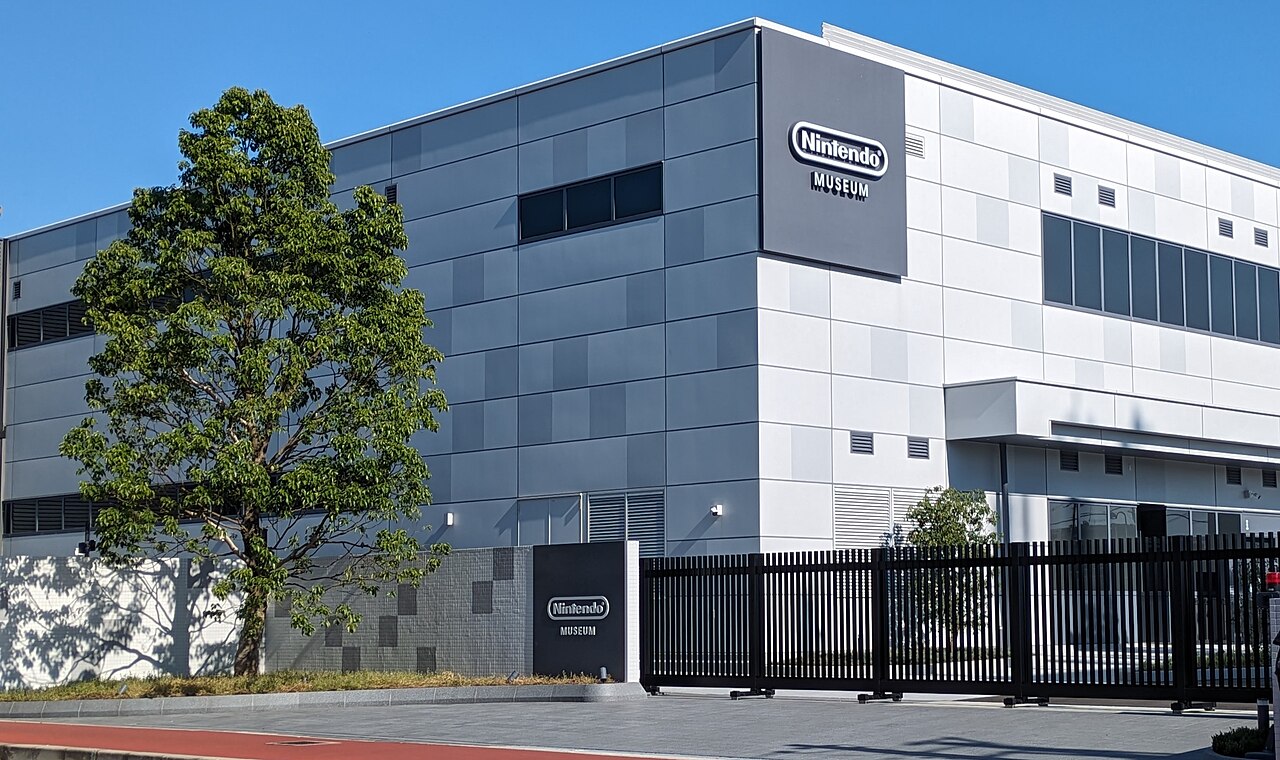
Nintendo Museum Official Book Vol.01
A museum in book form
Nintendo’s museum publication connects an anniversary with a larger history of objects, play and the place where products were once made.
OBJECTS · PLACE · CULTURE
Books, stationery, pottery and food made for one museum, one store, one city or one region of Japan — and the people and places behind their design. Each story includes the practical details: price, size, where to buy, and whether the maker sells it online.
Read place and edition: a notebook and a museum book
All 369 stories, organised two ways — by what they are and by where they belong. Every article is within two clicks of this page.
How the place hubs work: the nine place hubs divide the collection without overlap — every place-based story sits in exactly one of them. Tokyo and Kyoto keep shelves of their own inside the wider Kanto and Kansai regions, so their stories are not repeated in those hubs. One stationery story, partner-shop stamp refills, is venue-based rather than place-based, so it appears in the Stationery and Venue goods hubs only.
369 articles · All articles
Books
A museum in book form
Nintendo’s museum publication connects an anniversary with a larger history of objects, play and the place where products were once made.
Stationery
Kyoto, carried on a notebook cover
The TRAVELER'S notebook KYOTO EDITION (¥6,380) brings Kyoto motifs in copper foil, a refillable writing system and a former telephone-exchange shop into one story — sold only at TRAVELER'S FACTORY KYOTO.
Food
A Catbus drawn by hand, made to disappear
A hand-painted Catbus biscuit turns a film character into a fleeting object. Its Kichijōji identity includes documented online and event exceptions.
Craft
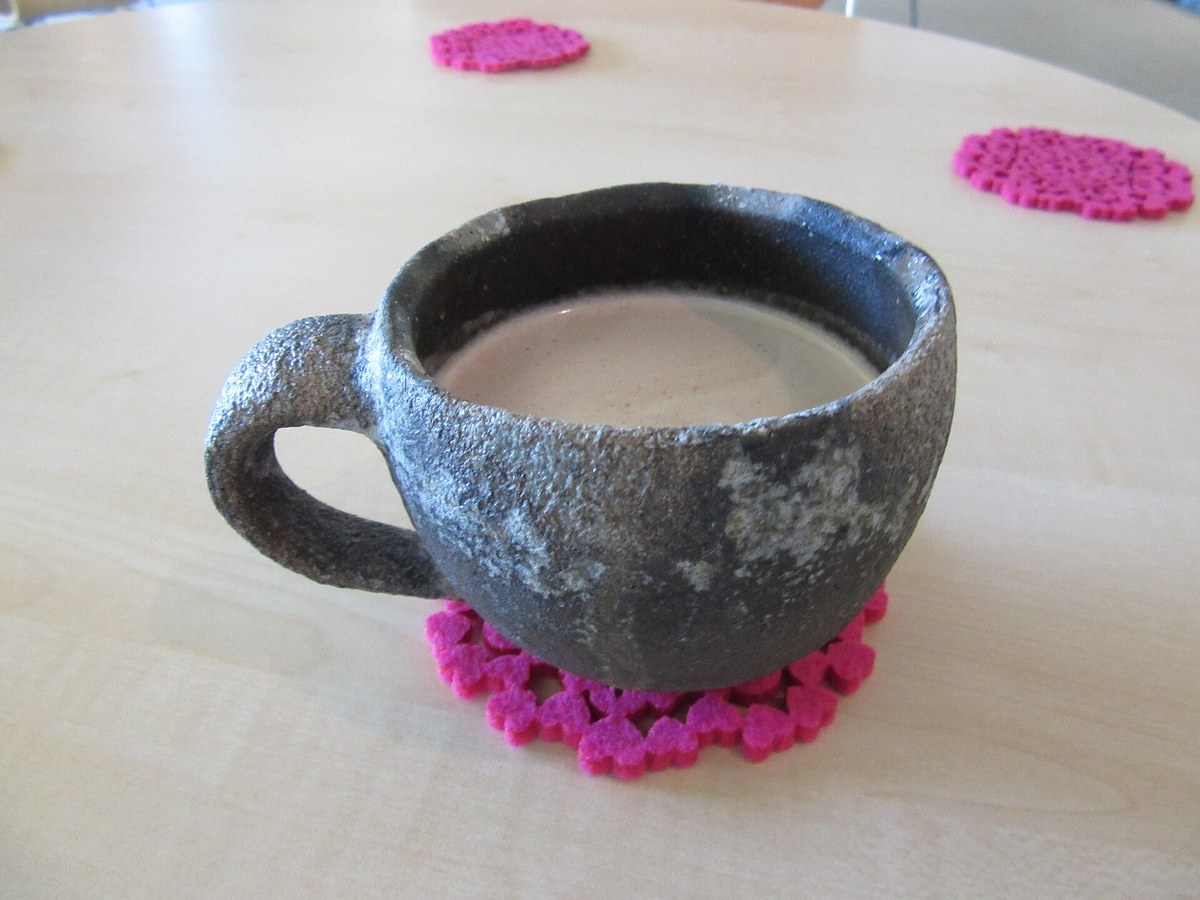
A regional ceramic character enters an everyday coffee ritual
The black Shigaraki mug links a local pottery tradition to daily use. Its regional scope belongs to a named JIMOTO Made product, not every mug with a Shiga connection.
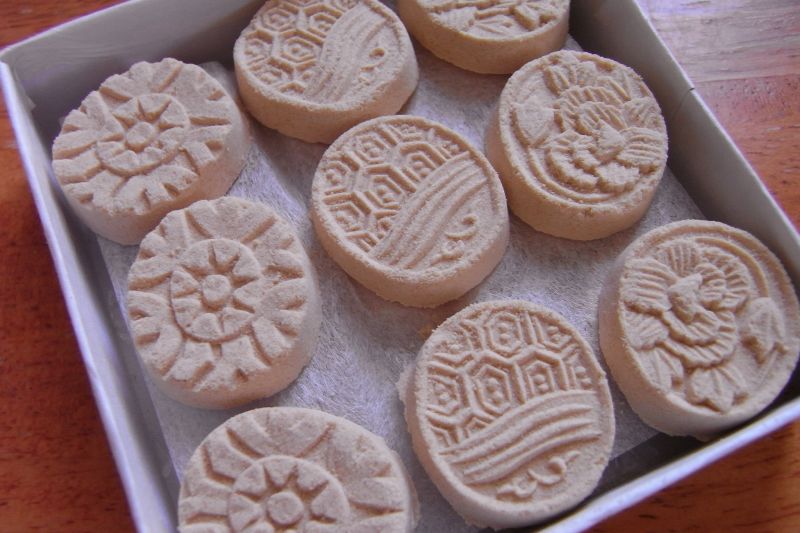
Food
Kyoto’s landscape condensed into a cherry blossom and a maple leaf
Toraya’s Kyō no Yama turns a seasonal landscape into a small sugar form. Its Kyoto-region designation has a documented historical exception, making place more nuanced than a never-elsewhere claim.
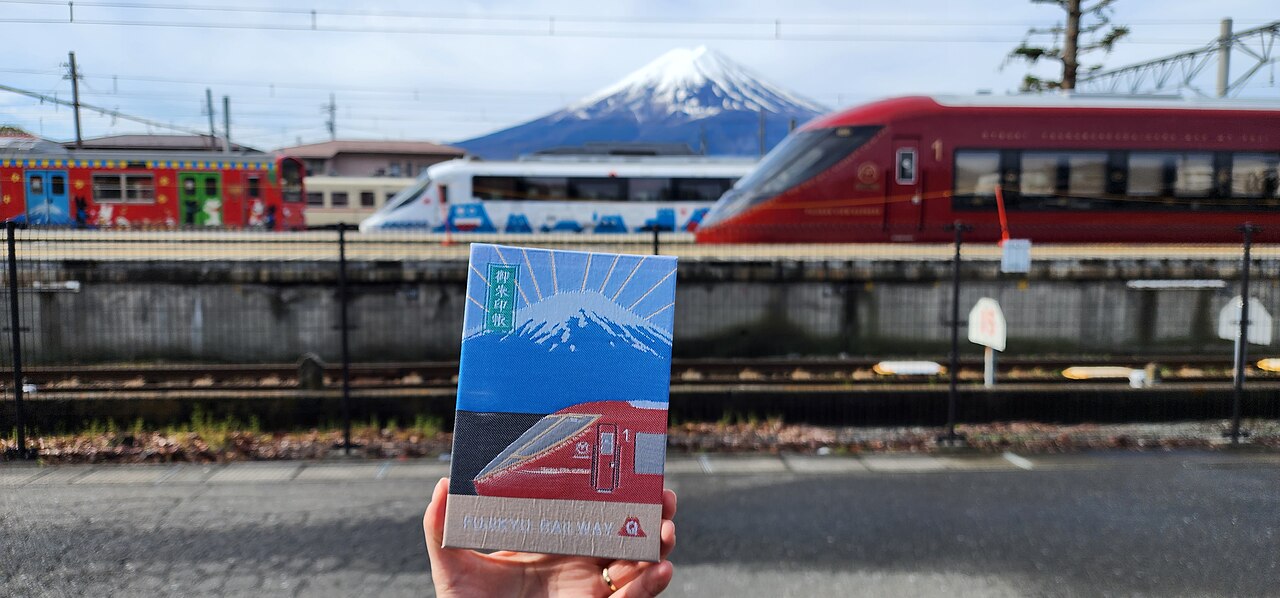
Stationery
A passport that collects shops instead of countries
A passport-style refill (¥660) made for collecting the stamps of TRAVELER’S COMPANY Partner Shops — sold only across Partner Shop and TRAVELER’S FACTORY counters, never online.
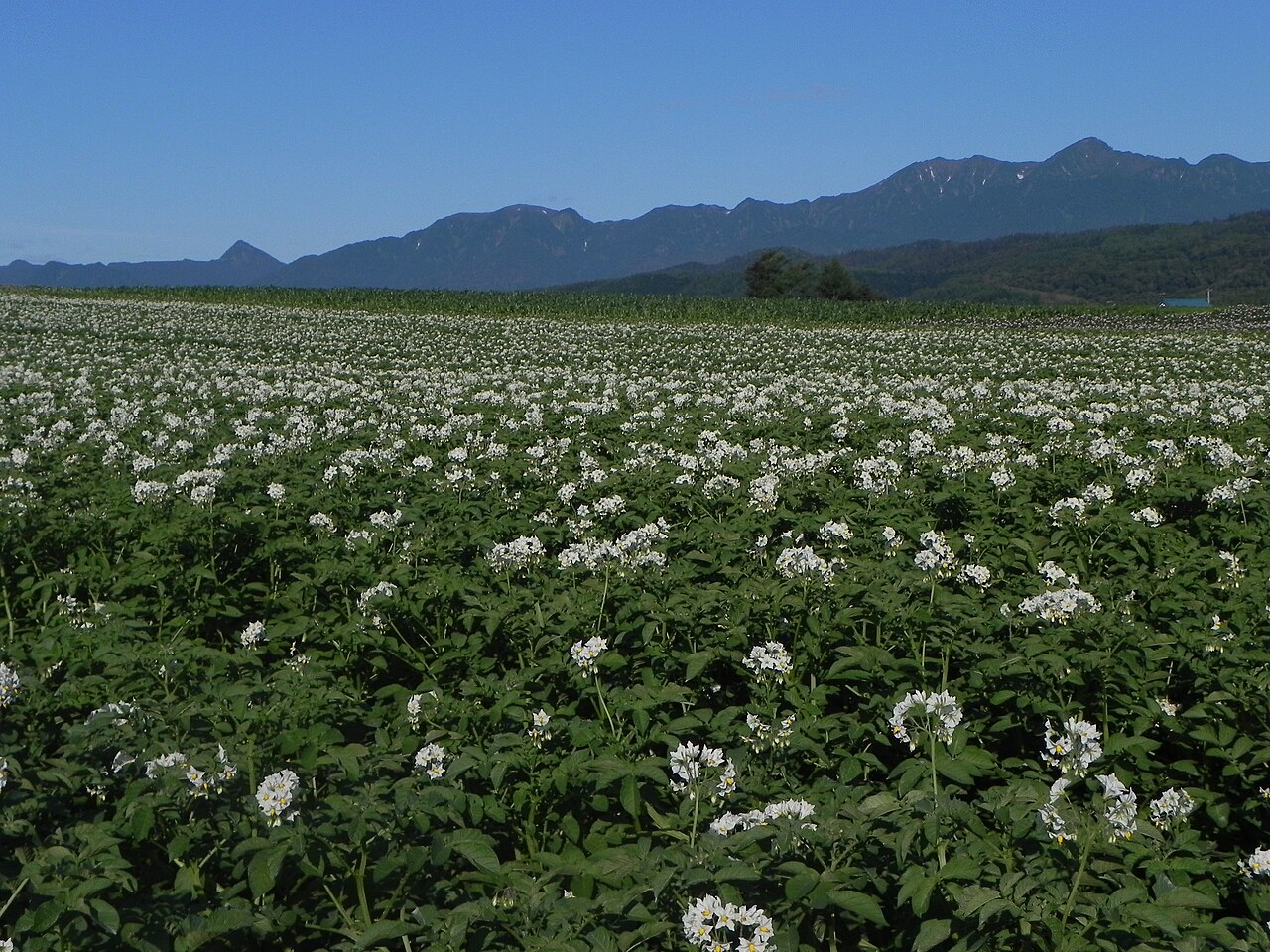
Food
Hokkaido potatoes, cut with their skins on
Calbee’s skin-on potato sticks are a Hokkaido souvenir whose physical retail, the maker says, is Hokkaido only — with the maker’s own online shop as a stated exception.
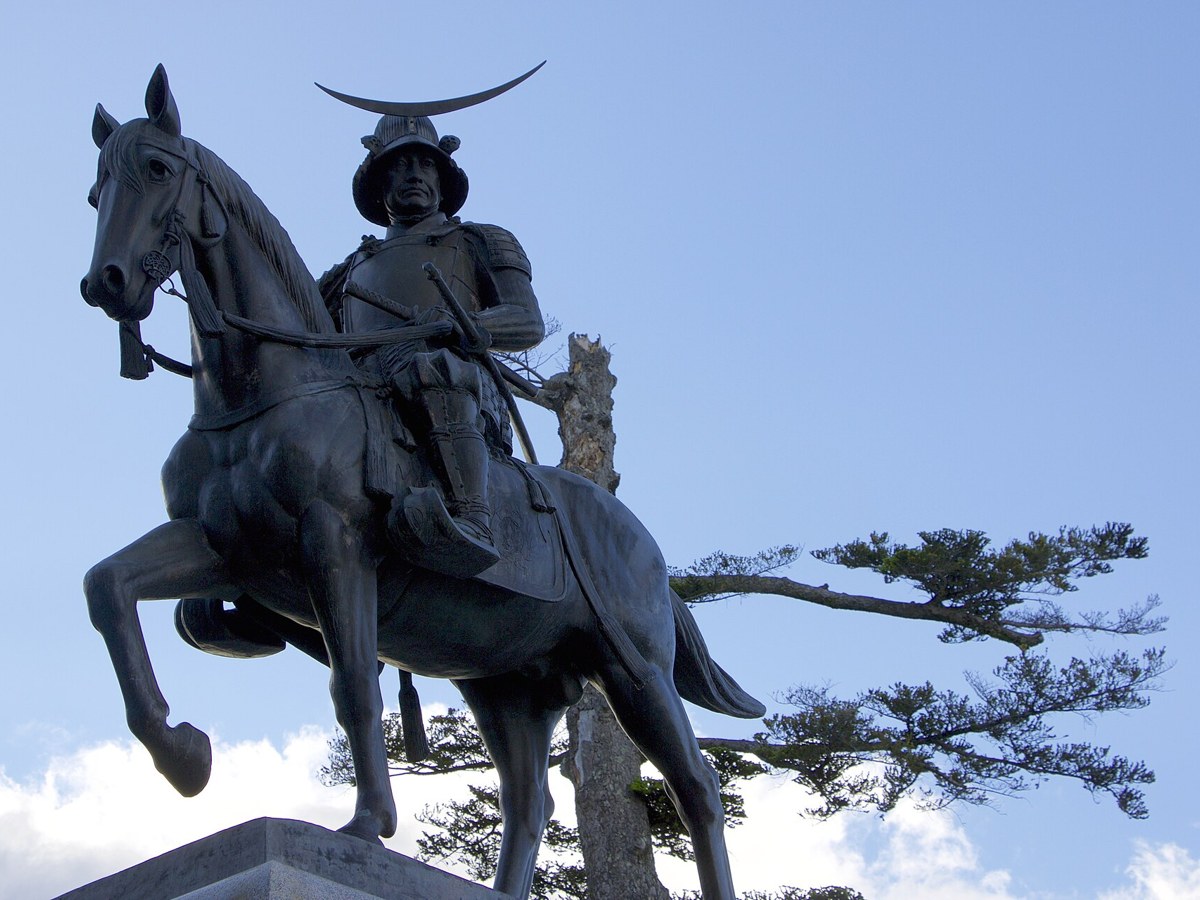
Food
Sendai’s best-selling souvenir, and the regional rule that keeps it northern
Sendai’s custard-cream castella, boxed like a full moon: ¥1,325 for five on the maker’s own shop — and normally sold only across Tōhoku.
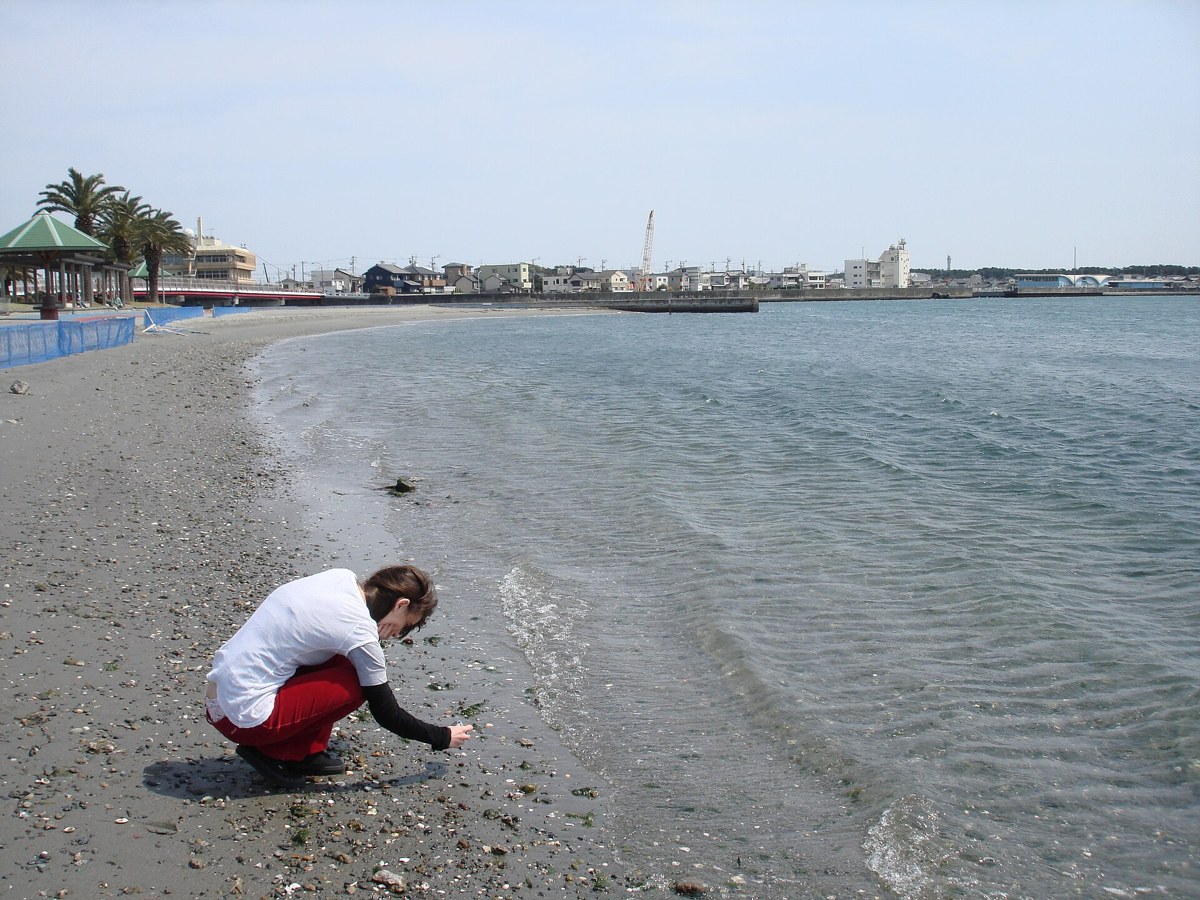
Food
A butter pastry with an eel-powder legend, handmade in one city since 1961
Shunkadō’s butter pastry with eel powder and a “night snack” legend: ¥1,200 for twelve, handmade in Hamamatsu since 1961.
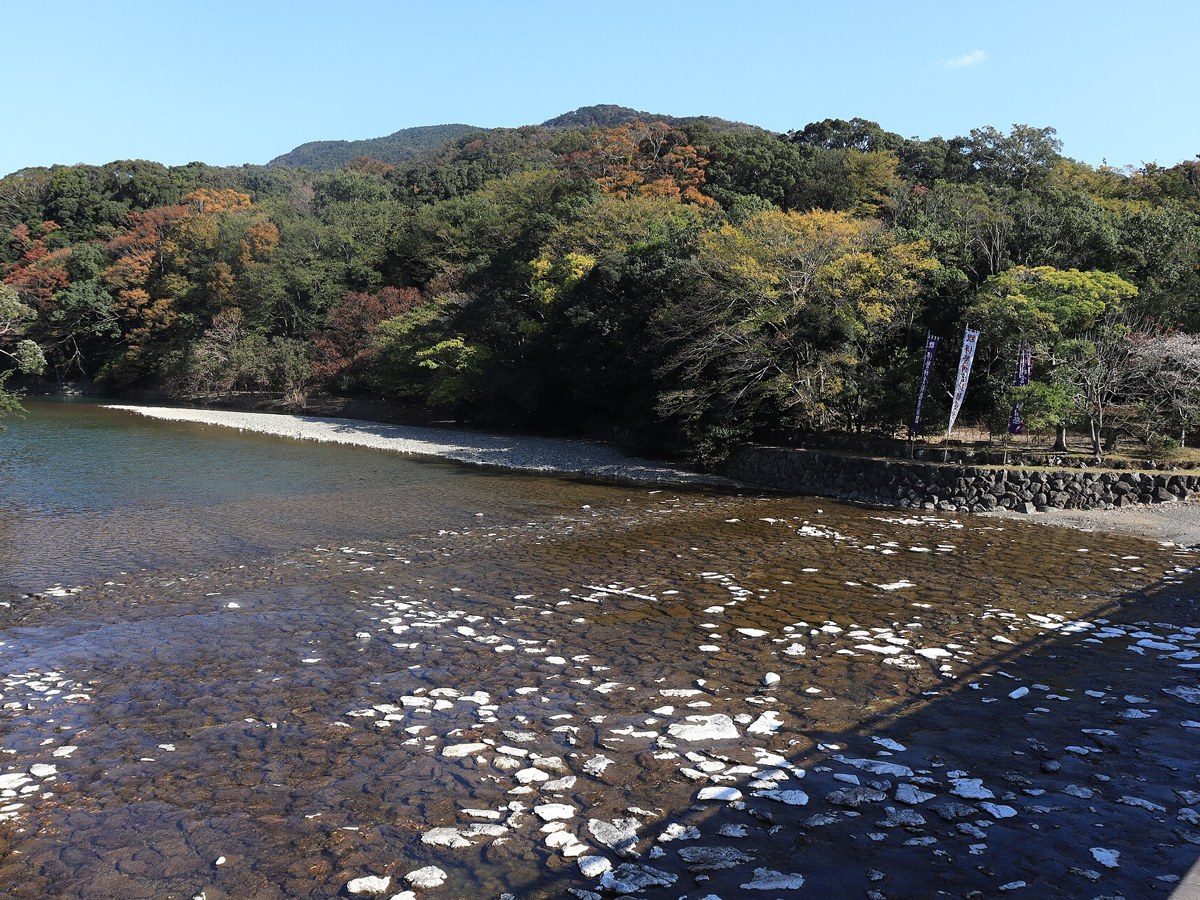
Food
The pilgrim sweet of Ise Jingū, and the nine-area map on the maker’s own store guide
Hand-ridged bean paste over soft mochi, ¥1,300 for twelve — sold only in the nine areas on Akafuku’s own store map.
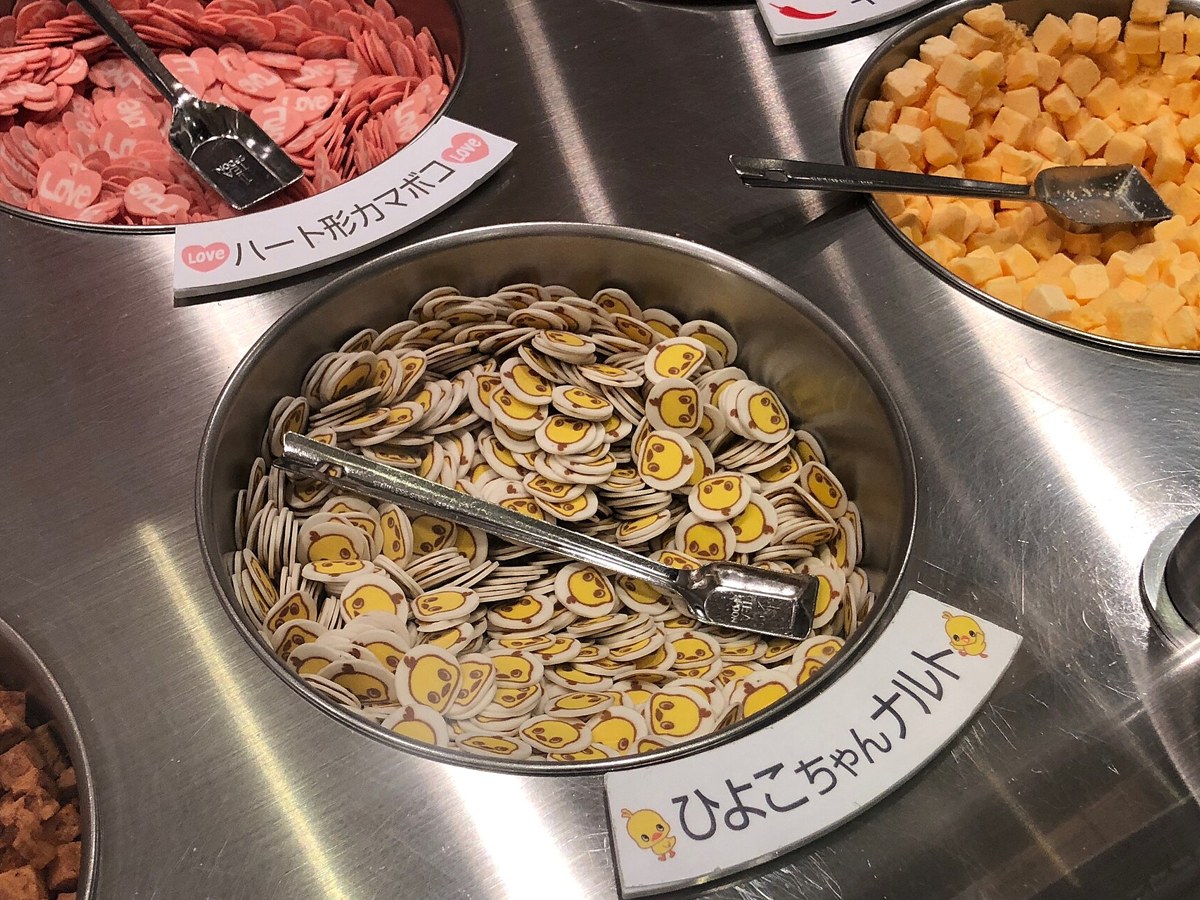
Food
5,460 combinations, one cup, and only two rooms in the world where you can make it
Design, fill and seal your own Cup Noodles — ¥500, 5,460 combinations, and only inside the two CUPNOODLES MUSEUMs.
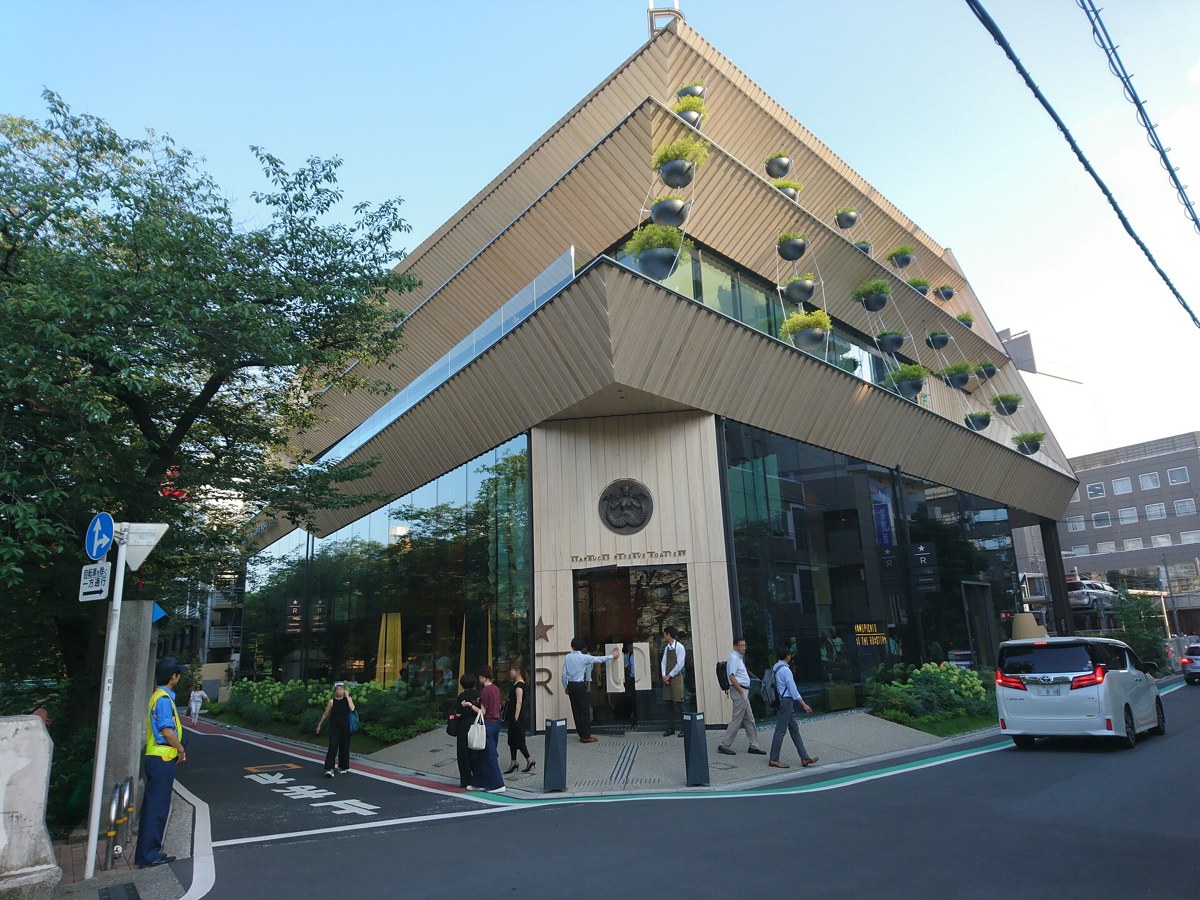
Stationery
Leather sets and refills that TRAVELER’S COMPANY sells at a single Tokyo address
Brown and camel leather notebook sets made for one building: Starbucks Reserve Roastery Tokyo. No online sales; no official price published.
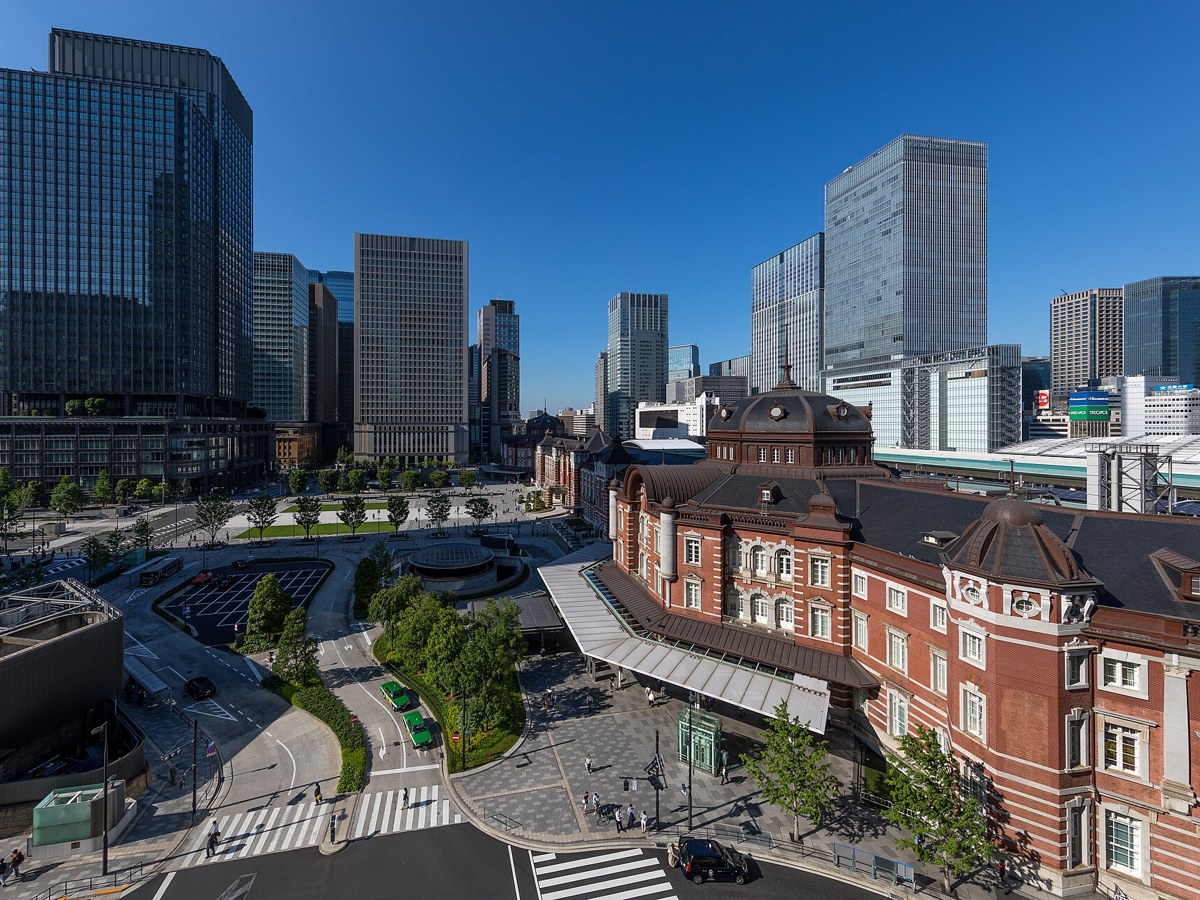
Stationery
A fictional train, a shop-only stamp, and the notebook line of Tokyo Station
The Station Edition — gold-foil TRAVELER’S TRAIN notebooks and a shop-only stamp, inside Tokyo Station since 2017.
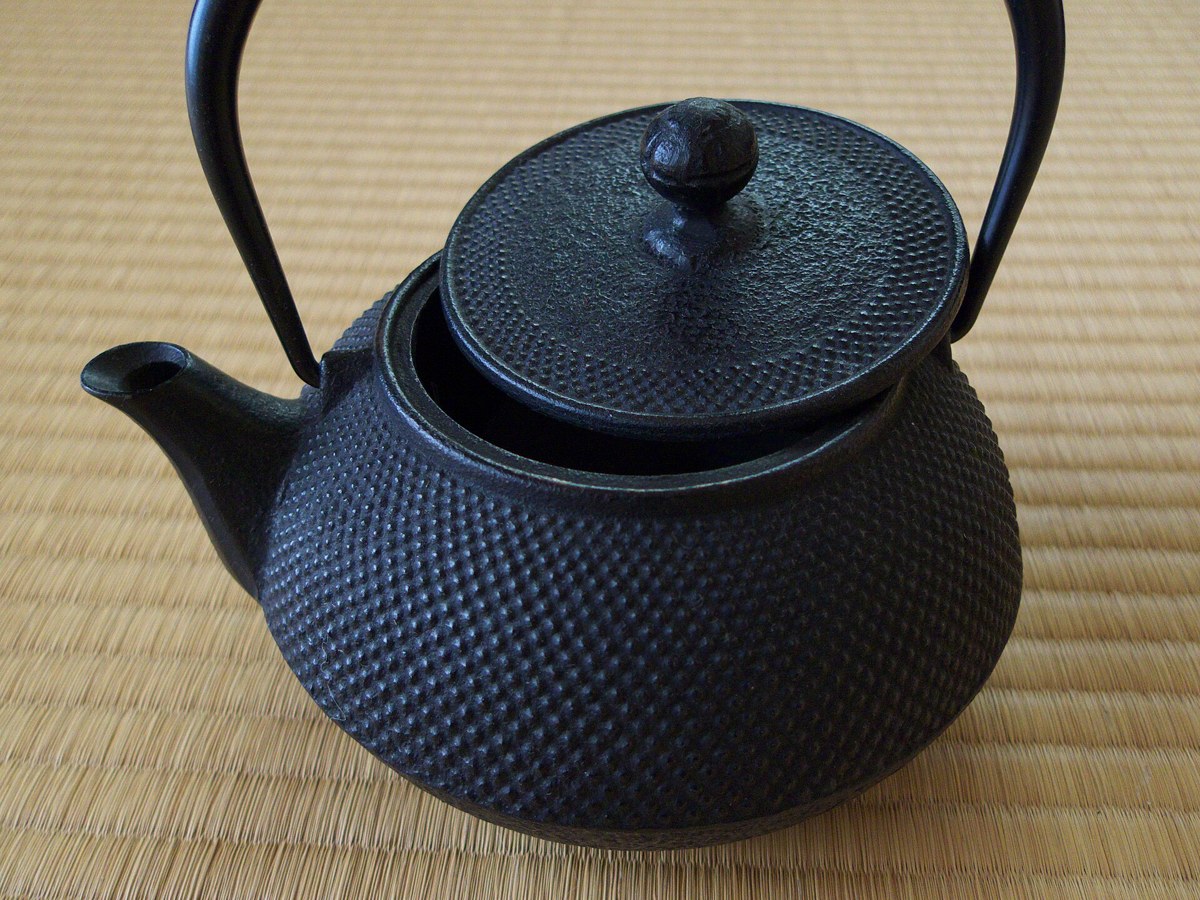
Craft
A 1902 Morioka foundry, a 1975 craft designation, and the 5-gata teapot-kettle
Morioka’s cast-iron teapot-kettle from a 1902 foundry: 0.65 L, strainer included, catalogue-priced at ¥11,000.
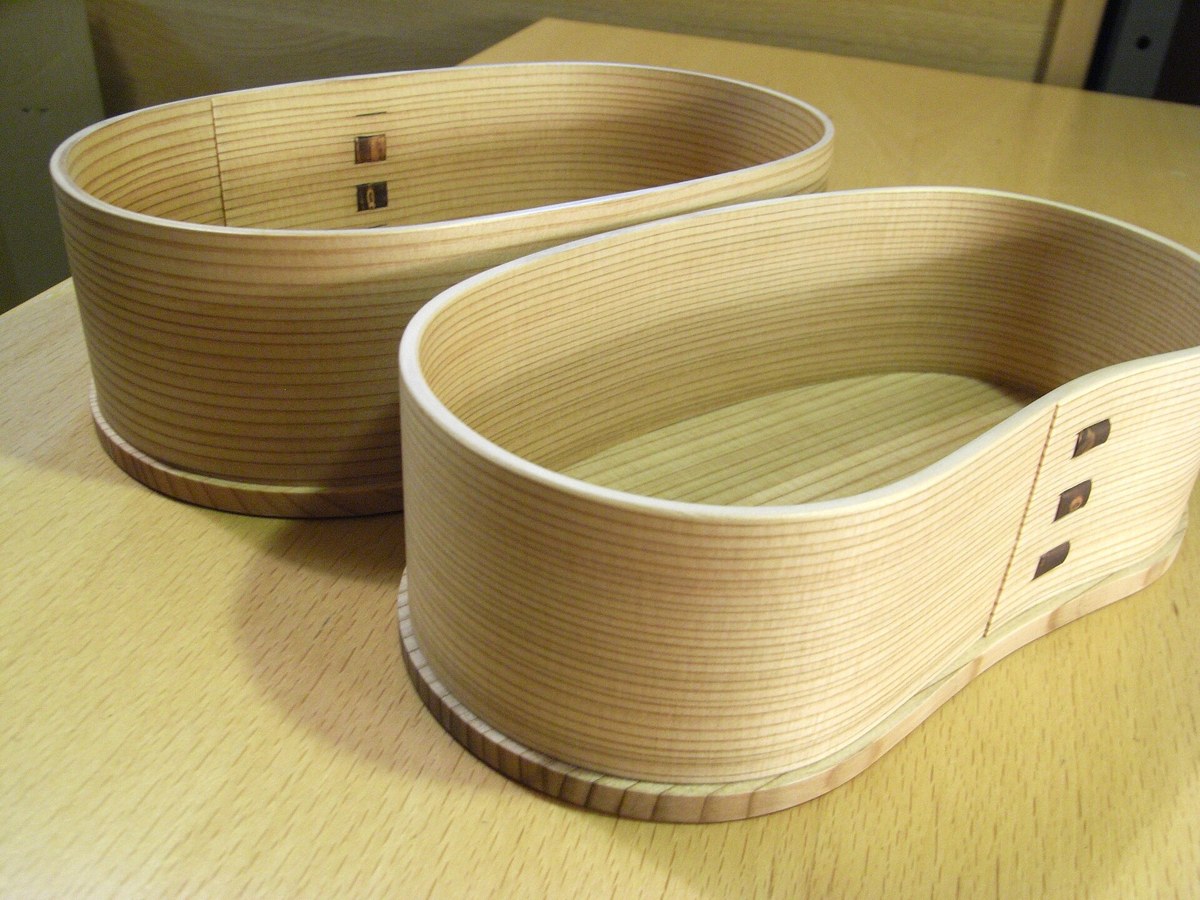
Craft
Thirty craftspeople, one workshop in Ōdate, and a lunchbox with no metal in it
Akita cedar bent and cherry-bark stitched in Ōdate: the oval bento (medium) at the maker’s published ¥9,898.
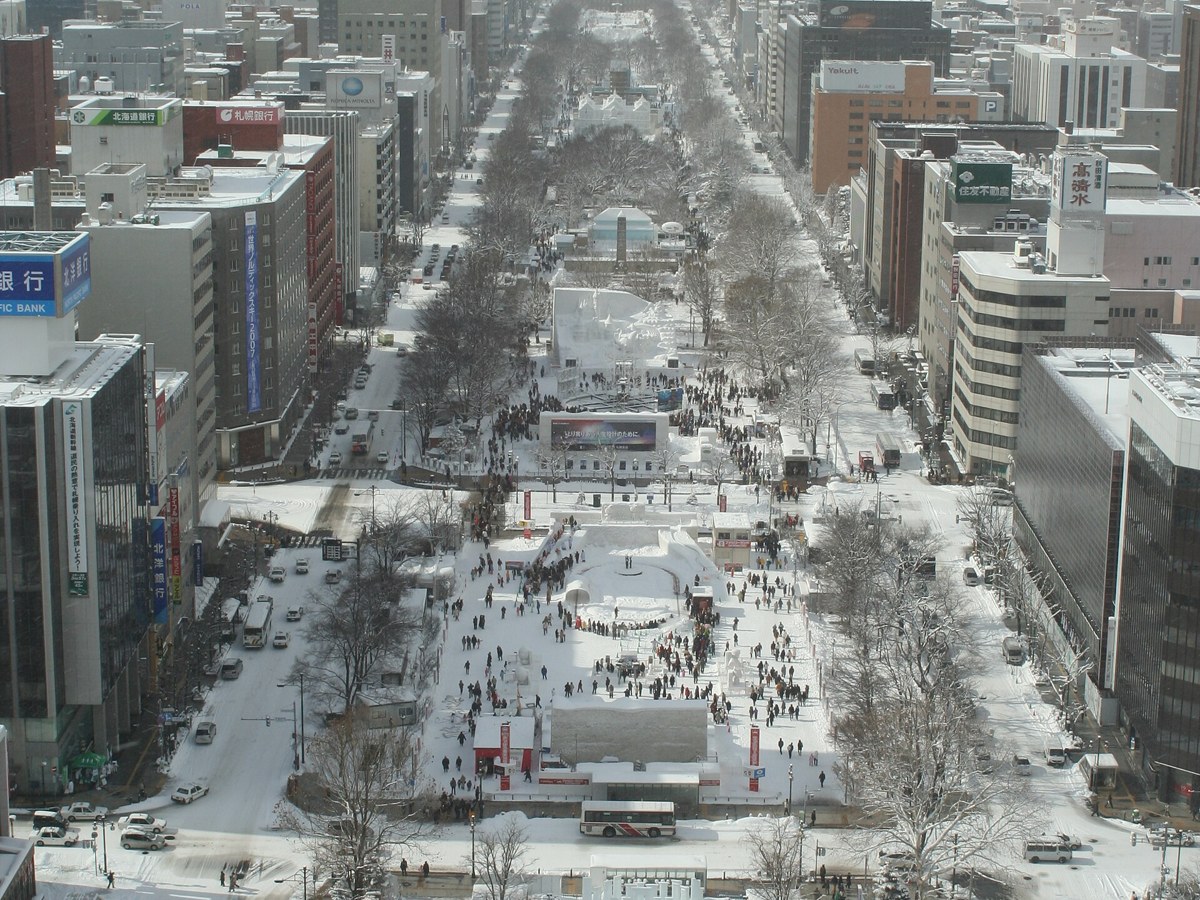
Food
ISHIYA’s white-chocolate langue de chat, Hokkaido’s defining souvenir since 1976
ISHIYA’s white chocolate between langue de chat biscuits: ¥1,144 for twelve — and a Hokkaido souvenir through and through.
Food
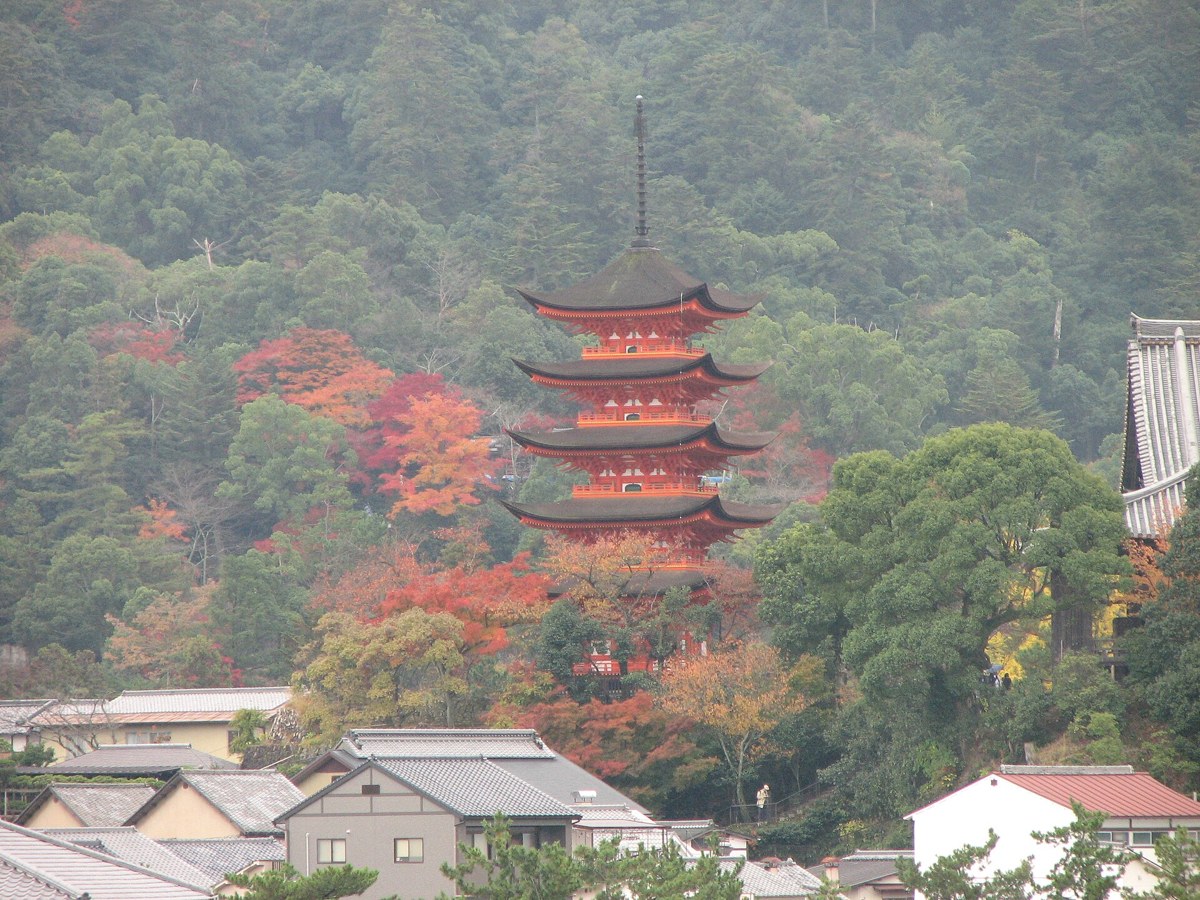
Nishikido’s six-flavour Kinmomiji and the Miyajima cake that defines Hiroshima
Maple-leaf cakes from Miyajima’s makers: Nishikido’s Kinmomiji packs six flavours, twelve cakes for ¥1,820.
Food
Meigetsudo’s butter-and-white-bean manju, a Hakata Dontaku shout in edible form
Butter, cream and white bean paste in a soft manju: ¥930 for six — and only sold in the Fukuoka area in person.
Food
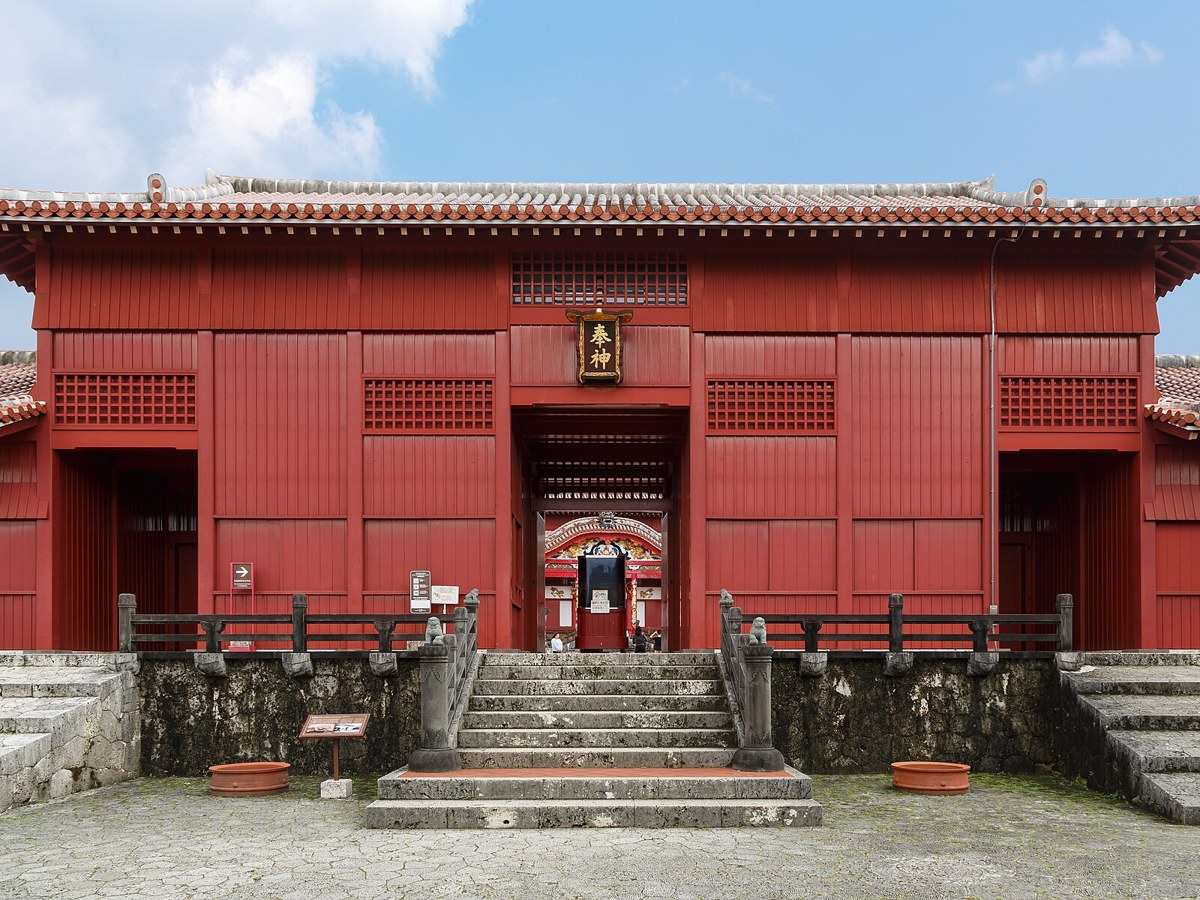
Nanpudo’s five-flavour assortment and the oldest souvenir in Okinawa
Okinawa’s Ryukyu-court biscuit: Nanpudo’s five-flavour box holds 48 biscuits for ¥1,620 — about ¥34 each.
Food
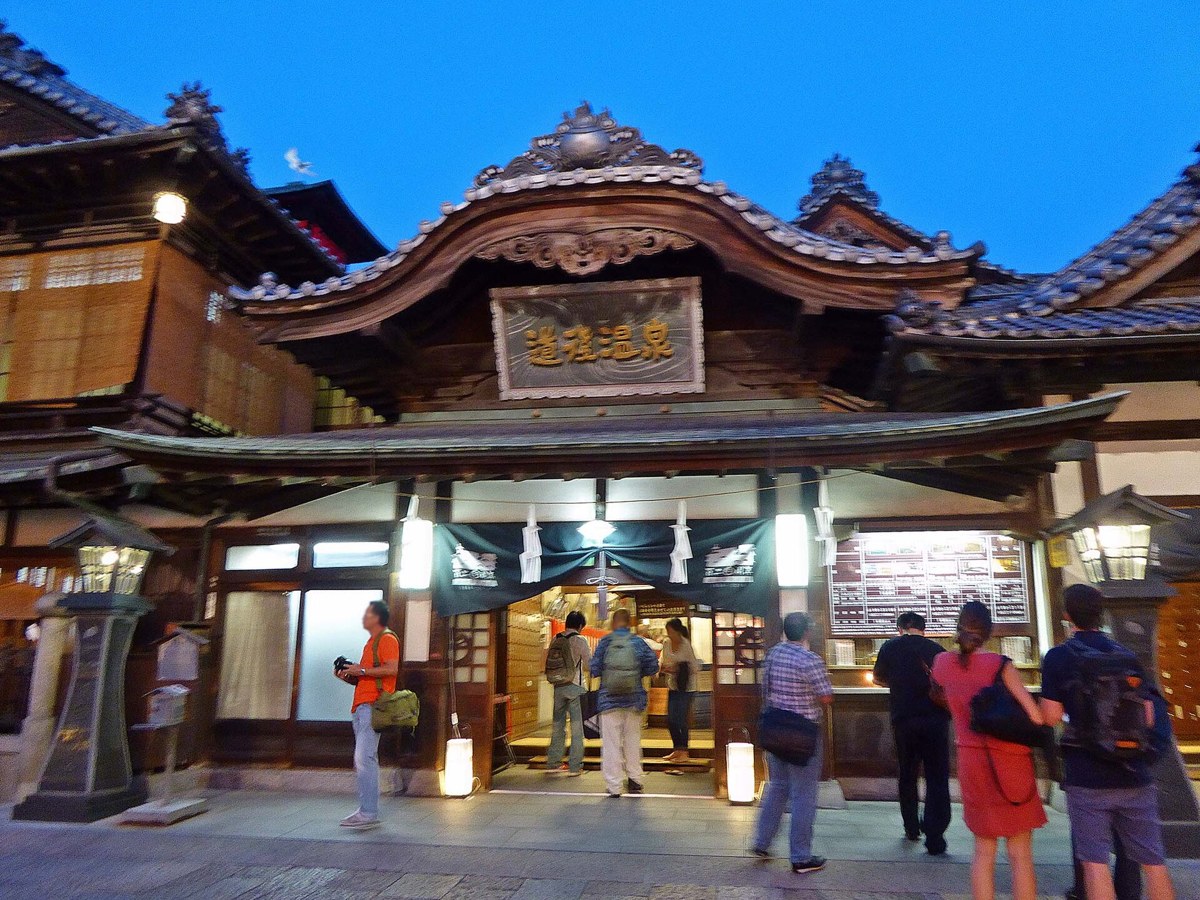
The skewered dumplings of Dogo Onsen, named for Natsume Soseki’s schoolteacher
Matcha, egg and brown-sugar dumplings on a skewer — Soseki’s Botchan made edible, from ¥500 in Dogo.
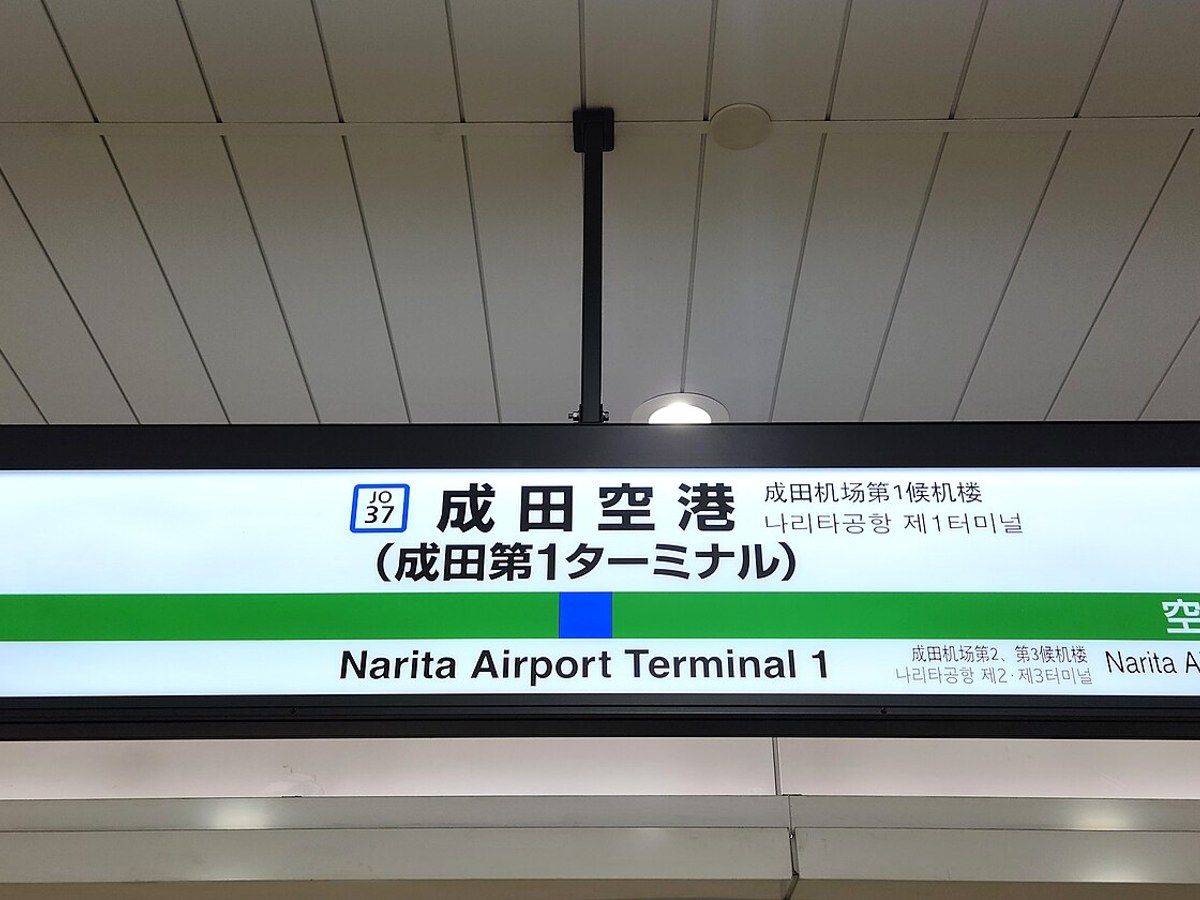
Stationery
Plane-themed covers and a shop-only stamp at TRAVELER’S FACTORY AIRPORT, Terminal 1
Plane-themed covers, inserts and tapes at one counter only: TRAVELER’S FACTORY AIRPORT, Narita Terminal 1.
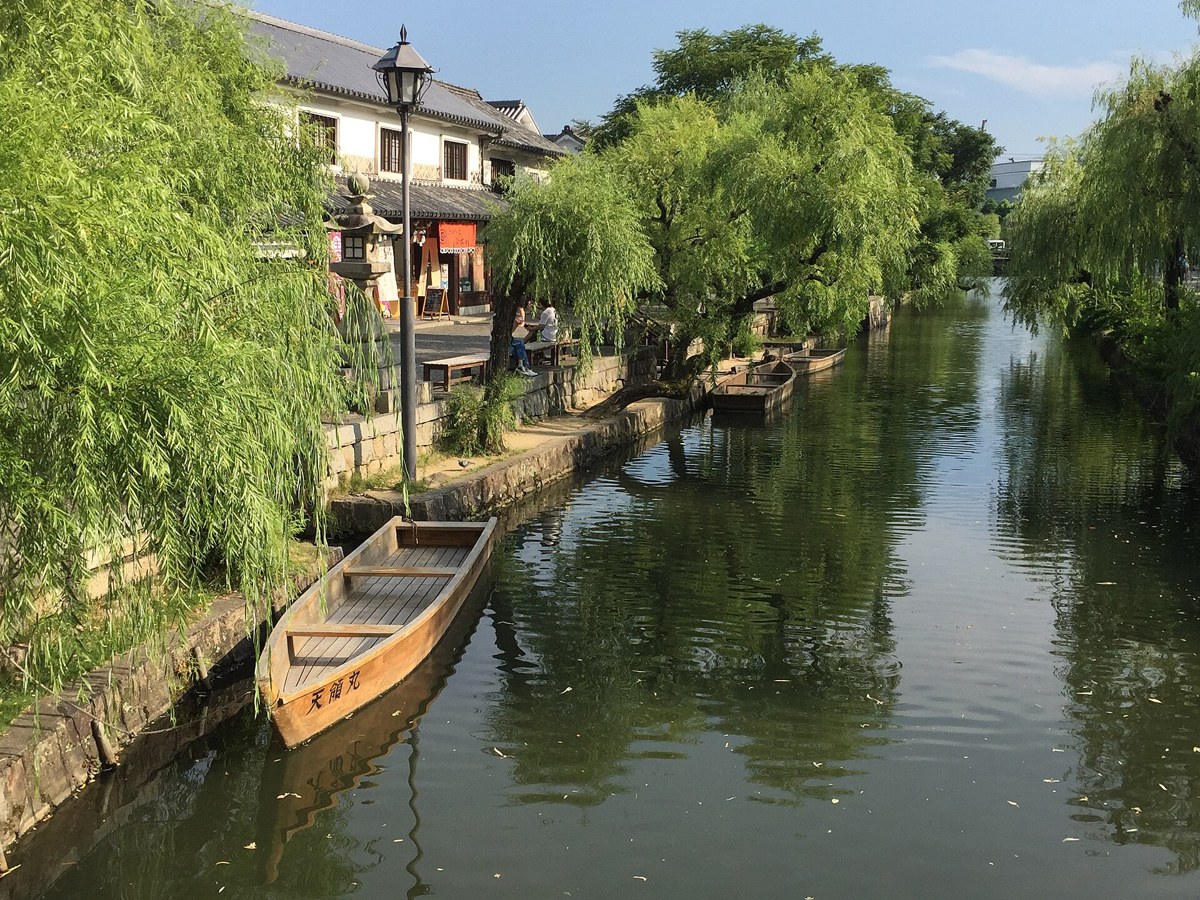
Stationery
Kamoi Kakoshi’s Factory Tour and the limited tapes of Kurashiki, where washi tape was born
Tour-limited washi tapes at the Kurashiki factory where mt was invented — about two weeks each March, since 2012.
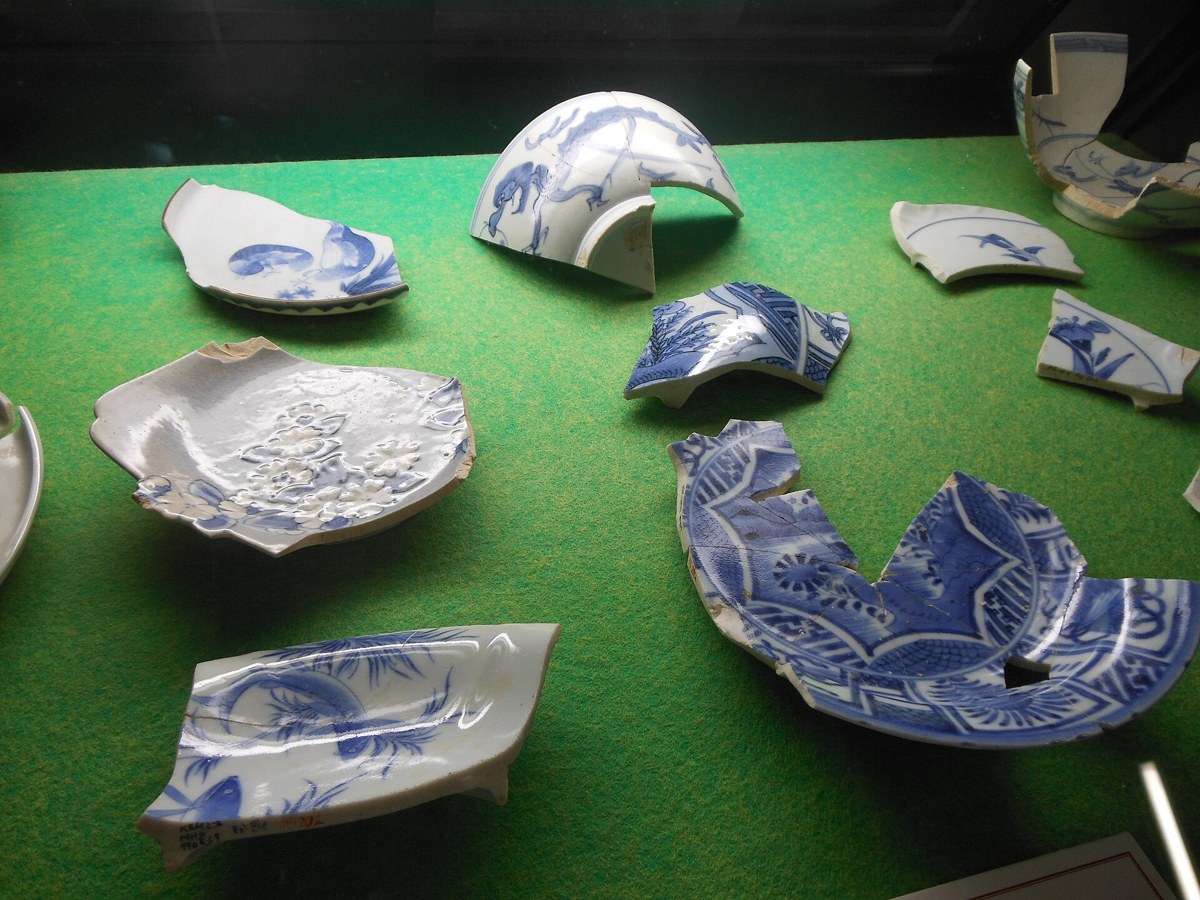
Craft
Four hundred years of blue-and-white from the town of Arita and the Seishu kiln
Japan’s first porcelain, still made only around Arita: a Seishu-kiln blue-and-white rice-bowl set at ¥2,020.
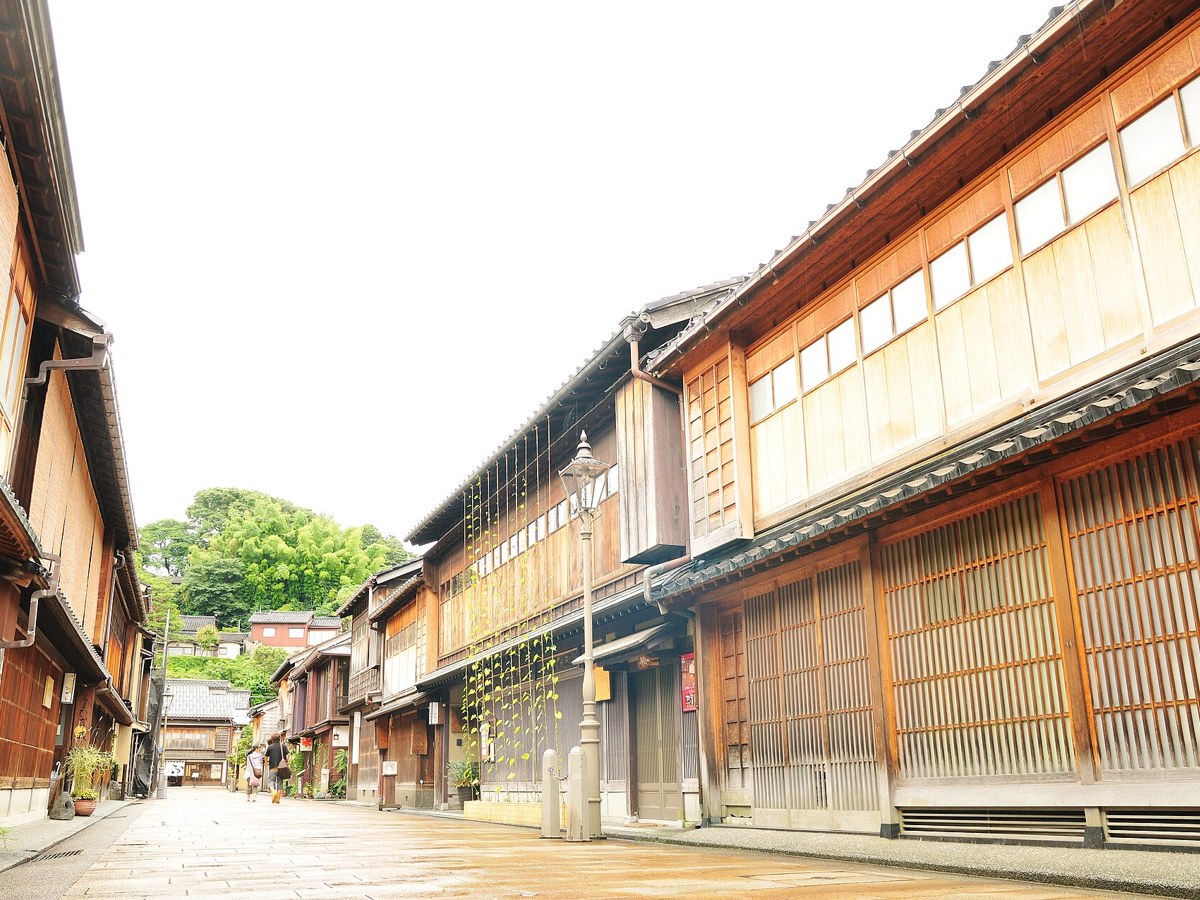
Craft
Five overglaze colours from the kilns of Kaga, Kanazawa, Kaga City and Nomi, since 1655
Five-colour overglaze porcelain from Ishikawa’s kilns: small cups ¥2,000–¥8,000 in Kanazawa’s Higashiyama.
Craft
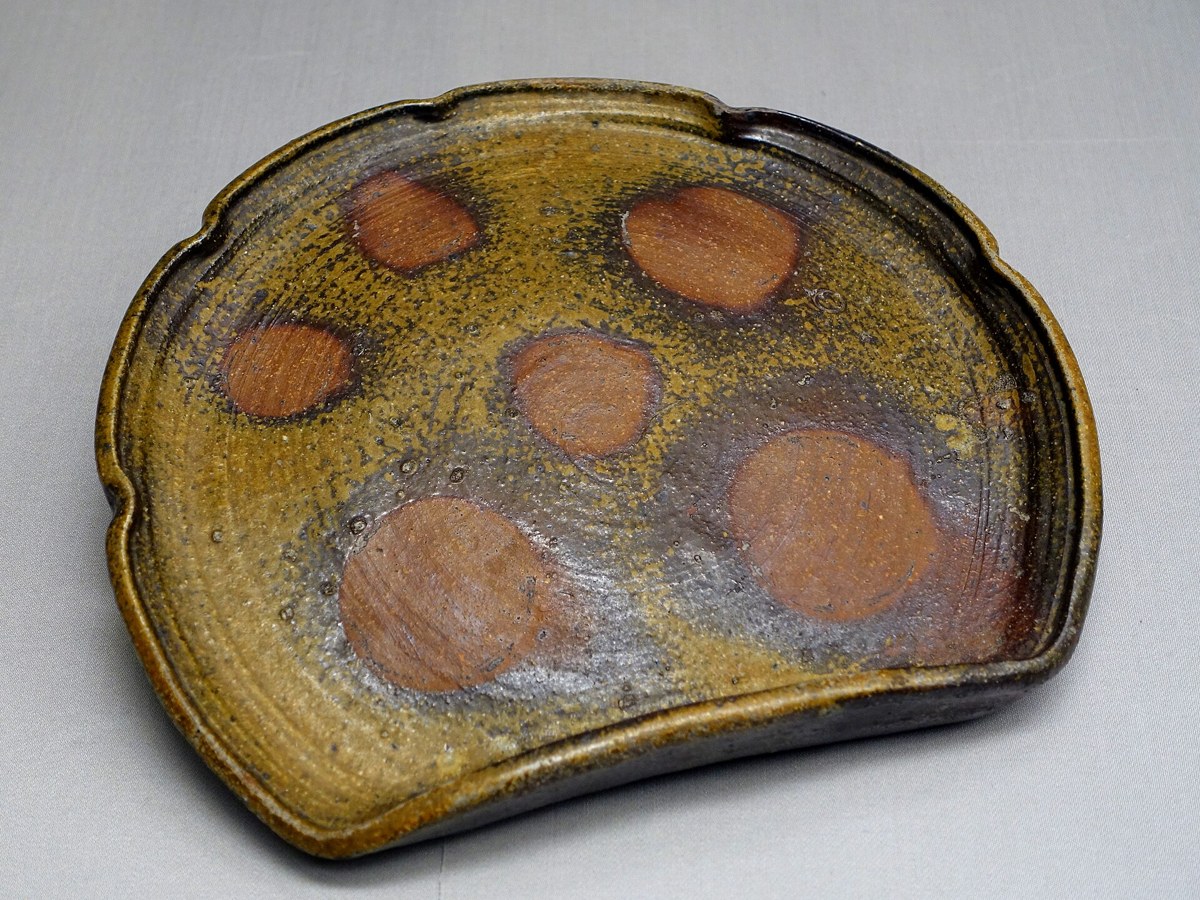
The unglazed stoneware that, its potters say, cannot be Bizen ware if made anywhere else
Unglazed, wood-fired, one village only: a kiln-transformed Bizen sake cup lists at US$139.
Craft
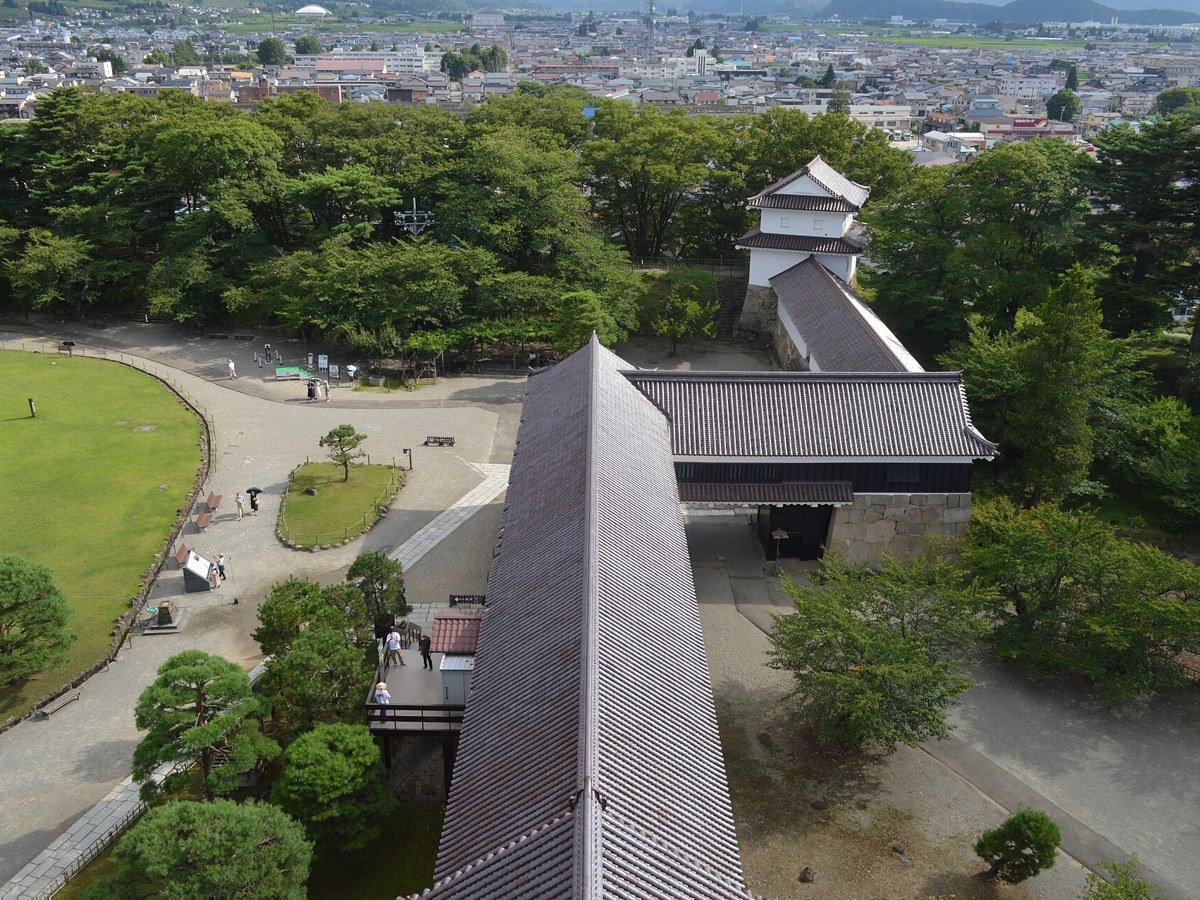
Aizu-e flowers and maki-e gold from Fukushima’s lacquer city, and Suzuzen’s painting room
Urushi, Aizu-e flowers and maki-e gold from Aizuwakamatsu — paint your own piece at Suzuzen from ¥2,400.
Craft
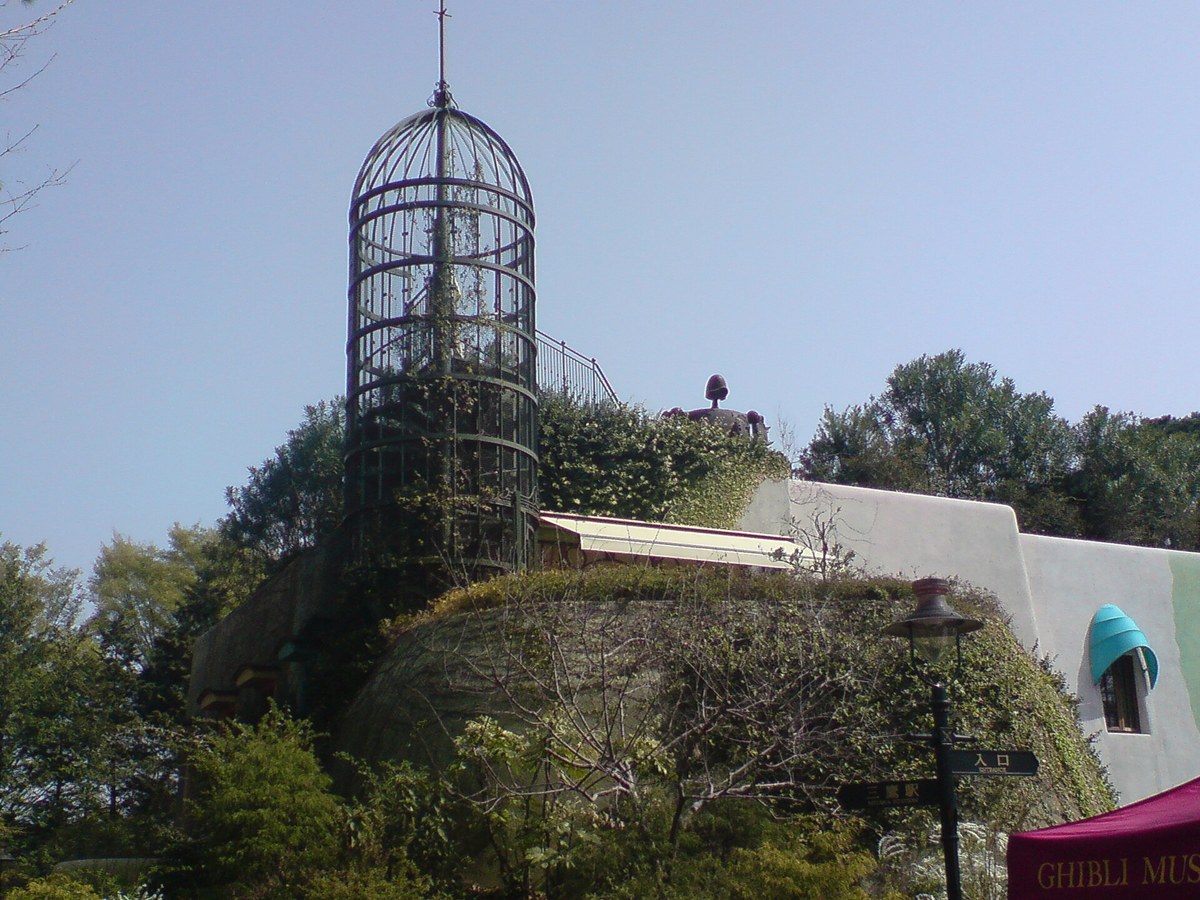
Museum-original goods at MAMMA AIUTO!, sold only inside the Ghibli Museum
Goods original to one museum, sold in one room: MAMMA AIUTO!’s exclusives, mostly ¥500–¥3,000.
Stationery
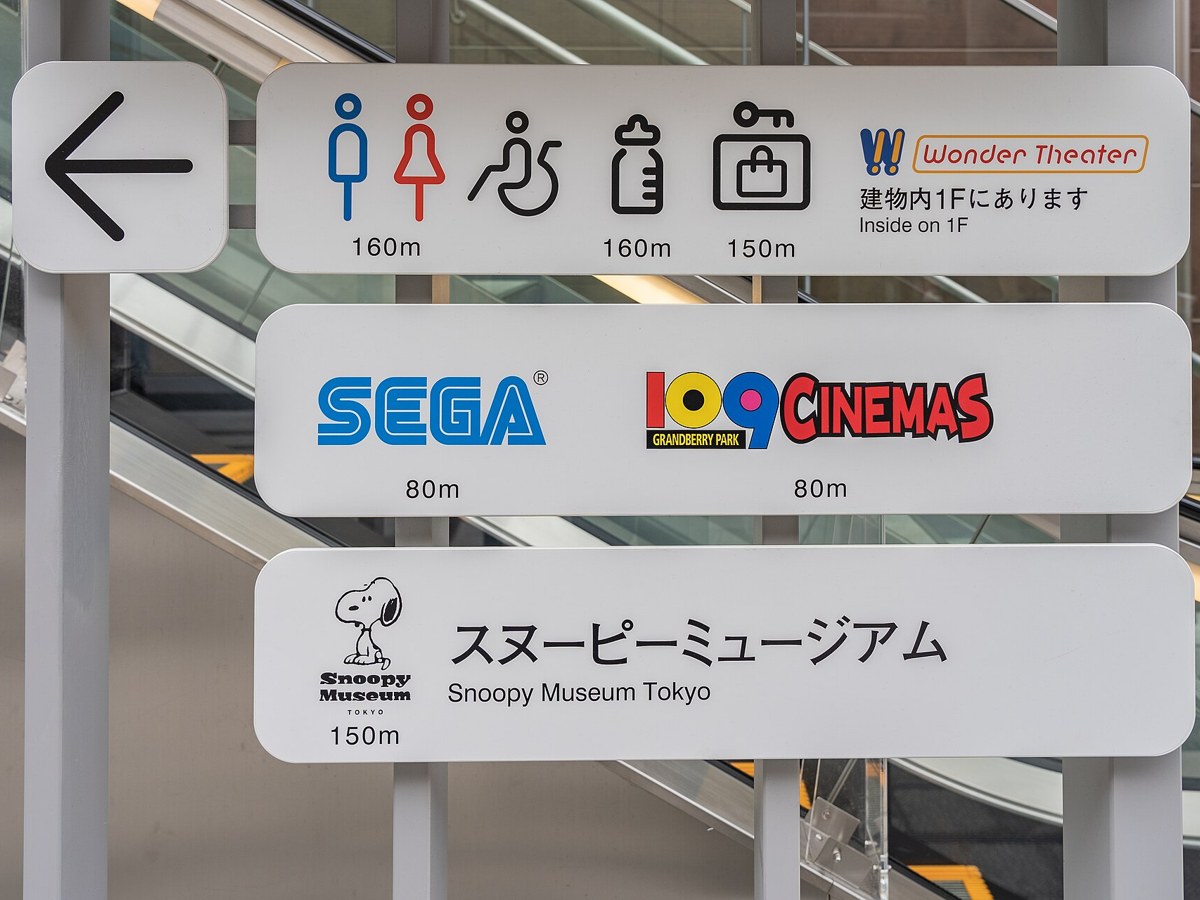
Original Peanuts goods made exclusively for Snoopy Museum Tokyo
Original Peanuts goods made only for this museum — stationery, plush and exhibition designs at BROWN’S STORE.
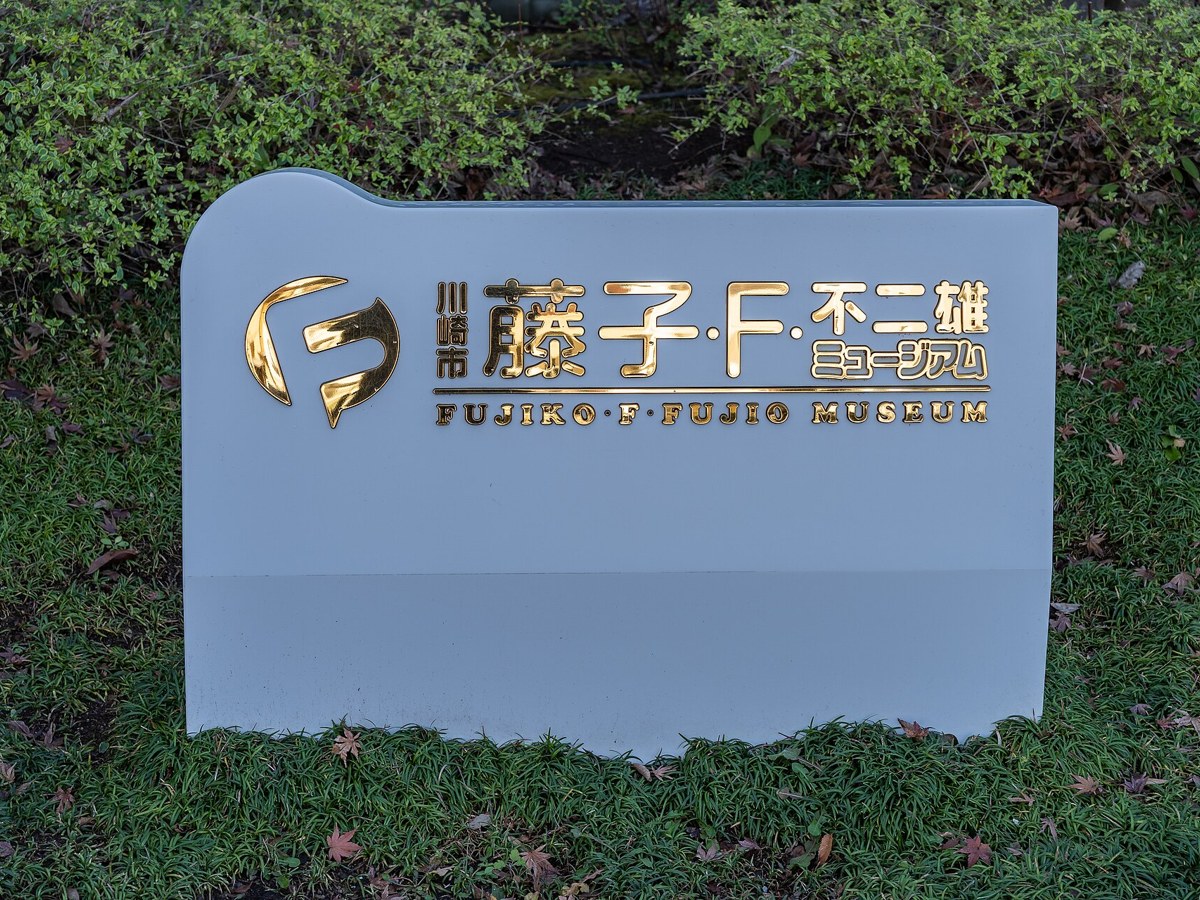
Books
Museum-only originals in Kawasaki, and the 15th-anniversary dorayaki
Originals only at Doraemon’s museum: anniversary Daishi Maki ¥2,480 and a Dorayaki box at ¥1,000.
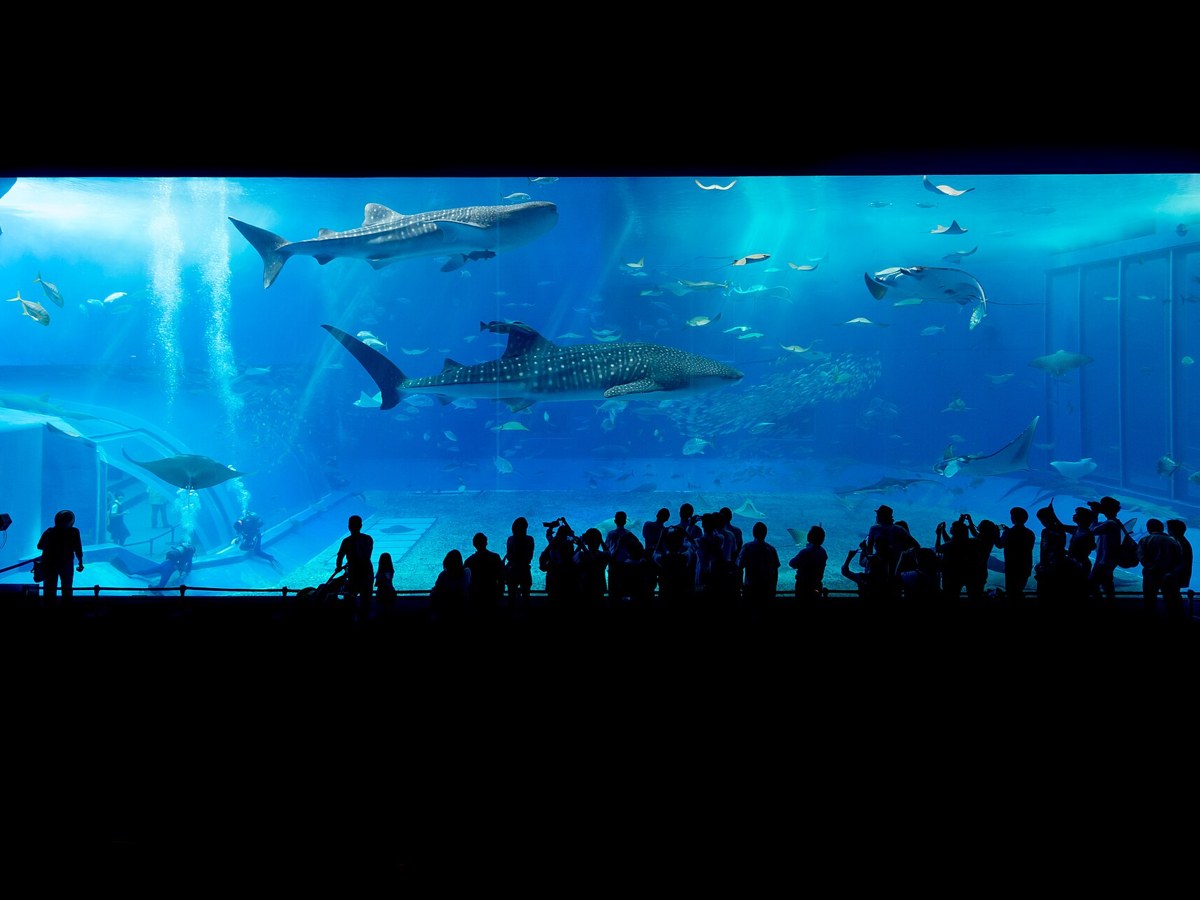
Craft
Churaumi’s exclusive cup-edge figurines and the Blue Manta shop in Motobu
Seven aquarium stars as cup-edge figurines, ¥400 a turn — sold only inside Churaumi Aquarium.
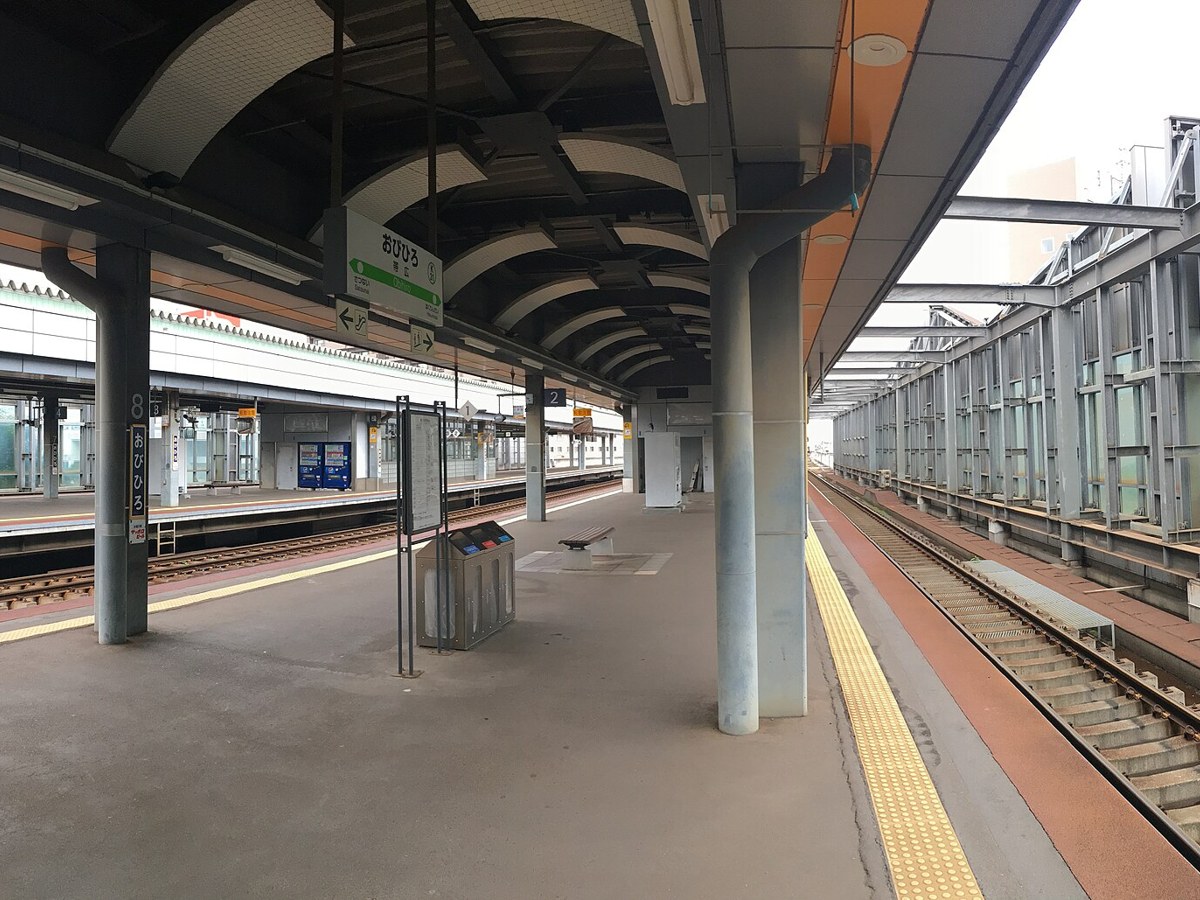
Food
Rokkatei’s butter, white chocolate and raisin sandwich — sold by a house whose shops stand only in Hokkaido
Butter, white chocolate and raisins between plain biscuits: ¥870 for five — from a confectioner whose shops are all in Hokkaido.
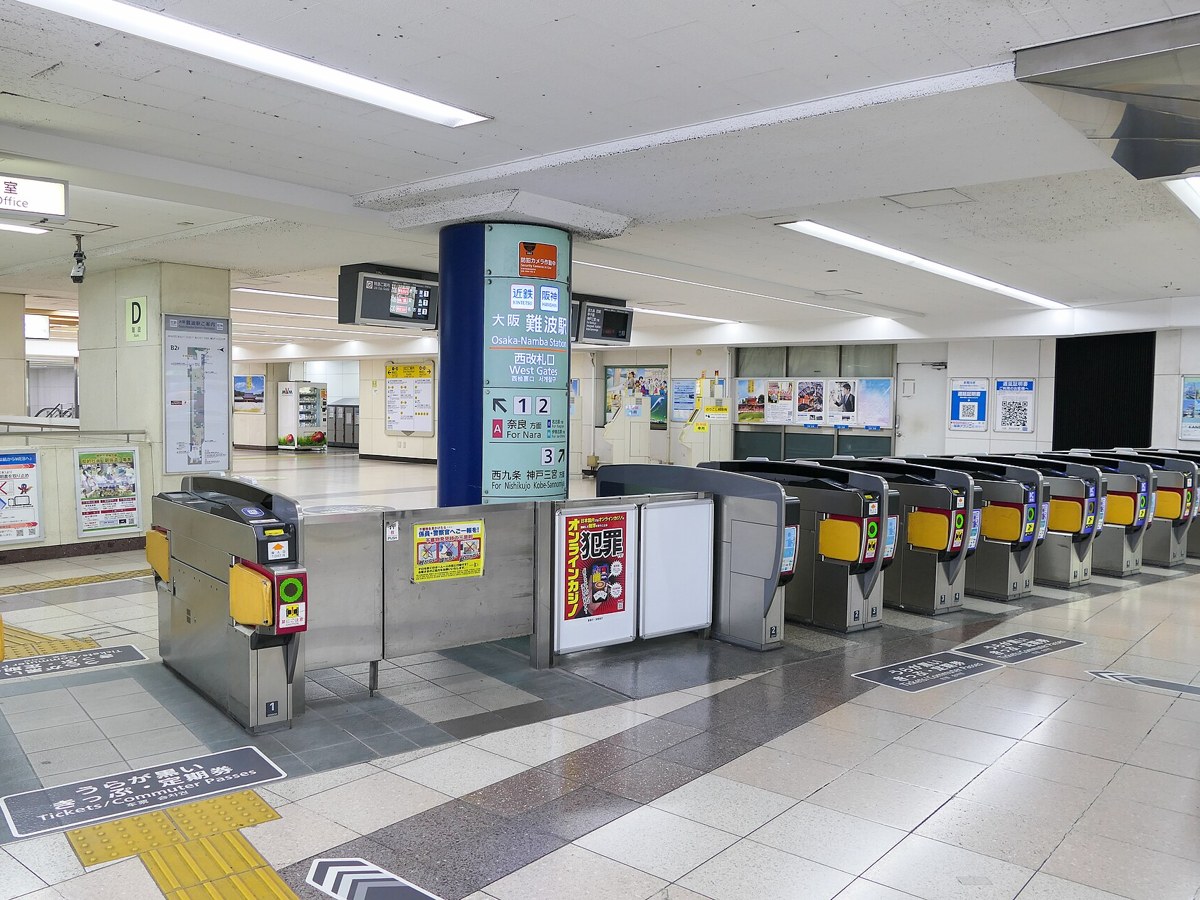
Food
Rikuro’s 18 cm soufflé cheesecake, baked in its own Osaka shops — and nowhere else
An 18 cm soufflé cheesecake baked in the shop that sells it: ¥1,095 — and the chain has no shops outside Osaka.
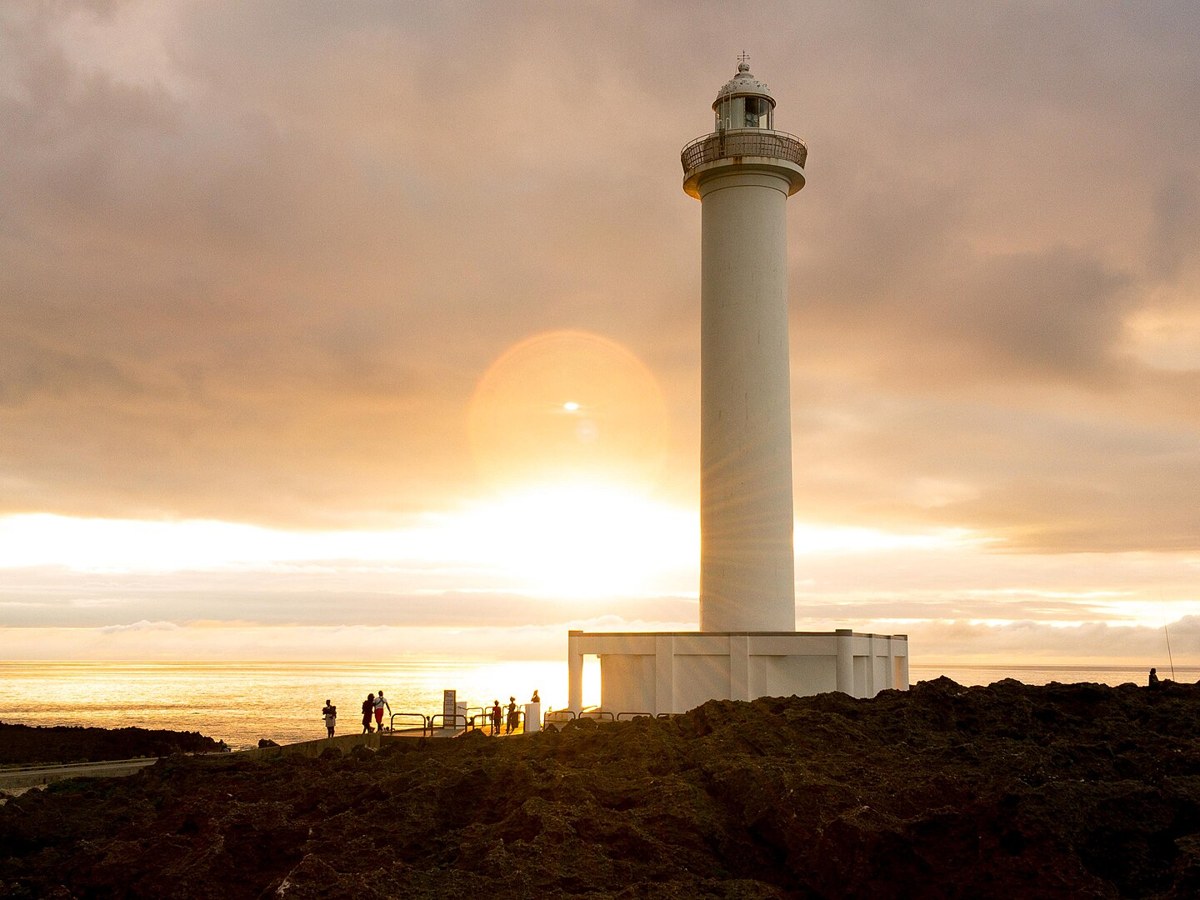
Food
Okashi Goten’s original beni-imo tart — 100% Okinawan purple sweet potato, invented in Yomitan in 1986
100% Okinawan purple sweet potato in a soft tart shell: ¥1,296 for six — the original beni-imo tart, from Yomitan.
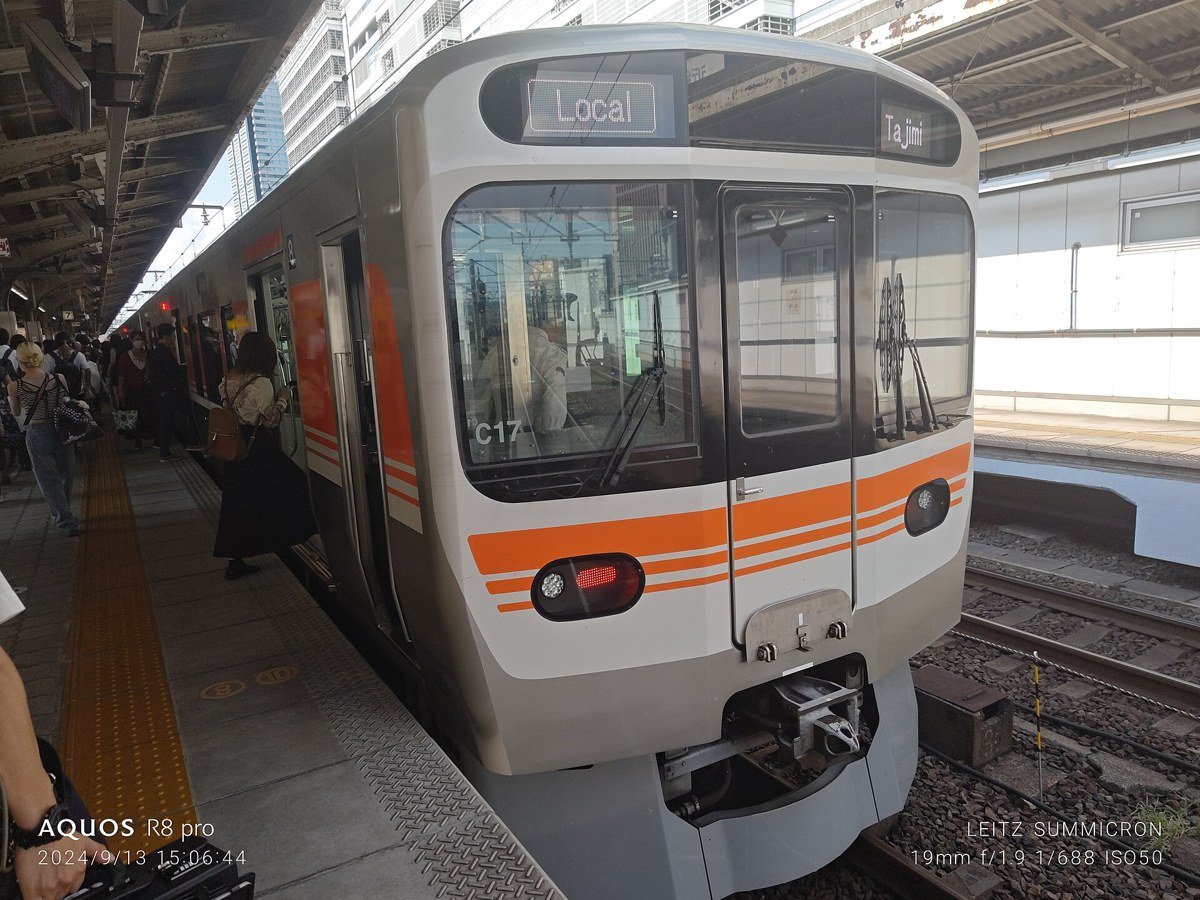
Food
Bankaku’s famous shrimp cracker in the tin that is exclusive to Nagoya — sold from a golden vending machine at Nagoya Station
The famous shrimp cracker in its Nagoya-only golden tin: 10 for ¥918 — dispensed by a golden vending machine at Nagoya Station.
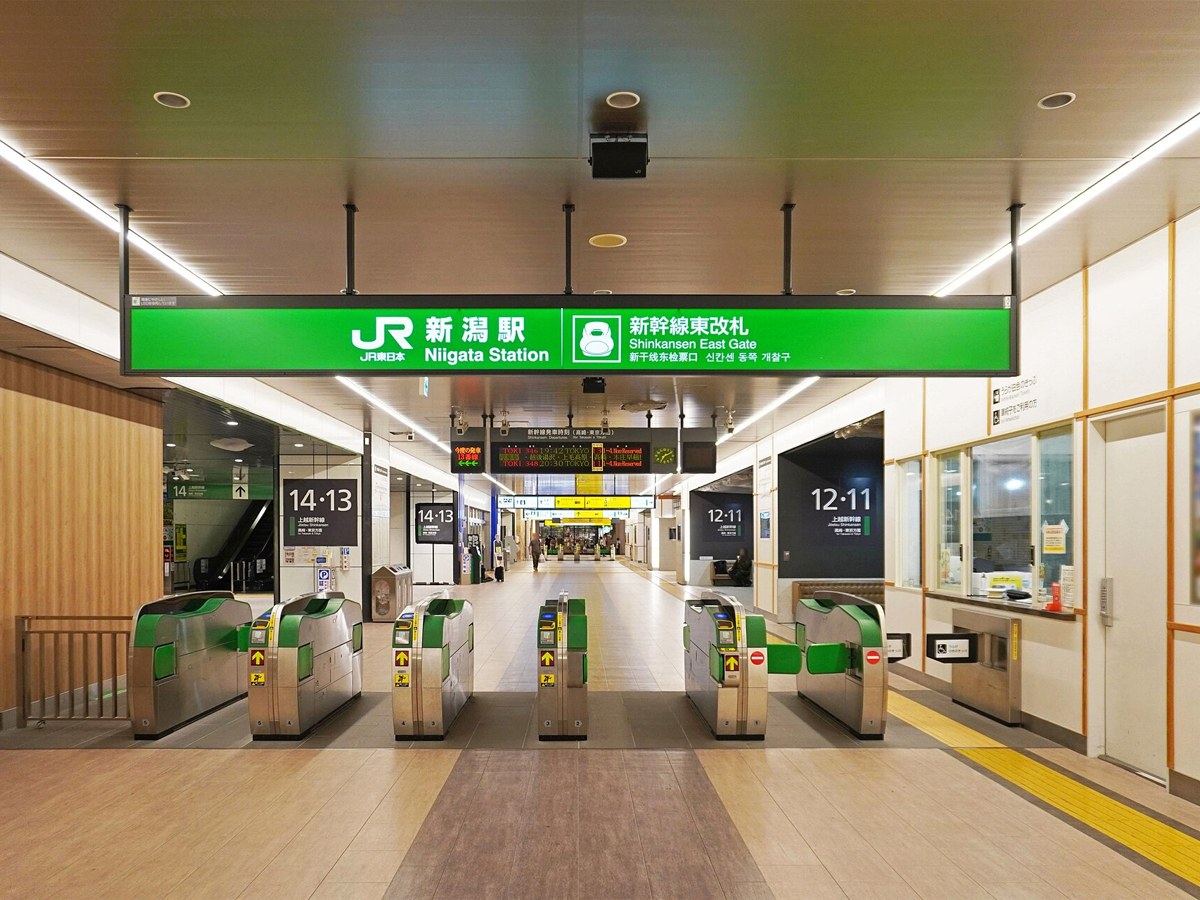
Food
Tanakaya Honten’s mugwort dumplings in bamboo leaves — ten shops, one city, five hundred years of form
Mugwort rice cakes tied in bamboo leaves — Niigata’s soul food, from Tanakaya’s ten Niigata City stores; bags of five from ¥864.
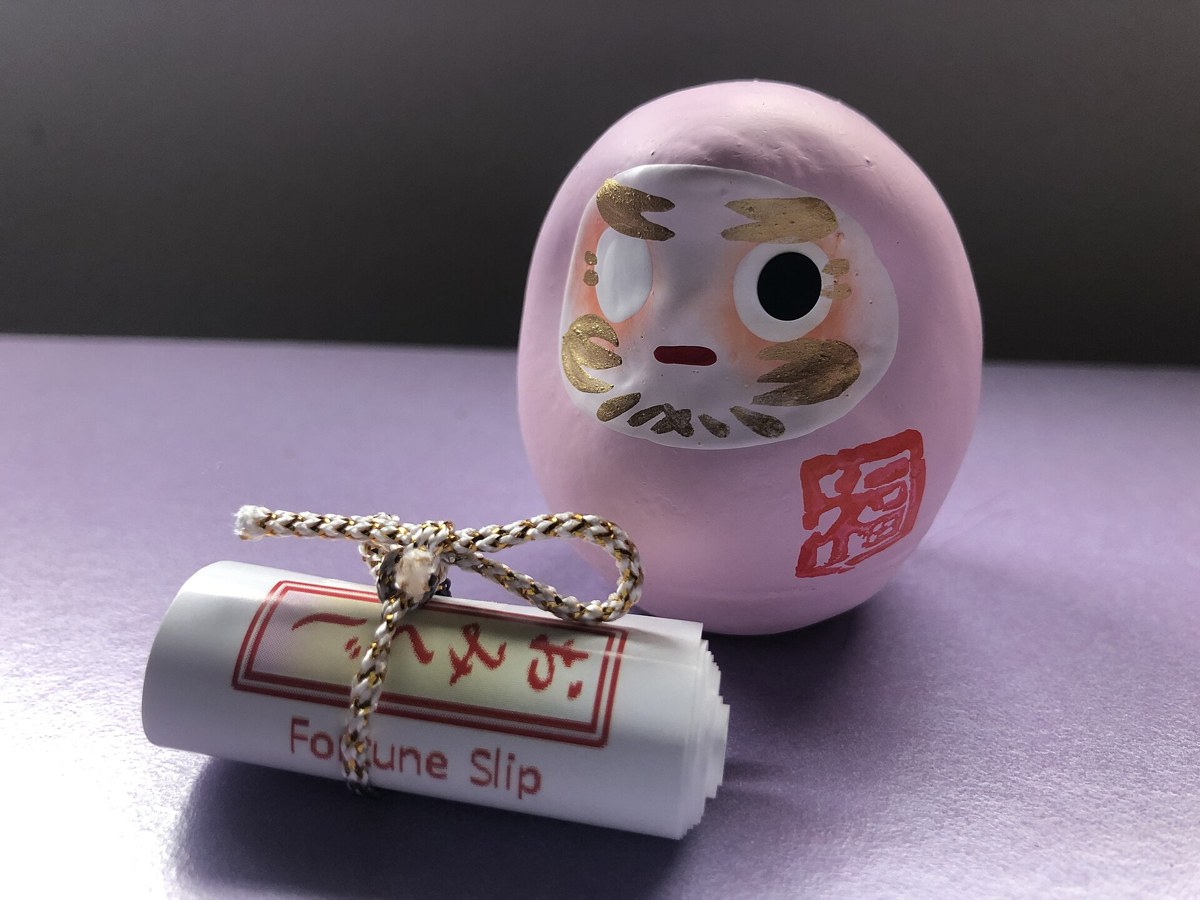
Craft
Takasaki’s papier-mâché wish dolls — blank eyes, crane eyebrows, and 1.6 million dolls a year
Round, red and hollow: Takasaki makes over 80% of Japan’s daruma. Paint one eye on a wish — at Daimonya, ¥800 for a 12 cm doll.
Craft
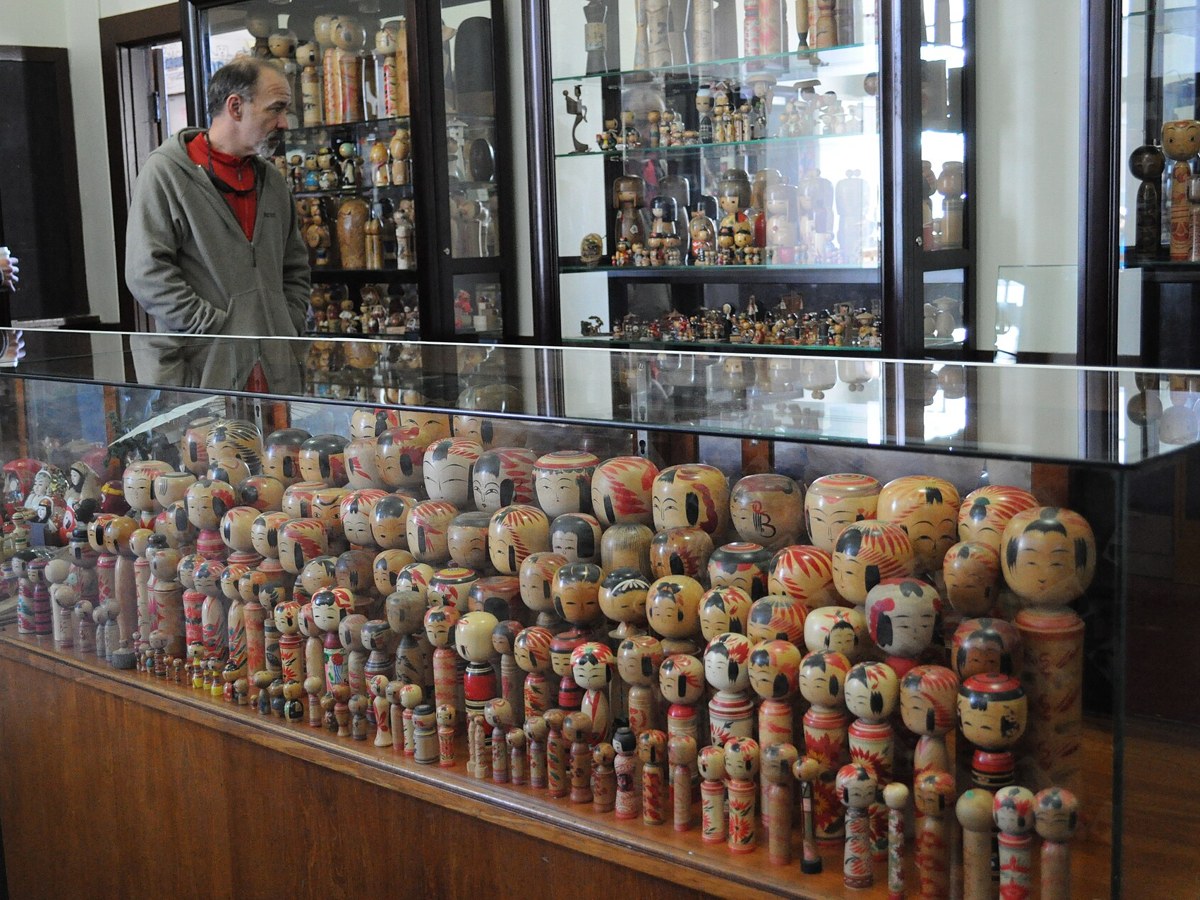
Naruko Onsen’s kokeshi — the oldest lineage of Japan’s folk wooden dolls, from about ¥1,540 at 15 cm
Turn its head and it squeaks: Naruko’s kokeshi, the oldest doll lineage in Japan, from about ¥1,540 bought direct from the maker.
Craft
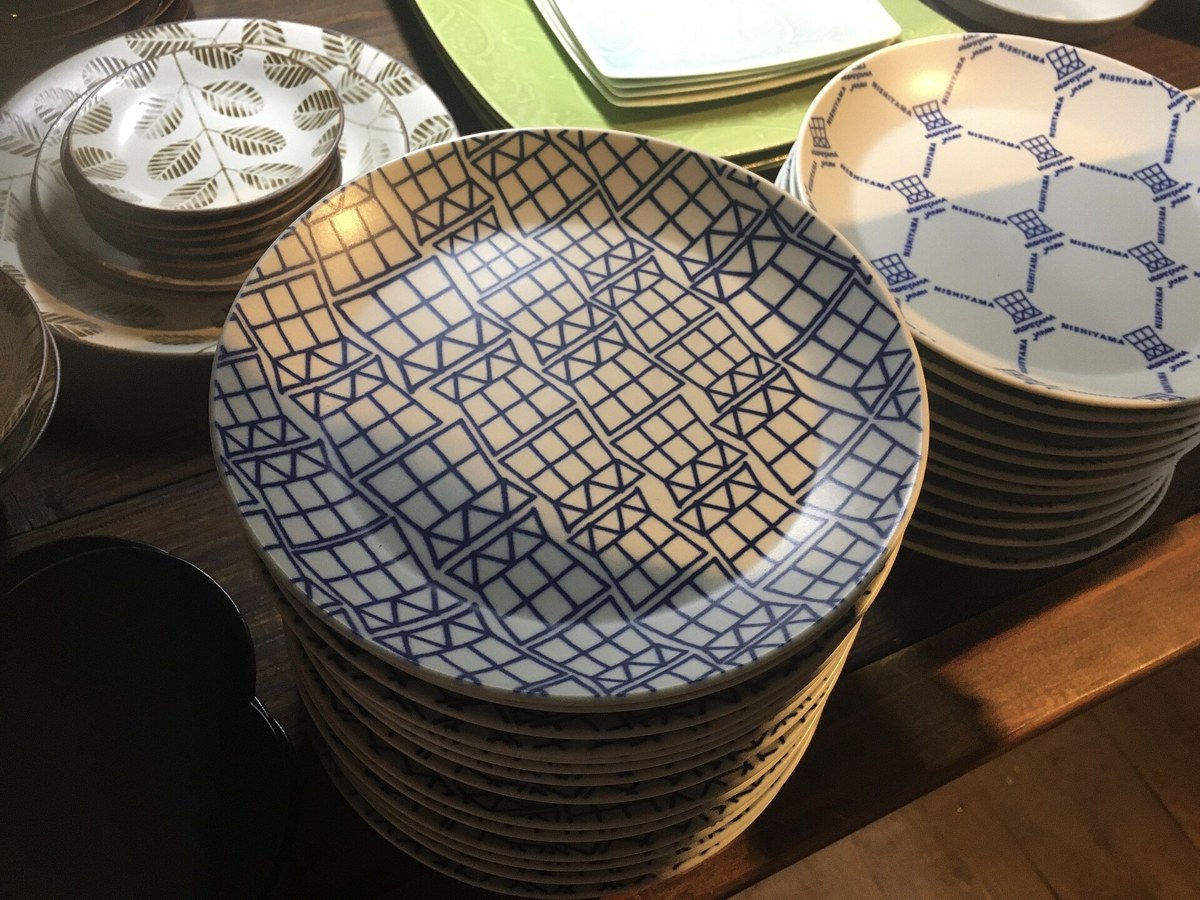
Hasami Town’s 400-year-old daily tableware — HASAMI PORCELAIN, Hakusan, and the Golden Week festival of 150 makers
Light, hard, dishwasher-happy porcelain from one Nagasaki town: mugs ¥2,750, bowls from ¥1,210, 150 makers at the May festival.
Craft
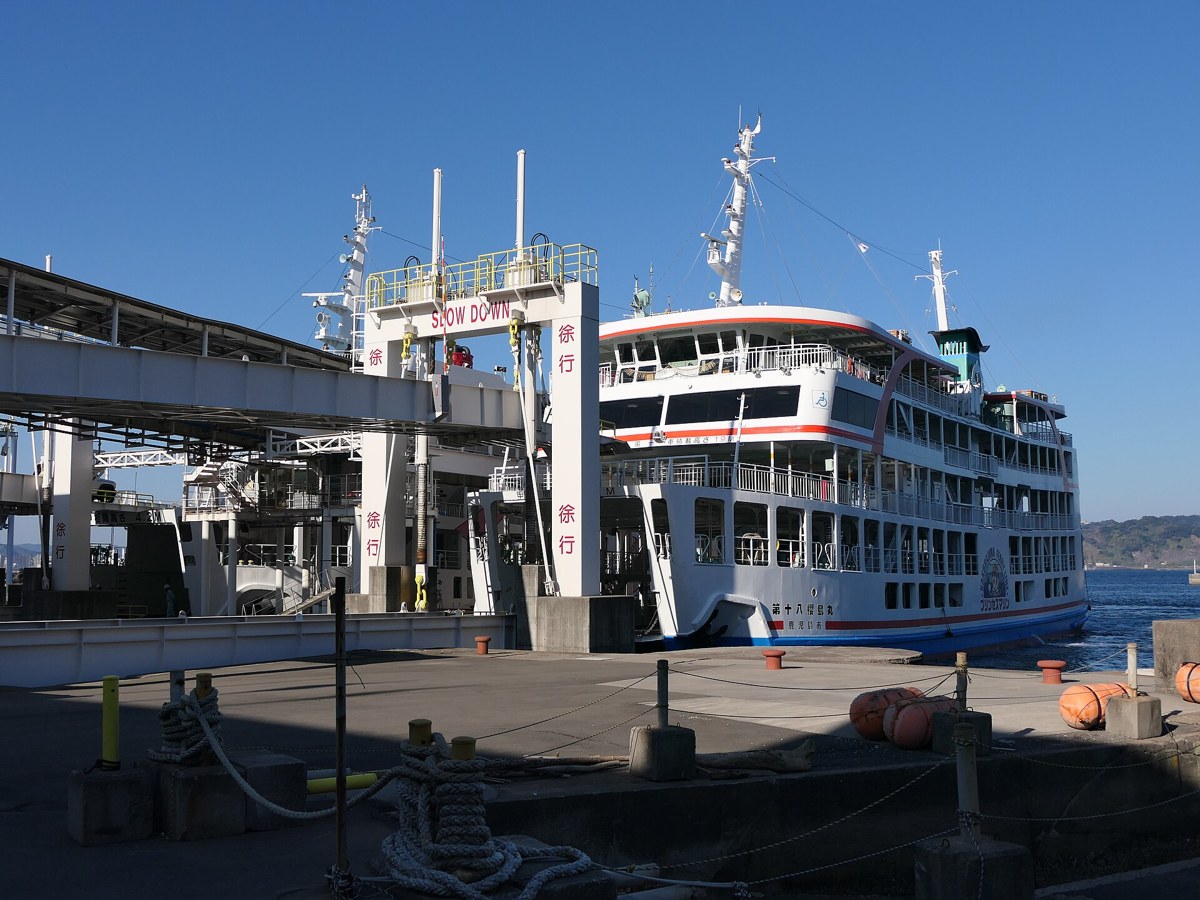
Shimadzu’s two-tone Satsuma Kiriko — the Satsuma Domain’s glass, Kagoshima’s designated craft
Two colours of glass, cut back to clear: Shimadzu’s 105 cc sake cup costs ¥37,400 — Kagoshima’s domain craft at jewellery pitch.
Craft
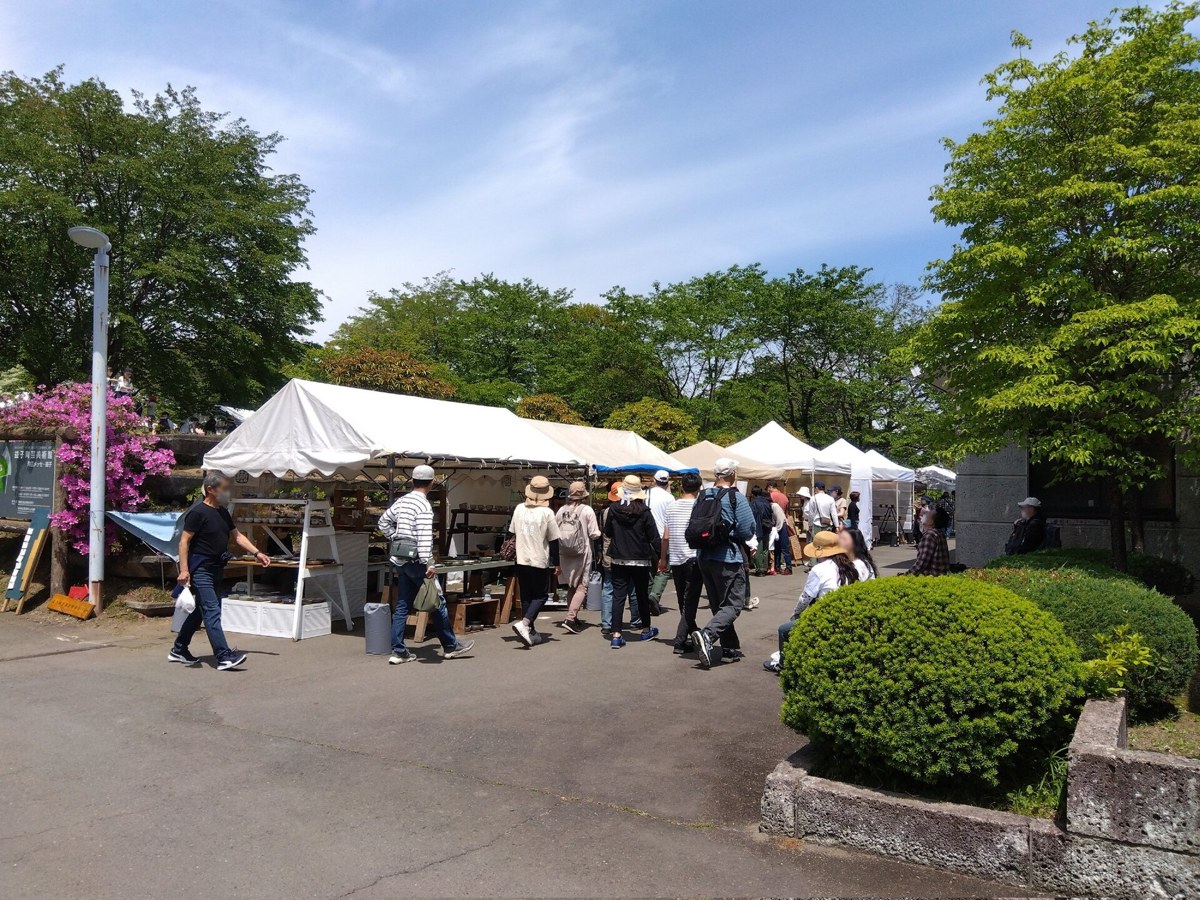
Mashiko, the town Hamada Shoji made the capital of mingei in 1924 — its fairs, kilns and honest price anchors
Hamada’s mingei town: 300+ kilns, a 600-stall fair twice a year, museum ¥700 — and no price list, on principle.
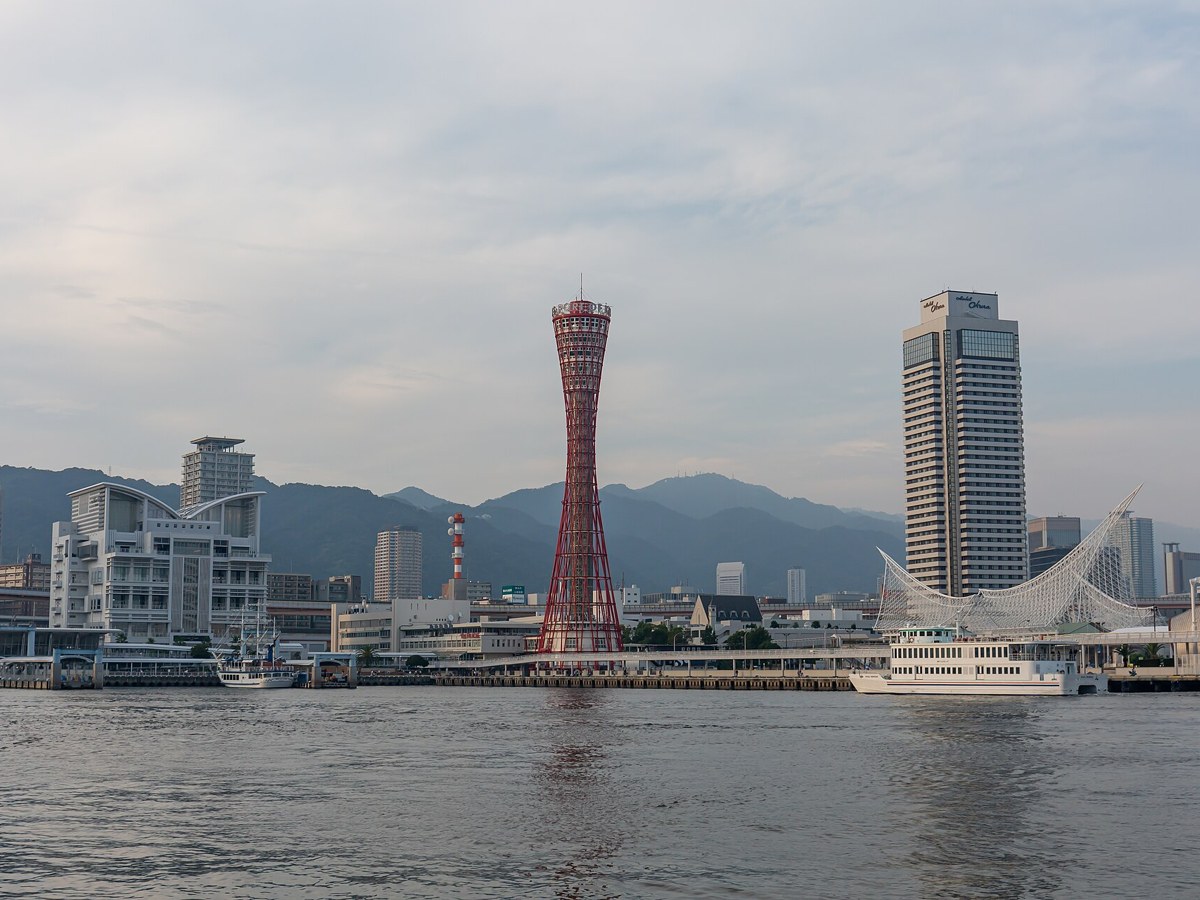
Stationery
Nagasawa Bungu Center’s own inks (the shop dates to 1882) — Hankyu Maroon, Romanesque Blue and the colours of Kobe
Kobe’s own ink atlas: colours named for its trains, port and university — specials at ¥2,750 for 50 ml from the maker’s shop.
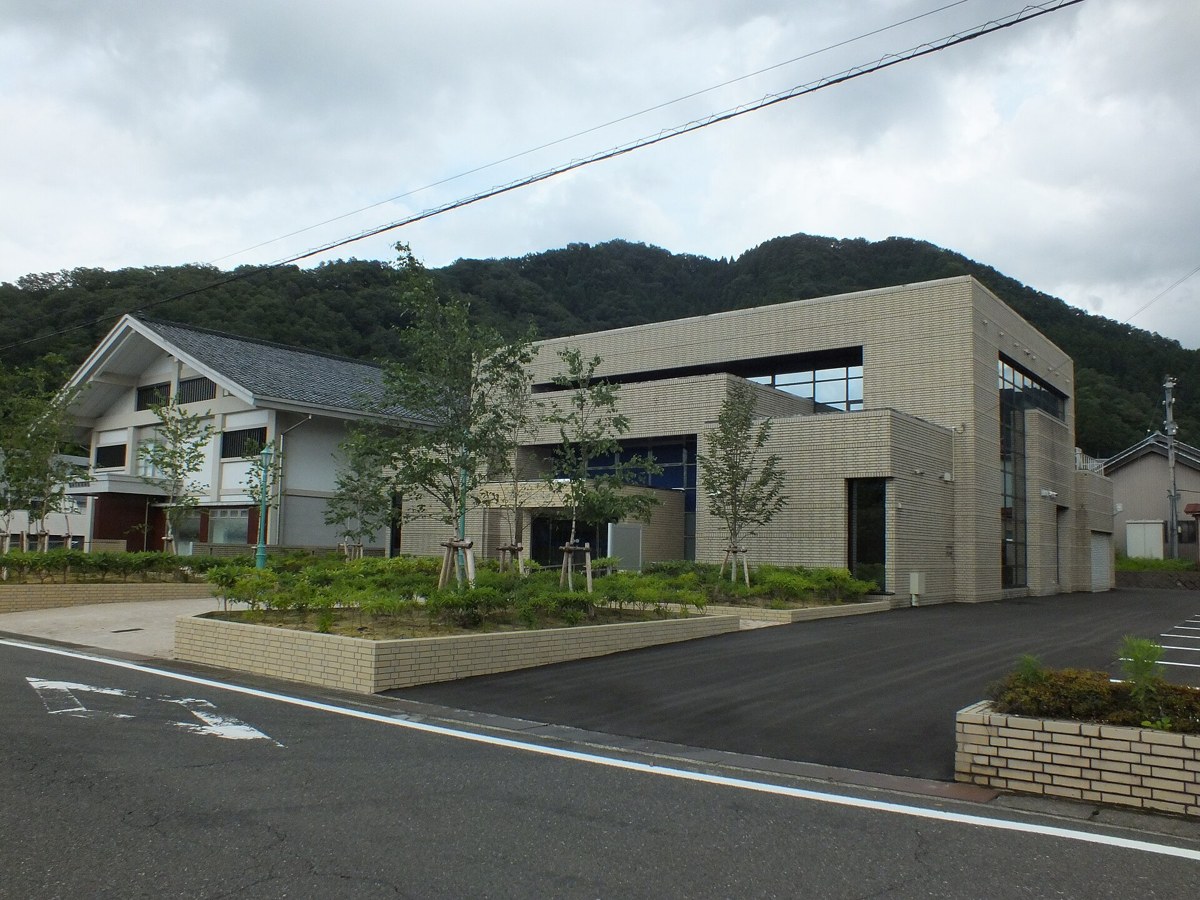
Stationery
Echizen’s handmade paper — banknote stock in 1661, letter sets today at ¥1,650
Paper that printed Japan’s first domain banknotes: the Echizen washi letter set is ¥1,650 — 1,500 years of one valley’s craft.
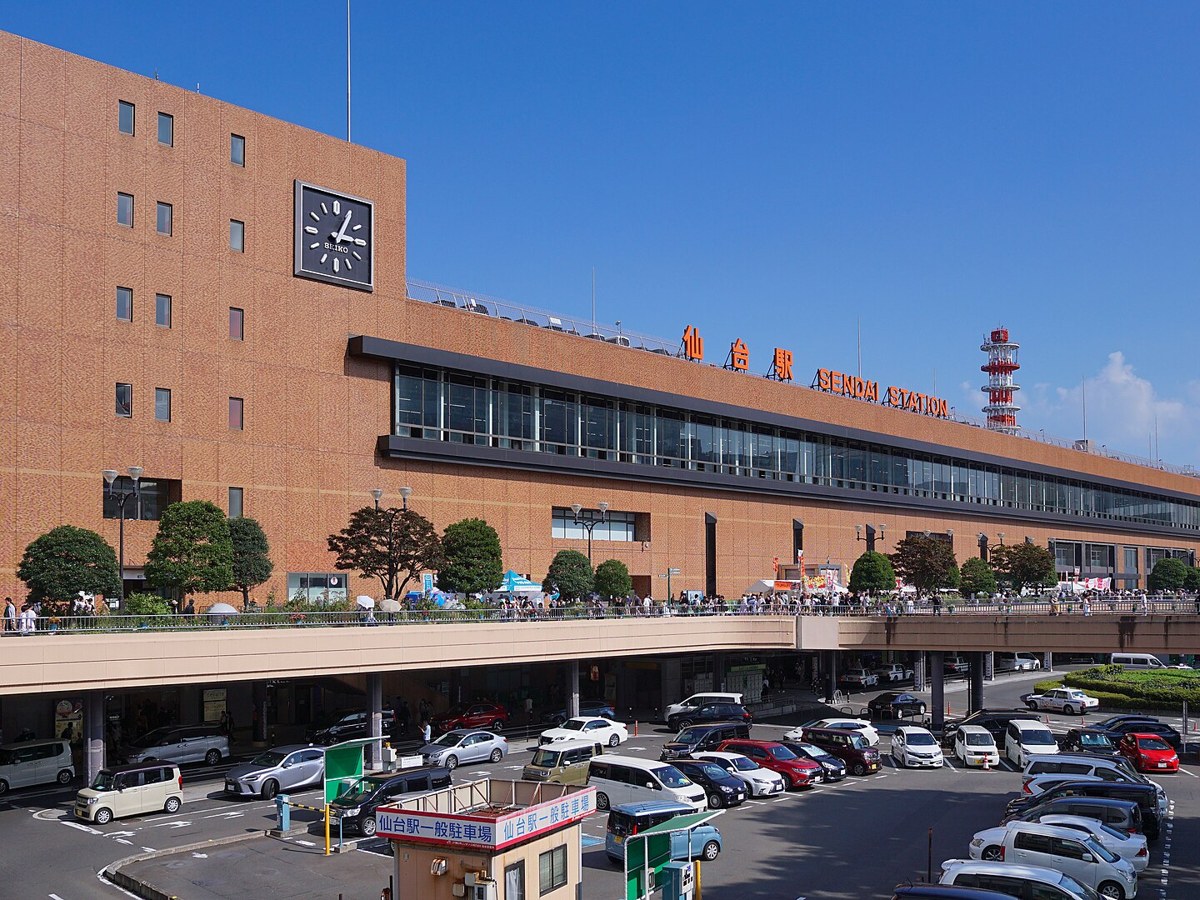
Food
Zunda Saryo’s boxed zunda mochi — Miyagi edamame paste over soft rice cakes, from Kasho Sanzen’s zunda brand
Sweet mashed edamame over soft mochi: ¥594 for four — Sendai’s green signature, from the house of Hagi no Tsuki.
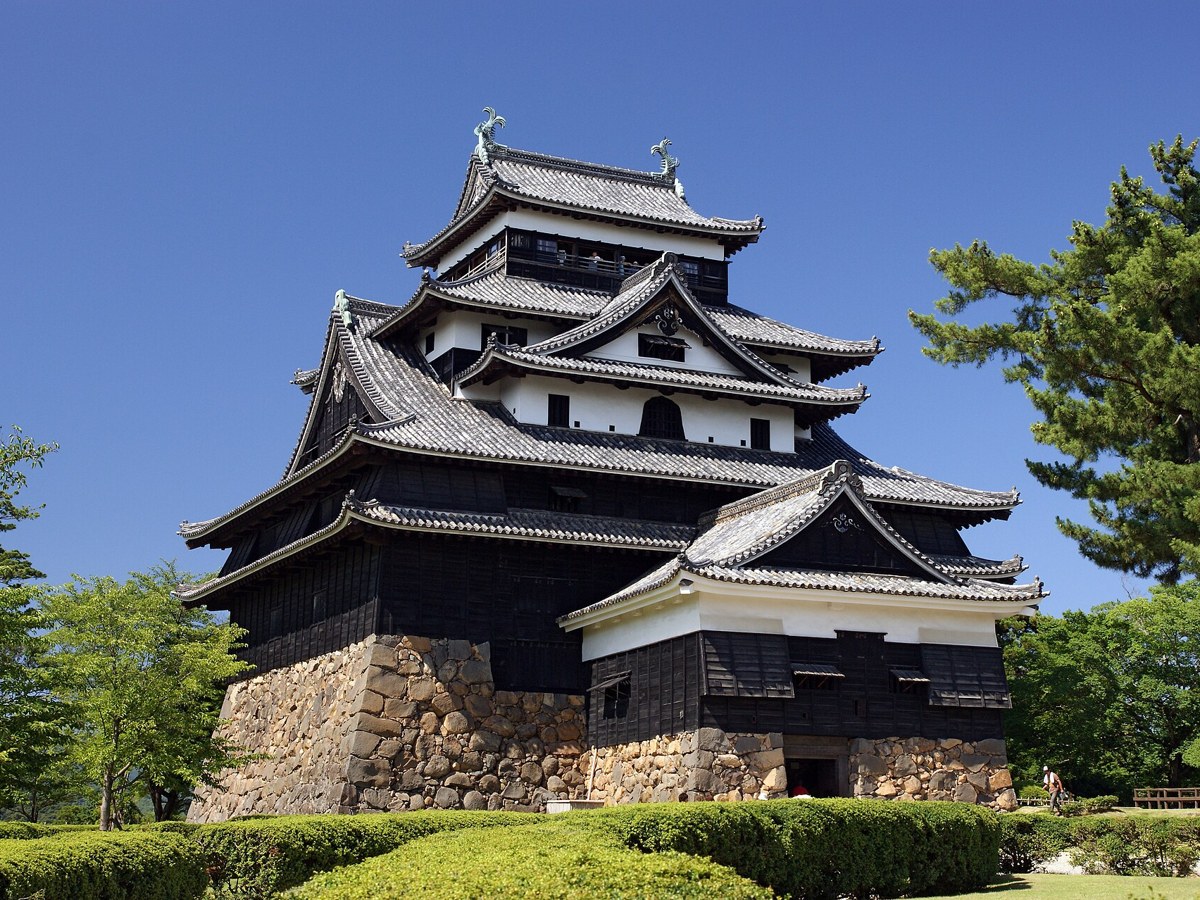
Food
Saiundo’s Wakakusa — soft gyuhi in a pale-green coat, named for a poem by Matsue’s tea-master lord
Soft gyuhi dusted spring-green, named from a tea master’s poem: ¥756 for three — Matsue’s signature sweet, revived by Saiundo.
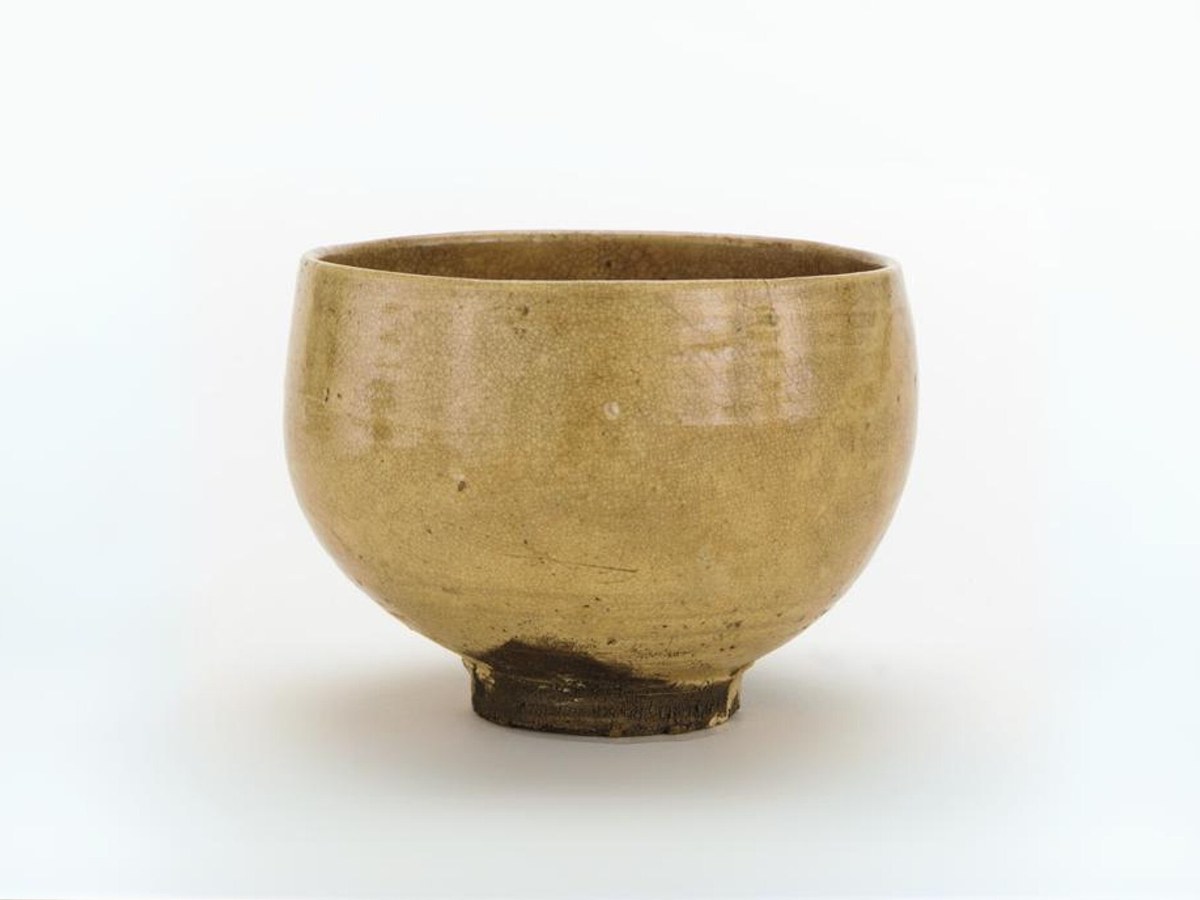
Craft
Hagi ware — Yamaguchi’s soft, porous pottery that deepens in character the longer it is used
Soft clay that darkens and deepens with your tea: Hagi’s ware is bought unfinished, on purpose. Pair cups from ¥4,180.
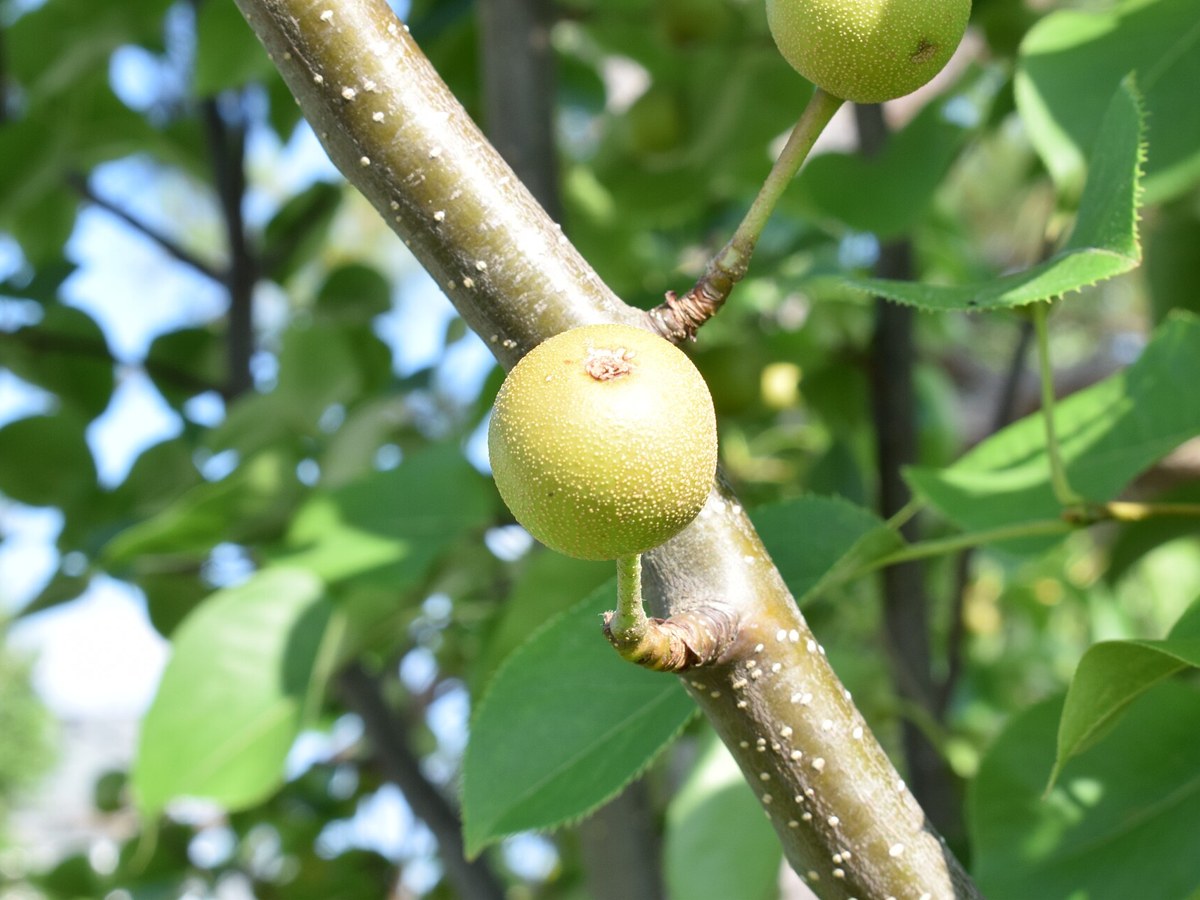
Food
Tottori’s Nijisseiki pears — Japan’s No.1 crop of the variety, its museum-only sweets and orchard picking
Japan’s No.1 Nijisseiki pear prefecture: museum-only sweets in Kurayoshi and picking by the dunes from ¥1,200.
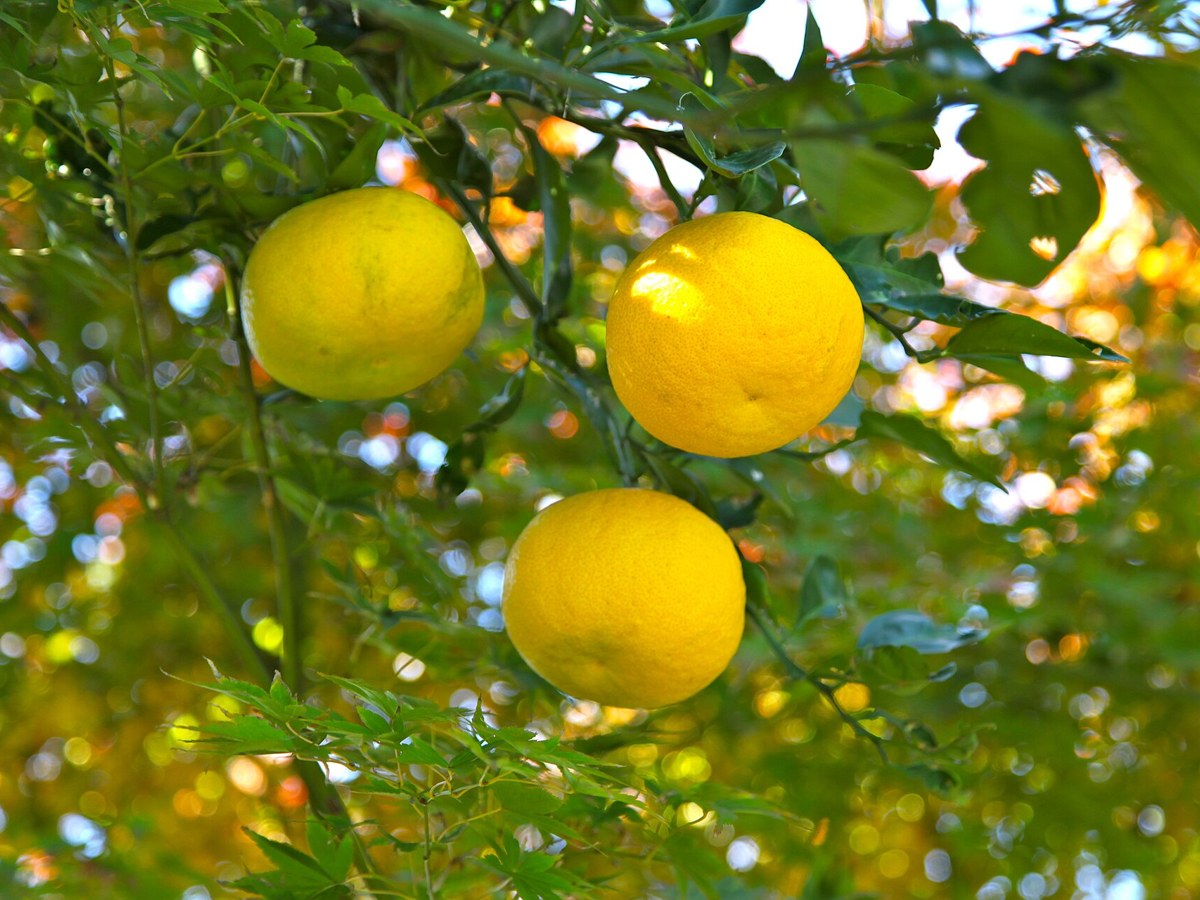
Food
Gokkun Umajimura — yuzu, honey and water, bottled by a Kochi mountain village of under 1,000 people
Yuzu, honey, water — nothing else. A village of under 1,000 people bottles its whole economy at ¥170.
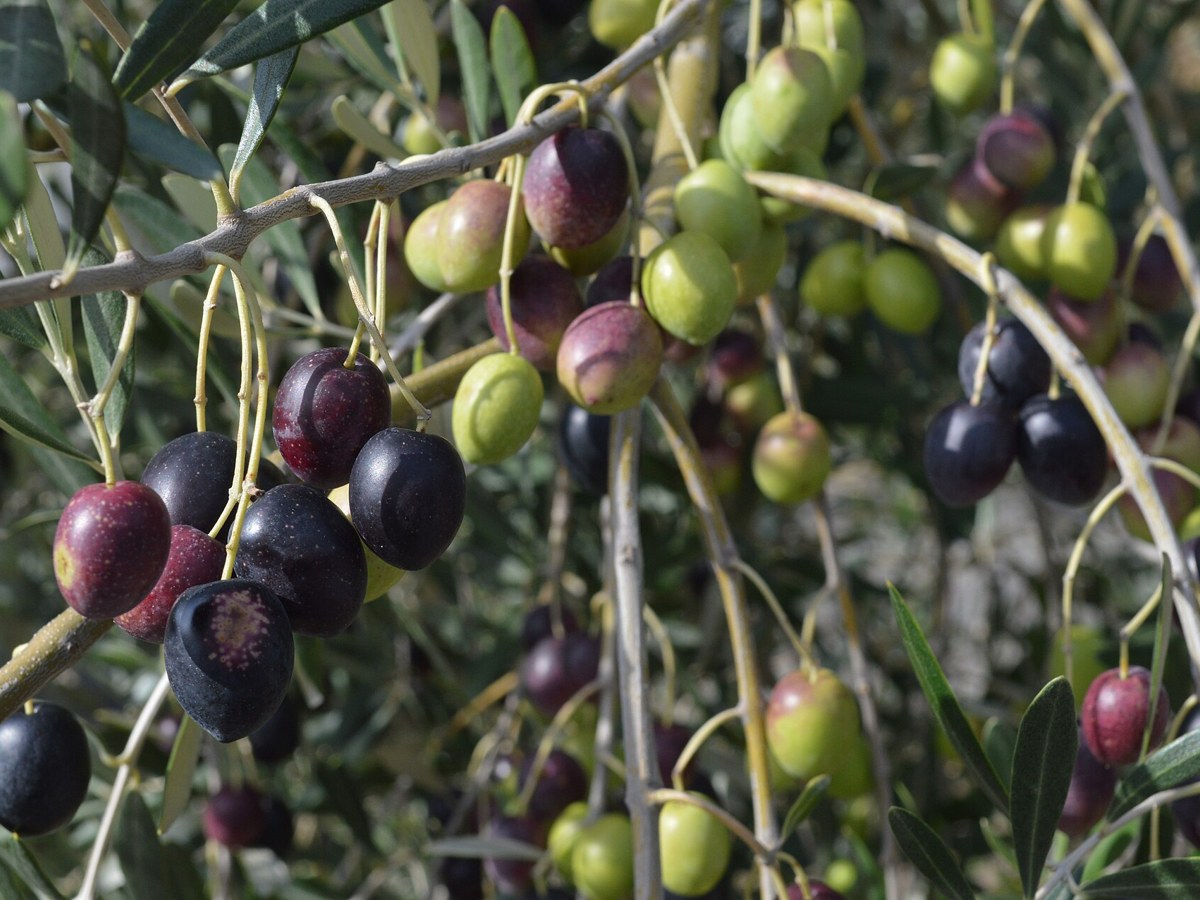
Food
Toyo Olive’s extra virgin oil — hand-picked on its own Shodoshima farm, pressed at its own factory
Hand-picked island olives, pressed on the island: two 83 g bottles for ¥5,400 — from where Japanese olives began.
Food
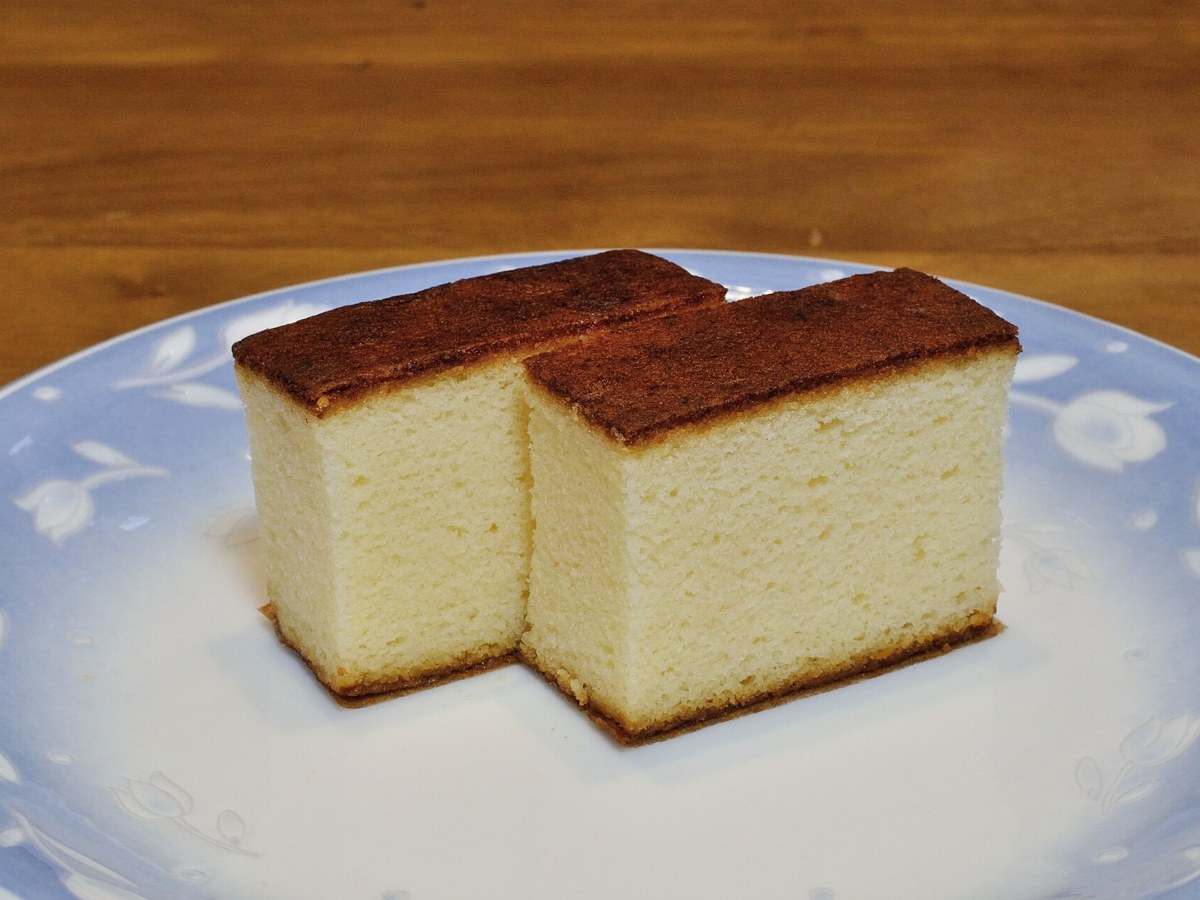
Fukusaya’s handmade castella — Nagasaki’s port-city cake since 1624, zarame sugar crunching at its base
Handmade since 1624, sugar crystals at its base: Nagasaki’s castella house, from ¥324 at its main store.
Food
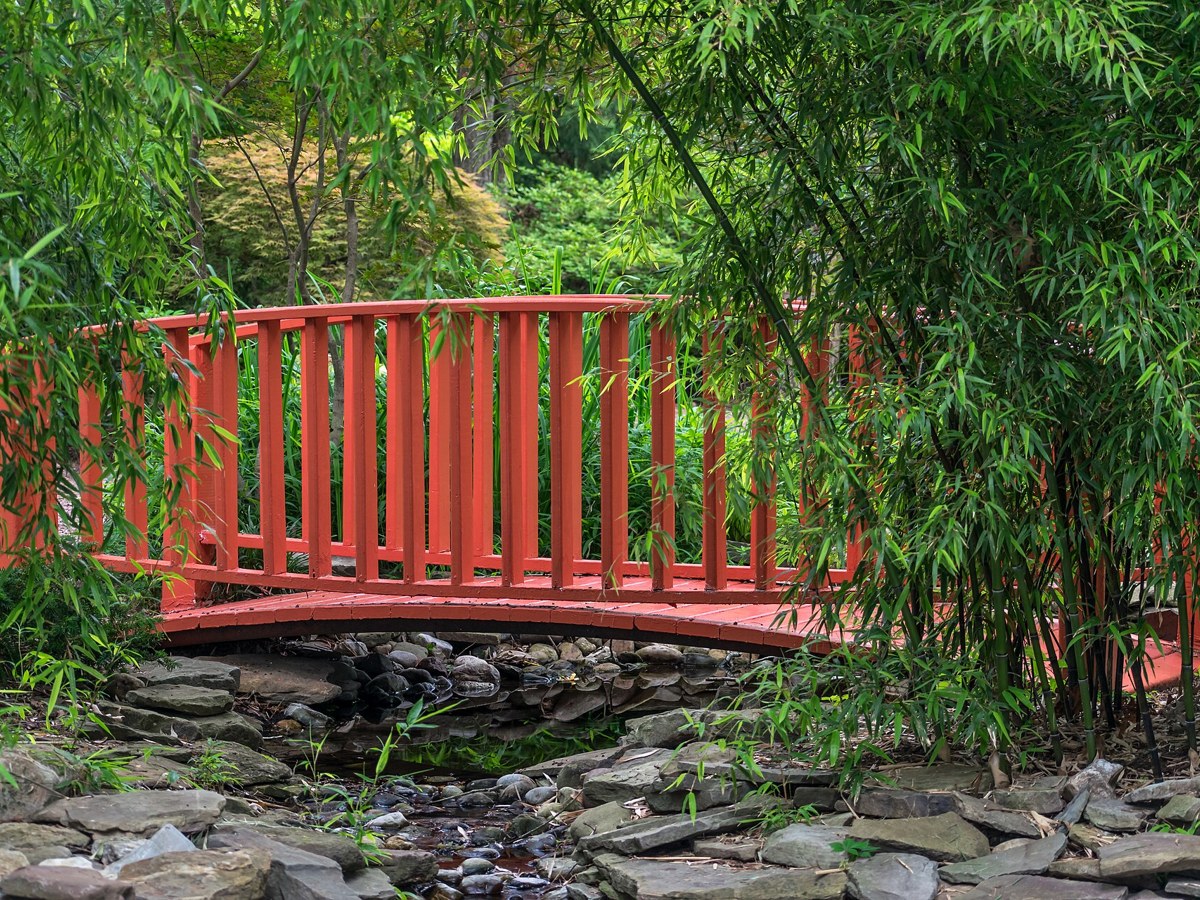
Warabe’s cheese manju — cream cheese in butter-cookie dough, Miyazaki’s modern classic from 20+ makers
Cream cheese in butter-cookie dough: ¥200 a piece at Warabe — the Miyazaki-born sweet with 20+ home makers.
Food
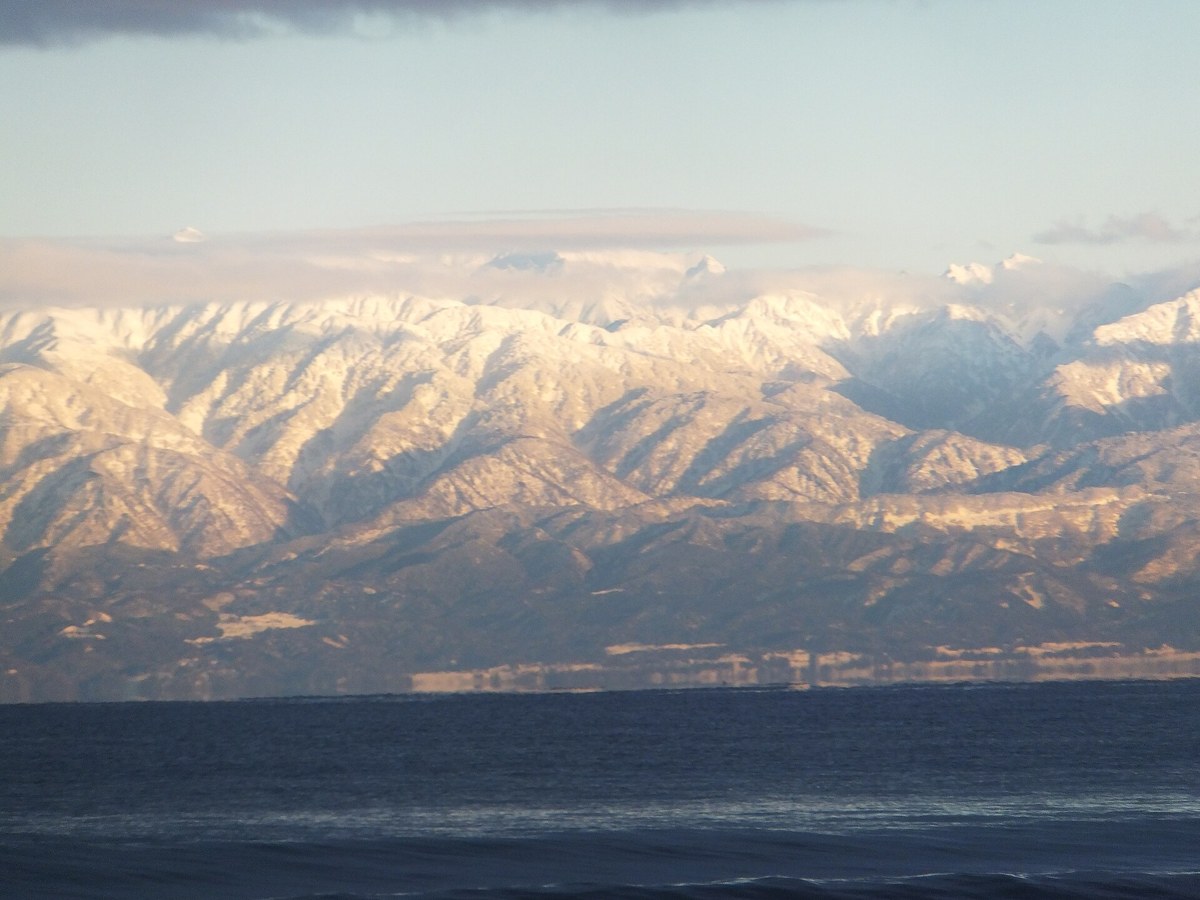
Hinodeya Seika’s shiroebi senbei — Toyama-Bay white shrimp powdered into 100% Toyama rice, since 1998
White shrimp from Toyama Bay in a cracker of 100% Toyama rice: since 1998, boxed at ¥918.
Craft
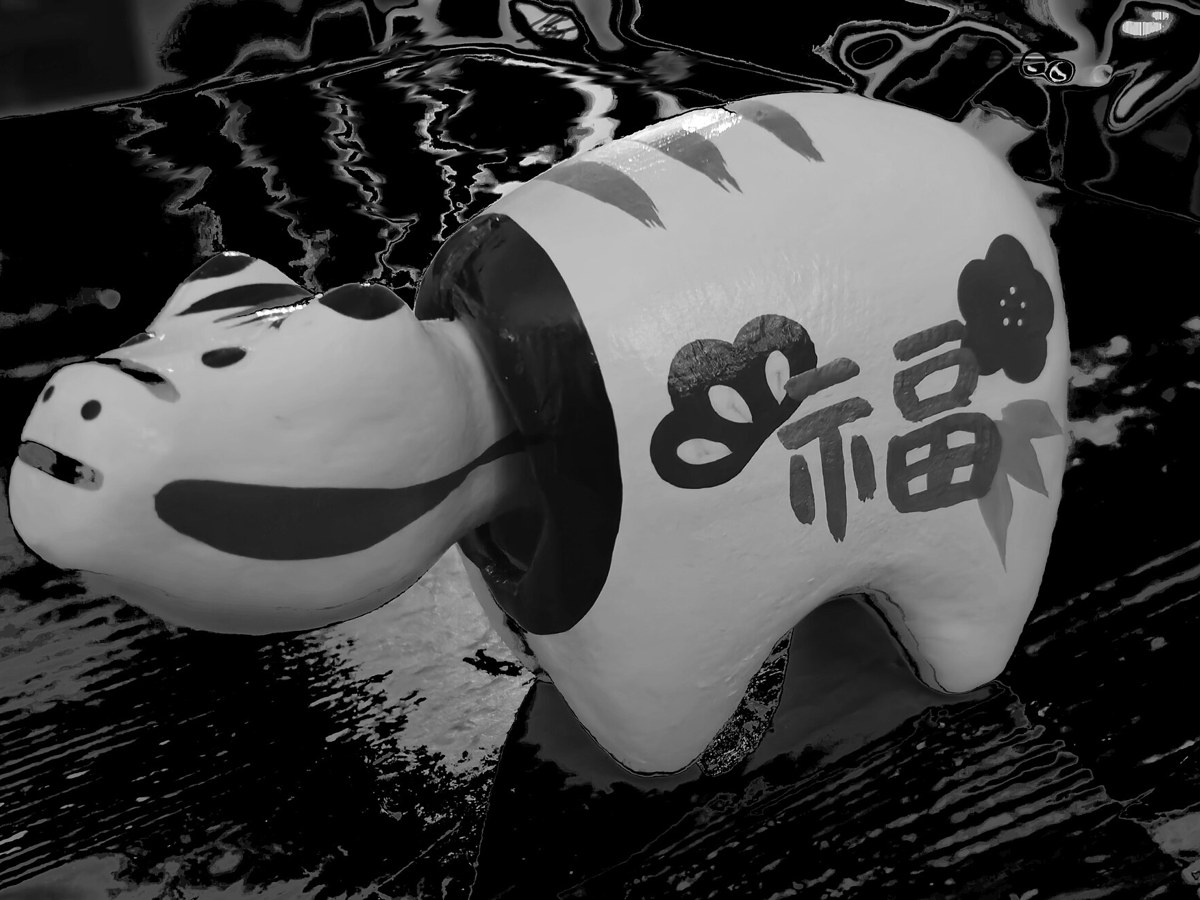
Aizu’s akabeko — a handmade papier-mache health charm of 400 years, from fewer than a dozen family workshops
A red paper cow that nods at you: Aizu’s 400-year-old health charm, still handmade by a dozen workshops.
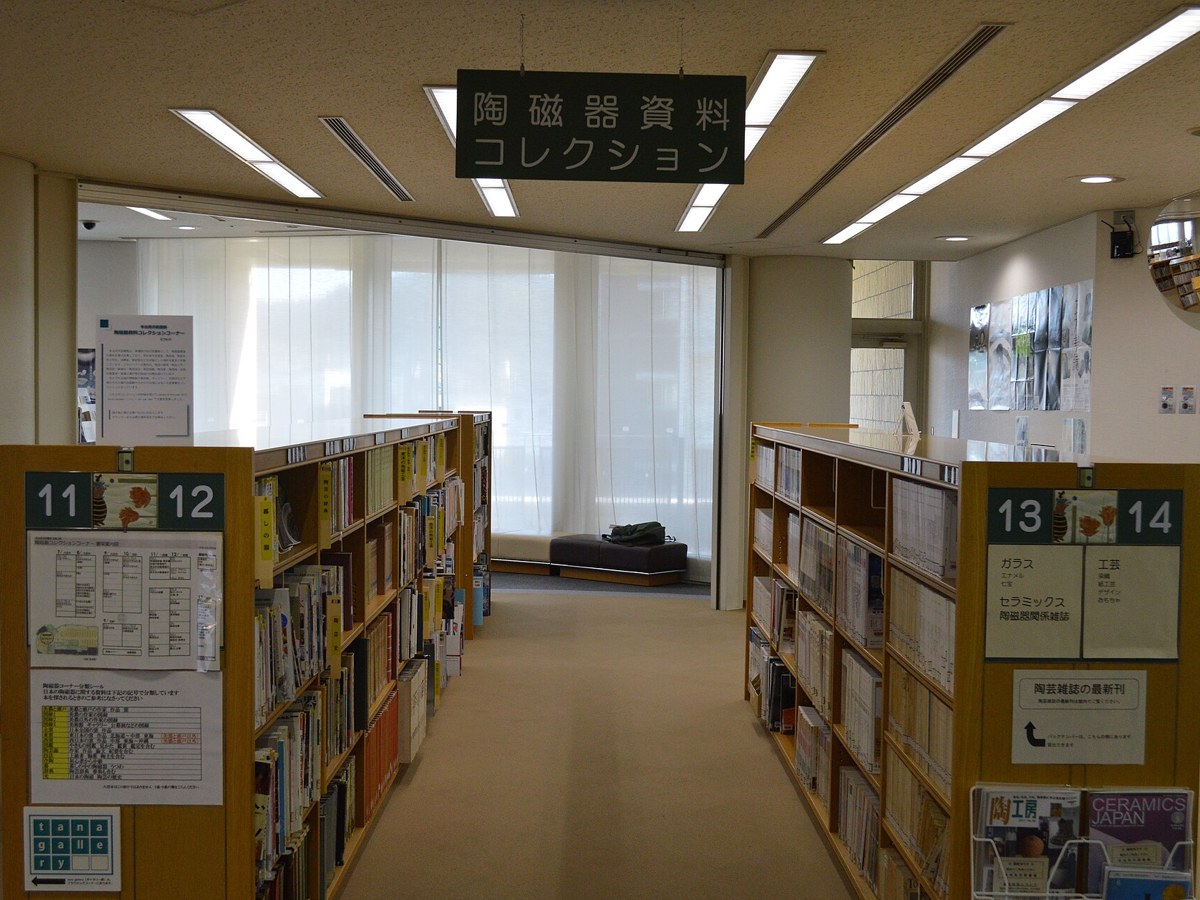
Craft
Mino ware — the ceramics of Tajimi, Toki, Mizunami and Kani, Japan’s largest porcelain production hub
Four Gifu cities make about half of Japan’s porcelain. Buy Mino ware where it is made — Tajimi and Toki.
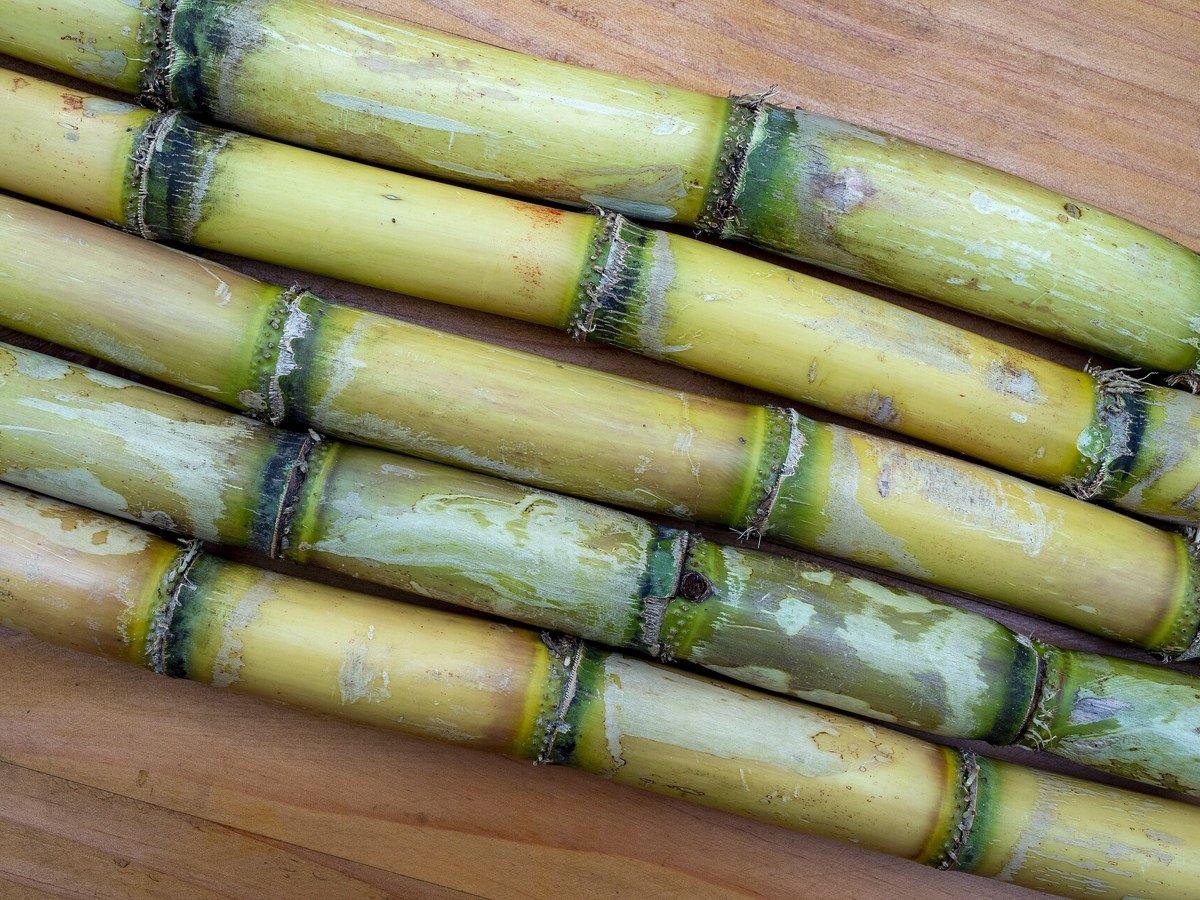
Food
Awa Wasanbon — Tokushima’s hand-made fine sugar from bamboo sugarcane, by refineries like Okada
A province’s name kept in sugar: hand-made wasanbon from Tokushima, ¥2,160 for 500 g at Okada’s tradition.
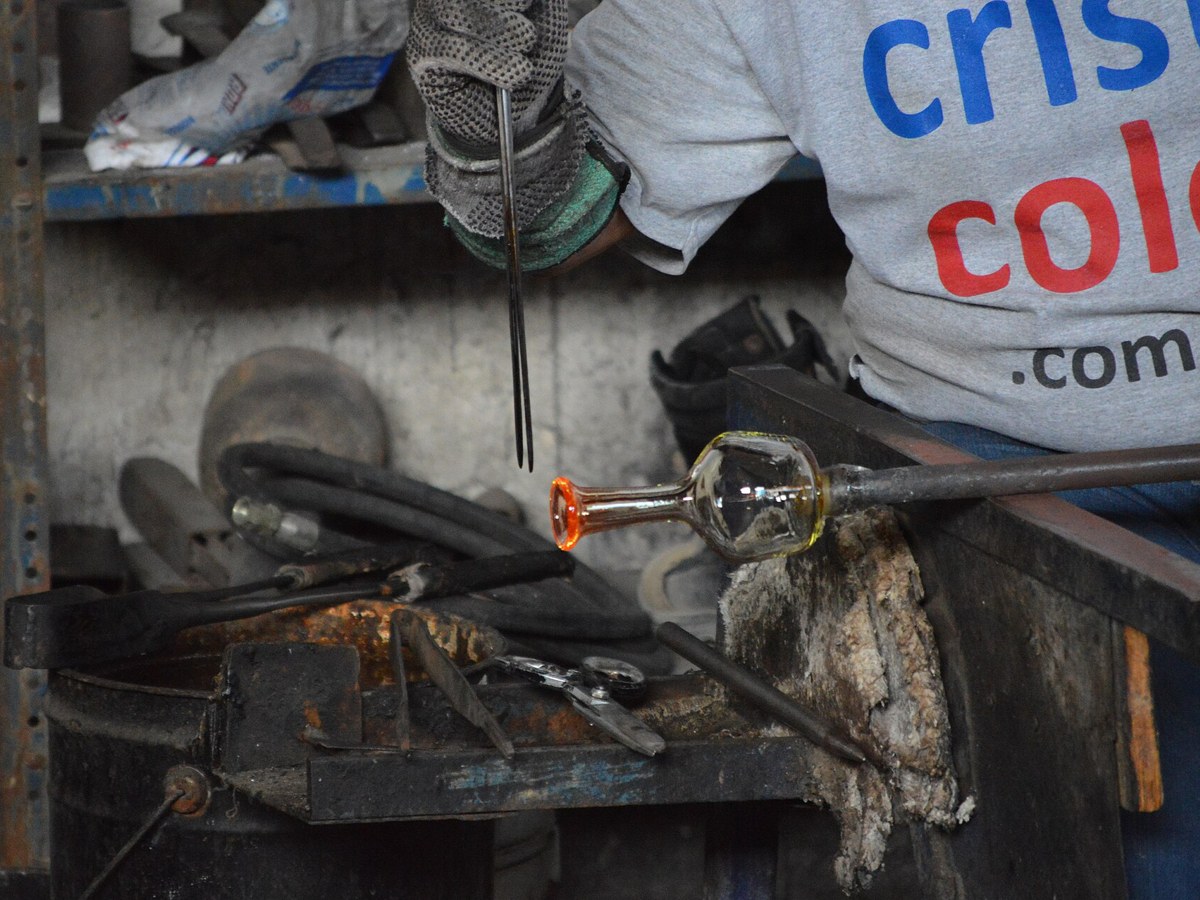
Craft
Tsugaru Vidro — Hokuyo Glass’s free-blown Aomori glassware, in 100+ colours drawn from the prefecture’s seasons
A fishing-float maker’s second life: free-blown Aomori glass in 100+ colours, from ¥1,430 a bowl.
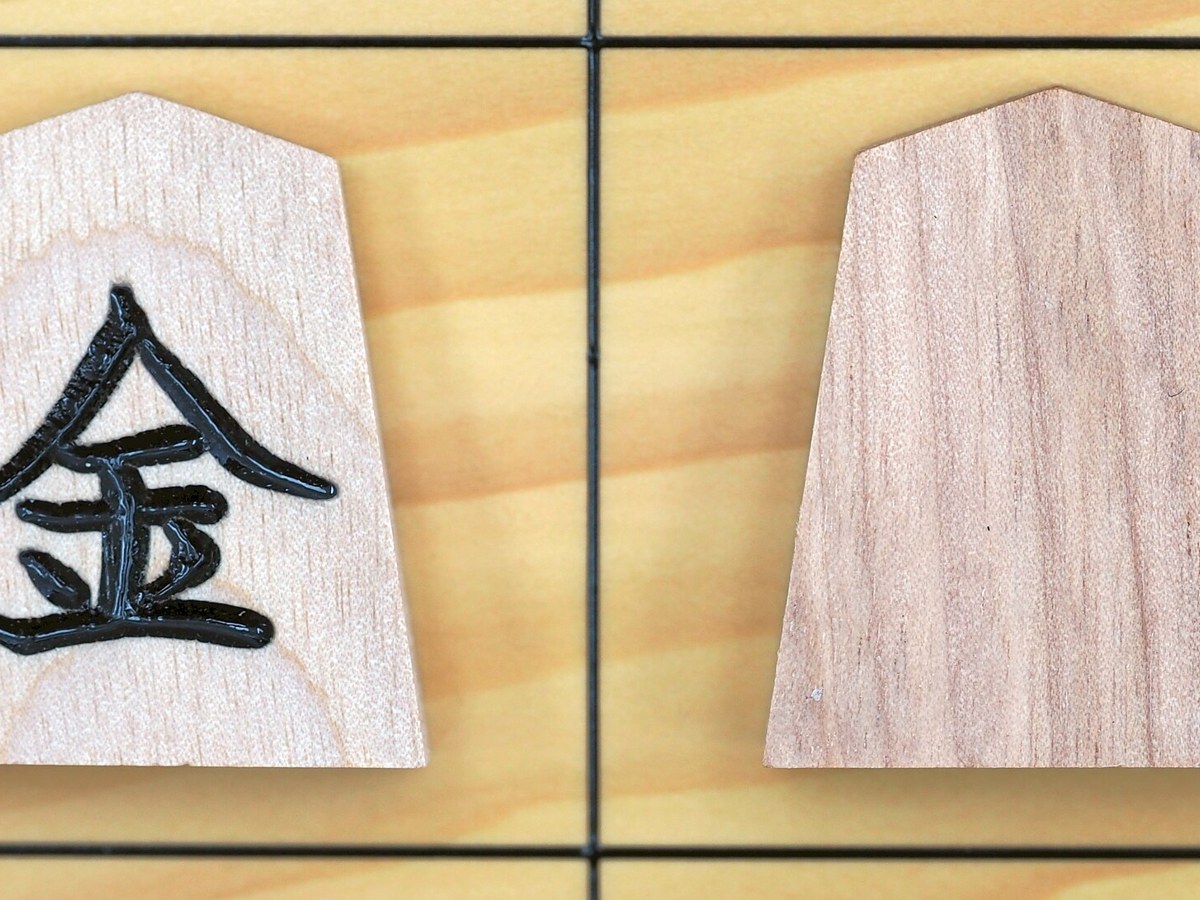
Craft
Tendo shogi pieces — Yamagata’s national traditional craft, born as samurai side work in the late Edo period
Over 95% of Japan’s shogi pieces come from Tendo, Yamagata — from a ¥4,000 maple set to ¥180,000 hand-carved boxwood.
Food
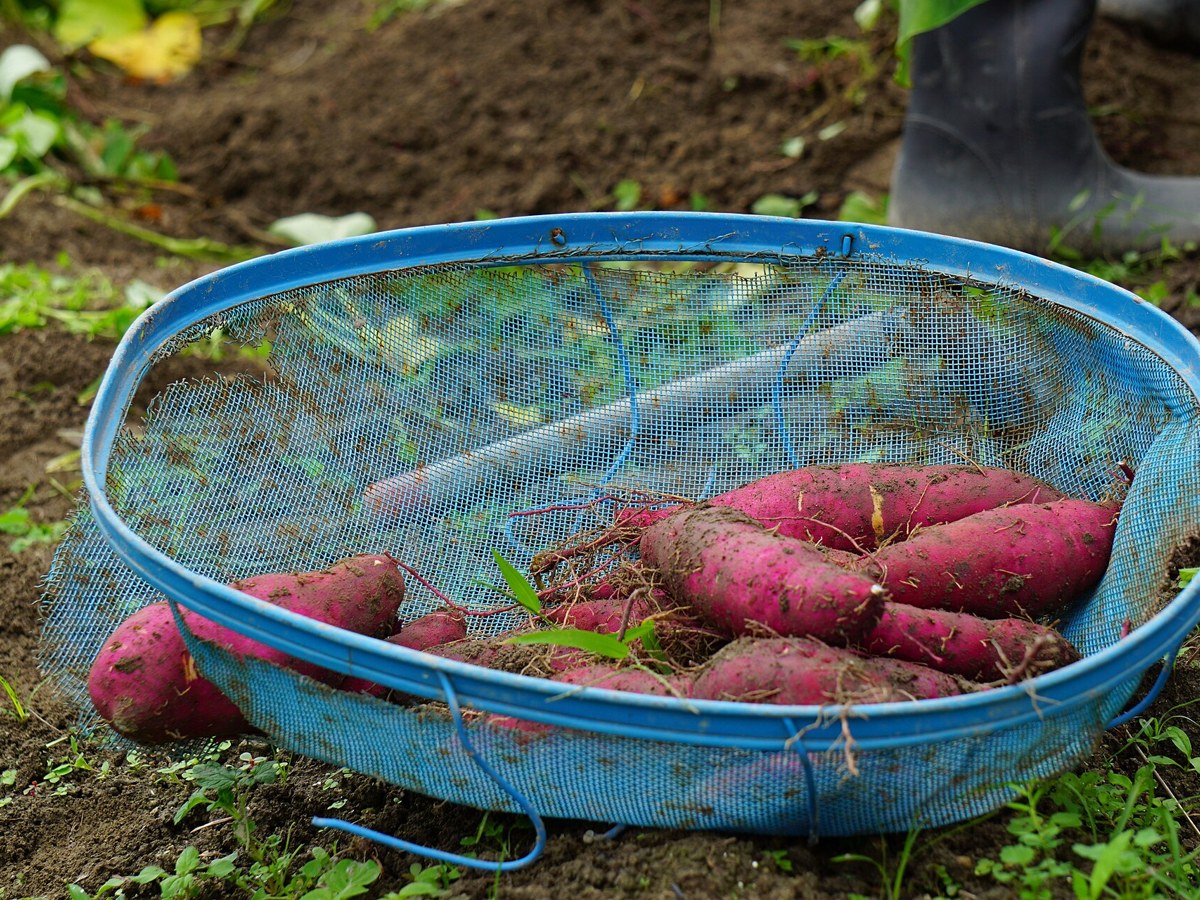
Ibaraki’s hoshiimo — steamed sweet potato dried in the winter wind, centred on Hitachinaka and the Beni Haruka variety
Steamed, sliced, wind-dried: Ibaraki makes over 90% of Japan’s hoshiimo, at about ¥1,000 for 500 g.
Food
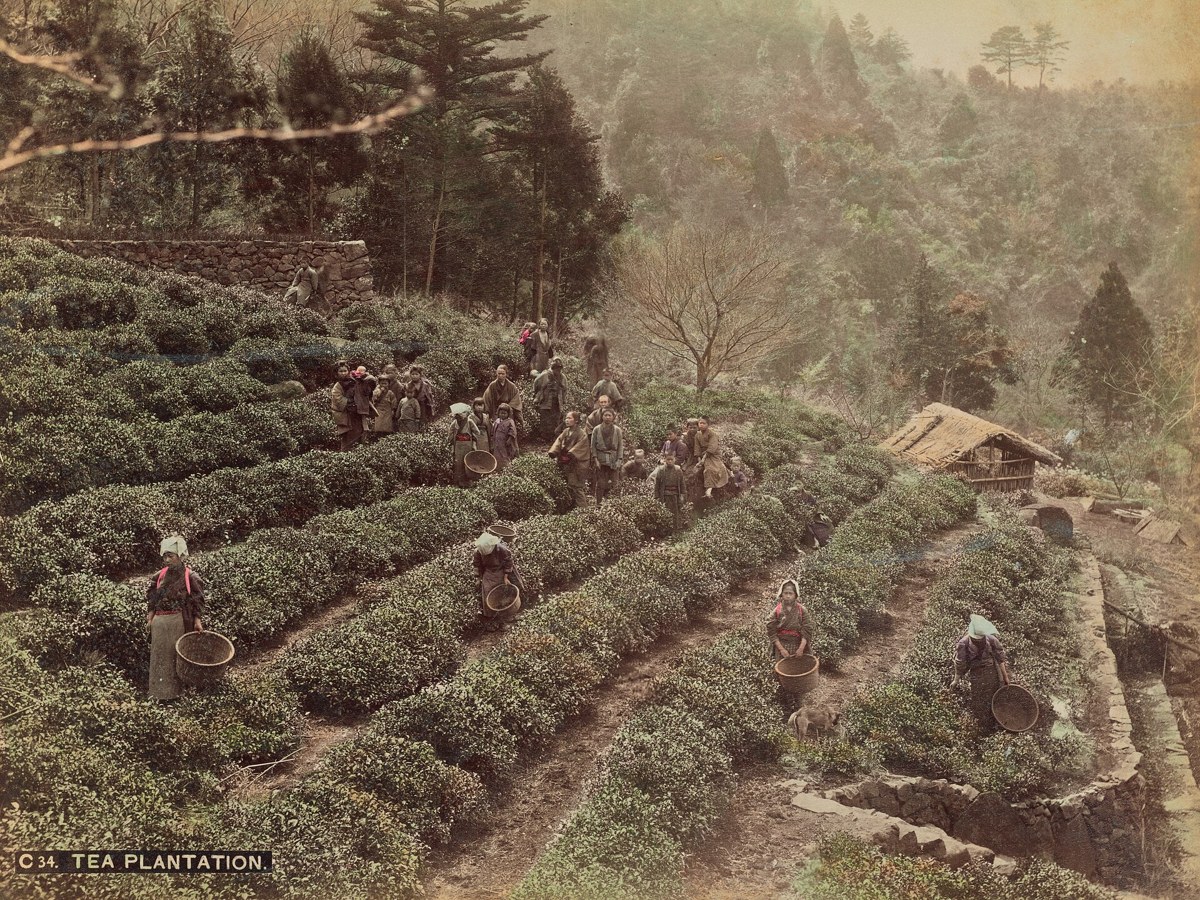
Sayama tea — western Saitama’s deep-steamed sencha, one of Japan’s three great teas from the cold northern limit
Colour is Shizuoka’s, fragrance Uji’s — taste is Sayama’s. Saitama’s great tea, about ¥1,000 per 100 g.
Food
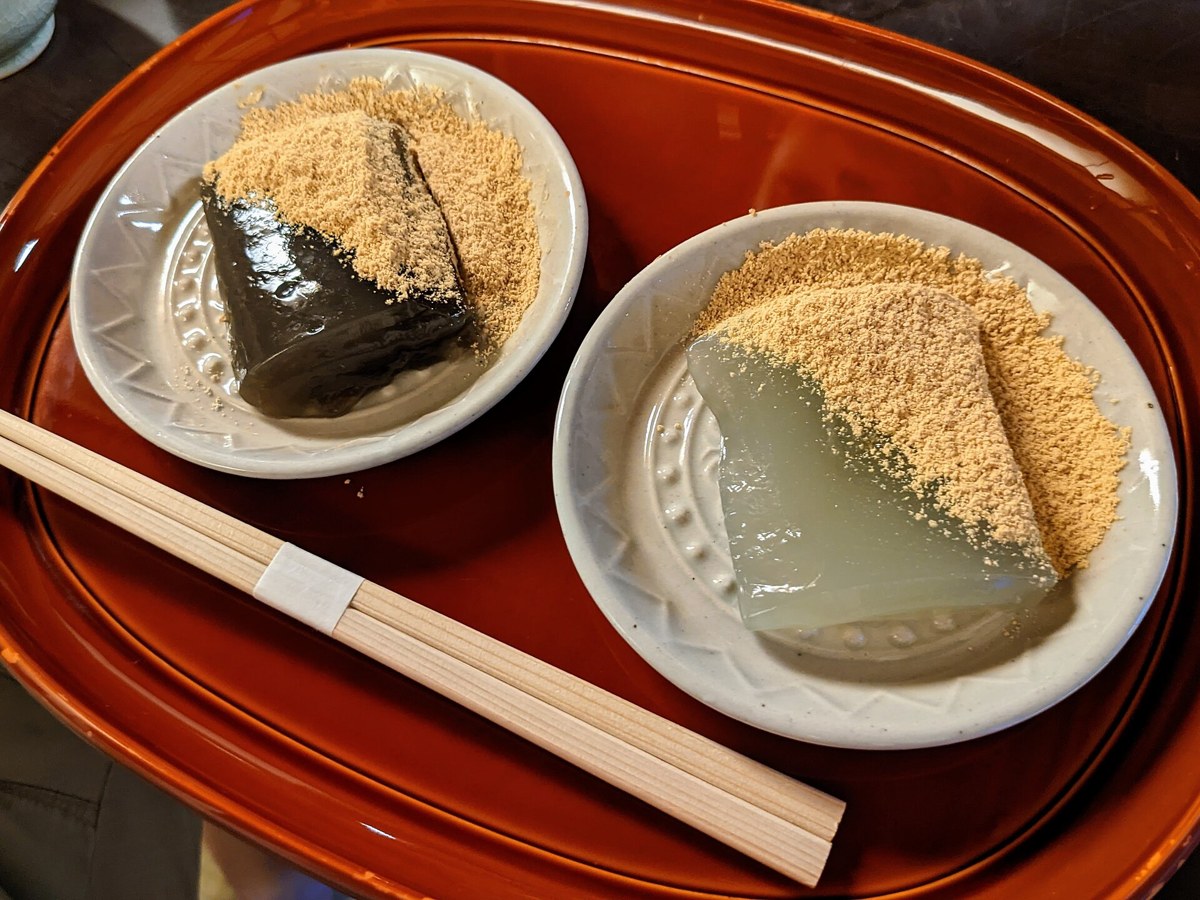
Kikyo Shingen Mochi — Kikyouya’s kinako-dusted mochi with kuromitsu syrup, Yamanashi’s flagship souvenir
Kinako, kuromitsu and a hand-tied wrapper: Yamanashi’s flagship mochi, ¥180 a piece at Kikyouya.
Food
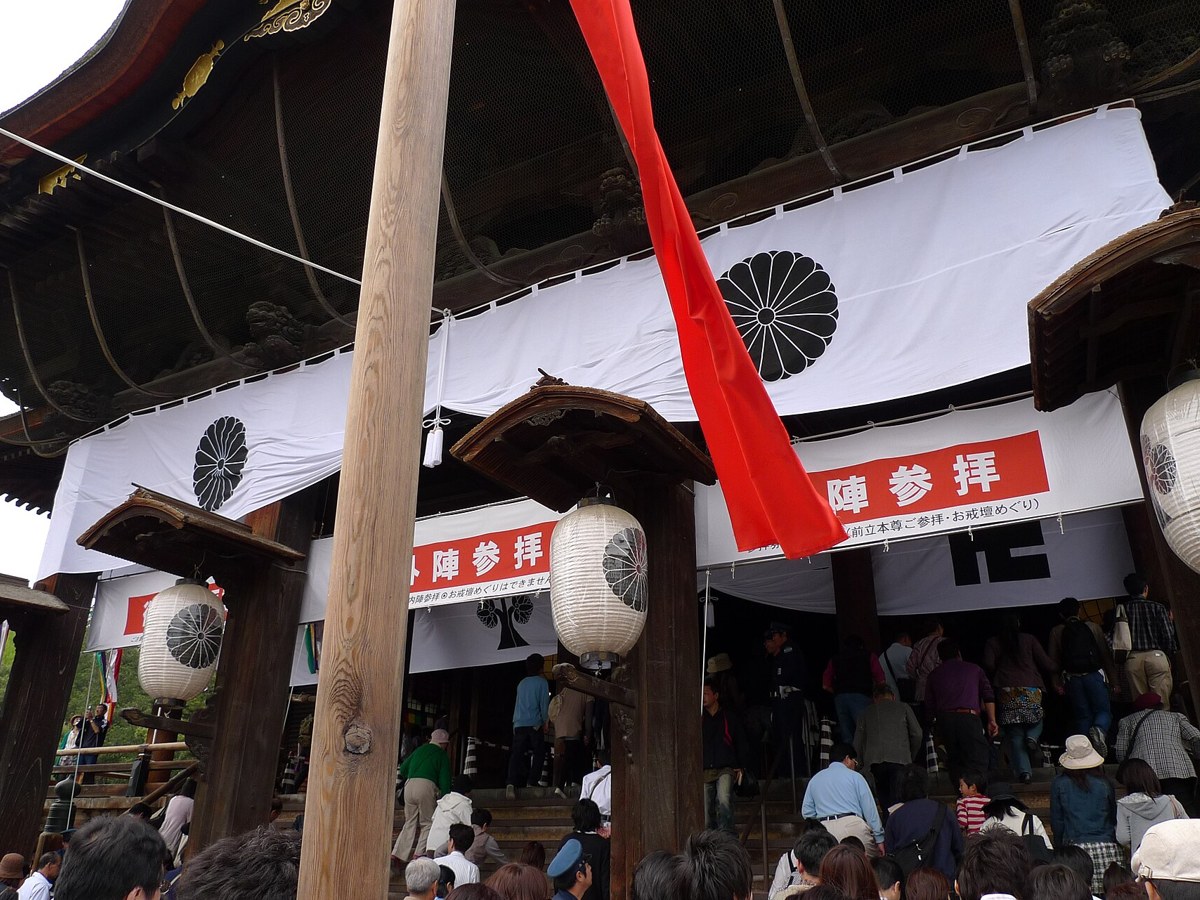
Yawataya Isogoro’s shichimi togarashi — the seven-flavour blend sold at Zenkoji temple for nearly three centuries
Sold at Zenkoji since 1736: Nagano’s seven-spice can, ¥481 — and a limited all-domestic can at ¥972.
Food
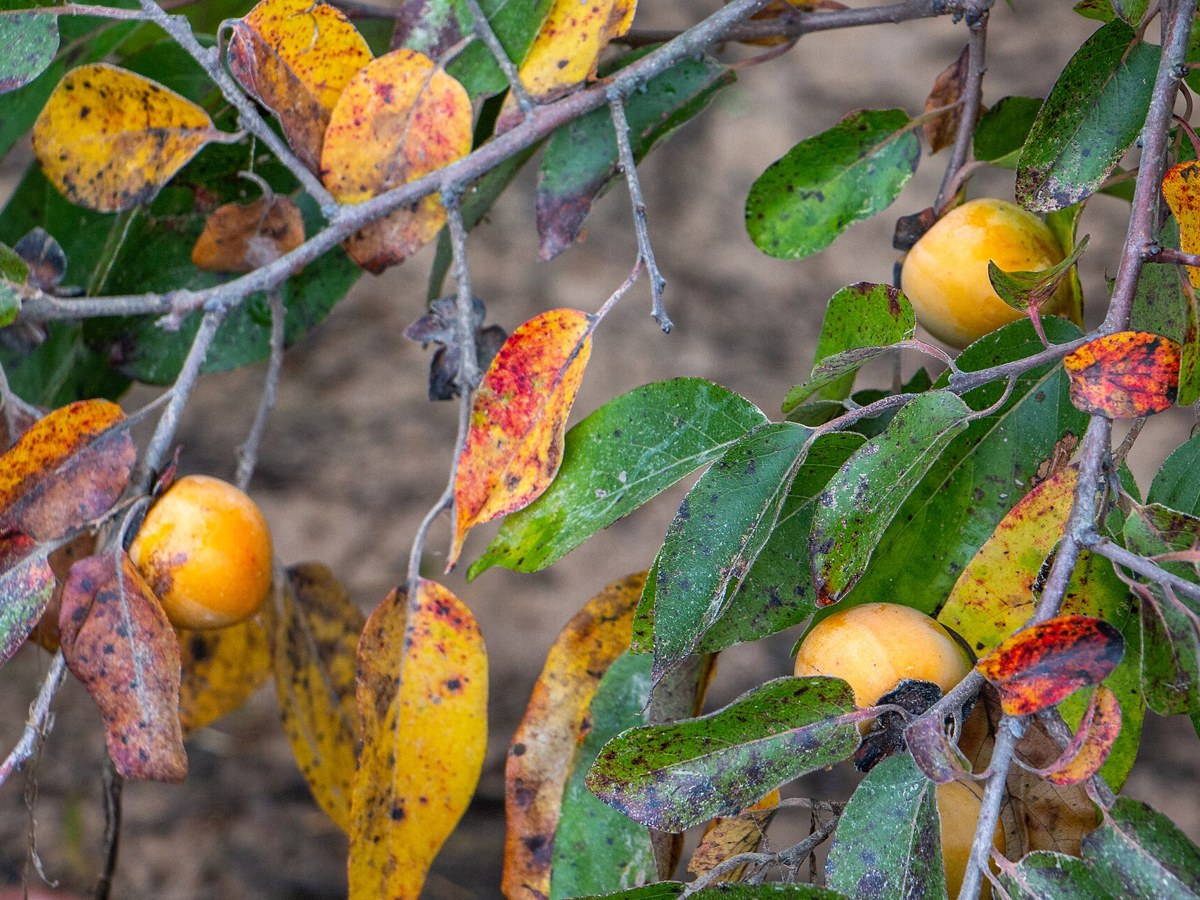
Kakinoha sushi — Nara’s pressed mackerel and salmon sushi wrapped in persimmon leaves, by houses like Hiraso of Yoshino
Vinegared fish pressed on rice, wrapped in a persimmon leaf: Nara’s sushi, five pieces for ¥1,450.
Food
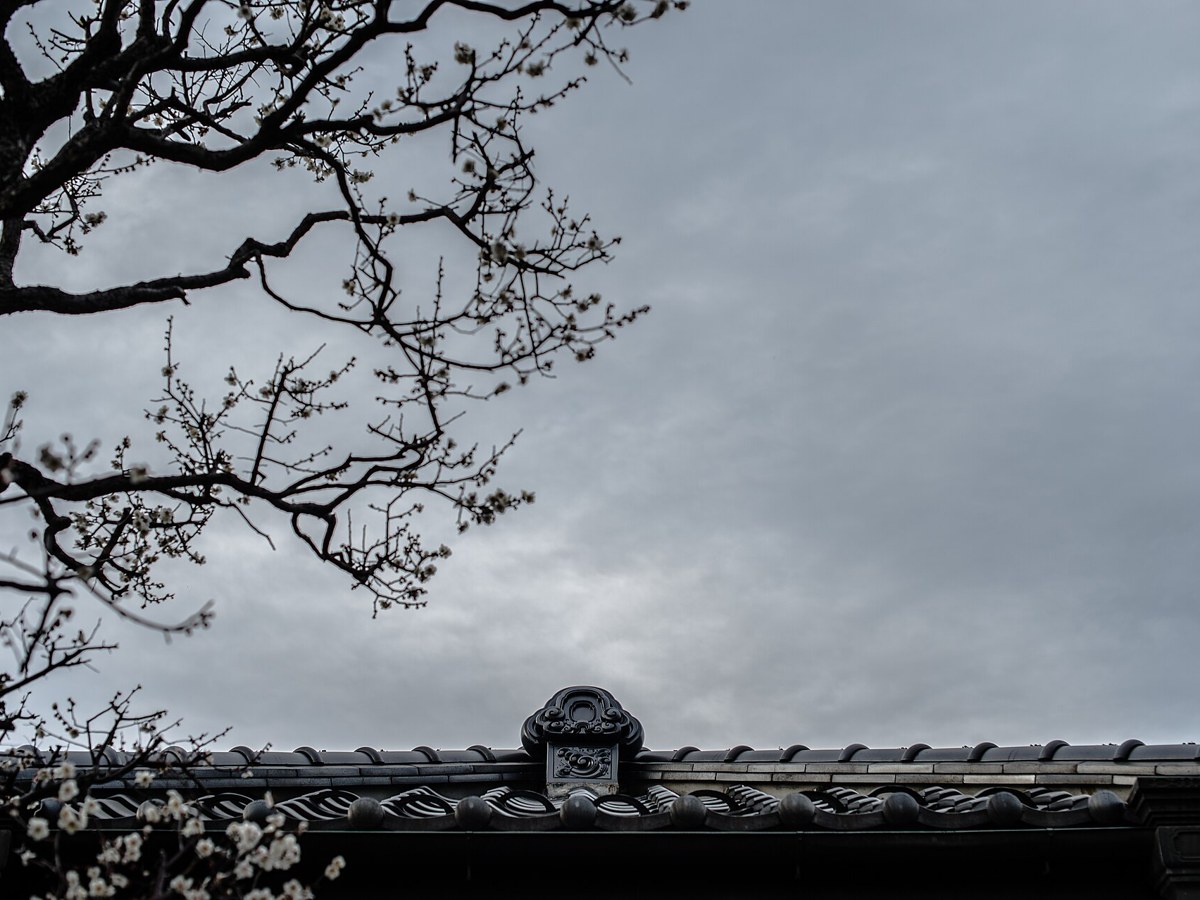
Kishu Nanko ume — the premium variety born in Minabe, Wakayama, and the umeboshi made from it in Minabe and Tanabe
Born in Minabe: the Nanko plum behind Japan’s benchmark umeboshi, ¥2,880 for 500 g organic.
Food
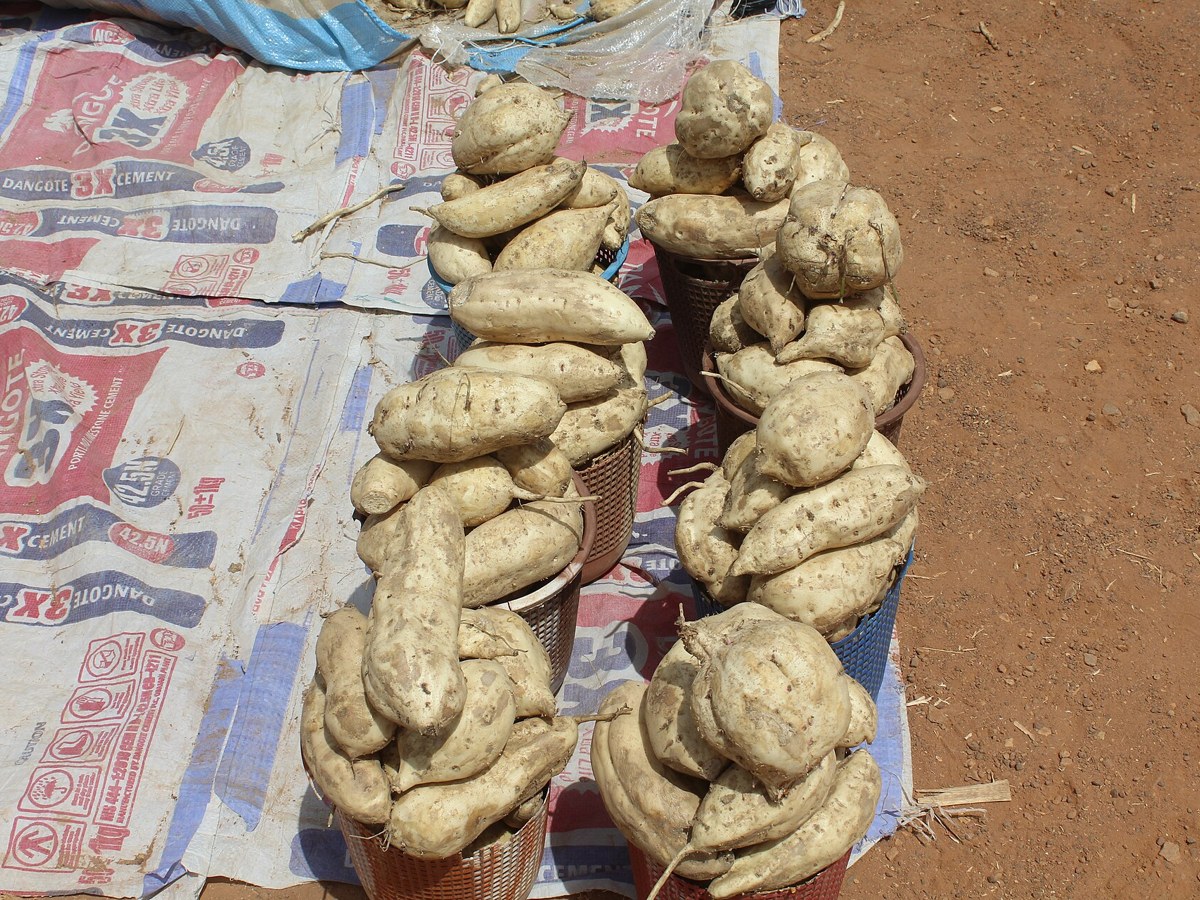
Ikinari dango — Kumamoto’s steamed sweet-potato and bean-paste dumplings, a farmhouse sweet turned prefecture specialty
Made for unexpected guests: Kumamoto’s steamed sweet-potato dumplings, hot at the counter.
Craft
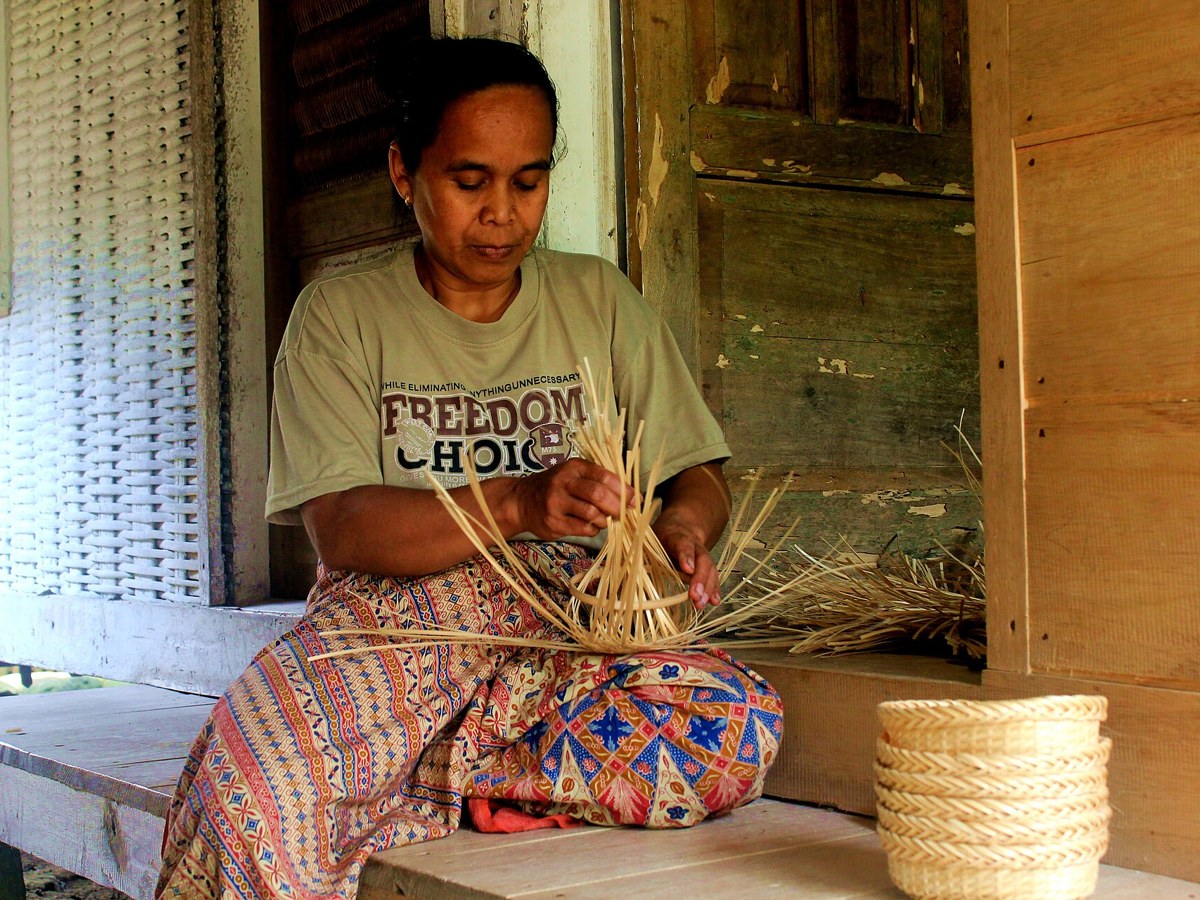
Beppu takezaiku — Oita’s hand-woven madake bamboo craft, the only bamboo work with national Traditional Craft status
The only bamboo craft Japan designated: Beppu’s woven madake, a serving basket at ¥6,050.
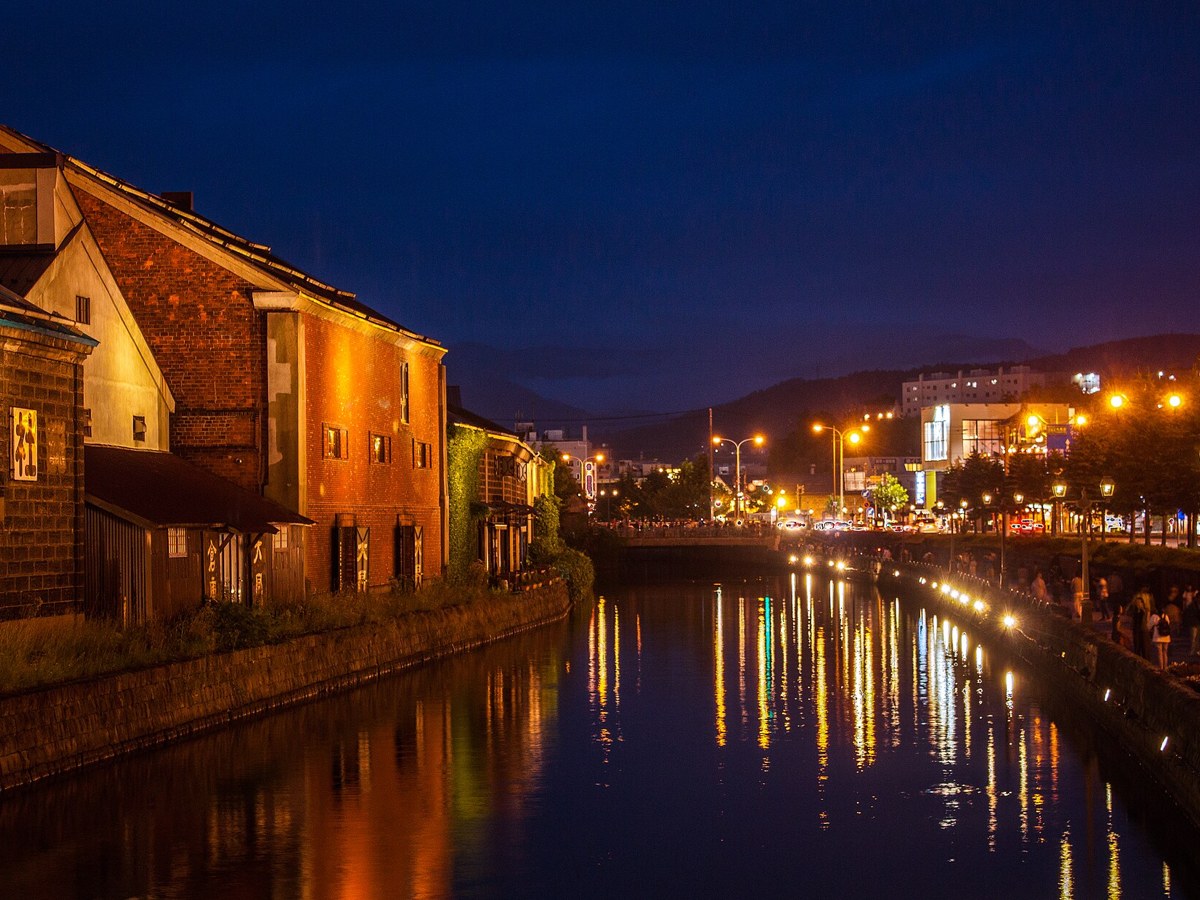
Food
LeTAO’s Double Fromage — Otaru’s mascarpone-and-baked cheesecake, born as an Otaru-store fresh cake in 1998
Otaru’s two-layer cheesecake, ¥2,376 — fresh in Hokkaido, frozen nationwide, scope stated.
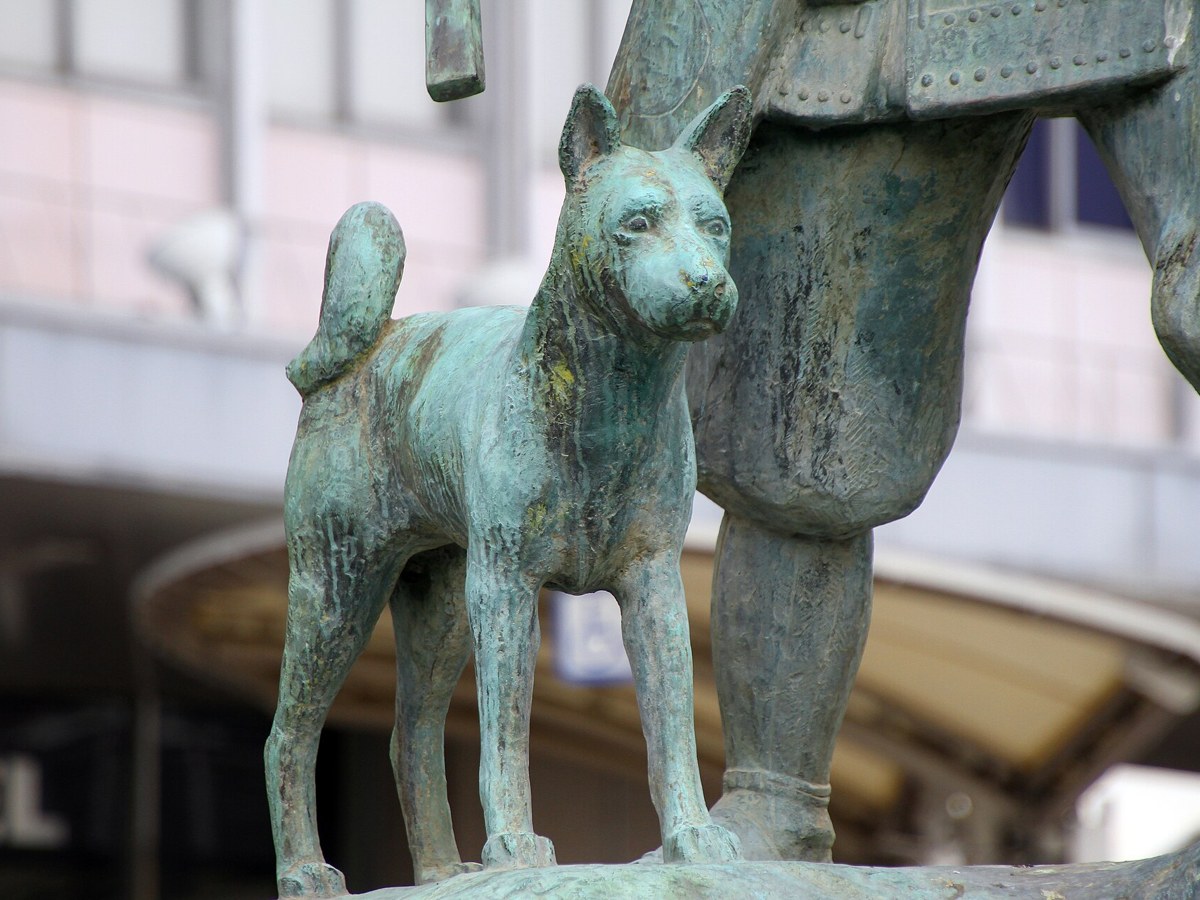
Food
Koeido’s Ganso Kibi Dango — Okayama’s folktale dumplings from the house founded in 1856
Momotaro’s dumplings, by the house that boxed them in 1856: from ¥540 for ten at Koeido.
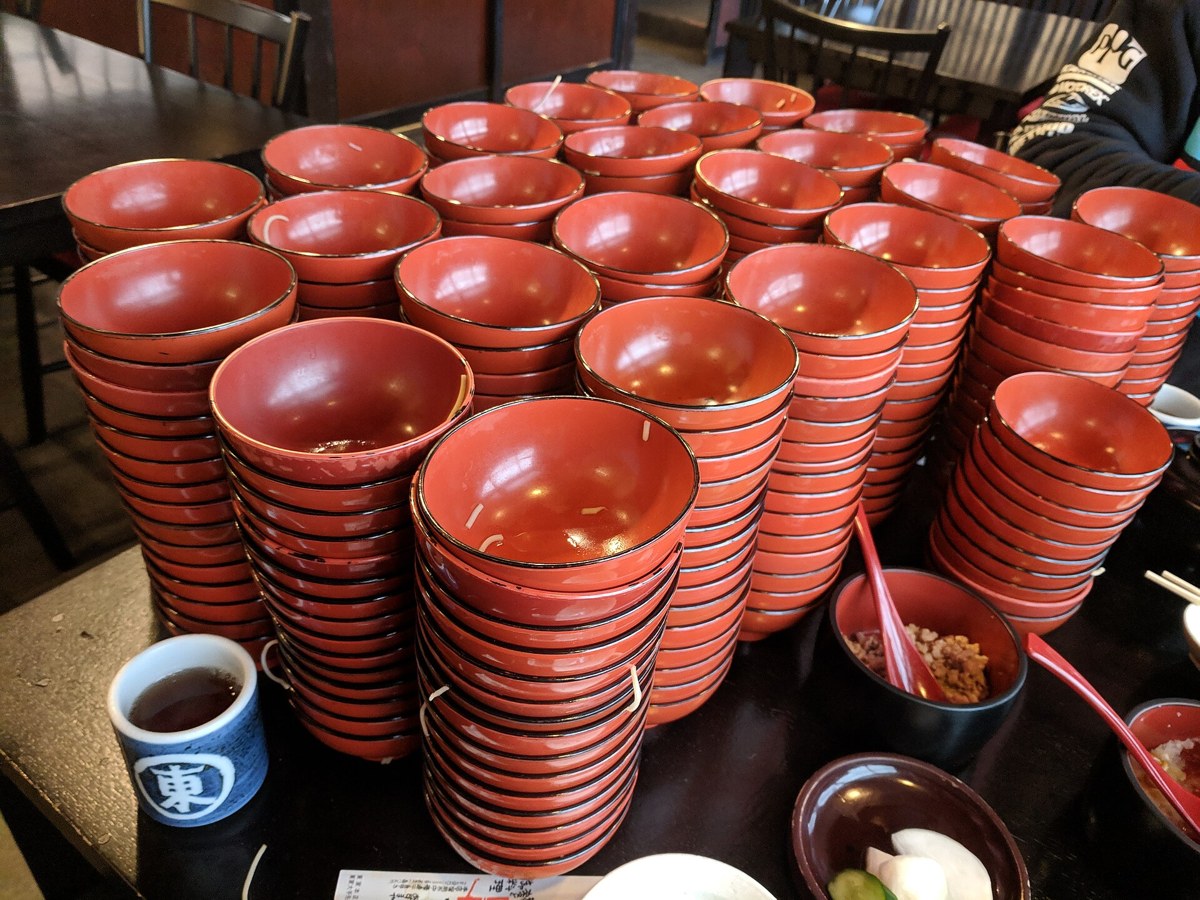
Food
Wanko soba — Morioka & Hanamaki’s refill soba service, one of Morioka’s three great noodles
A server refills your tiny soba bowl until you cap it: Iwate’s noodle marathon, from ¥1,980 for ten bowls.
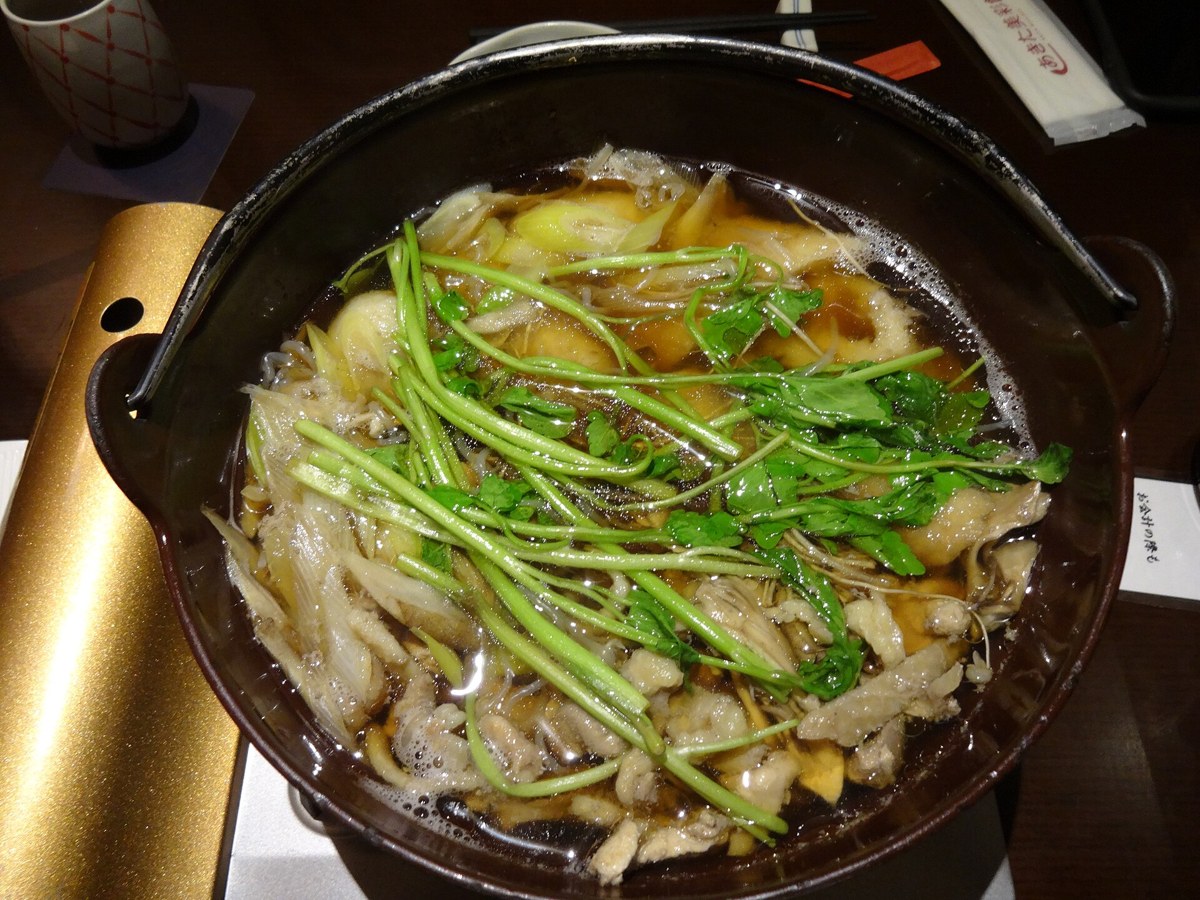
Food
Kiritanpo — Odate’s grilled cedar-skewer rice sticks, simmered in a Hinai-chicken hot pot
Grilled rice sticks in a rich chicken hot pot: Akita’s hunter-born feast, ¥1,500–3,000 in season.
Food
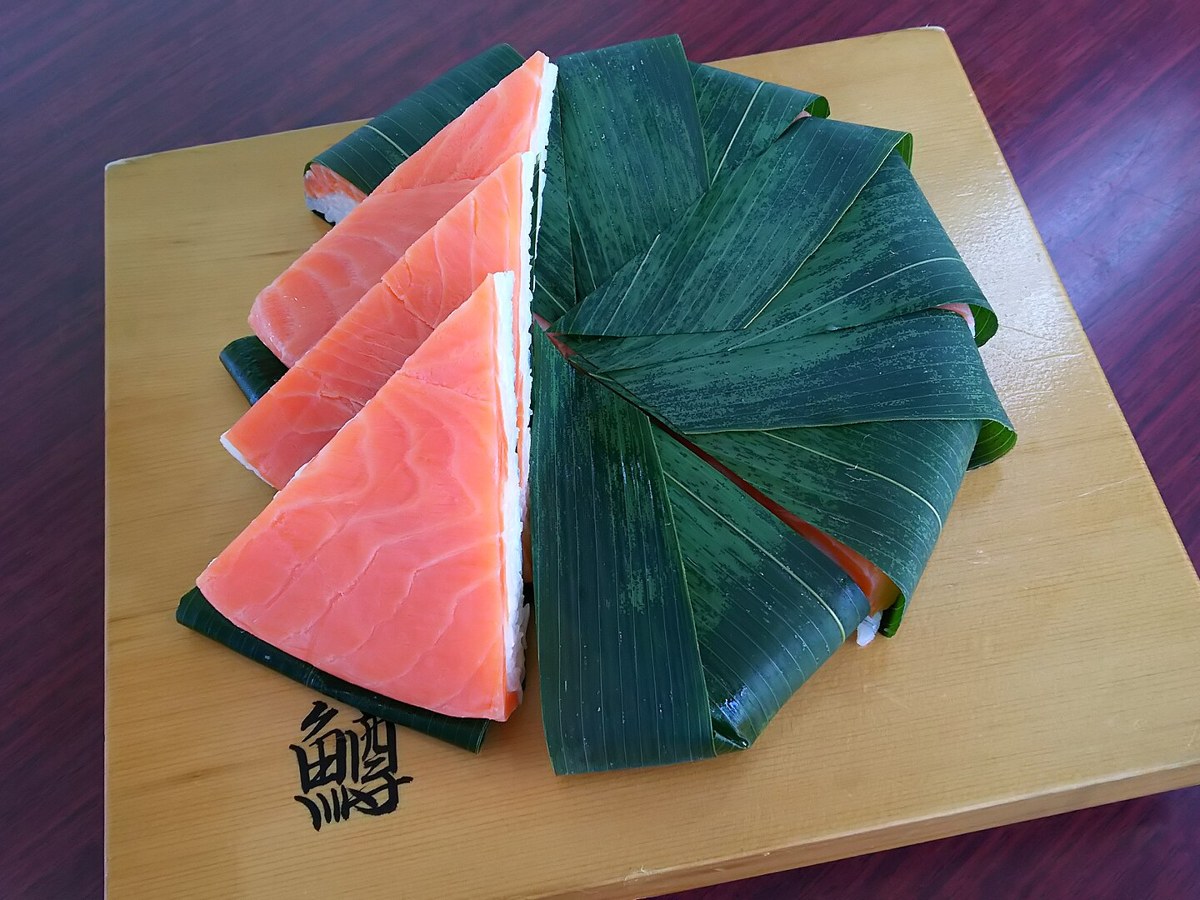
Masuzushi — Toyama’s vinegar-cured trout pressed on rice in a bamboo-lined bentwood box, an ekiben since the Taisho era
Cured trout pressed on rice in a round wooden box: Toyama’s 1717 sushi, ¥2,000 a tier.
Craft
Kanazawa haku — Ishikawa’s gold leaf, kept alive in secret under the shogunate and now Japan’s only source
Over 98% of Japan’s gold leaf is beaten in Kanazawa — eat it for ¥891, apply it from ¥2,000.
Food
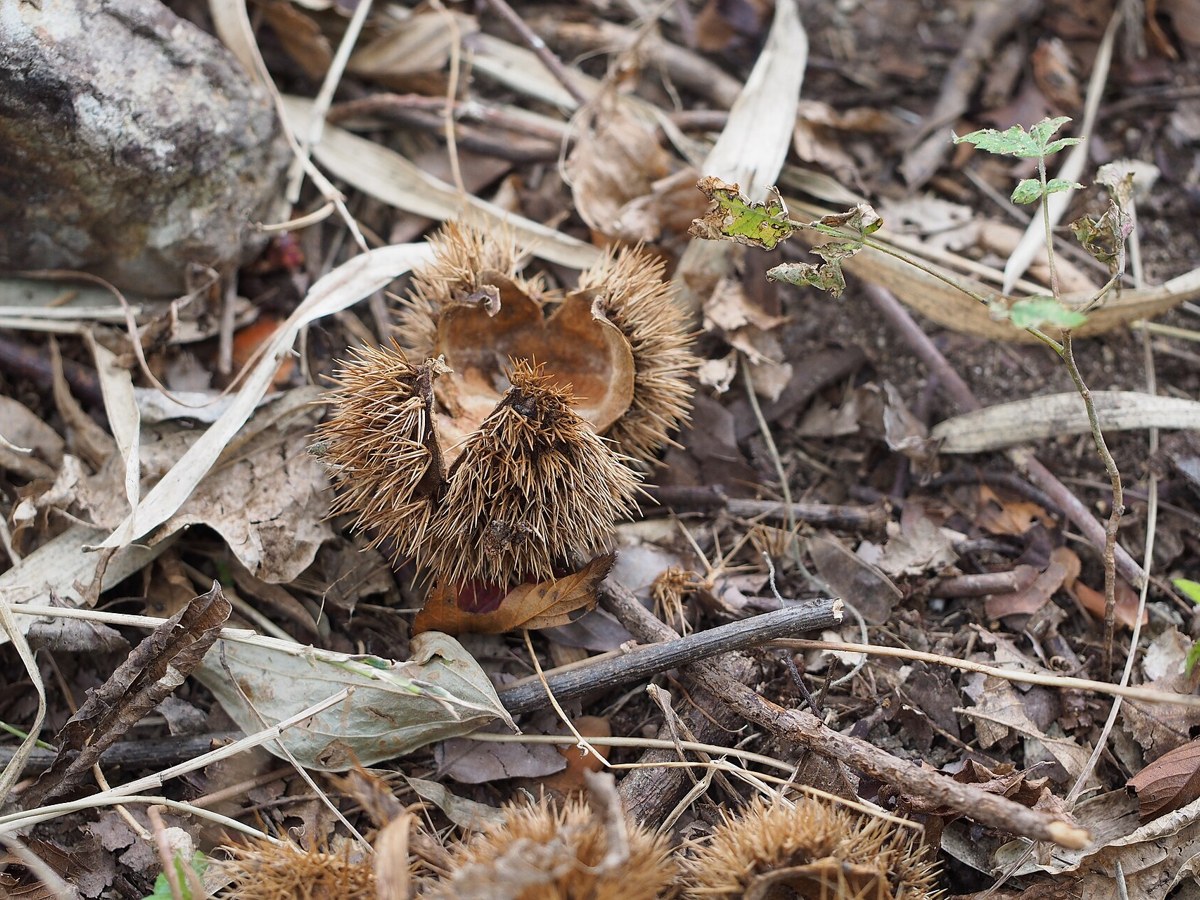
Kurikinton — Nakatsugawa’s cloth-twisted chestnut confection, born in a Nakasendo post town
Steamed chestnuts and sugar, twisted in a cloth: Gifu’s autumn-only sweet, 6 for ¥1,609 at Suya.
Food
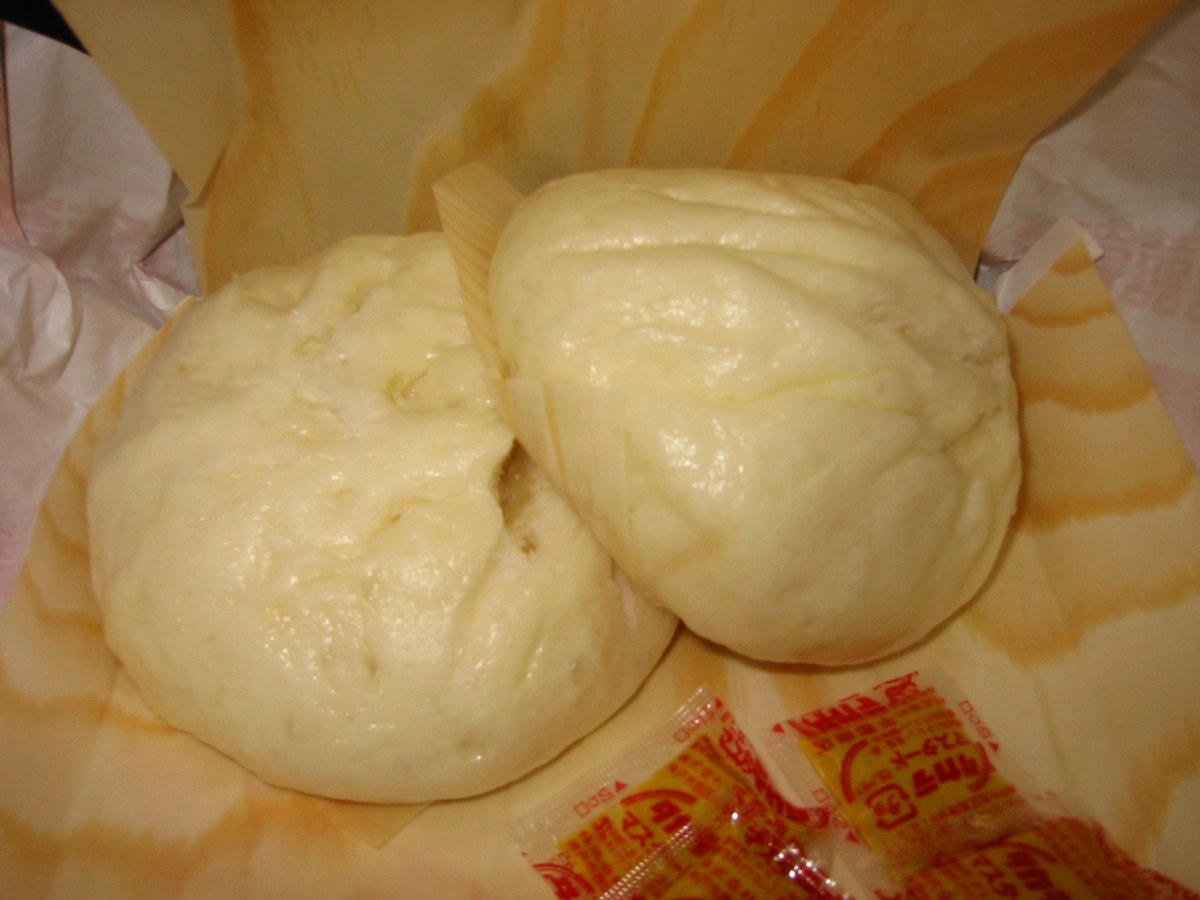
551 Horai’s butaman — Osaka’s hand-wrapped pork buns, sold only through the maker’s own Kansai shops since 1945
Osaka’s soul-food pork bun, hand-wrapped since 1945 — sold only in Kansai, ¥250 each.
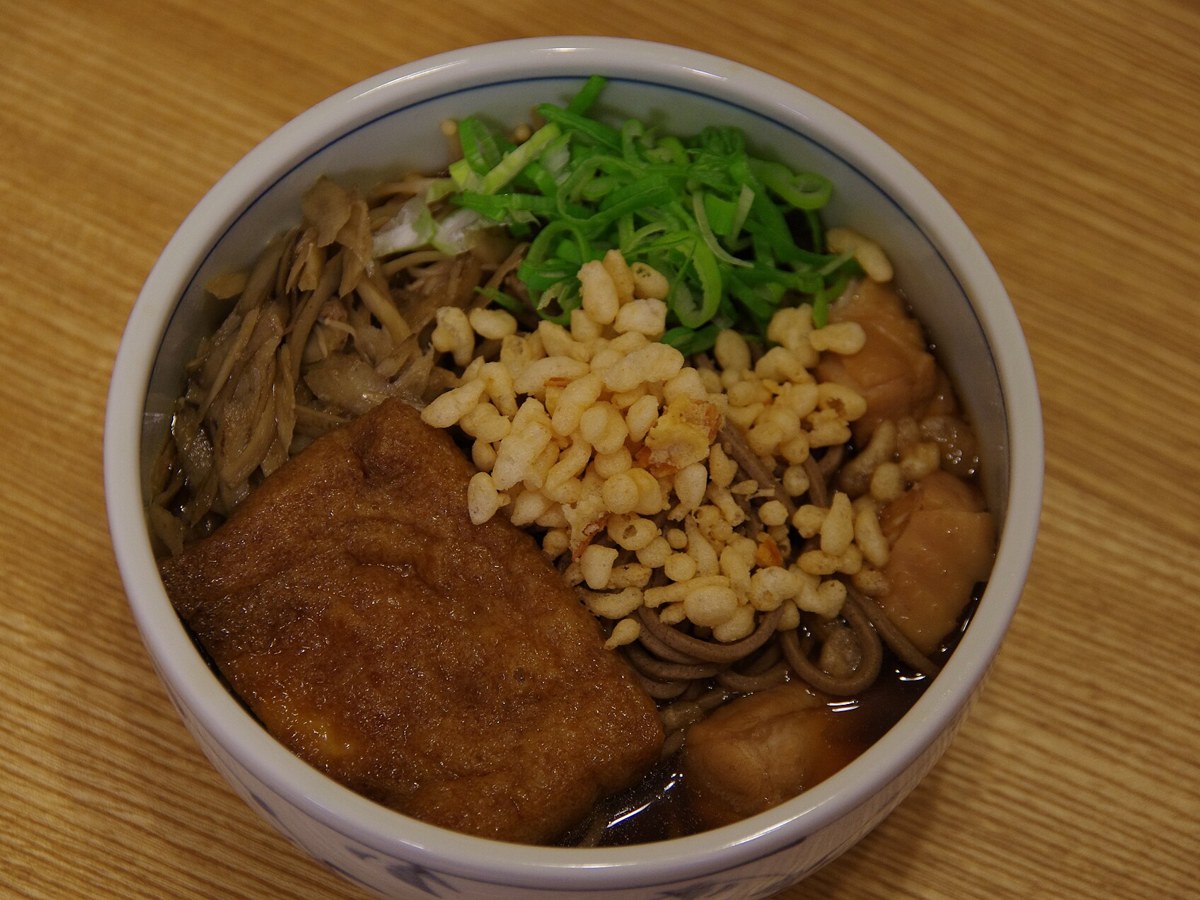
Food
Izumo soba — Shimane’s whole-kernel soba in warigo tiers and kamaage, one of Japan’s three great sobas
Dark whole-kernel soba stacked in three lacquer bowls: Shimane’s great soba, ¥900–1,500.
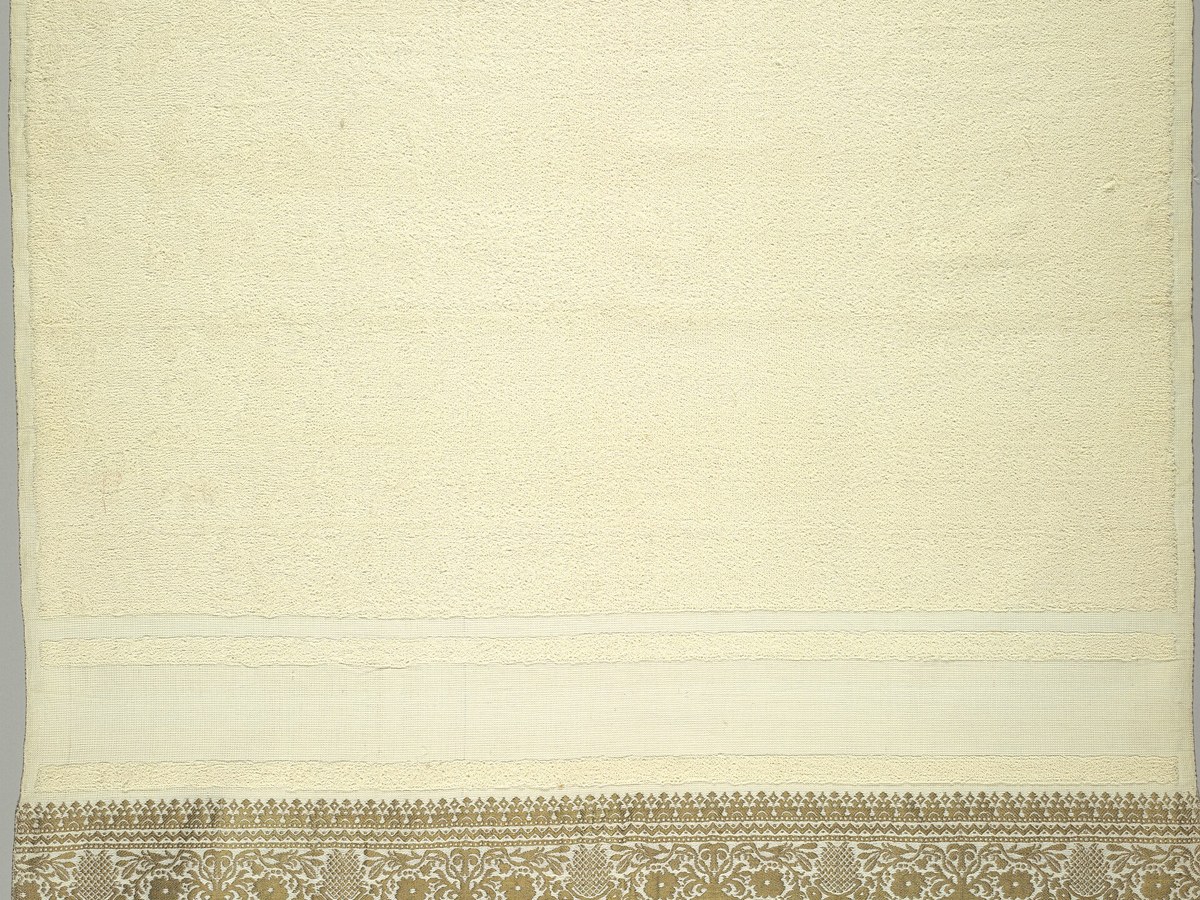
Craft
Imabari towel — Ehime’s association-certified towels, woven in Japan’s towel capital since 1894
A swatch must sink in five seconds: Ehime’s certified towels, from ¥700 a face towel.
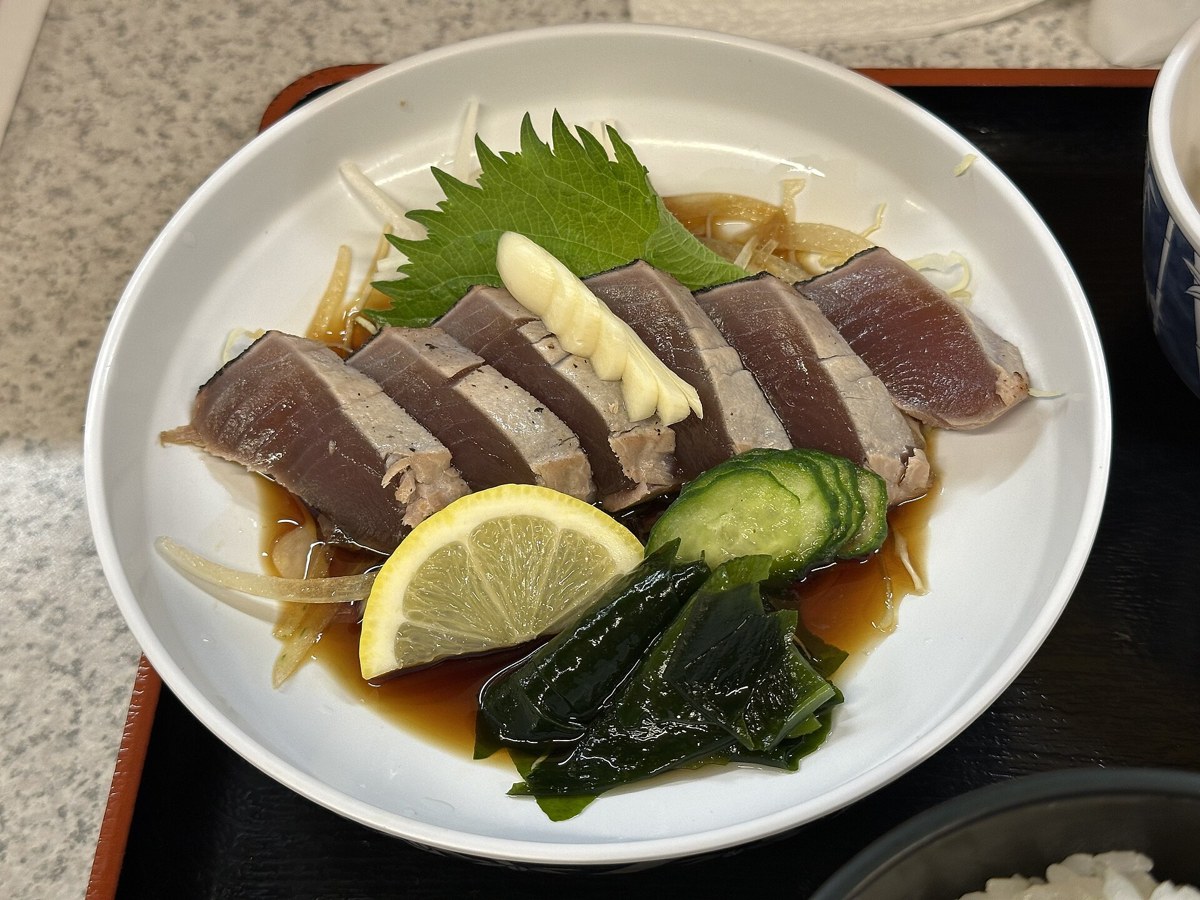
Food
Katsuo no tataki — Kochi’s warayaki straw-seared bonito, eaten thick-cut with salt and raw garlic
Bonito kissed by a straw fire and sliced thick: Kochi’s soul food, ¥800–1,500 a plate.
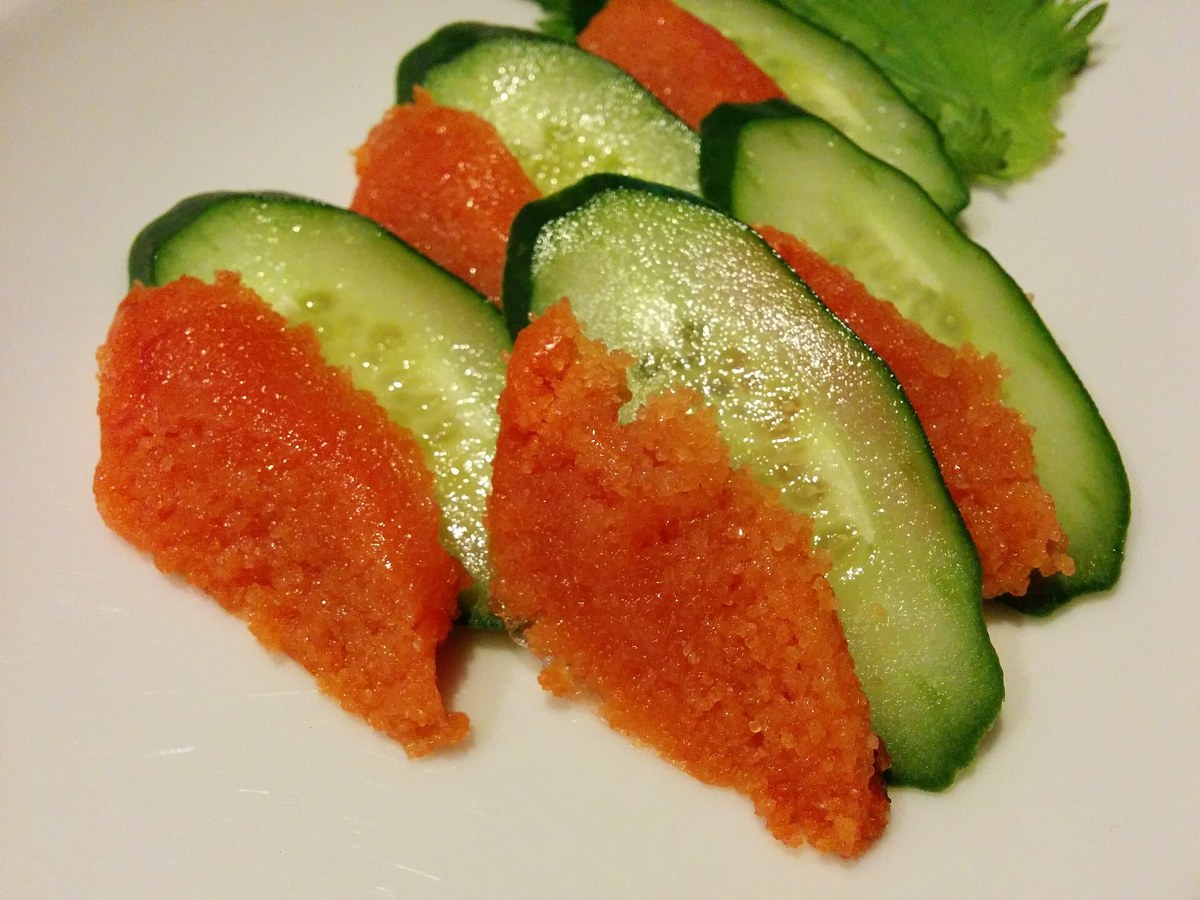
Food
Karashi mentaiko — Fukuya’s chilli-steeped pollock roe, Japan’s first, sold in Nakasu on 10 January 1949
Chilli-steeped pollock roe, created in Hakata in 1949: Fukuya’s 100 g box is ¥1,296.
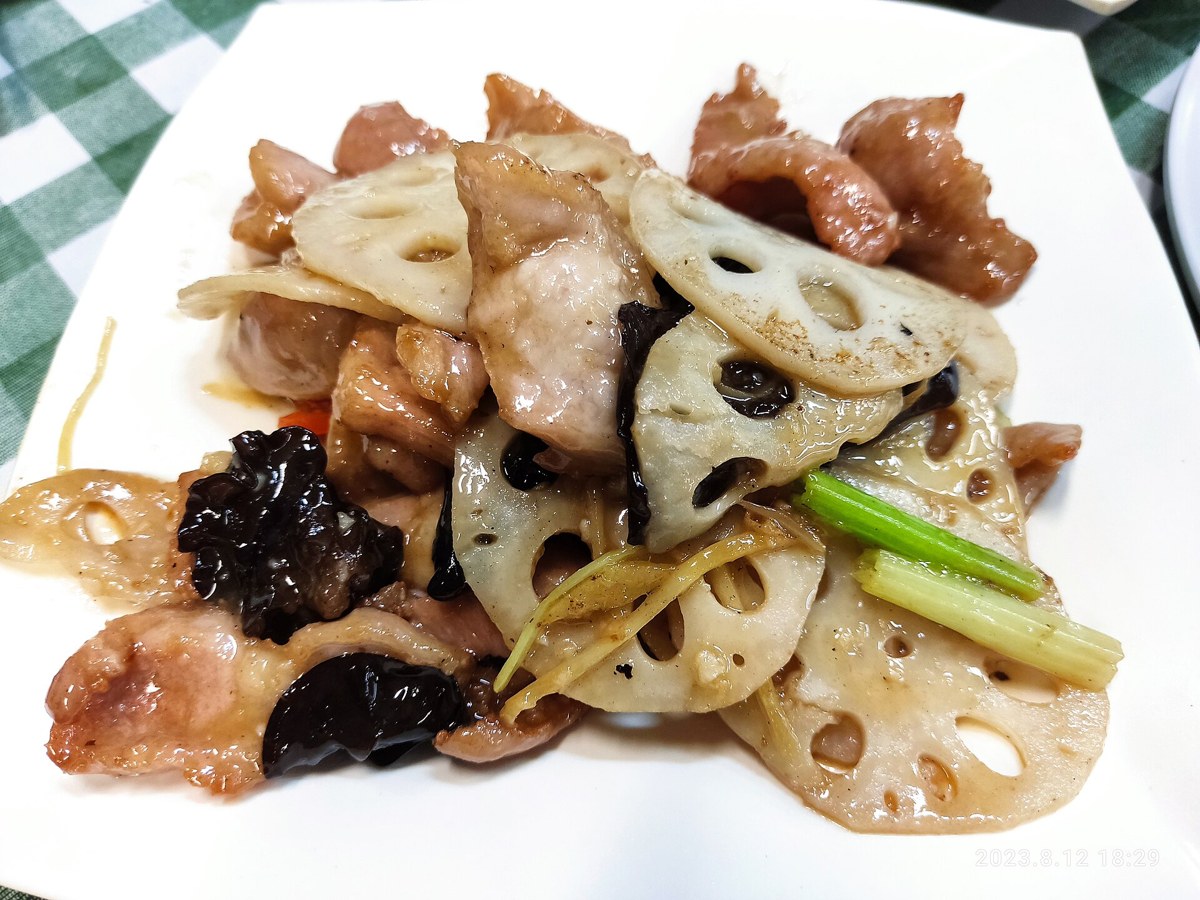
Food
Karashi renkon — Kumamoto’s mustard-miso lotus root, devised in 1632 and restricted to the samurai class through the Edo period
Mustard miso packed in lotus root and fried: Kumamoto’s once-forbidden delicacy, ¥788–1,620.
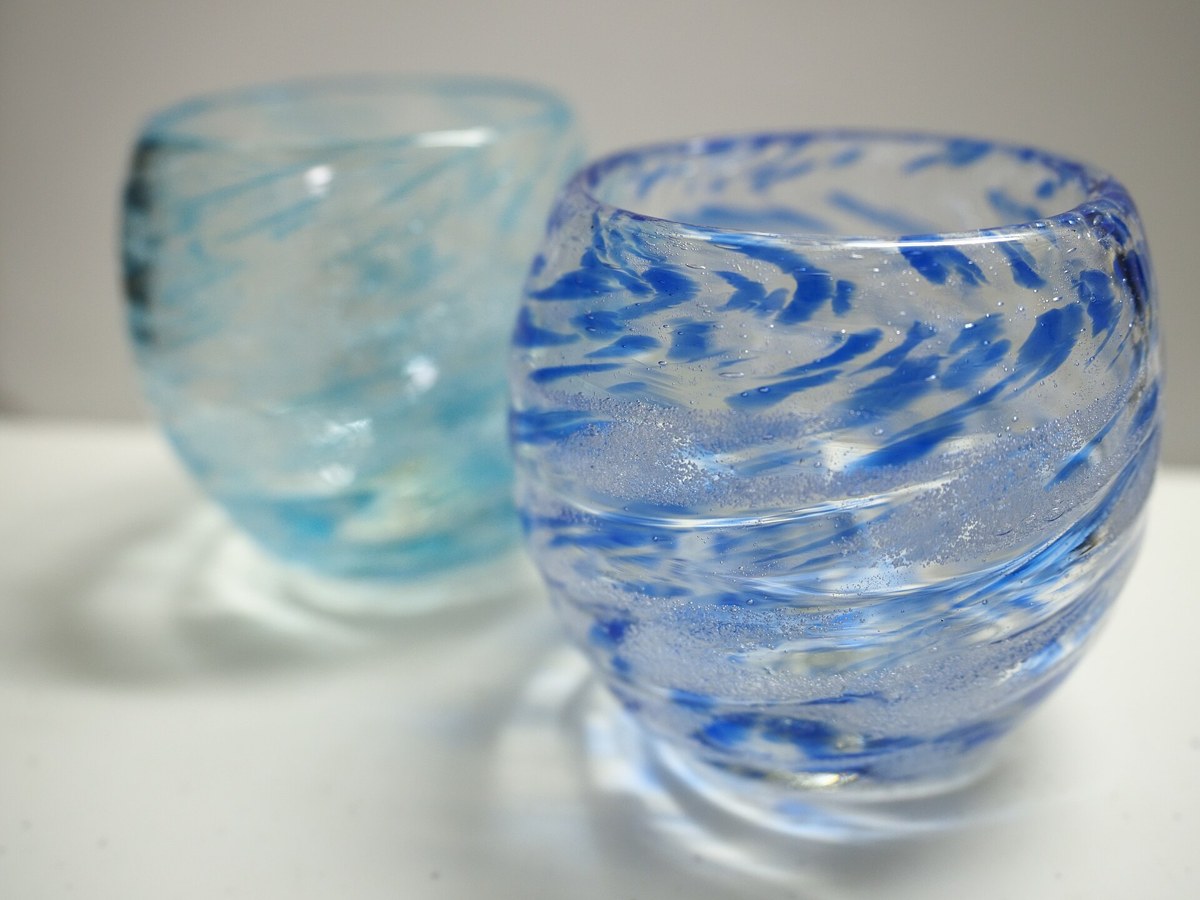
Craft
Ryukyu glass — Okinawa’s thick, bubbled, free-blown glassware, rebuilt after 1945 from US-base bottles
Thick, vivid, full of bubbles: Okinawa’s glass reborn from bottles, ¥1,000–3,000 a glass.
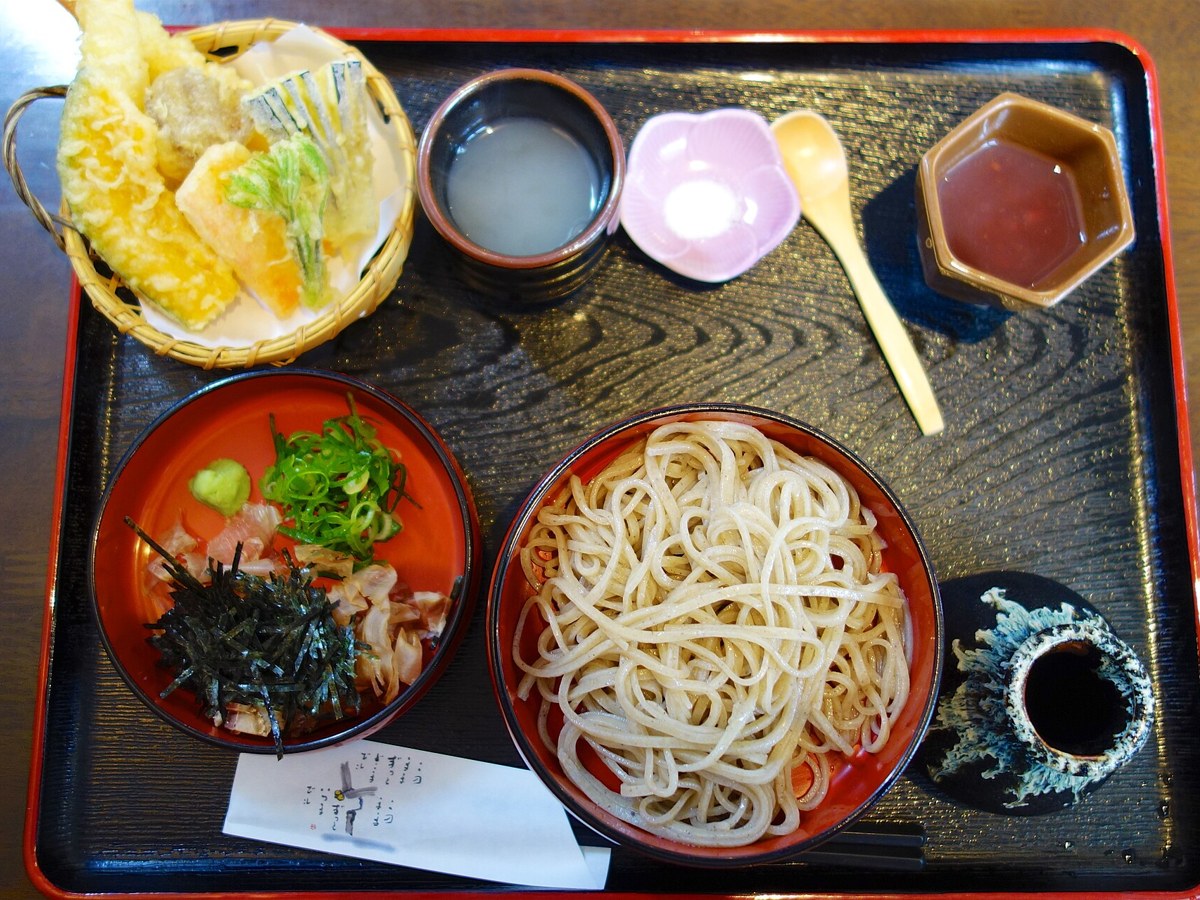
Food
Togakushi soba — Nagano’s mountain soba in bocchi-mori bundles, one of Japan’s three great sobas
Five folded bundles on a bamboo basket: the third of Japan’s three great sobas, from ¥880.
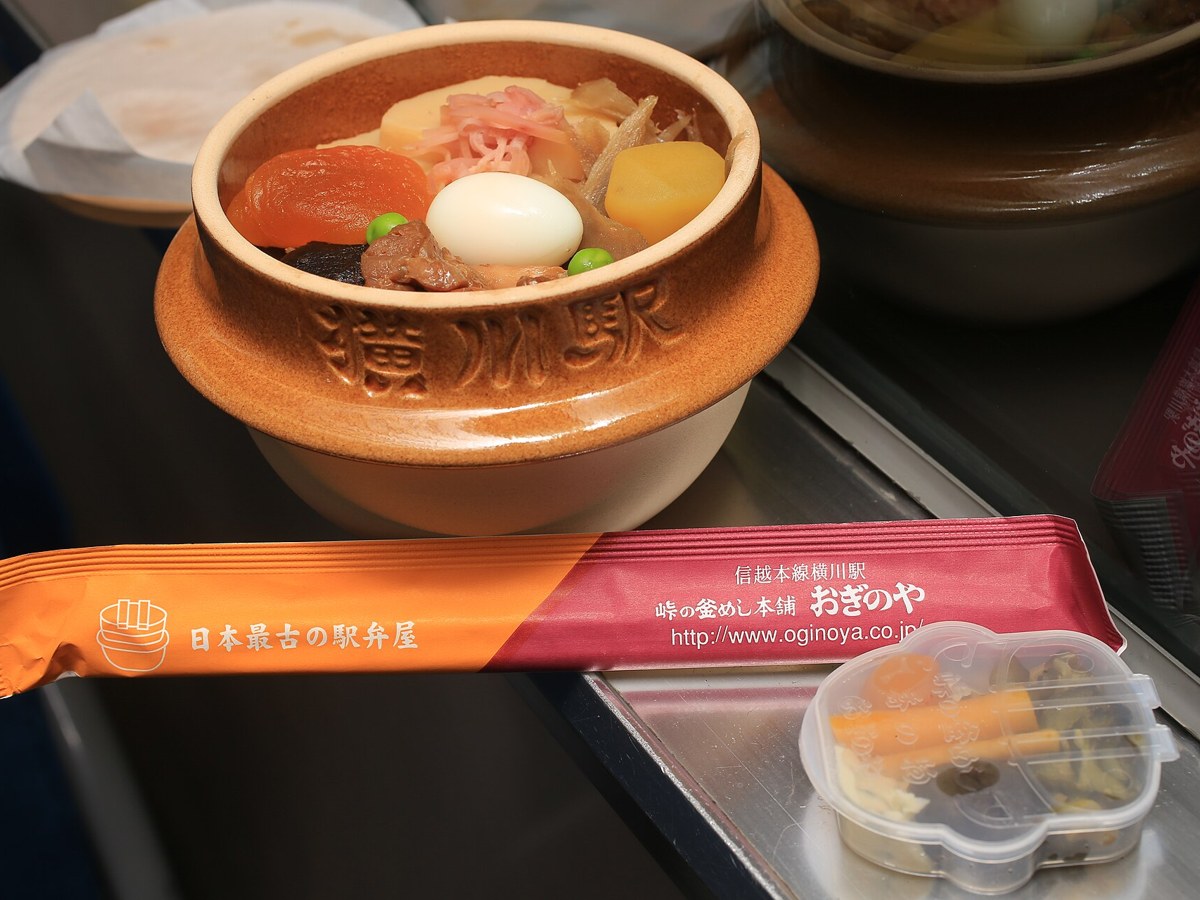
Food
Toge no Kamameshi — Oginoya’s Usui Pass ekiben in a Mashiko-ware pot you keep, since 1957
Nine toppings, one clay pot you keep forever: Gunma’s mountain-pass ekiben, about ¥1,080–1,200.
Food
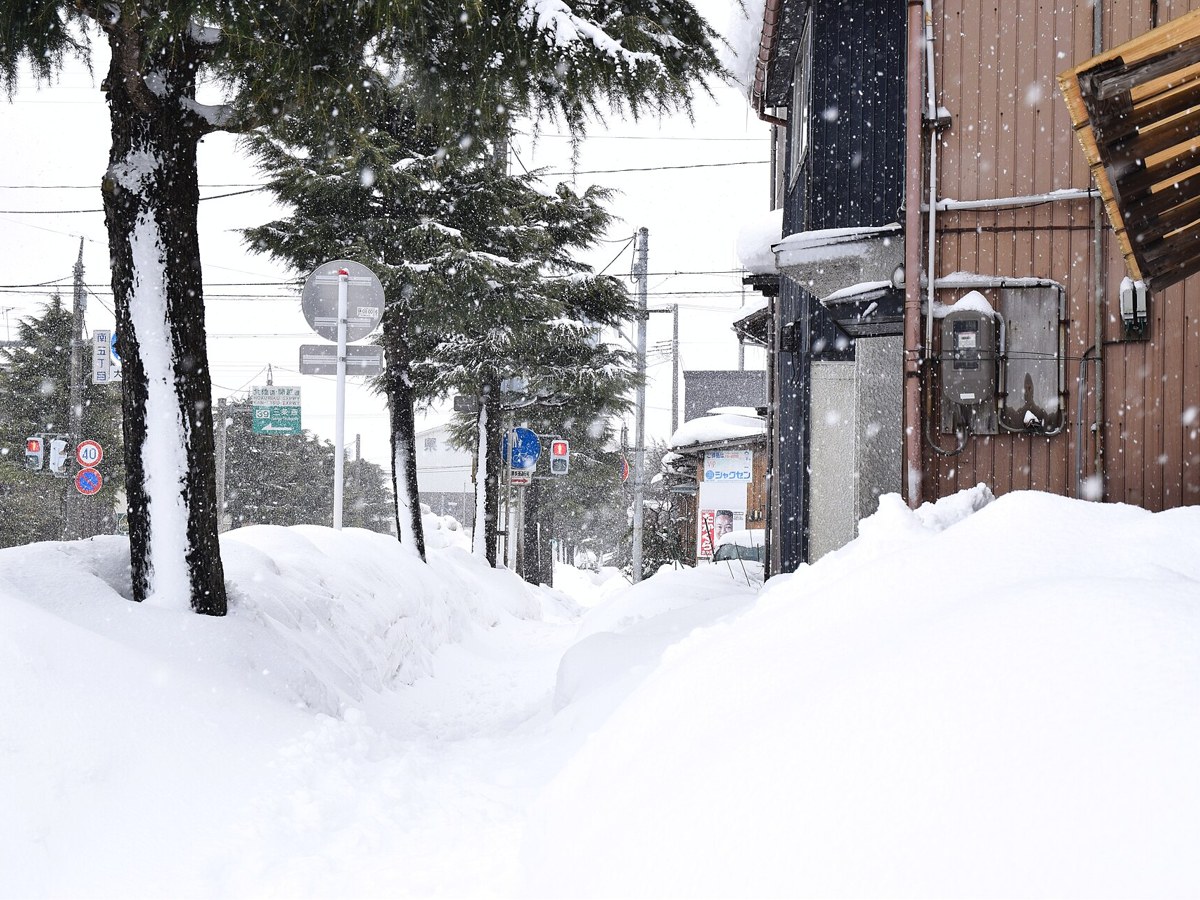
Hakkaisan Yukimuro — Minamiuonuma’s Junmai Daiginjo rested three years in a snow-packed cellar
Sake aged three years inside a room of snow: Niigata’s snow-cellar bottle, ¥6,050 in Japan.
Food
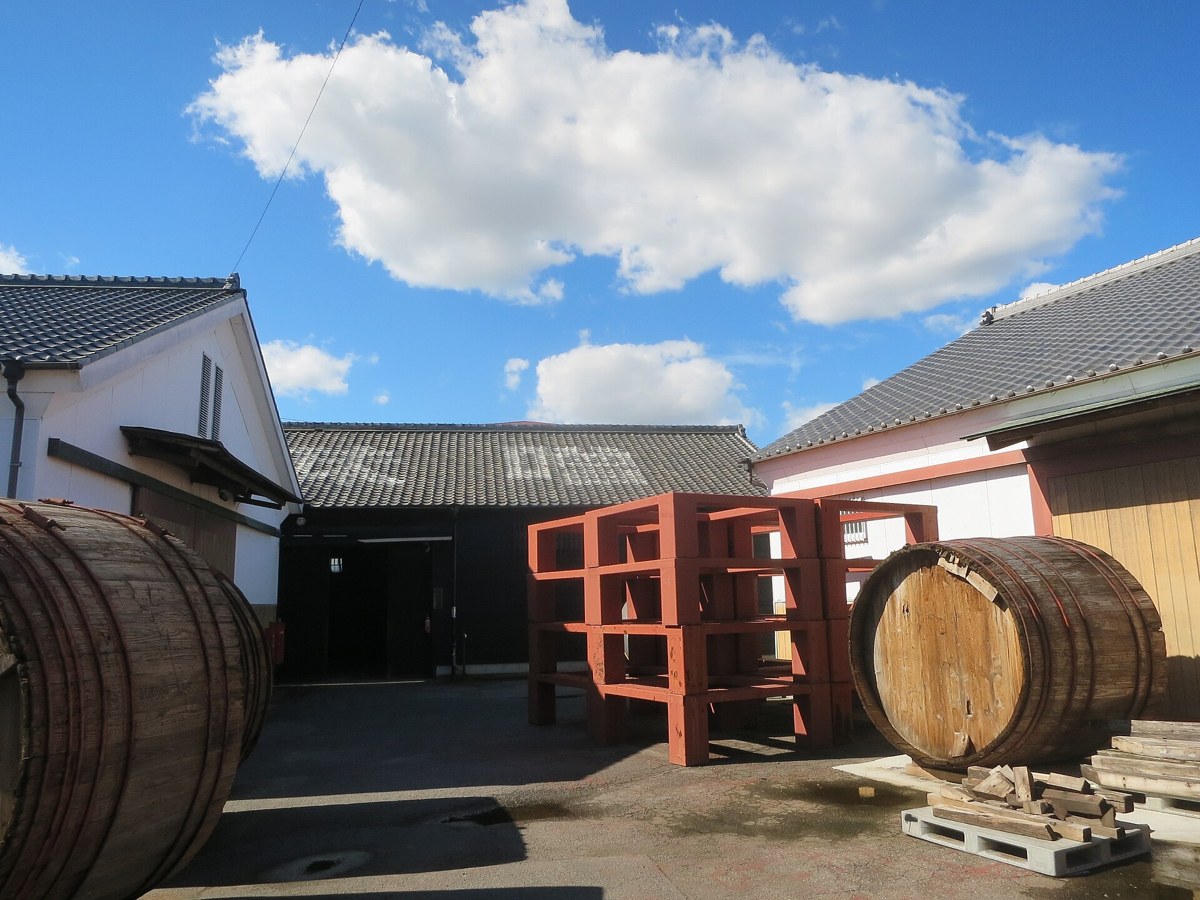
Hatcho miso — Okazaki’s bean-only miso, aged under river stones eight cho from the castle
Beans, salt and water, aged two years under pyramids of stones — by exactly two breweries. 300 g from about ¥500.
Food
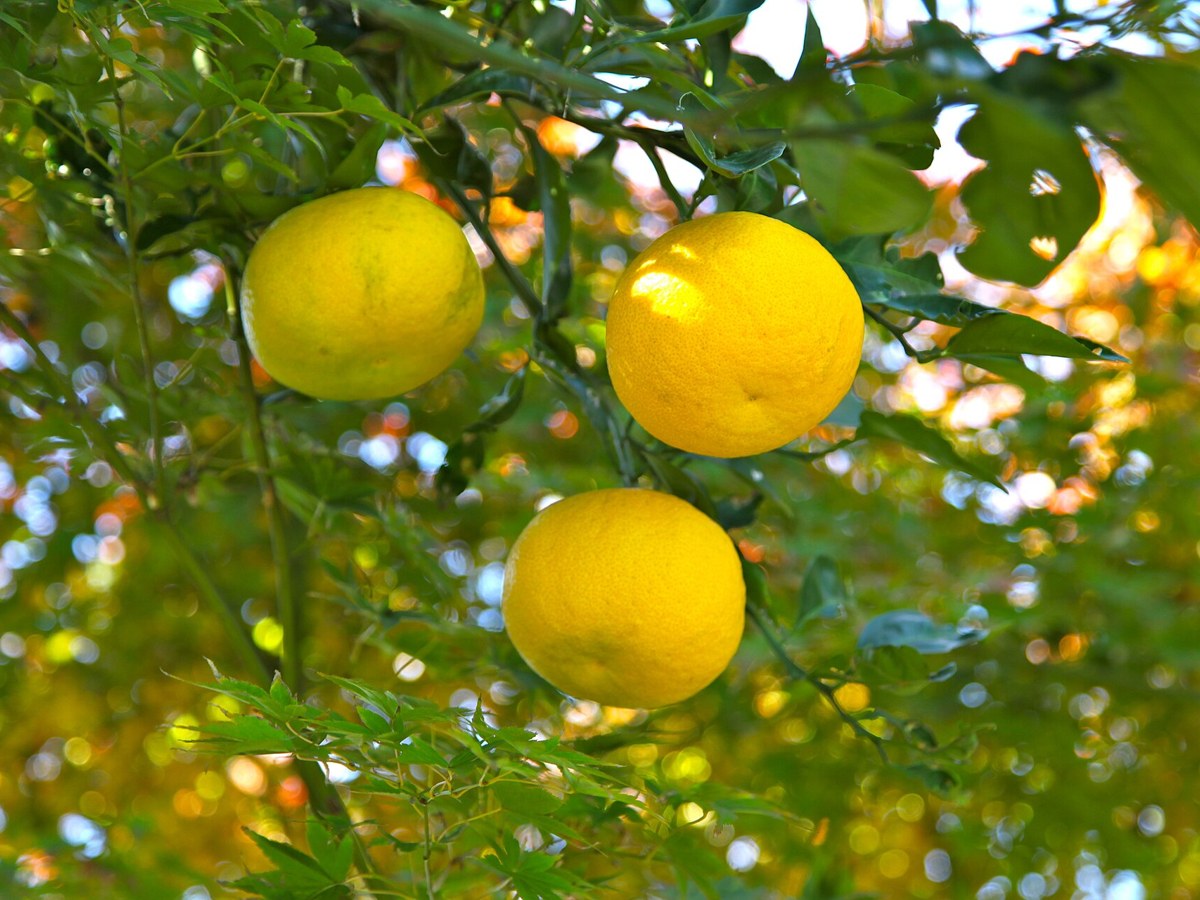
Yuzu kosho — the yuzu, chilli and salt paste first sold by Fundokin of Usuki, Oita
Yuzu peel, chilli and salt, eaten half a teaspoon at a time: Kyushu’s paste, first bottled in Oita. ¥403.
Food
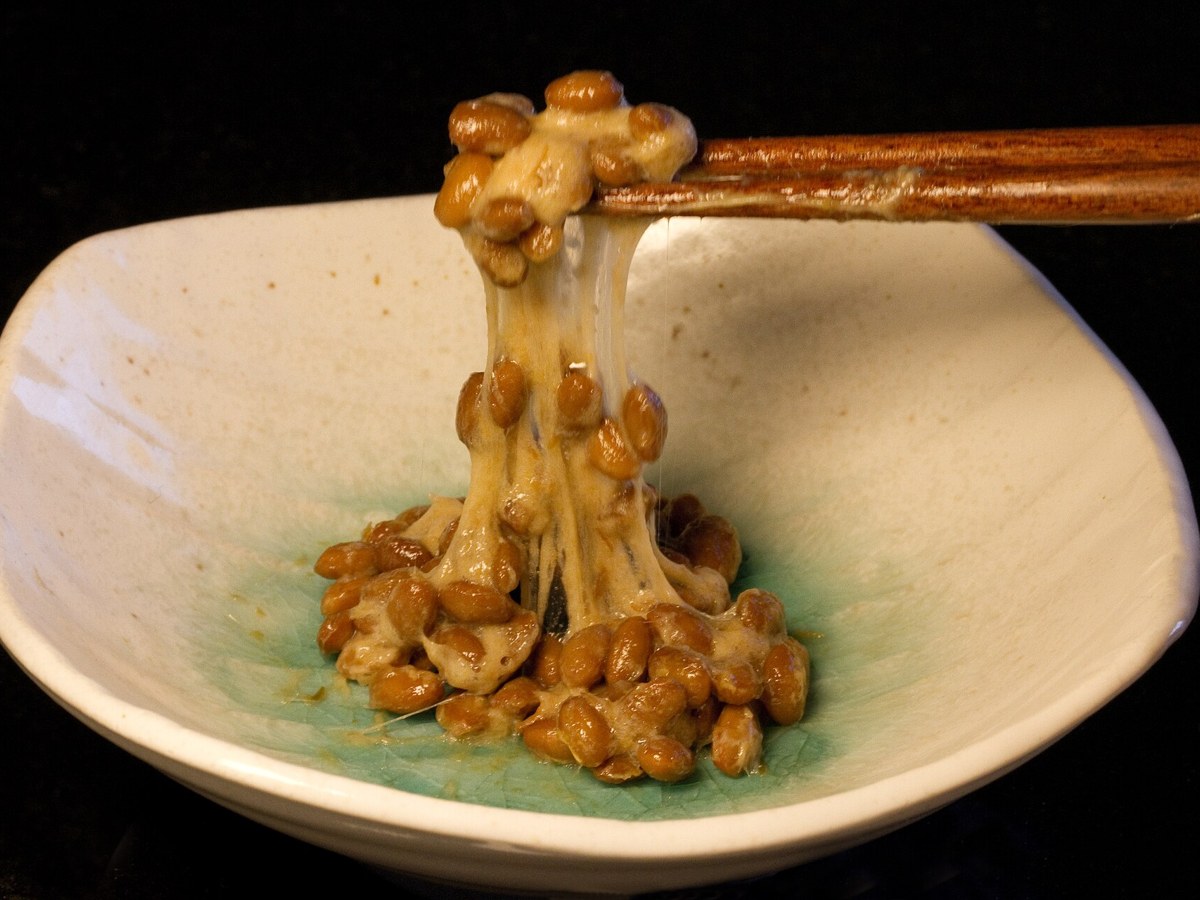
Mito natto — Ibaraki’s small-bean natto in rice-straw bundles, sold to passengers since 1889
Small beans in a bundle of straw, famous since the first trains: Mito’s natto, about ¥360 a stick.
Food
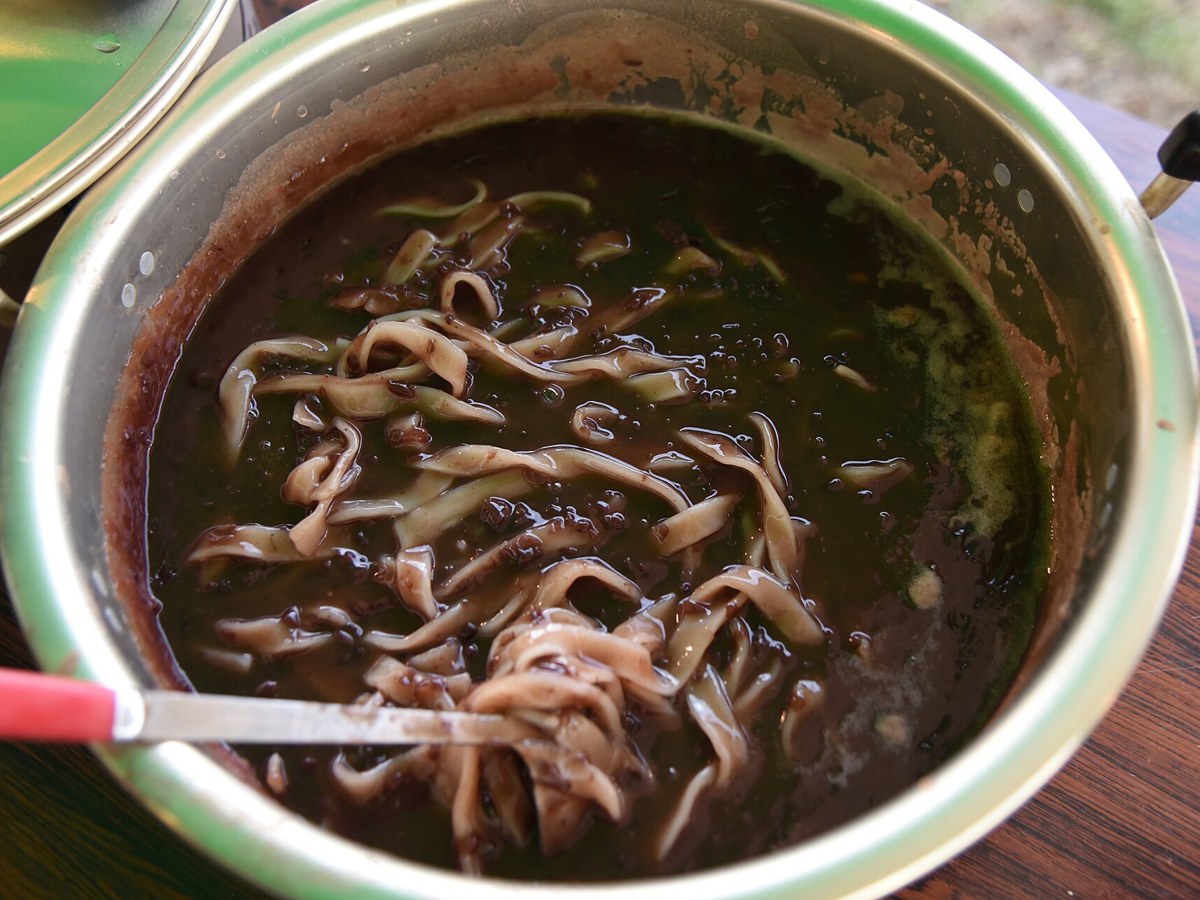
Hoto — Koshu’s flat noodles simmered in miso with kabocha, served bubbling in iron
Flat noodles simmered in their own miso pot with pumpkin: Yamanashi’s stew, from about ¥1,000.
Craft
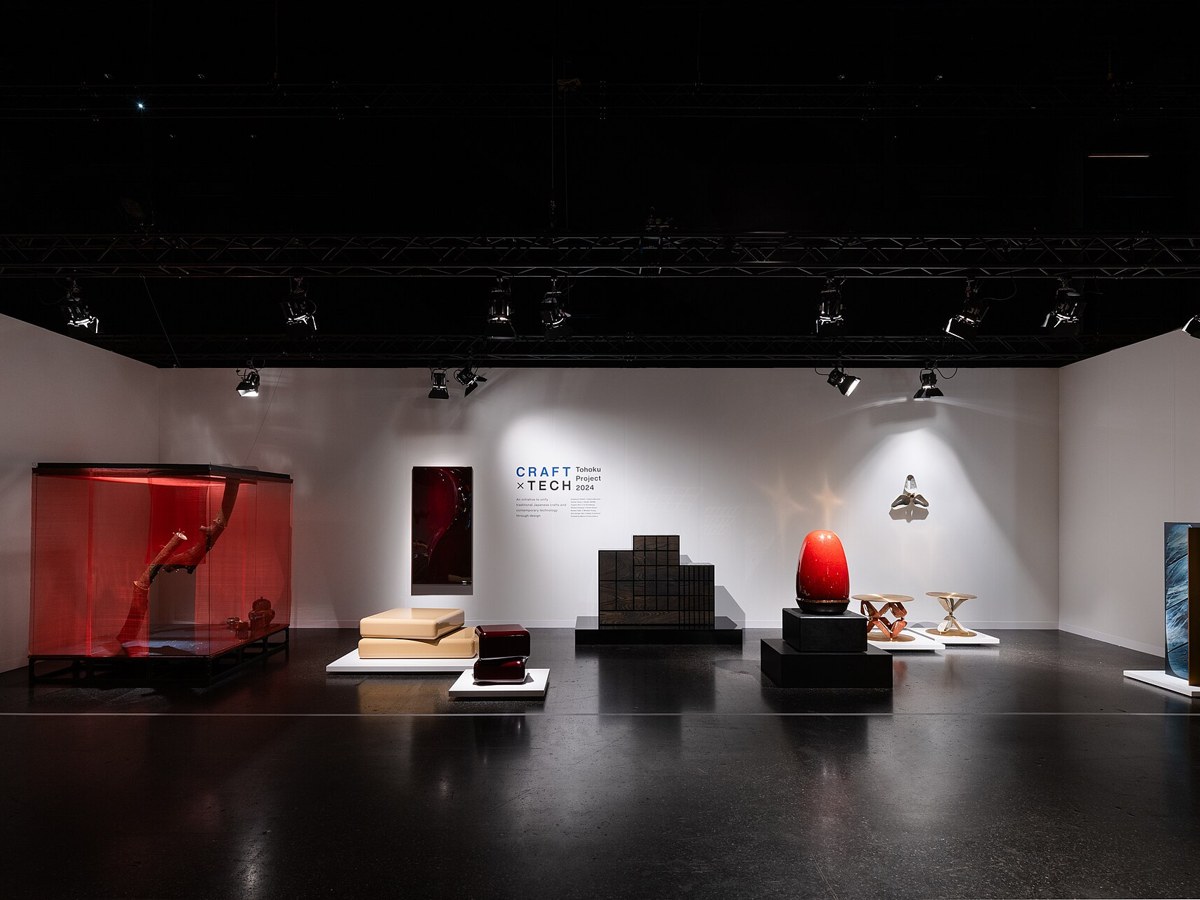
Tsugaru-nuri — Aomori’s designated lacquerware of Hirosaki, Japan’s northernmost lacquer centre
Forty-eight steps of lacquer, polished back into pattern: Aomori’s northern lacquer, chopsticks ¥7,480.
Craft
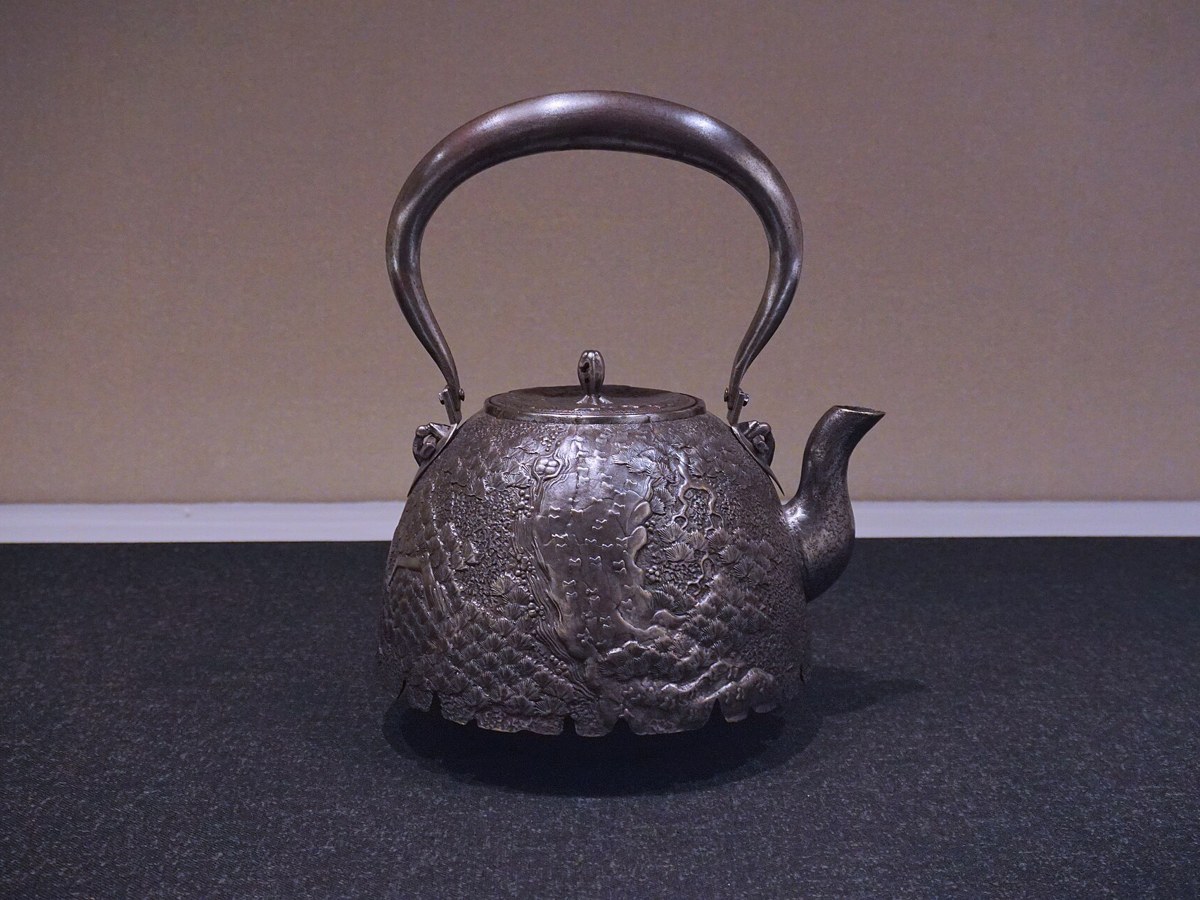
Yamagata imono — Yamagata City’s cast metalware, its sand mould broken for every single piece
The sand mould breaks to free every kettle: Yamagata’s 950-year casting, kettles ¥55,000–104,500.
Craft
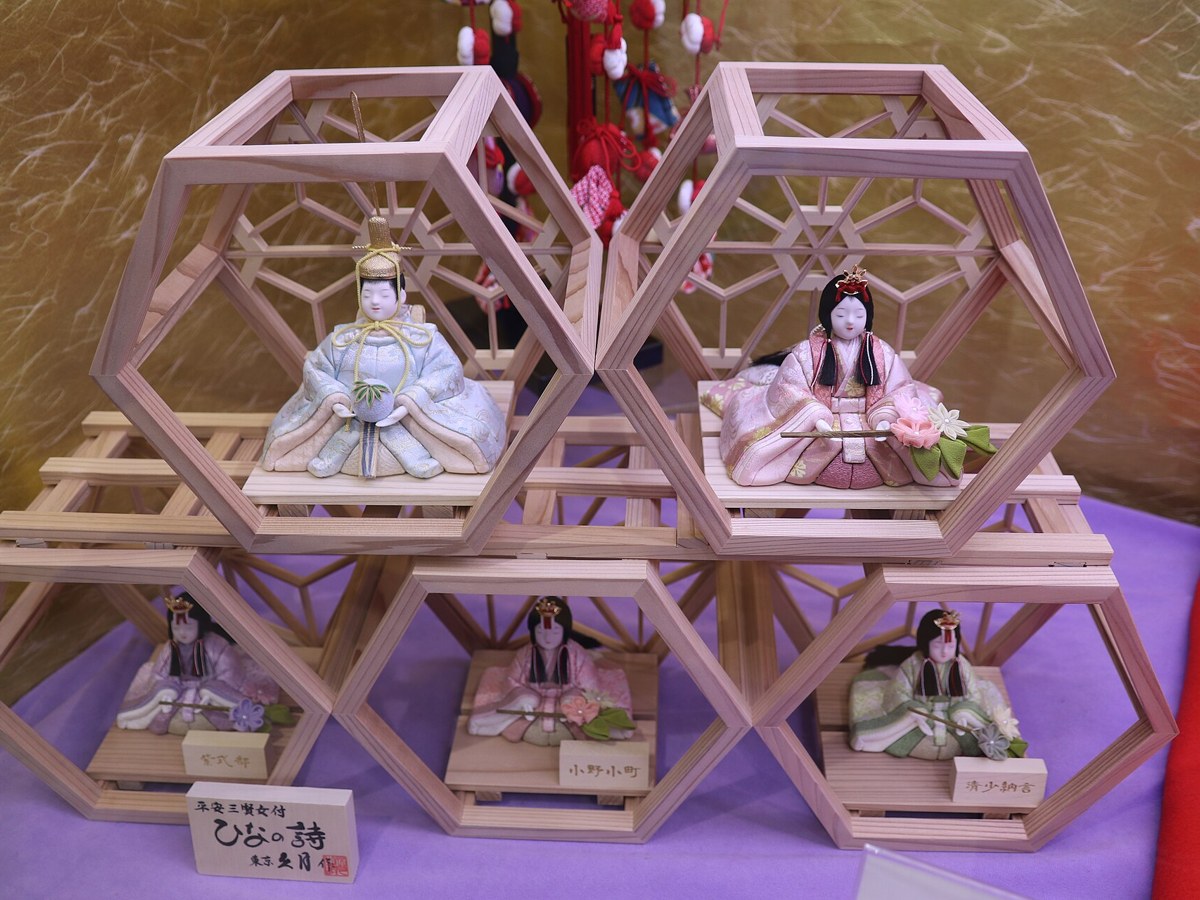
Iwatsuki ningyo — Japan’s largest doll centre in Saitama City, five specialised crafts per doll
Five crafts divide every doll in Japan’s largest doll town: museum ¥300, cooperative doll ¥4,500.
Stationery
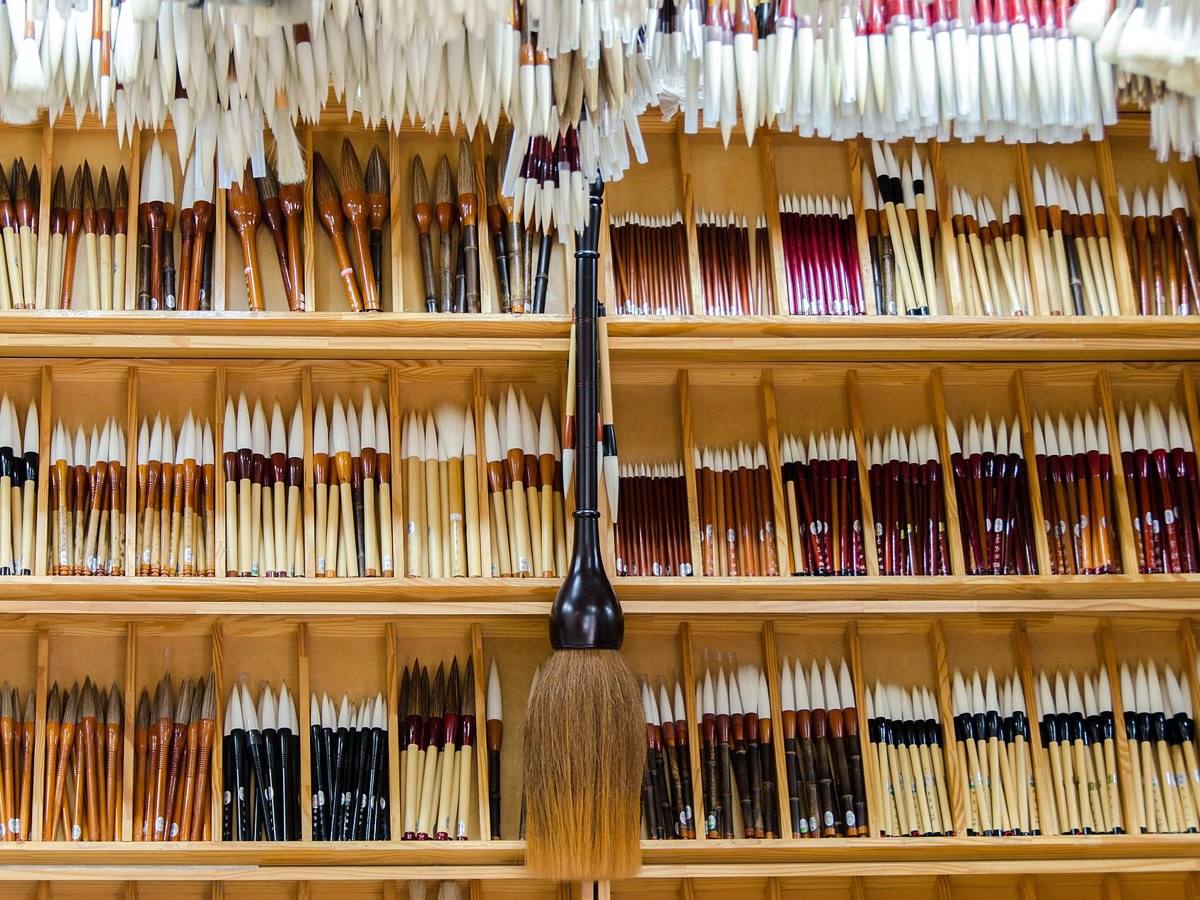
Nara fude — Nara’s designated brushes, blended hair by hair by the nerimaze-ho method
Up to ten animal hairs blended hair by hair: Japan’s oldest brushes, from Nara, from ¥880.
Craft
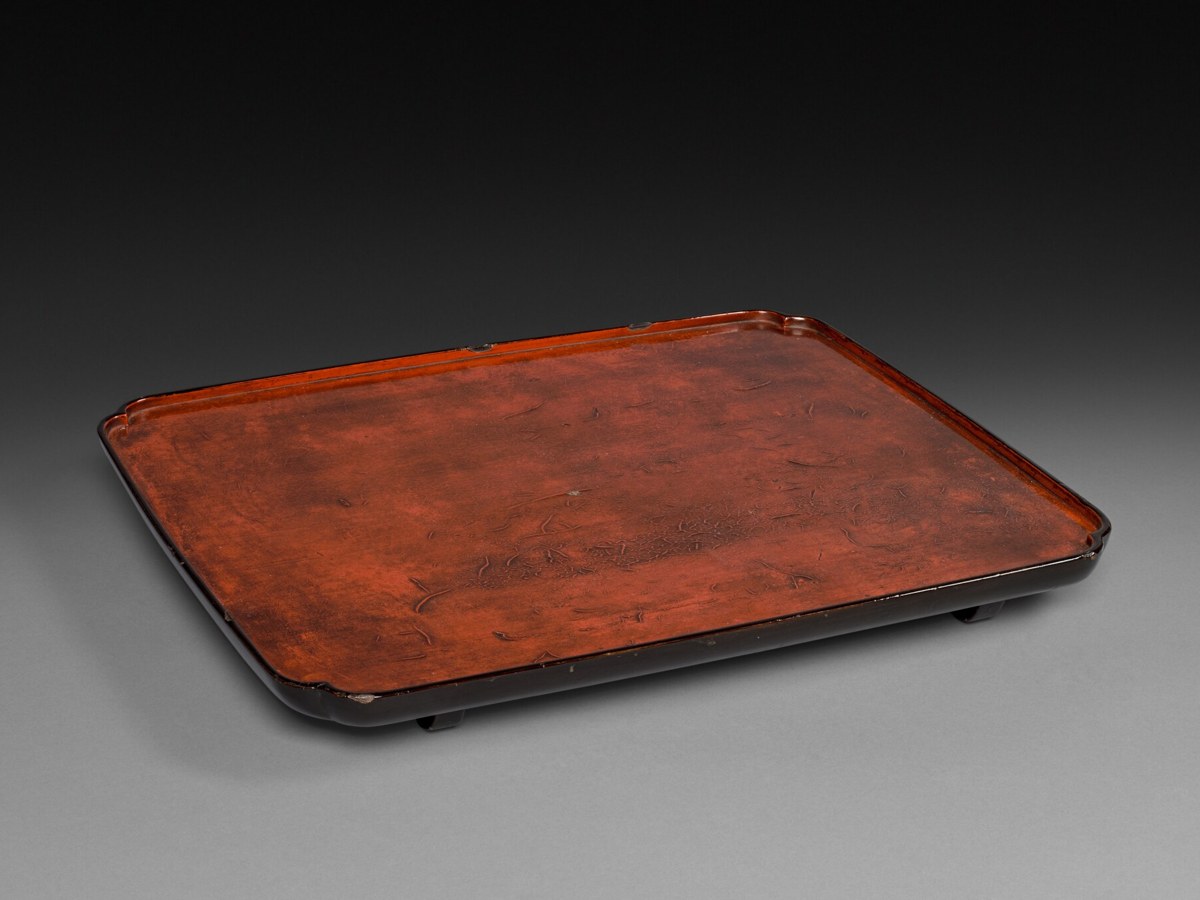
Kishu lacquerware — Kainan’s sturdy everyday ware, one of Japan’s three great lacquer regions
Lacquer engineered to be affordable — and a red that wears to black: Wakayama’s Kishu ware, workshops from ¥2,000.
Food
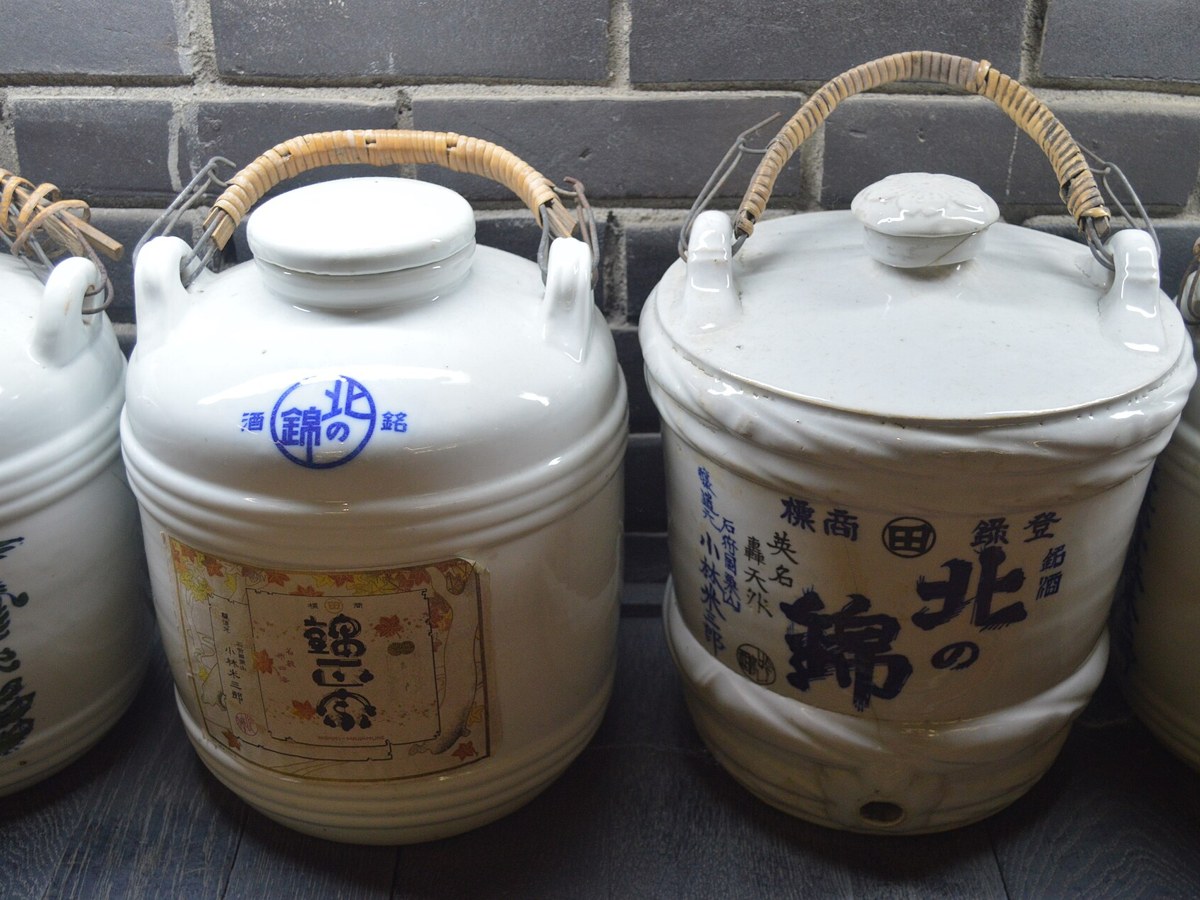
Nada Gogo — the Kobe–Nishinomiya brewing corridor of Hyogo, on Miyamizu water and Yamada Nishiki rice
Five brewing villages, one famous spring water: Hyogo’s GI sake corridor, bottles from ¥1,382.
Stationery
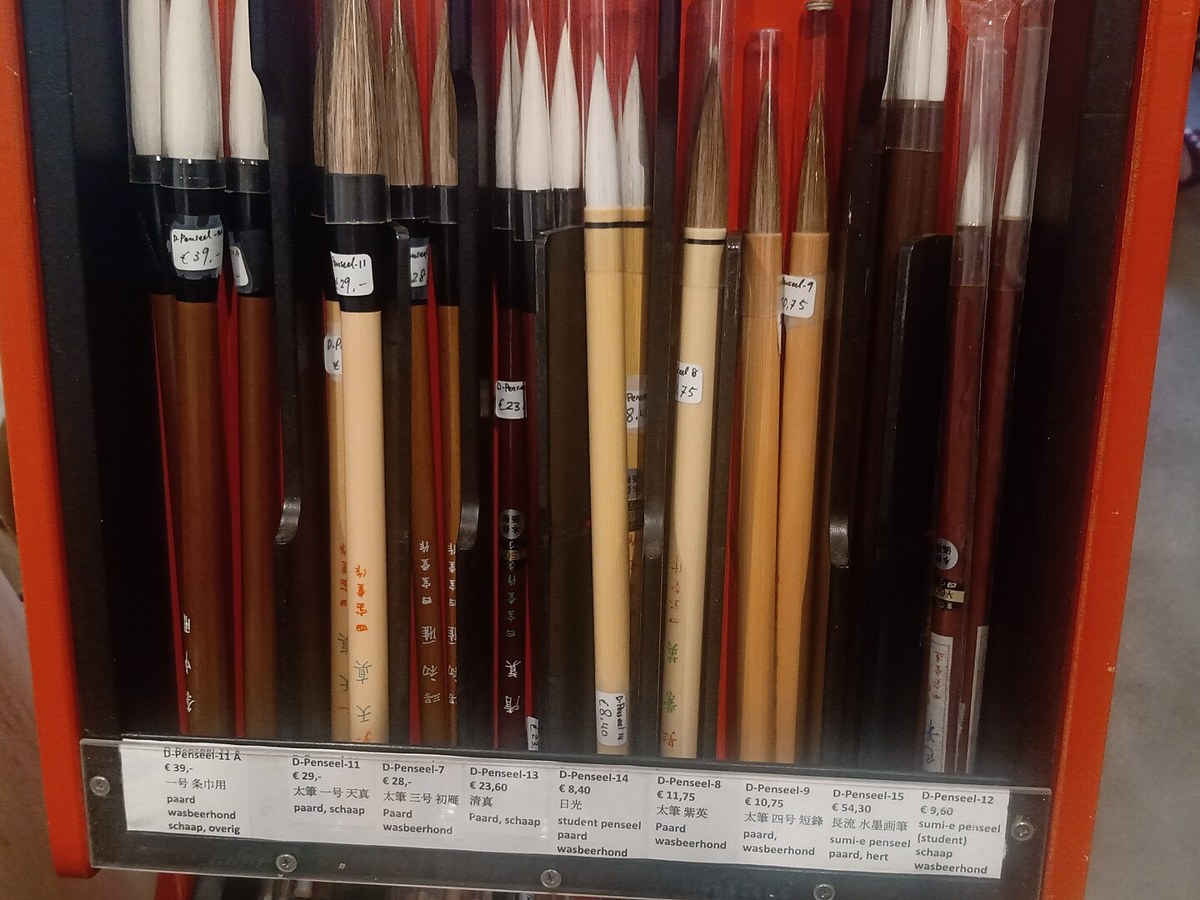
Kumano fude — the brushes of Kumano, Hiroshima, shaped without ever cutting the hair tips
One town, 80% of a nation’s brushes, no tip ever cut: Hiroshima’s Kumano fude, from ¥7,800 a set.
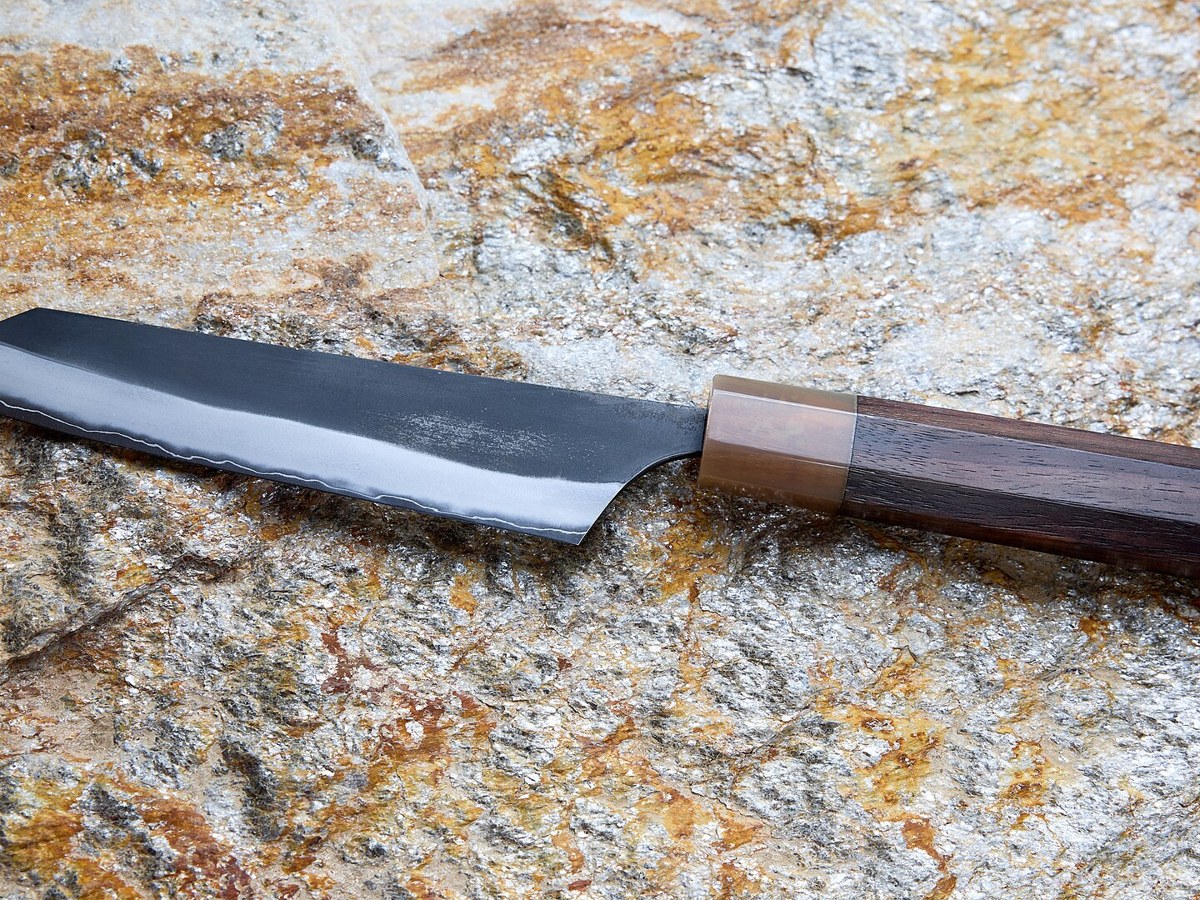
Craft
Echizen uchihamono — Takefu’s forged blades in Fukui, a Traditional Craft since 1979
Dark kurouchi steel from 700 years of forges: Fukui’s blades, ¥3,630–¥104,170 at the village.
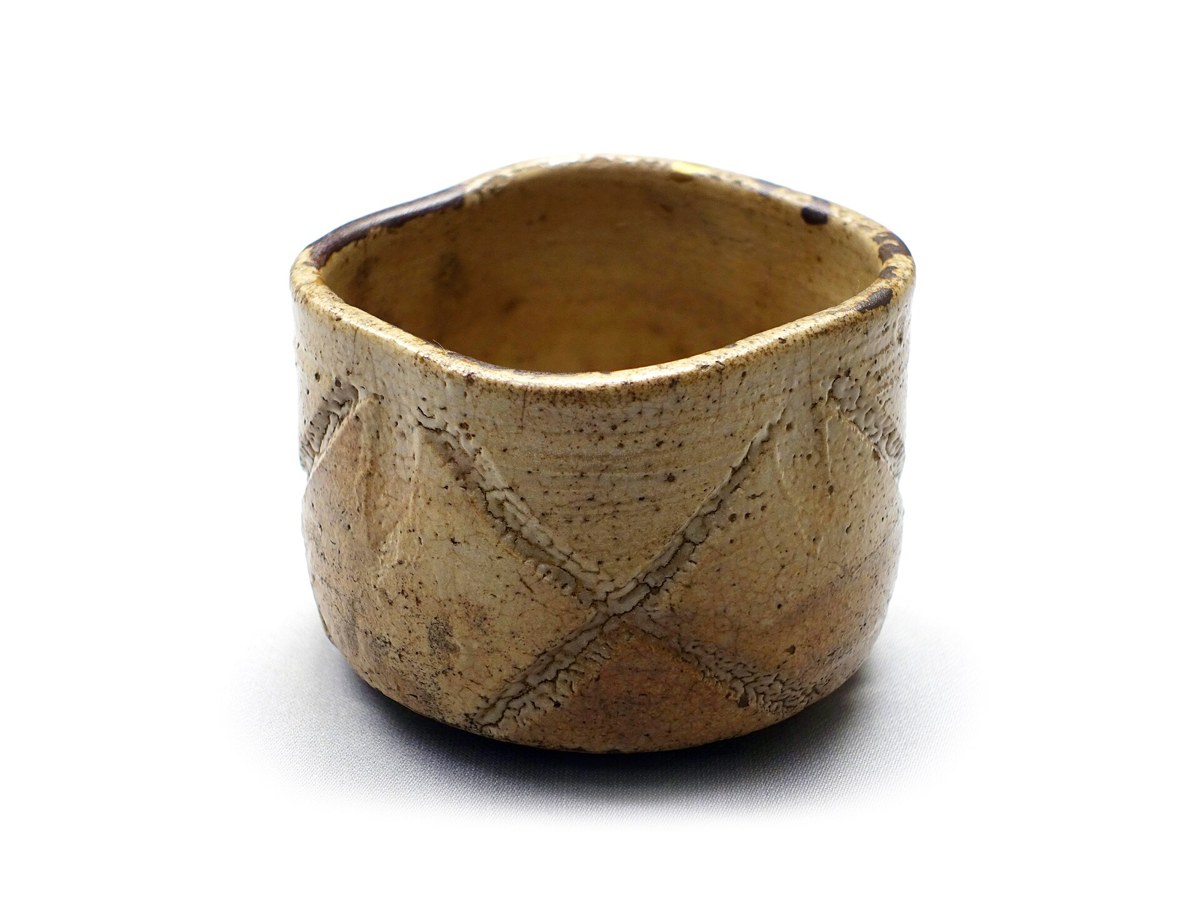
Craft
Karatsu ware — Saga’s iron-clay stoneware of Karatsu, everyday pots the tea world ranked
Iron clay, ash glaze, tea’s third rank: Saga’s earthy Karatsu ware, 50+ kilns still working.
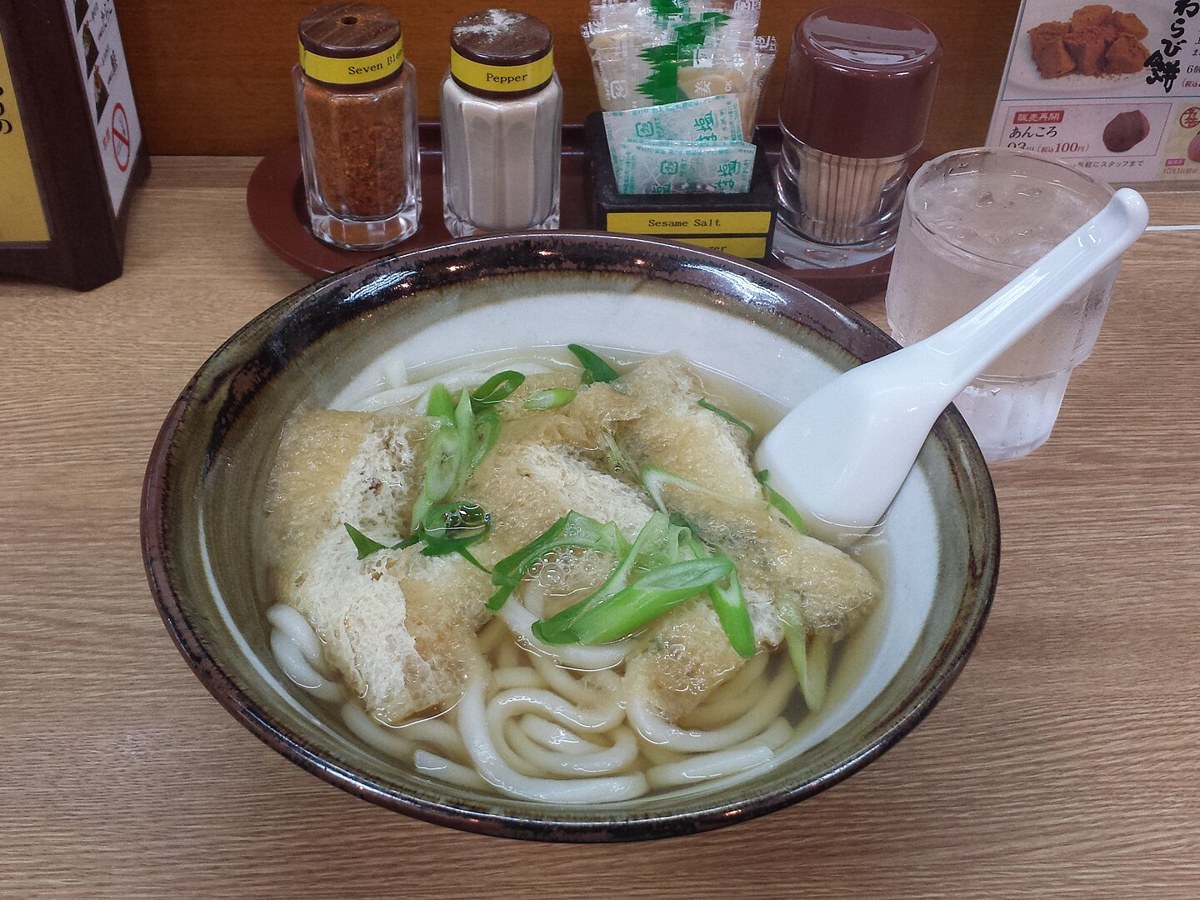
Food
Sanuki udon — Kagawa’s thick koshi noodles in iriko dashi, served self-service in 700+ shops
Thick, springy, ¥250: Kagawa’s udon pilgrimage across 700+ self-service shops.
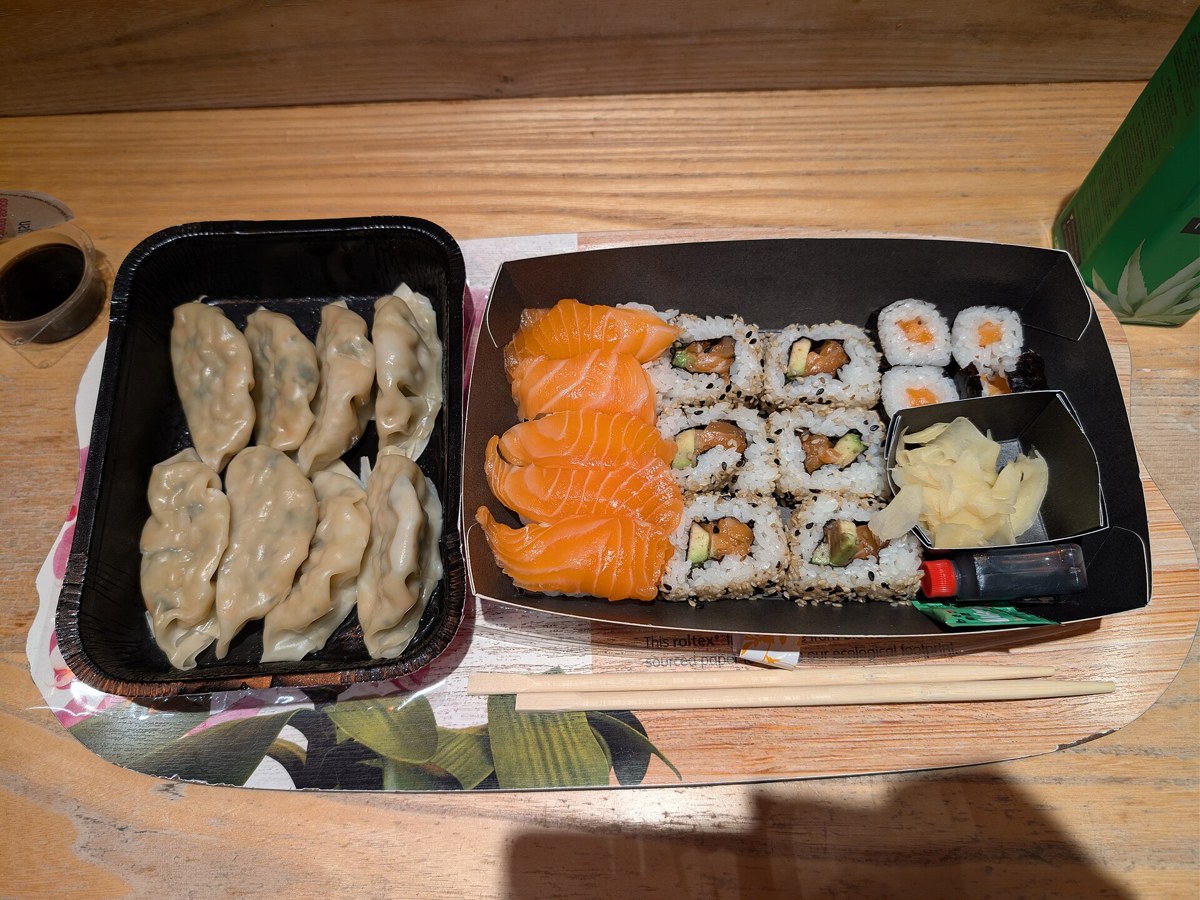
Food
Utsunomiya gyoza — Tochigi’s thin-wrapper, vegetable-rich gyoza and its 200 specialist shops
Thin skins, more cabbage, ¥280 a plate: Tochigi’s dumpling capital of 200+ shops.
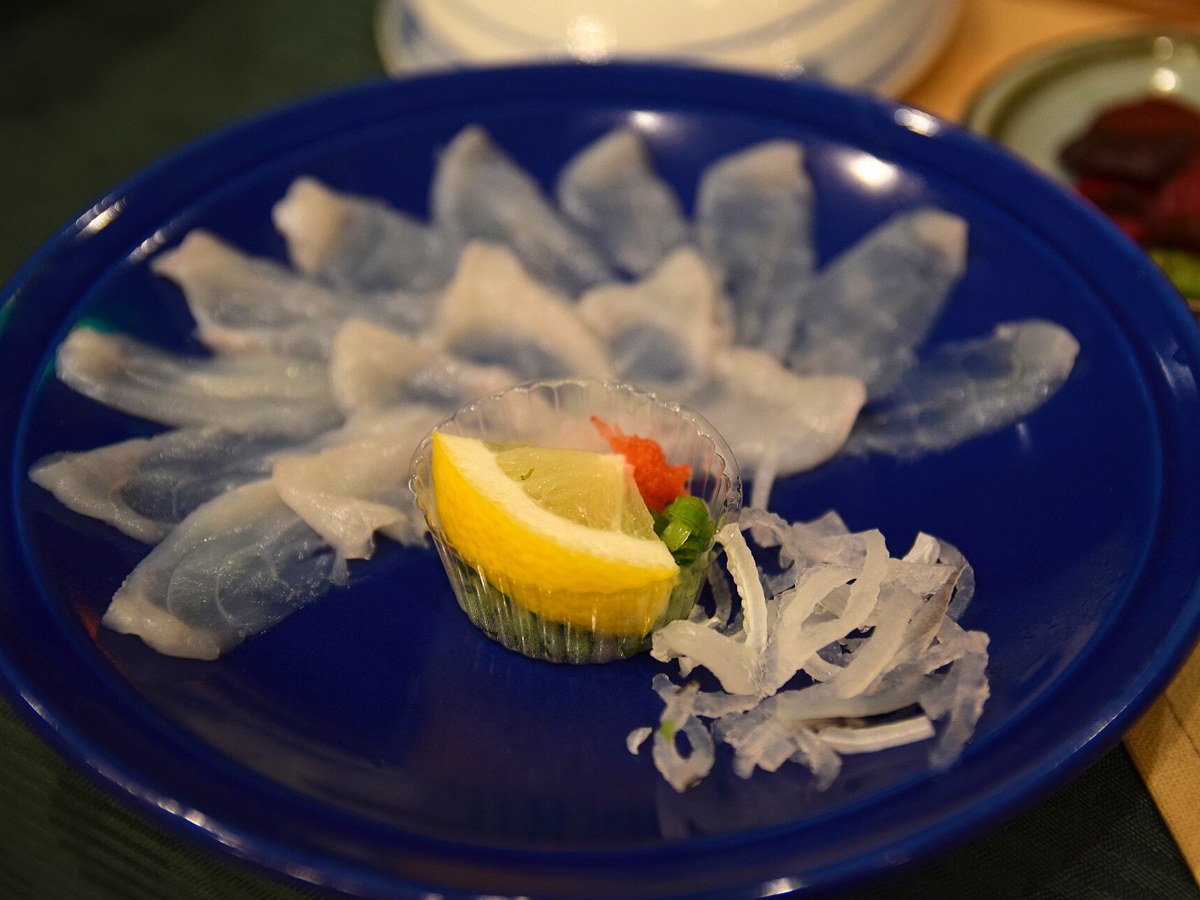
Food
Shimonoseki fugu — Yamaguchi’s licensed fugu trade, its fugu-only market and Karato’s weekend stalls
Licensed hands, a fugu-only market, ¥400 stall plates: Yamaguchi’s fugu capital.
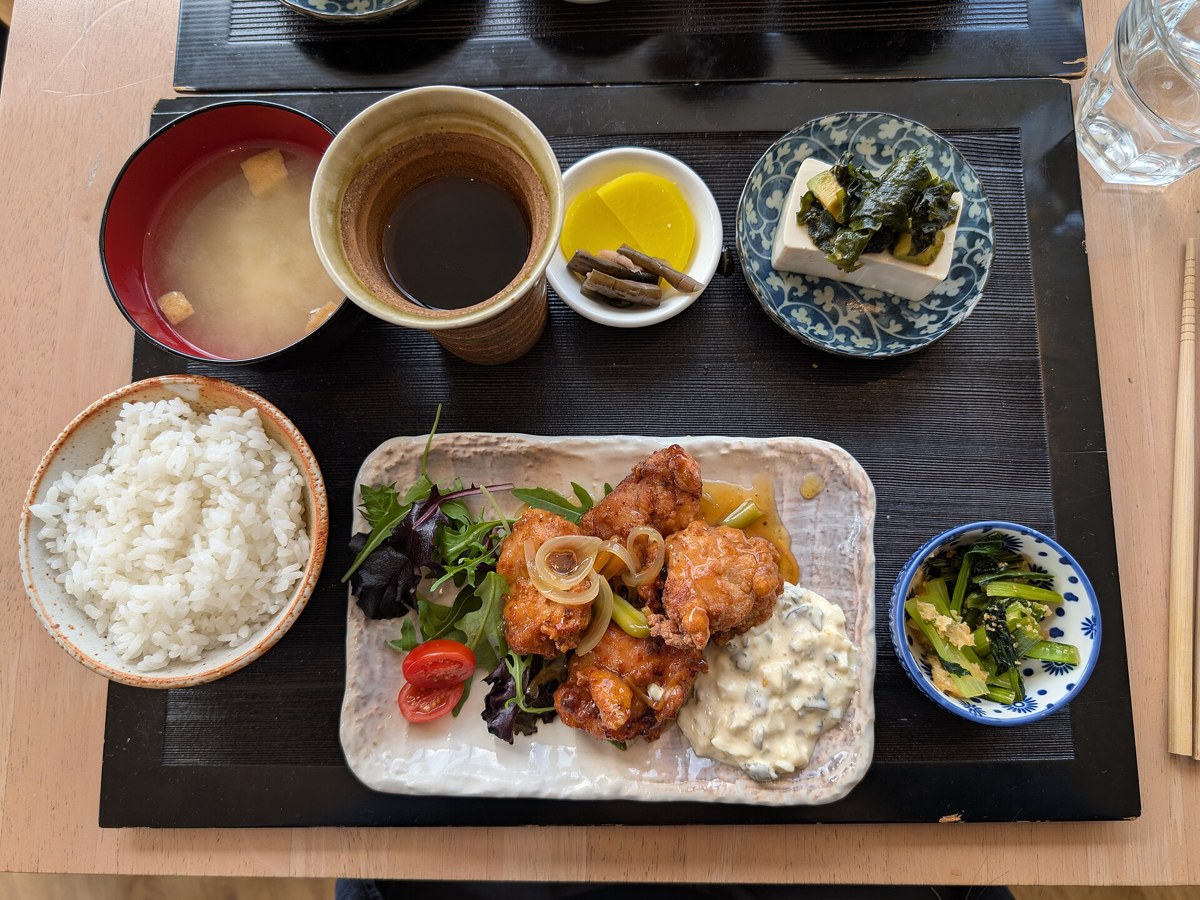
Food
Chicken nanban — Miyazaki’s sweet-vinegar fried chicken from Nobeoka, in vinegar-only and tartar lineages
Fried, vinegared, two inventors: Miyazaki’s chicken nanban, ¥950 at the original.
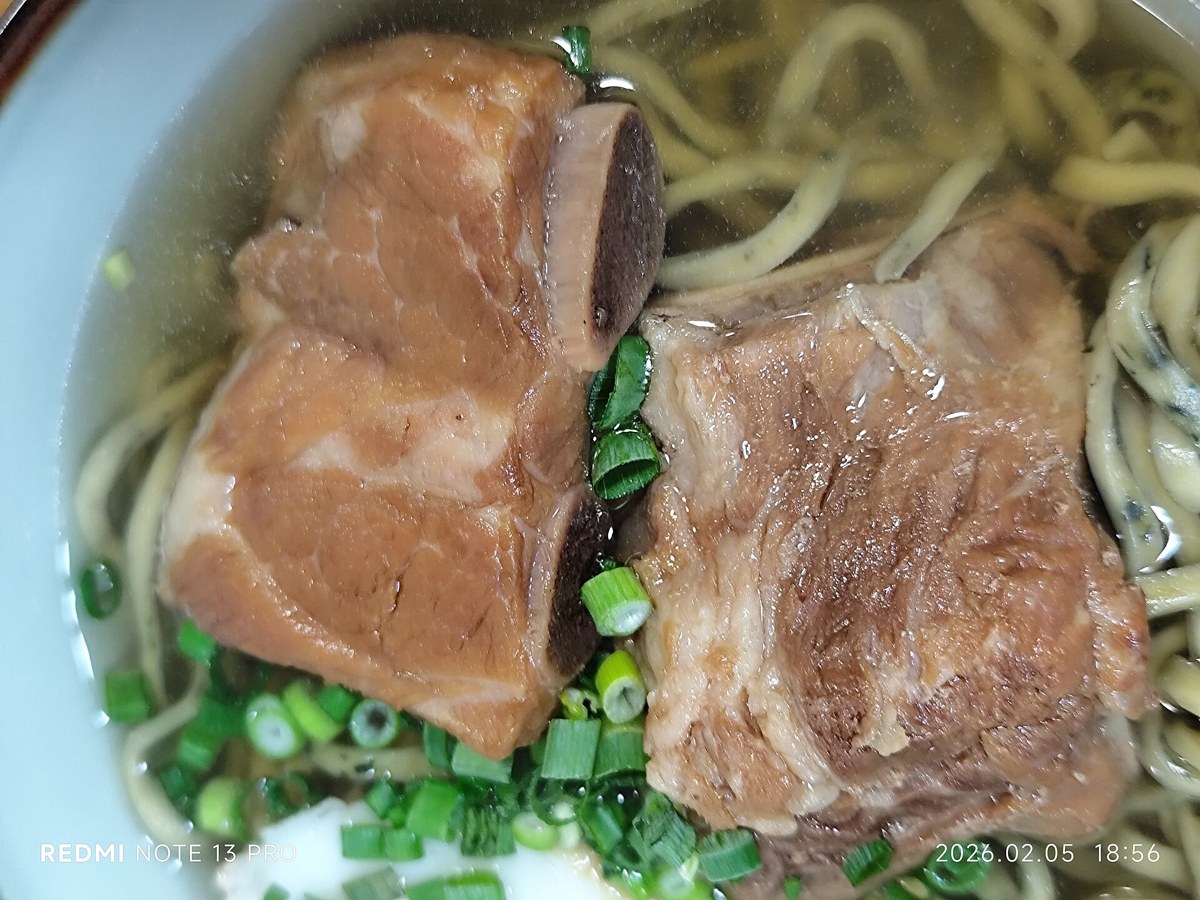
Food
Tokushima ramen — Tokushima’s pork-soy chuka soba with sweet pork belly and a table-cracked egg
Dark soy, sweet pork, an egg you crack yourself: Tokushima’s ramen, ¥750–1,000 a bowl.
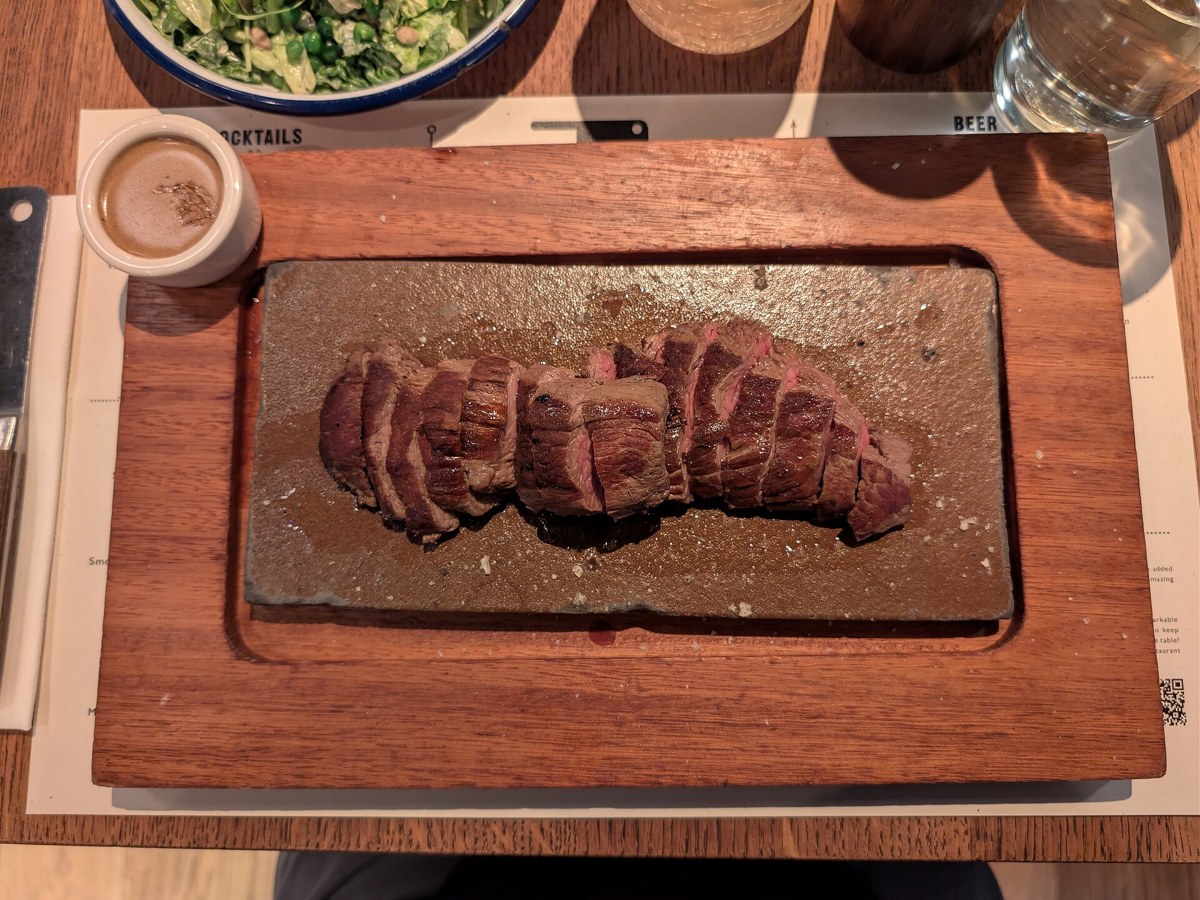
Food
Omi beef — Shiga’s Lake Biwa wagyu, documented for over 400 years, about 6,000 head a year
Four centuries, 6,000 head a year: Shiga’s Omi beef, from a ¥1,458 bowl to a ¥20,000 course.
Craft
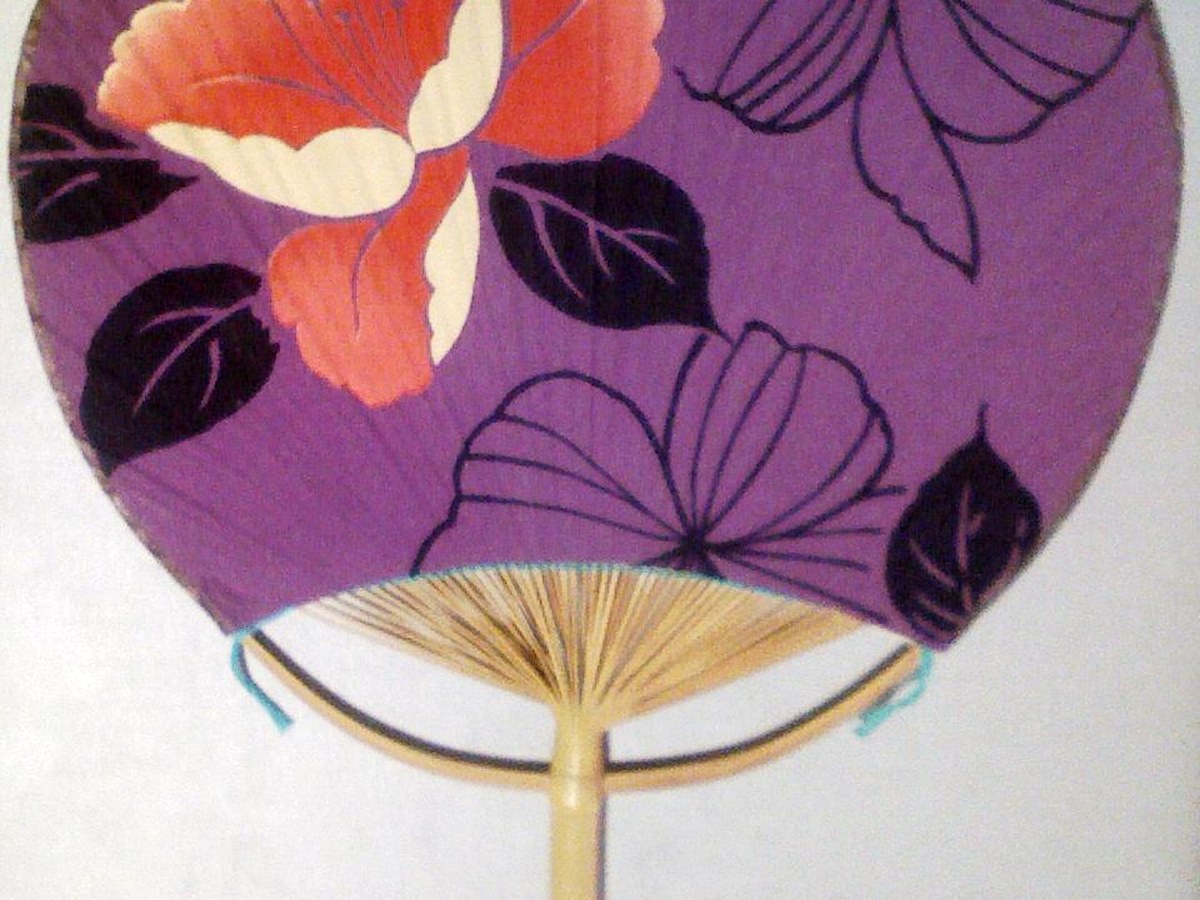
Boshu uchiwa — Tateyama & Minamiboso’s single-stalk bamboo fans, a national Traditional Craft
One bamboo stalk becomes handle and 64 ribs: Chiba’s designated fan craft, ¥3,600 for a large fan.
Food
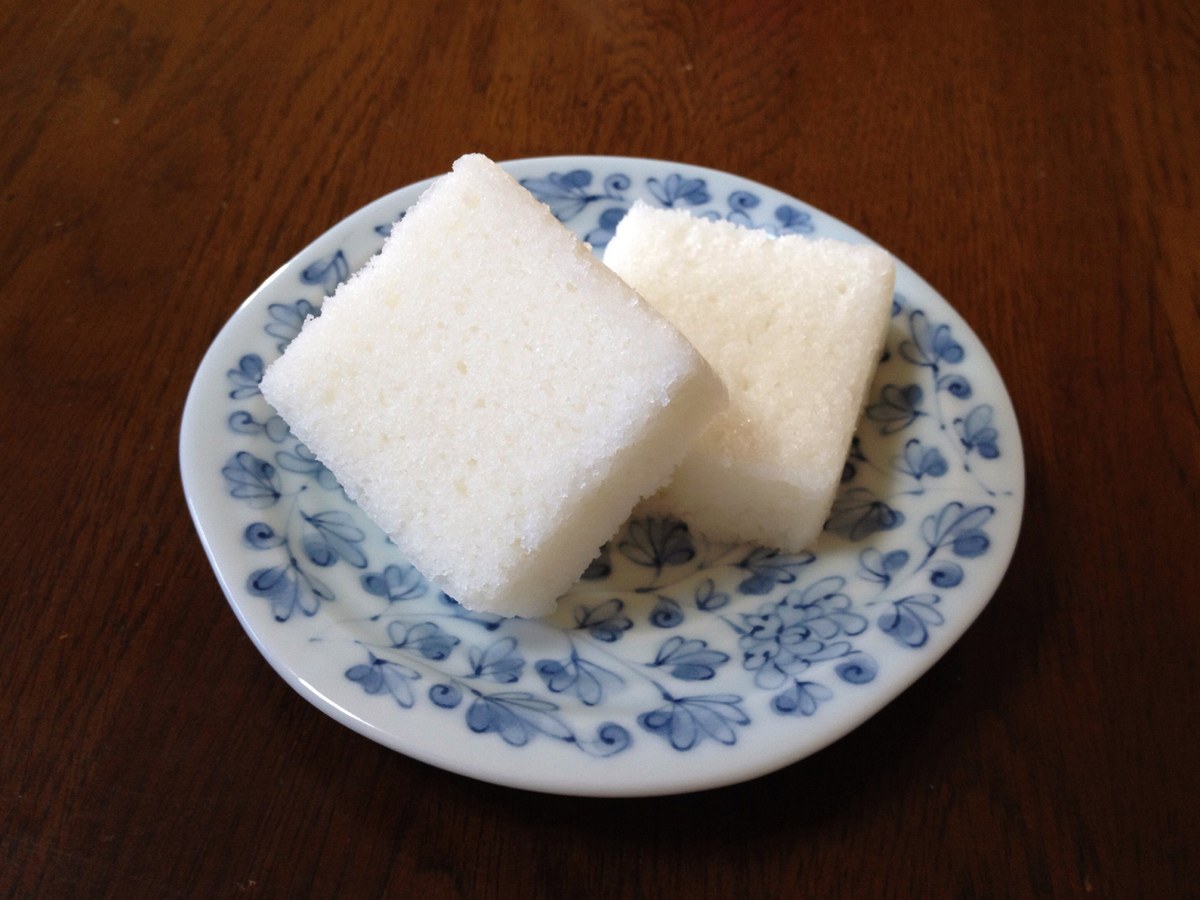
Karukan — Kagoshima’s steamed rice-flour and wild-yam cake, on a lord’s menu by 1715
Rice flour, sugar and wild yam, steamed white: Kagoshima’s 300-year-old sweet, ¥270 a piece.
Food
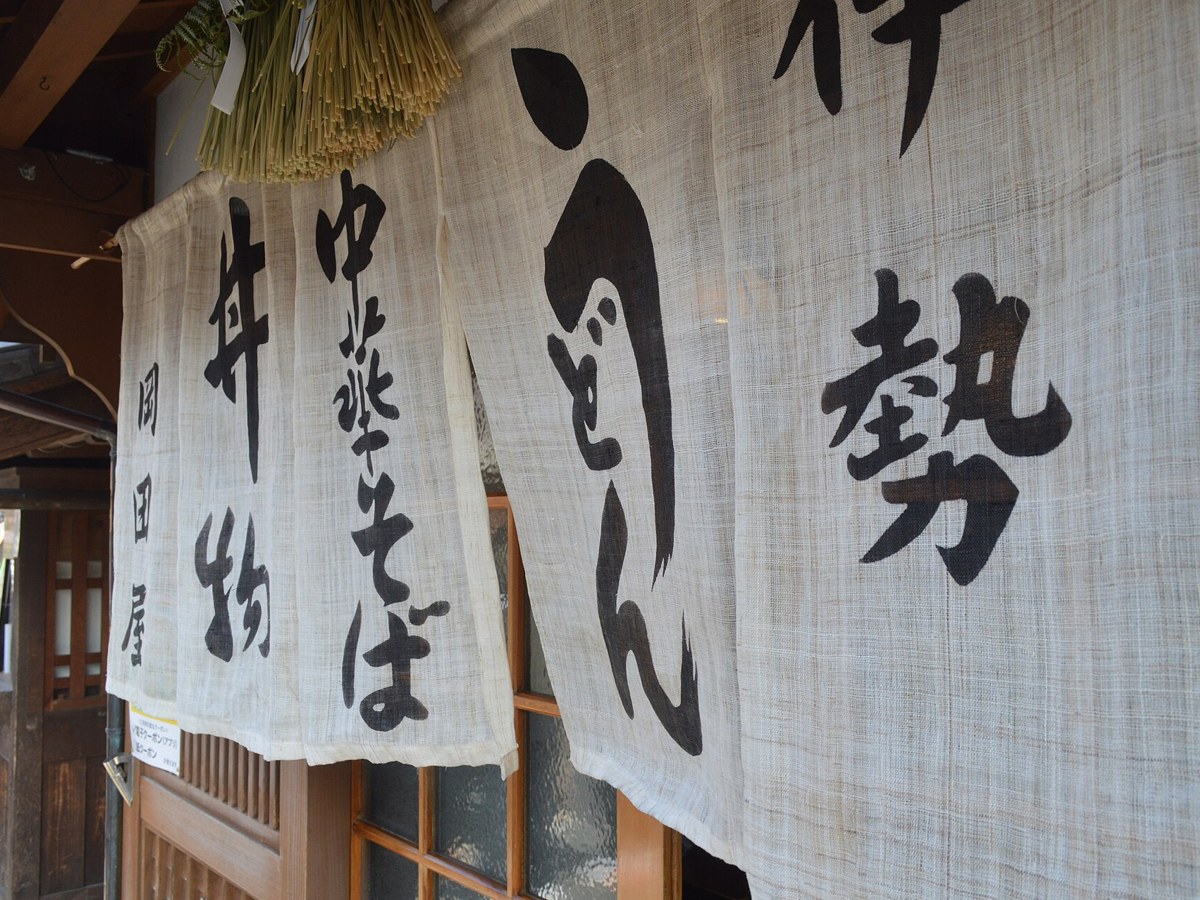
Ise udon — extra-thick noodles boiled soft in dark tamari tare, Ise’s pilgrim dish
Thick, hour-boiled, unapologetically soft: Ise’s pilgrim noodles in dark tamari, ¥600 a bowl.
Food
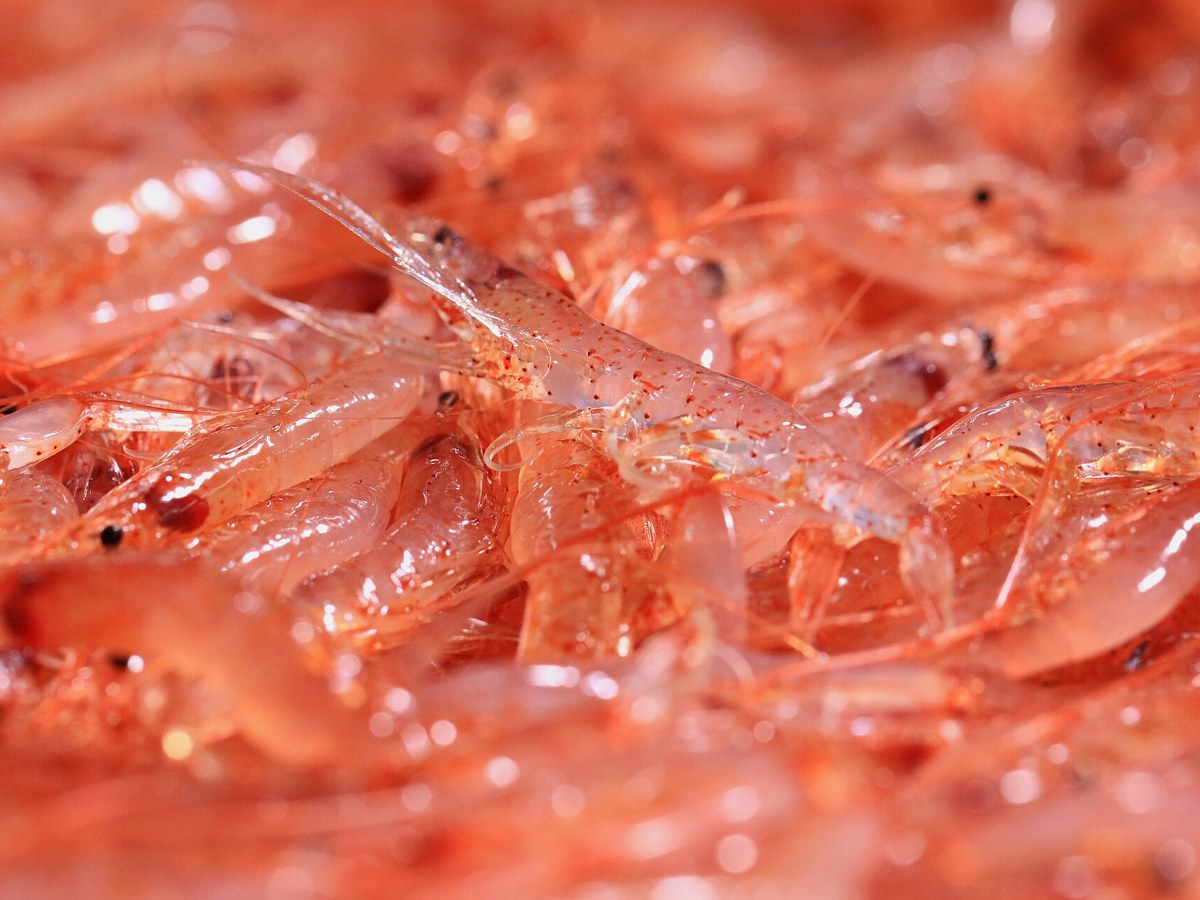
Sakura ebi — Suruga Bay’s pink shrimp, landed at Yui and Oigawa ports and nowhere else in Japan
Landed in exactly one bay in Japan: Suruga’s pink shrimp, ¥600 a kakiage at the port that guards it.
Food
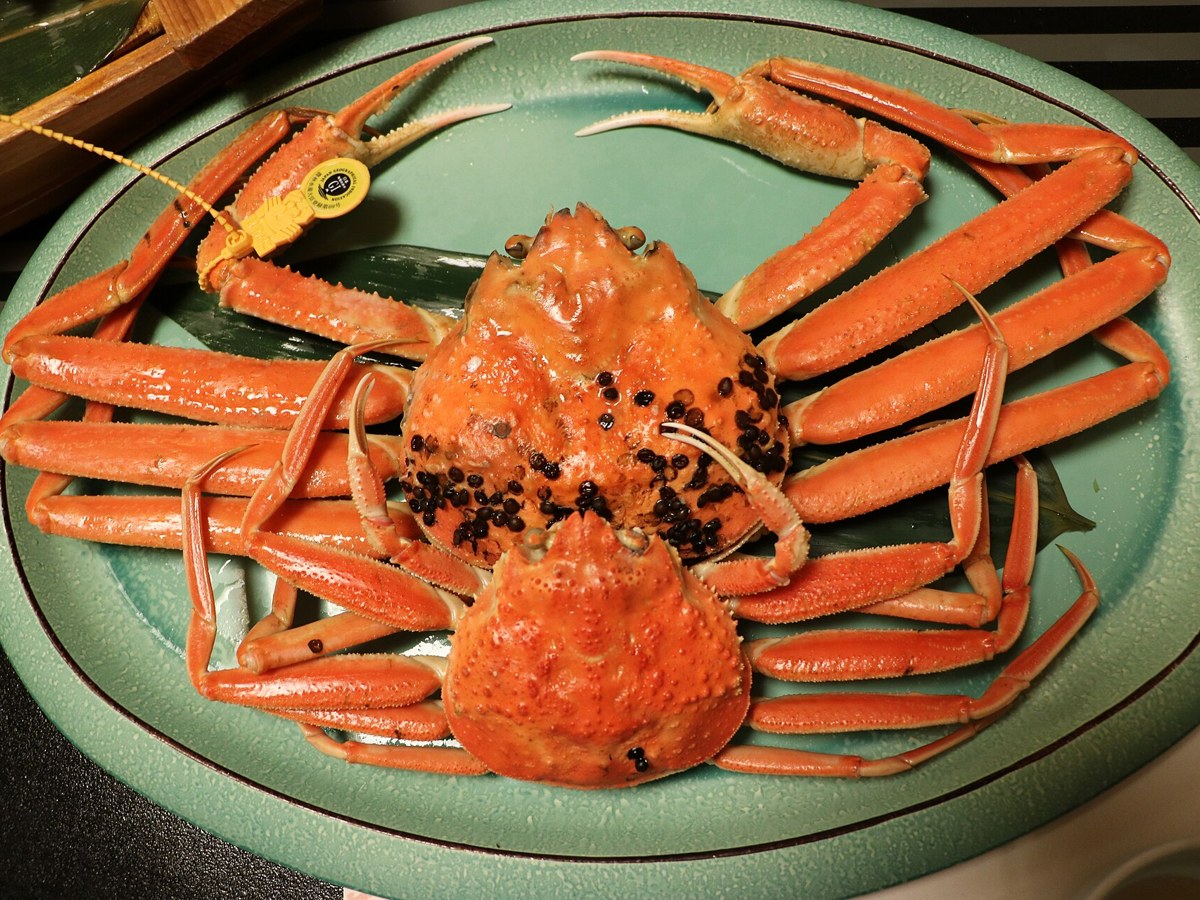
Matsuba-gani — Tottori’s male snow crab and its five-star Itsukiboshi grade
Tottori’s graded winter crab: five criteria for the top star, ¥8,964 for a boiled crab for the table.
Food
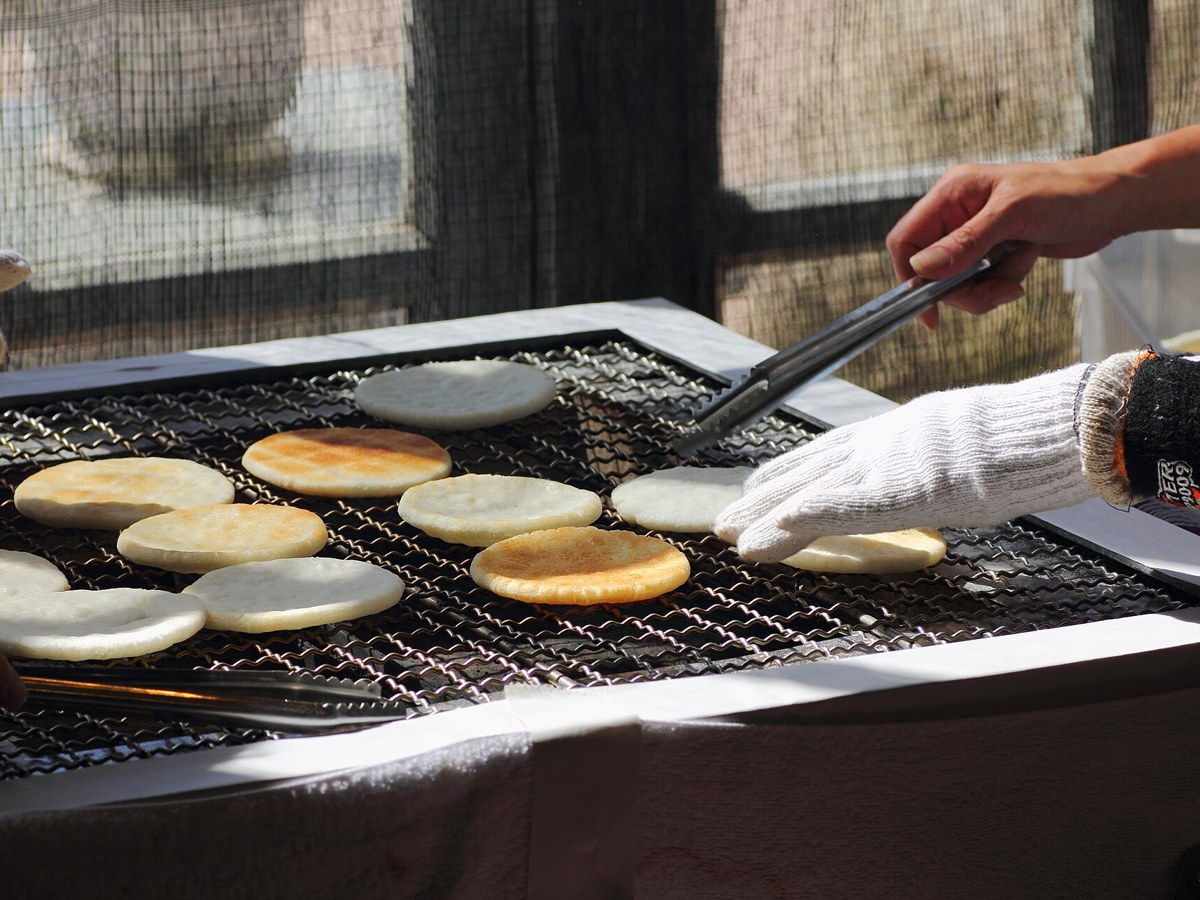
Choshi Dentetsu nure senbei — soy-soaked rice crackers from the Choshi Electric Railway’s own factory in Chiba
A train company’s soy-soaked crackers, baked in Choshi: Premium Rich 24 for ¥4,838.
Food
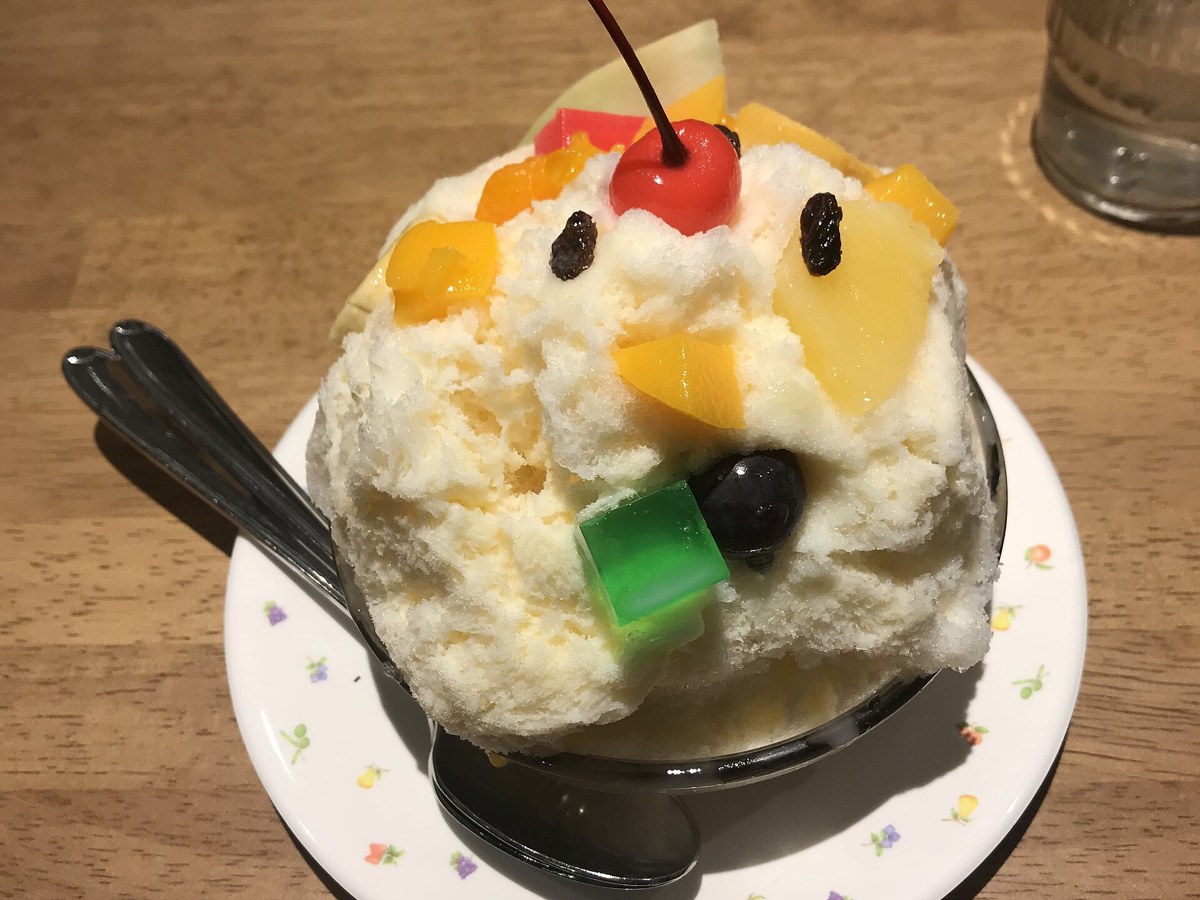
Shirokuma — Tenmonkan Mujaki’s original shaved ice, devised in Kagoshima City in 1947
The original polar-bear shaved ice, served since 1949: ¥950 for a regular that feeds two.
Food
Matsusaka beef — Mie’s registered-heifer wagyu brand, traceable animal by animal
Not a breed but a register: Mie’s rule-bound wagyu, about ¥1,944–¥2,970 per 100 g.
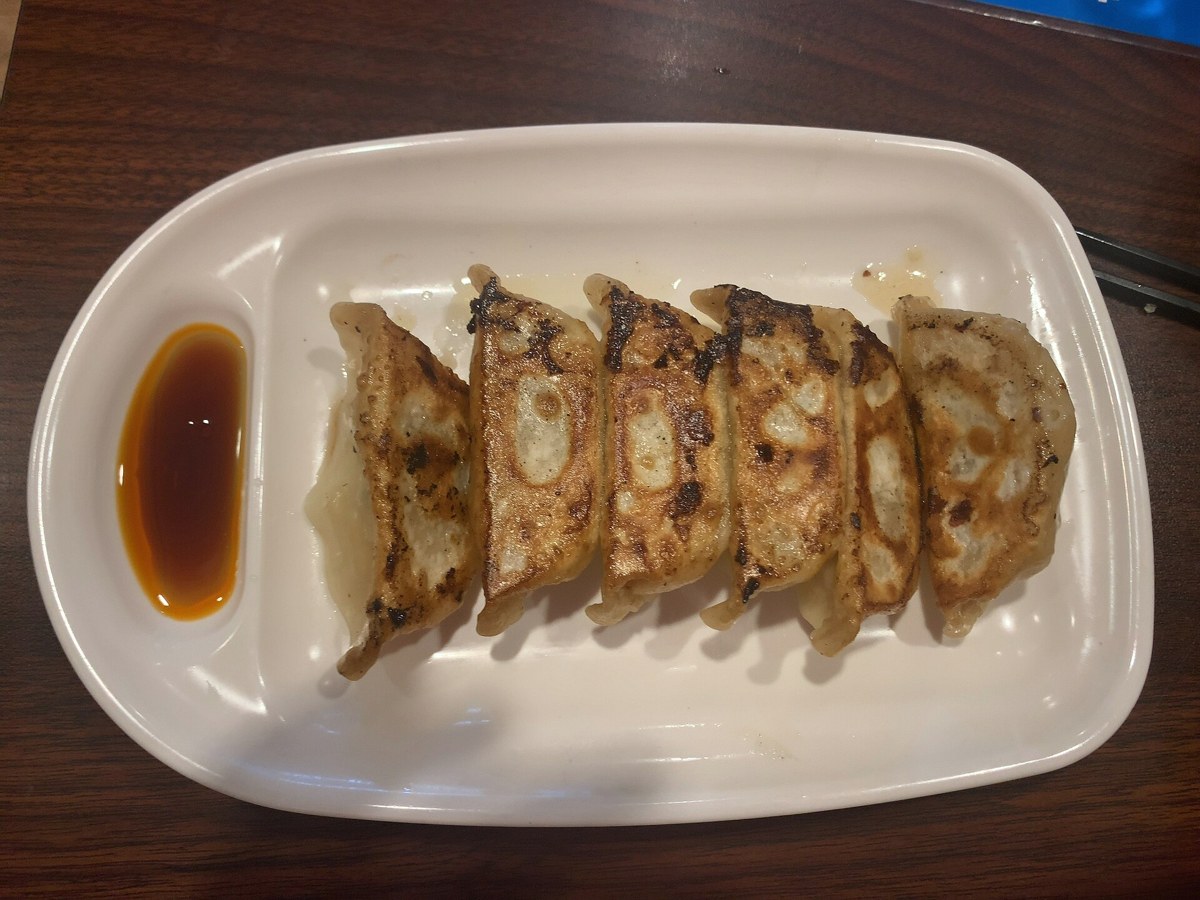
Food
Hamamatsu gyoza — Shizuoka’s cabbage dumplings, defined by the Hamamatsu Gyoza Gakkai
A ring of cabbage dumplings around bean sprouts: ¥400–¥700 a plate in Hamamatsu.
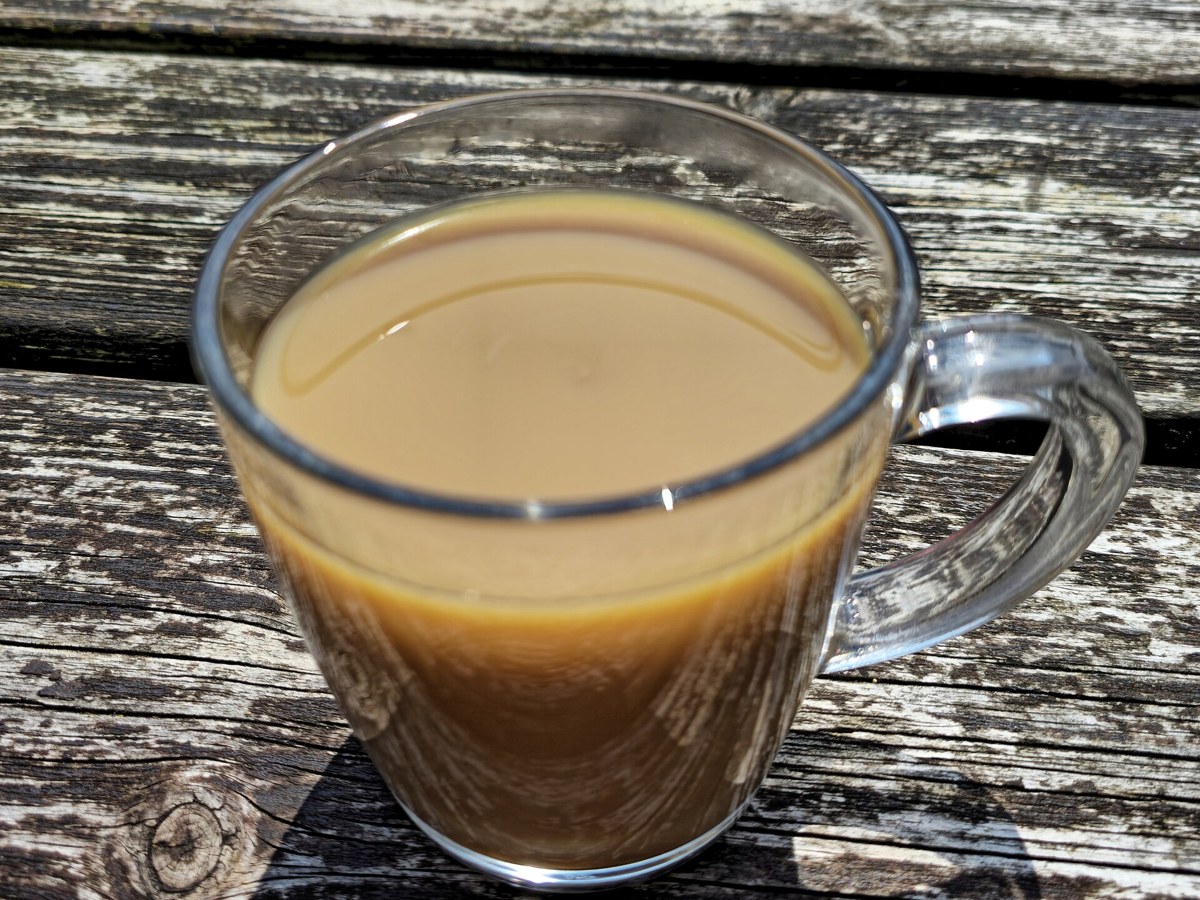
Food
Shirobara coffee — Daisen Nyugyo’s coffee milk from Kotoura, Tottori, the school-milk prefecture
Coffee milk from Tottori’s one dairy co-op: ¥215 for 500 ml, and a prefecture’s school milk.
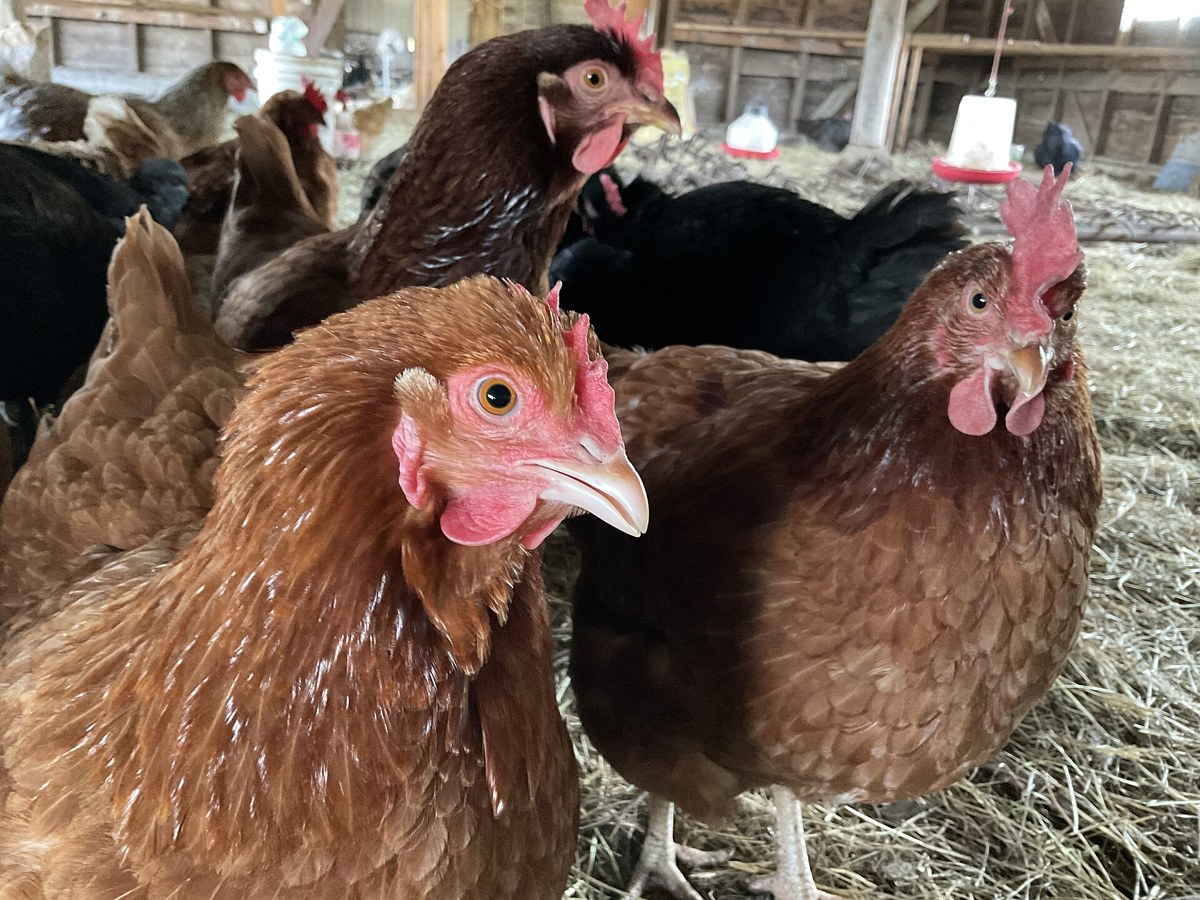
Food
Hinai jidori — Akita’s prefecture-certified eating breed, from Odate’s Hinai district
Akita’s certified slow-grown chicken: 150 days on the ground, whole birds ¥5,000.
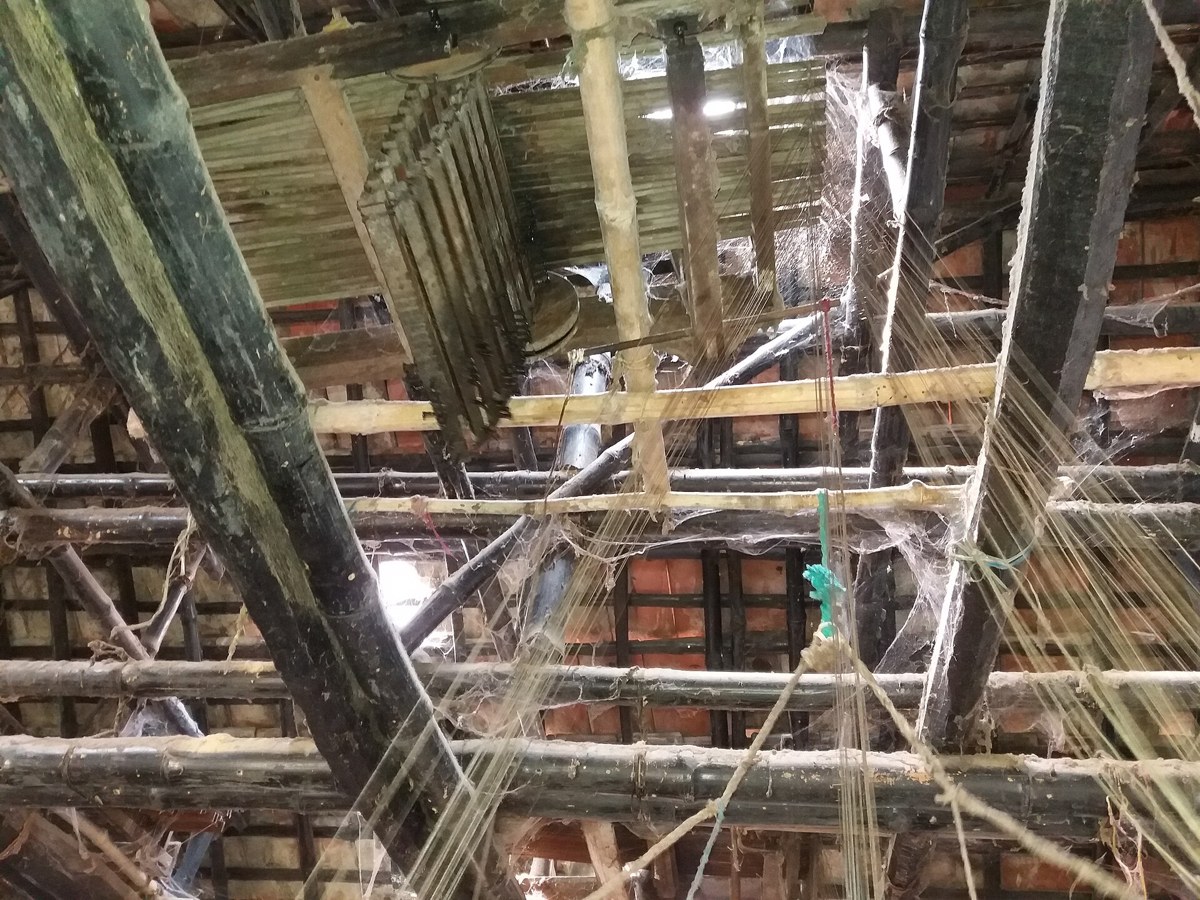
Craft
Yuki tsumugi — Yuki City’s hand-spun floss-silk cloth, a UNESCO-listed technique from Ibaraki
UNESCO silk spun by fingers: one bolt, 30 km of yarn, several hundred thousand yen.
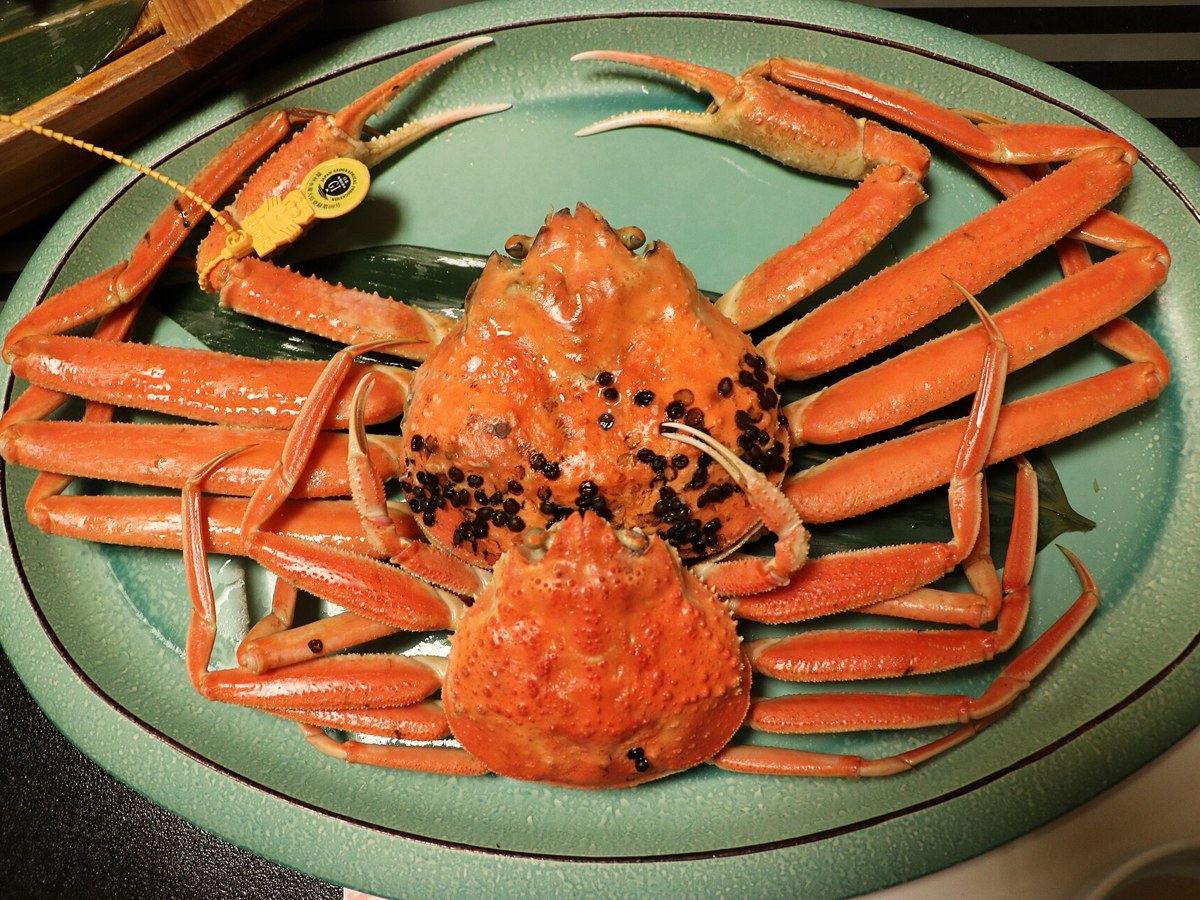
Food
Echizen crab — Fukui’s GI-registered male snow crab, landed on the Echizen Coast
Fukui’s yellow-tagged GI snow crab: a winter season, and a top grade from ¥440,000.
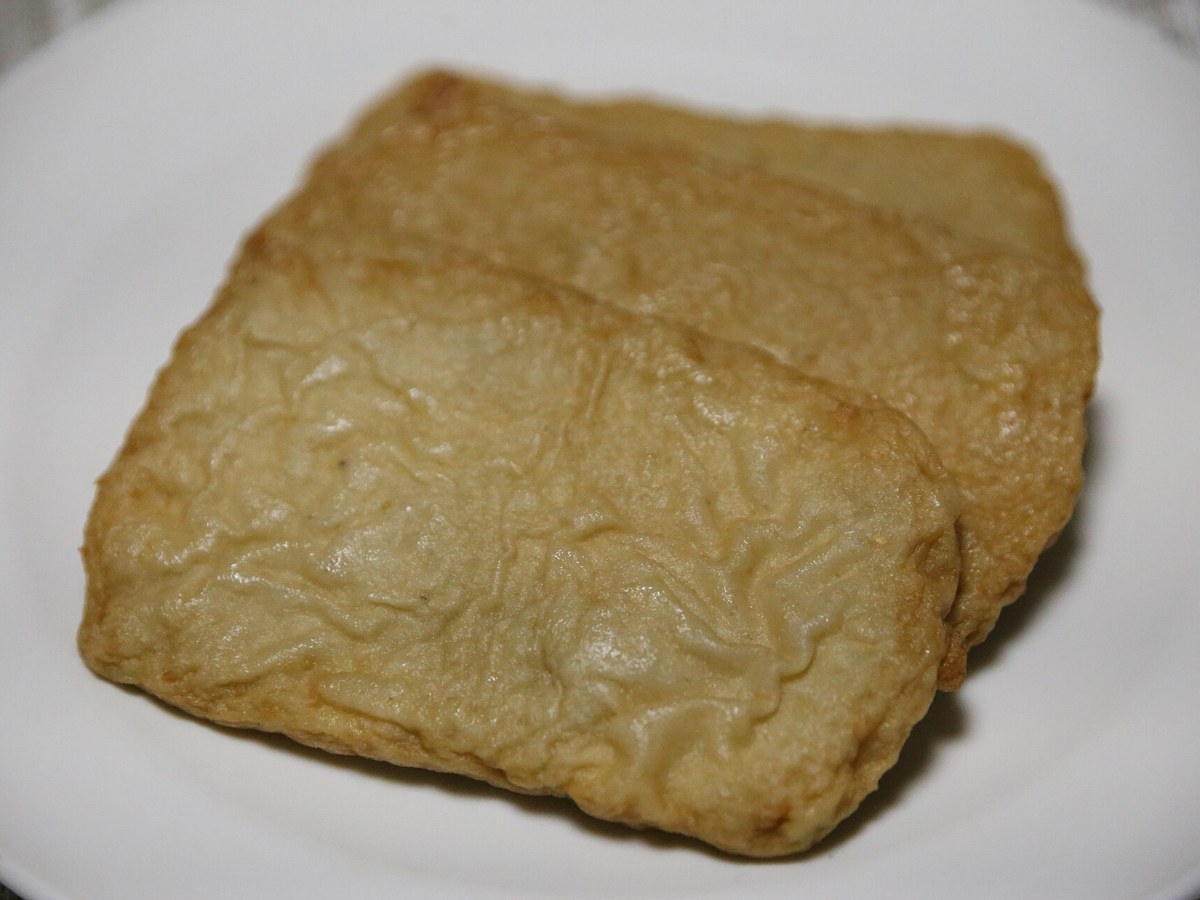
Food
Jakoten — southern Ehime’s whole-fish fried cake, from Uwajima and Yawatahama
Small fish ground whole and fried: Ehime’s four-century thrift cake, ¥160 a piece.
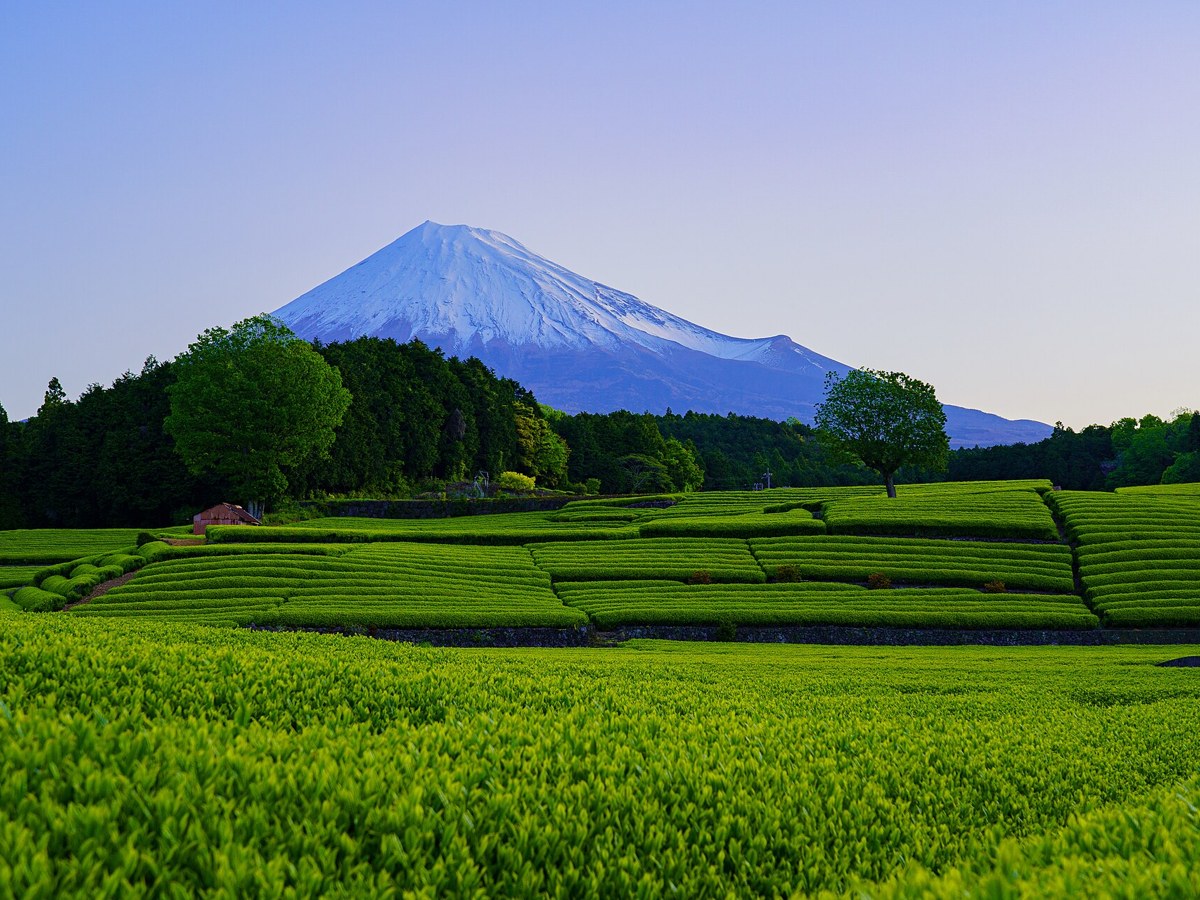
Food
Yame Dento Hon Gyokuro — Fukuoka’s GI-protected shaded tea from Yame’s mountains
Japan’s first GI tea: four rules, hand-picked buds, 0.013% of the nation’s output.
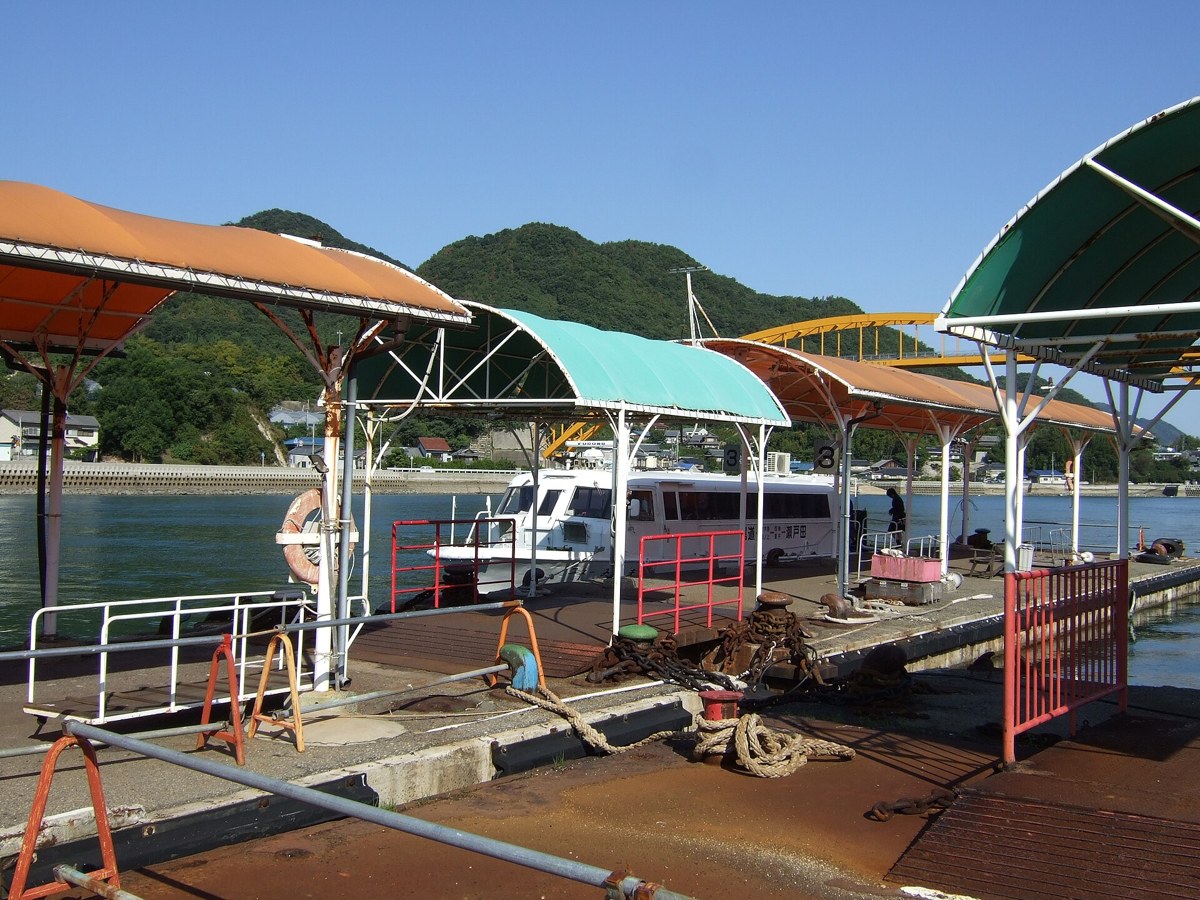
Food
Setoda lemon cake — Shimagokoro’s peel-jam cake from Ikuchijima, Hiroshima’s lemon island
Ikuchijima’s lemon cake: hand-cut peel jam, about ¥250 a cake, a G7 summit sweet.
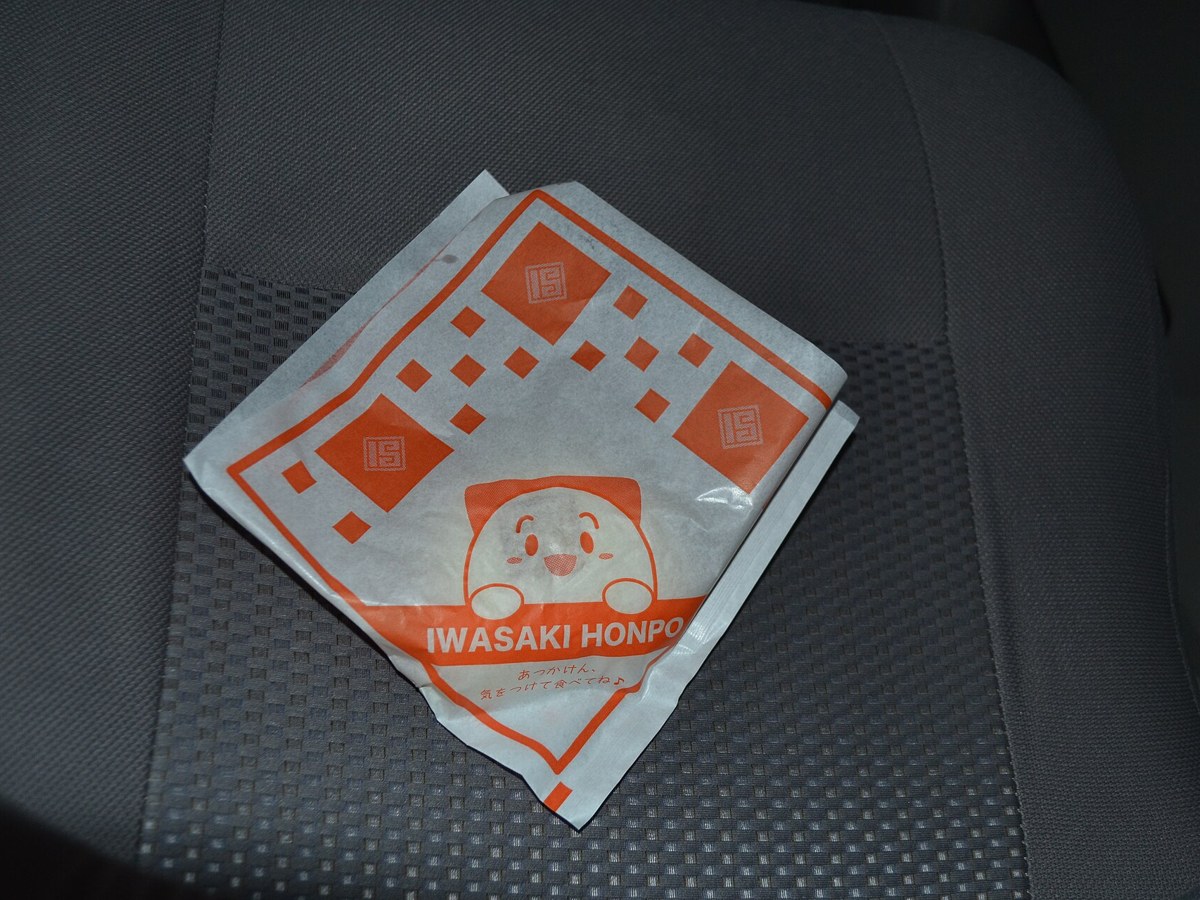
Food
Nagasaki kakuni manju — Iwasaki Honpo’s braised-pork steamed bun, from Nagasaki City
Shippoku’s braised pork in a steamed bun: a Nagasaki maker’s ¥1,410 three-pack.
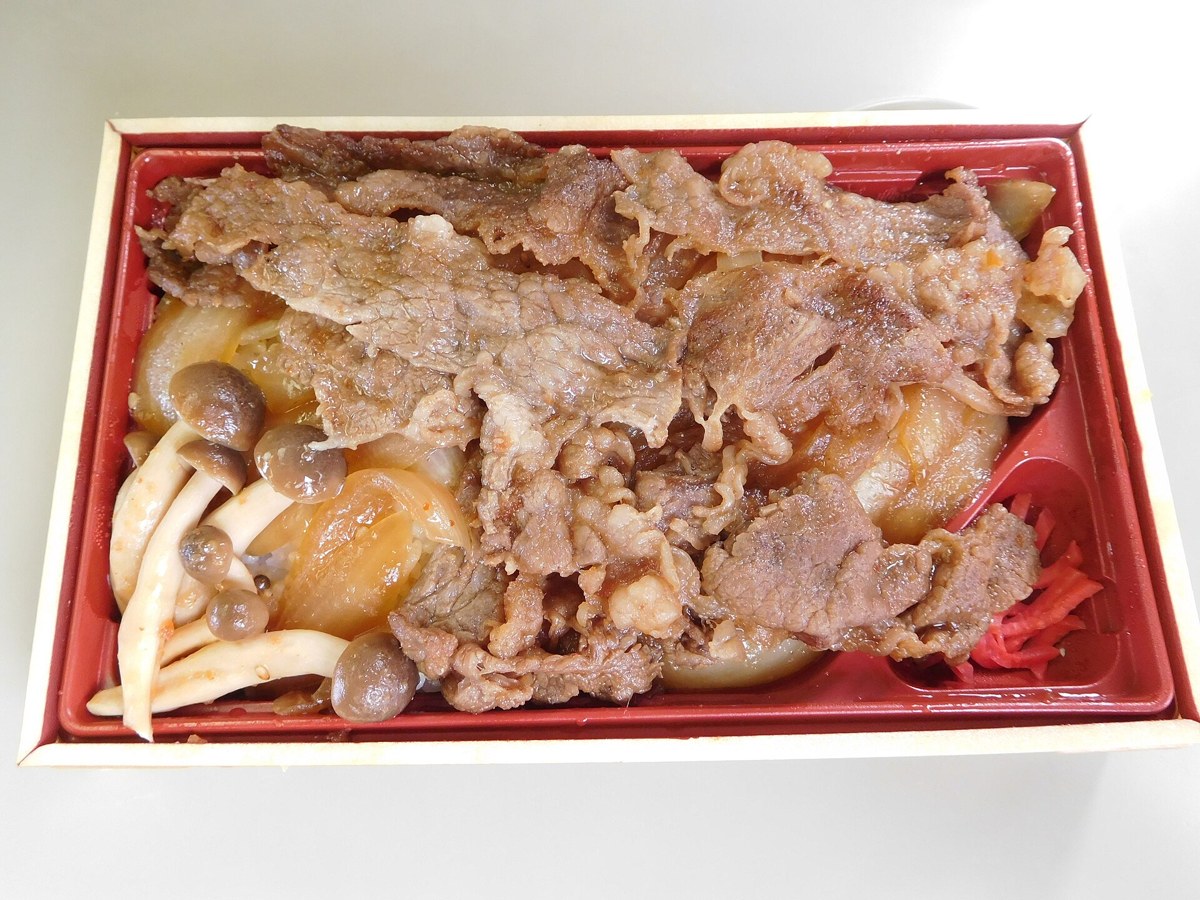
Food
Hida beef — Gifu’s council-certified Japanese Black wagyu, from Takayama and across Gifu
Gifu’s certified wagyu: four rules, a named farmer on the label, sushi from ¥700.
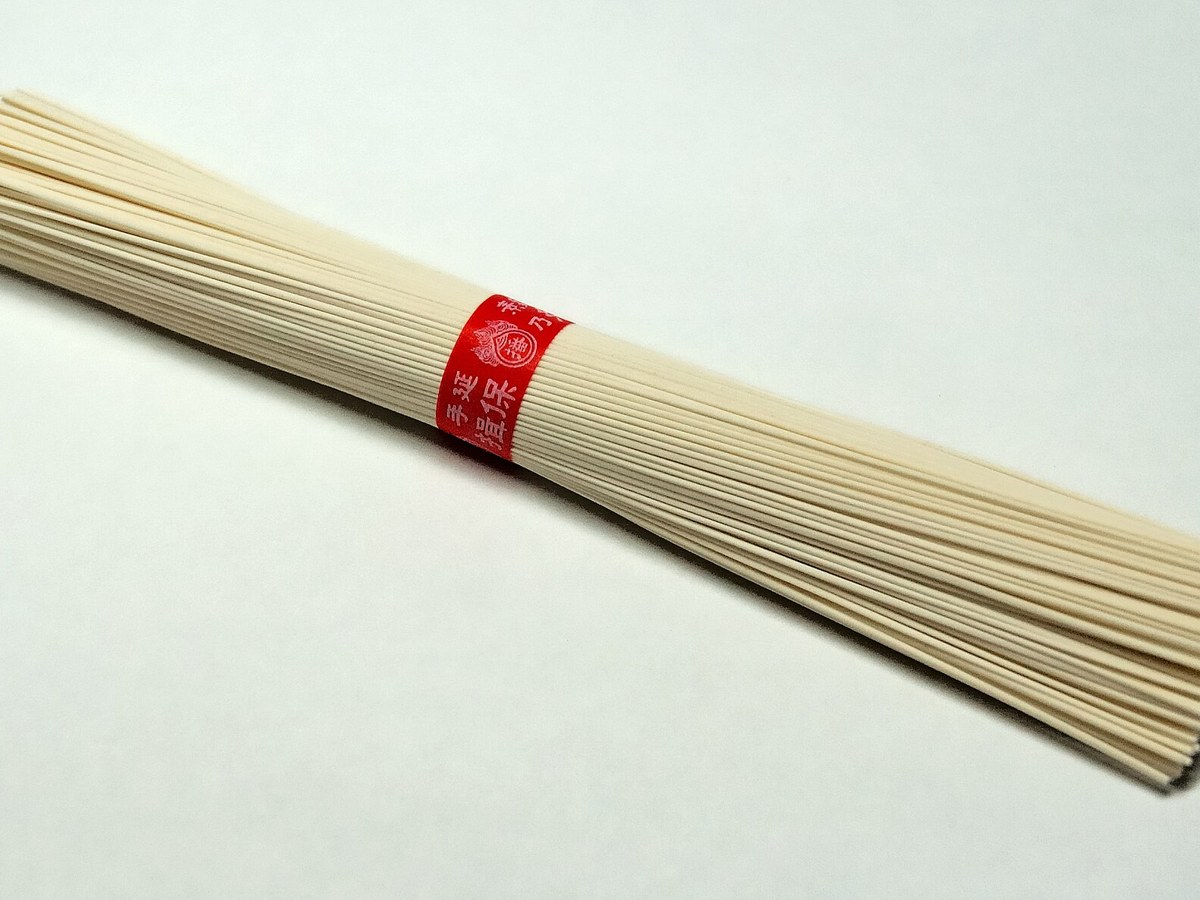
Food
Miwa somen — Sakurai’s hand-pulled GI noodles, from Miwa at the foot of Mt Miwa, Nara
Somen’s birthplace noodle: 1,300 years, 95 strands per 10 g, GI-protected.
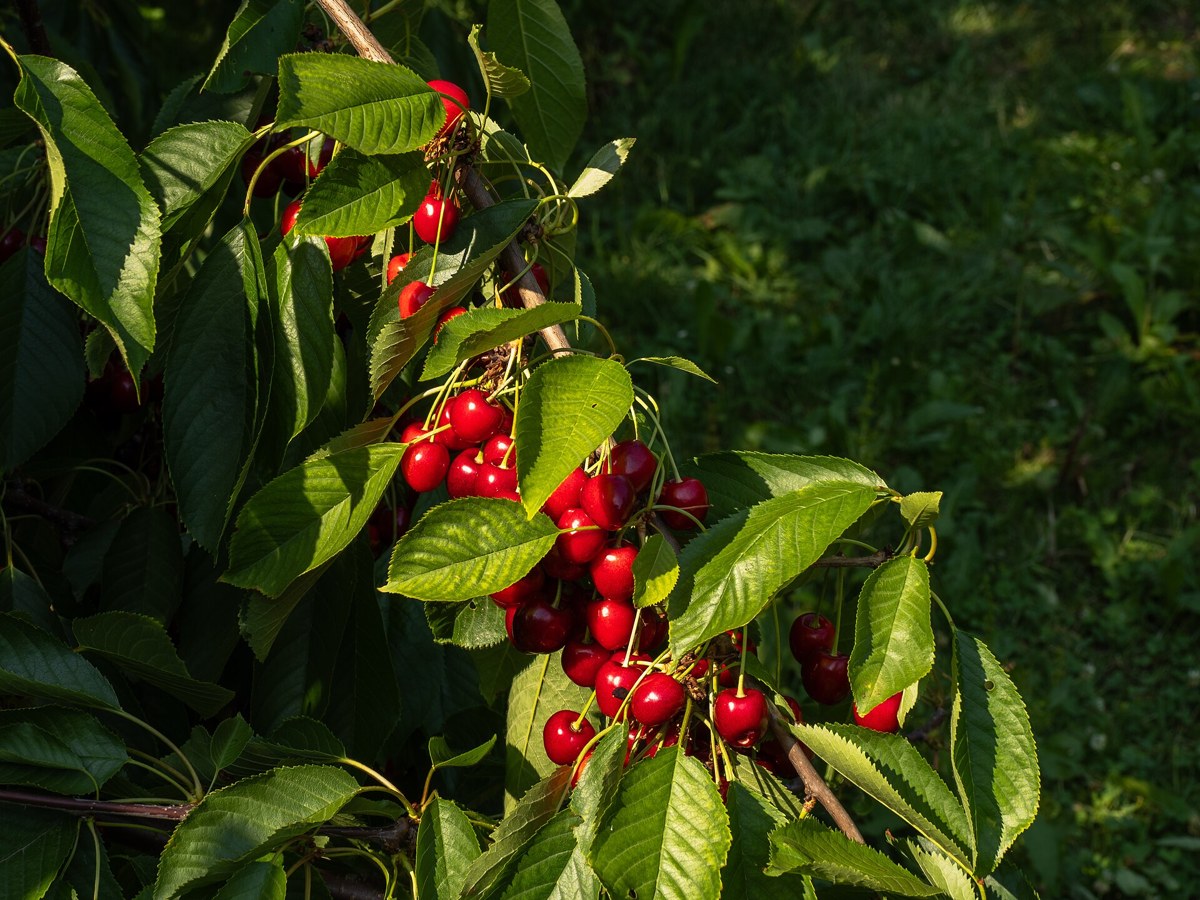
Food
Sato Nishiki — Higashine’s GI-graded king cultivar, from Higashine, Yamagata
Yamagata’s king cherry, GI-graded: L-size only, ¥10,000 for 300 g in Tokyo.
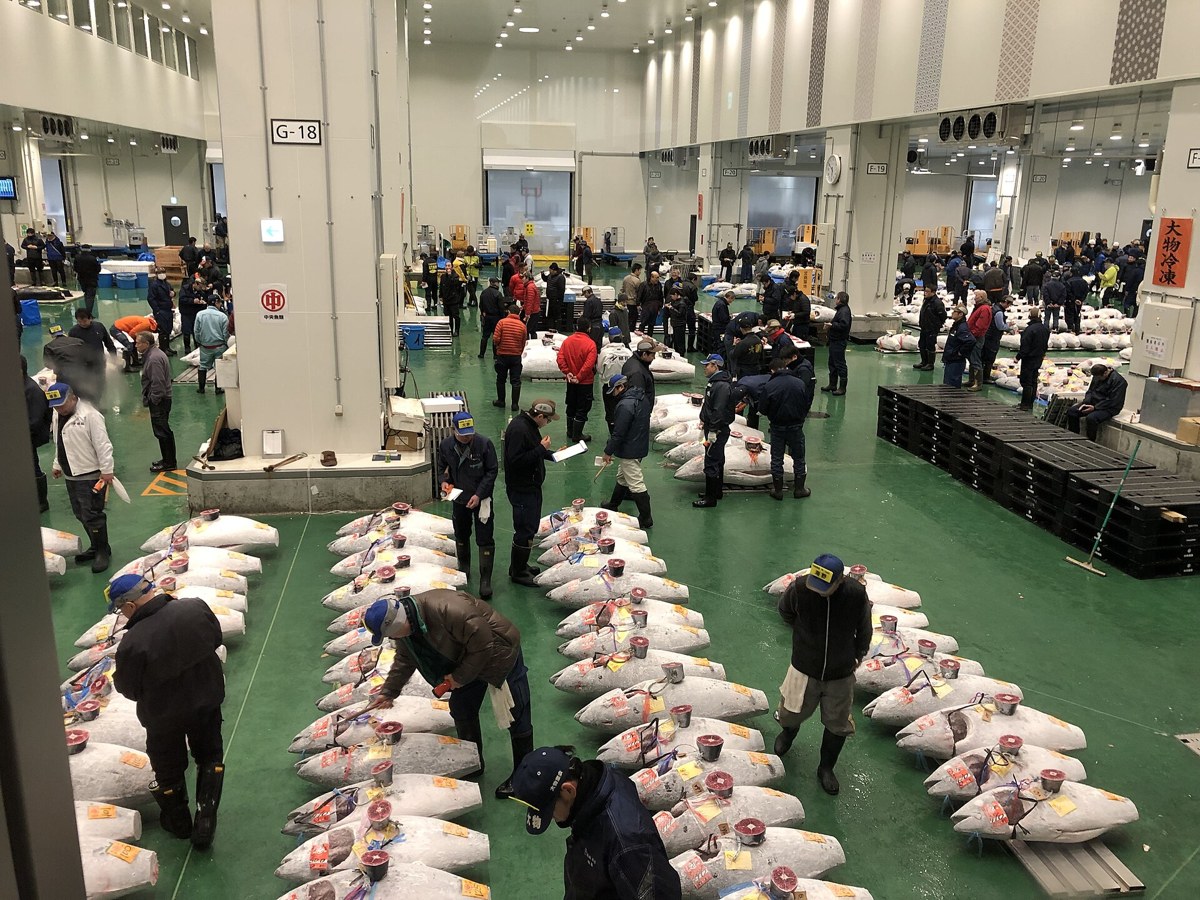
Food
Oma tuna — the co-operative’s trademarked bluefin from Oma, Honshu’s northernmost port, Aomori
Aomori’s branded bluefin: a 30-kilo label rule and a ¥510 million record fish.
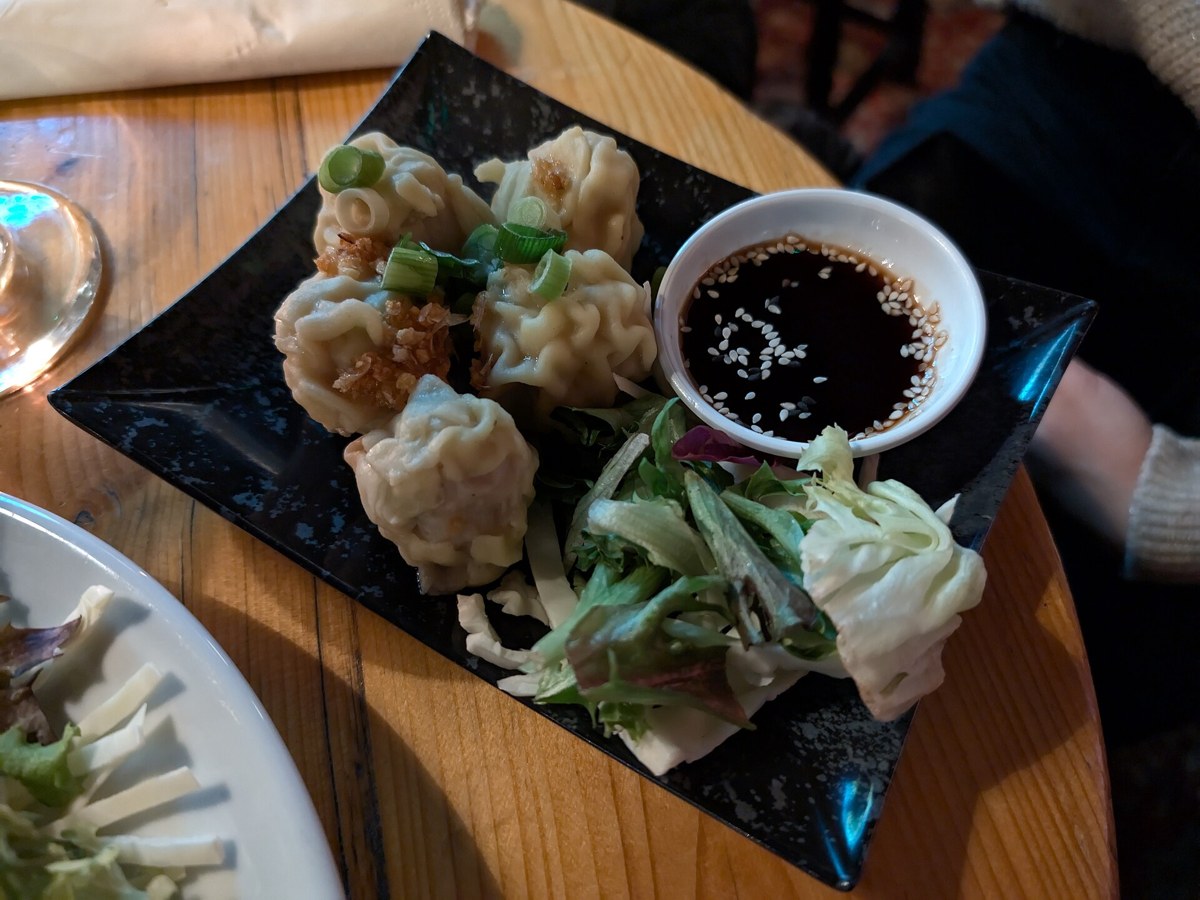
Food
Kiyoken’s Old-Fashioned Shiumai — Yokohama’s pork-and-scallop dumpling, from Yokohama, Kanagawa
Yokohama’s invented specialty: the 1928 dumpling, still ¥370 for six.
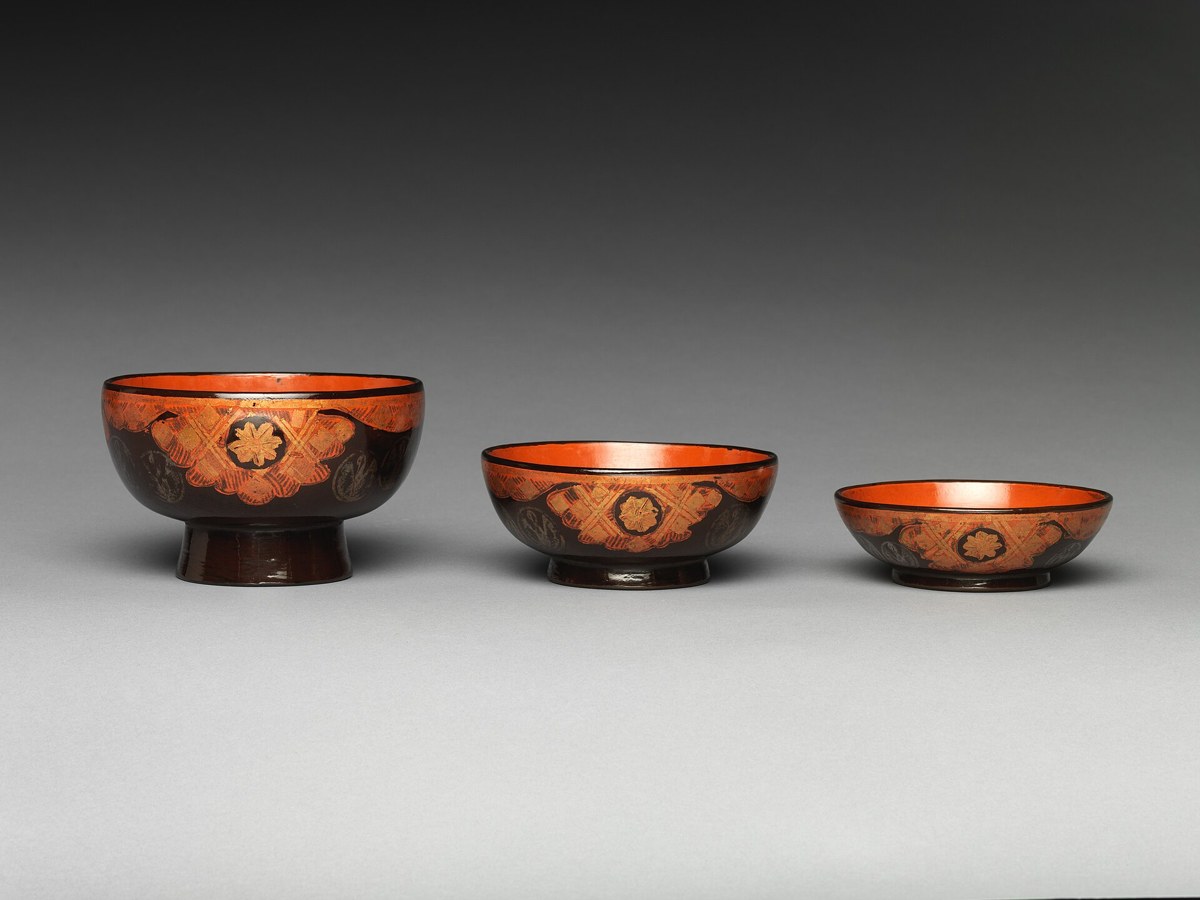
Craft
Wajima-nuri — Wajima City’s jinoko-ground lacquerware, from the Noto Peninsula, Ishikawa
Ishikawa’s armoured lacquerware: local earth, 124 steps, made to be repaired.
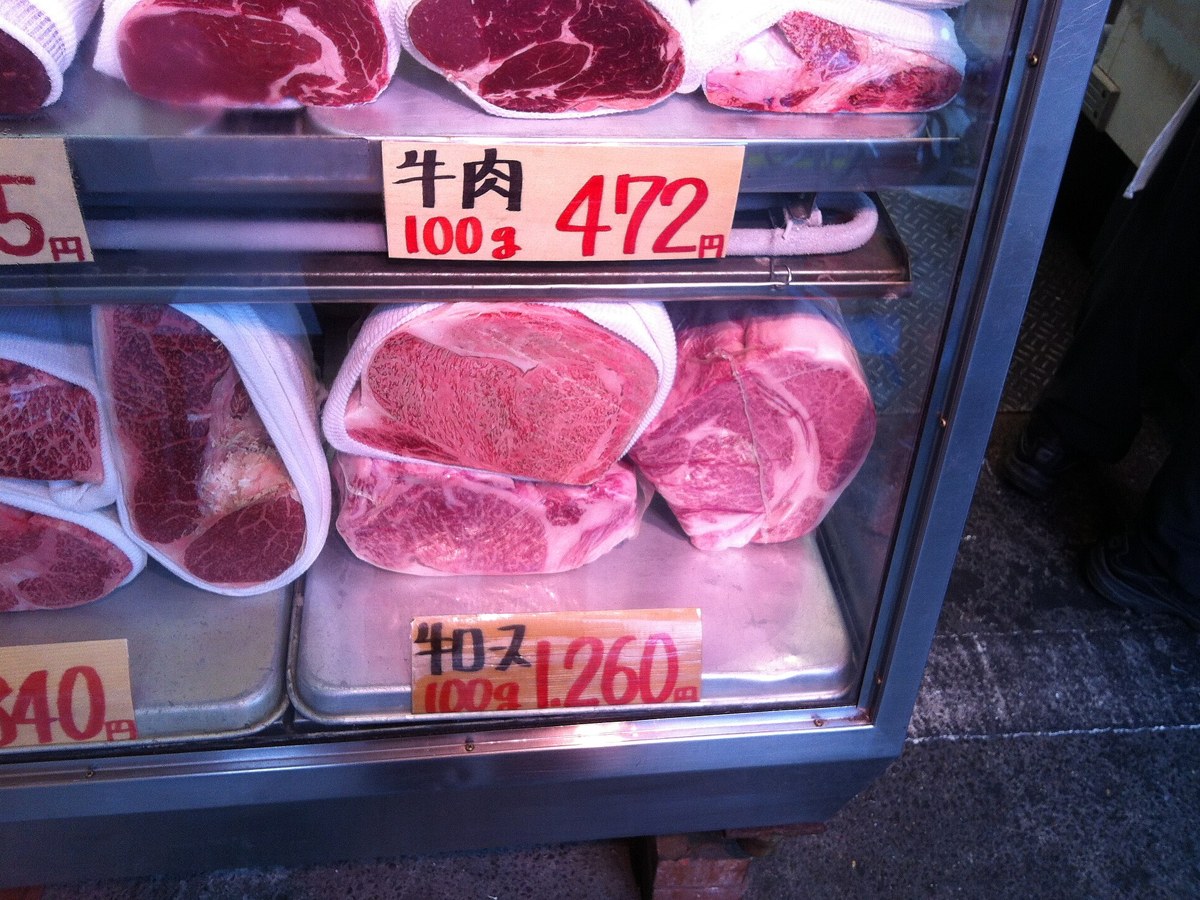
Food
Kobe beef — Hyogo’s GI-certified Tajima wagyu, from Kobe and across Hyogo
Hyogo’s certified wagyu: Tajima blood, BMS 6+, a seal and a 10-digit ID.
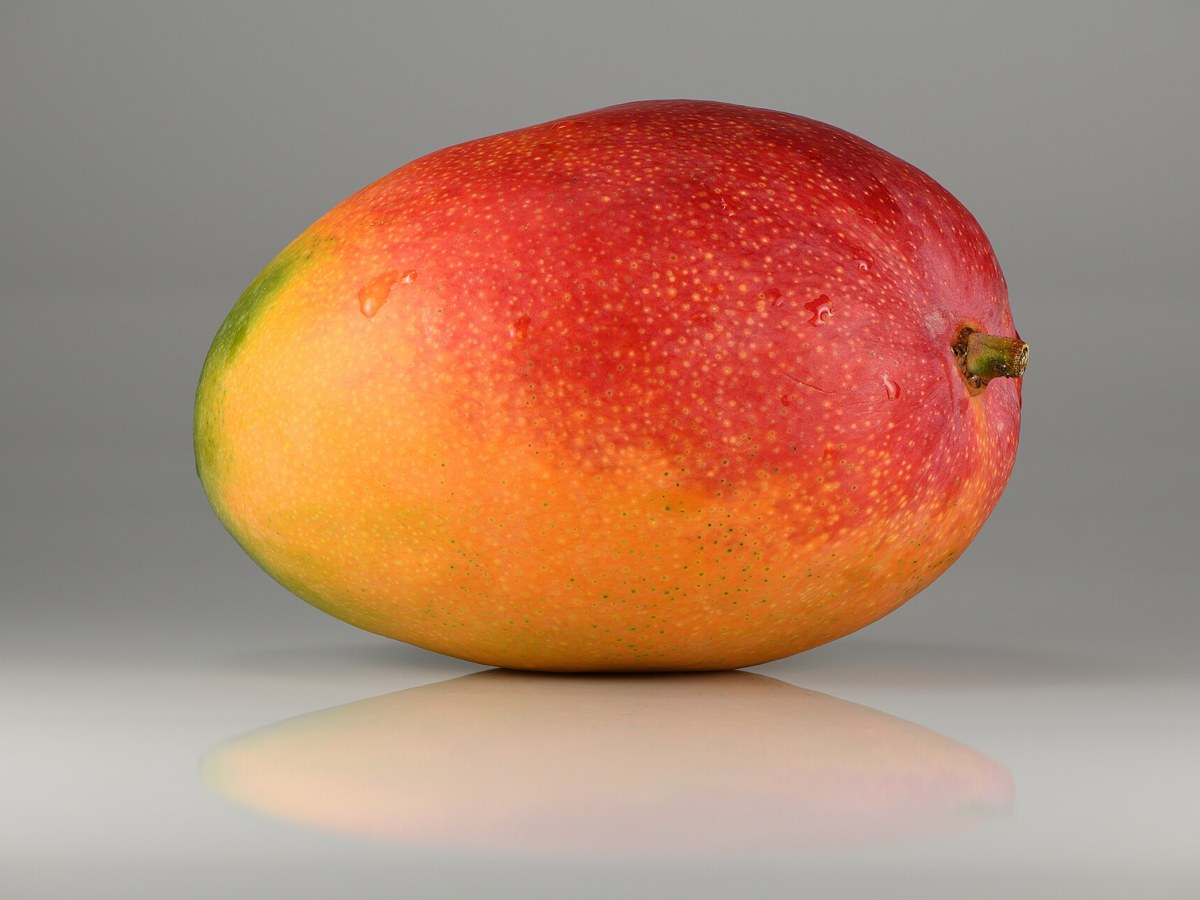
Food
Taiyo no Tamago — JA Miyazaki’s certified top tier of Miyazaki mango, from Miyazaki
Miyazaki’s Egg of the Sun: a mango graded like a jewel, ripe when it falls.
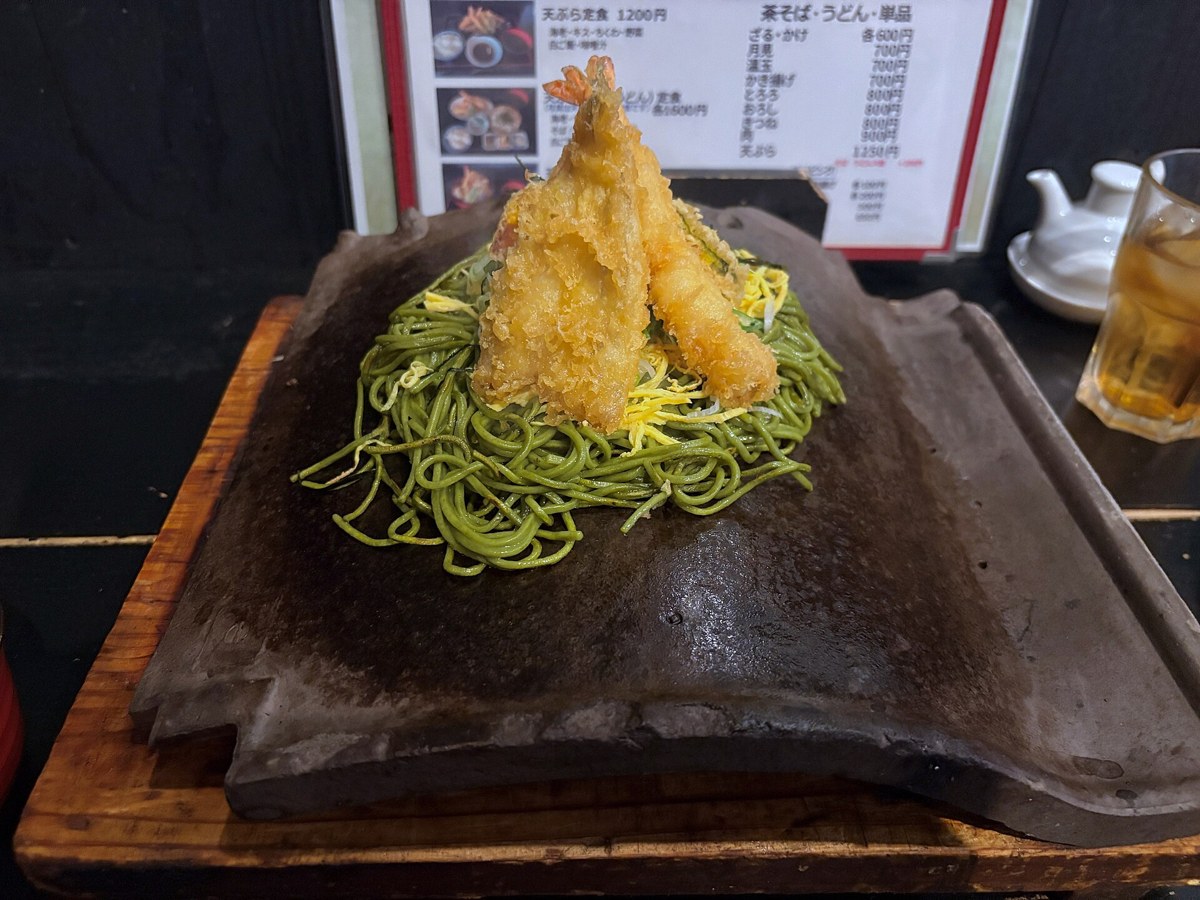
Food
Kawara soba — green-tea soba on a hot roof tile, from Kawatana Onsen, Shimonoseki, Yamaguchi
Yamaguchi’s tile-baked soba: green noodles, a 1961 invention, a sizzling plate.
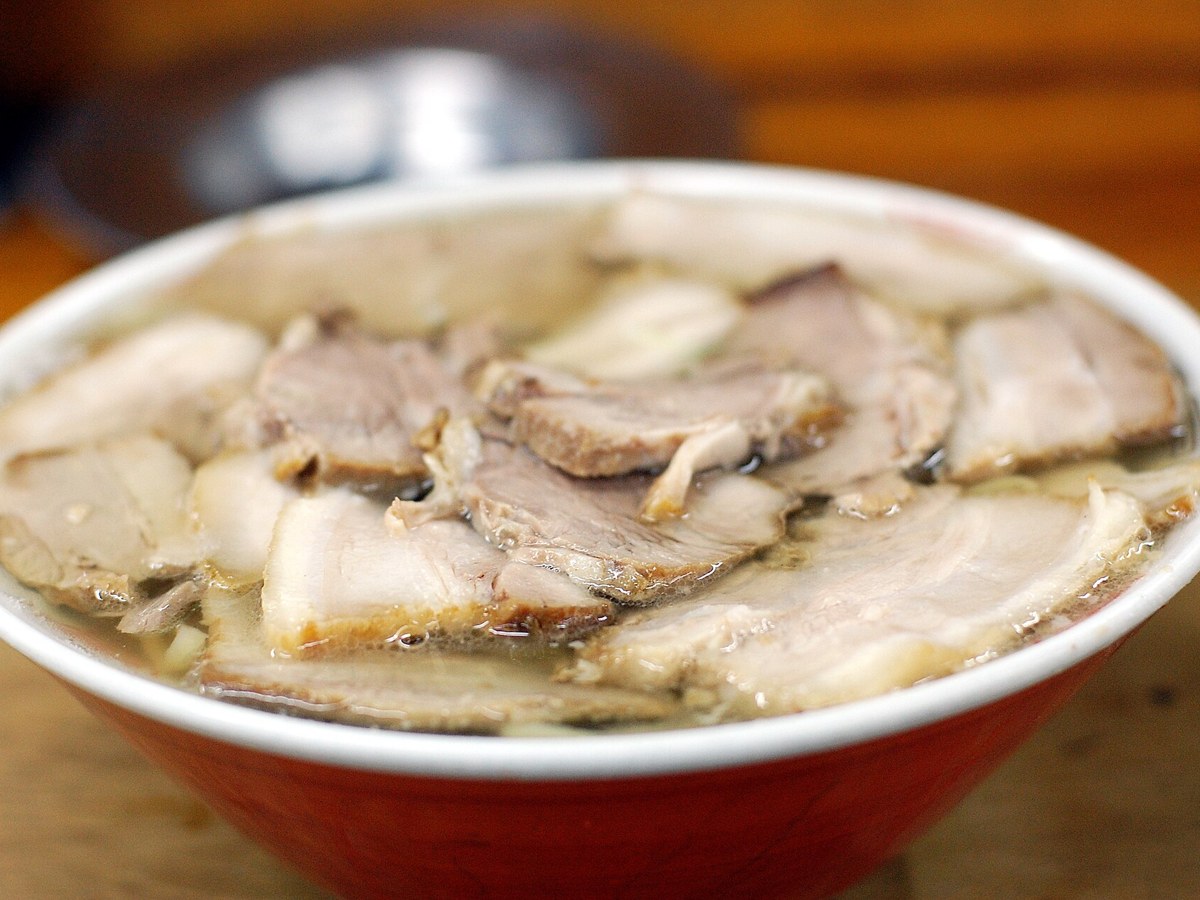
Food
Kitakata ramen — flat, wavy noodles in a light soy broth, from Kitakata, Fukushima
Fukushima’s breakfast ramen: flat wavy noodles, a 7am custom, ¥800 a bowl.
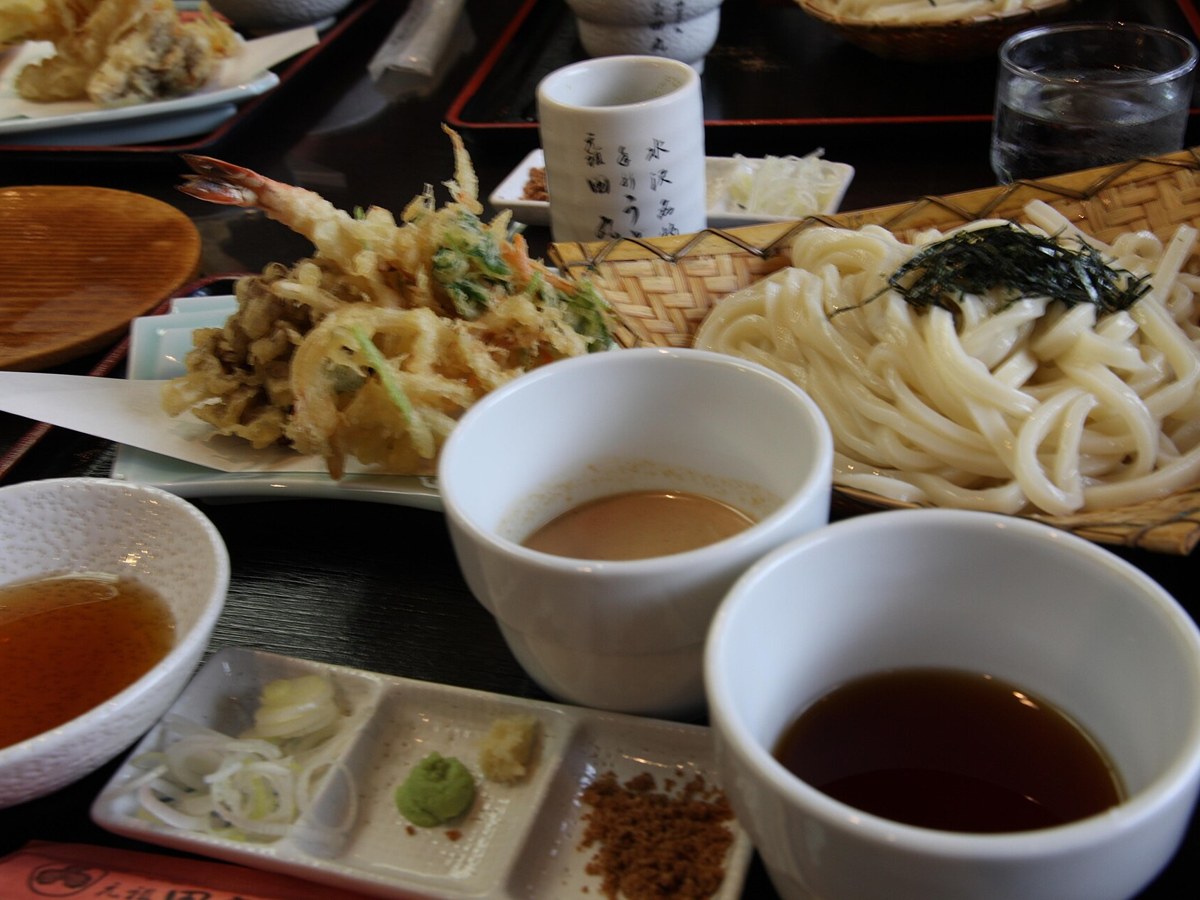
Food
Mizusawa udon — spring-water udon of the Mizusawa Kannon approach, Shibukawa, Gunma
Gunma’s temple udon: one street, a dozen shops, four centuries of noodles.
Craft
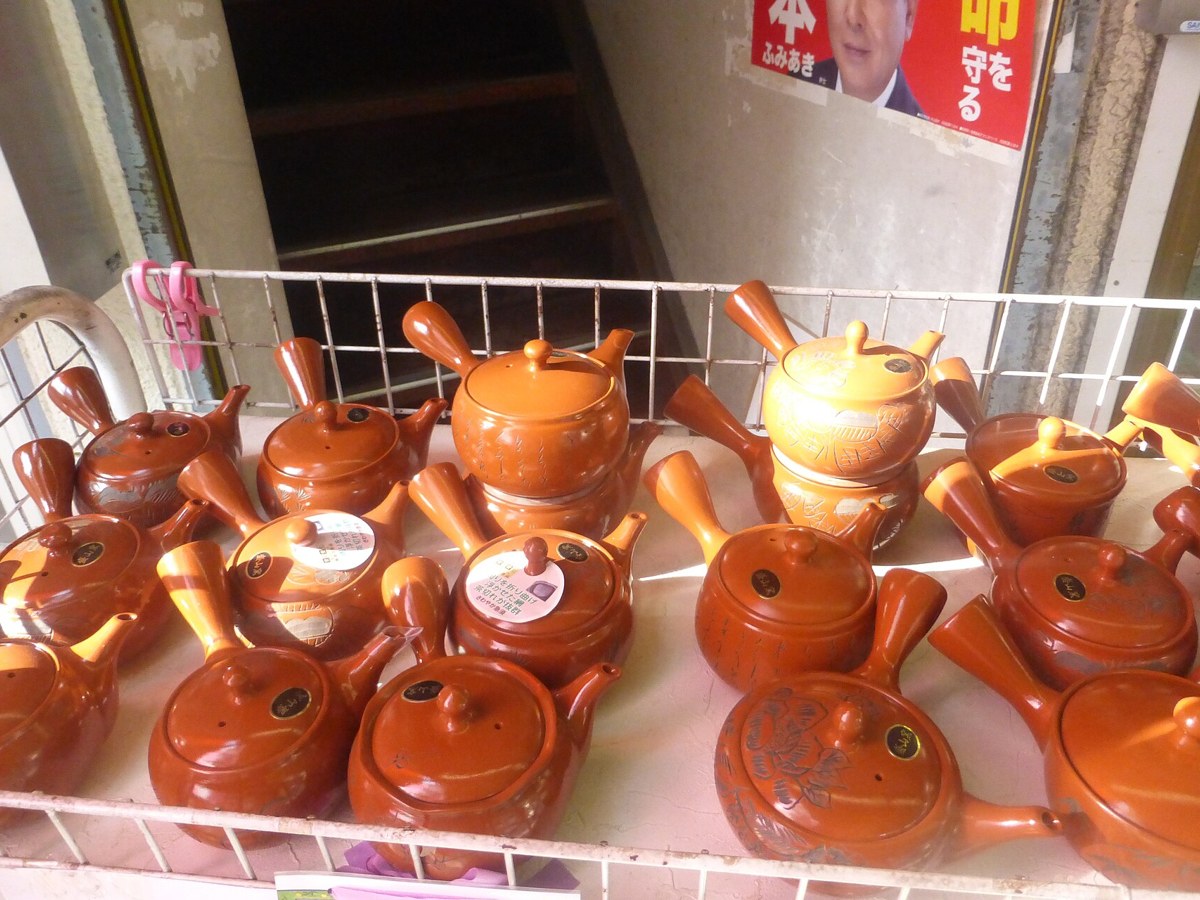
Tokoname-yaki — Tokoname City’s iron-red pottery, from the Chita Peninsula, Aichi
Aichi’s ancient red clay: nine centuries of kilns, one definitive teapot.
Craft
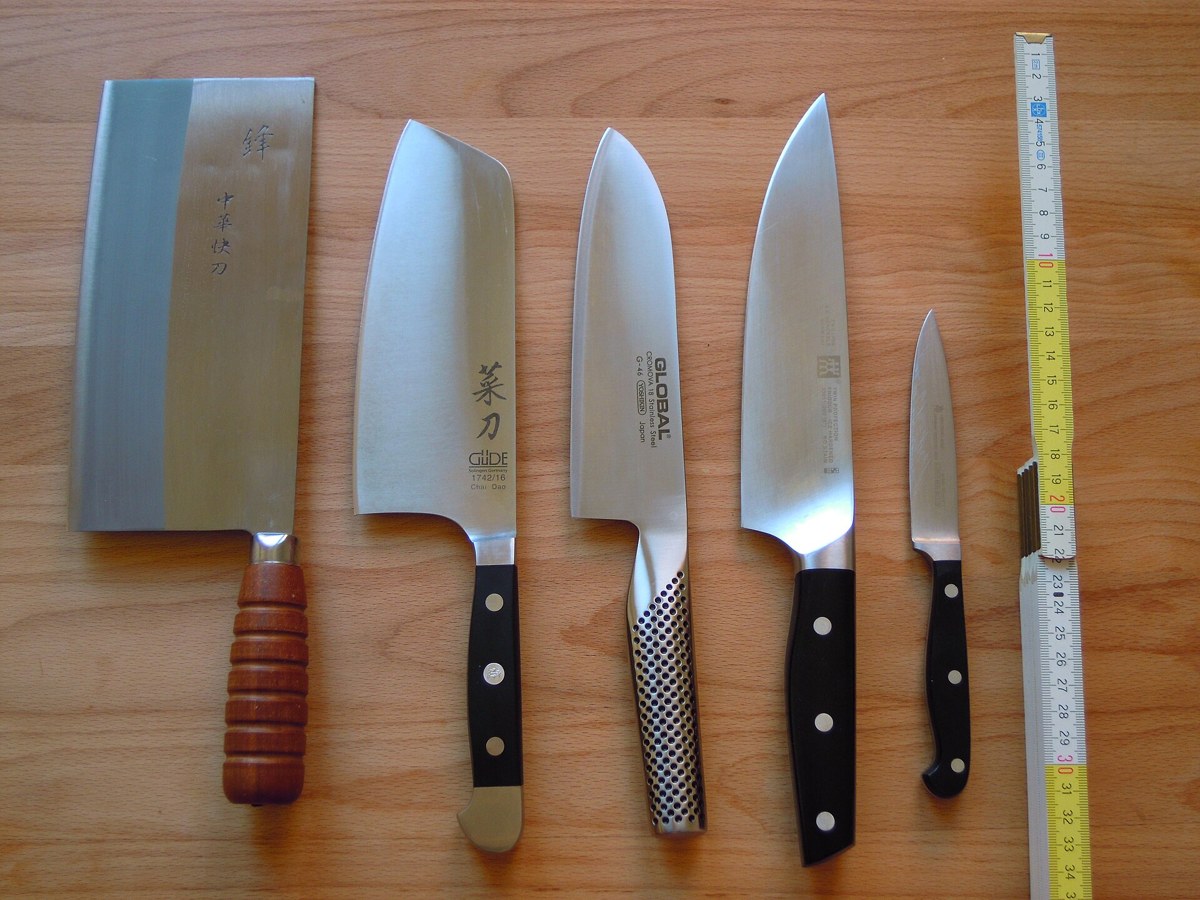
Sakai uchihamono — Sakai City’s divided-labour forged blades, from Sakai, Osaka
Osaka’s professional blade: forged by three pairs of hands in Sakai.
Craft
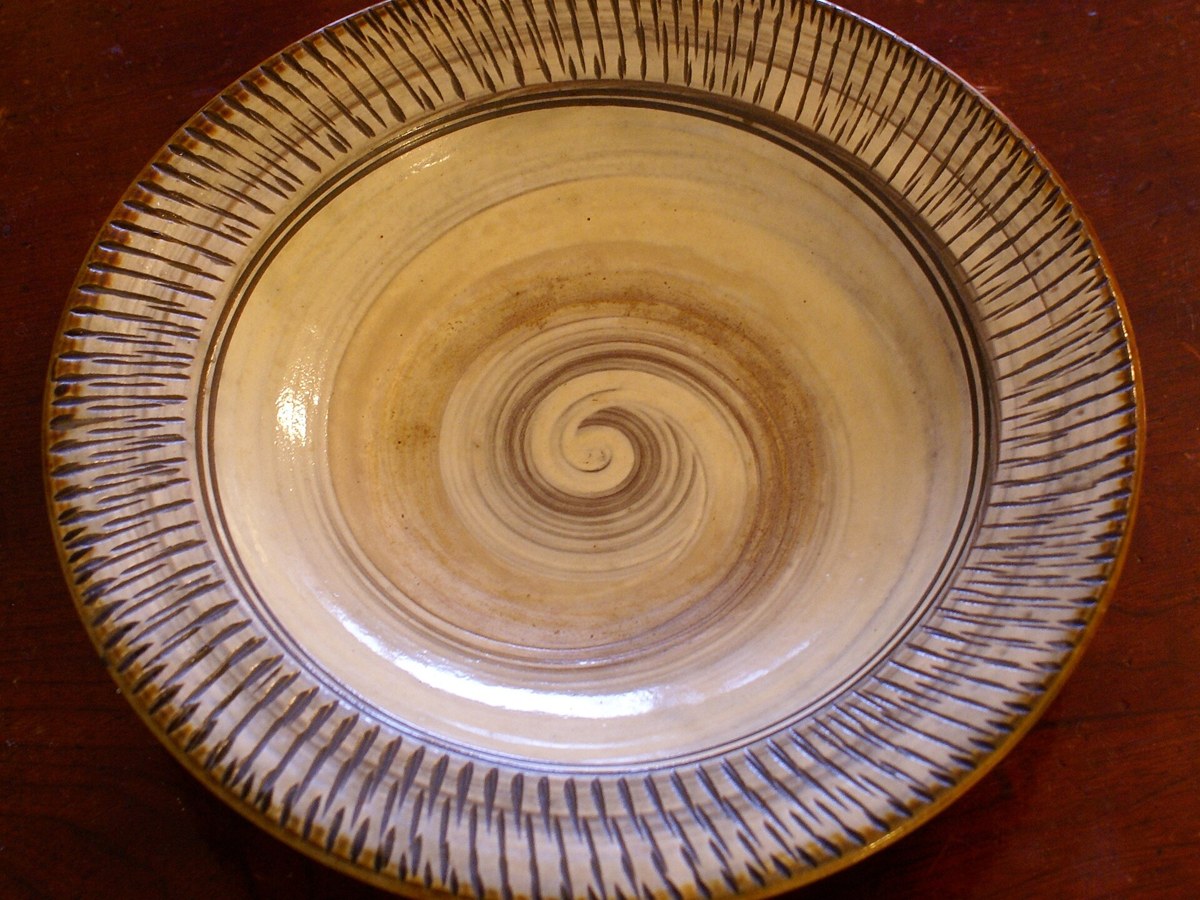
Onta-yaki — Sarayama hamlet’s collective folk pottery, from Hita, Oita
Oita’s village pottery: nine kilns, river-powered mortars, no signatures.
Food
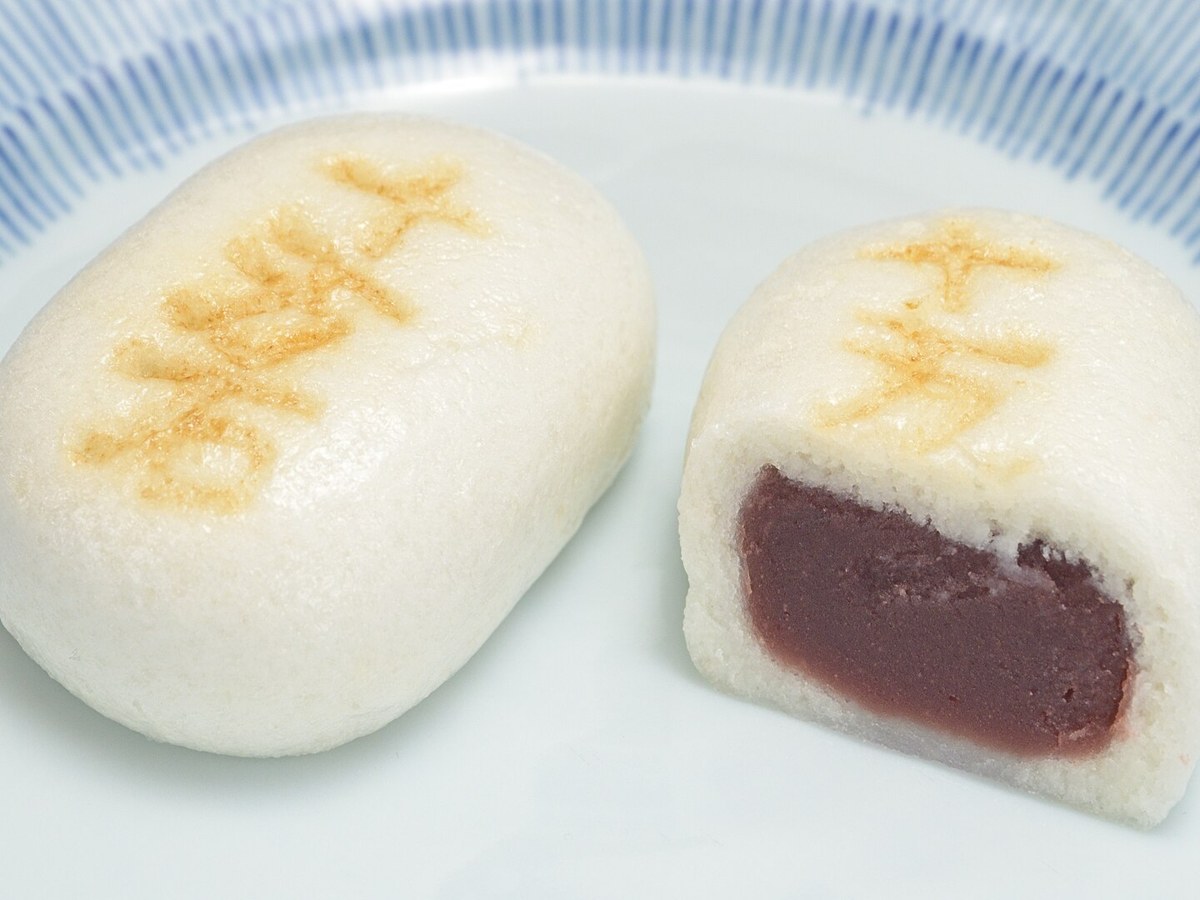
Jumangoku manju — Gyoda’s steamed yam bun, from Jumangoku Fukusaya, Saitama
Saitama’s boastful bun: yam skin, smooth bean paste, a famous verdict.
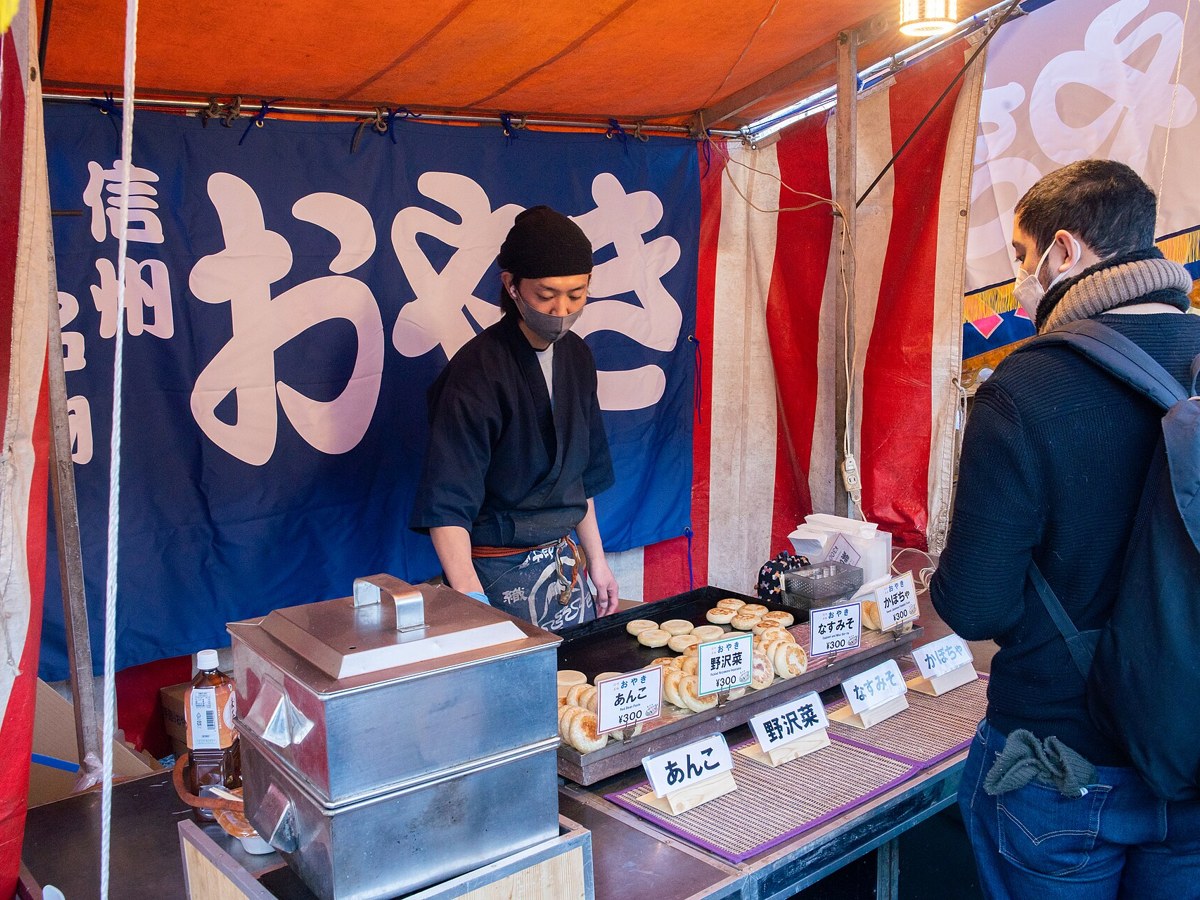
Food
Shinshu oyaki — Nagano’s pickle-filled flour dumplings, from Nagano City and Ogawa
Nagano’s mountain fuel: flour, pickles and a hearth’s ash.
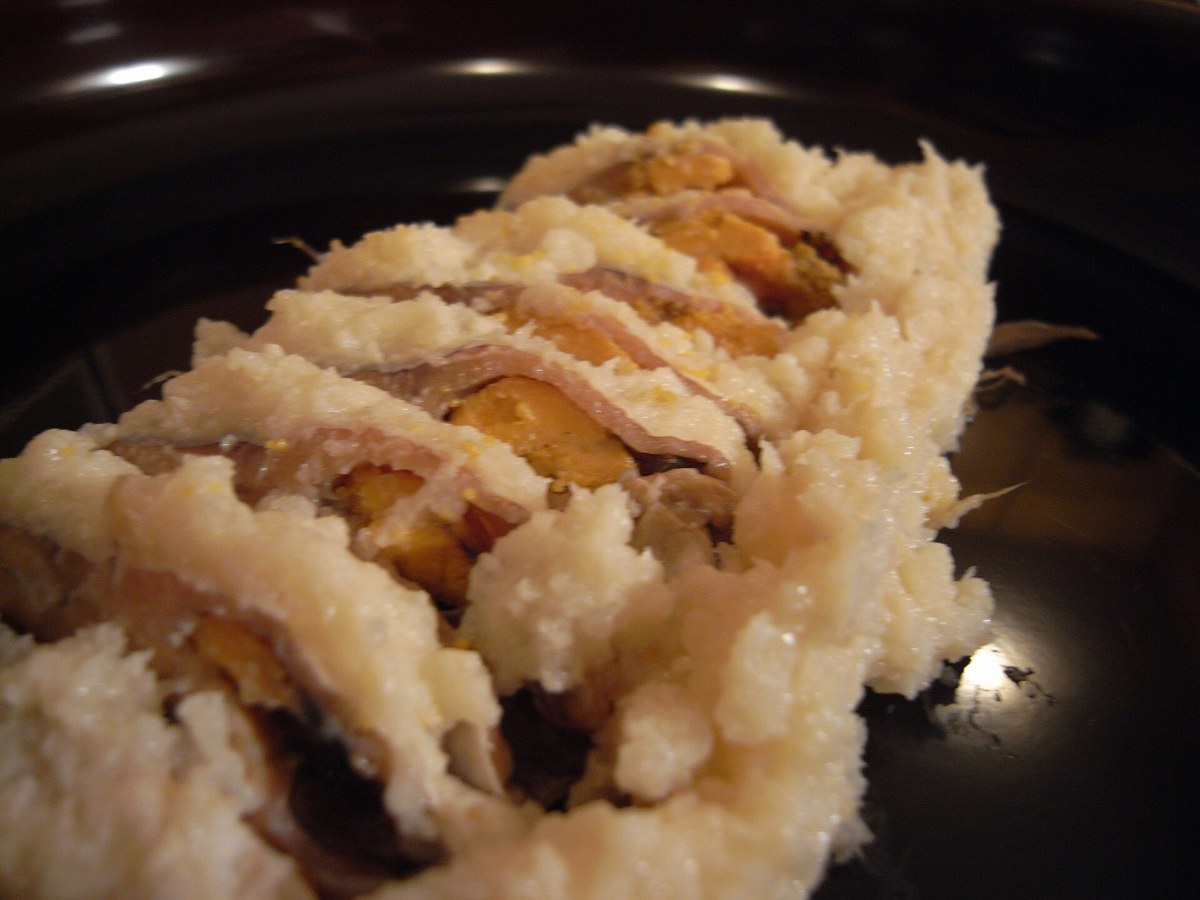
Food
Funazushi — Lake Biwa’s fermented crucian-carp sushi, from Takashima, Shiga
Shiga’s ancient sushi: one lake’s fish, years of rice and patience.
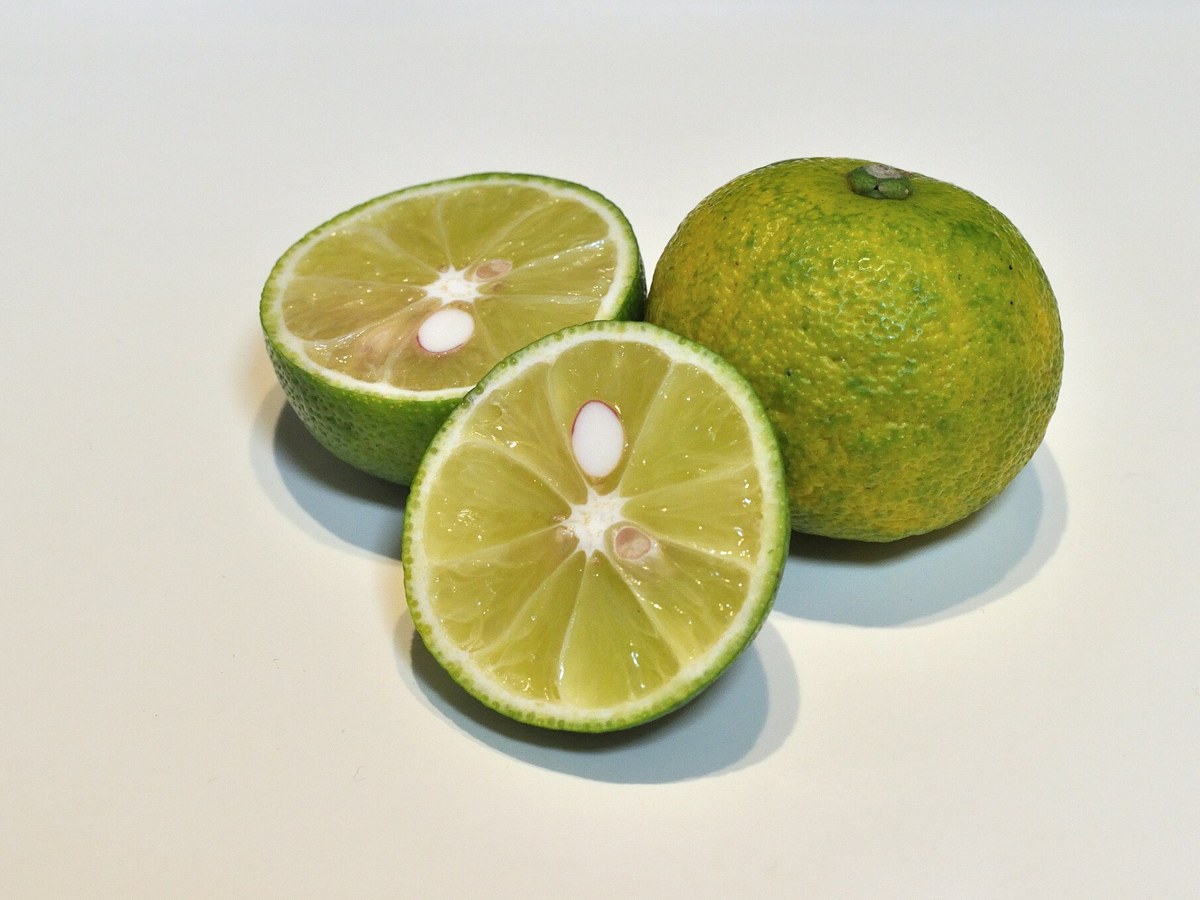
Food
Tokushima sudachi — the GI-registered sour citrus, from Tokushima Prefecture
Tokushima’s green jewel: a citrus with a legal near-monopoly.
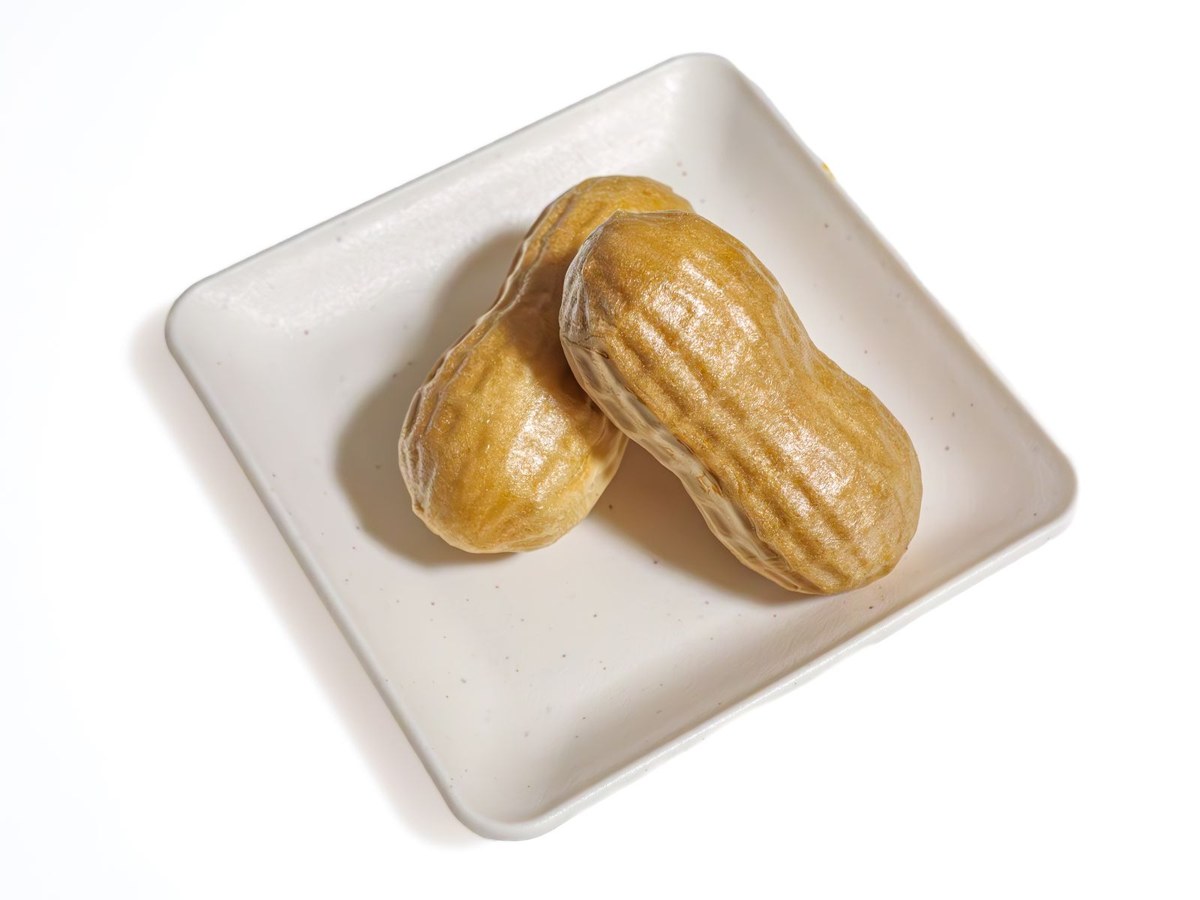
Food
Peanut Monaka — Narita’s peanut-shaped monaka, from Nagomi-Yoneya, Chiba
Chiba’s peanut in wafer form: candied-peanut paste, a maker’s price notice.
Food
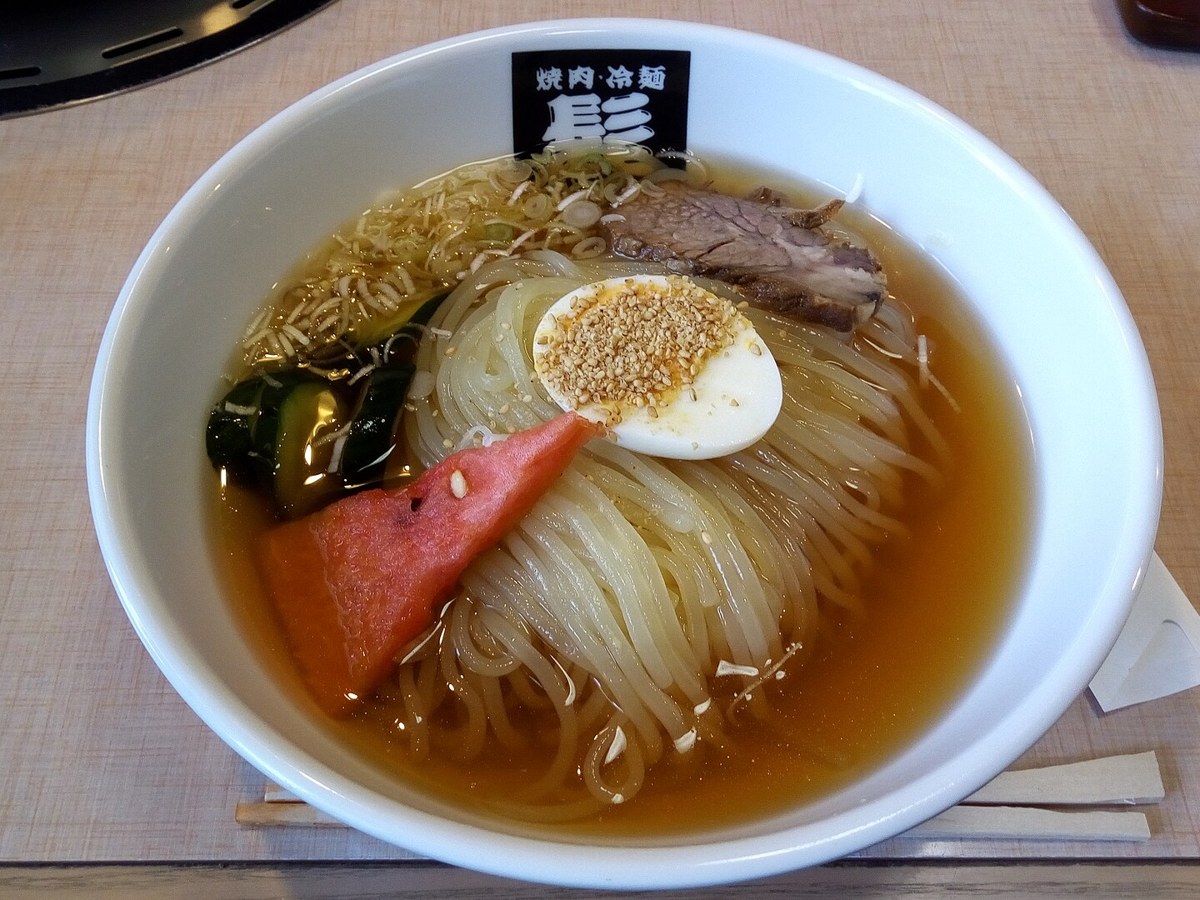
Morioka reimen — Morioka’s chilled beef-broth noodles, from Morioka, Iwate
Iwate’s cold third noodle: chewy, iced, and spiced by your own hand.
Food
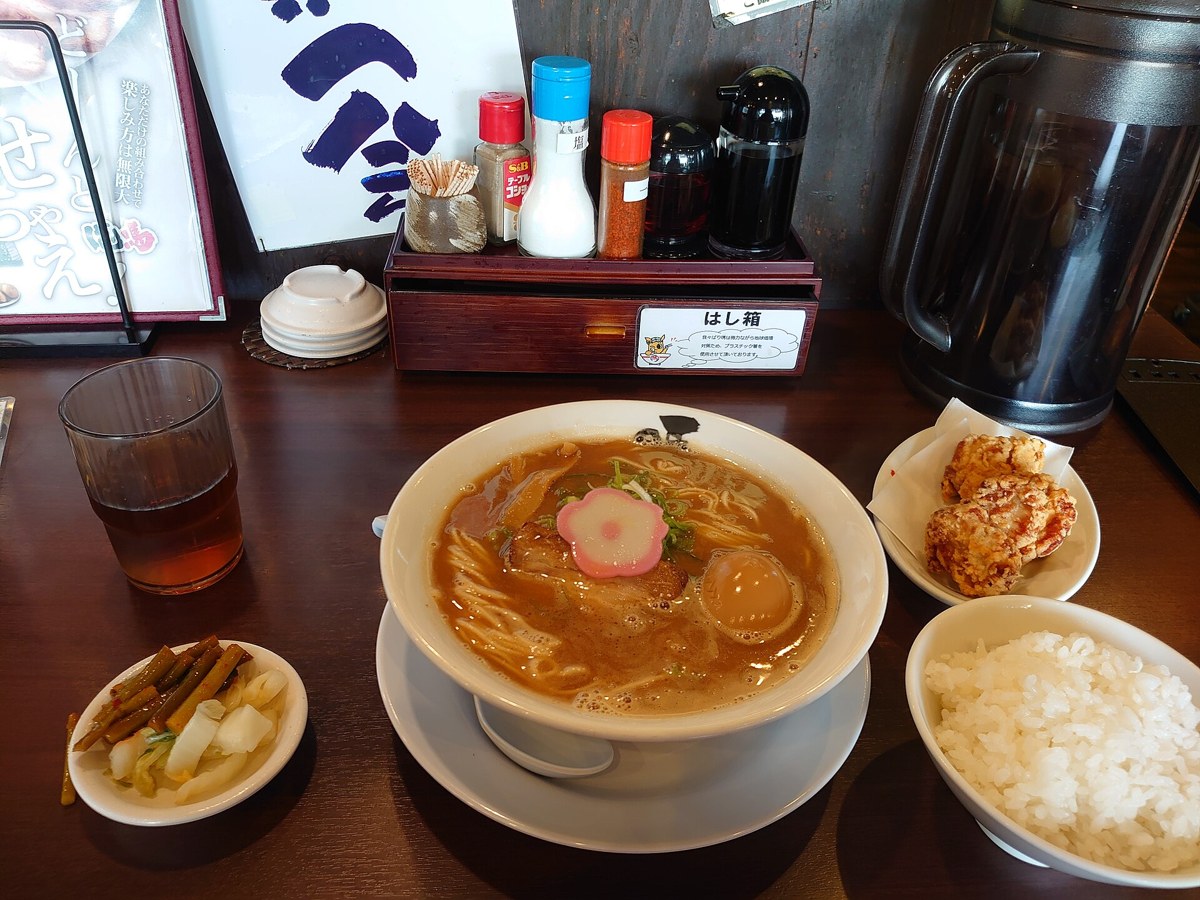
Wakayama ramen — Wakayama City’s chuka soba, from Wakayama City, Wakayama
Wakayama’s chuka soba: two lineages, haya sushi, an honour-system counter.
Food
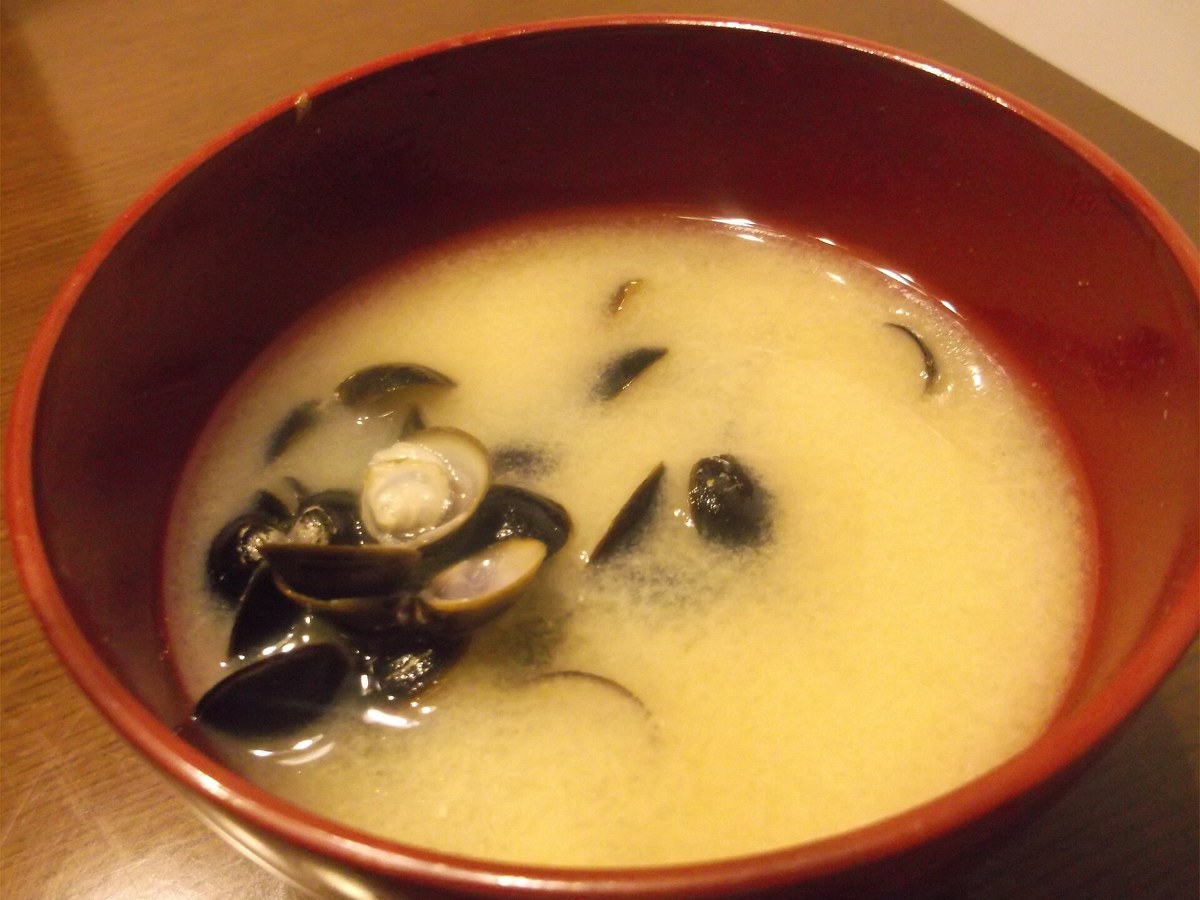
Lake Shinji shijimi — Matsue’s GI-registered clams and their soup, from Matsue, Shimane
Shimane’s GI clam: one brackish lake, a dawn rake, two soups.
Food
Ureshino tea — Ureshino’s tamaryokucha and kamairicha, from Ureshino, Saga
Saga’s curled leaf: 550 years of tea beside the hot springs.
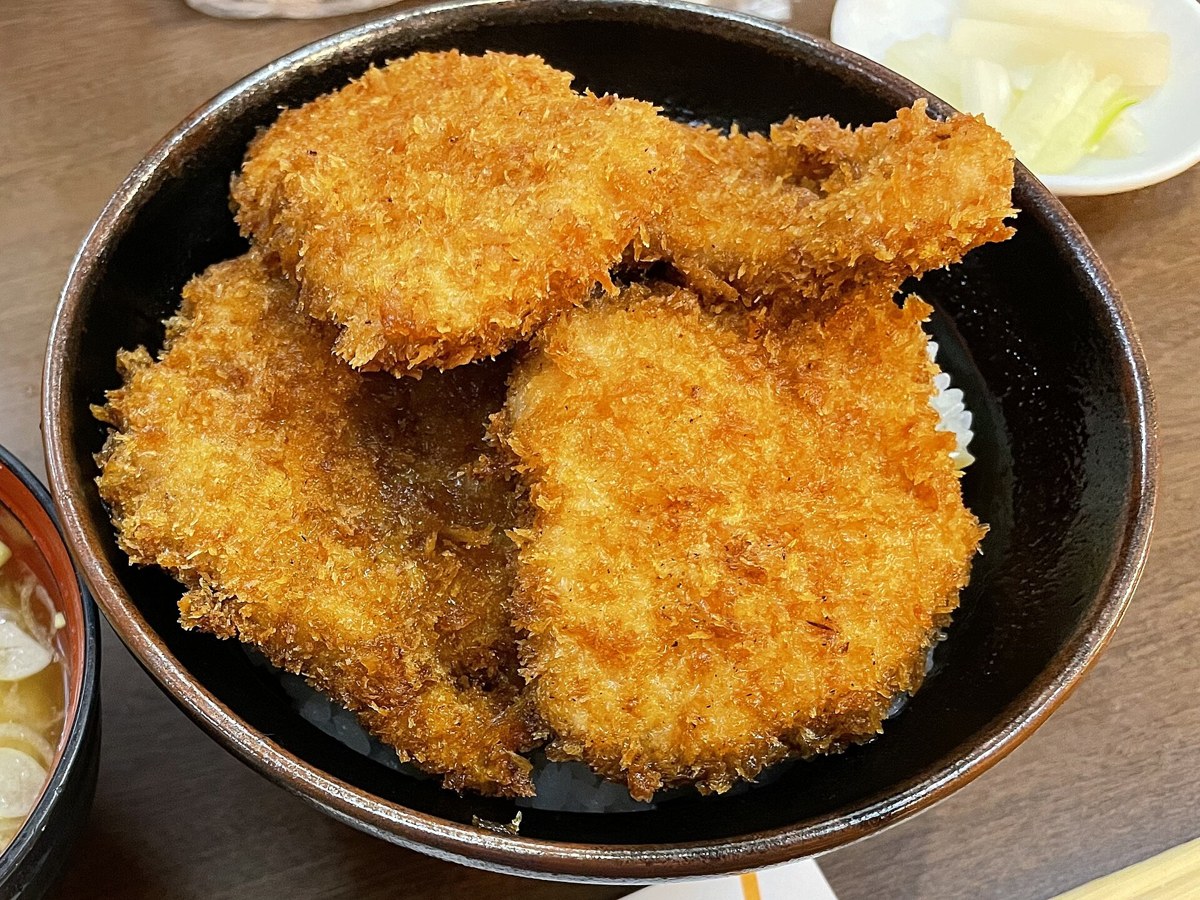
Food
Tarekatsu don — Niigata City’s soy-tare cutlet bowl, from Niigata City, Niigata
Niigata’s egg-free katsudon: crisp cutlets, a soy dip, plain rice.
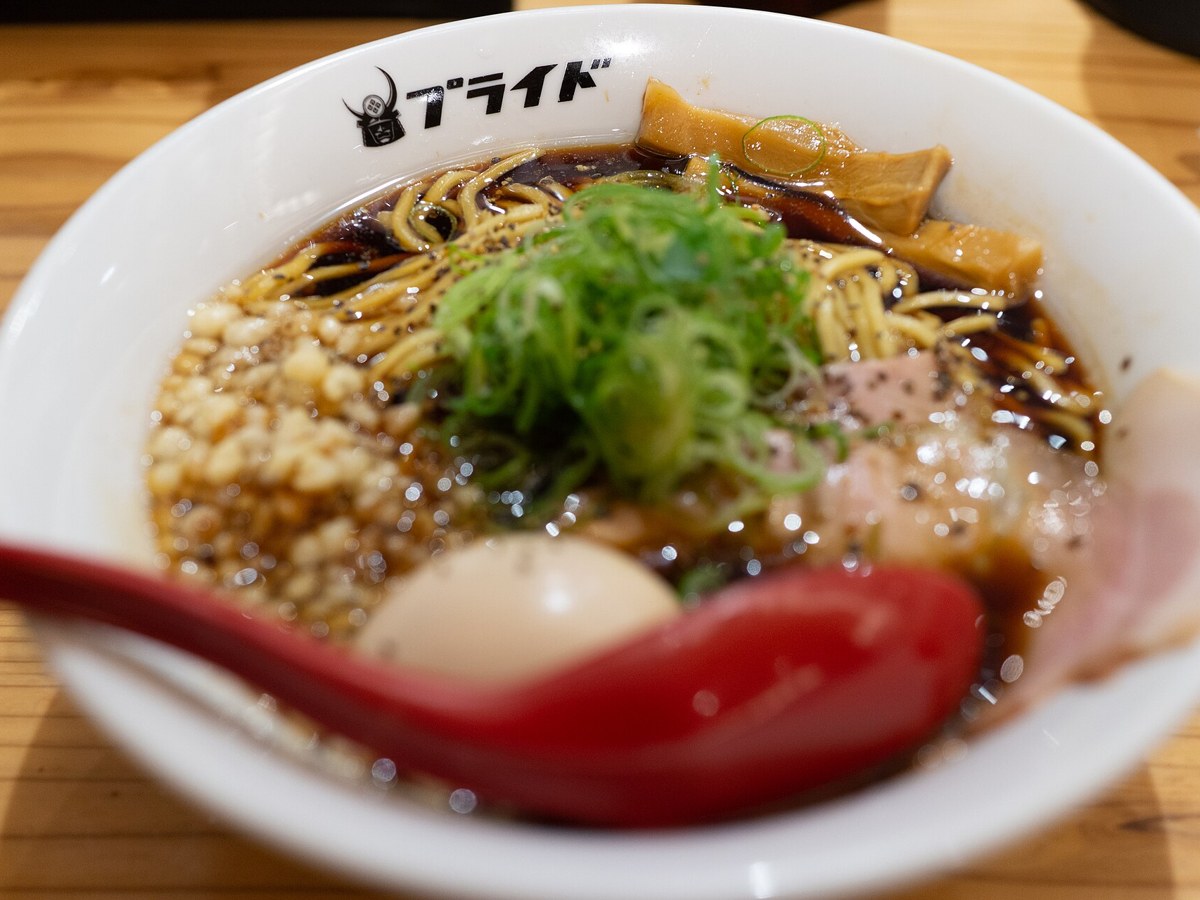
Food
Toyama black ramen — Toyama City’s black soy broth, from Toyama City, Toyama
Toyama’s black broth: salt for rebuilders, pepper, and rice alongside.
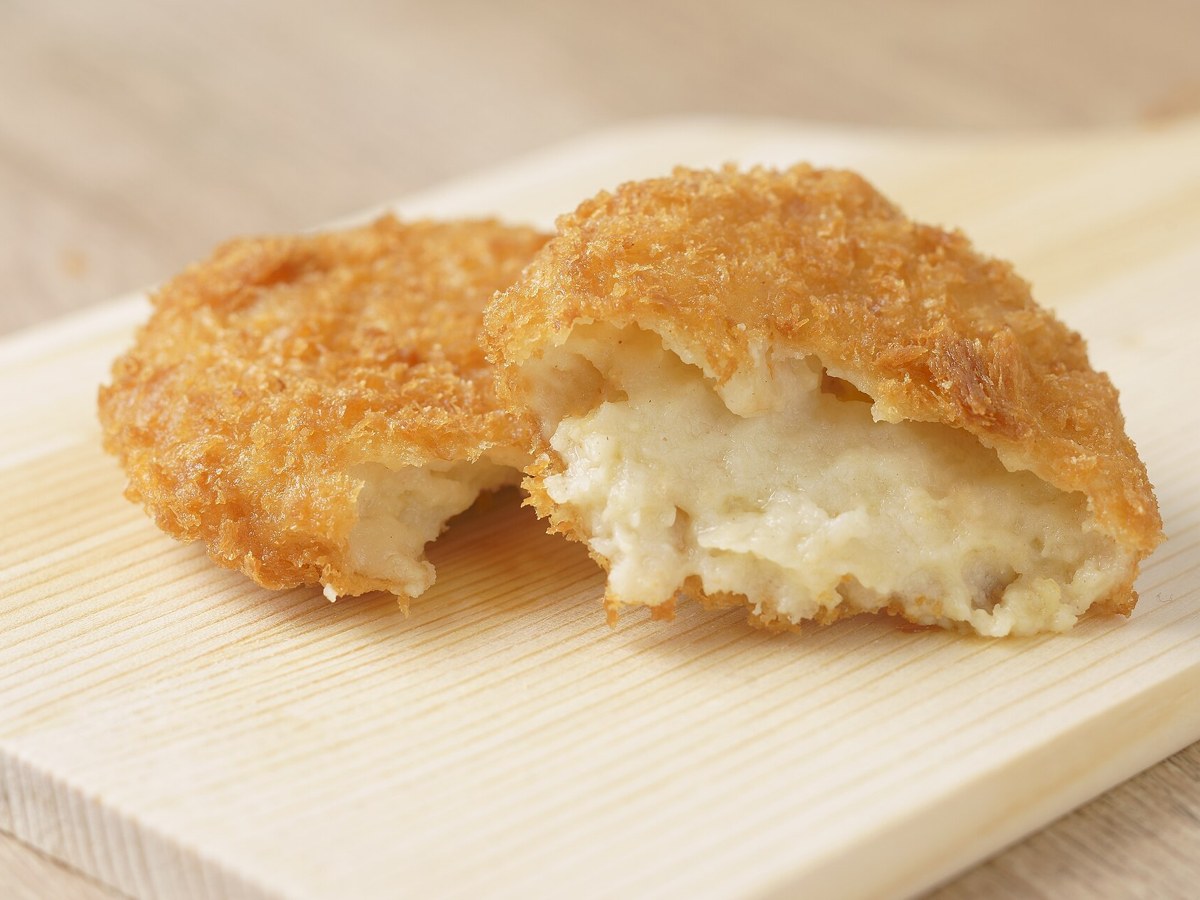
Food
Nikko yuba — Nikko’s double-thickness tofu skin, from Nikko, Tochigi
Tochigi’s temple skin: folded double, eaten as sashimi since 766.
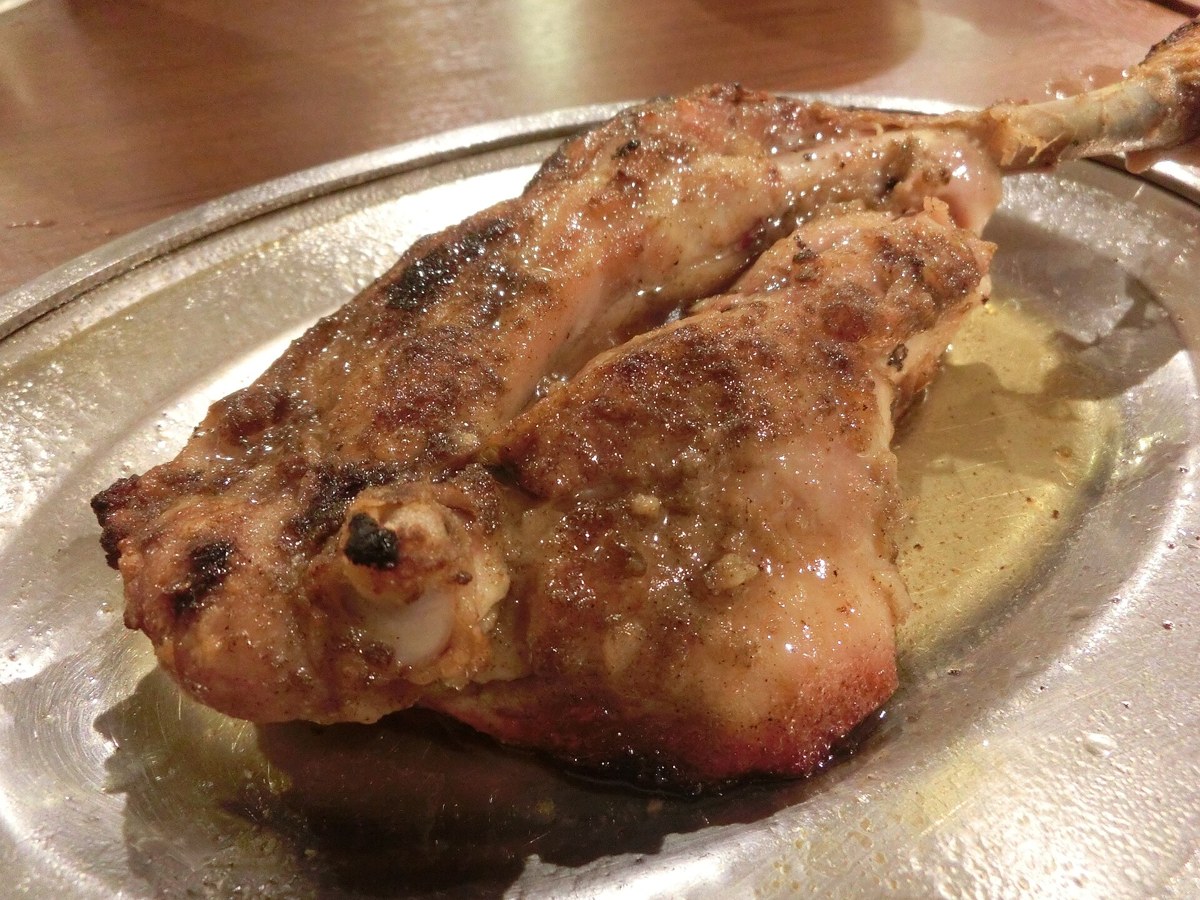
Food
Honetsukidori — Marugame’s bone-in roasted chicken, from Marugame, Kagawa
Kagawa’s handful: a crisp bone-in leg, two birds, one decision.
Food
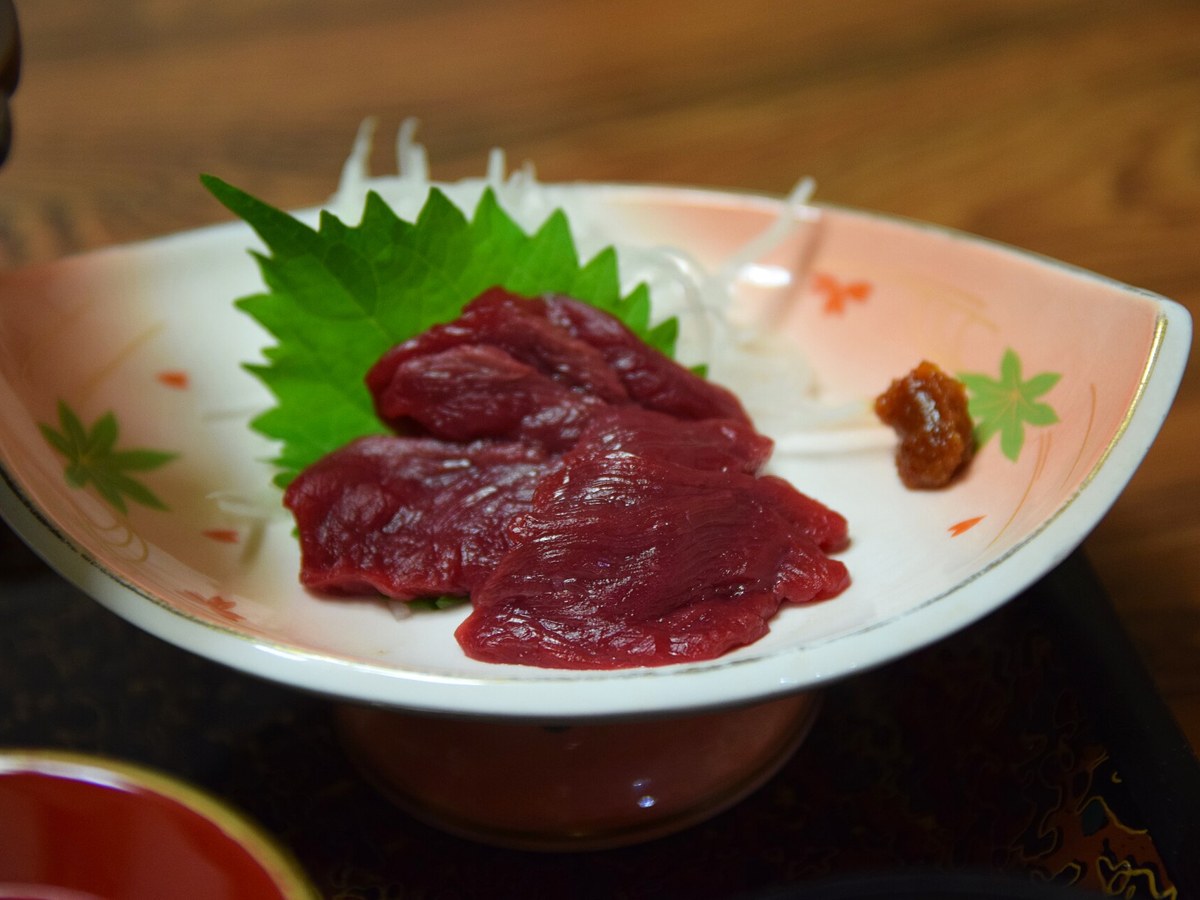
Basashi — Kumamoto’s horsemeat sashimi, from Kumamoto City, Kumamoto
Kumamoto’s sakura niku: the official third of its great three.
Stationery
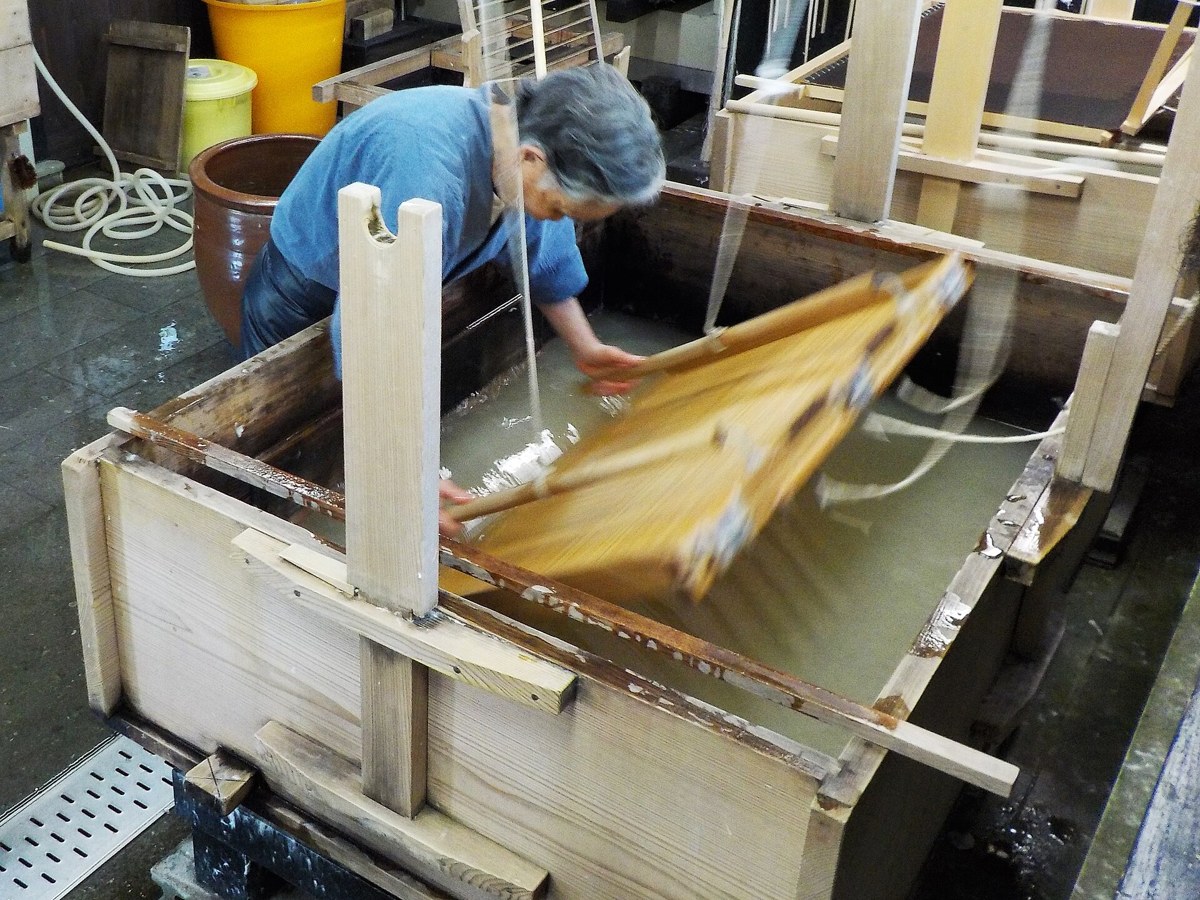
Tosa washi — Kochi’s handmade paper, from Ino & Tosa City, Kochi
Kochi’s thousand-year paper: thin, strong, still formed by hand.
Food
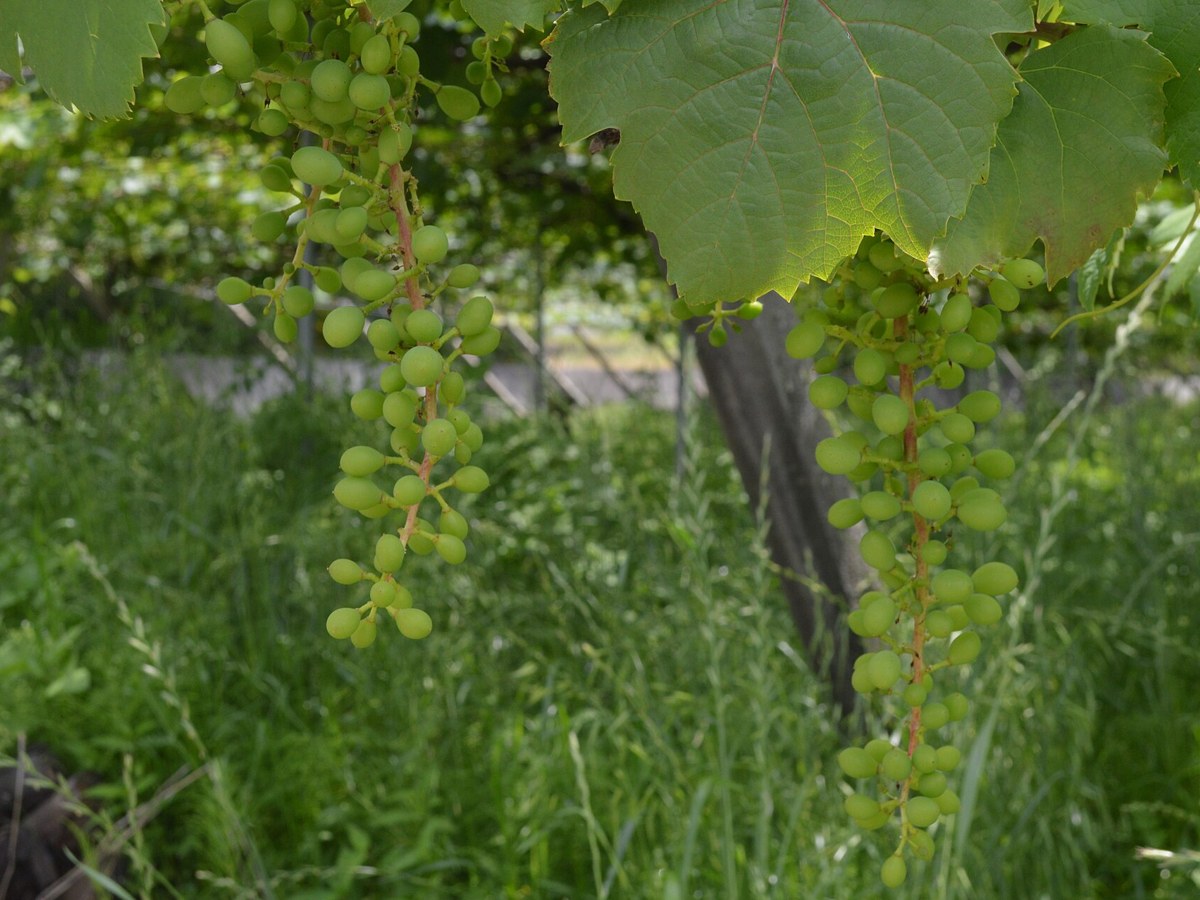
Koshu wine — Yamanashi’s GI white, from Katsunuma, Koshu City, Yamanashi
Yamanashi’s protected pour: the pink grape, the first wine GI.
Food
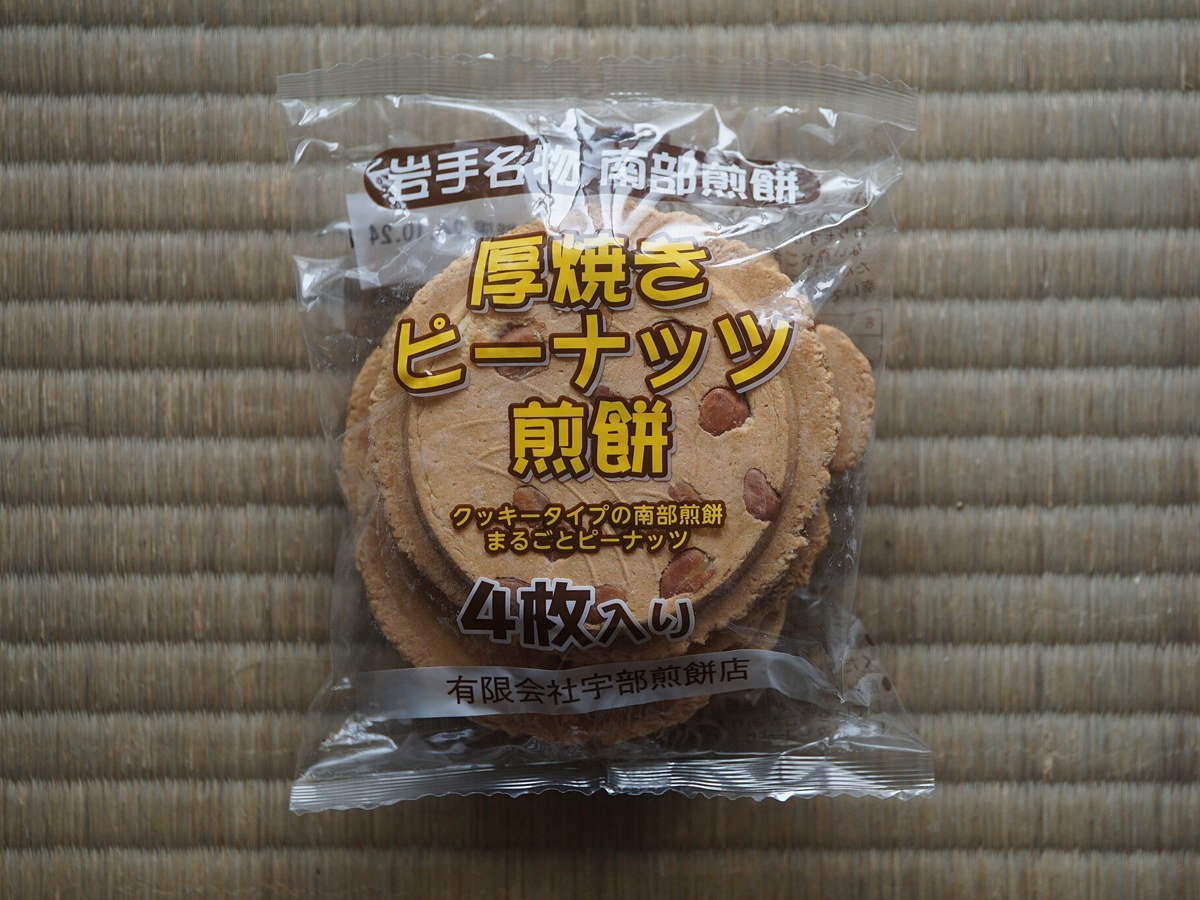
Senbei-jiru — Hachinohe’s Nanbu senbei soup, from Hachinohe, Aomori
Aomori’s warm pot: crackers simmered chewy in a port-city broth.
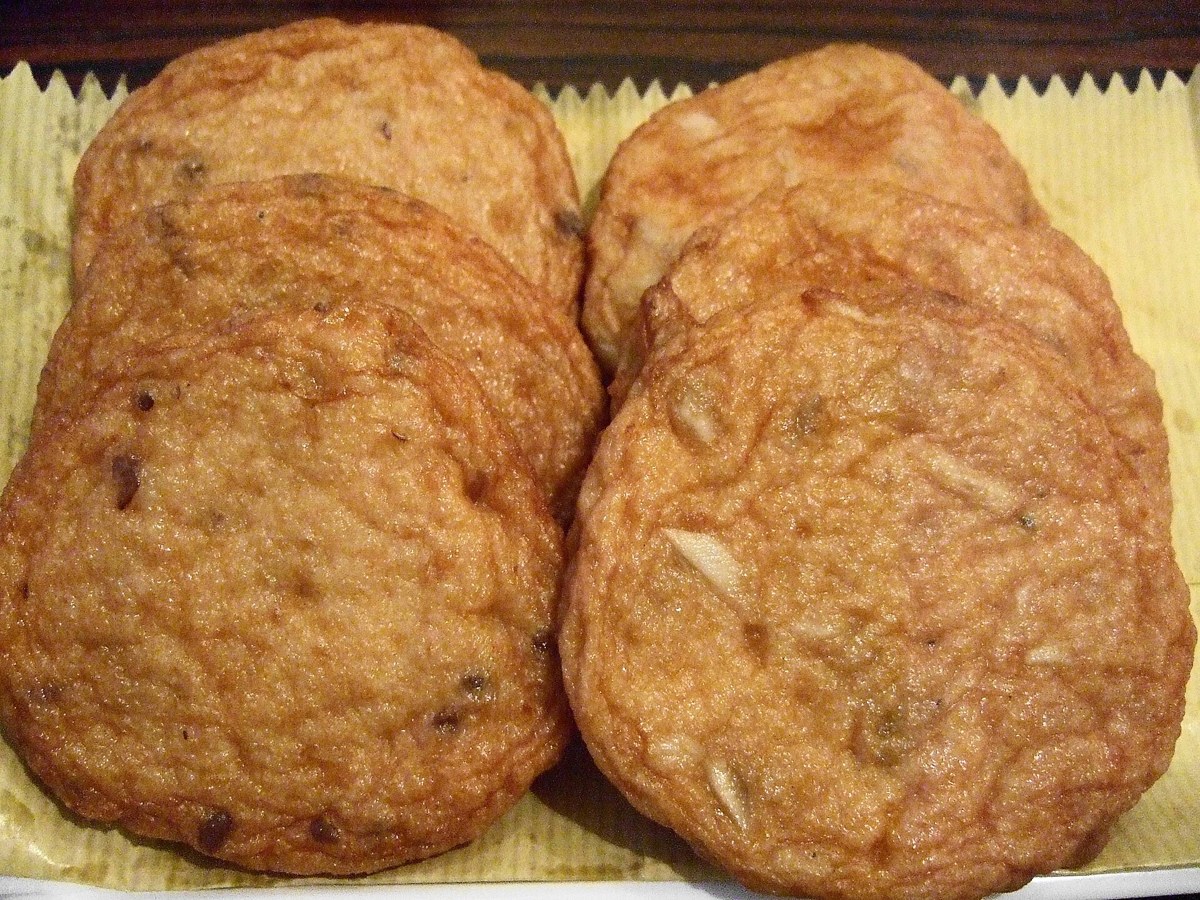
Food
Satsuma-age — Kagoshima’s fried fish cake by Tsukiagean, from Kagoshima City, Kagoshima
Kagoshima’s golden cake: the maker’s own assortment, verified.
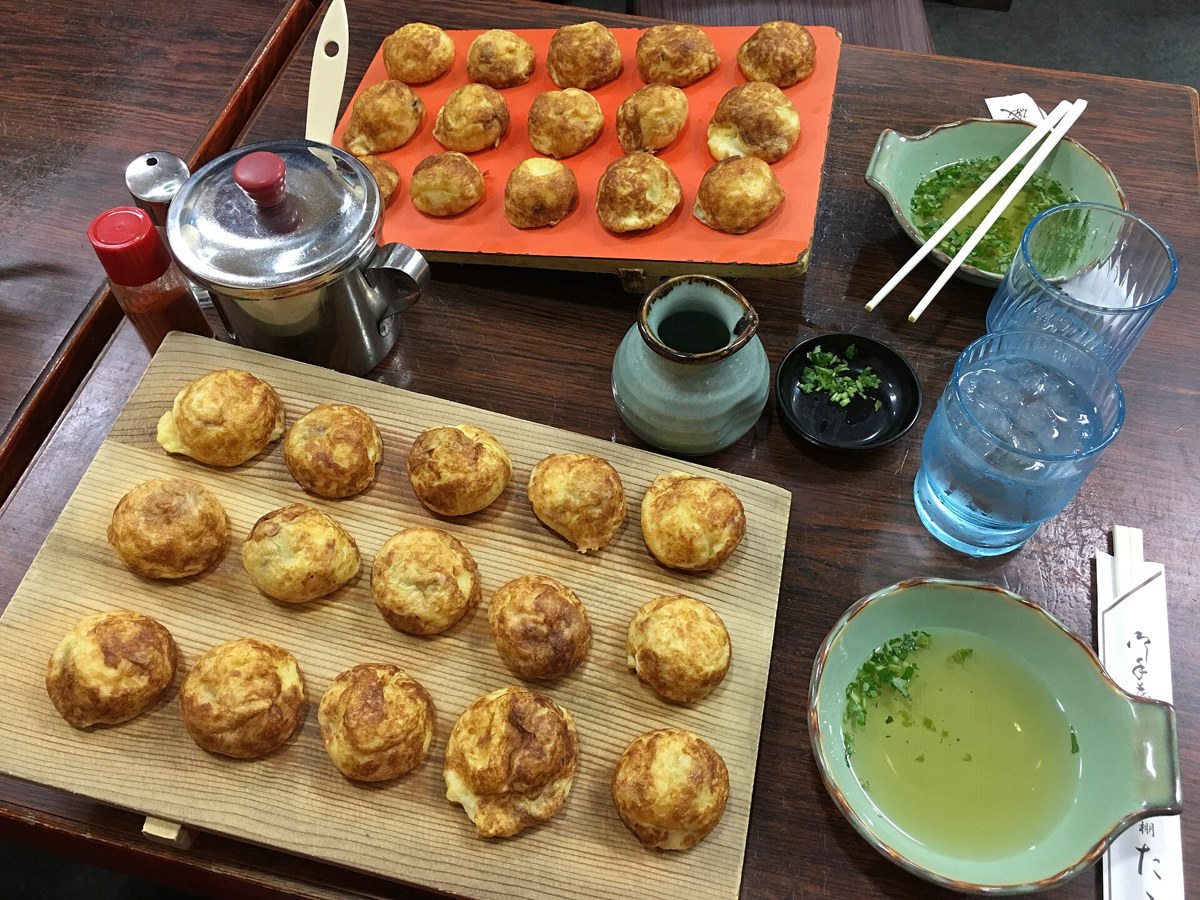
Food
Akashiyaki — Akashi’s egg dumplings, from Akashi, Hyogo
Hyogo’s soft spheres: egg, octopus and a bowl of dashi.
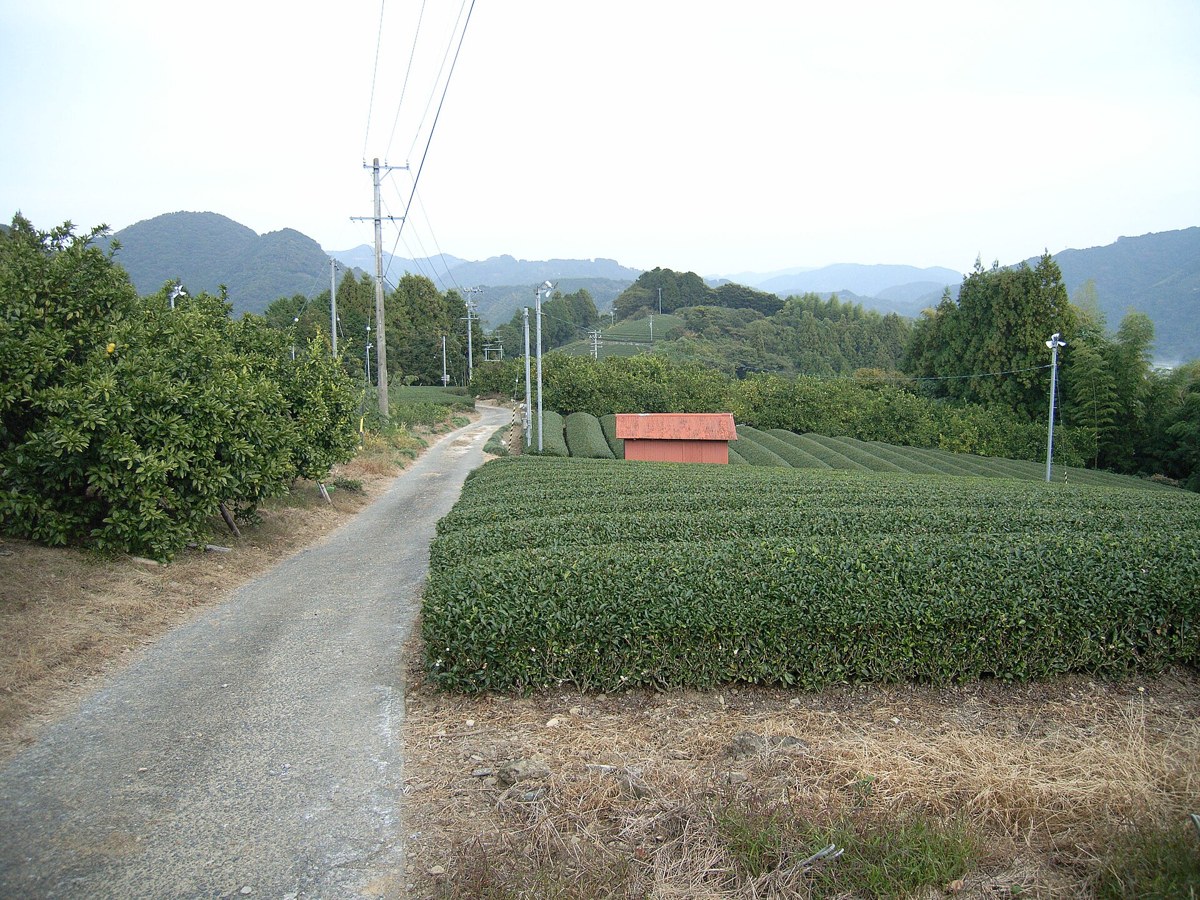
Food
Kawane tea — Taruwaki-en’s single-estate organic sencha, from Kawanehoncho, Shizuoka
Shizuoka’s mountain tea, from one estate’s own garden.
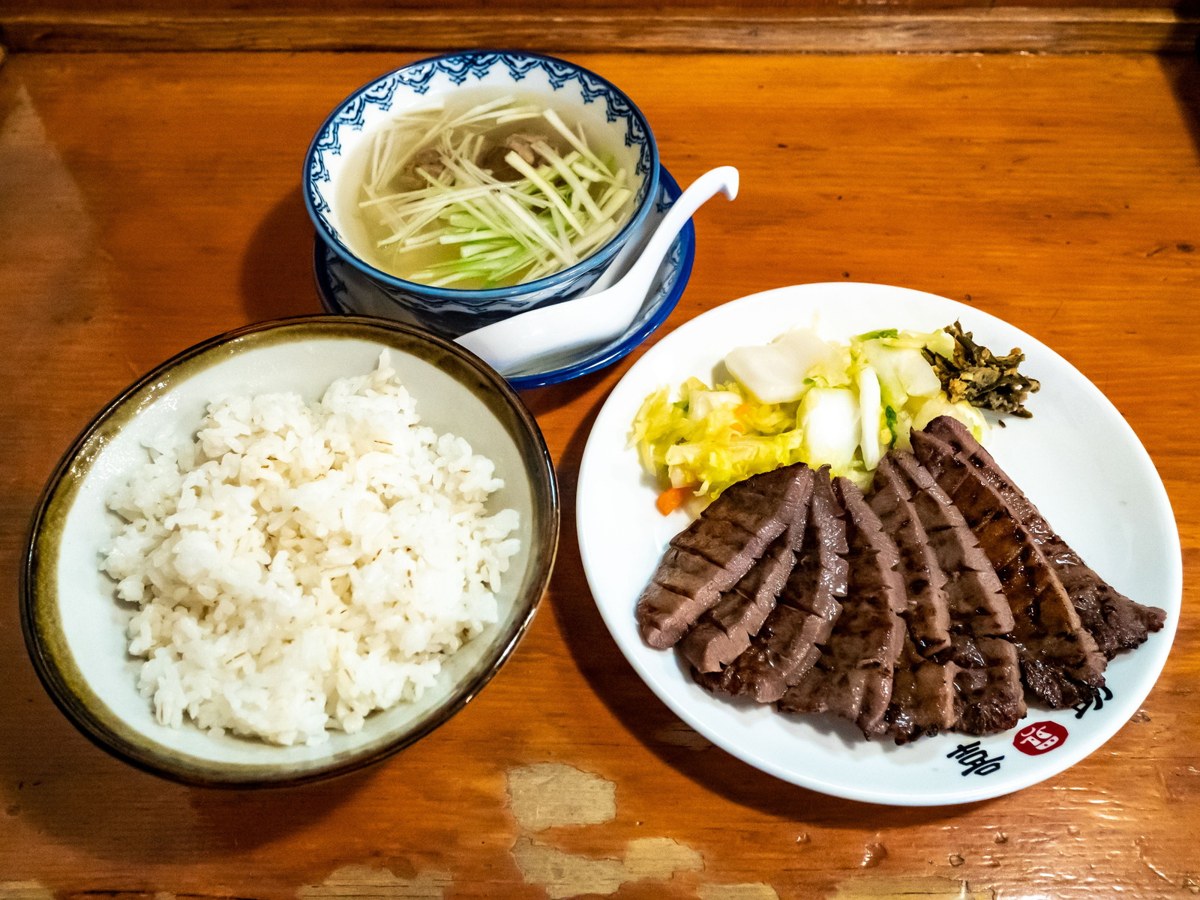
Food
Sendai gyutan — charcoal beef tongue the Sendai way, from Sendai, Miyagi
Miyagi’s great plate: thick tongue, charcoal, barley rice.
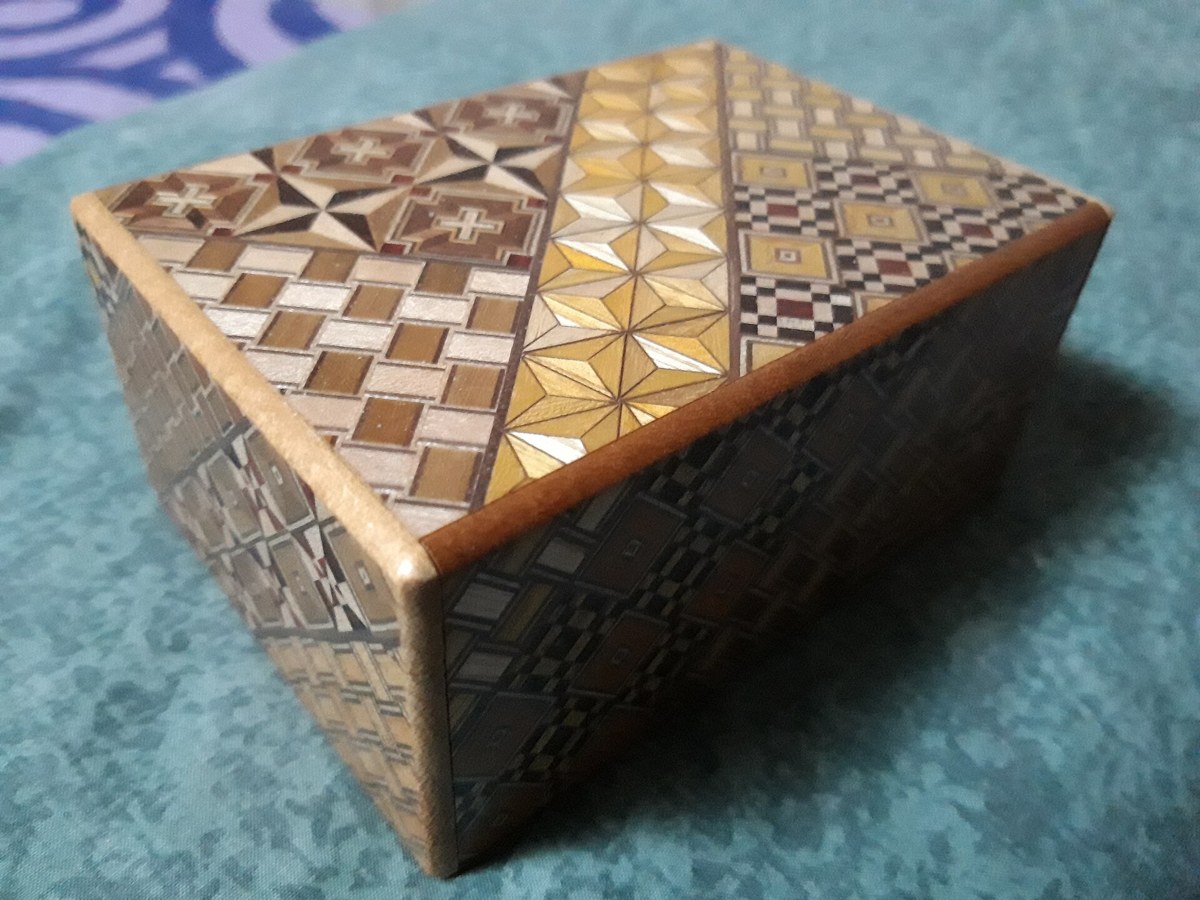
Craft
Hakone yosegi zaiku — undyed wood marquetry, from Hakone, Kanagawa
Kanagawa’s wood rainbow: geometry without a drop of dye.
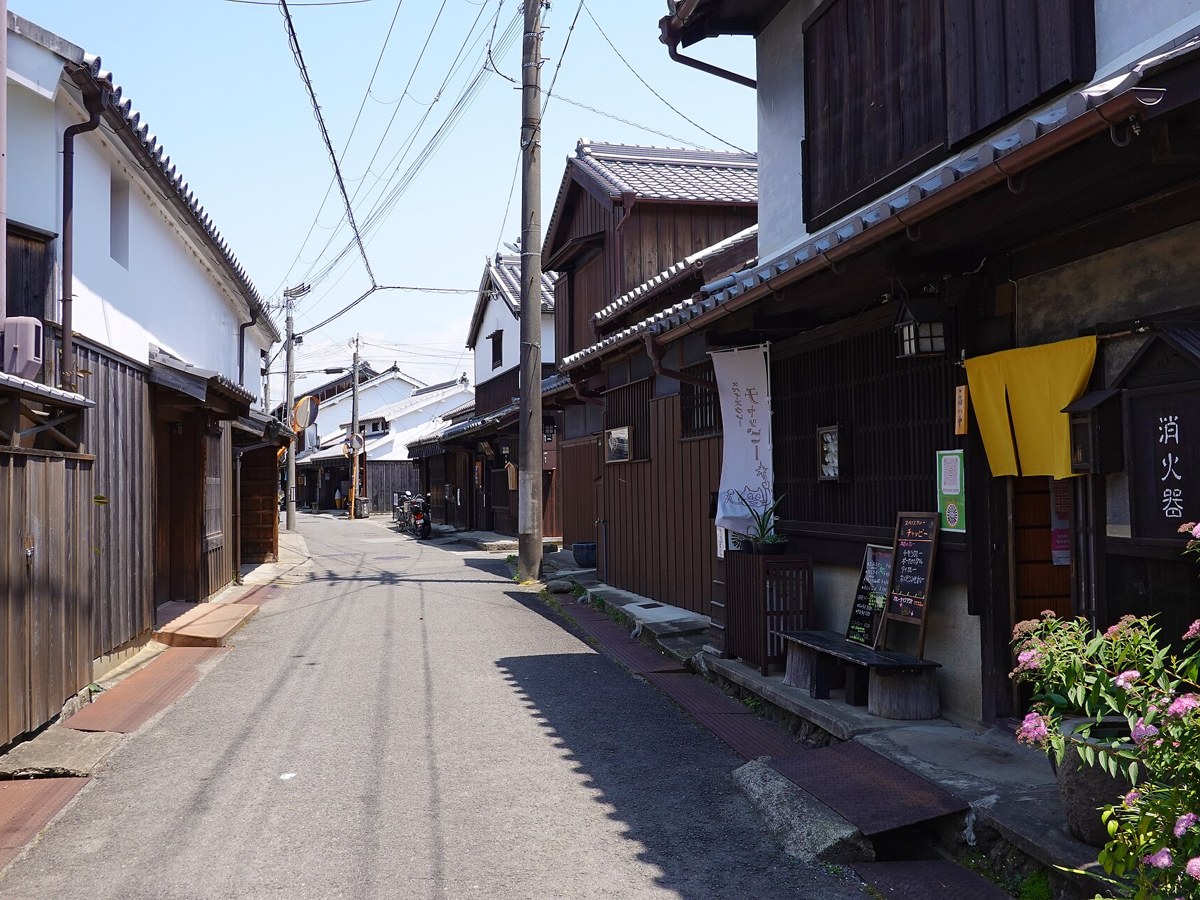
Food
Yuasa shoyu — soy sauce from its birthplace town, from Yuasa, Wakayama
Wakayama’s original seasoning: the town soy sauce started in.
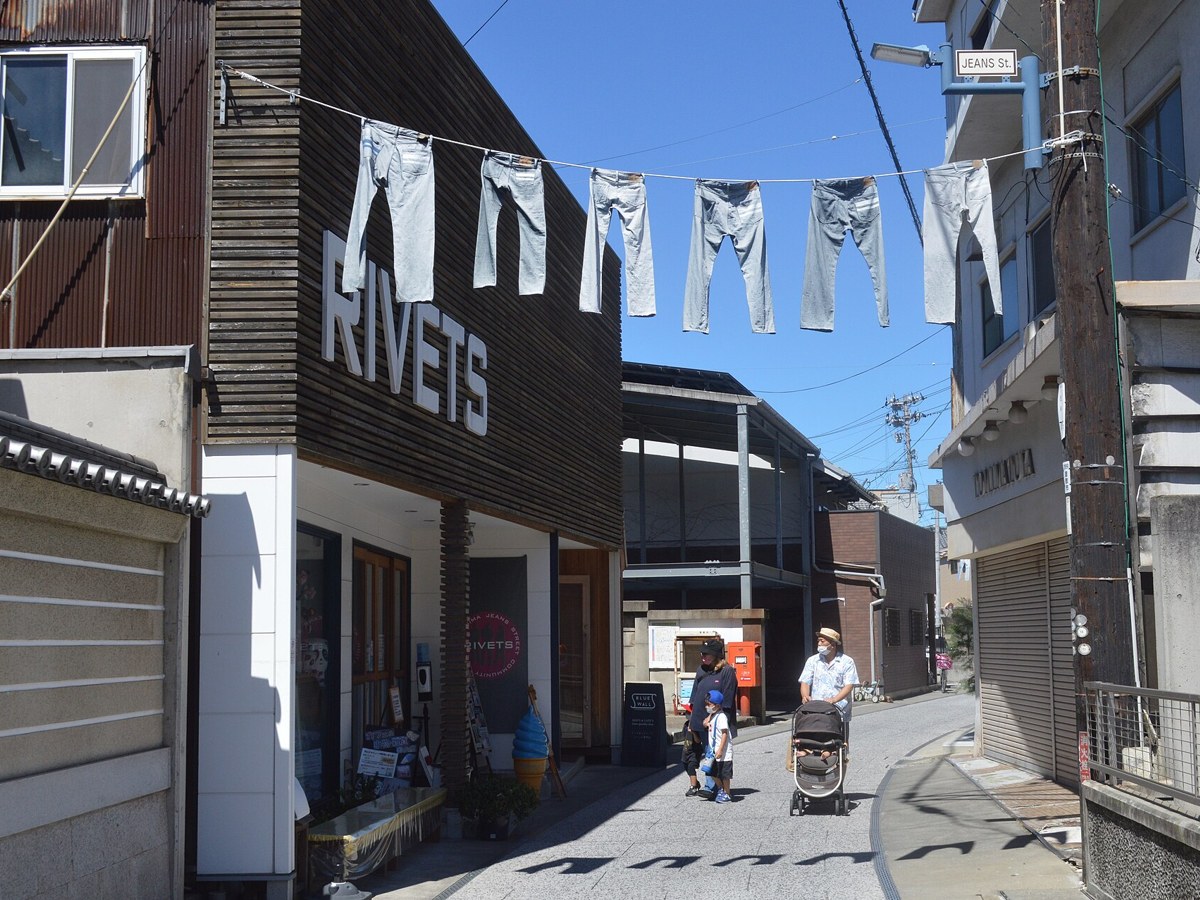
Craft
Kojima jeans — denim from its Japanese hometown, from Kojima, Kurashiki City, Okayama
Okayama’s indigo mile: jeans overhead, makers at street level.
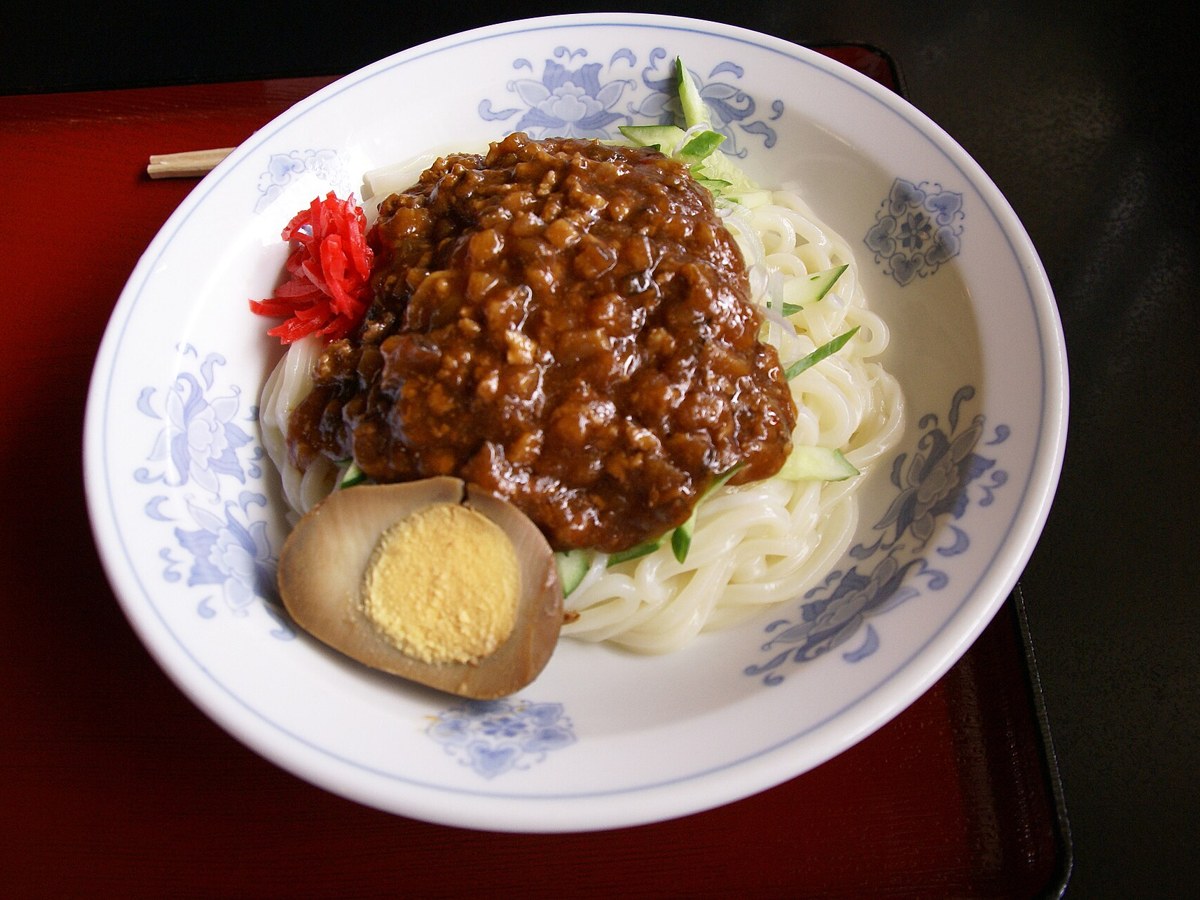
Food
Morioka jajamen — mixed meat-miso noodles with a chitantan finale, from Morioka, Iwate
Iwate’s hands-on noodle: mix it, season it, soup it.
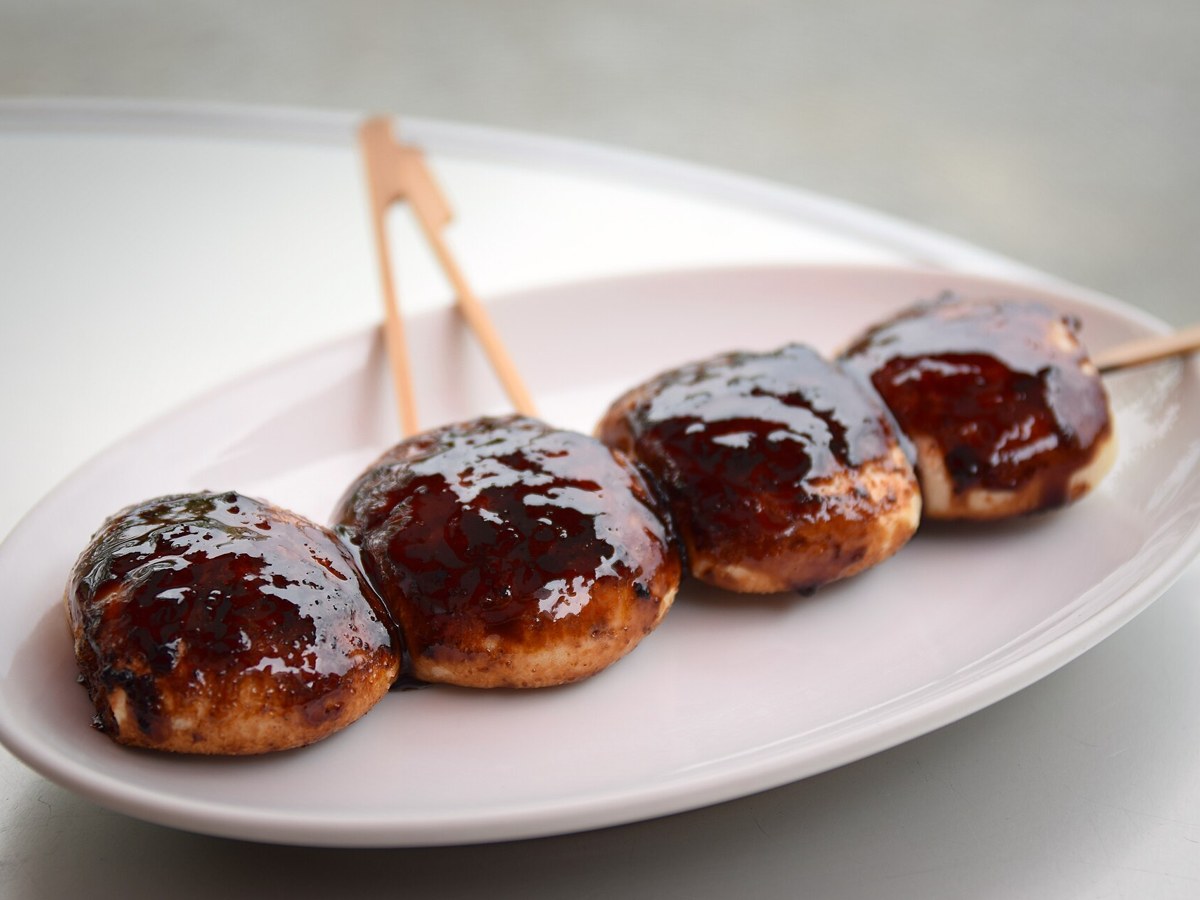
Food
Yaki manju — miso-glazed grilled buns, from Maebashi, Gunma
Gunma’s secret sweet: miso, charcoal and a bamboo skewer.
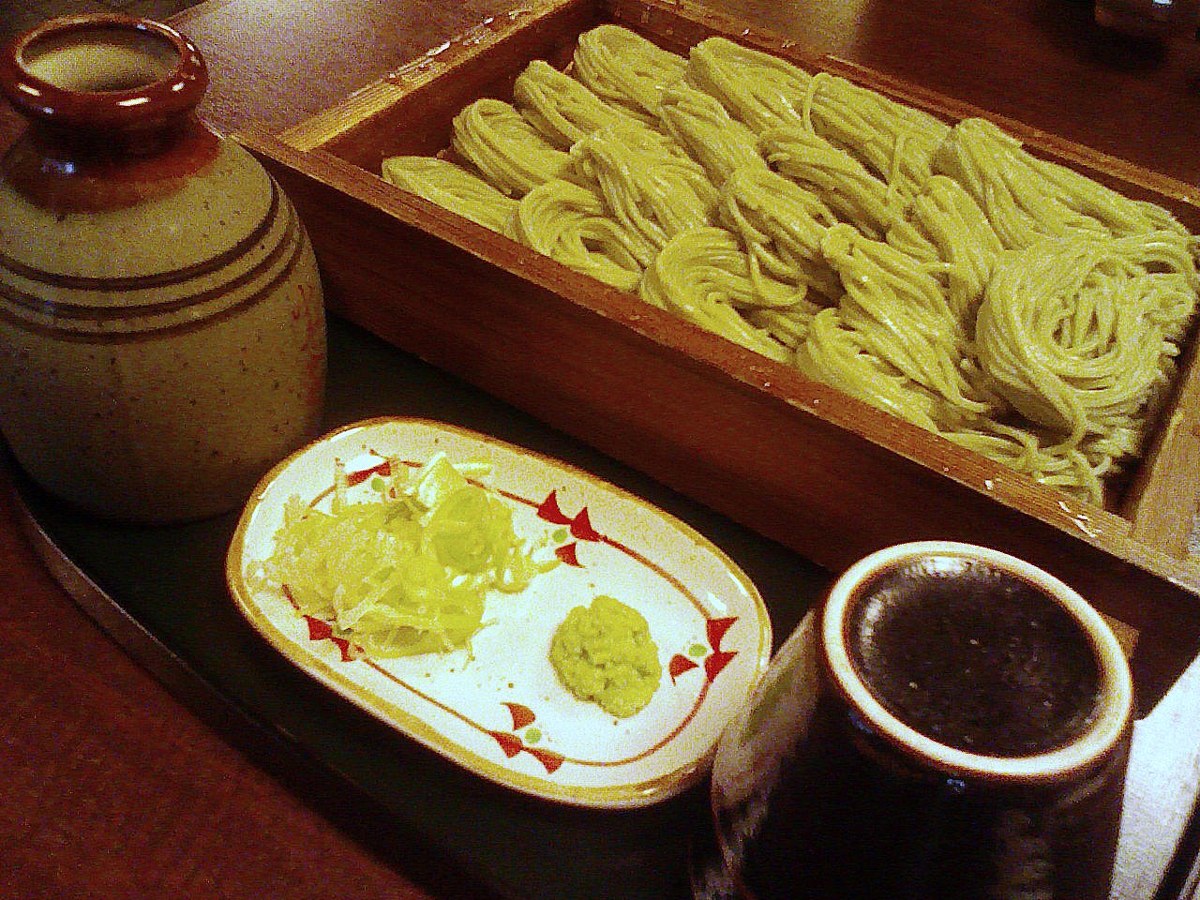
Food
Hegi soba — funori-bound buckwheat noodles, from Tokamachi & Ojiya, Niigata
Niigata’s woven noodle: seaweed-bound, bundle by bundle.
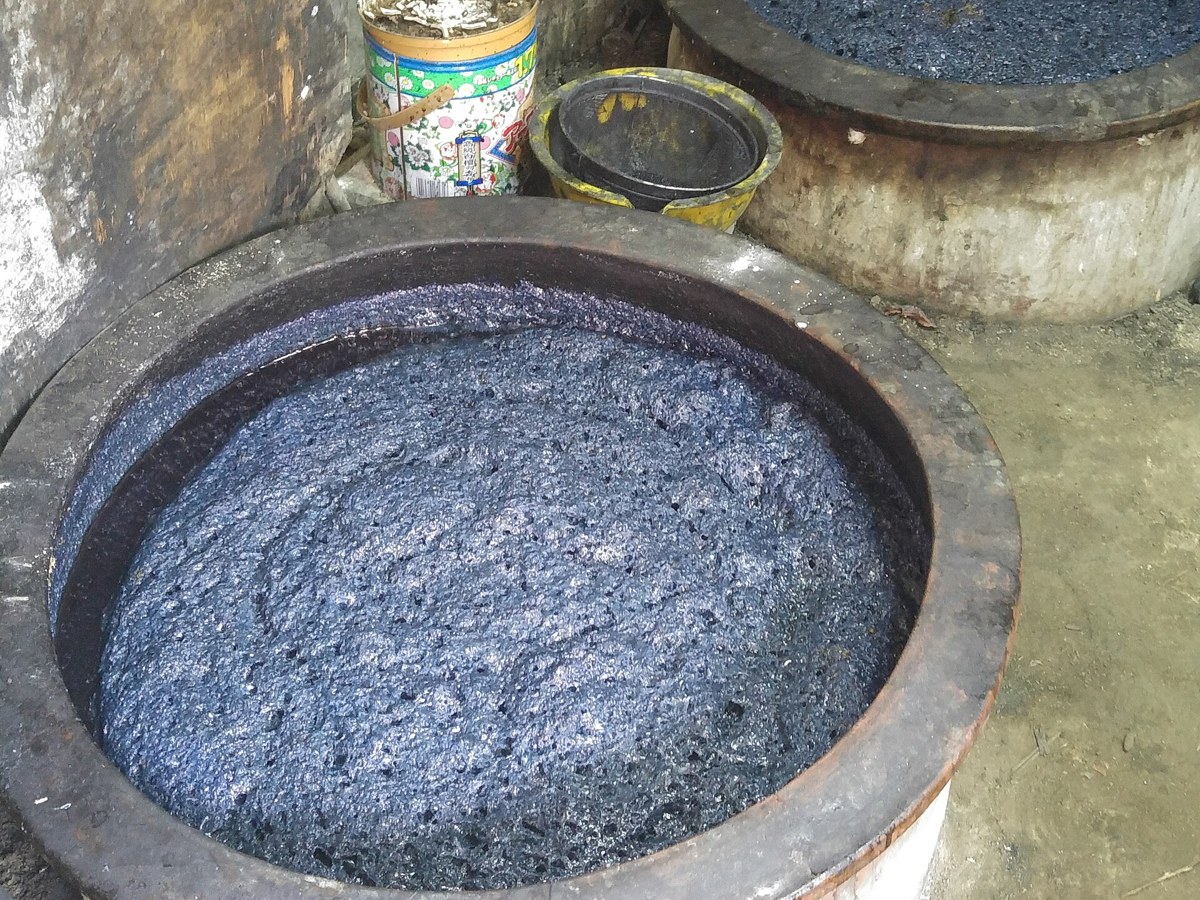
Craft
Awa indigo — sukumo dyeing from the Yoshino River basin, from Aizumi, Tokushima
Tokushima’s deep blue: leaf, fermentation and a river.
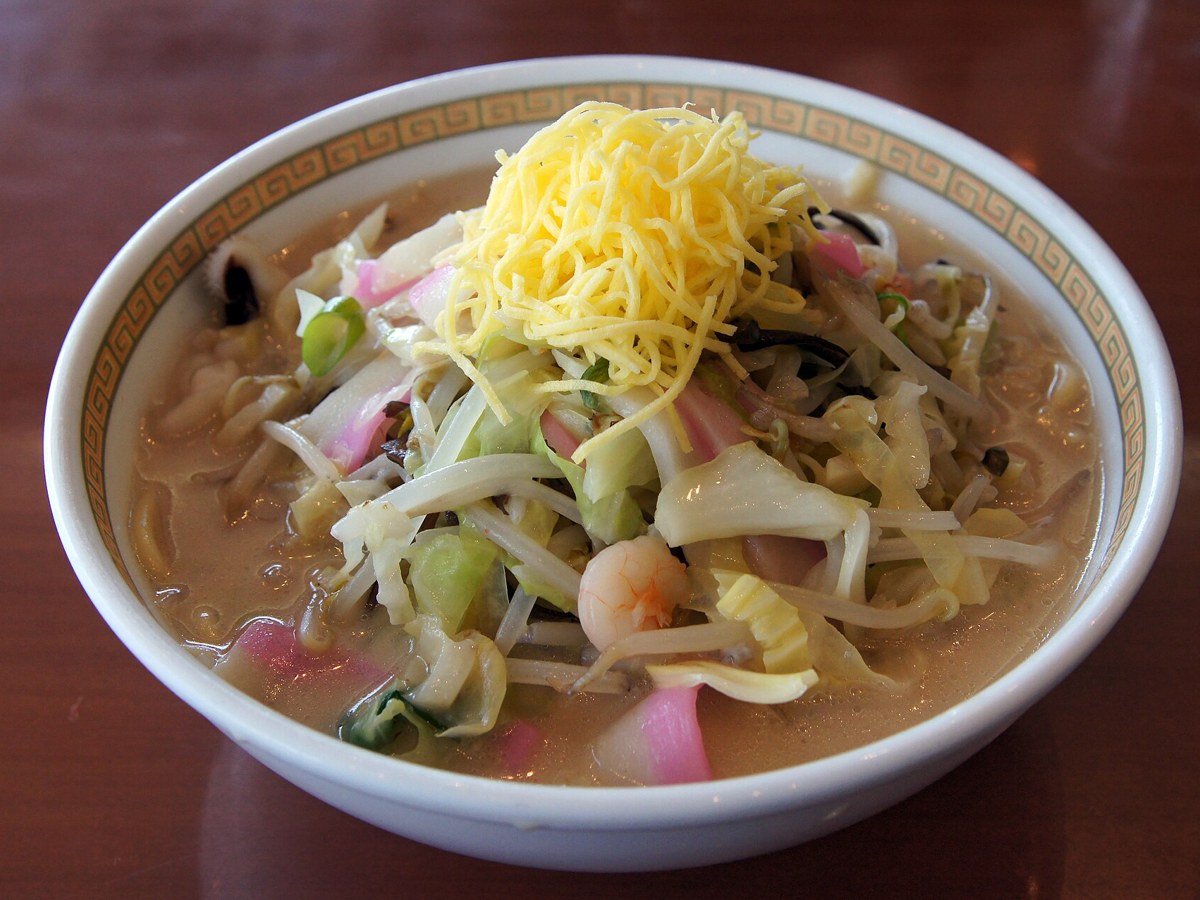
Food
Nagasaki champon — the port city’s noodle soup, from Nagasaki City, Nagasaki
Nagasaki’s engineered bowl: broth, stir-fry and harbour.
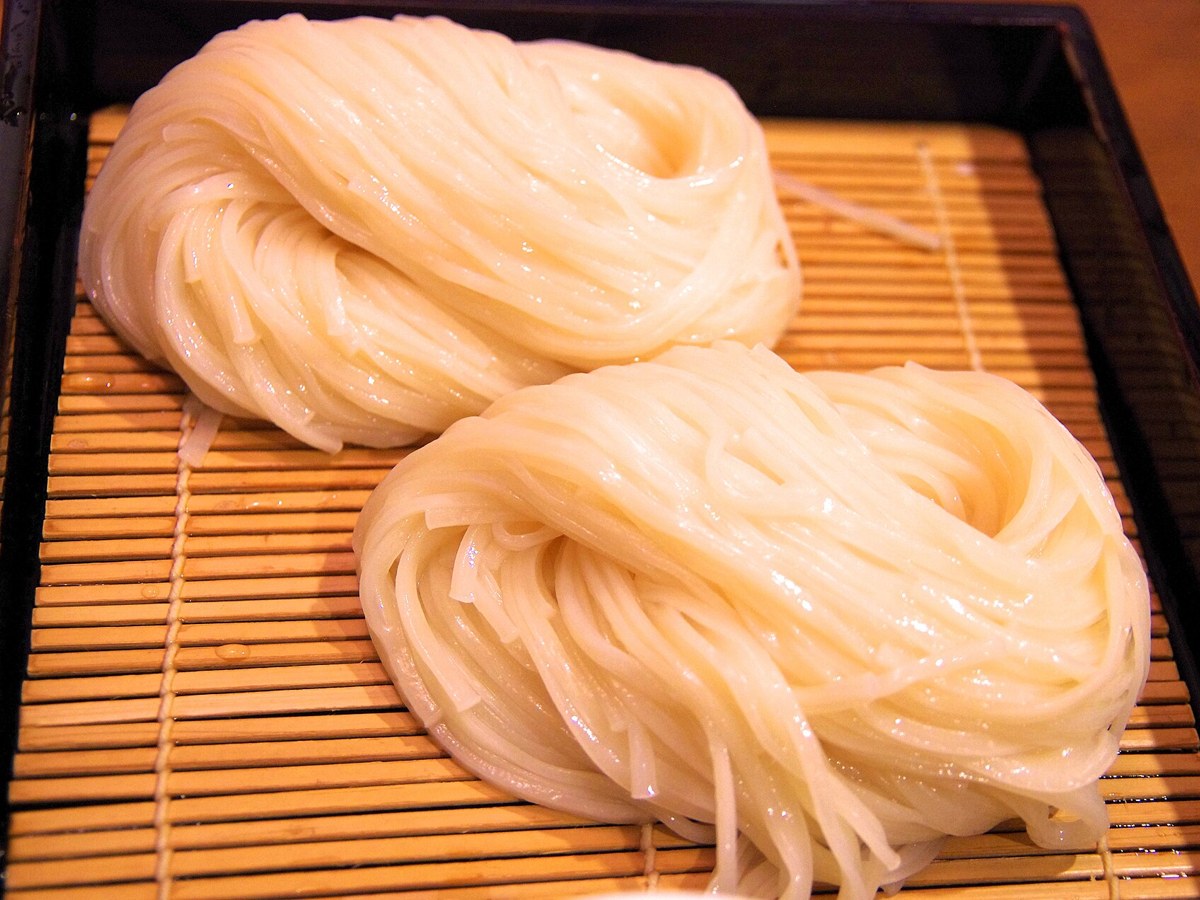
Food
Inaniwa udon — hand-stretched dried udon, from Yuzawa, Akita
Akita’s silken udon: rope-twisted, aged, pulled by hand.
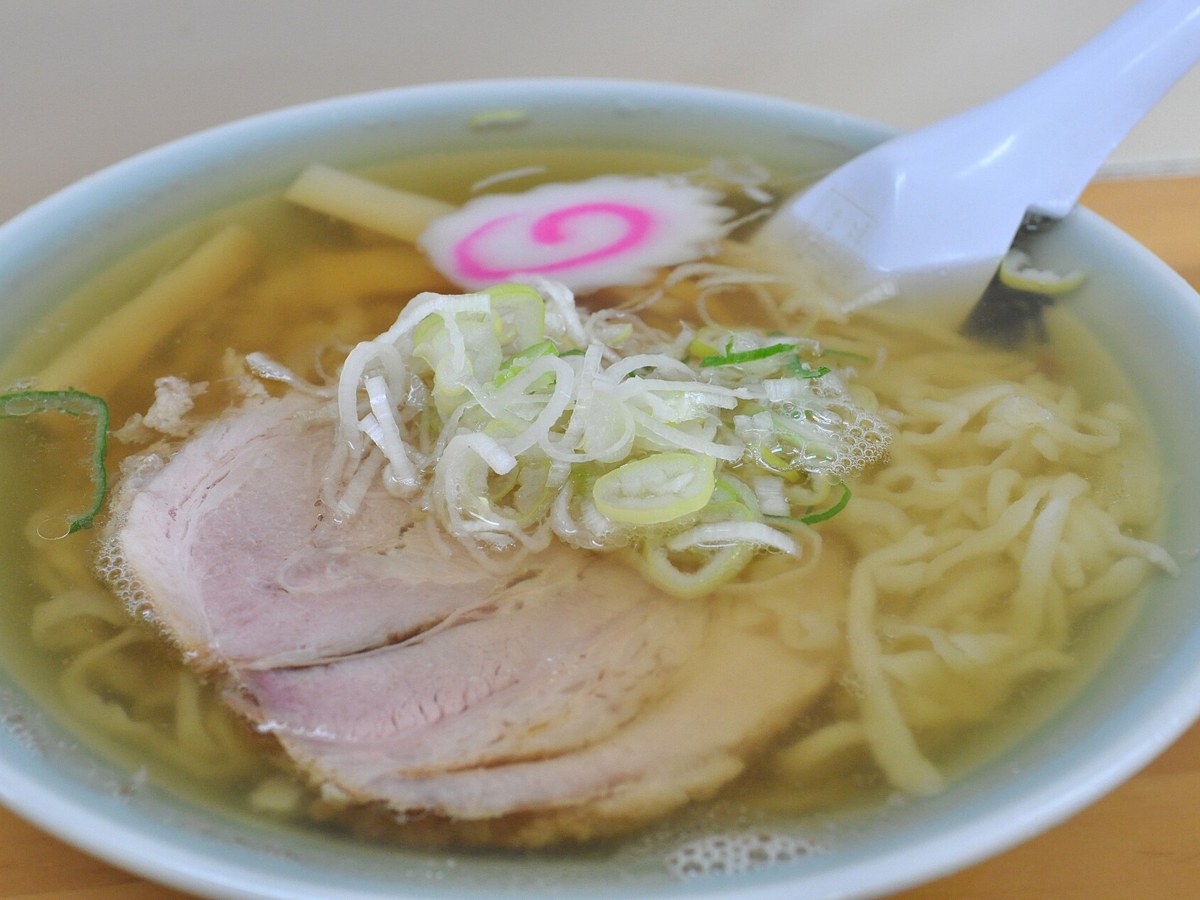
Food
Sano ramen — bamboo-pressed noodles in clear broth, from Sano, Tochigi
Tochigi’s dancing noodle: bamboo, body weight, clear soup.
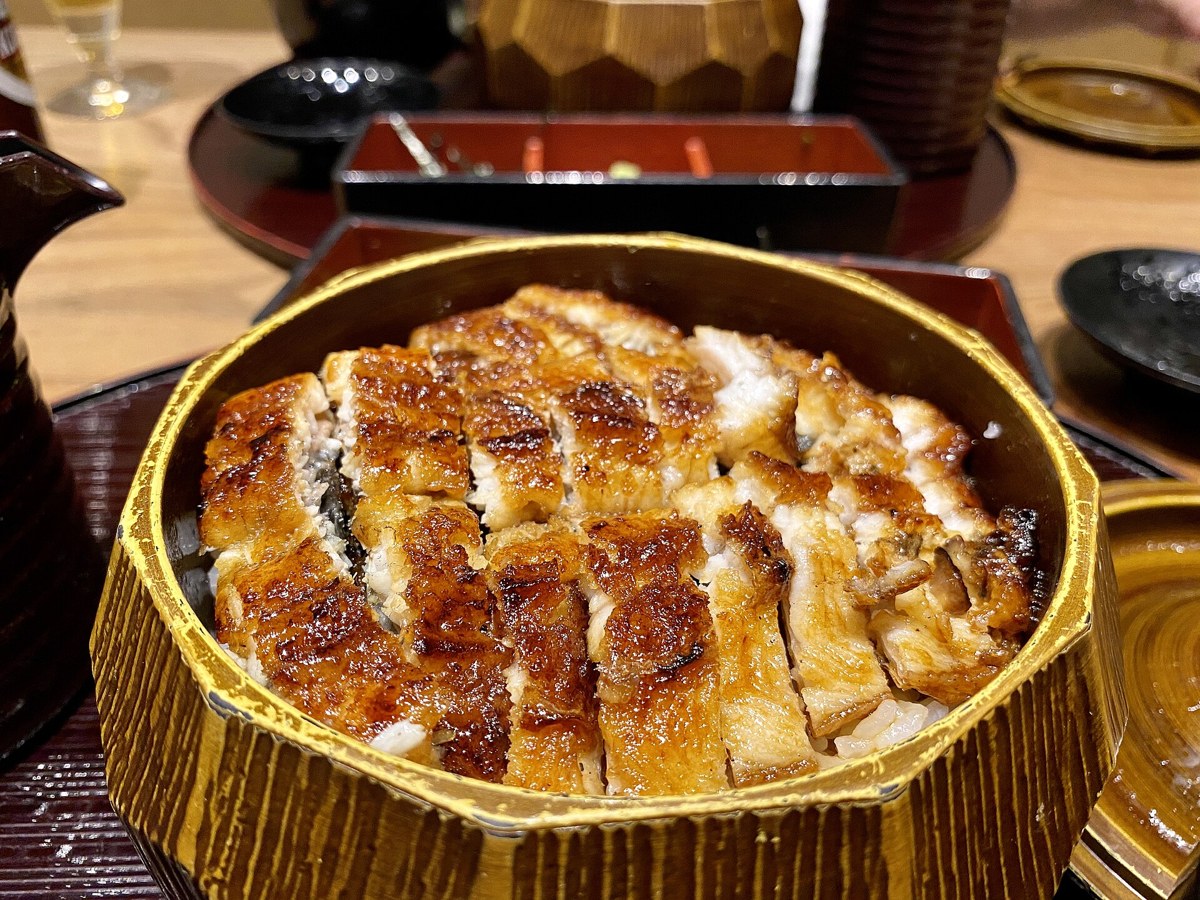
Food
Hitsumabushi — chopped eel over rice, eaten three ways, from Nagoya, Aichi
Nagoya’s triple eel: plain, seasoned, drowned in dashi.
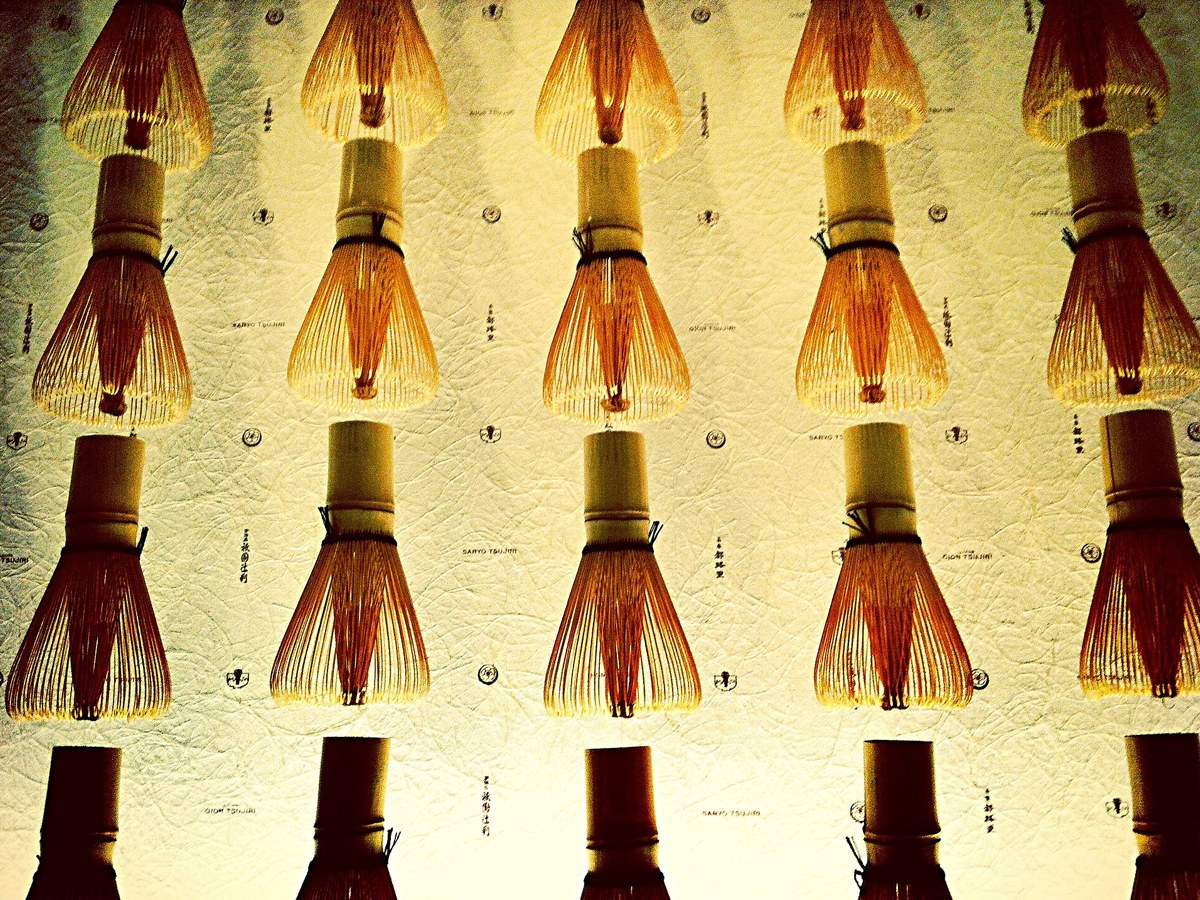
Craft
Takayama chasen — hand-split bamboo tea whisks, from Takayama, Ikoma, Nara
Nara’s essential whisk: one bamboo, split by hand.
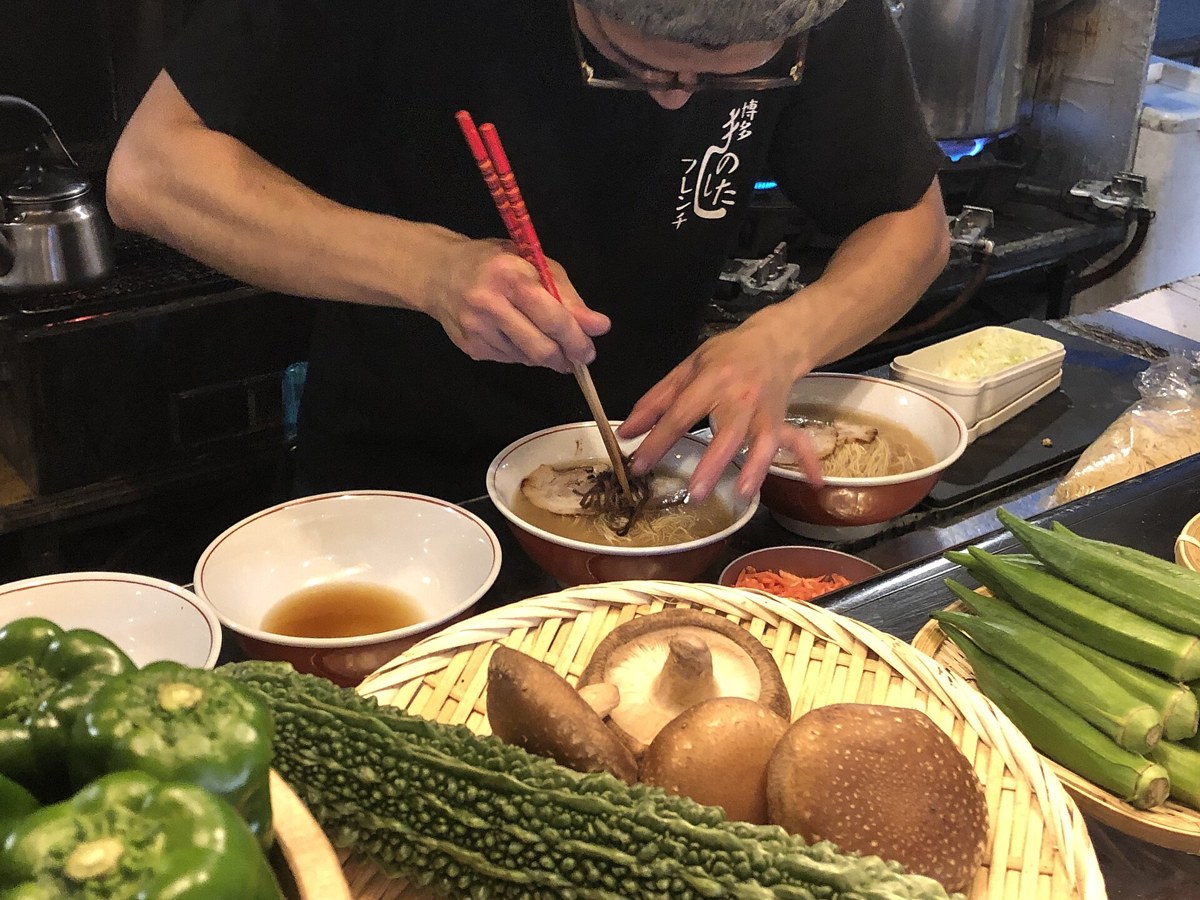
Food
Hakata ramen — tonkotsu broth and the kaedama refill, from Hakata, Fukuoka
Fukuoka’s refill ramen: thin noodles, precious broth.
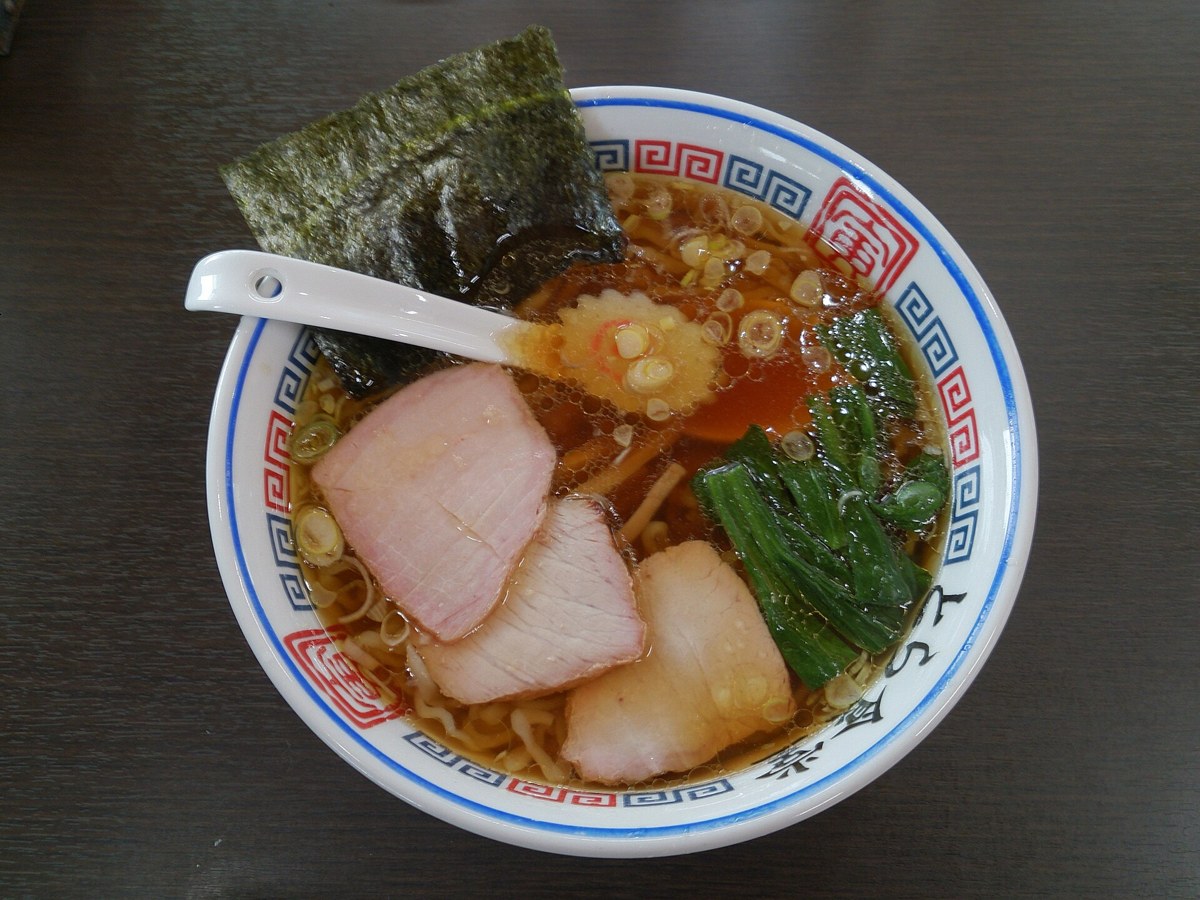
Food
Shirakawa ramen — hand-kneaded curly noodles in clear soy broth, from Shirakawa, Fukushima
Fukushima’s clear ramen: hand-kneaded curls, gentle soy.
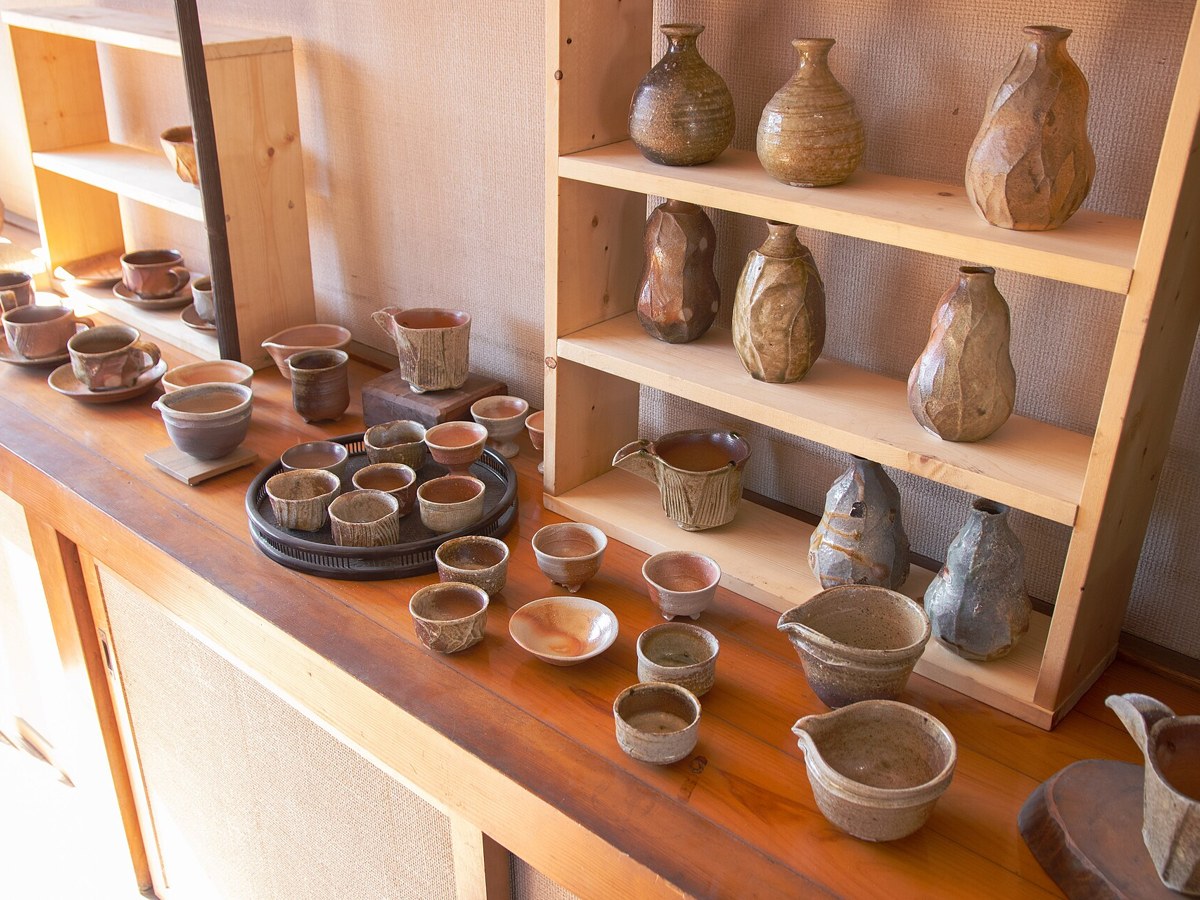
Craft
Kasama ware — iron-clay stoneware in every potter’s own form, from Kasama, Ibaraki
Ibaraki’s open kiln town: brown clay, poured glaze, freedom.
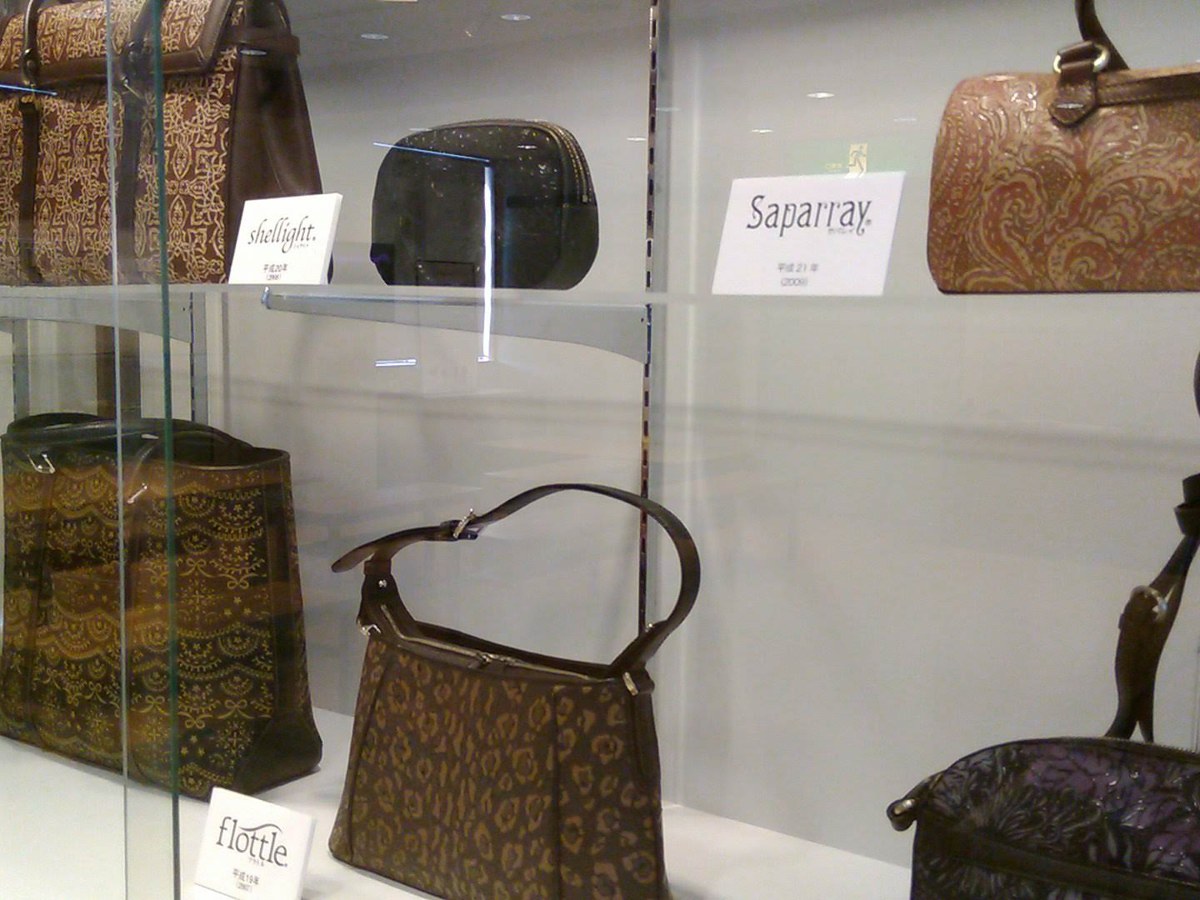
Craft
Koshu Inden — lacquer-patterned deerskin leatherwork, from Kofu, Yamanashi
Yamanashi’s secret leather: lacquer blossoms on deerskin.
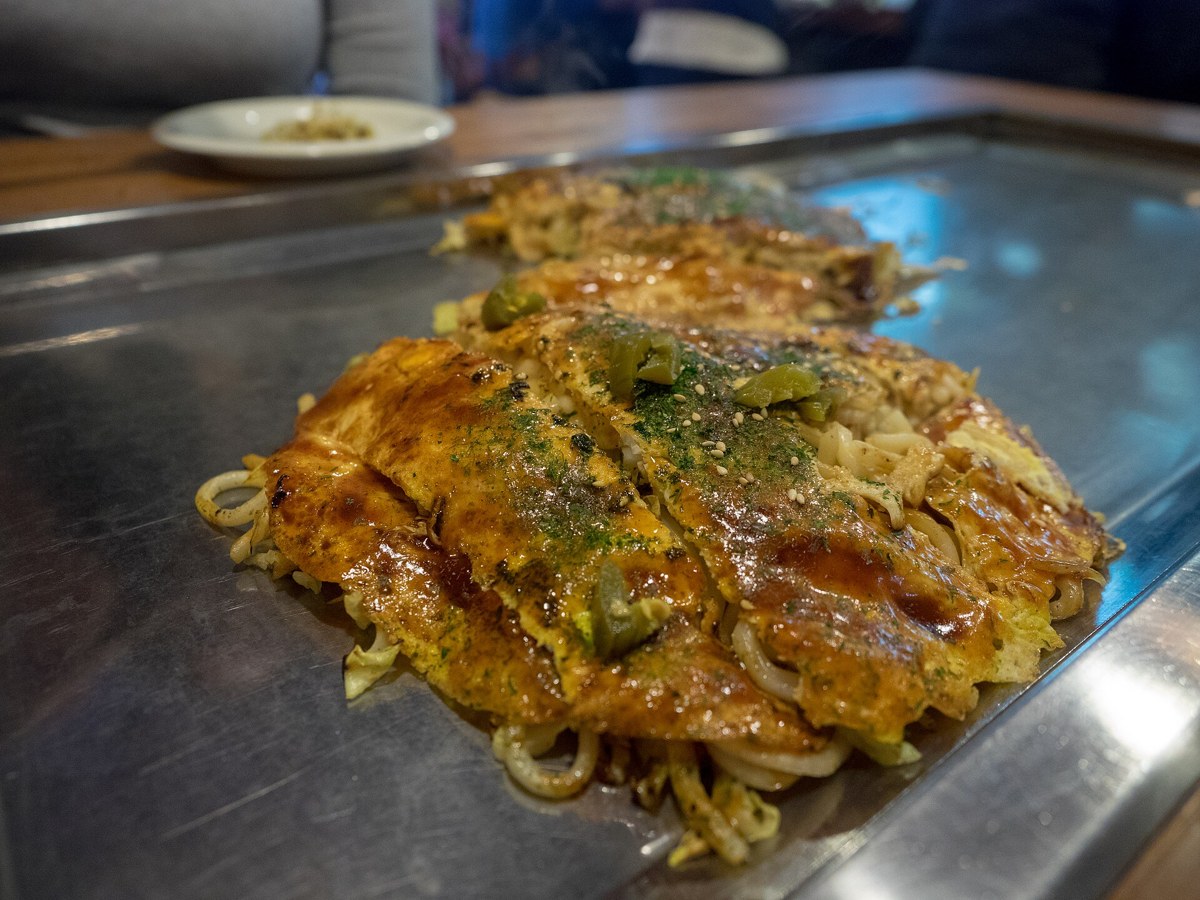
Food
Hiroshima okonomiyaki — the layered teppan stack, from Hiroshima City, Hiroshima
Hiroshima’s layered stack: cabbage mountain, noodle base.
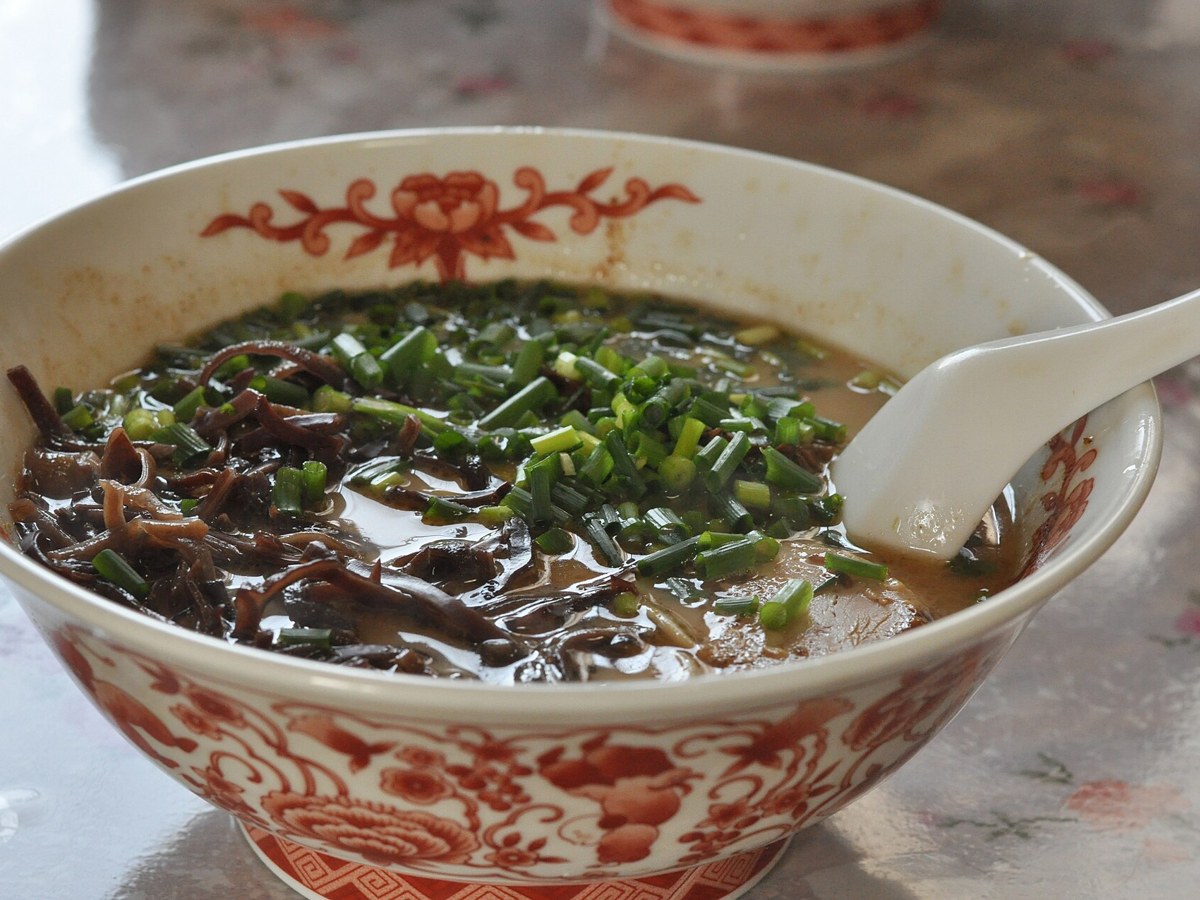
Food
Kumamoto ramen — mild tonkotsu and mayu black garlic oil, from Kumamoto City, Kumamoto
Kumamoto’s black-oil bowl: mild broth, thick noodles.
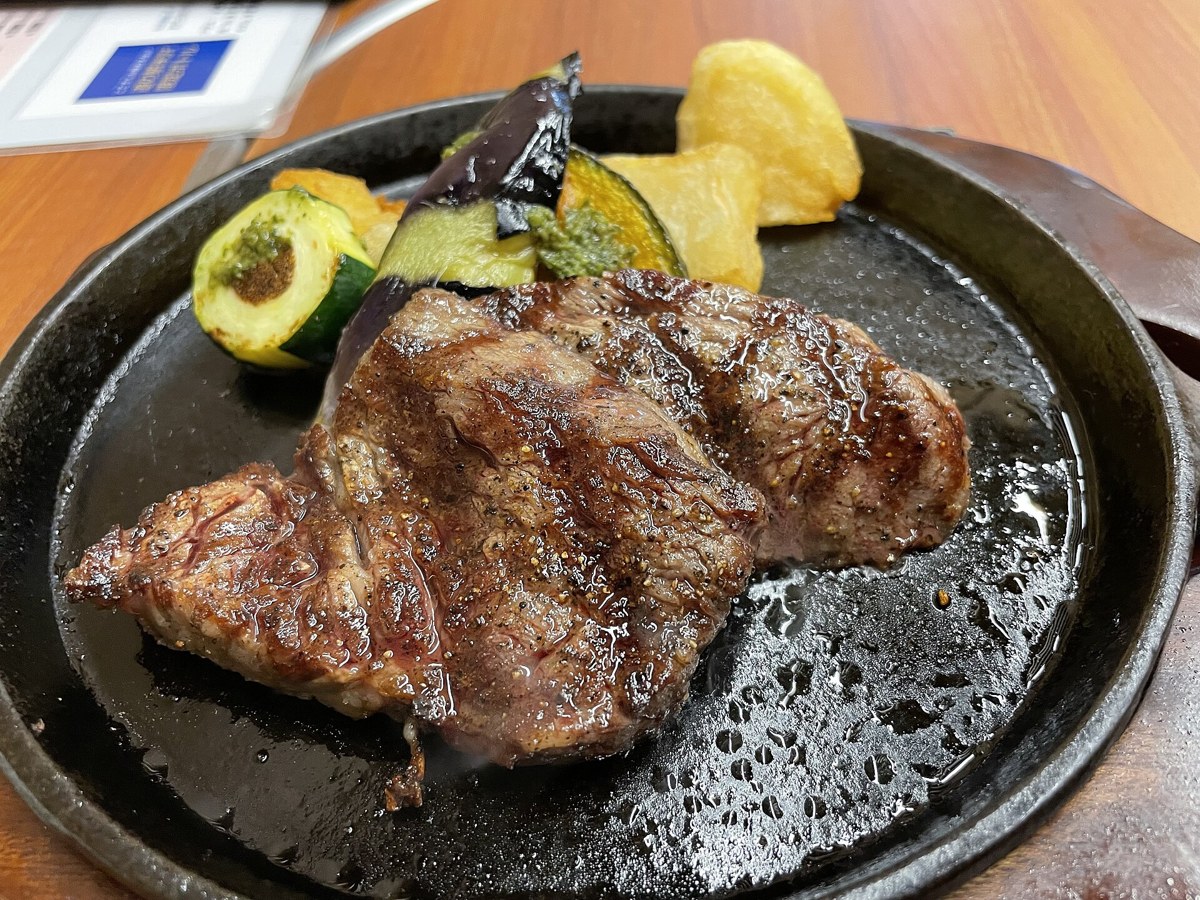
Food
Yonezawa beef — certified Okitama wagyu of 33-month heifers, from Yonezawa, Yamagata
Yamagata's certified wagyu: fine marbling, sweet fat.
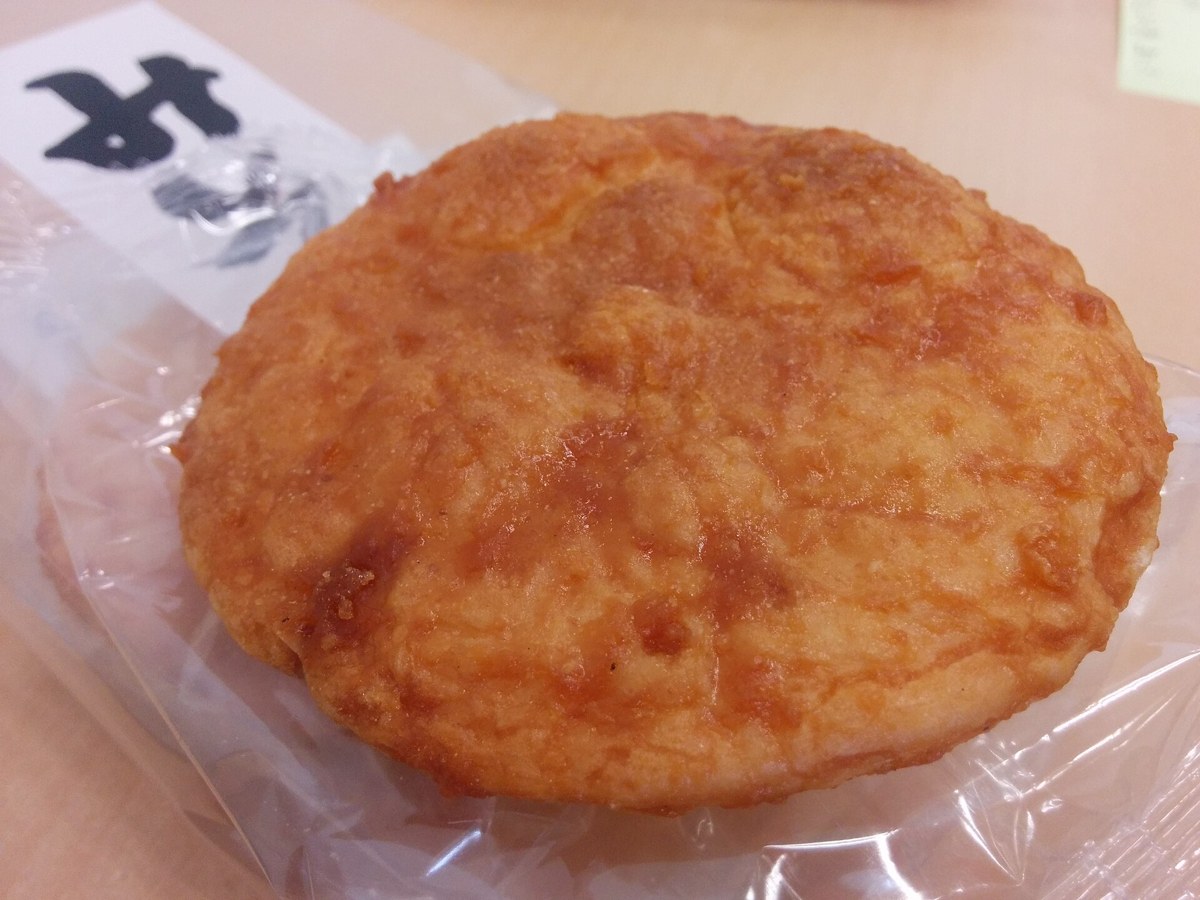
Food
Soka senbei — katayaki rice crackers pressed as they grill, from Soka, Saitama
Saitama’s post-town cracker: hard-baked, soy-glazed.
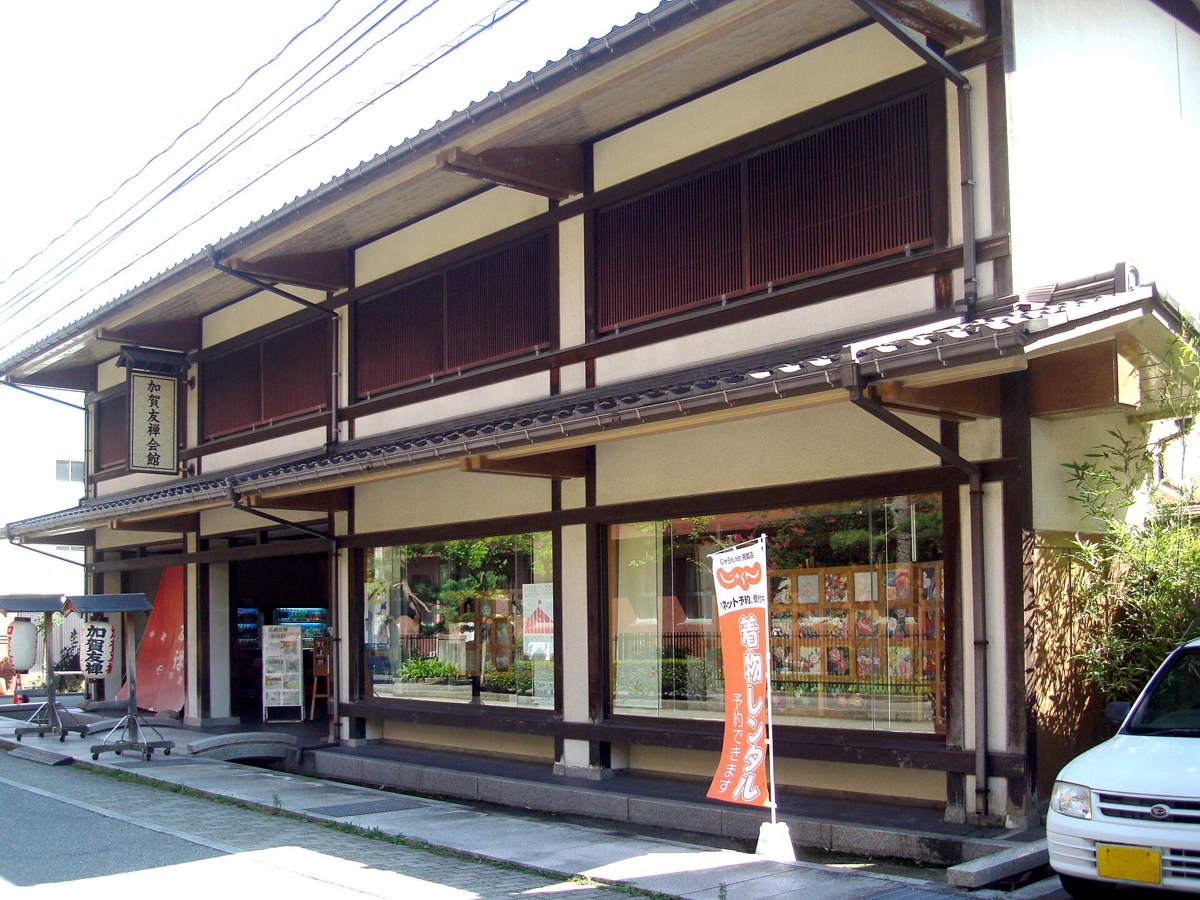
Craft
Kaga Yuzen — hand-painted silk dyeing in the Kaga gosai tones, from Kanazawa, Ishikawa
Ishikawa’s painted silk: five tones, honest leaves.
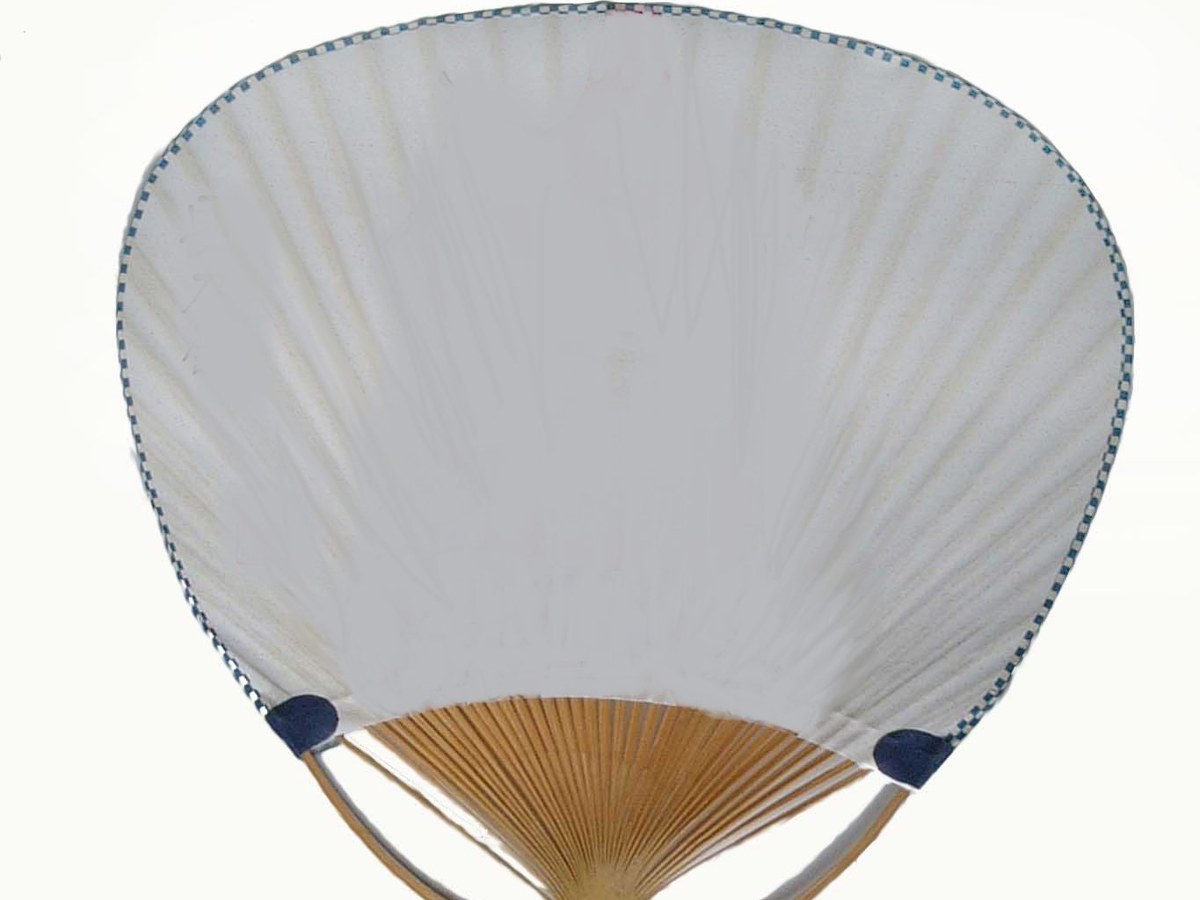
Craft
Marugame uchiwa — bamboo-and-paper fans split from a single bamboo, from Marugame, Kagawa
Kagawa’s fan city: one bamboo split into a summer.
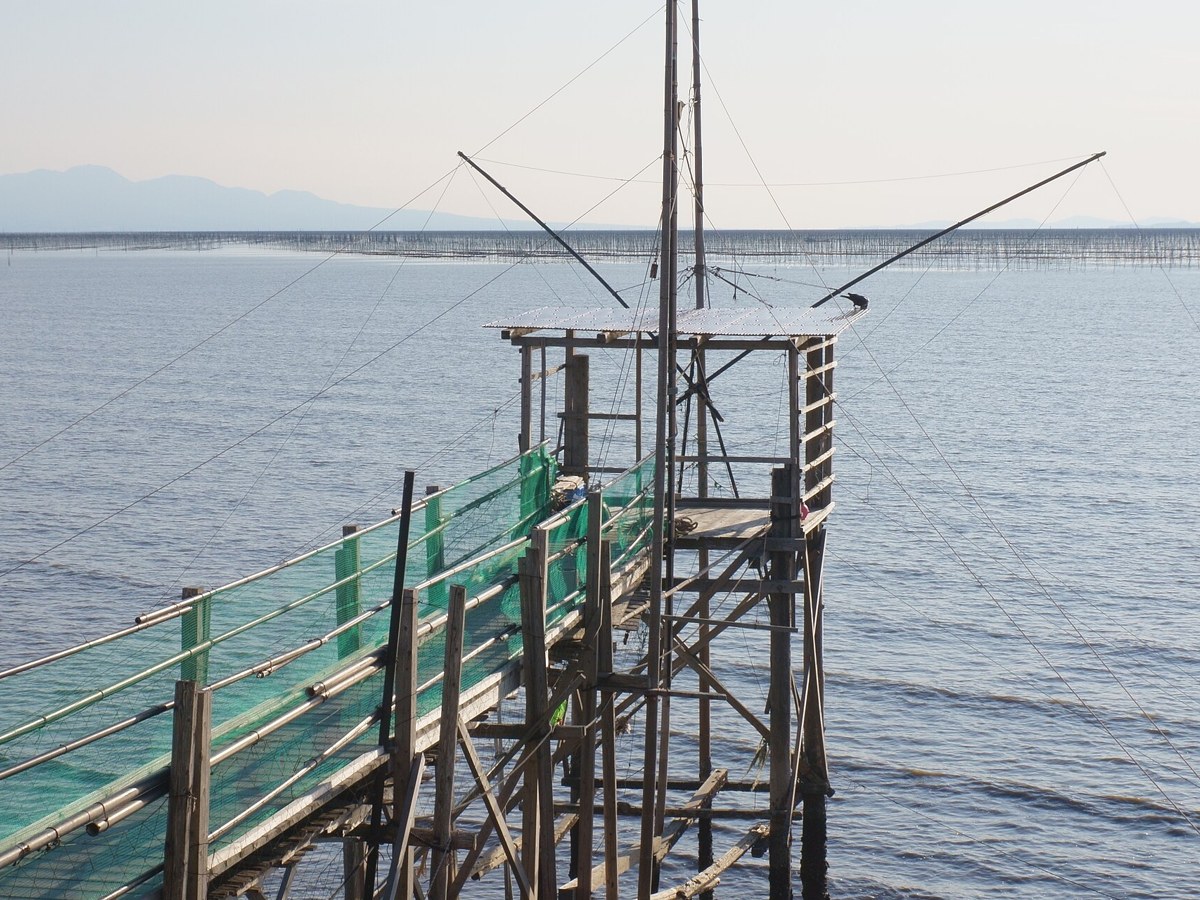
Food
Saga nori — pole-net seaweed from the six-metre tide, from the Ariake Sea, Saga
Saga’s black sheets: sun at low tide, feeding at high.
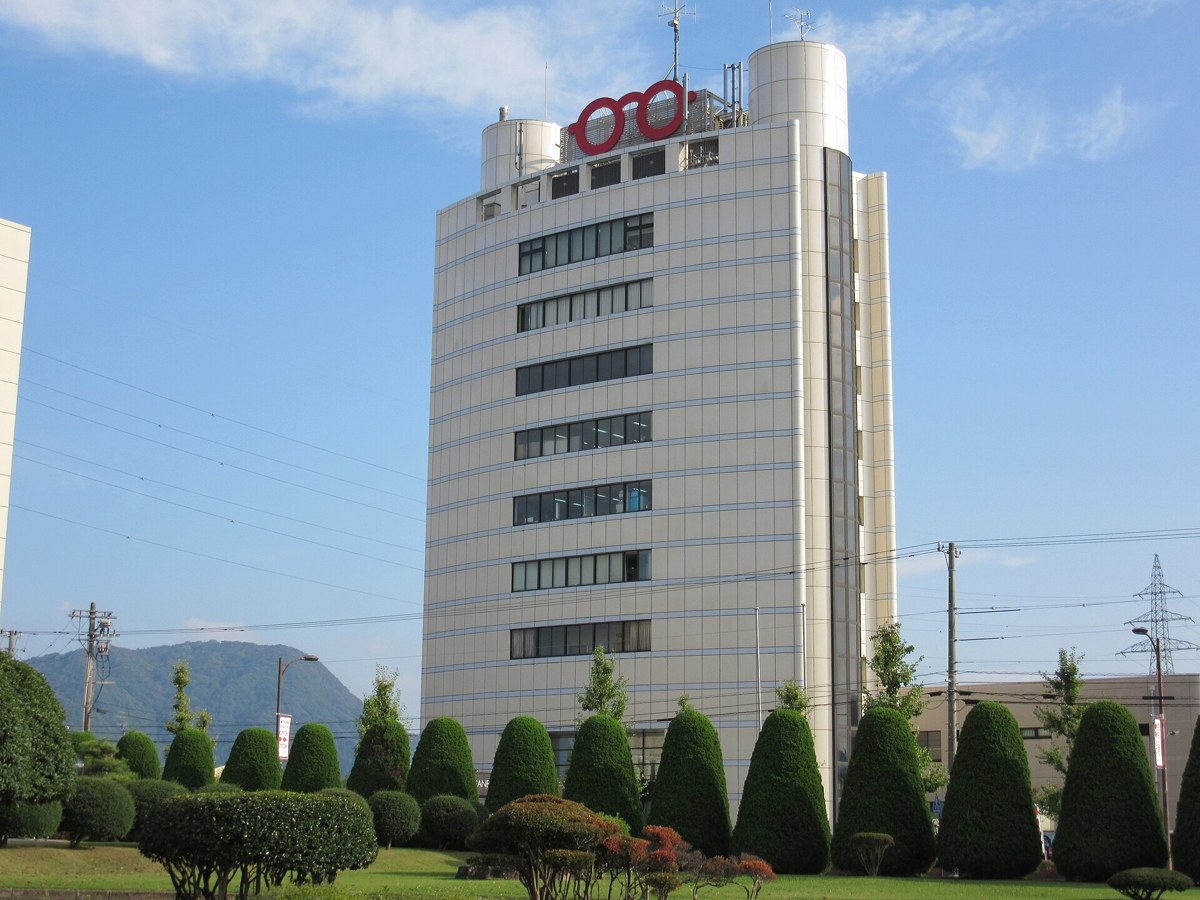
Craft
Sabae eyewear — eyeglass frames divided by component across a whole city, from Sabae, Fukui
Fukui's frame city: one town, one factory, 95%.
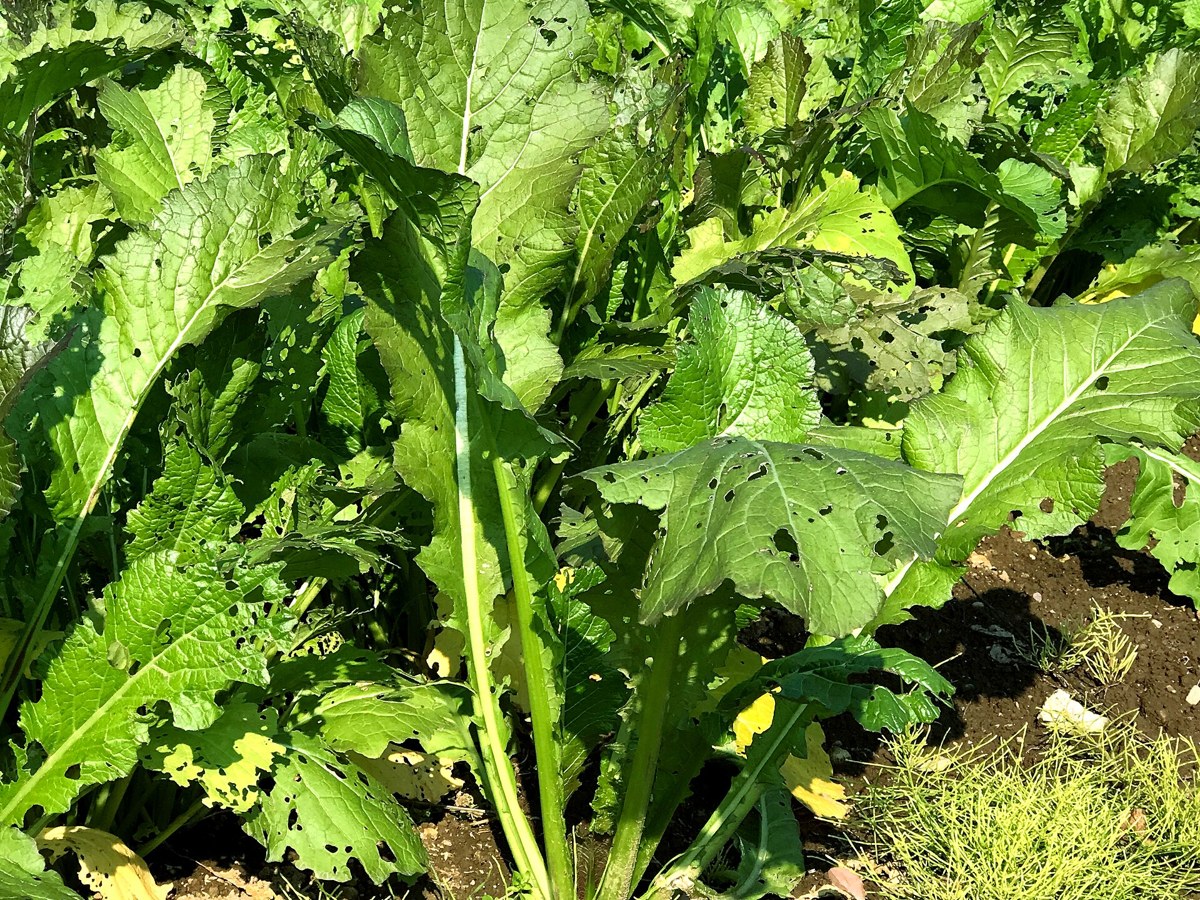
Food
Nozawana pickles — hot-spring-washed leaf pickles from a temple seed, from Nozawaonsen, Nagano
Nagano’s winter green: washed in onsen, pickled.
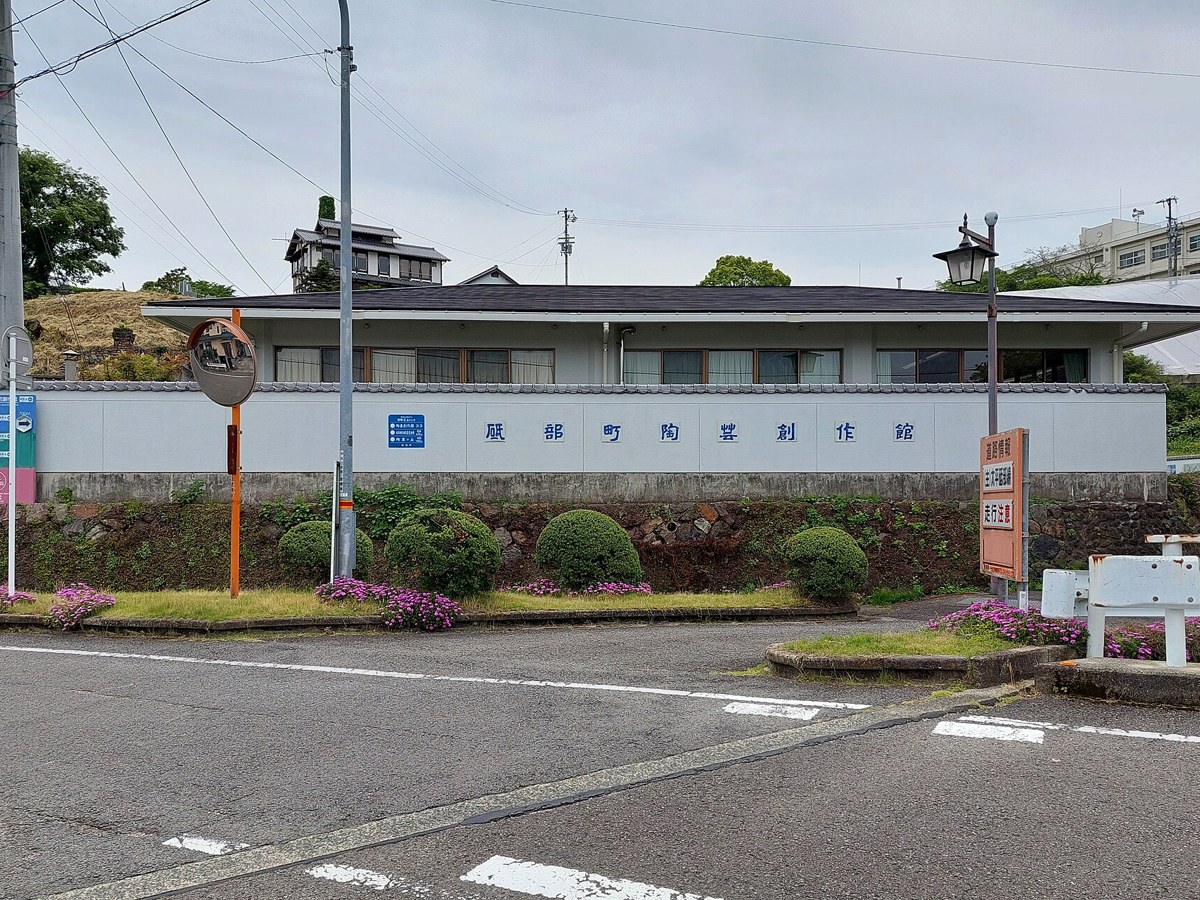
Craft
Tobe ware — white porcelain born of whetstone scraps, from Tobe, Ehime
Ehime’s porcelain: white, indigo, made of scraps.
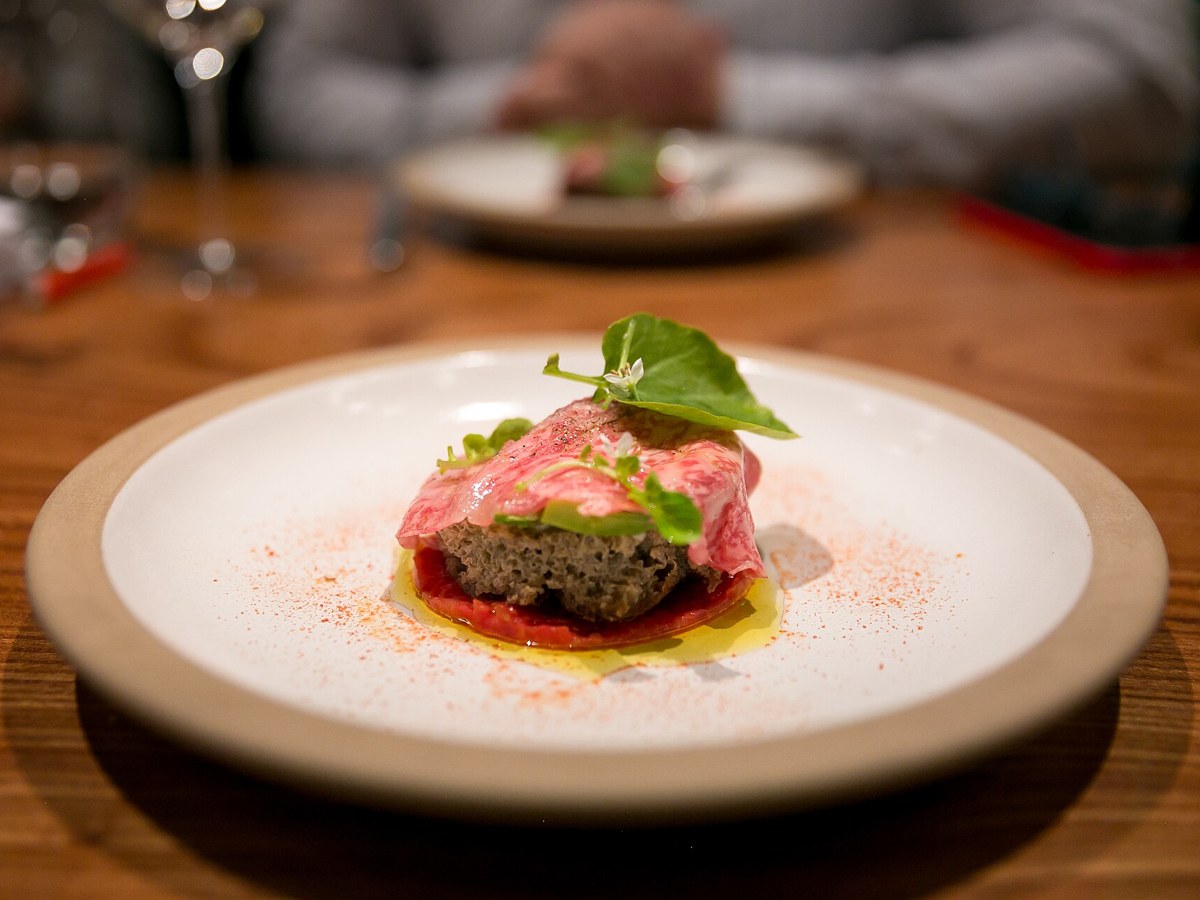
Food
Miyazaki beef — GI-certified wagyu of prefectural-bull bloodlines, from Miyazaki
Miyazaki’s champion: four Olympics, one herd book.
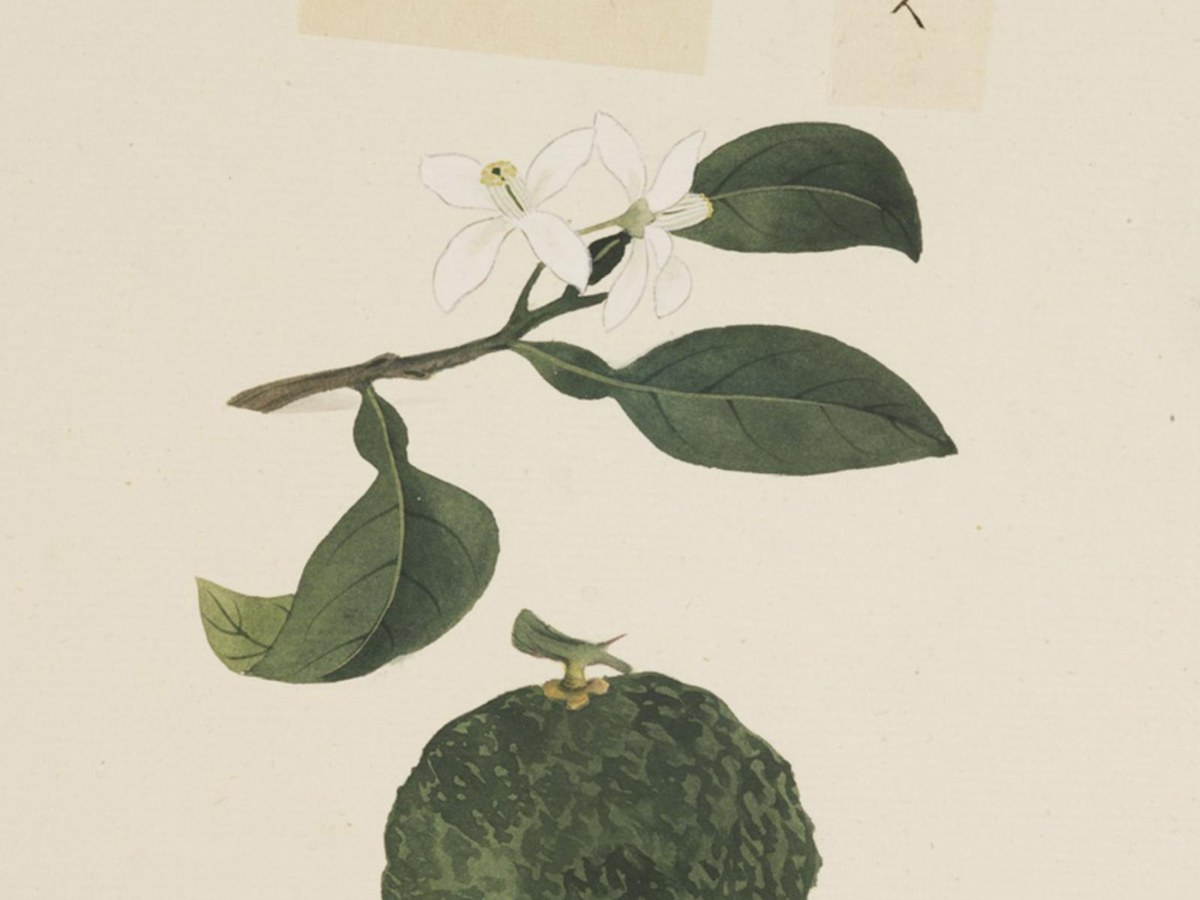
Food
Oita kabosu — the green sour citrus of a single prefecture, from Usuki & Taketa, Oita
Oita’s green sour: 90% of Japan in one fruit.
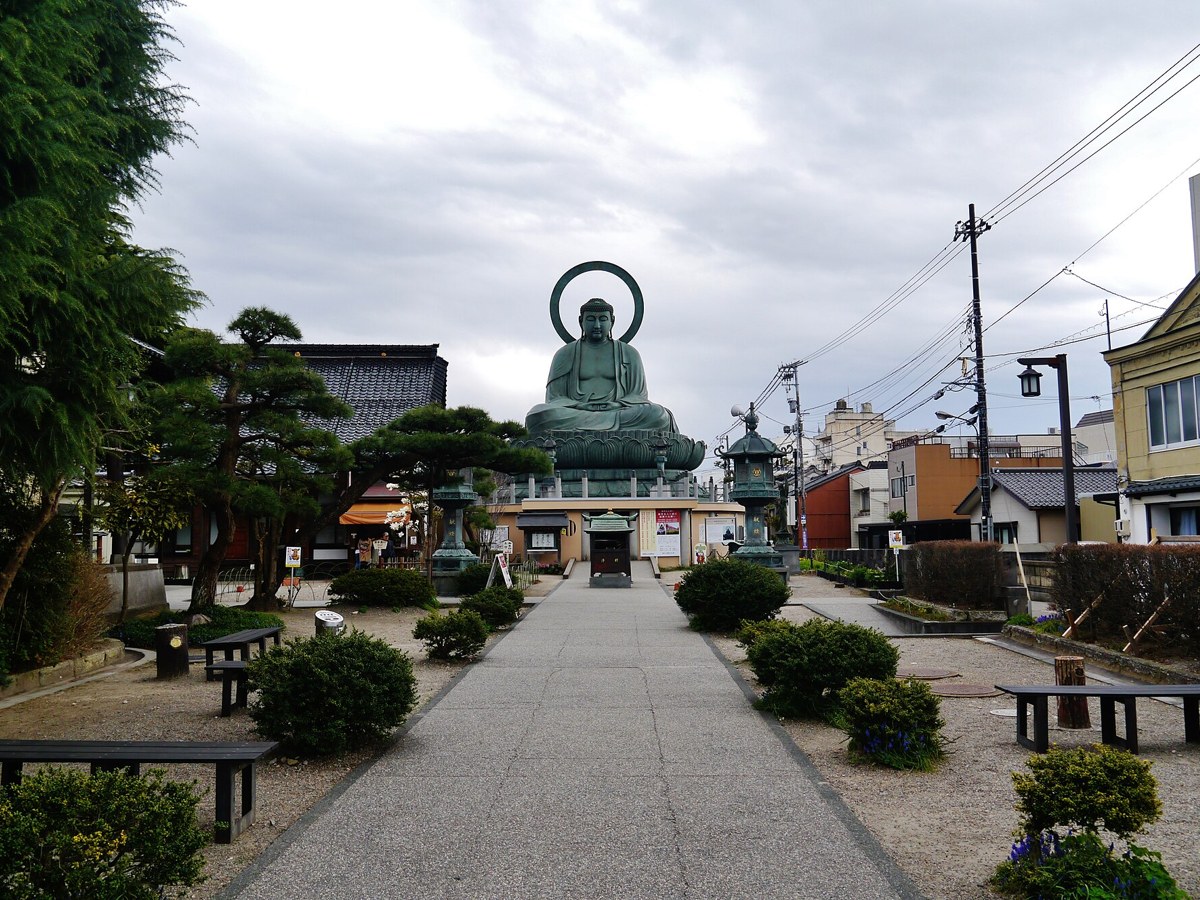
Craft
Takaoka copperware — bronze and copper cast by a whole city since 1611, from Takaoka, Toyama
Toyama's casting city: 90% of Japan's copper.
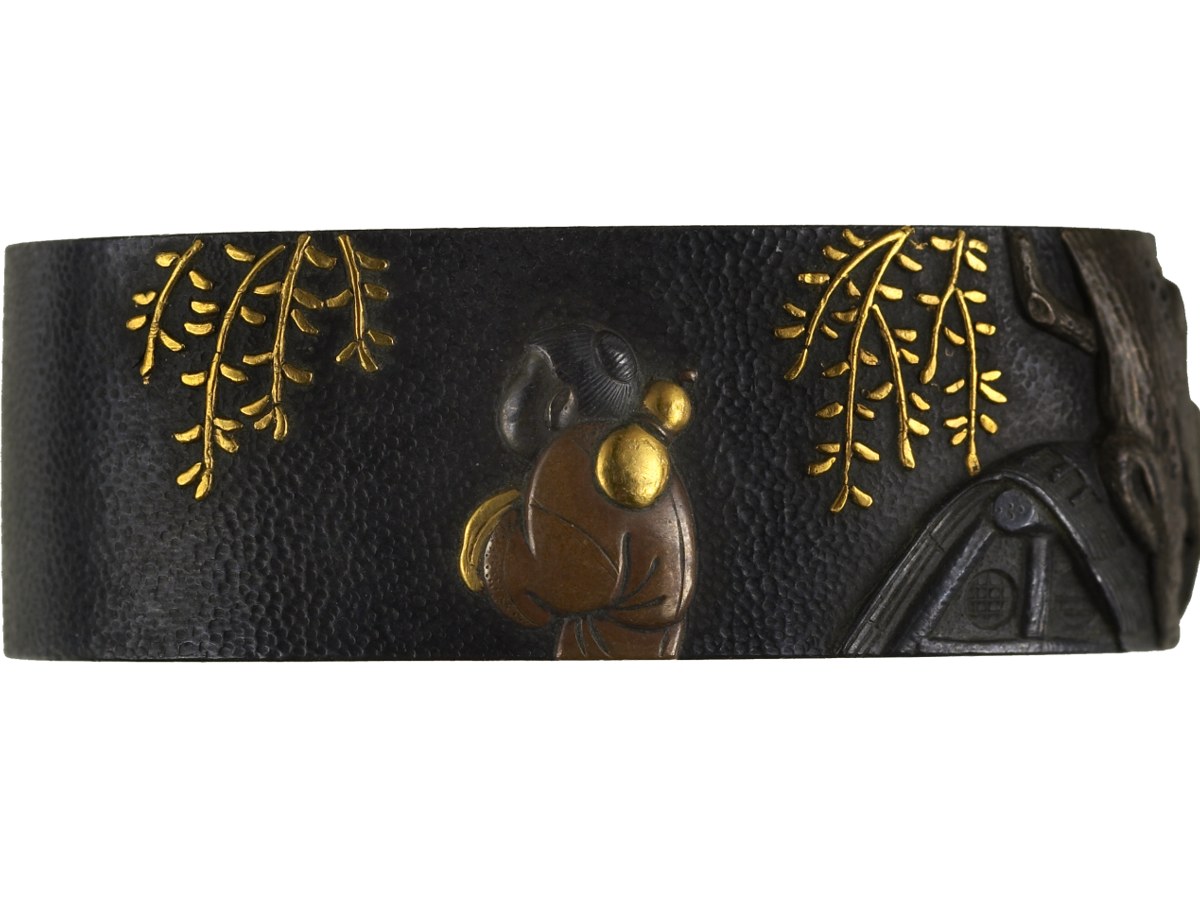
Craft
Seki blades — cutlery from the swordsmith city of 780 years, from Seki, Gifu
Gifu’s blade city: half of Japan’s knives.
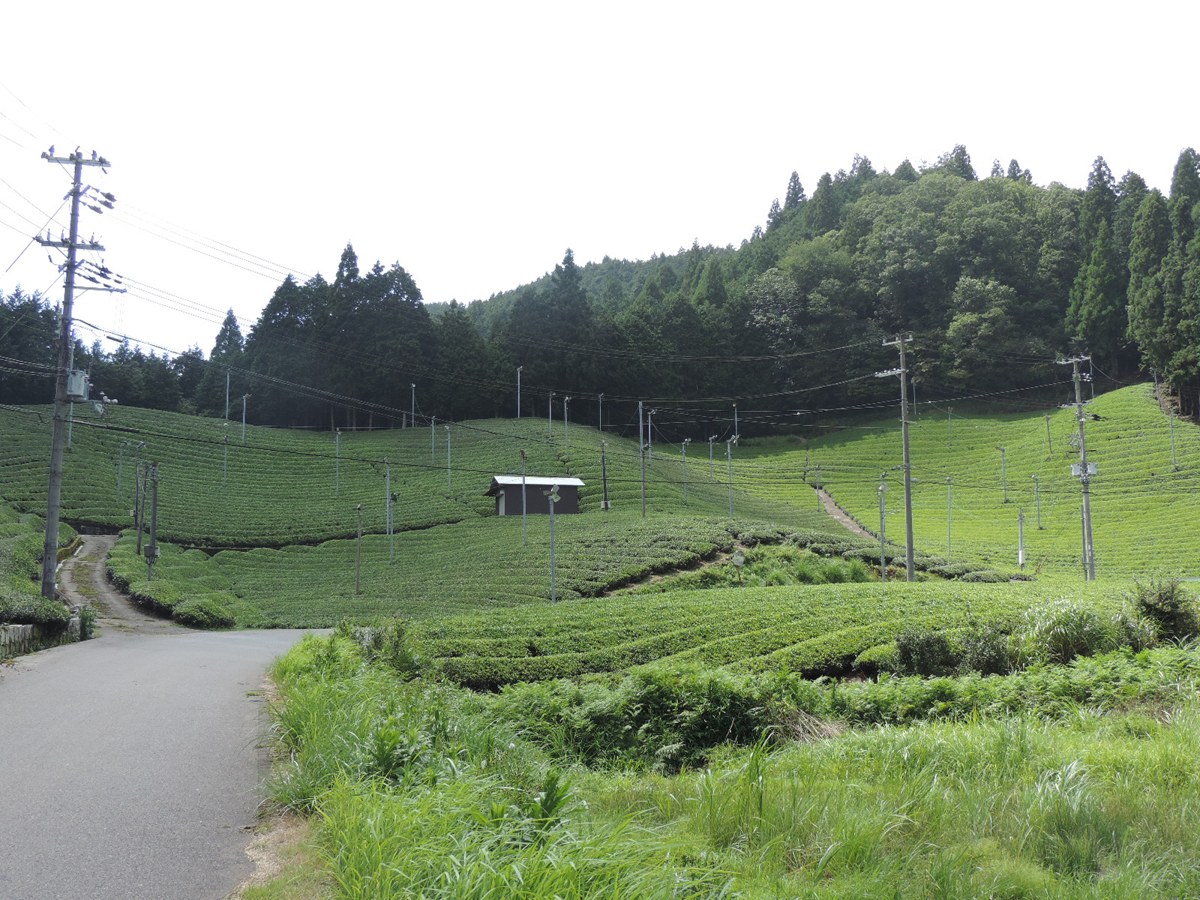
Food
Asamiya tea — highland green tea of 1,200 years, from Asamiya, Shigaraki, Shiga
Shiga’s sky tea: 1,200 years on one hillside.
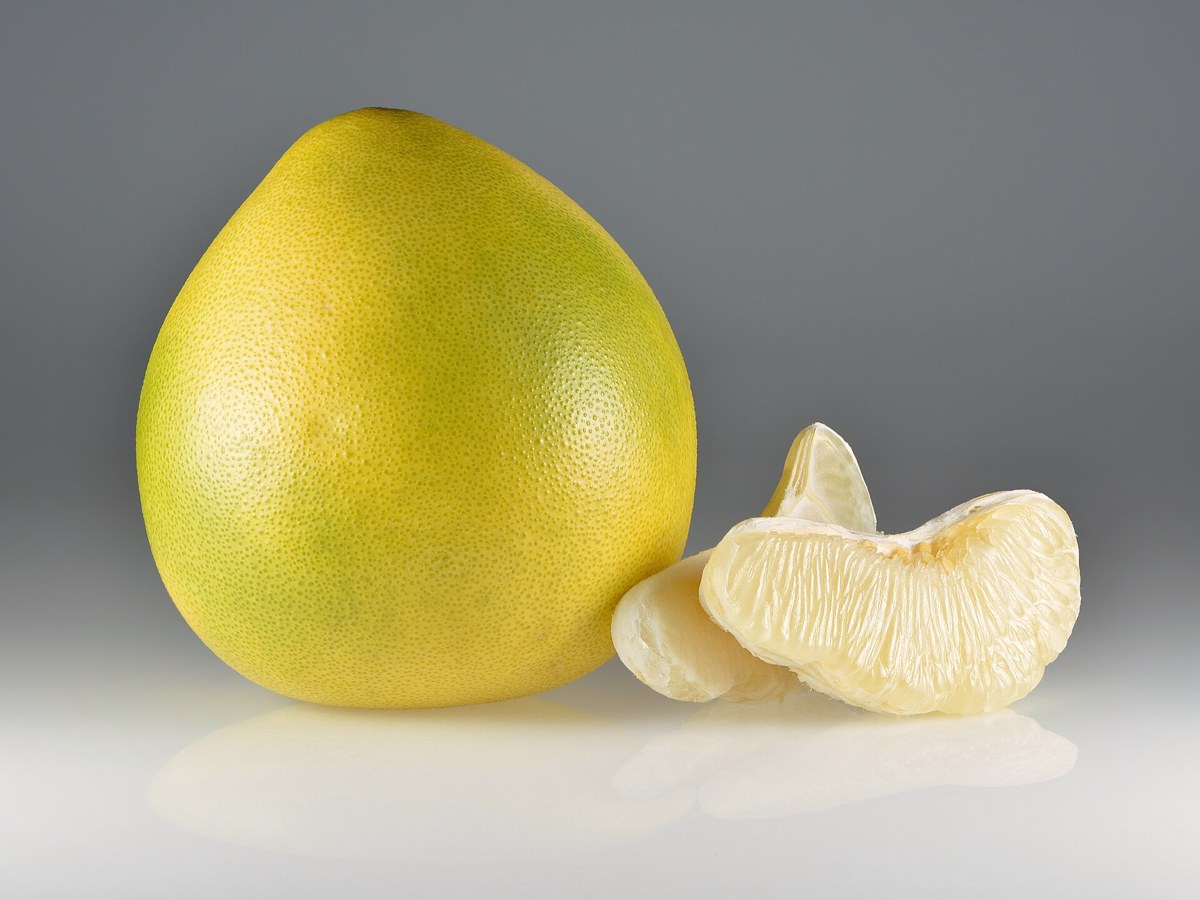
Food
Tosa buntan — the great winter pomelo of its birthplace, from Tosa, Kochi
Kochi’s great pomelo: winter’s yellow moon.
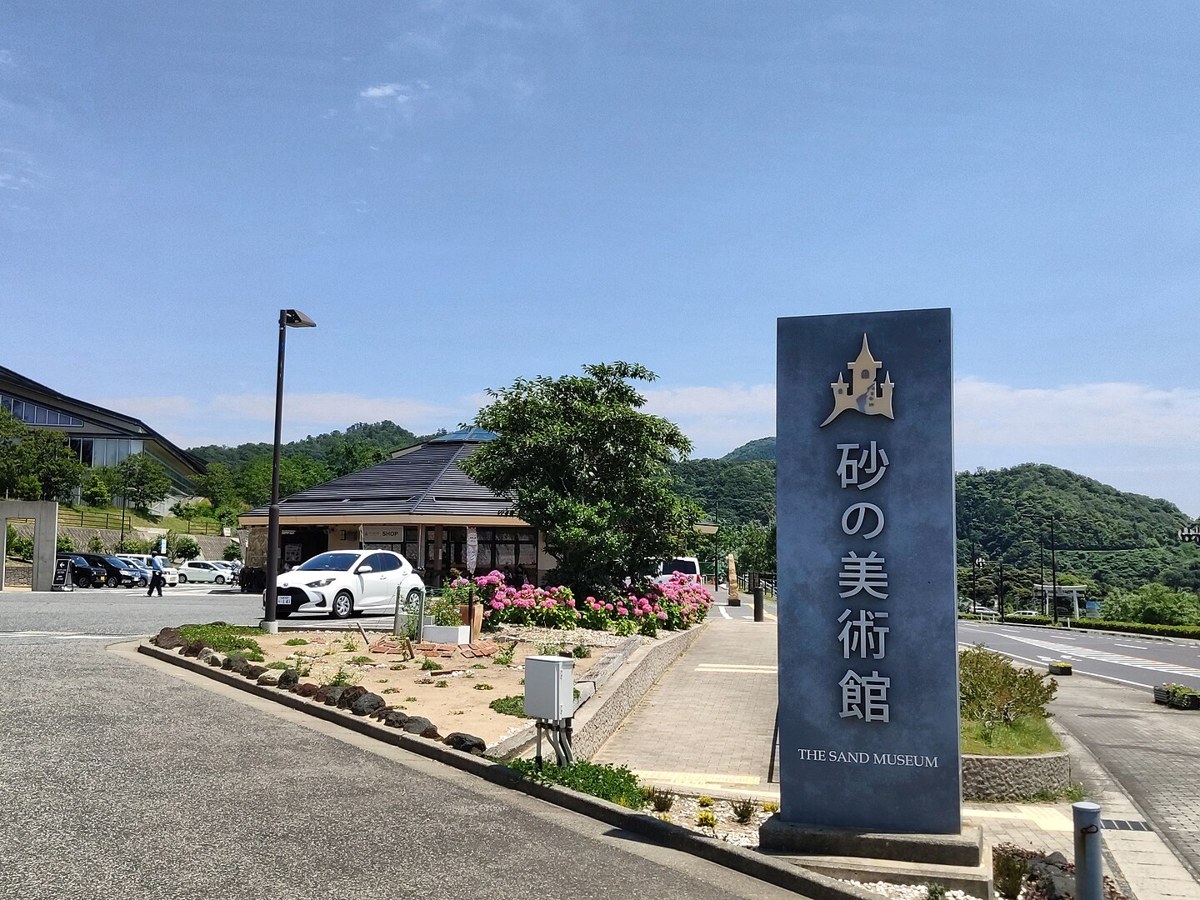
Craft
The Sand Museum — a world tour carved in sand and water, from the Tottori Sand Dunes, Tottori
Tottori’s sand world: carved yearly, levelled yearly.
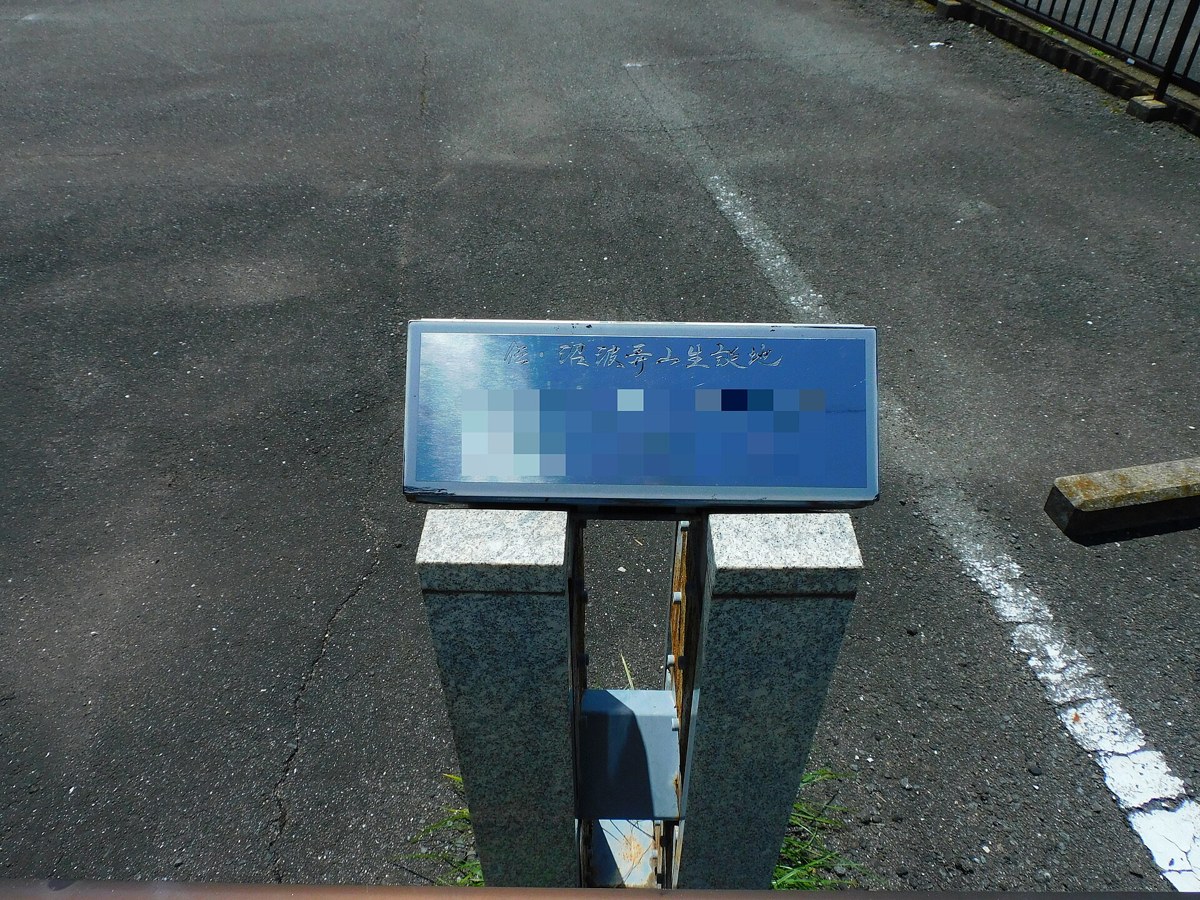
Craft
Mie · Chubu & Hokuriku · Craft — a traditional craft since 1979, from Rozan's Banko Fueki seal to the heatproof petalite body that took about 80% of Japan's clay-pot market.
Yokkaichi's unglazed purple Banko ware — Rozan's seal, Yusetsu's moulds, and the petalite clay that conquered the donabe.
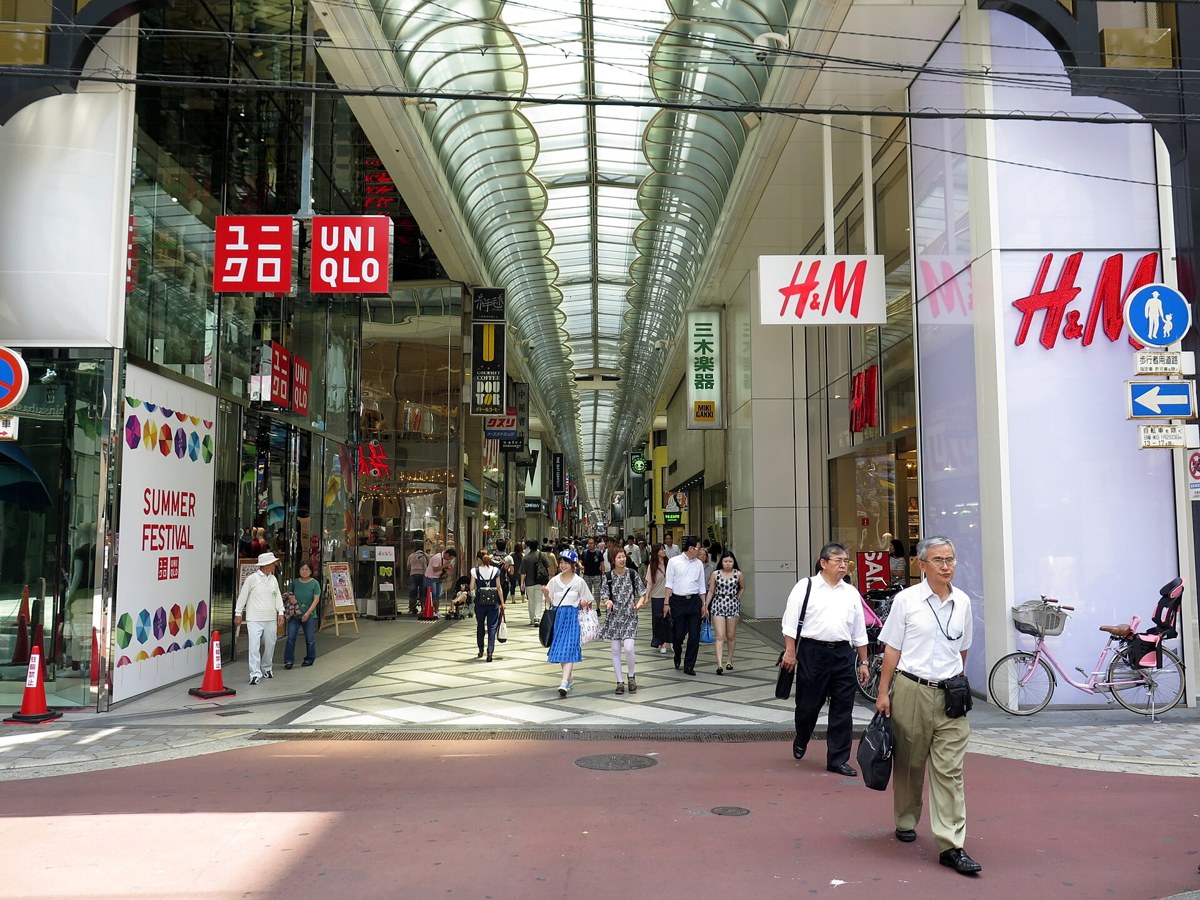
Craft
Osaka · Kansai · Craft — a traditional craft since 1983, already made in Shinsaibashi, Tenjinbashi and Tennoji by 1679, and still about 70% of Japan's tinware output.
Osaka's handmade Naniwa tinware — 70% of Japan's output, hammered because tin is too soft to machine.
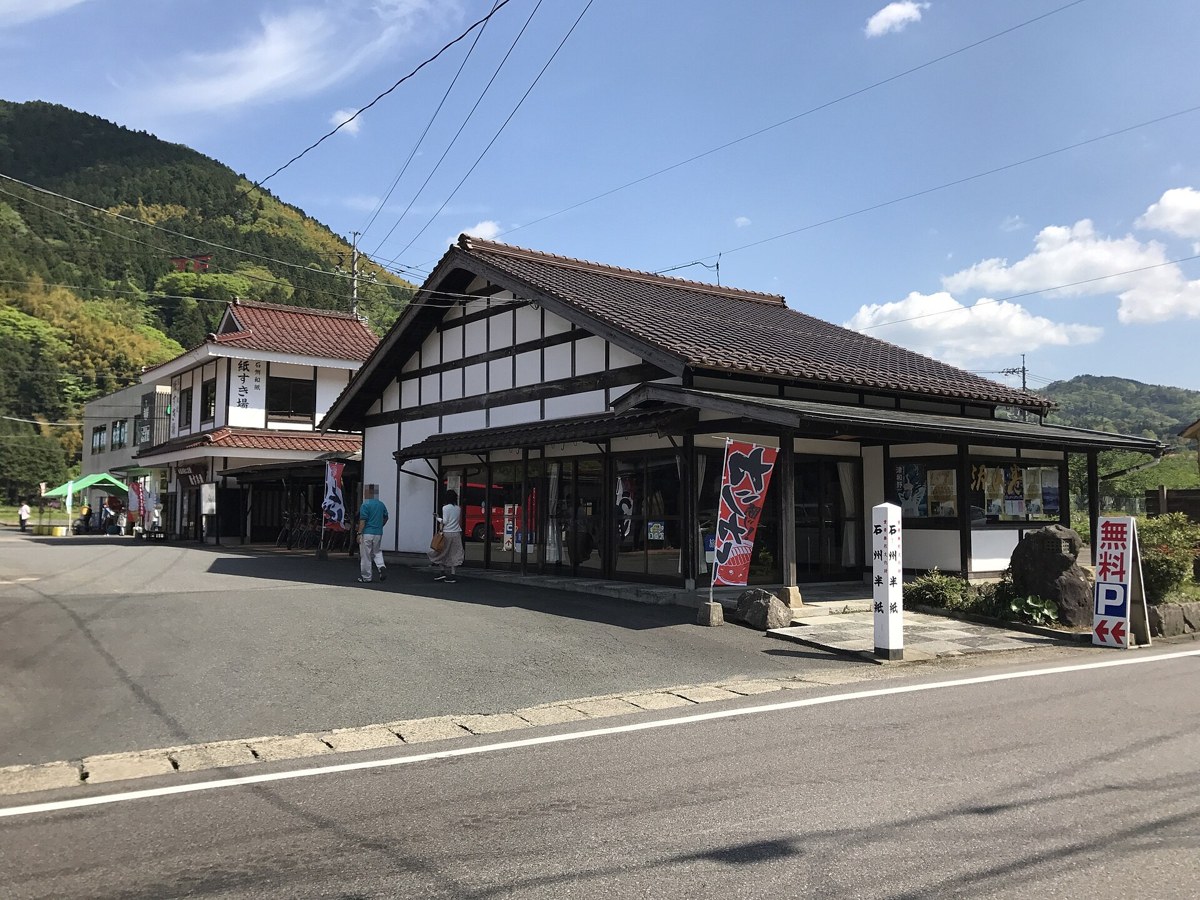
Stationery
Shimane · Chugoku & Shikoku · Stationery — 1,300 years of Iwami papermaking, UNESCO-listed with Japan's washi in 2009 and 2014, and now kept by four workshops in Misumi.
Hamada's Sekishu-banshi — UNESCO-listed washi of local kozo and aibika, called the strongest paper made in Japan.
Stationery
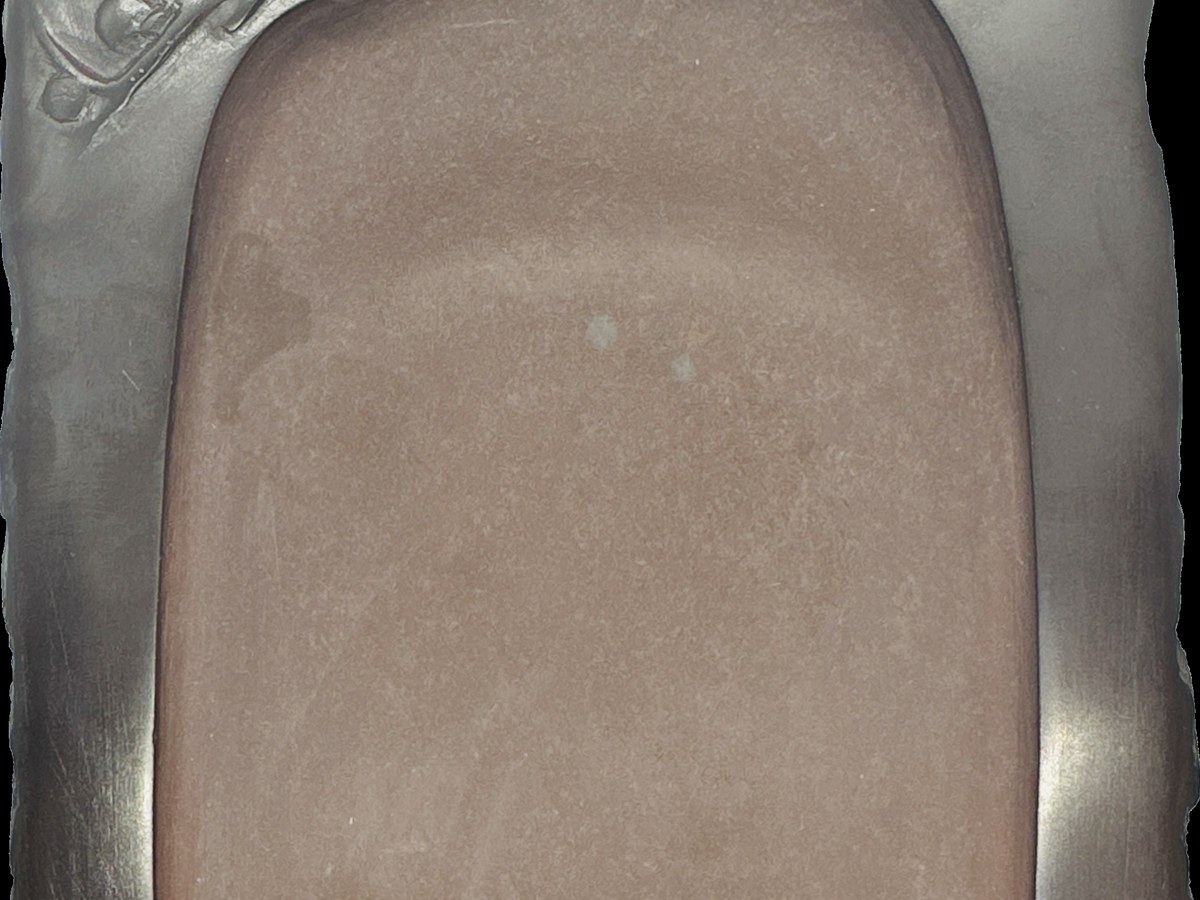
Yamaguchi · Chugoku & Shikoku · Stationery — a traditional craft since 1976, once domain-guarded treasure, ground with by Yoshida Shoin, and now made by six craftsmen.
Yamaguchi's Akama inkstones — red shale that grinds ink exceptionally fine, and six makers keeping it alive.
Food
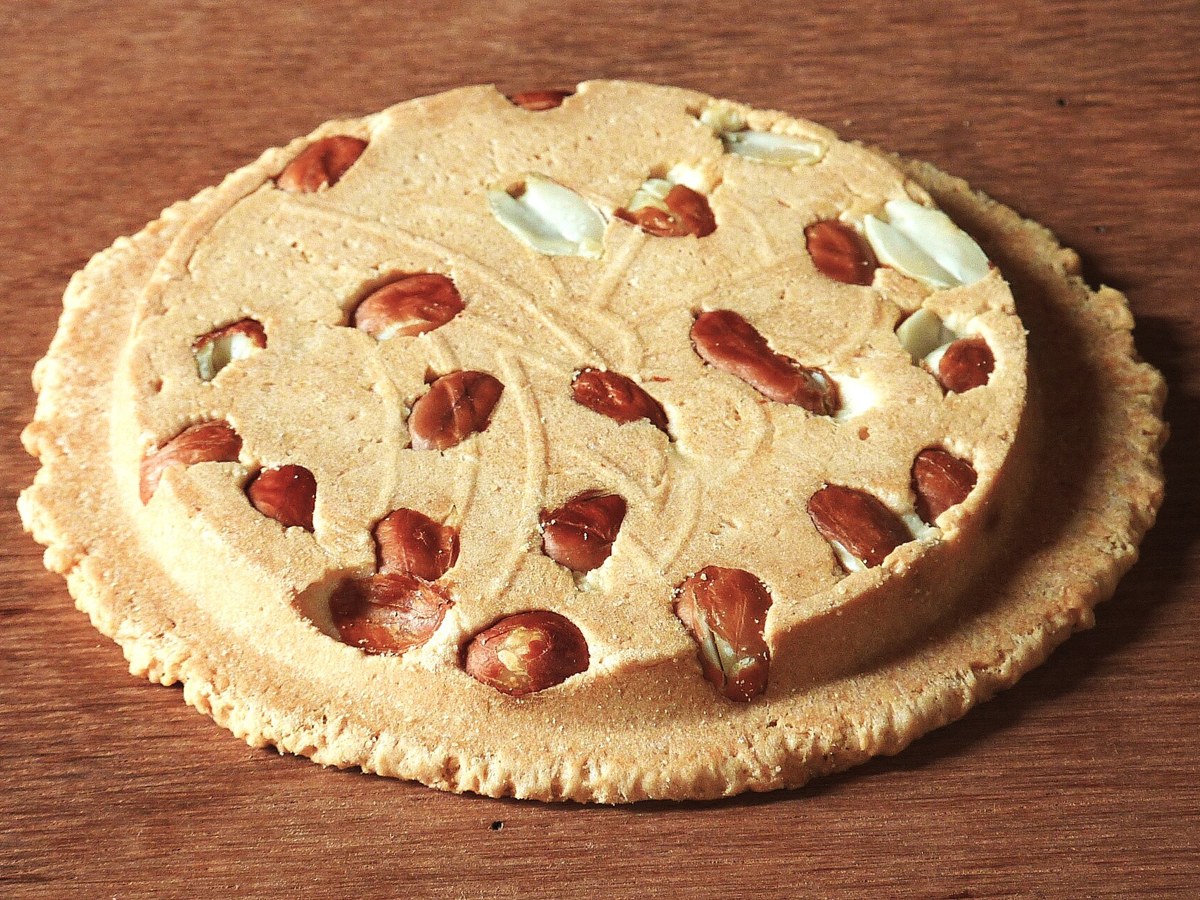
Iwate · Tohoku · Food — wheat, water and salt pressed in cast-iron moulds across the old Nanbu country, its crisp overflow 'ears' the part everyone wants.
The old Nanbu domain's wheat cracker — iron-pressed, ear-edged, sesame first, from Ninohe's Iwateya since 1948.
Craft
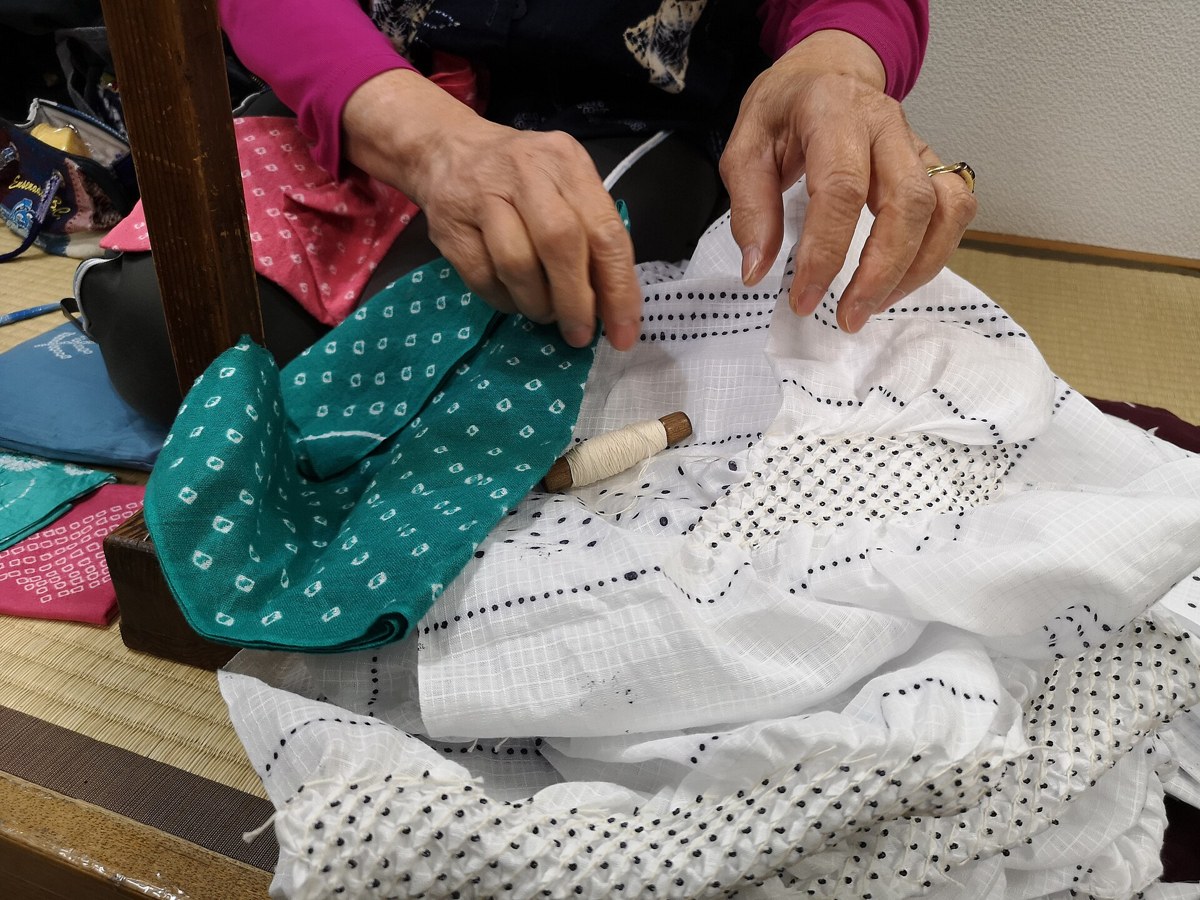
Aichi · Chubu & Hokuriku · Craft — a traditional craft since 1975, born beside Nagoya Castle, worked in 100+ binding methods by specialists over 50 to 60 days.
Nagoya's tie-dye of Arimatsu and Narumi — 100+ ways to bind cloth against the dye, most of Japan's shibori in two districts.
Craft
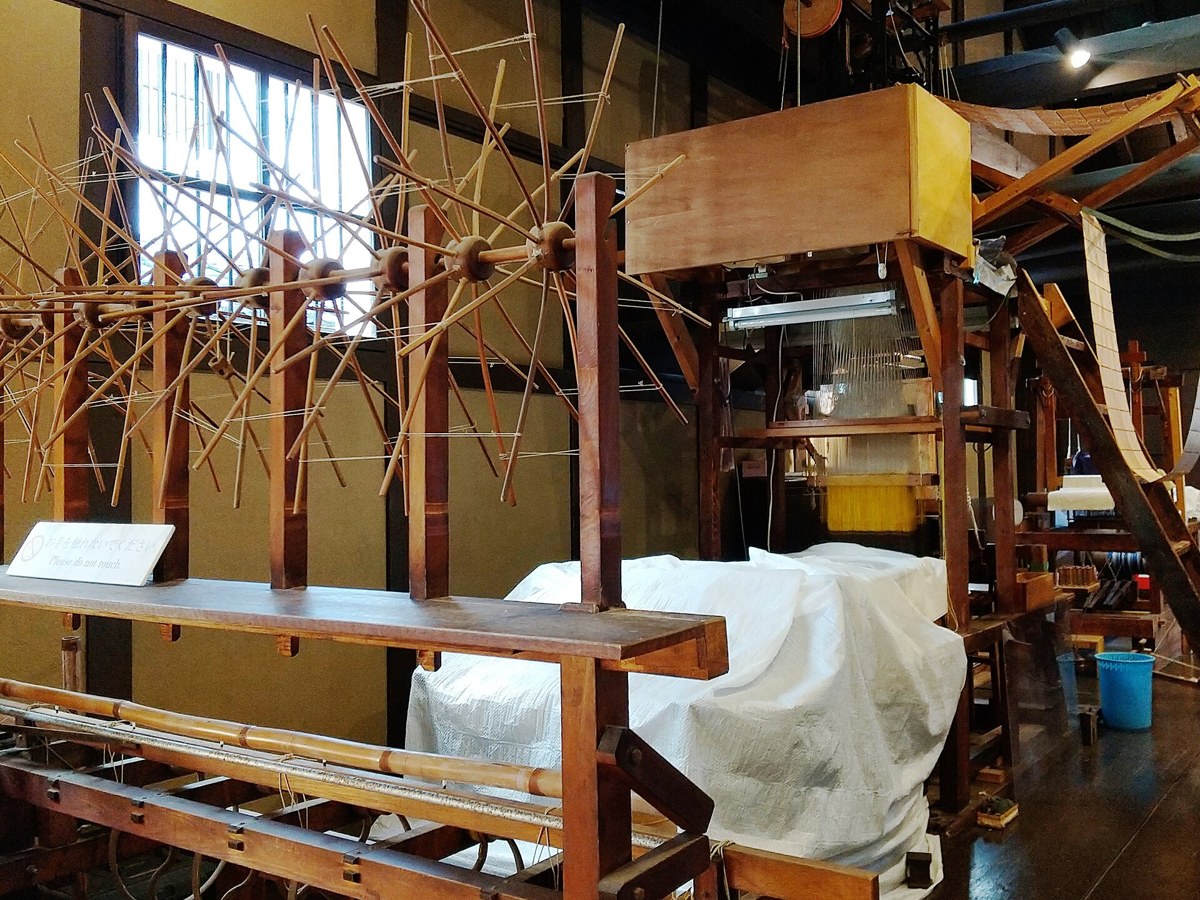
Fukuoka · Kyushu & Okinawa · Craft — a traditional craft since 1976, woven from 1241, tribute to the shogunate from 1600 in the kenjo pattern.
Hakata's silk — thick weft beaten into 10,000 warps, the shogun's tribute pattern, tight enough to rustle as it ties.
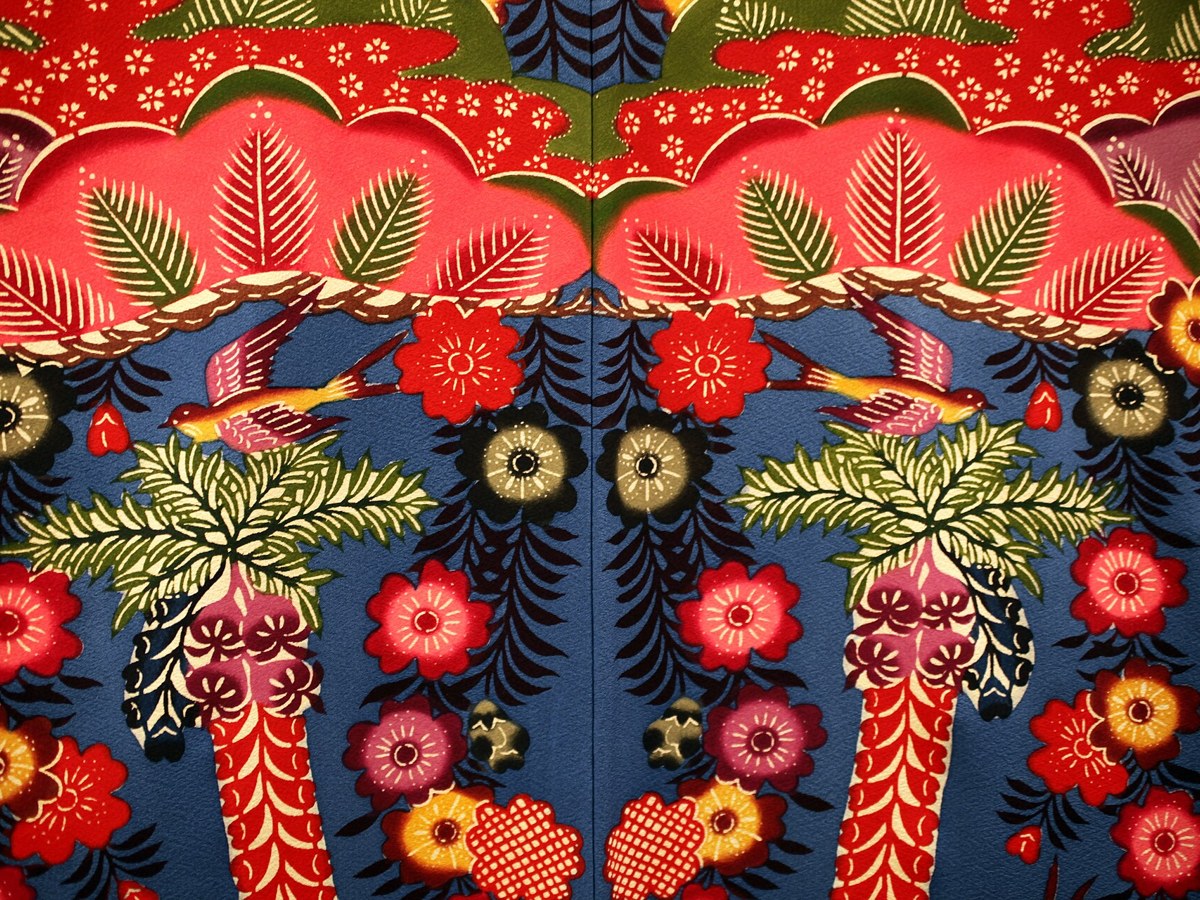
Craft
Okinawa · Kyushu & Okinawa · Craft — a traditional craft since 1984, the Ryukyu kingdom's graded court dyeing, destroyed in 1945 and reconstructed from the founding houses' archives.
Shuri's stencil dyeing — pigments over dyed grounds, once graded by royal rank, rebuilt after the war from saved archives.
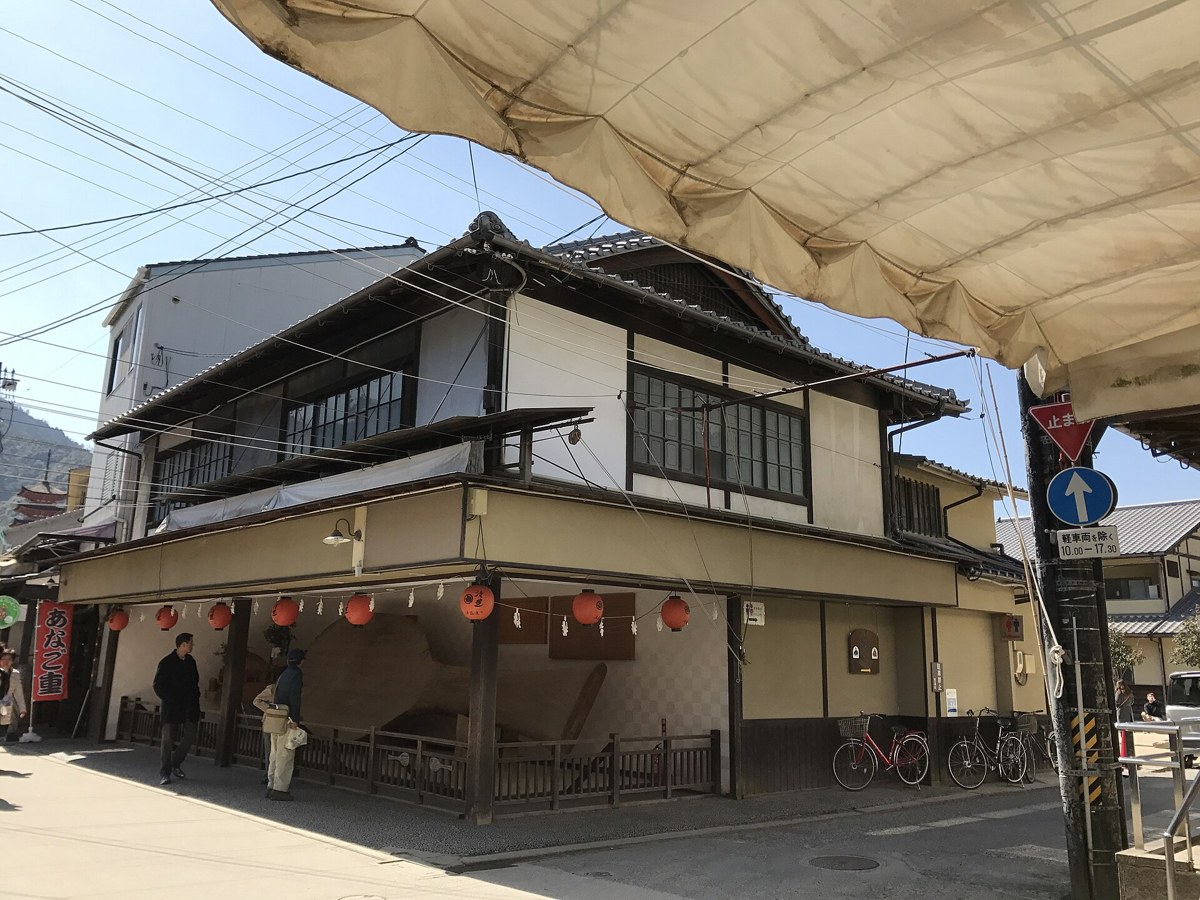
Craft
Hiroshima · Chugoku & Shikoku · Craft — Miyajima-zaiku, designated in 1982: paddles said to have been invented on the island in the late 1700s, and still Japan's largest paddle production.
Miyajima's wooden rice paddles — invented on the shrine island, so famous some regions call any paddle 'a miyajima'.
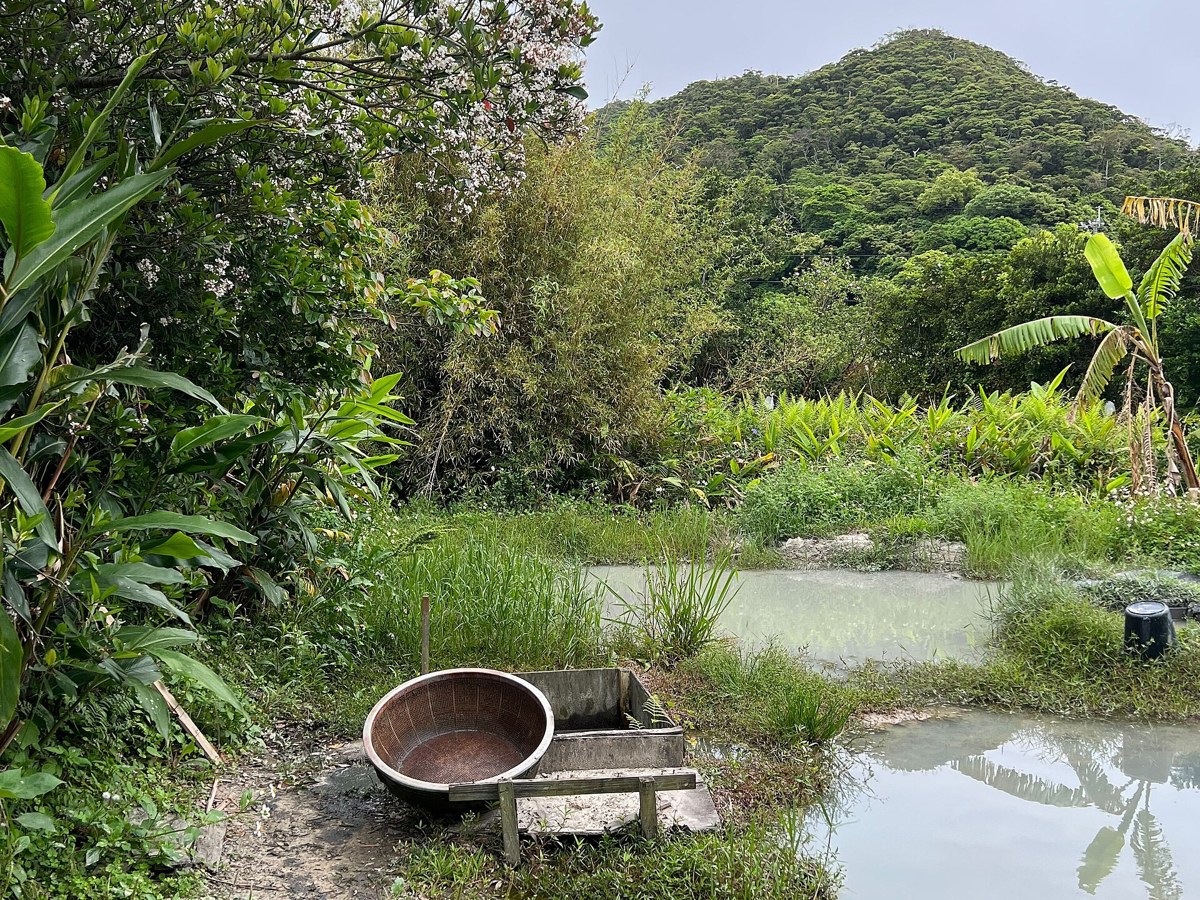
Craft
Kagoshima · Kyushu & Okinawa · Craft — a traditional craft since 1975, kasuri bound into the yarn on Amami and at Kagoshima City, dyed 20–80 times in sharinbai and once in mud.
Amami and Kagoshima's kasuri silk — pattern tied into the yarn, black from plant dye and iron mud, a year to a bolt.
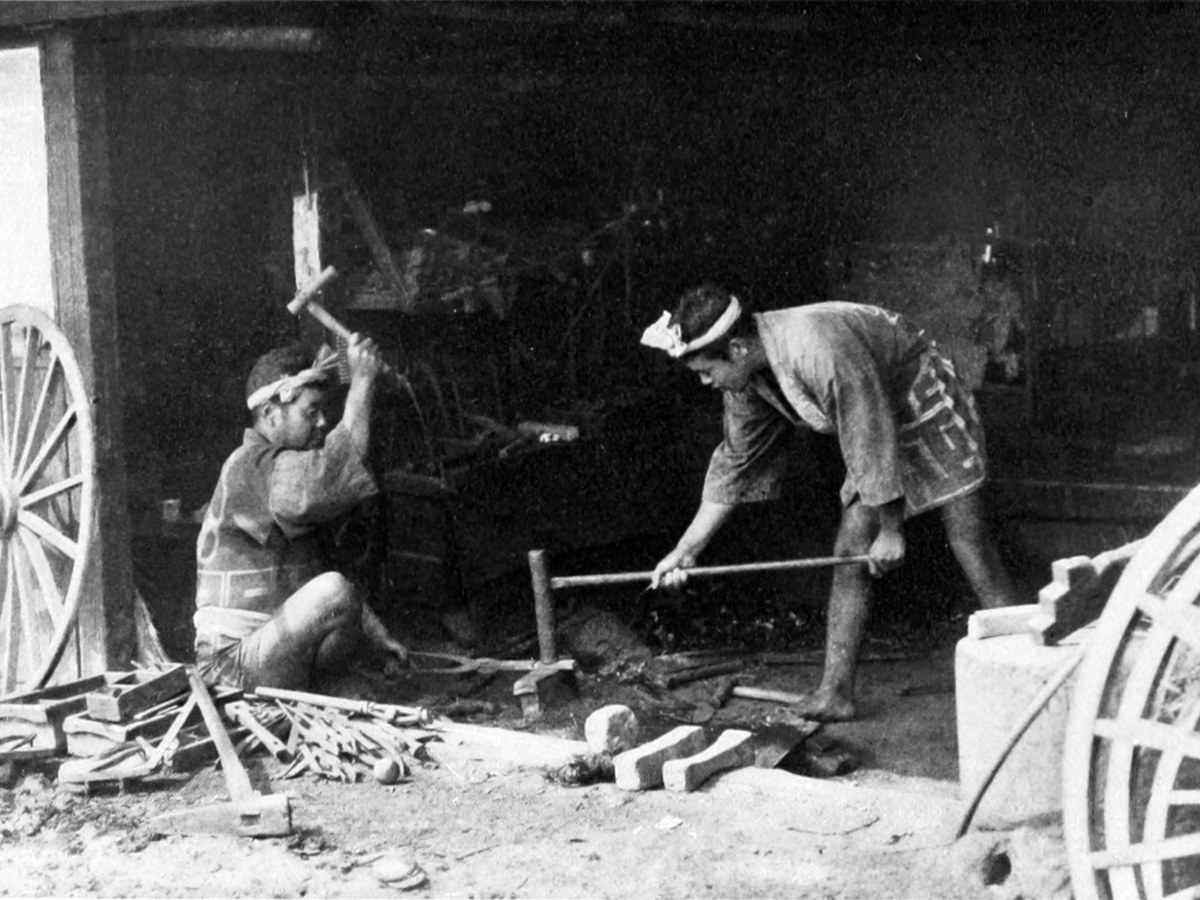
Craft
Kochi · Chugoku & Shikoku · Craft — a traditional craft since 1998, born at Tosayamada for the mountain forests, each blade hand-shaped by free forging.
Kochi's free-forged blades — one smith, one anvil, any edge the order asks for, from nata to kitchen knives.
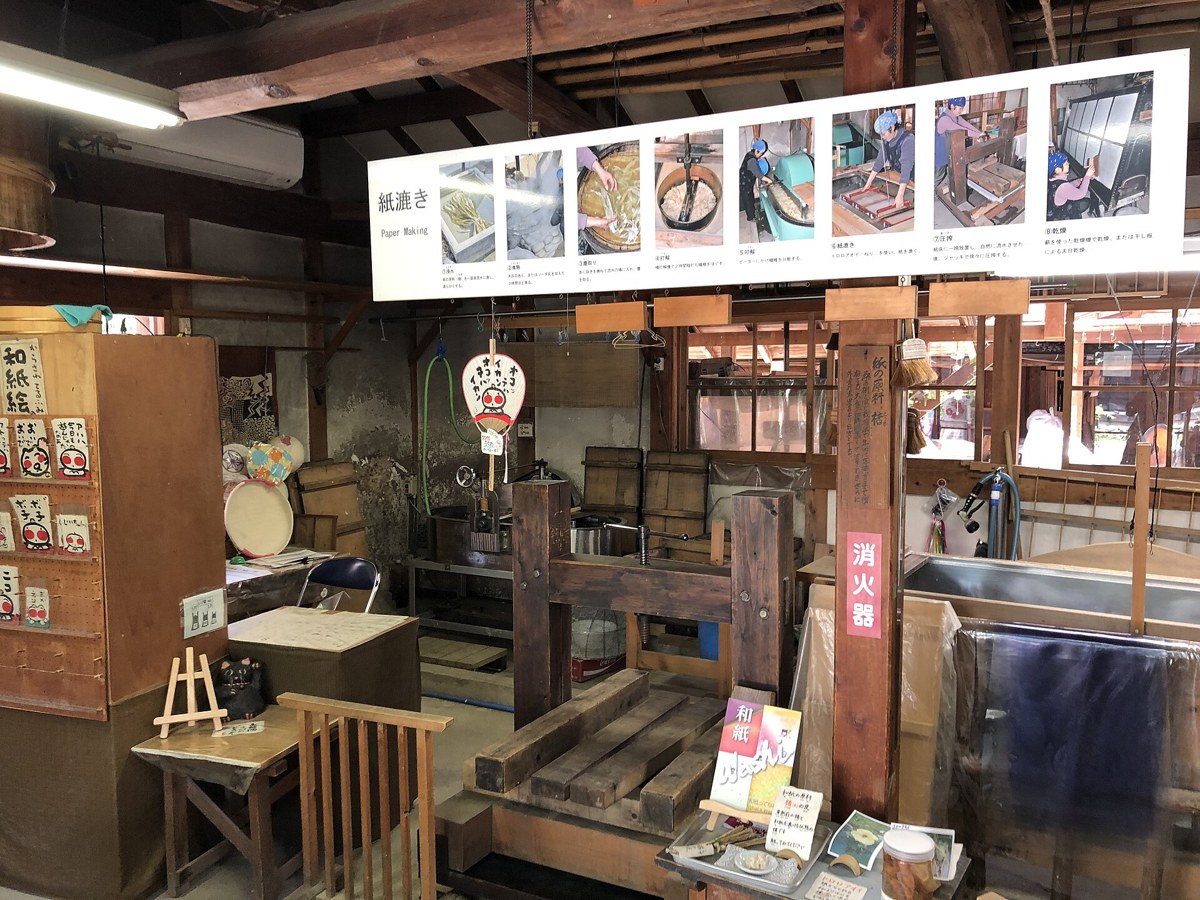
Stationery
Tottori · Chugoku & Shikoku · Stationery — a traditional craft since 1975, made at Aoya and Saji in old Inaba, holding 60–70% of Japan's gasen-shi.
Inaba's washi — 1,200 years of records, most of Japan's calligraphy paper, tuned for how ink bleeds.
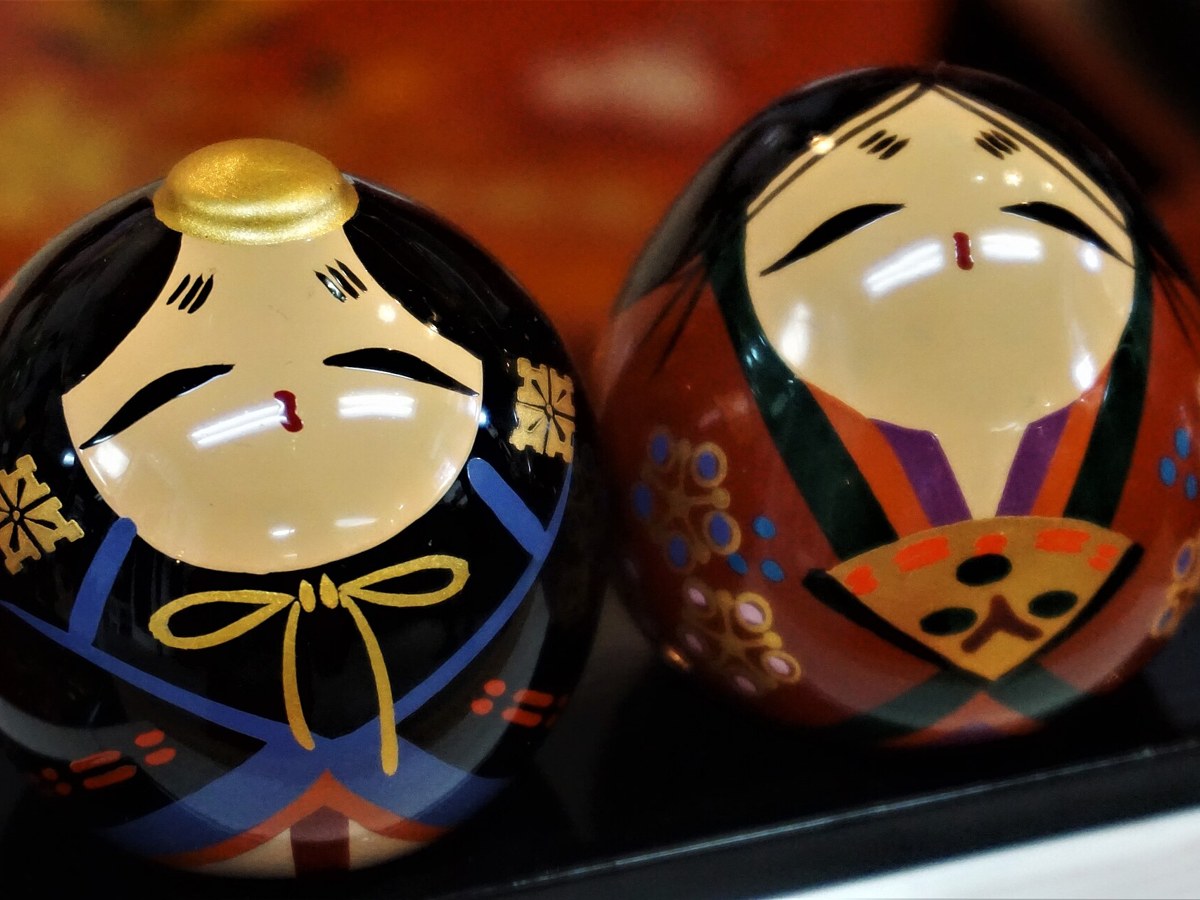
Craft
Yamaguchi · Chugoku & Shikoku · Craft — designated 11 April 1989, Ouchi vermilion with autumn grasses, cloud shapes and the clan crest in gold leaf.
Yamaguchi City's lacquer — a clan's vermilion and gold crest, on trays, plates and the round doll pair.
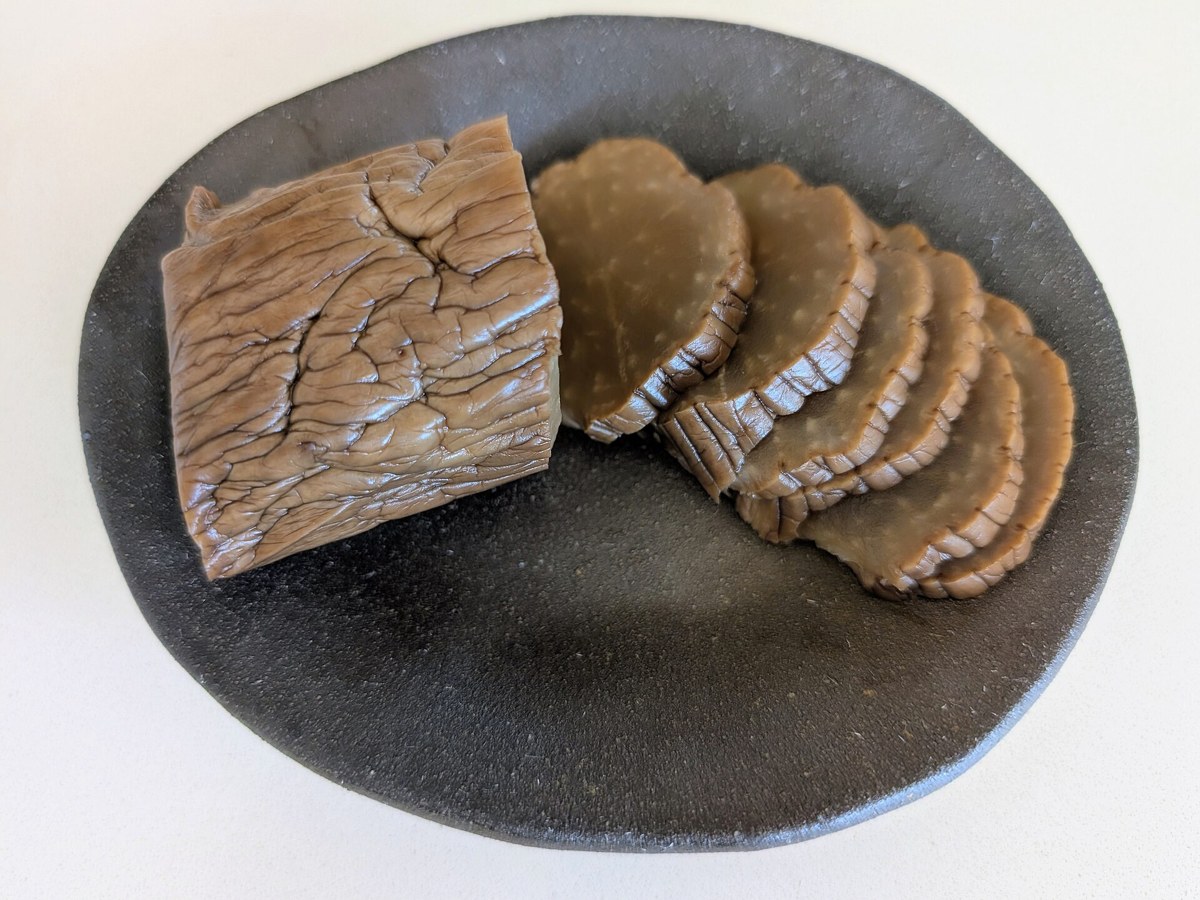
Food
Akita · Tohoku · Food — GI No.79 since 2019: daikon smoked over broad-leaf wood, then bran-bedded 40+ days, born of irori smoke under the snow.
Akita's smoked takuan — sun-drying was impossible under the snow, so the hearth did it; now GI-protected.
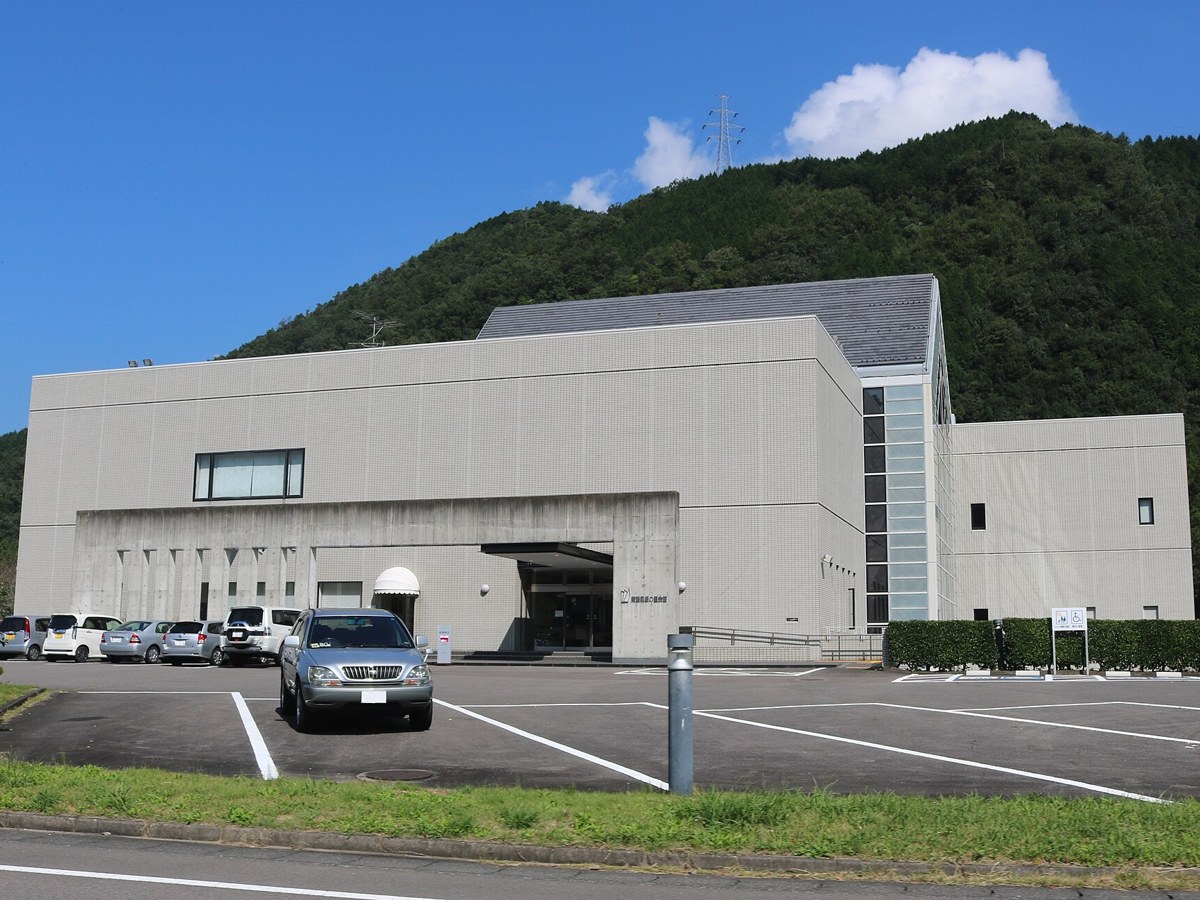
Stationery
Gifu · Chubu & Hokuriku · Stationery — documented for 1,300+ years in Mino City, its top grade Hon-minoshi formed by nagashizuki under a written rulebook, UNESCO-listed in 2014.
Mino's washi — 1,300 years of paper, its finest grade defined by rules: one mulberry, no bleach, a rocking vat.
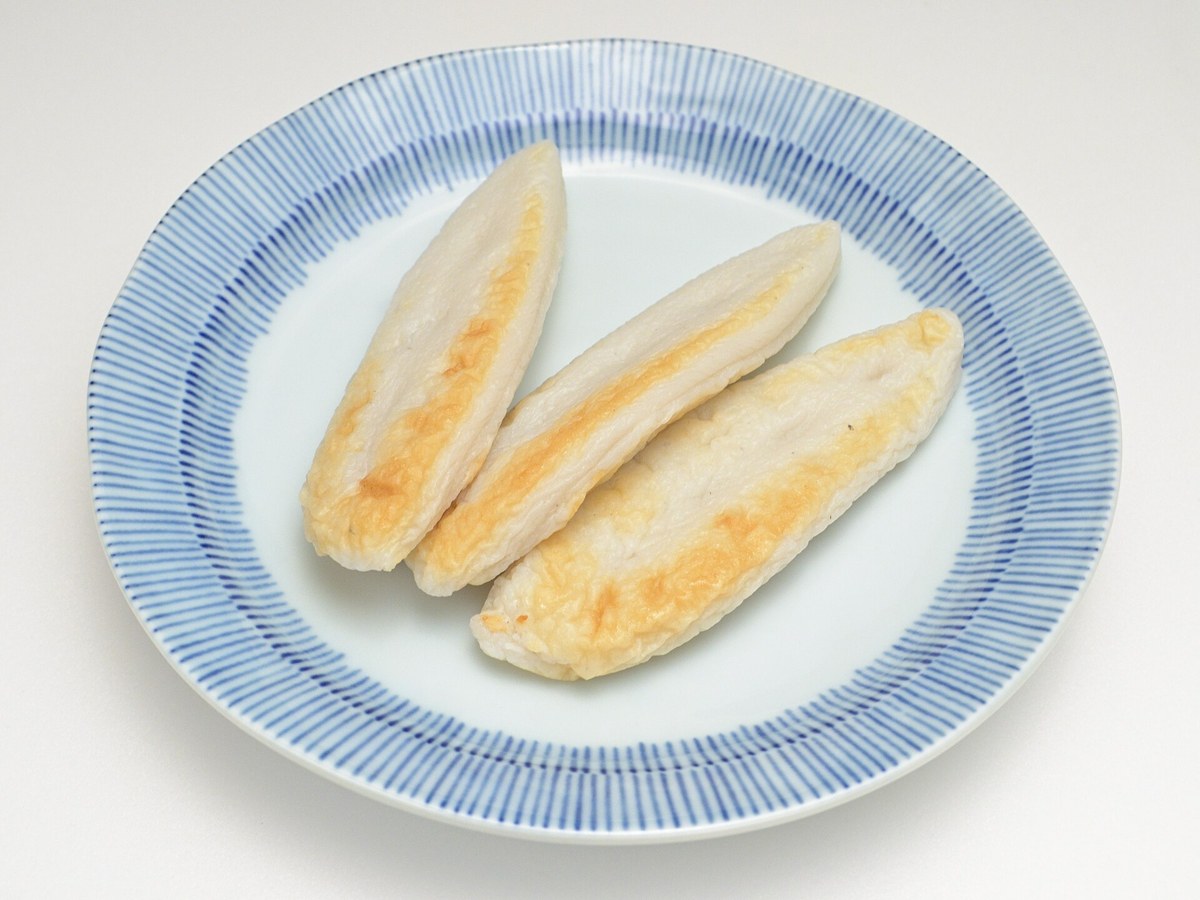
Food
Miyagi · Tohoku · Food — hand-formed white-fish paste, steamed and roasted, renamed from 'tongue cakes' for the bamboo leaf in the Date crest.
Miyagi's bamboo-leaf fish cake — a flounder glut, a clan crest and two towns that still argue over it.
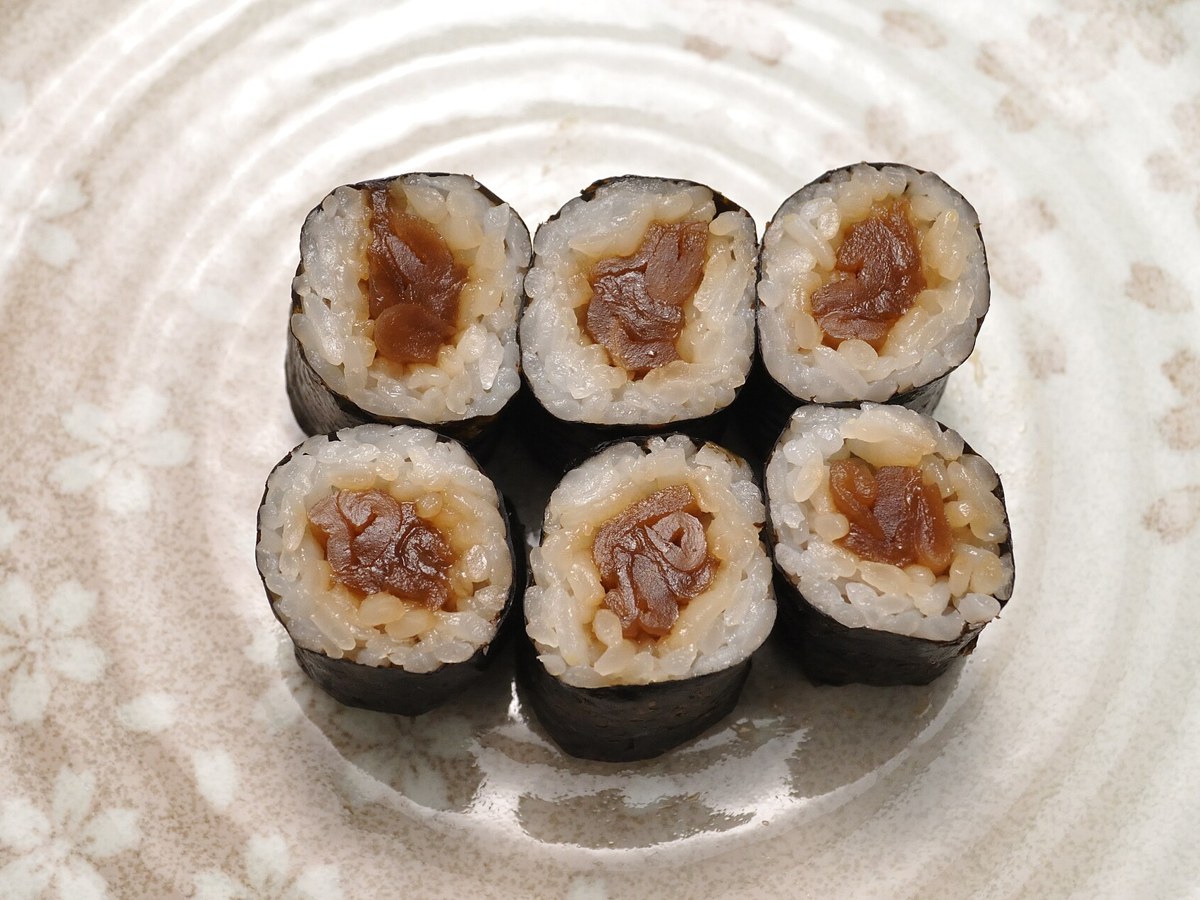
Food
Tochigi · Kanto · Food — yugao gourd shaved into ribbons and sun-dried; Tochigi grows 99% of Japan-grown kanpyo and Shimotsuke is its top city.
Tochigi's dried gourd ribbons — 99% of Japan's crop, three centuries from a lord's seed, the heart of kanpyo-maki.
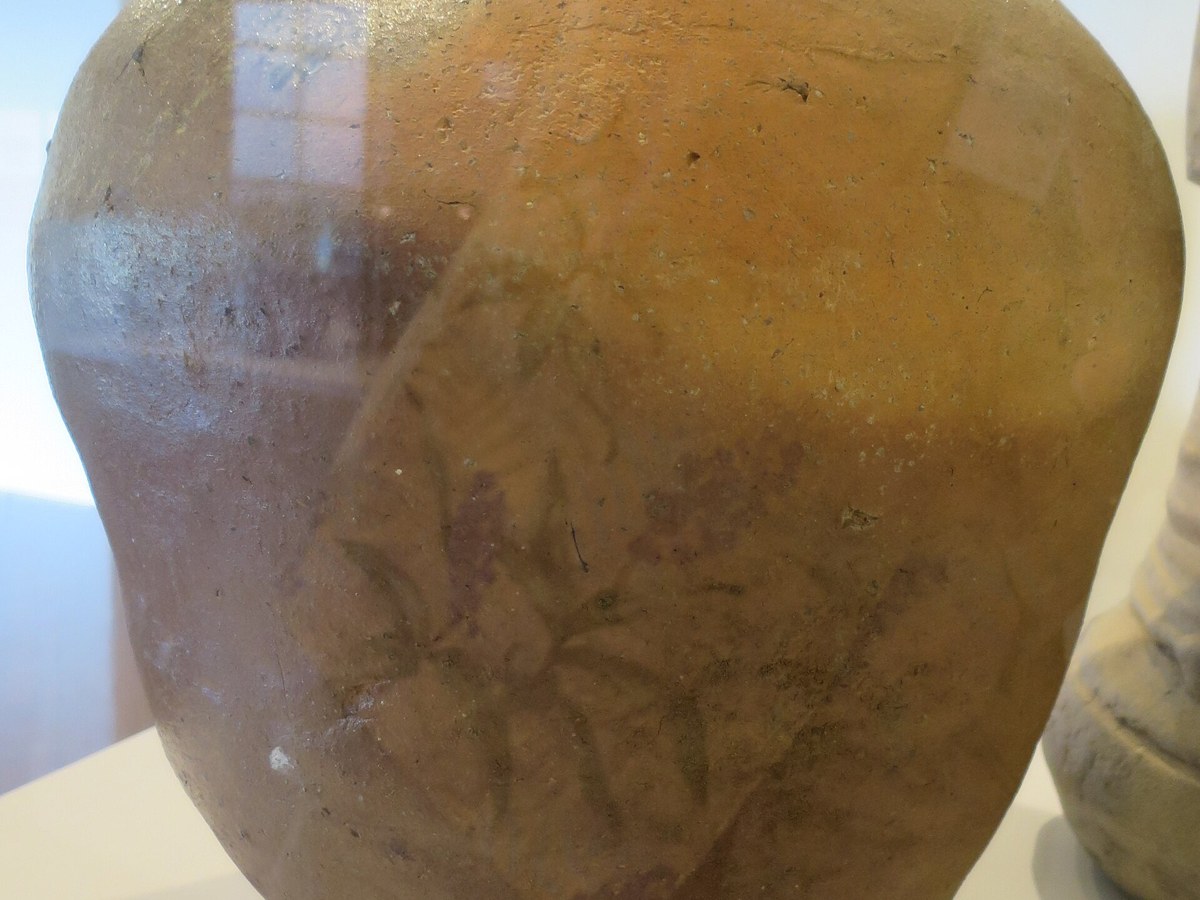
Craft
Hyogo · Kansai · Craft — one of the Six Ancient Kilns, designated Tamba Tachikui Ware in 1978, ash-fired some 60 hours in climbing kilns at Tachikui.
Tachikui's ash-fired stoneware — eight centuries old, thrown left-handed, coloured by pine ash alone.
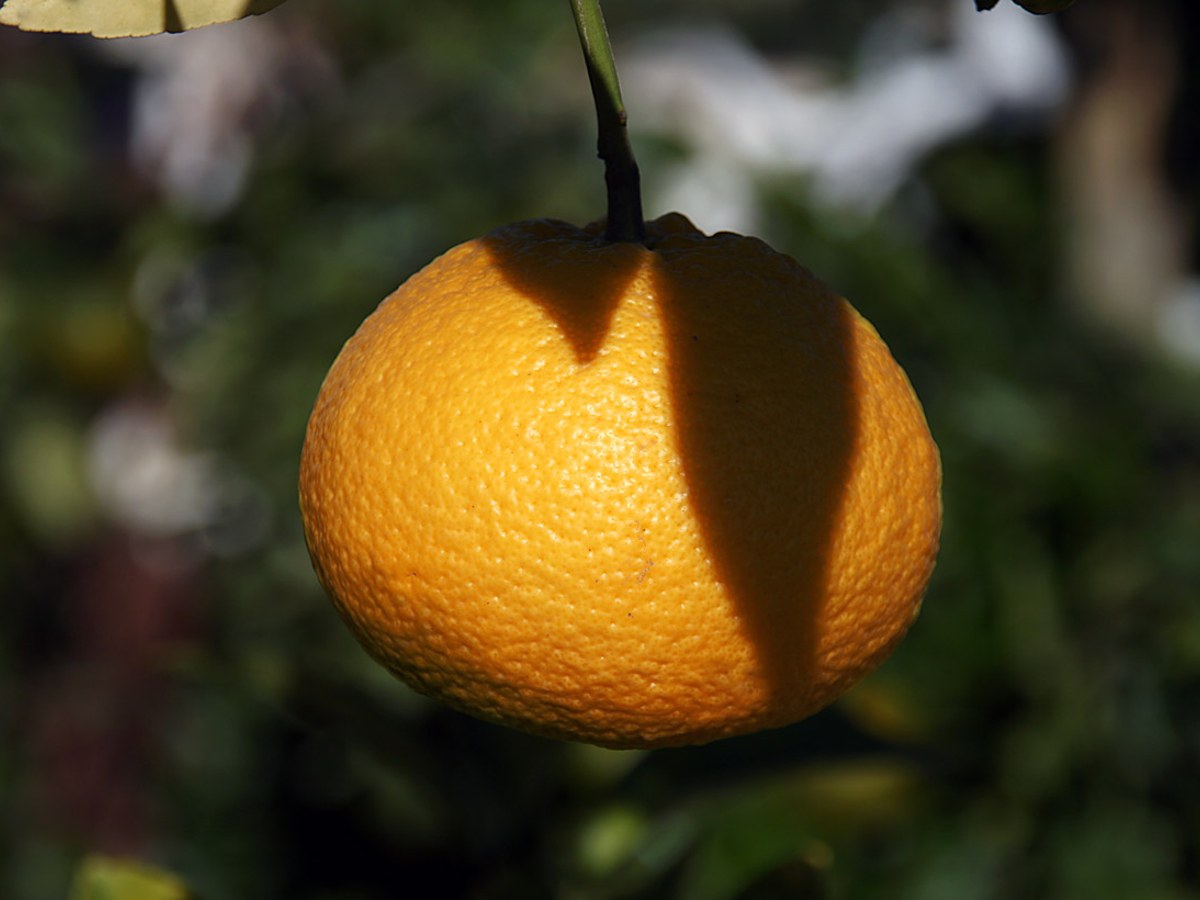
Food
Ehime · Chugoku & Shikoku · Food — found in Yamaguchi in 1886, adopted by Iyo in 1889; today's fruit is the Miyauchi type born in Matsuyama in 1952.
Ehime's winter citrus — named for Iyo province, ruled by a 1952 mutant, shipped in January at its ripest.
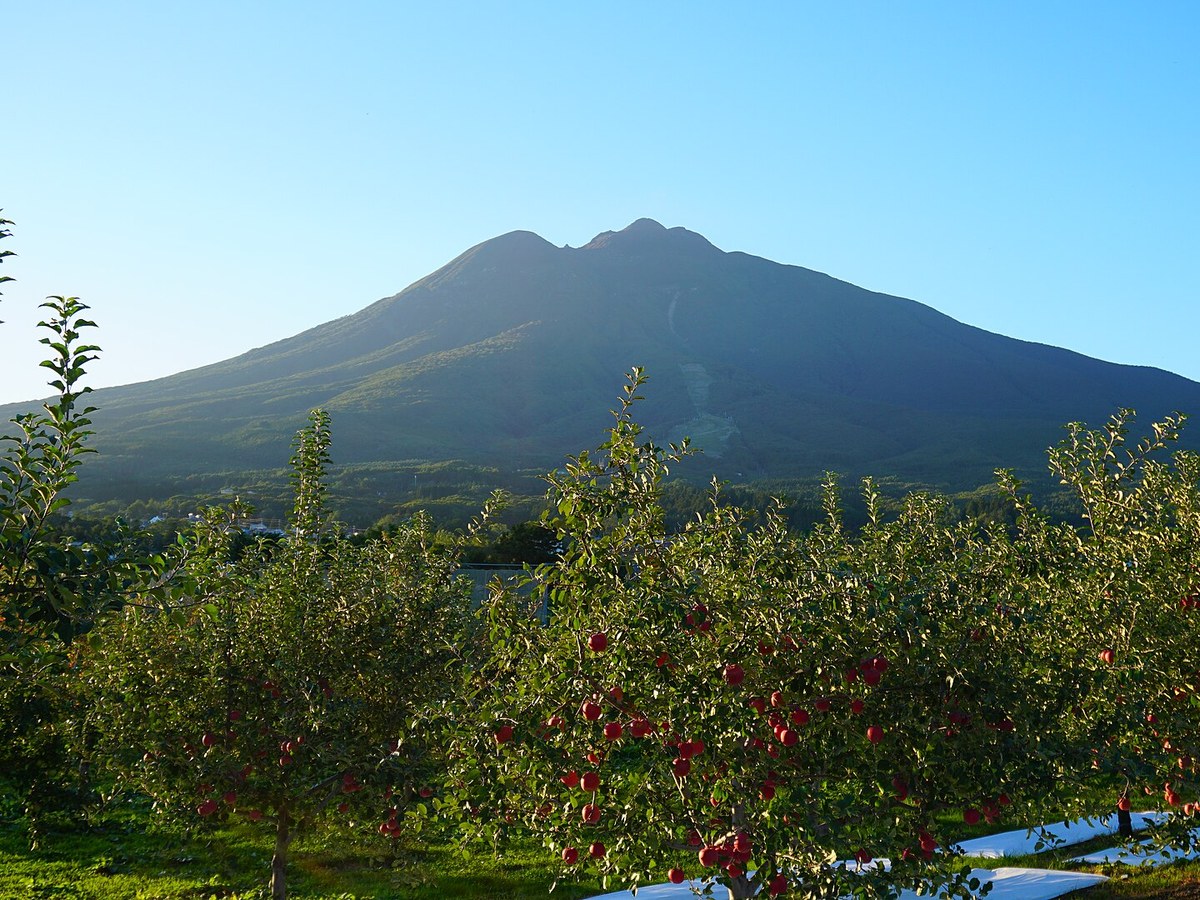
Food
Nearly sixty percent of a nation's apples, and the Fuji cultivar bred in its own Fujisaki town — sorted 200 a minute by sugar content.
One prefecture grows nearly 60% of Japan's apples. Its flagship Fuji — bred in Fujisaki, Aomori, in the late 1930s — is about half of production, graded by sugar and acid at 200 apples a minute.
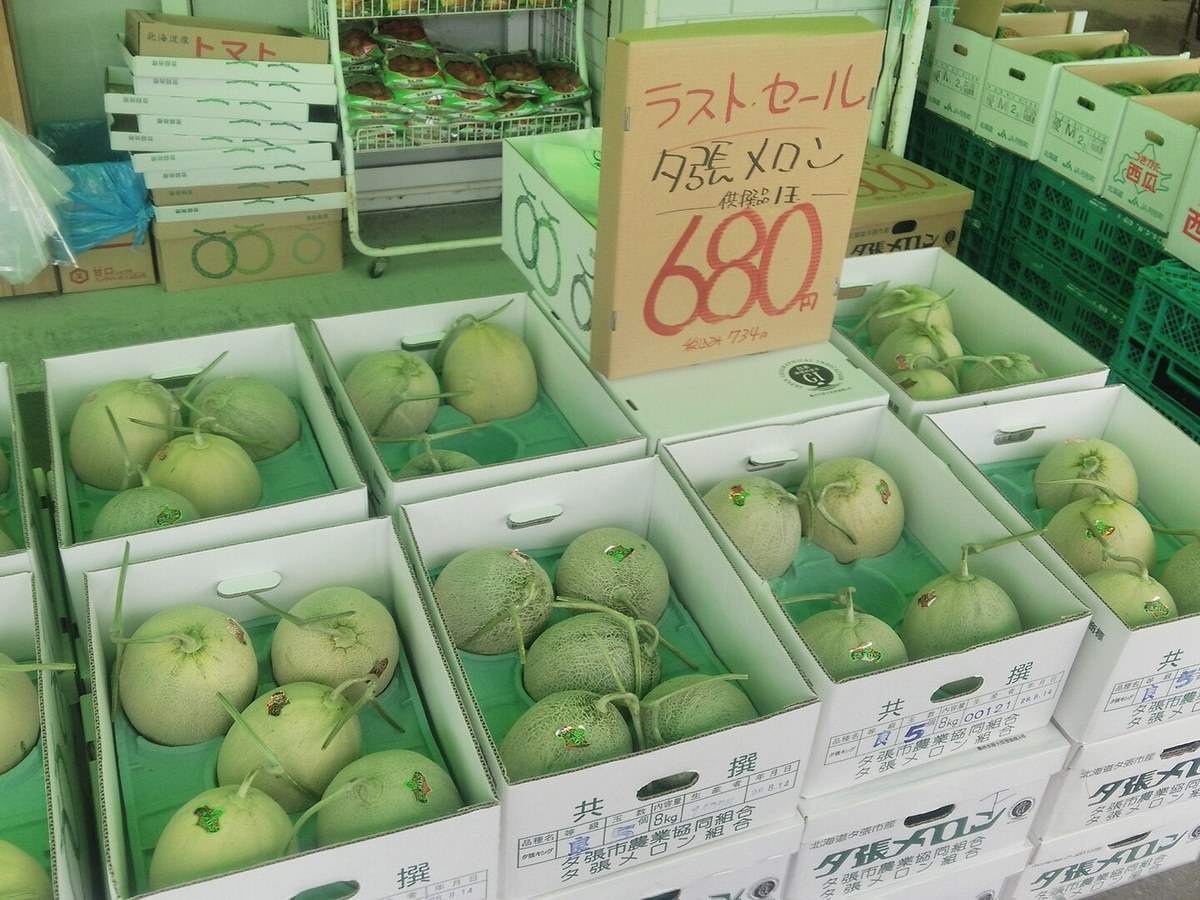
Food
A GI-protected fruit from one small Hokkaido city: seeds that never leave town, about 140 growers, and a sugar line every melon must cross.
A melon that legally exists in one city. GI-registered, bred by 17 volunteers in 1960, grown by about 140 farm households, and graded against sugar, weight and net standards before it may carry the name.
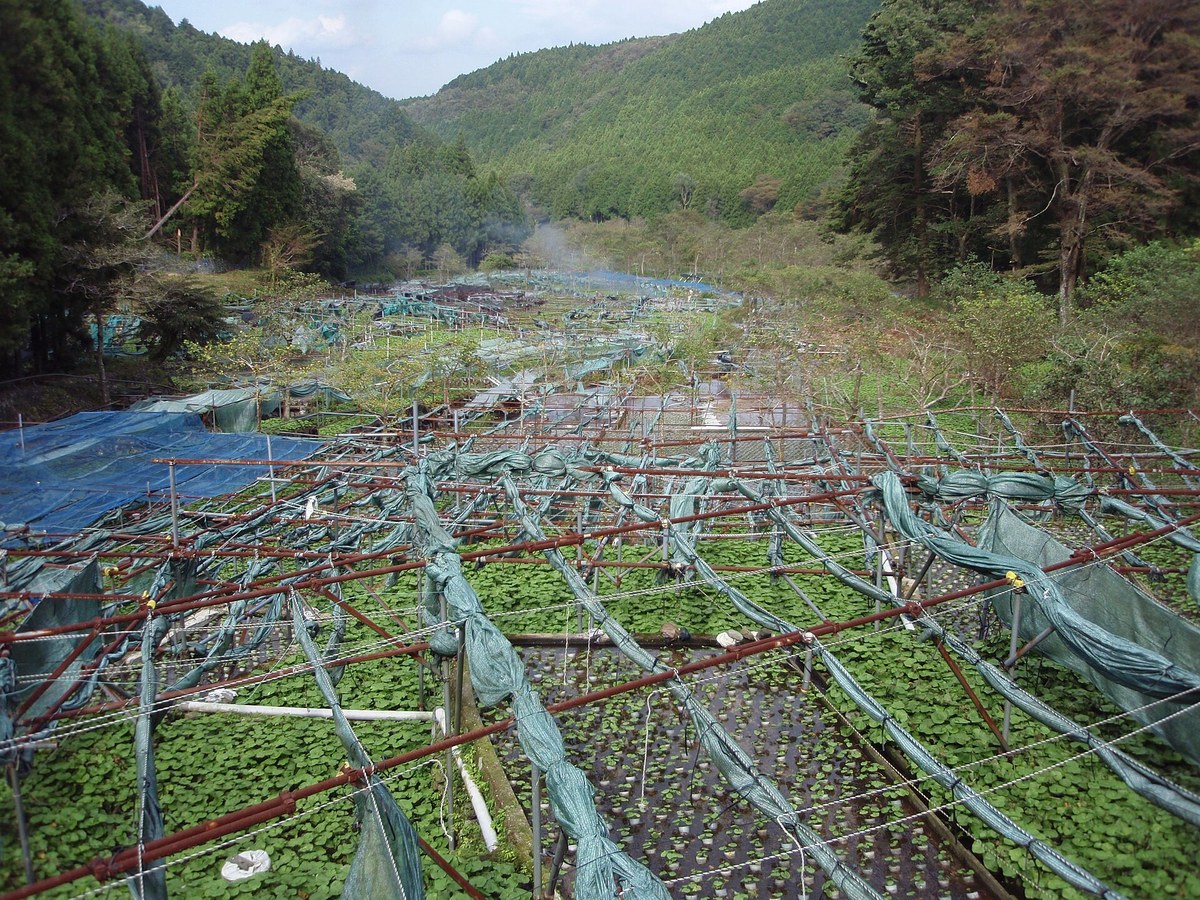
Food
First planted about 1600 in one mountain village; still Japan's top region, farmed in stone-filter terraces certified as world agricultural heritage.
Wasabi farming began in Shizuoka's Utogi village about 1600. The prefecture is still the top region, growing water wasabi in layered-stone terraces certified as a Globally Important Agricultural Heritage System in 2018.
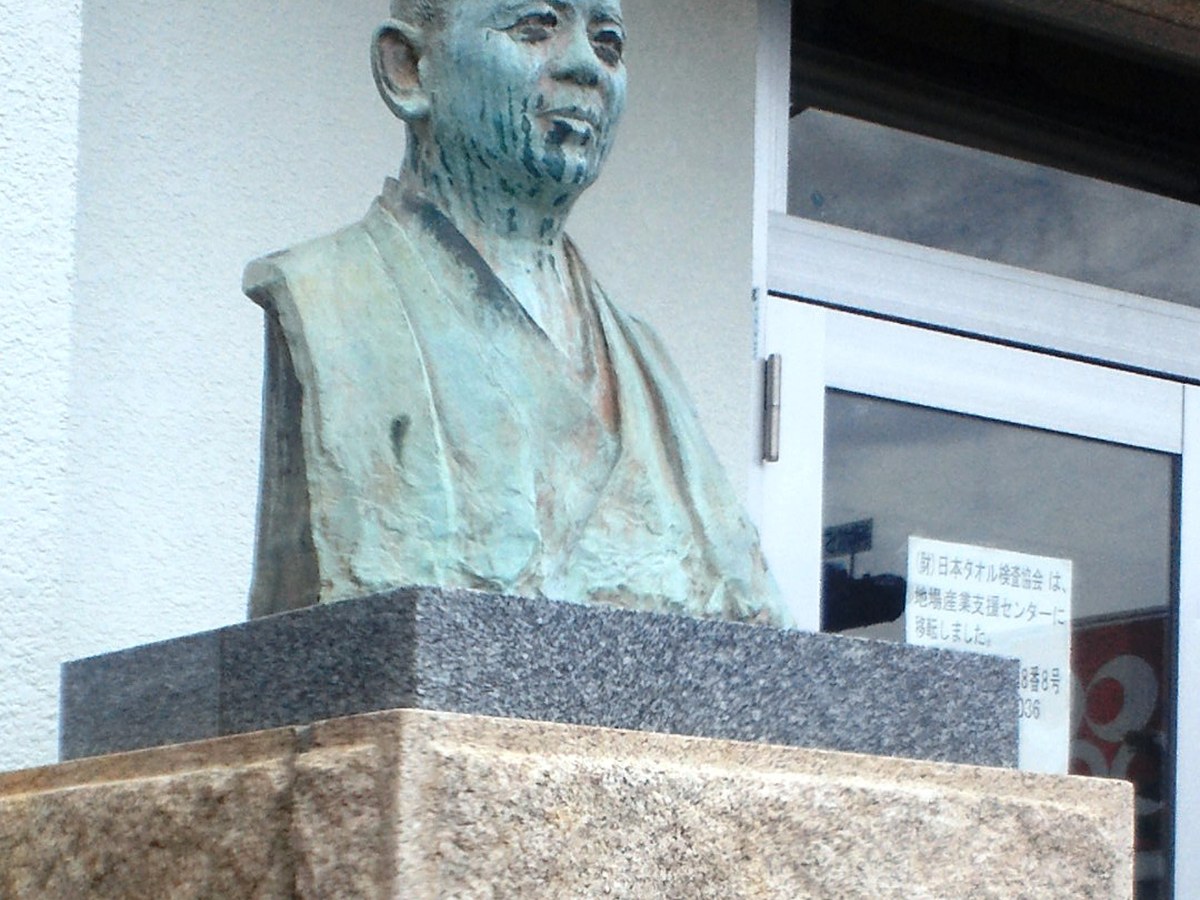
Craft
Osaka's Senshu district, 1887: the first Japanese towel loom, and the after-washing method that keeps its towels absorbent from day one.
Japan's towel industry began in Senshu, Osaka, in 1887. Senshu towels are bleached after weaving — the atosarashi method — so they absorb from the first use: thin, fast-drying, soft working towels.
Craft
One of Japan's Six Ancient Kilns: iron-rich clay, coil-built jars, and colour that comes only from ash in the kiln.
Fukui's ancient kiln ware: high-fired, unglazed stoneware coloured only by kiln ash, fired in Echizen Town for about 850 years — a Six Ancient Kilns line and a designated Traditional Craft.
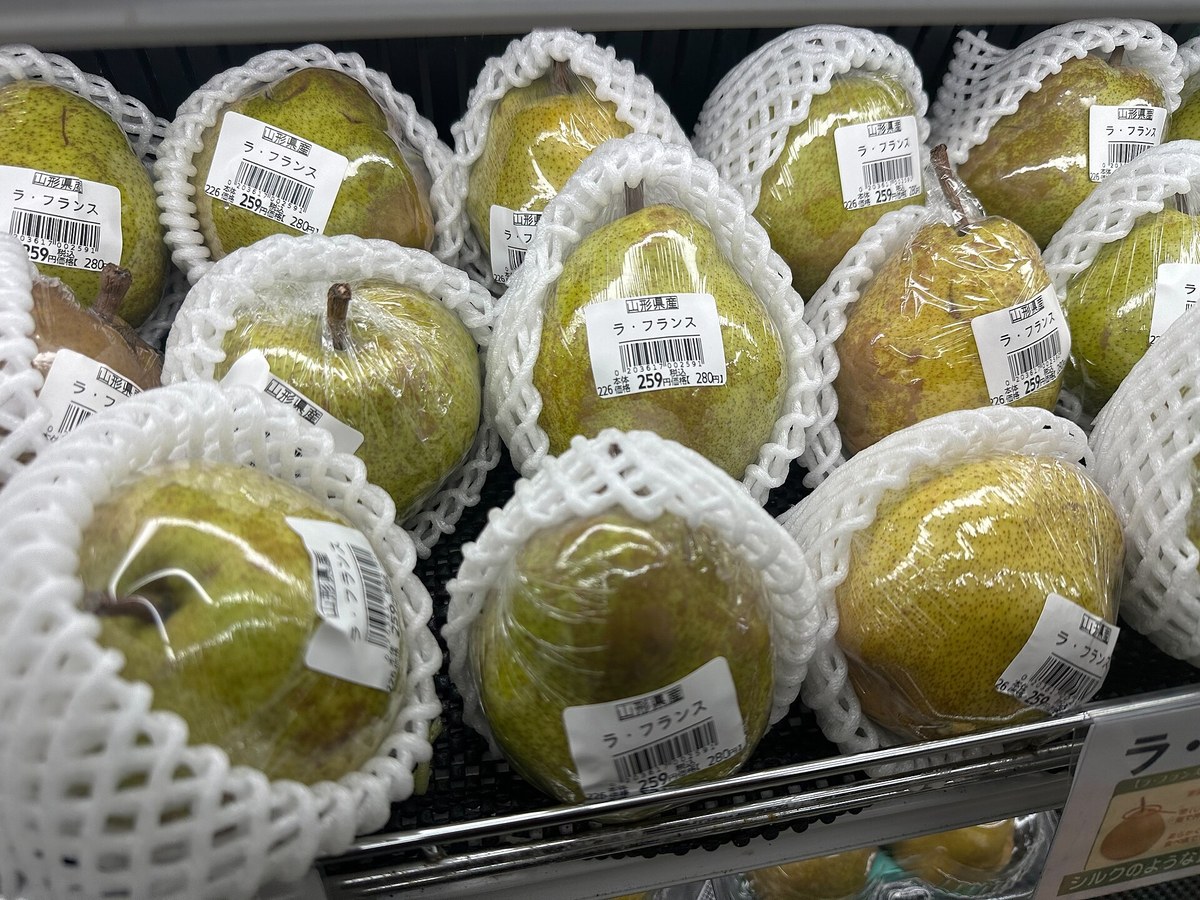
Food
GI No. 99: 82% of Japan's La France orchards in one prefecture, and over 95% of Tokyo's winter market.
A French cultivar, a Japanese register entry. Yamagata grows 82% of Japan's La France pears and supplies over 95% of Tokyo's winter market — GI No. 99, ripened off the tree.
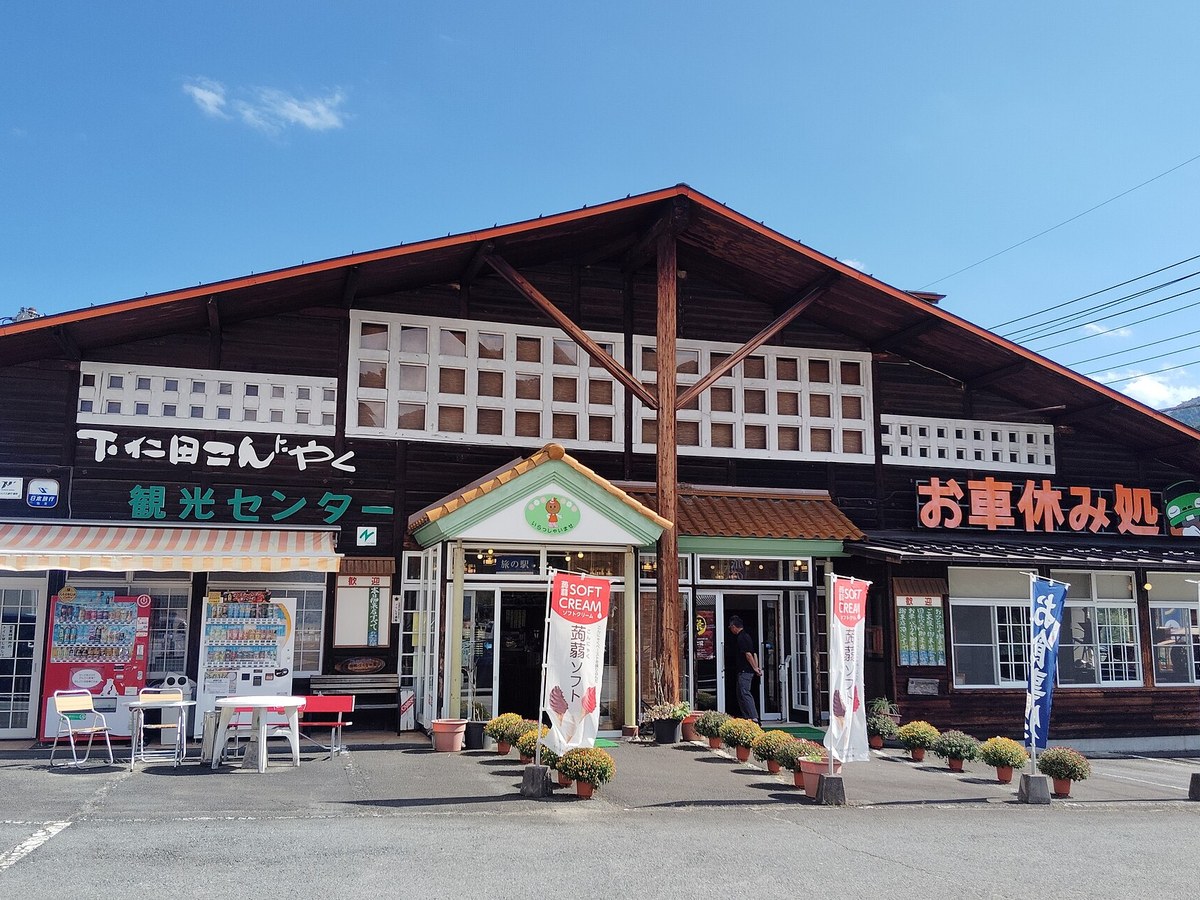
Food
48,500 tons, 95.3% of the national harvest — and Shimonita, the town that mills half of it.
Nearly all of Japan's konjac grows in Gunma: 95.3% of the 2023 harvest. Shimonita collects and mills about half of it — the raw material behind every konnyaku block in the country.
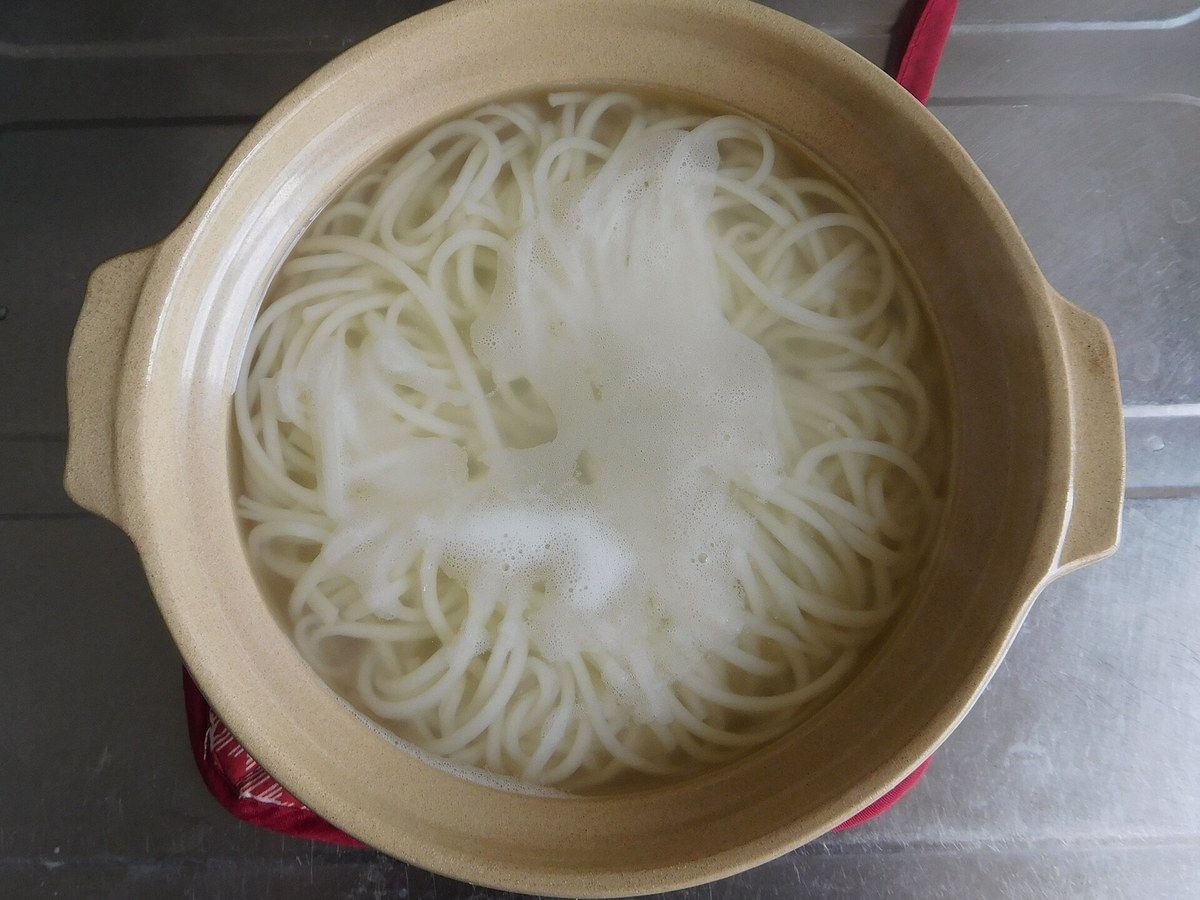
Food
Two millimetres thin, hand-stretched on Nakadori Island — one of Japan's three great udons, from thirty island factories.
An island noodle: hand-stretched with camellia oil on Nakadori Island, dried to strands about 2 mm across. One of Japan's three great udons — and 80% of it leaves the island.
Food
Heian-court tax fish, the world's first salmon hatchery river, and shiobiki dried in the winter wind.
A thousand years of salmon in one castle town: tax fish for the Heian court, the world's first managed salmon river, and shiobiki — whole fish salt-rubbed and wind-dried — still hanging in Murakami's shops.
Food
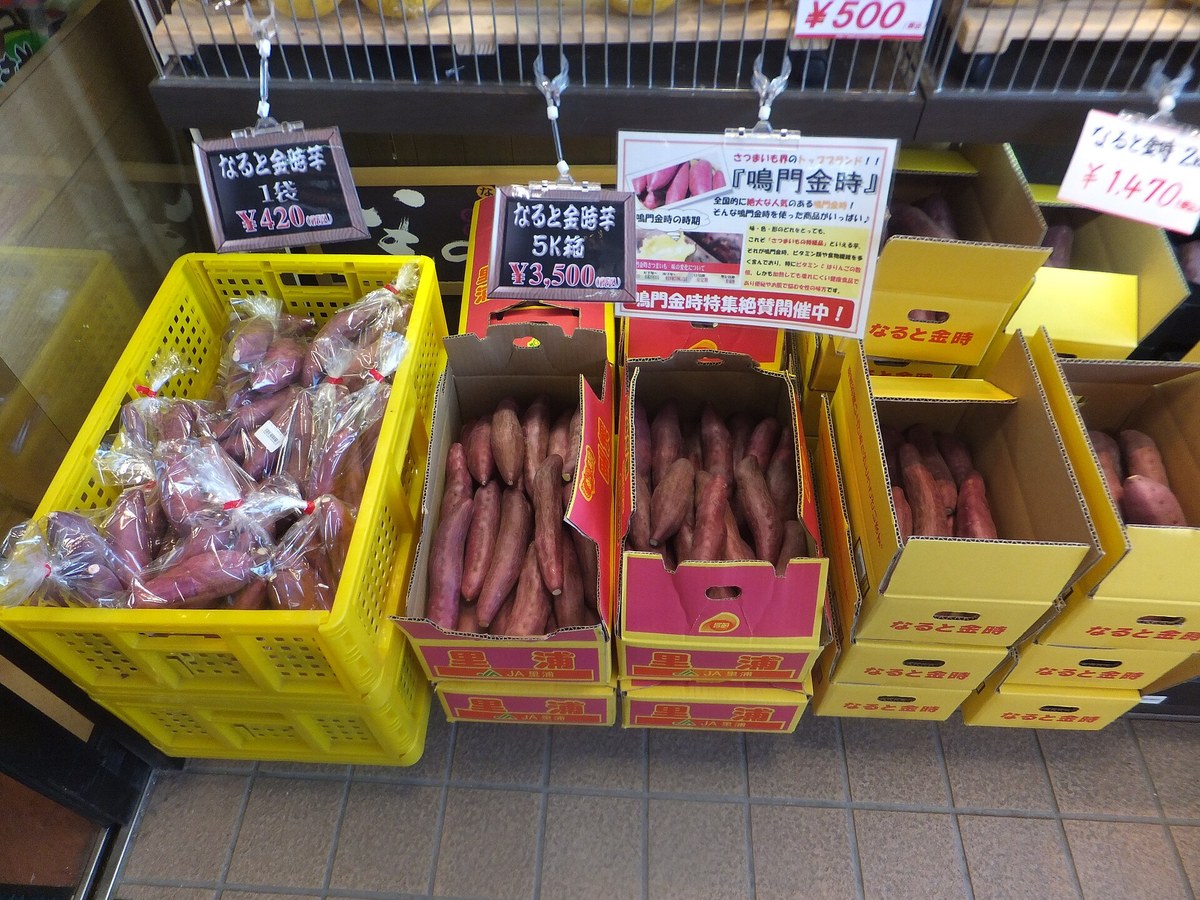
Kokei 14 lines, three Tokushima districts, one registered trademark — crimson skin, gold flesh, chestnut fluff.
Not a cultivar but an address: Kokei 14 sweet potatoes grown only in three Tokushima districts under a 2007 regional trademark — red skin, golden flesh, chestnut-dry sweetness from strait-side sand.
Food
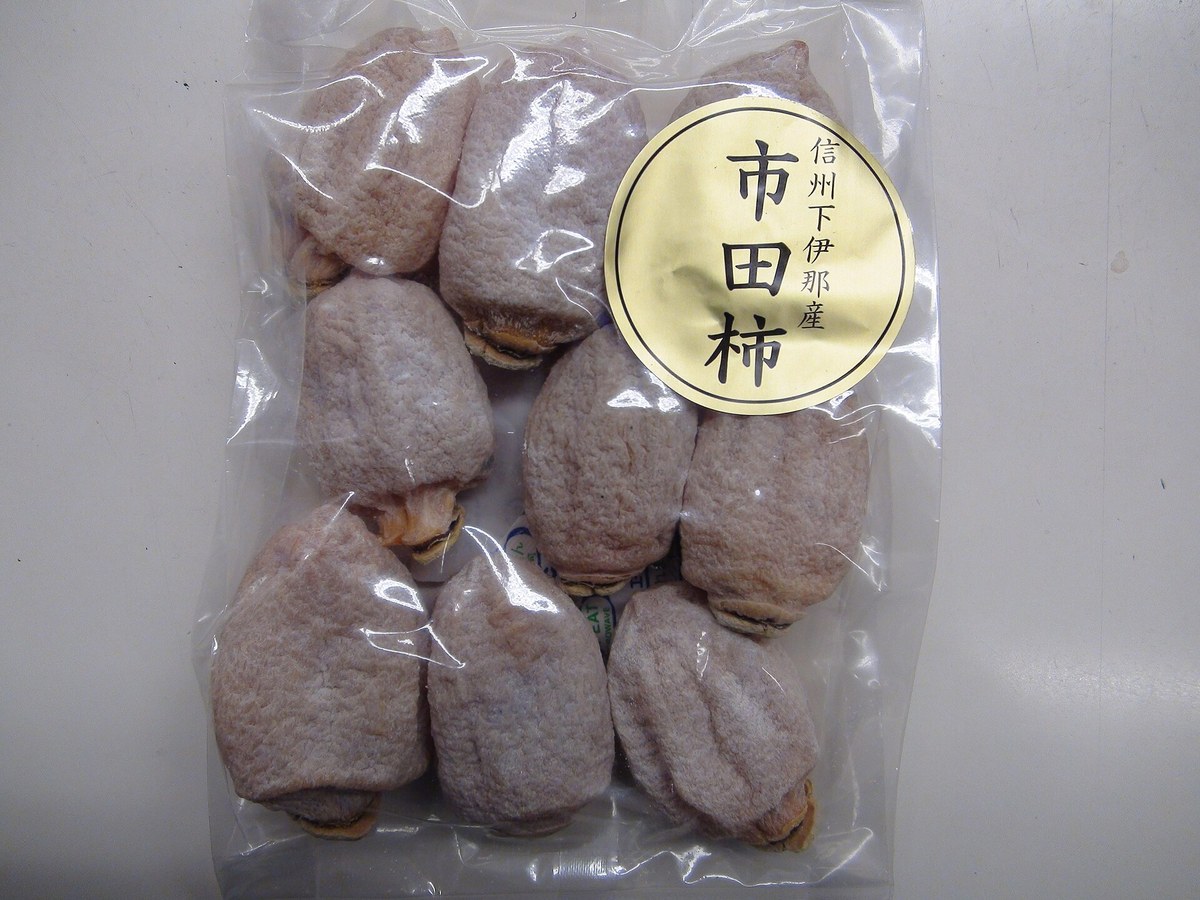
GI No. 13: sugar rising to 70% in the Tenryu River fog, and over 95% of Nagano's dried persimmons.
One valley's persimmon: dried about a month in Tenryu River fog, kneaded until its own sugar blooms white — GI No. 13, and over 95% of Nagano's dried-persimmon production.
Food
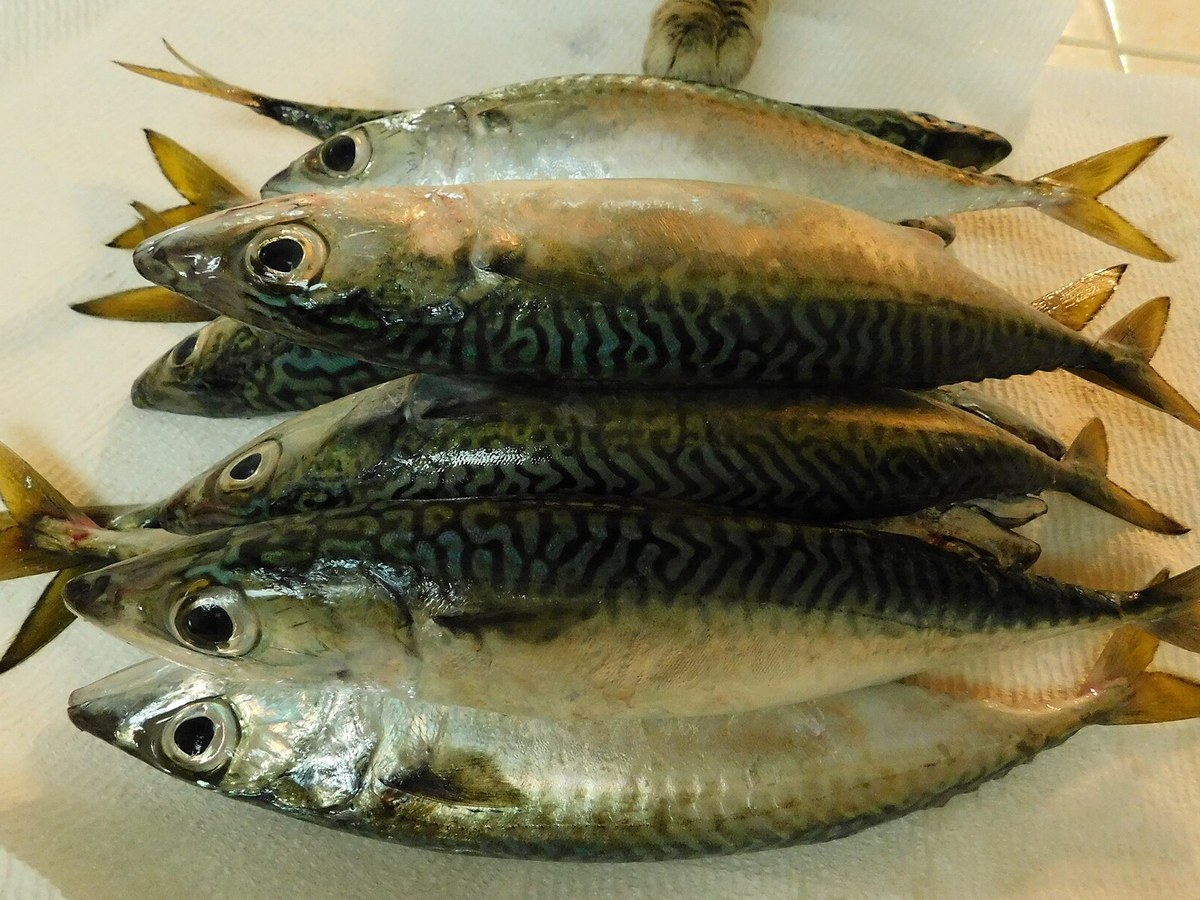
Only Saganoseki cooperative fish from the Hoyo Strait may carry the name — Japan's first trademarked fish.
A mackerel with a rulebook: only single-hook fish by Saganoseki cooperative members in the Hoyo Strait may be called Seki Saba — firm, fatty, and priced at multiples of an ordinary fish.
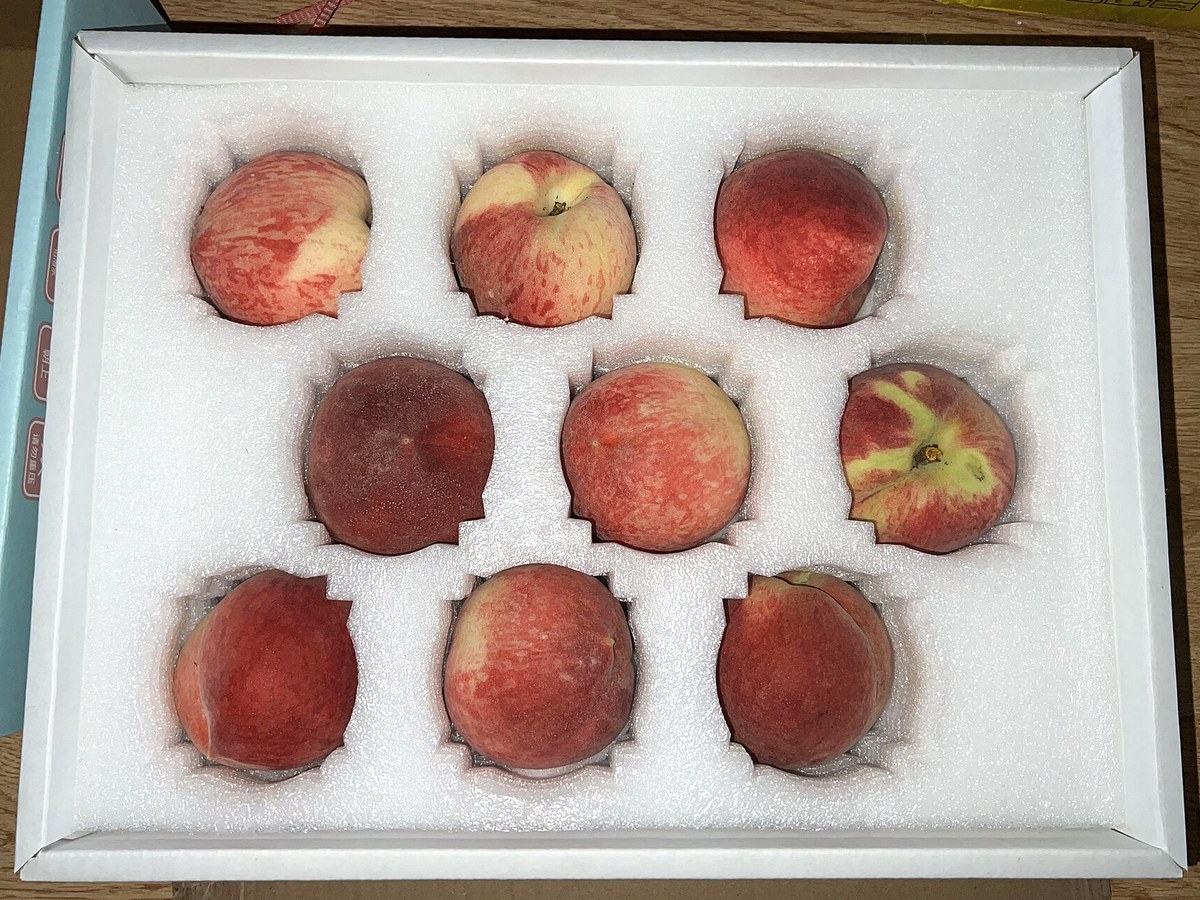
Food
A 1932 chance seedling, 225 hectares, every fruit bagged by hand — and ¥30,000 for five at the top.
Nobody bred it: a chance seedling found in Okayama City in 1932 became Japan's most celebrated white peach — 225 hectares, hand-bagged fruit, and a two-week season at the summit of the gift calendar.
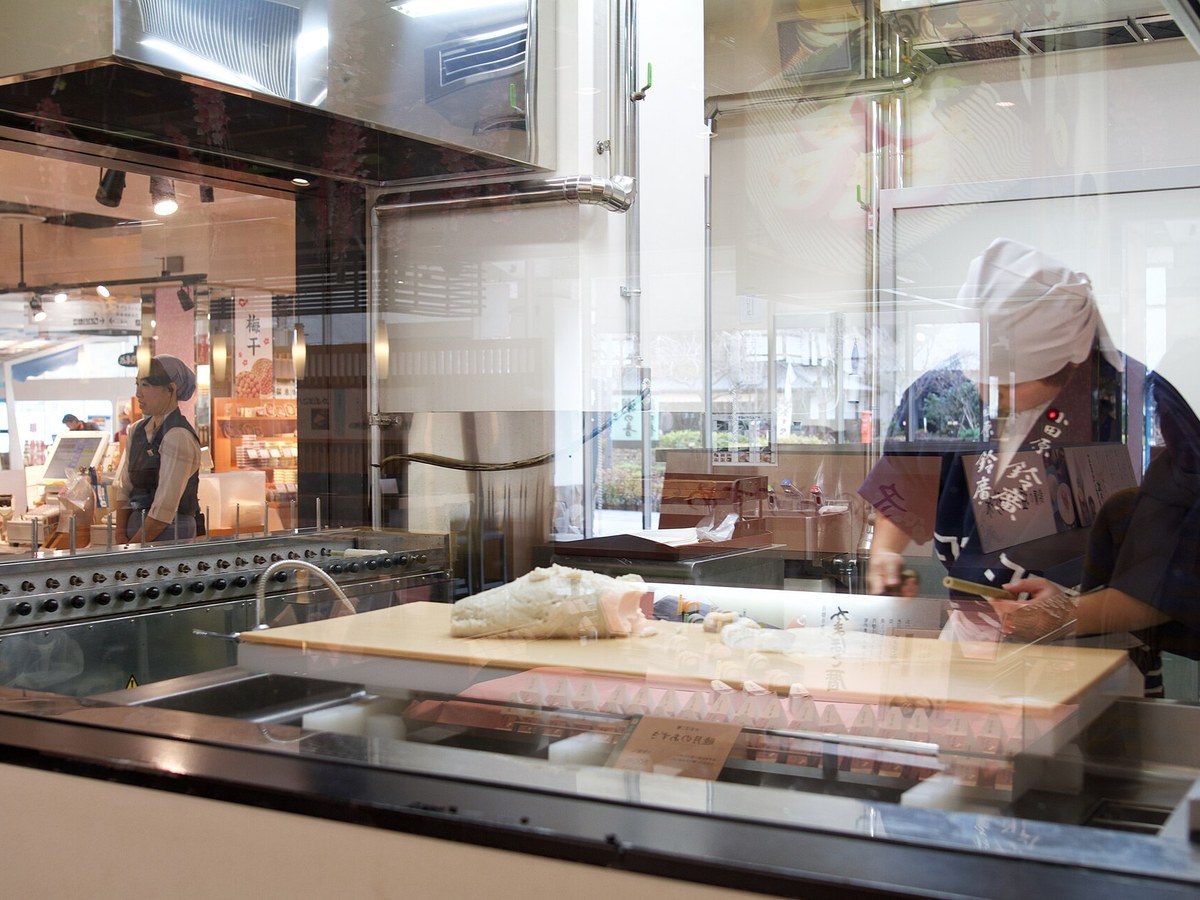
Food
Makers since about 1550 and 1865, Hakone groundwater, and a museum where the craftsmen work behind glass.
Kamaboko's capital: a castle town whose oldest maker dates to about 1550 and whose famous house, Suzuhiro, runs a museum of the craft — a MAFF-listed regional cuisine of Kanagawa.
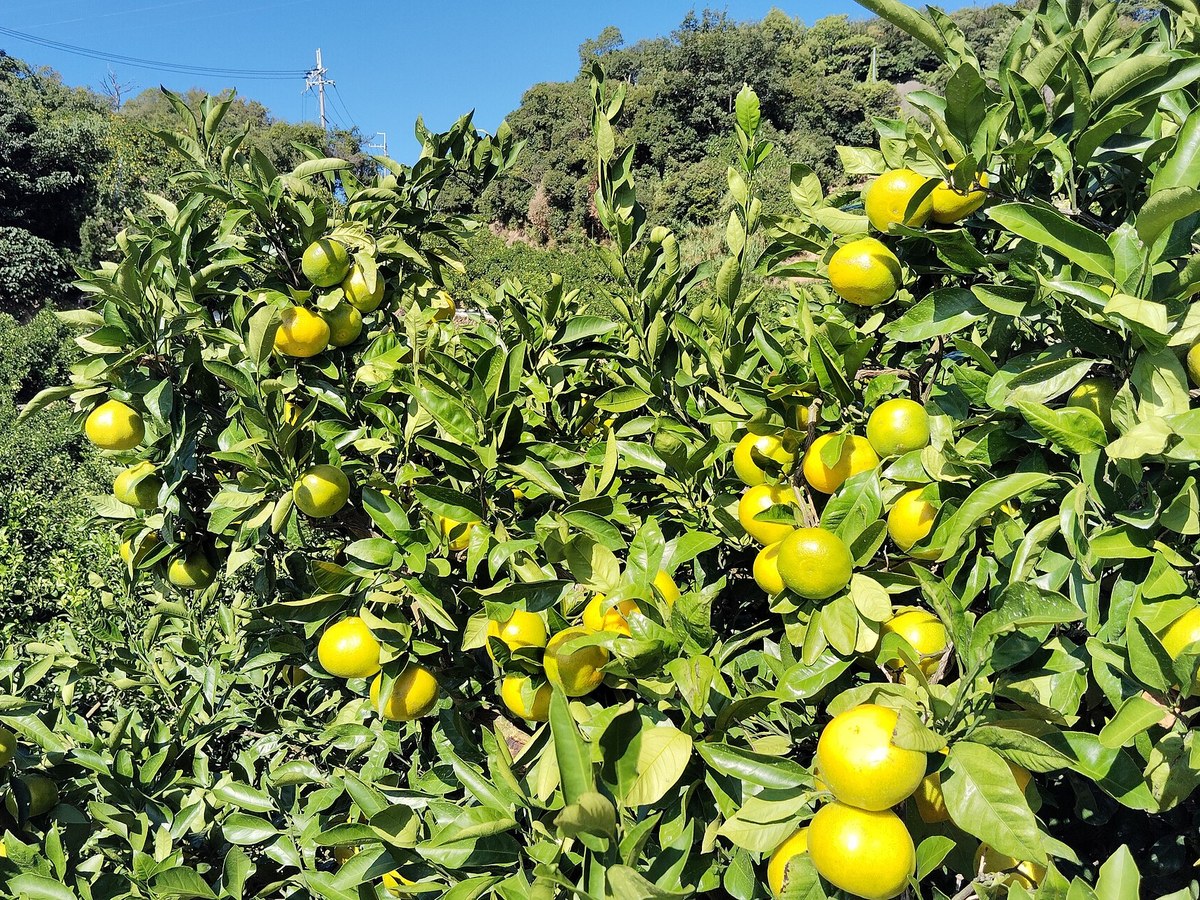
Food
Terraced fields, a 1634 first shipment to Edo, and a fifth of the nation's mikan from one prefecture.
Japan's mandarin starts here: 400 years of terraced growing above the Arida River, the first shipment to Edo in 1634, and district brands — Shindo, Tamura — inside the city name.
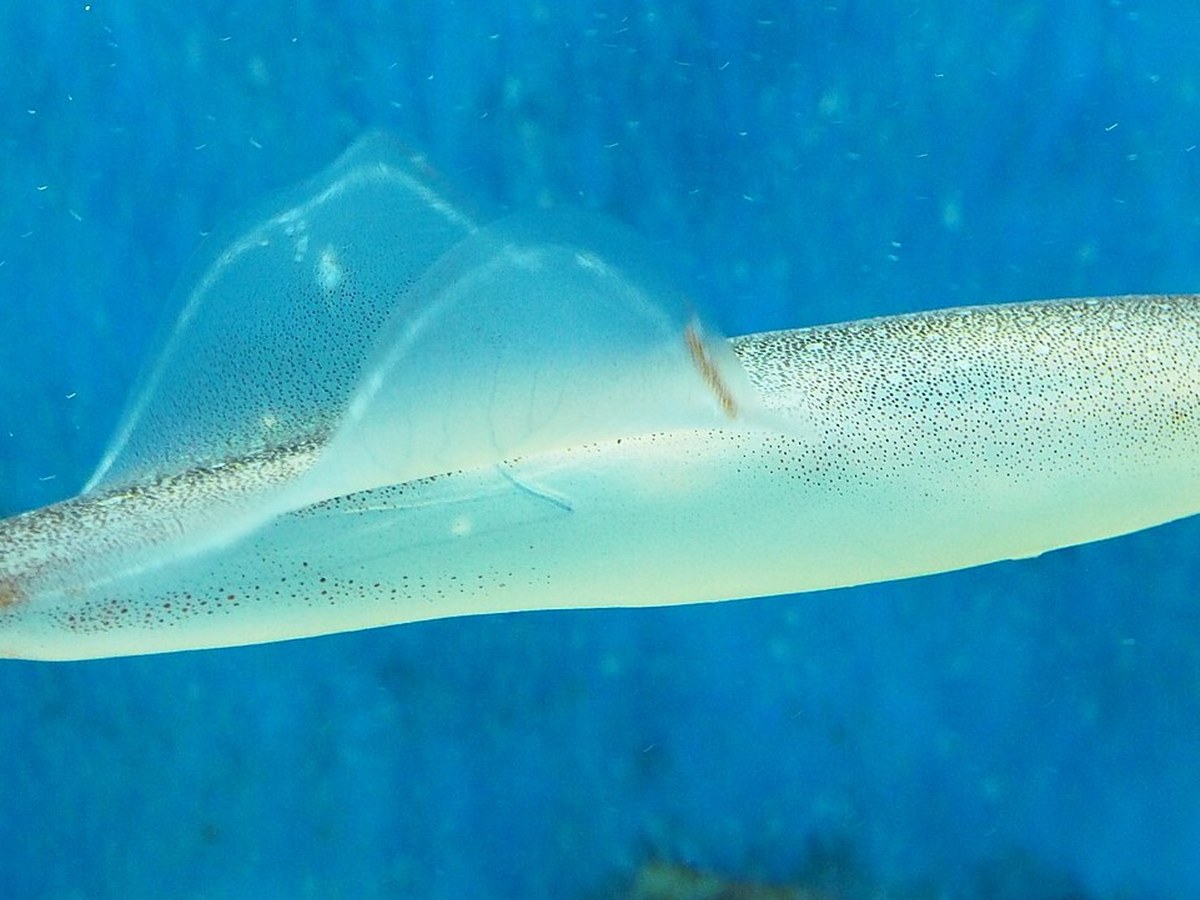
Food
Transparent ikizukuri at the Genkai Sea port where the style was invented, and a morning market over a century old.
Squid served still alive: lifted from the tank and sliced in moments, so clear the plate shows through — the ikizukuri style Yobuko invented, beside its century-old morning market.
Food
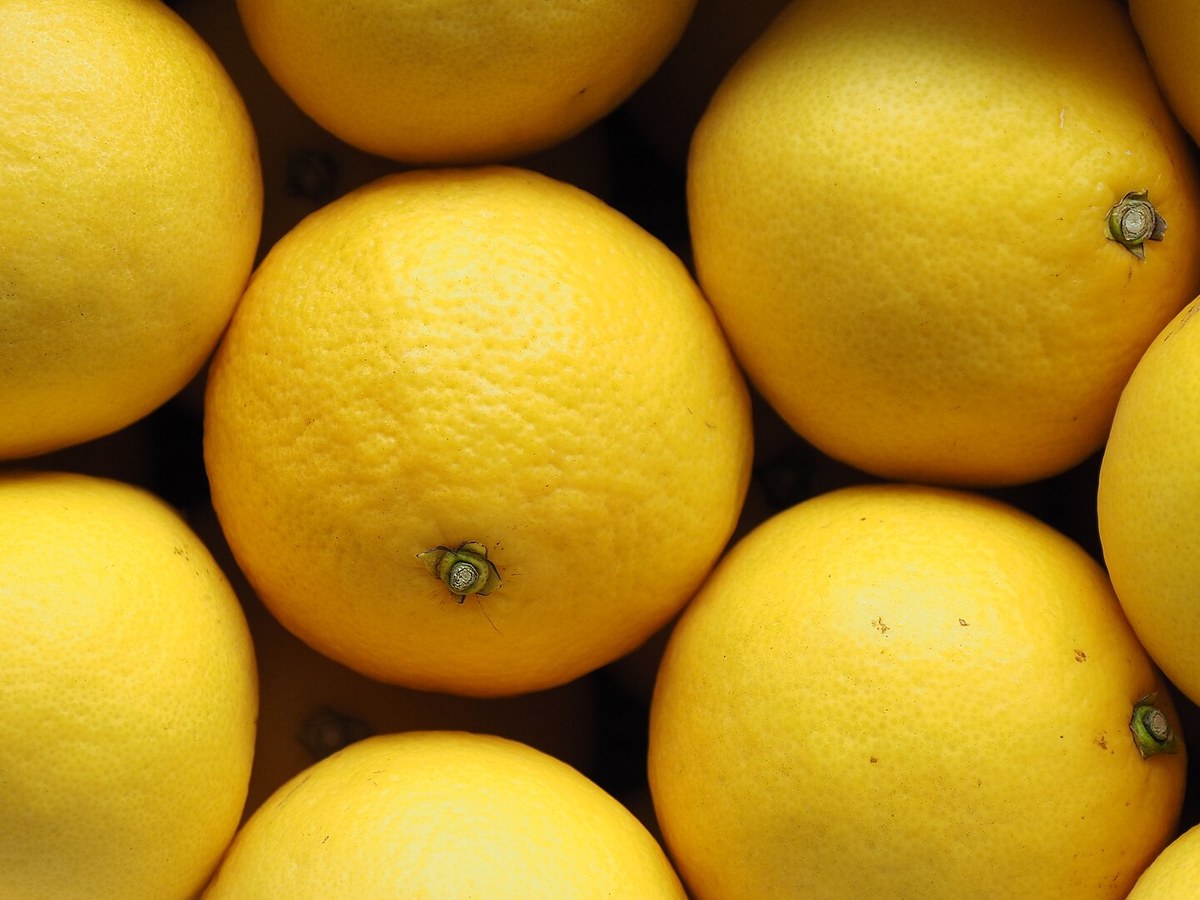
A garden accident of the 1820s, named for Miyazaki's old province, and eaten with its sweet white pith.
A citrus that appeared uninvited in a Miyazaki garden in the 1820s and took the province's own name — eaten by a rule of its own, white pith and all.
Food
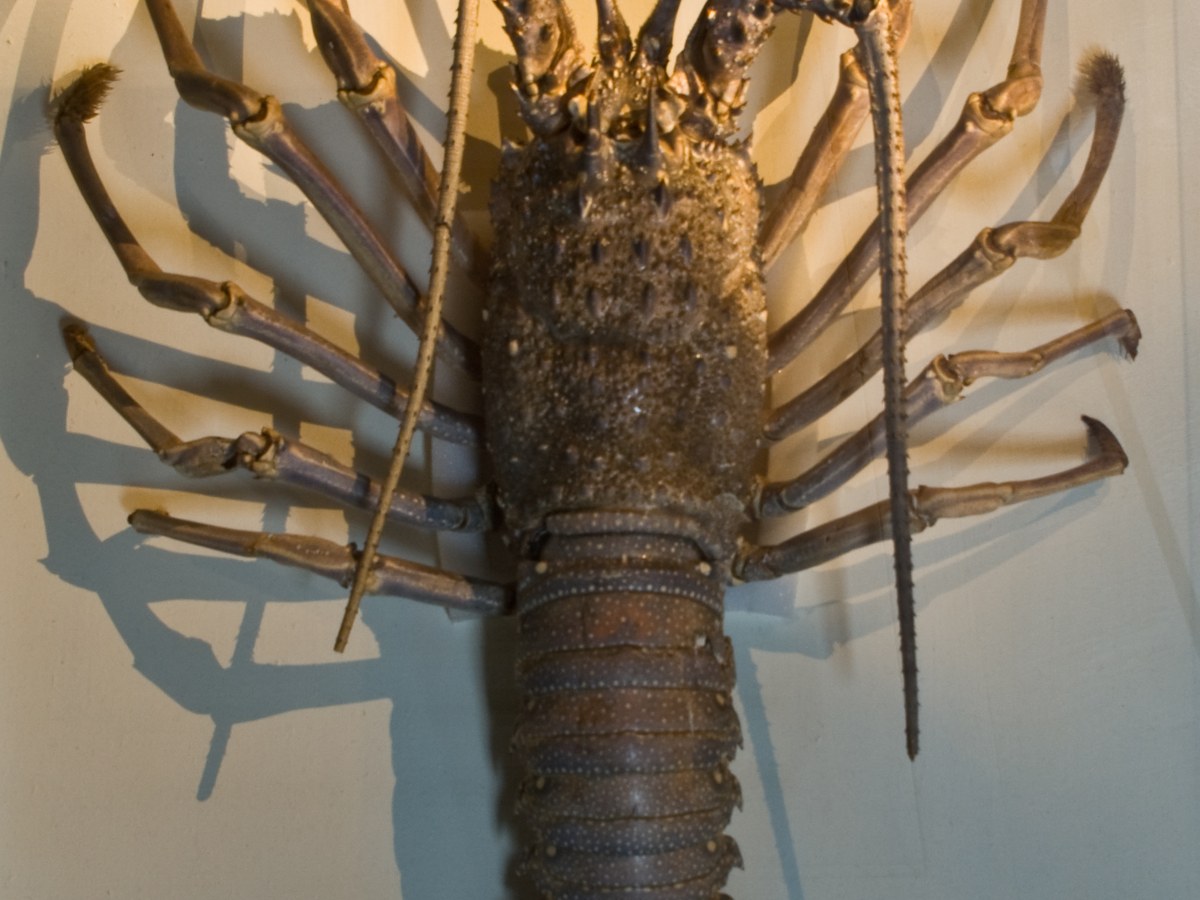
Mie's rules close the fishery May to September; the Ise-Shima season runs October to April.
The spiny lobster named for Ise itself: Mie closes the fishery five months a year, so its October-to-April season is the Ise-Shima coast's winter feast.
Food
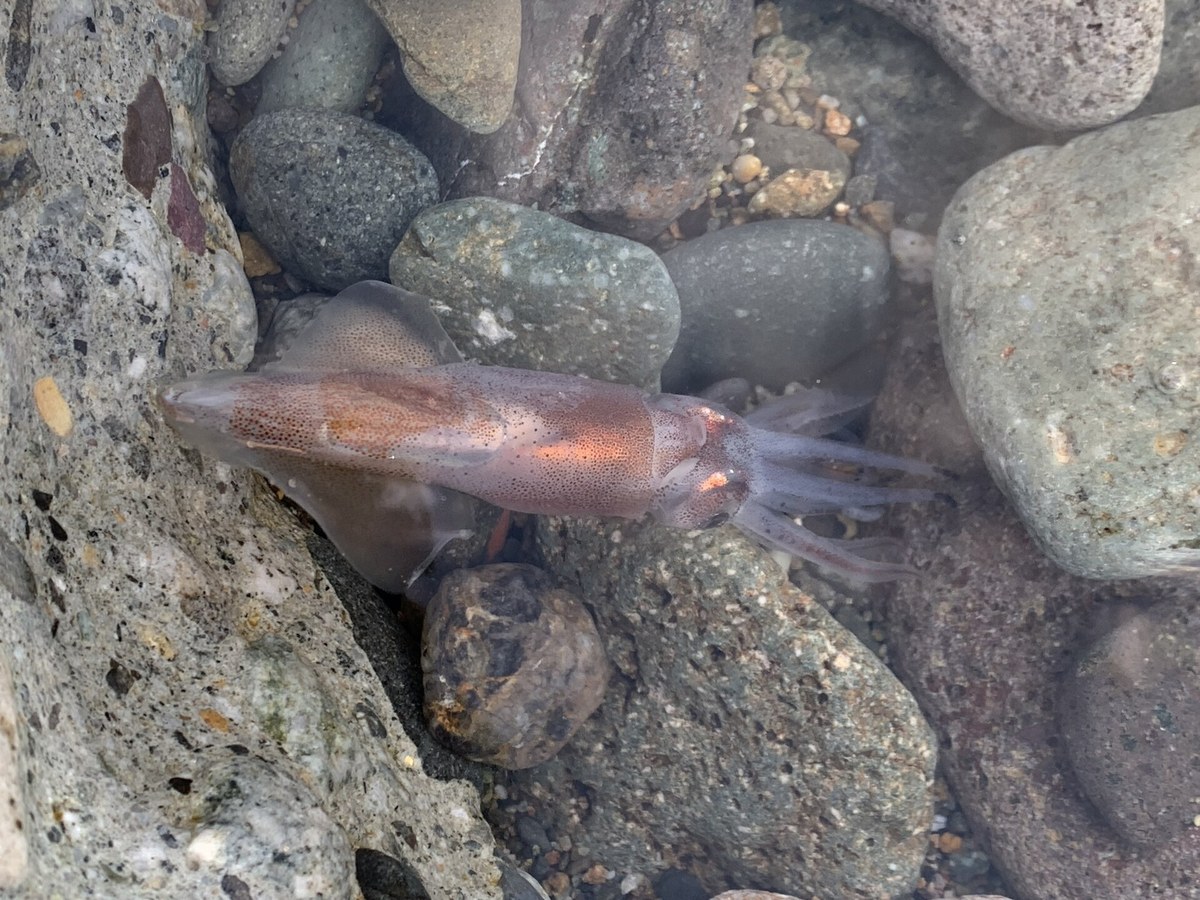
A deep-sea squid spawning at Namerikawa's shore, in a sea area protected as a Special Natural Monument.
Thumb-sized squid carrying their own blue lamps rise from Toyama Bay's canyon to spawn at Namerikawa each spring — a protected spectacle you can also eat.
Food
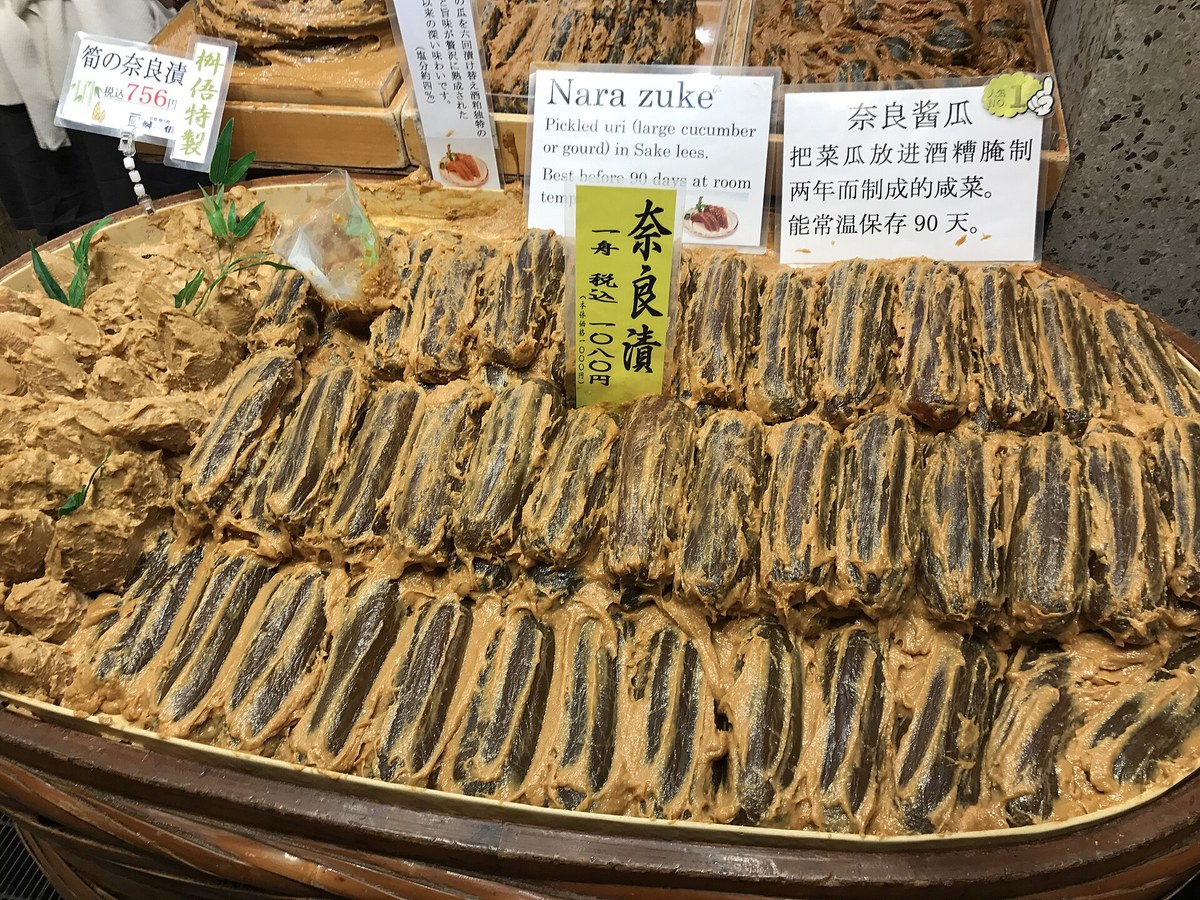
Written on wooden tablets at Heijo-kyo, aged a year or two by Nara's makers, and amber with the brew.
Vegetables buried in sake lees until amber: a pickle already written down at Nara's 8th-century capital, still made the slow way by the old capital's shops.
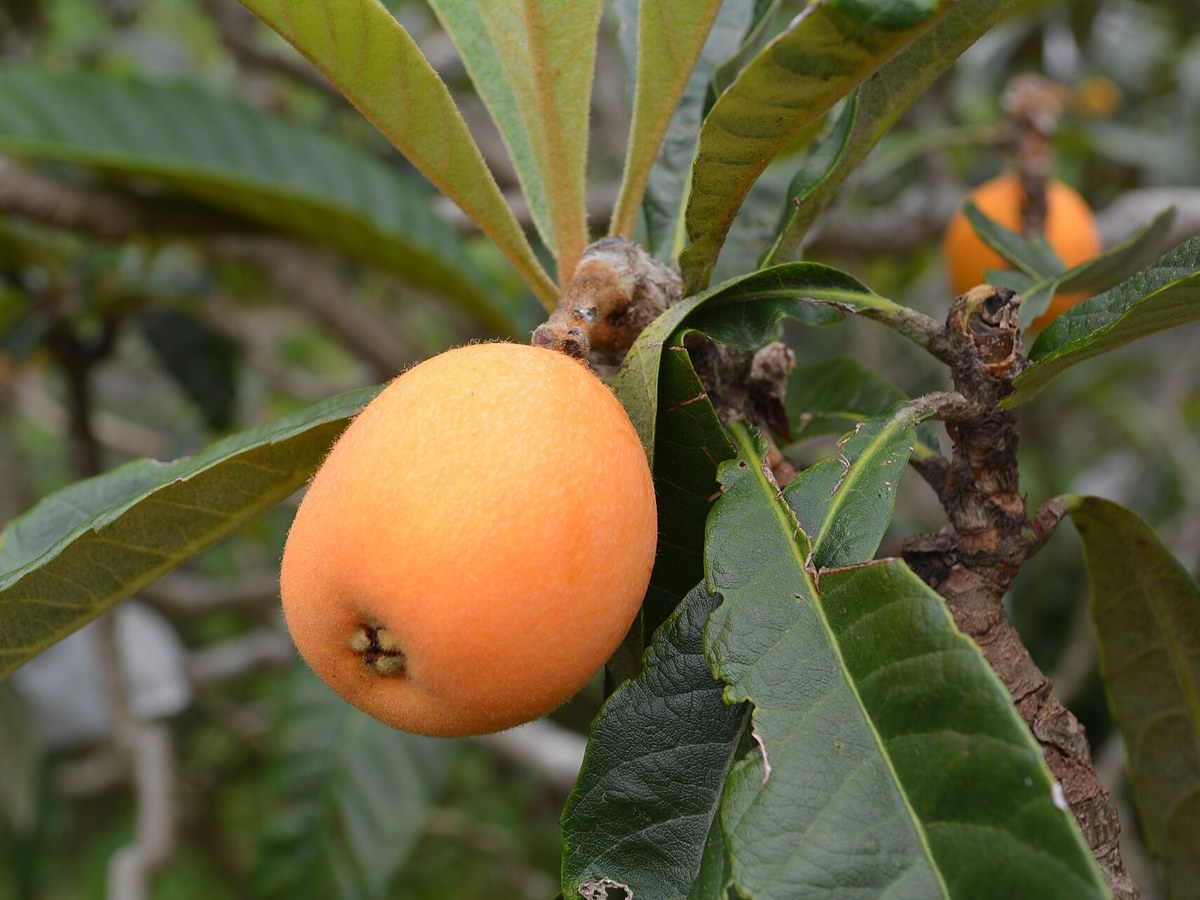
Food
The imperial loquat: bagged one by one in Minami-Boso and offered to the throne since 1909
Chiba's registered loquat name: bagged one by one in Minami-Boso, graded 2L–3L, and offered to the Imperial Household since 1909.
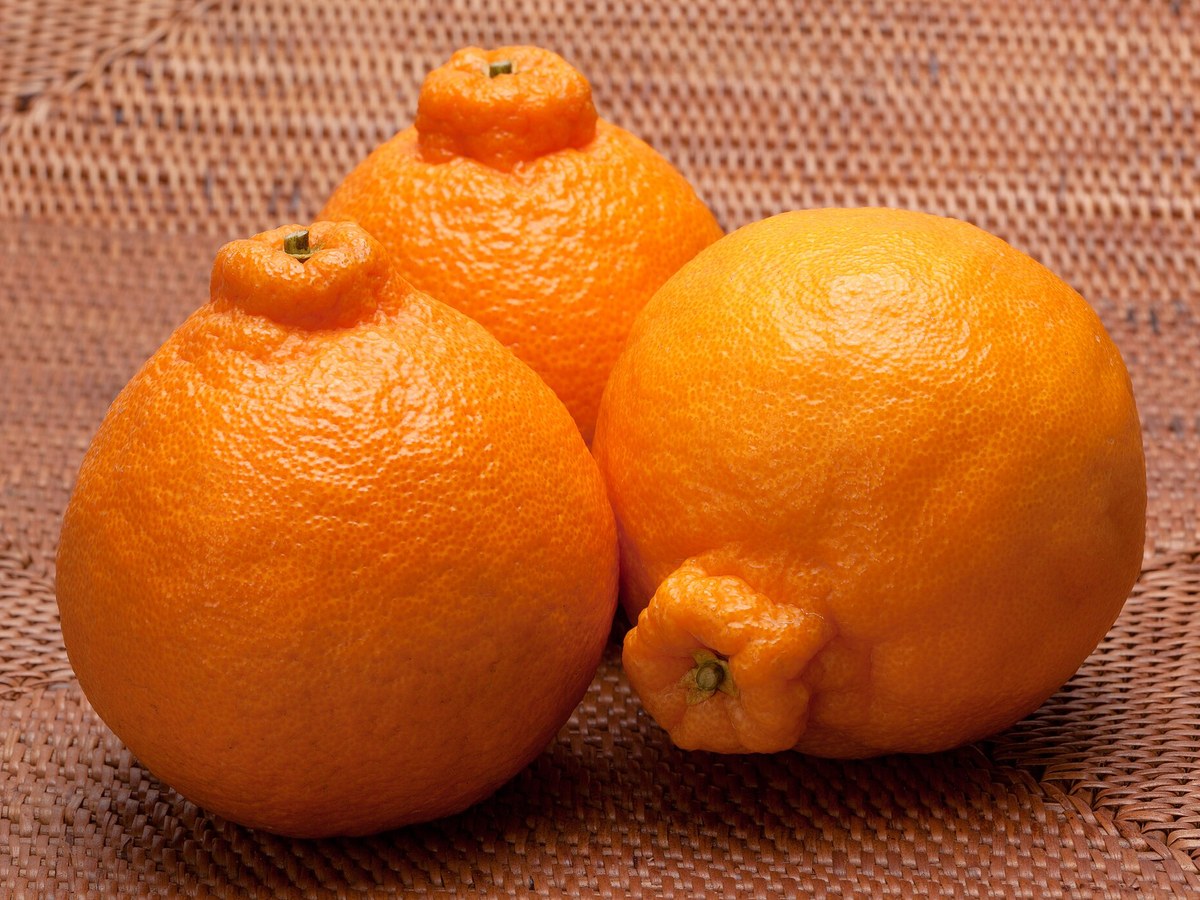
Food
Kumamoto's trademark citrus: only shiranui sweet enough may carry the name
A trademark, not just a fruit: only shiranui over 13° sugar and under 1.0% acid may be called dekopon — the name is held in Kumamoto.
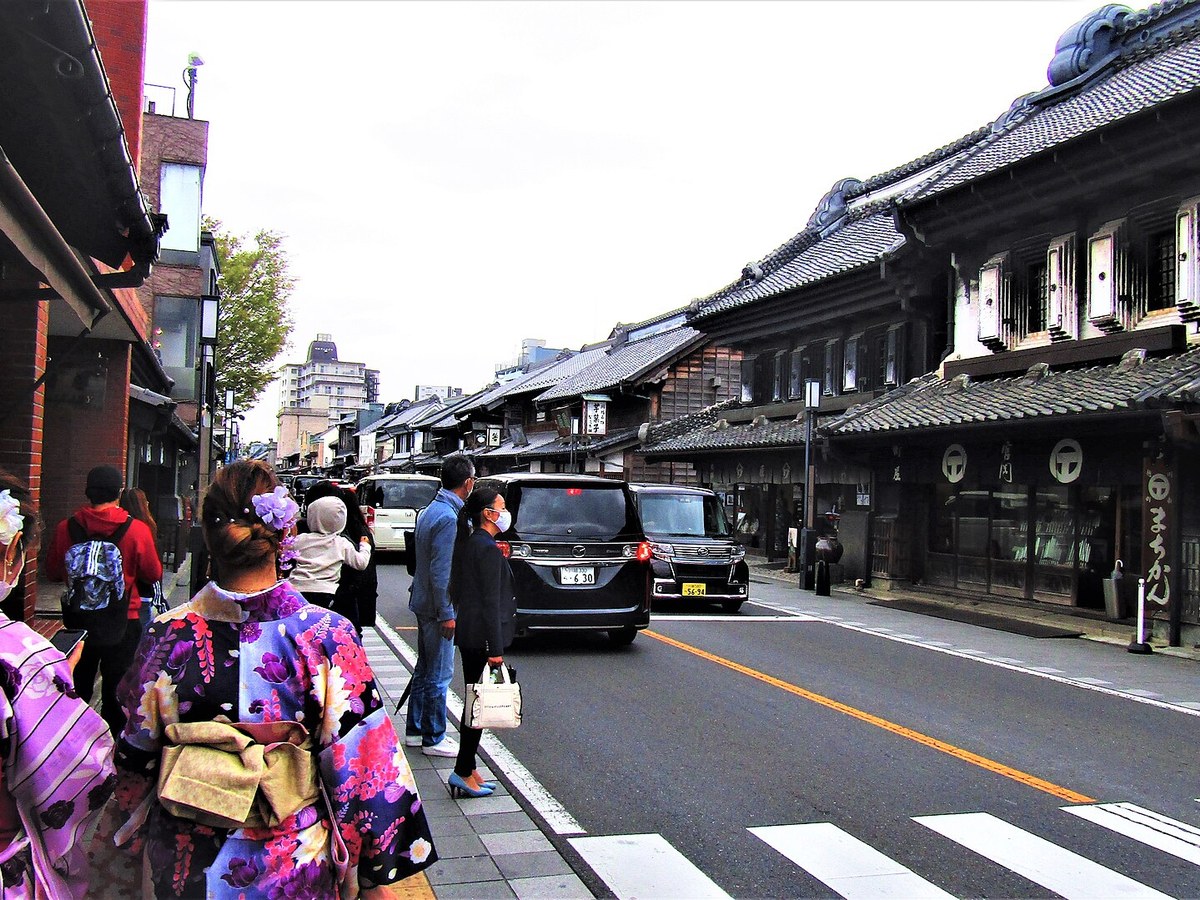
Food
Edo's luxury potato, shipped by boat — and the Imo Koi bun that carries the name today
Edo's luxury potato town: Kawagoe shipped sweet potatoes by boat until its name meant the potato — today it's the Imo Koi bun.
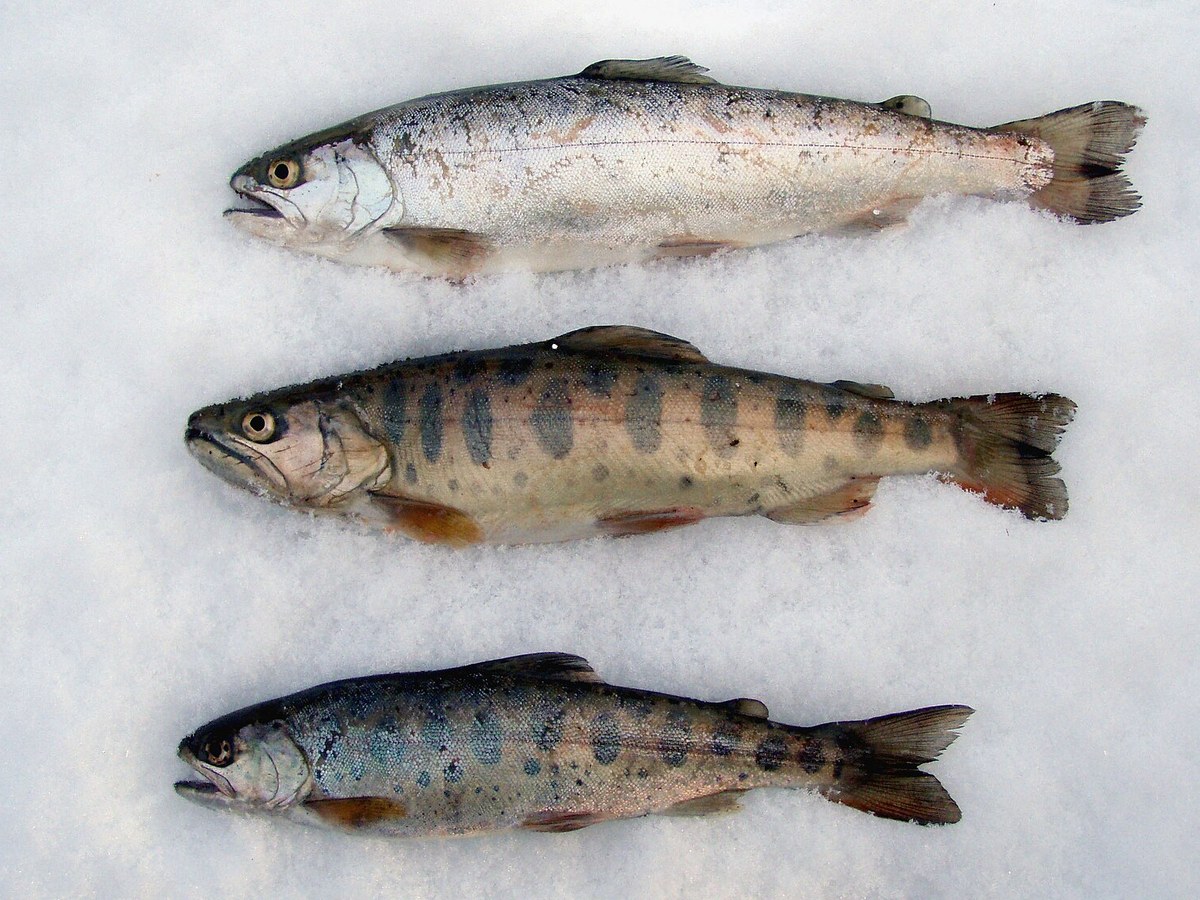
Food
Lake Biwa's own salmon: an endemic species, recognised in 2025, under a 30 cm law
One lake on Earth: Lake Biwa's endemic salmon, given species rank in 2025, guarded by a 30 cm minimum and a spawning closed season.
Food
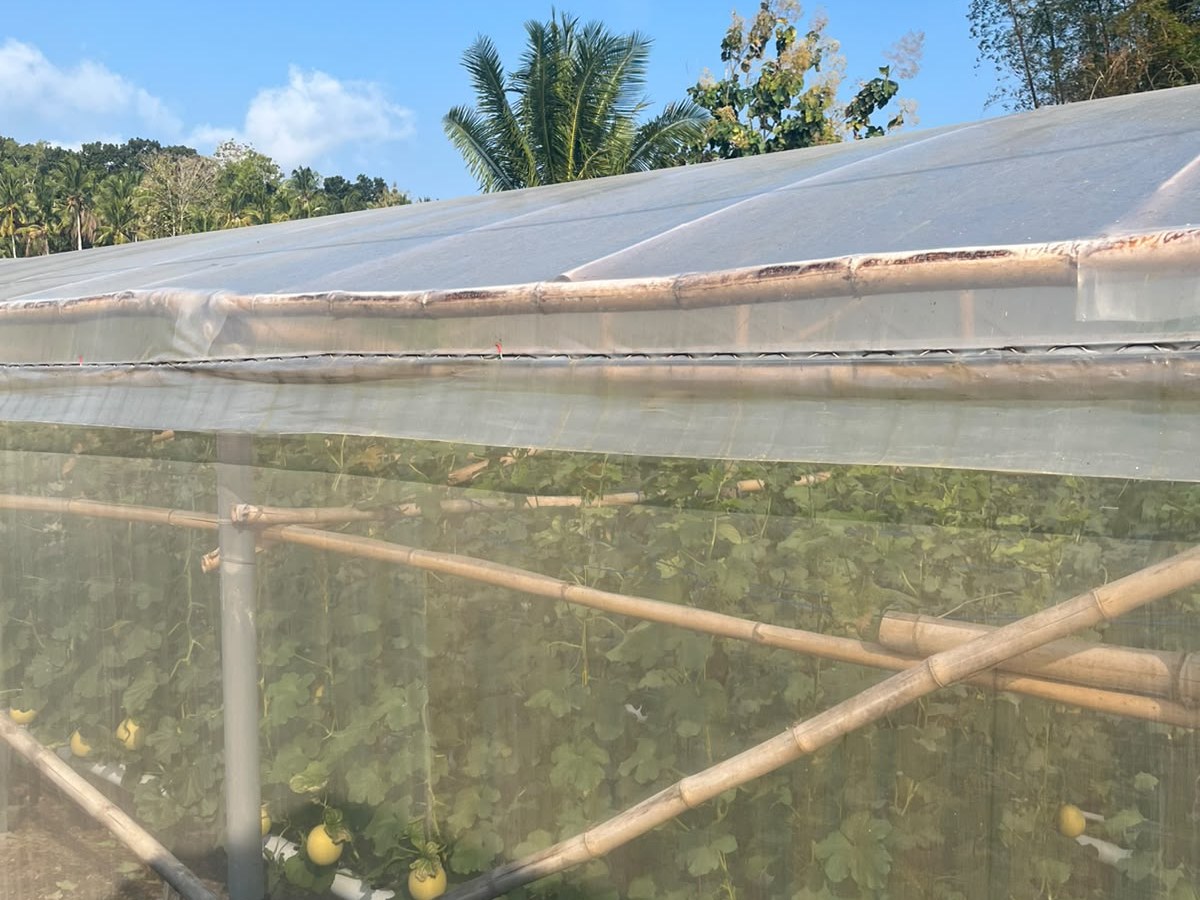
Ten years and 400 crosses: Ibaraki bred its own melon king on Japan's biggest melon ground
Japan's top melon prefecture bred its own flagship: Ibaraking, ten years and 400 crosses, sensor-graded in Hokota.
Food
Sanmangoku's milk manju since 1967, named for a child drinking milk
Fukushima's signature bun: milk bean paste in buttery dough, baked in Koriyama since 1967 and named, in Spanish, for a child drinking milk.
Food
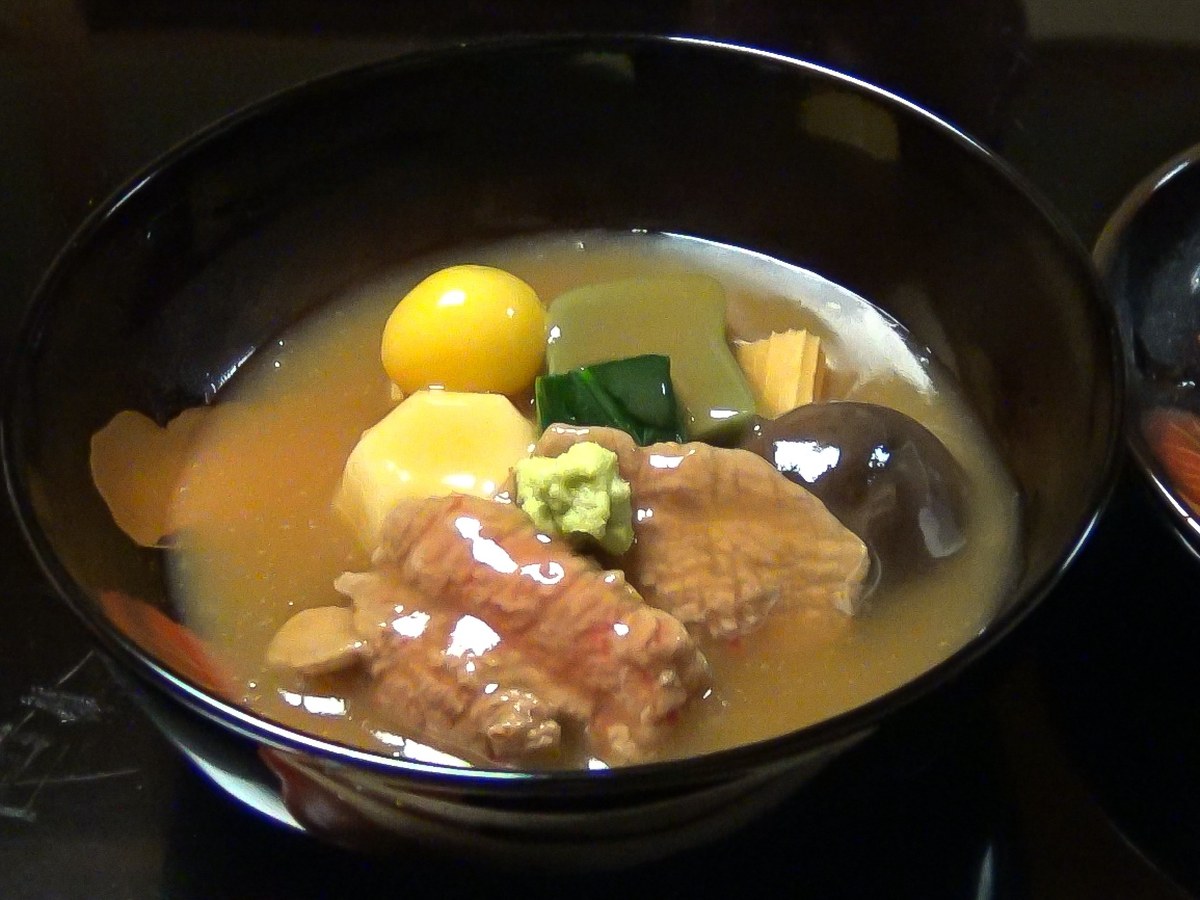
Kanazawa's flour-thickened duck stew, finished with wasabi
Kaga cuisine's signature stew: flour-dusted duck and sudare-fu in a broth the coating itself silks — always finished with wasabi.
Food
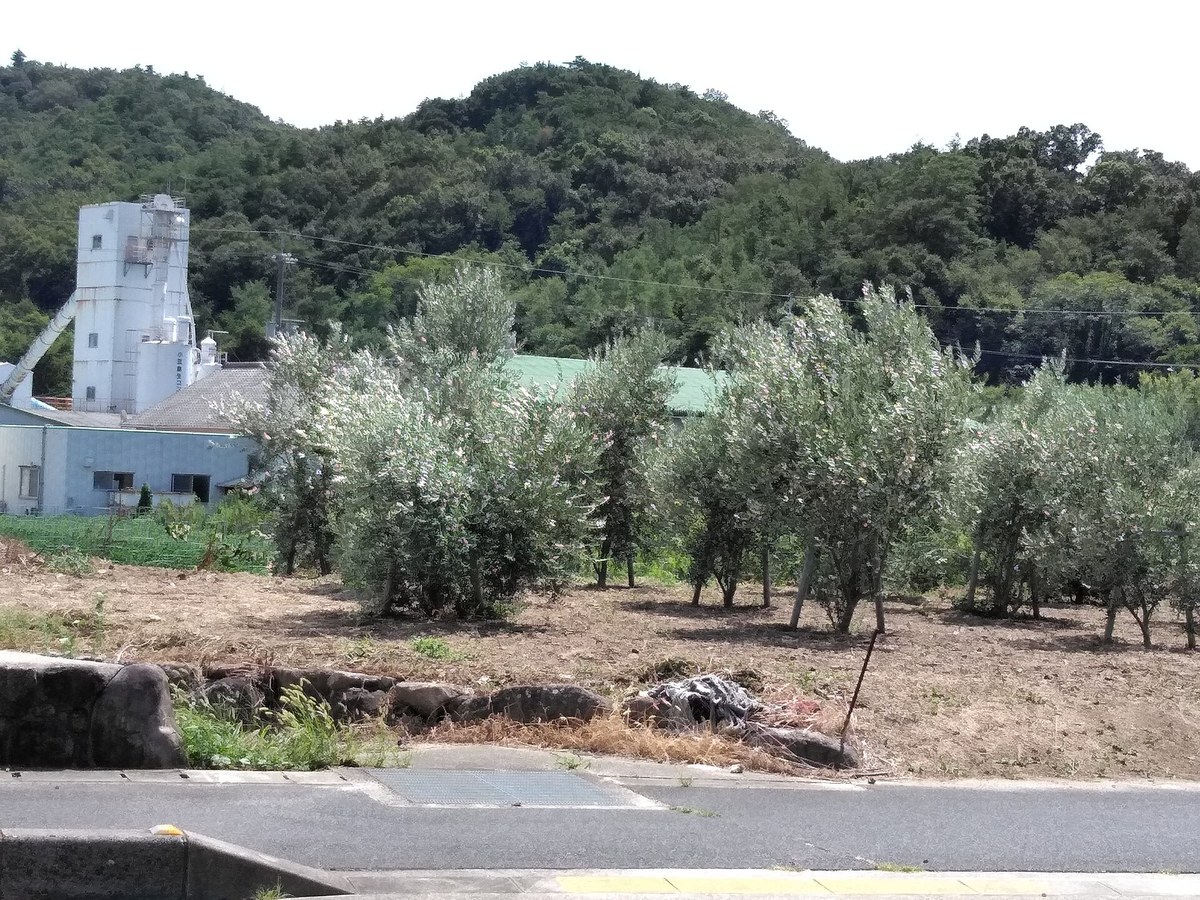
Wagyu finished on pressed olives: 200 grams a day, grade 3 or better, one town only
One island's loop: Sanuki cattle finished on the olives' pressed pulp, 200 g a day for two months — grade 3 or better, Tonosho Town only.
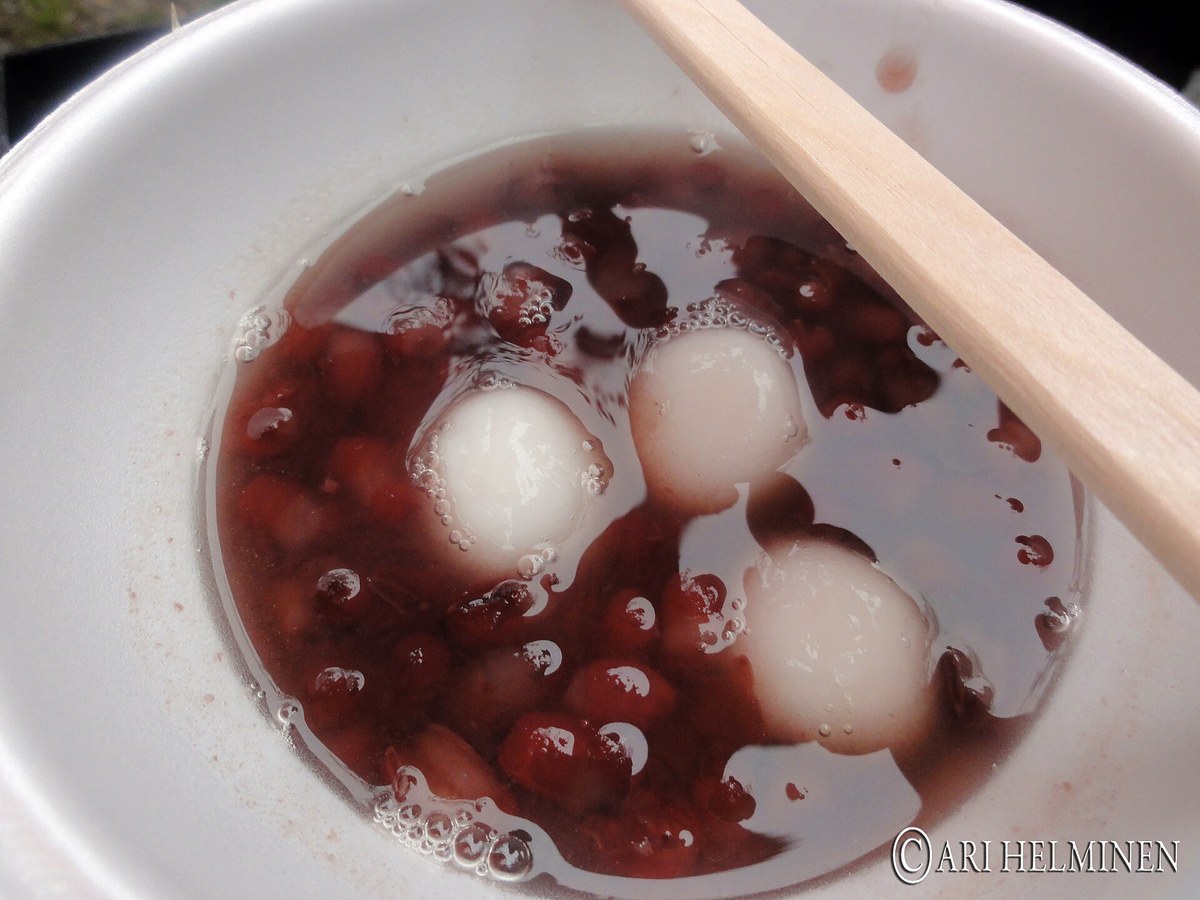
Food
The festival bowl of the gods' gathering that gave zenzai its name
The bowl that named a nation's sweet: Izumo's festival Jinzai-mochi, worn by dialect into 'zenzai', still served before Izumo Taisha.
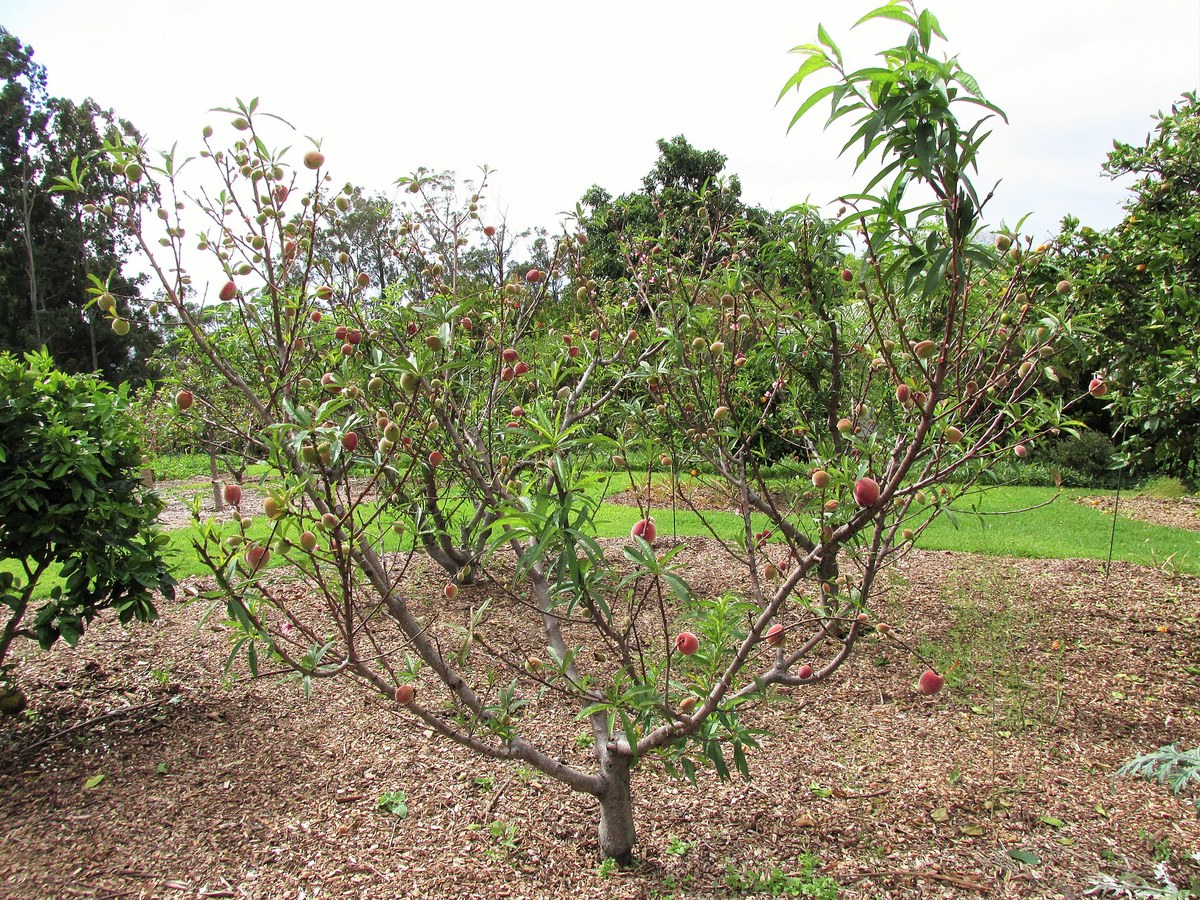
Food
Yamanashi's own variety from the ground that grows one peach in three
Japan's peach prefecture bred its own: Yumemizuki, the 'classic standard' original variety of the Kyoutou fans.
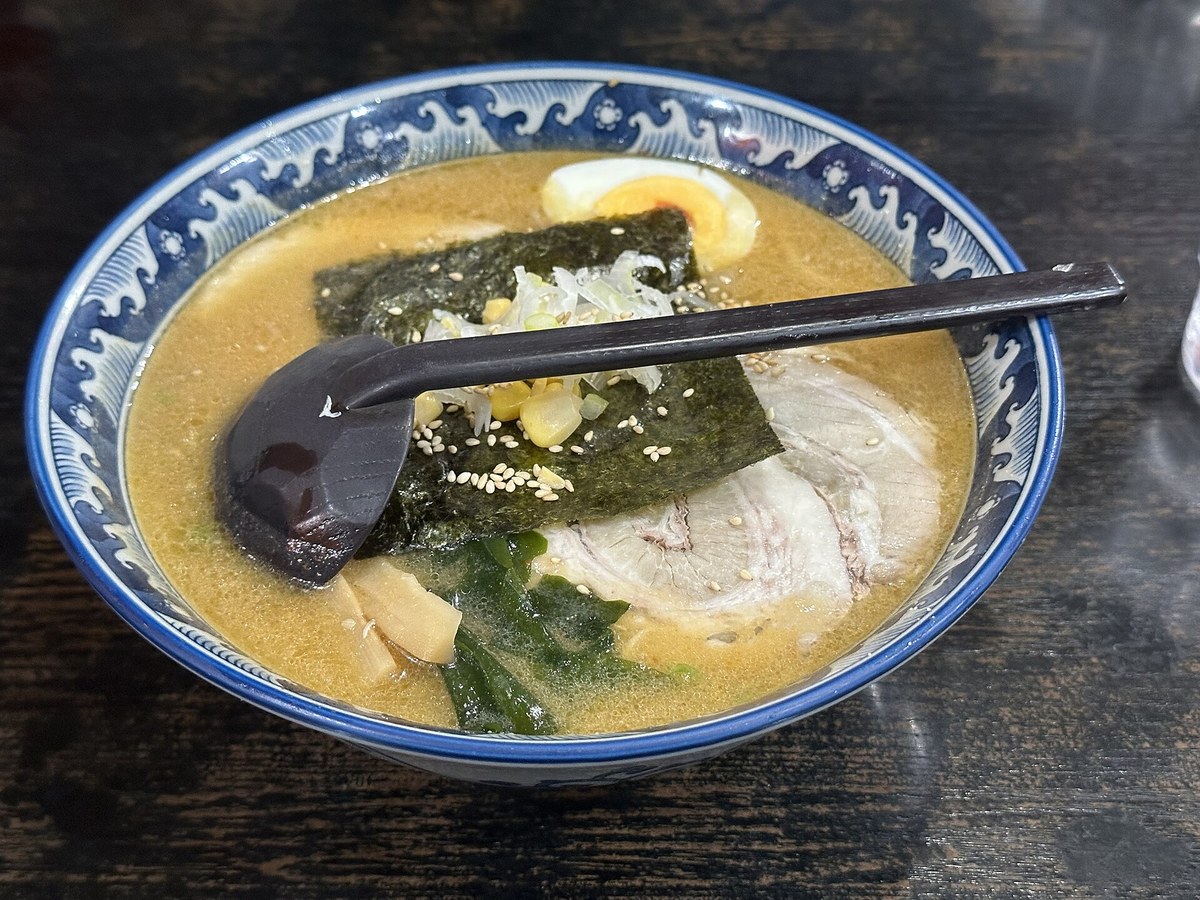
Food
The wok-built winter bowl created at Aji no Sanpei in the 1950s
Miso ramen was invented here: a wok-built broth, curly noodles bred for it, and a lard seal against the Hokkaido winter.
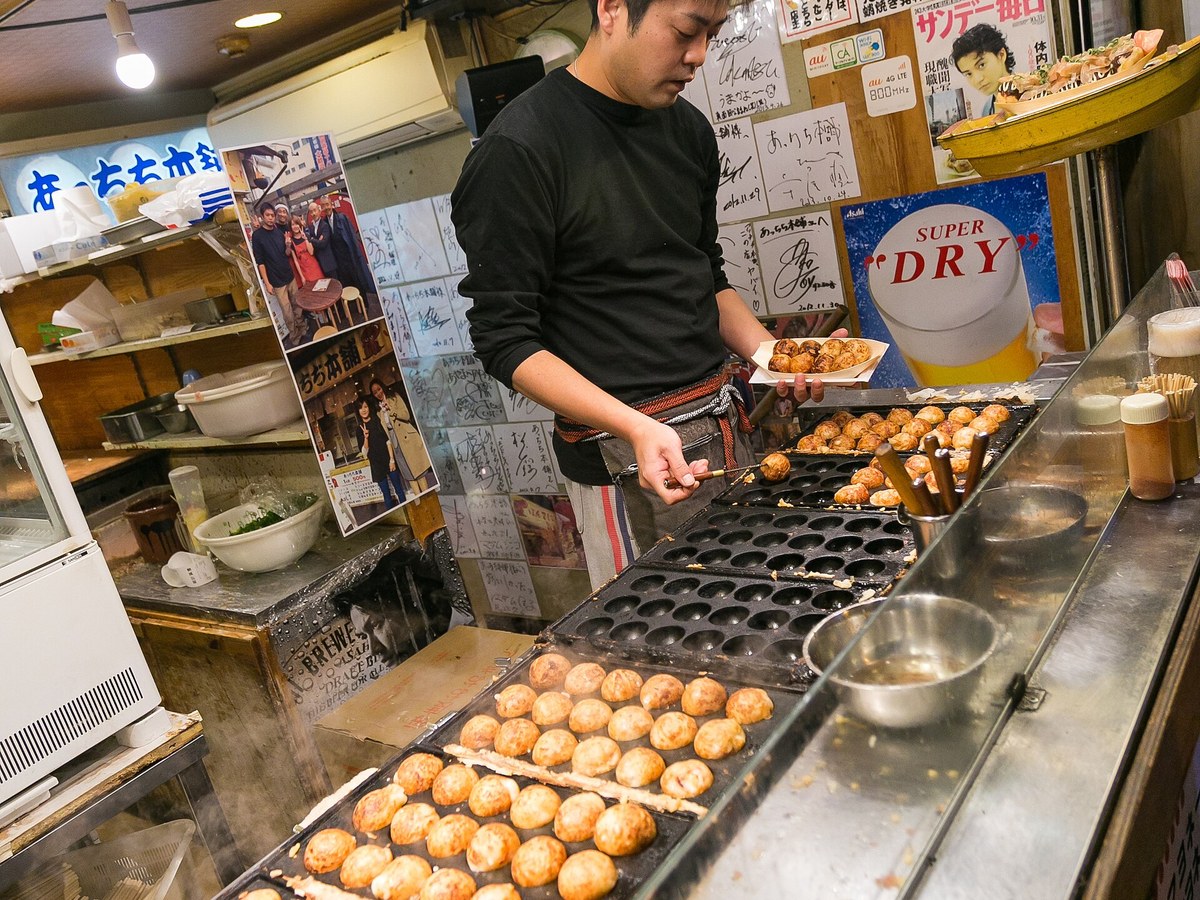
Food
Osaka's octopus balls, invented at Aizuya in 1935 — the original has no sauce
A named inventor, a dated swap: beef out, octopus in, Osaka, 1935. At Aizuya the original ball is still served with no sauce.
Food
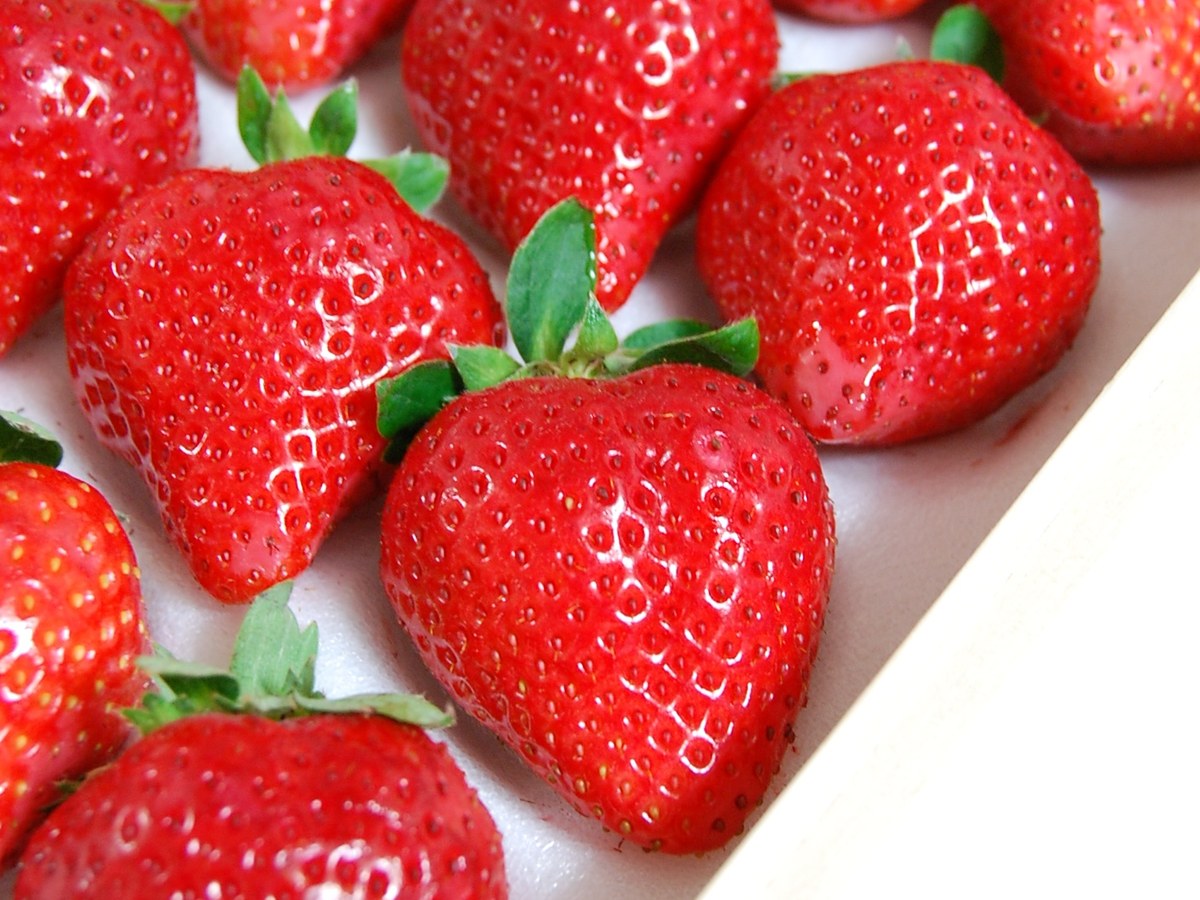
Red, round, big, delicious — the strawberry grown in one prefecture only
A name that is a checklist — red, round, big, delicious — bred by Fukuoka's own center and grown, by trademark rule, in Fukuoka only.
Food
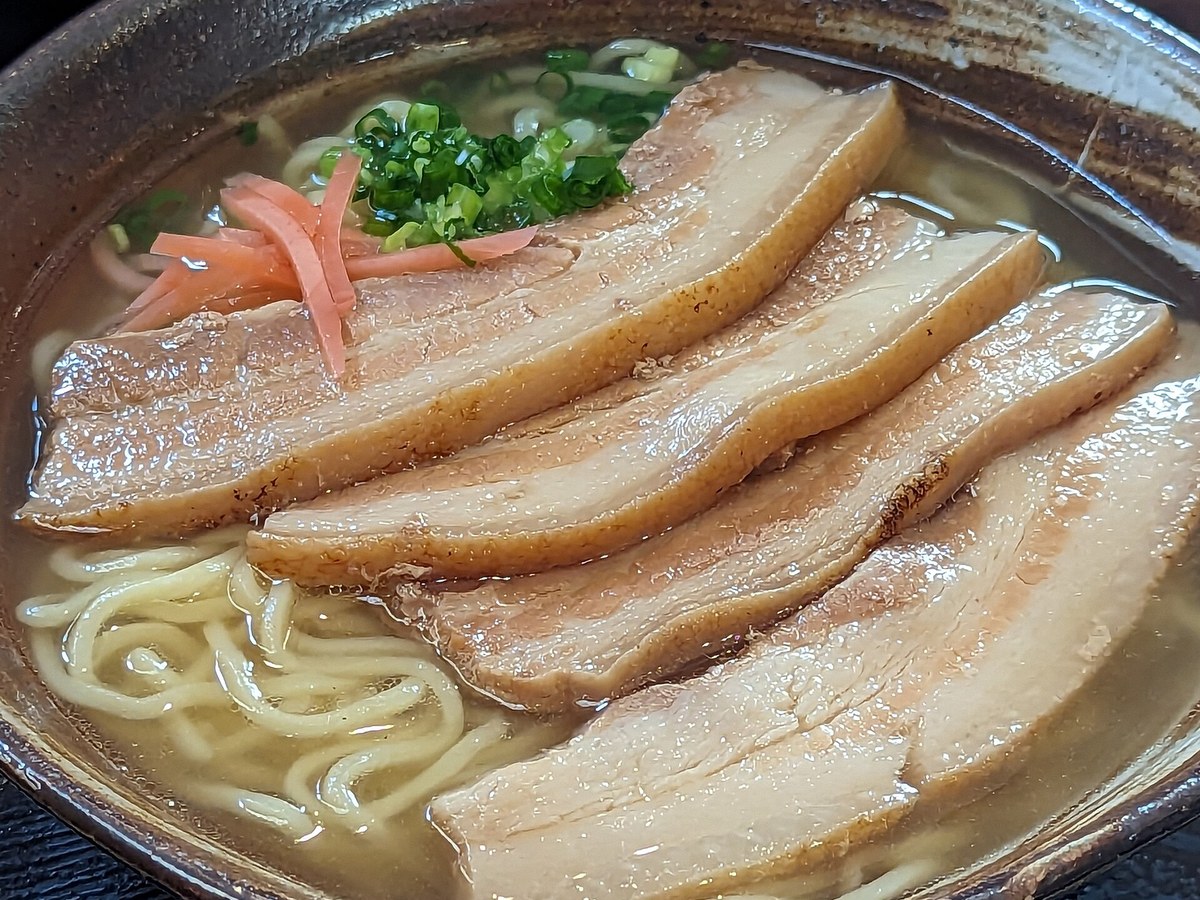
The wheat noodle — no buckwheat at all — that fought for its name
No buckwheat, all Okinawa: wheat noodles, pork-and-bonito broth, braised pork — and a name formally won back in 1978.
Food
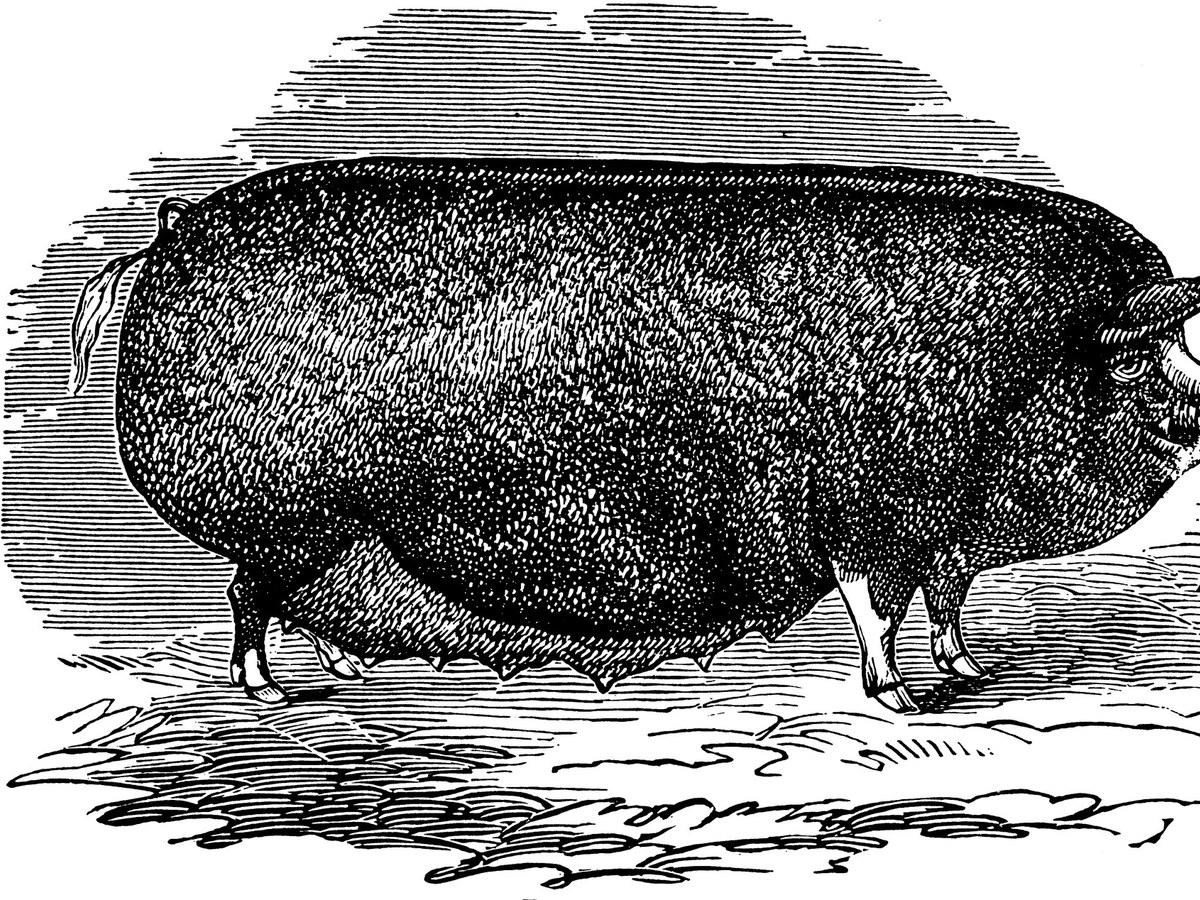
Pure Berkshire, sweet potato and 400 years of Satsuma pork
The black pig of Satsuma: pure Berkshire by law and by brand rule, sweet-potato finished, raised twice as slowly as ordinary pork.
Food
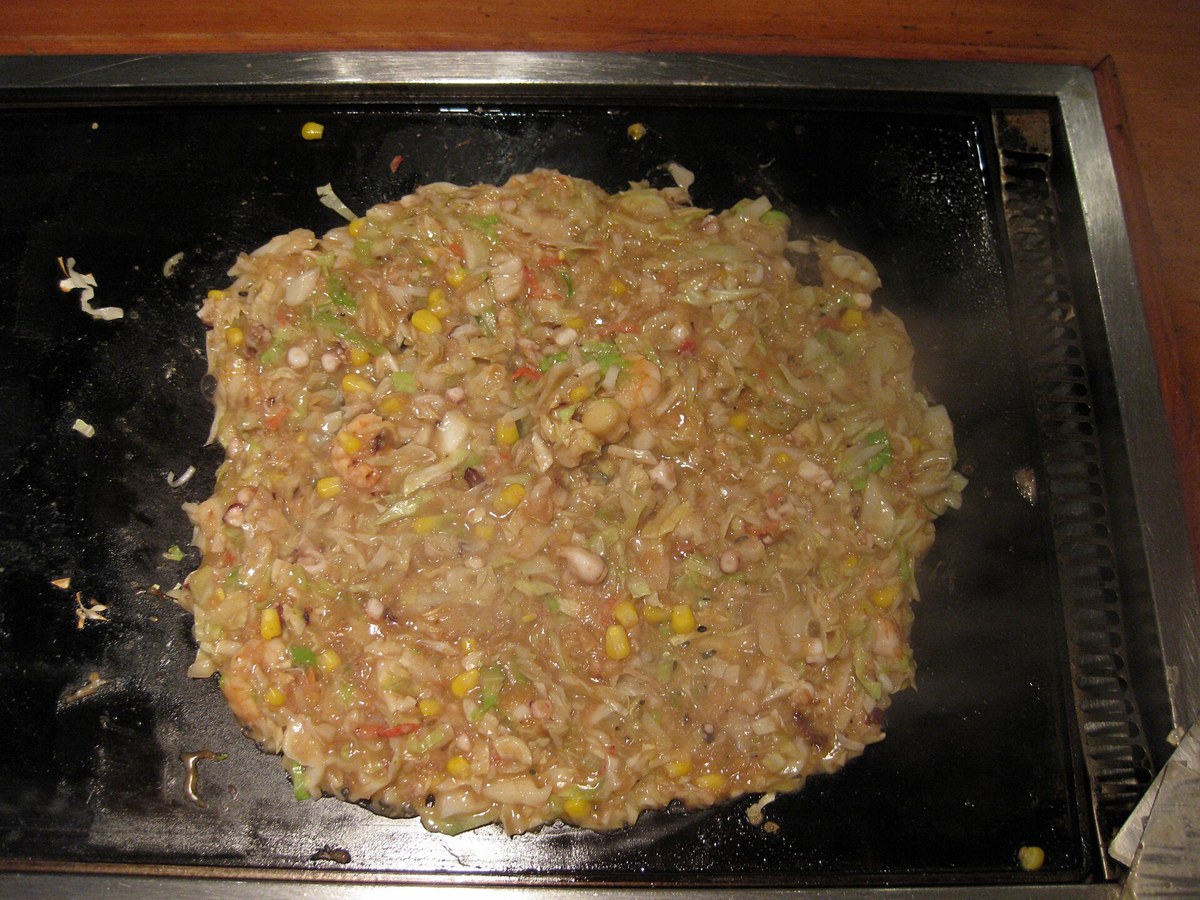
Tokyo's runny griddle dish, cooked and eaten off the iron in the shitamachi
The pancake that never sets: a cabbage ring, a soup-thin batter, and a fight over the crisp layer — Tokyo's shitamachi on a griddle.
Food
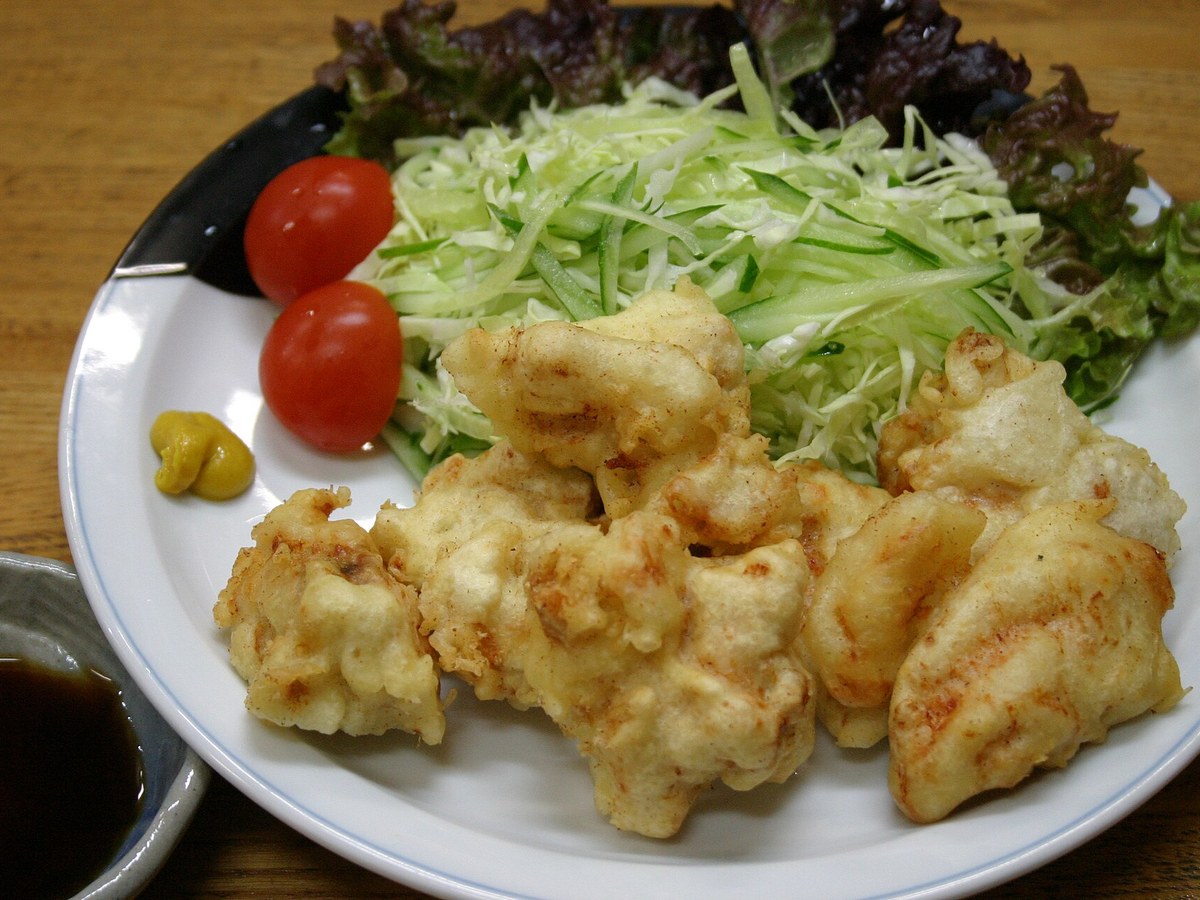
Oita's seasoned chicken tempura, claimed by Beppu and Oita City alike
Seasoned like karaage, battered like tempura, claimed by two cities: Oita's chicken, fried light and dipped in ponzu.
Food
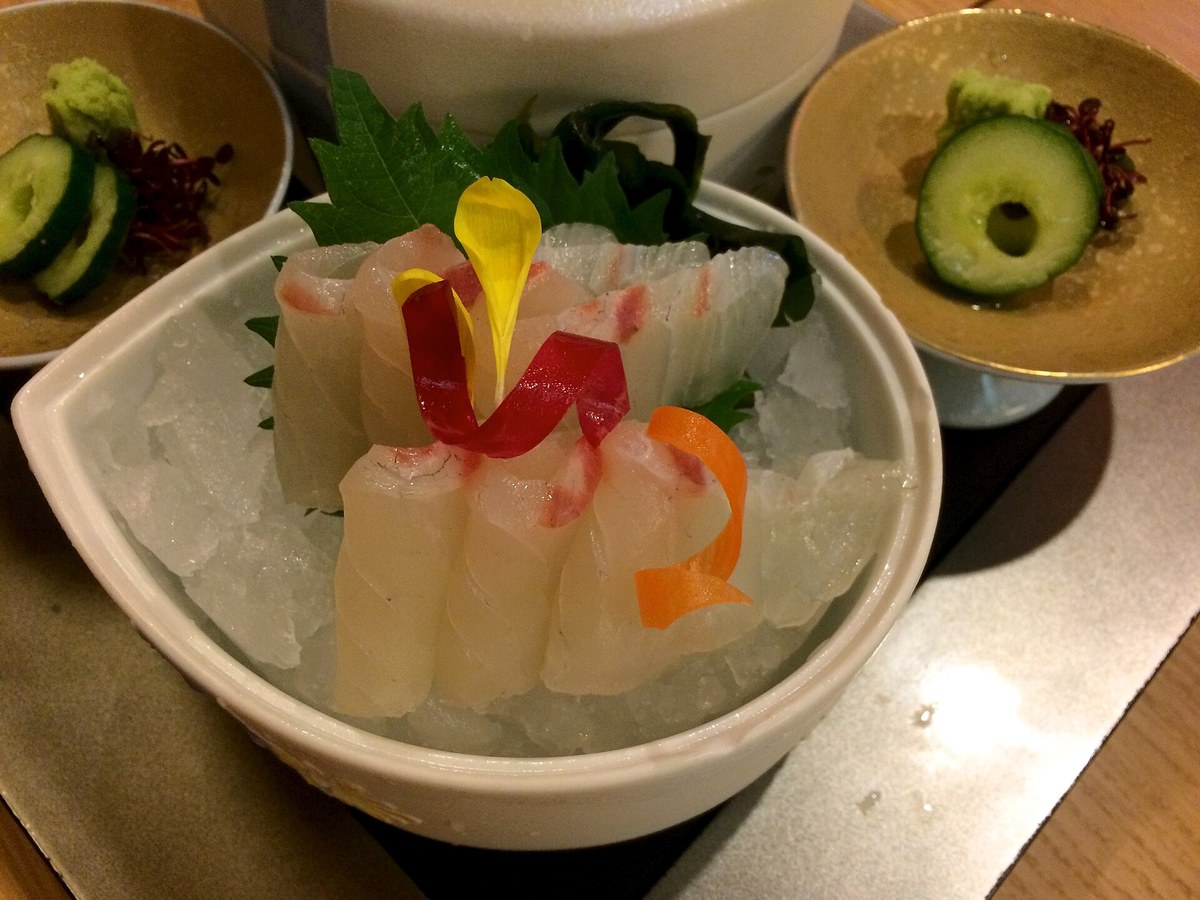
One prefecture's sea bream rice in two opposite styles — cooked and raw
The same fish, the same name, opposite dishes: a whole sea bream cooked into rice at Hojo, raw sashimi over rice at Uwajima.
Food
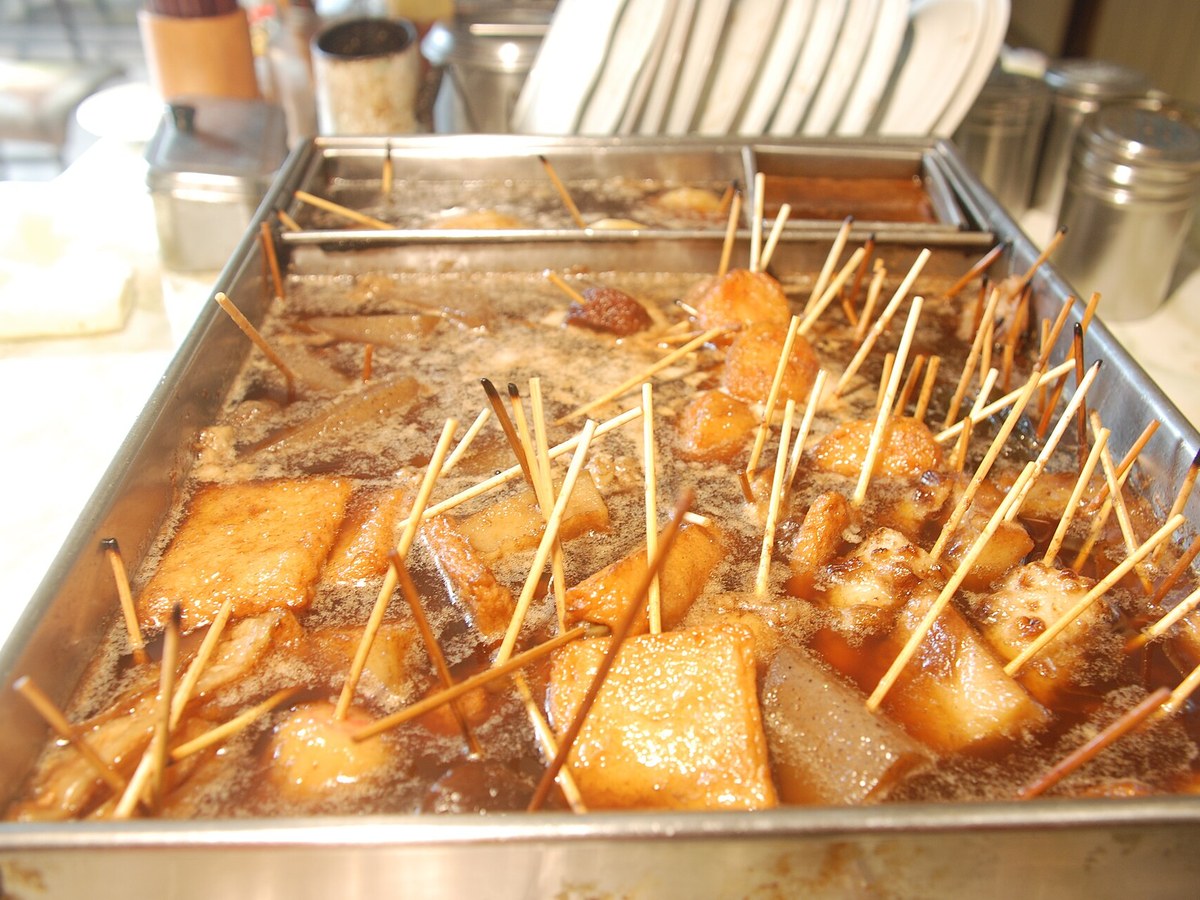
The black-broth pot where every piece rides its own skewer
A broth gone black, a cake gone grey, a bill counted in sticks: Shizuoka City's oden plays by its own rules.
Food
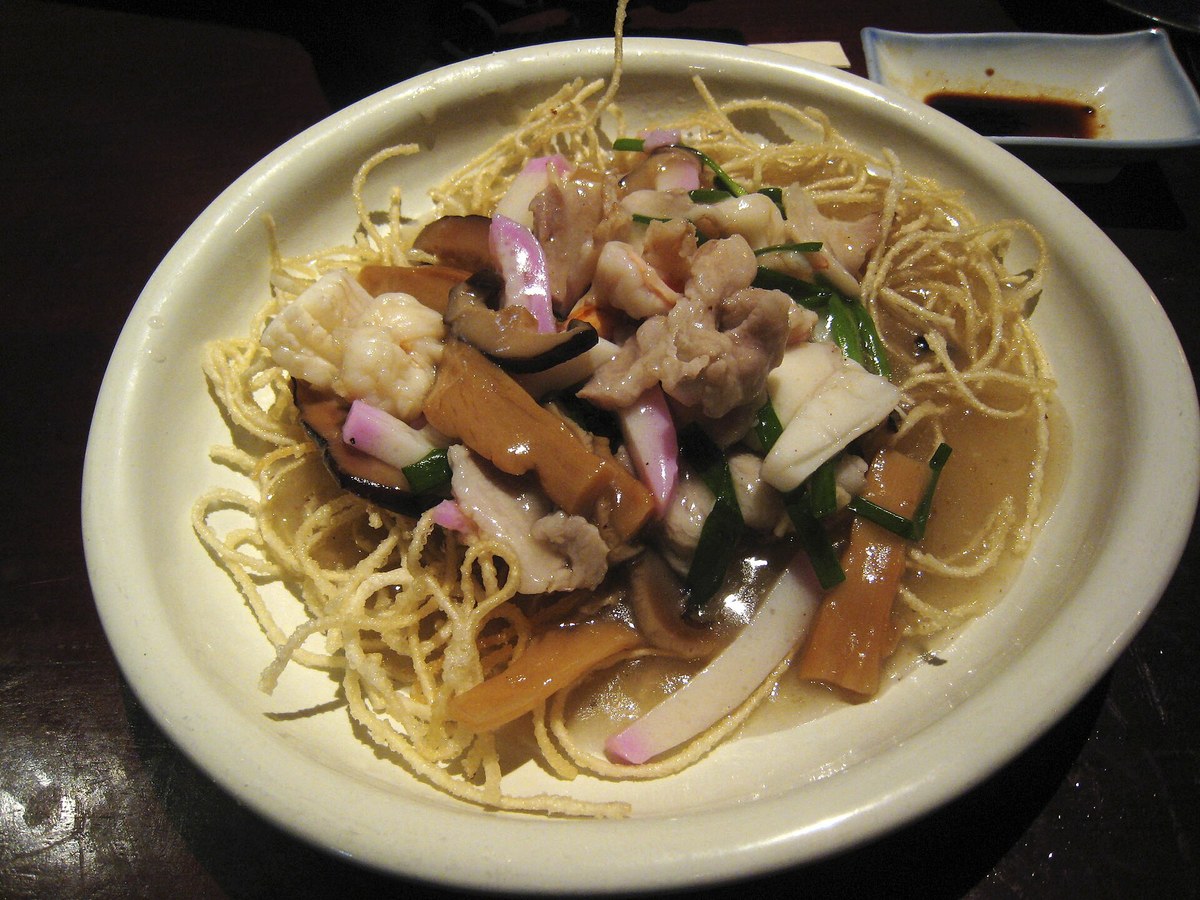
Champon's stir-fry poured over crisp fried noodles — Nagasaki's plate noodle
Not udon, not soup: a crackling nest or a chewy tangle under champon's whole stir-fry — the plate Nagasaki invented beside the bowl.
Food
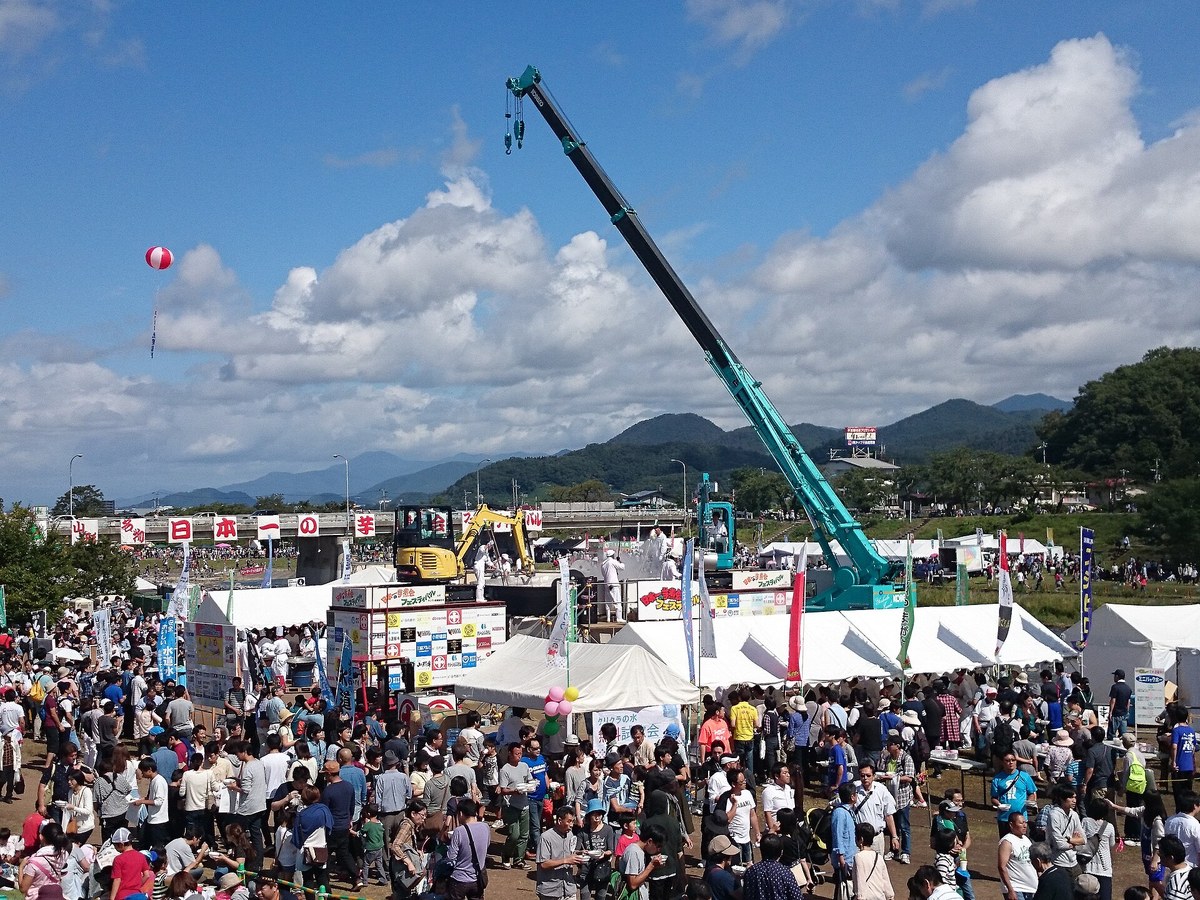
Yamagata's autumn taro stew, cooked on riverbanks and scaled to a six-metre pot
A taro pot, a riverbank, a whole prefecture: beef and soy inland, pork and miso on the coast, and once a year an excavator for a ladle.
Food
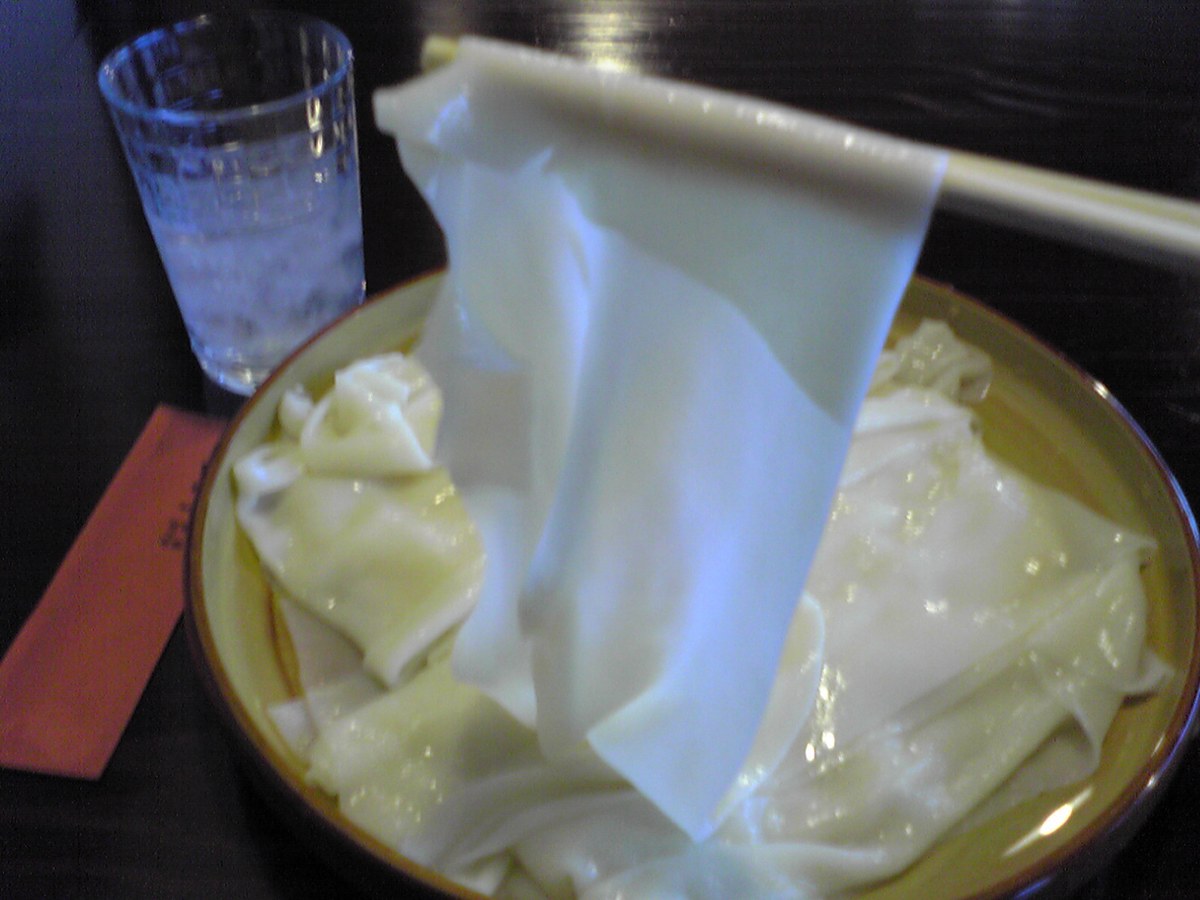
Kiryu's thin, extra-wide sheet noodles, from the city that wove silk
Not strands but sheets: a noodle wider than your chopsticks, from the silk town that taught it to eat like cloth.
Food
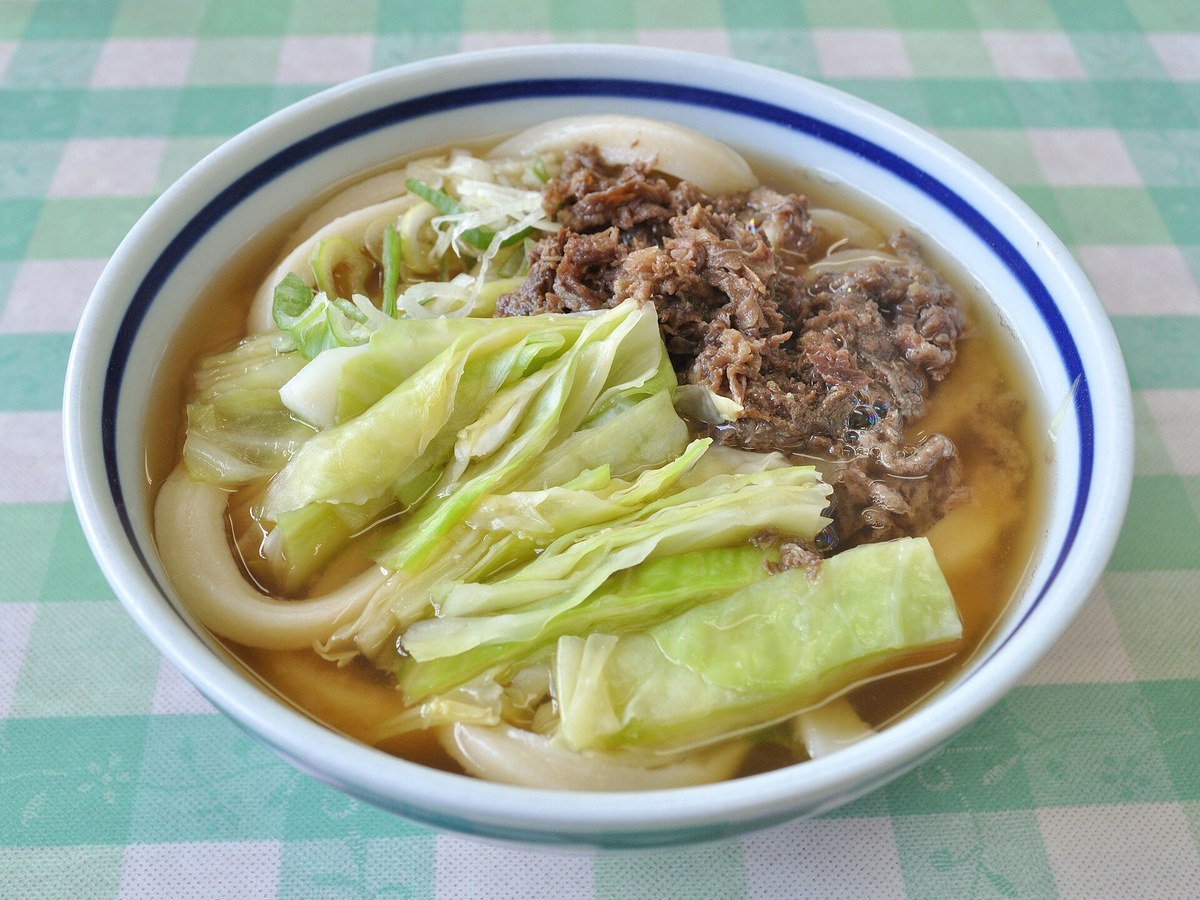
Fujiyoshida's iron-firm noodles in miso-soy broth, kneaded by a weaving town
The noodle that pushes back: iron-firm strands, dark broth, sweet cabbage and a chili paste every shop blends differently.
Food
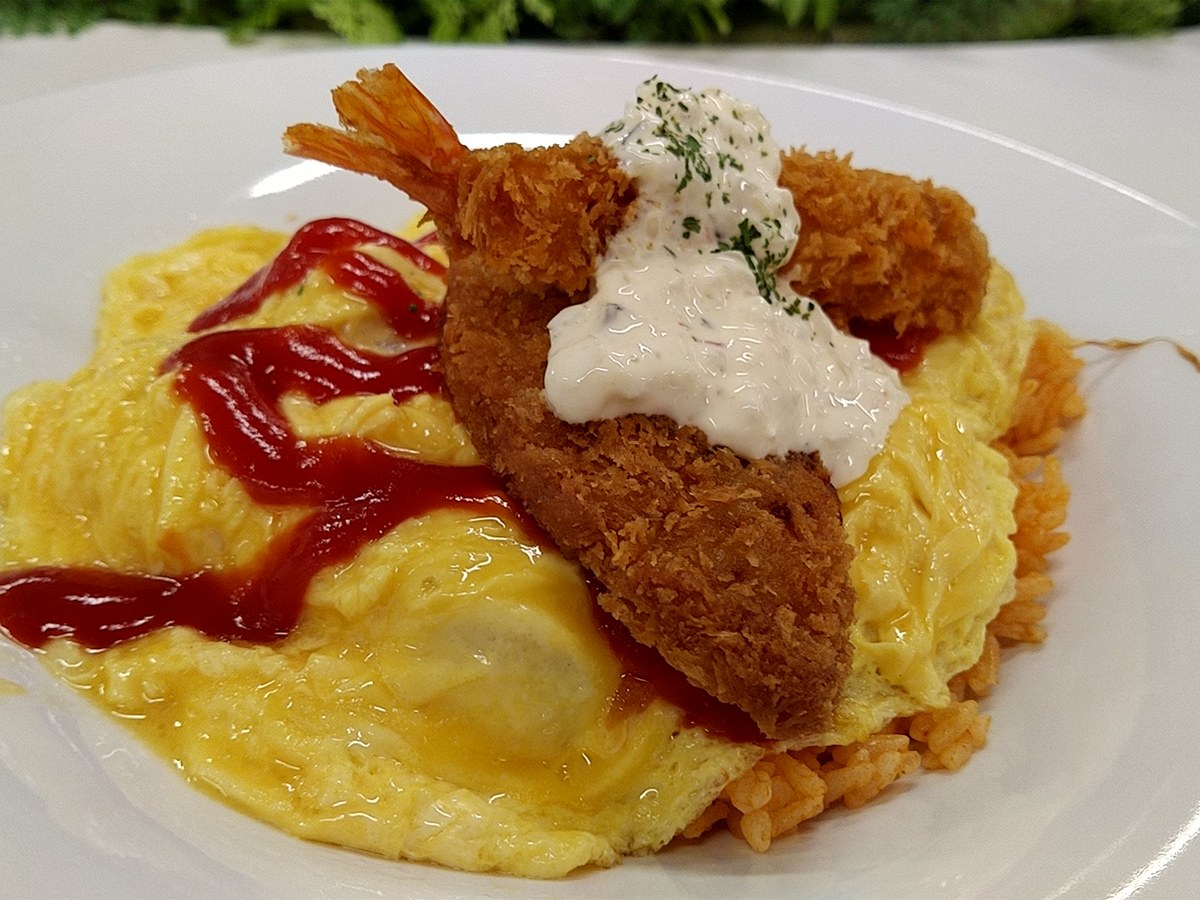
Kanazawa's omelette rice crowned with fried fish, shrimp and tartar sauce
Omurice, re-plated: fried fish and shrimp on the omelette, two sauces at once, and a name that promises a tuna that never arrives.
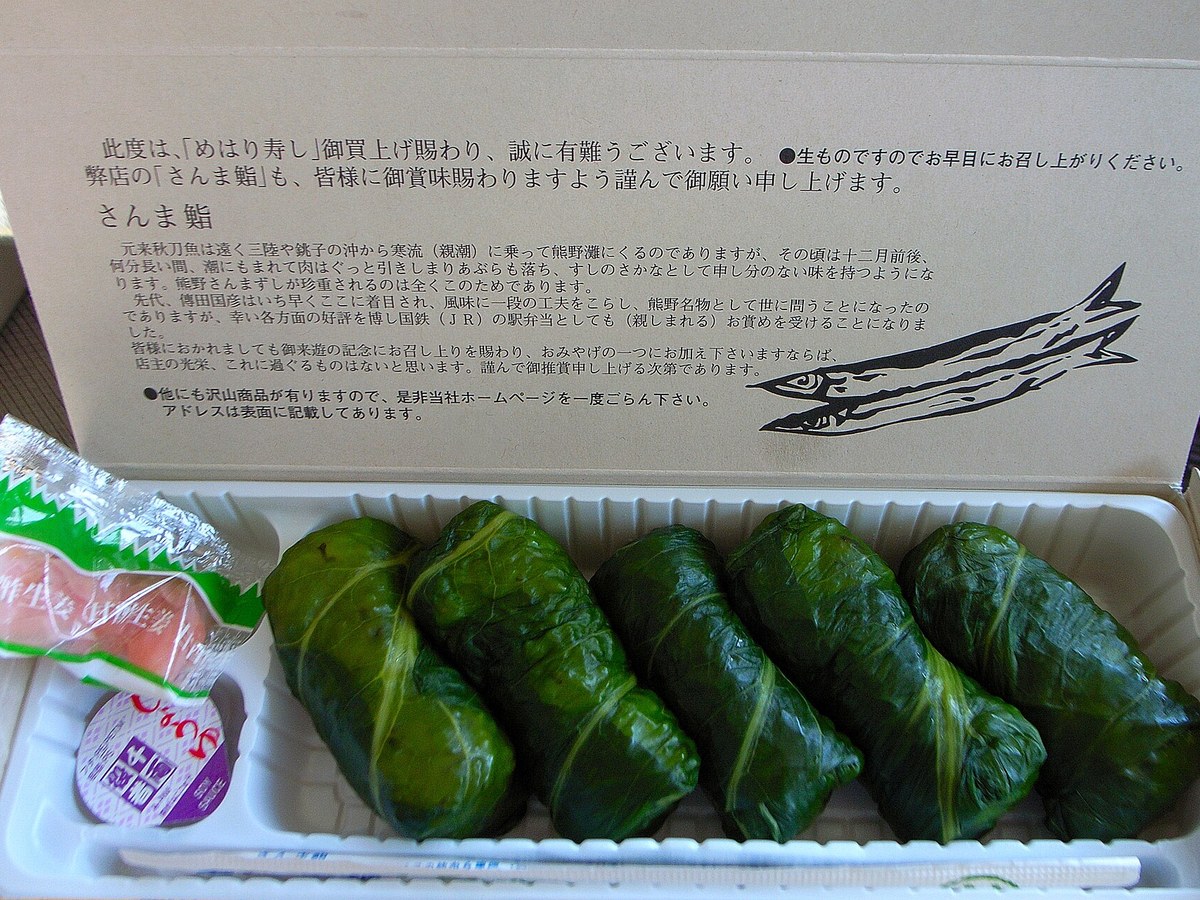
Food
Warm rice in a whole pickled mustard leaf — the Kumano working lunch
No fish, all leaf: a warm rice ball in a pickled mustard-green overcoat, built to survive a day in a logger's bag.
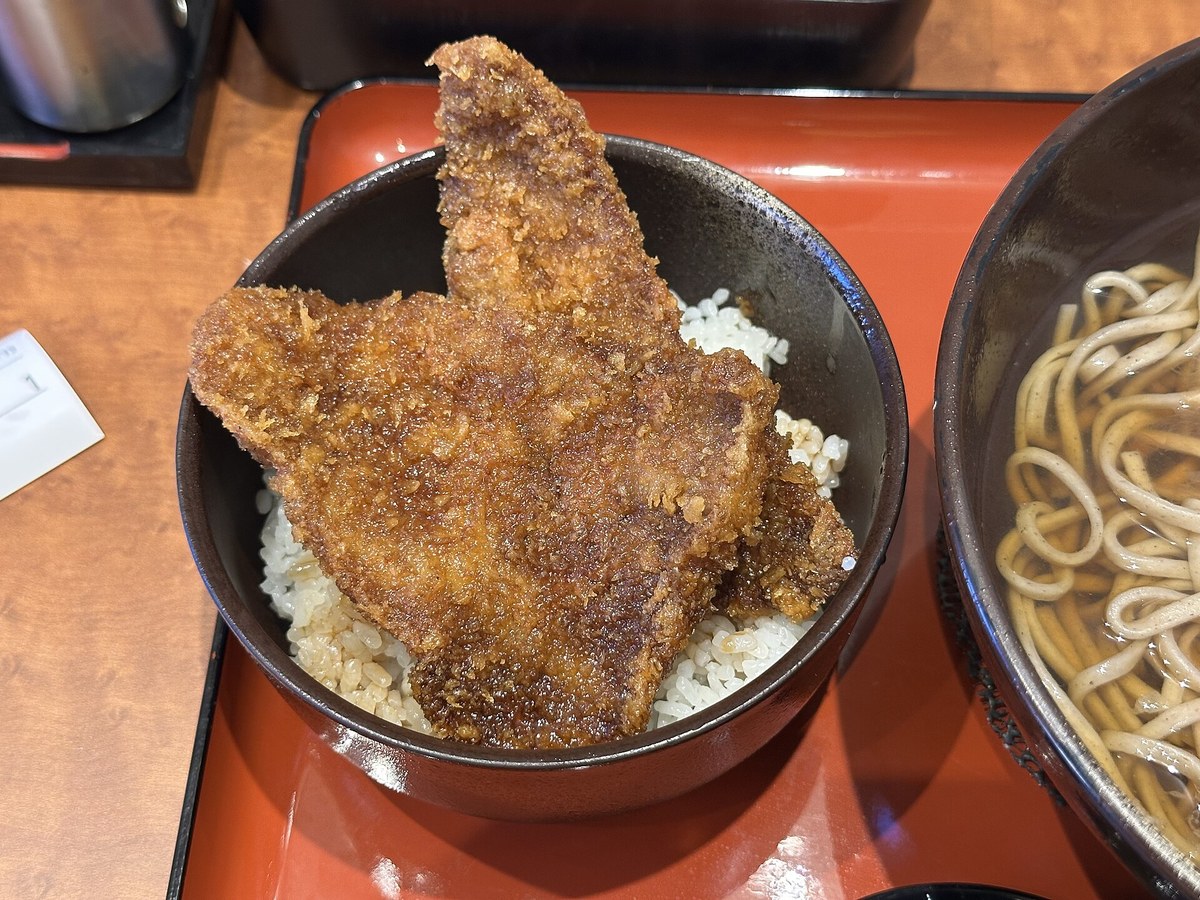
Food
Fukui's crisp cutlet, dipped in sauce and laid on rice — no egg, no dashi
The katsudon with the egg removed: a crackling cutlet, a dark sauce, plain rice — Fukui's 1913 answer to the national bowl.
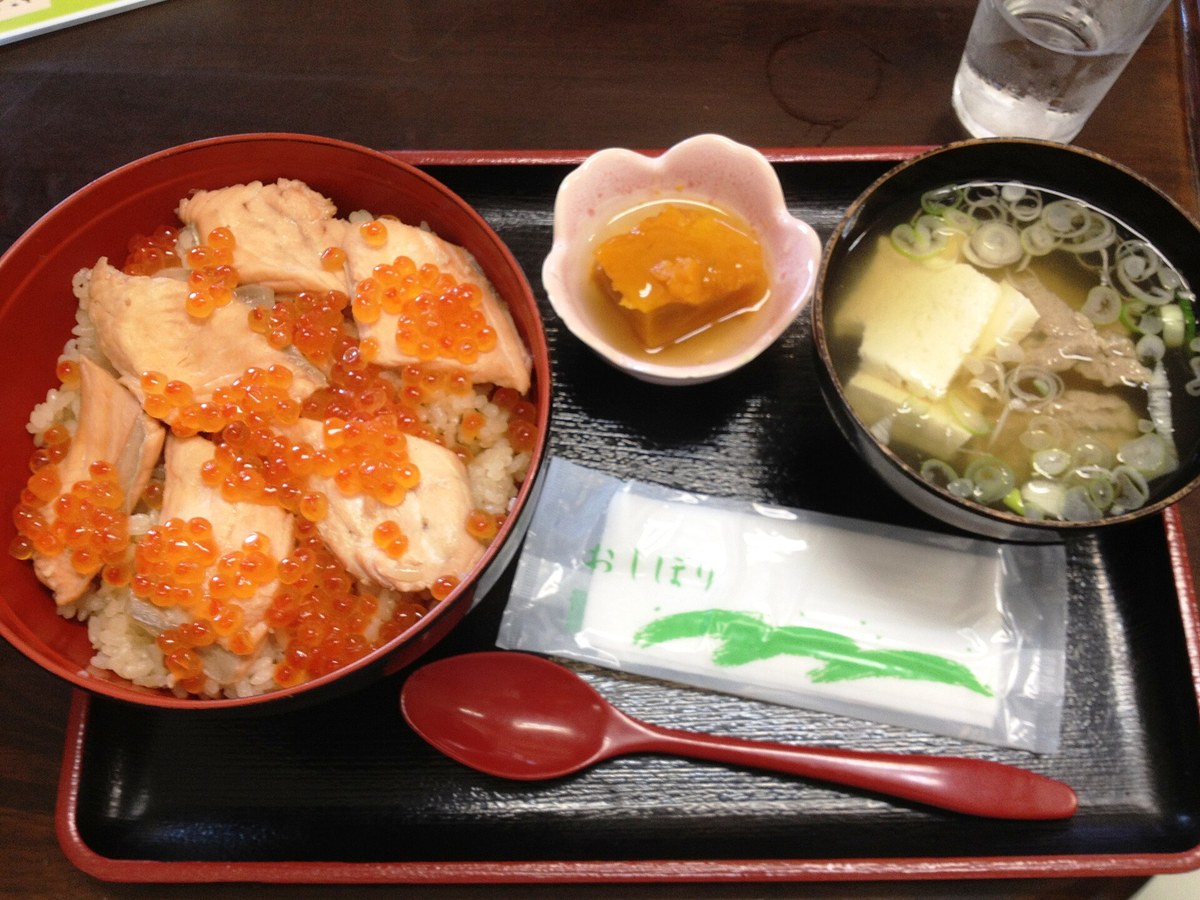
Food
Salmon and its own roe over rice cooked in the salmon's broth — Watari's autumn bowl
Parent and child in one bowl: the salmon simmered, its roe raw on top, and rice that tastes of the fish all the way down.
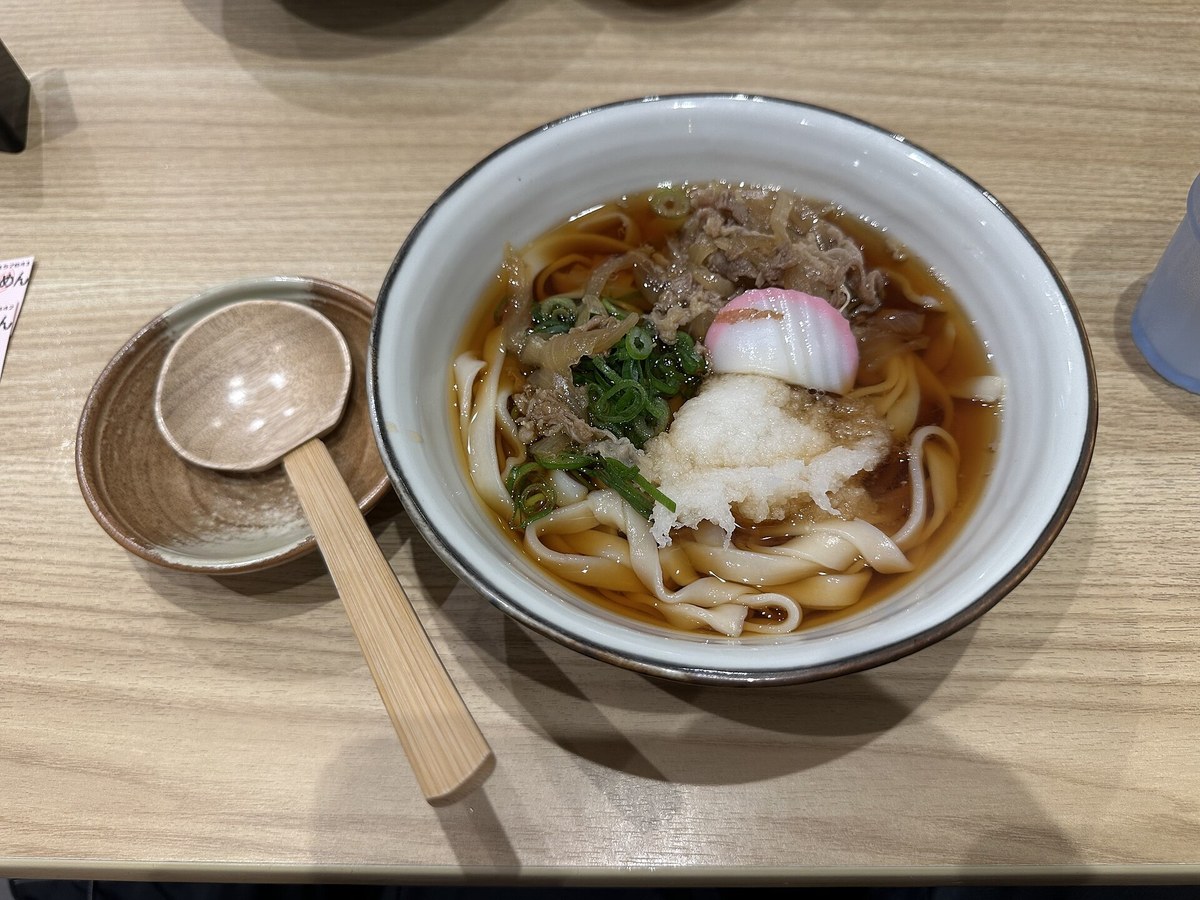
Food
Nagoya's ribbon-wide noodle in tamari dashi, from the shrine gate to the Shinkansen platform
A noodle with a spec sheet: rolled flat so it boils in two minutes, served at a shrine since 1923 and on the platform since the 1960s.
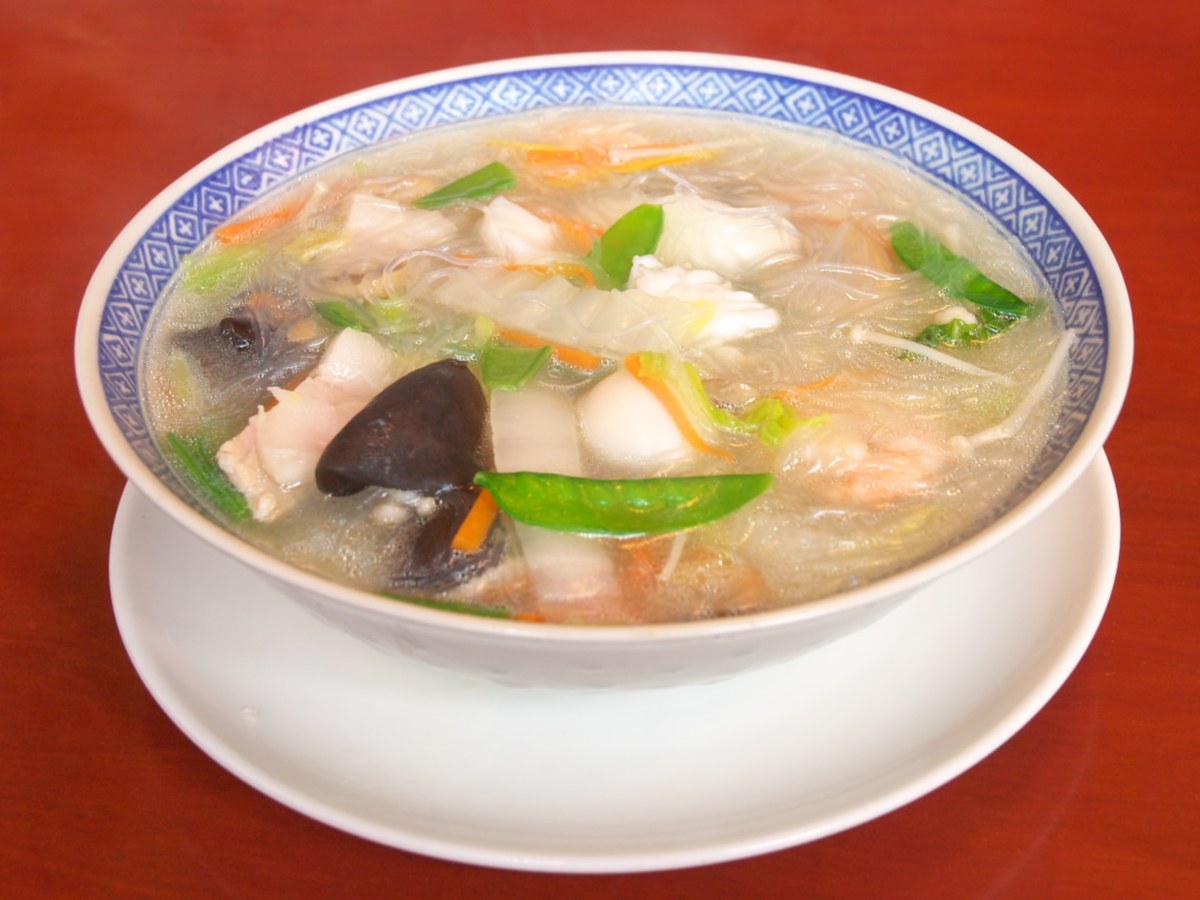
Food
Mung-bean vermicelli in chicken and pork-bone soup, seasoned with Fujian sea salt
China sent the recipe, Kumamoto kept it for ninety years: glass noodles, a pale soup, and salt that still crosses the sea from Fujian.
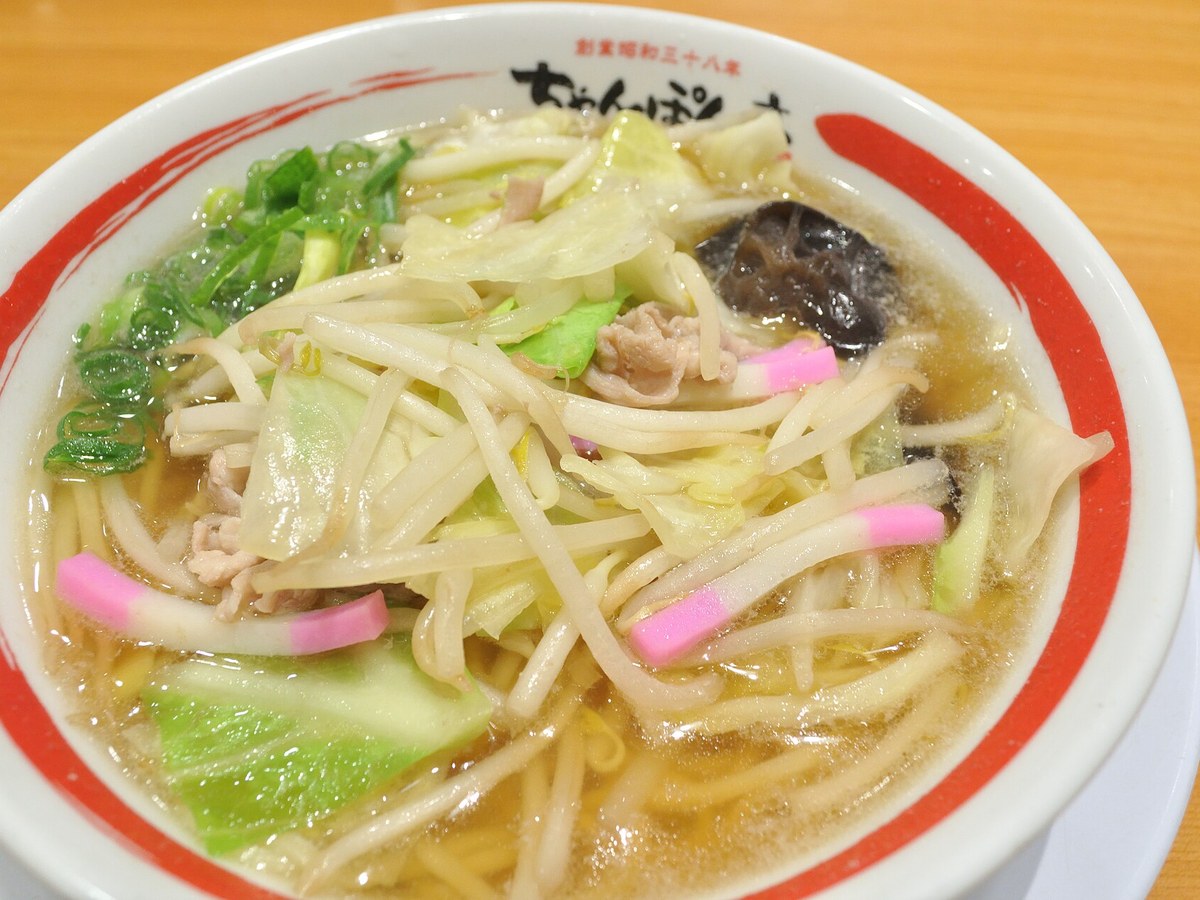
Food
Champon rebuilt on golden dashi — Shiga's soul food from a 1963 Hikone noodle shop
Not Nagasaki's white soup but Shiga's golden one: champon re-founded on dashi, piled with vegetables, born in Hikone in 1963.
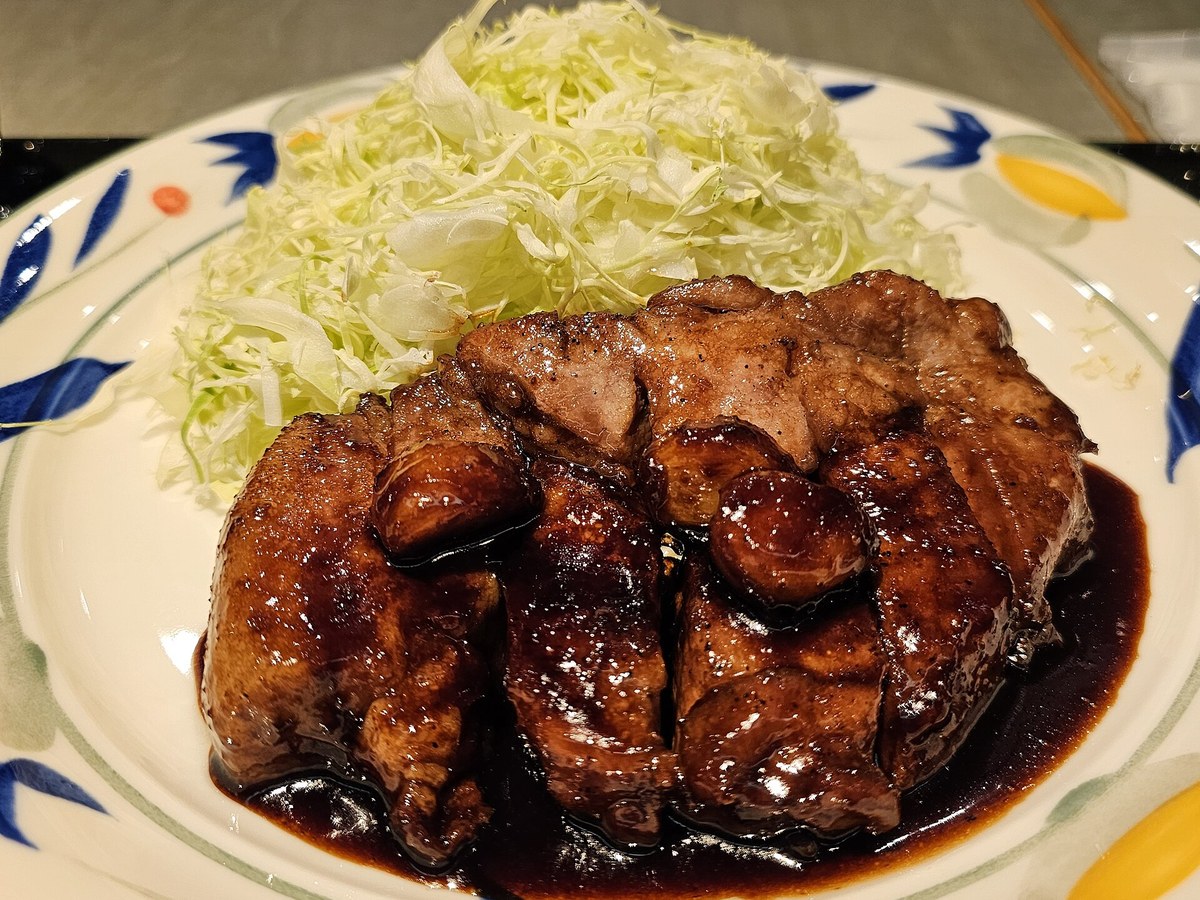
Food
Thick pork, dark garlic sauce, a mountain of cabbage — defined by its own association
The steak a factory city could afford: thick pork, garlic, dark sauce and cabbage, with a four-point definition and a 250 g large plate.
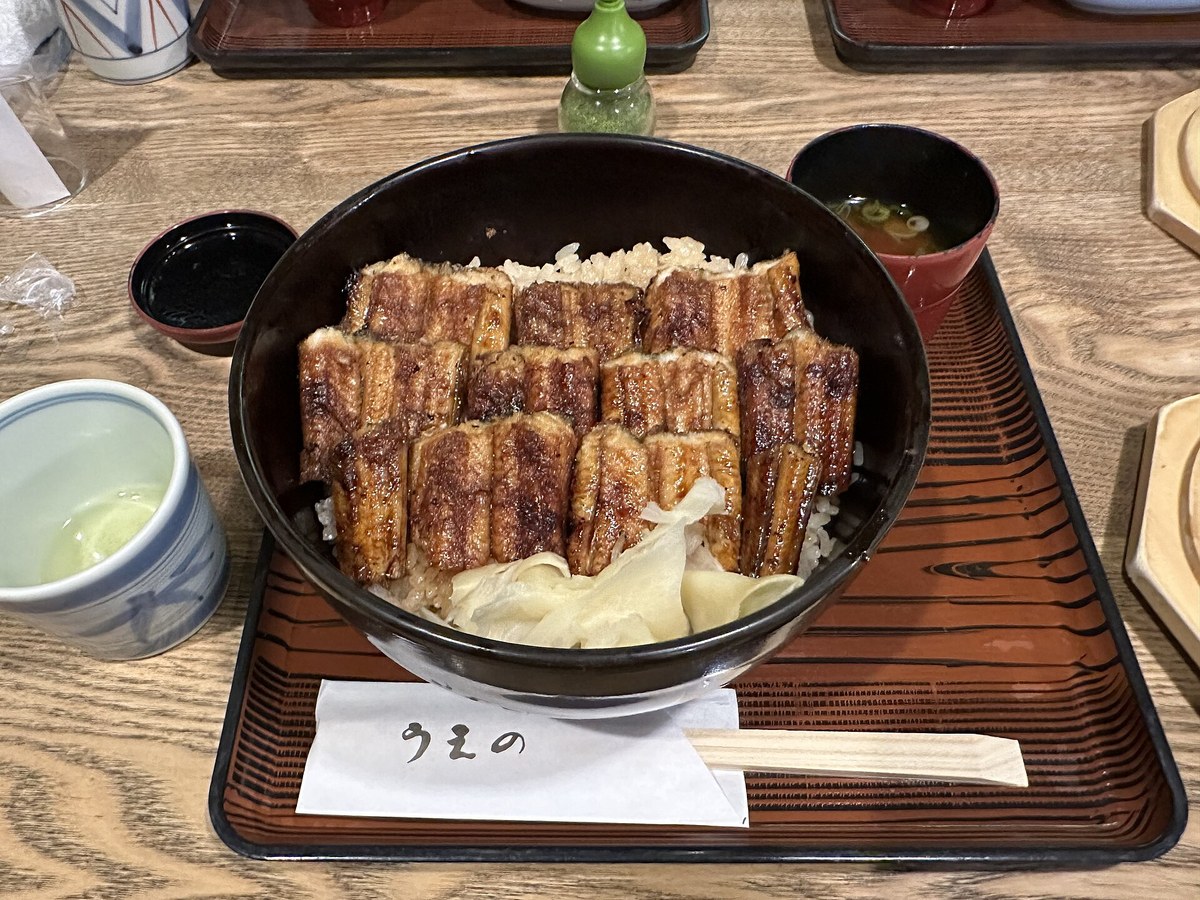
Food
Conger eel over rice cooked in the eel's own stock — the 1901 station lunchbox
The rice is cooked in the eel: a 1901 ferry-port lunchbox whose original house still stops both counters when the day's eel sells out.
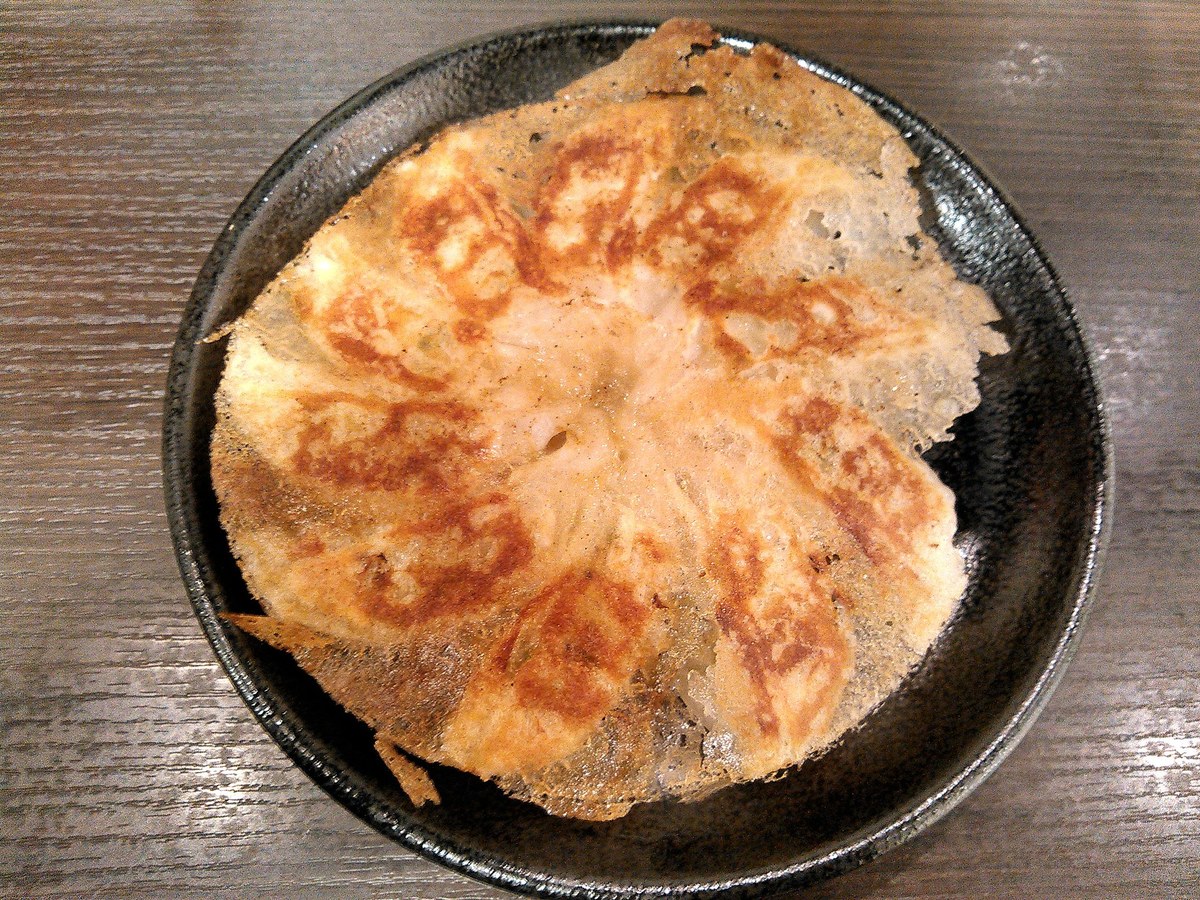
Food
Thirty dumplings fried in a circle into one disc — Fukushima City's 1953 original
A wheel, not a row: a whole pan of cabbage-led dumplings fried into one crackling disc and cut at the table, since 1953.
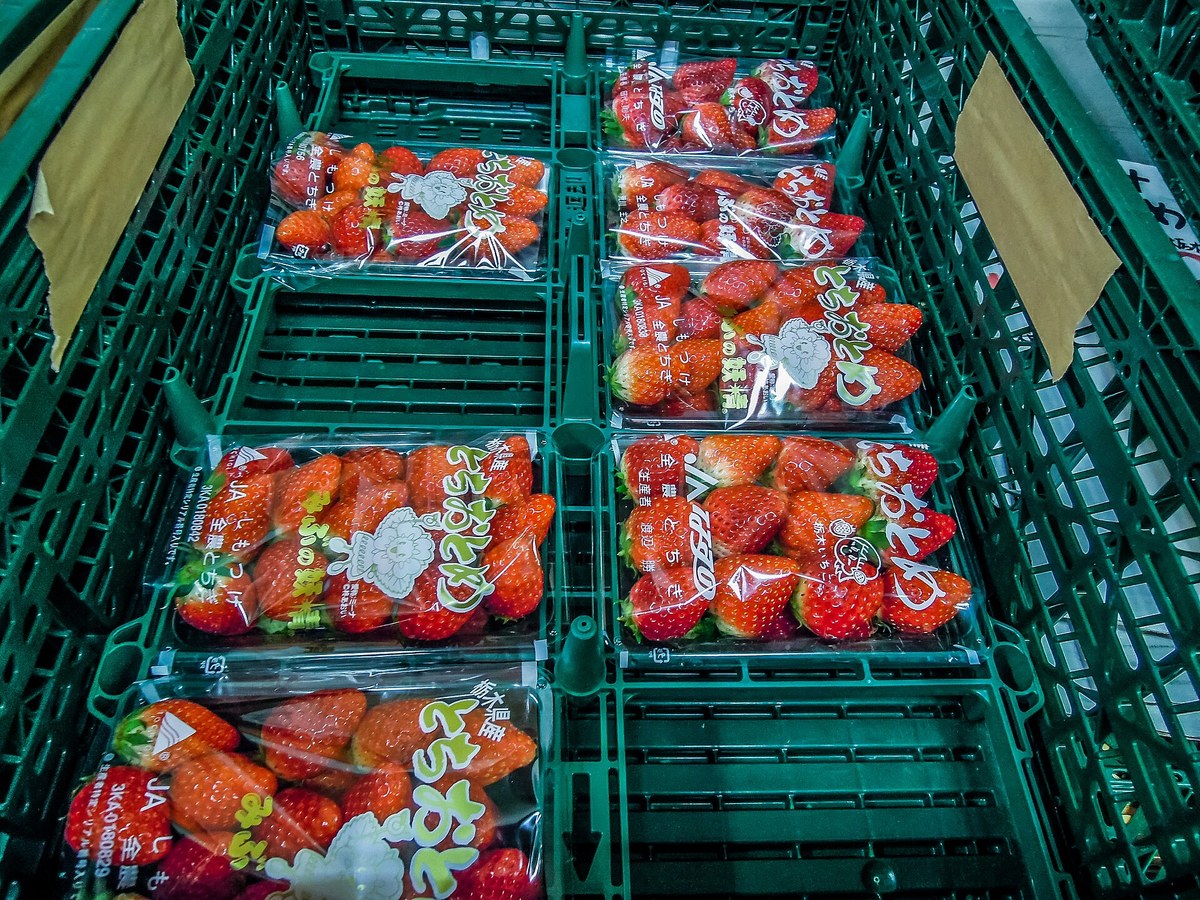
Food
Bred in Tochigi and registered in 1996 — Japan's most-grown strawberry for two decades
A prefecture bred its own signature: the 1996 maiden of Tochigi that replaced the national variety and crowned the Strawberry Kingdom.
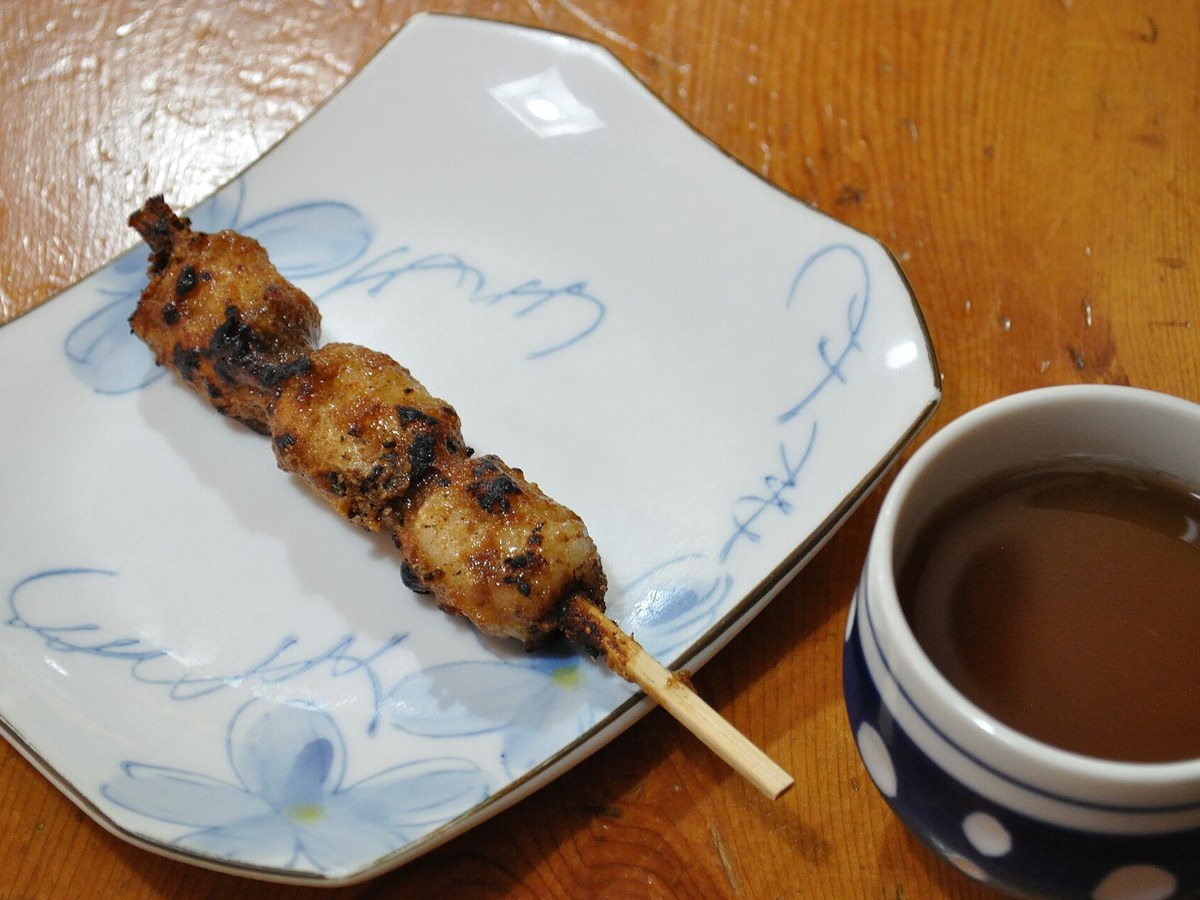
Food
Mashed rice on a skewer, sauced and grilled — the post towns' preserved food
Rice, mashed and grilled on a stick: the mountain preserved food that became the Nakasendo post towns' celebratory skewer.
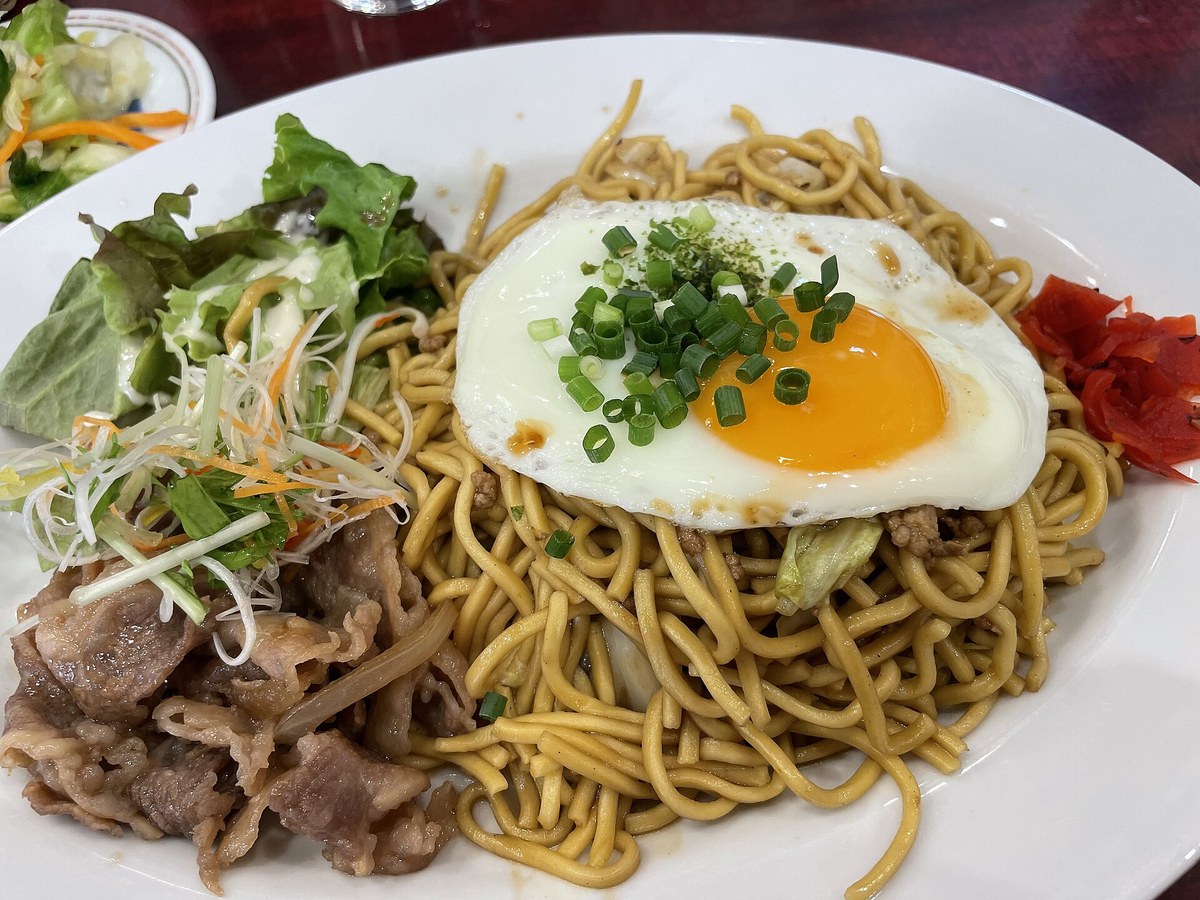
Food
Boiled noodles, a runny egg and Fukujinzuke — a diner plate with a regional trademark
The yakisoba that boils its noodles: soft strands, a runny egg for a second sauce, and a trademark where other towns have a habit.
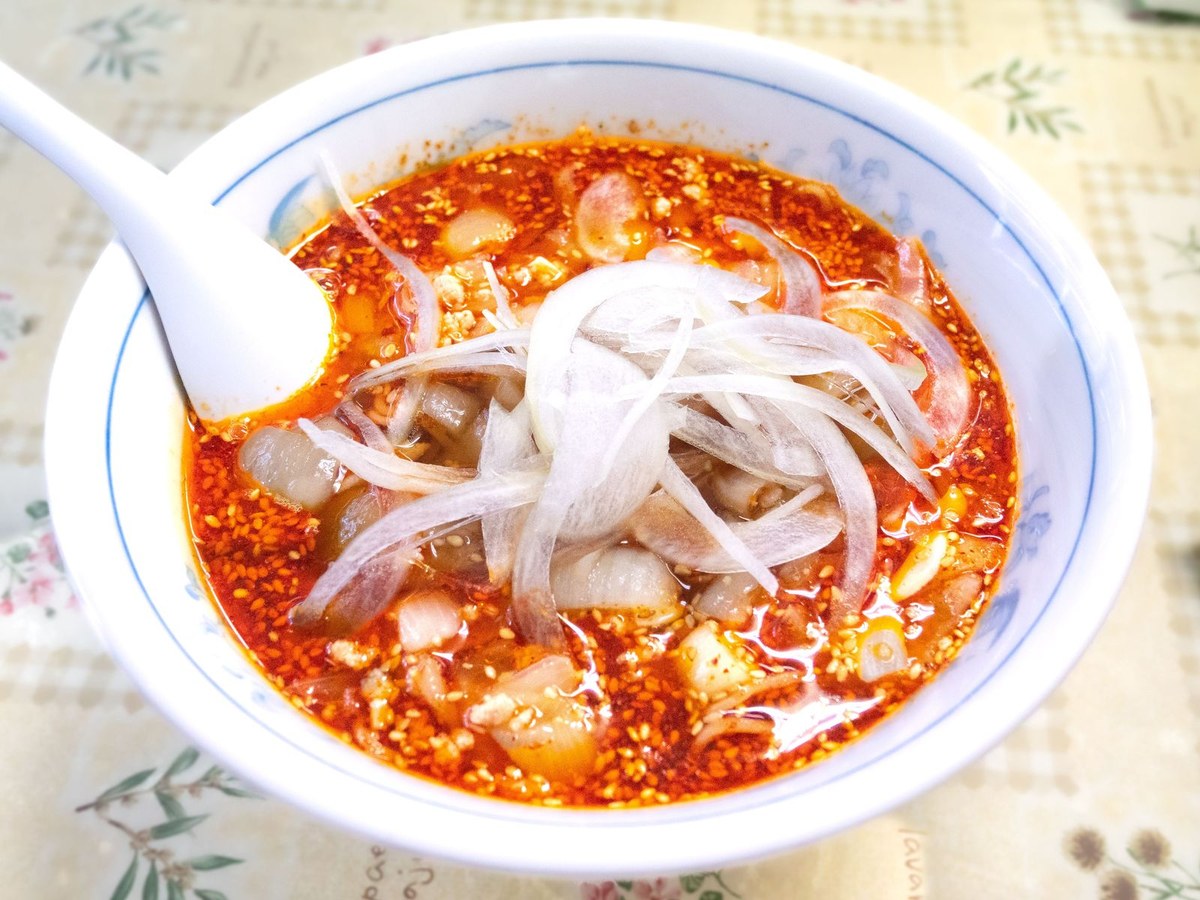
Food
Soy soup, chili oil, no sesame at all — the bowl built to warm fishermen
The tantanmen with the sesame taken out: a bright-red, soy-and-chili bowl a 1954 shokudo built for cold fishermen.
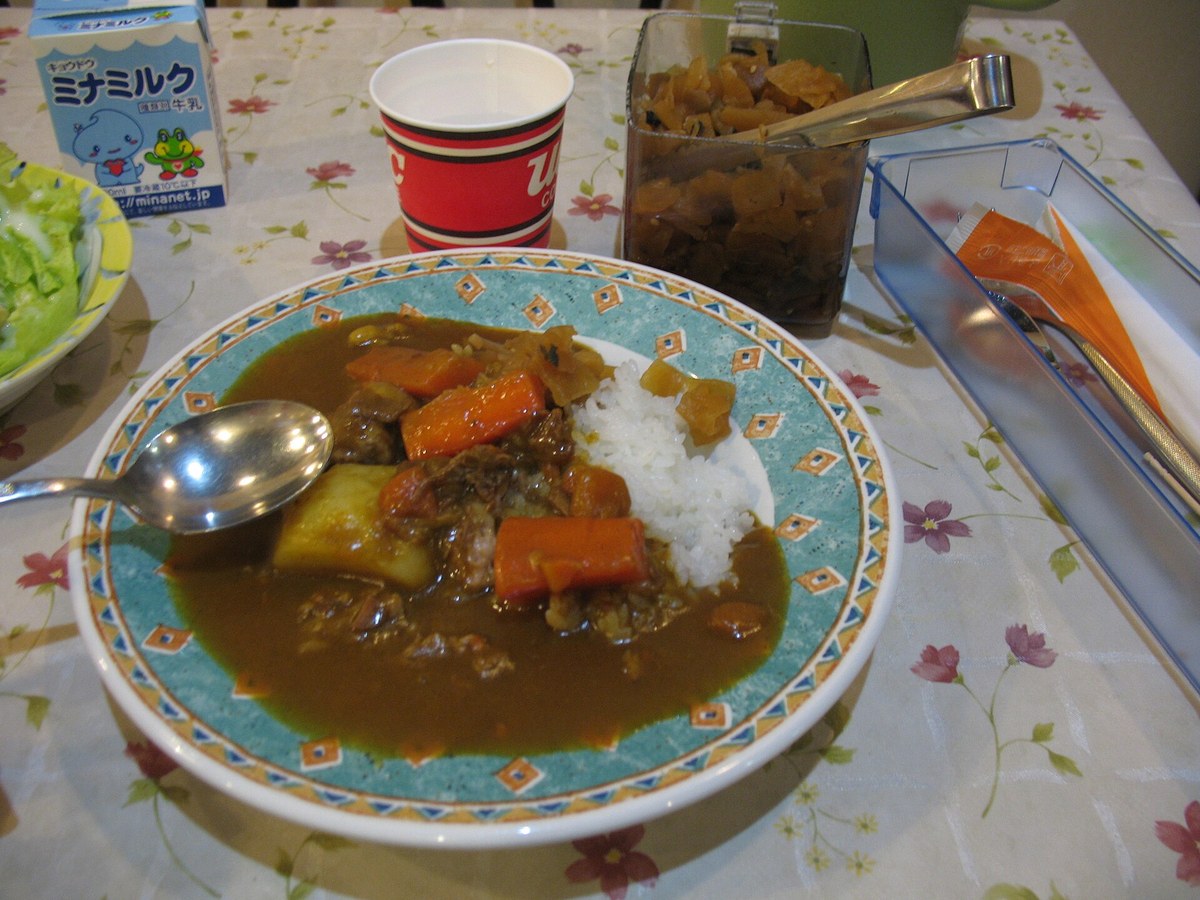
Food
The 1908 naval recipe, city-certified — and incomplete without salad and milk
A ration that became a nation's dinner: the navy's 1908 curry, gated by city certification and served, by rule, with salad and milk.
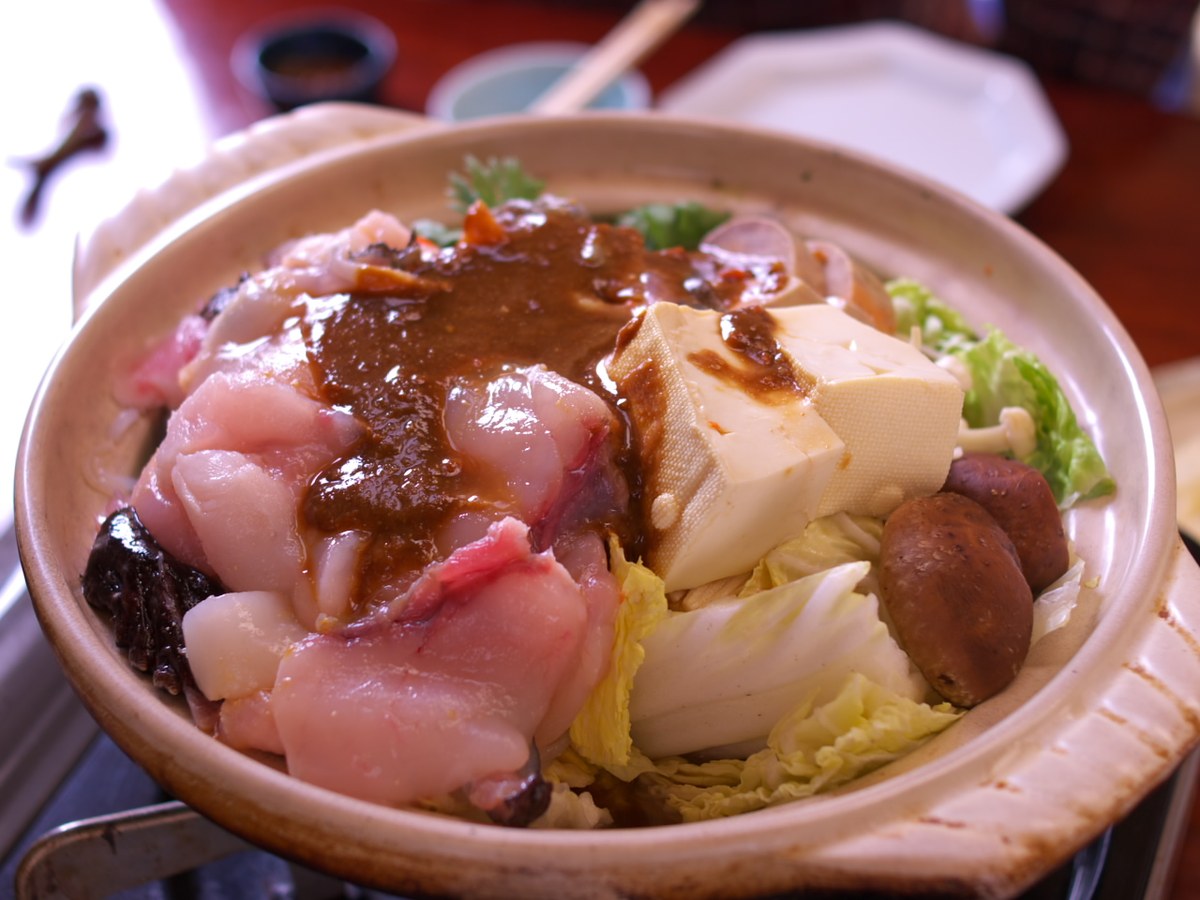
Food
Seven parts of one fish, and a fishermen's form cooked with no water at all
Nothing wasted, not even the water: a whole anglerfish in one pot, and a fishermen's version where the liver alone makes the soup.
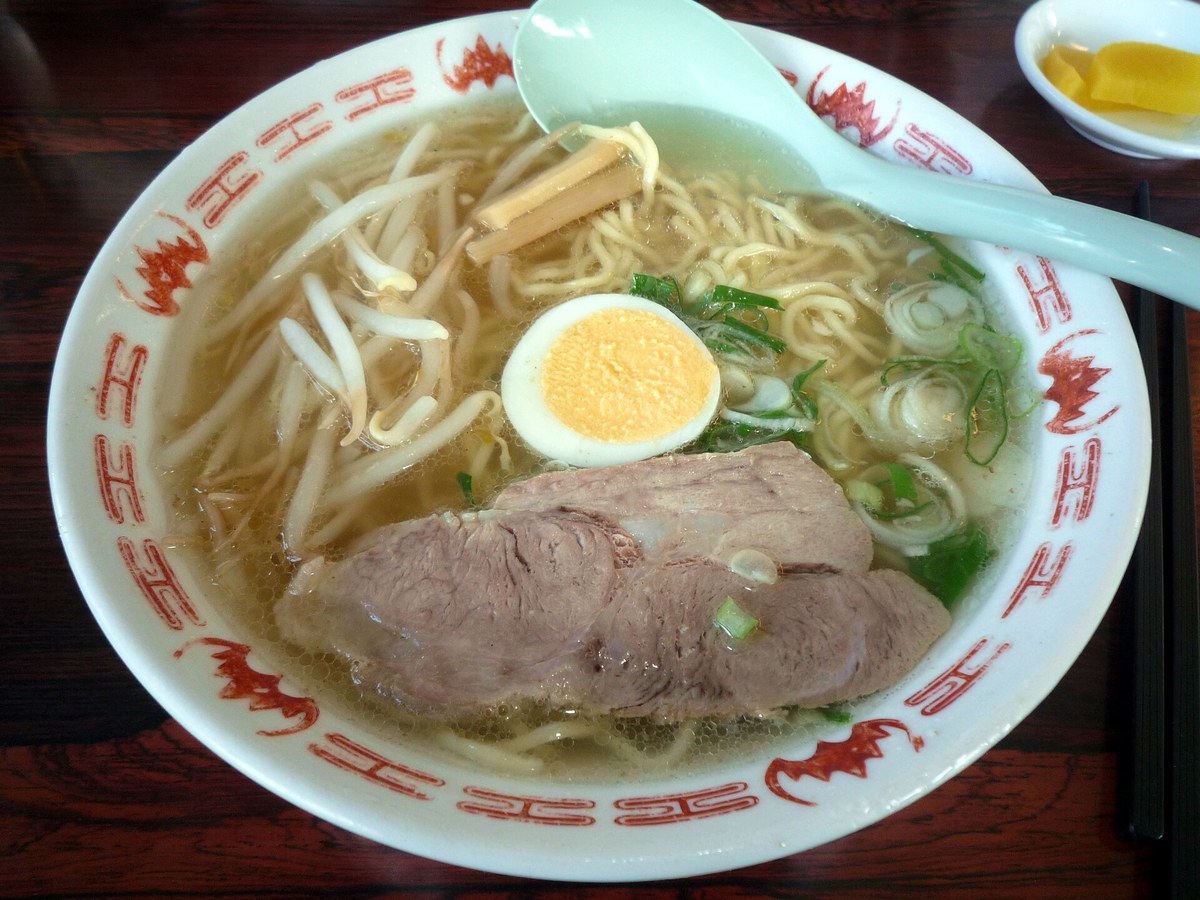
Food
Beef bones, not pork — the everyday bowl of central and western Tottori since 1946
The ramen that was too normal to name: beef-bone broth as a prefecture's default, simmering since 1946.
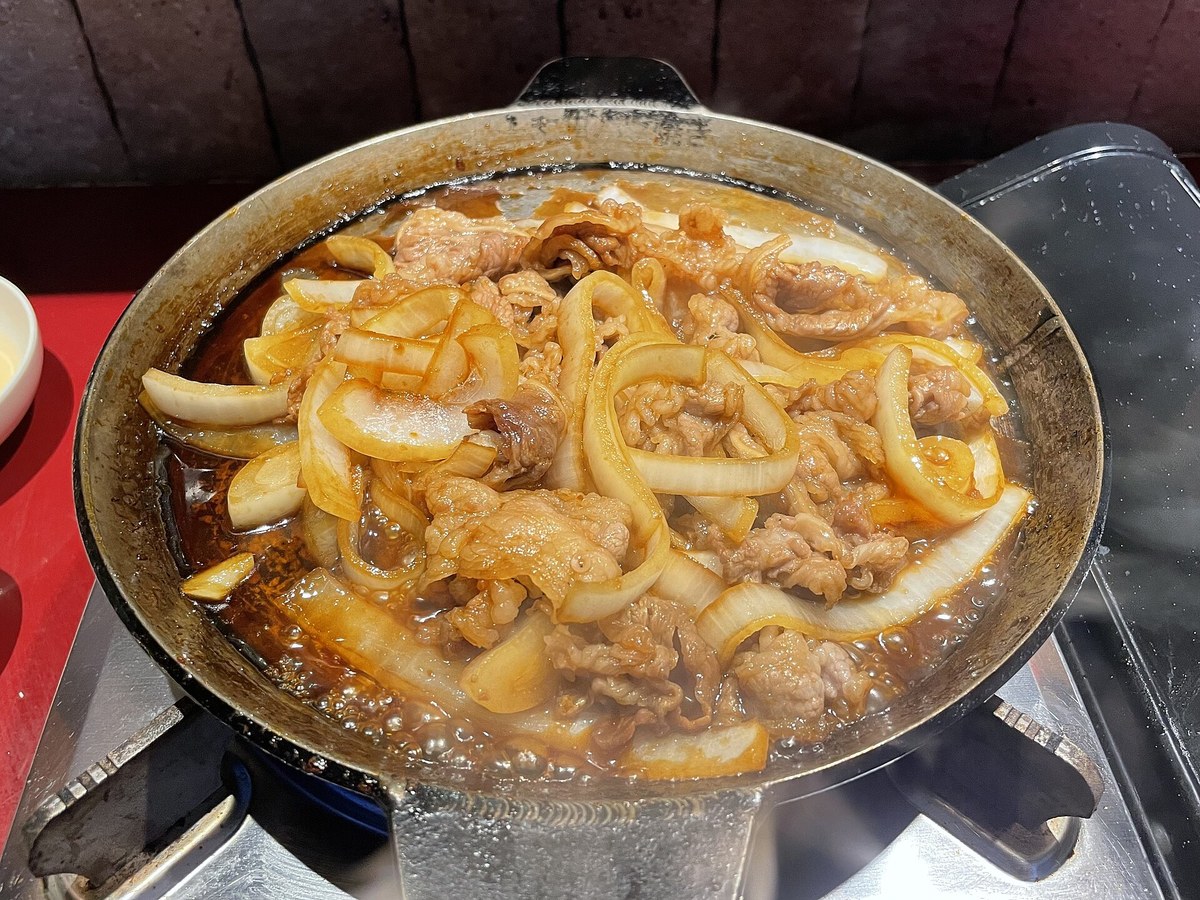
Food
Thin beef and a mountain of onions in a sweet-spicy soy sauce, grilled by you on an iron pan — the postwar Misawa dish that Towada took to a B-1 Grand Prix title.
Towada barayaki pairs marinated beef belly with plenty of onions on a sizzling iron plate. Taishoen has served it since 1963 at 770 yen; Tsukasa's beef lunch is 1,650 yen.
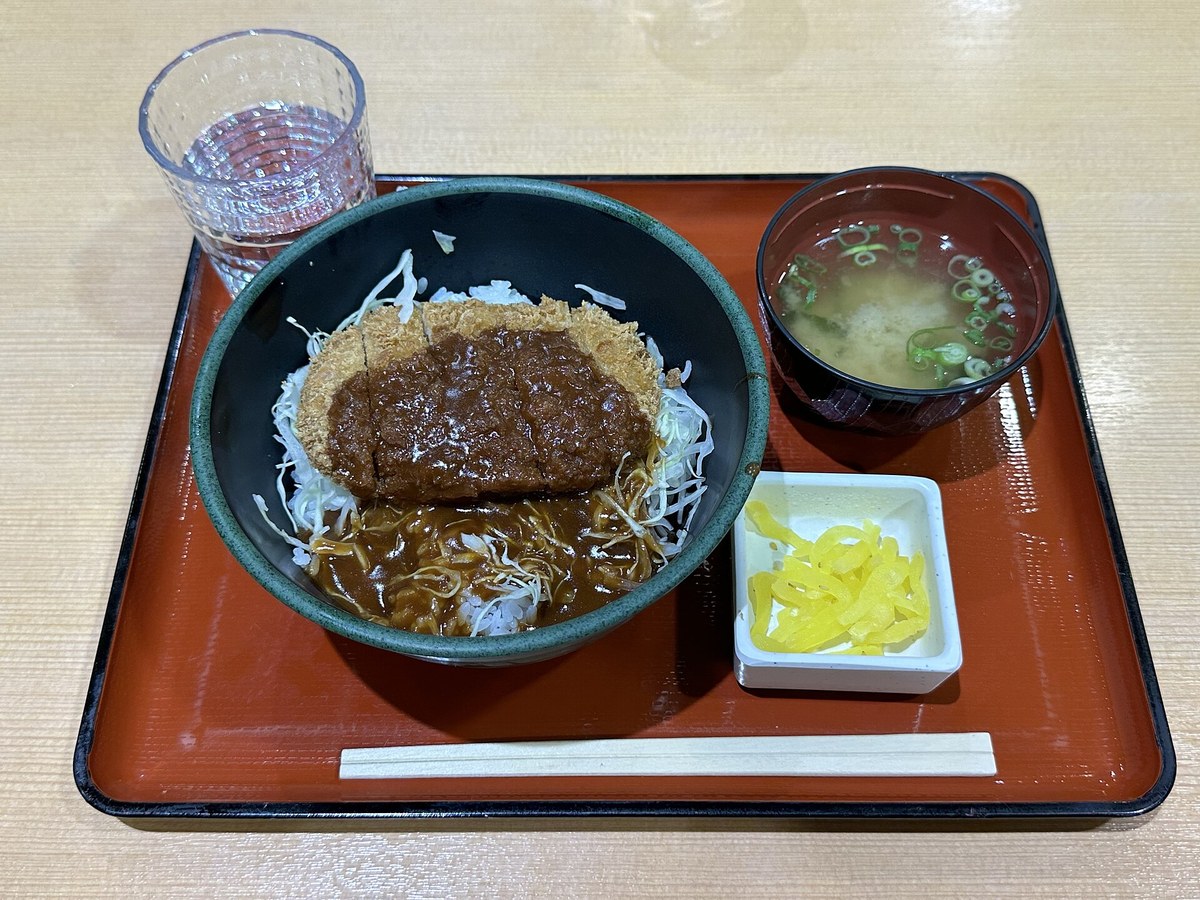
Food
A freshly fried cutlet under piping-hot demi-glace instead of egg — born at Nomura, where one family member still makes the secret sauce, and celebrated every 23rd of the month.
Okayama's demi-katsudon pours demi-glace over fried cutlet and rice. The station's Peach Pork version costs 2,079 yen; the originator Nomura keeps its sauce a family secret.
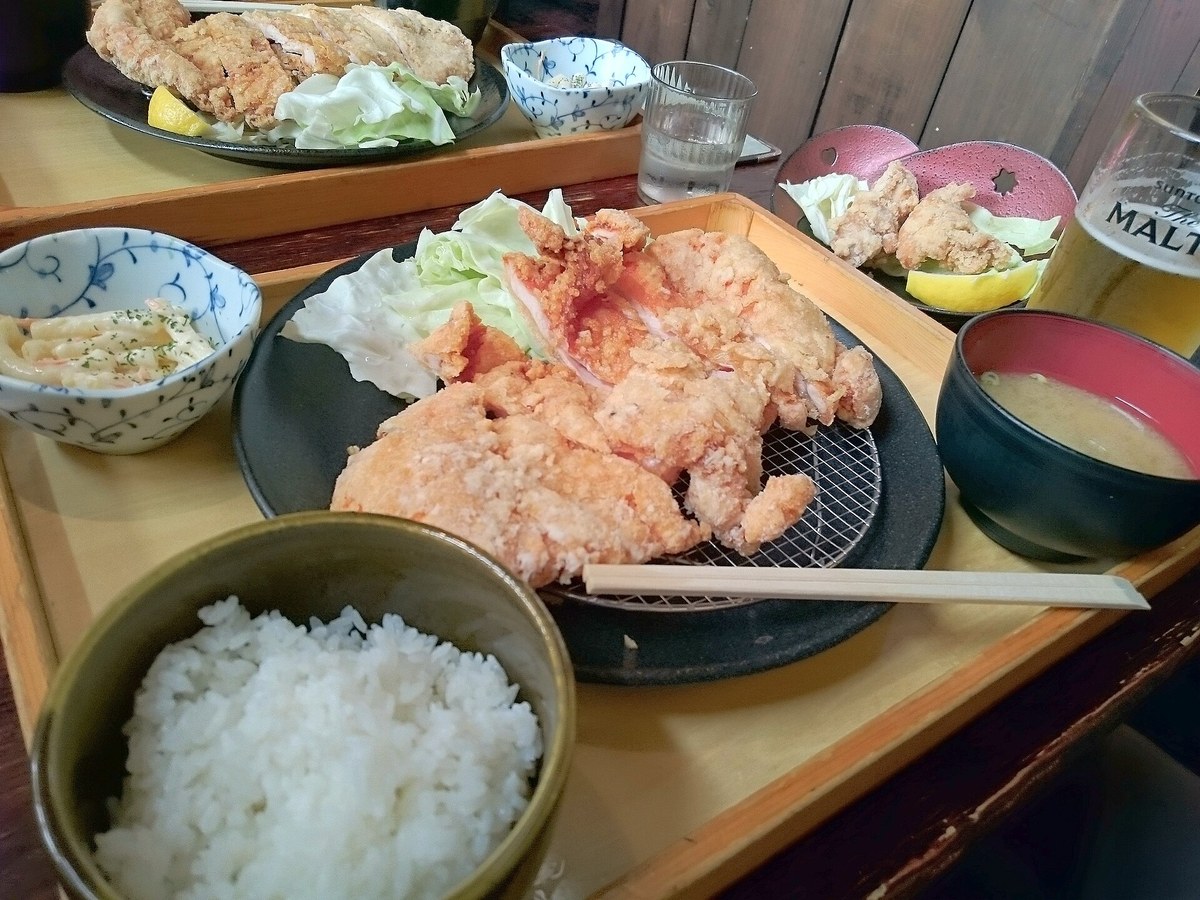
Food
One huge piece of chicken, garlic-soy marinade, starch crust, deep-fried — the Matsumoto and Shiojiri speciality named for mountain bandits, with its own day on March 9.
Sanzokuyaki fries a whole garlic-soy chicken thigh in a crisp starch crust. At Karaage Center by Matsumoto Station it runs 700–1,500 yen for a Frisbee-size portion.
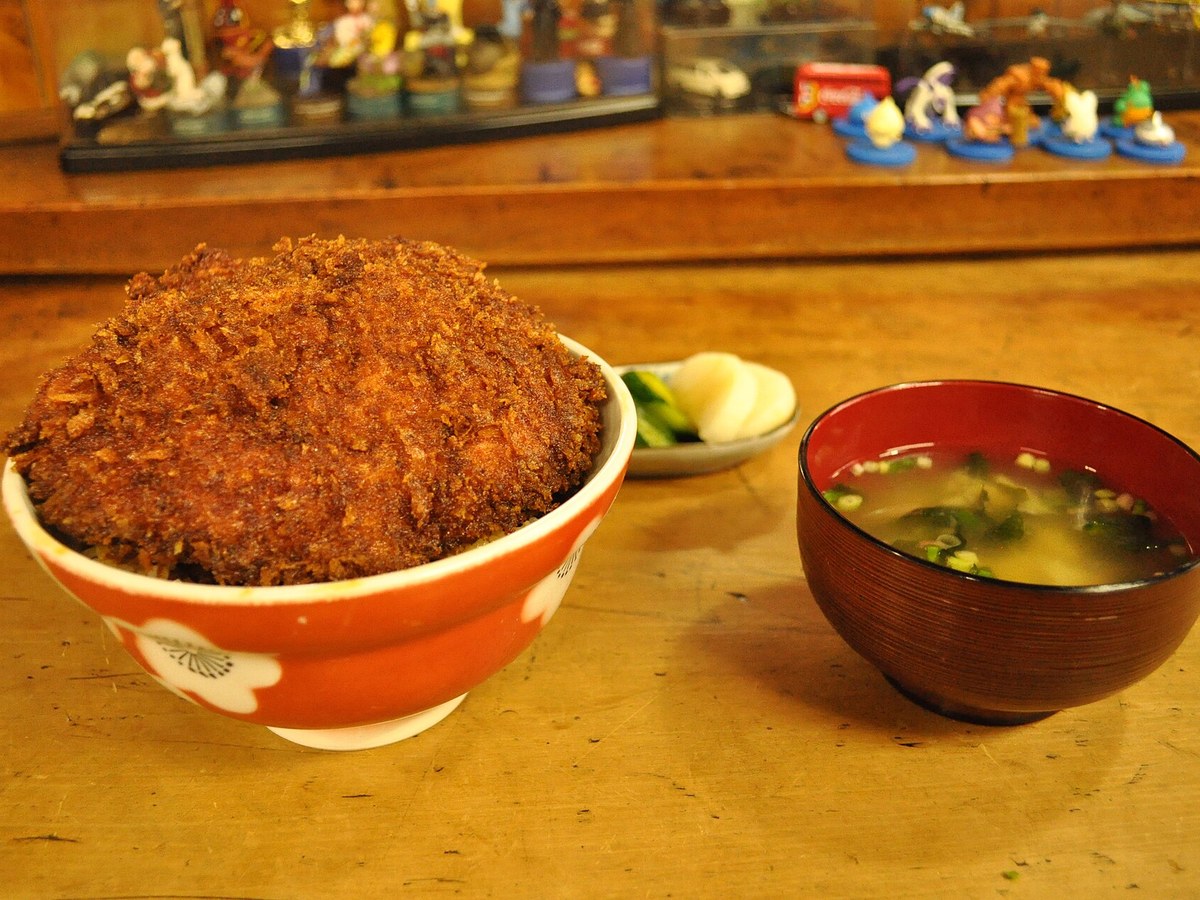
Food
Two enormous sauce-dipped cutlets laid over rice like straw sandals — the bowl Yasudaya has served for over a century on Chichibu's pilgrim roads.
Waraji katsudon lays two sandal-sized cutlets over rice. Across ten Chichibu shops it costs 1,020–1,200 yen; the originator Yasudaya's two-cutlet bowl is about 1,080 yen.
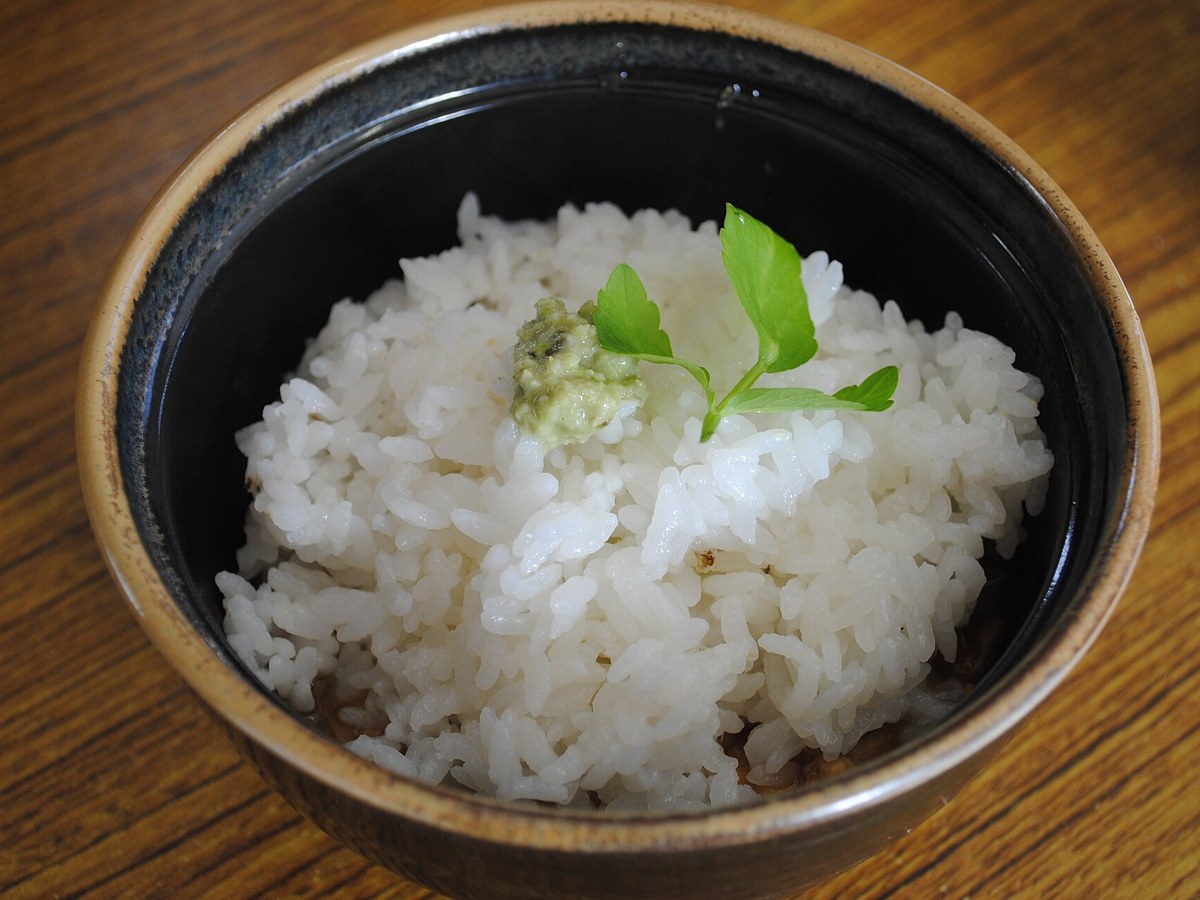
Food
The treasure is under the rice — chopped vegetables, tofu and kamaboko hidden in the bowl until the hot dashi goes on. One of Japan's five great rice dishes, from Tsuwano.
Uzume meshi buries carrot, kamaboko, tofu, shiitake and burdock under rice for a dashi pour-over. At Sarashiki in Tsuwano the set with Sekishu soba costs 2,000 yen.
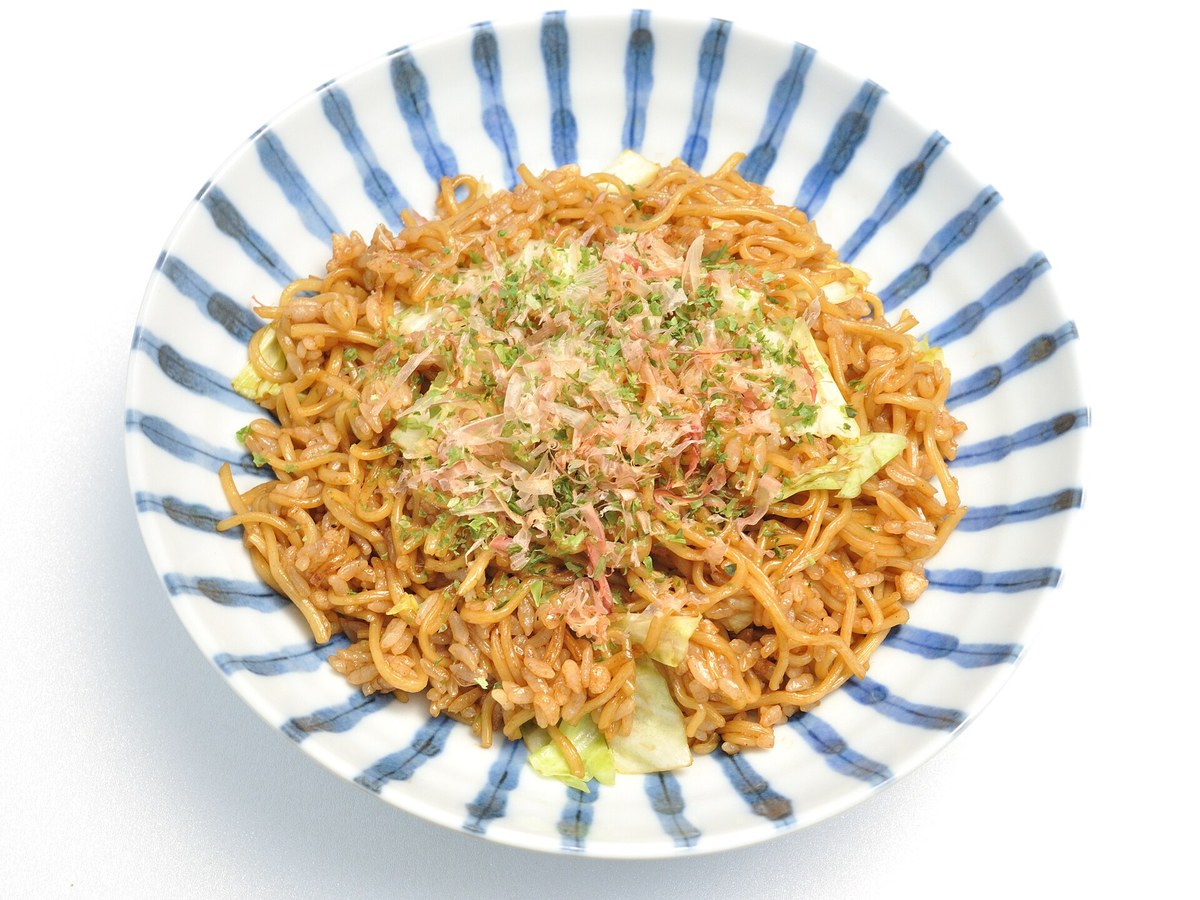
Food
Yakisoba noodles chopped fine and fried with rice on an iron griddle — the 1957 factory lunch of Kobe's Nagata ward, with bokkake and the dobe sauce you must ask for.
Sobameshi fries chopped yakisoba noodles with rice on a teppan in Kobe's Nagata ward. Plates run 800–1,200 yen; the Nagata Honjoken chain lists its sobameshi at 1,045 yen.
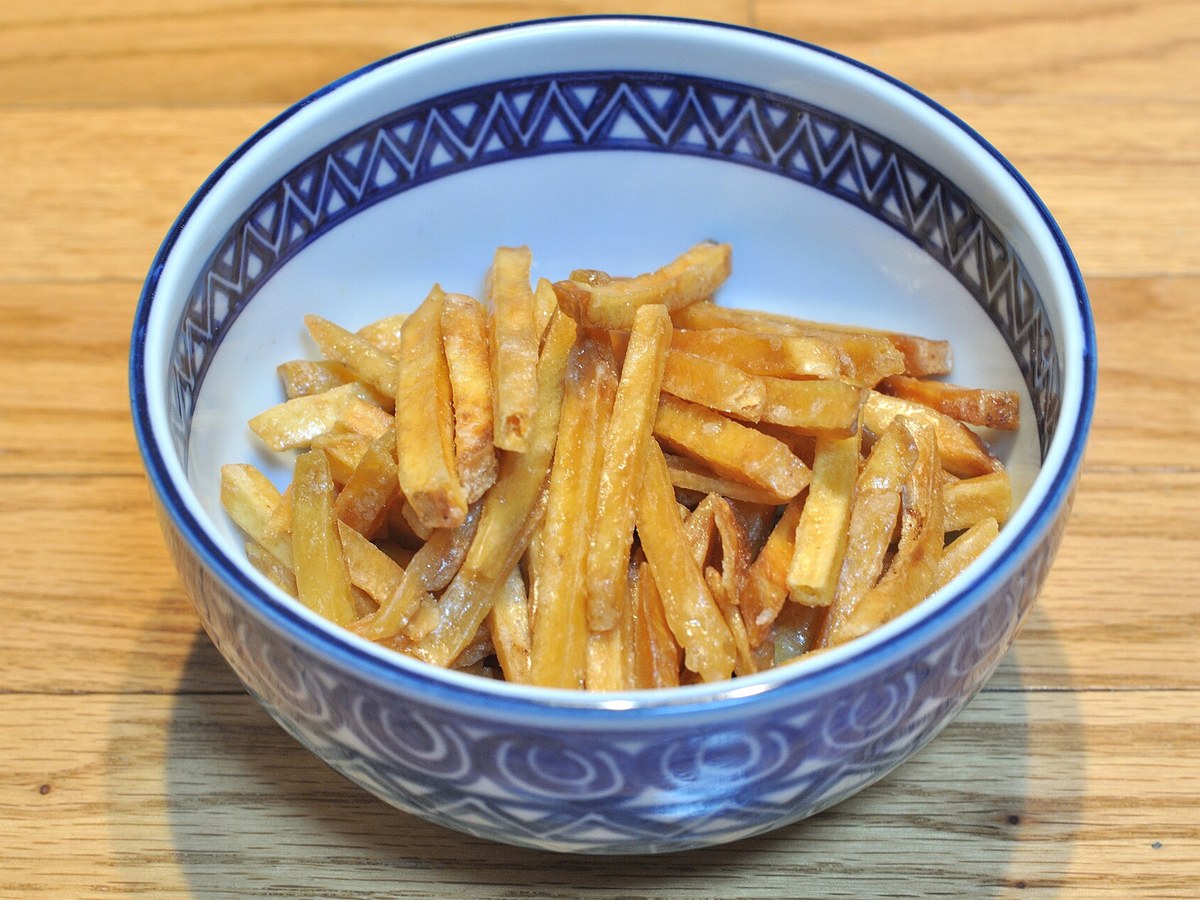
Food
Sweet potato cut thin, fried hard, lacquered with sugar — the Kochi snack named for a confection in the tenth-century Tosa Diary, still fried fresh at specialist shops.
Imo kenpi is Kochi's crunchy sweet-potato stick, fried and sugar-glazed. Imoya Kinjiro's plain 100 g bag costs 350 yen; freshly fried at the Hidaka main shop, 500 yen.
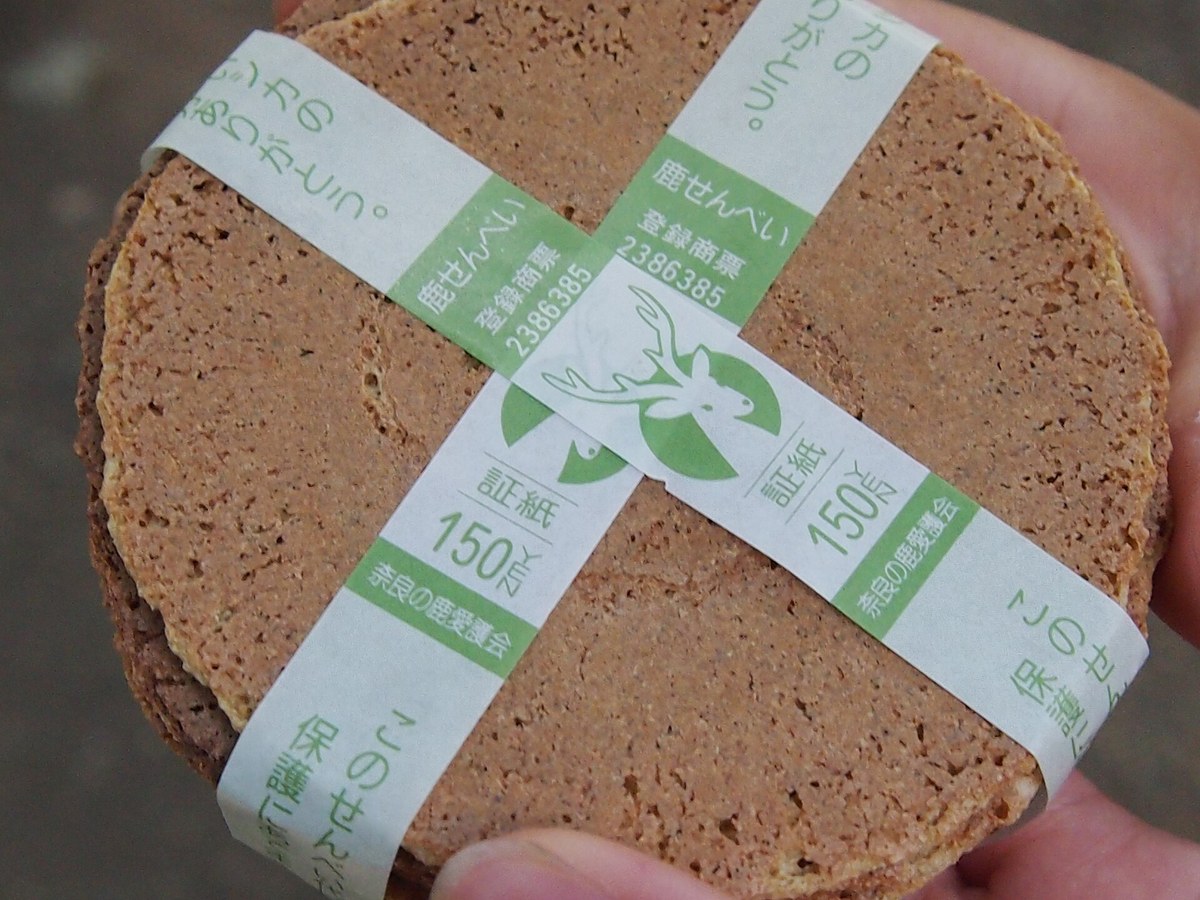
Food
Plain rice-bran crackers sold for exactly one customer — the sacred deer of Nara Park. A registered trademark whose paper band has funded deer protection since 1913.
Shika senbei are the plain crackers sold in Nara Park to feed its sacred deer: 200 yen a banded bundle, trademarked by the Nara Deer Preservation Foundation.
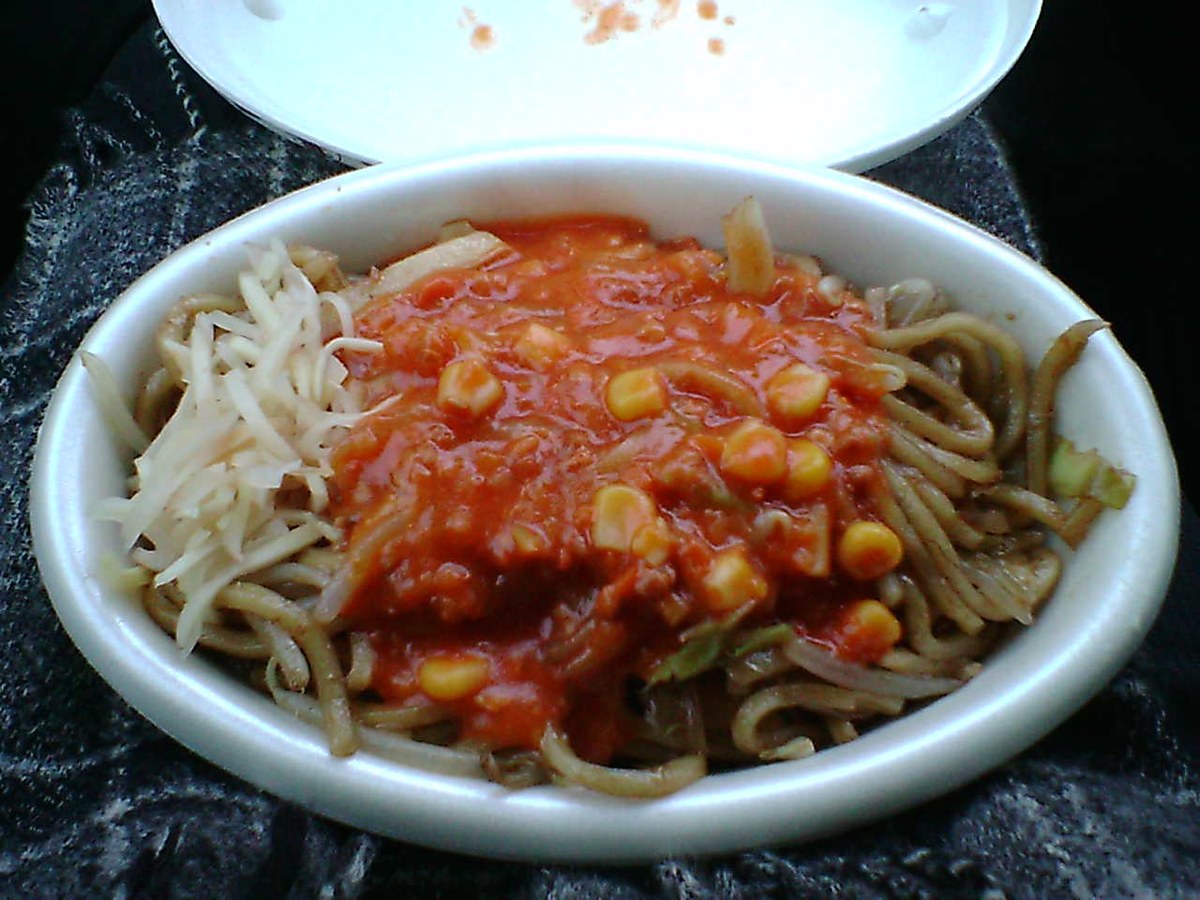
Food
Thick yakisoba noodles under a tomato meat sauce, white ginger on the side, a fork in hand — the 1960 Mikazuki invention that split Niigata into two noodle houses.
Niigata's Italian tops sauce yakisoba with tomato meat sauce. Mikazuki's classic runs about 440–480 yen; the prefecture's official shop sells the frozen 3-pack for 2,810 yen.
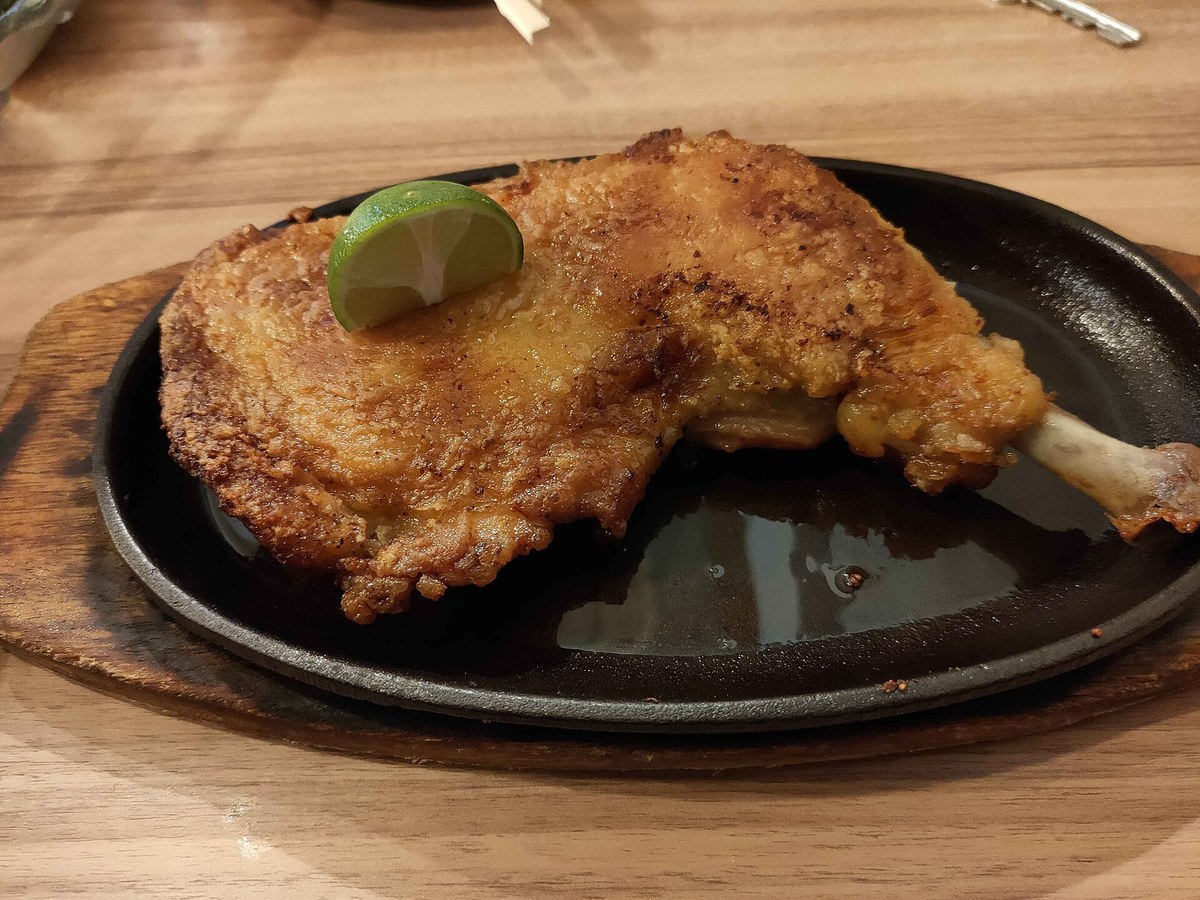
Food
Bred for ten years by a prefectural laboratory and named for the Awa Dance — the reddish, lean jidori that has outsold every famous brand in Japan since 1998.
Awaodori is Tokushima's GI-registered jidori, Japan's top-shipping local chicken since 1998. A tasting set of about 2 kg costs 6,550 yen including tax and shipping.
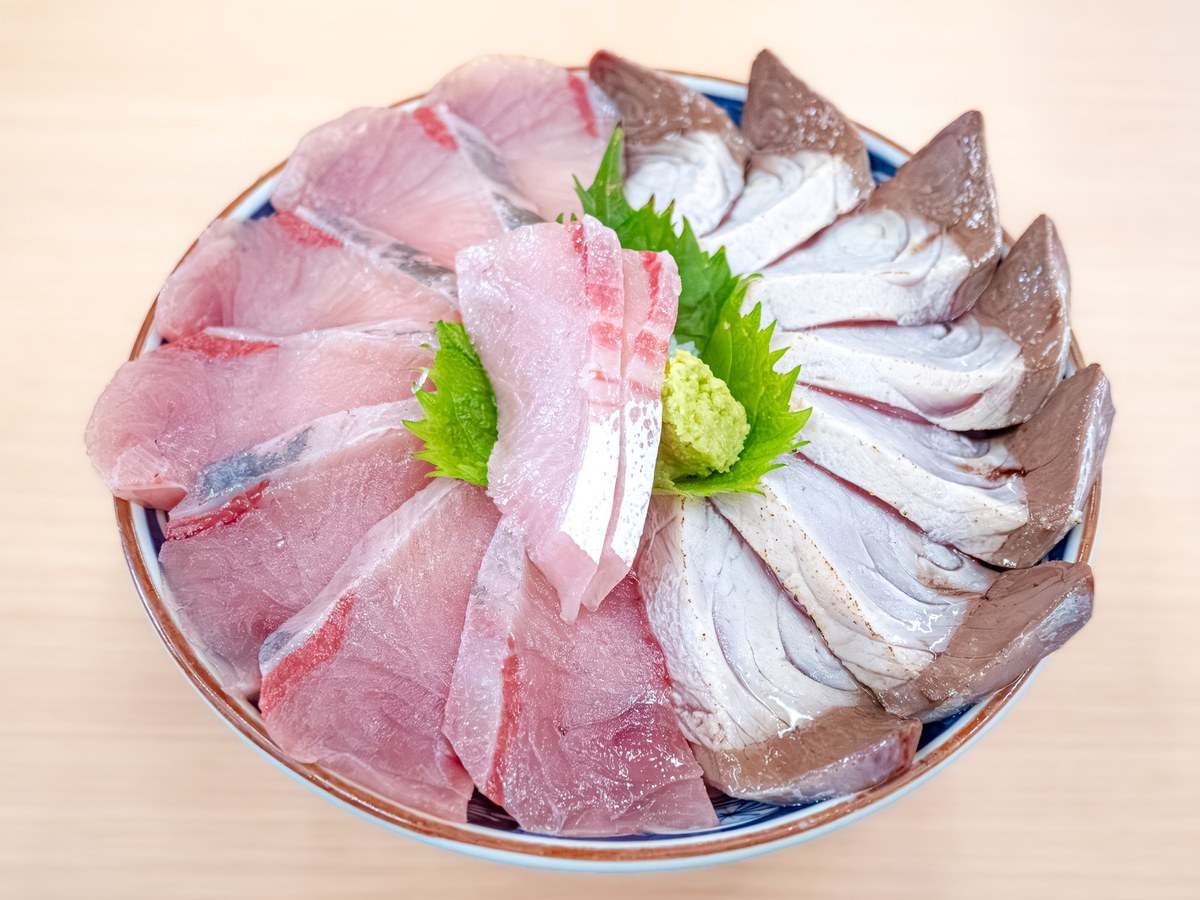
Food
Winter yellowtail from Toyama Bay's fixed nets, auctioned at Himi port and certified at eight kilograms and up — the brand fish that outsells every other port's buri three to one.
Himi buri is the certified winter yellowtail of Himi port: fixed-net fish of 8 kg and up, in season November to February. Sashimi bowls run about 1,500–3,000 yen.
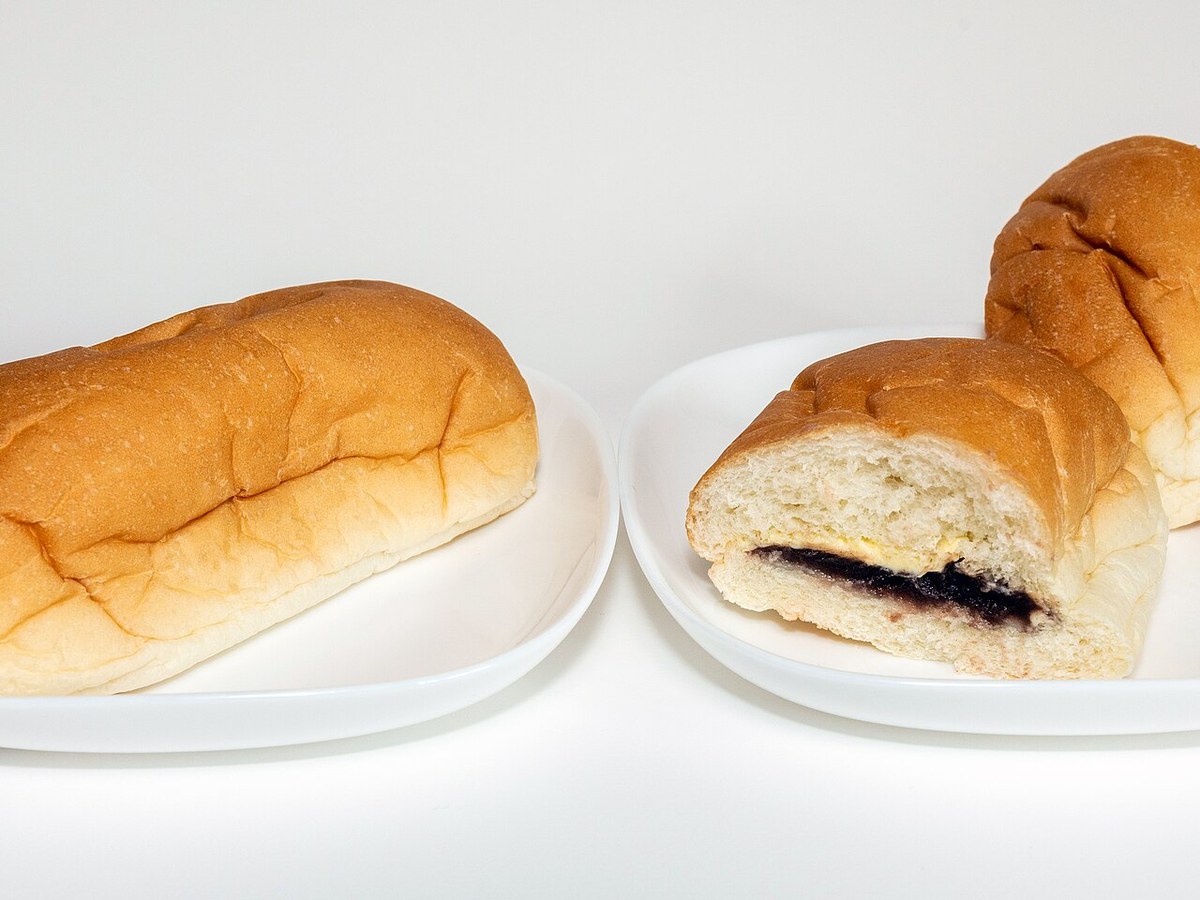
Food
Big soft koppepan spread to order at a Morioka counter since 1948 — founded by a pupil of Kenji Miyazawa, and famous for an an-butter filling invented by accident.
Fukuda Pan sells about 10,000 koppepan a day in Morioka, spread to order from some 50 fillings. Apple jam and butter costs 185 yen; the signature an-butter began as a 1970s mix-up.
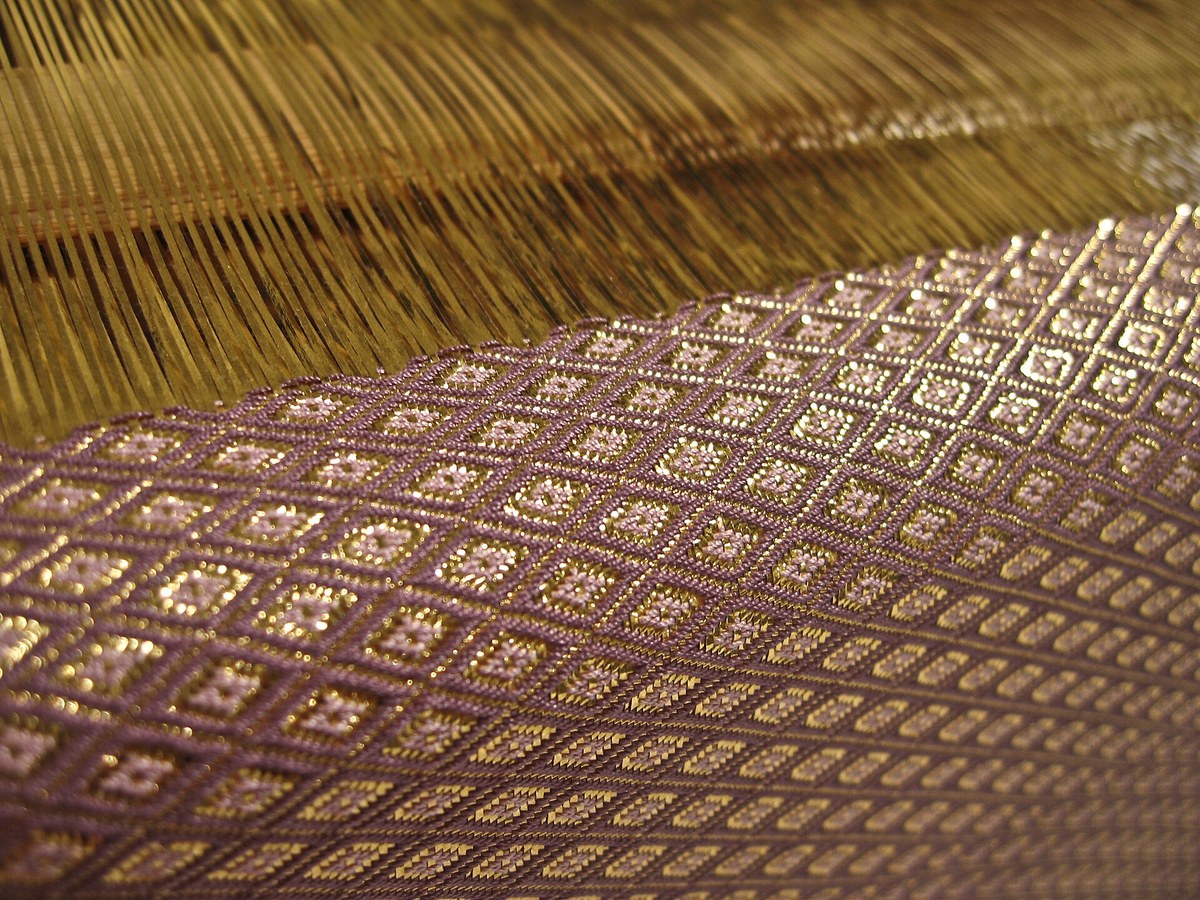
Craft
Gold, silver and lacquer leaf on washi paper, cut hair-fine and woven with silk — the castle ladies' brocade of Kashima, renamed for Saga in London in 1910.
Saga Nishiki is brocade with a paper warp: gold-leaf washi cut fine, woven with dyed silk a few inches a day. At the prefecture shop's 2025 sale, bags started at 165,000 yen.
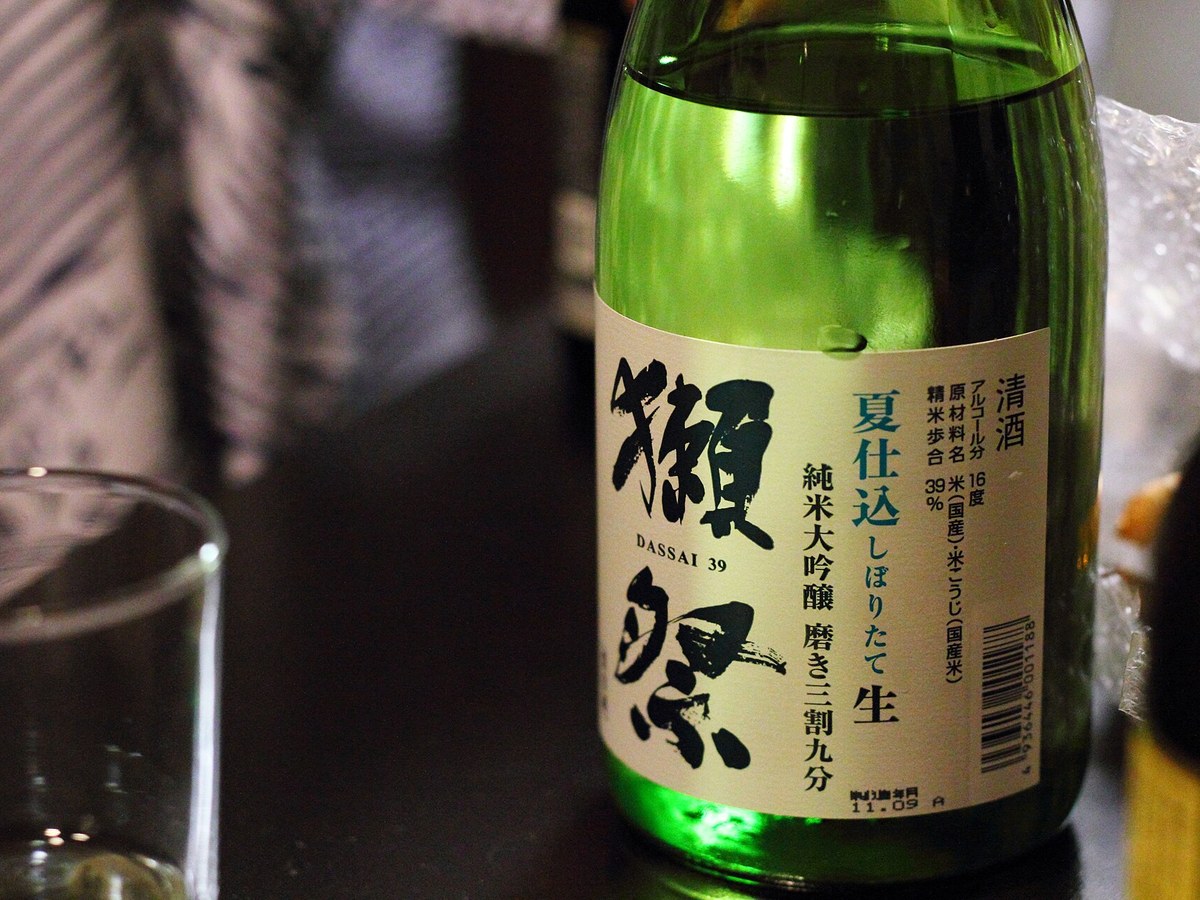
Food
One brewery in the Iwakuni mountains, one rice, one grade — and a label that prints how much of the grain was milled away. Dassai 45, 39 and the flagship 23.
Dassai brews only Junmai Daiginjo from Yamada Nishiki in Iwakuni. The number is the polishing ratio: the 45 costs 2,475 yen and the 39 costs 3,080 yen for 720 ml.
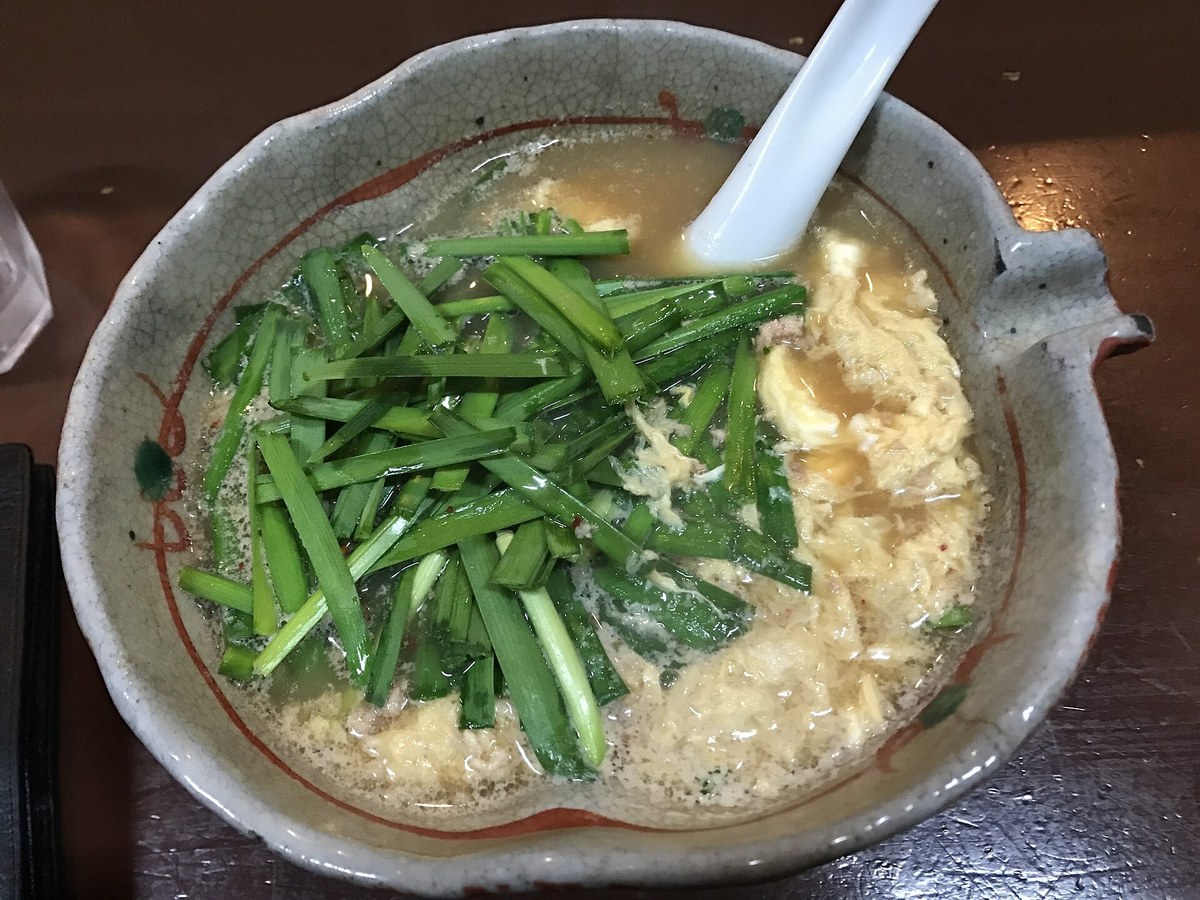
Food
Born in 1987 as an izakaya side menu in Nobeoka: a clear red broth, five cloves of garlic, buckwheat 'konjac' noodles with no konjac in them, and a heat ladder to climb.
Karamen is Miyazaki's spicy noodle soup from Nobeoka — minced pork, nira and egg in a red broth. At Masumoto a regular bowl runs 1,020 yen at heat 0 to 1,380 yen at heats 26–30.
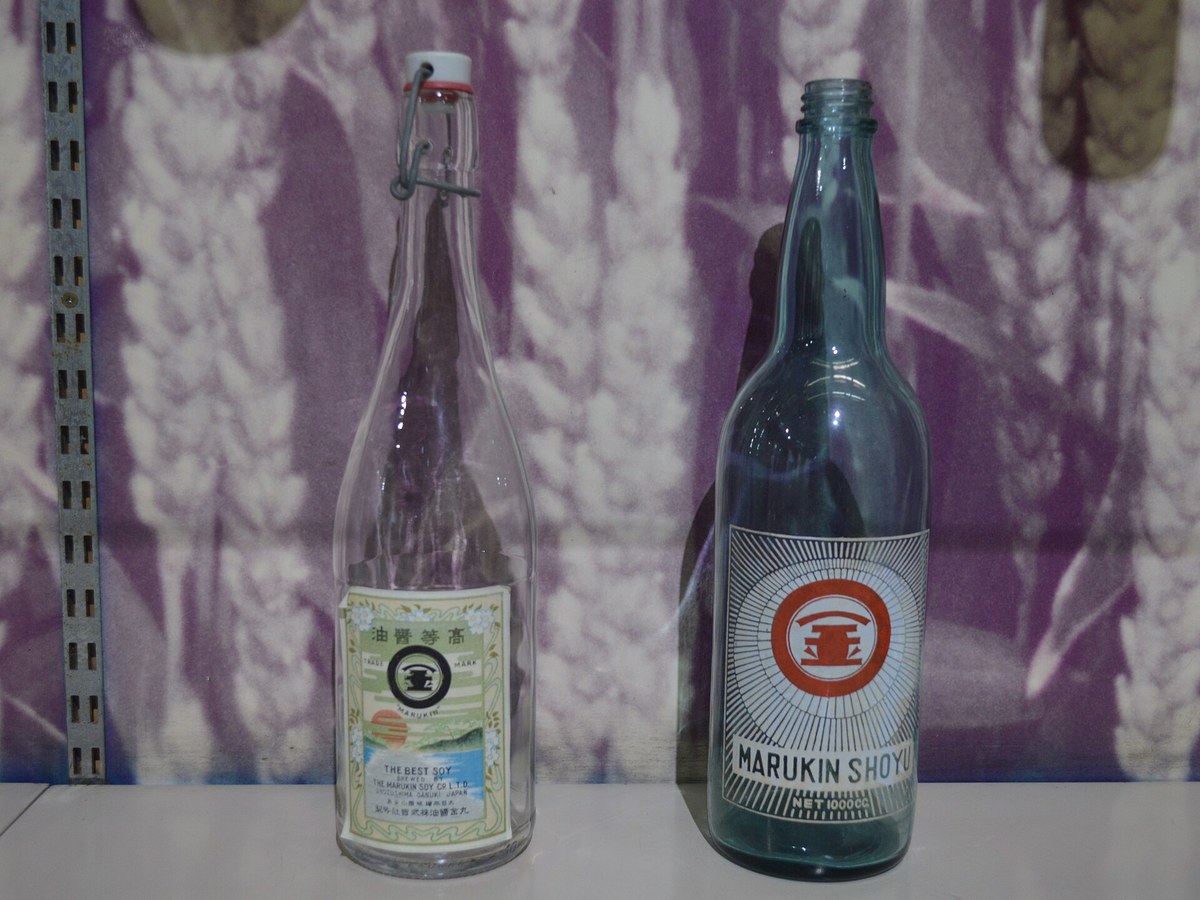
Food
About 400 breweries once worked this island; the twenty-odd survivors of Hishio no Sato still ferment in living cedar barrels — and one of them restarted Japan's barrel-making craft.
Shodoshima's breweries still ferment soy sauce in kioke cedar barrels — about 1% of Japan's production, over a third of it from this island. Marukin's museum costs 500 yen; Yamaroku bottles list at 600 yen.
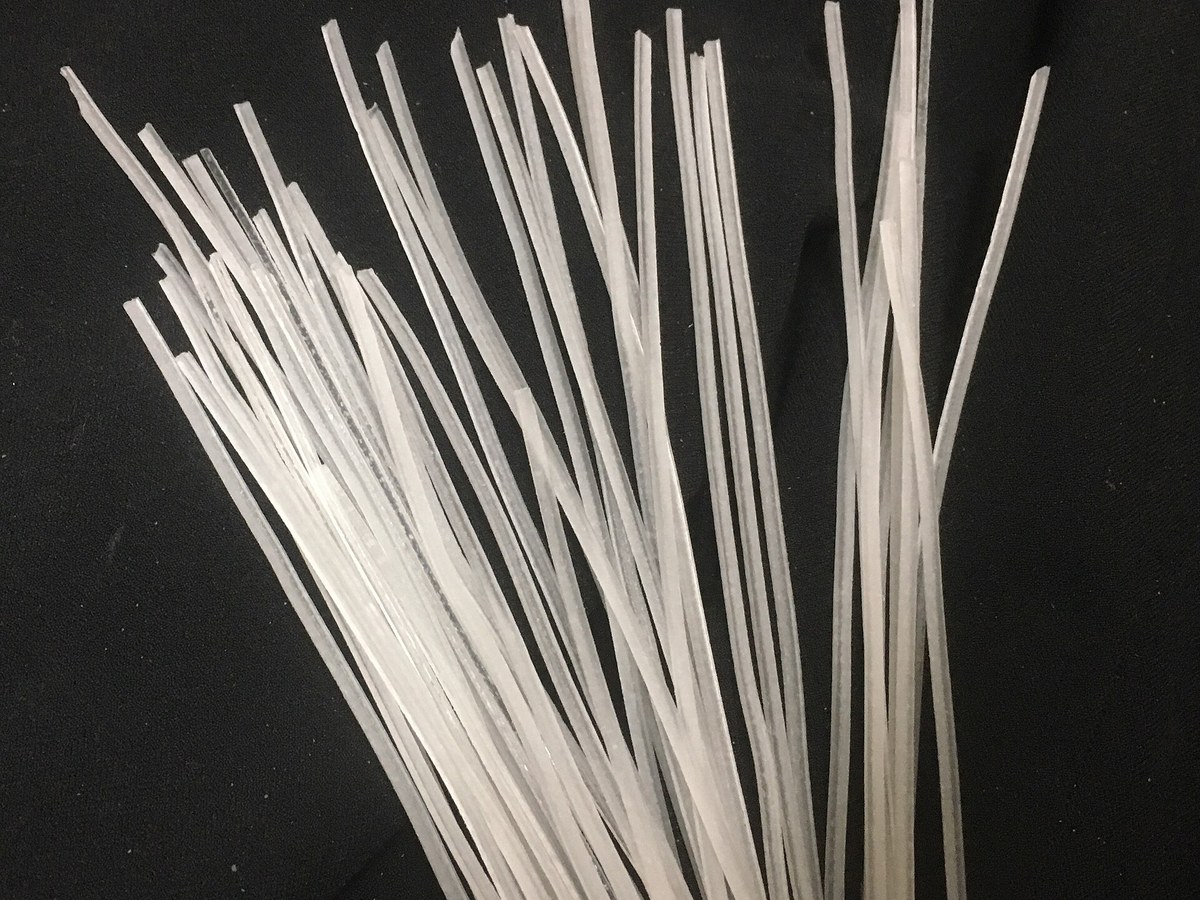
Food
A kilogram of root yields a hundred grams of this flour — and only four houses in Nara may sell it under the trademark that guarantees it is pure.
Nara's trademarked 100% kudzu starch, Yoshino-sarashi refined. Tengyokudo's honkuzu bag is 1,250 yen; the same maker's blend is 692 yen. Fresh kuzukiri is served in Nara.
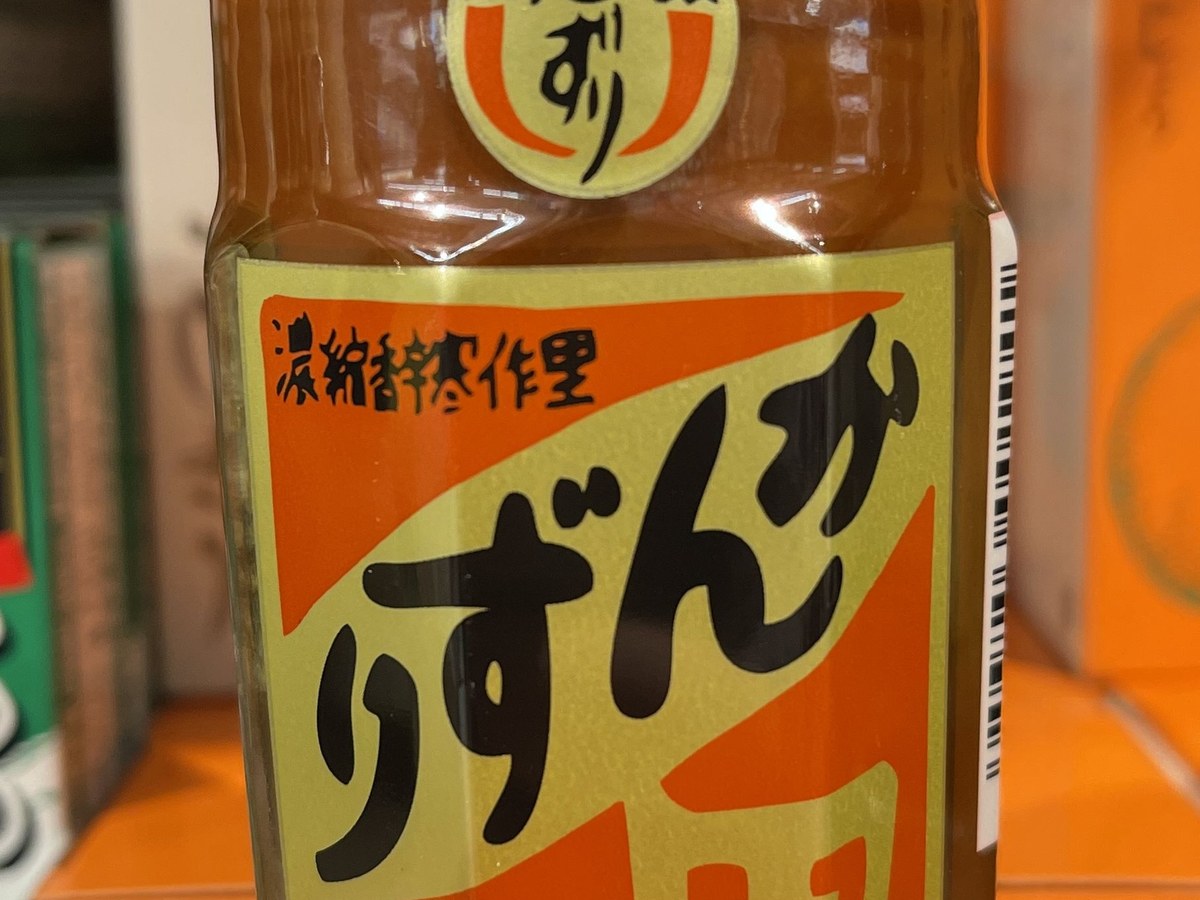
Food
Salt-cured chillies are spread on the snow at the coldest point of the year, then fermented for three years — by the one company in Japan allowed the name.
Myoko's snow-bleached chilli paste: local chillies laid on snow, then three years with koji and yuzu. One maker, one trademark; the 70 g jar is 873 yen.
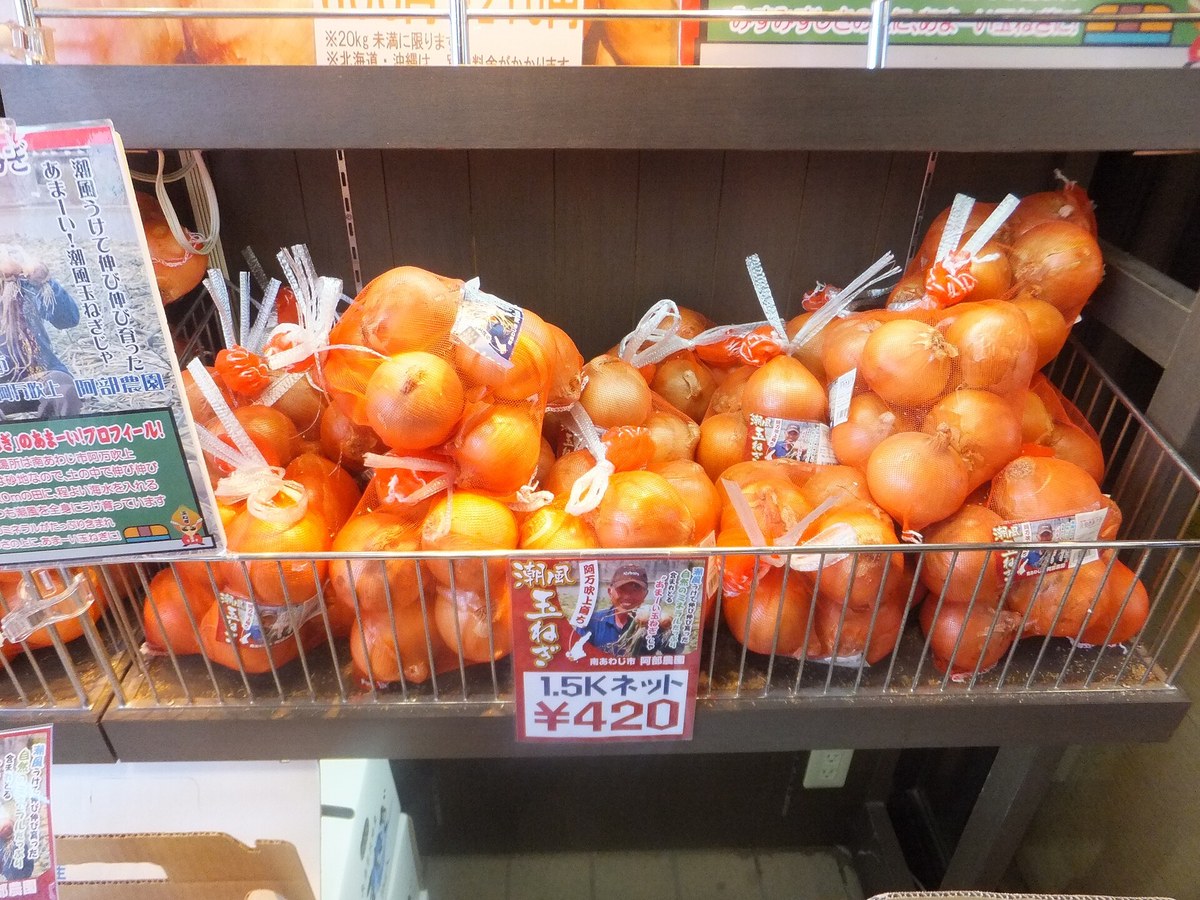
Food
Nine months in seabed soil, then a summer hanging in an open shed — the island that built its whole farm economy around making an onion sweet.
Hyogo's island onion: sugar 9–10%, pungency at most 60% of other regions, finished hanging in open onion sheds. Michi-no-eki Awaji's brand runs 750 yen for 2 kg.
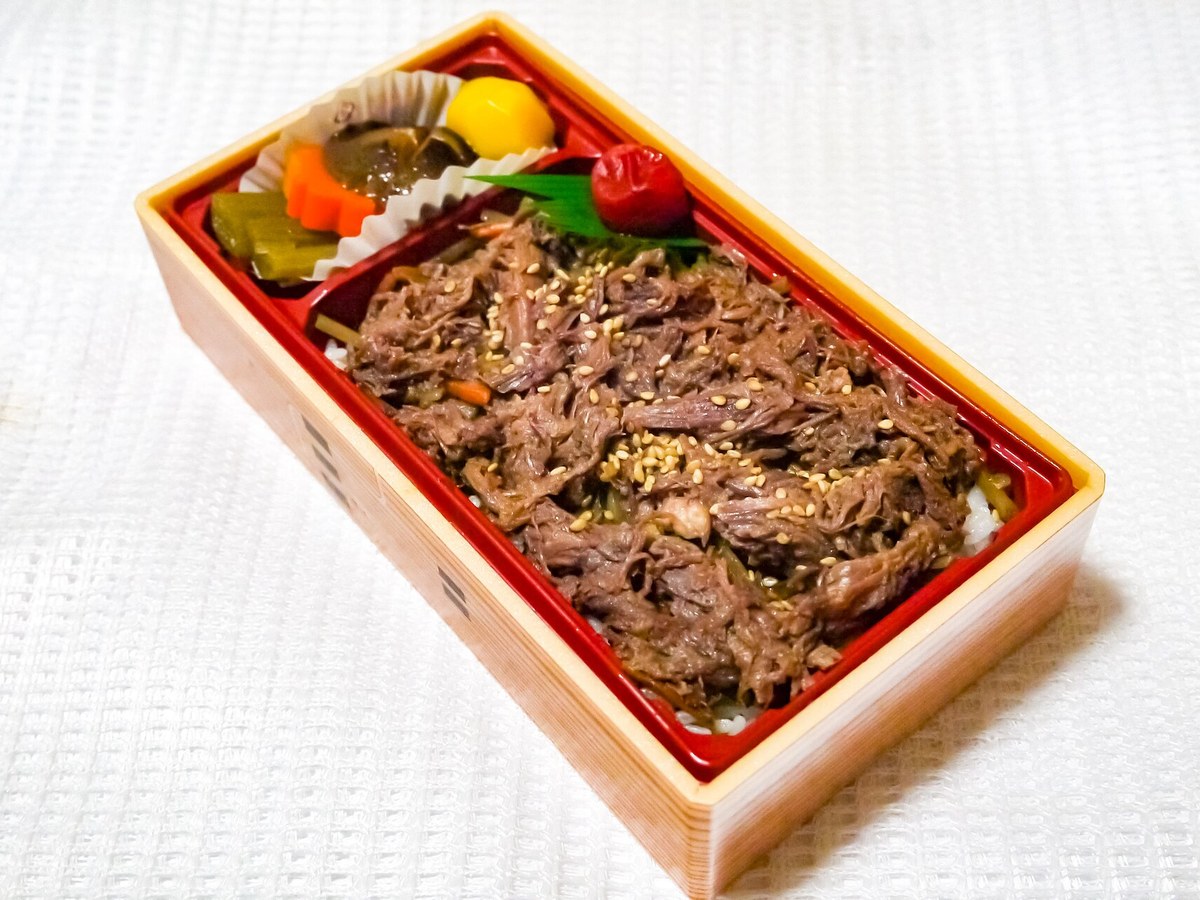
Food
Two tenths of one percent of Japan's beef, raised summer on the mountain and winter in the village — and prized precisely because it will not marble.
Iwate's trademarked shorthorn beef: summer-grazed, lean, deep-red. Sukiyaki shoulder is 5,400 yen for 500 g; the simmered-beef bento travels to Tokyo.
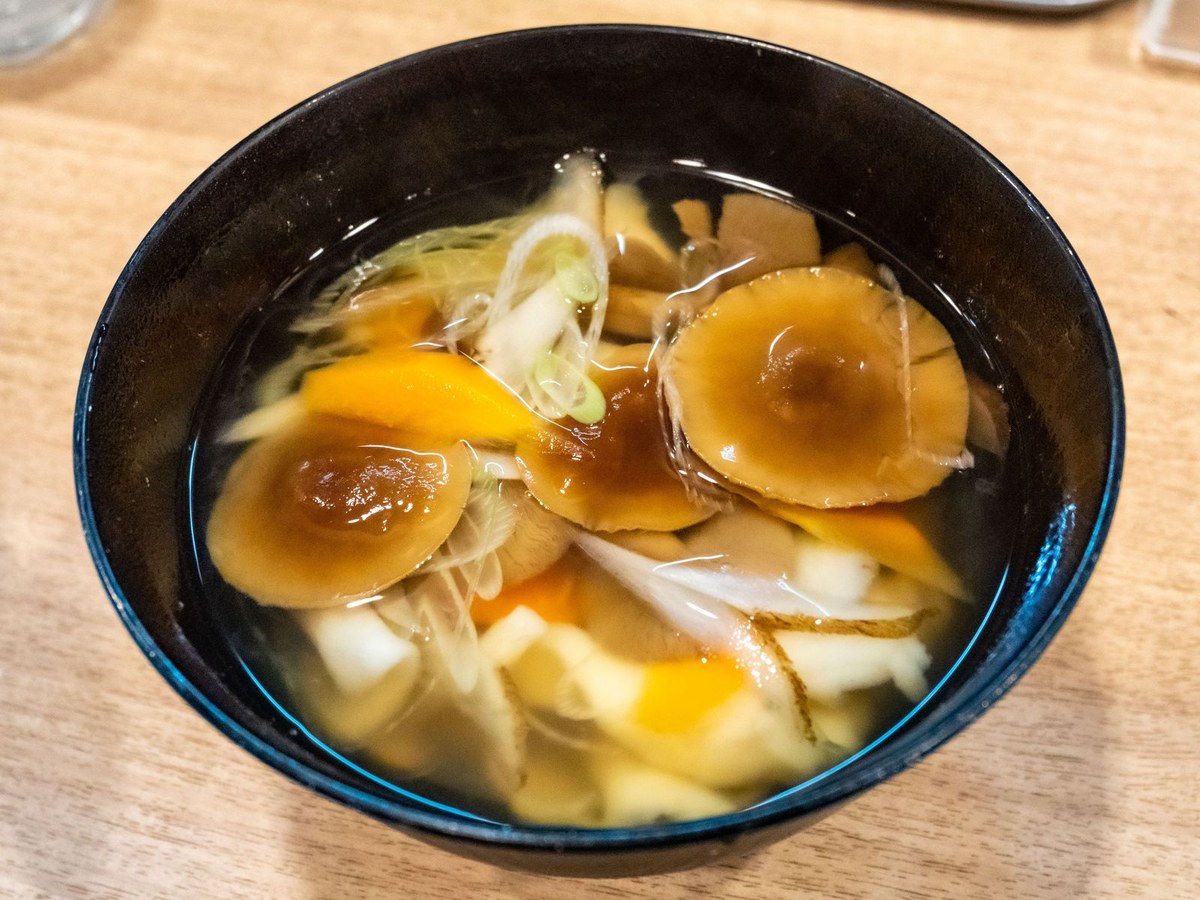
Food
Rested dough, held in one hand and torn with the other straight into the pot — the Nanbu domain's winter soup, named in dialect after the tearing itself.
Iwate's hand-torn dumpling soup: dough pinched into a soy broth of chicken, burdock and mushrooms. Set meals from 900 yen at Morioka diners.
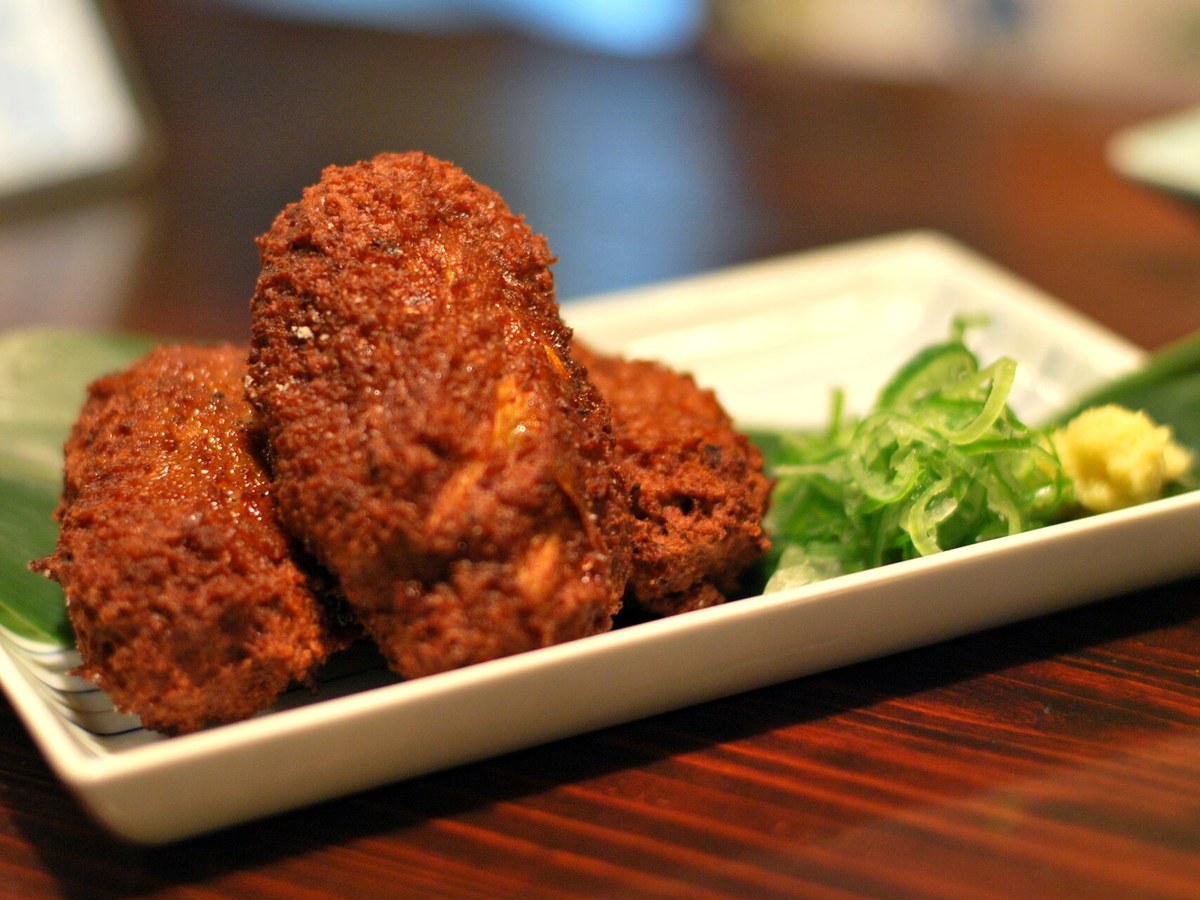
Food
Fish ground whole, kneaded with tofu and brown sugar, fried with no batter — an Edo townspeople's recipe that a trademark still guards in Nichinan.
Obi's tofu-kneaded fried fish cake: Hyuga-nada fish, miso and brown sugar, softer and sweeter than satsuma-age. Trademarked; nine kinds from one maker.
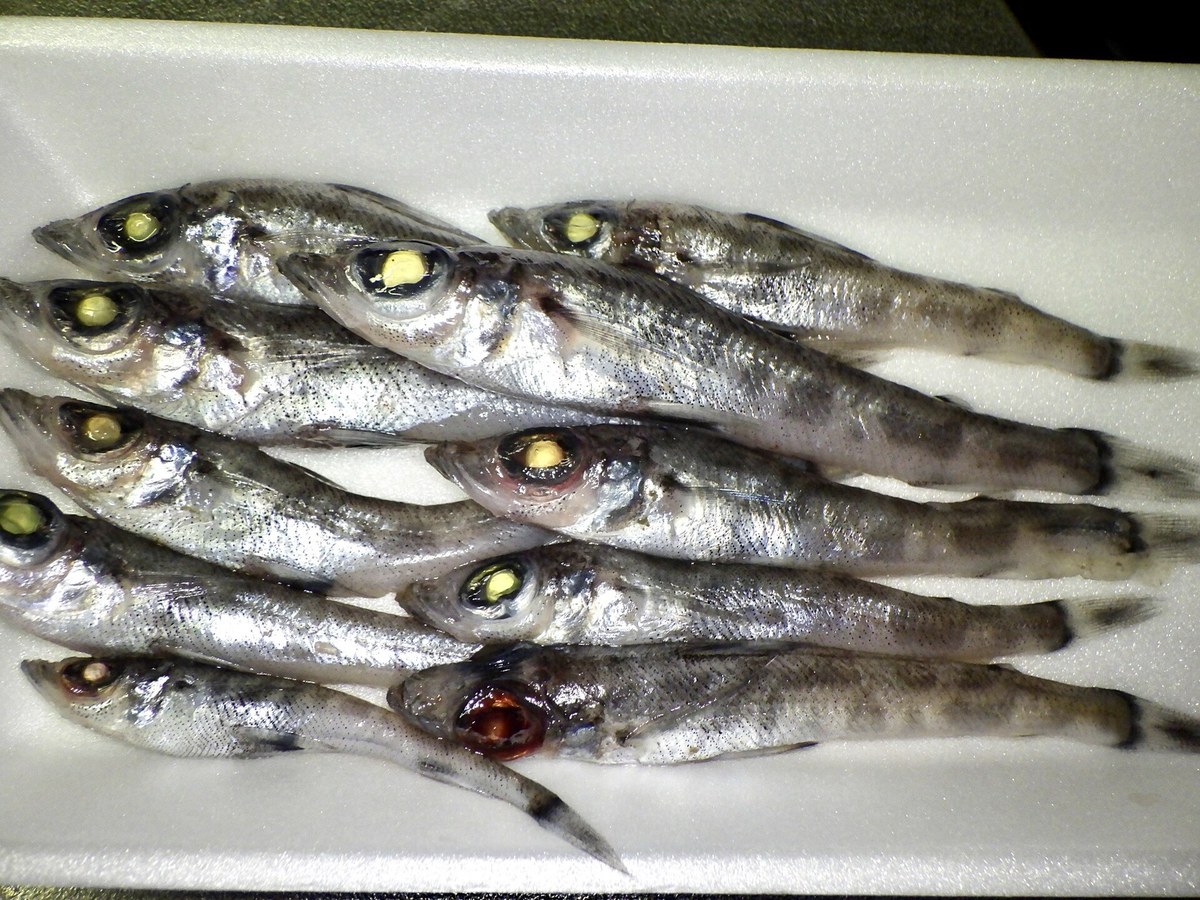
Food
Five to fifteen centimetres of deep-sea fish with glittering blue eyes — discarded for generations, until one Nobeoka restaurant fried it whole.
Nobeoka's deep-sea greeneye: 5–15 cm from 300 m down, once fish feed, now karaage eaten bones and all. Closed each May–June for spawning.
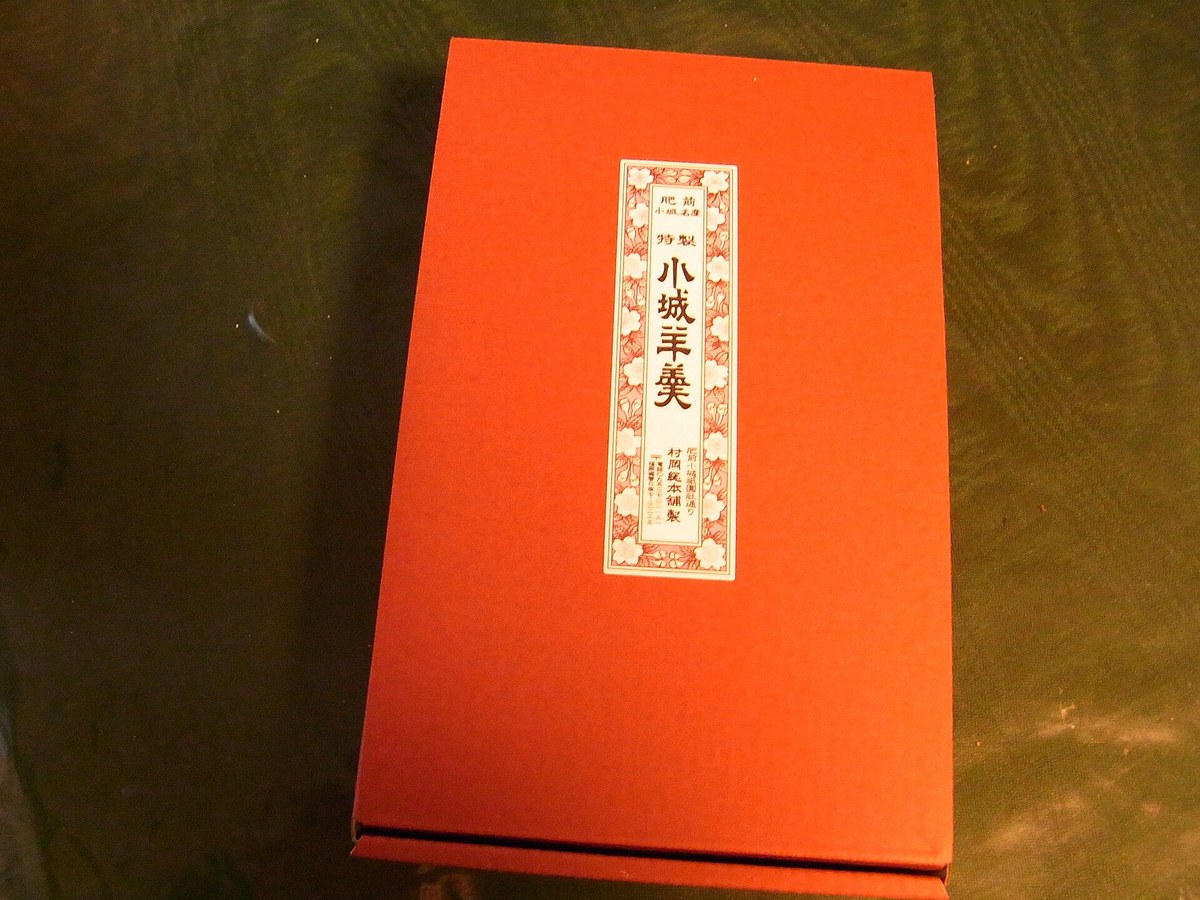
Food
No sealed pouch, no year on the shelf: a Sugar Road town's yokan that crusts with sugar as it rests, and is gone within the month.
Saga's Edo-method yokan: sugar crystallises into a crisp crust over a soft centre. 25 cooperative firms hold the name; bars keep just 18–25 days.
Food
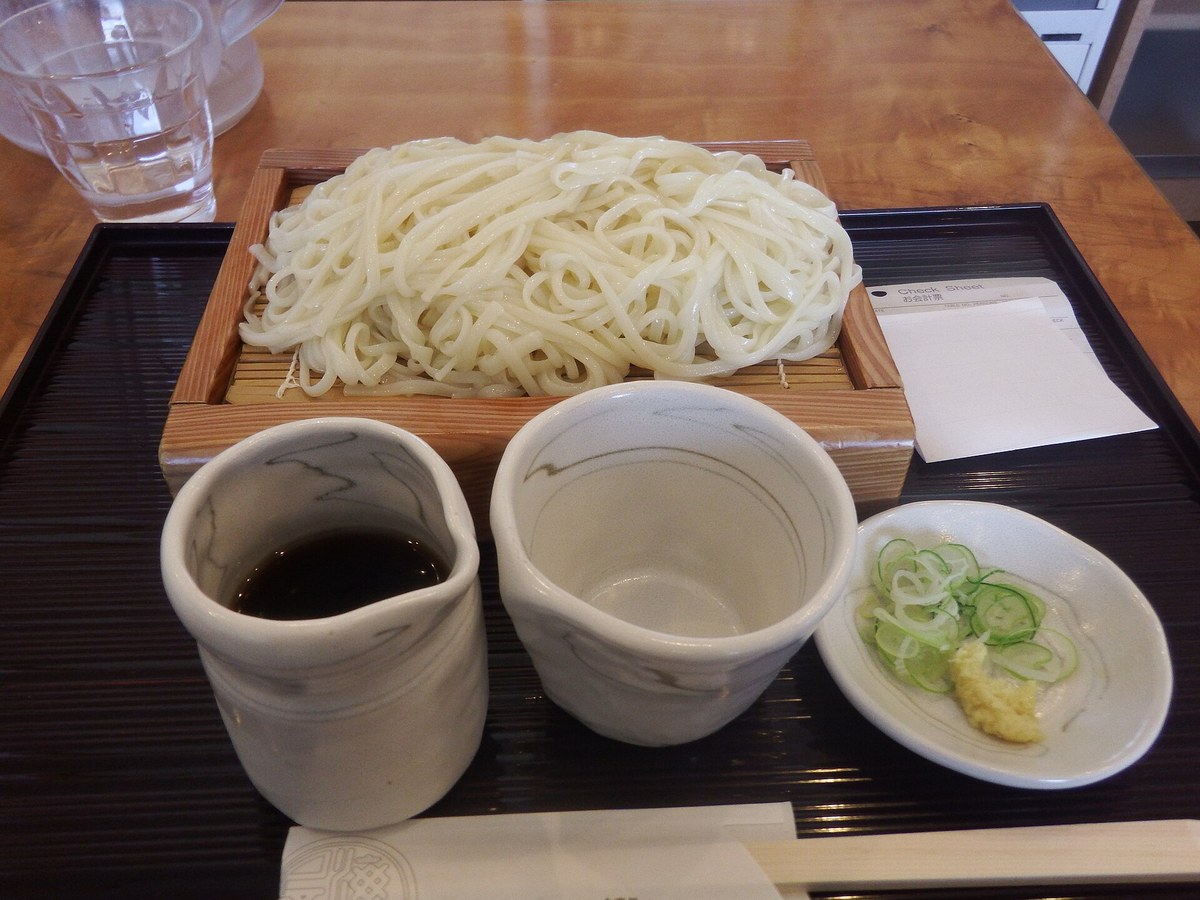
Kneaded, foot-trodden, cut in a spiral and twisted by hand — a noodle halfway between udon and somen, and entirely Himi's own.
Toyama's hand-spun udon: twisted and stretched without oil into fine, fiercely chewy strands. Kaizuya's set is 3,780 yen; the 200 g bag 486 yen.
Food
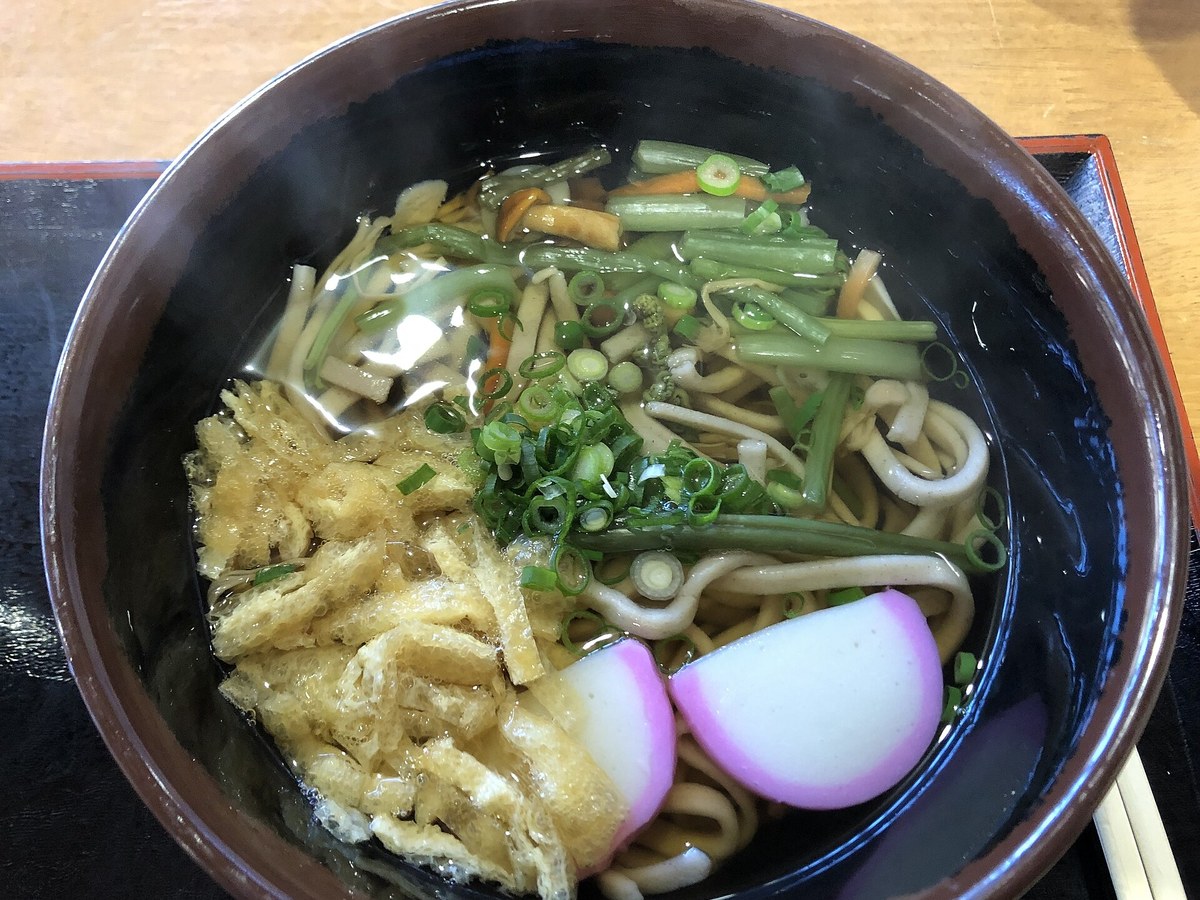
No wheat, no yam, no binder at all — just Iya buckwheat and water, cut short in the bowl as the valley has always served it.
The Iya valley's binder-free soba: thick, short, fragile by design. Dried packs run from 411 yen; the stone-milled gift set is 2,980 yen.
Food
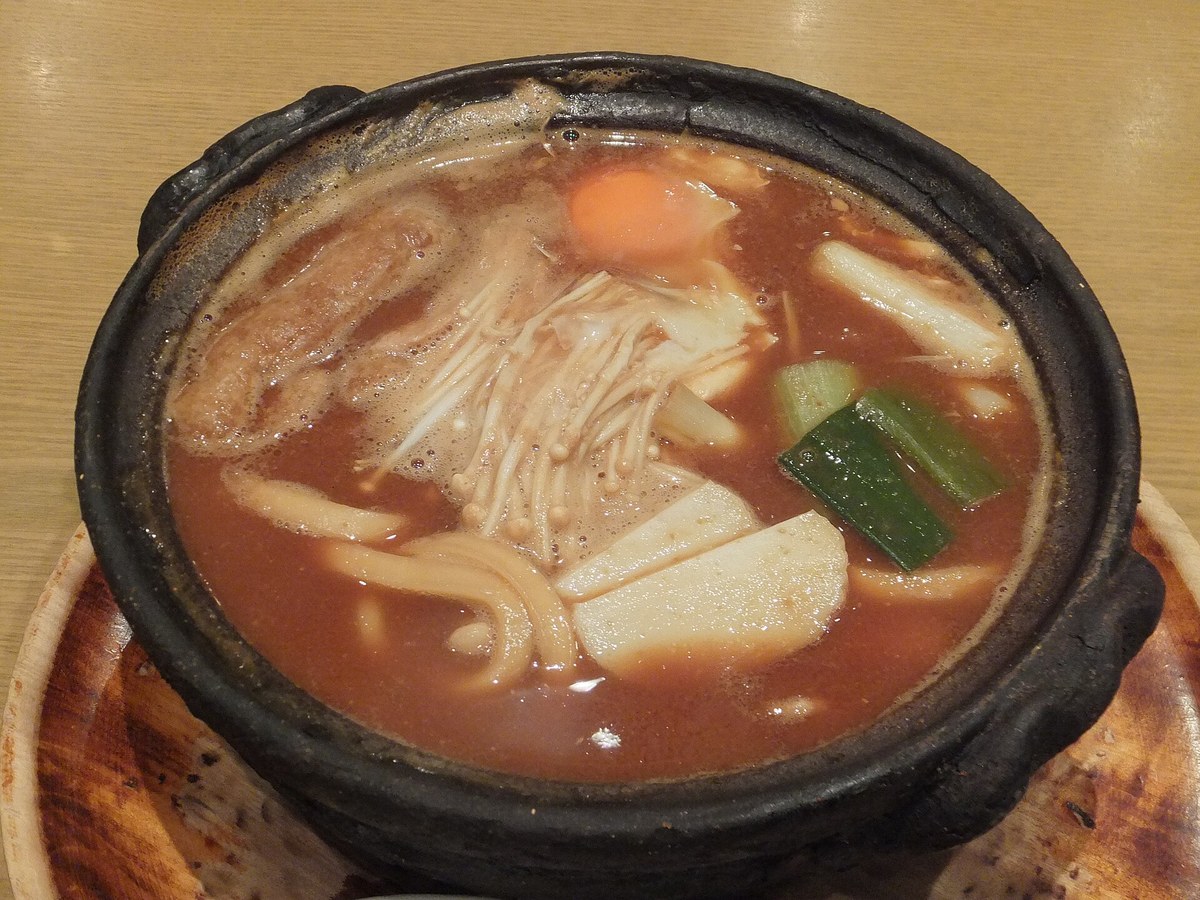
Salt-free noodles, two-year bean miso, one clay pot — and a hardness that is the signature, never the mistake.
Nagoya's clay-pot stew: salt-free udon simmered raw in dark Hatcho miso with egg. Standard bowls run about 1,350–1,480 yen at the two Yamamotoya houses.
Food
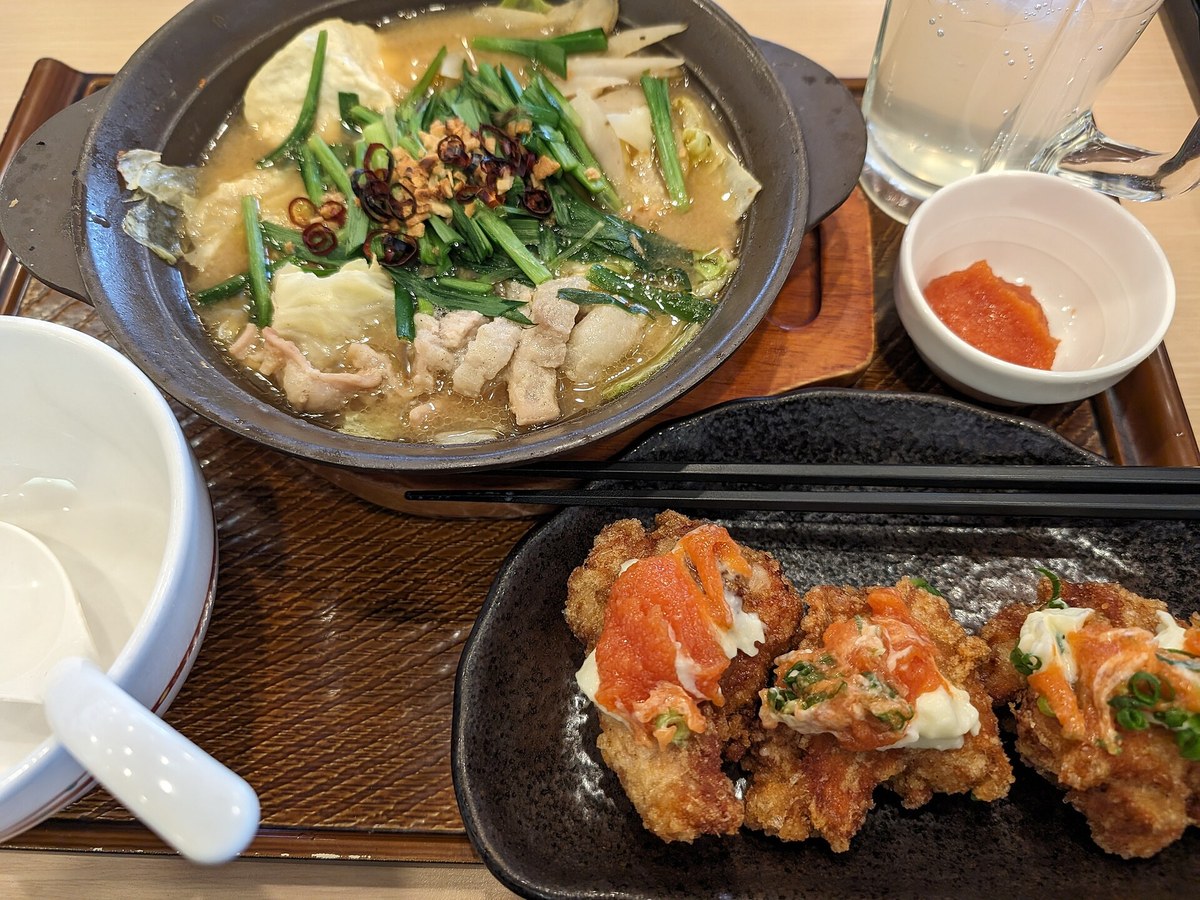
Postwar improvisation, 1990s national boom, permanent Hakata institution — motsu, cabbage and chives, finished with champon noodles.
Hakata's offal hot pot: beef motsu and cabbage under a green roof of nira, soy or miso broth, champon to finish. Sets run 9,000–30,000 yen as donation gifts.
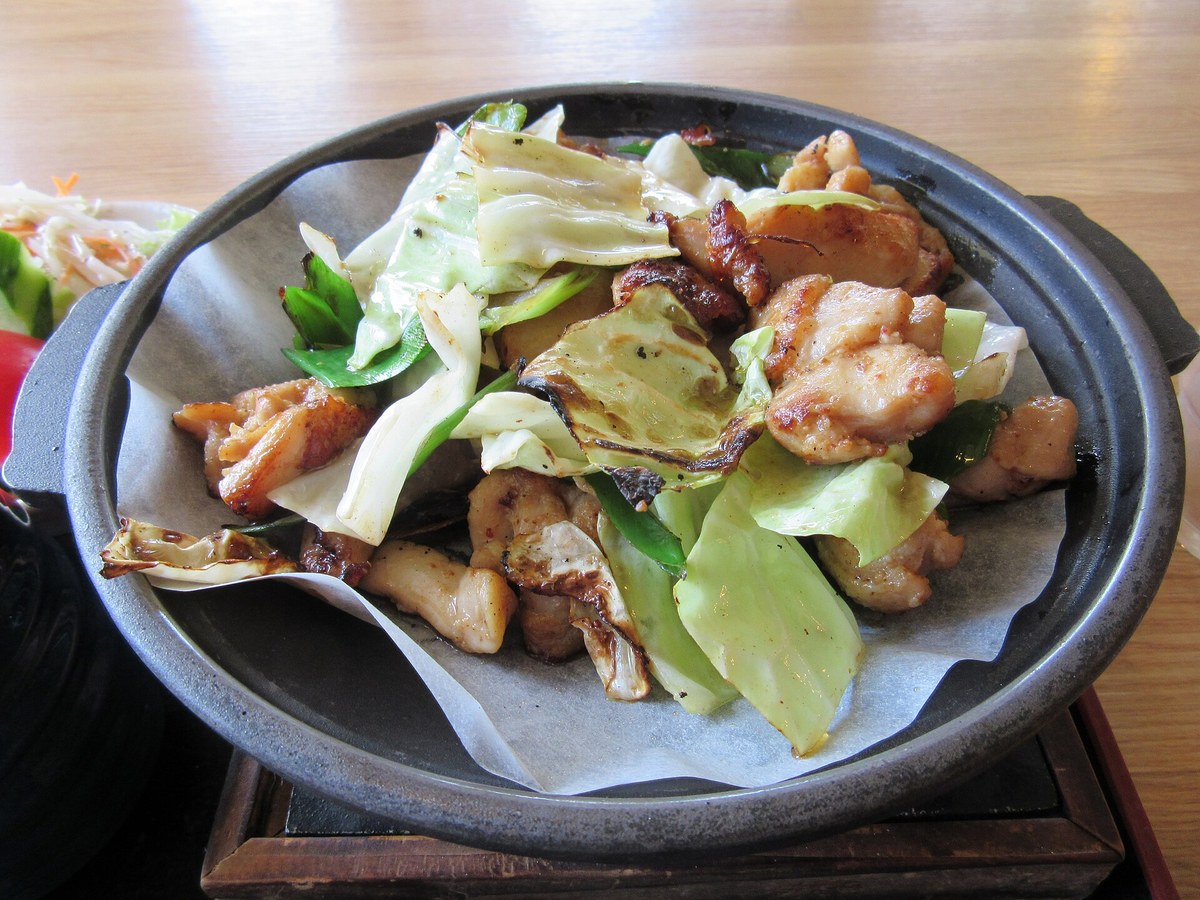
Food
Spent hens, a stolen Mongolian grill, and a marinade every butcher in the valley keeps secret — Gifu's mountain soul food.
Gifu's mountain chicken grill: house-marinated chicken and cabbage on the iron plate. Marinated packs are 583 yen a bag from the Gujo maker.
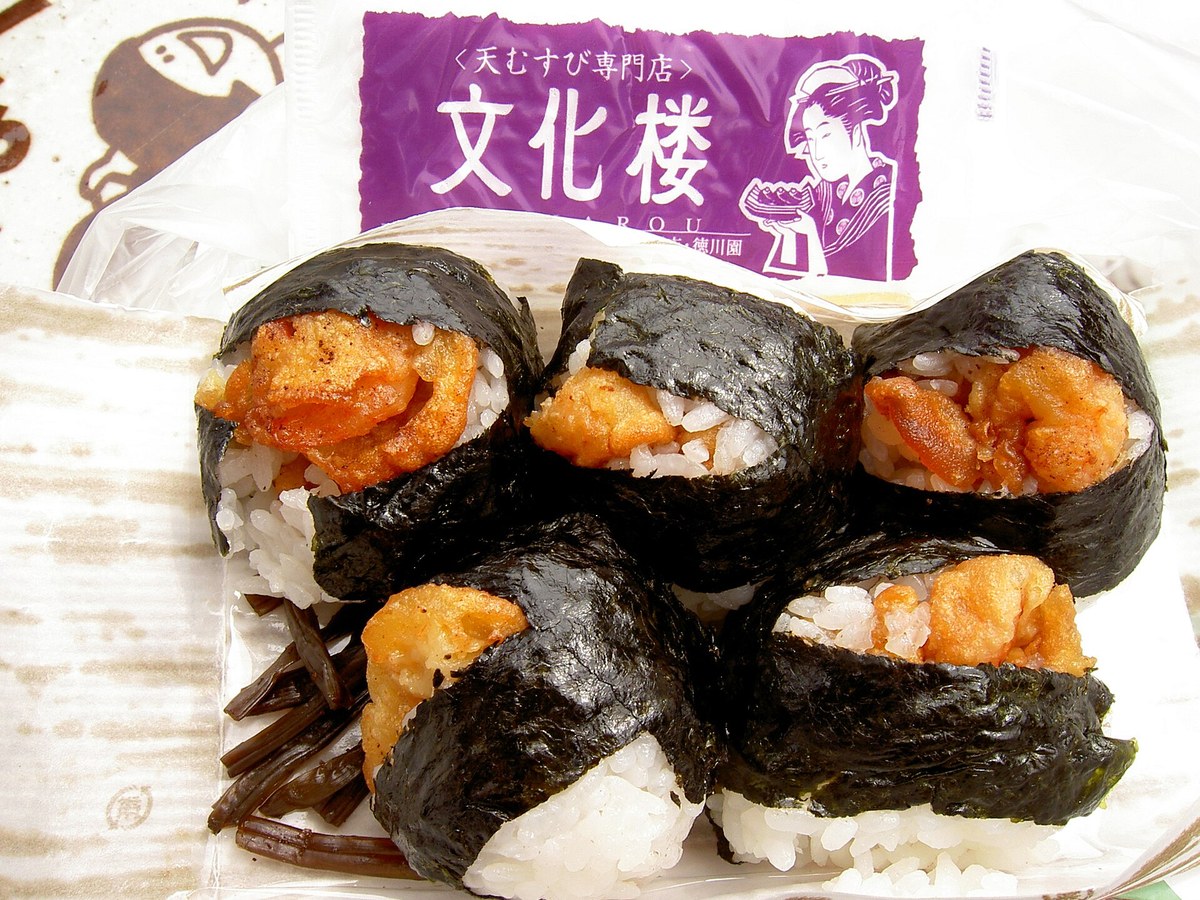
Food
The shrimp-tempura rice ball born at Senju in Tsu in the late 1950s — famous everywhere as Nagoya-meshi, still filed by the ministry under Mie.
Shrimp tempura in salted rice, born at Senju in Tsu in the 1950s and later famous as a Nagoya food — five pieces ¥918 at the houses.
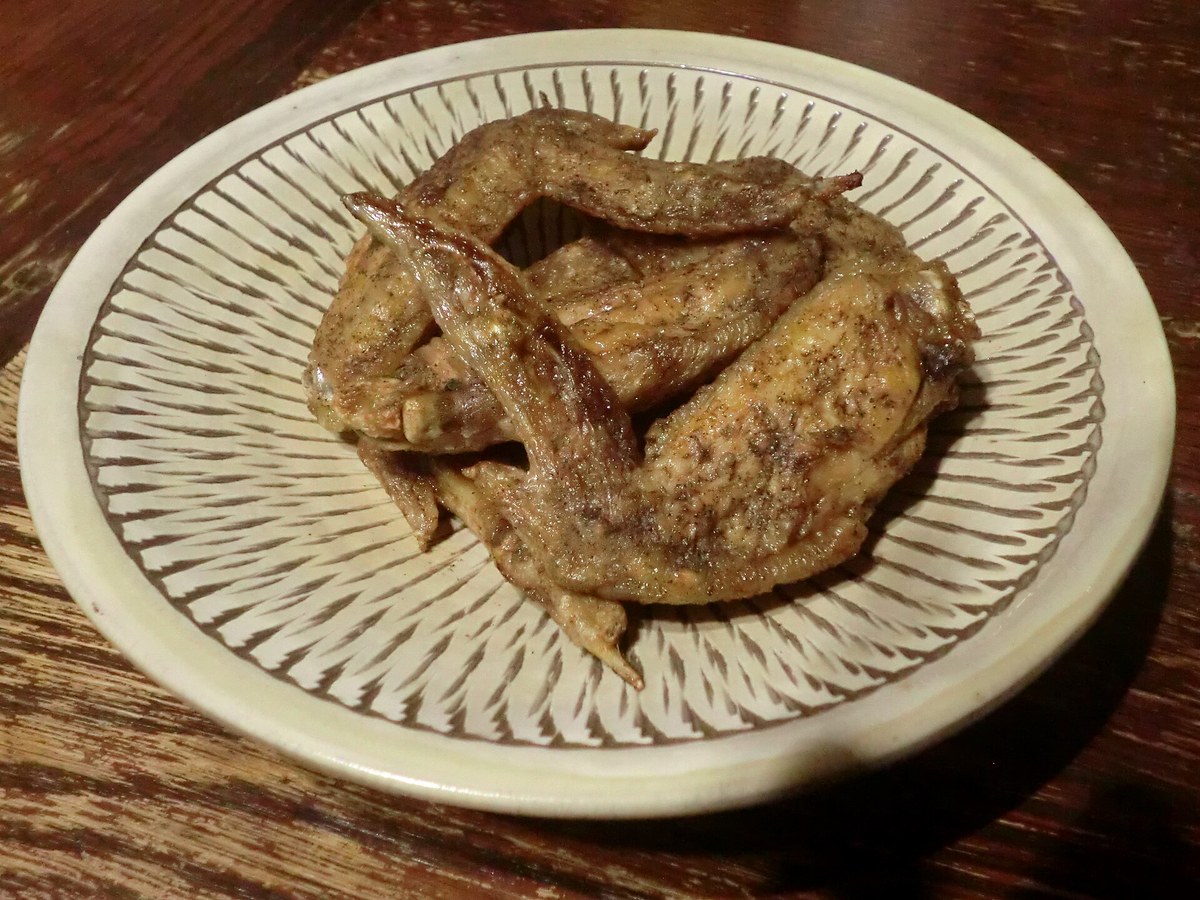
Food
Unbreaded fried wings in sweet-spicy tare — invented by Furaibo in 1963, radicalised by Yamachan's phantom pepper in 1981, argued over ever since.
Nagoya's unbreaded fried wings in sweet-spicy tare — Furaibo's 1963 original against Yamachan's phantom pepper; five wings from ¥651.
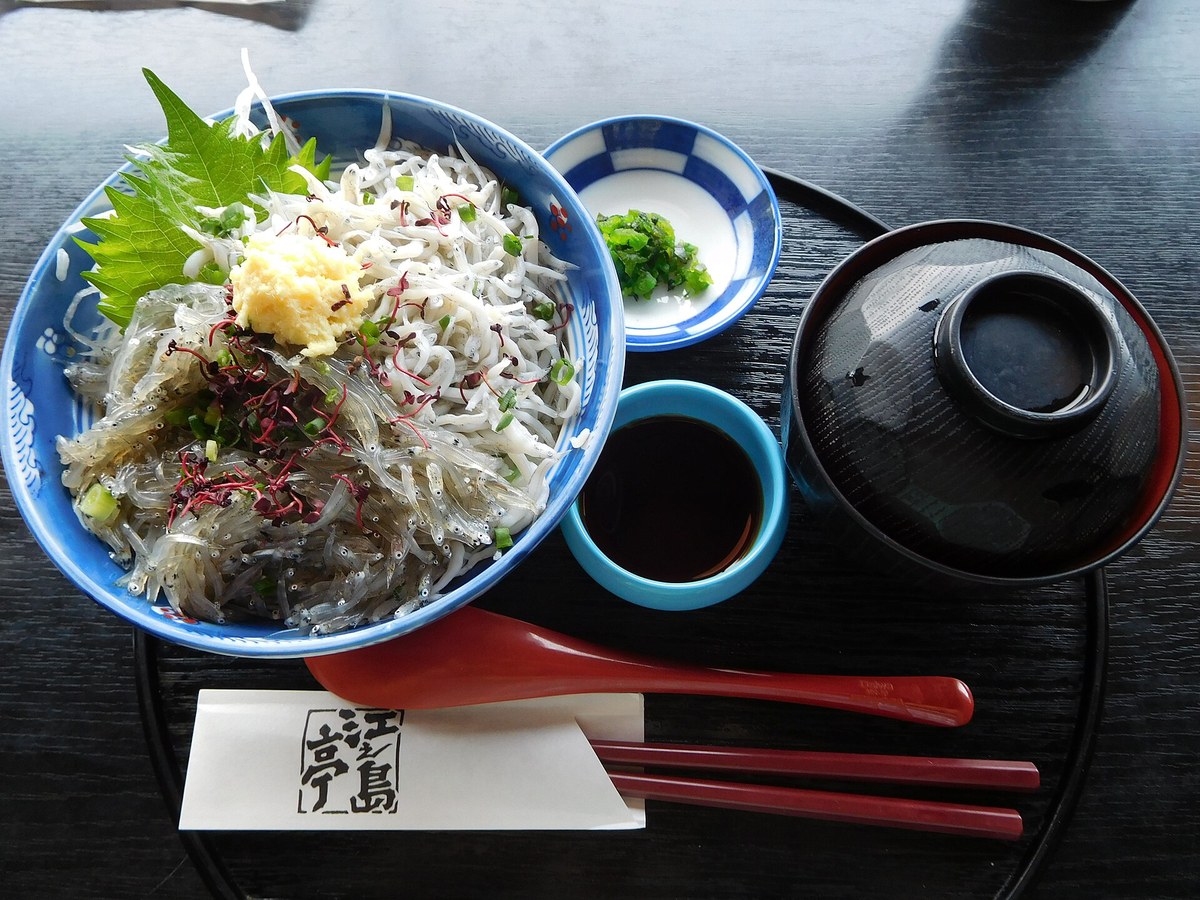
Food
Sagami Bay whitebait over rice at Enoshima — the raw bowl exists only inside the 11 March to 31 December season, and only on mornings the boats sail.
Enoshima's whitebait bowl: raw morning-landed shirasu over rice in season (closed 1 Jan–10 Mar); Tobiccho raw ¥1,380, half-and-half ¥1,650.
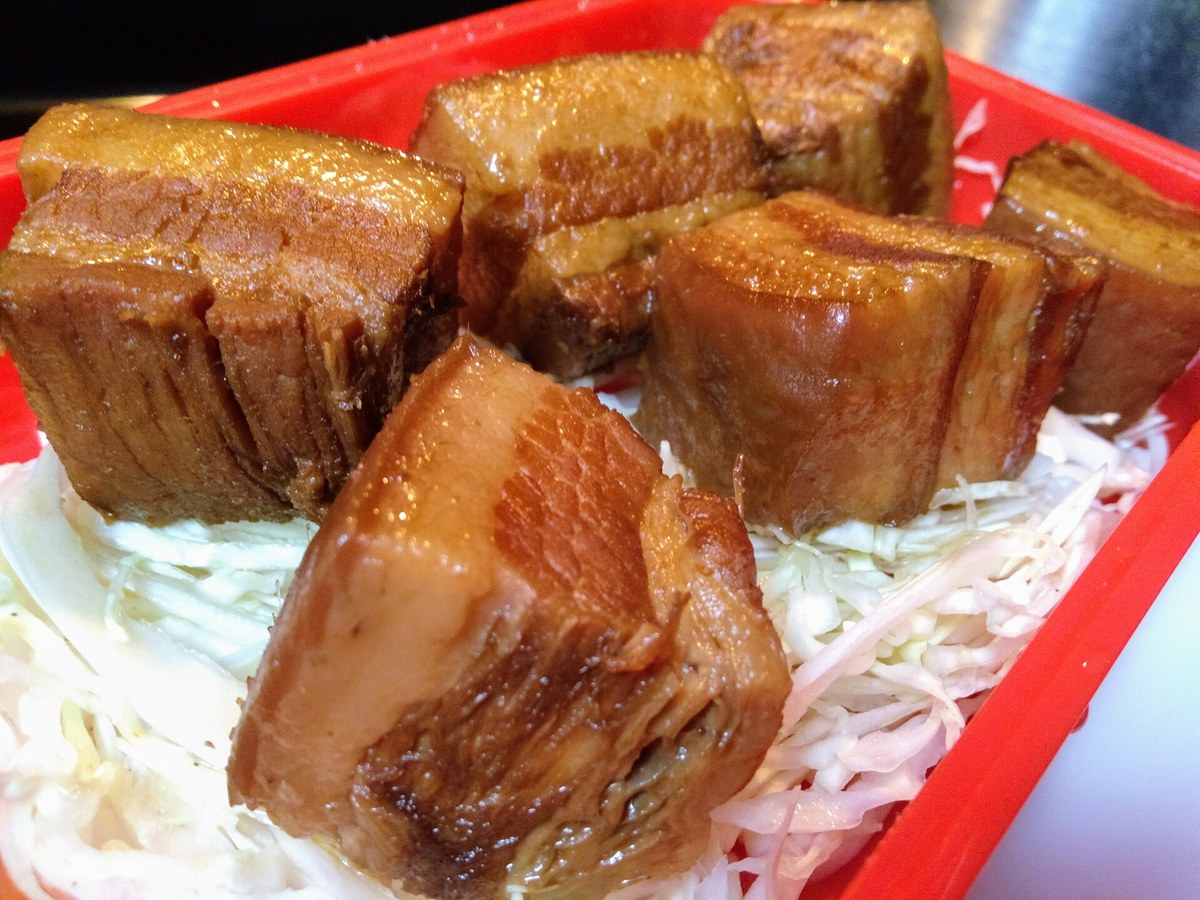
Food
Skin-on pork belly stewed in dashi, awamori, sugar and soy until the skin cuts with chopsticks — Ryukyu's court dish, Okinawa's guest plate.
Okinawa's rafute: skin-on belly stewed 6–7 hours in awamori, sugar and soy until melting — court dish turned guest plate; retort pouch ¥427.
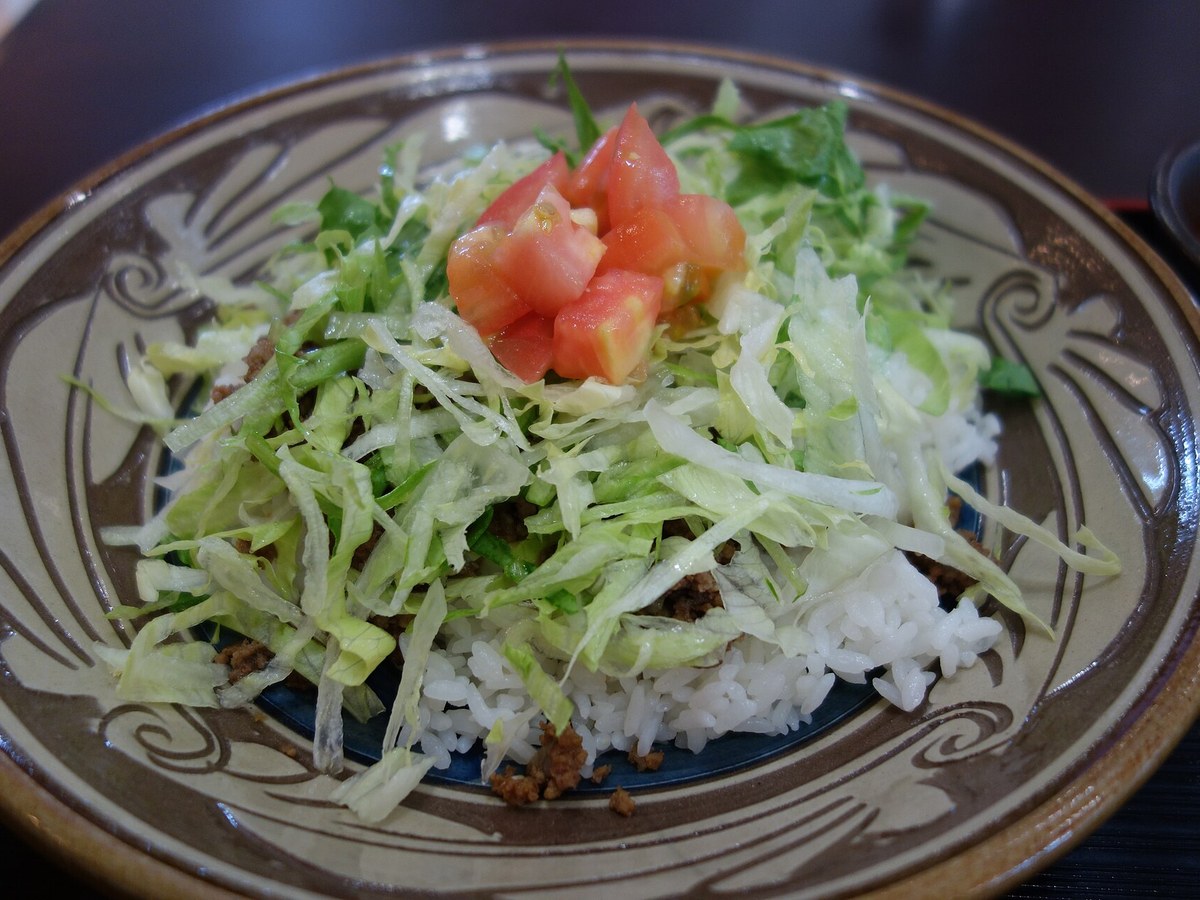
Food
A taco's filling over Japanese rice — invented at Parlor Senri in Kin about 1984 for Camp Hansen's Marines, now Okinawa's emblem of chanpuru culture.
Kin Town's 1984 invention: taco-spiced meat, cheese, lettuce and tomato over rice for Camp Hansen's Marines — King Tacos plain about ¥600.
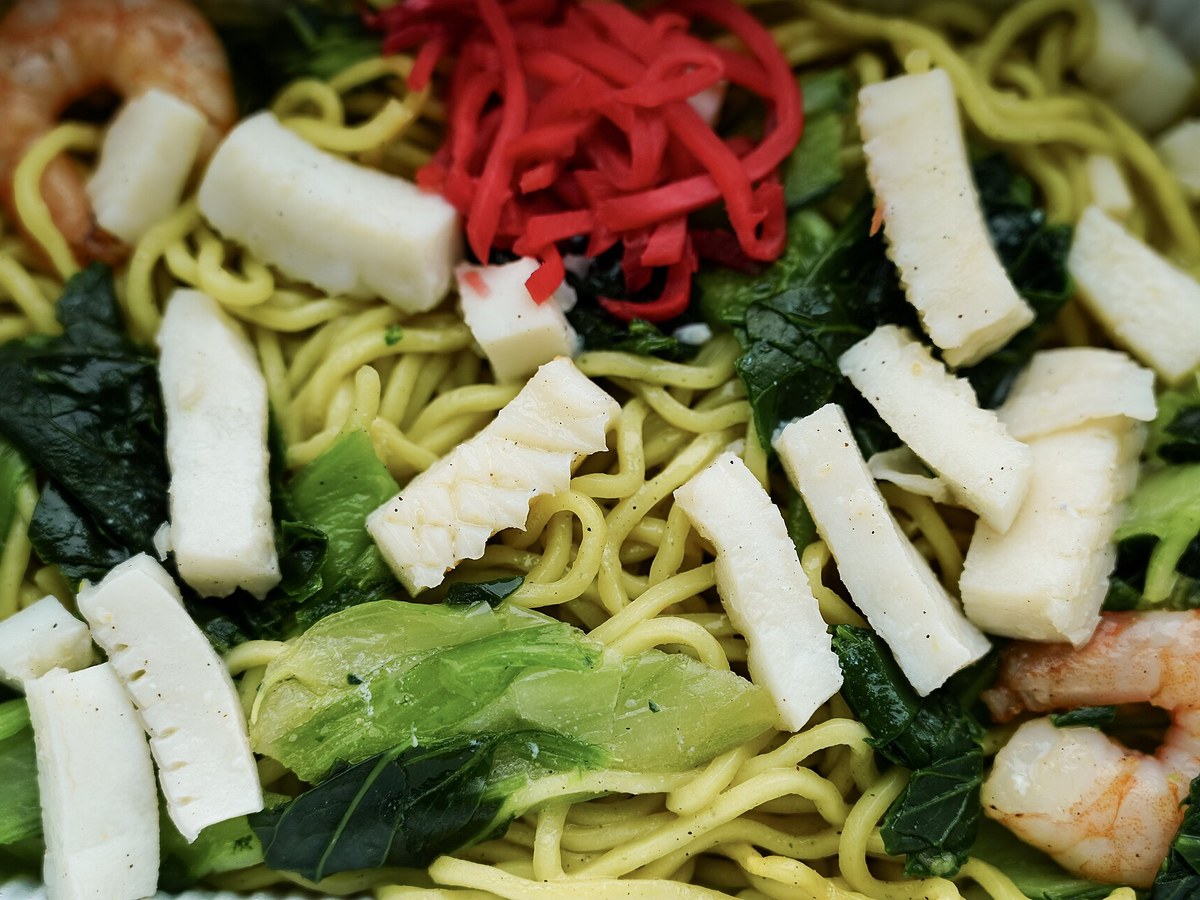
Food
Shottsuru yakisoba (男鹿しょっつる焼きそば) — seafood-only noodles in a fish-sauce tare
Oga’s association-ruled yakisoba: green wakame noodles, a shottsuru tare and no meat.
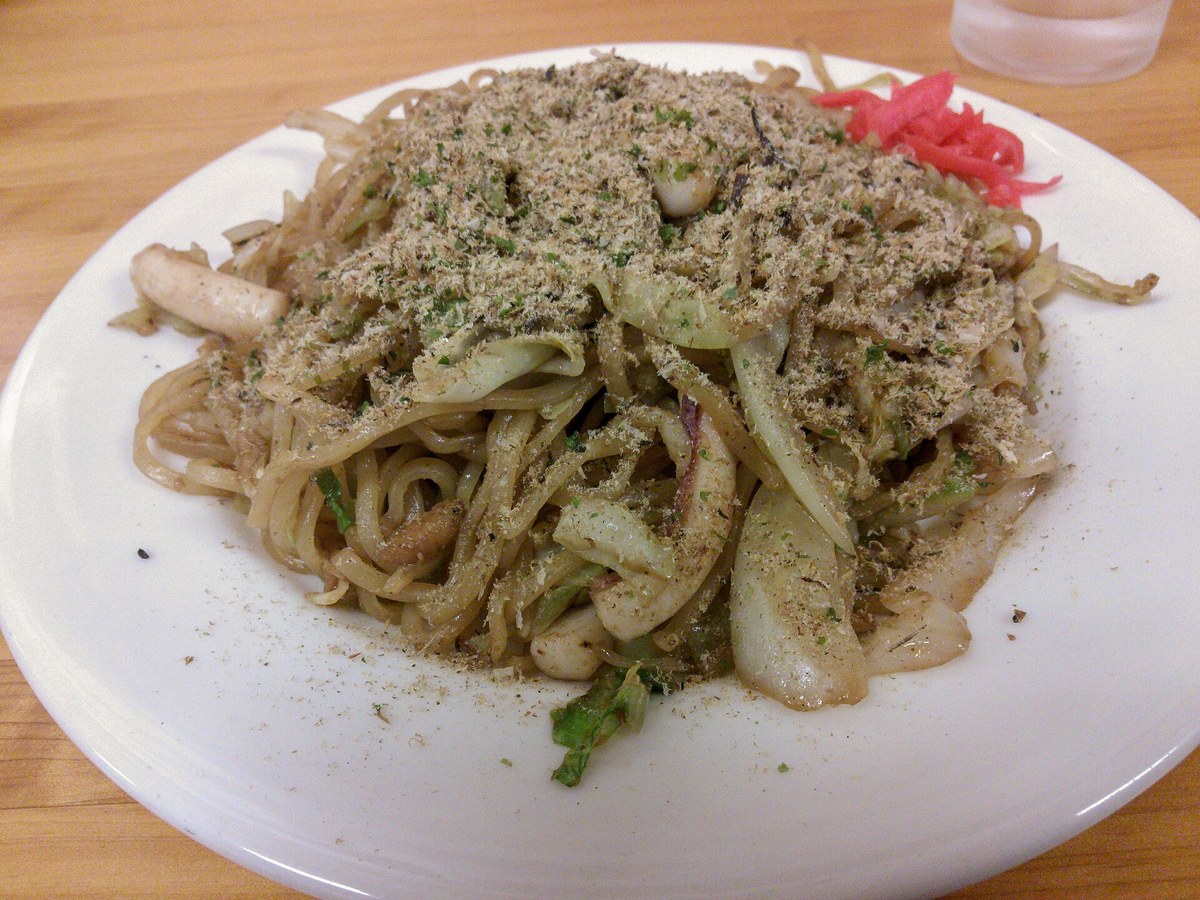
Food
Fujinomiya yakisoba (富士宮やきそば) — three legal marks and two national titles
Fujinomiya’s defined yakisoba: firm noodles, crisp pork fat and fish-powder dust.
Food
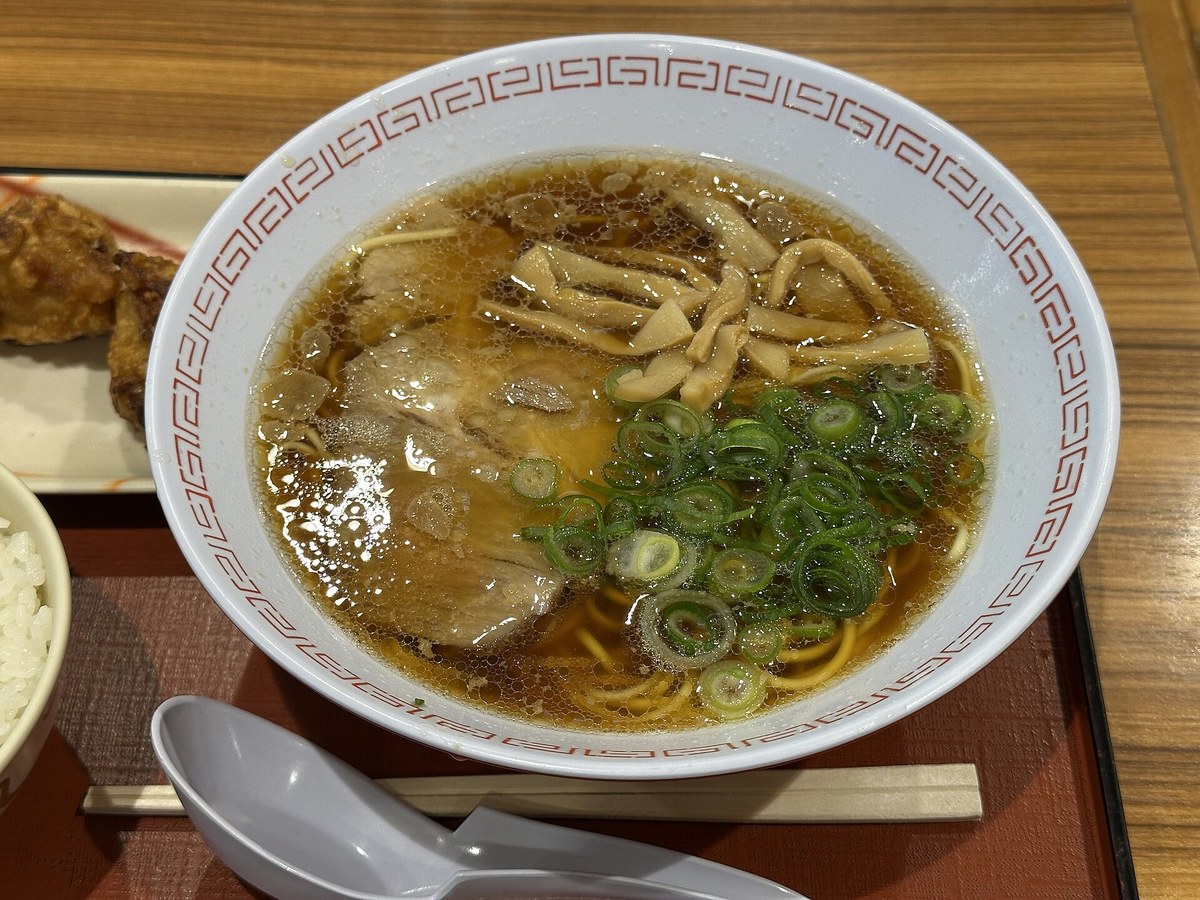
Onomichi ramen (尾道ラーメン) — clear soup, floating fat, flat noodles
Onomichi’s soy ramen: seafood-dashi broth, minced back fat and flat noodles.
Food
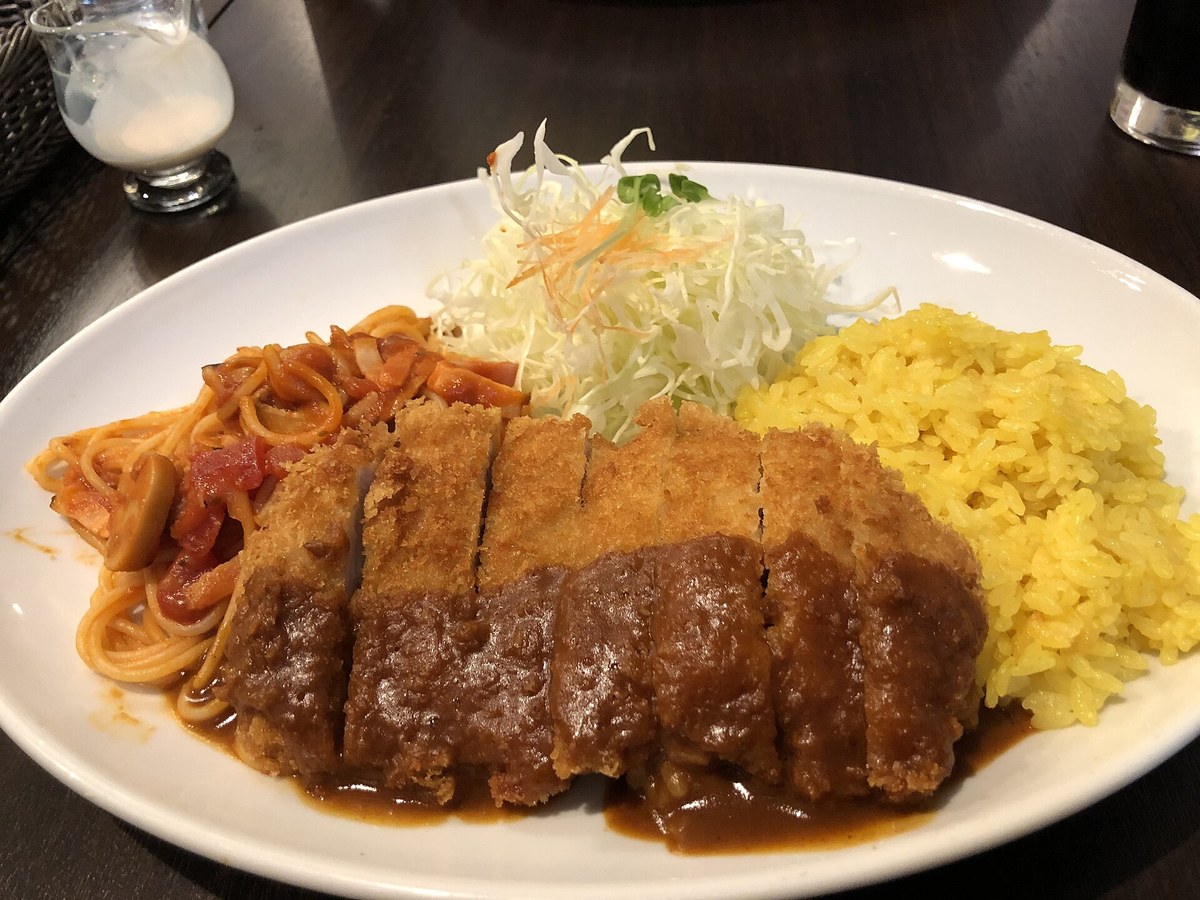
Toruko rice (トルコライス) — cutlet, pilaf and spaghetti on one plate
Nagasaki’s one-plate trio: tonkatsu, pilaf and napolitan, no decisions required.
Food
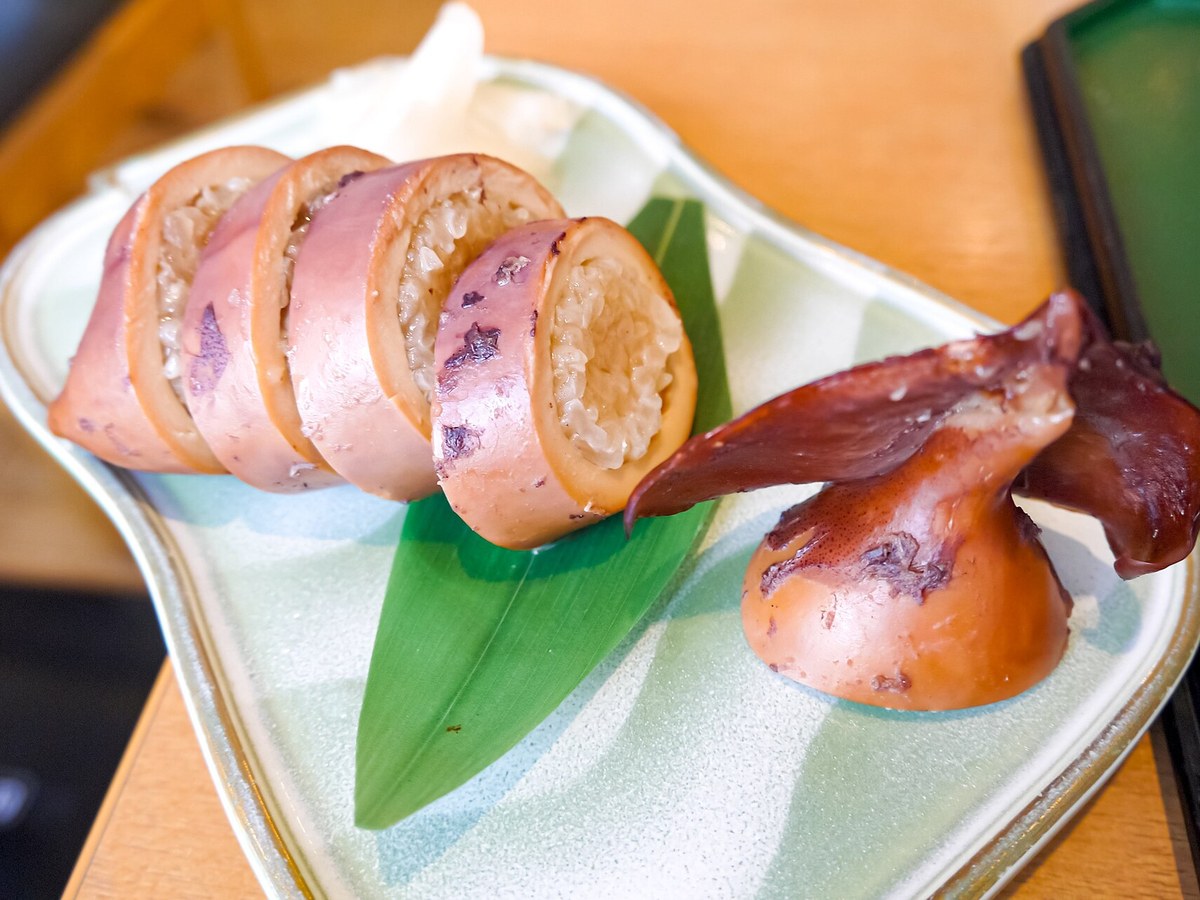
Ikameshi (いかめし) — the squid that carries the rice, since 1941
Mori’s 1941 ekiben: two rice-stuffed squid in a red box, unchanged for 85 years.
Food
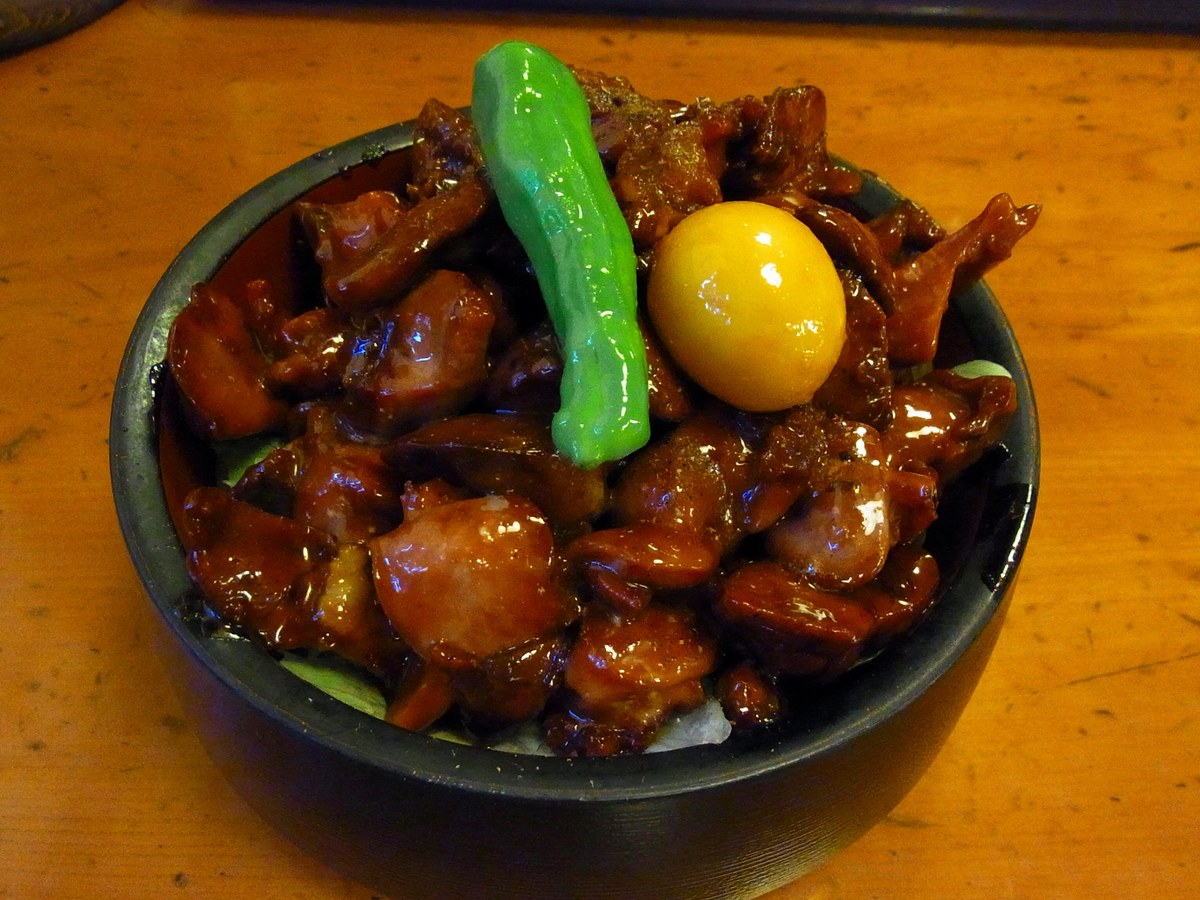
Torimotsu-ni (甲府鳥もつ煮) — the glaze that beat Japan, from a butcher’s waste
Kofu’s glazed offal: five cuts, two seasonings, fierce heat, no broth.
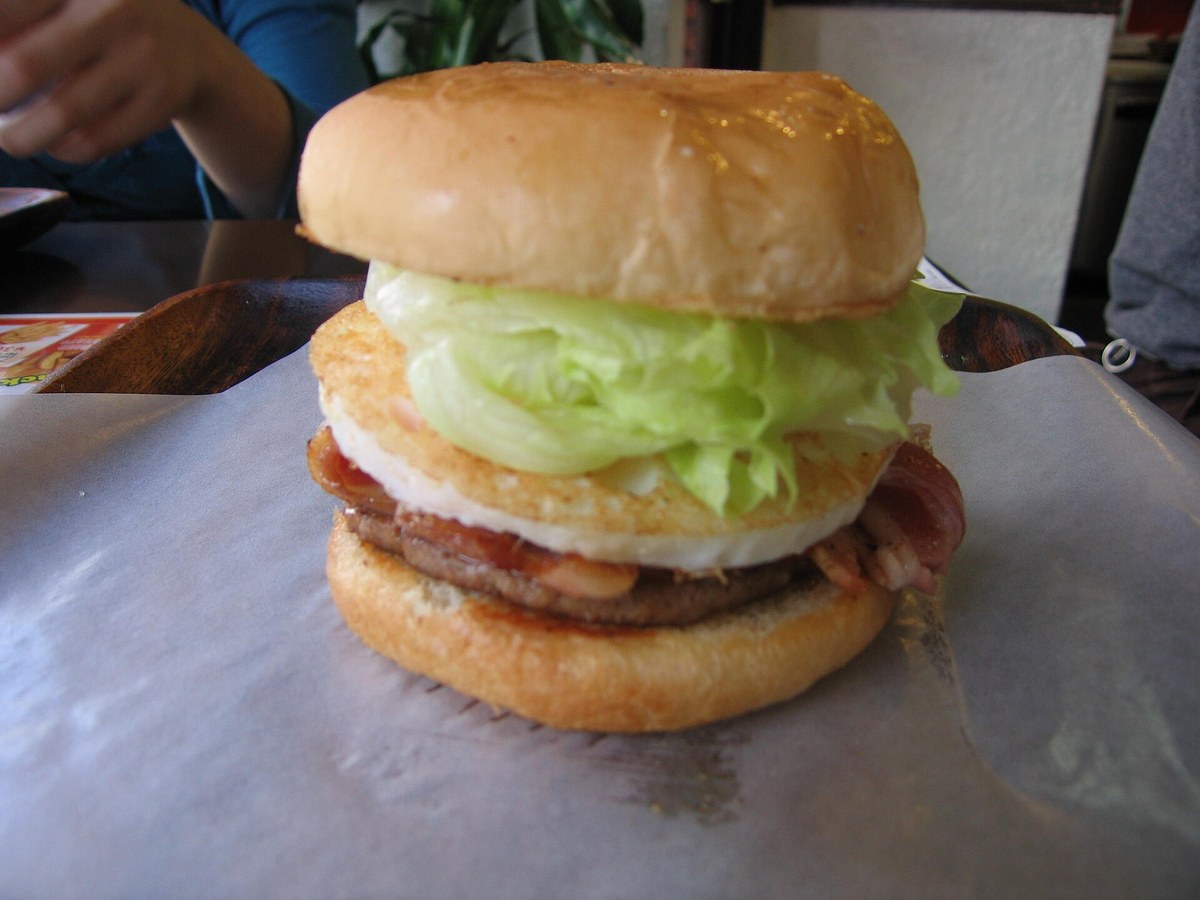
Food
Sasebo burger (佐世保バーガー) — handmade, to order, here: the certified collective
Sasebo’s burgers: no fixed recipe — handmade, to order, in Sasebo.
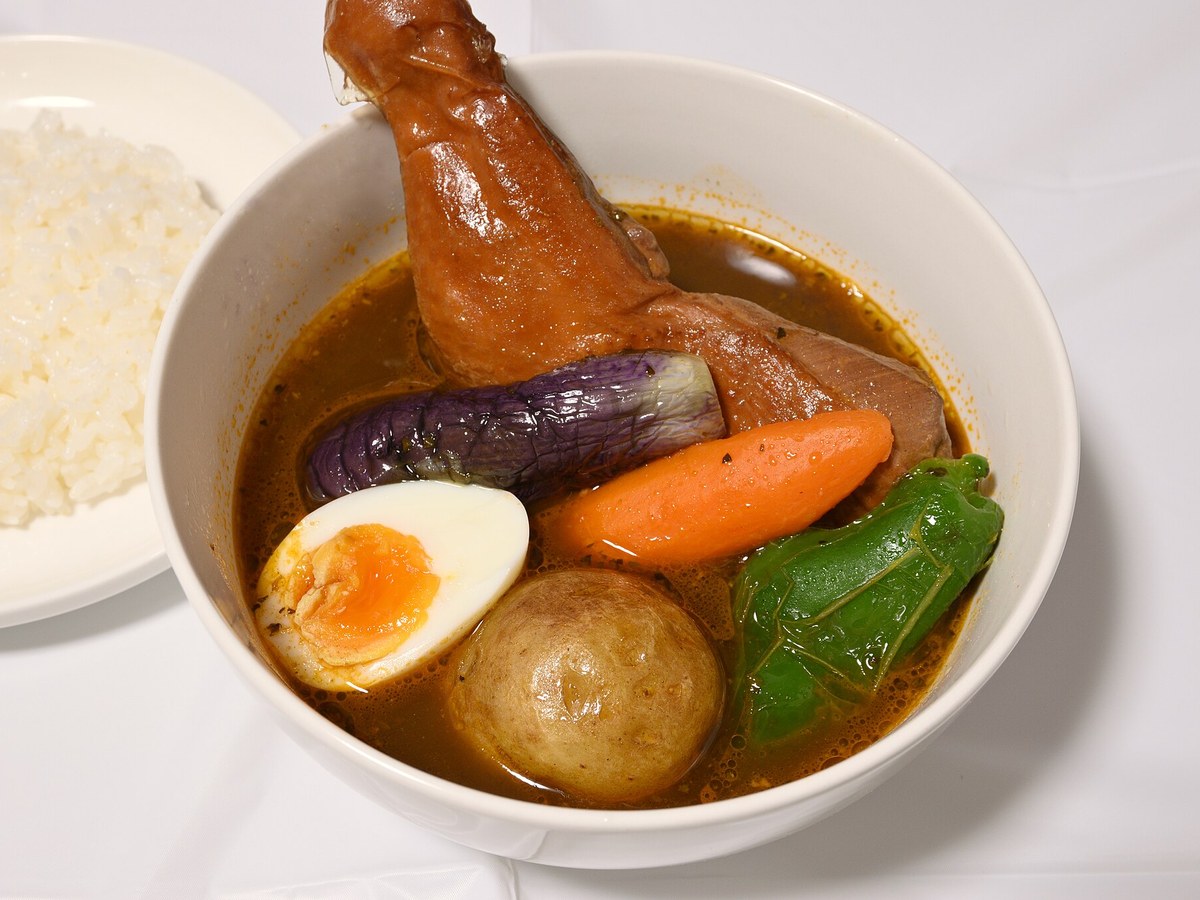
Food
Soup curry (スープカレー) — the medicine that became a bowl, Sapporo 1971
Sapporo’s soup curry: thin spiced soup, a whole chicken leg, rice apart.
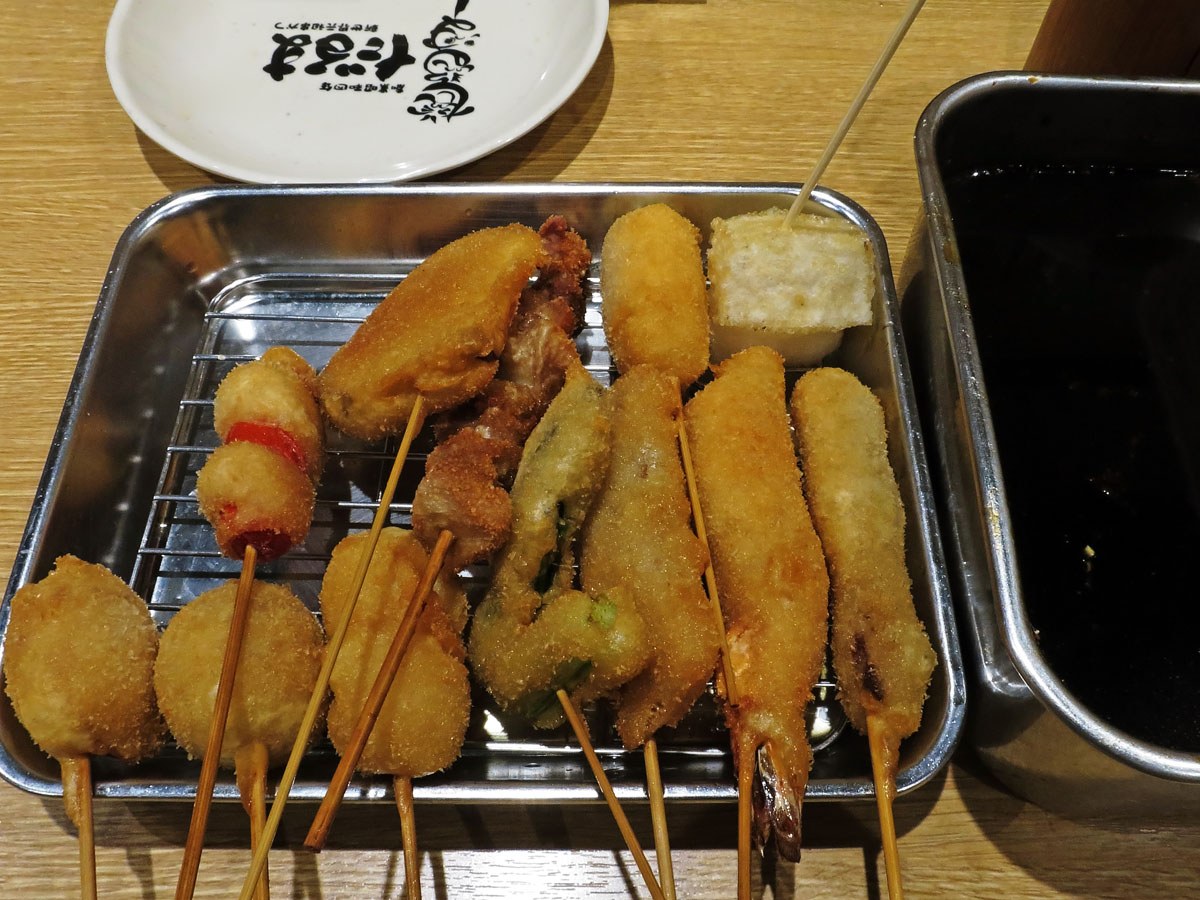
Food
Kushikatsu (串かつ) — dip once, never twice: Shinsekai’s law since 1929
Osaka’s fried skewers: beef first, fine batter, and the no-double-dip law.
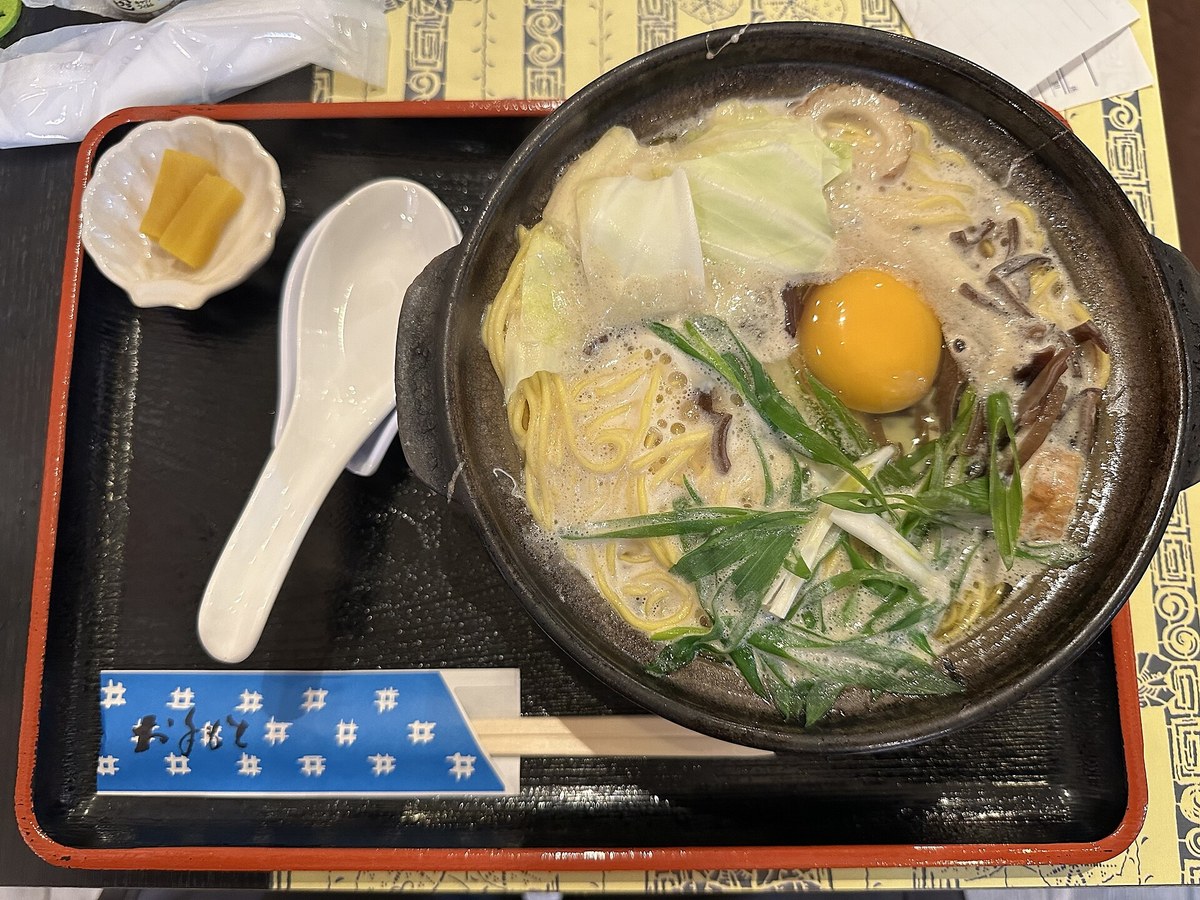
Food
Nabeyaki ramen (鍋焼きラーメン) — served boiling, by law: Susaki’s seven points
Susaki’s pot ramen: oyadori soup and a raw egg, served at a rolling boil.
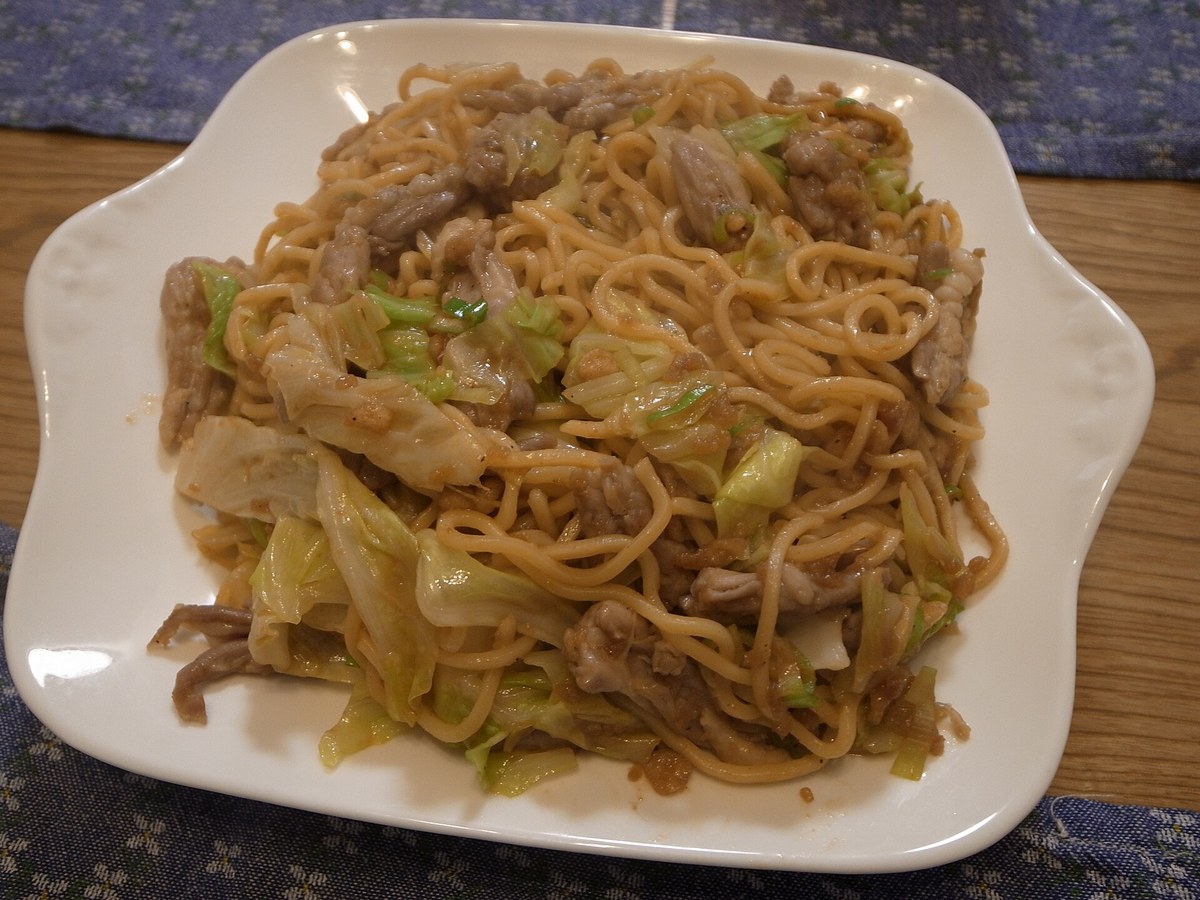
Food
Hiruzen yakisoba (ひるぜん焼そば) — the jingisukan sauce that found noodles
Maniwa’s miso-tare yakisoba: hen, highland cabbage, gold at Himeji.
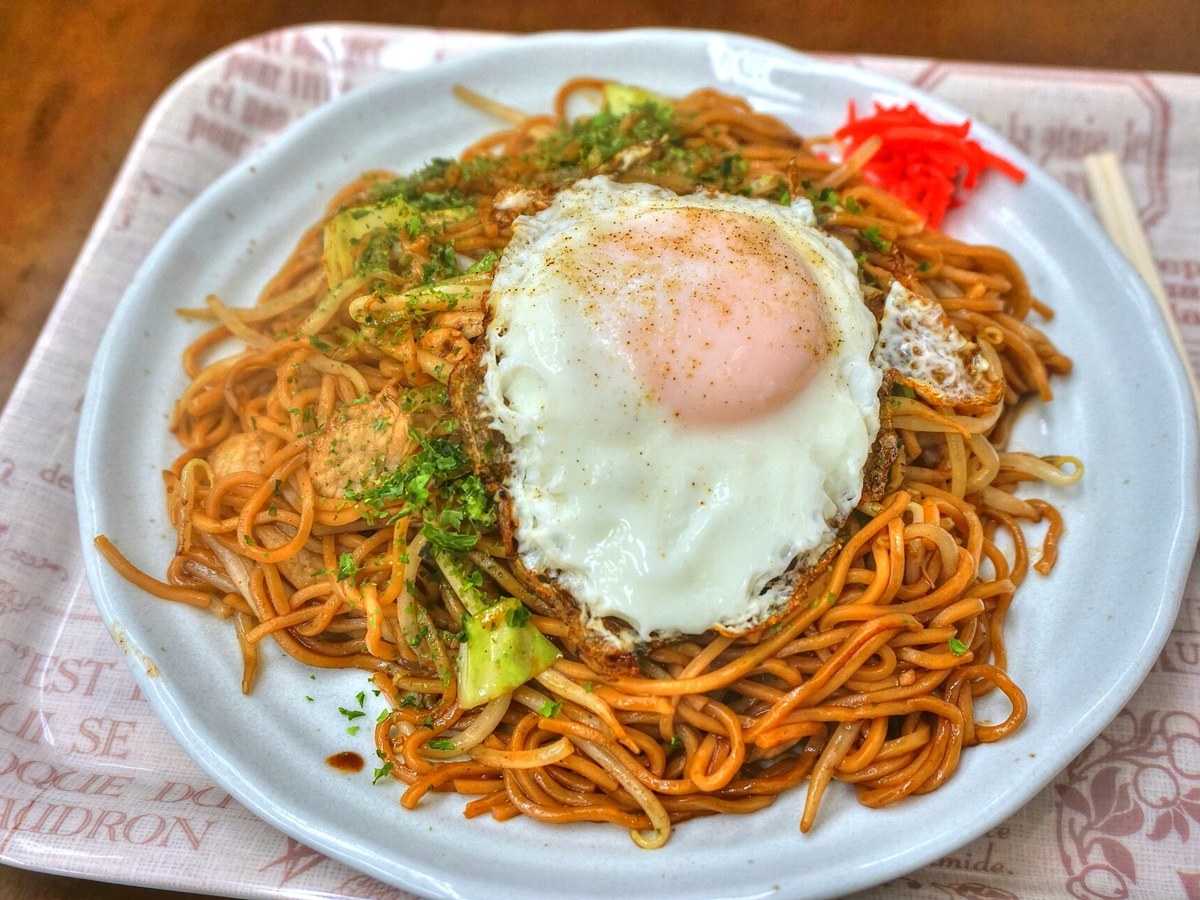
Food
Ishinomaki yakisoba (石巻焼きそば) — the noodle that is brown before the sauce
Ishinomaki’s brown twice-steamed noodles: dashi-fried, egg on top.
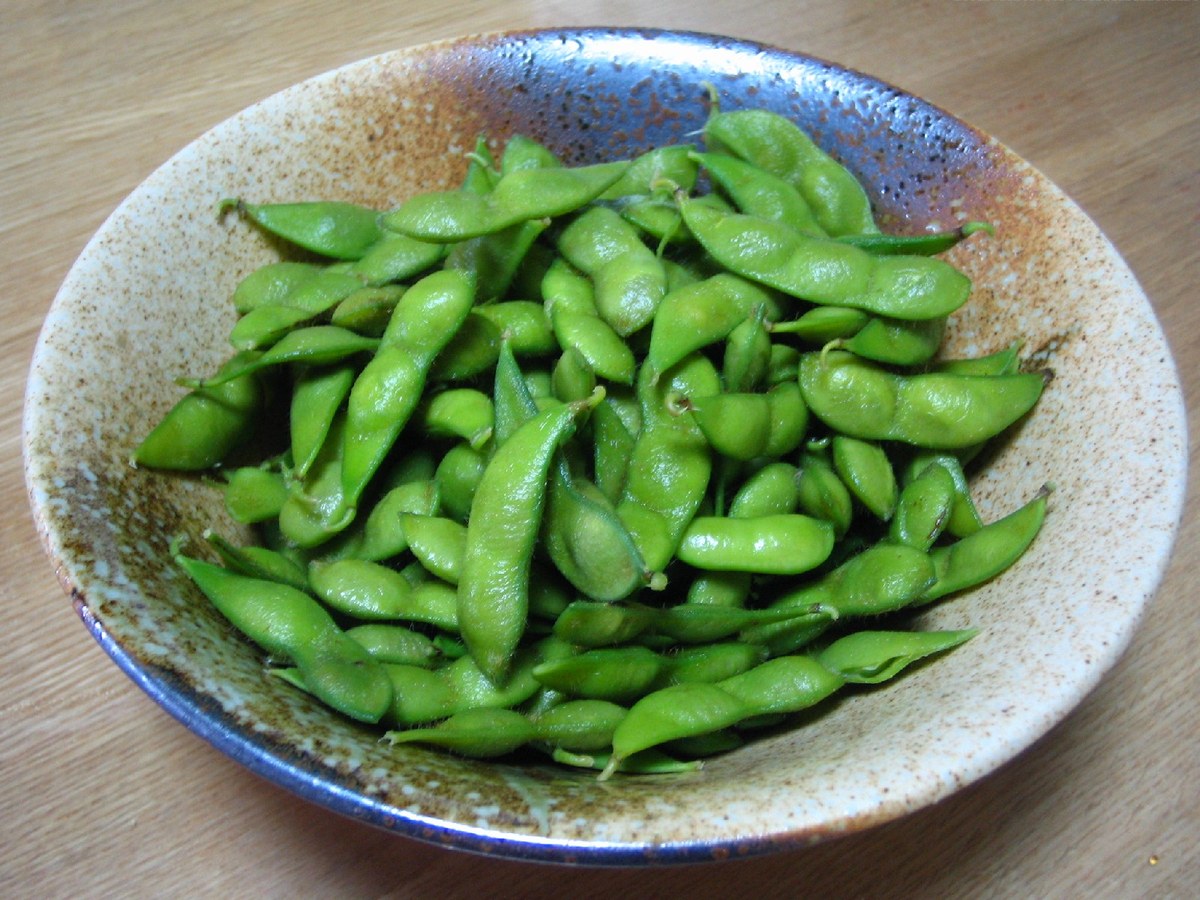
Food
Dadachamame (だだちゃ豆) — the edamame a lord asked for by its grower’s name
Tsuruoka’s heirloom edamame: the king bean, in season six weeks.
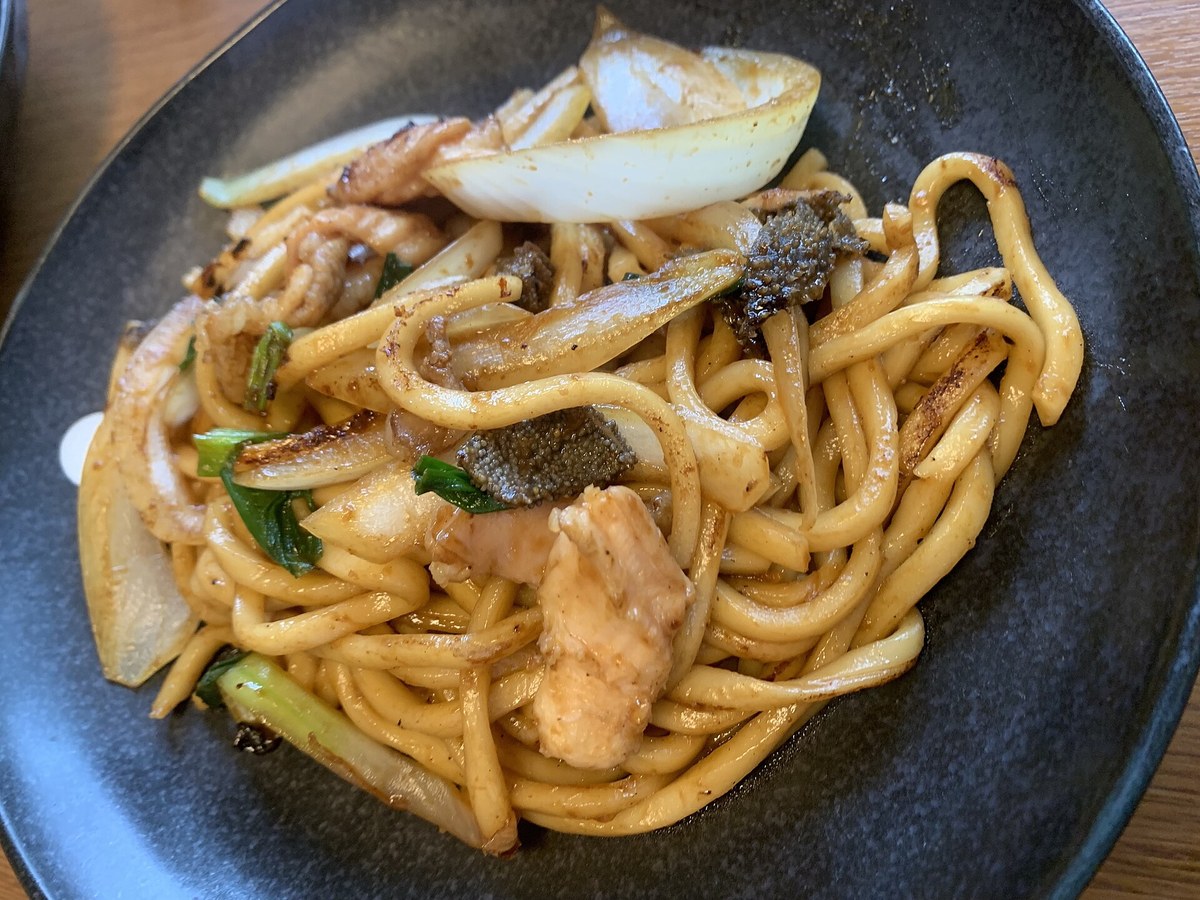
Food
Tsuyama horumon udon (津山ホルモンうどん) — the cattle town eats the whole animal
Tsuyama’s teppan offal udon in spicy miso tare — B-1 silver.
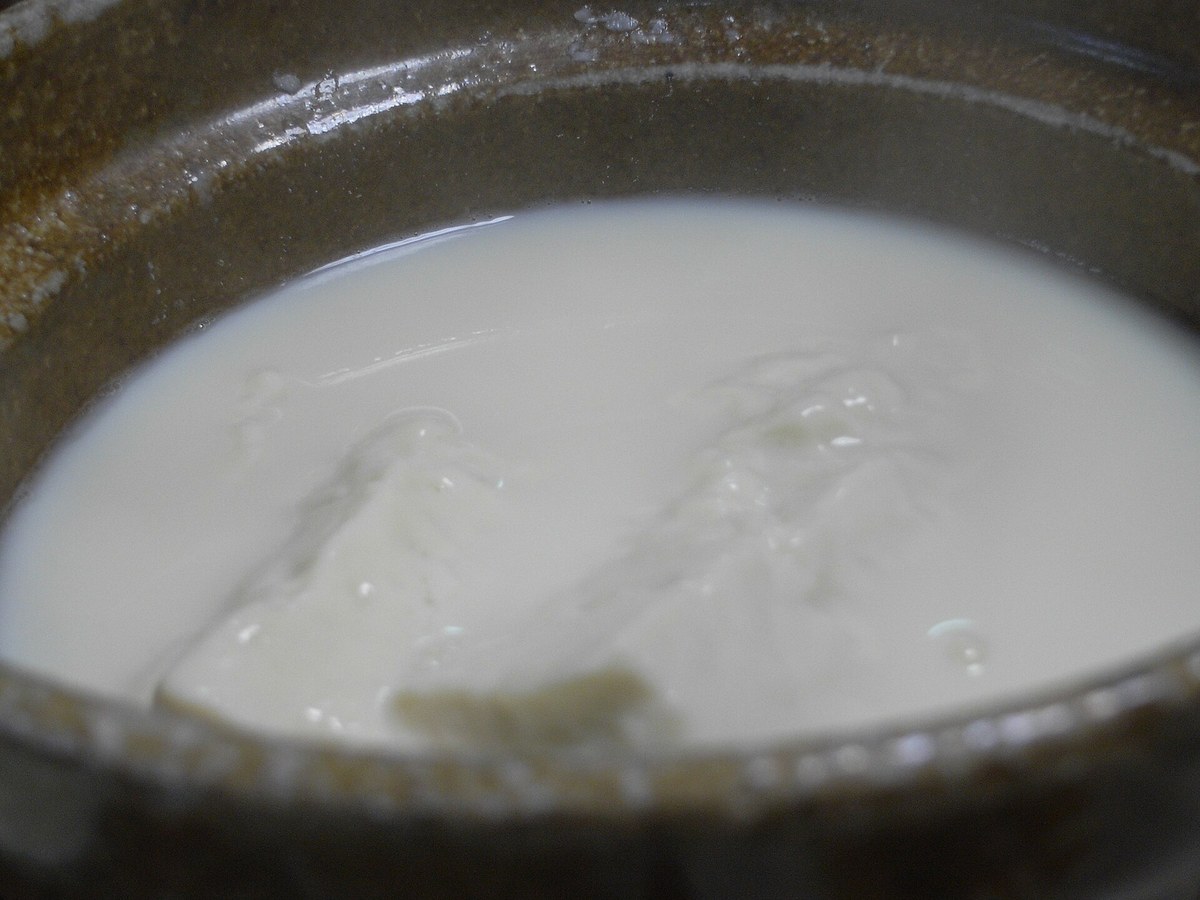
Food
Ureshino onsen yudofu (嬉野温泉湯豆腐) — the spring that cooks
Ureshino’s spring-water tofu pot: it melts, and the pot turns milky.
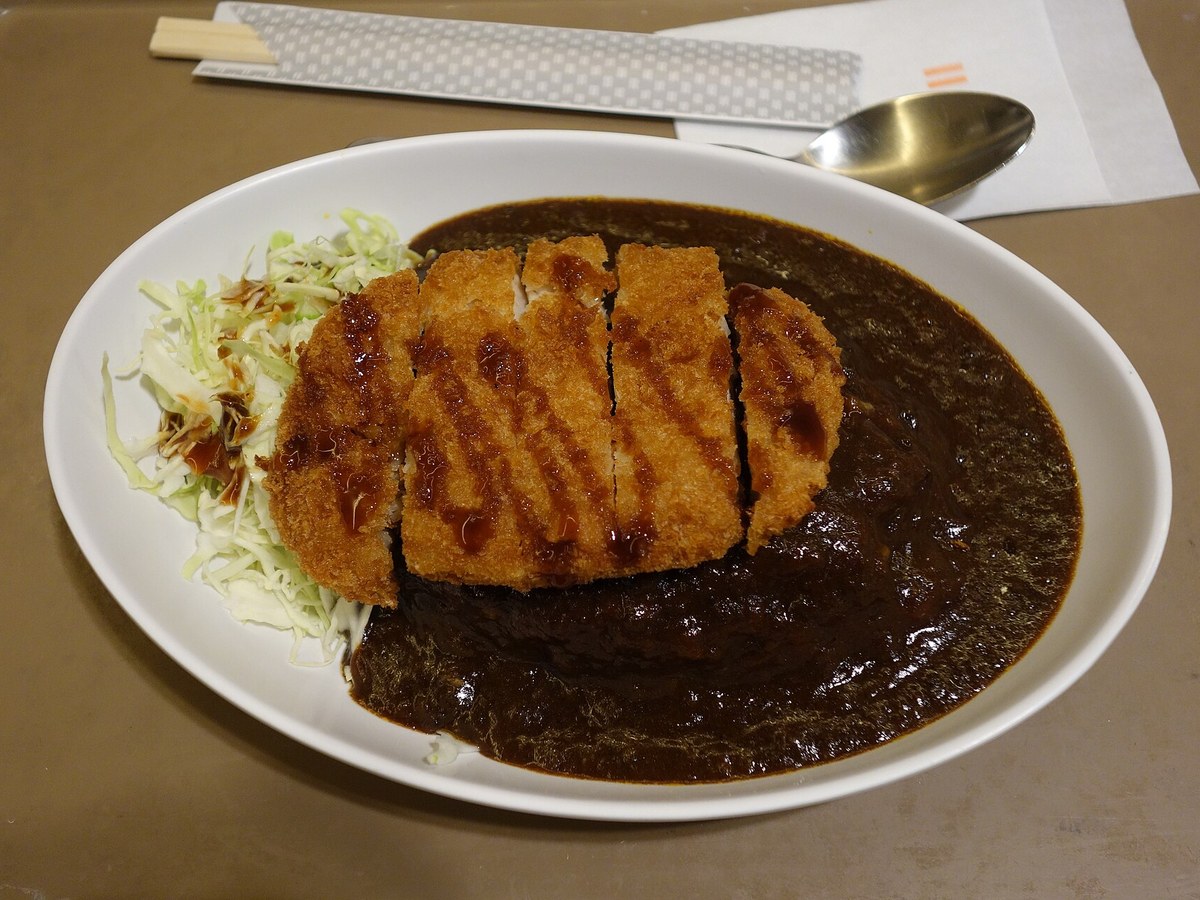
Food
Kanazawa curry (金沢カレー) — five marks, one chef, a city of curry houses
Kanazawa’s steel-plate curry: black roux, cutlet, cabbage, fork.
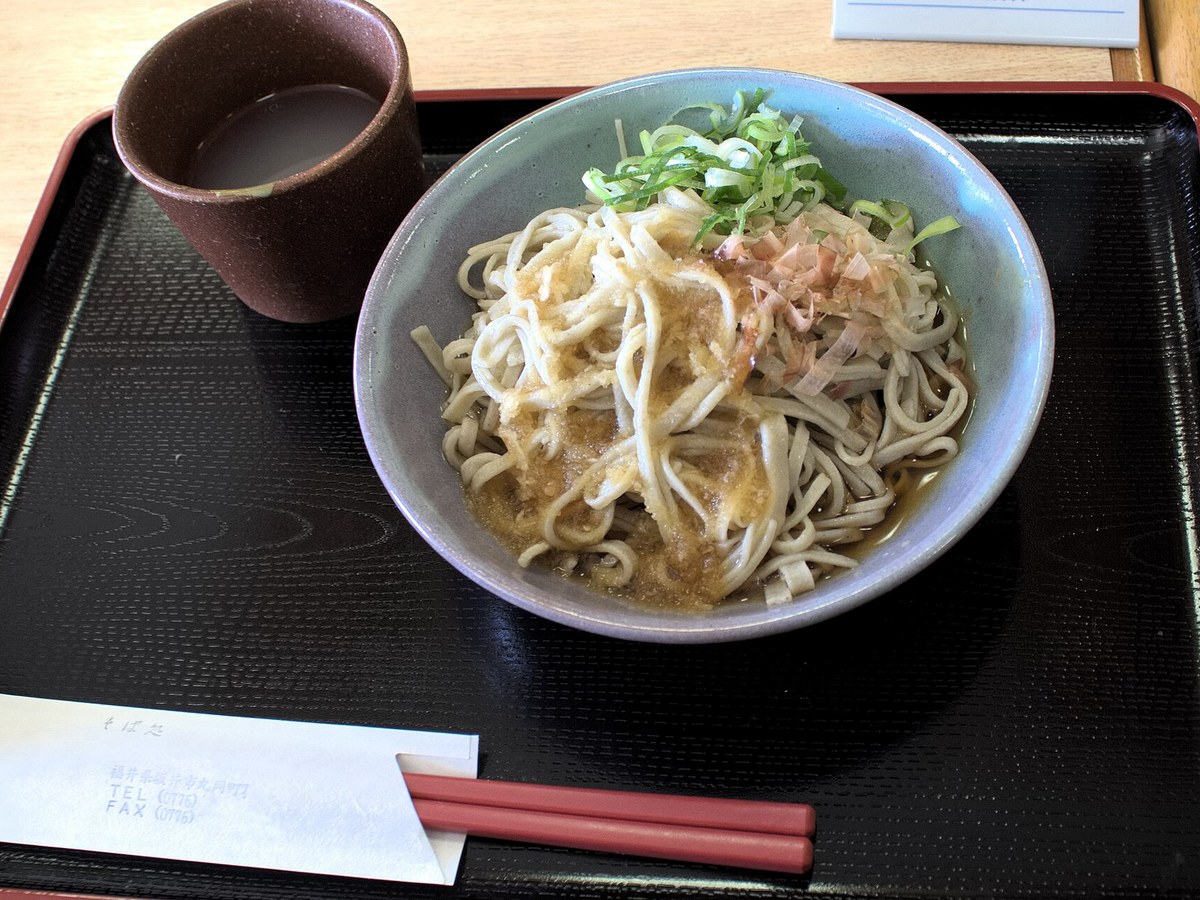
Food
Echizen oroshi soba (越前おろしそば) — the radish is the broth
Fukui’s daikon-broth soba: dark noodles, sharp radish, since 1601.
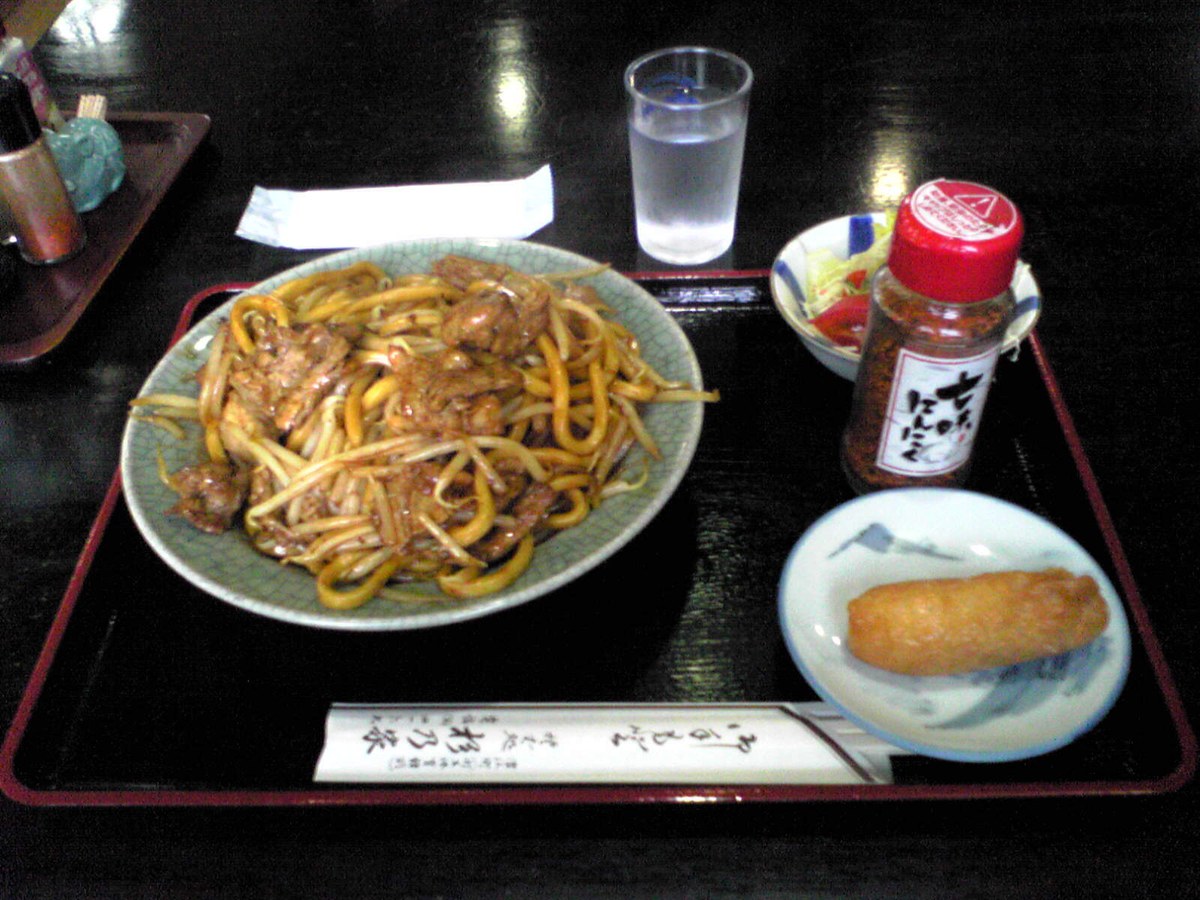
Food
Namie yakisoba (なみえ焼そば) — the noodle that came back
Namie’s extra-thick yakisoba: three ingredients, one gold medal.
Food
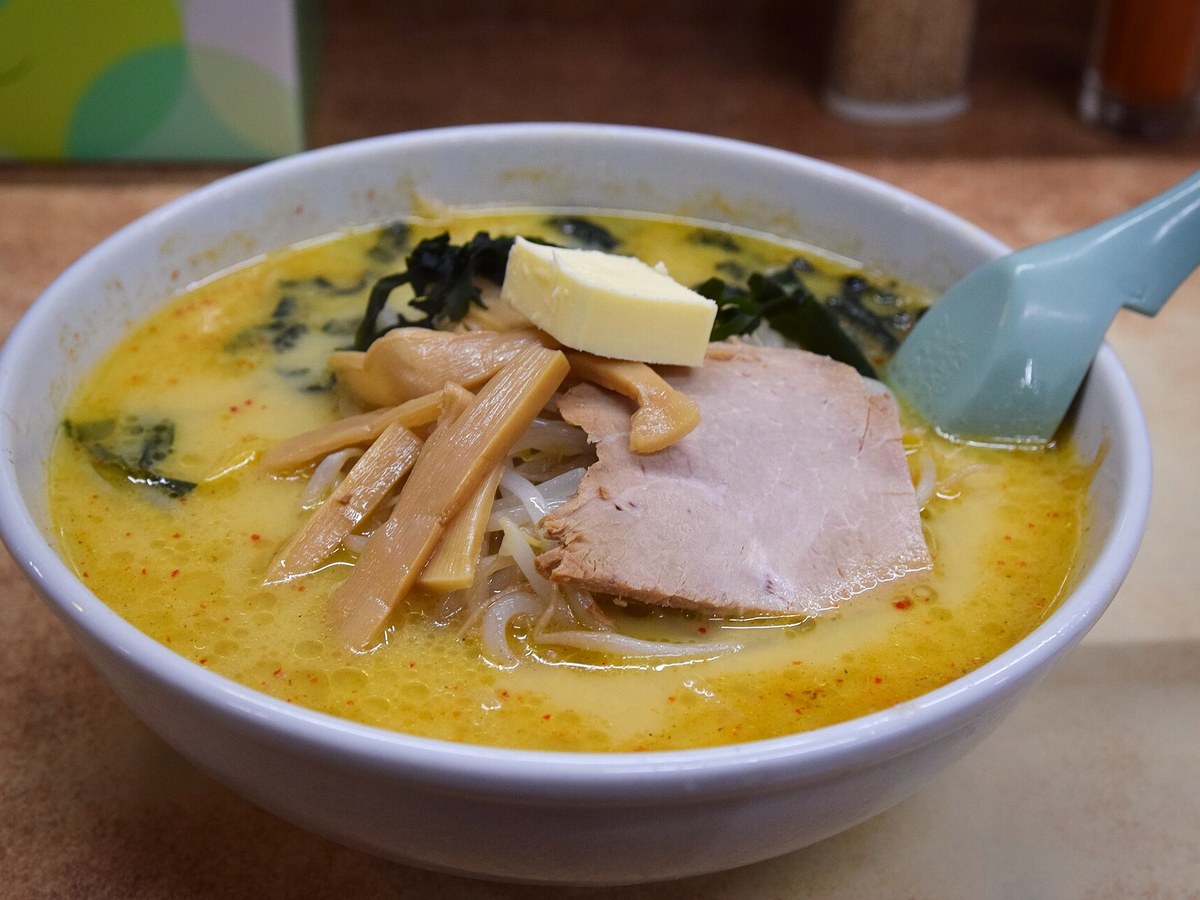
Miso curry milk ramen (味噌カレー牛乳ラーメン) — the dare that became a soul bowl
Aomori’s miso-curry-milk ramen: butter on top, sceptics converted.
Food
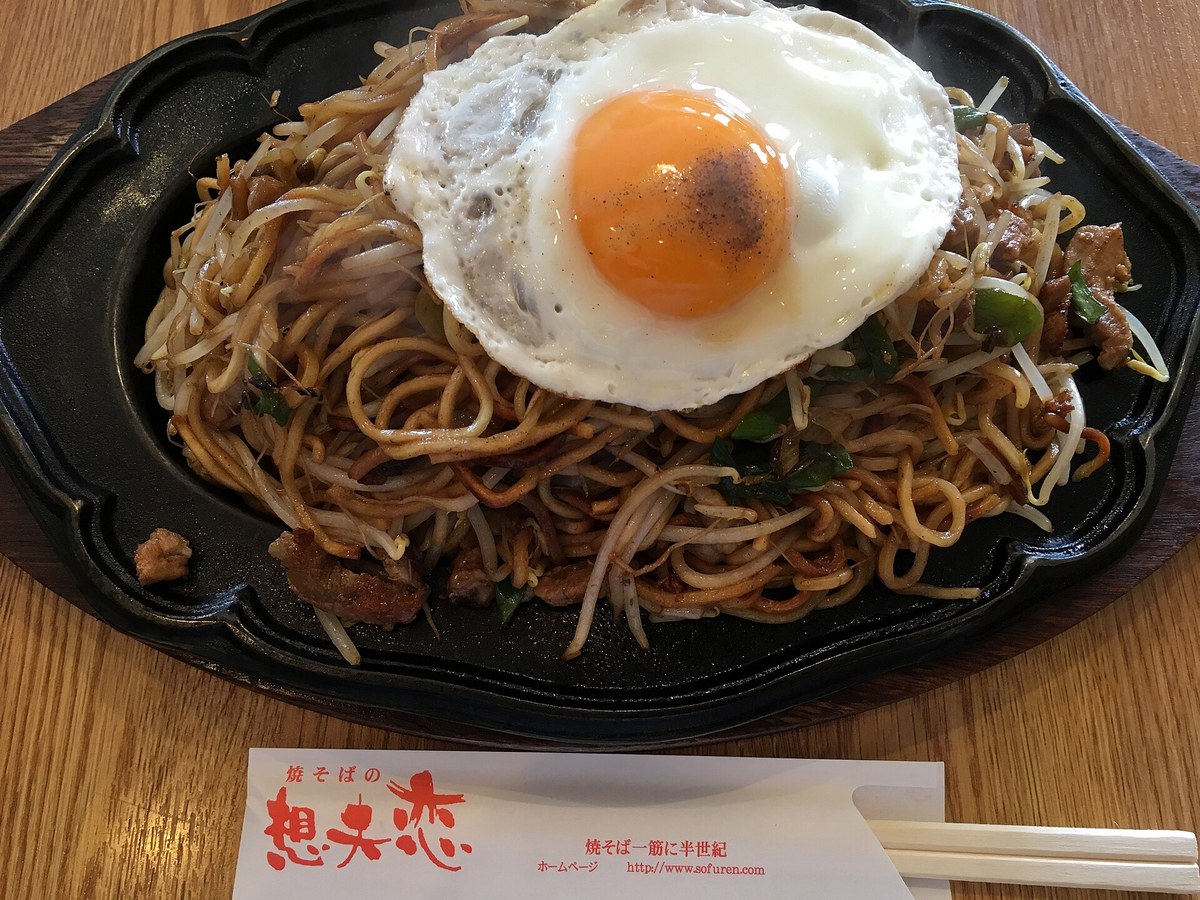
Hita yakisoba (日田やきそば) — grilled, not fried
Hita’s teppan yakisoba: crisp edges, chewy middle, no stirring.
Food
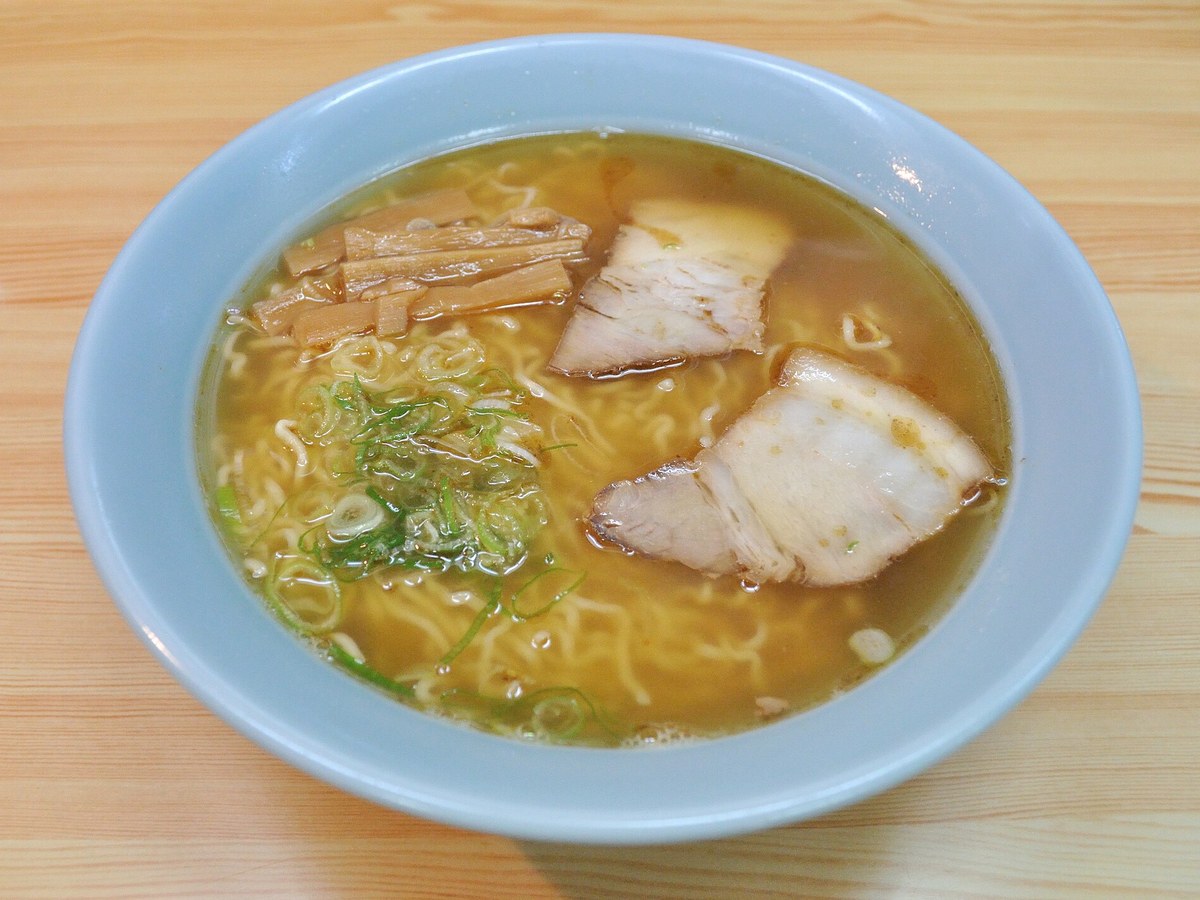
Takayama ramen (高山ラーメン) — the bowl the city calls soba
Takayama’s chuka soba: tare simmered in, noodles extra-fine.
Food
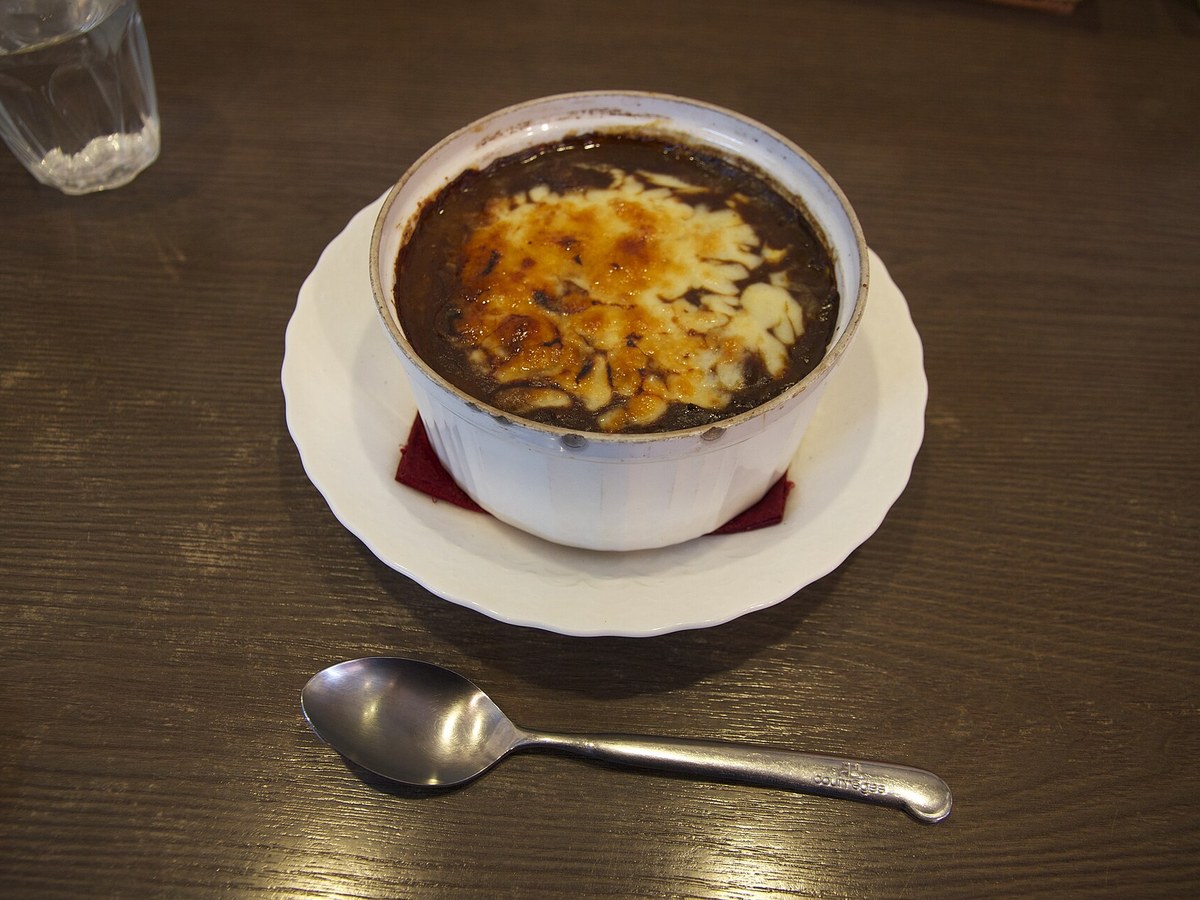
Mojiko yaki curry (焼きカレー) — the port’s baked signature
Mojiko’s baked curry: cheese, egg, oven — a port’s leftovers.
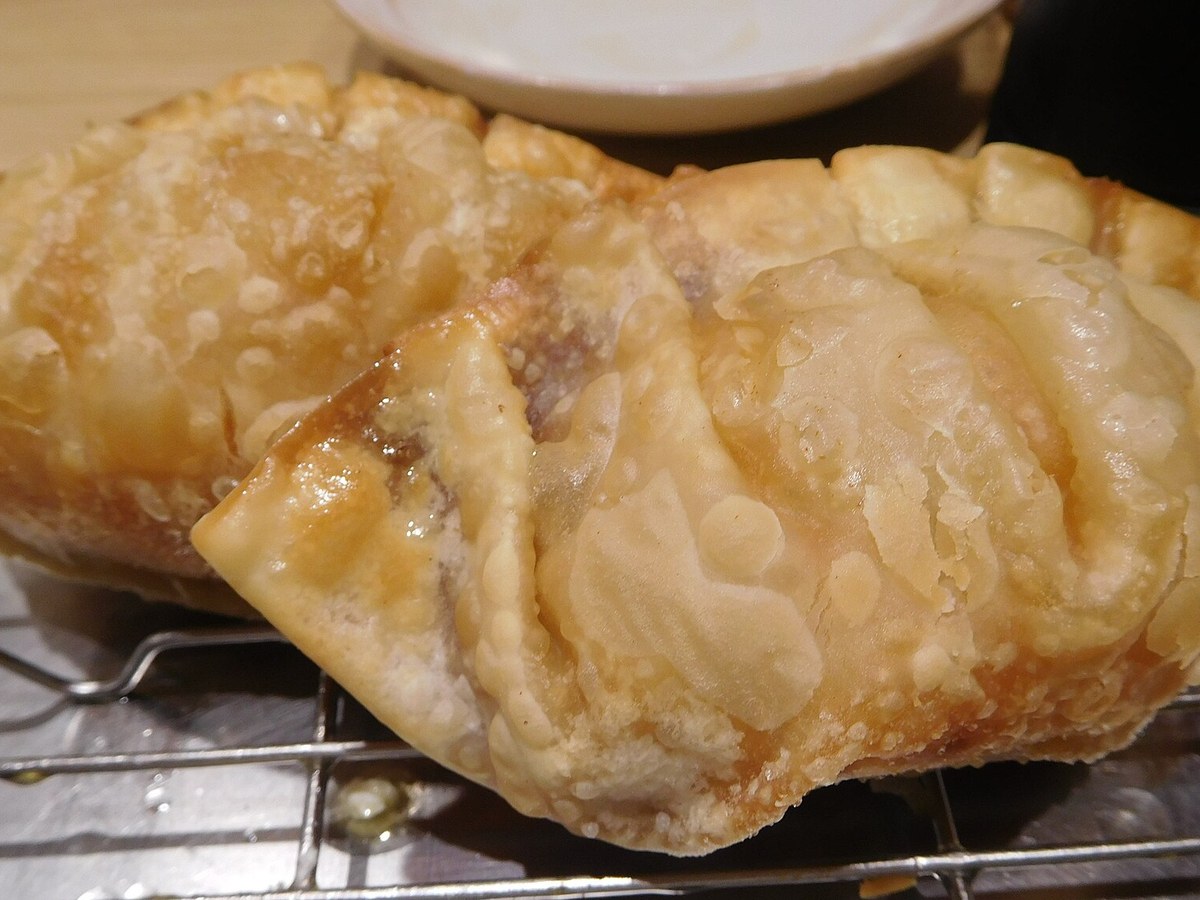
Food
Tsu gyoza (津ぎょうざ) — the school-lunch champion
Tsu’s giant fried gyoza: one dumpling, three dumplings’ worth.
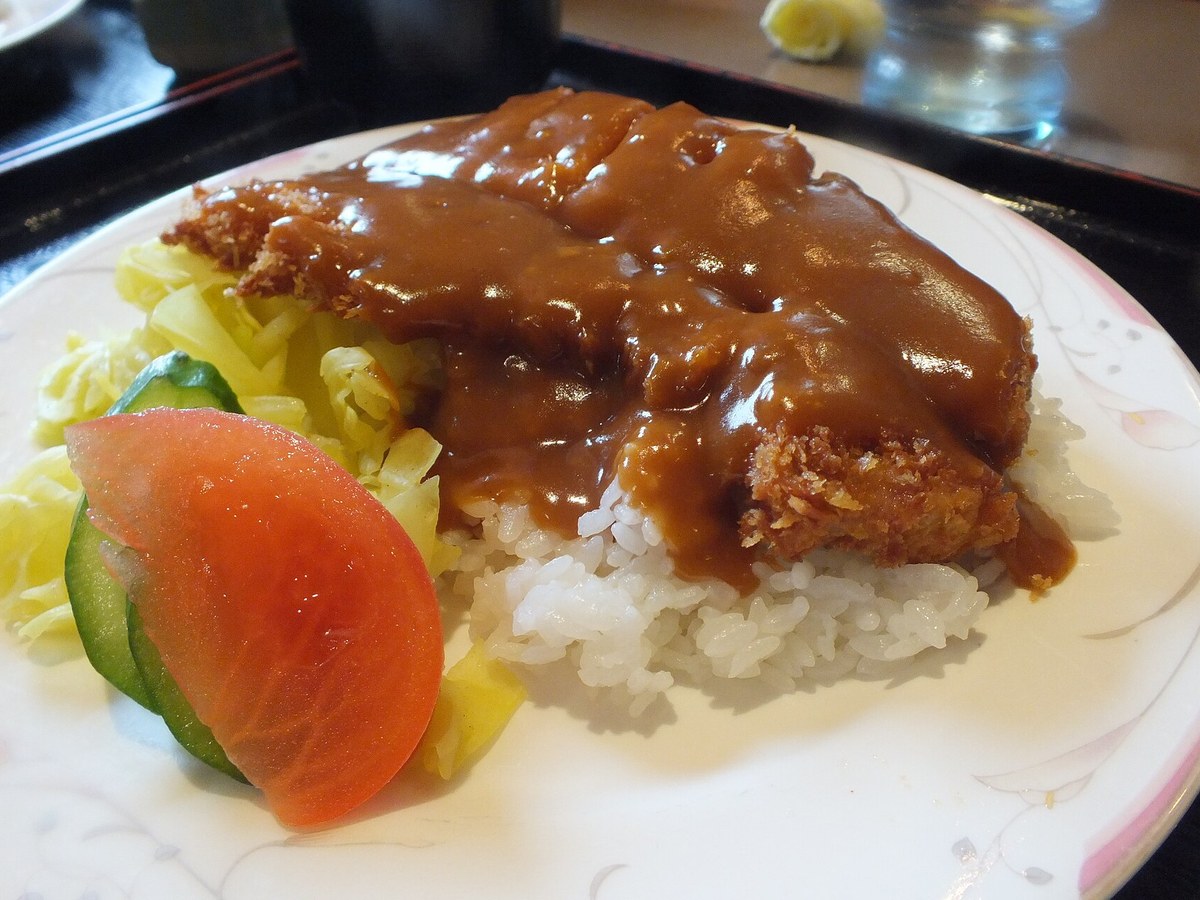
Food
Kakogawa katsumeshi (かつめし) — yoshoku for chopsticks
Kakogawa’s katsumeshi: cutlet, demi tare, chopsticks only.
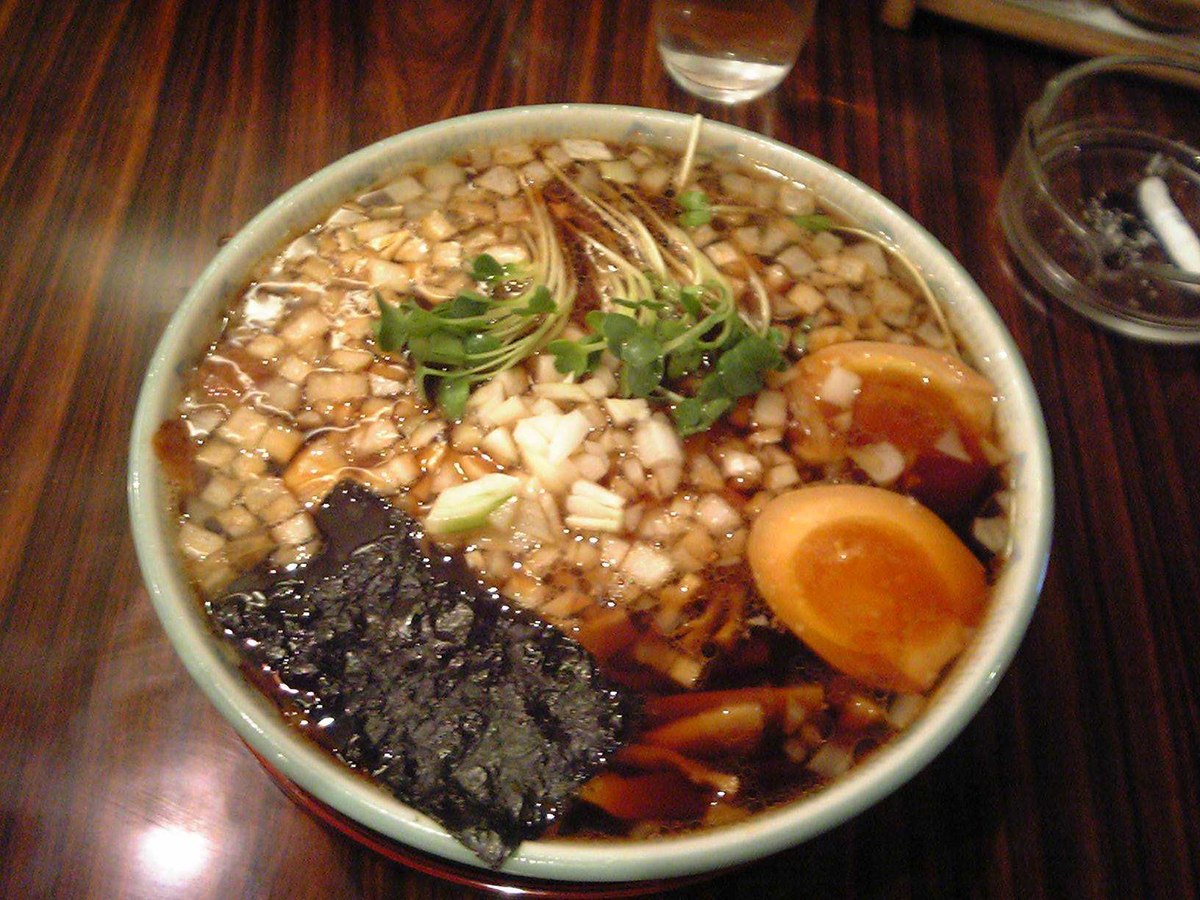
Food
Takeoka ramen (竹岡ラーメン) — the ramen with no stock
Takeoka’s black ramen: tare and water, dried noodles, onion.
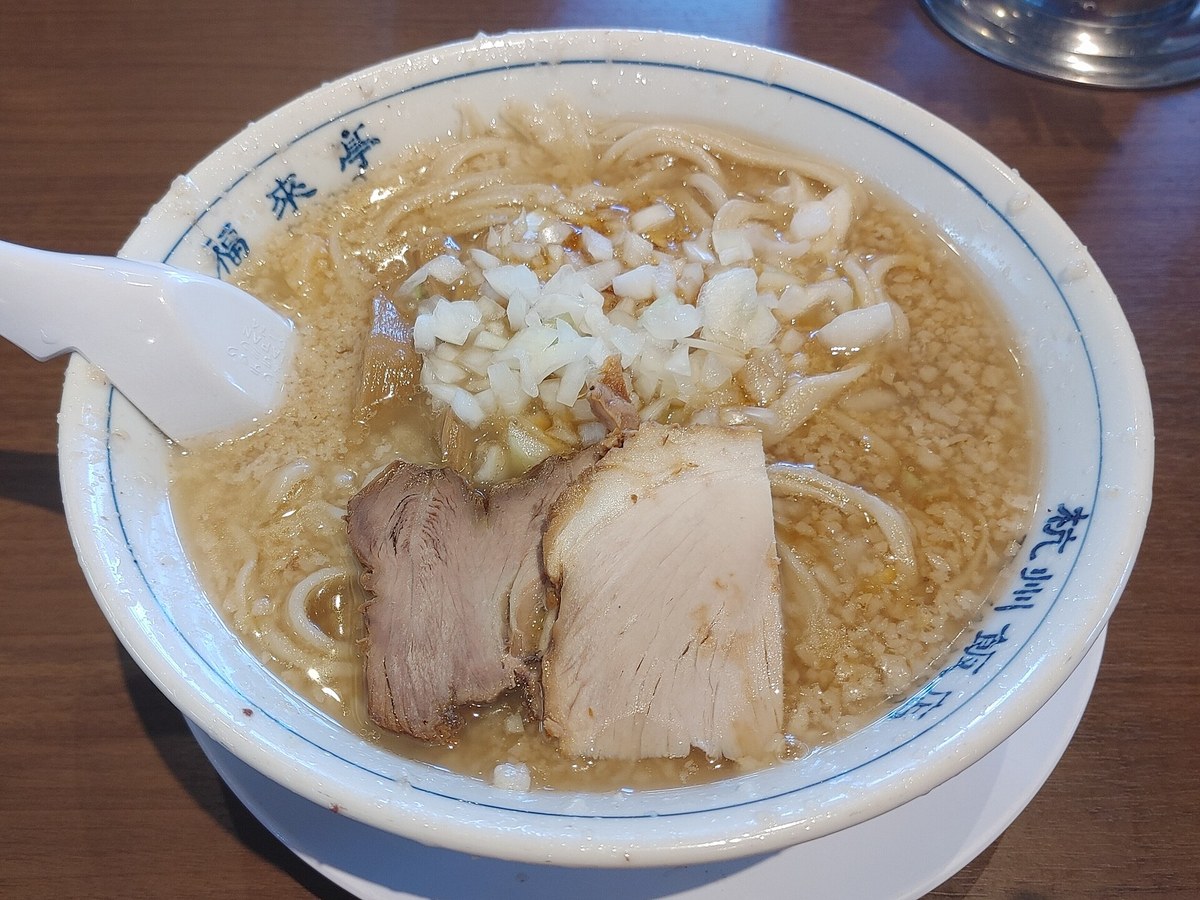
Food
Tsubame seabura ramen (燕背脂ラーメン) — the metal city’s fat-lidded bowl
Tsubame’s seabura ramen: niboshi, back fat, udon-thick noodles.
Food
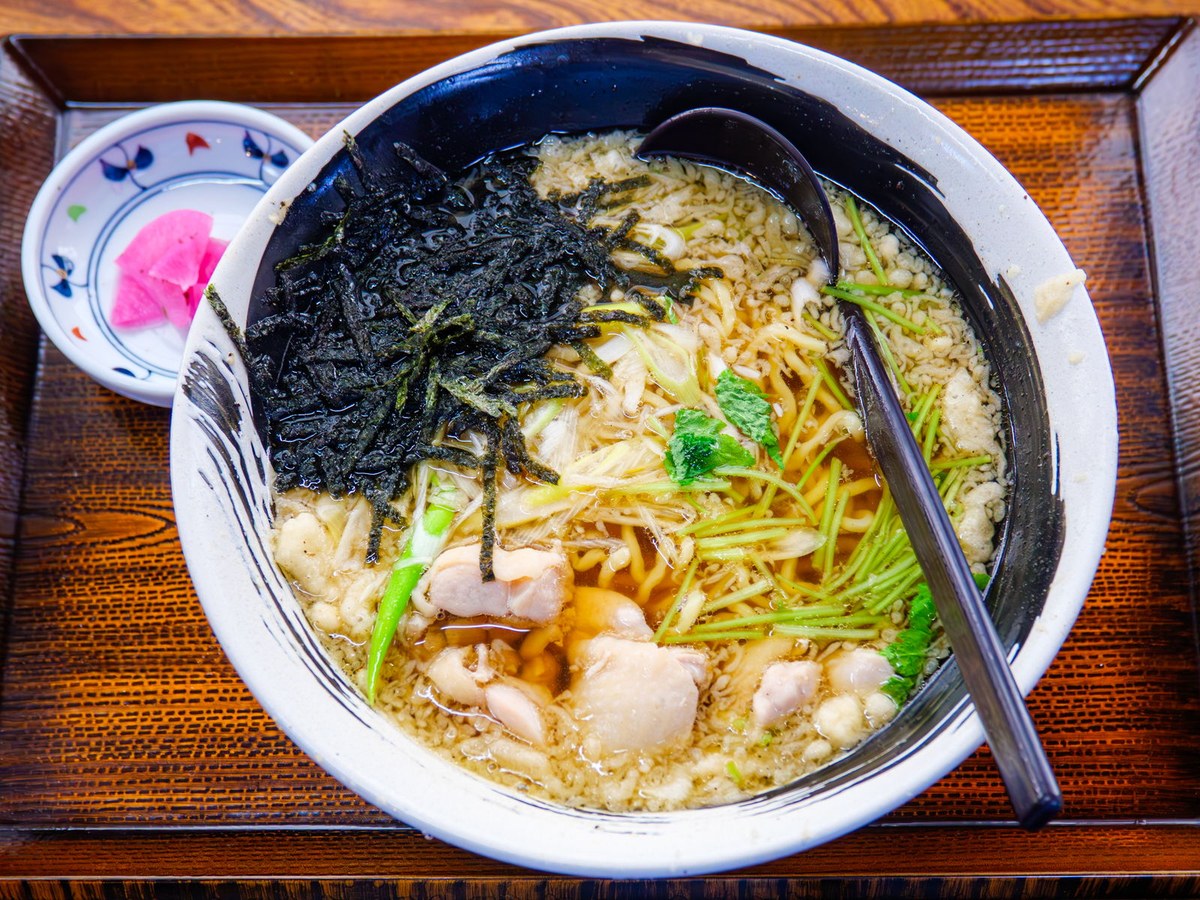
Torichuka (鳥中華) — the soba shop’s ramen
Torichuka: soba dashi, ramen noodles — a staff meal’s escape.
Food
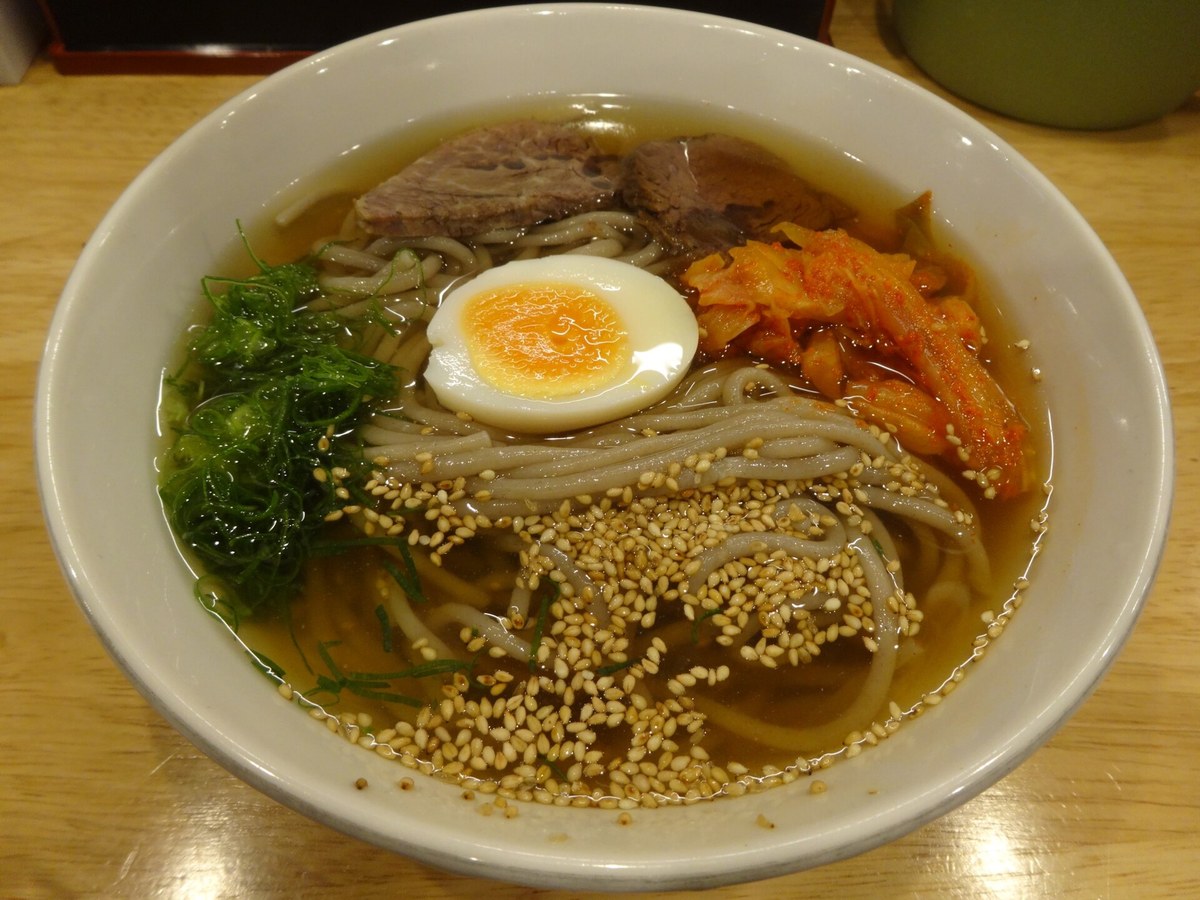
Beppu reimen (別府冷麺) — the spa city’s cold noodle
Beppu’s cold noodle: chilled wa-fu soup, kimchi, soul food.
Food
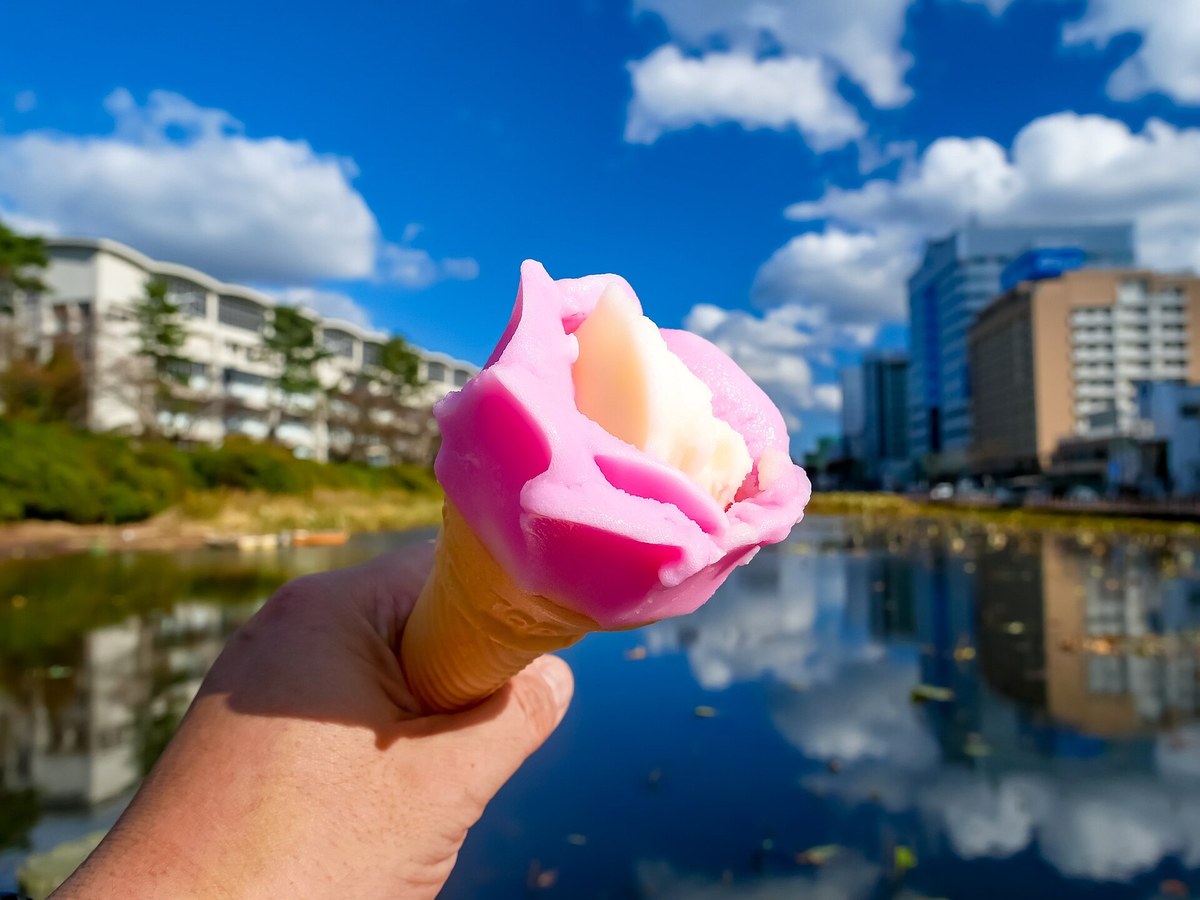
Babahera (ババヘラ) — the grandmothers’ roadside ice
Babahera: two flavours, one spatula, a rose if you’re lucky.
Food
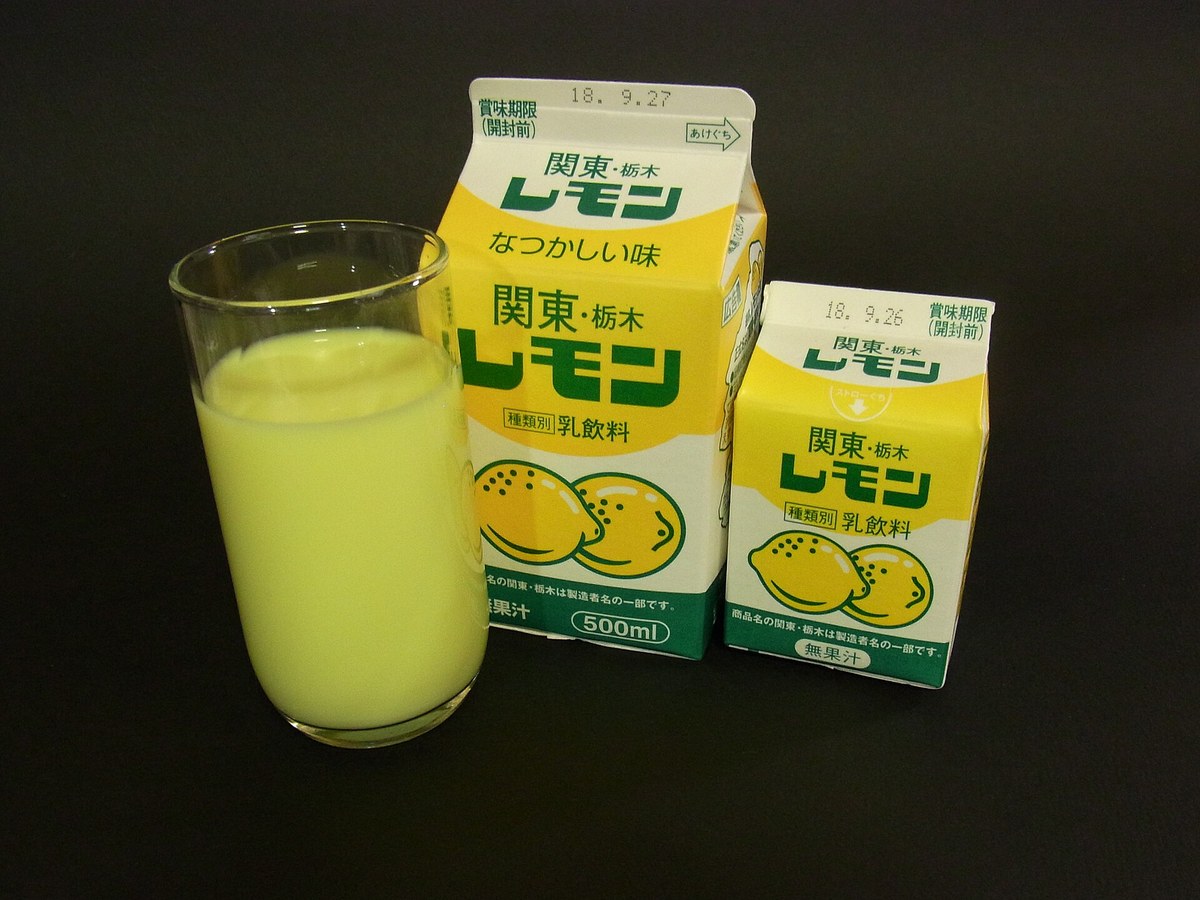
Kanto-Tochigi Lemon (関東・栃木レモン) — the lemon milk with no lemon
Lemon milk, no lemon: Tochigi’s revived postwar carton.
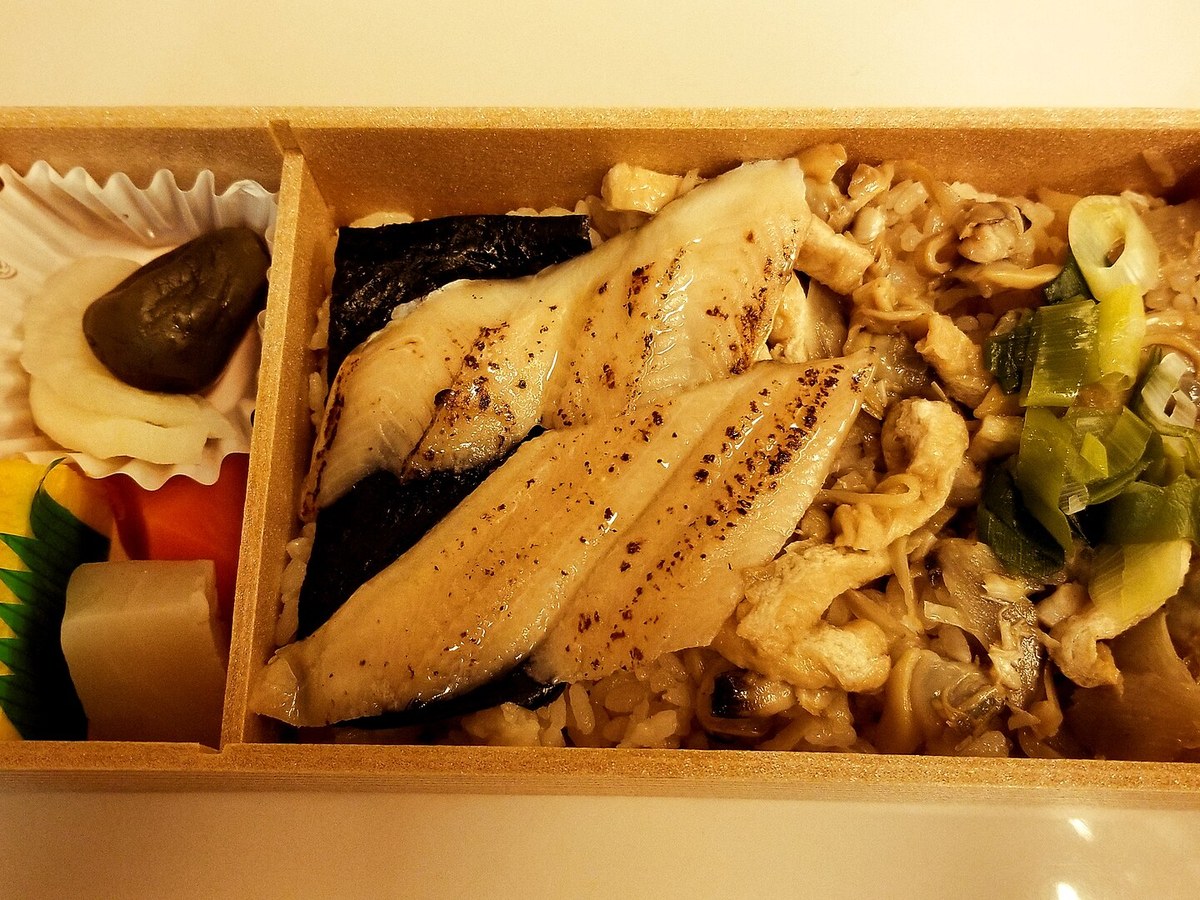
Food
Fukagawa meshi (深川めし) — the shitamachi clam rice
Fukagawa’s clam rice: bukkake or takikomi, since the fishermen.
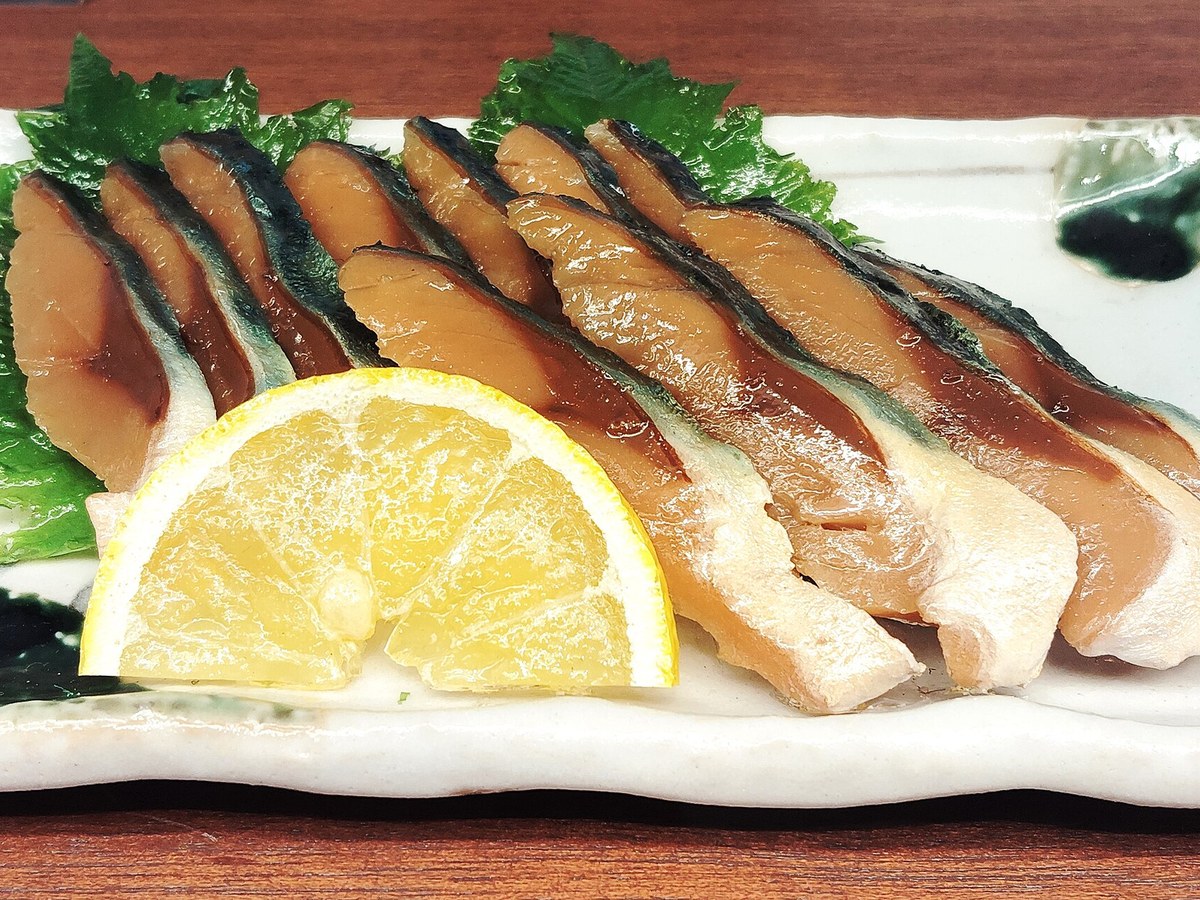
Food
Heshiko (へしこ) — the barrel-pressed mackerel of Wakasa
Heshiko: salted, bran-pressed, fermented — Wakasa’s winter store.
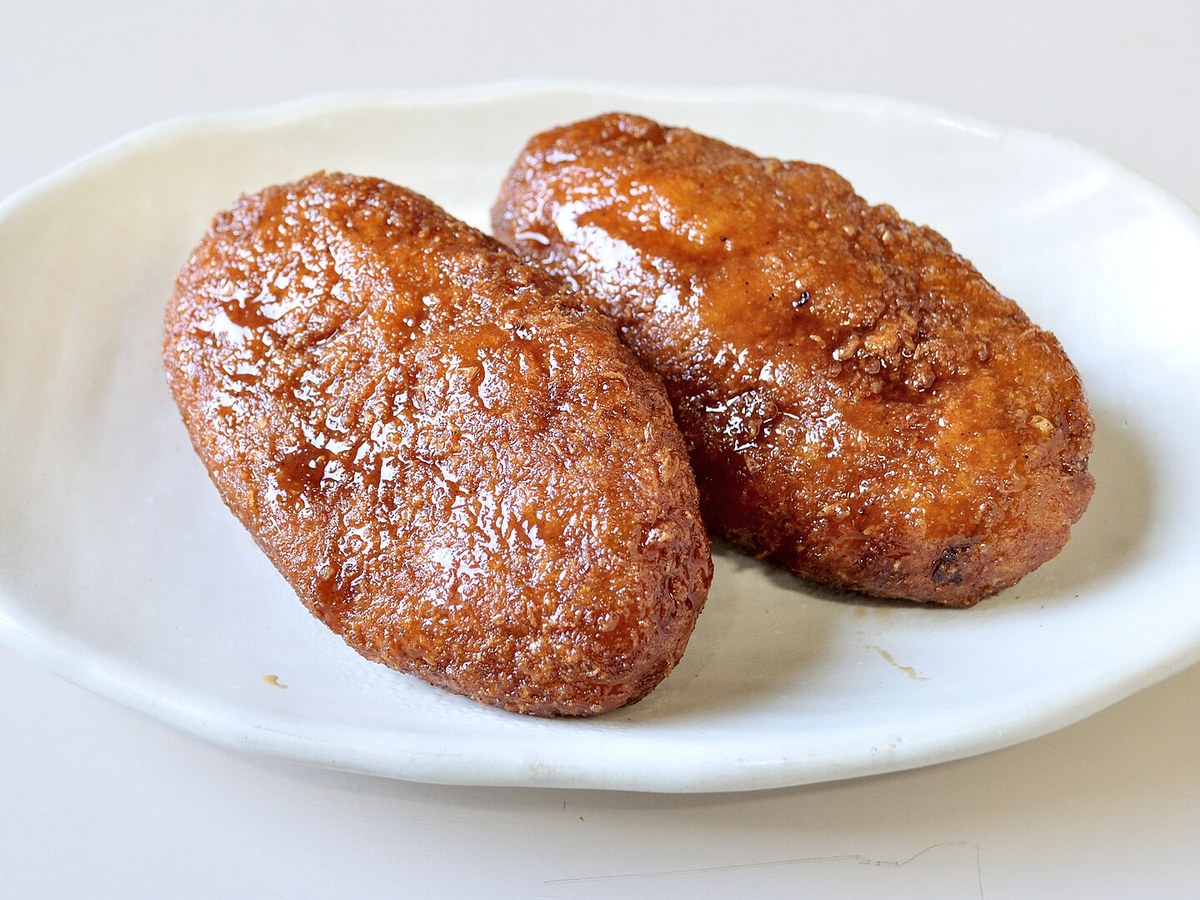
Food
Zeri fry (ゼリーフライ) — the little money-fry of Gyoda
Zeri fry: okara, potato, a koban shape — and no jelly at all.
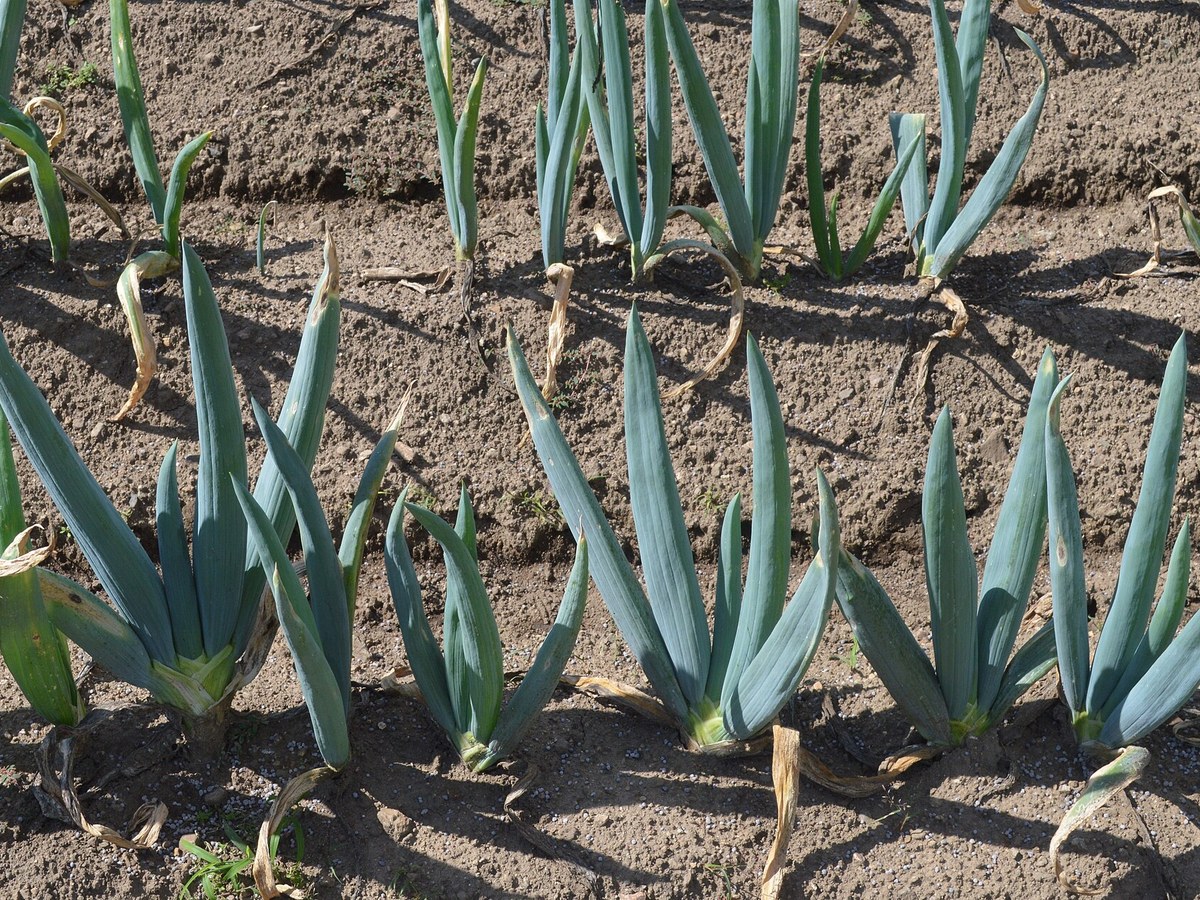
Food
Shimonita negi (下仁田ネギ) — the lord’s onion of Kanra
Shimonita negi: the lord’s onion — fire raw, sugar cooked.
Food
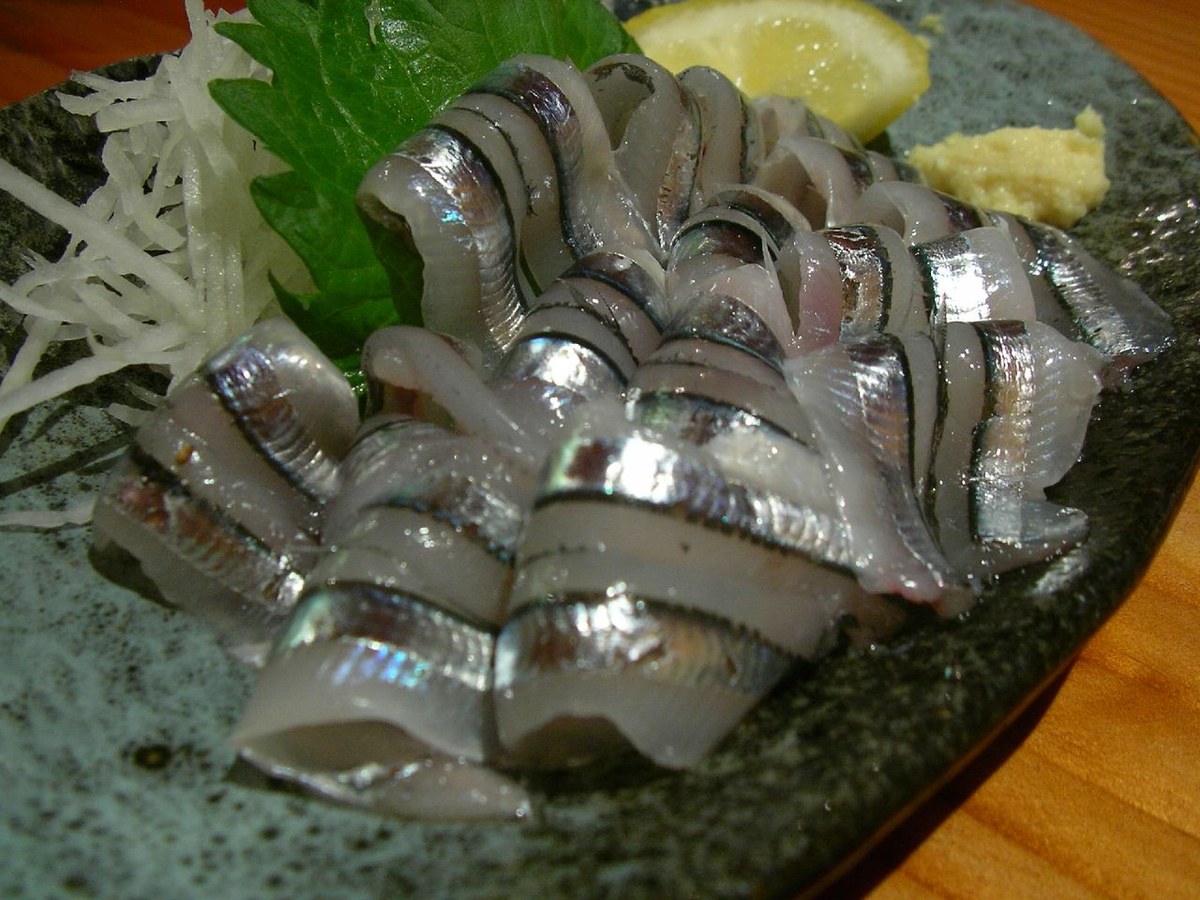
Kibinago (キビナゴ) — the chrysanthemum sashimi of Kagoshima
Kibinago: silver band, chrysanthemum sashimi, vinegared miso.
Food
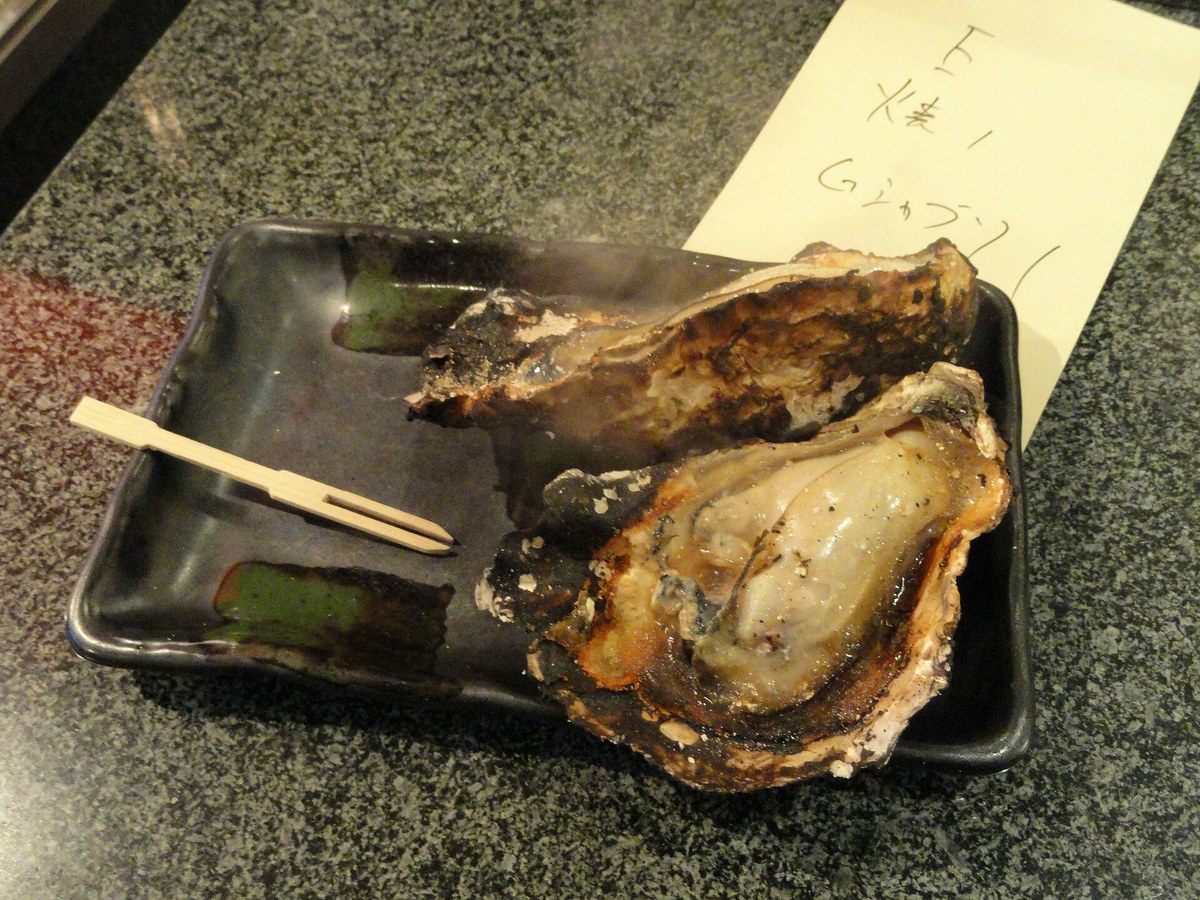
Hiroshima kaki (広島かき) — the oyster of four hundred years
Hiroshima kaki: half of Japan’s oysters, grilled in the shell.
Food
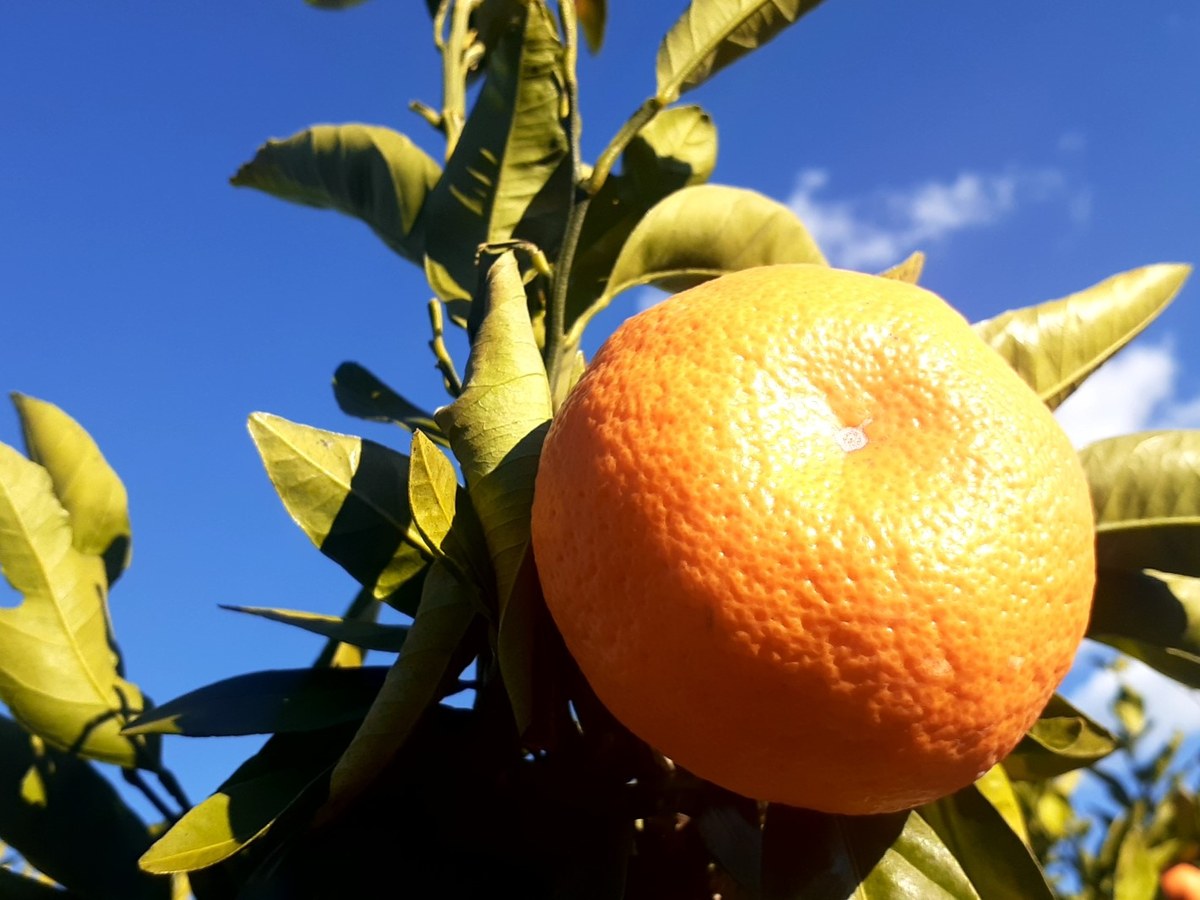
Mikkabi mikan (三ヶ日みかん) — the place that tastes like a variety
Mikkabi mikan: one shore’s mandarins, one trademark, one plant.
Food
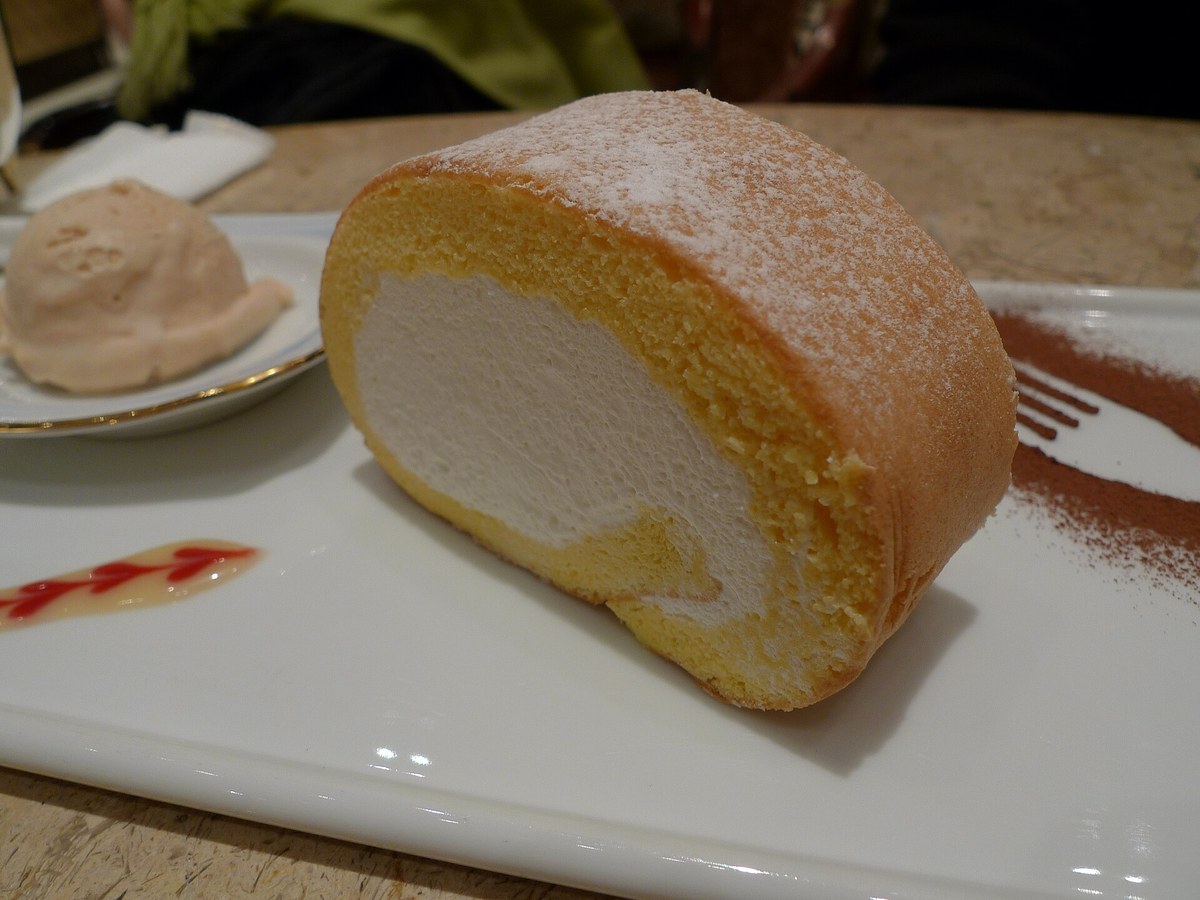
Dojima roll (堂島ロール) — the cake that handed itself to the cream
Dojima roll: one wrap of sponge, the rest is cream.
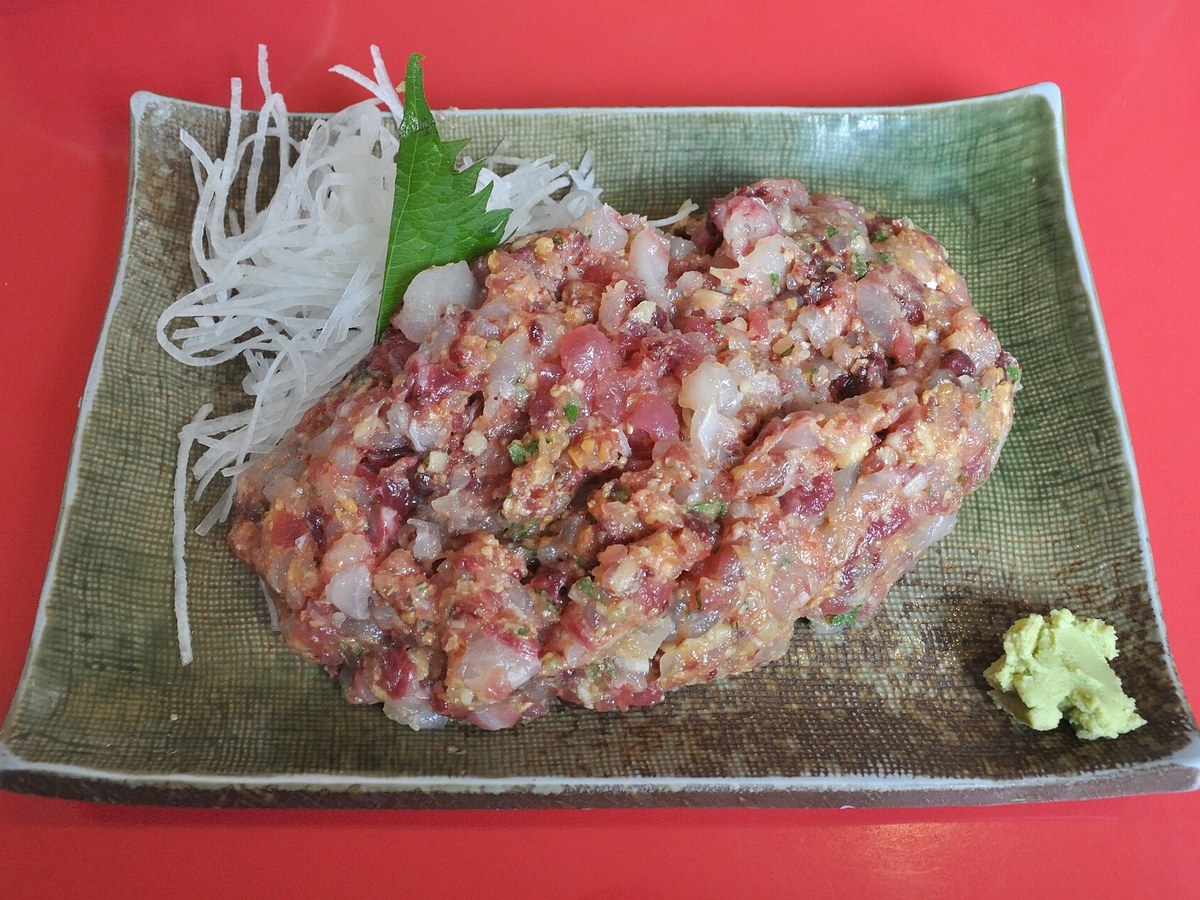
Food
Namerou (なめろう) — the mince devised for a rolling deck
Namerou: miso, not soy — because soy spills at sea.
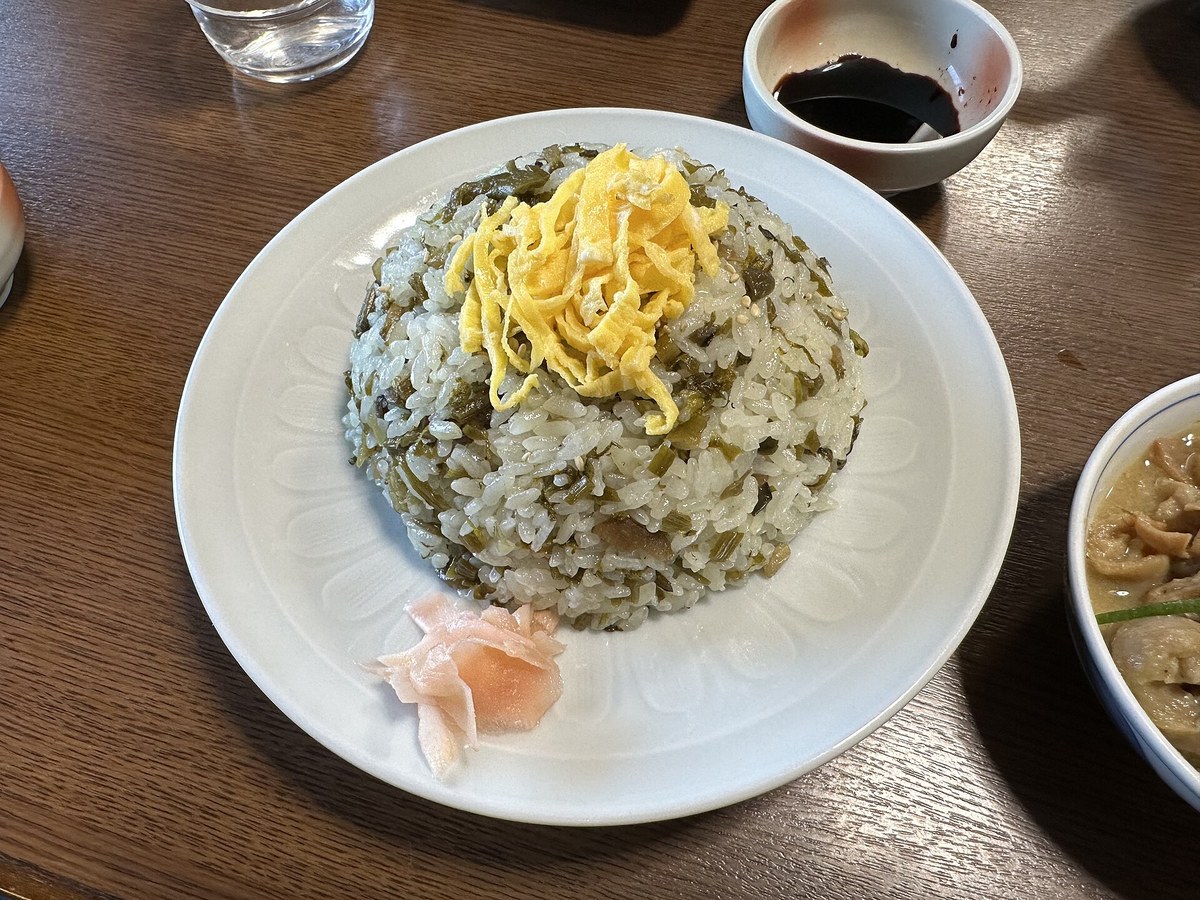
Food
Takana meshi (高菜めし) — the caldera’s year-aged pickle rice
Takana meshi: the pickle waits a year; the rice is mixed hot.
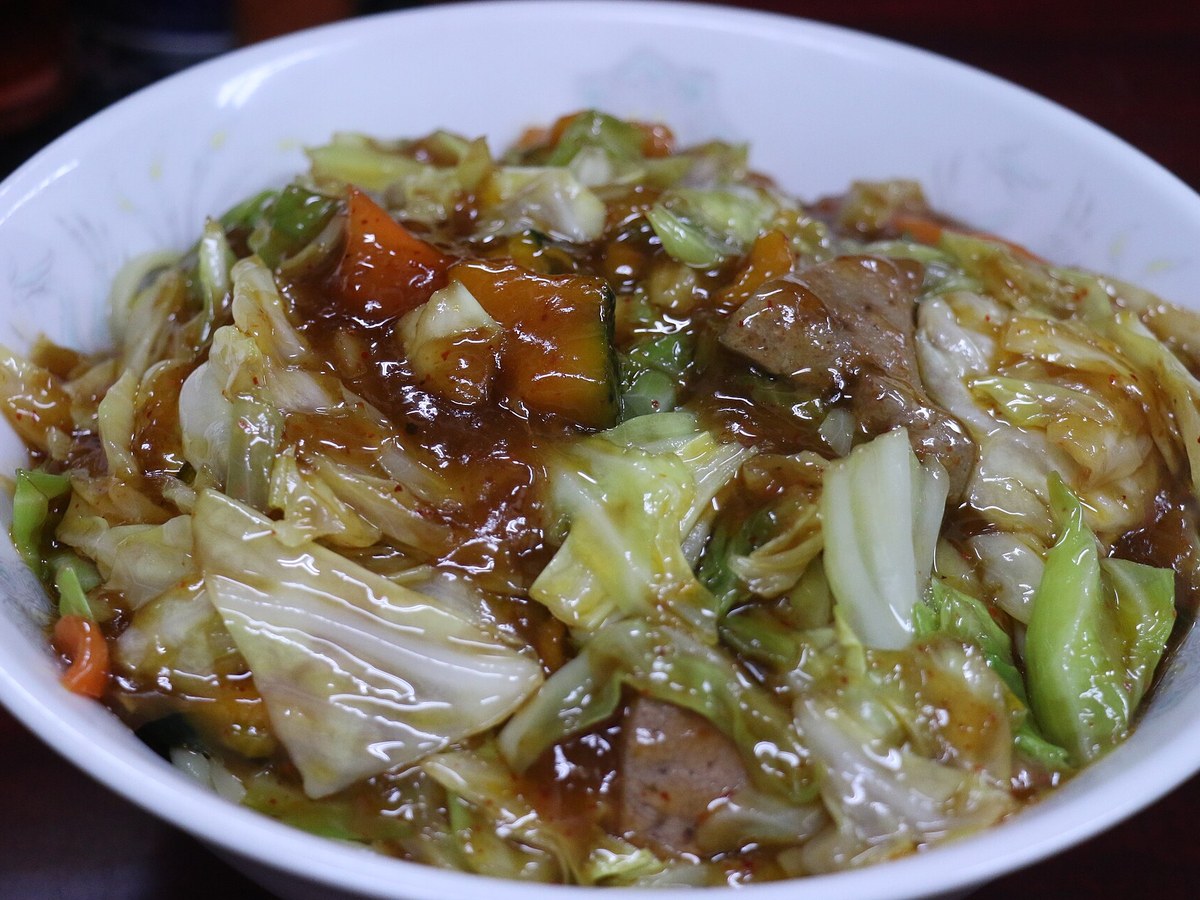
Food
Stamina ramen (スタミナラーメン) — the ankake bowl devised for students
Stamina ramen: liver, pumpkin and cabbage in one glossy pour.
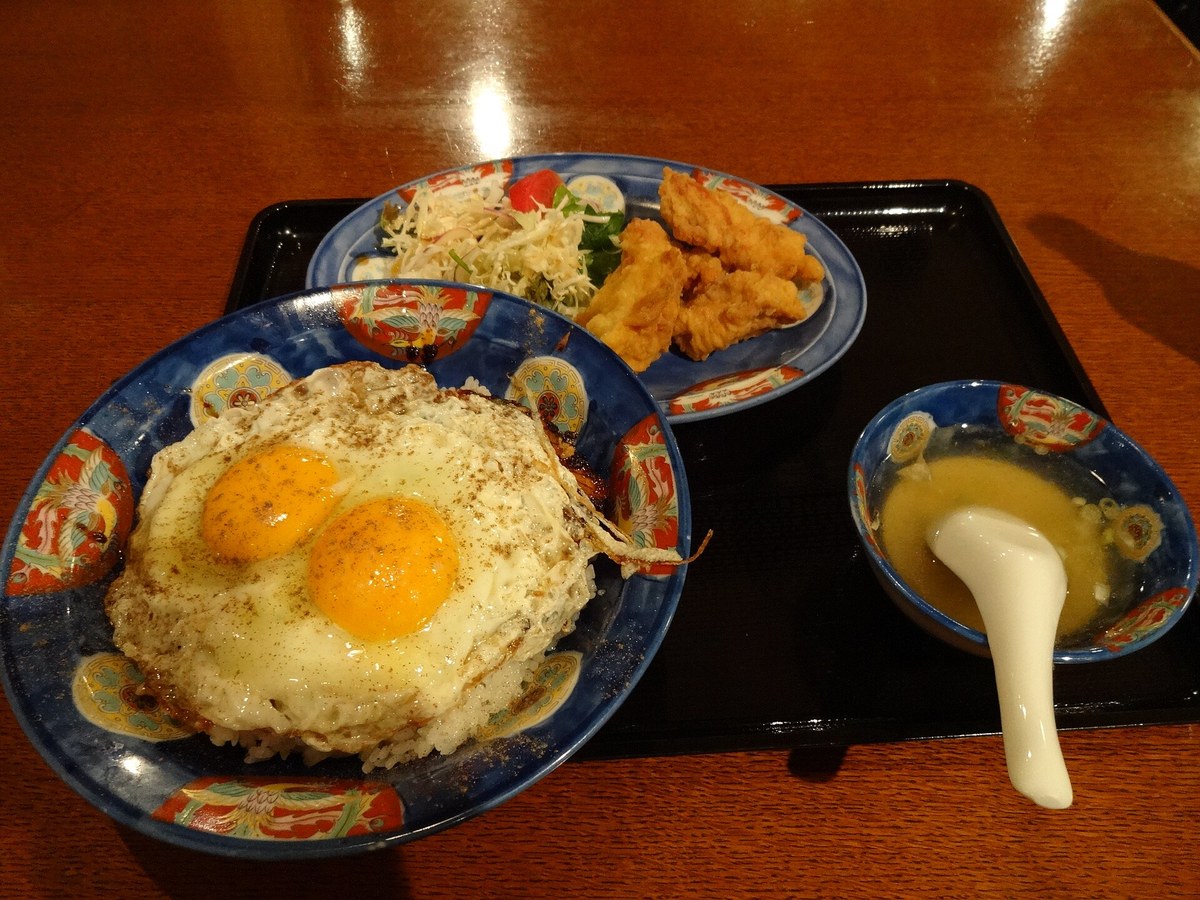
Food
Yakibuta tamago meshi (焼豚玉子飯) — the staff meal that took the B-1
Yakibuta tamago meshi: pork, two eggs, no rice showing.
Food
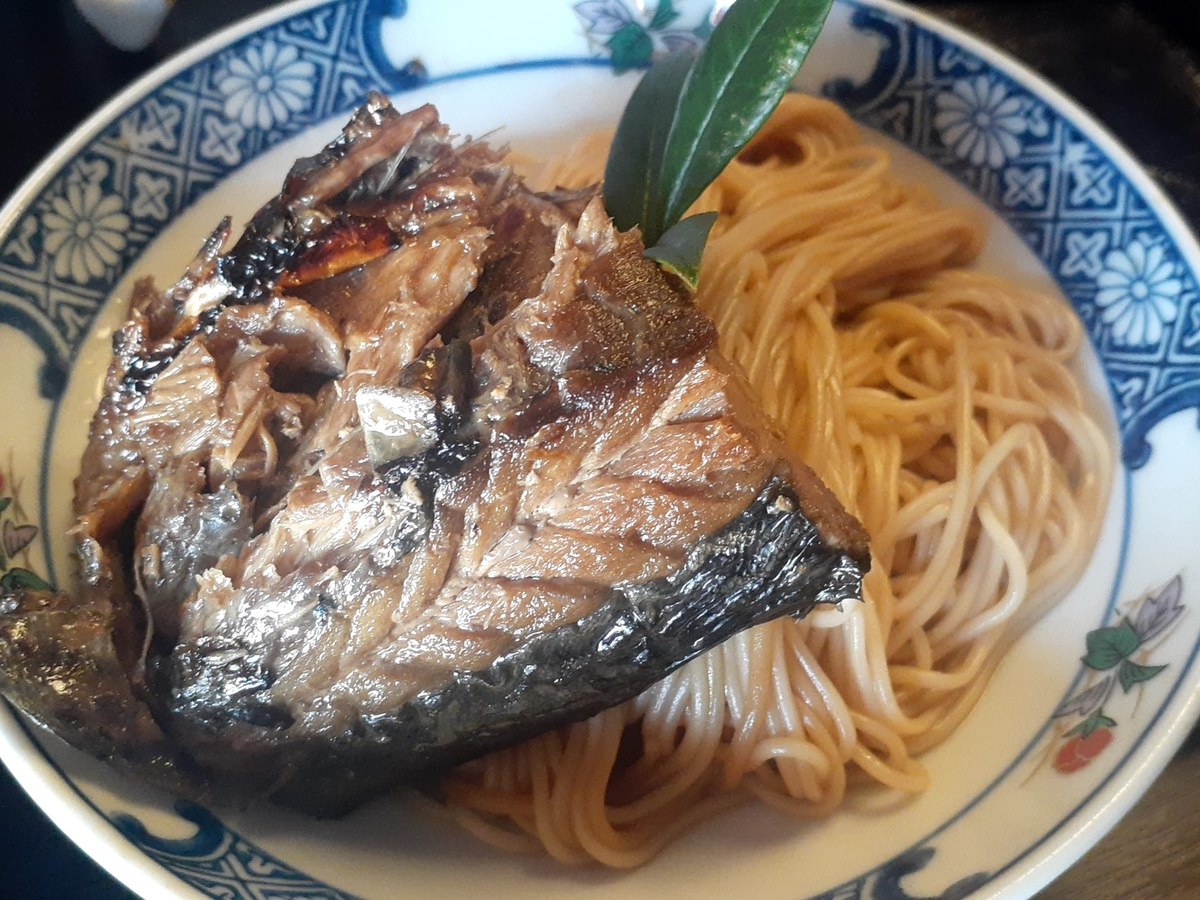
Yakisaba somen (焼鯖そうめん) — the May gift of the Saba Kaido
Yakisaba somen: the gift fish, simmered into its noodles.
Food
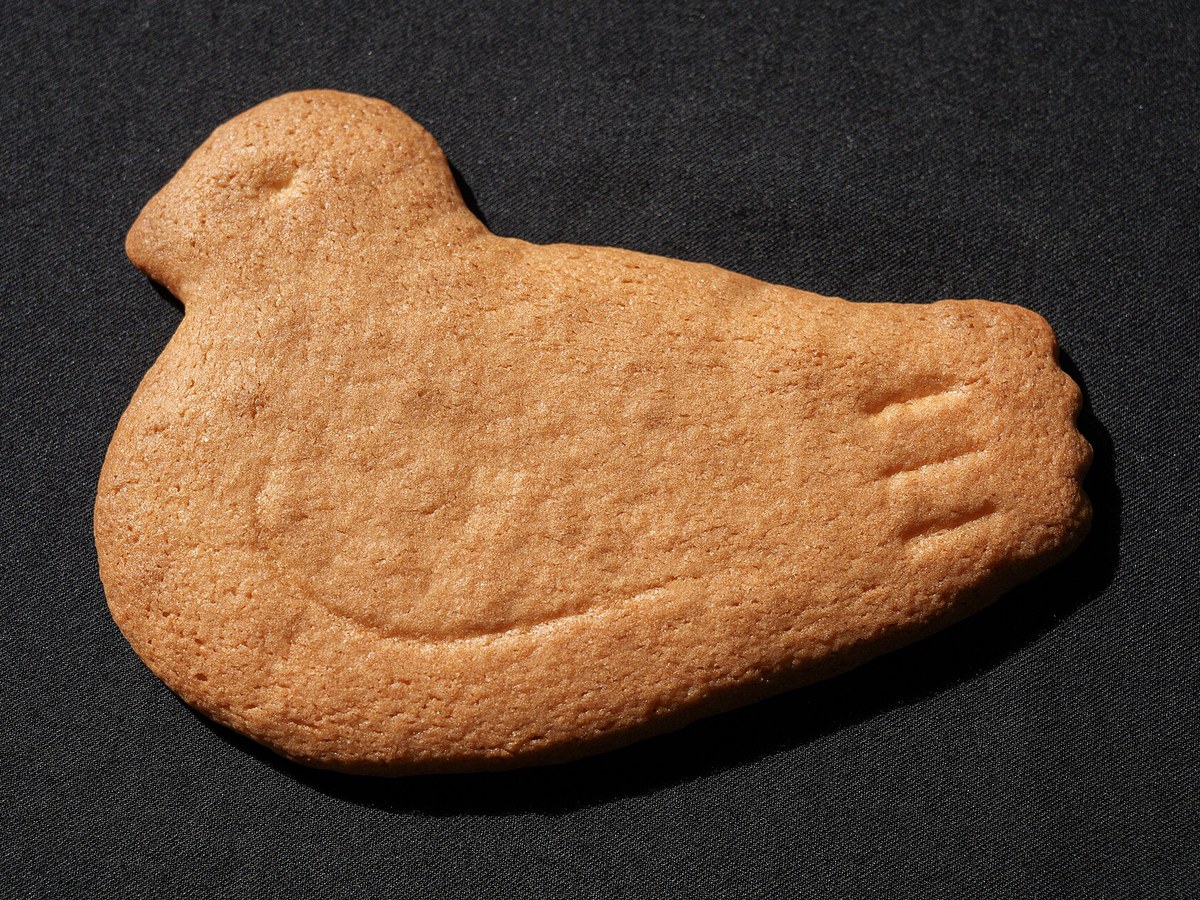
Hato sable (鳩サブレー) — the pigeon that outlived its century
Hato Sablé: one pigeon, one recipe, since Meiji.
Food
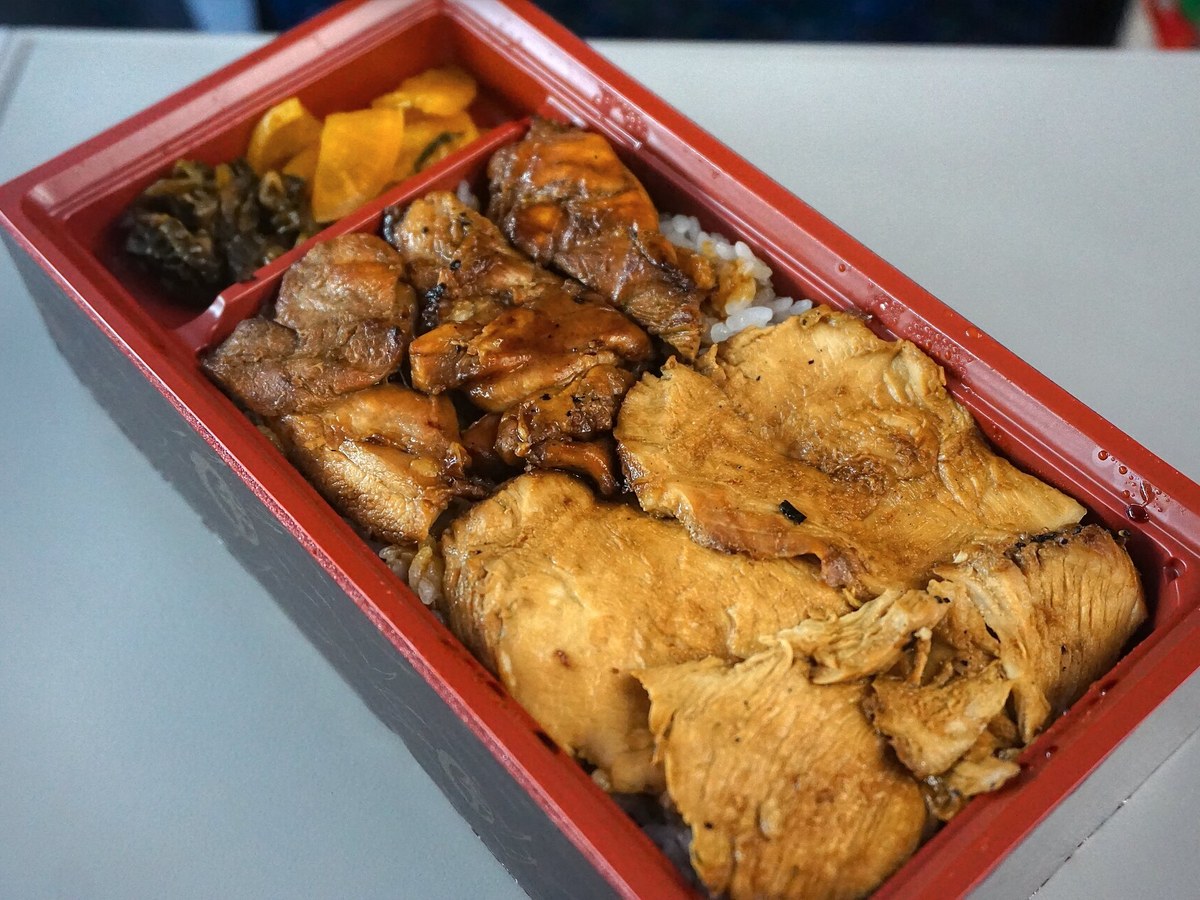
Joshu Goyo Torimeshi (上州御用鳥めし) — the prefecture’s assumed bento
Torimeshi: the box Gunma assumes will be there.
Food
Cream box (クリームボックス) — the white blanket on Koriyama’s bread
Cream box: milk cream poured over thick bread, since 1976.
Food
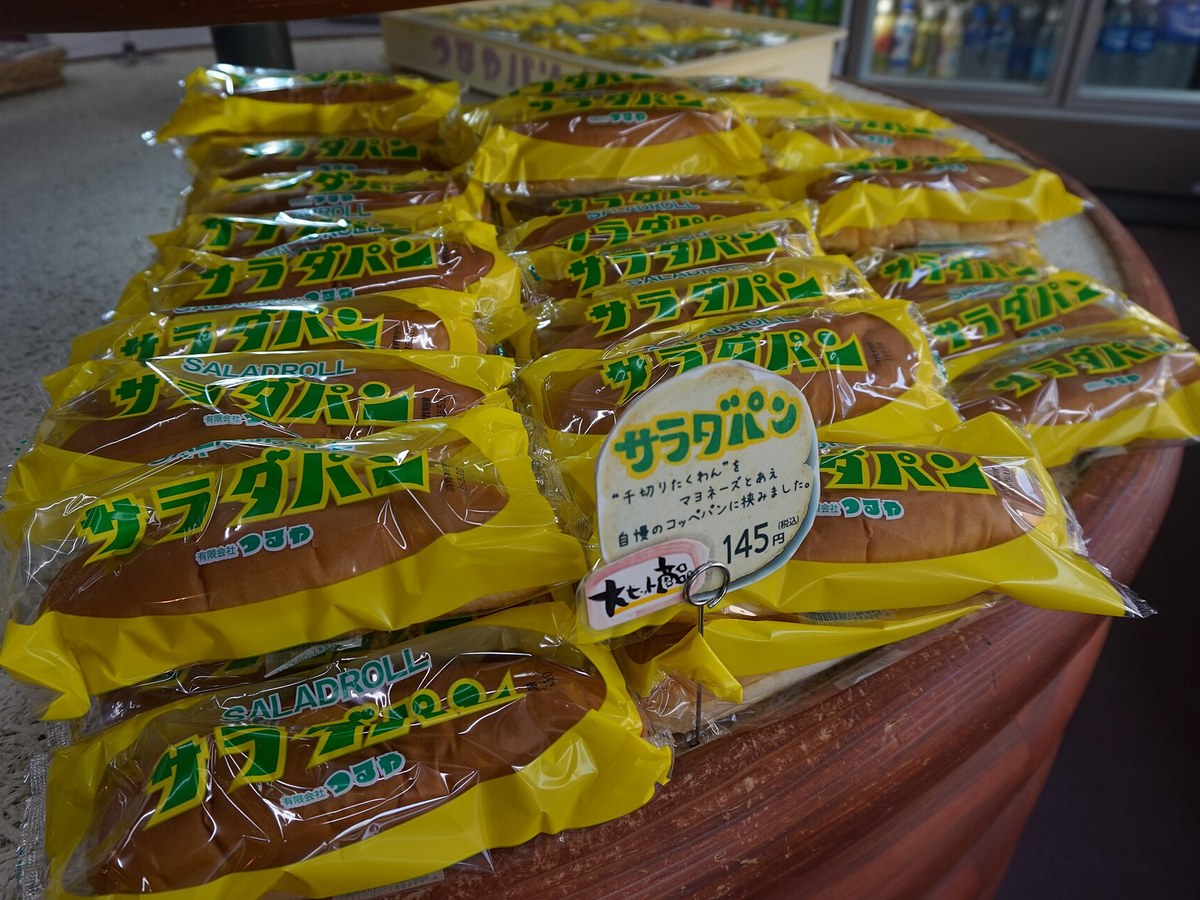
Salad pan (サラダパン) — the roll whose salad is a pickle
Salad pan: takuan and mayonnaise in a koppe roll.
Food
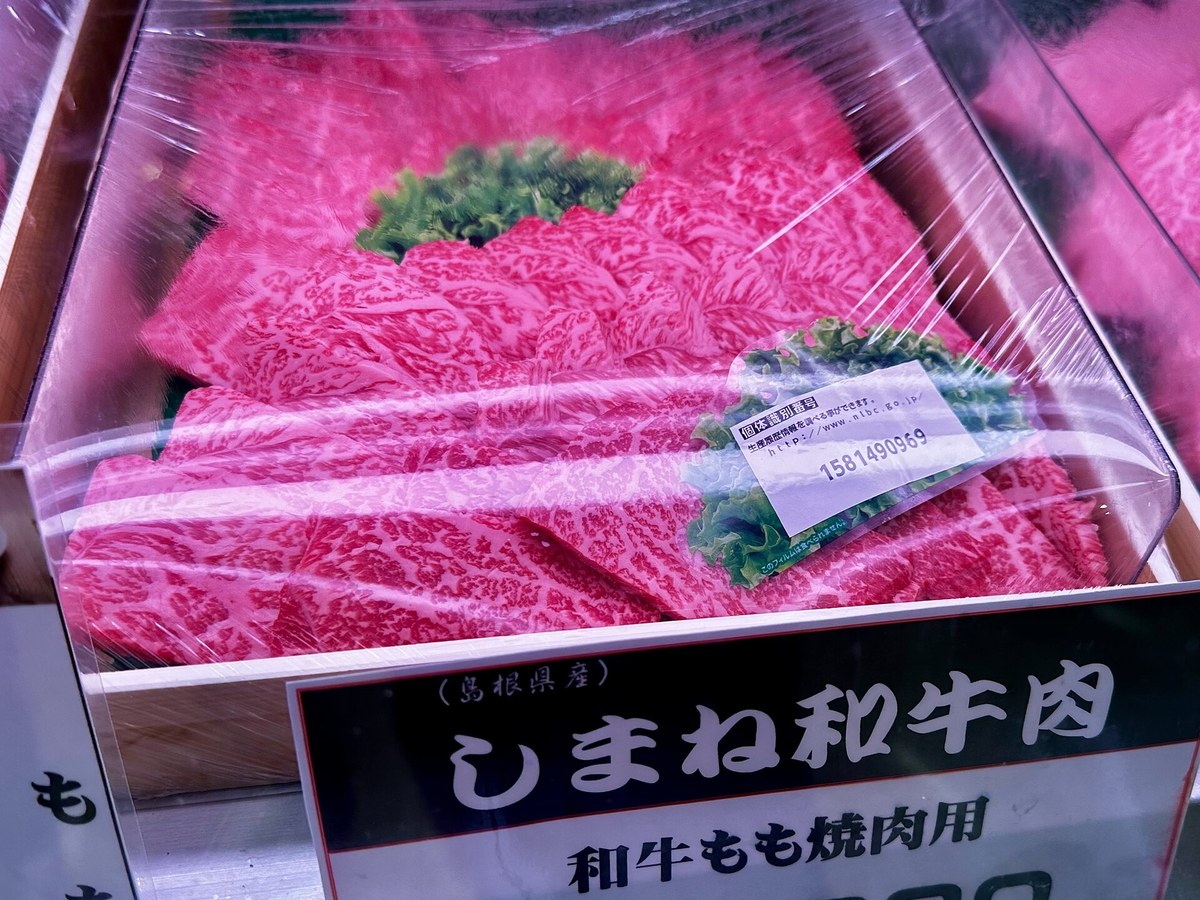
Shimane wagyu (しまね和牛) — the bloodline prefecture’s own label
Shimane wagyu: fine marbling, light fat, seven centuries deep.
Food
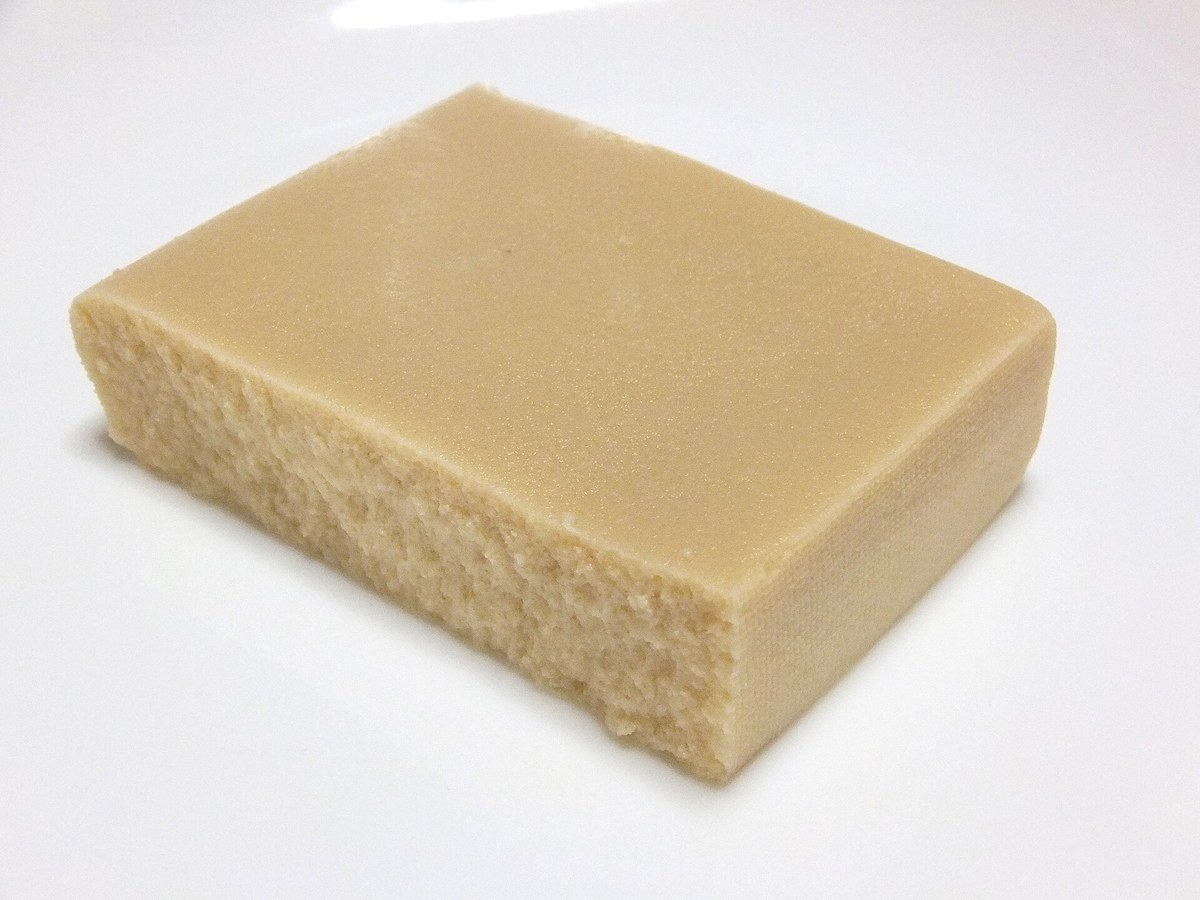
Koya-dofu (高野豆腐) — the mountain’s tofu, frozen for eight centuries
Koya-dofu: tofu freeze-dried on a temple mountain.
Food
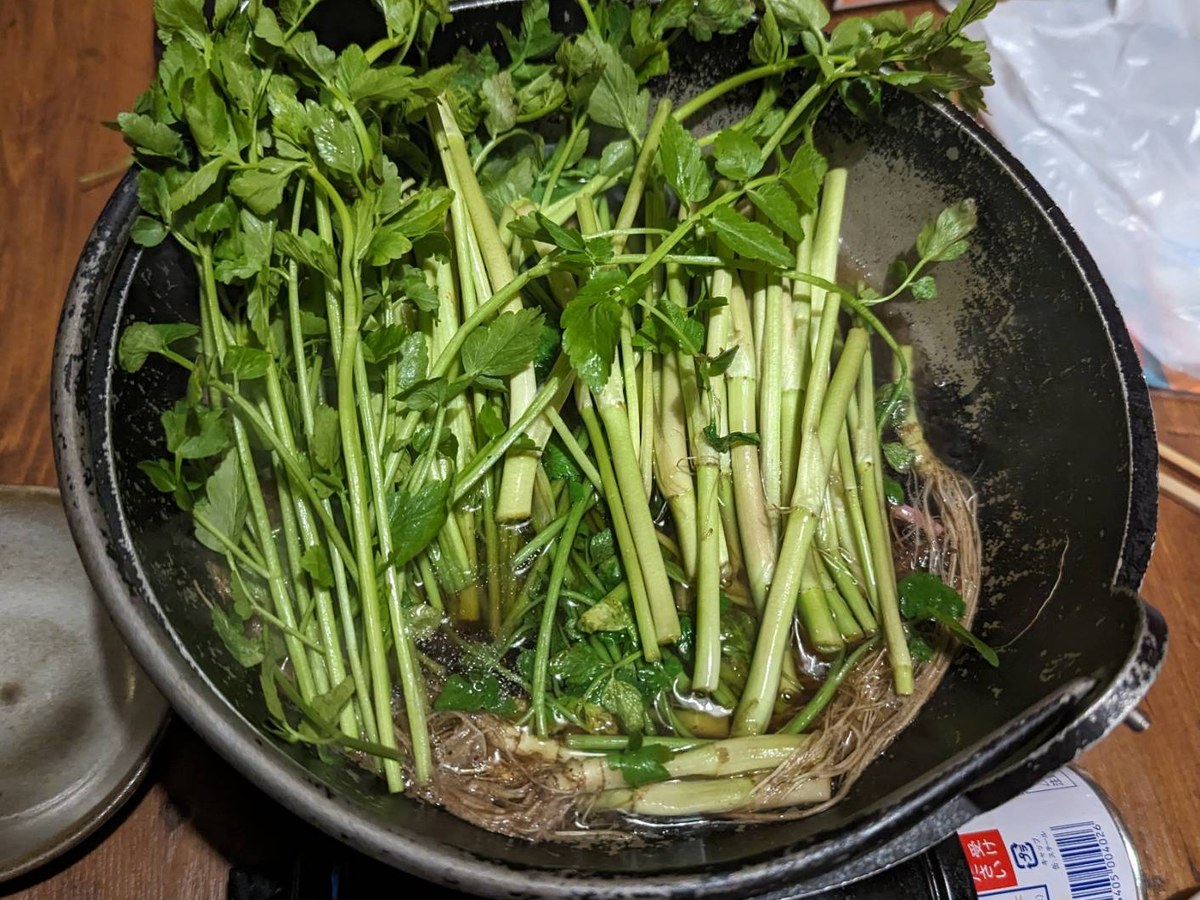
Seri nabe (せり鍋) — the hotpot that eats the roots
Seri nabe: the winter pot where the roots are the point.
Food
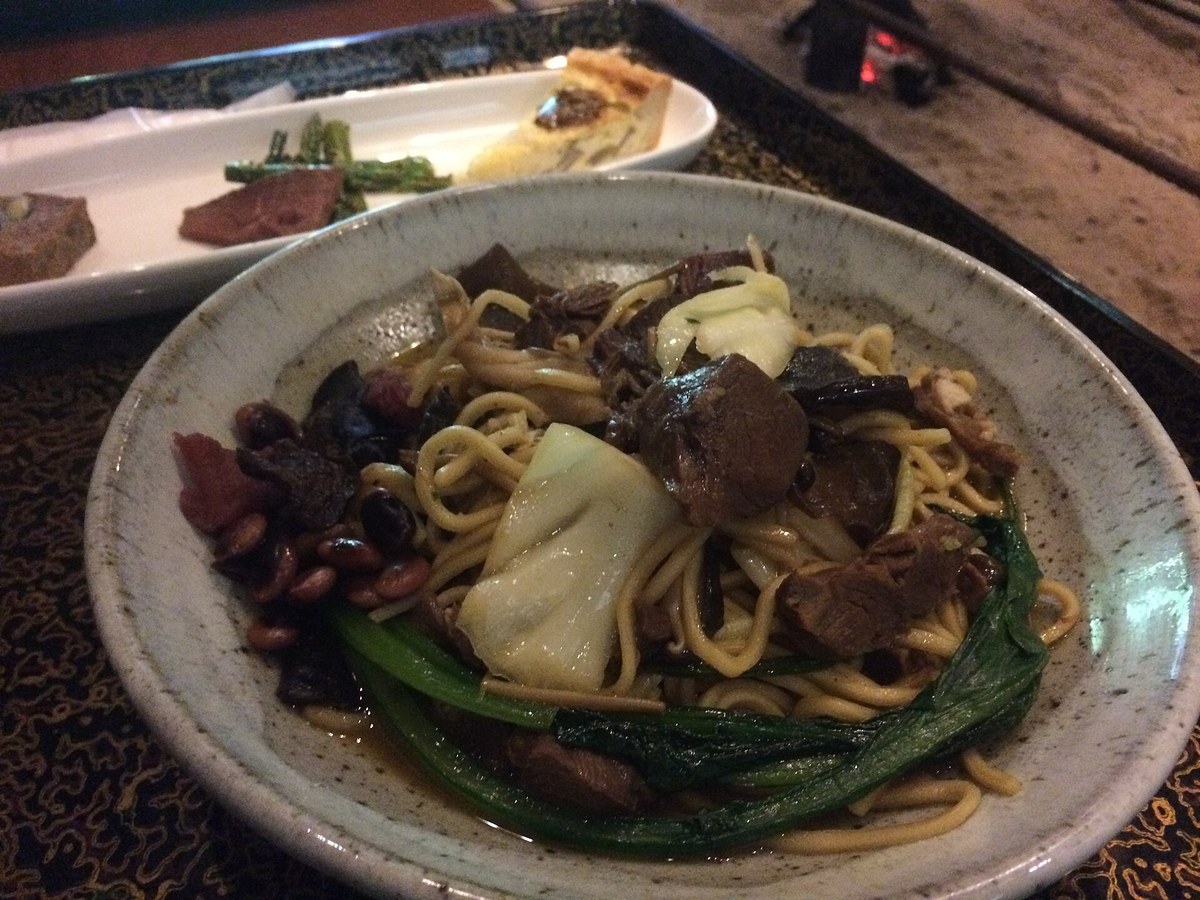
Ina romen (ローメン) — the noodle invented to keep
Ina romen: steamed mutton noodles, finished at the table.
Food
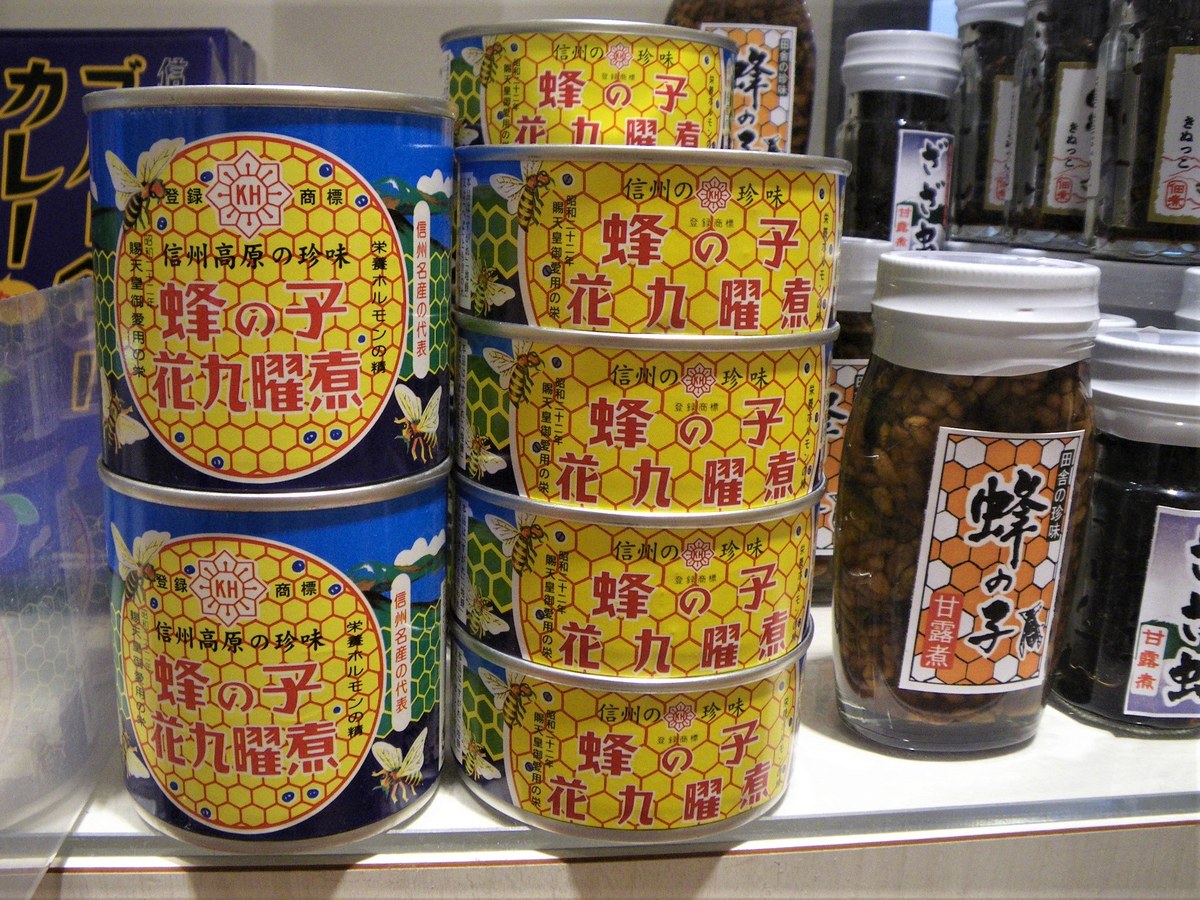
Hachinoko (蜂の子) — the delicacy you follow home on foot
Hachinoko: Ina’s wasp larvae, hunted, simmered and canned.
Craft
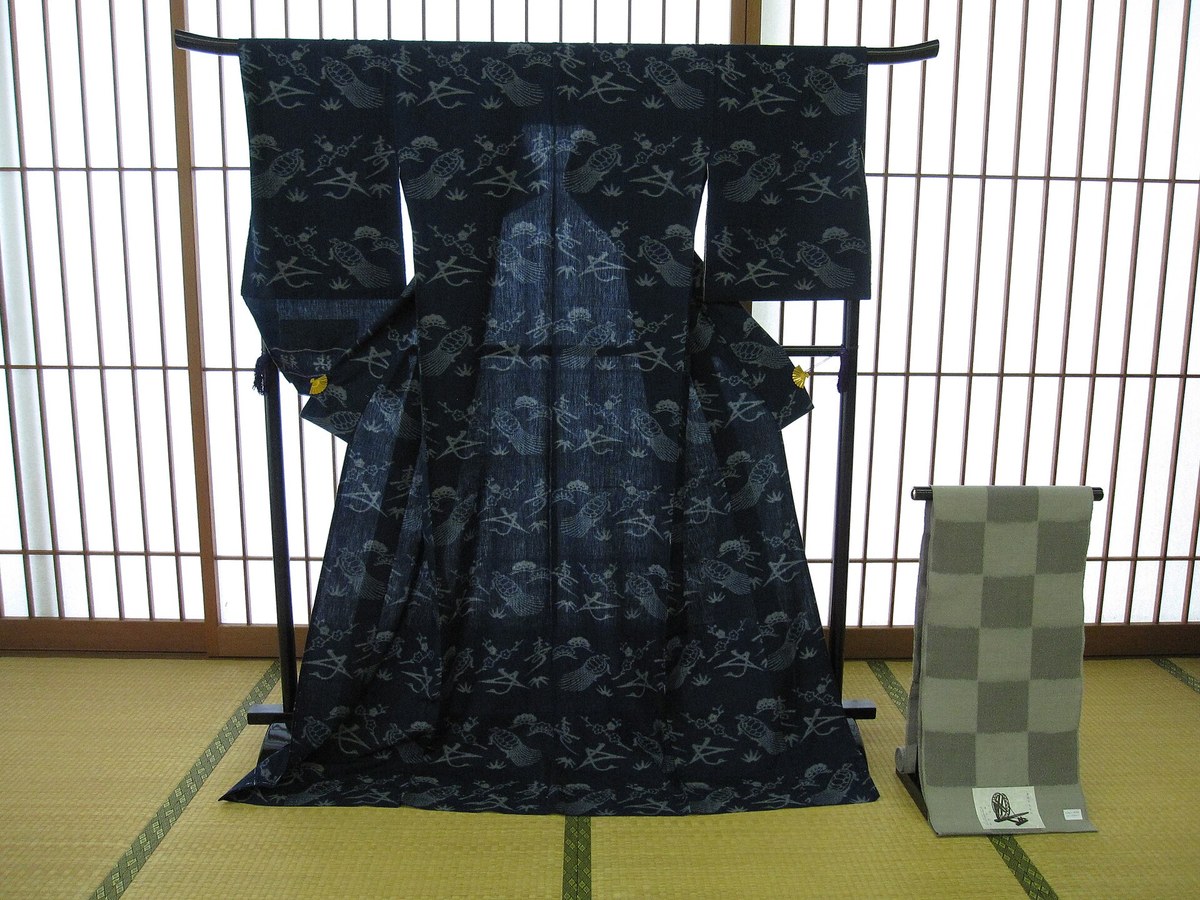
Yumihama-gasuri (弓浜絣) — pictures woven out of indigo
Yumihama-gasuri: indigo picture-ikat of the sandbar peninsula.
Food
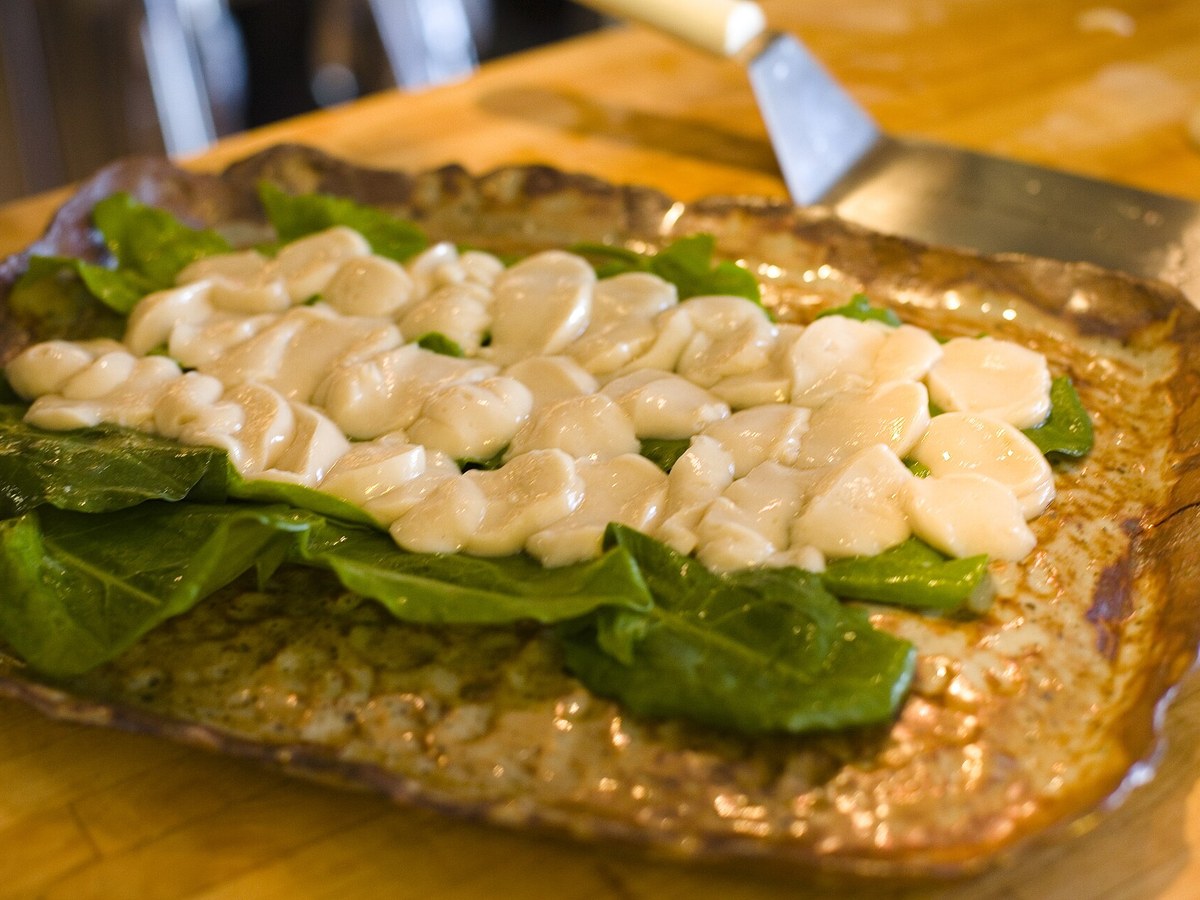
Goma-dofu (胡麻豆腐) — the tofu with no soy in it
Goma-dofu: sesame ground to silk, set with kuzu.
Food
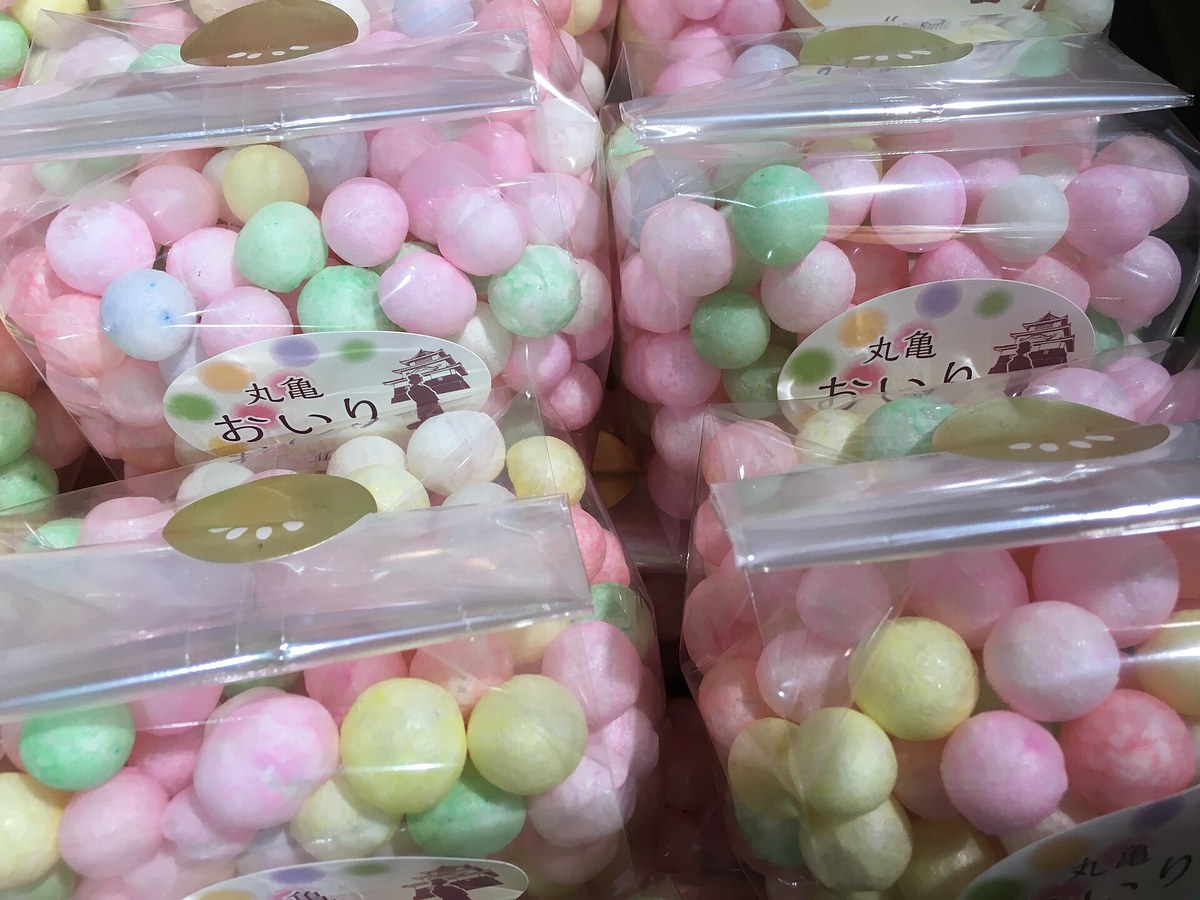
Oiri (おいり) — the bride’s pastel gift
Oiri: hollow pastel balls, the wedding sweet of Kagawa.
Food
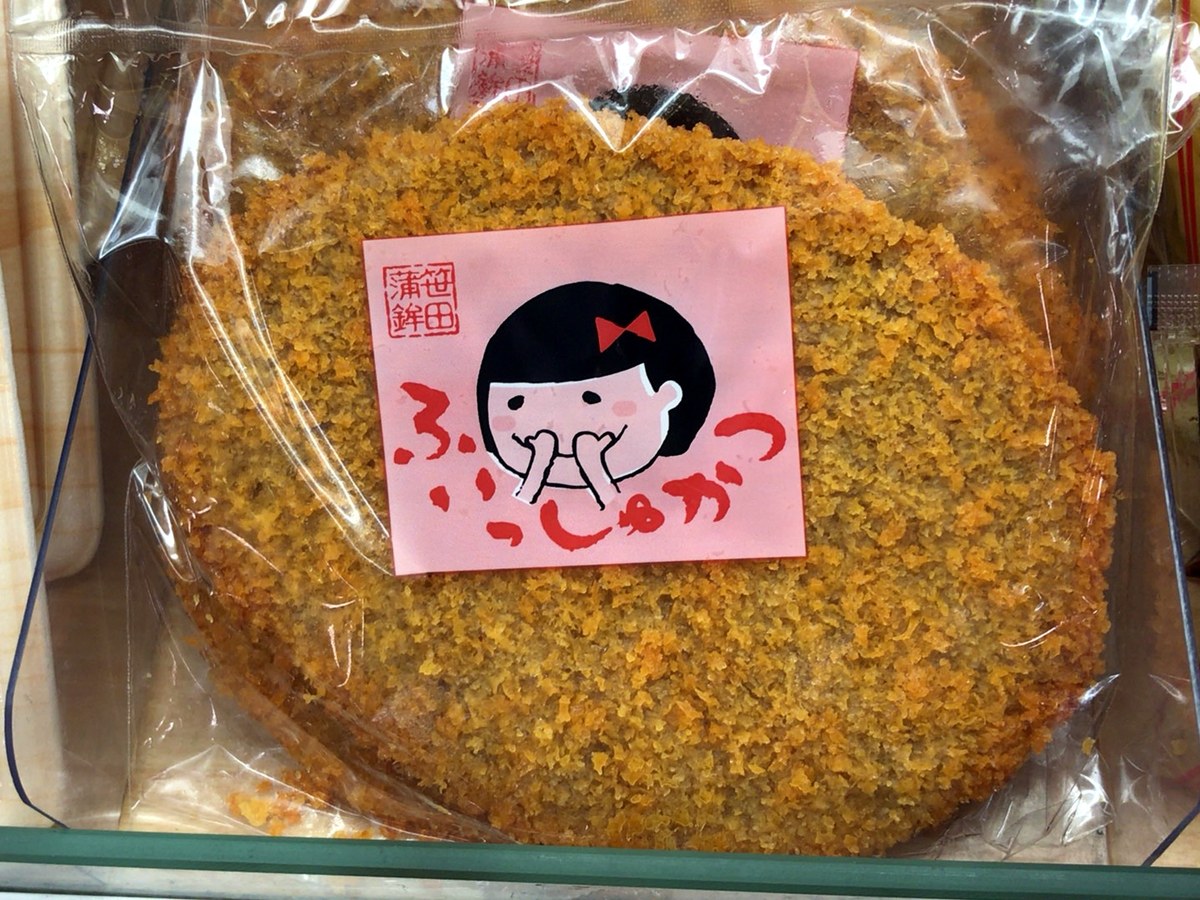
Fish katsu (フィッシュカツ) — the cutlet that is kamaboko
Fish katsu: Tokushima’s curry-spiced surimi cutlet.
Food
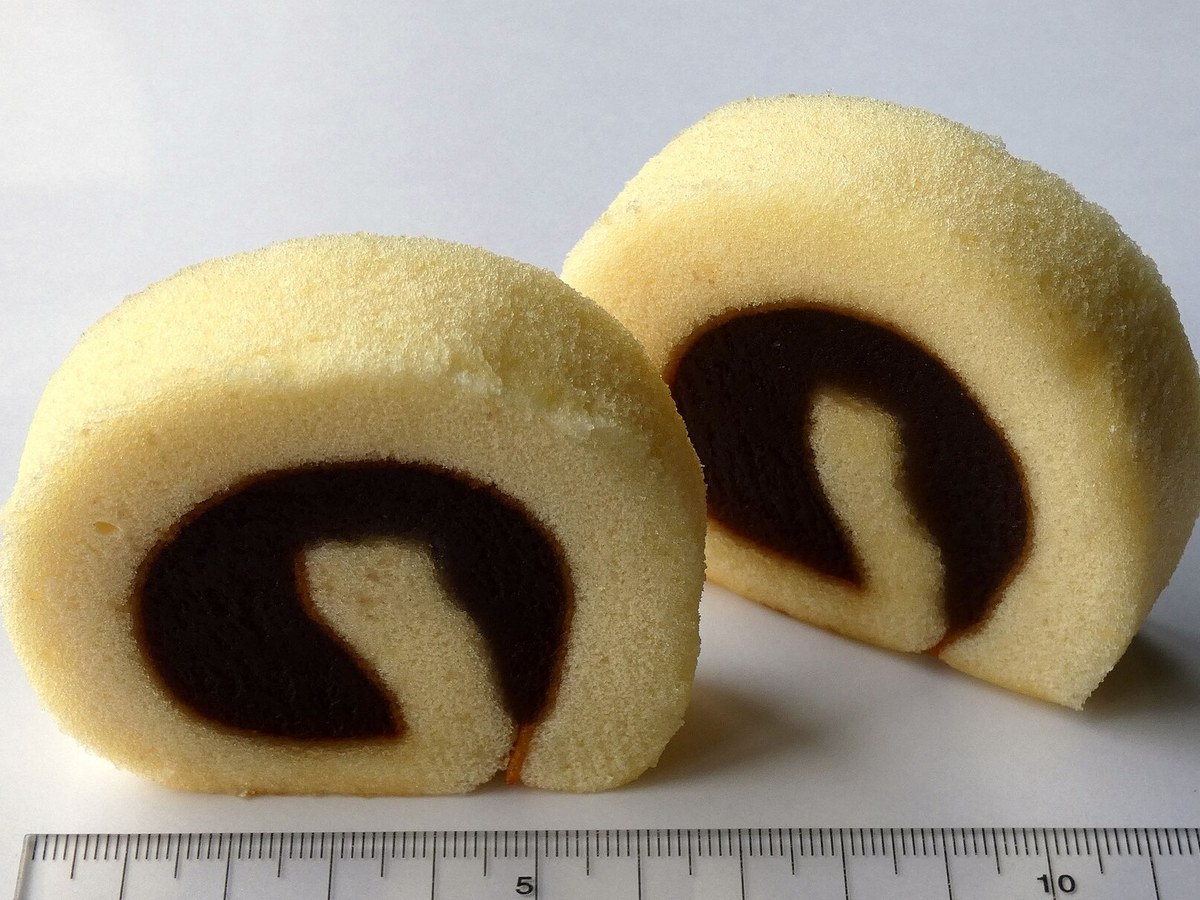
Ichiroku tarte (一六タルト) — the tart that is a roll
Ichiroku tart: yuzu an rolled in castella, cut to a “no”.
Craft
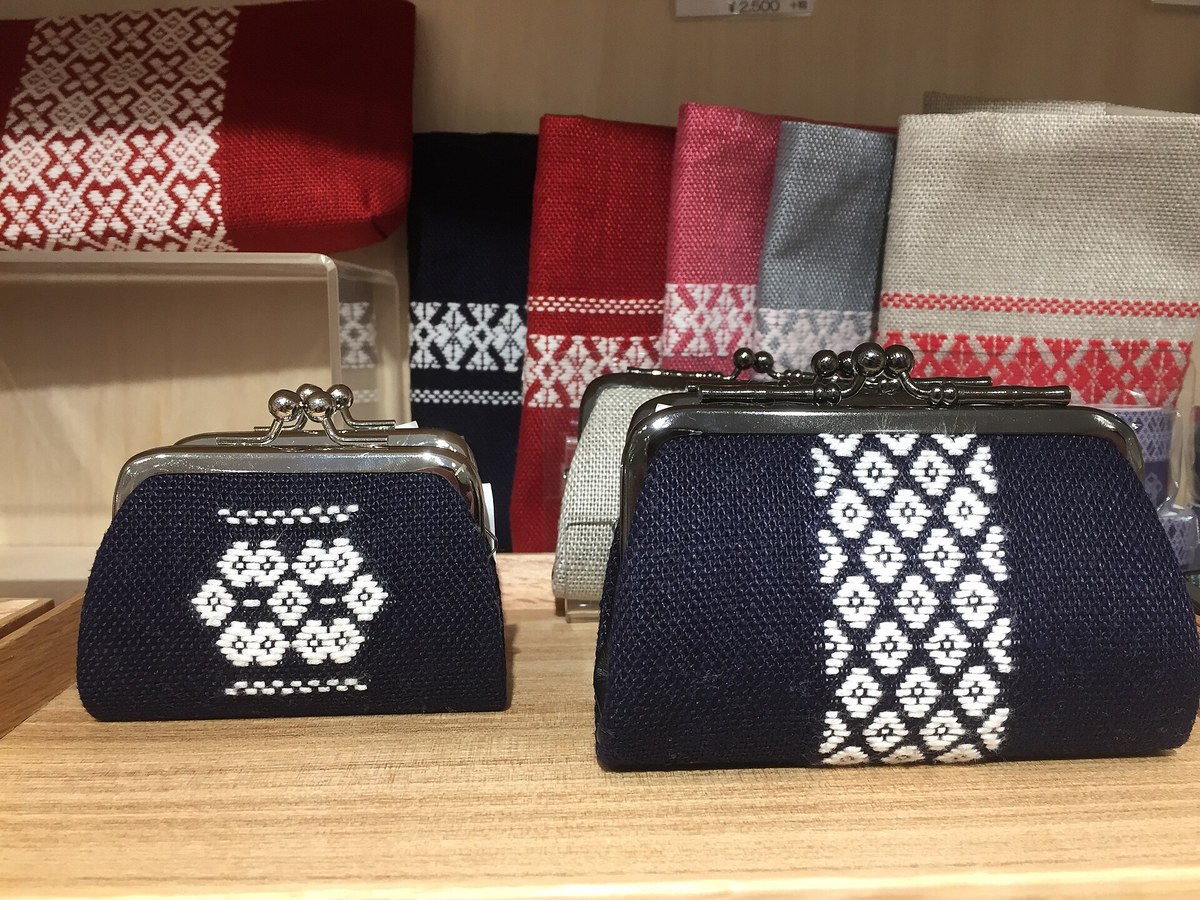
Kogin-zashi (こぎん刺し) — warmth counted in odd numbers
Kogin-zashi: Tsugaru’s odd-count diamond embroidery.
Food
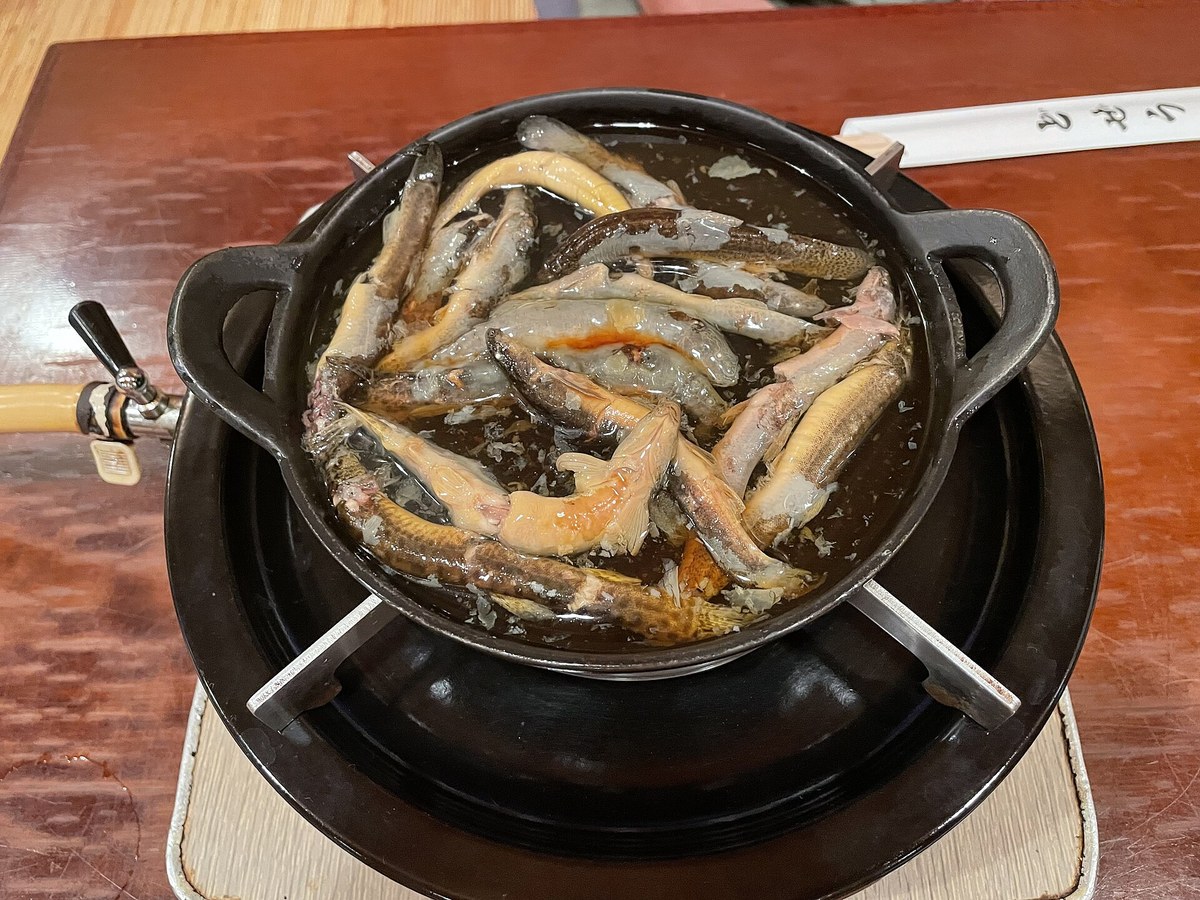
Dozeu nabe (どぜう鍋) — Edo’s loach pot, whole
Dozeu nabe: whole loaches under negi, Asakusa style.
Food
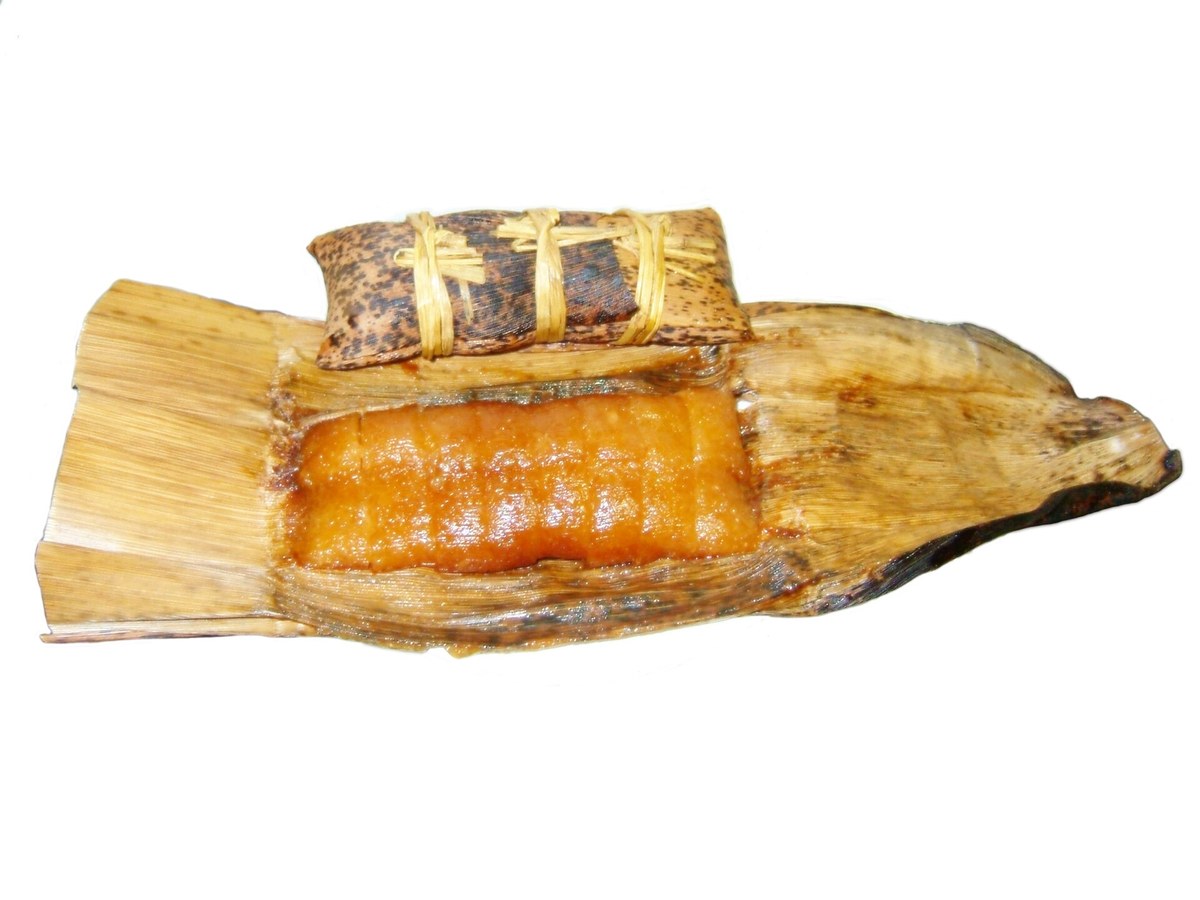
Akumaki (あくまき) — the mochi boiled in ash lye
Akumaki: Kagoshima’s amber lye mochi in bamboo skin.
Food
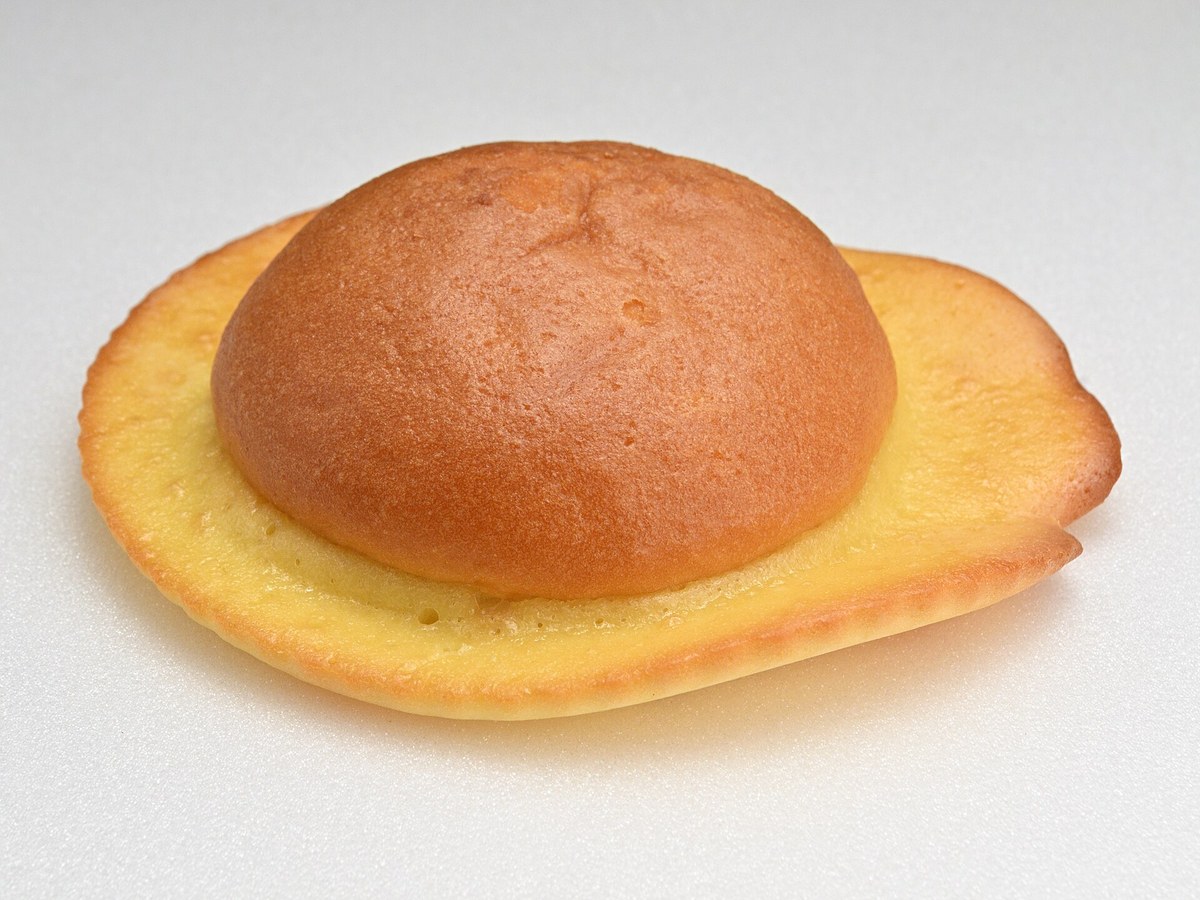
Boshi-pan (ぼうしパン) — the bread wearing a hat
Boshi-pan: Kochi’s castella-capped hat bread.
Food
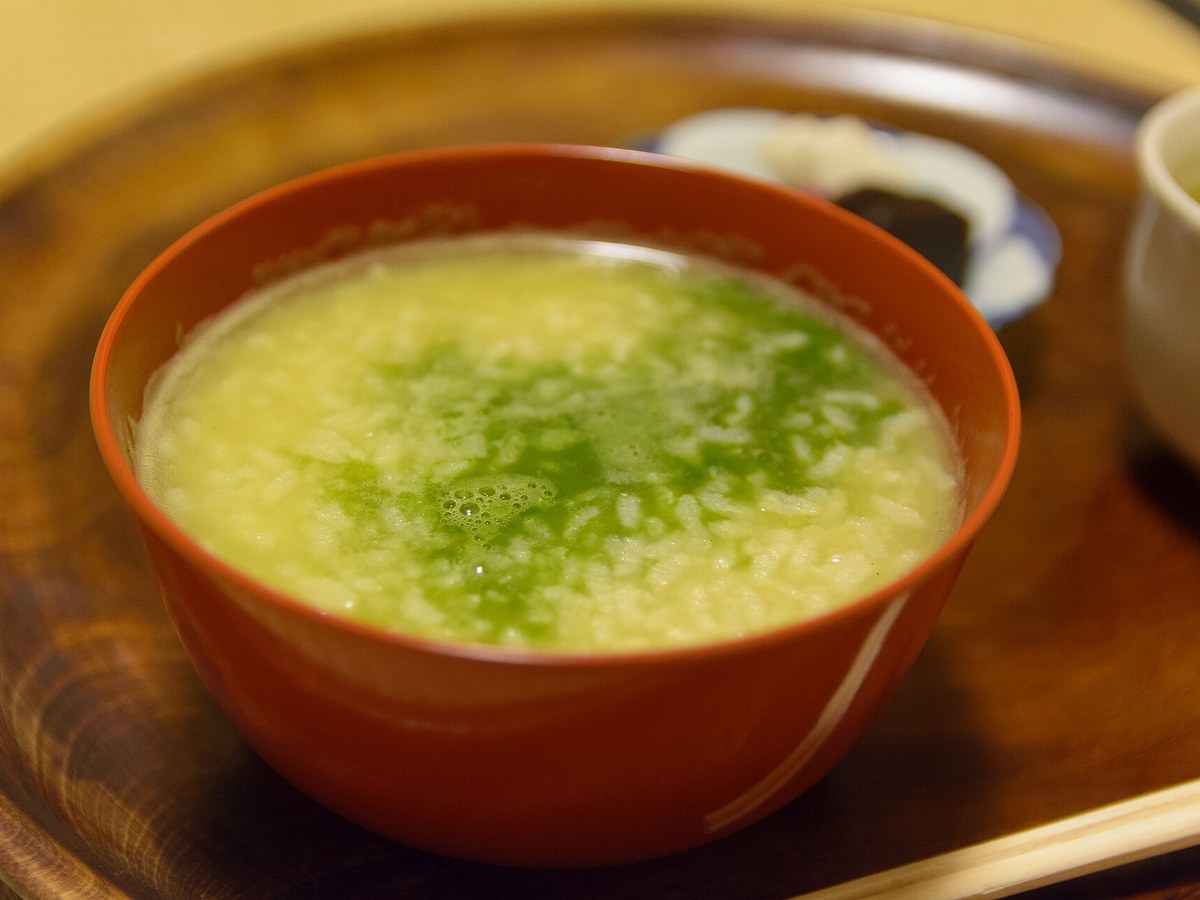
Chagayu (茶粥) — Nara’s tea gruel, okai-san
Chagayu: Nara’s loose tea porridge, okai-san.
Food
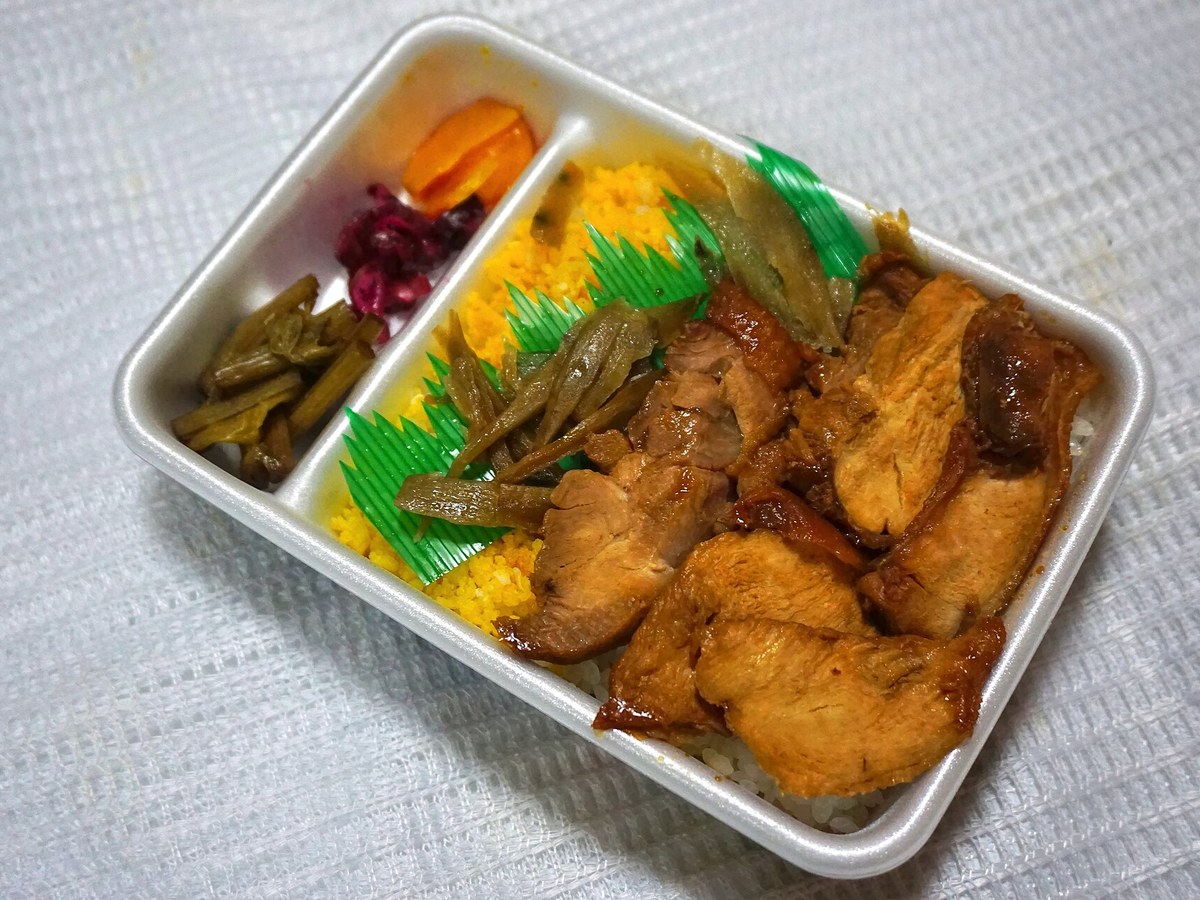
Okukuji shamo bento (奥久慈しゃも弁当) — the GI bird in a box
Okukuji shamo bento: the GI jidori ekiben of Daigo.
Food
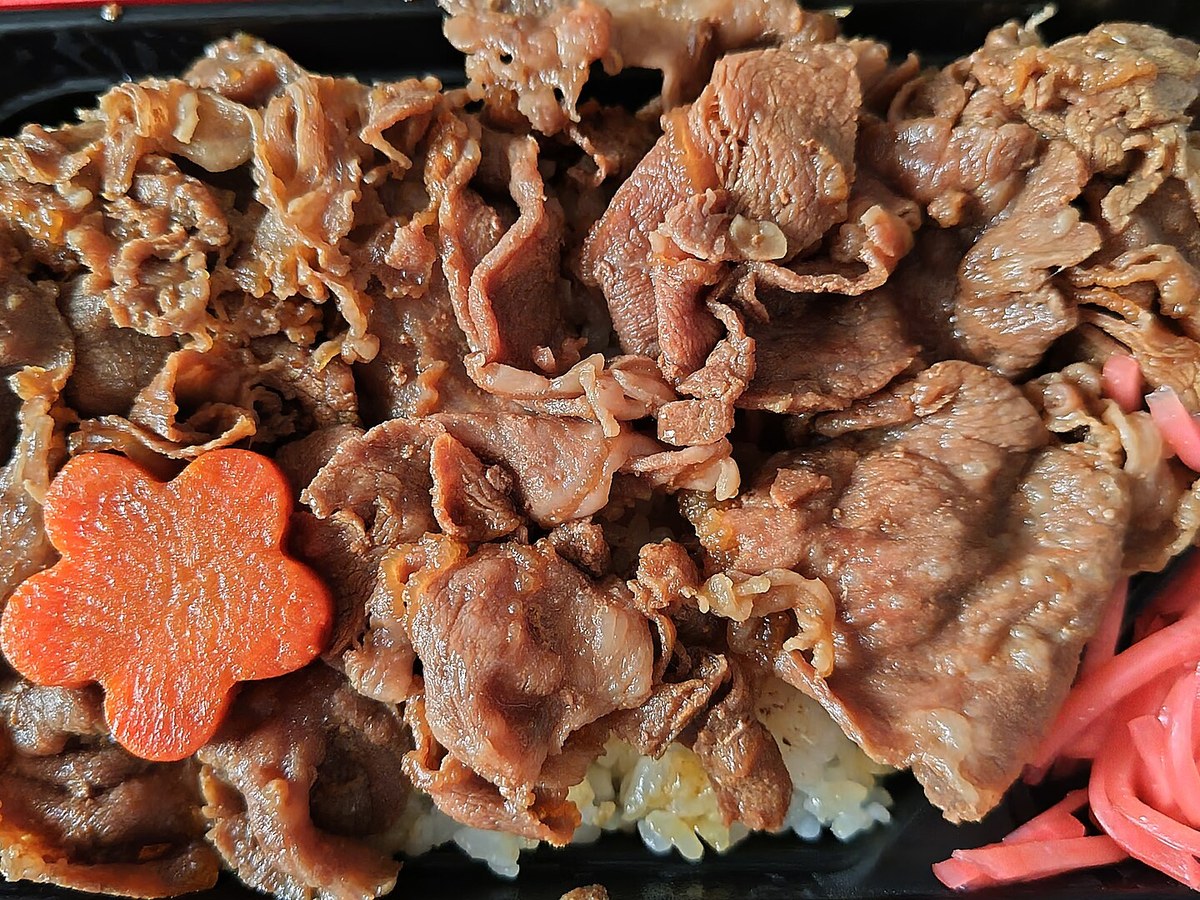
Noto beef (能登牛) — the wagyu that stays home
Noto beef: Ishikawa’s certified, stay-at-home wagyu.
Food
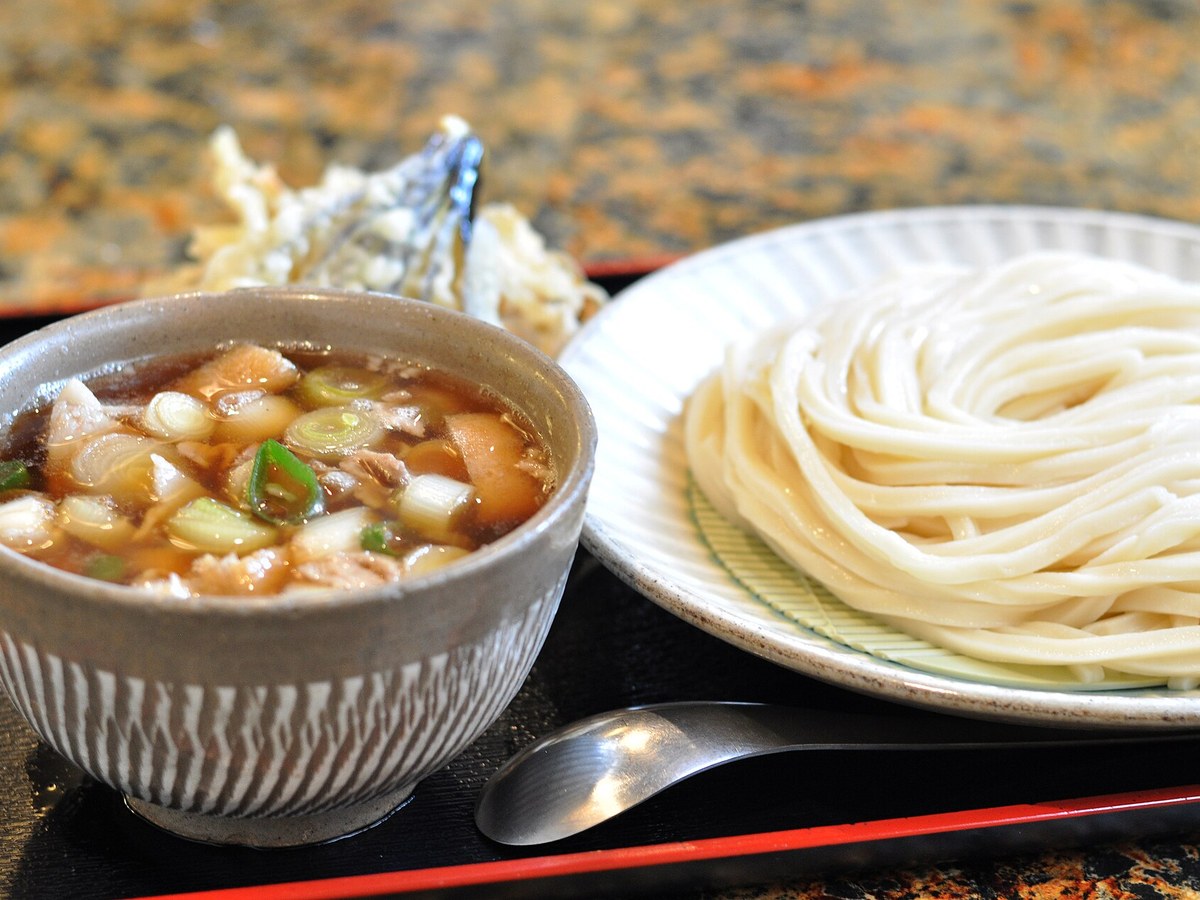
Musashino udon (武蔵野うどん) — the plateau’s muscular noodle
Musashino udon: thick, firm noodles, warm pork dip.
Food
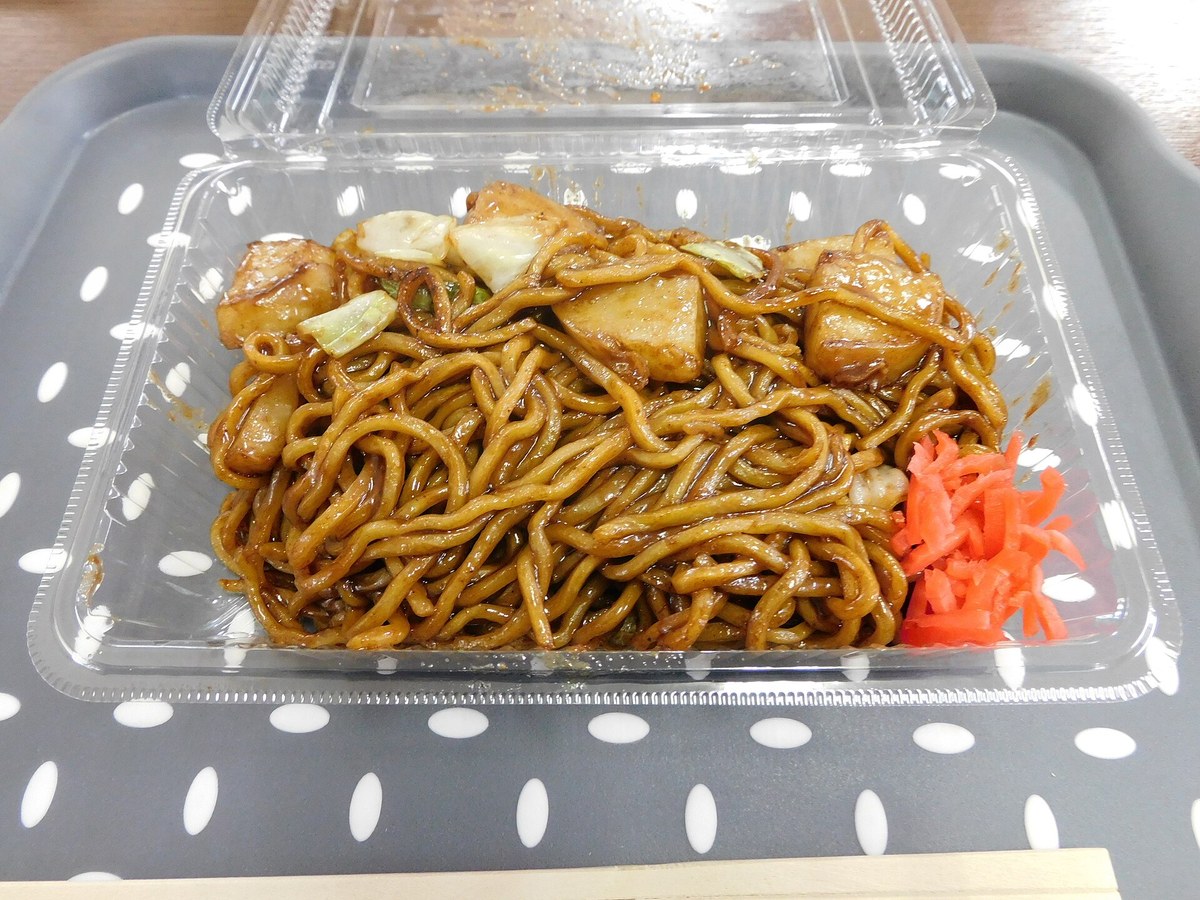
Jagaimo-iri yakisoba (じゃがいも入りやきそば) — the noodle with potato in it
Potato yakisoba: Tochigi’s noodles with potato in them.
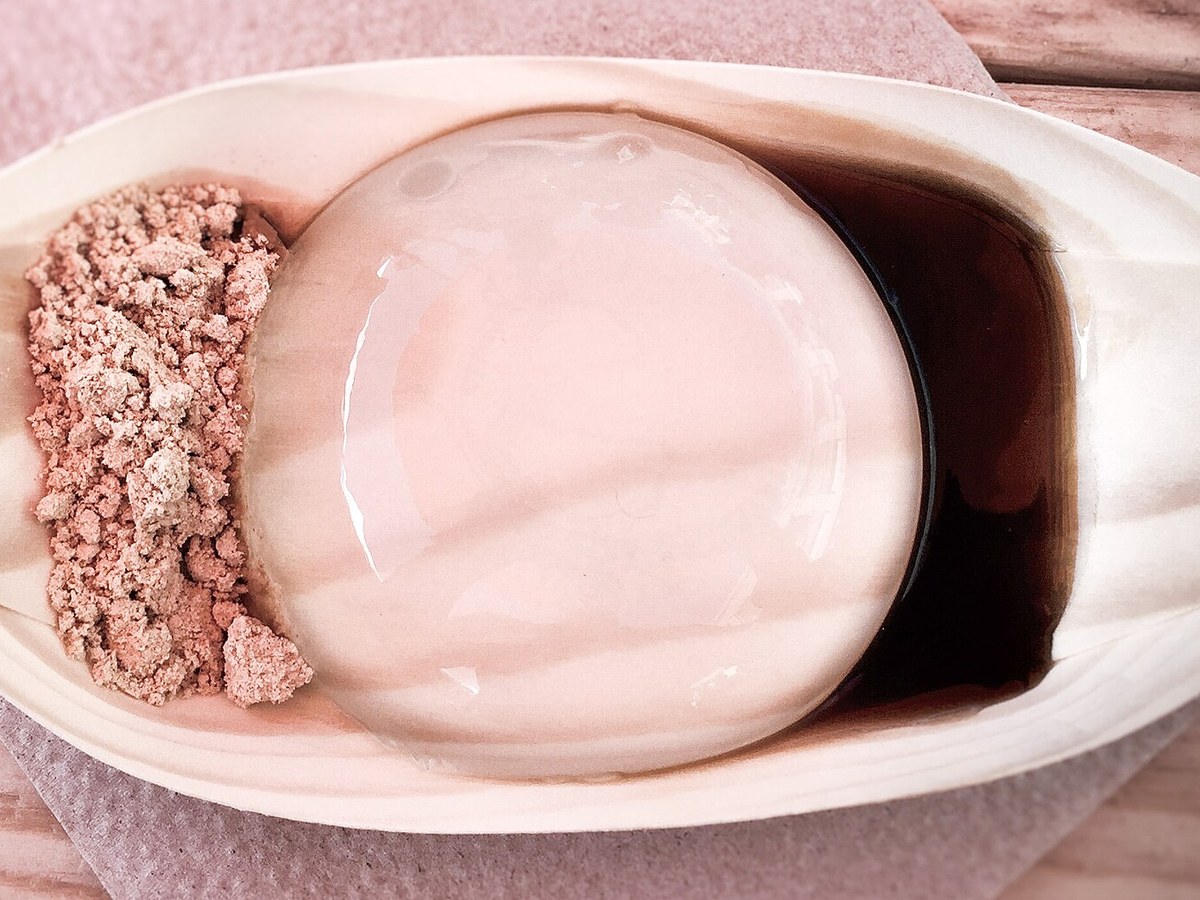
Food
Mizu Shingen Mochi (水信玄餅) — the cake made of water
Mizu Shingen Mochi: the water cake with a 30-minute life.
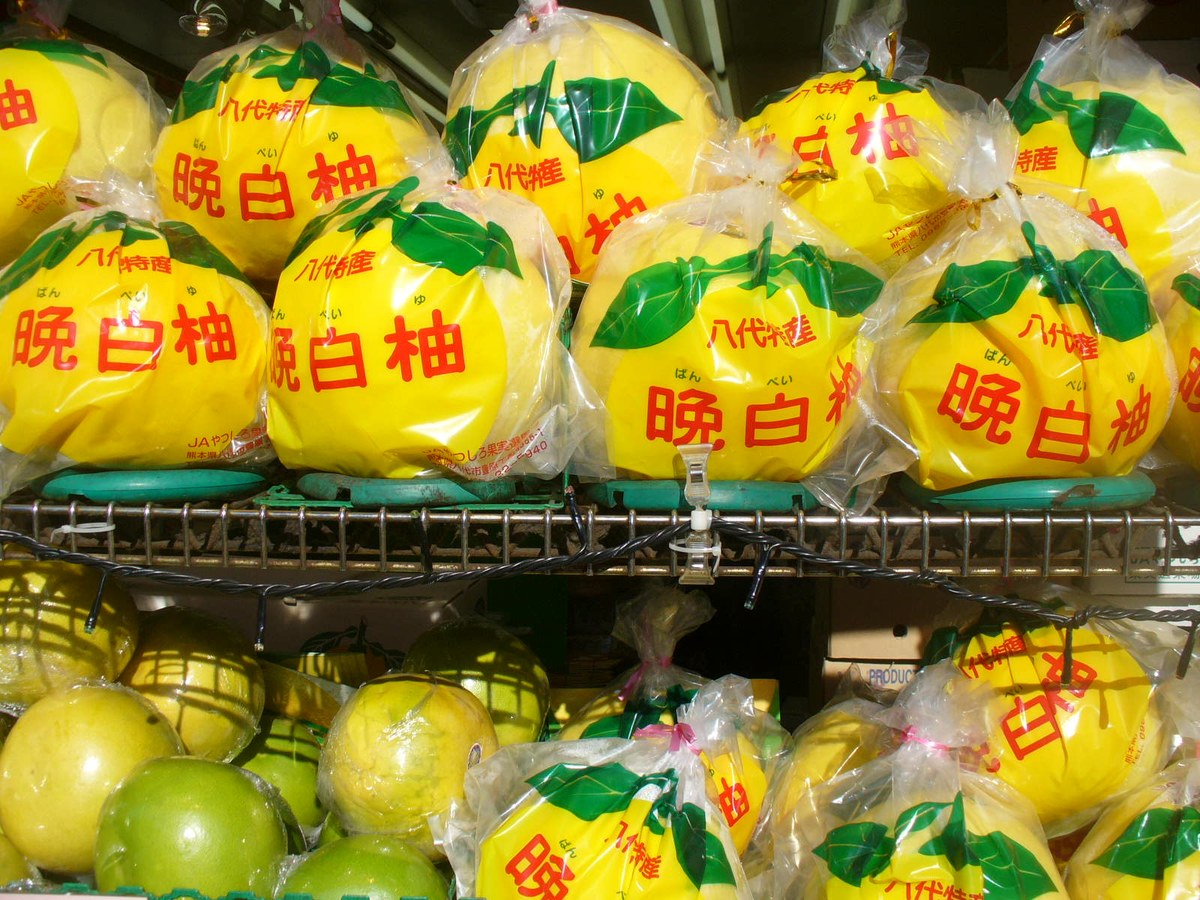
Food
Banpeiyu (晩白柚) — the heaviest pomelo on Earth
Banpeiyu: Yatsushiro’s two-kilogram pomelo.
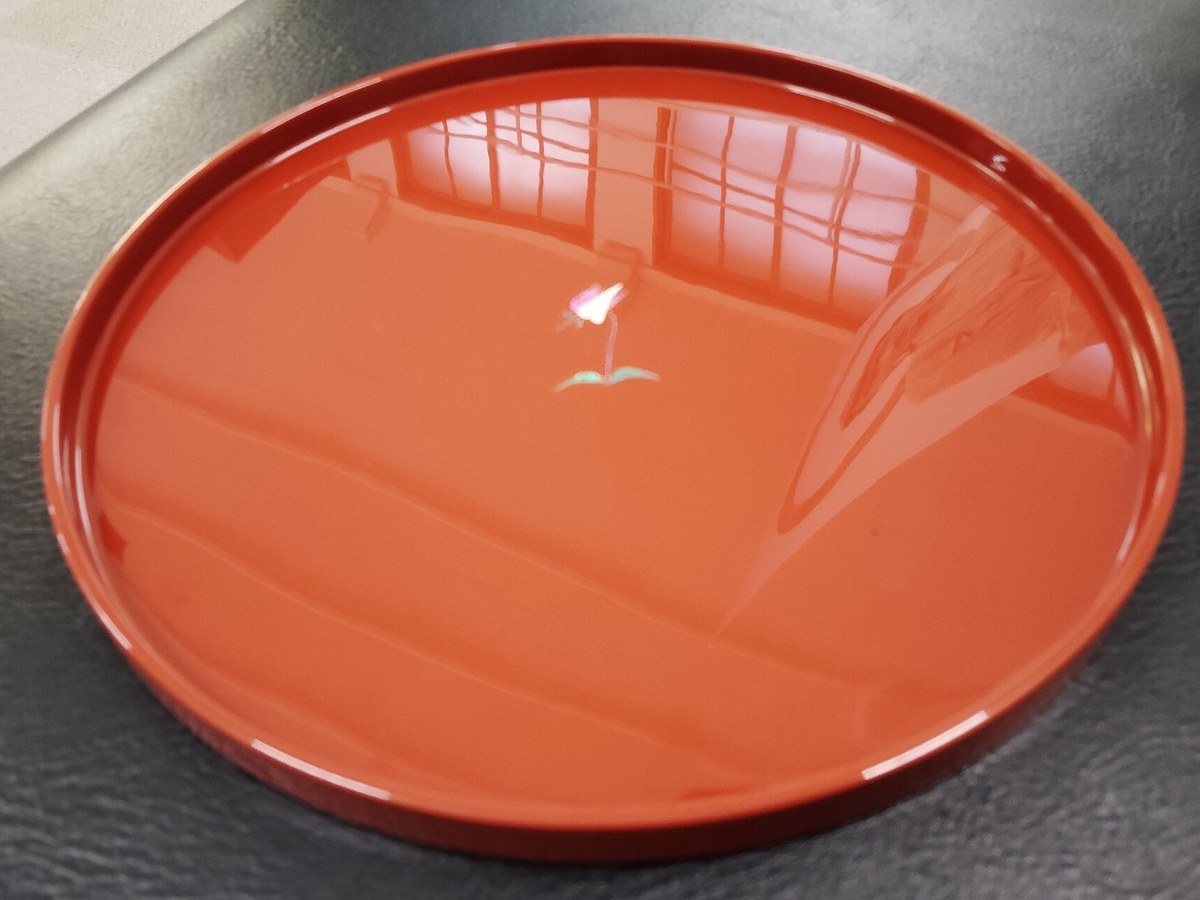
Craft
Takaoka lacquerware (高岡漆器) — lacquer carved like sculpture
Takaoka lacquerware: carved, inlaid castle-town urushi.
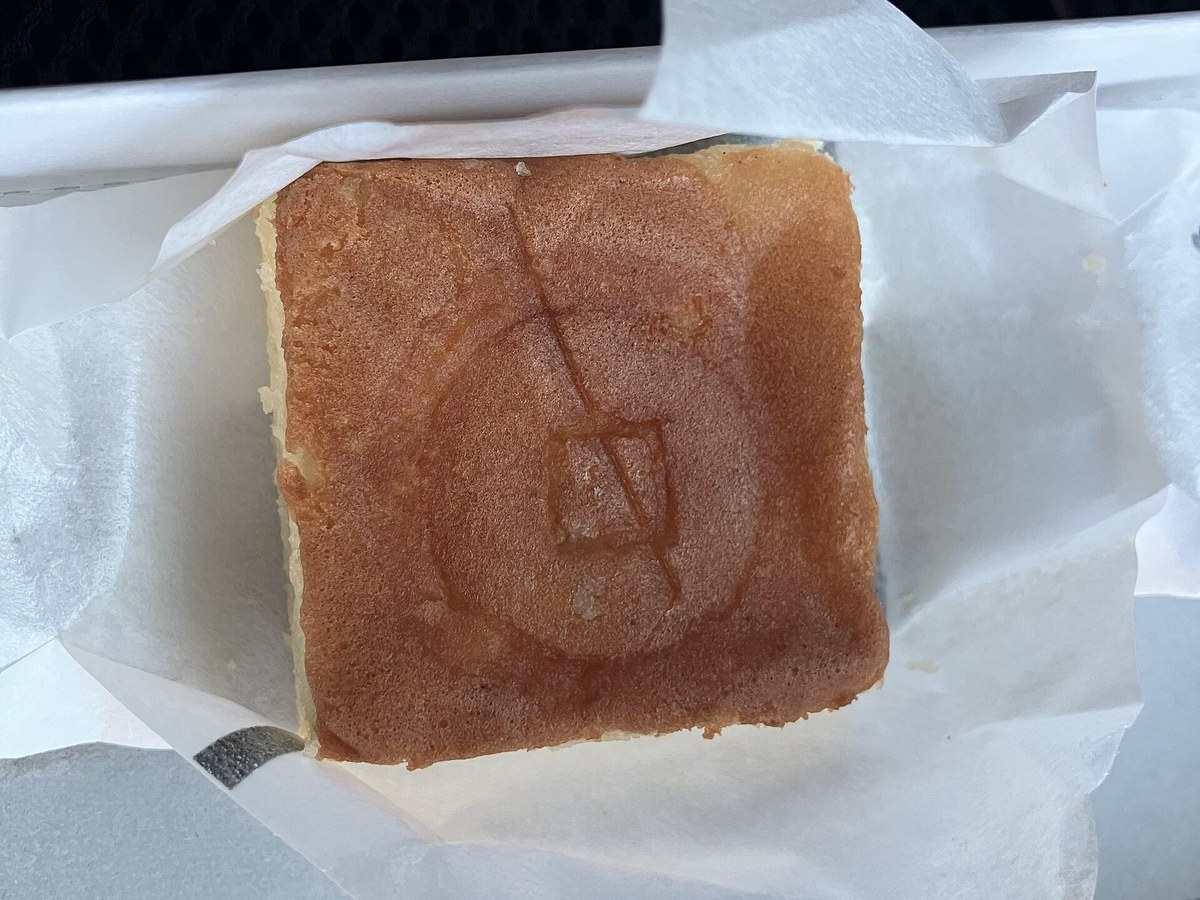
Food
Meika Kannonji (銘菓観音寺) — the manju branded with a coin
Kannonji: the coin-branded manju of Kannonji City.
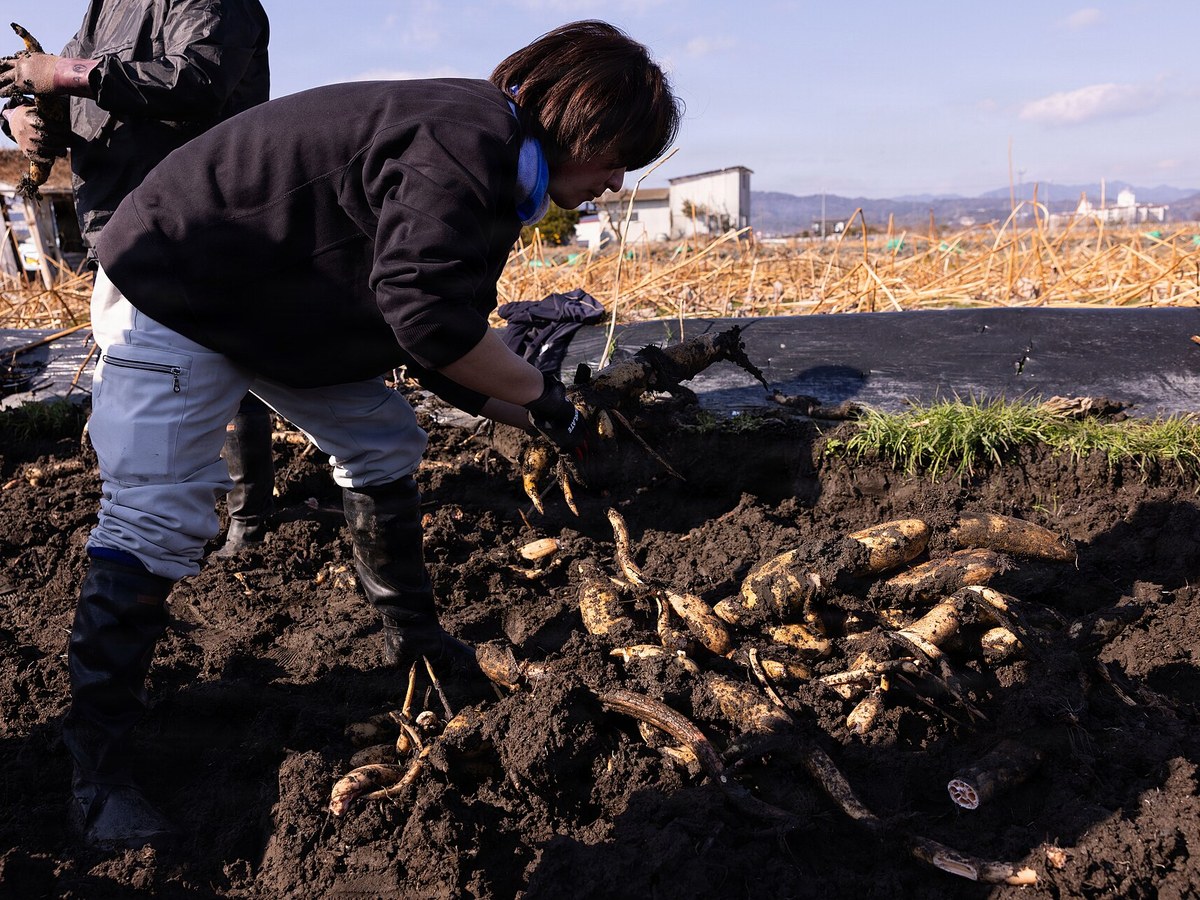
Food
Iwakuni renkon (岩国れんこん) — the lotus root with nine holes
Iwakuni renkon: the nine-holed lotus root of the Nishiki mouth.
No articles match this selection. Some subjects have no verified entries yet.
Practical details are part of each story: price, size, where to buy and official online sales are listed only where the maker or venue publishes them, with the date checked. Availability is not monitored in real time.
Each product needs a product-specific primary reference for its stated limited edition or distribution. Made in Japan alone is not enough. Regional or venue editions are identified precisely; no claim is made that resale or overseas import never occurs.
Original introductions with dated sources. No maker photographs, posters, films or full stories are reproduced; the photographs on article pages are credited Creative Commons works by independent photographers. Advertising and analytics are off.
A small collection grows only when the evidence and rights checks are complete.