Hub · Kanto

Kanto — Japan-Only & Regional Limited Editions in Kanto

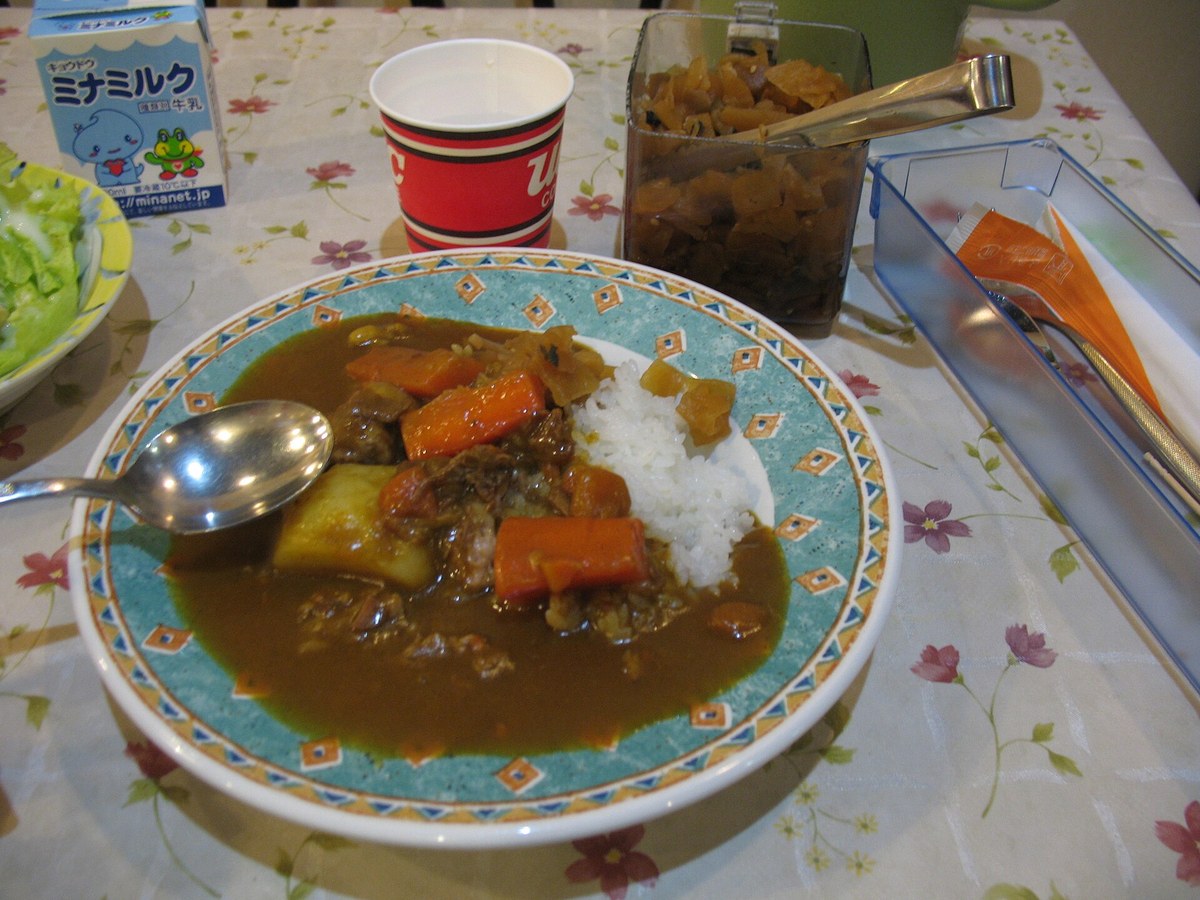
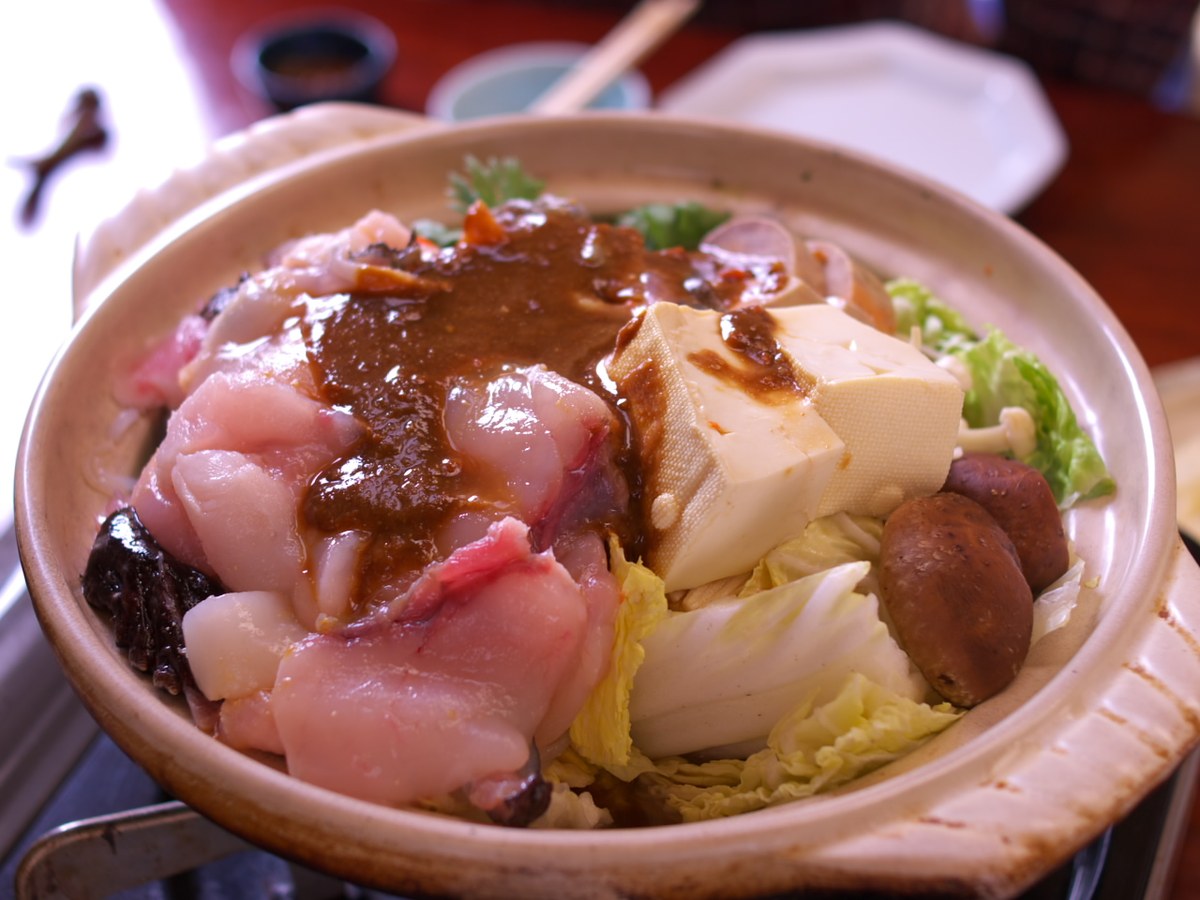
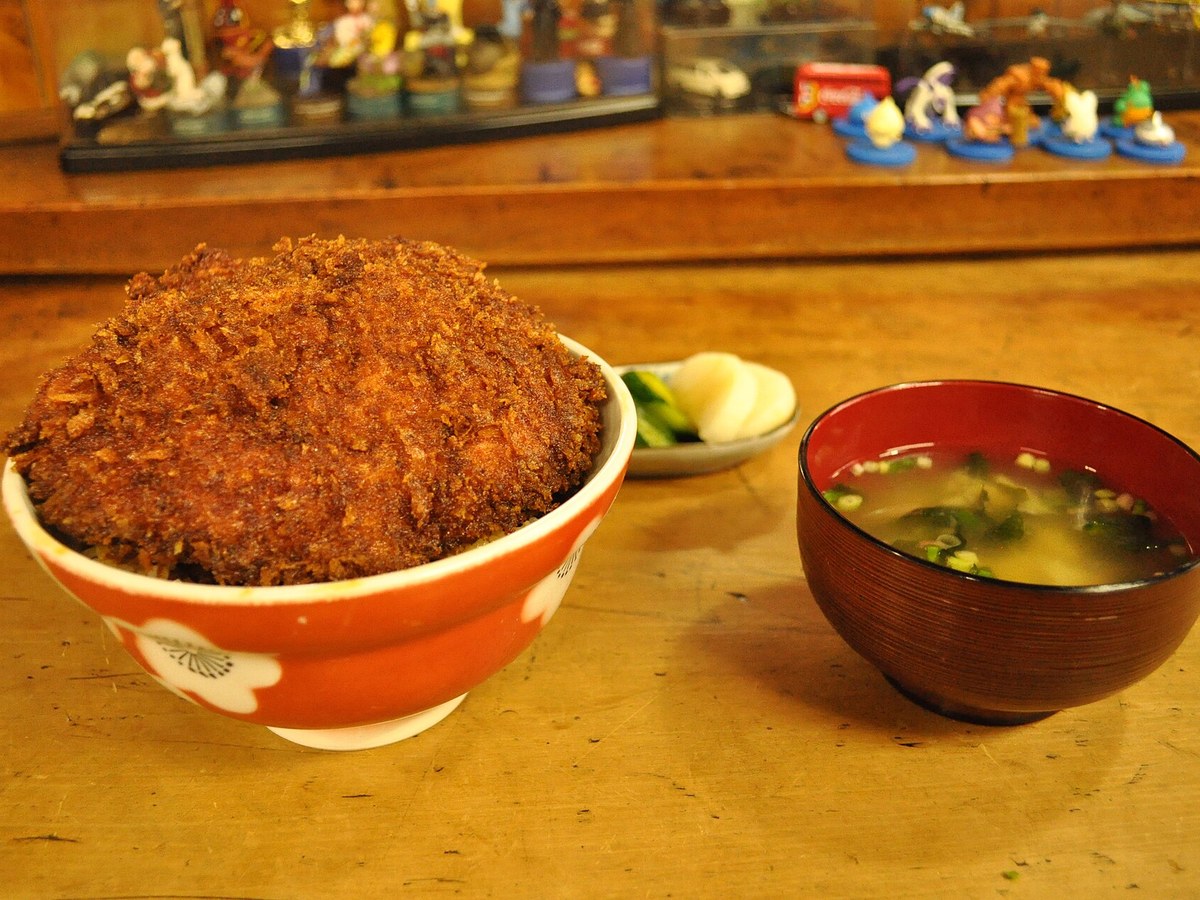
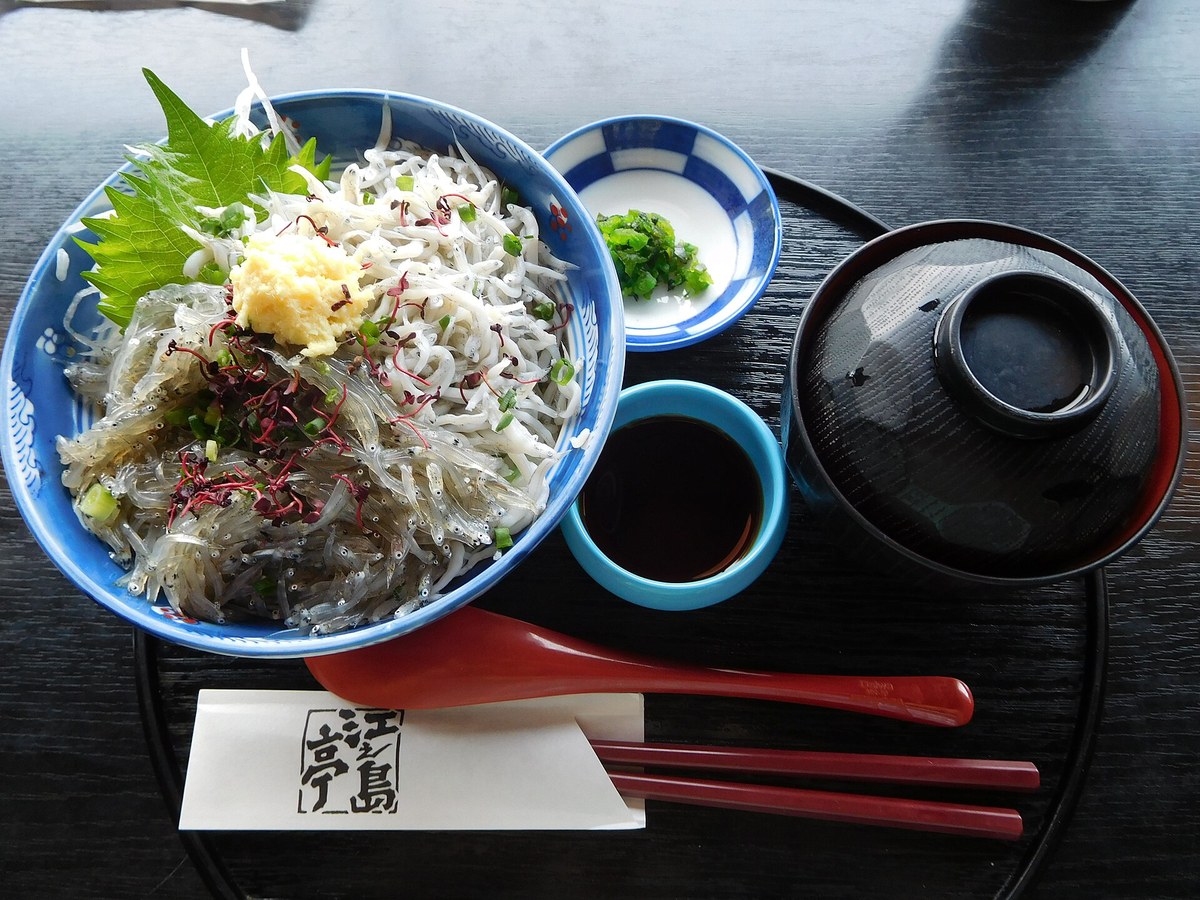
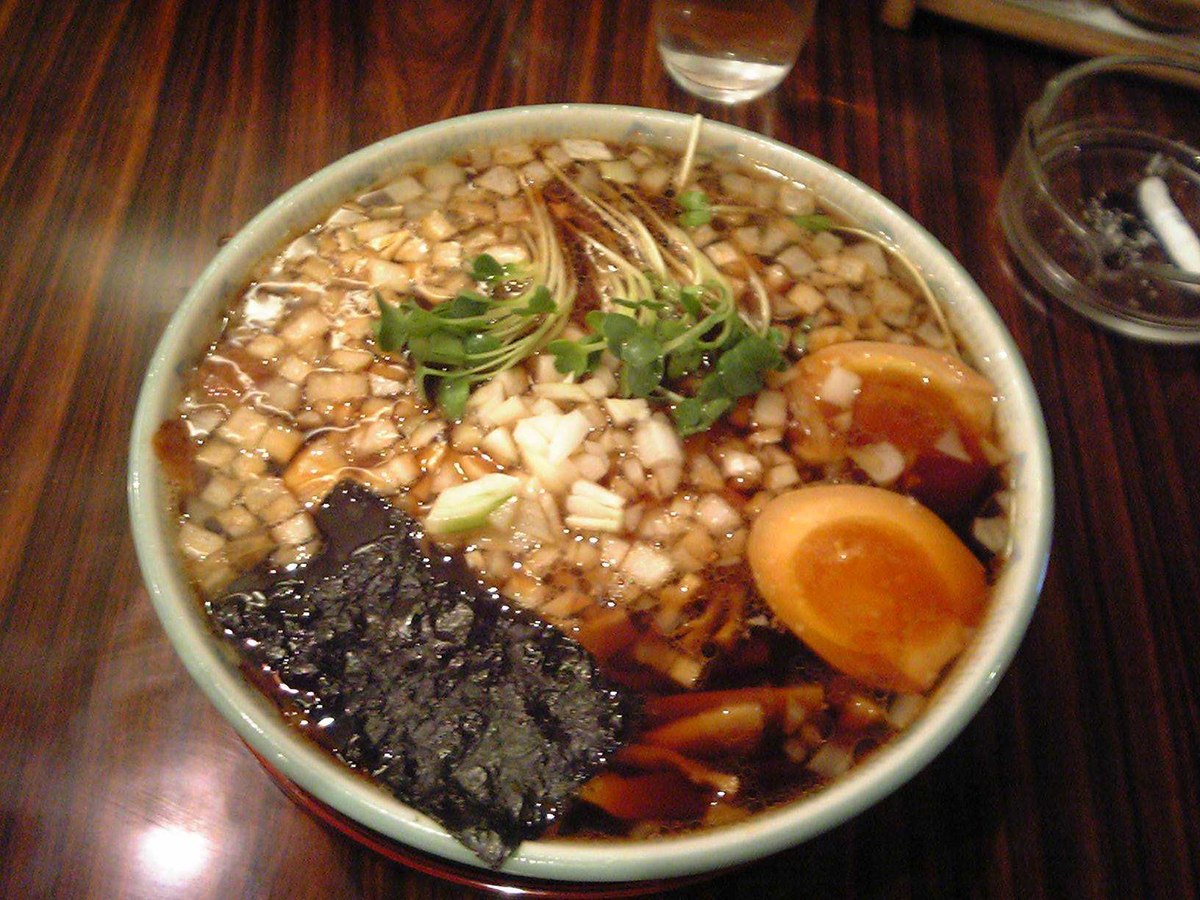
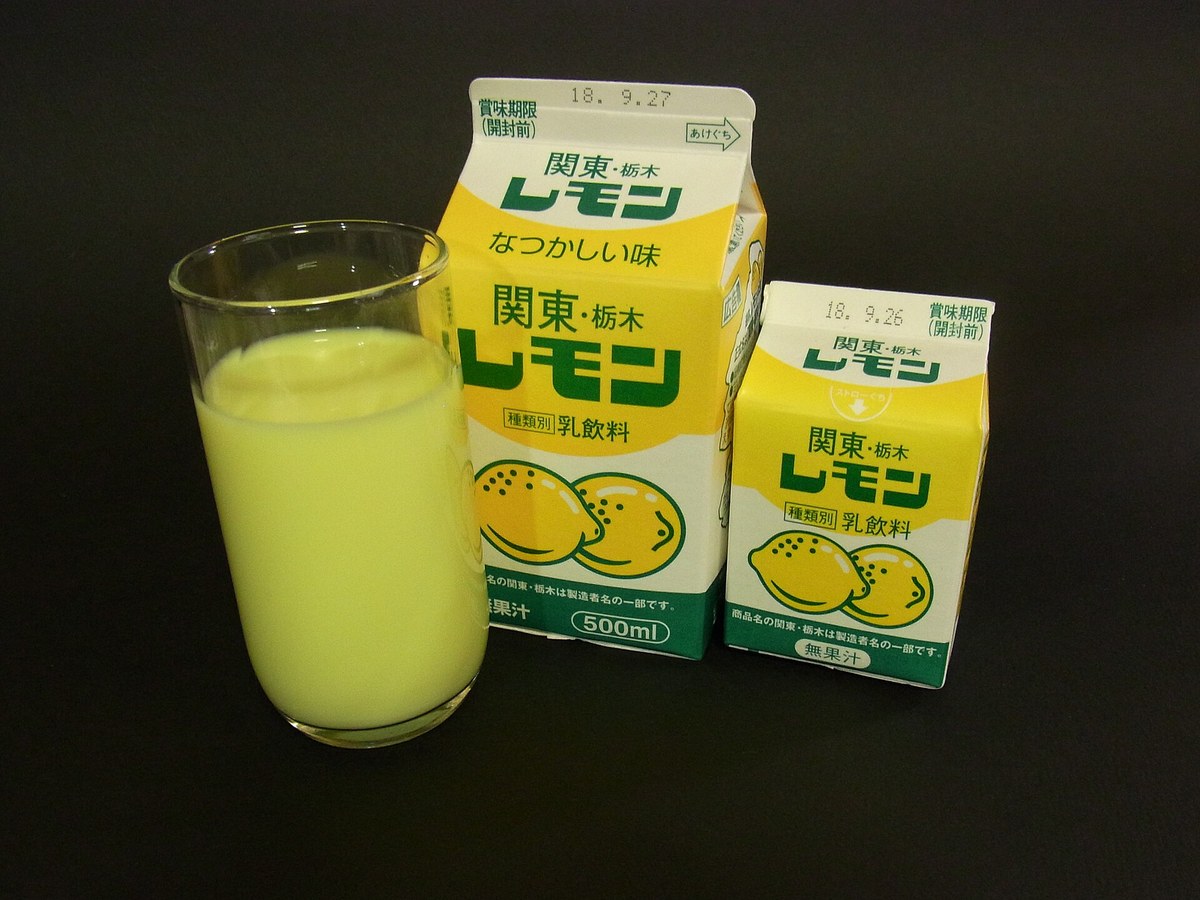
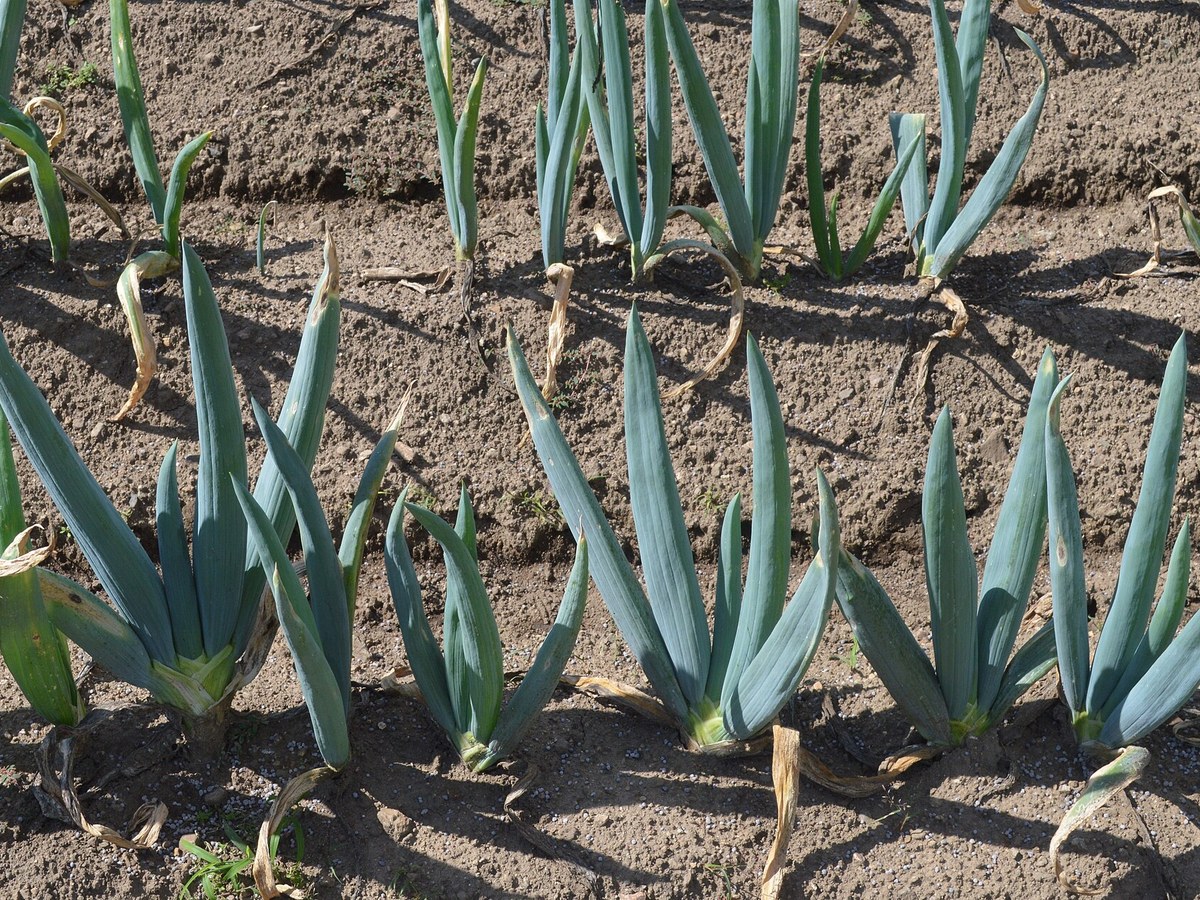
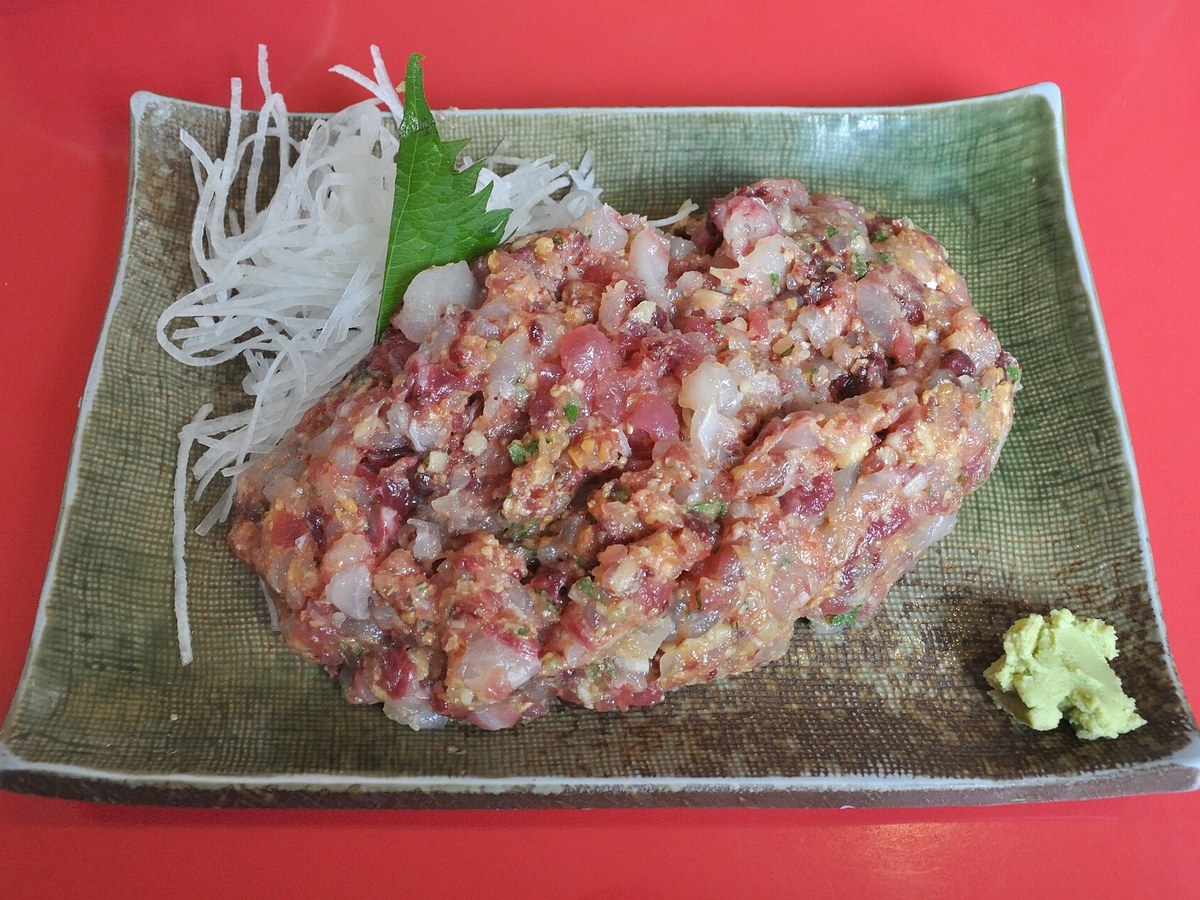
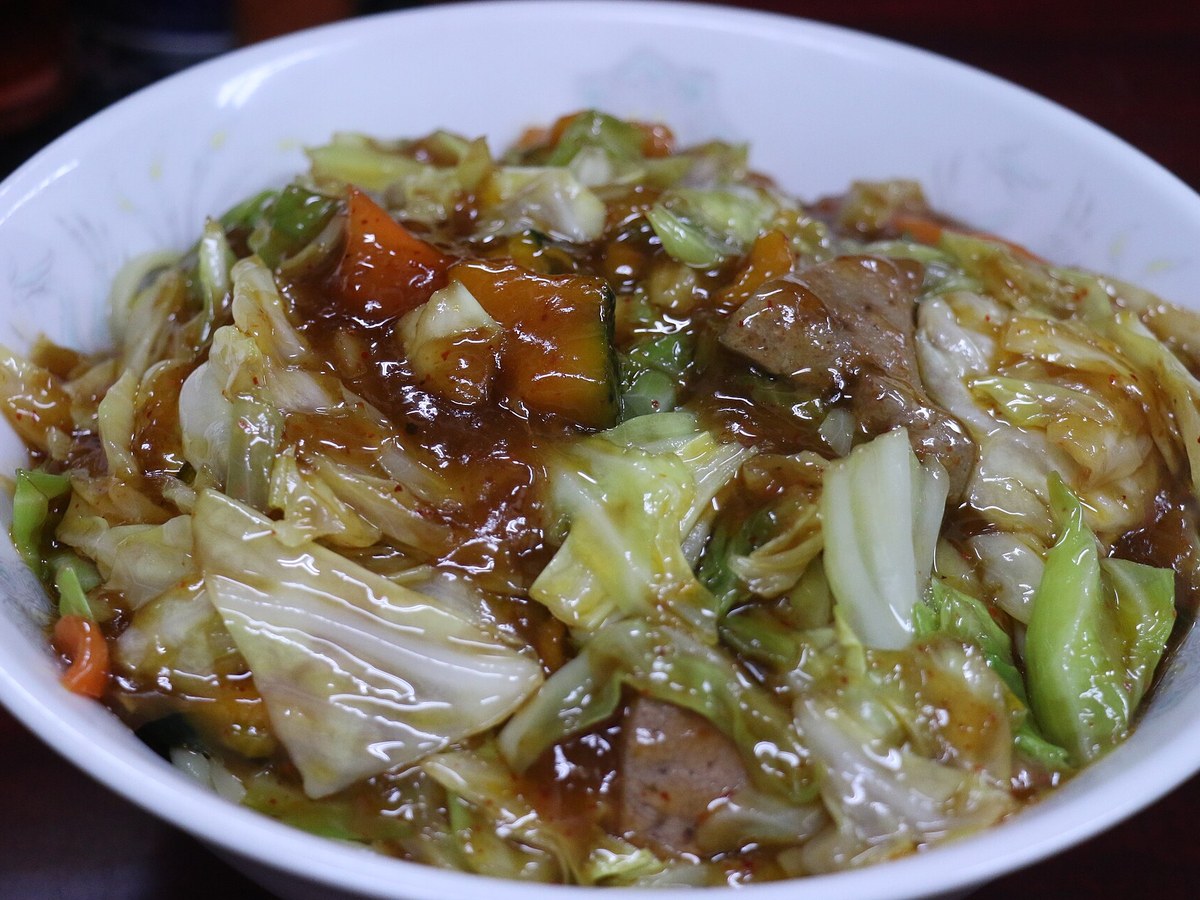
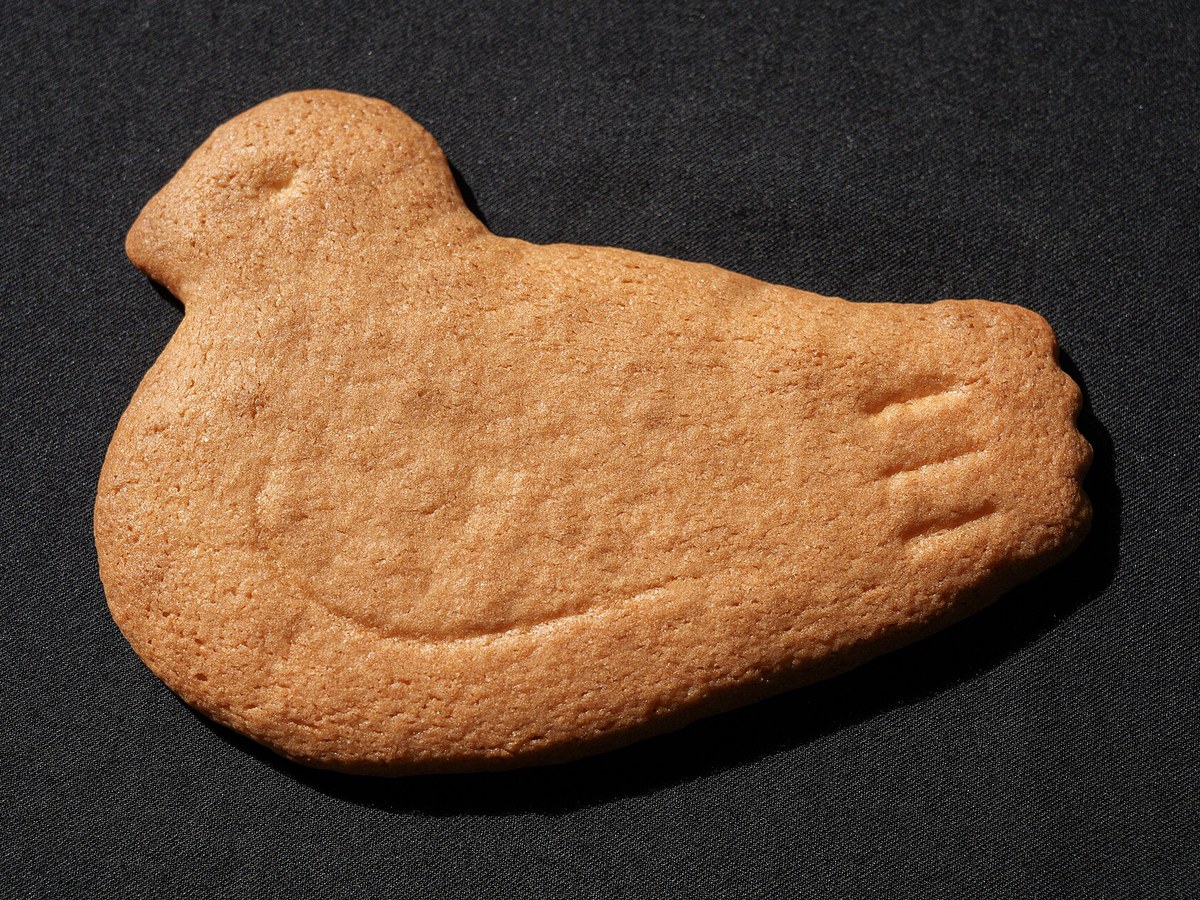
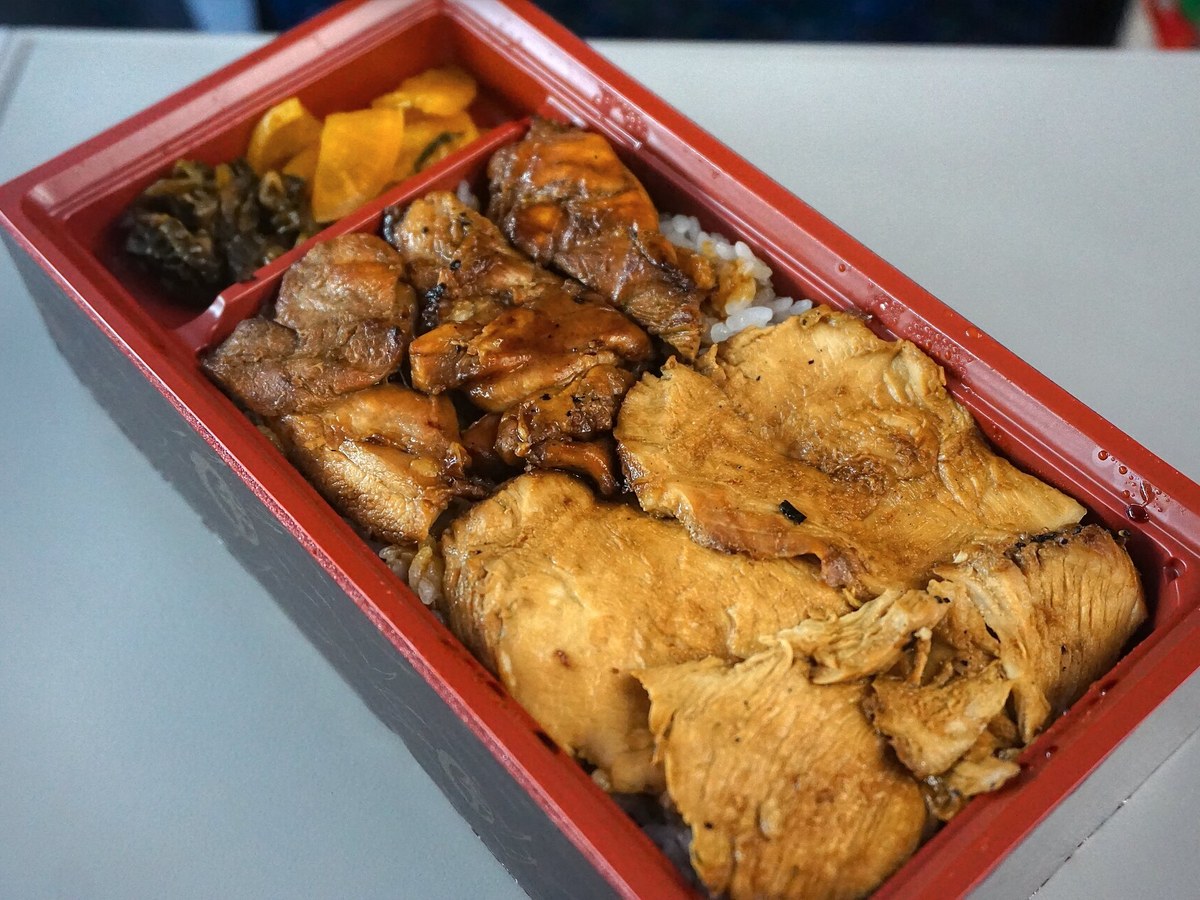
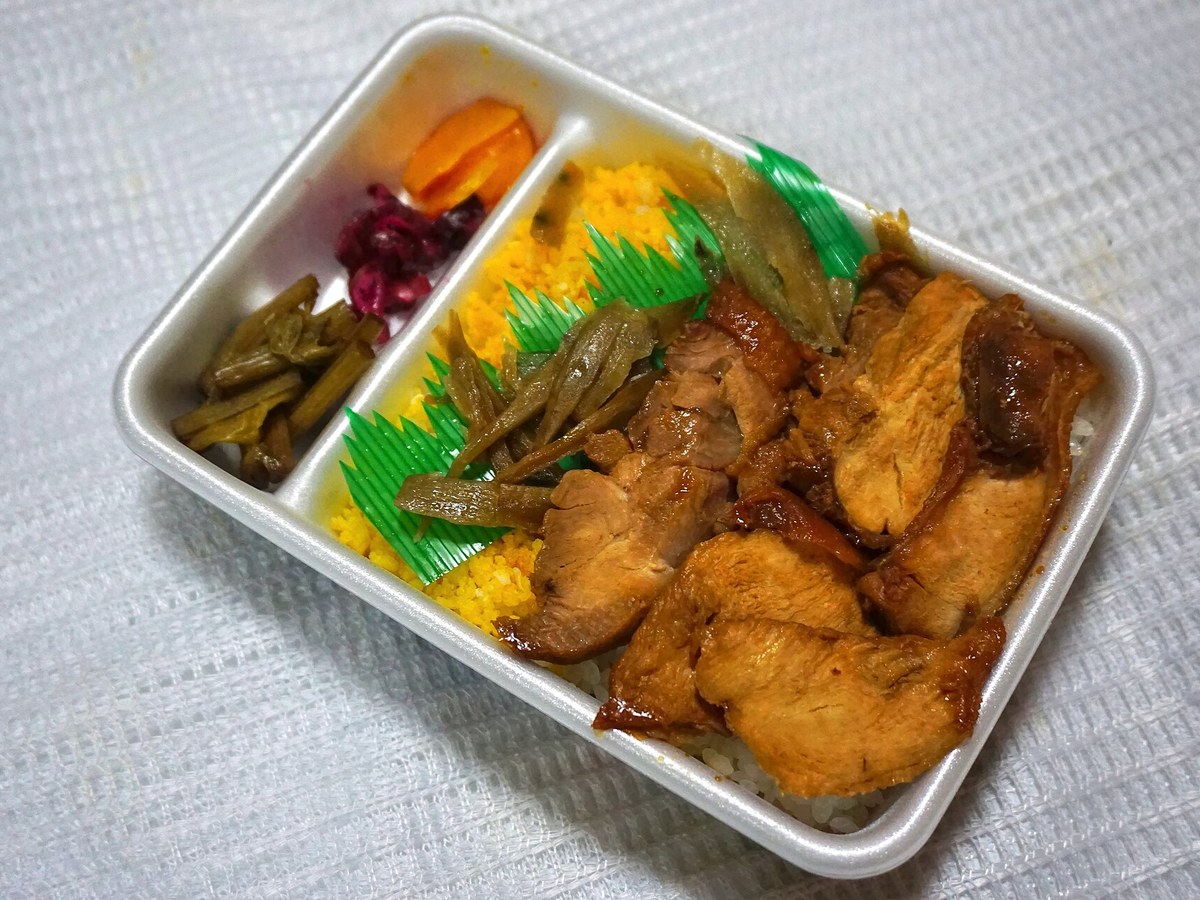
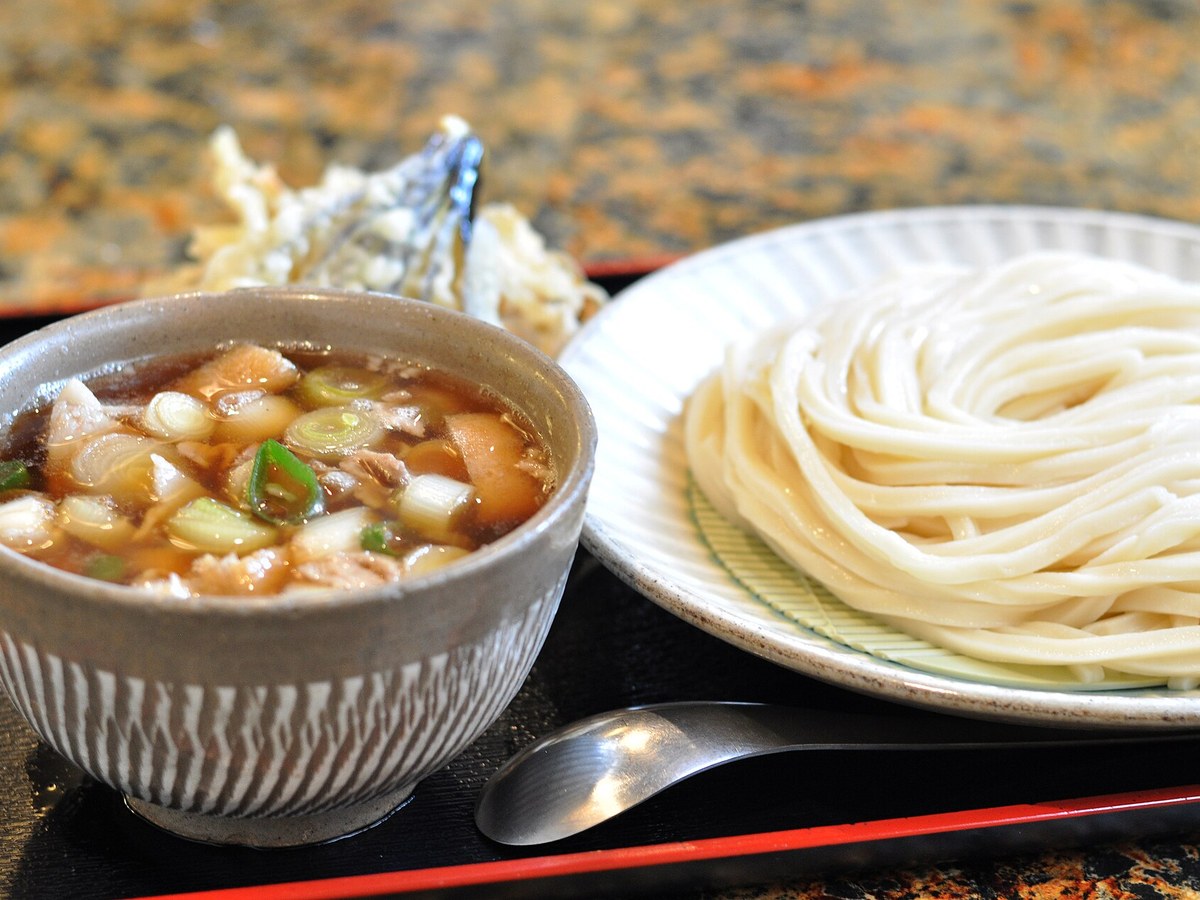
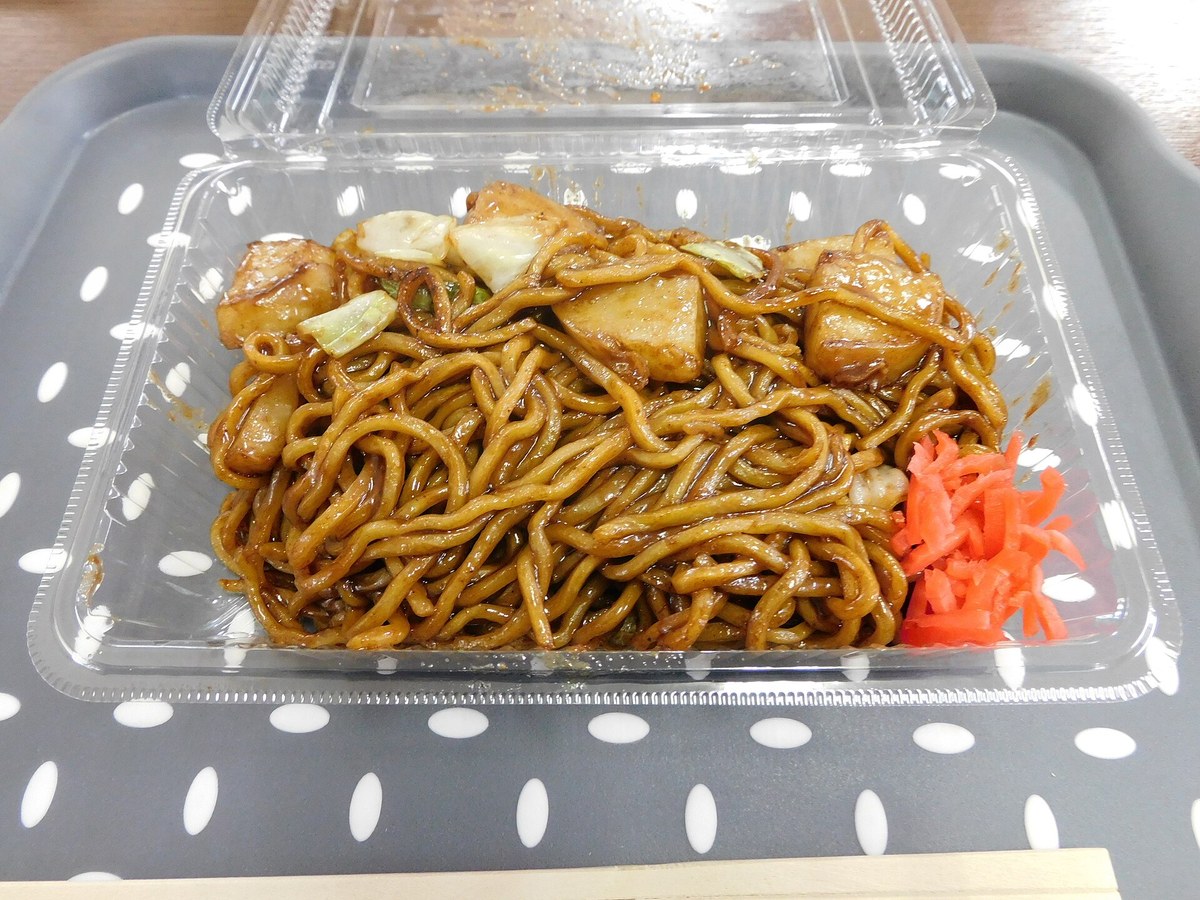
47 Kanto edition stories beyond Tokyo — Kiyoken shiumai, himokawa, Sano ramen, kanpyo, Odawara kamaboko, Tochiotome, Katsuura tantanmen, navy curry, anko nabe, waraji katsudon, Enoshima’s shirasu-don, the raw whitebait bowl that exists only inside its legal season, and Takeoka ramen, the black soup made of nothing but chashu tare and noodle water, and Kanto-Tochigi lemon milk, the lemon drink with no lemon juice in it, and Gyoda's zeri fry, the money-shaped okara patty, and Shimonita negi, Gunma's lord's onion, fierce raw and sweet cooked, and Namerou, the Boso fishermen's mince of raw fish and miso, chopped on the board and eaten at once, and Mito stamina ramen, Ibaraki’s ankake soul bowl in its hot and hiyashi forms, and Hato Sablé, Kamakura’s pigeon biscuit sold in no shop outside Kanagawa and Tokyo, and Torihei torimeshi, Maebashi’s four-million-a-year chicken bento, and the Okukuji shamo bento, the GI jidori ekiben of Hitachi-Daigo, and Musashino udon, the plateau’s thick trodden noodle served with a warm pork dip, and Potato yakisoba, the noodle Tochigi City stirs its potato through — with prices.
47 of the collection's 369 stories belong to this hub. Open any card for the full story: price, where to buy, official online sales and the dated sources behind the edition claim.

How the place hubs work: the nine place hubs divide the collection without overlap — every place-based story sits in exactly one of them. Tokyo and Kyoto keep shelves of their own inside the wider Kanto and Kansai regions, so their stories are not repeated in those hubs. One stationery story, partner-shop stamp refills, is venue-based rather than place-based, so it appears in the Stationery and Venue goods hubs only.

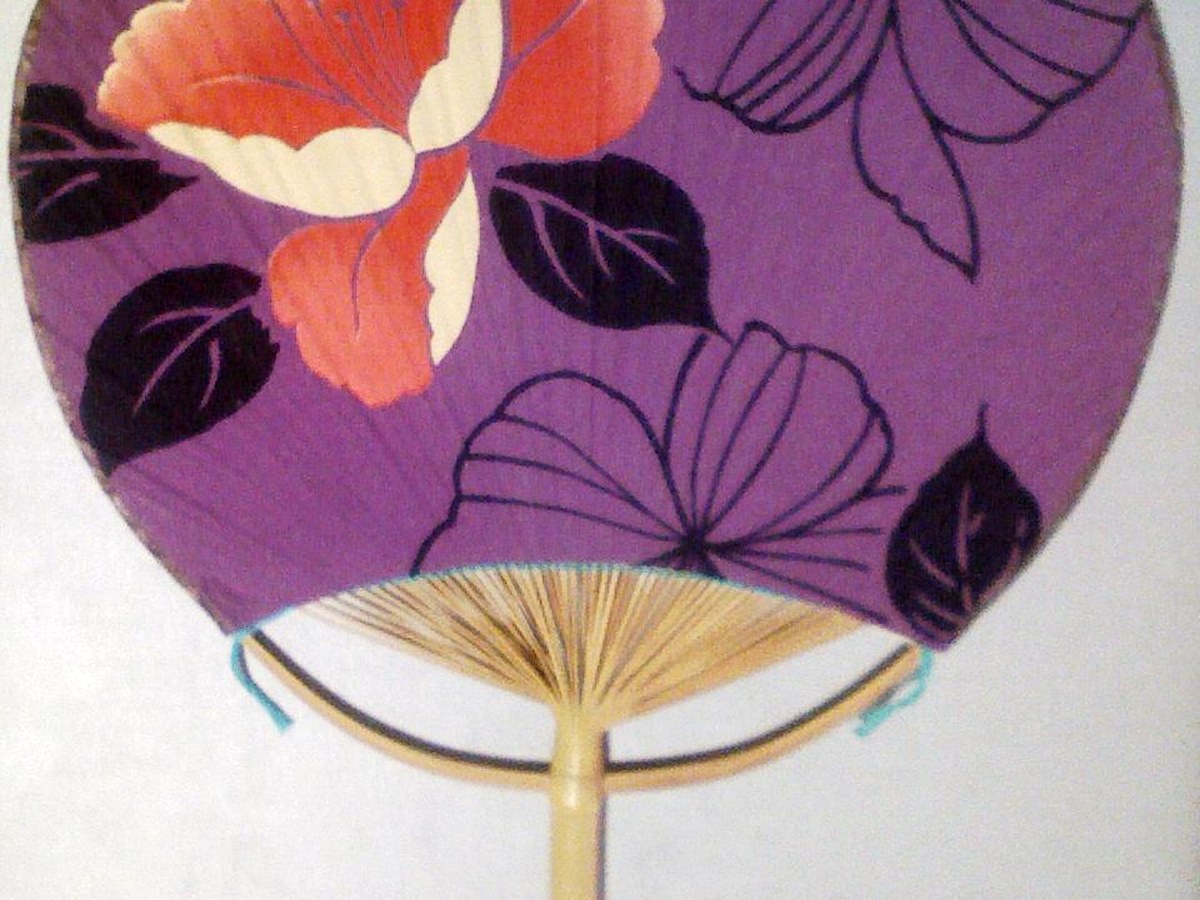
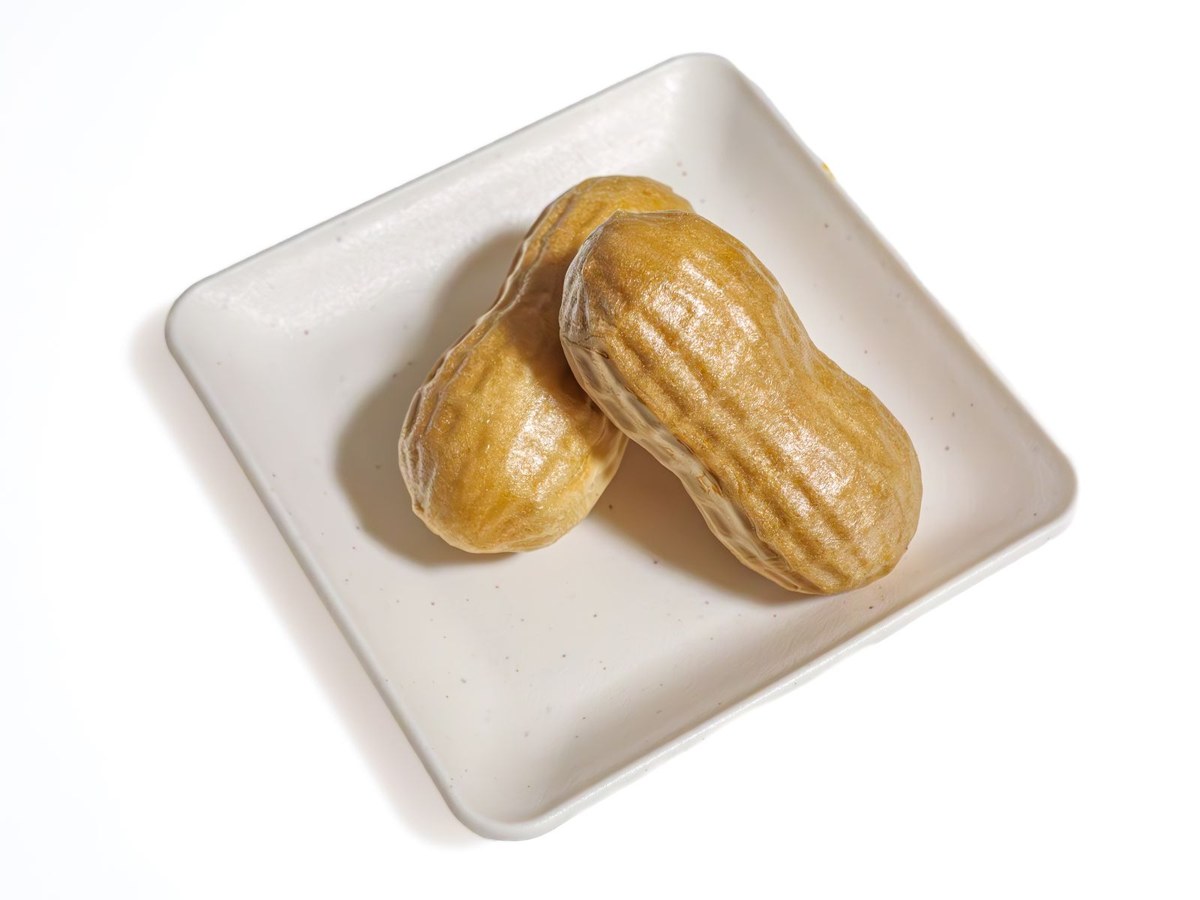
A Boshu uchiwa fan

Craft

Boshu Uchiwa — Chiba's Bamboo Fans Split from a Single Stalk: Prices, the Round Handle & Where to Buy

Chiba's second story is a fan with no join in it: a Boshu uchiwa, whose handle and 48 to 64 ribs are split from one stalk of local medake bamboo. One of Japan's three great uchiwa and the first Chiba craft ever designated a national Traditional Craft, it is still made by hand in Tateyama and Minamiboso — a large fan costs ¥3,600 at the maker the official council links to.

Craft · Tateyama & Minamiboso, Chiba

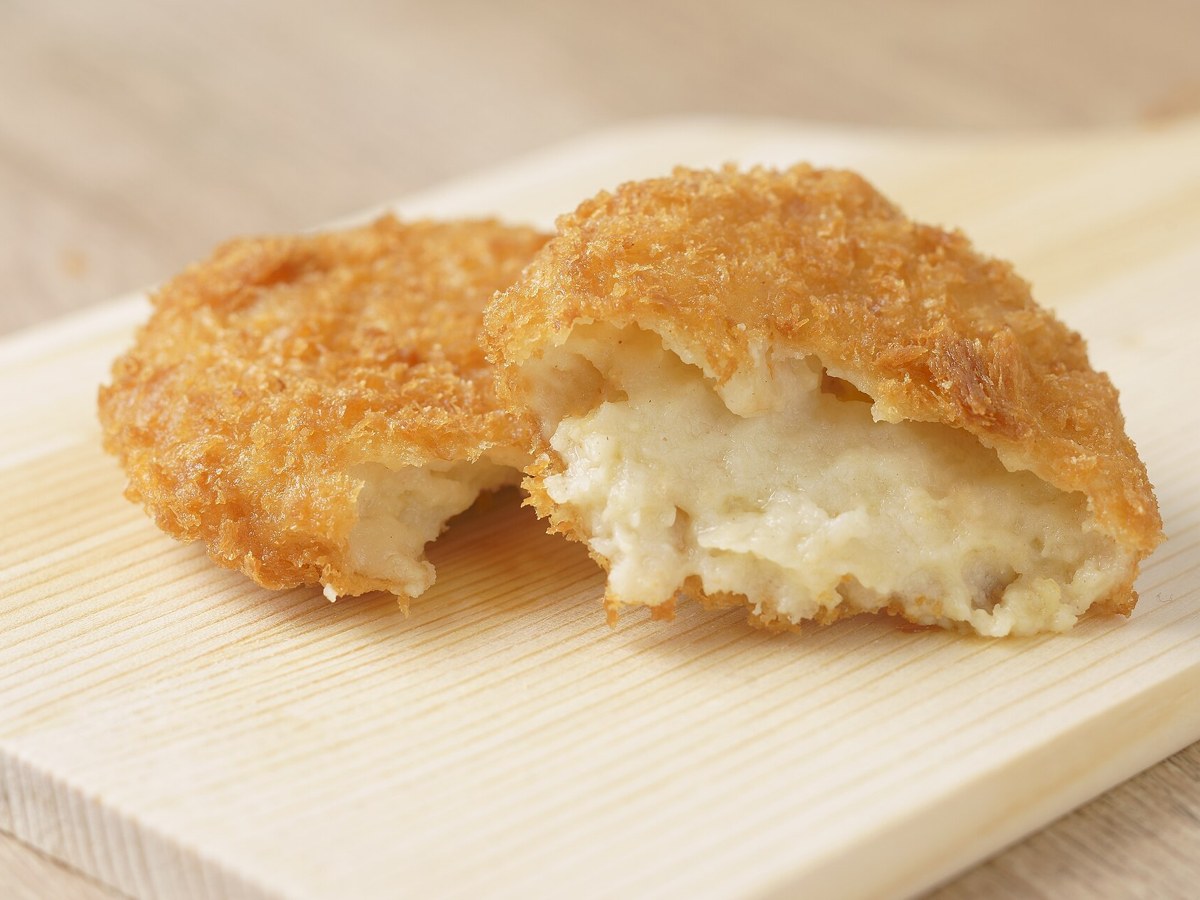
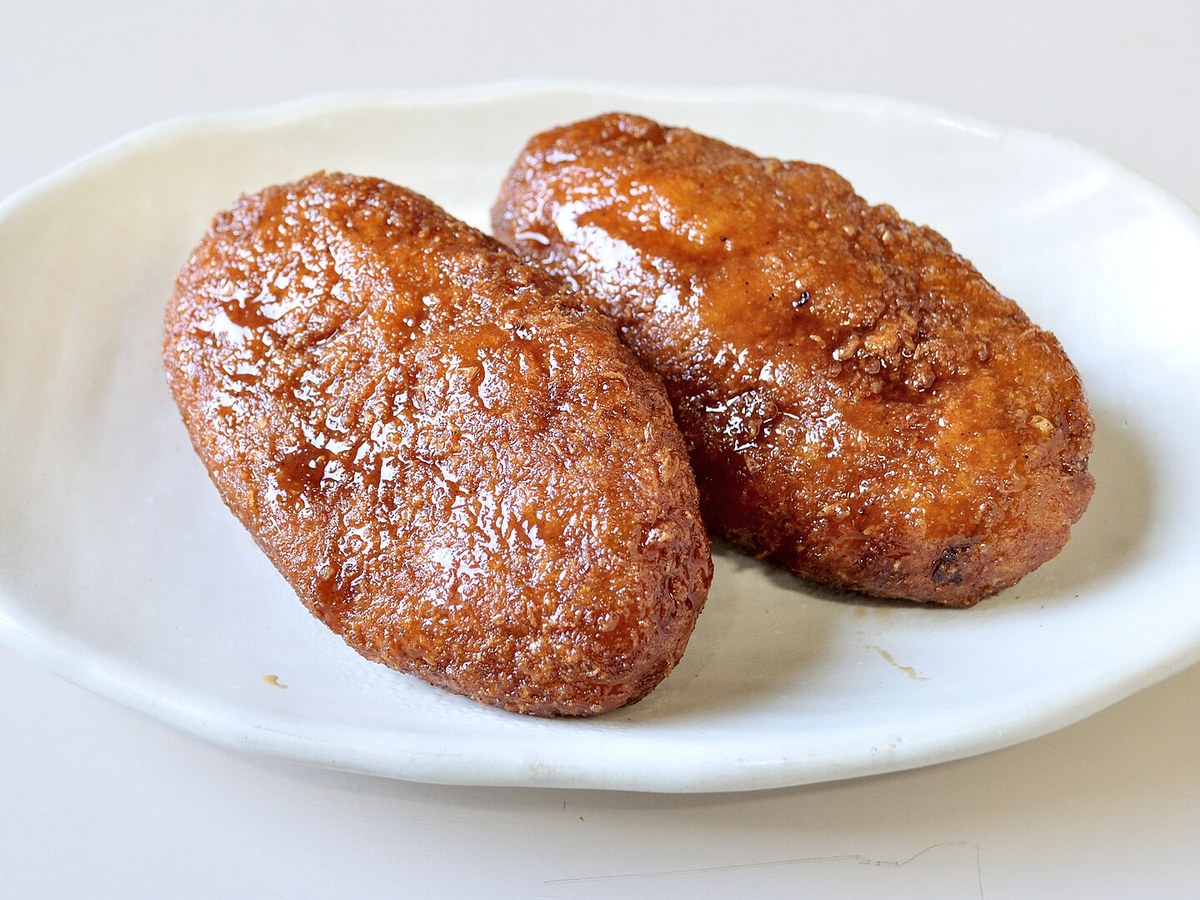
A yuba croquette, split open

Food

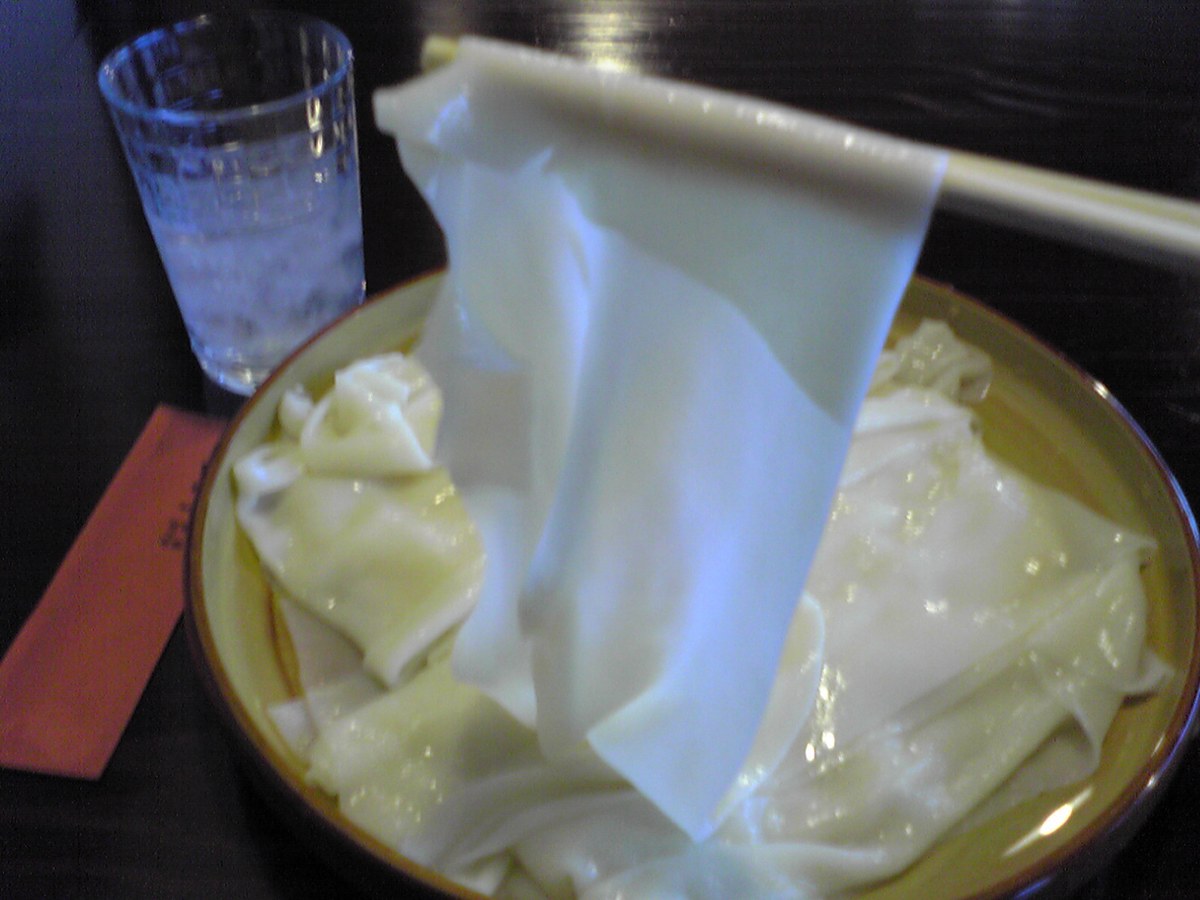
Nikko Yuba — Tochigi's Folded Tofu Skin: the Monks' Protein Since 766, Twice Kyoto's Thickness

Tochigi's third story is written with different characters. Nikko yuba — the skin lifted from heated soy milk — is folded in half as it is raised, making it twice as thick as Kyoto's, and it has fed Nikko's mountain monks since yuba arrived with the founding of the temples in 766. Today the shrine town serves it as sashimi, in soba at ¥1,000–1,800, and in full Yuba Gozen courses at ¥3,000–7,000.

Food · Nikko, Tochigi

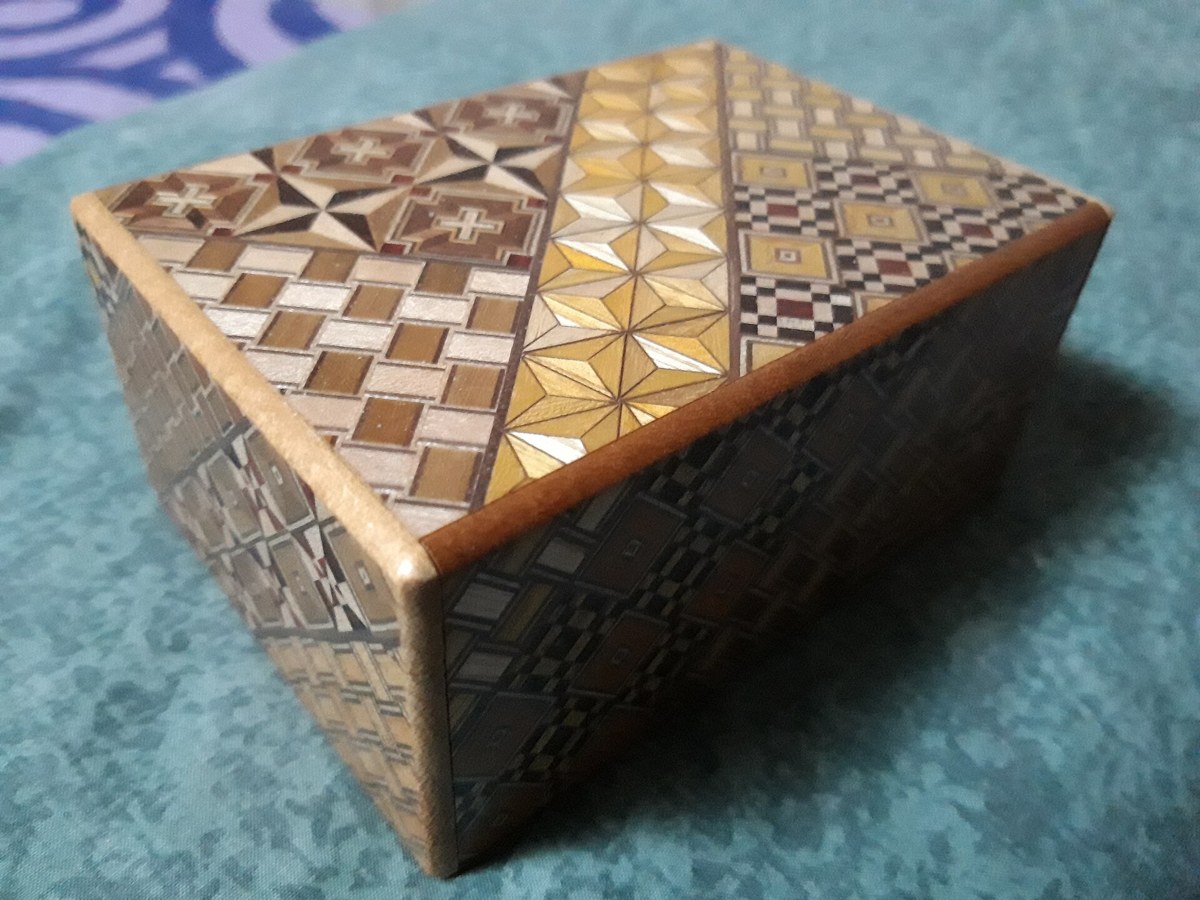
A yosegi puzzle box, closed

Craft

Hakone Yosegi Zaiku — Marquetry Without a Drop of Dye: a ¥800 Coaster & the 0.15mm Sheet

Kanagawa's fourth story is the craft Hakone has practised since the late Edo period. Yosegi zaiku builds geometric patterns entirely from the natural colours of wood — no dye, no paint — glueing timbers into blocks, then planing the pattern off in sheets 0.15mm thin to skin boxes, trays and the famous secret boxes. Designated a national traditional craft in 1984, it is still made in Hatajuku, where the Yosegi Hall charges ¥800 to make your own coaster.

Craft · Hakone, Kanagawa

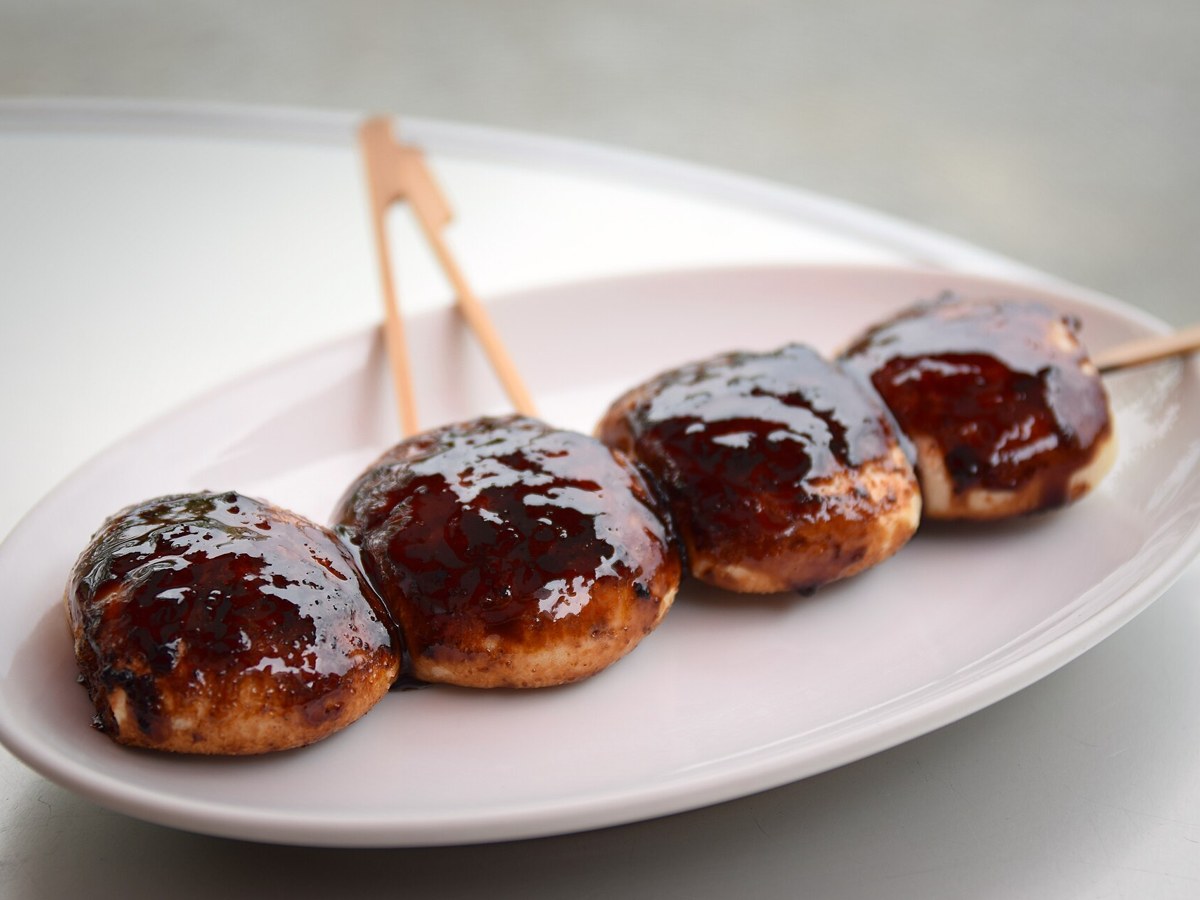
A skewer of yaki manju

Food

Yaki Manju — Gunma's Grilled Miso Buns: Four to a Skewer, a Century Inside One Prefecture

Gunma's fourth story is the prefecture's soul food and its best-kept secret. Yaki manju are plain steamed buns — their dough fermented with rice koji, exactly as the agriculture ministry's recipe, provided by the inventor's own house, sets out — skewered four at a time, brushed with a glossy sauce of red miso, coarse sugar and starch syrup, and grilled over charcoal until the glaze chars at the edges. Born in late-Edo Maebashi, they stayed inside Gunma for a century. A skewer costs ¥200-300.

Food · Maebashi, Gunma

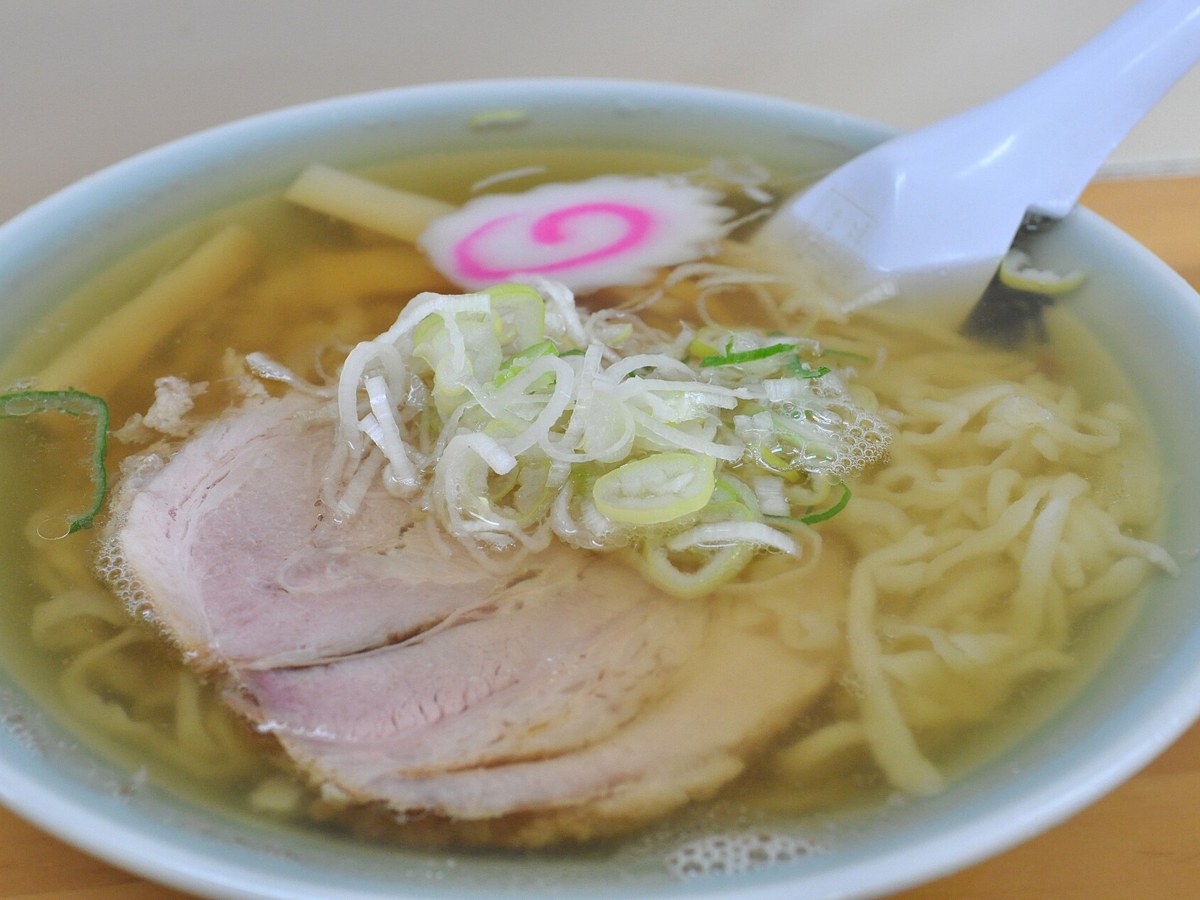
A bowl of Sano ramen

Food

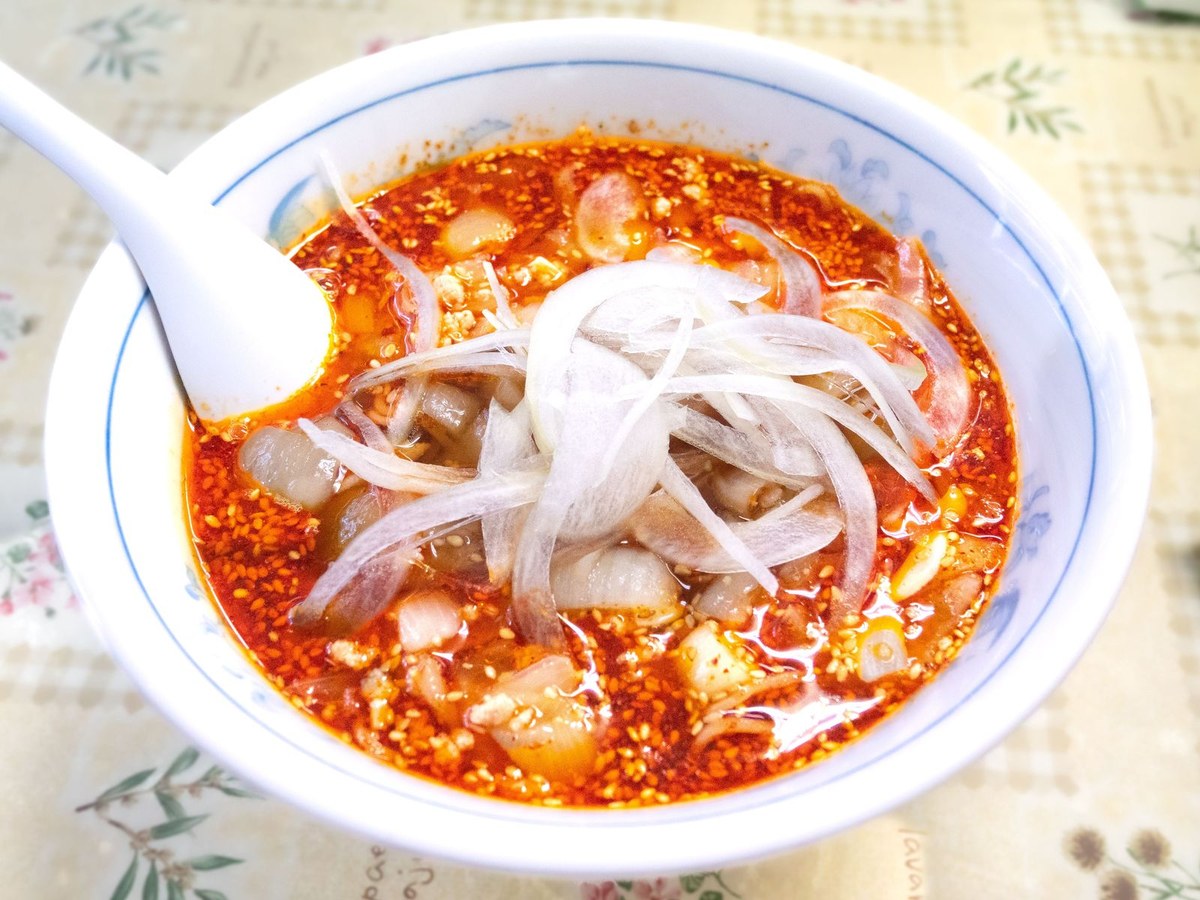
Sano Ramen — the Noodle Pressed Under a Bamboo Pole: Clear Soup, Dancing Strands & 150 Shops

Tochigi's fourth story is a ramen made by sitting on a pole. In Sano City, noodle makers press their dough with a long green bamboo pole — one end fixed, the maker's whole body weight leaning along it — then cut the sheet by hand, so every strand differs slightly and dances in a clear, light soy broth. With more than 150 shops inside one small city, and a standard bowl at roughly ¥660-900, Sano ramen is built to be eaten every day, and is.

Food · Sano, Tochigi

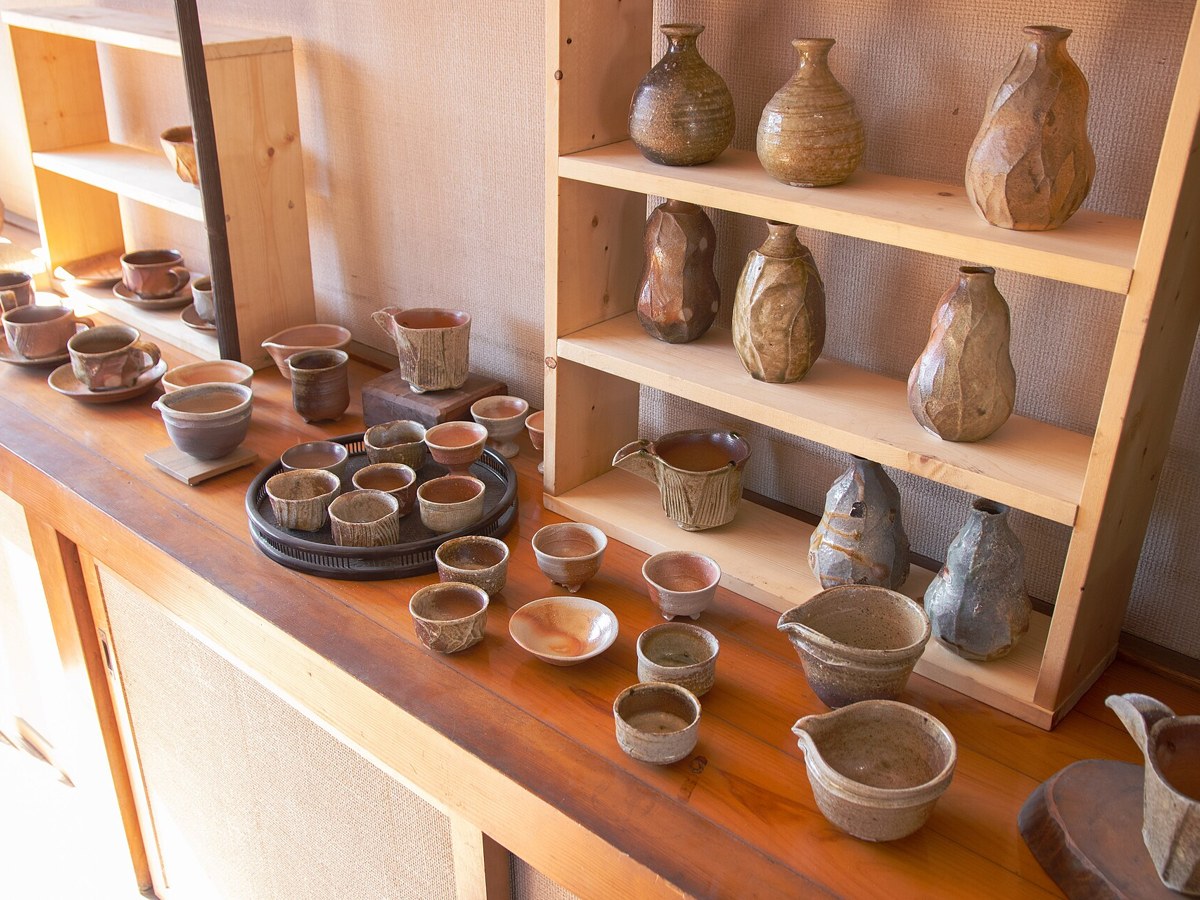
Kasama ware on the shelf

Craft

Kasama Ware — the Town That Refused a Style: Iron Clay, 250 Years & Total Freedom

Ibaraki's fourth story is a pottery famous for having no rules. Kasama ware, made around Kasama City since 1772, is stoneware from iron-rich gairome clay that fires brown and takes poured glazes — strong, stain-resistant kitchenware that grew into vases and art. Designated a traditional craft in 1992, its production area is celebrated for encouraging each potter's individuality instead of a house style. A single-kiln handmade mug runs about ¥5,940.

Craft · Kasama, Ibaraki

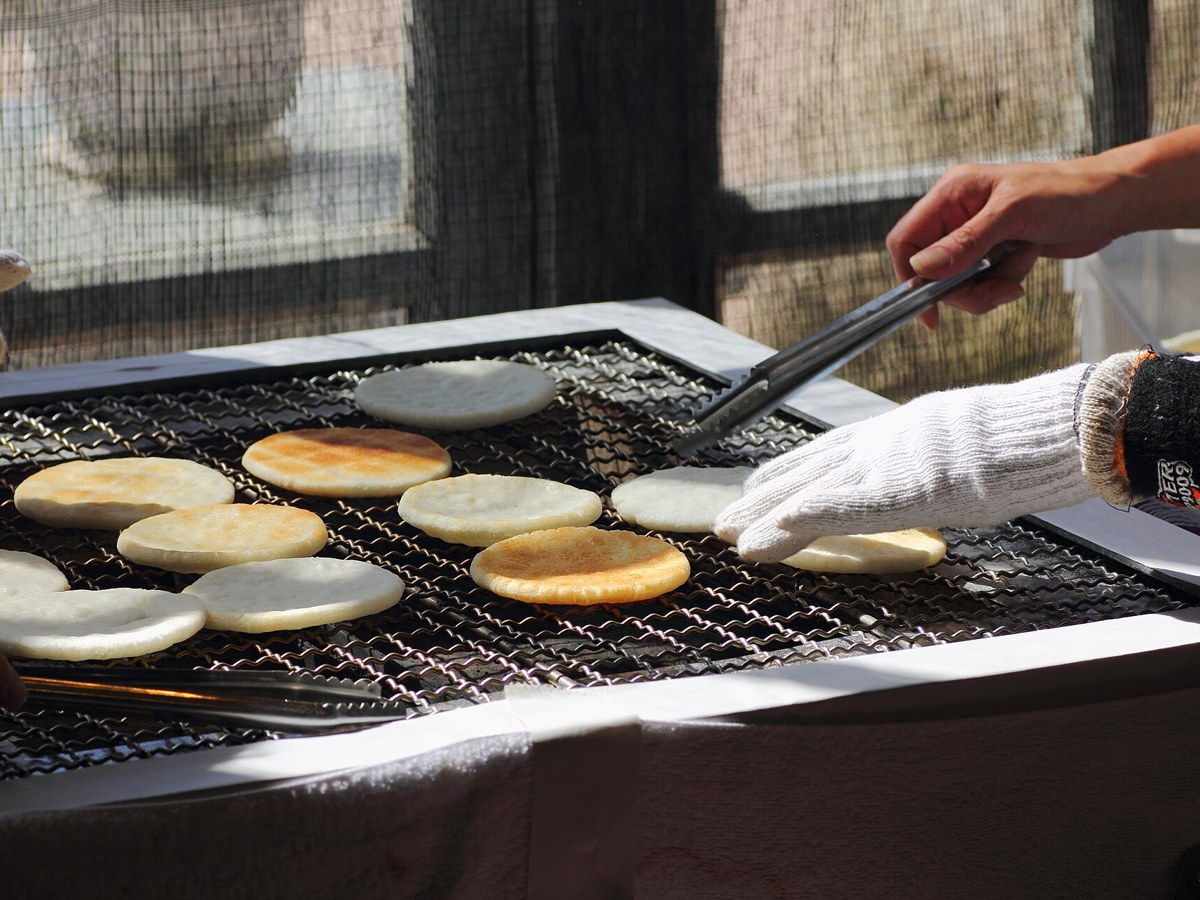
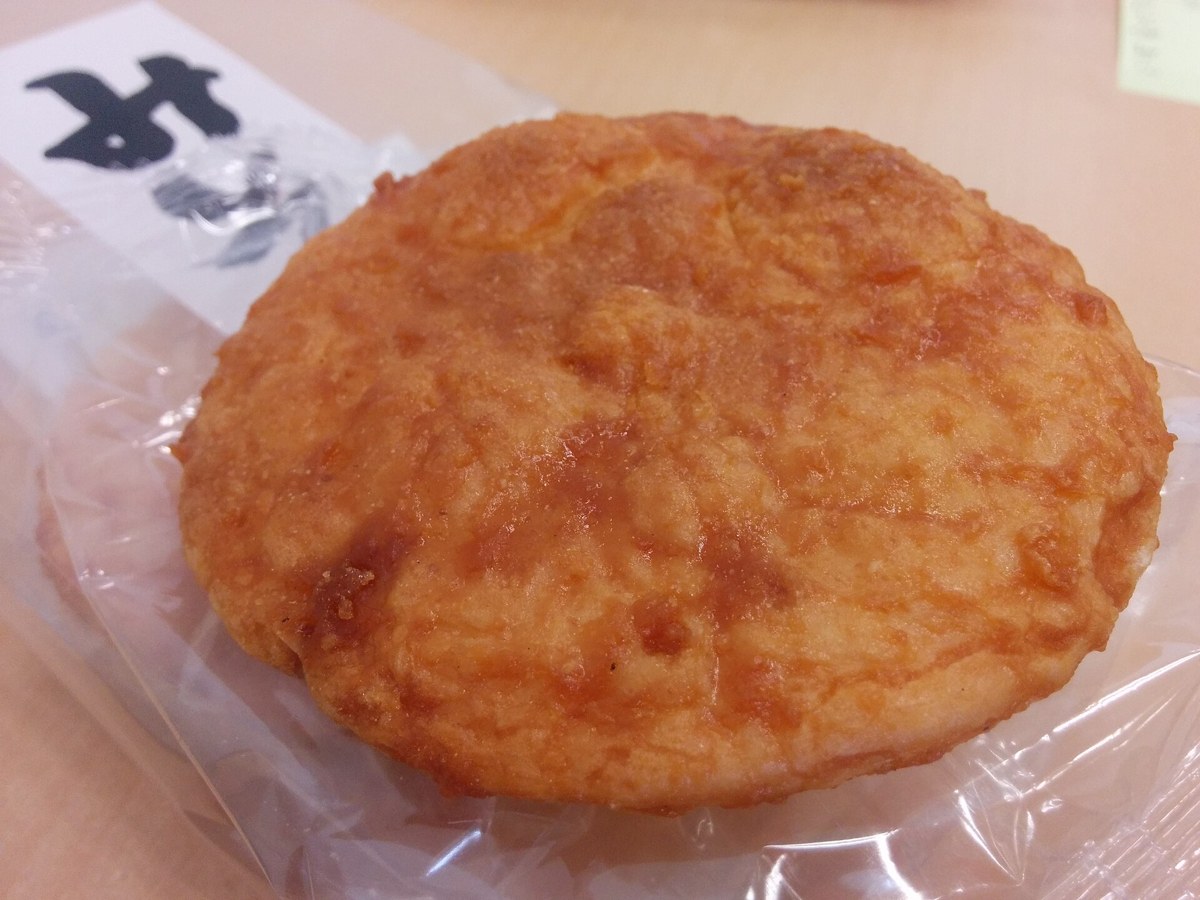
A Soka senbei rice cracker

Food

Soka Senbei — the Hardest Crunch in Japan: Post-Town Crackers & the Ceramic Press

Saitama's fourth story is the cracker that gave its name to a style. In Soka, a post town on the old Nikko Kaido, makers pound table rice into dough, grill the discs over flame and press them flat with a ceramic oshigawara, brushing on soy tare while they are still piping hot — the katayaki way, extra hard and crunchy. Certified Soka senbei must use local uruchi rice under a ten-year artisan's eye. Grill your own for ¥70.

Food · Soka, Saitama

Explore the other hubs

By subject

By place

New here? The places and editions guide explains how these editions work and how to check one before you travel.

Sources and checking

Membership of this hub is generated from the site catalogue, whose exclusivity statements were checked against maker and venue sources in November 2026 (original checks 5–15 November 2026). Hub membership and counts were re-verified at 369 stories on 15 November 2026. Availability is not monitored in real time; confirm stock with the shop before travelling.