Most noodles are rolled by machine or by pin. Sano's are rolled by a person sitting on a bamboo pole. The maker fixes one end of a long green bamboo, leans their whole weight along it, and walks the dough flat in long passes — then cuts it by hand, unevenly, on purpose. In the clear soy broth that follows, no two strands behave alike. Locals call the effect noodles that dance. Sano has over 150 shops serving them, in a city of 110,000 people.
Aodake-uchi: pressing dough with a tree
The checked guide walks through the technique step by step. Aodake-uchi means green-bamboo pressing: the maker fixes one end of a thick bamboo pole, sits or leans on the other, and uses body weight to press, knead and stretch the dough in long passes. Rolled this way — gradually, under a pole nearly as tall as the maker, in NHK's filming — the sheet ends nearly transparent before it is folded, rolled again, and finally cut by hand with a knife. Hand-cutting is not a flourish; it is the point. The strands come out at irregular widths, each cooking a fraction differently, so the bowl has texture the way a hand-thrown pot has character.
The dough itself is the second secret. NHK's makers put the water ratio at usually 46 to 50 percent — against a standard ramen dough of around 30 percent. That ultra-hydrated dough is why the noodles feel smooth and springy rather than firm, and it imposes the form's discipline: dough this wet cannot wait, so the hand makers roll out only enough for the day's sales. Around half the association's shops still handmake their noodles this way; even Sano's machine noodles, NHK notes, are made to imitate the same non-uniform thickness.
1916, a Chinese cook, and a city of shops
The arrival is dated by NHK's programme: ramen first came to Sano in 1916, and the bamboo-kneading is traced to the circle of the shop's Chinese cook — Ogawa Risaburo, who had worked alongside him, learned the noodle-making, and opened his own ramen place in 1930. The direct-descendant shop NHK filmed still serves the founding grammar — clear shoyu soup with bamboo-kneaded, handmade noodles — exactly as at the start.
What Sano did next is the civic part of the story. The city of roughly 110,000 people now holds over 150 ramen shops within a 15-kilometre radius — among the densest ramen geographies in Japan — and the Sano Ramen Association counts some 70 members. The city government even sponsors the school where new makers learn everything from the history to finding a shop space. Ramen in Sano is not a trend the city hosts; it is an industry the city runs.
Clear soup, everyday price
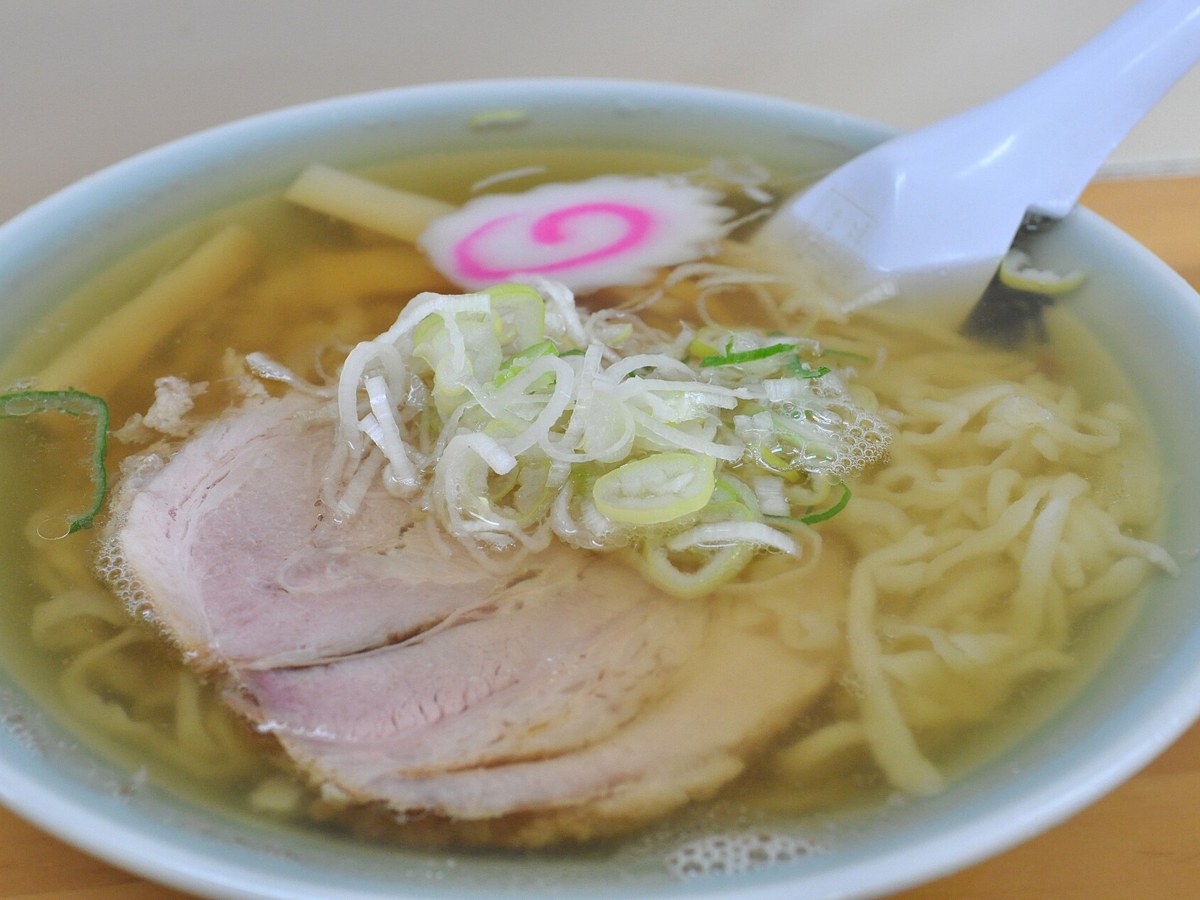
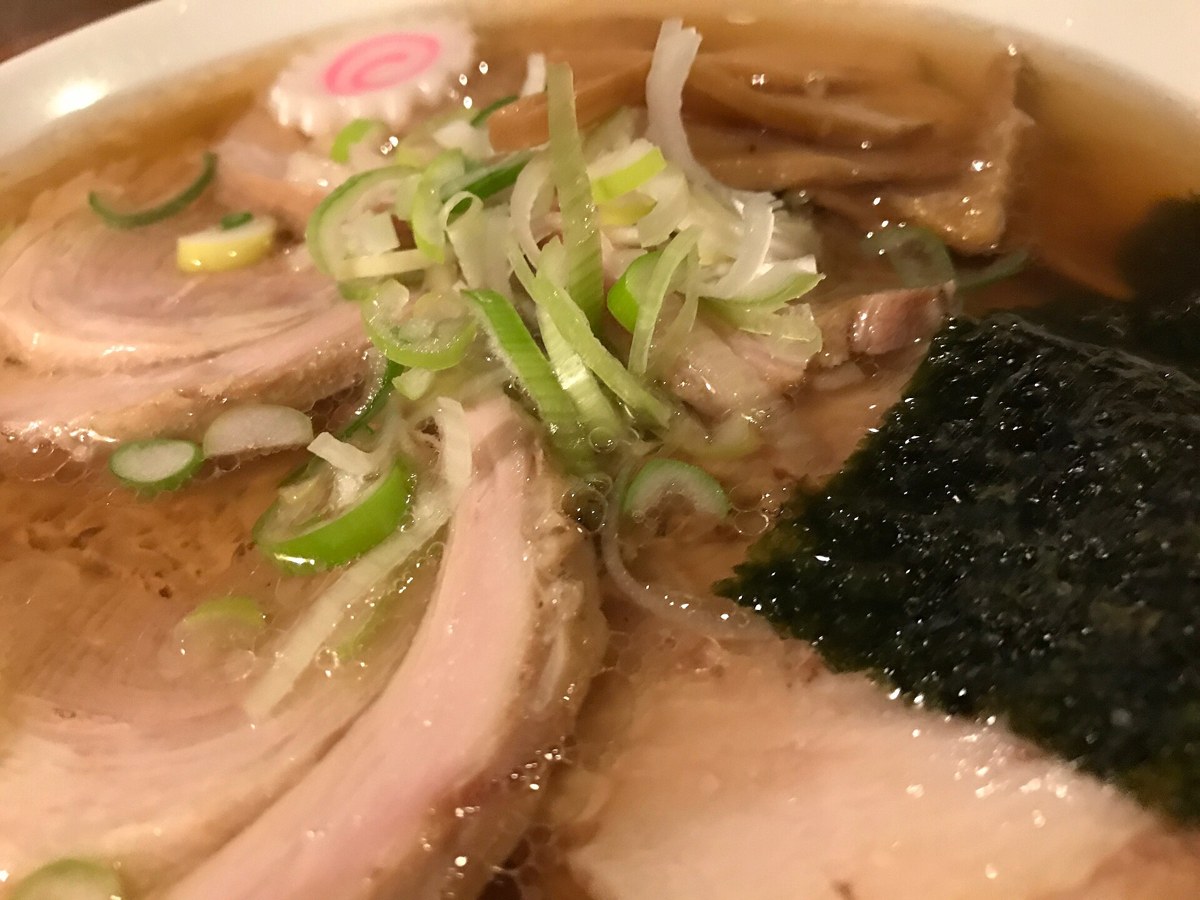
Against the milky broths that dominate ramen fame, Sano's soup is a deliberate understatement: clear, light, usually soy-seasoned — the guide carries chicken-bone and vegetable bases among the classic houses — built to set off the noodles rather than coat them. The Sano Ramen Society's own description, on the guide's account, is that the flavour is light enough to eat every day, and the toppings keep the same discipline: chashu, green onion, narutomaki, bamboo shoots, nothing that shouts.
The price completes the everyday argument: a standard bowl runs roughly ¥660-900 on the guide's readings of local listings from 2023 to 2026, with chashu-men a few hundred yen more. This is not a destination splurge; it is a city's lunch, priced like one for a century. Tochigi's standing stories are a pottery town, a gyoza city and Nikko's yuba — Sano ramen is the prefecture's first ramen, and its most democratic bowl.
Eating it at the source
Order the plain ramen first, before the chashu upgrade tempts you: the form's whole argument is in the contrast between the clear soup and the dancing, uneven noodles, and extra toppings blur it. Then notice the gyoza — Sano's shops are famous for oversized, vegetable-packed dumplings alongside the bowl, a pairing locals treat as one meal rather than a side. The old-lineage houses the guide names — the Oguraya line and its noren-wake descendants among them — are the classic first bowls; after that, the city's sport is comparison, shop by shop, strand by strand.
Come hungry and come twice if you can. A bowl this light is designed for repeat eating — the Society says so itself — and Sano, uniquely among ramen cities, has built the density to make a second bowl a short walk rather than a second trip.
Sources — checked 11 November 2026
- Food in Japan: Sano Ramen in Tochigi — Noodles, History & Shops (checked specialist guide)
- NHK WORLD-JAPAN: Ramen Japan — Tochigi (Sano ramen) (checked broadcast account)
Original prose and official links only; no source text or maker media reproduced. Photos are credited Creative Commons works, not product photographs.
Editorial review 2026-11-11