In most of Japan, ramen is how a day ends. In Kitakata it is how a day begins. This small Fukushima storehouse town eats its flat, wavy noodles at breakfast, in a light soy-sauce broth gentle enough for seven in the morning — and it gives Fukushima, whose two stories so far are both lacquer and papier-mâché craft, its first food story in this collection.
The noodle is the definition
Kitakata ramen has no protected recipe and no single inventor's formula, and its own association is honest about that: ANA's account of the Kitakata Ramen Ramenkai says the soy-sauce soup base varies widely at each store and there is no particular standard that defines the brand. What does not vary is the noodle. The style's name for it is hirauchi jukusei takasuimen — matured flat noodles with lots of water — about four millimetres wide, flat and curled, aged before cooking, with a firm, filling chew that holds the soup in every fold without going soft.
The bowl built around that noodle is deliberately light. The broth is a clear soy-sauce soup built on pork bones, chicken and dried sardines, seasoned with soy tare, and the toppings stay classic: chashu pork, menma bamboo shoots, green onions and a slice of naruto. Regulars call it everyday ramen — a bowl that satisfies without leaving you heavy, which matters in a town that eats it several times a week, and first thing in the morning.
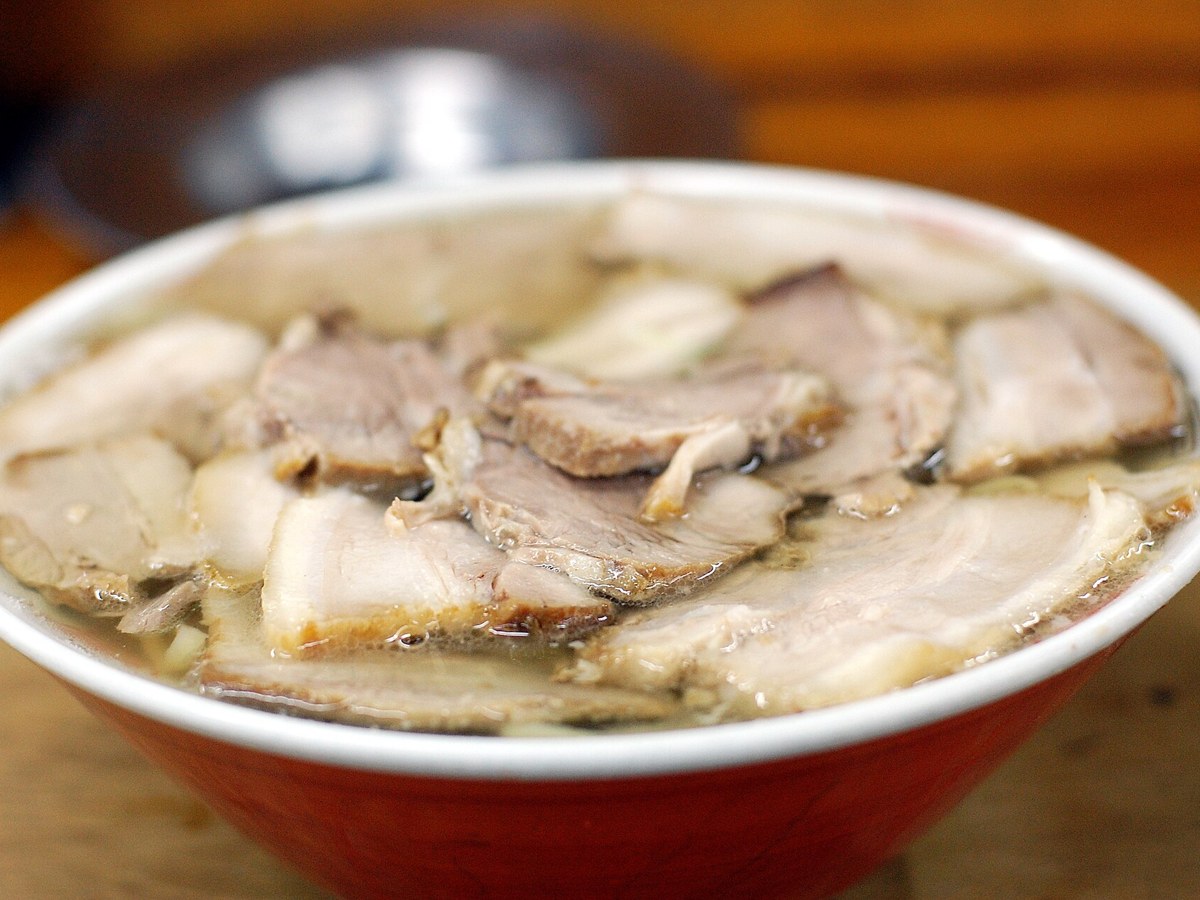
Asa-ra: ramen for breakfast
The custom has its own word: asa-ra, short for asa-ramen, morning ramen. Shops open as early as seven, and farmers, factory workers and retirees turn up before the day starts. The checked survey ties the habit to the town's working rhythm — sake brewers finishing overnight shifts, warehouse labourers and farm workers starting early, all wanting something warm and filling that a heavy bowl could not give them. The light soy-sauce bowl is the answer the town settled on, and breakfast ramen is now the thing travellers ride the Ban'etsu West Line to witness.
Kitakata can support the habit because of its density. Roughly ninety to a hundred ramen shops operate in this small city — the local ramen association says that is the highest number per resident in the country. The water helps explain the loyalty: the city's noodles, soy sauce and miso are all made with water fed by the Tsugamine stream from the Iide range, selected among Japan's hundred exquisite waters, and the same soft water rounds the broth.
A cart in the 1920s, a division in 2024
The style began with one cart. In the mid-1920s a Chinese immigrant, Ban Kinsei, reached Kitakata and began selling hand-pulled noodle soup from a cart built of scrap timber, announcing himself with a charumera horn; local records give the year as 1924 or 1927. His shop, Genraiken, became the origin point of the style, and he reportedly taught noodle-making to more than a hundred people — which is why so many Kitakata shops still carry the humble word shokudo, canteen, in their names. A local noodle factory from 1947 put machine-cut wavy noodles into mass production, and Bannai Shokudo, opened in May 1958, became the most famous of the town's big three.
The present chapter is defensive, and the town says so itself. Shop numbers have fallen from roughly 110 around 2010 to about ninety by 2024, mostly because owners aged out without successors; Genraiken itself served its last bowl on 24 September 2025, after 101 years. Kitakata City answered institutionally: it created a dedicated Ramen Division in April 2024 and registered 17 July as Kitakata Ramen Day. The Agency for Cultural Affairs had already certified the style in the first round of its 100-Year Food program in fiscal 2021 — a century-old food, on the official record.
What a bowl costs, and when to go
The economics are breakfast economics. The checked survey prices a typical Kitakata bowl at ¥800 to ¥1,200 (surveyed July 2026), and its shop table puts the most famous bowl of all — Bannai Shokudo, open from 7:00 — at ¥850 to ¥1,150. For a style counted among Japan's three great ramen, alongside Sapporo's miso and Hakata's tonkotsu, that is a working town's price, not a destination restaurant's.
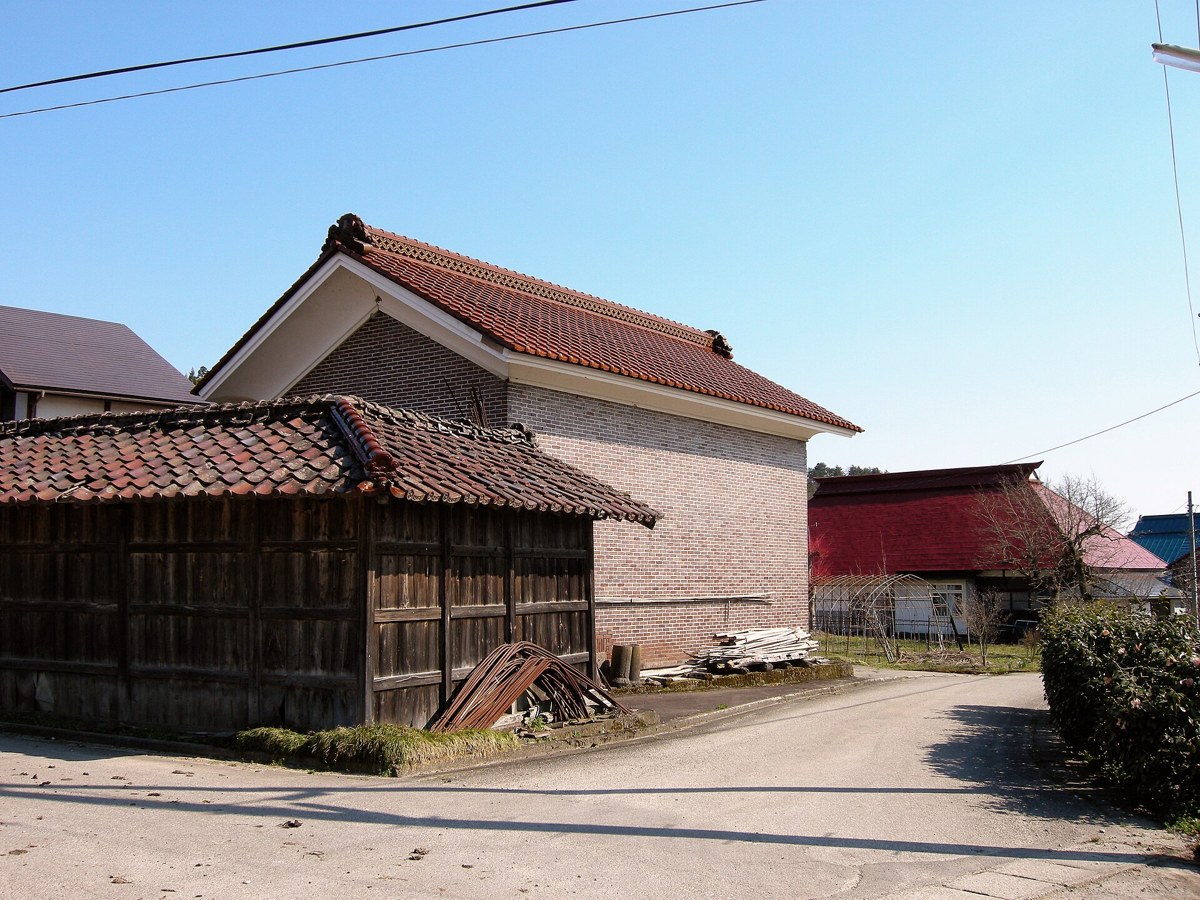
Go early, and go to the town. Kitakata Station sits on the JR Ban'etsu West Line, about twenty minutes from Aizu-Wakamatsu, and the popular shops fill by eight on weekends — arriving at opening time is not a tip, it is the custom itself. Between bowls, the same streets hold the kura storehouses that made the town rich on sake, soy sauce and miso, brewed with the same mountain water that makes the noodles. One warning from the survey, repeated honestly: several long-running shops have closed in recent years, so confirm a shop is still open before you build a morning around it.
Sources — checked 10 November 2026
- Food in Japan: Kitakata Ramen
- ANA Japan Travel Planner: Savor Kitakata Ramen in Fukushima (Kitakata Ramen Ramenkai)
Original prose and official links only; no source text or maker media reproduced. Photos are credited Creative Commons works, not product photographs.
Editorial review 2026-11-10