Hub · Tohoku

Tohoku — Japan-Only & Regional Limited Editions in Tohoku

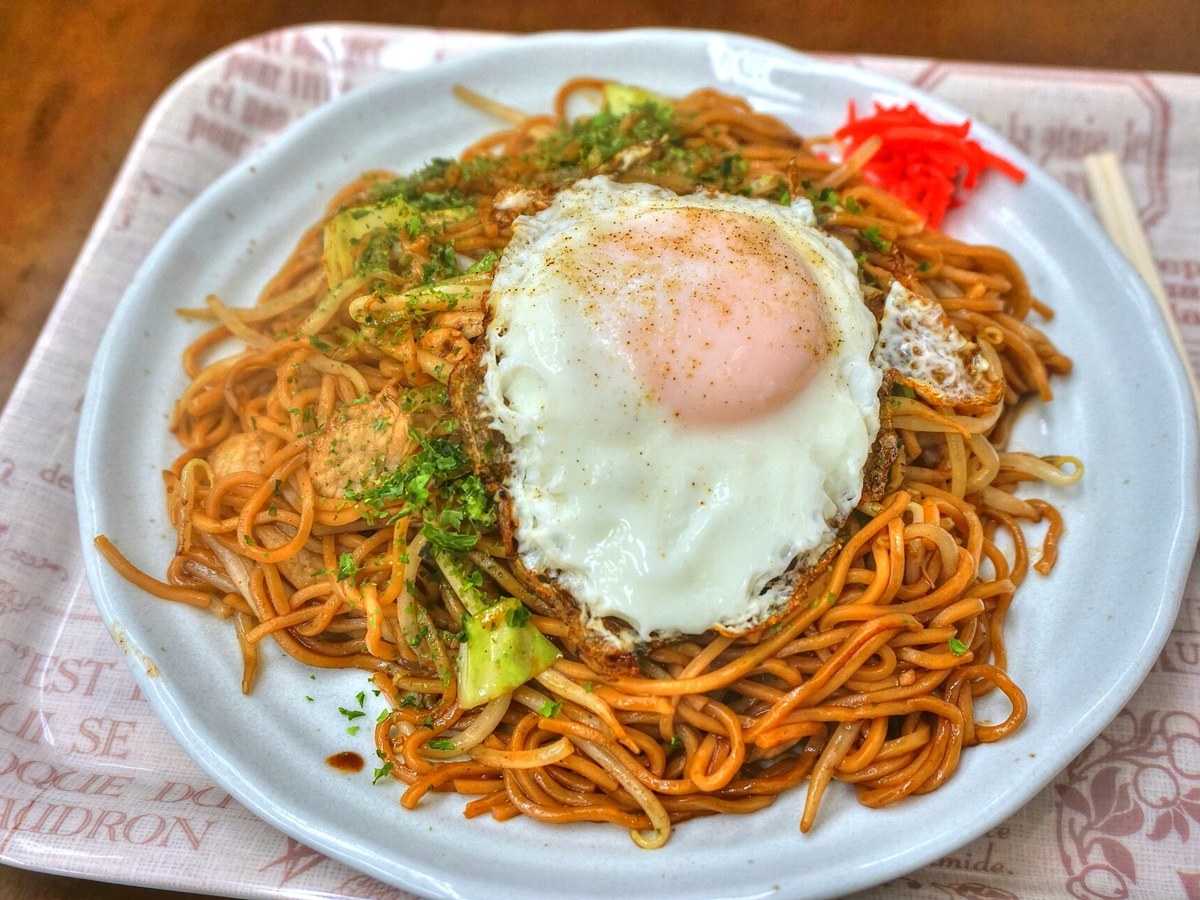
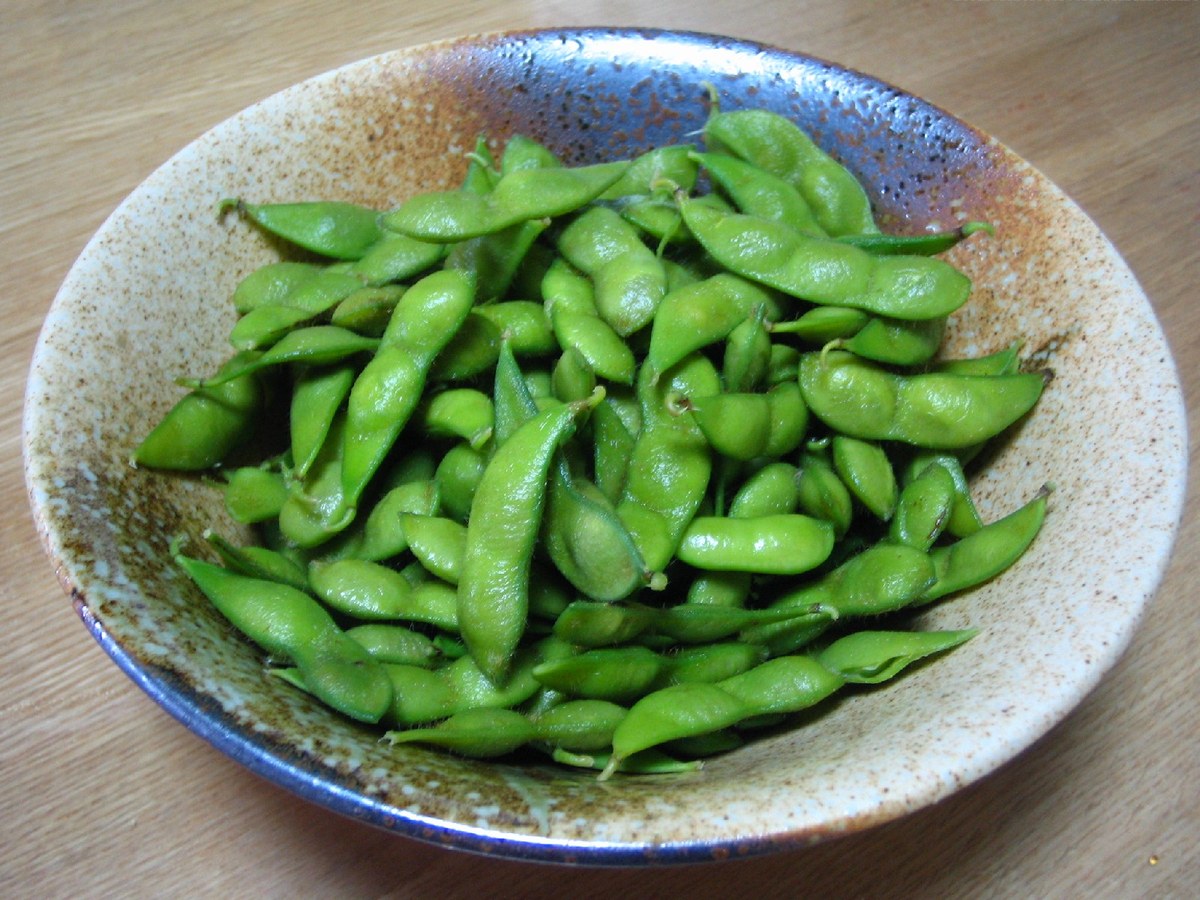
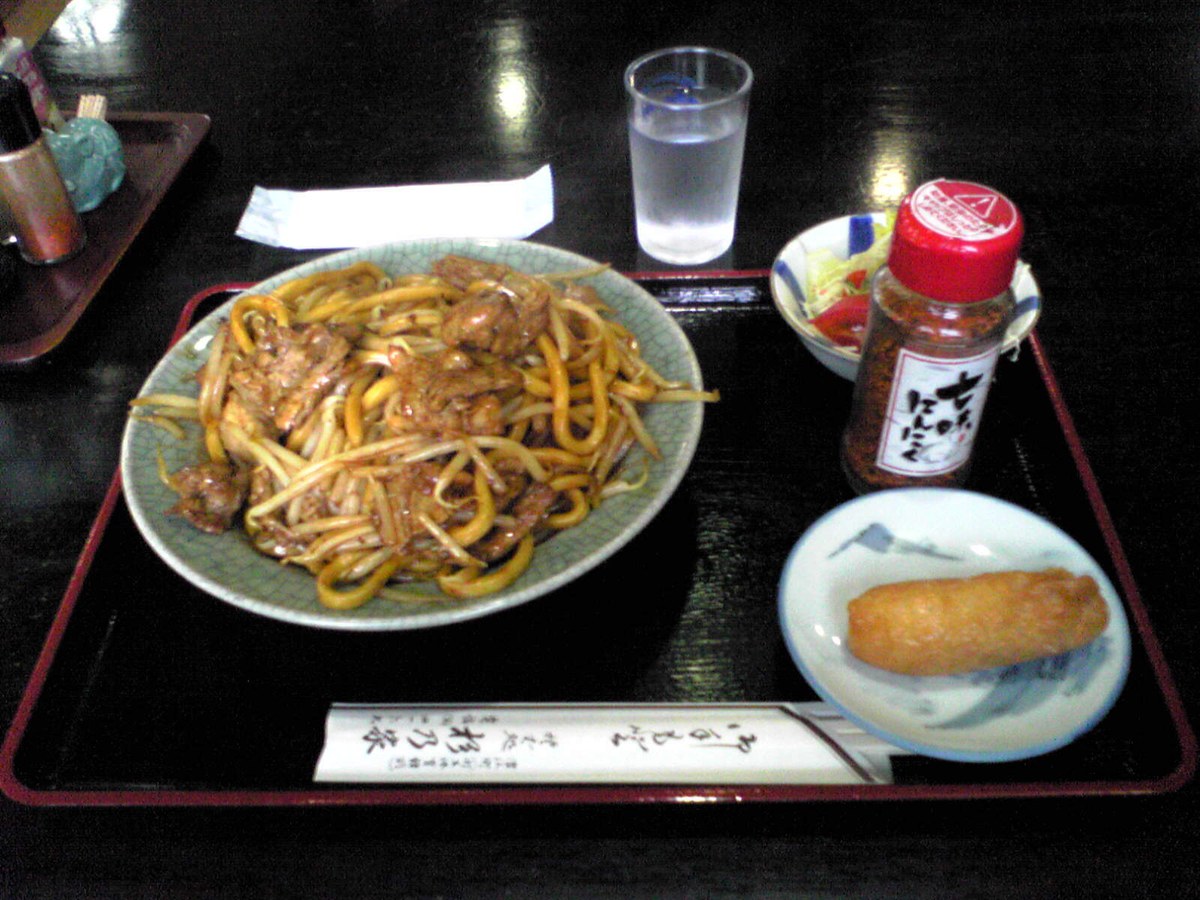
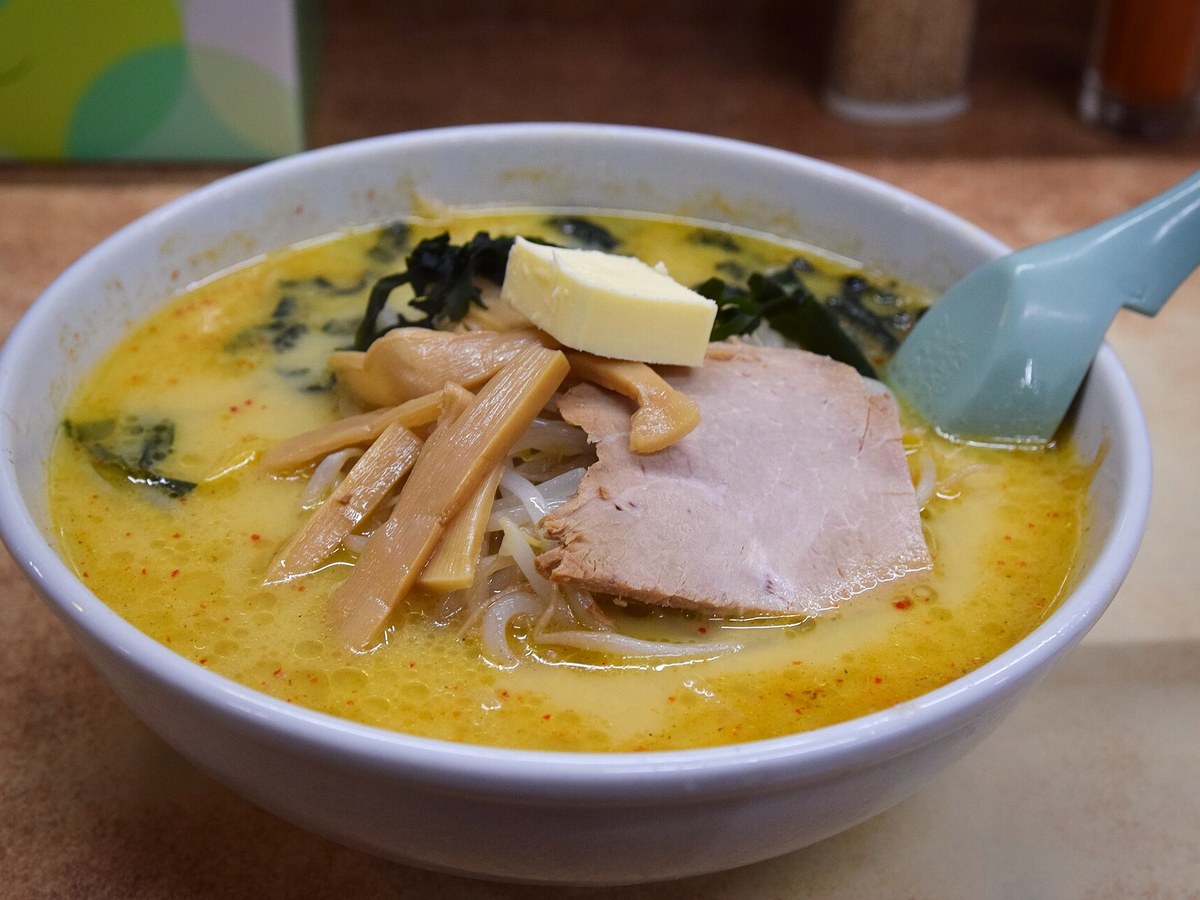
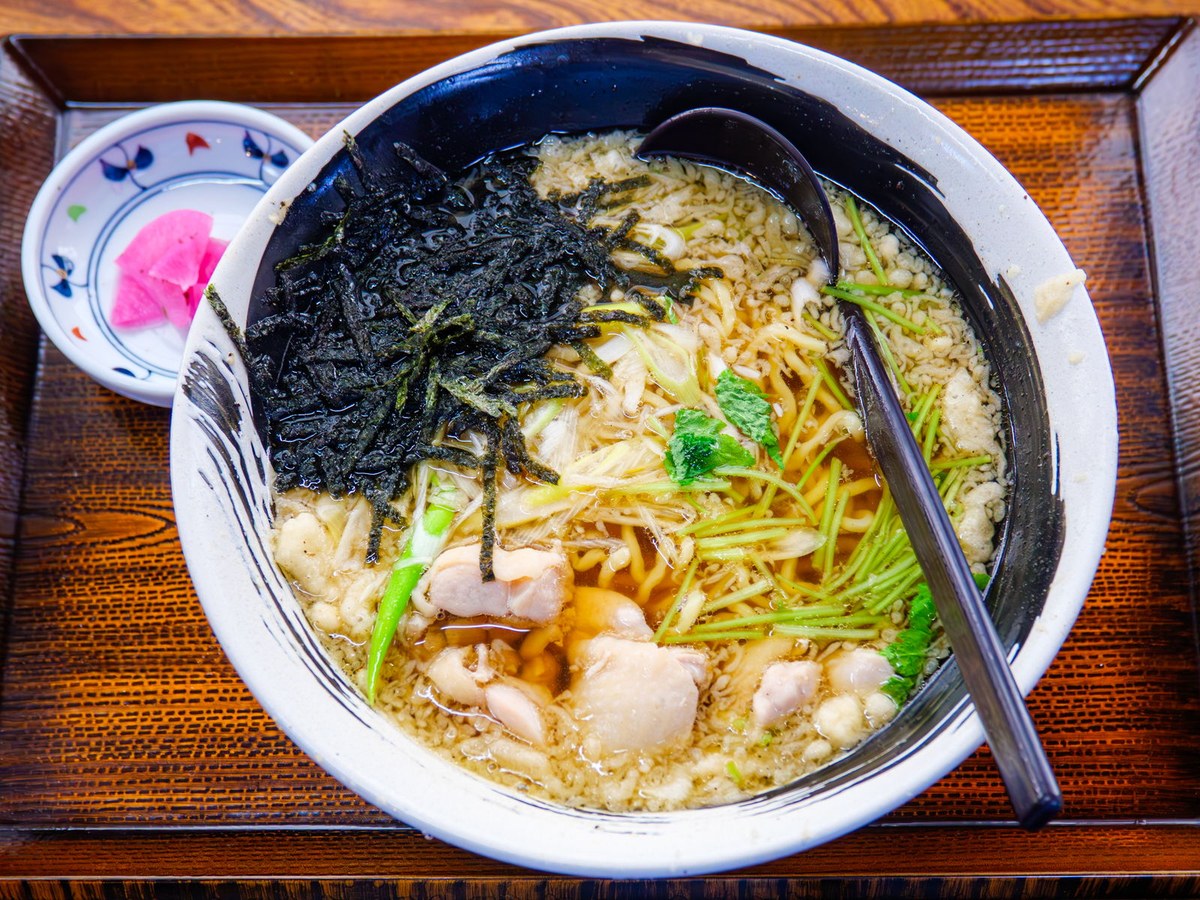
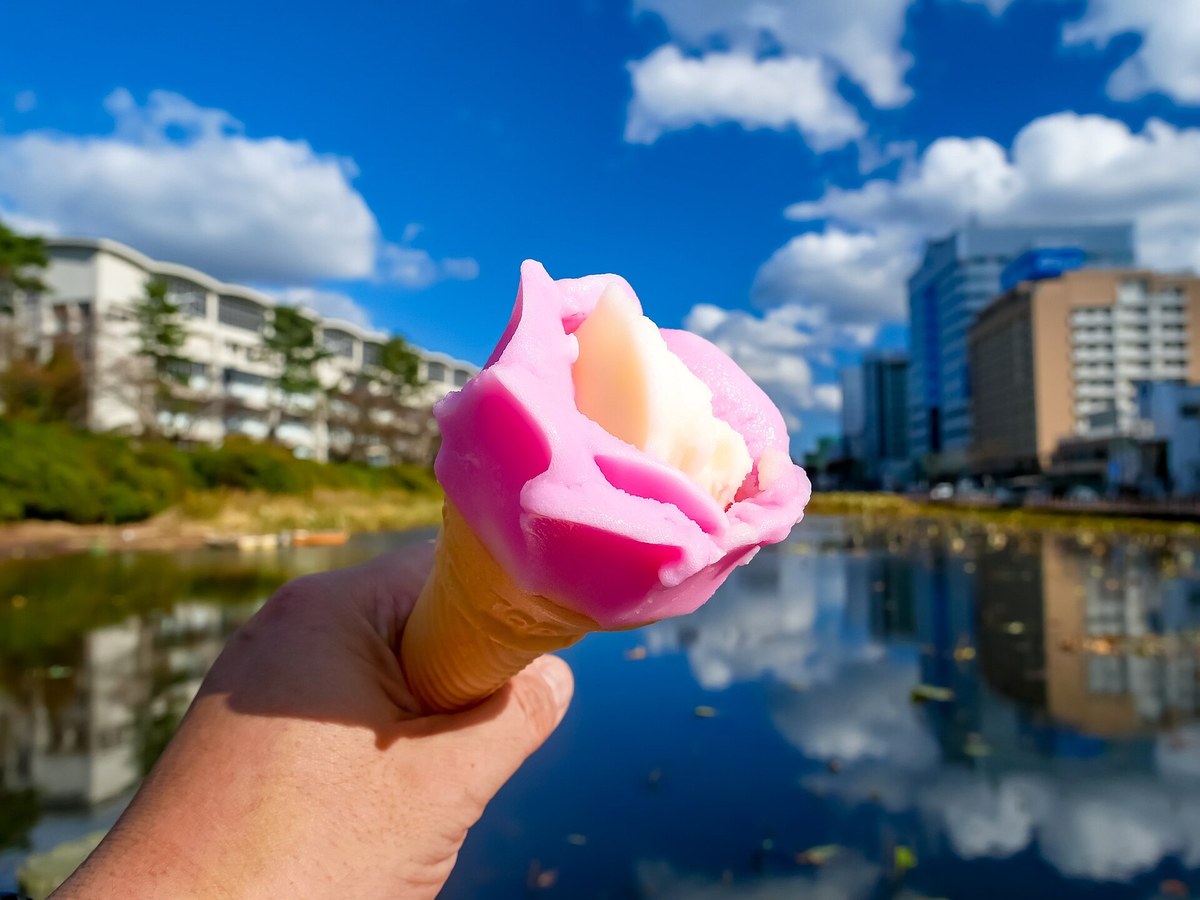
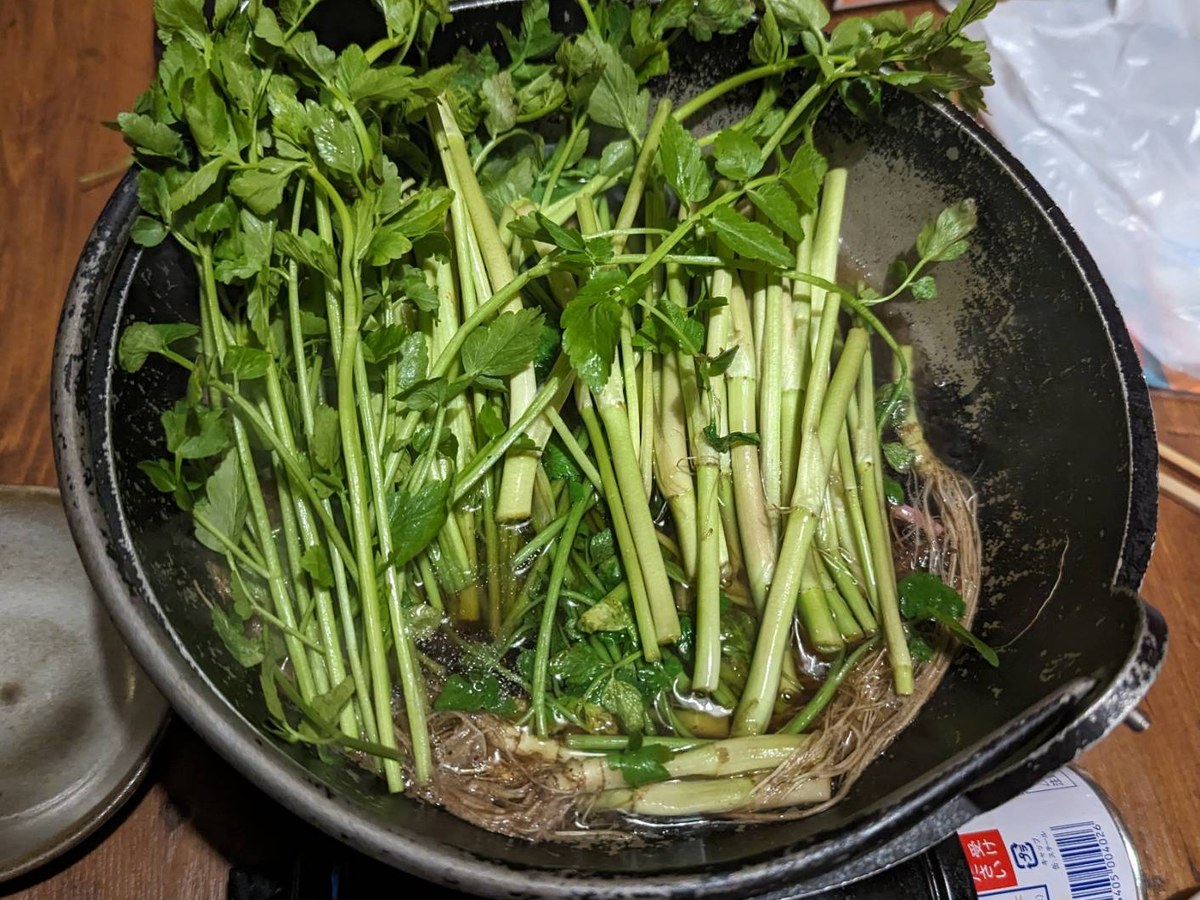
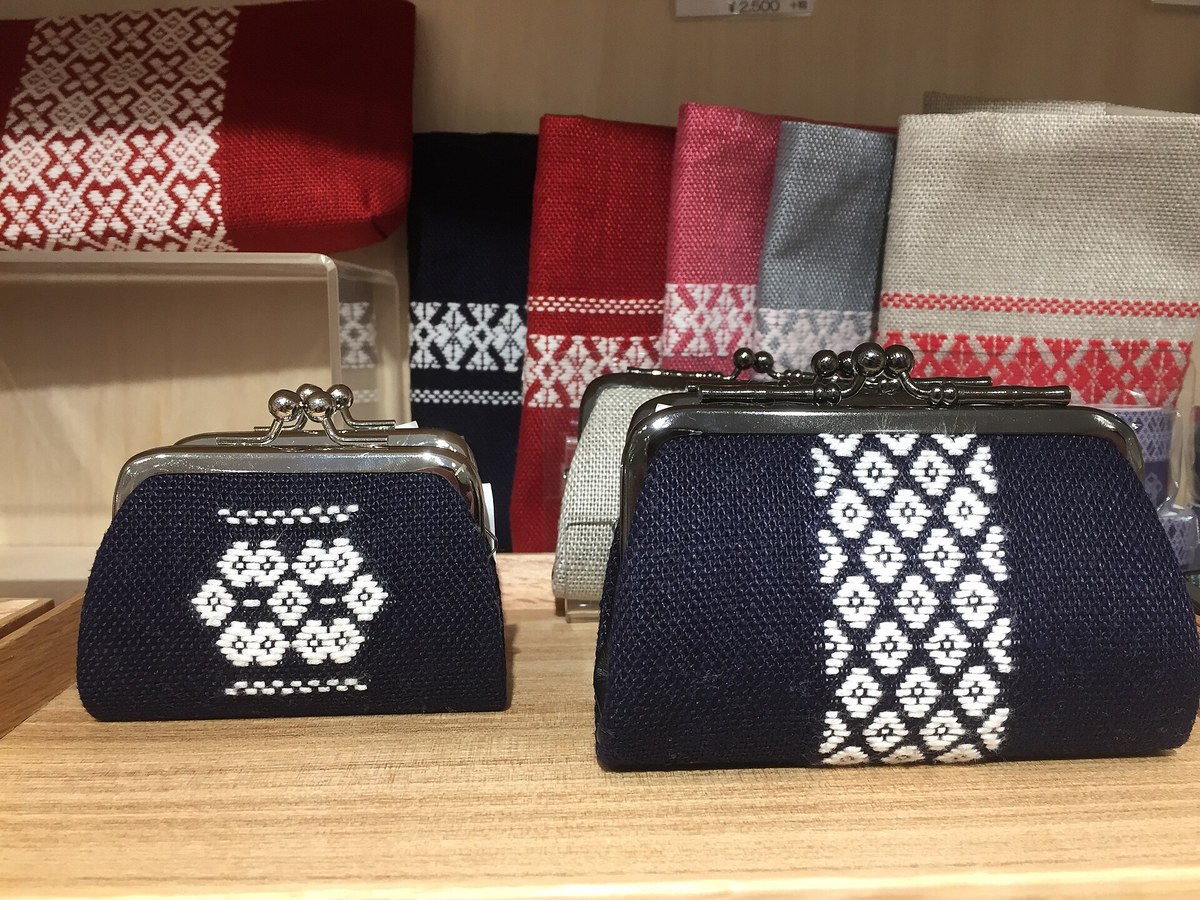
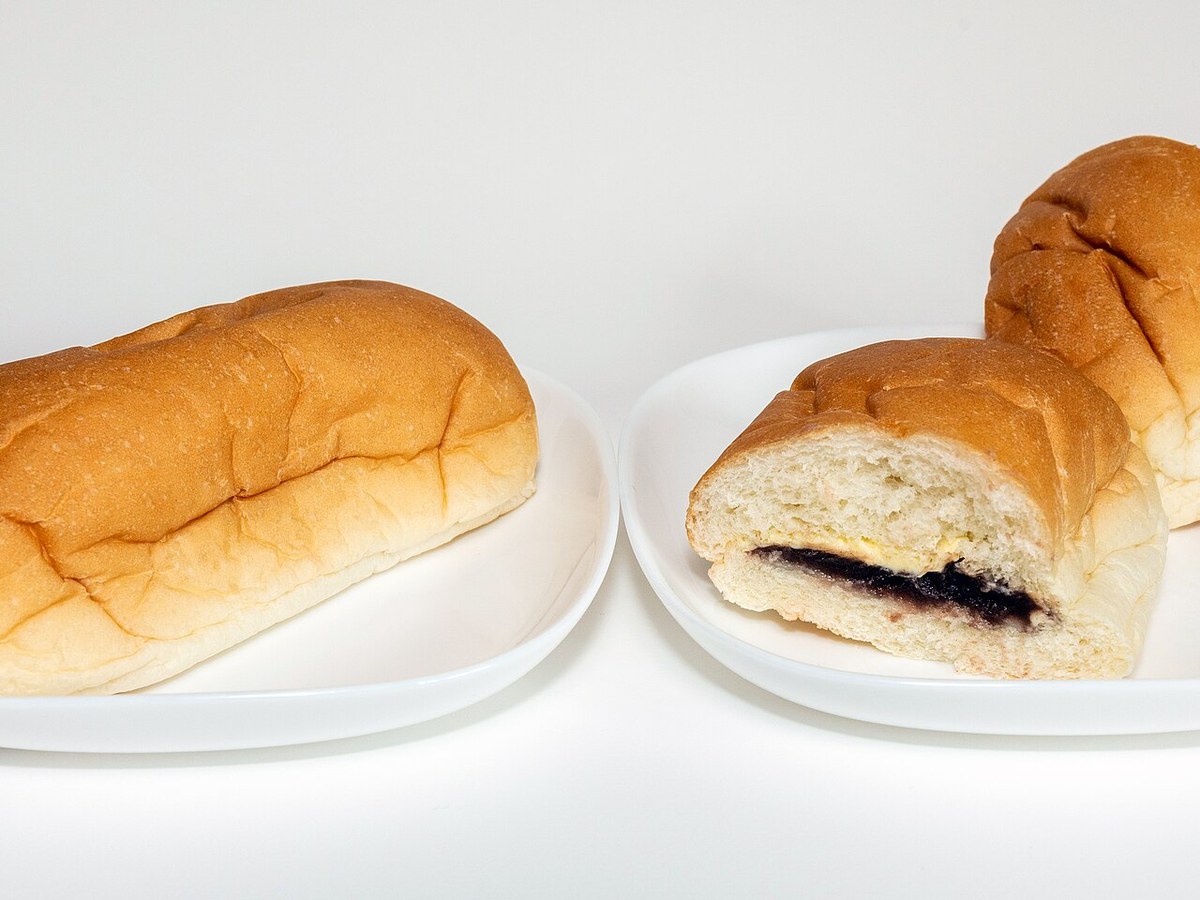
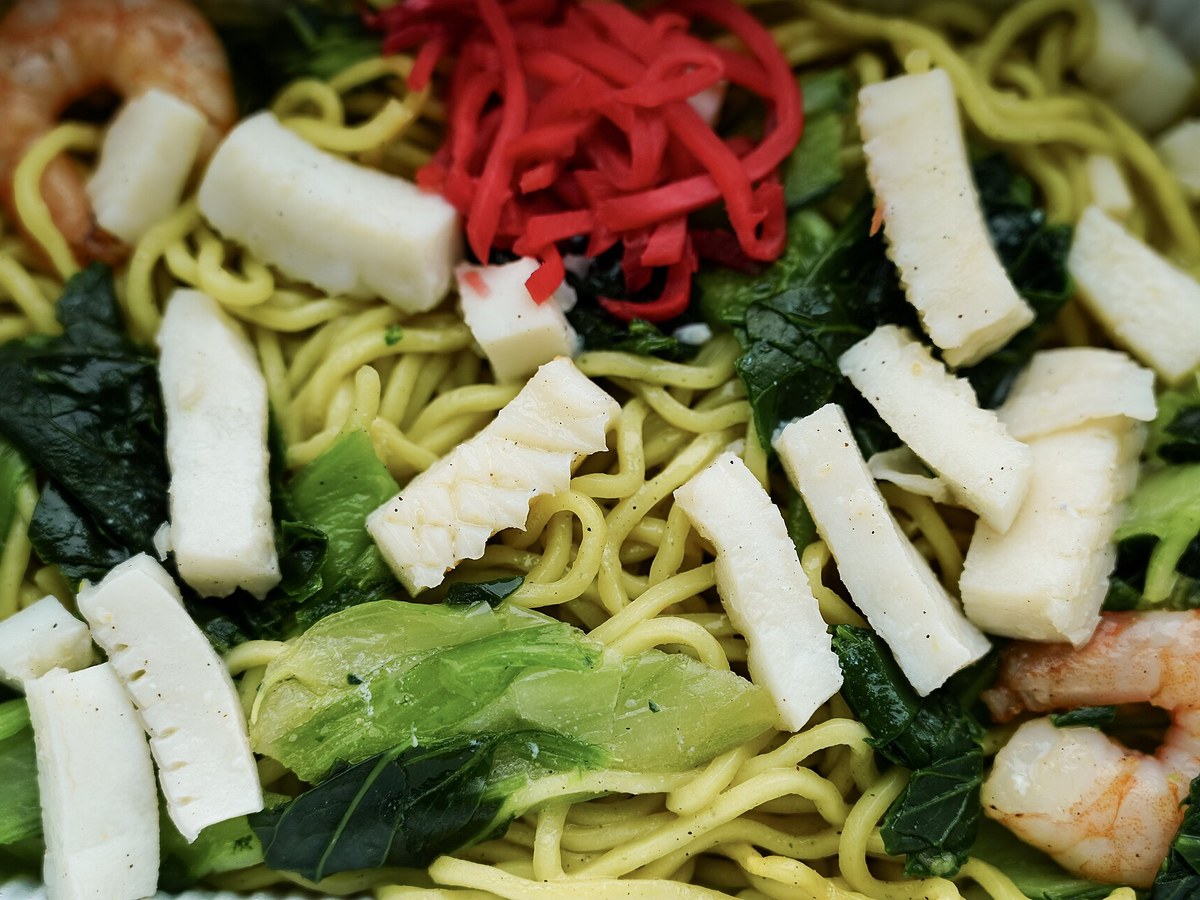
48 Tohoku edition stories — Aomori apples, Sendai zunda, Morioka reimen, Yonezawa beef, Oma tuna, Mamador, Yokote yakisoba, Fukuda Pan, Tankaku beef, hittsumi, shottsuru yakisoba, Oga’s seafood-only noodle in its hatahata fish-sauce tare, Ishinomaki yakisoba, the brown twice-steamed noodle steam-fried with dashi, and dadachamame, Tsuruoka’s heirloom edamame guarded since the Edo period, and Namie yakisoba, the extra-thick noodle that took B-1 gold while its town stood evacuated, and Aomori’s miso curry milk ramen, the students’ game a master spent three years balancing, and Torichuka, the soba shop’s ramen born as a staff meal in Tendo in 1861, and Babahera, Akita’s roadside ice scooped by grandmothers under parasols, and Cream box, the milk-cream bun Koriyama adopted as its own, and Seri nabe, Sendai’s winter hotpot of whole Natori seri, its roots washed white and swished through the broth for seconds, and Kogin-zashi, Tsugaru’s counted-thread embroidery born of a cotton ban — with prices.

48 of the collection's 369 stories belong to this hub. Open any card for the full story: price, where to buy, official online sales and the dated sources behind the edition claim.

How the place hubs work: the nine place hubs divide the collection without overlap — every place-based story sits in exactly one of them. Tokyo and Kyoto keep shelves of their own inside the wider Kanto and Kansai regions, so their stories are not repeated in those hubs. One stationery story, partner-shop stamp refills, is venue-based rather than place-based, so it appears in the Stationery and Venue goods hubs only.

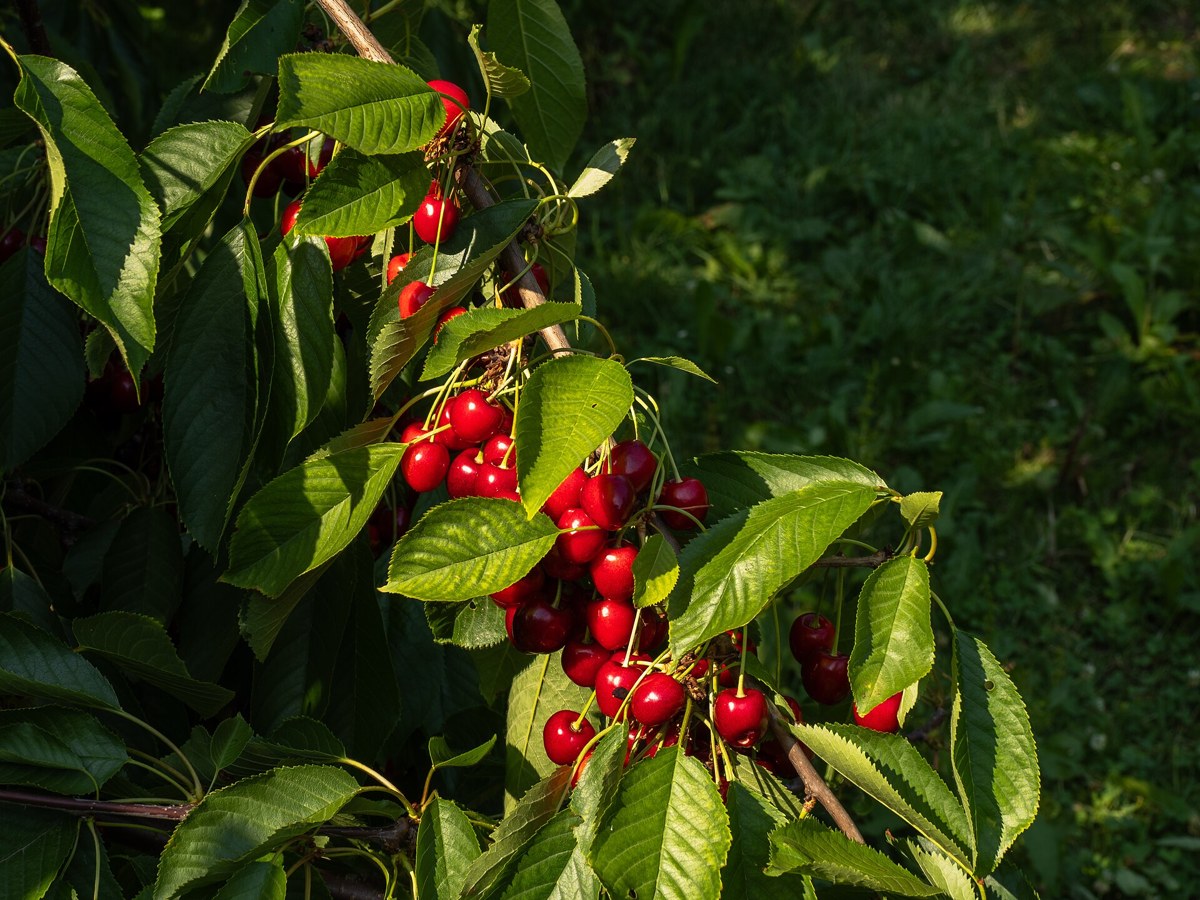
Ripe cherries on the tree

Food

Sato Nishiki Cherries — Yamagata's King Cultivar under the GI Higashine Cherry: the L-Size Rule & Prices

Yamagata's third story is a cherry that must earn its name twice. Sato Nishiki, bred in Higashine and named in 1928, is the king cultivar of Japan's top cherry prefecture — but only fruit grown around Higashine, coloured over 70% and sized L or larger may be shipped as 'Higashine Cherry', the name protected by a 2017 geographical indication. A 300-gram punnet in Tokyo costs ¥10,000; a kilogram of the best made ¥1,300,000 at auction.

Food · Higashine, Yamagata

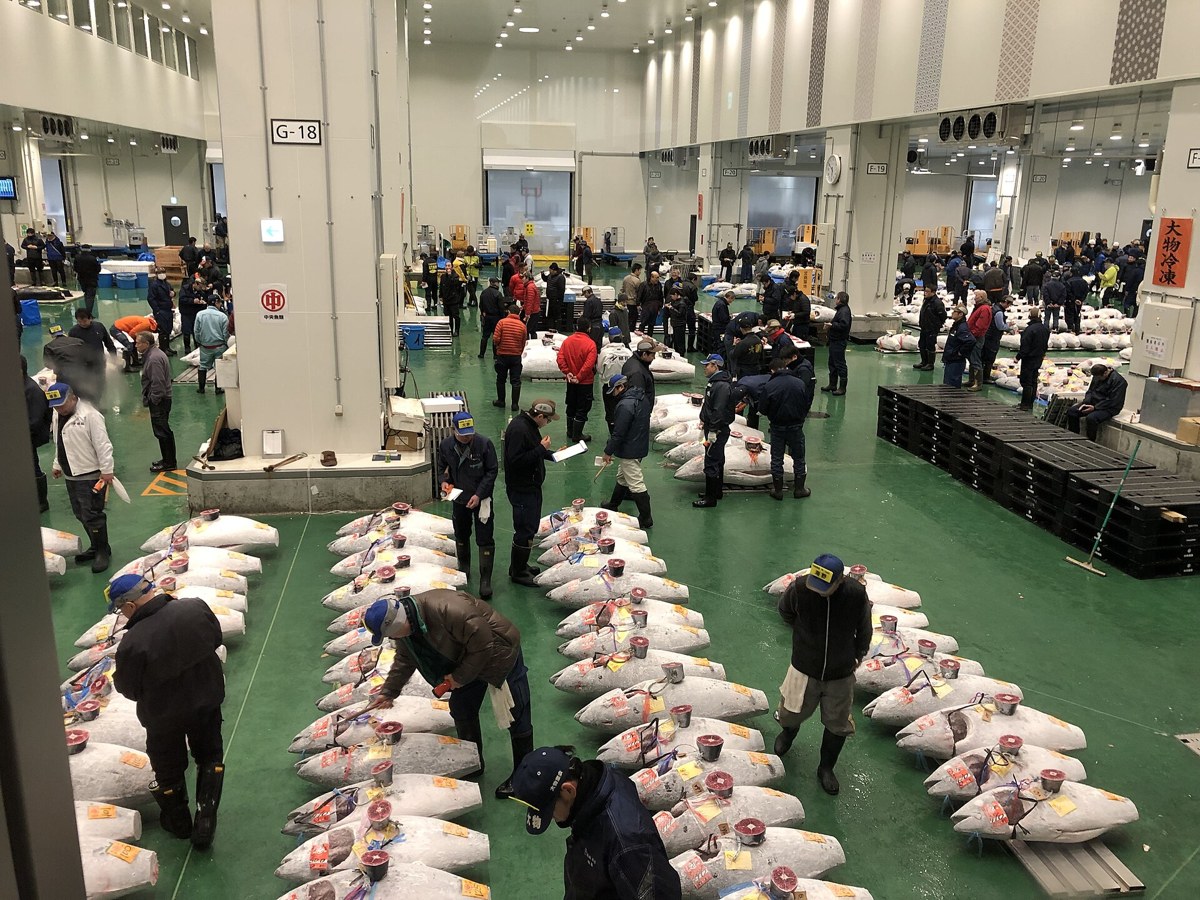
Rows of bluefin tuna at a market auction

Food

Oma Tuna — Aomori's Black Diamond: the 30-Kilo Label, One-Line Fishing & the ¥510 Million Fish

Aomori's third story is a fish with a weight limit on its fame. Oma tuna is the fisheries co-operative's trademarked brand for bluefin landed at Honshu's northernmost port — only fish over 30 kilos earn the label and its numbered cheek sticker. In January 2026 one 243-kilo Oma fish sold for a record ¥510.3 million in Tokyo, then was served to ordinary diners at ¥398 to ¥598 a piece.

Food · Oma, Aomori

A packaged Nanbu senbei, peanut type

Food

Senbei-jiru — Hachinohe's Cracker Soup: a 100-Year Food, a B-1 Crown & ¥1,728 Sets

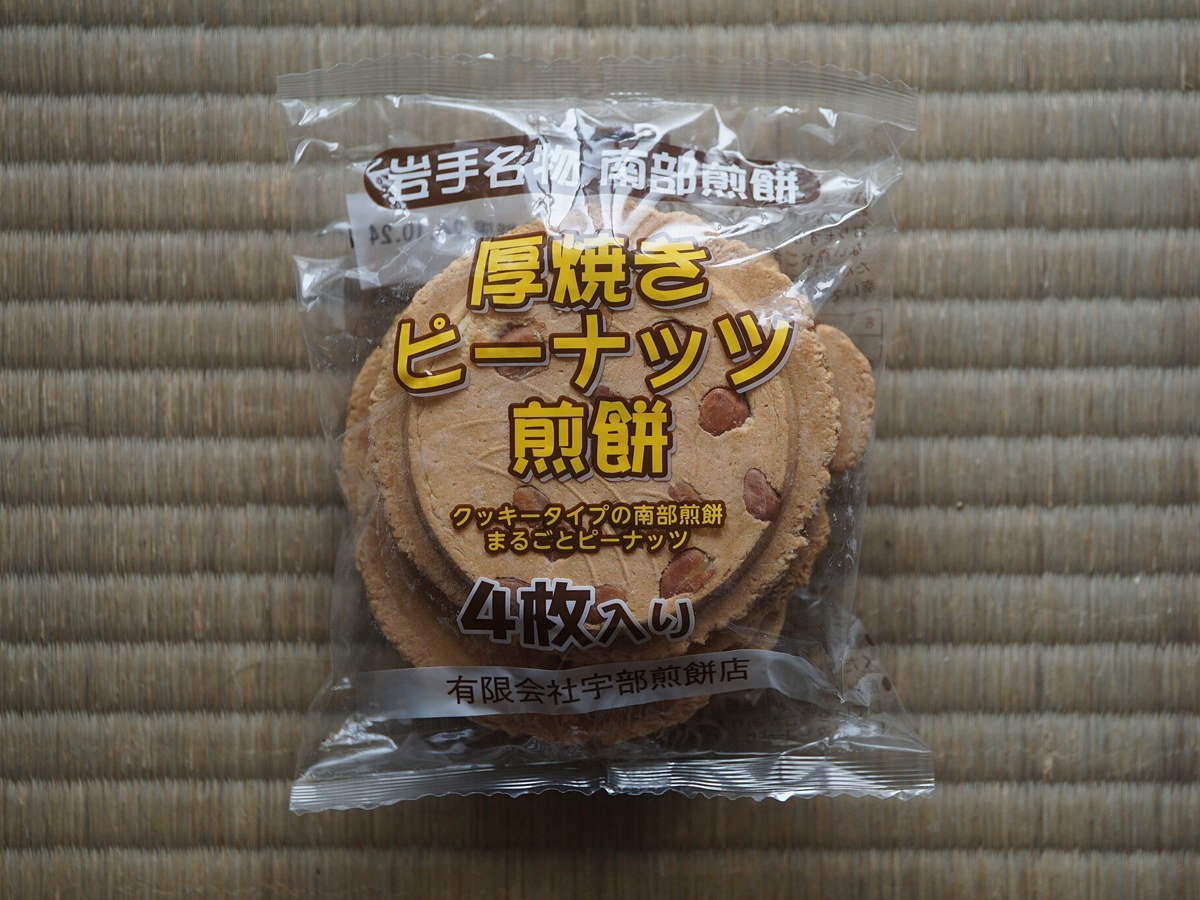
Aomori's fourth story is the soup that eats its crackers. Senbei-jiru — wheat-flour Nanbu senbei, baked specially for the pot, simmered in a broth of chicken, fish, mushrooms and vegetables until they turn chewy as pasta — is Hachinohe's household dish turned national champion: B-1 Grand Prix gold in 2012, and certified one of the Agency for Cultural Affairs' 100-Year Foods in fiscal 2022. The city's own list prices the Institute-certified four-serving set at ¥1,728.

Food · Hachinohe, Aomori

A Sendai gyutan set meal at Kisuke

Food

Sendai Gyutan — the Set Meal a City Built on Beef Tongue: Charcoal, Barley Rice & ¥2,400 Sets

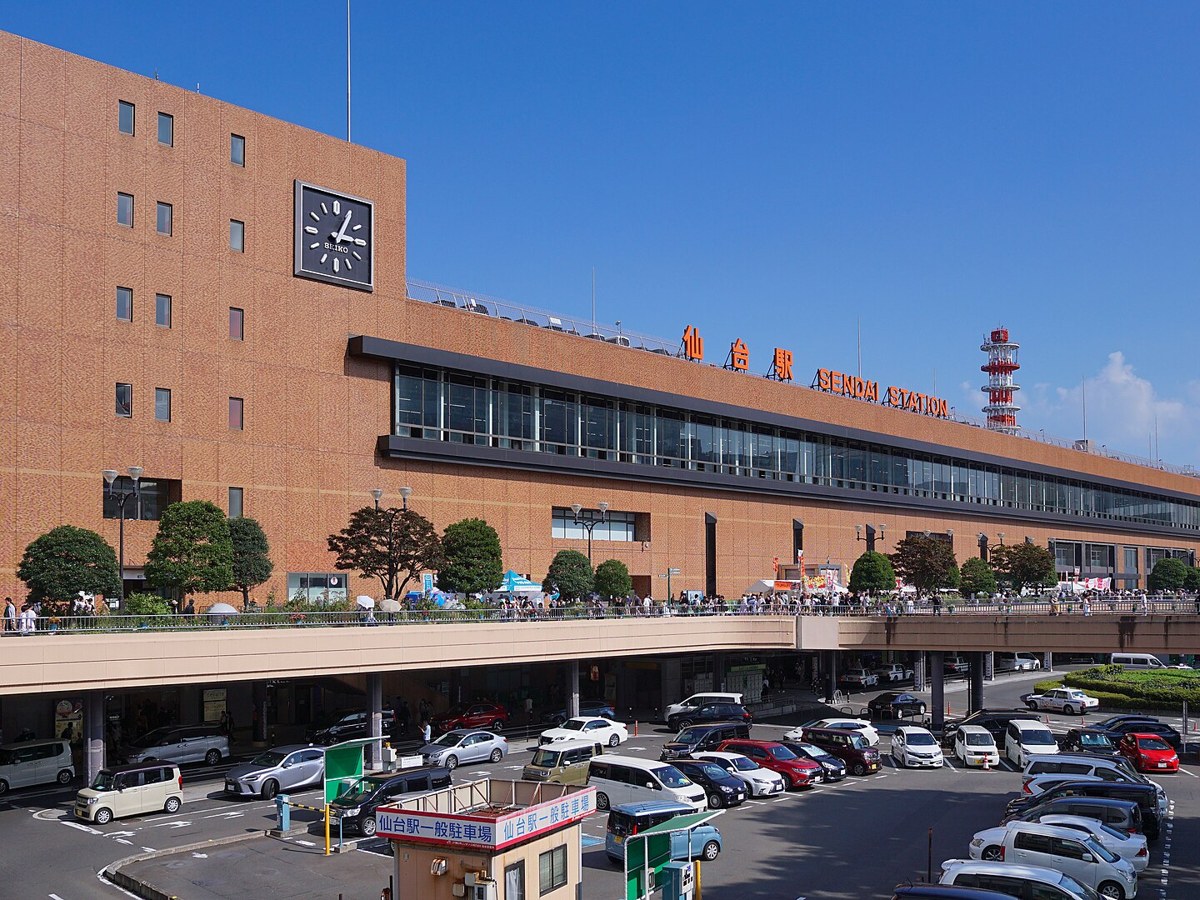
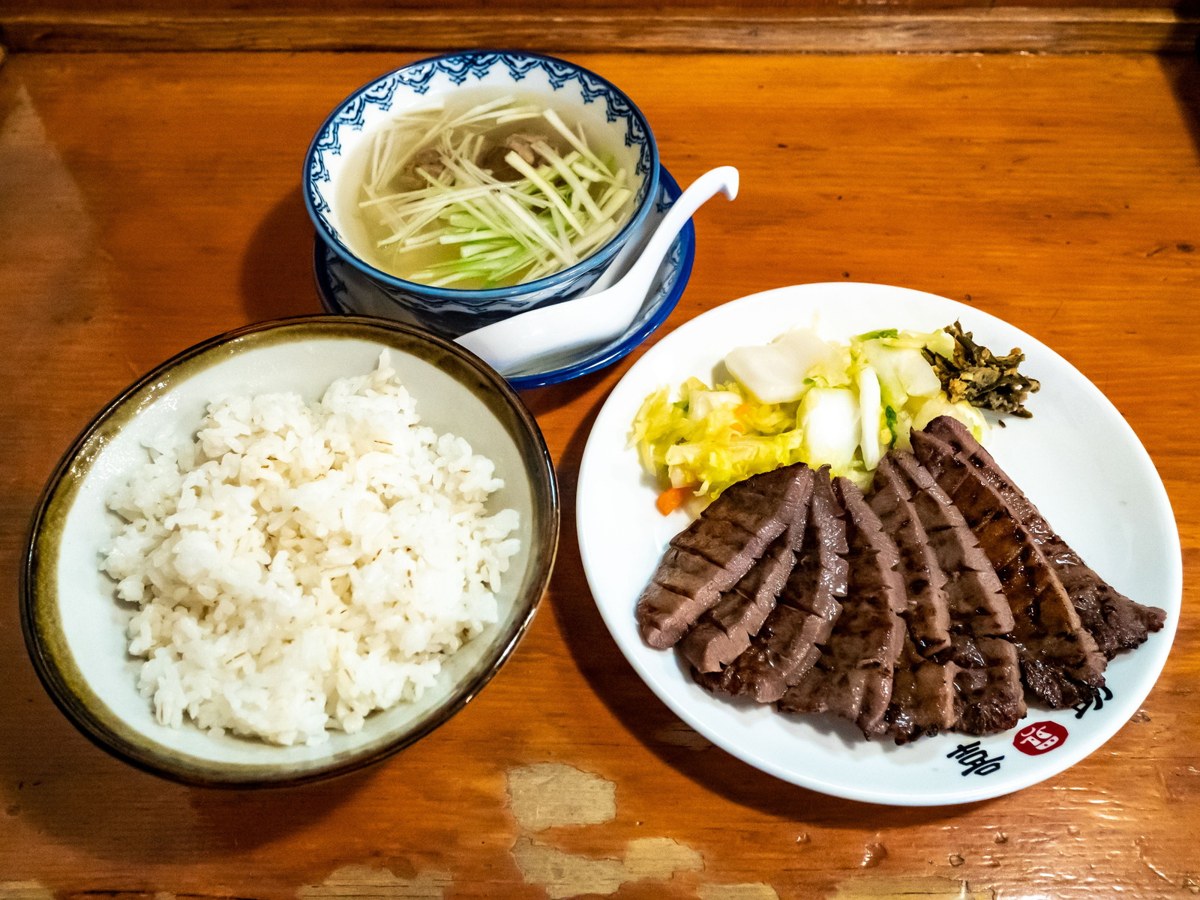
Miyagi's fourth story is Sendai's signature plate. Gyutan here is not yakiniku: it is a set meal of thick, scored beef tongue, aged for days and grilled over charcoal, served with barley rice, oxtail soup and pickles — a form invented at Tasuke in 1948 and now cooked by about 100 specialty shops, six of them in a row inside Sendai Station. Sets run ¥1,500-3,000; the founding line's Umami Tasuke charges ¥2,400 for its classic three-piece set.

Food · Sendai, Miyagi

A bowl of Morioka jajamen

Food

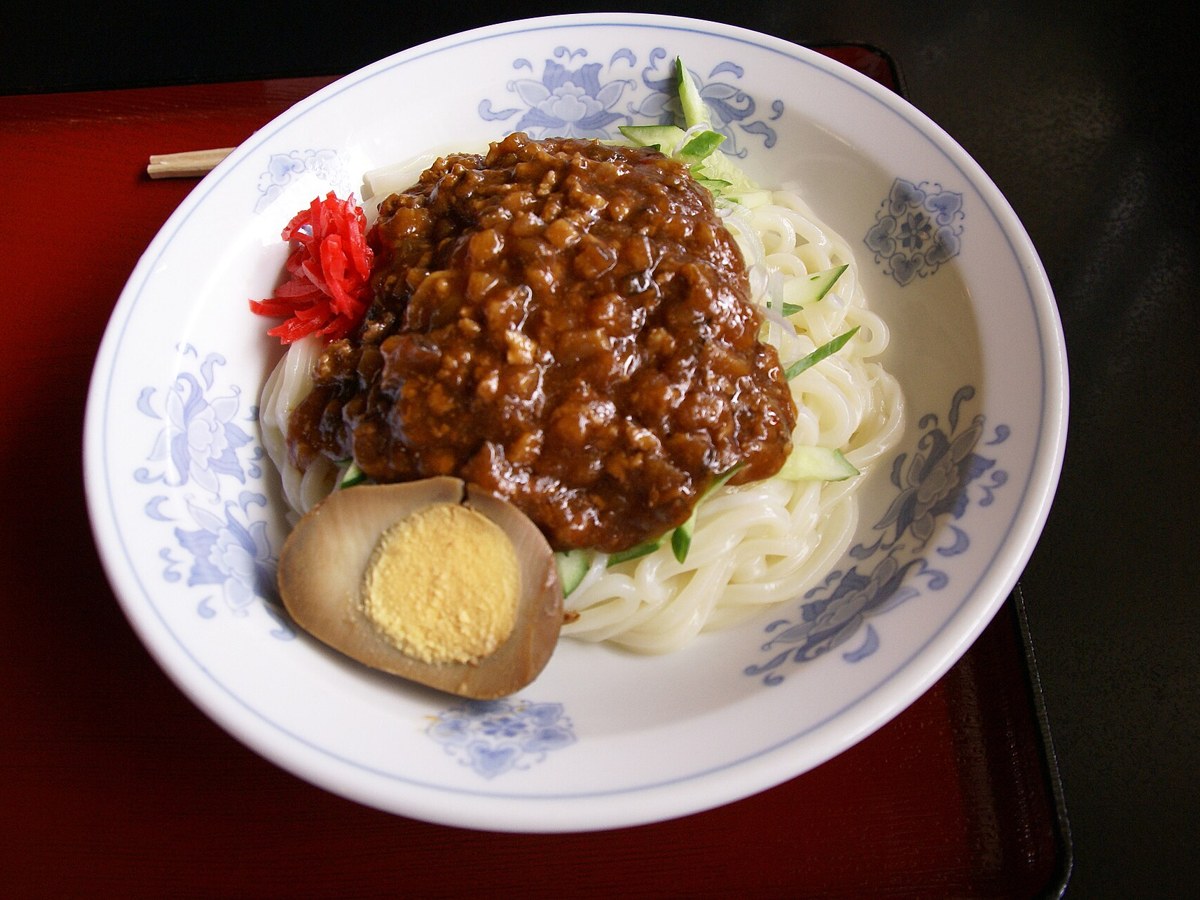
Morioka Jajamen — the Noodles You Season Yourself: Meat Miso, Flat Noodles & the Chitantan Finale

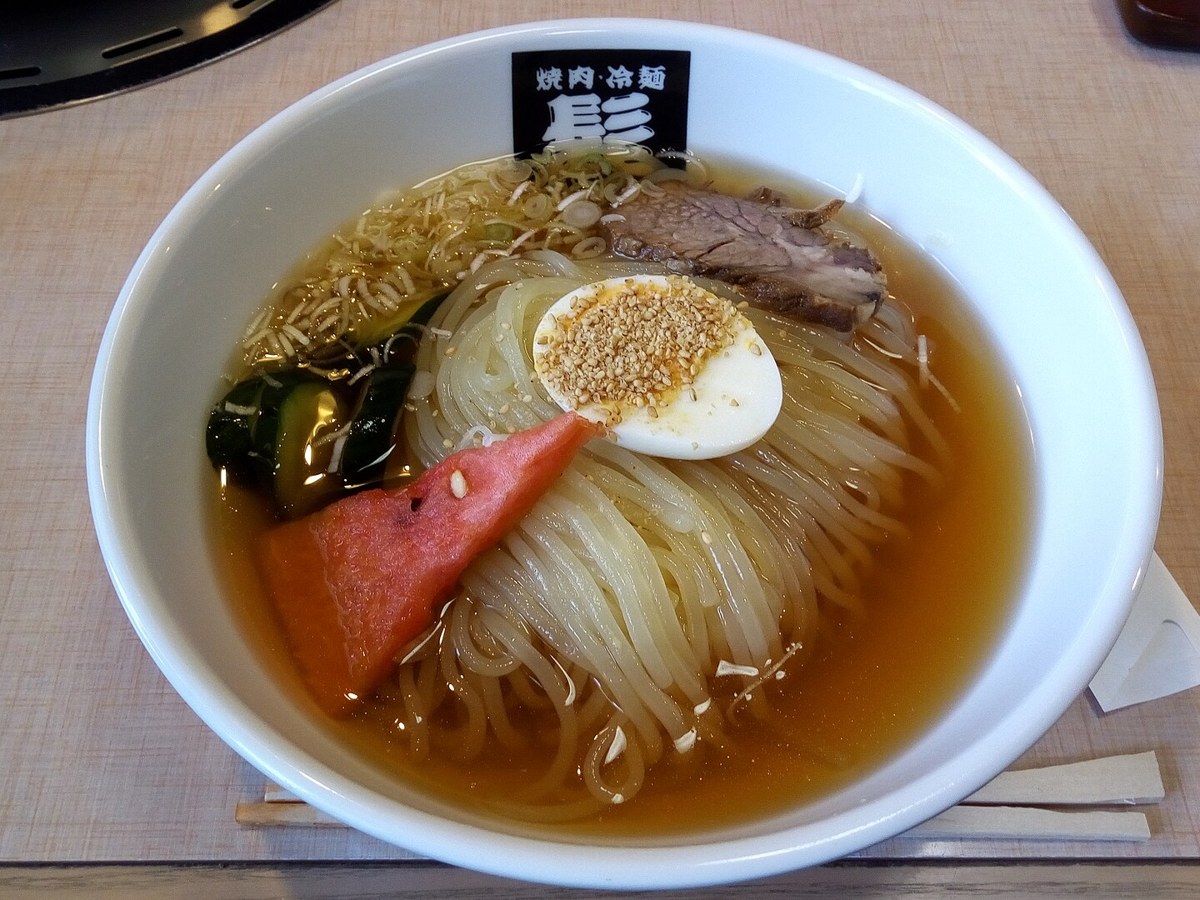
Iwate's fourth story completes Morioka's famous noodle trio. Jajamen is a brothless bowl of flat, chewy noodles under a house meat miso — minced meat, sesame, shiitake and ten more ingredients at the founding house, Pairon — which the diner mixes, seasons with vinegar, chili oil and garlic to their own balance, and finishes as chitantan: a raw egg and hot noodle water turned into soup in the same bowl. Created after the war from a Manchurian zhajiangmian, it is the locals' everyday bowl at ¥600-900.

Food · Morioka, Iwate

Inaniwa udon on a bamboo tray

Food

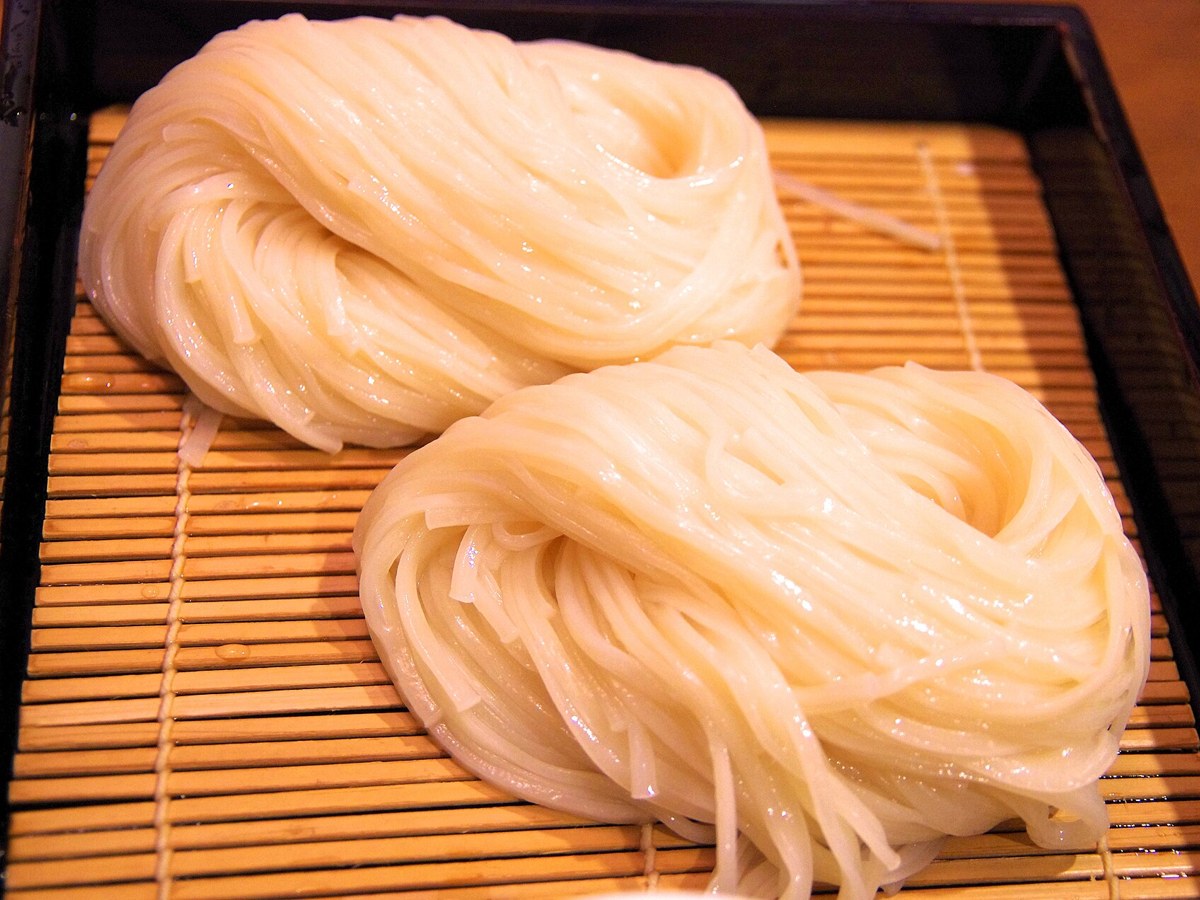
Inaniwa Udon — the Lord's Noodle Stretched by Hand: Three Days, Two Poles & 350 Years

Akita's fourth story is the thinnest, glossiest udon in Japan. In the Inaniwa district of Yuzawa, makers knead wheat dough, twist it into rope-like strands, age it, and stretch it thin entirely by hand over three days — a technique said to date from 1665, made an official product of the Satake lords in 1752, and kept as a one-heir family secret for two centuries. Counted among Japan's three great udon, it is served cold and silky at bowls and sets of about ¥1,000-1,800.

Food · Yuzawa, Akita

A bowl of Shirakawa ramen at Tora Shokudo

Food

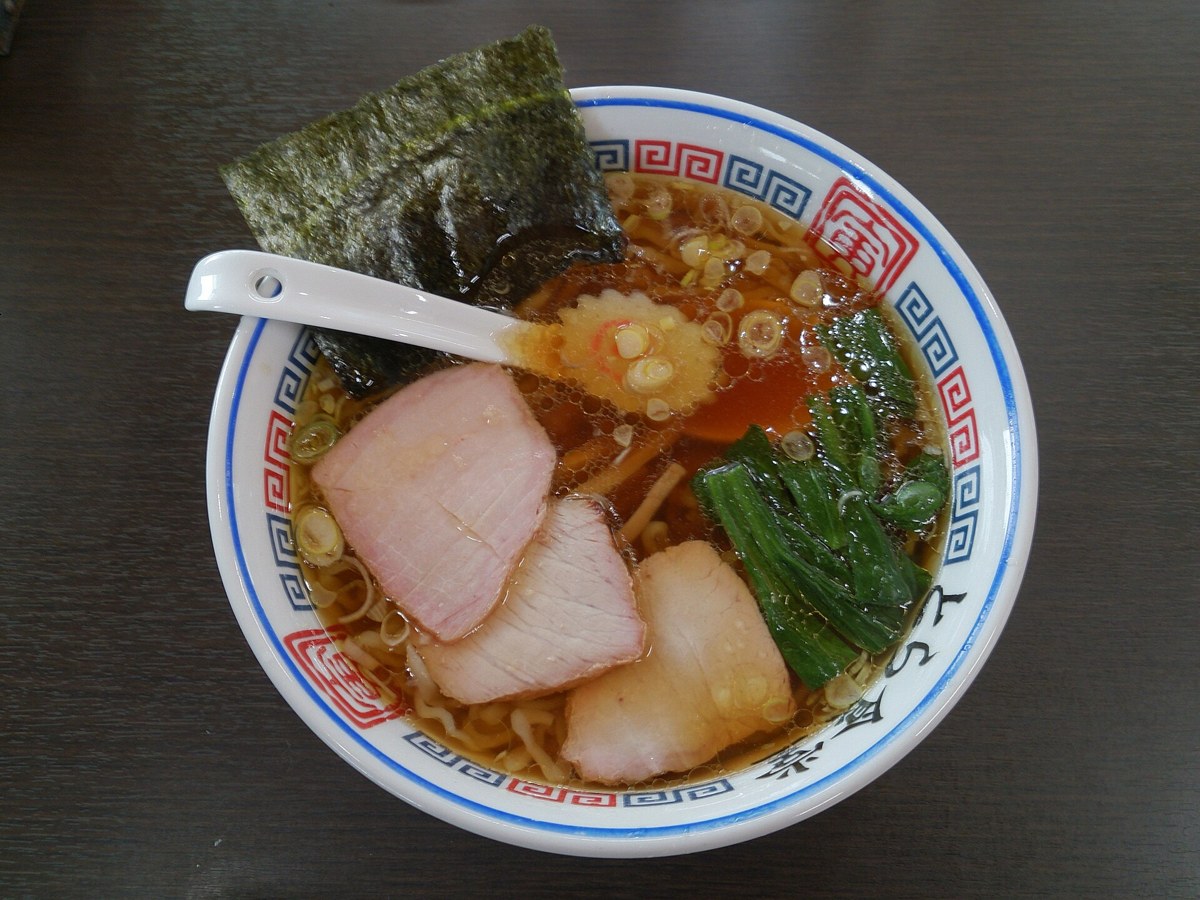
Shirakawa Ramen — the Clear Broth & the Hand-Kneaded Curl: Tora's City of 100 Shops

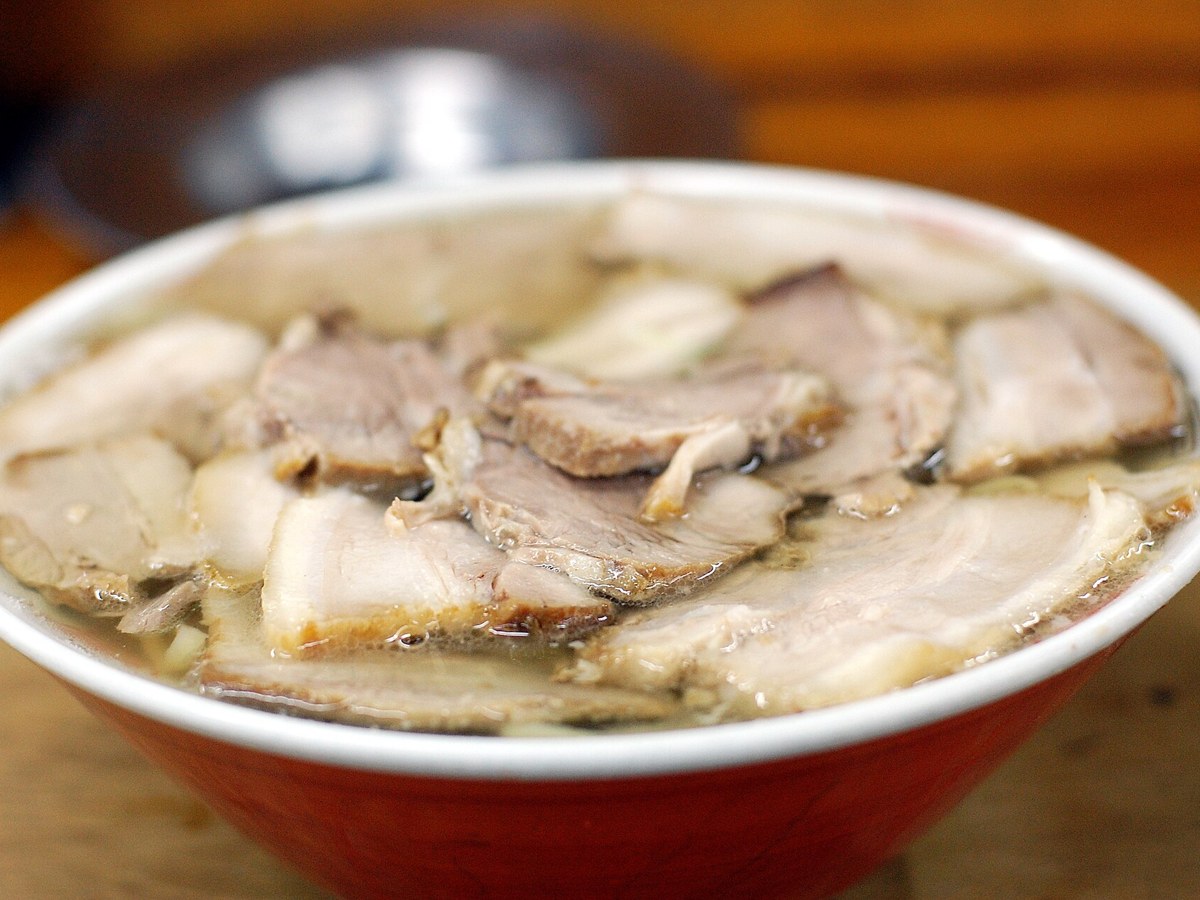
Fukushima's fourth story is the prefecture's other great ramen, and its opposite. In Shirakawa, at Fukushima's southern gate, makers hand-knead wide, unevenly curled noodles and serve them in a clear chicken-and-pork soy broth — a Taisho-era form shaped by the hand-kneading of Tora Shokudo's founder and spread by his apprentices across a city of more than 100 ramen shops. A standard bowl runs about ¥800-1,200.

Food · Shirakawa, Fukushima

A Yonezawa beef steak on an iron plate

Food

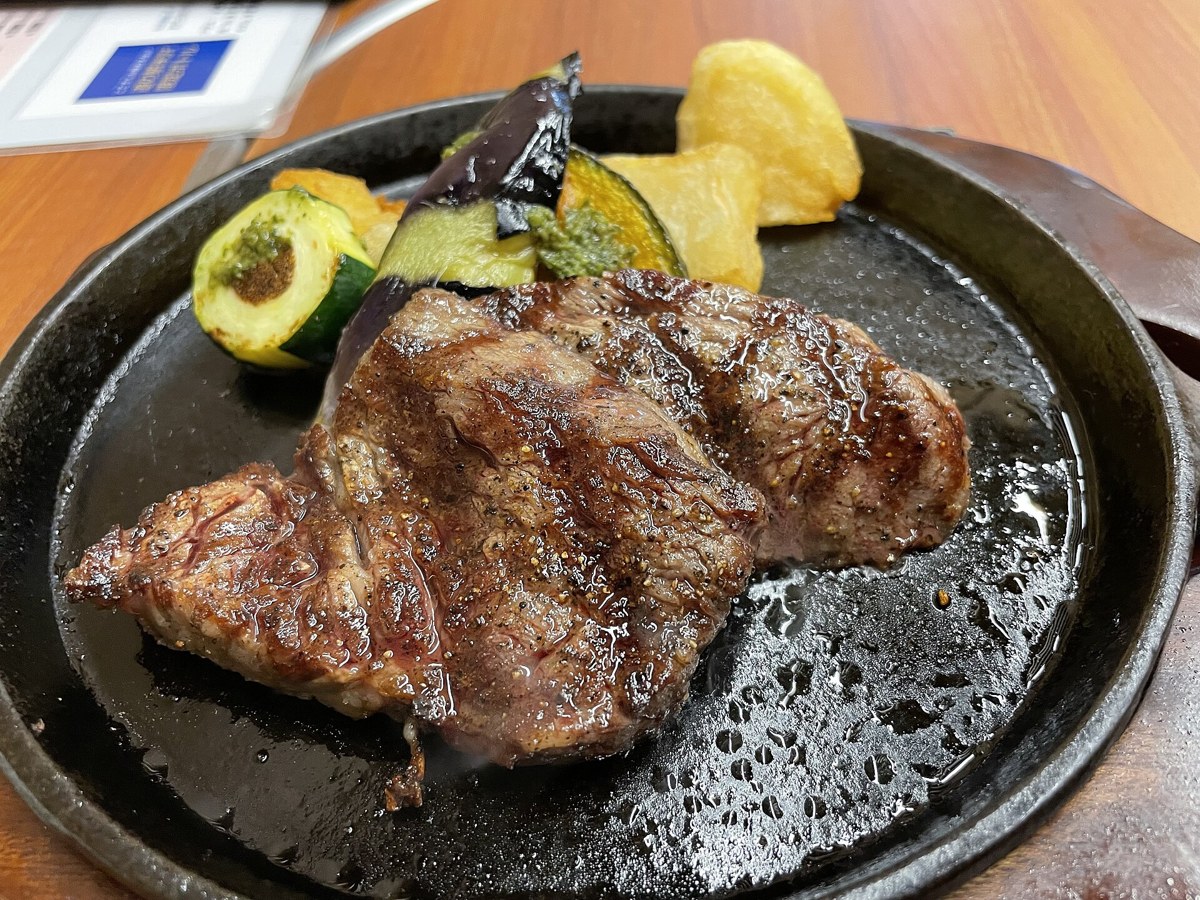
Yonezawa Beef — the East's Great Wagyu: Certified Heifers, 33 Months & One English Teacher

Yamagata's fourth story is the prefecture's crown: the only one of Japan's Three Great Wagyu brands found in eastern Japan. In the Okitama basin around Yonezawa City, Japanese Black heifers are raised for 33 months or more until their fat runs in fine, even marbling with a refined sweetness — and only meat meeting the brand council's full definition may carry the Yonezawa name. A steak or sukiyaki typically runs around ¥10,000.

Food · Yonezawa, Yamagata

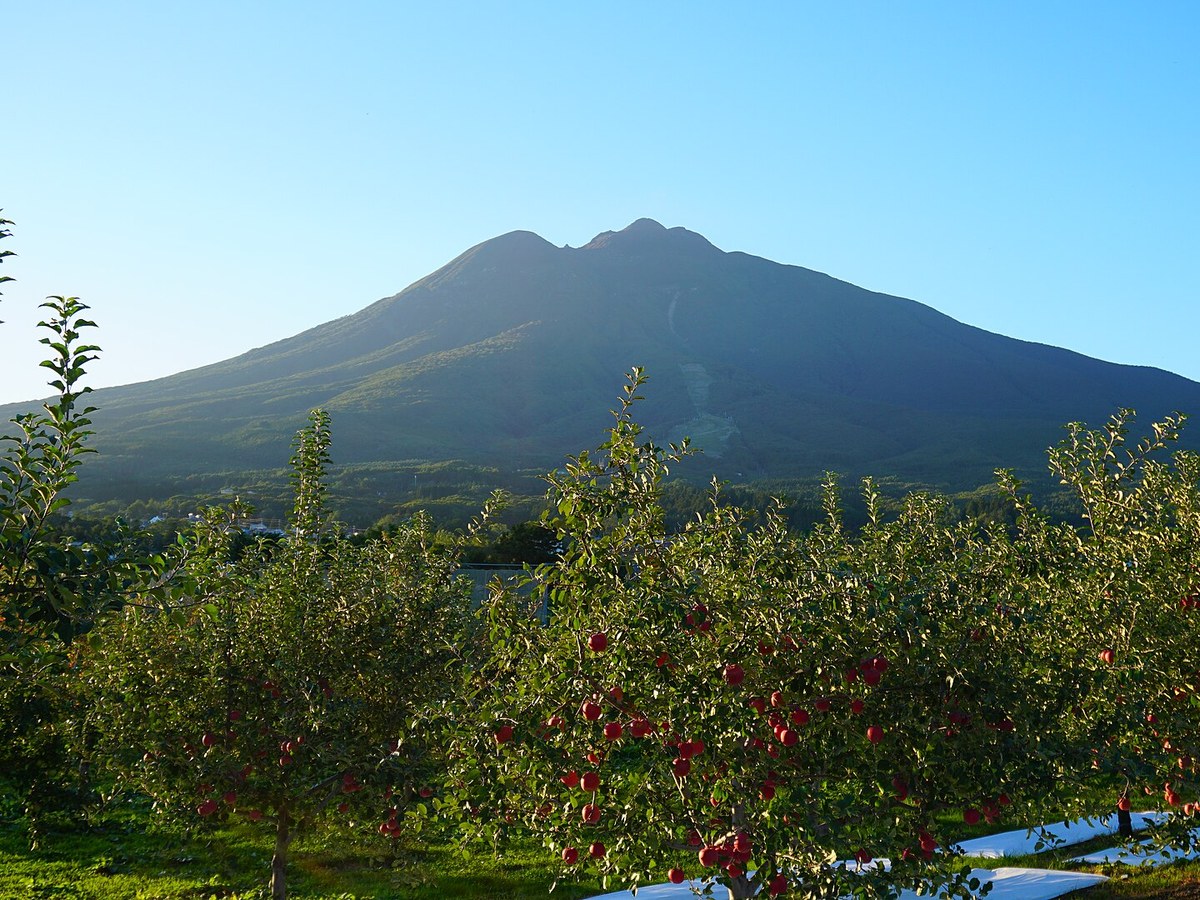
Apple orchards below Mount Iwaki, Aomori, in autumn

Food

Aomori Apples — Fuji, the Cultivar One Prefecture Bred: Japan's Apple Heartland & a ¥4,980 Sugar-Selected Box

One prefecture grows nearly sixty percent of Japan's apples, in orchards first planted to give former samurai a living. Aomori's flagship cultivar, Fuji — bred in the prefecture's own Fujisaki town in the late 1930s and marketed from 1962 — makes up about half of production, and the harvest is machine-sorted two hundred apples a minute by sugar and acid content.
Food · Hirosaki, Aomori

Explore the other hubs

By subject

By place

New here? The places and editions guide explains how these editions work and how to check one before you travel.

Sources and checking

Membership of this hub is generated from the site catalogue, whose exclusivity statements were checked against maker and venue sources in November 2026 (original checks 5–15 November 2026). Hub membership and counts were re-verified at 369 stories on 15 November 2026. Availability is not monitored in real time; confirm stock with the shop before travelling.