Edamame has a king, and the king grows in one district of one city. Dadachamame is Tsuruoka’s heirloom edamame — fragrant like sweetcorn, sweet and dense — guarded since the Edo period by the farmers of Shirayama, sold under a trademarked name, and in season for barely six weeks of summer.
The bean the lord kept asking for
In Shonai dialect, a dadacha is a father — the head of the house. The name the bean carries is traditionally told from the Edo period, when the Sakai lord of Shonai, served the edamame of his castle town, is said to have asked day after day for the beans “that dadacha made”. The story is told as tradition on the producer records, and the bean itself is documented fact: an heirloom grown around Tsuruoka since the Edo period, kept by farm households rather than bred by any institute.
Its stronghold is Shirayama, a district of Tsuruoka on heavy clay soil by the Yumi river. In the Meiji period a Shirayama farm woman, Moriya Hatsu, selected seed from a superior plant she had been given, and the line she fixed became Hakusan dadachamame — the summit of the brand, whose seed houses in Shirayama still guard.
A flavour that refuses to travel
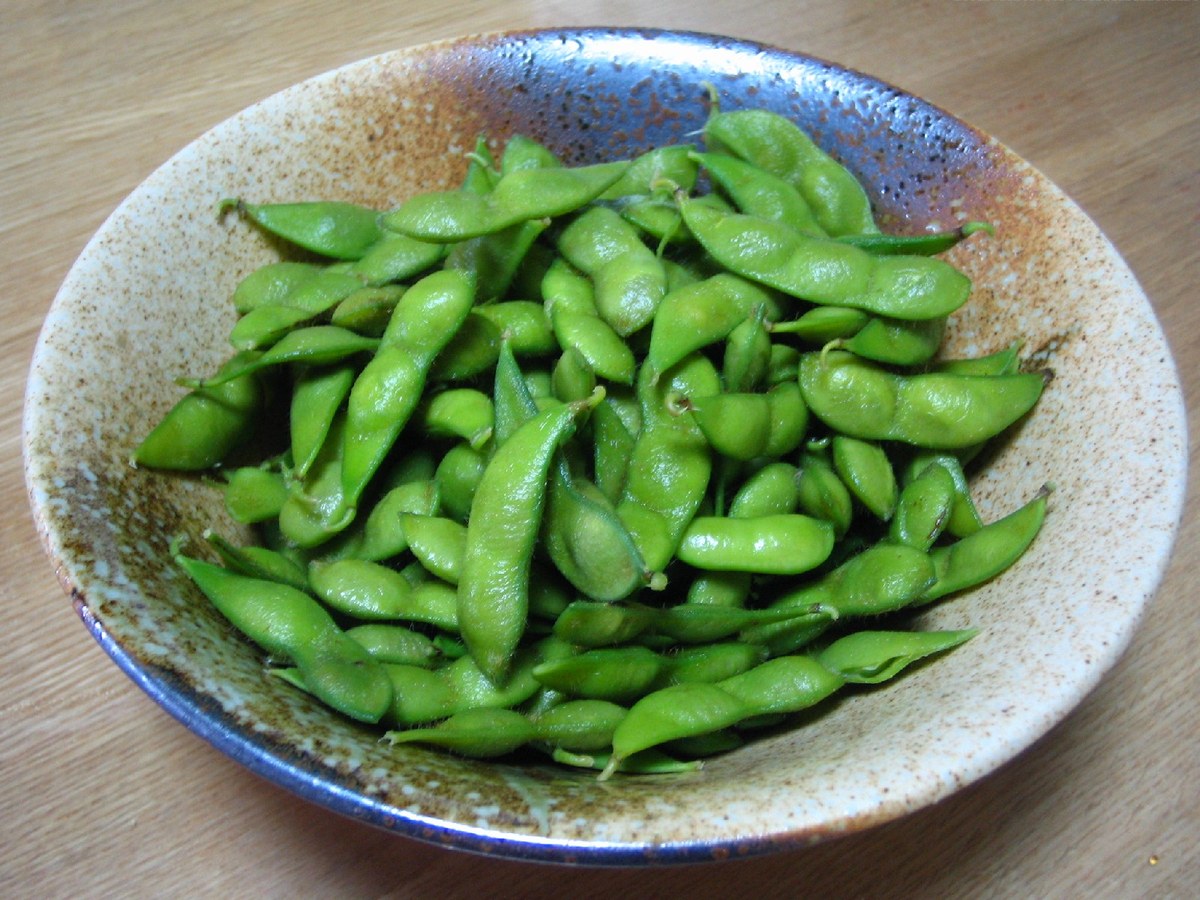
Dadachamame’s fame rests on a refusal: moved to other soil, the flavour falls away. The economy ministry’s brand case study records that the bean was long sold only inside its region for exactly that reason — the taste is a property of Tsuruoka’s ground and climate — compounded by a bean that spoils fast and must be eaten within days of picking.
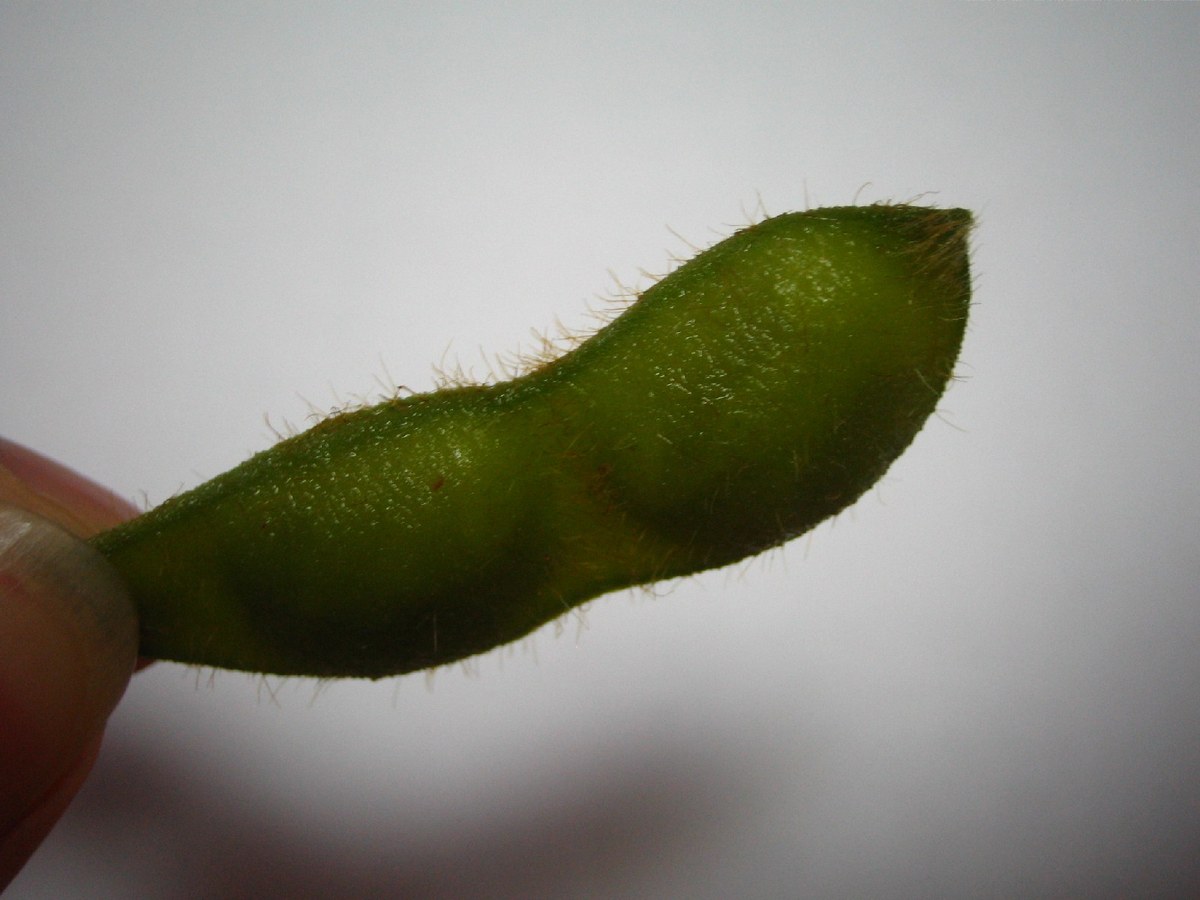
What the soil gives is measurable on the producer pages: roughly double the free alanine of ordinary edamame on the Yamagata research figures quoted in the trade, a roasted, sweetcorn-like fragrance, and pods whose beans are large, sweet and dense rather than watery. The harvest runs in a relay of strains from late July to early September — early, mid and late lines succeeding each other for about six weeks.
Guarded: seed, standard, trademark
The brand is defended the way wine appellations are. On the ministry’s record, JA Tsuruoka and the producers’ organisation manage the seed centrally, set quality conditions for anything sold under the name — sound shape and colour, no pest damage, mature pods of two beans or more — and registered dadachamame as a trademark, after poor imitations from other prefectures began trading on it.
Only beans grown by Tsuruoka growers under the producers’ council’s certification may be labelled dadachamame at all, on the retail record. The name on a bag is therefore a certificate, not a description — and the Shirayama-grown Hakusan line sits at the top of it.
In season: six weeks, morning-picked
Buy it between late July and early September, and buy it fresh: the trade’s rule is asa-dori, morning-picked, shipped the same day, eaten within days. Oisix lists the Yamagata bean in a 250 g bag at ¥768 (out of season when checked for this story); farm-direct home packs run larger — Agri Partner’s Tsuruoka loose home-use 2 kg pack is ¥3,390 including tax and shipping.
Boil it briefly — three to three and a half minutes in strong salted water on the Yamagata guidance quoted in the trade — and eat it the day it arrives. A dadachamame out of season, or a week old, is a photograph of the bean, not the bean.
Sources — checked 14 November 2026
- METI (Chugoku Bureau) regional-brand case study — Dadachamame
- Oisix — Dadachamame (Yamagata, Kimura and others), 250 g
- Agri Partner via d-shopping — Tsuruoka dadachamame, home-use 2 kg
Checked 14 November 2026 (stored links re-fetched and judged per product): reserved where the page says so, with an editorial review note kept per product. Press, PR and travel use stays outside the grant.
Editorial review 2026-11-14