Japan's wagyu map has two famous western capitals, Kobe and Matsusaka, and one eastern outlier. In the Okitama basin at Yamagata's southern edge, ringed by mountains and split by violent seasons, farmers raise Japanese Black heifers longer than almost anyone else in the country — and the beef that results is ranked, on the checked accounts, alongside Kobe and Matsusaka as one of the Three Great Wagyu, the only one of the three in eastern Japan.
Fine marbling, certified three ways
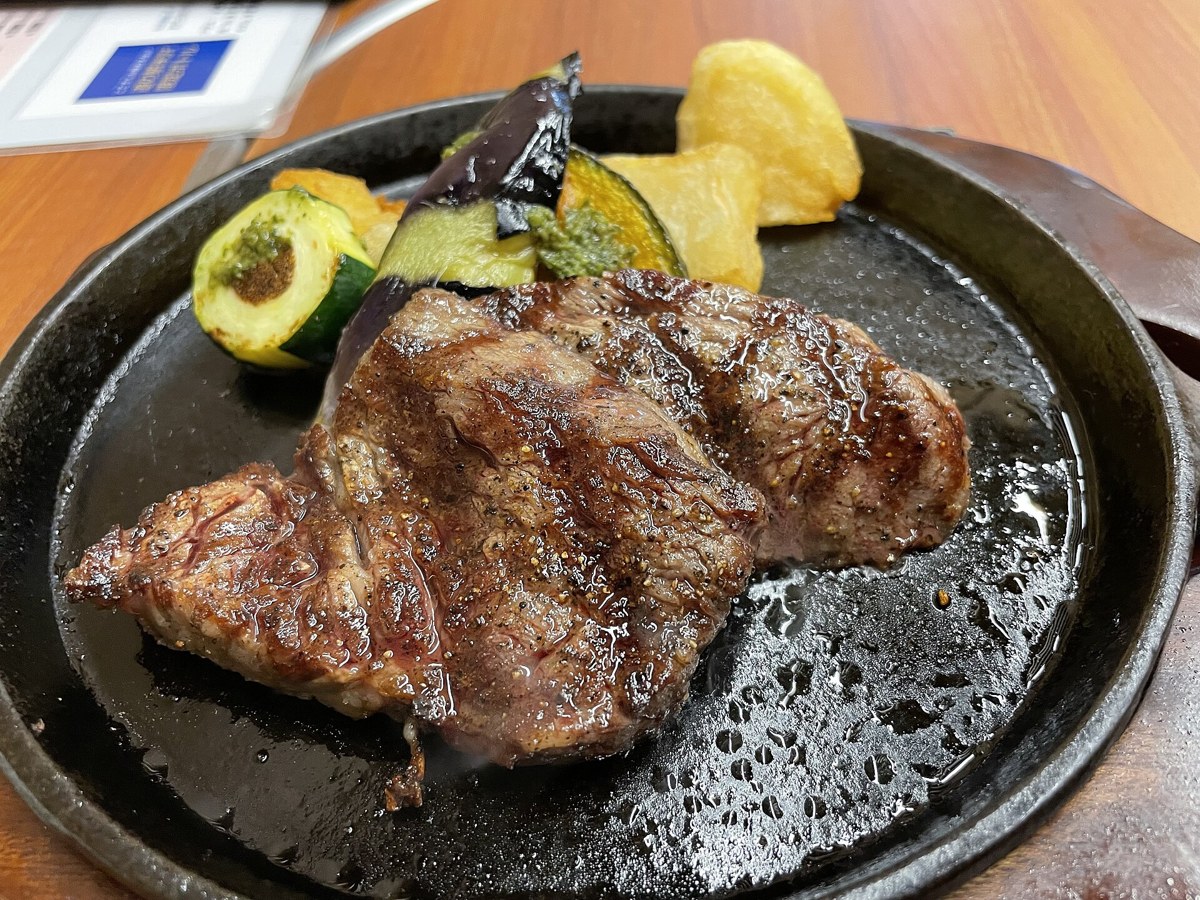
The checked brand account defines the meat by its fat first: fine, even marbling, tender meat, and a refined sweetness in the fat that seems to melt in the mouth. The travel guide adds the kitchen consequence — because the marbling melts at a low temperature, the beef delivers its flavour however it is cooked, and local farmers feed a specialised, nutrient-dense blend to carry the cattle through the basin's dramatic seasonal changes, from scorching summers to freezing, snow-filled winters.
What makes it Yonezawa beef, though, is paperwork before it is flavour. Under the definition set by the Yonezawa Beef Brand Promotion Council, only meat from nulliparous female Japanese Black cattle raised in the Oitama region, shipped at 33 months of age or older and graded 3 or higher for meat quality, may carry the name — and the brand holds Geographical Indication protection from the Ministry of Agriculture, Forestry and Fisheries. The guide's comparison is the cleanest way to hold the boundary: all Yonezawa beef is Yamagata beef, but not all Yamagata beef is Yonezawa beef, because the prefecture-wide brand admits steers and a shorter rearing of typically 28 to 30 months.
1871: the English teacher who tasted it
The brand account tells the origin as a homesick meal. In 1871, Charles Henry Dallas, an Englishman invited to Yonezawa as a teacher at the domain school Kojokan, ate local beef out of nostalgia for his homeland — in a region where eating four-legged animals was not customary. He taught at the school from 1871 to 1875, and the beef stayed with him: when his term ended in 1875, he brought one head of Yonezawa cattle back to the foreign settlement in Yokohama as a gift and served it to his acquaintances.
Yokohama did the rest. The flavour became a topic of conversation in what was then a major beef-consuming city; Dallas brokered a connection between Yonezawa livestock dealers and Yokohama wholesalers, and the beef began to be sold under the name 'Yonezawa Beef' — a route to national fame, the account notes, different from those of Matsusaka beef and Kobe beef. A region that had not eaten its own cattle became, within one teacher's posting, the east's great beef brand.
What the certified article costs
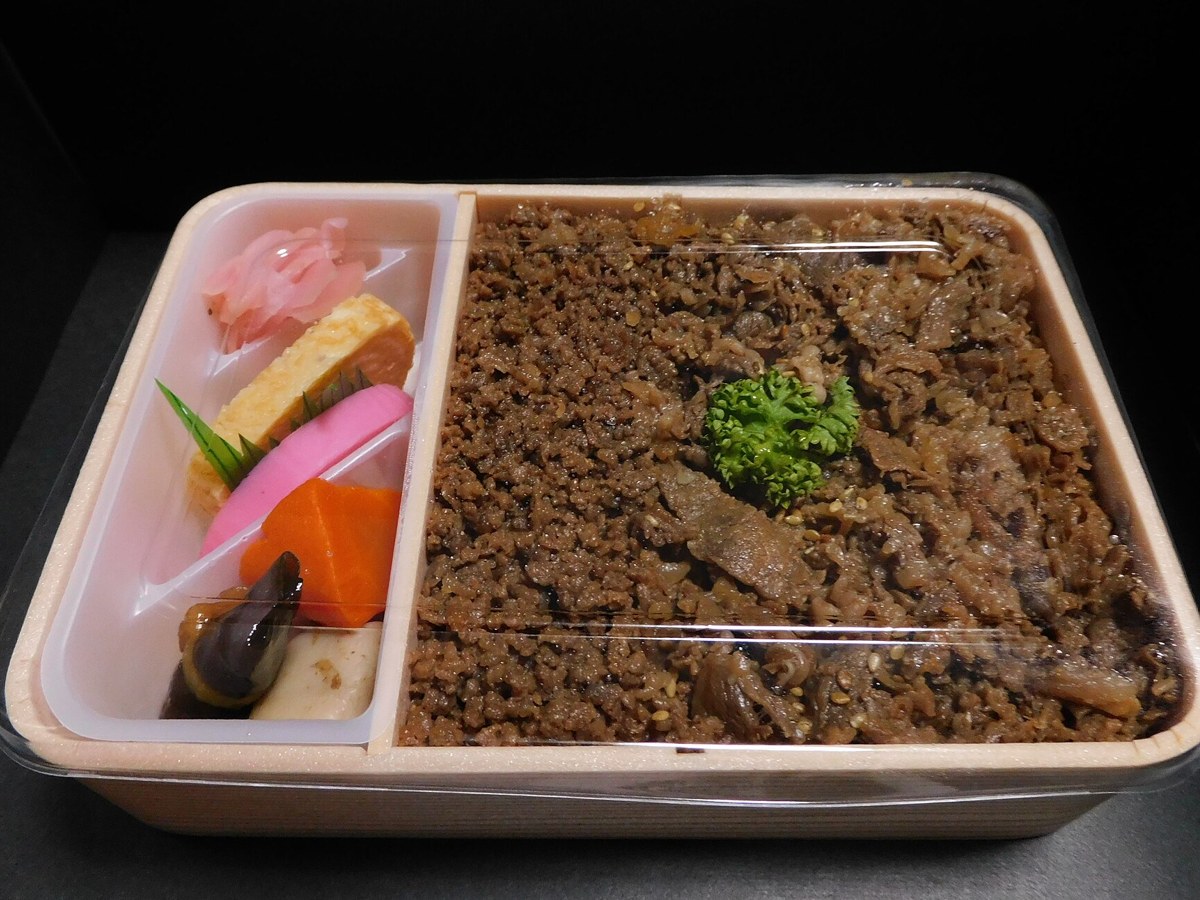
At the source, this is celebration food with a working lunch hidden inside it. The checked guide reads steak or sukiyaki at typically around ¥10,000, with course meals at ¥20,000 or more — and then notes that despite the reputation for being pricey, some restaurants serve yakiniku meals for around ¥1,000, with checked lunch benchmarks around ¥4,000 at butcher-run specialists near Yonezawa Station. The traveller's shortcut is the station itself: Shinkineya's Gyu-niku Domannaka, sliced and minced Yonezawa beef in a sweet-soy glaze over Yamagata Domannaka rice, is the city's famous ekiben.
Yamagata's standing stories are a game played in wood — Tendo's shogi pieces — a kettle cast in iron, and the GI-graded Sato Nishiki cherry. Yonezawa beef is the prefecture's fourth story and its first beef, and it completes this collection's wagyu shelf: Kobe in Hyogo, Matsusaka in Mie, Omi in Shiga, Hida in Gifu, and now the eastern summit in Yamagata. Five brands, five prefectures, five different definitions — and Yonezawa's is the only one an English teacher carried to market in person.
Eating it where it is raised
Go to Yonezawa City, the brand account advises by its own structure: the city is home to numerous restaurants and specialty shops run directly by butcher shops, where the people who bid for the cattle also cook them — as sukiyaki in sweet soy broth, as shabu-shabu swished seconds through dashi, or as steak, the three forms the account names. Look for the brand's designated-store certification in the window when you buy to cook, because the whole point of the council's definition is that it can be checked.
If the season is summer, the city's calendar holds the bowl's festival form: since 1980 the Yonezawa Beef Festival has been held every summer on the banks of the Matsukawa River, an outdoor event where visitors eat sukiyaki made with Yonezawa beef raised by local livestock farmers. A certified heifer, a 33-month wait, a riverbank and a shared pot — the brand's entire argument, served outside.
Sources — checked 11 November 2026
- Takumi Meguri: Yonezawa Beef (checked brand account)
- LIVE JAPAN: Taste Northern Japan's Finest Wagyu — a local's guide to Yonezawa beef (checked guide)
Original prose and official links only; no source text or maker media reproduced. Photos are credited Creative Commons works, not product photographs.
Editorial review 2026-11-11