No beef name on earth is stolen more often, and few are defended better. Behind the restaurant signs of five continents, the original Kobe beef is a narrow, numbered thing: one bloodline, one prefecture, one marbling threshold, one seal. It gives Hyogo — sake and ink so far in this collection — its third story, and its first beef.
Twelve centuries of Tajima cattle, one port's name
The animal comes first. The official GI account records that Tajima cattle have been raised in the mountains of the Tajima region, in northern Hyogo, for about 1,200 years — small, tight-bodied farm cattle, prized since the Nara period for work in the paddies and at the cart, improved over centuries in the region's clear air and mineral-rich water. The bloodline they form is the ancestor stock of most of Japan's branded wagyu.
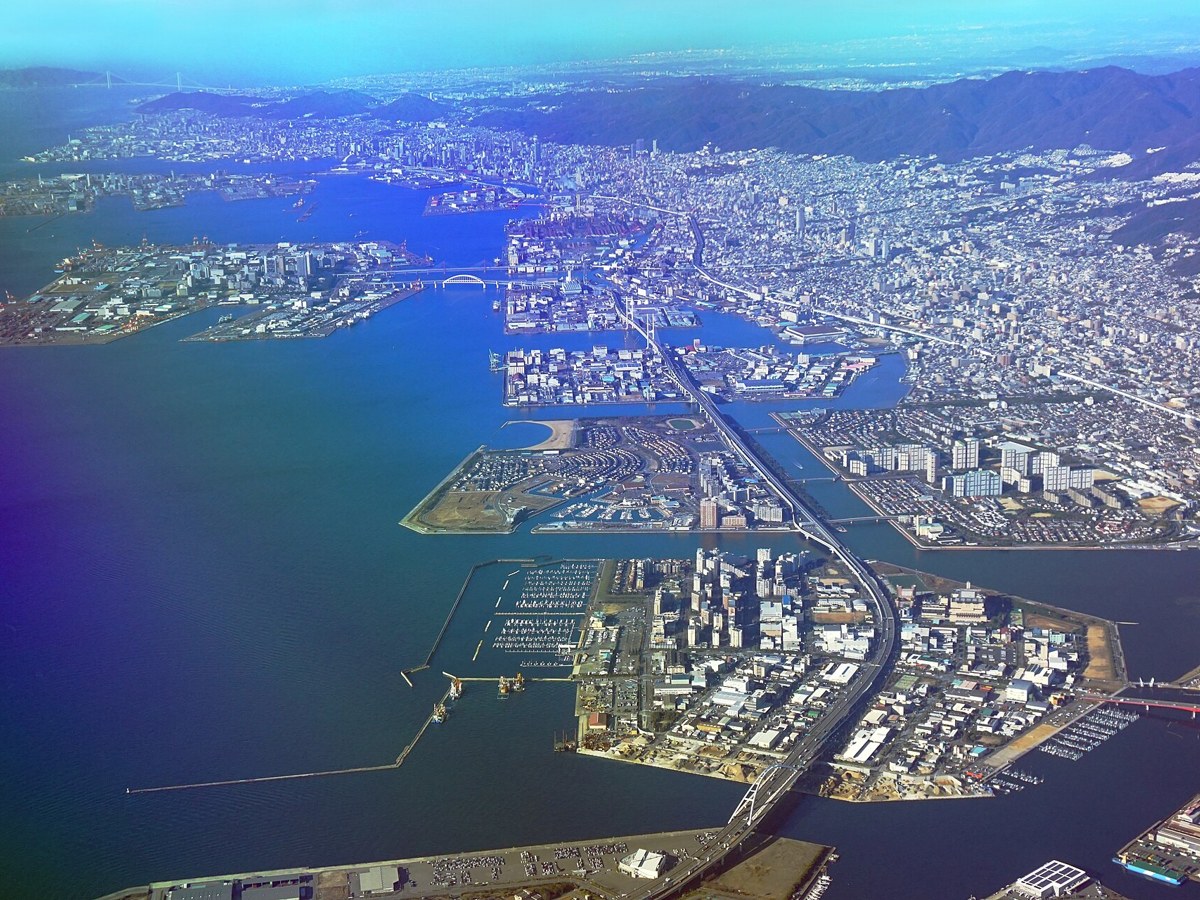
The name came from the dinner table of the treaty port. Tajima cattle began to be eaten as meat after the port of Kobe opened in 1868, when foreign residents tasted the local beef and were, in the GI account's word, captivated; beef hotpot houses followed, sukiyaki reached the home table, and the port's name — not the mountain region's — became the world's word for the meat. 'Kobe beef' has meant Tajima cattle ever since, whether the menu using it knows that or not.
The definition: bloodline, prefecture, three numbers
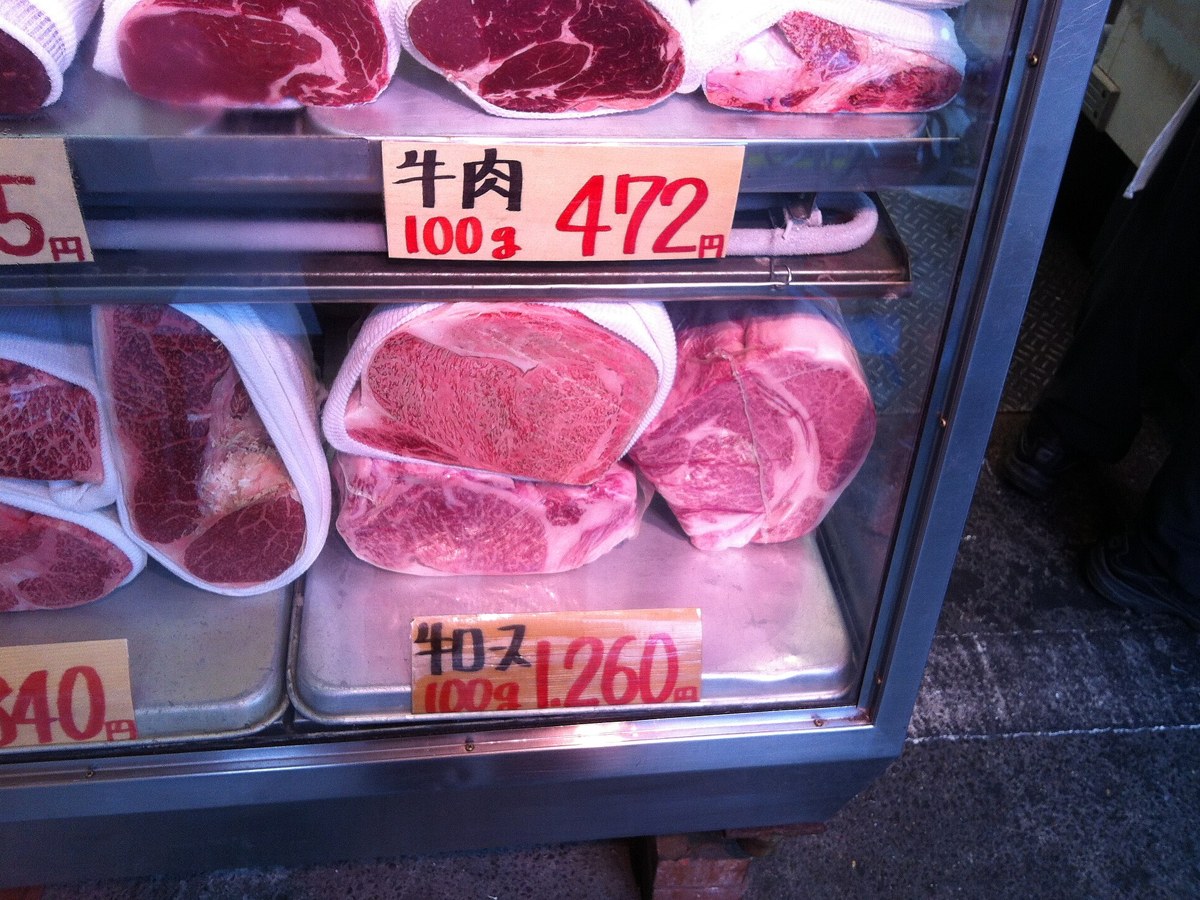
Since September 1983, when the Kobe Beef Marketing & Distribution Promotion Association was founded, the name has had an enforceable definition, quoted here in the Association's own words as carried on a designated butcher's official page. The animal must be a purebred Tajima heifer or steer, its ancestors all born and raised in Hyogo. It must be raised by a registered producer of the Association and processed at a designated meat facility inside the prefecture.
Then the carcass must clear three numbers: a marbling value — BMS, the Beef Marbling Standard — of 6 or higher, on a scale that runs to 12; a yield grade of A or B; and a carcass weight inside its band, 230 to 470 kilos for a heifer, 260 to 470 for a steer. Checked summaries of the same rules add the quality grade of 4 or 5 that those figures imply. Only then is the carcass stamped in the Nojigiku seal — Hyogo's prefectural flower — and issued its Kobe Beef Certificate. The state added its own lock in 2015: Kobe Beef is Geographical Indication registration No. 3, and the Association had already registered the name as a regional collective trademark in 2007.
Seven thousand head, and a number for every animal
The arithmetic of the definition is scarcity. A checked guide to the official rules puts the qualifying herd at only about 7,000 head a year — under two-tenths of one percent of the beef eaten in Japan. Tajima meat that misses the Kobe thresholds is not wasted and not Kobe: it is sold under the prefecture's wider Tajima beef name, which is why the two names coexist and why only one of them carries the seal.
Verification is built into the product. Every certified animal carries a 10-digit individual ID, and the Association's Tajima Beef certification system lets a diner look the animal up — its bloodline, where it was born and raised, and when it was certified. Designated butchers and restaurants display their registration certificate, and the small bronze statue of the Association at the door. In a market flooded with borrowings of the name, the original is the one that offers you its papers.
Eating it in Kobe, at lunch prices
The surest place to meet the certified article is Kobe itself, where the Association's designated restaurants cluster around Sannomiya and Motomachi. The checked anchor is Steakland Kobe, a designated teppanyaki restaurant by the station: its Kobe Beef Steak Lunch serves 150 grams of certified beef at 3,500 yen including tax, the tender cut at 4,880 yen and a special sirloin lunch at 6,880 yen, on menus checked in October 2026. A wider checked survey of ten designated Kobe restaurants the same month found the ladder's foot at a 2,750-yen Kobe beef hamburg lunch and teppanyaki steak lunches from 6,600 yen — the famous name, at its home address, starts at lunch-counter money and climbs to the five-figure courses from there.
Order by the name, and check by the system: a set labelled Kobe beef at a designated house, the certificate on display, the 10-digit ID available for the animal on your plate. What the definition promises — Tajima blood, Hyogo raising, a marbling of 6 or better — is exactly what those papers certify, and nothing served under the borrowed name abroad can offer them.
Sources — checked 10 November 2026
- Japan Geographical Indication Products site: Kobe Beef
- Kobe Beef Marketing & Distribution Promotion Association definition, via Kobe Motomachi Tatsuya (designated butcher): What Is Kobe Beef?
- MAFF: Information on Registered GIs No.1–No.30
- STAYGO: Kobe Beef Certification and the 10-Digit ID to Ask For
- Tripmate: Steakland Kobe — Kobe Beef Lunch Menu, Prices & Wait
- The Japan Pro: Kobe Beef Restaurants in Kobe — 10 Picks, Lunch Under ¥3,000
- Paiyipon: Kobe Beef — how to spot real Kobe, grades and where to eat
Original prose and official links only; no source text or maker media reproduced. Photos are credited Creative Commons works, not product photographs.
Editorial review 2026-11-10