In Gifu, a steak can introduce itself. Hida beef — the prefecture's wagyu — is sold under a label that names the farmer, the grade and the individual animal, because the right to the name is earned by four rules and checked by a council. It is the mountain counterpart to Mie Prefecture's Matsusaka beef elsewhere in this collection, and it gives Gifu its third story.
Four conditions, one label
The Hida Beef Brand Promotion Council's definition fits in four lines, and every Hida beef label in Japan is issued against them. The animal must be a black-haired Japanese Wagyu — the Japanese Black breed — fattened for at least fourteen months. The fattening must be done by a producer certified and registered in the council's own farmer accreditation system. The place where the animal was bred for the longest period must be Gifu Prefecture. And the meat must be rated grade 3, 4 or 5 for quality by the Japan Meat Grading Association, with the geographical-indication registration adding a yield grade of A or B.
Only when the council's secretariat has confirmed all four is the label issued, and the label is unusually talkative: it lists the meat grade, the name and address of the producer, an individual identification number for the animal, and the certification date. Around 10,000 head of cattle are certified each year, in the GI account's figure — a prefecture's whole output of top beef, held to one rulebook. At Tokyo's central wholesale market the system shows in the price: grades 5 and 4 trade at about twenty percent above average castrated wagyu, grade 3 at about ten percent above.
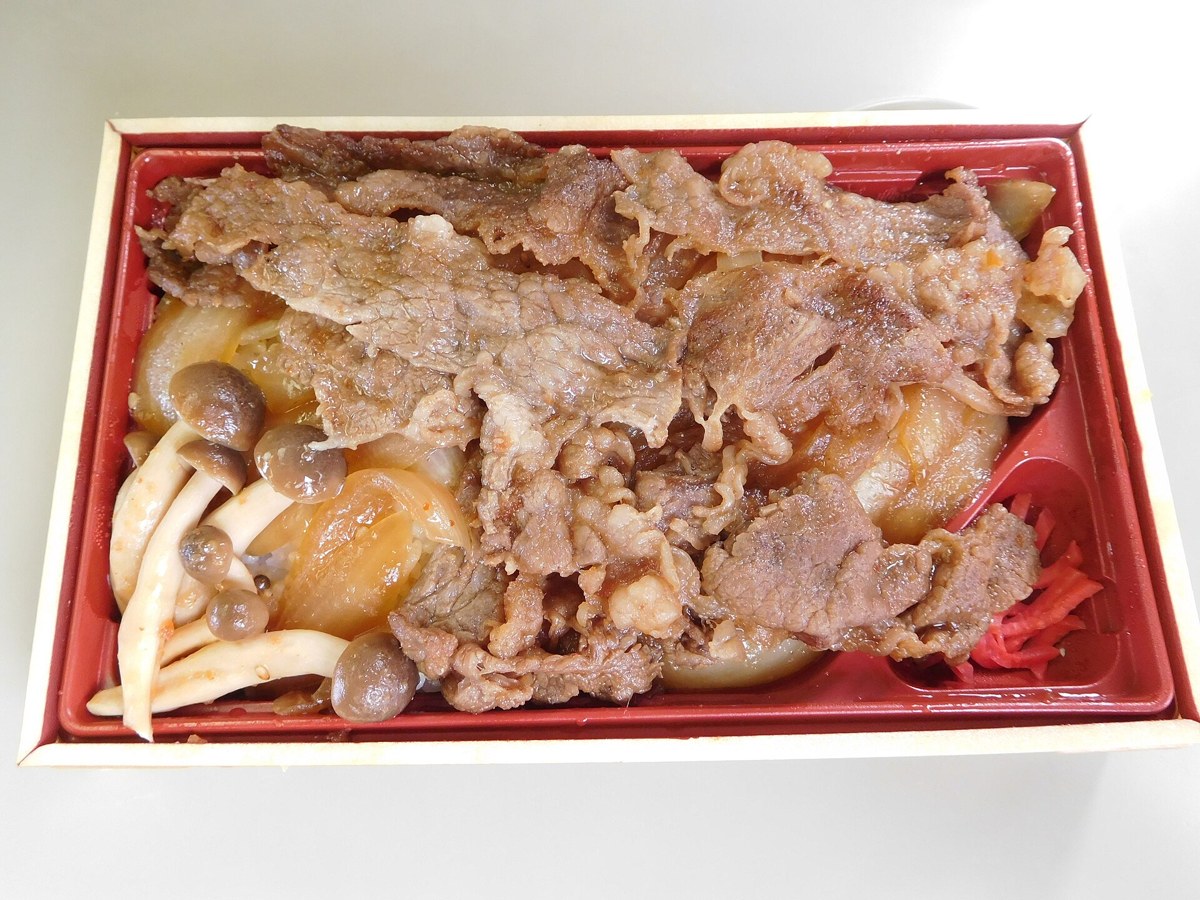
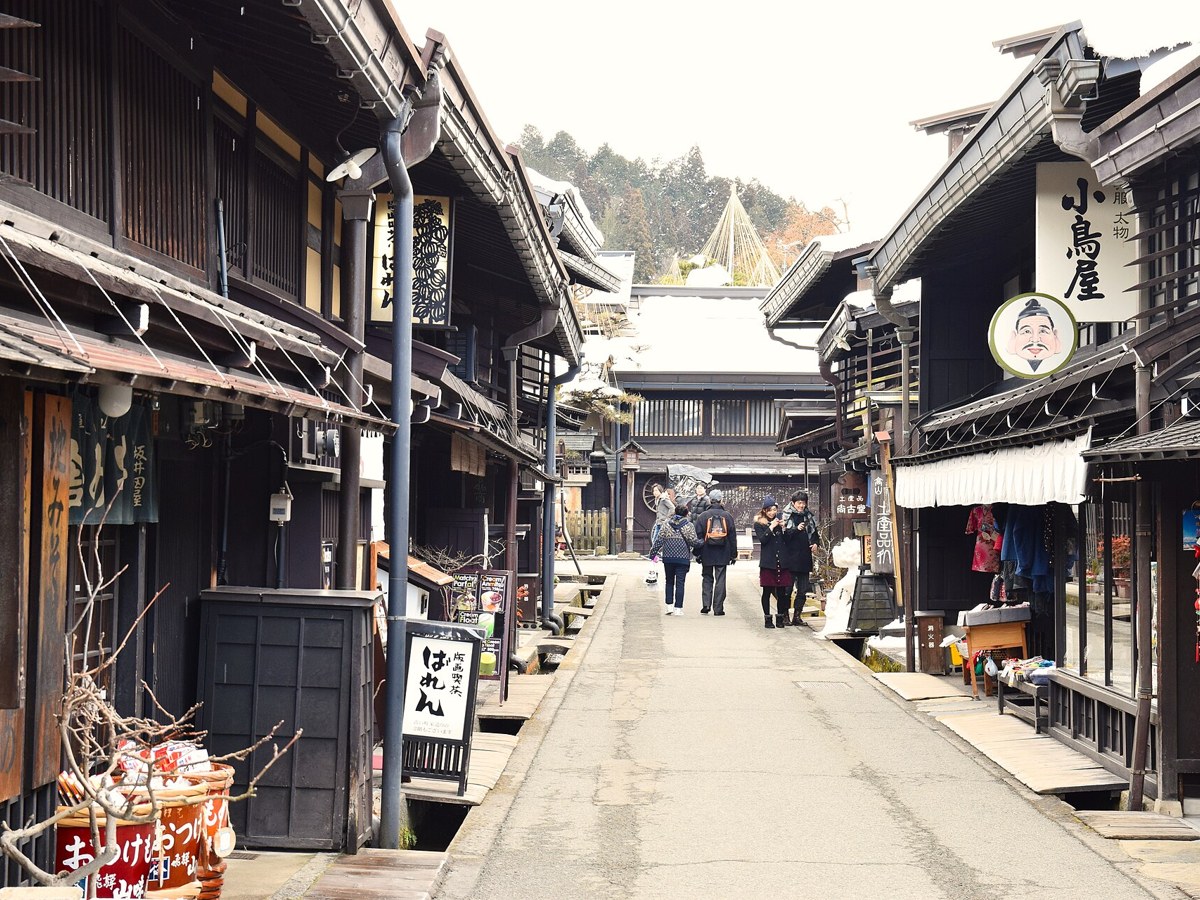
Work cattle, one famous bull, and a brand
Gifu's cattle were plough animals until the mid-1950s, when mechanisation turned them toward meat; through the late 1960s and 1970s the prefecture's farmers bred for quality and weight, locality by locality, under a scatter of local names. The bloodline that unified them arrived in 1981: a bull named Yasufuku, brought from Hyogo Prefecture, whose offspring performed so well that he is still called the father of Hida beef. His descendants — Hida Shirakiyo, Shirakiyo 85-3 and scores of others in the council's telling — spread through the prefecture.
In 1988 the Hida Beef Brand Promotion Council was established and the prefecture's beef took the single name Hida. The honours followed the paperwork: best carcass at the 8th National Wagyu Expo in 2002 — the five-yearly 'Wagyu Olympics', that year held in Gifu itself — and again at the 9th. The GI account notes a quieter statistic that may matter more to a buyer: Gifu's fattening technique produces a share of grade-5 carcasses, the highest rating, significantly above the national average.
Takayama: where the brand meets the street
The brand's showroom is Takayama, the old merchant town in Gifu's northern mountains. Its most famous first taste is not a steak but sushi: at Hida Kotte-ushi in the old town, a rare cut of grade-5 Hida beef is sliced and shaped to order, seared or raw, and served as a three-flavour set — bamboo charcoal salt, ginger soy sauce, and a gunkan with quail's yolk — on a hand-baked rice cracker instead of a plate, so the whole thing is eaten, cracker and all. The directory budget for the shop is ¥700 to ¥1,000, and the queue down Kamisannomachi street is the town's most reliable clock.
From there the ladder climbs in the usual wagyu way. A checked Takayama price guide puts street skewers at ¥600 to ¥1,000, beef sushi at about ¥1,000 for two pieces, lunch sets from about ¥2,500 at butcher-run restaurants, and dinner steak courses at ¥10,000 and up; the sushi restaurant Kyoshi, which works with top-grade Hida beef, lists lunch from ¥2,000 and dinner from ¥4,000. The council's designated-shop system is the buyer's map: as of January 2022 there were 168 shops designated to sell Hida beef and 193 restaurants designated to serve it, with 59 more recommended overseas.
How to buy it honestly
Ask for the label's logic, not just the name. In a shop, certified Hida beef carries the council's label with its grade, producer and animal ID; in a restaurant, the designated-restaurant system is the check that the beef on the menu passed the four conditions rather than merely passing through Gifu. Grades are worth understanding rather than worshipping: grade 5 is the marbling summit, but the brand begins at grade 3, and a grade-3 lunch in Takayama is the same certification at a friendlier price.
And place the brand on its map. Hida beef is Gifu's unified prefectural brand — the name is Hida, the old province of the prefecture's mountain north, but the rulebook is prefecture-wide, from Takayama's streets to the designated counters of Tokyo and beyond. What stays in Gifu is the fourteen months: the longest, defining stretch of each animal's life, spent under a registered Gifu producer's eye.
Sources — checked 10 November 2026
- Hida Beef Brand Promotion Council: What is Hida Beef?
- Japan Geographical Indication Products site: Hidagyu (Hida Beef)
- GOOD LUCK TRIP directory: Hida Kotte-ushi, Takayama
- GOOD LUCK TRIP directory: Kyoshi, Takayama
- Trip to Japan guide: Hida beef — grades, prices and where to eat it (Takayama)
Original prose and official links only; no source text or maker media reproduced. Photos are credited Creative Commons works, not product photographs.
Editorial review 2026-11-10