Two Japanese sweets share the name kurikinton, and only one of them is this page's. The famous New Year version — candied chestnuts in sweet-potato paste — is not it. Nakatsugawa's kurikinton, from the mountain town in Gifu where the sweet was born, is far simpler: steamed chestnuts, strained, mixed with sugar and nothing else, and twisted in a cloth into the shape of a chestnut. It exists only in autumn, keeps only a few days, and sells out — six pieces at the old house Suya cost ¥1,609.
A post town's chestnut
Nakatsugawa was Nakatsugawa-juku, a post town on the Nakasendo, the mountain highway between Edo and Kyoto. The slopes of Mount Ena above the town grew wild chestnuts in abundance, and the tea houses of the post town mashed them into a simple sweet for weary travellers — the origin the town claims, and marks with a 'birthplace of kurikinton' monument in front of JR Nakatsugawa Station, erected in 2006.
Confectioners began selling it commercially in the Meiji era, and when chestnut cultivation began locally in the Taisho era the bigger cultivated nuts lifted production. The town never let go of it: more than a dozen wagashi shops line Nakatsugawa's streets today, and from September the whole town smells faintly of steamed chestnut.
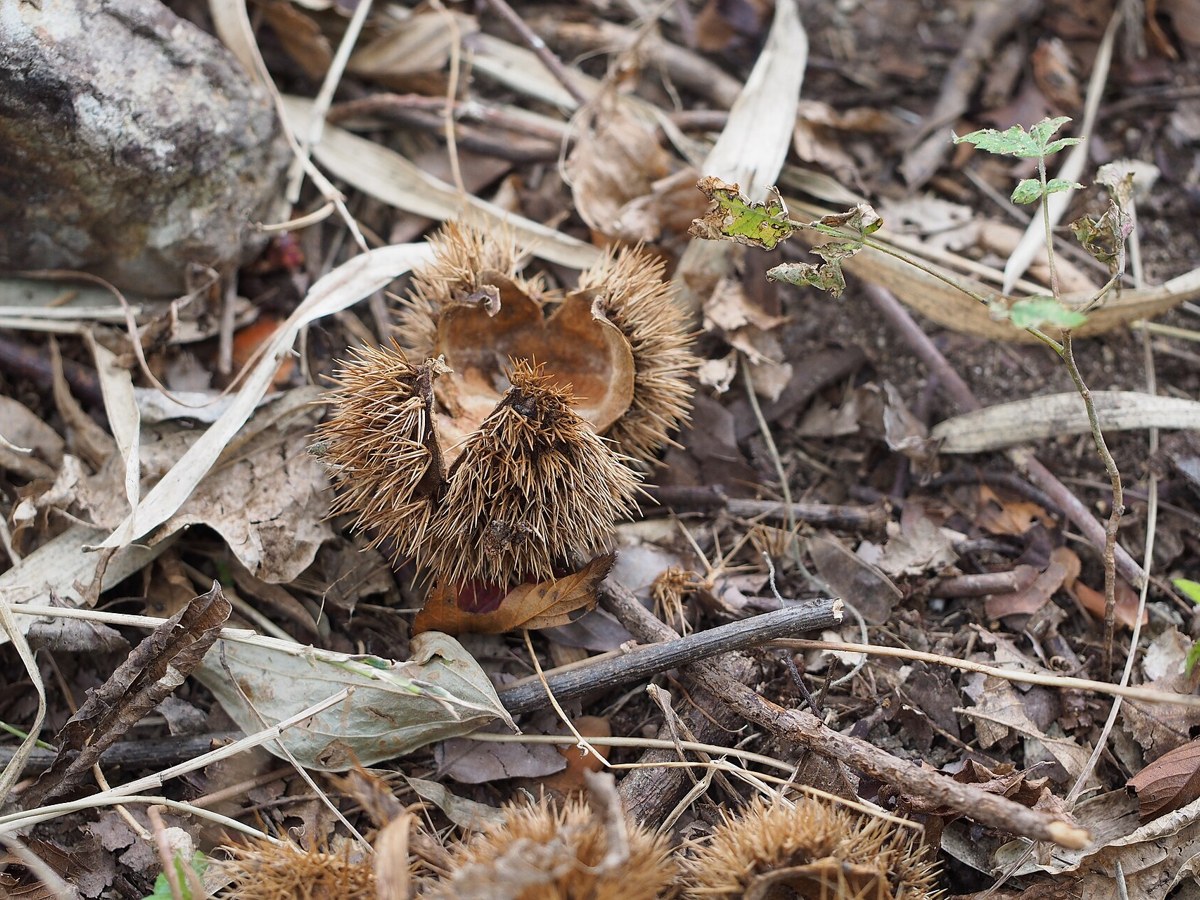
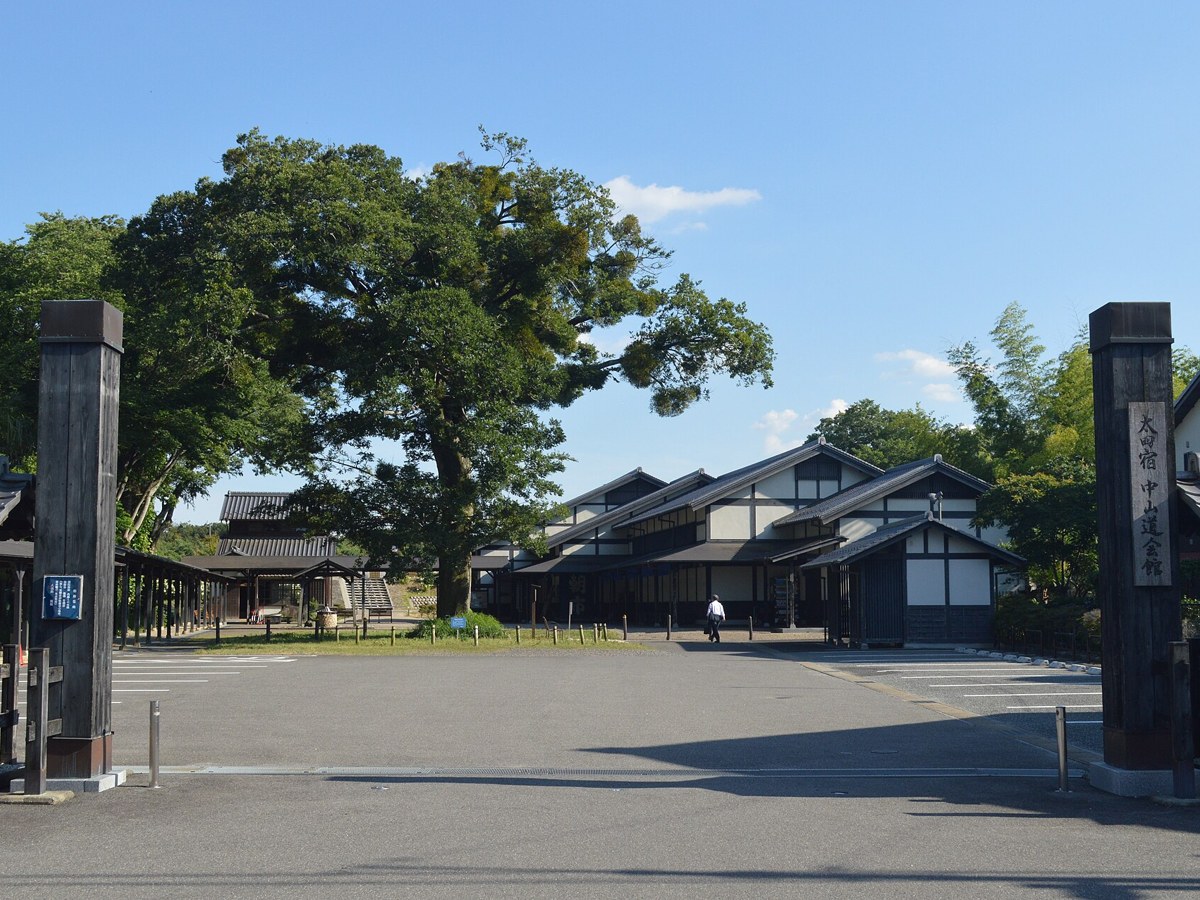
Chestnuts, sugar, a cloth — nothing else
The recipe is a discipline: fresh chestnuts are steamed until tender, strained to a smooth paste, cooked briefly with sugar, and portioned by chakin-shibori — twisted in a coarse tea cloth so the sweet takes the cloth's texture and the chestnut's shape. No colouring, no preservatives, no bean paste, no sweet potato. The flavour is the nut itself, which is exactly why the season is short and the shelf life shorter.
That purity is also the standard the shops are judged by. Suya, founded in the early Genroku years of the Edo period in the post town, and Kawakamiya, founded in 1864, are the two names every guide gives — rival old houses a short walk apart, each with its own grain and sweetness. Locals have a house; visitors are expected to develop one by the second box.
Practical details: prices, season, where to buy
Prices (checked 2026-11-09): at Suya, six pieces are ¥1,609 and fifty pieces ¥12,970. Kawakamiya's single piece was ¥270 in a 2023 report — labelled here as a 2023 figure, as the house ships widely in season and prices move. The season runs roughly September to December, tied to the chestnut harvest; outside it, the fresh sweet is simply not made.
Where to buy: Nakatsugawa's wagashi shops first of all — the town is the experience, with the birthplace monument at the station — and, in season, department-store wagashi floors in Nagoya, Tokyo and beyond, which the houses supply while the harvest lasts. Official online sales: the old houses take seasonal orders. Type of edition: regional edition — a birthplace sweet of one Gifu town, made only in autumn.
The shortest-lived souvenir in this collection
Kurikinton breaks the souvenir rules on purpose: it cannot wait. With a life of a few days and no preservatives, it is a sweet you buy on the way home, carry carefully and eat within the week — ideally the same evening, with tea, while the chestnut aroma is still the smell of the town you left that morning.
If your trip is not in autumn, Nakatsugawa still repays a stop — the post-town streets, the monument, and the shops' year-round chestnut family (yokan, dorayaki, kintsuba) — but plan the pilgrimage for October if you can. This is the one entry in the collection whose season is non-negotiable.
Scope: what 'limited' means here
This kurikinton is documented as the chestnut-and-sugar confection born in Nakatsugawa, Gifu, made by the town's dozen-plus wagashi shops each autumn; the different osechi dish of the same name is excluded, and in-season department-store supply is stated. Checked 2026-11-09.
Sources — checked 9 November 2026
- Takumi Meguri: Kuri Kinton — Nakatsugawa confection of chestnuts and sugar only
- Highlighting Japan (Government of Japan): Nakatsugawa's chestnut confectioneries
- Food in Japan: Kurikinton — Suya and Kawakamiya, Nakatsugawa
- MLIT multilingual guide: Traditional kurikinton chestnut sweet — Nakatsugawa, birthplace
Original prose and official links only; no source text or maker media reproduced. Photos are credited Creative Commons works, not product photographs.
Editorial review 2026-11-09