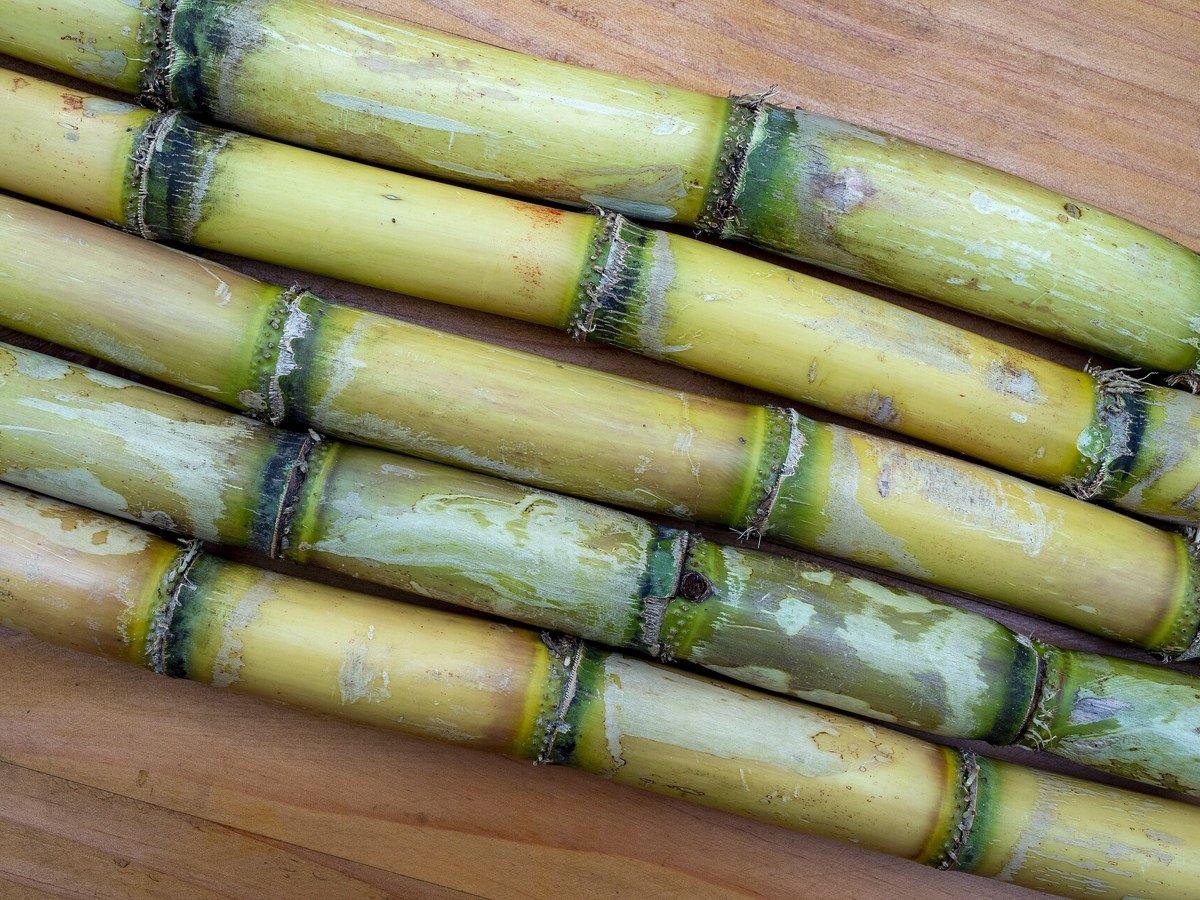
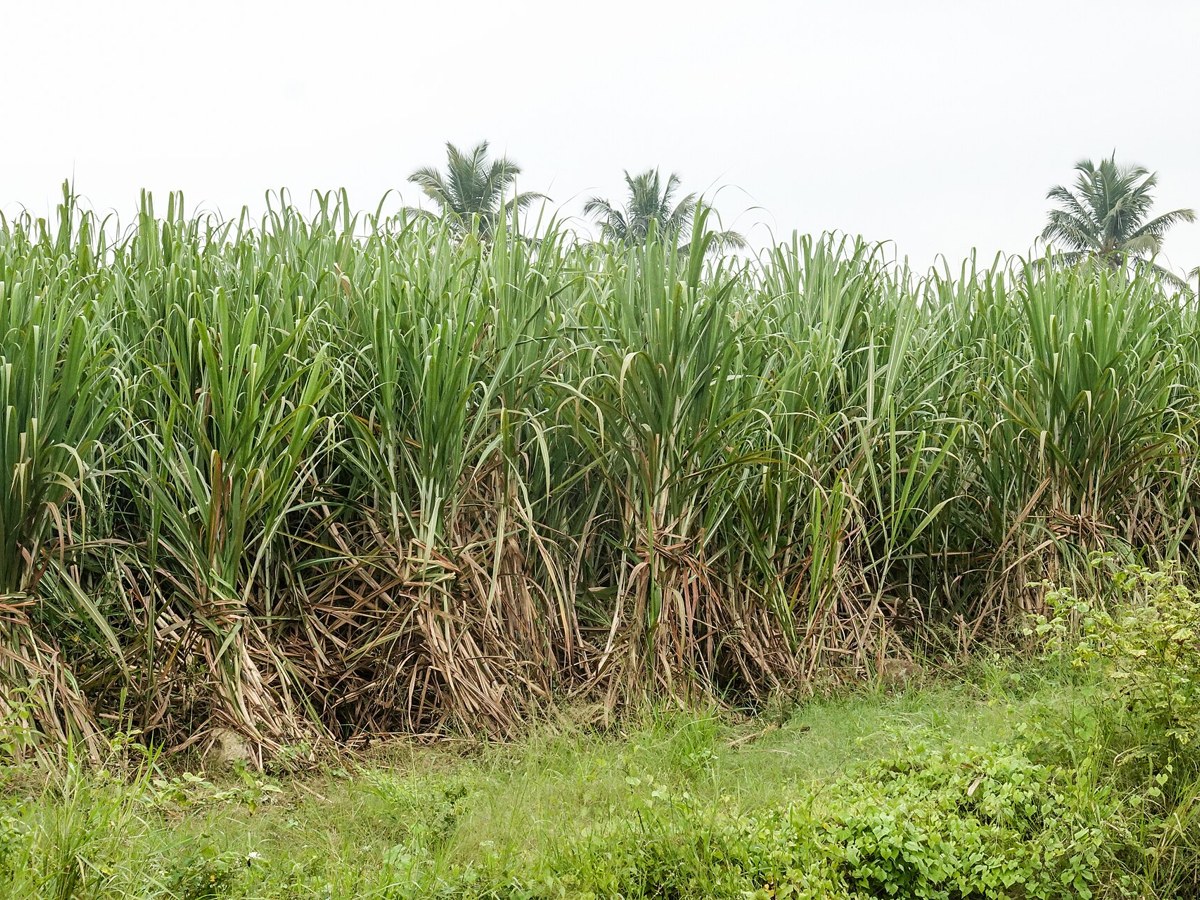
Sugar, treated as a craft. Wasanbon is Japan's fine traditional sugar — pale, powder-fine, melting almost before it sweetens — made by hand from taketo, a thin bamboo-like sugarcane grown in Shikoku. The Tokushima side of that tradition is Awa Wasanbon, made in the Itano district and Kamiita town for over 220 years and still produced by old refineries such as Okada: 500 g of its sugar is ¥2,160.
A sugar worth naming a province for
Awa is the old name of the Tokushima side of Shikoku, and its wasanbon carries the province into the present tense. East Tokushima's official tourism guide gives the tradition its dates and standing: wasanbon from locally grown taketo, made by a traditional method, enjoyed in Tokushima for over 220 years, and cherished as a luxury sugar by high-end confectionery shops — the sugar inside Japan's finest wagashi is very often this one.
The making explains the price of the ingredient. Taketo is a thin, low-yield cane; the juice is pressed, boiled and refined in repeated stages, and the finished sugar is hand-worked into its famous fine grain — a process the Japan Store's maker listing describes Okada as keeping, by the recipe of two hundred years ago.
Two sides of one mountain range
Wasanbon country straddles the Sanuki mountains: Tokushima's Awa side to the south — northern Itano district, Kamiita town on the range's southern slope — and Kagawa's Sanuki side to the north. The cane, the method and the sugar are cousins; the names keep the old provinces apart. This page documents the Awa side, and its named refinery, without claiming the whole tradition for one prefecture.
In Tokushima the sugar now works two jobs: the classic one, pressed into moulded higashi sweets for tea, and a newer one, as the signature ingredient of a generation of Tokushima patisserie and wagashi shops building modern sweets on 100% wasanbon.
Practical details: price, formats, where to buy
Price (checked 9 November 2026): Okada's Awa Wasanbon sugar, 500 g, is ¥2,160 in the retail listing of the refinery's sugar — an ingredient price, roughly ten times commodity sugar, which is the tradition's economics in one number. Moulded wasanbon sweets in Tokushima's wagashi shops price by the box above it.
Where to buy: Tokushima's wagashi and souvenir shops for sweets and sugar; the refinery's sugar also reaches buyers through Japanese-ingredient retailers beyond the prefecture (stated exception). Official online sales: retailer-dependent; the documented scope is place and method. Type of edition: regional edition — a province-named sugar, hand-made on Tokushima's side of the range.
Taste it the tea way first
The classic encounter is a single moulded piece with matcha: the sugar dissolves almost instantly, leaving a round, faintly caramel sweetness with none of white sugar's edge. That melt is the whole craft — grain so fine the sweet seems to vanish and flavour rather than coat.
As a souvenir, the sugar itself is the connoisseur's choice (it upgrades everything it touches for months), while the moulded sweets — chrysanthemums, plums, seasonal shapes pressed in wooden moulds — are the gift form. Either way you are buying Tokushima's oldest luxury: a province's name, kept in sugar.
Scope: what 'limited' means here
Awa Wasanbon is documented as Tokushima's side of the wasanbon tradition — taketo cane sugar hand-made in the Itano/Kamiita area for over 220 years; Okada's refinery sugar is the priced example. Kagawa's Sanuki wasanbon is the sister tradition, not this product. Checked 2026-11-09.
Sources — checked 9 November 2026
- The Japan Store: Awa Wasanbon Sugar from Okada's Sugar Refinery, 500 g
- East Tokushima Tourism (official): A Complete Guide to Awa Wasanbon Sweets
Original prose and official links only; no source text or maker media reproduced. Photos are credited Creative Commons works, not product photographs.
Editorial review 2026-11-09