Hub · Chugoku & Shikoku

Chugoku & Shikoku — Japan-Only & Regional Limited Editions in Chugoku & Shikoku

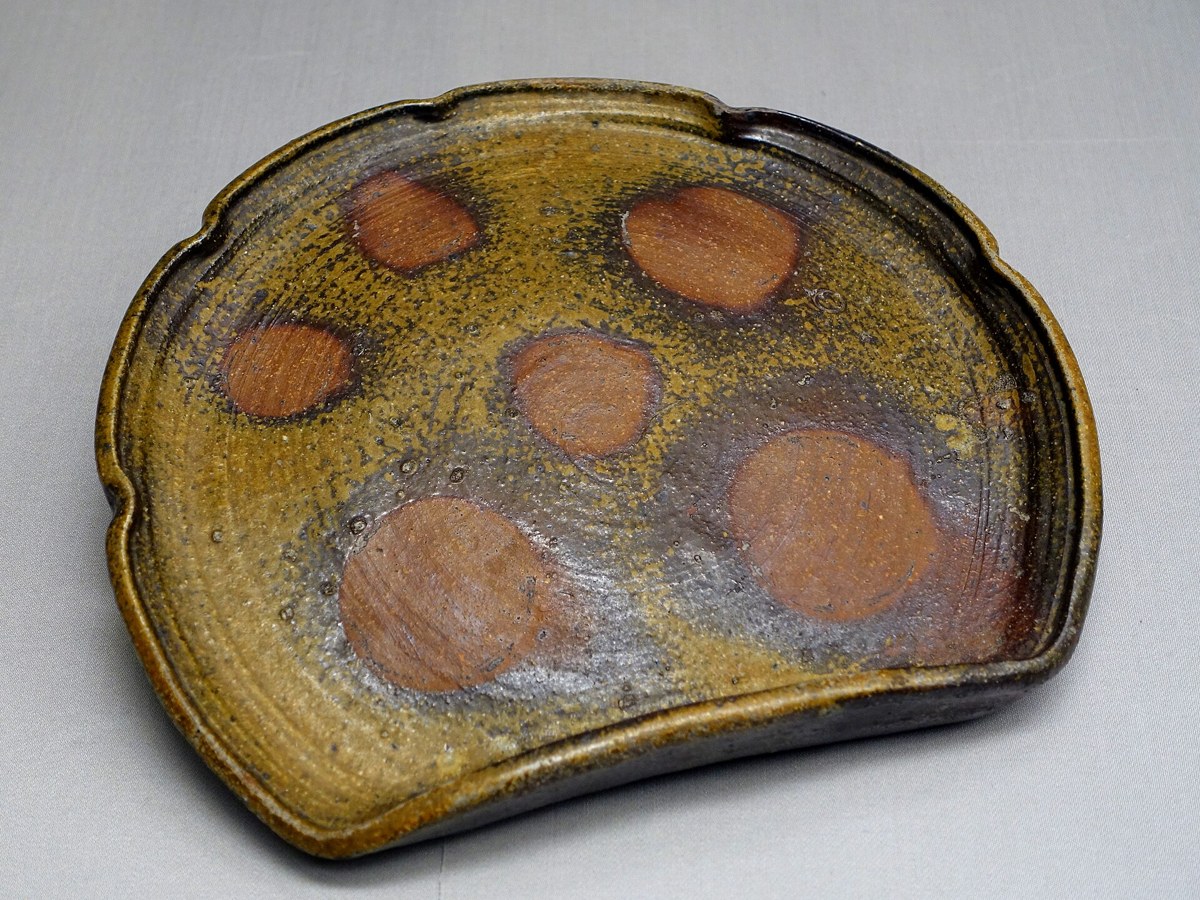
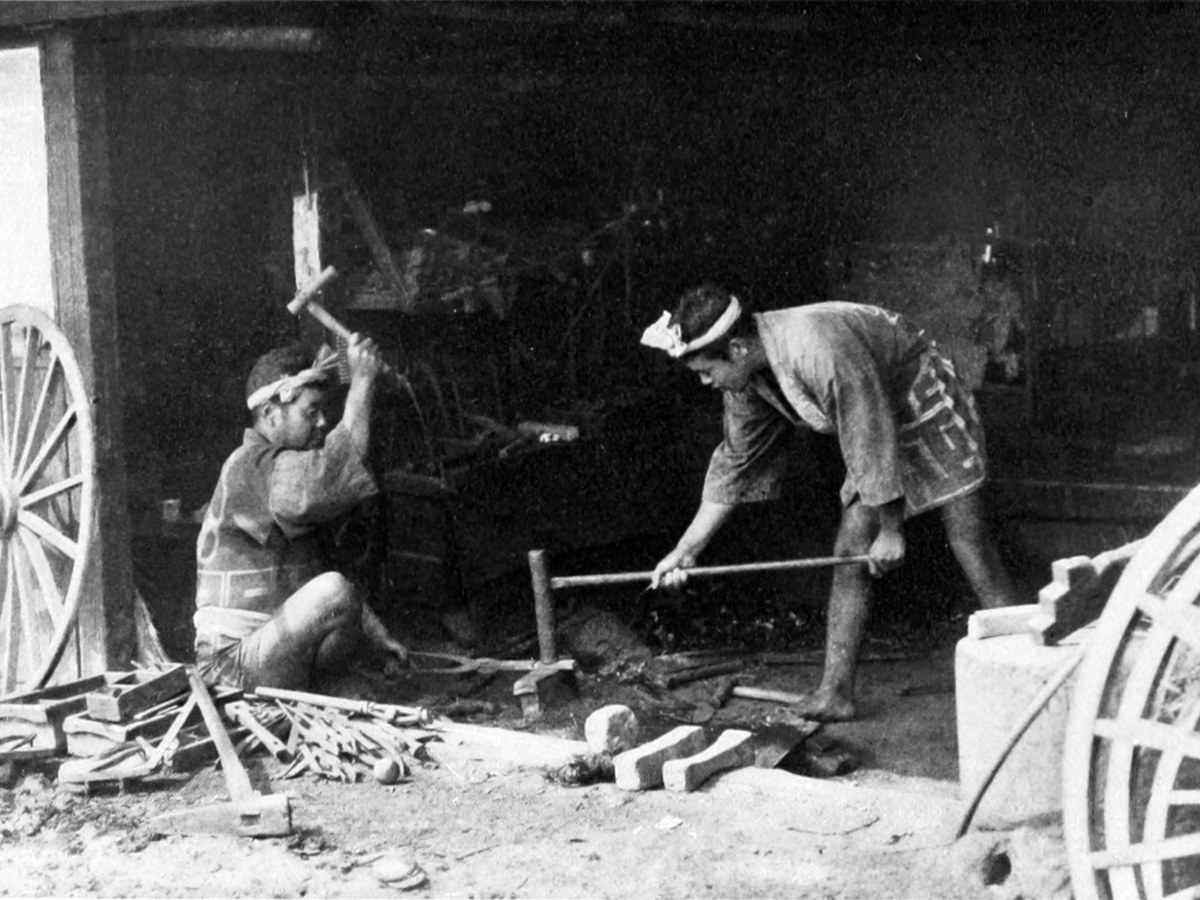
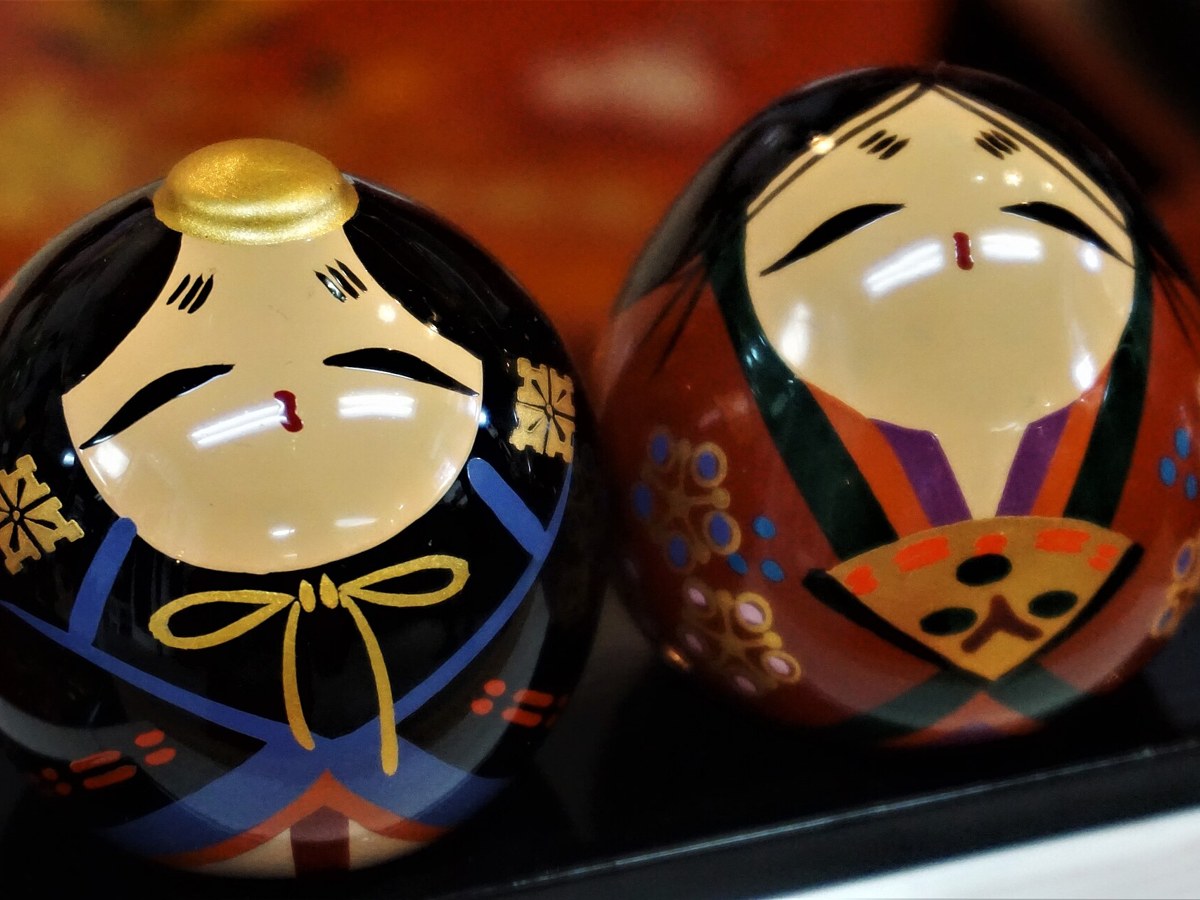
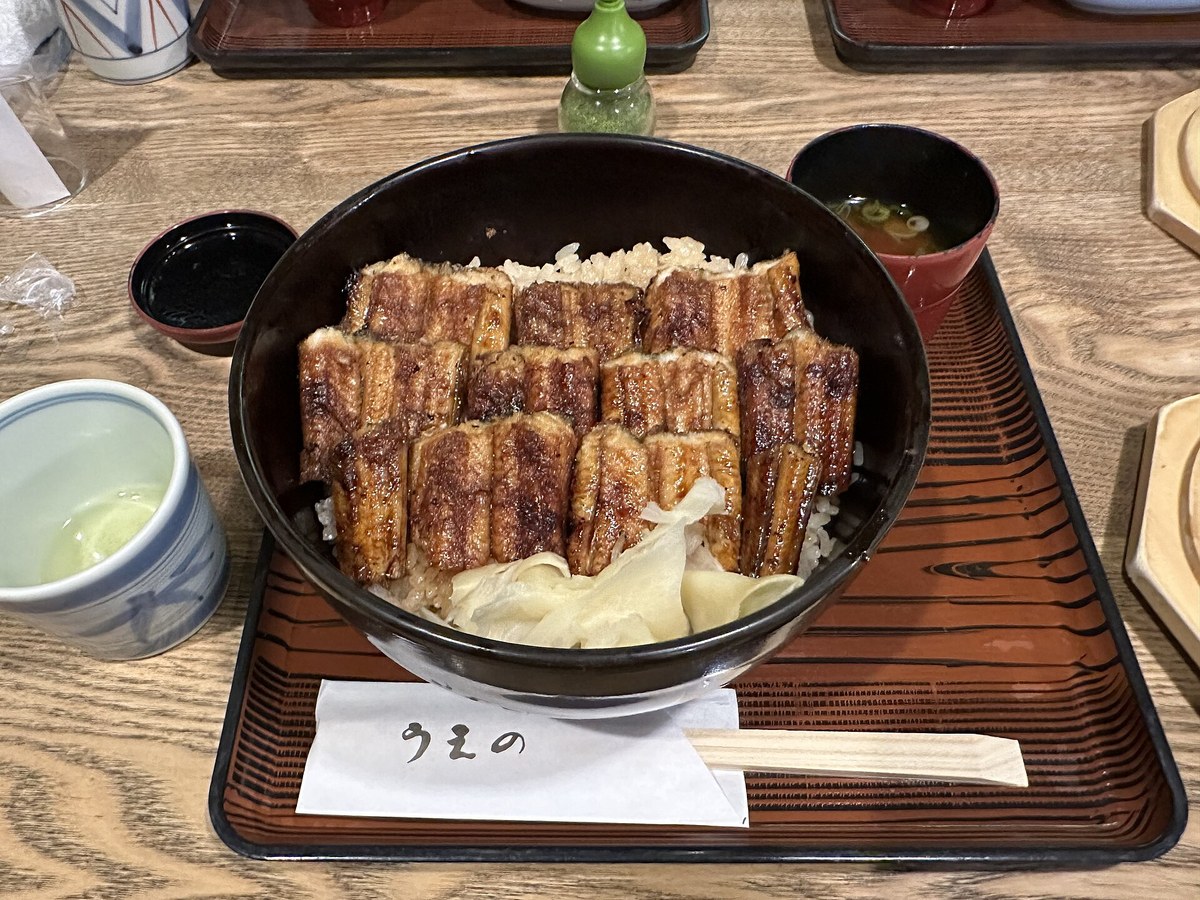
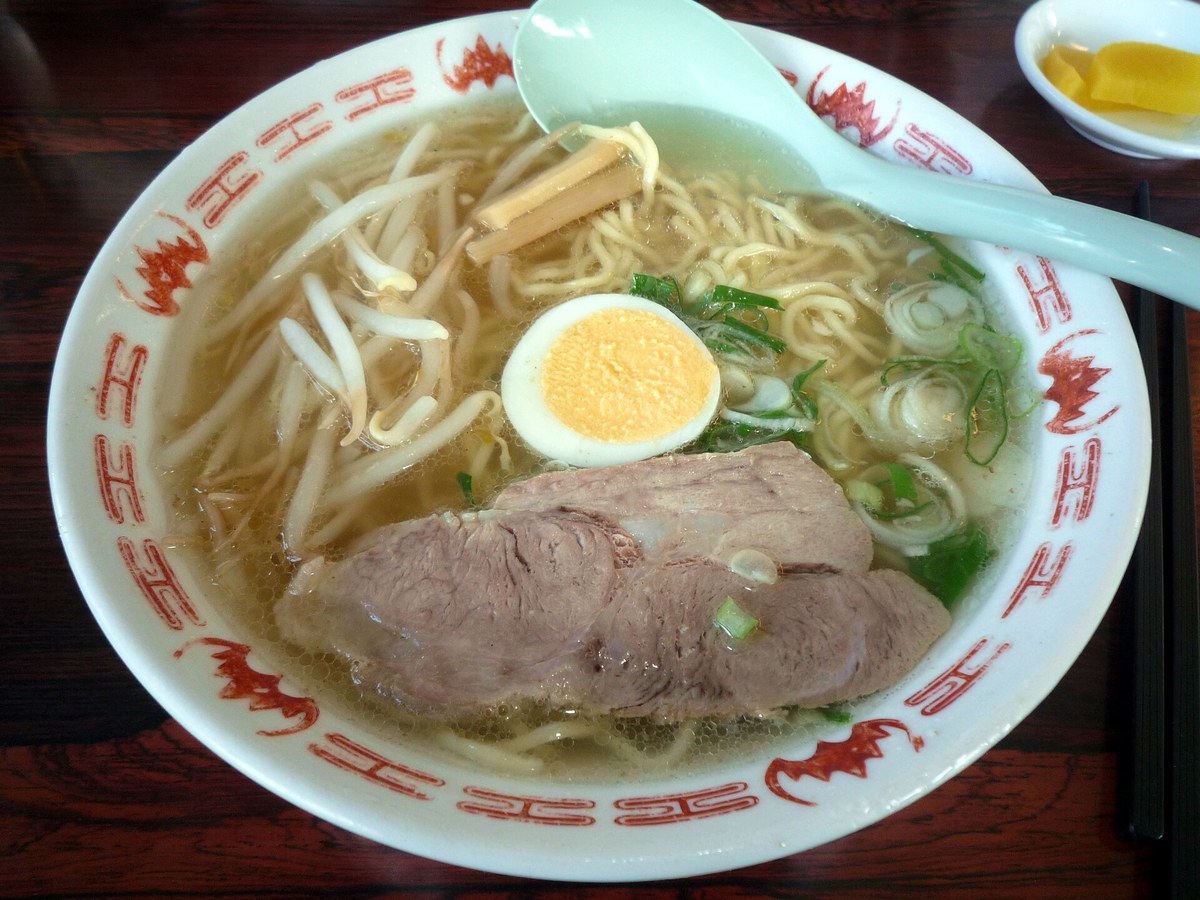
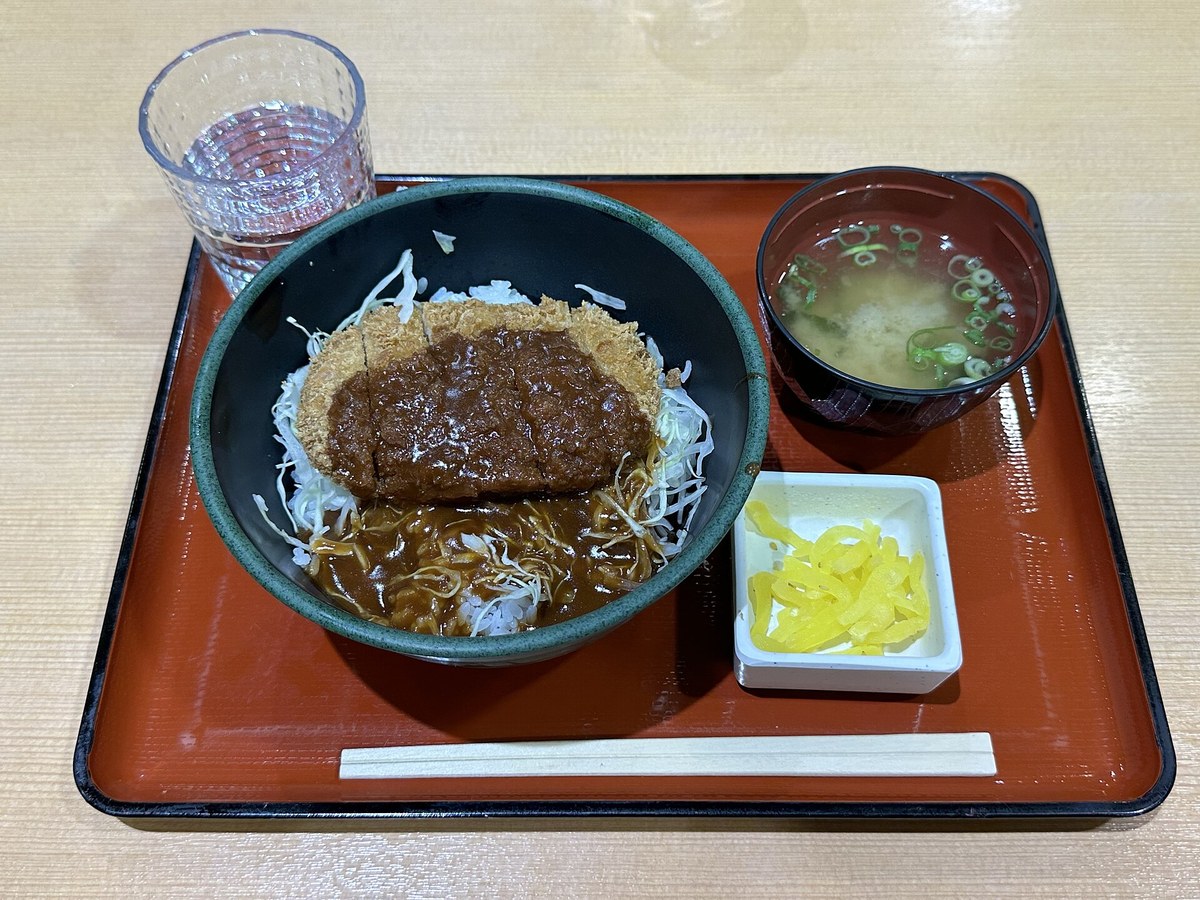
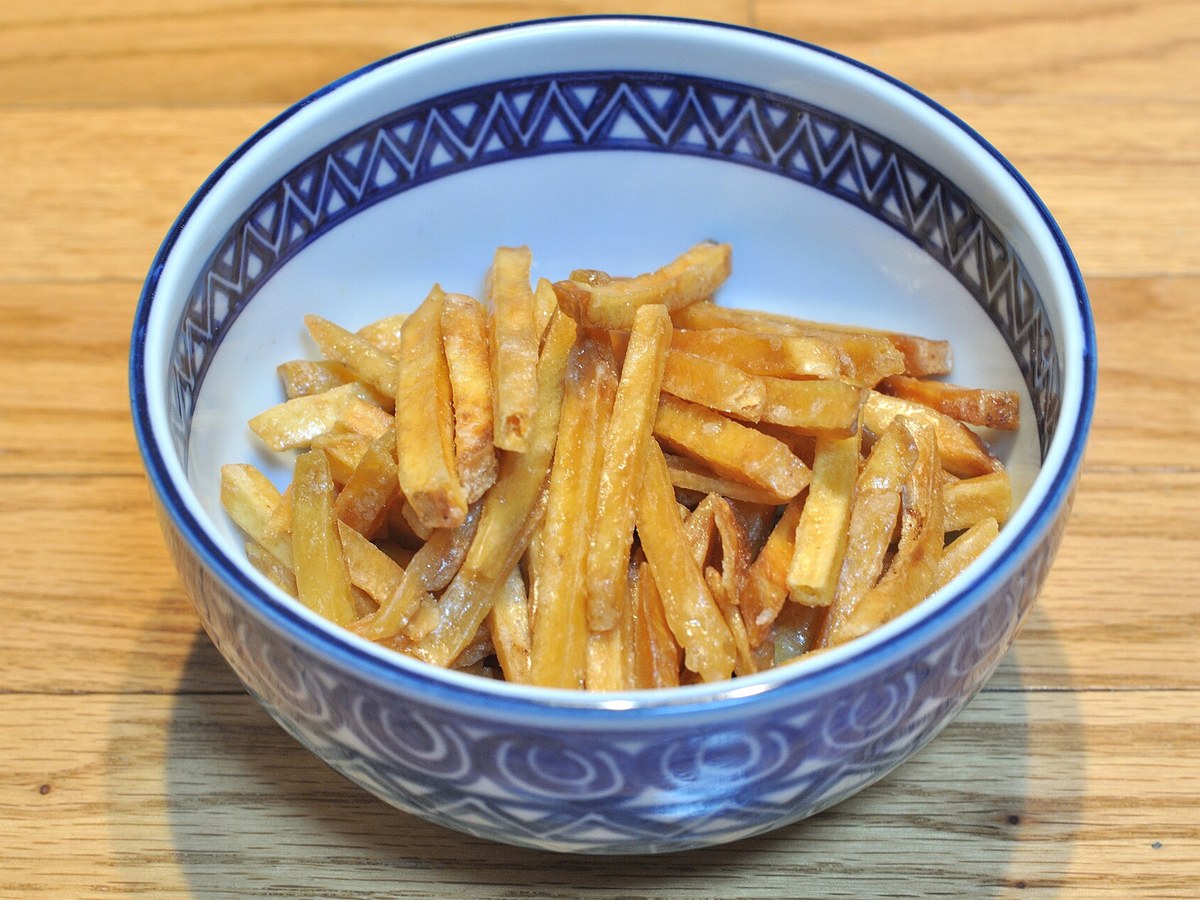
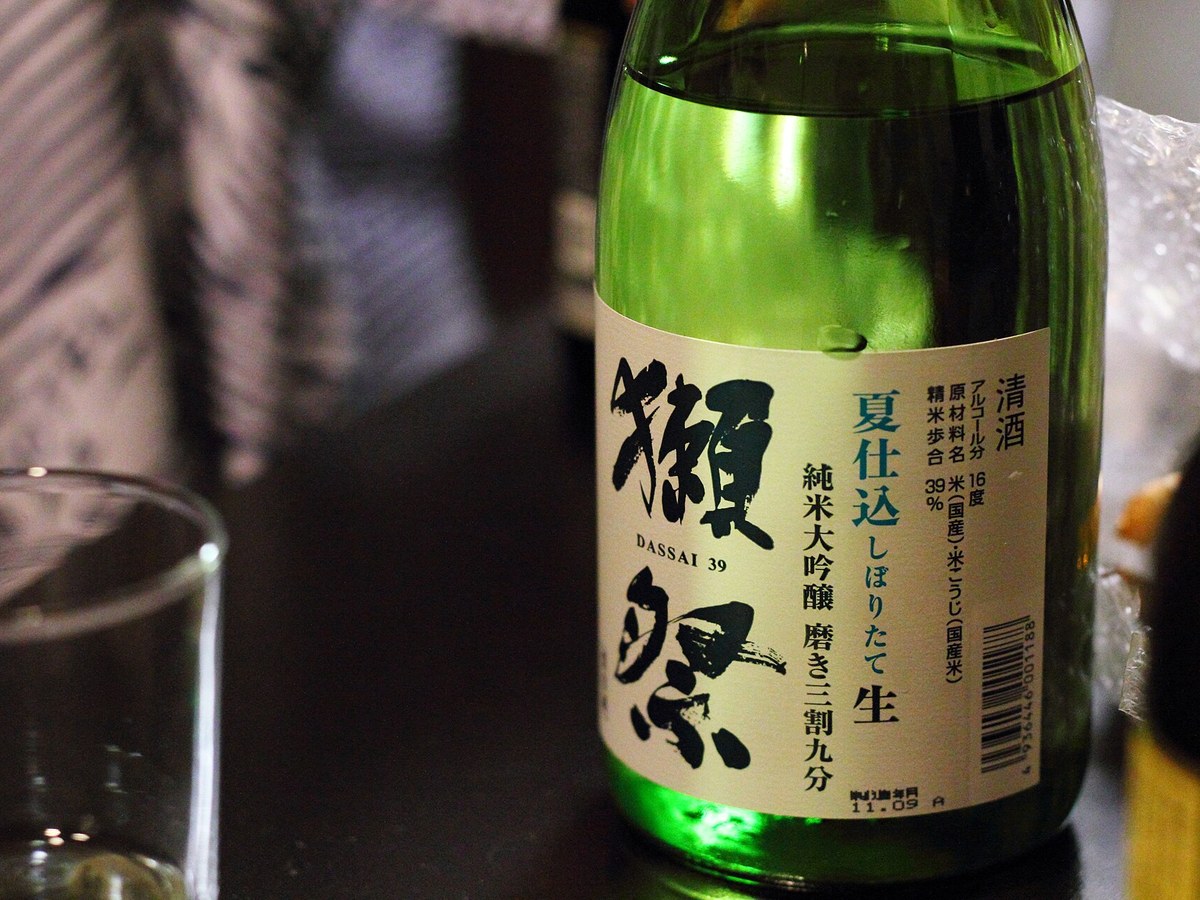
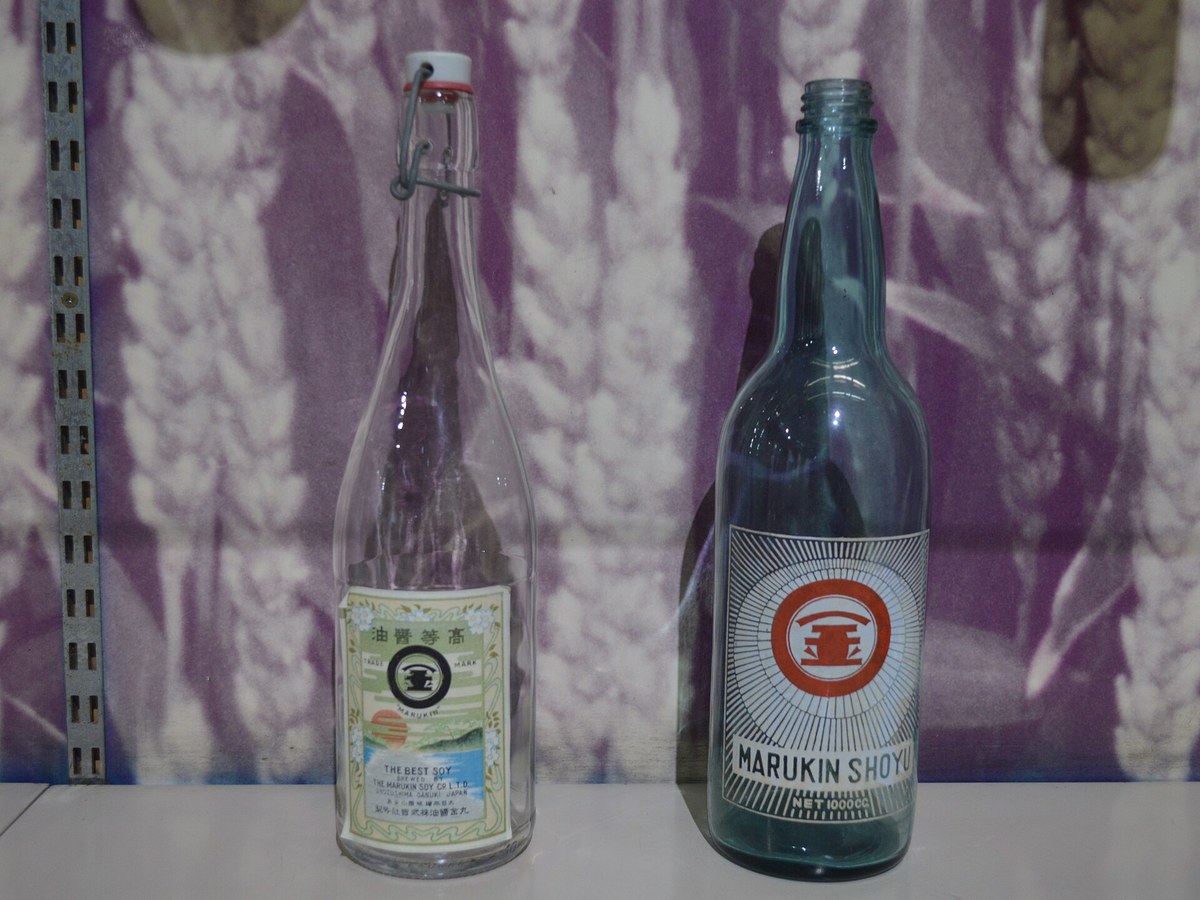
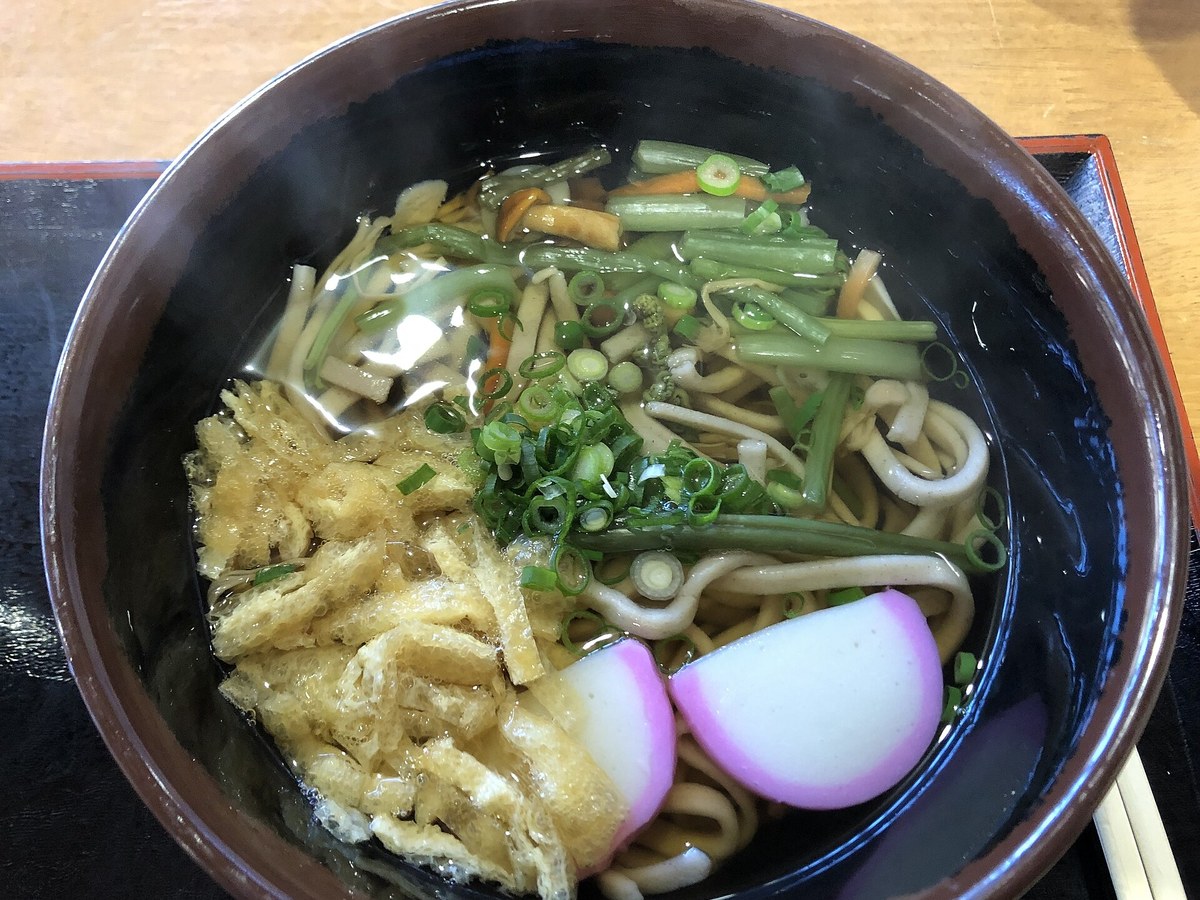
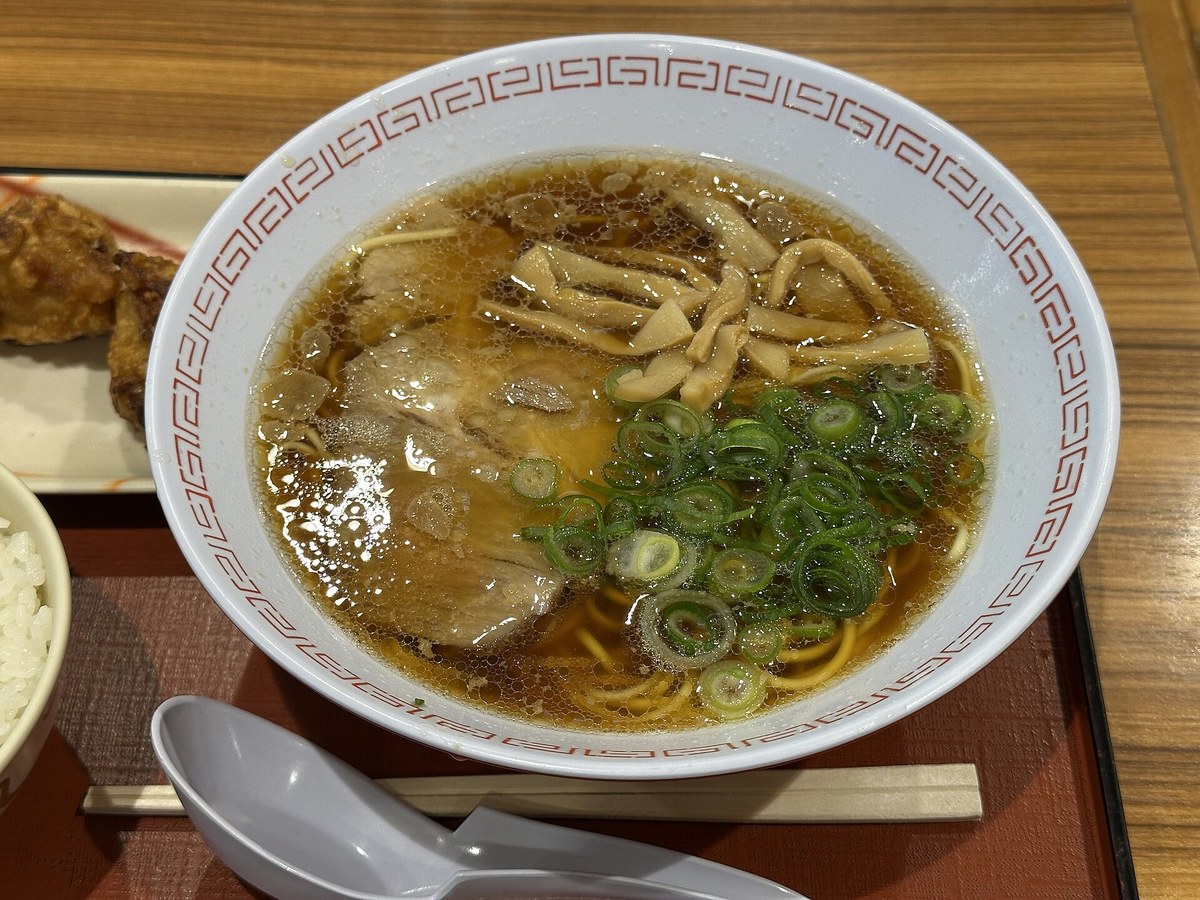
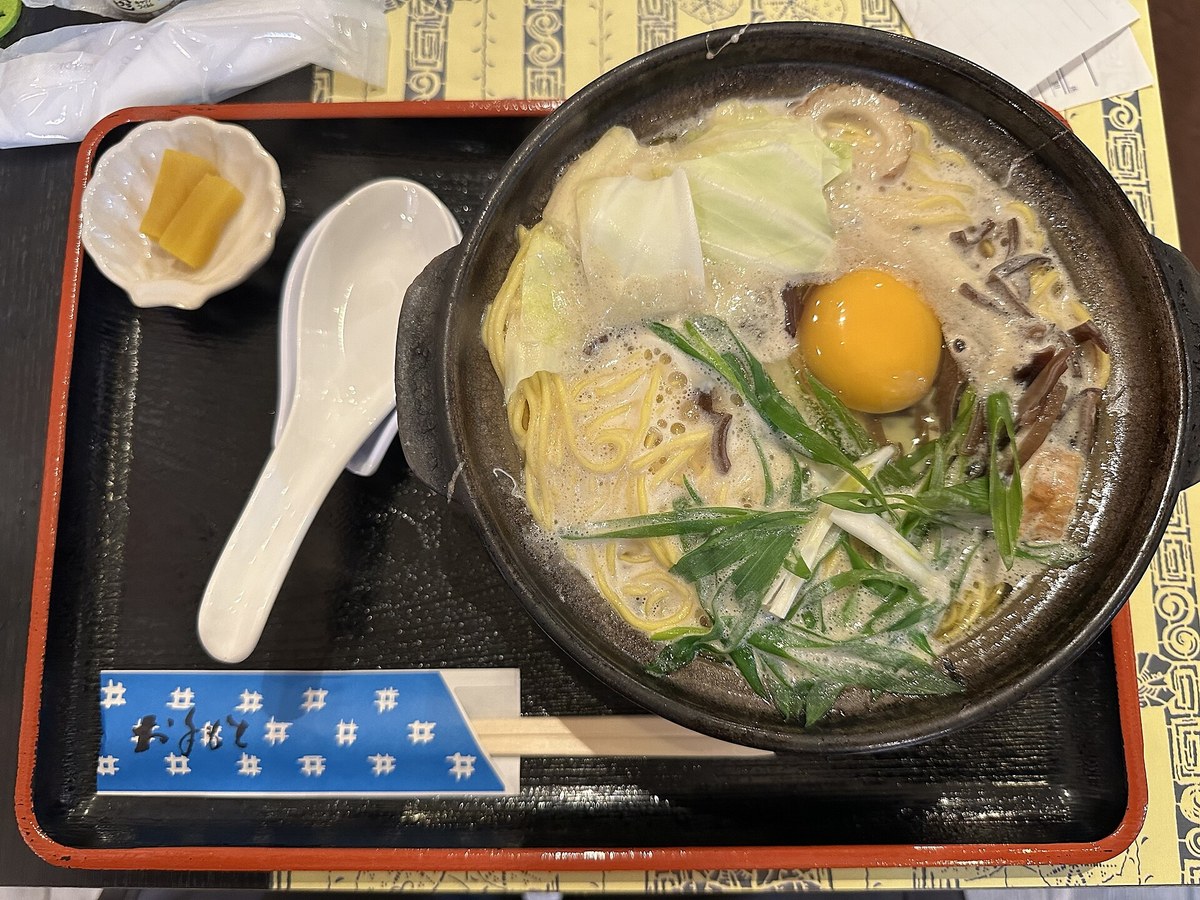
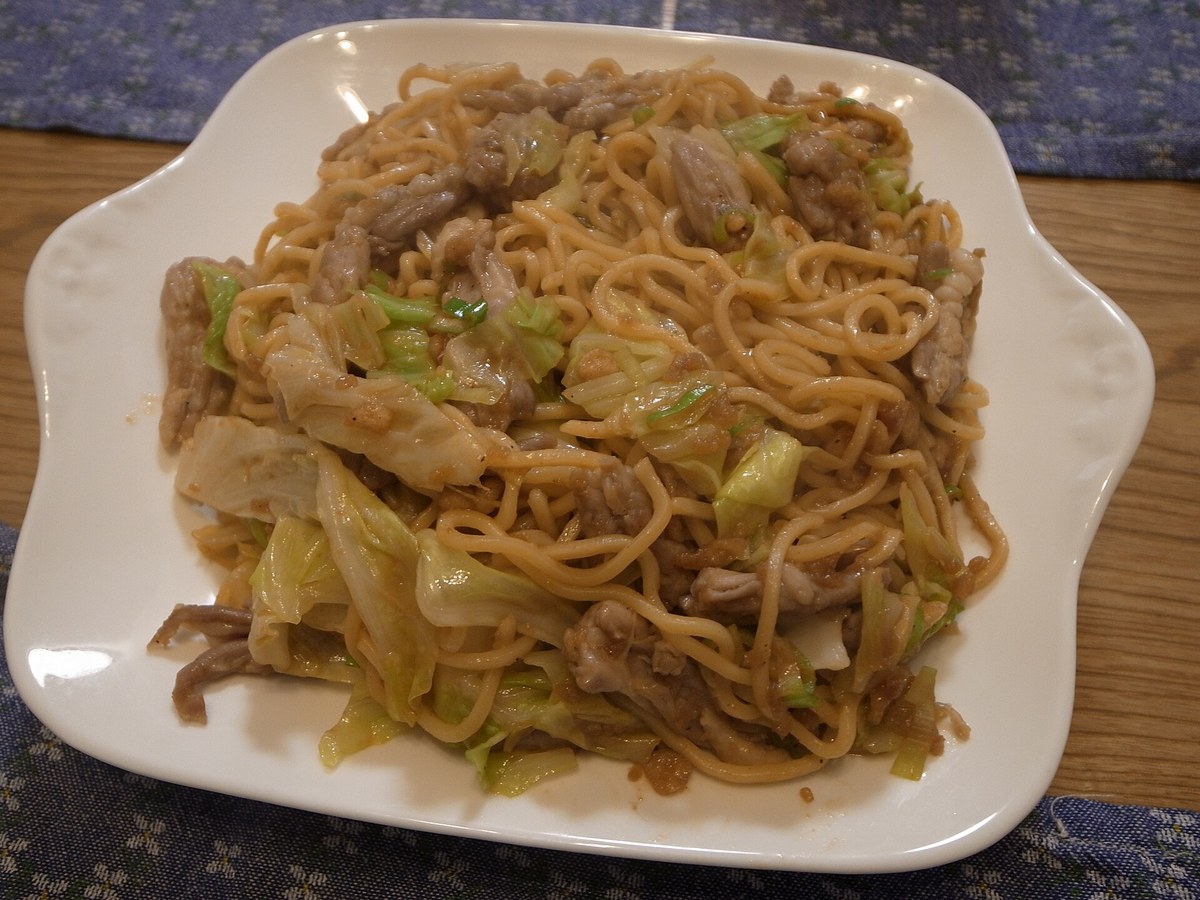
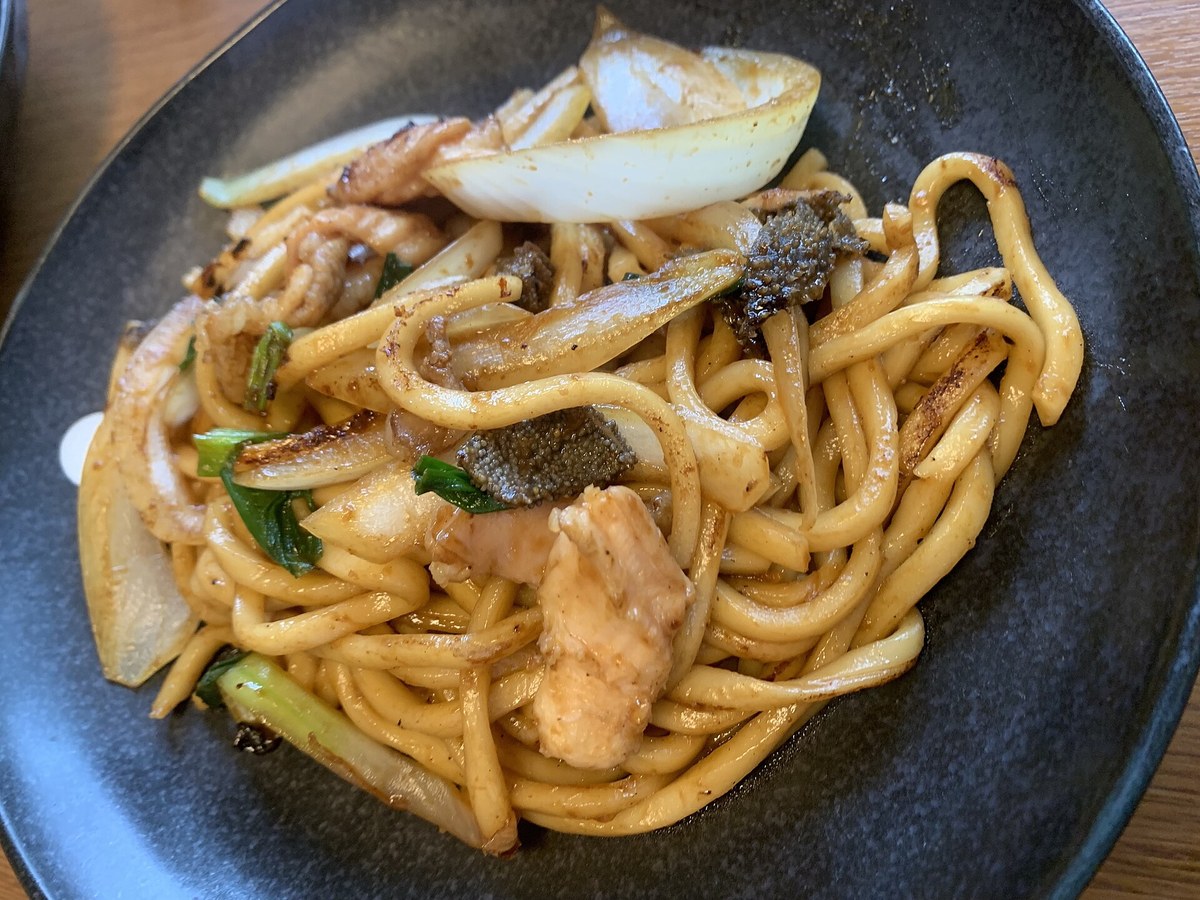
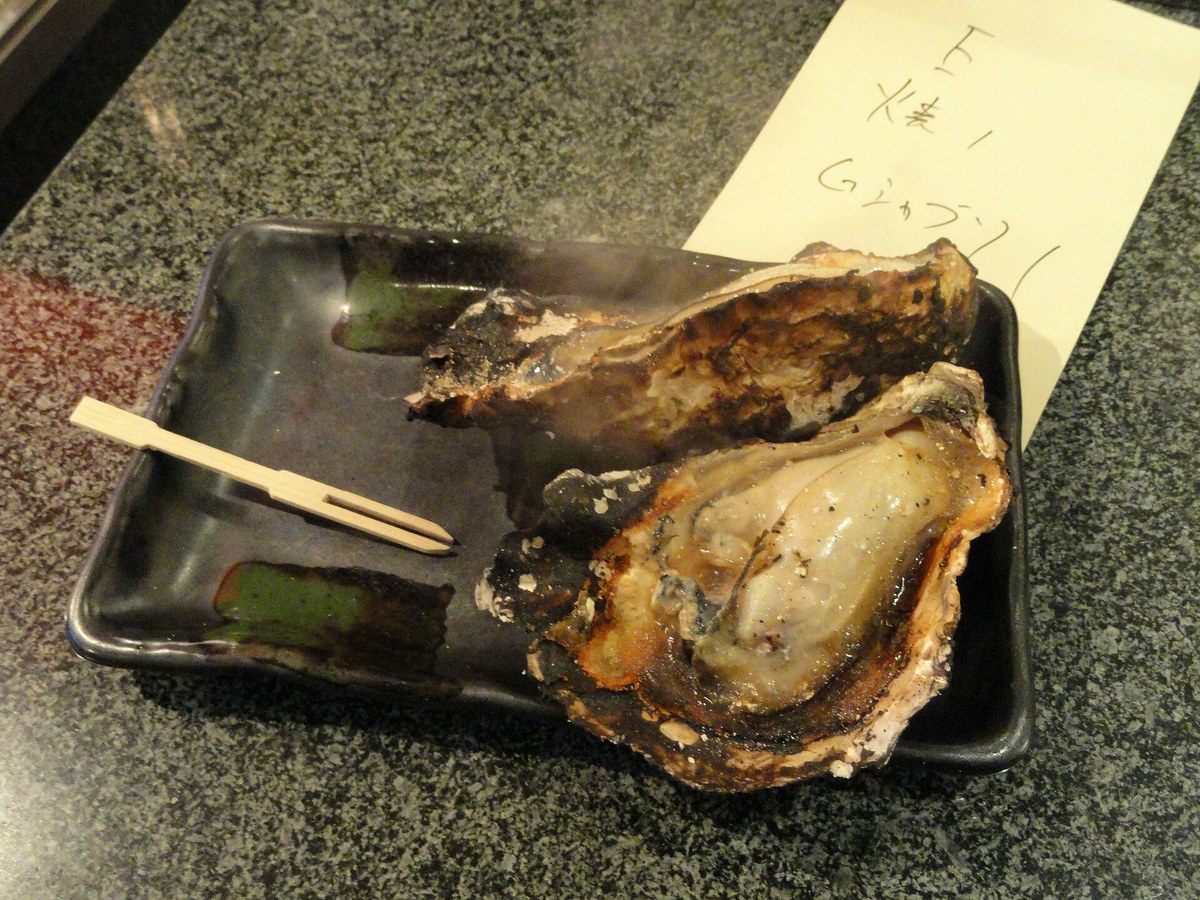
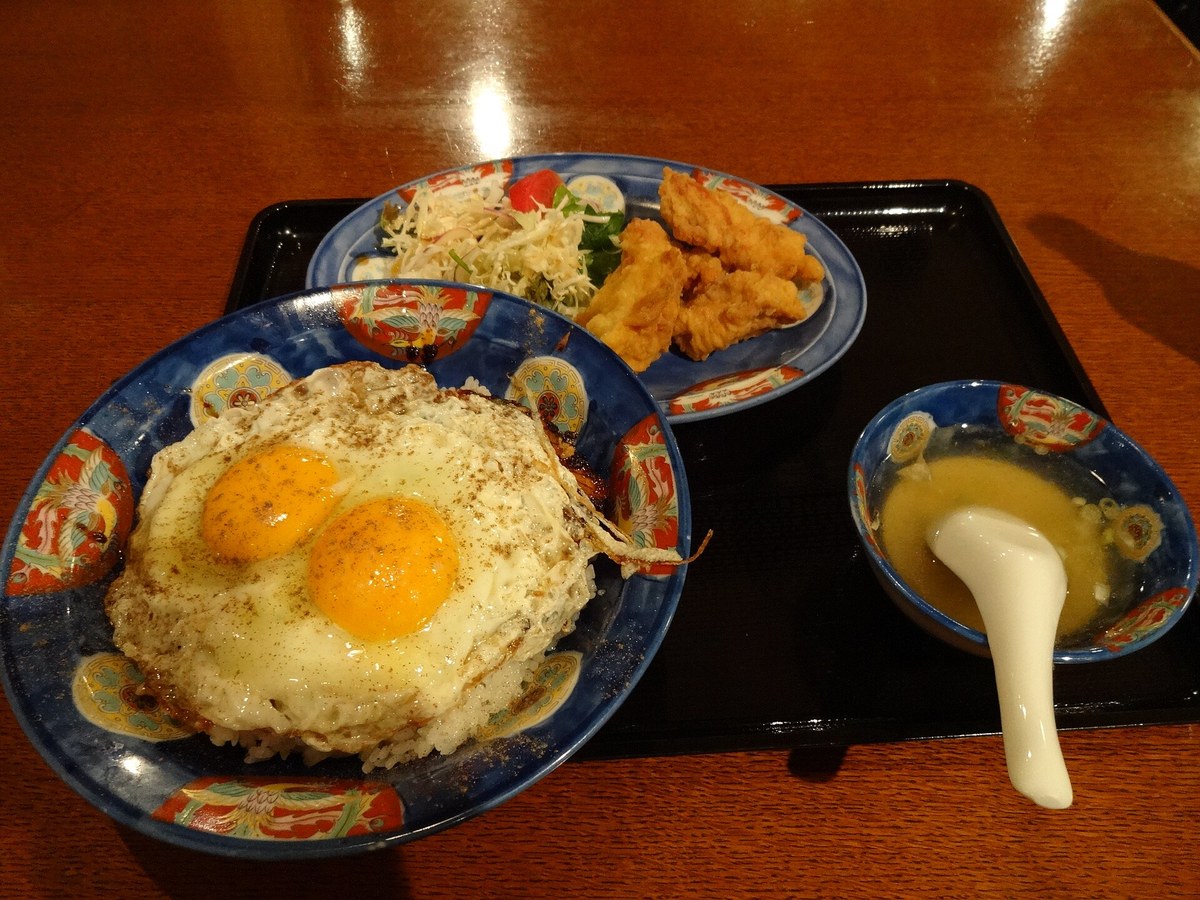
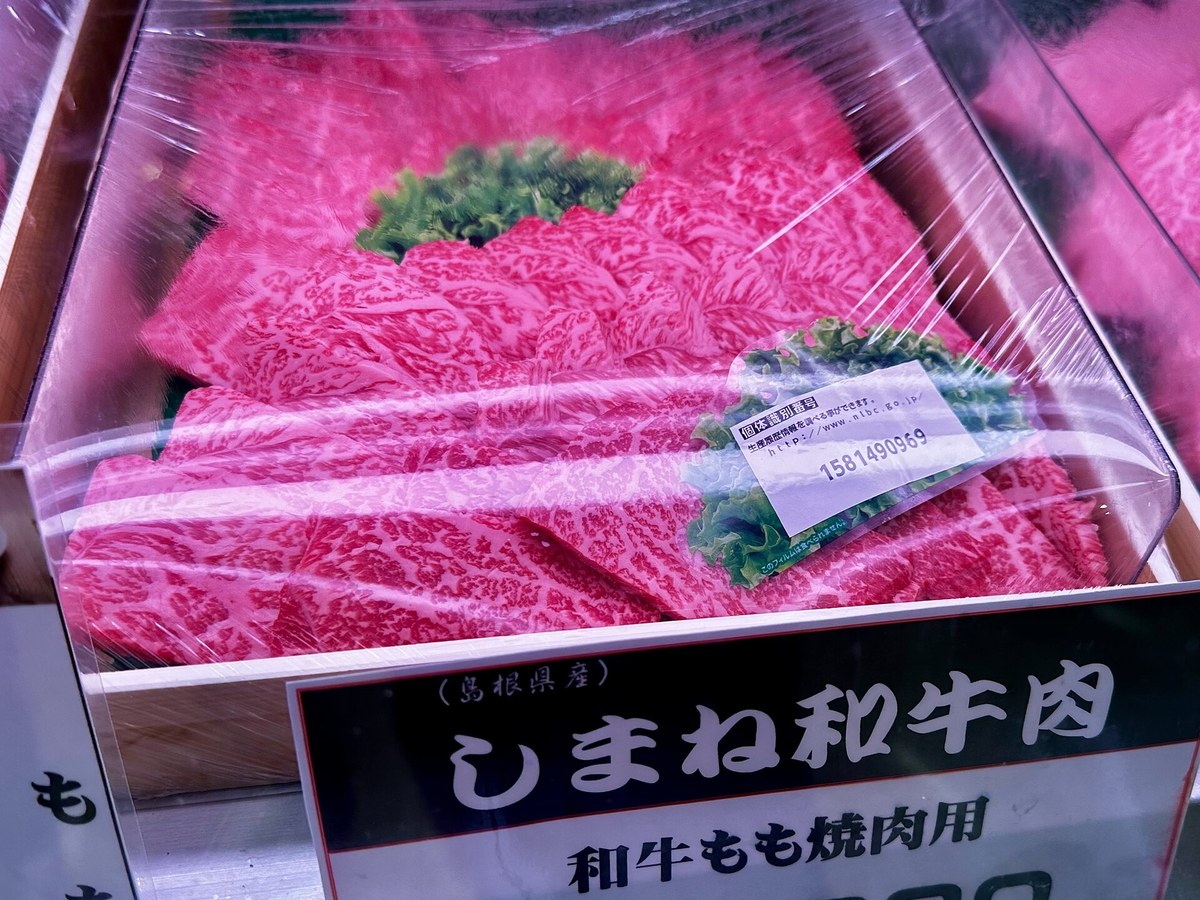
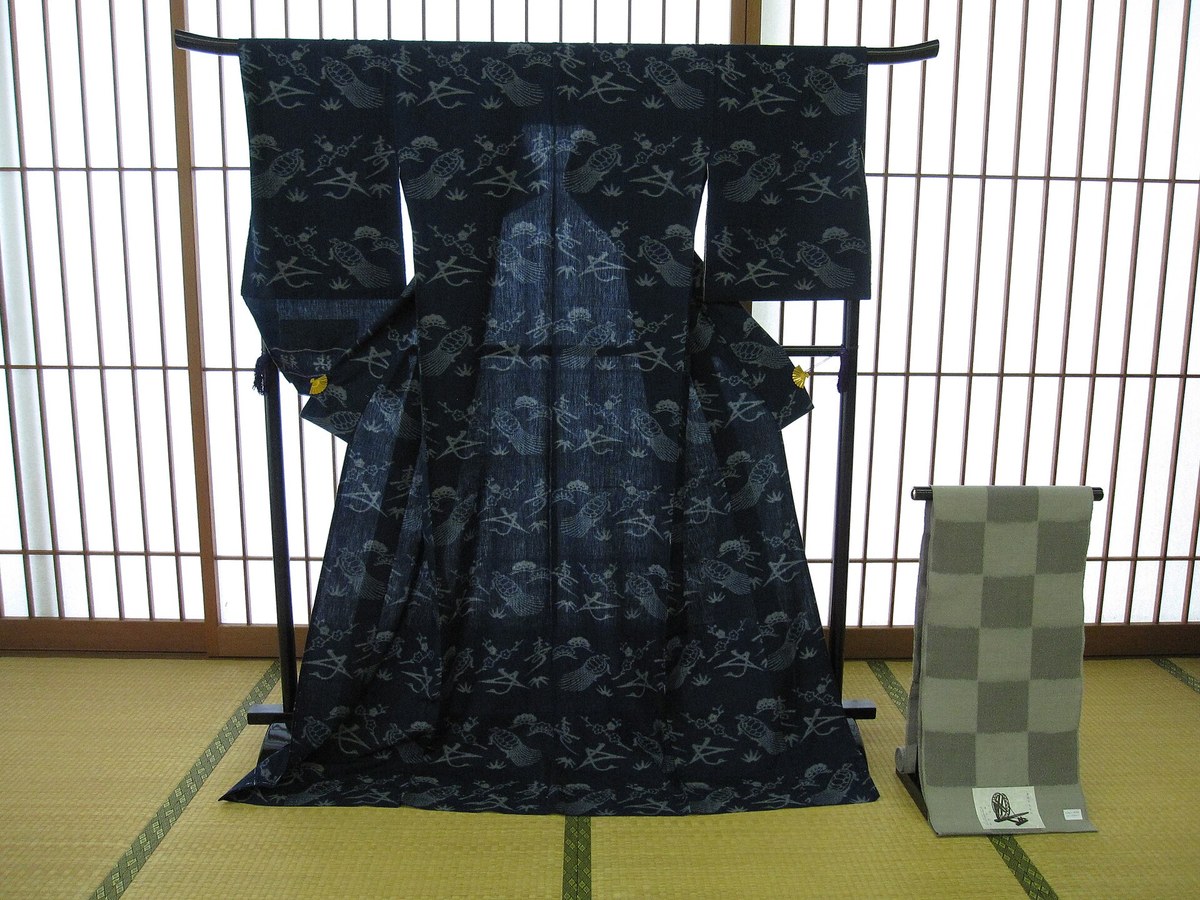
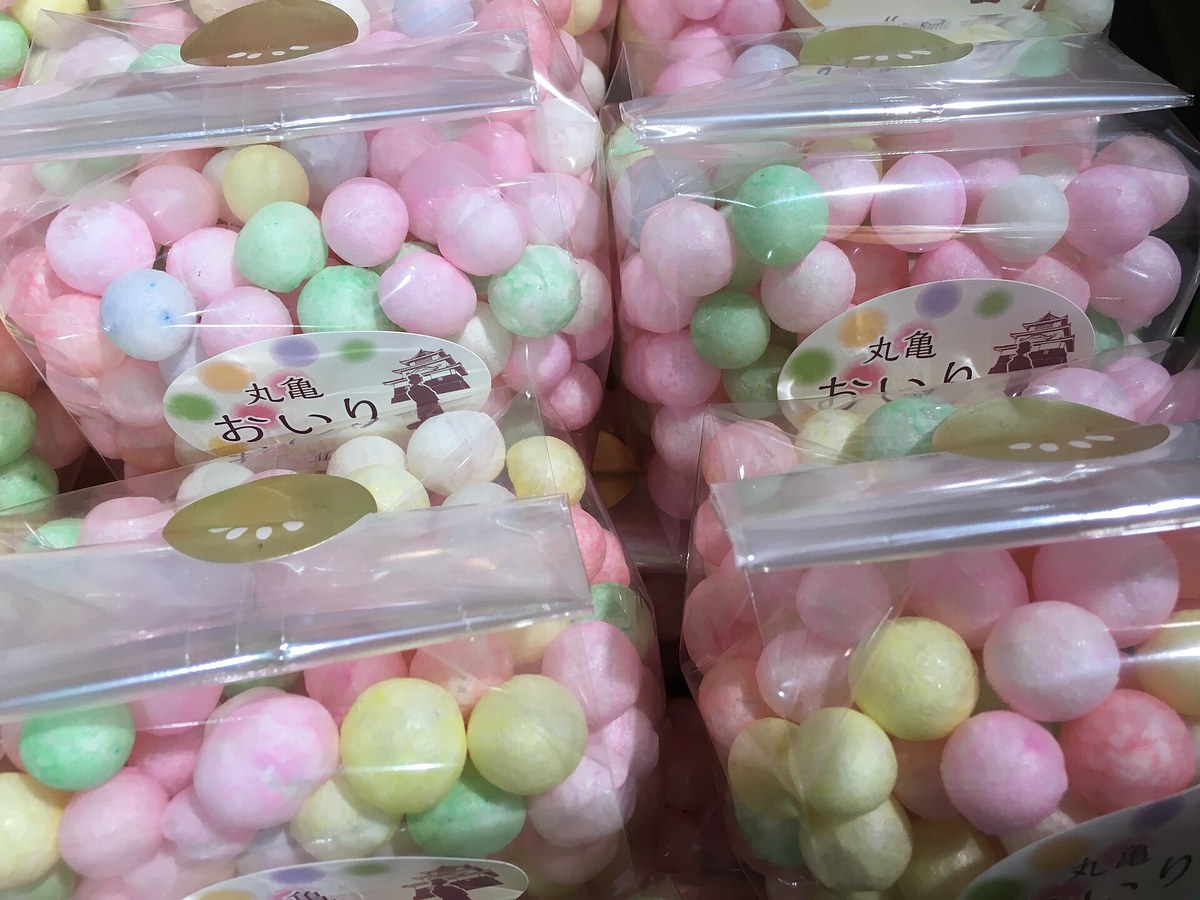
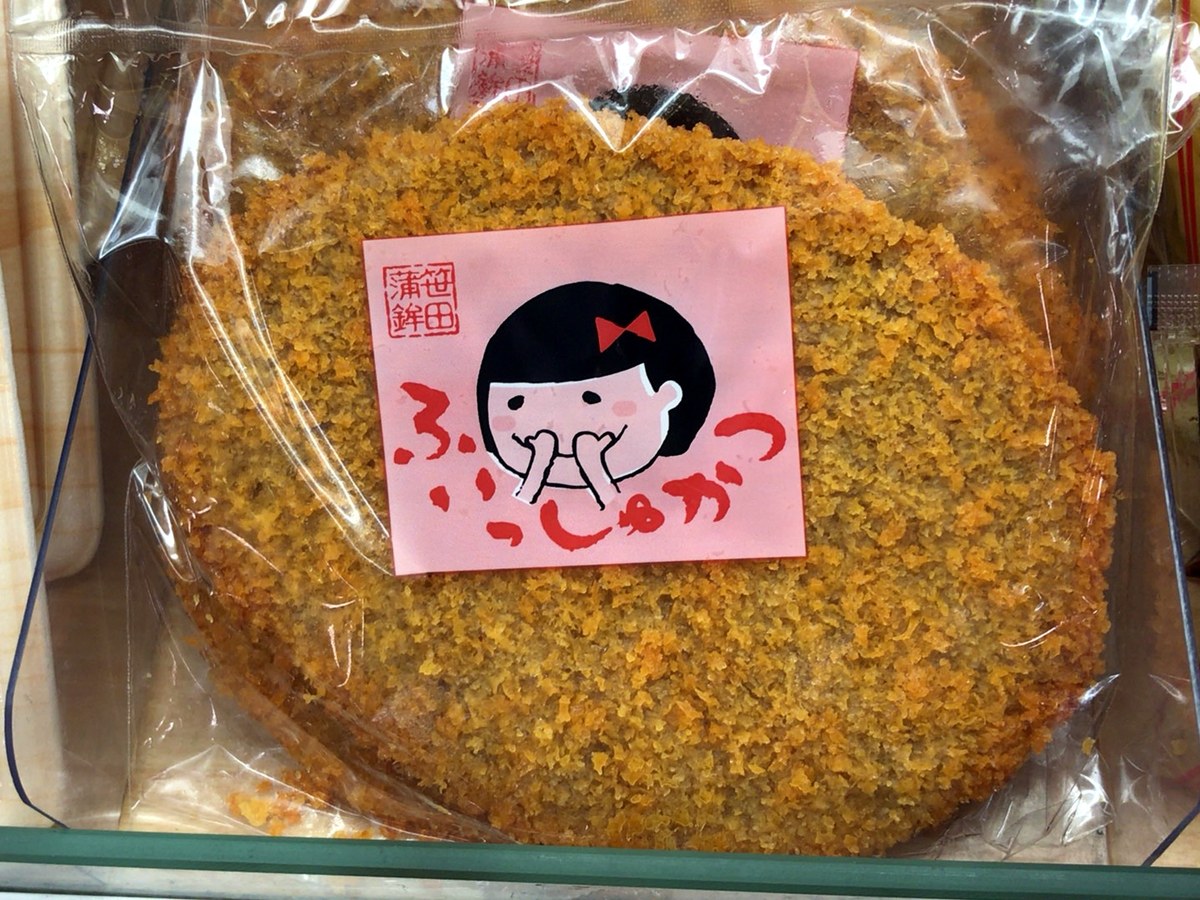
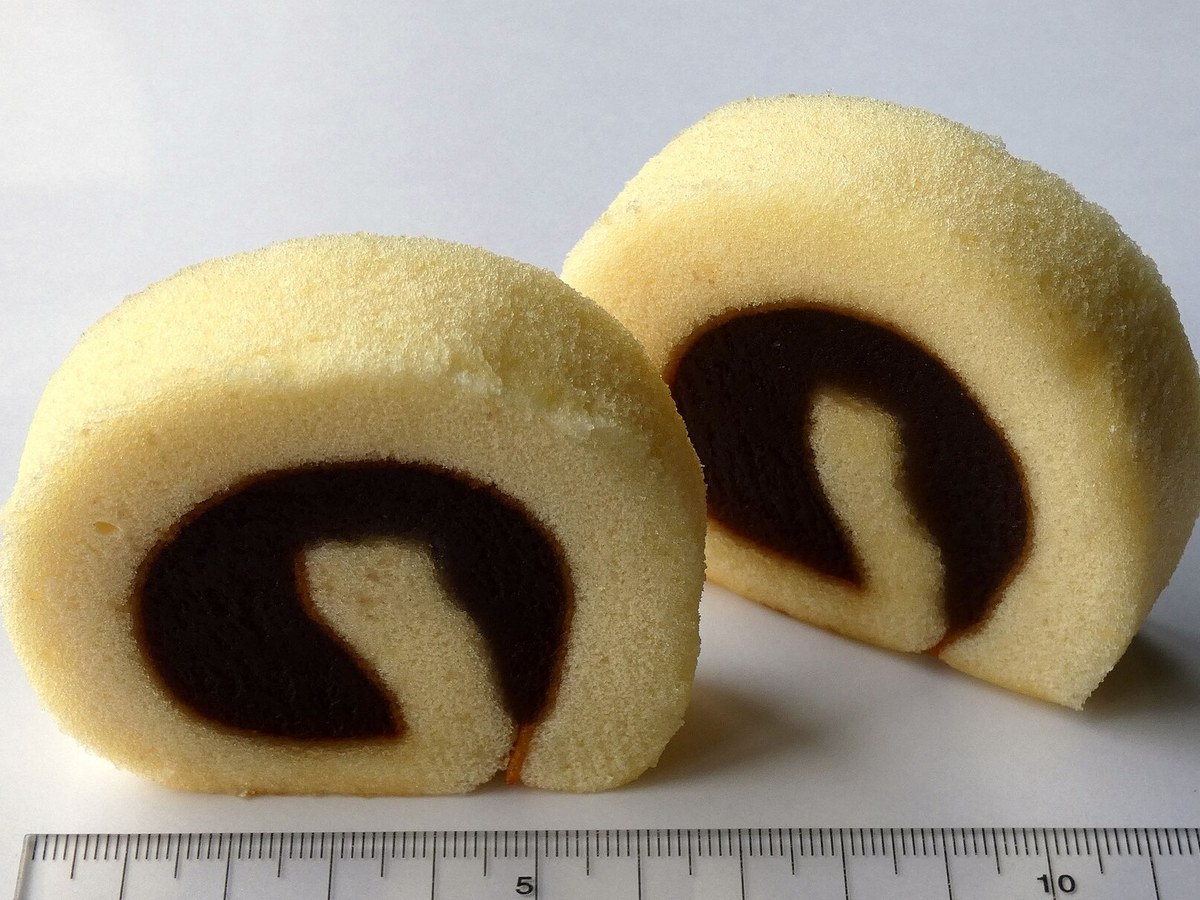
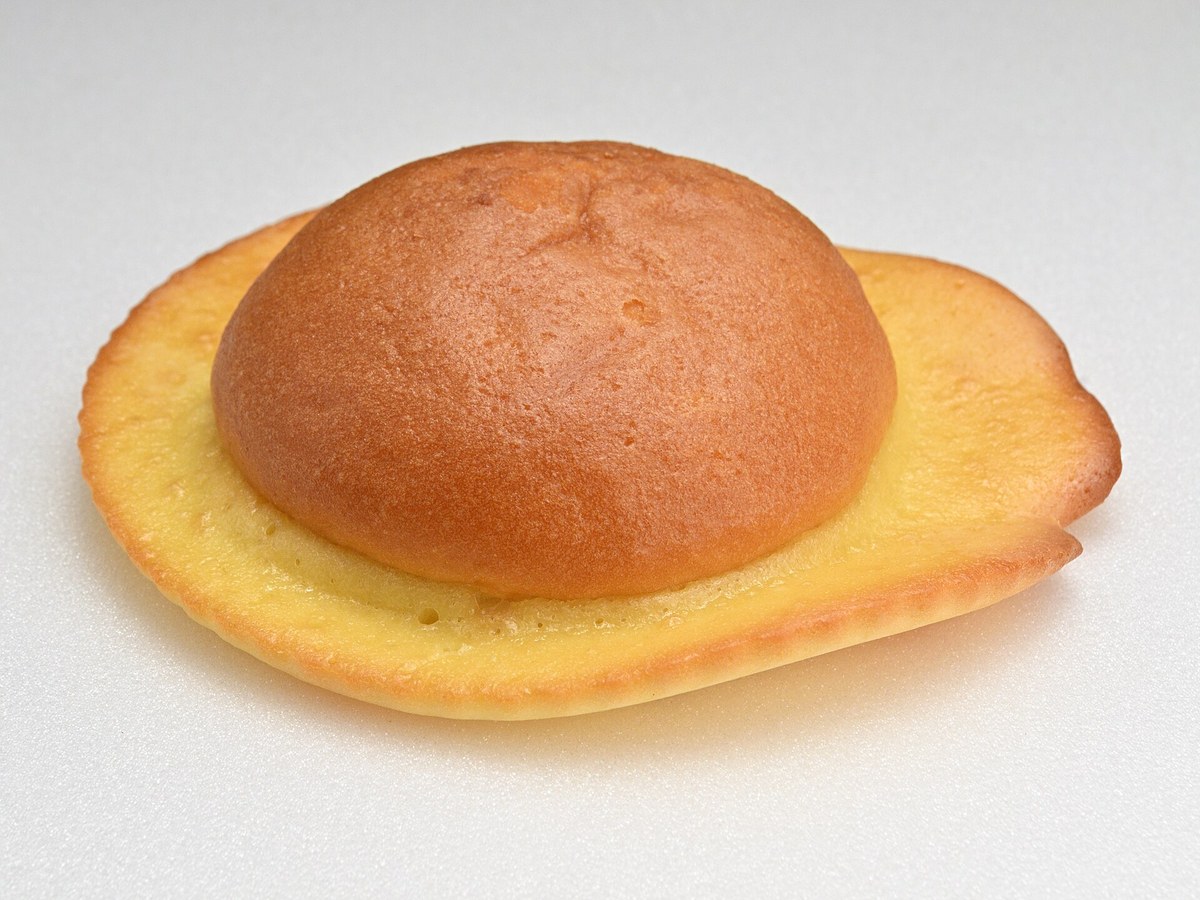
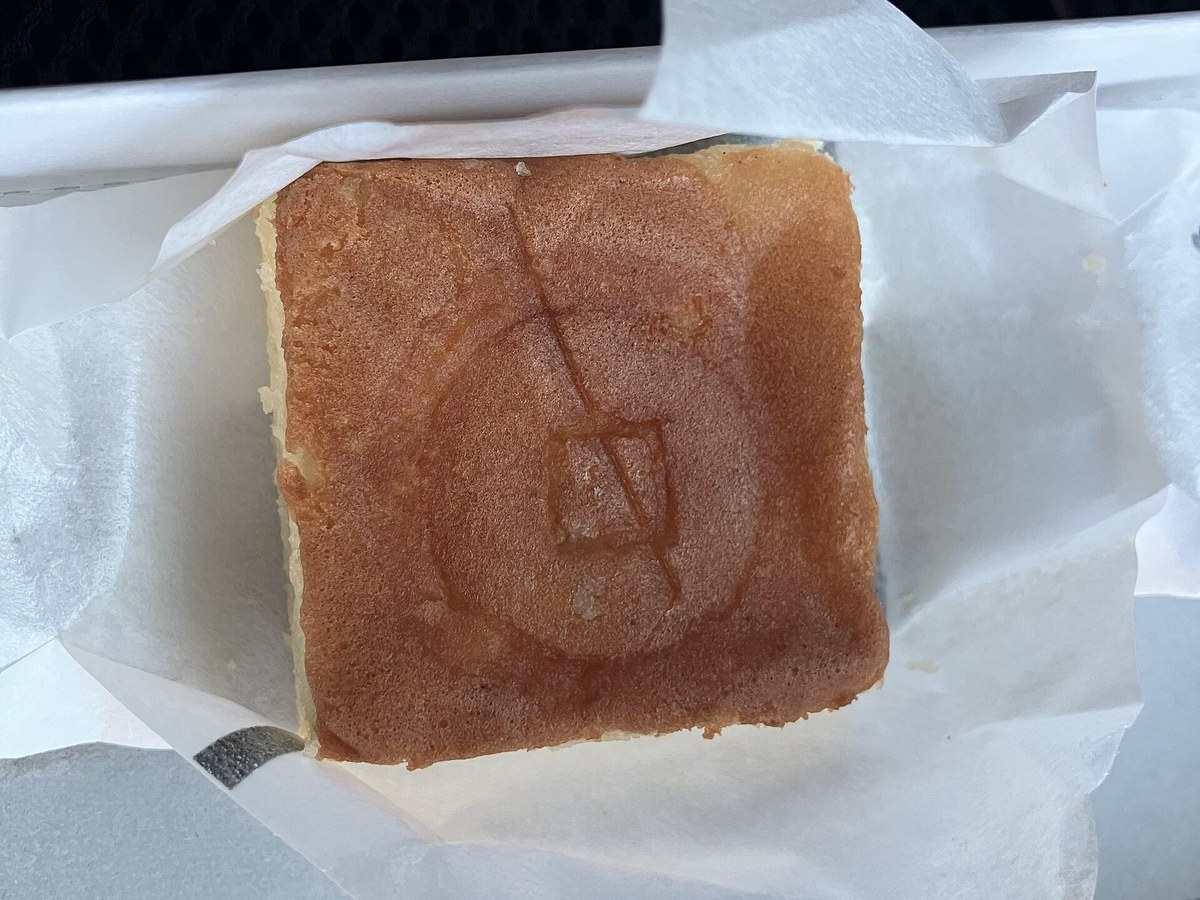
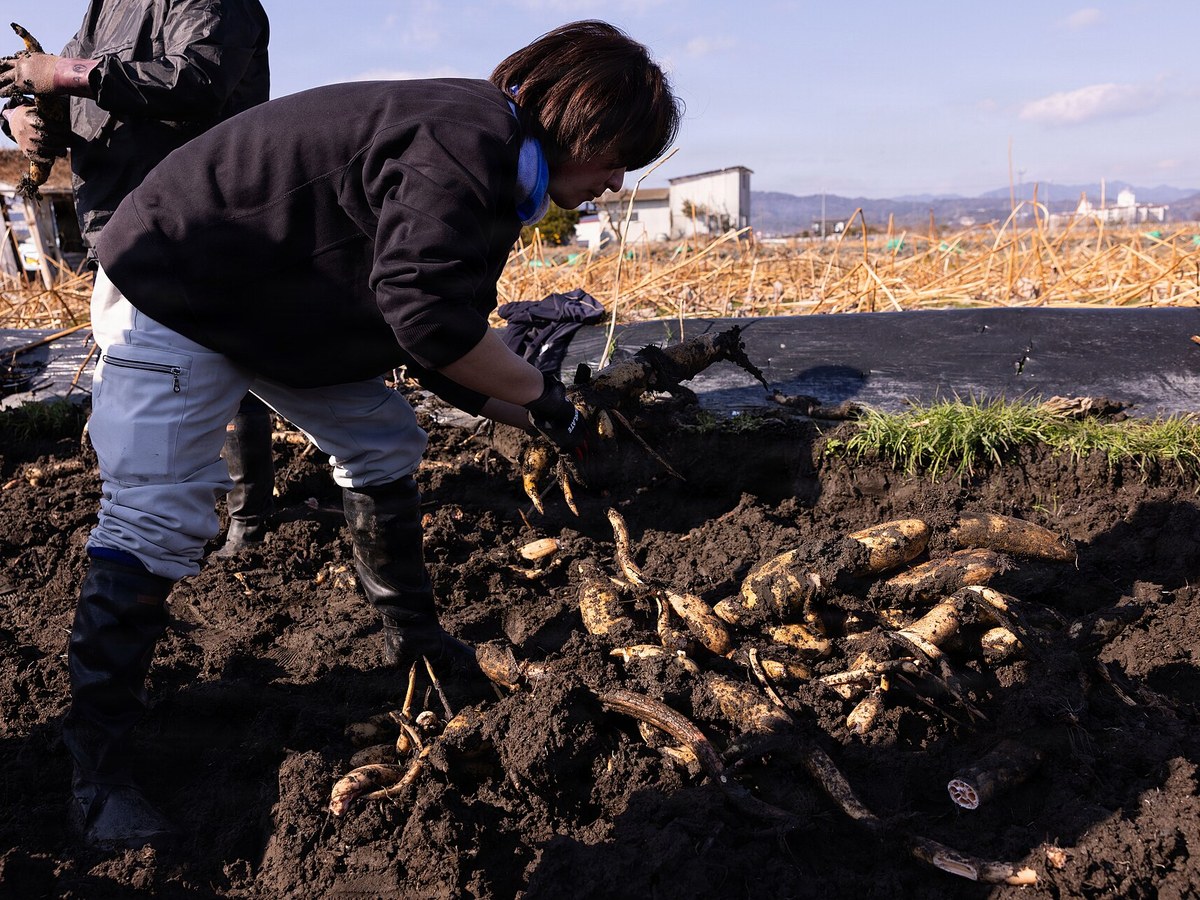
69 Chugoku and Shikoku edition stories — Bizen ware, Sanuki udon, okonomiyaki, Tosa blades, Inshu washi, olive beef, Ehime taimeshi, anago meshi, gyukotsu, demikatsudon, uzume meshi, imo kenpi, Awaodori chicken, Dassai from Iwakuni, the junmai daiginjo named by its polishing ratio, and Shodoshima soy sauce, brewed in cedar kioke in Hishio no Sato, and Iya soba, the binder-free buckwheat noodle of the gorge valley, thick and short by design, and Onomichi ramen, the clear soy bowl floated with minced back fat over flat noodles, and Susaki's nabeyaki ramen, the oyadori-soup pot served still boiling under its seven-point definition, and Maniwa's Hiruzen yakisoba, the miso-tare noodle that won the B-1 Grand Prix at Himeji in 2011, and Tsuyama horumon udon, the cattle town's teppan offal udon that took silver at the same final, and Hiroshima kaki, the farmed magaki of the enclosed bays, grilled in the shell on Miyajima, and Imabari yakibuta tamago meshi, the pork-and-egg bowl a Chinese kitchen’s staff meal grew into, and Shimane wagyu, the prefecture’s certified beef of seven-century bloodlines, and Oiri, Kagawa’s hollow pastel wedding balls, and Yumihama-gasuri, the indigo picture-ikat the Yumigahama farm wives wove, and Fish katsu, Tokushima’s curry-spiced surimi cutlet, and the Ichiroku tart, Matsuyama’s castella roll of yuzu bean paste, and Boshi-pan, Kochi’s hat bread born of a forgotten topping, and Kannonji, the coin-branded manju Hakueido has baked in Kannonji City since 1960, and Iwakuni renkon, the nine-holed lotus root of the Nishiki River mouth, planted in 1796 — with prices.

69 of the collection's 369 stories belong to this hub. Open any card for the full story: price, where to buy, official online sales and the dated sources behind the edition claim.

How the place hubs work: the nine place hubs divide the collection without overlap — every place-based story sits in exactly one of them. Tokyo and Kyoto keep shelves of their own inside the wider Kanto and Kansai regions, so their stories are not repeated in those hubs. One stationery story, partner-shop stamp refills, is venue-based rather than place-based, so it appears in the Stationery and Venue goods hubs only.

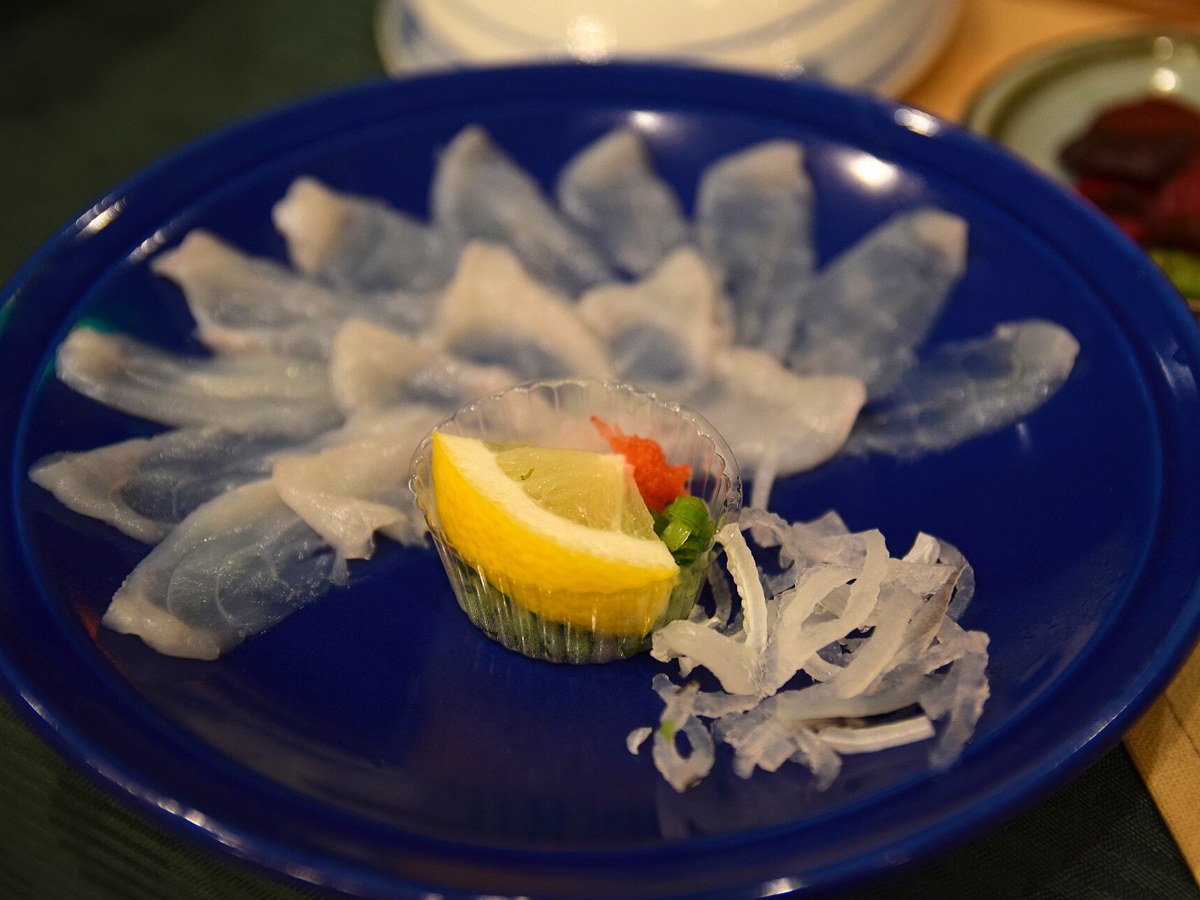
Fugu pufferfish sashimi arranged on a plate

Food

Shimonoseki Fugu — Yamaguchi's Pufferfish Capital & the Only Fugu-Only Market: Prices from Market Stall to Full Course

Yamaguchi's second story is the fish Japan trusts one city to handle: fugu. Shimonoseki processes the largest share of the national trade, runs the country's only fugu-only wholesale market, and calls the fish fuku — good fortune. At Karato Market's weekend stalls a plate of fugu nigiri costs ¥400-800; the full winter course runs to ¥60,000 and beyond.

Food · Shimonoseki, Yamaguchi

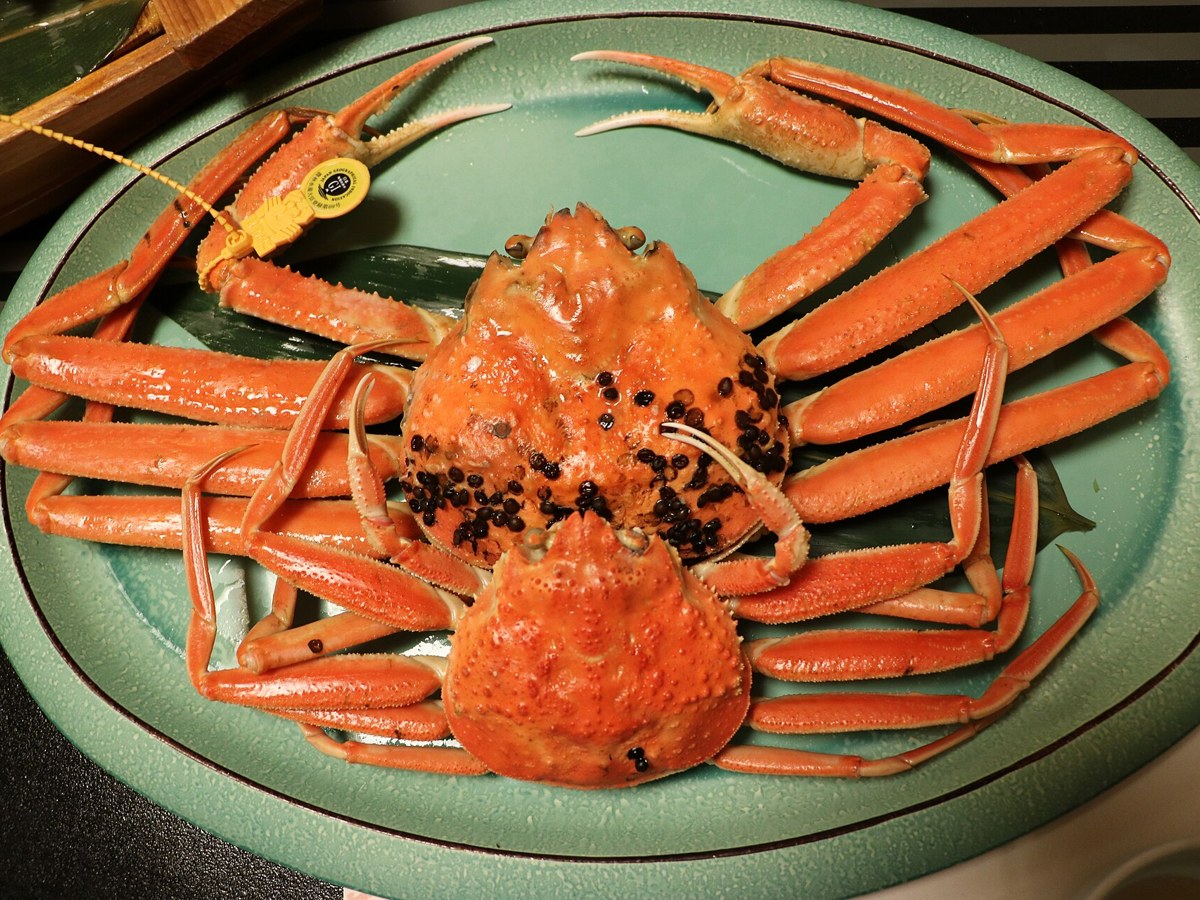
A boiled snow crab with its landing tag

Food

Matsuba Crab — Tottori's Winter Snow Crab & the Five-Star Itsukiboshi: Season, Prices & Ports

Tottori's second story is its winter king: Matsuba-gani, the San'in name for male snow crab, landed at Sakaiminato, Tottori Port and Ajiro in a season that runs from 6 November to 20 March. The prefecture grades the finest as Itsukiboshi — five criteria, about one crab in two thousand — and the 2026 first auction topped out at ¥1,400,000, while an ordinary boiled crab for the table starts at ¥8,964.

Food · Sakaiminato & Tottori City, Tottori

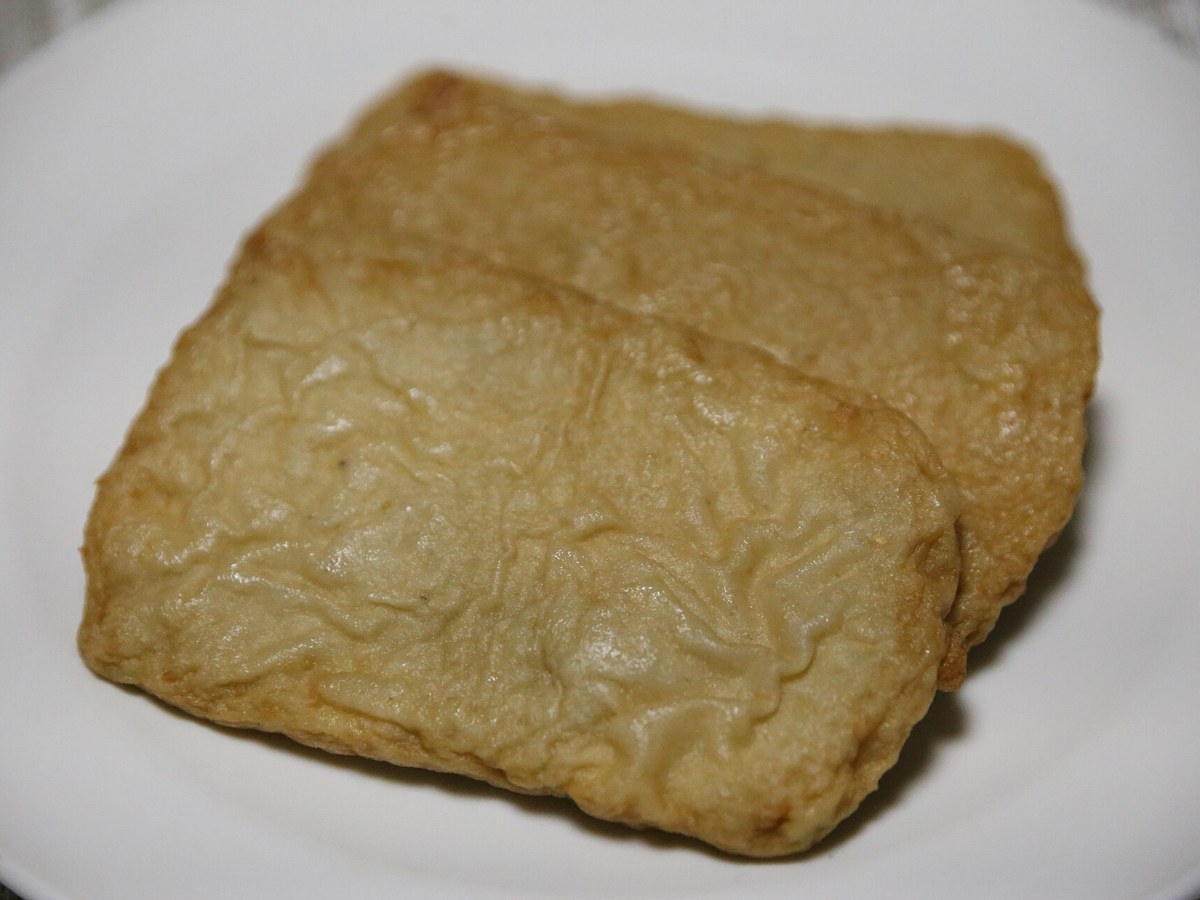
Jakoten, Ehime’s fried whole-fish cake

Food

Jakoten — Ehime's Whole-Fish Fried Cake: the Southern Ehime Form, Makers & Prices

Ehime's third story is a fish cake that wastes nothing. Jakoten grinds small fish whole — skin, bones and all — into flat patties and fries them, a form fixed to southern Ehime's Uwajima and Yawatahama and traced to the kamaboko makers a Sendai lord brought south in 1615. One handmade piece is ¥160 on the prefecture's own products portal; hot from a fryer it costs ¥150 to ¥200.
Food · Uwajima & Yawatahama, Ehime

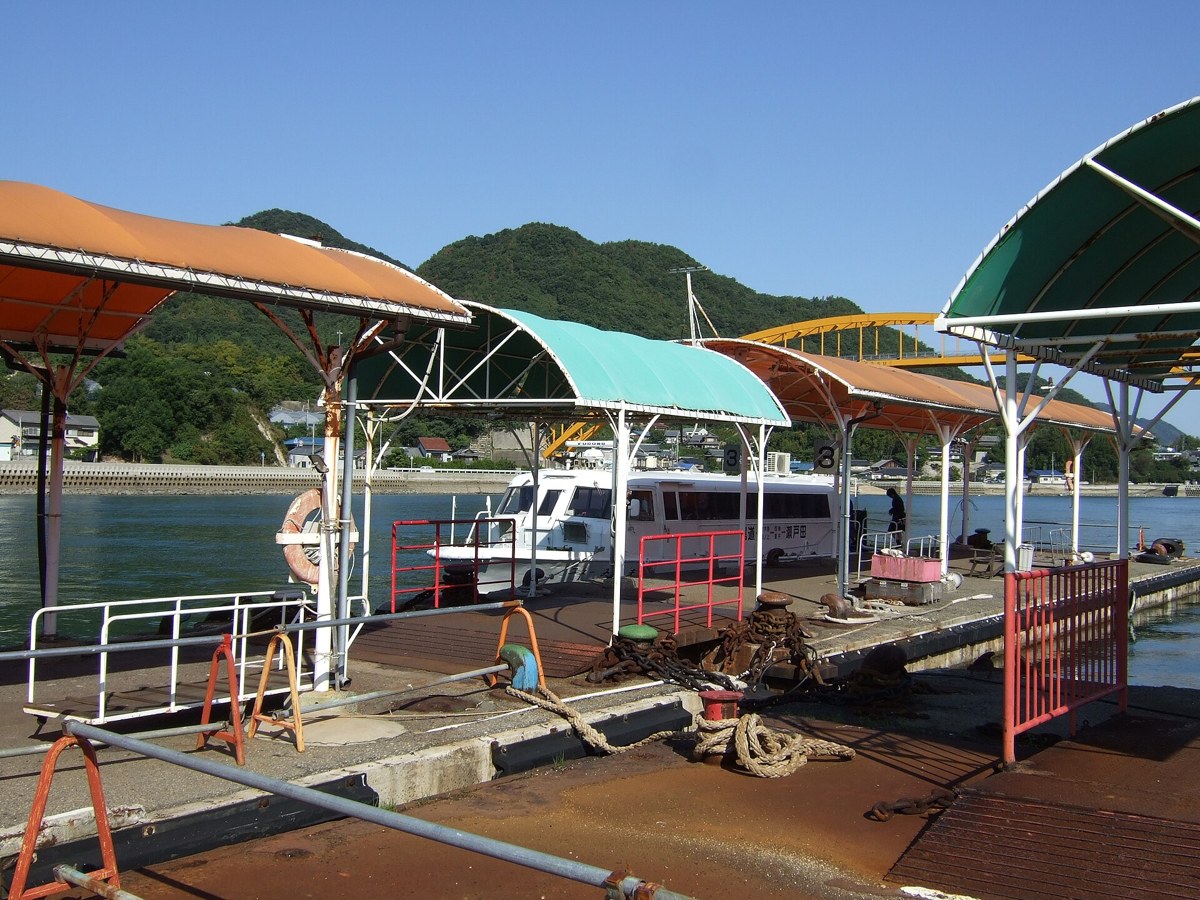
A ferry docked at Setoda Port, Ikuchijima

Food

Setoda Lemon Cake — Shimagokoro's Ikuchijima Cake: the Hand-Cut Peel, Prices & the G7 Summit

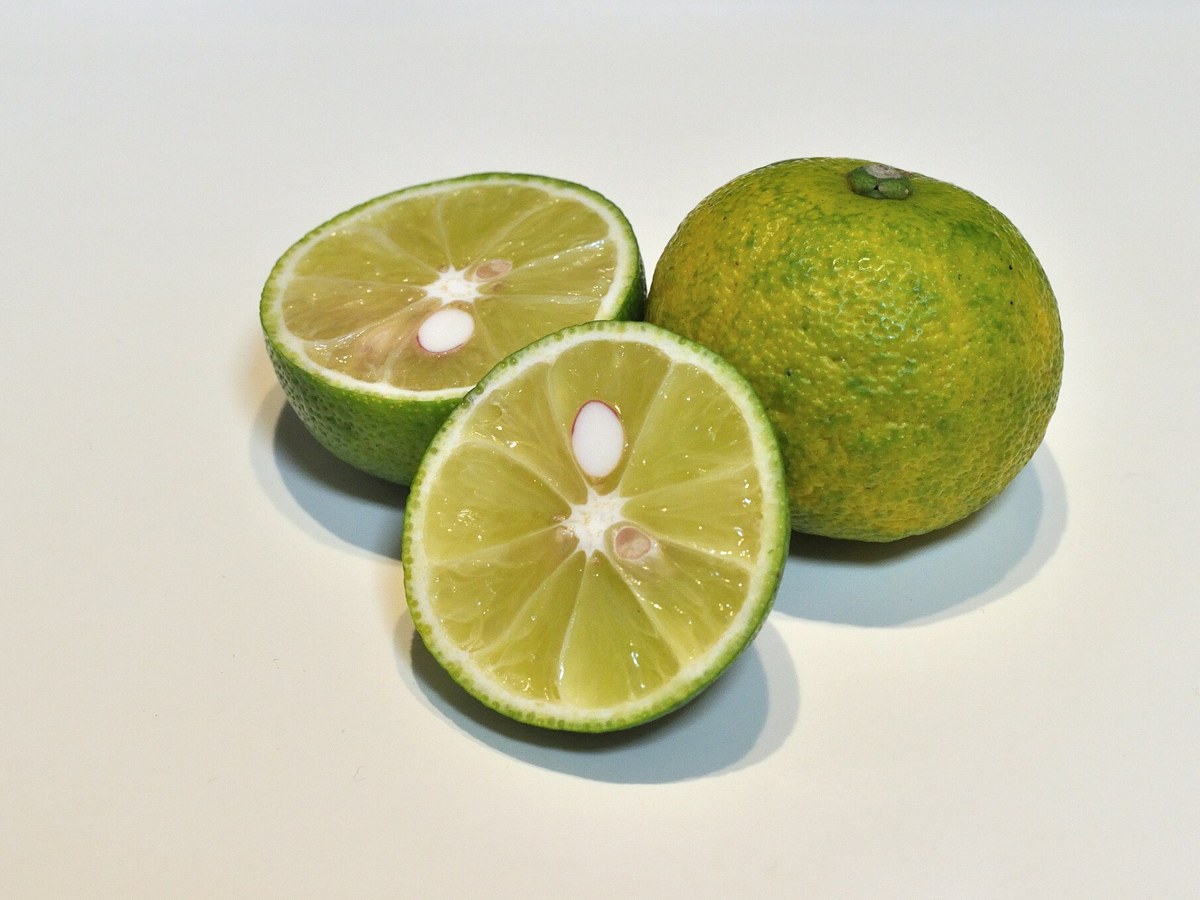
Hiroshima's third story is a lemon cake from Japan's lemon island. Shimagokoro, founded on Ikuchijima in 2008 by a patissier who came home, kneads a jam of hand-cut Setoda lemon peel into its batter — possible only because the island's eco lemons are grown safe to eat skin and all. A classic cake is about ¥250, and the cake was served to world leaders at the G7 Hiroshima Summit.

Food · Setoda, Ikuchijima, Hiroshima

A bowl of shijimi miso soup

Food

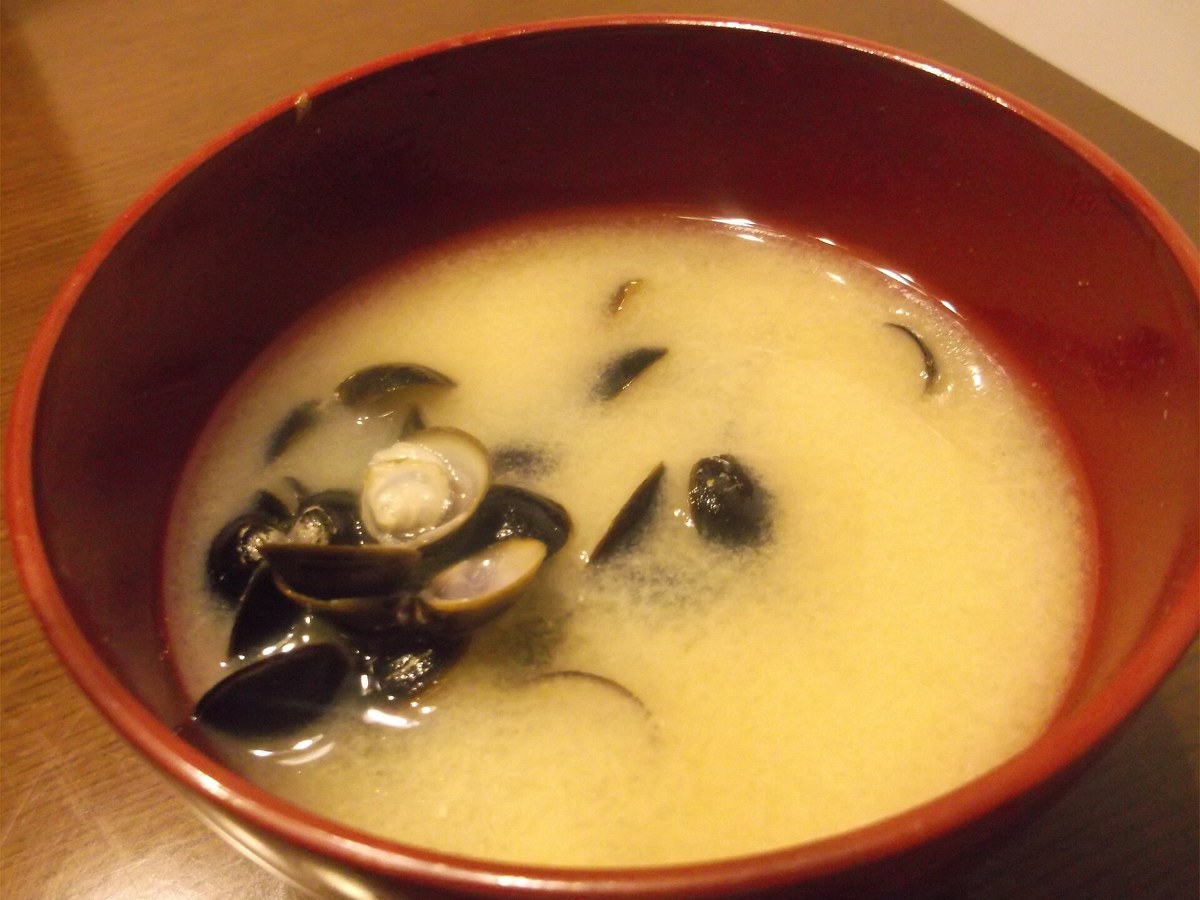
Lake Shinji Shijimi — Shimane's GI Clams: Seven Delicacies, a Joren Rake & the Soup

Shimane's third story is a soup with a legal name behind it. The Yamato shijimi of brackish Lake Shinji — one of the lake's Seven Delicacies, harvested all year at about 6,000 tons by rake and basket — were registered as Geographical Indication No. 171 in November 2025, and they are eaten as shijimi-jiru: clear broth in summer, miso in winter. The lake's own cruise, the way to watch the fishery, boards at ¥2,000.

Food · Matsue & Lake Shinji, Shimane

Roast chicken on the bone

Food

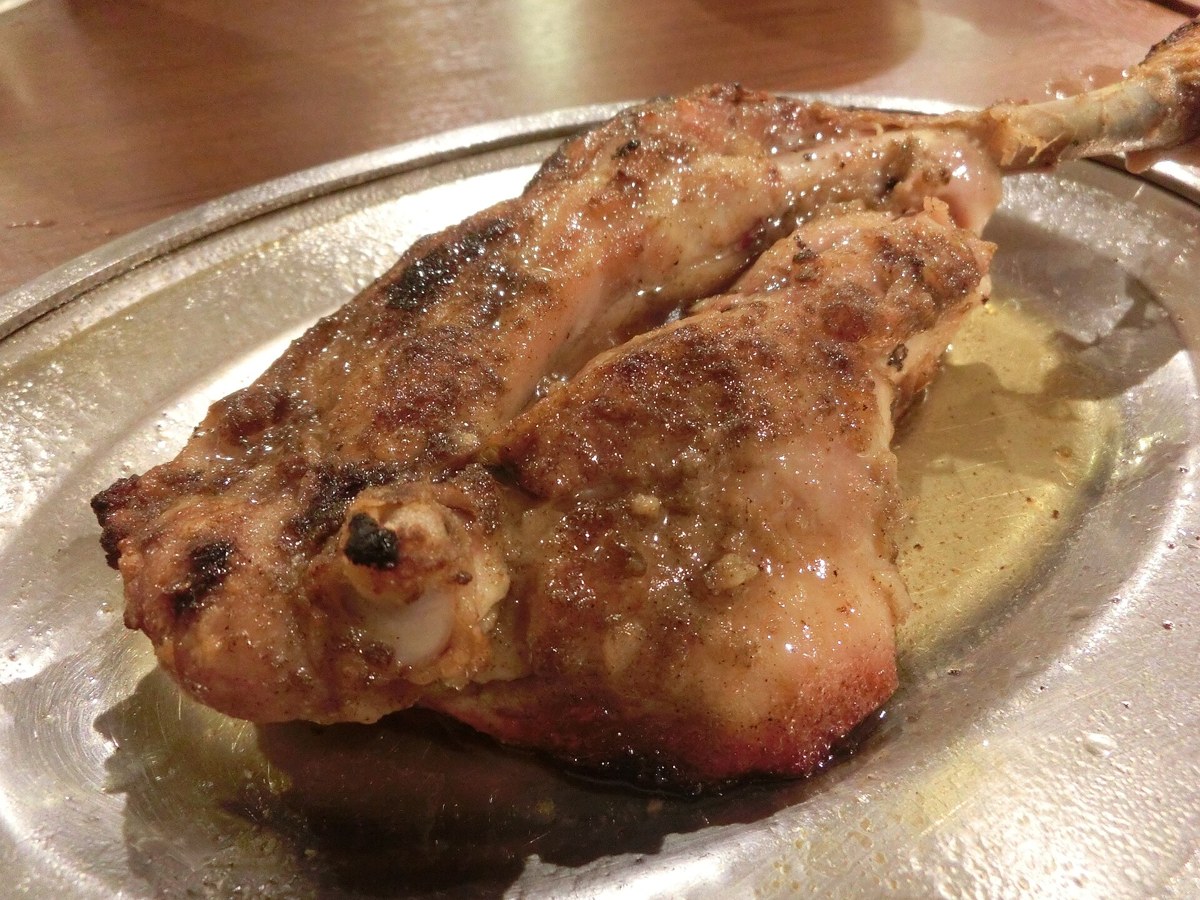
Honetsukidori — Kagawa's Bone-In Chicken Leg: Ikkaku, 1953, a Trademark & Two Birds

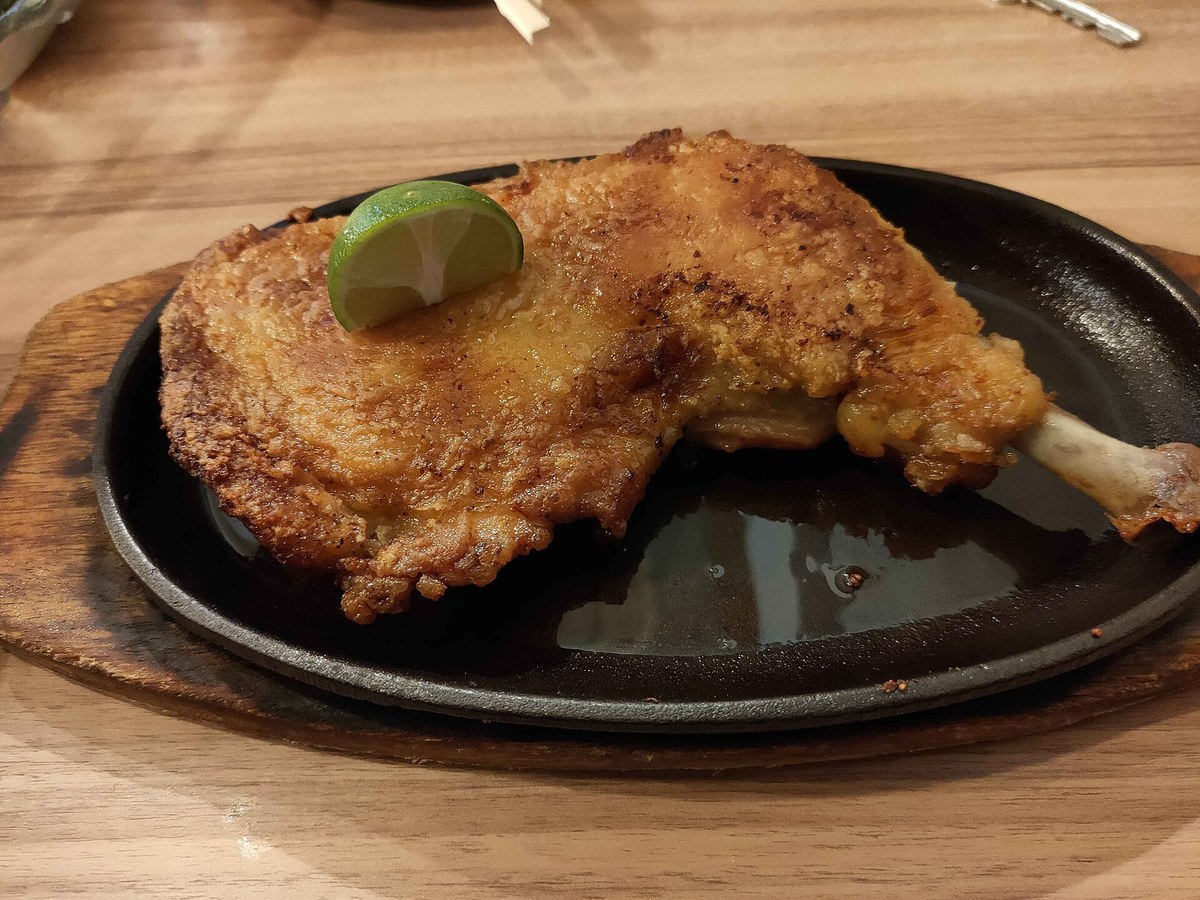
Kagawa's third story is a chicken leg eaten with your hands. Honetsukidori — a whole bone-in thigh seasoned with salt, pepper and garlic and roasted until the skin crisps — was first sold in Marugame in 1953 by Ikkaku, at ¥80 apiece, and the house name became a registered trademark in 1967. You choose your bird: firm, deep oyadori at ¥1,129 or tender young hinadori at ¥1,001, with cabbage for the chicken fat on the plate.

Food · Marugame, Kagawa

Forming a sheet of washi by hand

Stationery

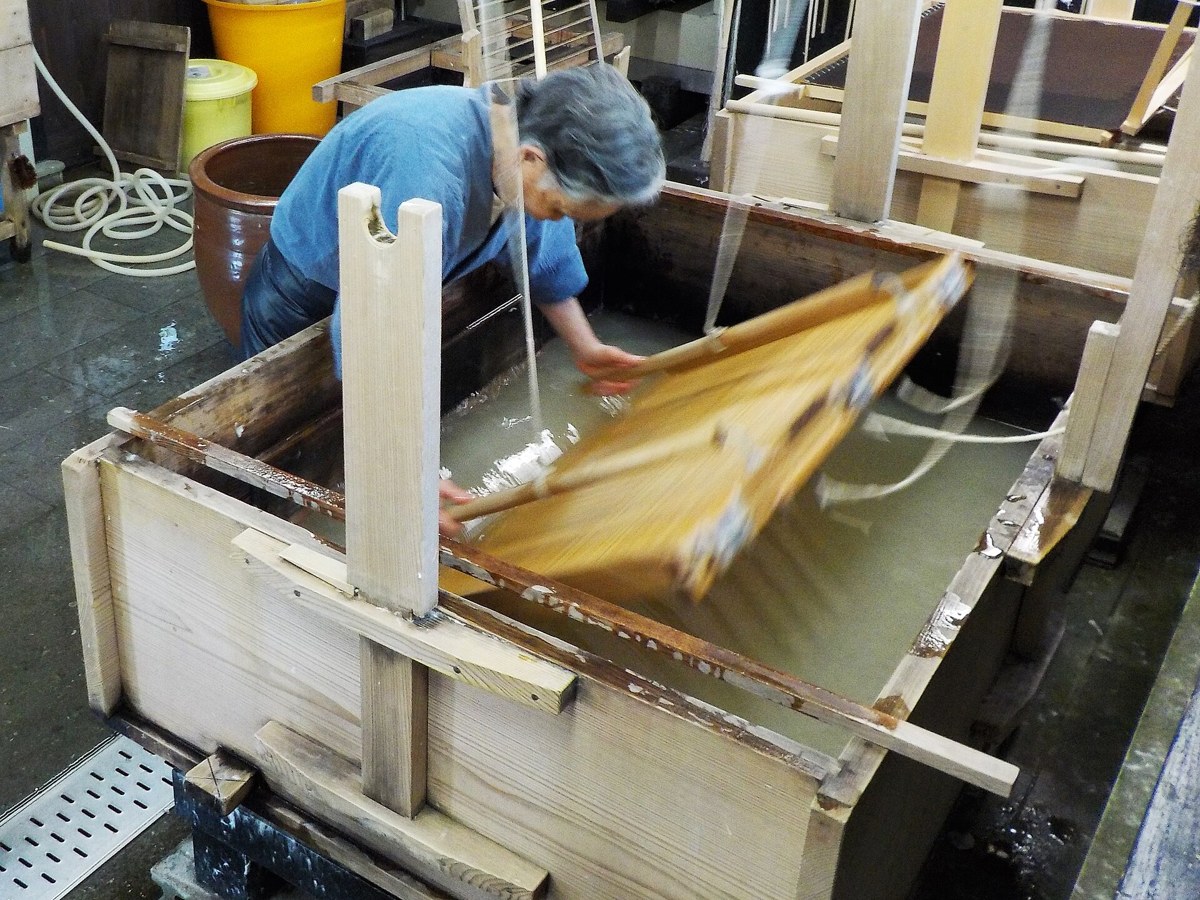
Tosa Washi — Kochi's Thousand-Year Paper: One of Japan's Three Great Washi & a ¥900 Lesson

Kochi's third story is the paper Japan has trusted for a thousand years. Tosa washi — the handmade paper of Ino-cho and Tosa City, one of the country's three great washi alongside Echizen and Mino — was already an offering in the Heian court's Engishiki, was designated a traditional craft in 1976, and is still made in about 300 types, more than any other paper region. At the Ino-cho Paper Museum you can form your own sheet for ¥900.

Stationery · Ino & Tosa City, Kochi

Kojima Jeans Street, jeans overhead

Craft

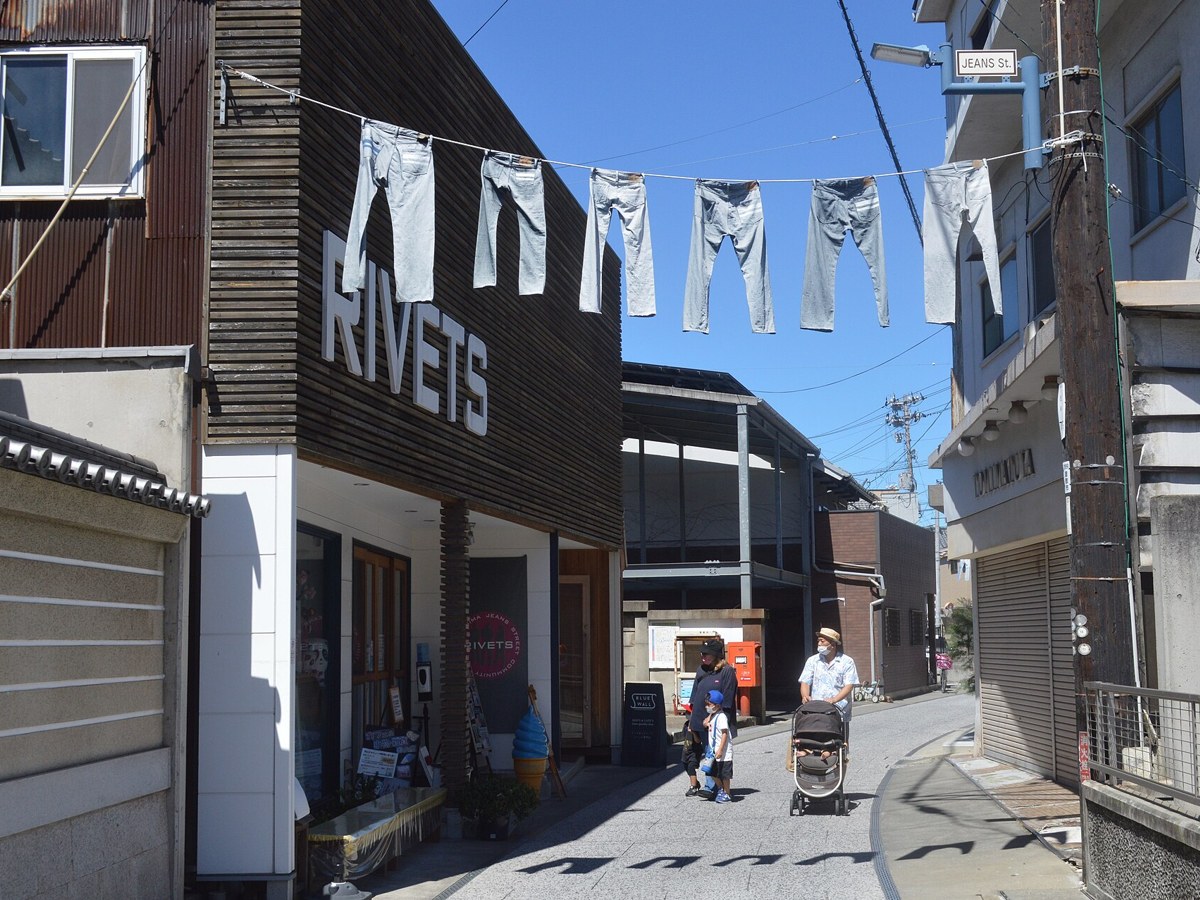
Kojima Jeans — the Town That Washed Denim First: Jeans Street, ¥8,800 Originals & Indigo Soft Serve

Okayama's fourth story is the garment Japan made its own. Kojima, a textile district of Kurashiki since the Meiji era, produced the world's first washed, processed jeans in 1965 — and filled a 400-metre shopping street with its makers. On Kojima Jeans Street you can rivet a pen case for ¥1,100, build an original pair at the Betty Smith museum from ¥8,800, and eat an indigo soft serve sold nowhere else. Finished Kojima jeans run from about ¥33,000 a pair.

Craft · Kojima, Kurashiki City, Okayama

Indigo fermentation vats

Craft

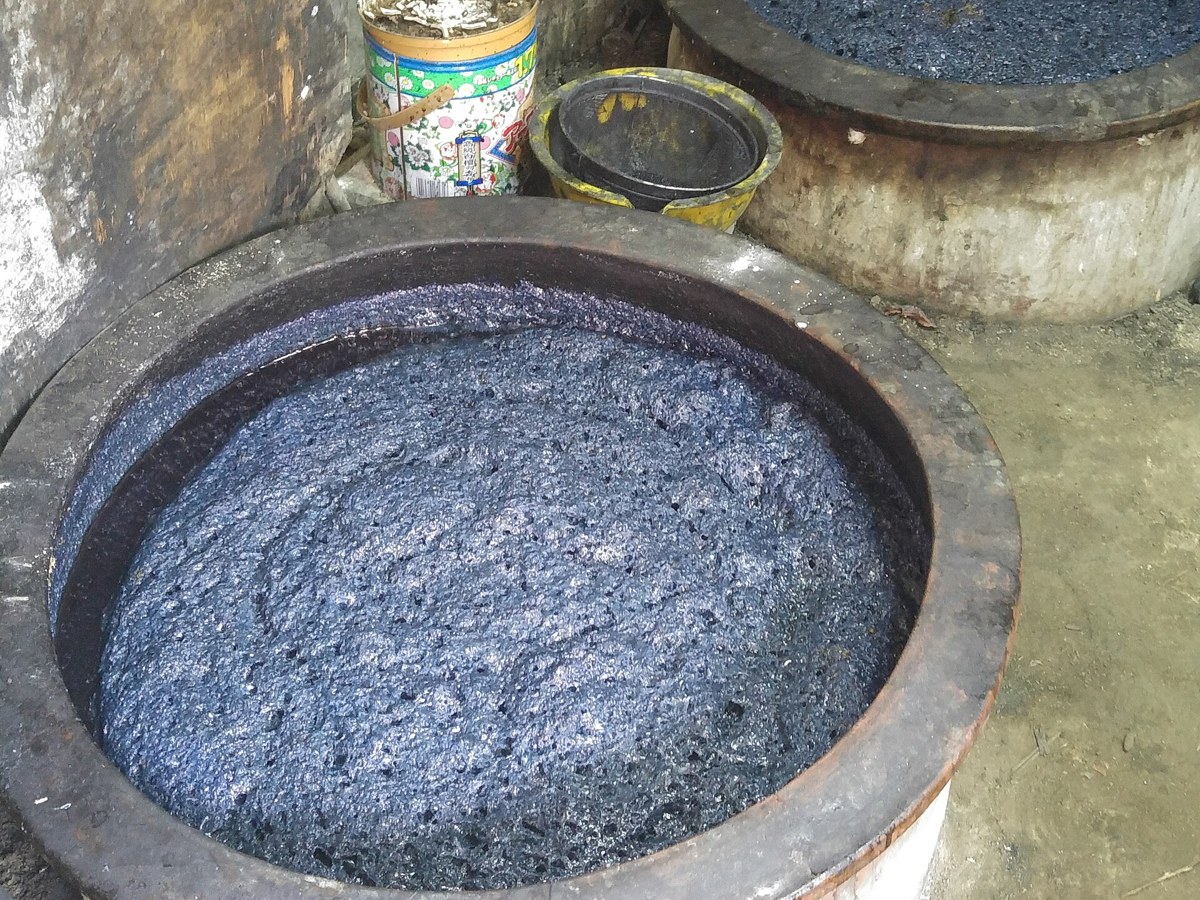
Awa Indigo — Japan's Supreme Blue: Sukumo, Fermentation Vats & a ¥1,000 Handkerchief

Tokushima's fourth story is its first craft — the dye that dyed Japan. Awa-ai is sukumo, indigo leaf fermented into dye cakes in the Yoshino River basin, which produces more indigo dye than anywhere else in Japan; its making is a state-chosen conservation technique, its story a Japan Heritage since 2019, and its ai-shi masters still at work. At Aizumi's Ai-no-yakata, an indigo merchant's estate turned museum, admission is ¥300 and you can dye a handkerchief in the fermentation vat for ¥1,000.

Craft · Aizumi, Tokushima

Hiroshima okonomiyaki on the teppan

Food

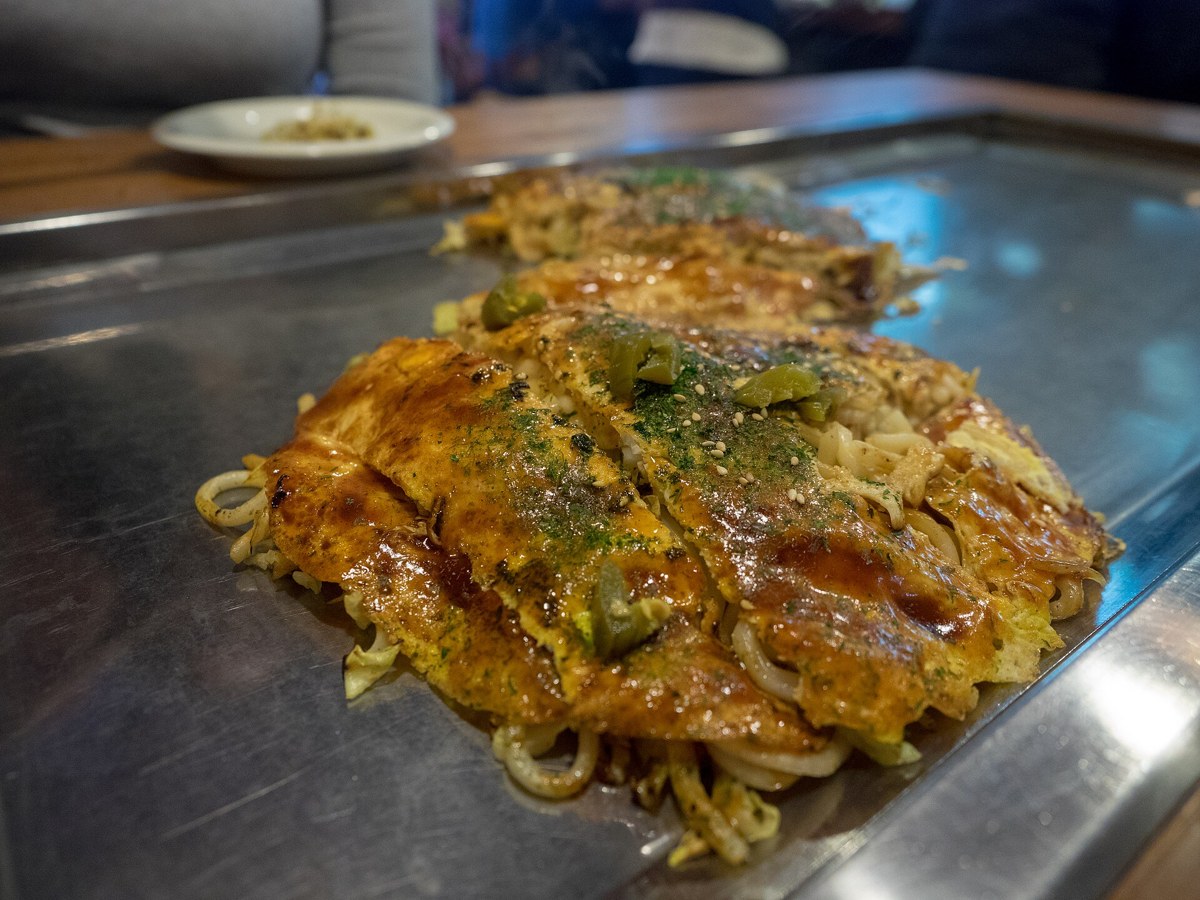
Hiroshima Okonomiyaki — Built, Not Mixed: Layers, Noodles & the City That Rebuilt on a Griddle

Hiroshima's fourth story is the city's soul food, assembled like architecture. A thin crepe, a mountain of cabbage, pork, a disc of fried noodles and an egg — layered in fixed order on the teppan, never mixed — make a 700-900 g stack finished with Otafuku sauce. Rebuilt from post-war scarcity out of the children's snack issen yoshoku, it now anchors roughly 2,000 shops, the densest okonomiyaki city on earth. A counter-shop pancake runs ¥900-1,500.

Food · Hiroshima City, Hiroshima

A bamboo-and-paper uchiwa fan

Craft

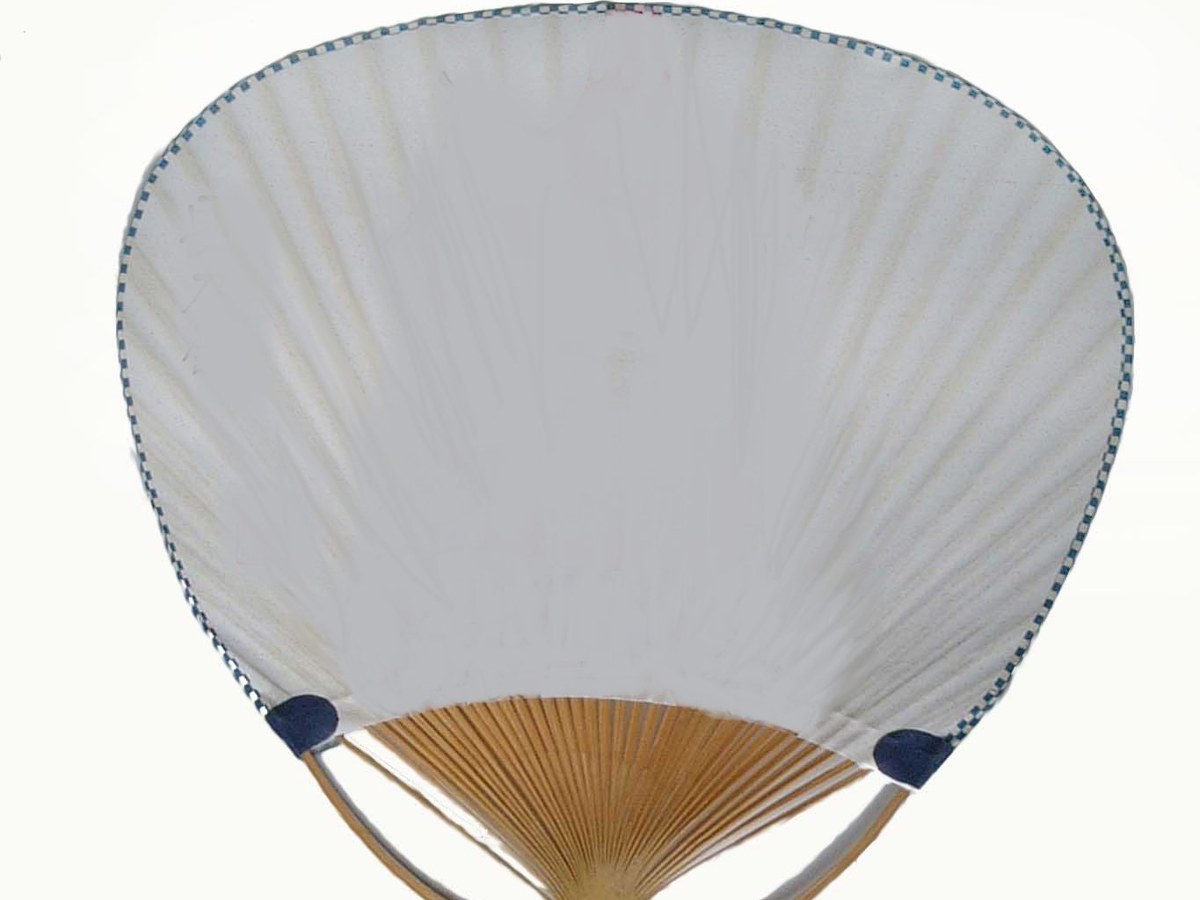
Marugame Uchiwa — One Bamboo, One Fan: 47 Steps & 90% of Japan's Fans

Kagawa's fourth story — and its first craft — is the fan that swallowed a country's summer. In Marugame, craftsmen split a single bamboo into a fan's handle and ribs, paper it and finish it through 47 mostly hand steps: a craft born around 1633 as a persimmon-tannin souvenir for Konpira pilgrims, designated a traditional craft in 1997, in the city that now makes 90% of all fans produced in Japan. Make your own at the museum for ¥1,000.

Craft · Marugame, Kagawa

The pottery hall in Tobe town

Craft

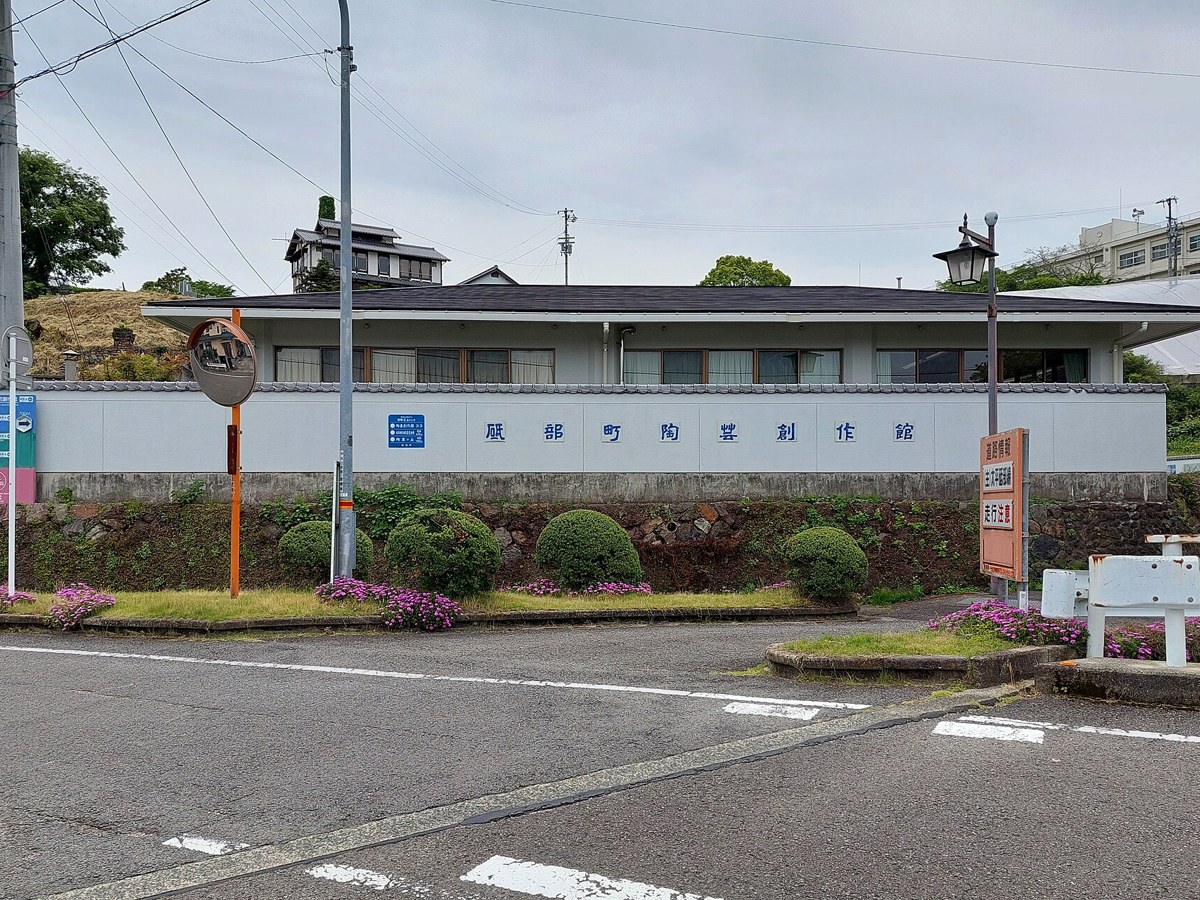
Tobe Ware — Porcelain from Whetstone Scraps: Shikoku's White & Indigo, Fired at 1,300 Degrees

Ehime's fourth story began as waste. In Tobe town, potters of the Ozu domain turned the scraps of the local iyoto whetstones into porcelain in 1777 — and built Shikoku's leading ceramic town on it: thick, honest white ware hand-drawn in indigo gosu, fired at 1,300 degrees and loved back to life by the Mingei movement. A METI traditional craft since 1976; paint your own teacup at the Togeikan from ¥1,100.

Craft · Tobe, Ehime

The Sekishukan traditional Sekishu washi hall in Misumi, Hamada

Stationery

Sekishu-banshi — the Strongest Paper in Japan: UNESCO-Listed, 1,300 Years & Four Makers Left

Shimane's fourth story is a sheet of paper that outlasts buildings. Sekishu-banshi, handmade in Hamada's Misumi district for over 1,300 years, is called by UNESCO 'the strongest paper produced in Japan' — its makers keep the kozo fibre layer other regions throw away. Listed by UNESCO in 2009 and 2014, it now repairs the world's treasures, and you can make a postcard of it from ¥540.

Stationery · Misumi, Hamada, Shimane

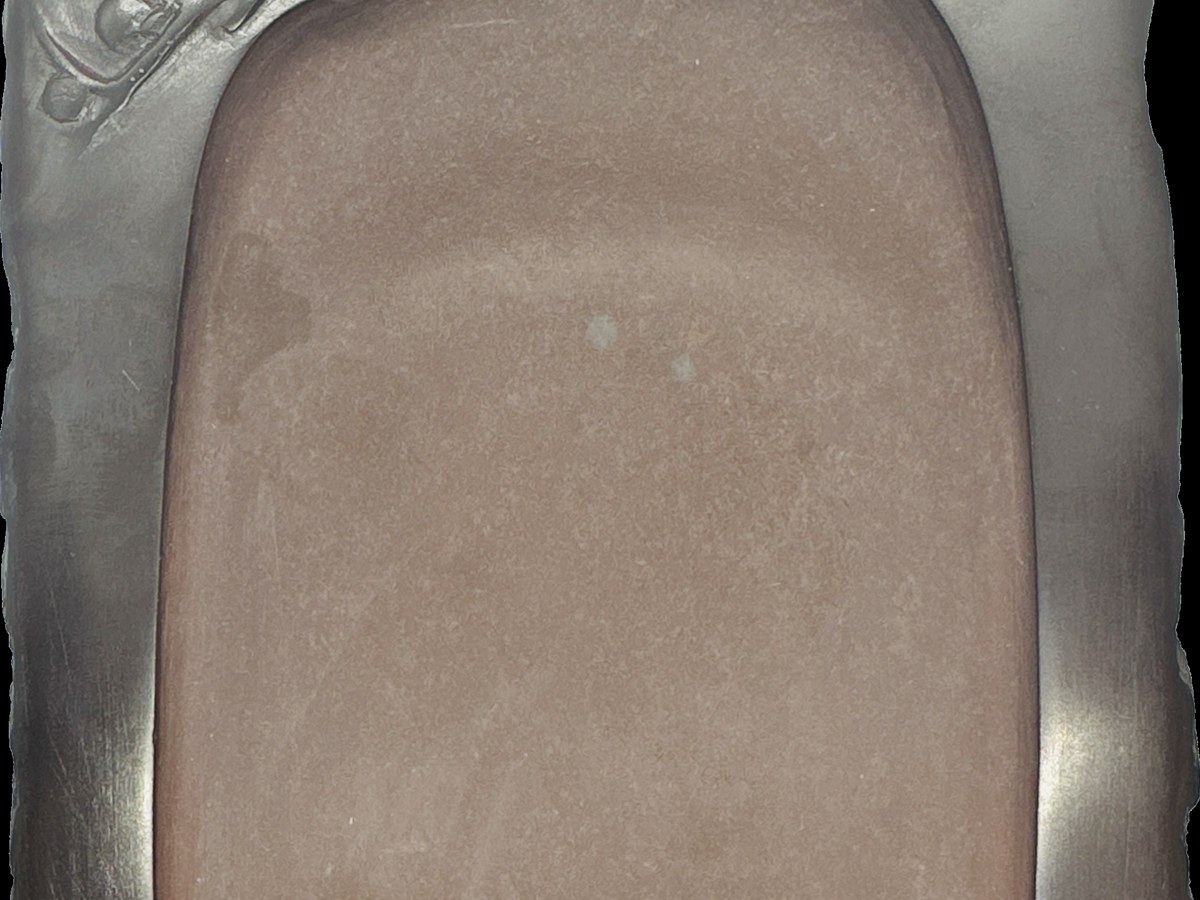
The red-brown grinding surface of an Akama inkstone

Stationery

Akama Inkstones — the Red Stone the Domain Locked Away: 800 Years & Six Craftsmen Left

Yamaguchi's fourth story is ground, not eaten. Akama inkstones are carved from a red shale found only around Shimonoseki and Ube; the Choshu domain locked the stone mountains away as restricted otome-yama and carried the stones to Edo as gifts. Nearly 300 craftsmen worked at the Meiji peak — six remain. Carve one with a fourth-generation master for ¥13,500.

Stationery · Shimonoseki & Ube, Yamaguchi

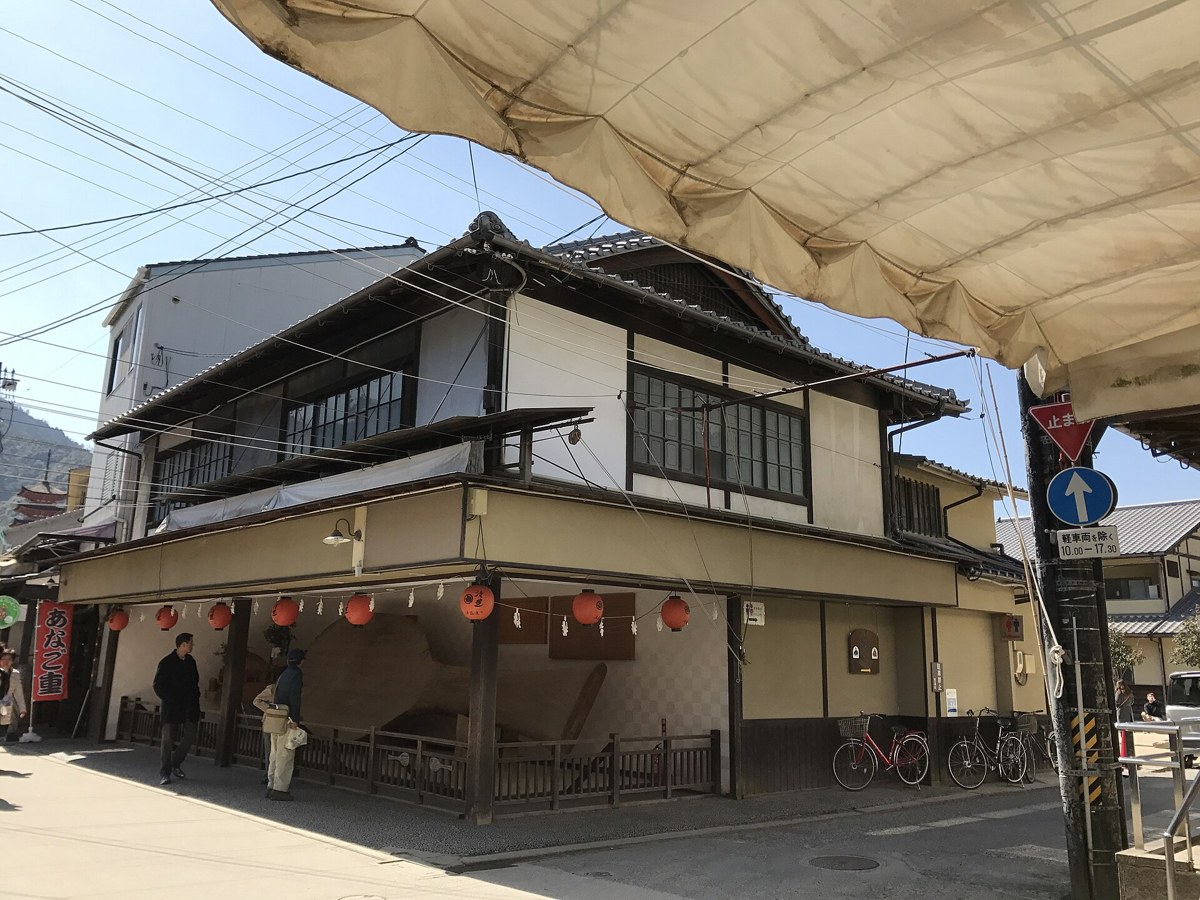
The Omotesando display house on Miyajima, where the giant scoop was shown from 1997

Craft

Miyajima Shakushi — the Island That Named the Rice Paddle: Sacred Wood, a 7.7-Metre Scoop & ¥1,000 Letters

Hiroshima's fifth story is a spoon that became a place name: on Miyajima the rice paddle was, by tradition, invented in the late 1700s, and in some regions a paddle is still simply called 'a miyajima'. The island remains Japan's largest paddle producer, its craft collective designated in 1982 — and it keeps a 7.7-metre, 2.5-ton zelkova scoop as proof of scale.

Craft · Miyajima, Hatsukaichi, Hiroshima

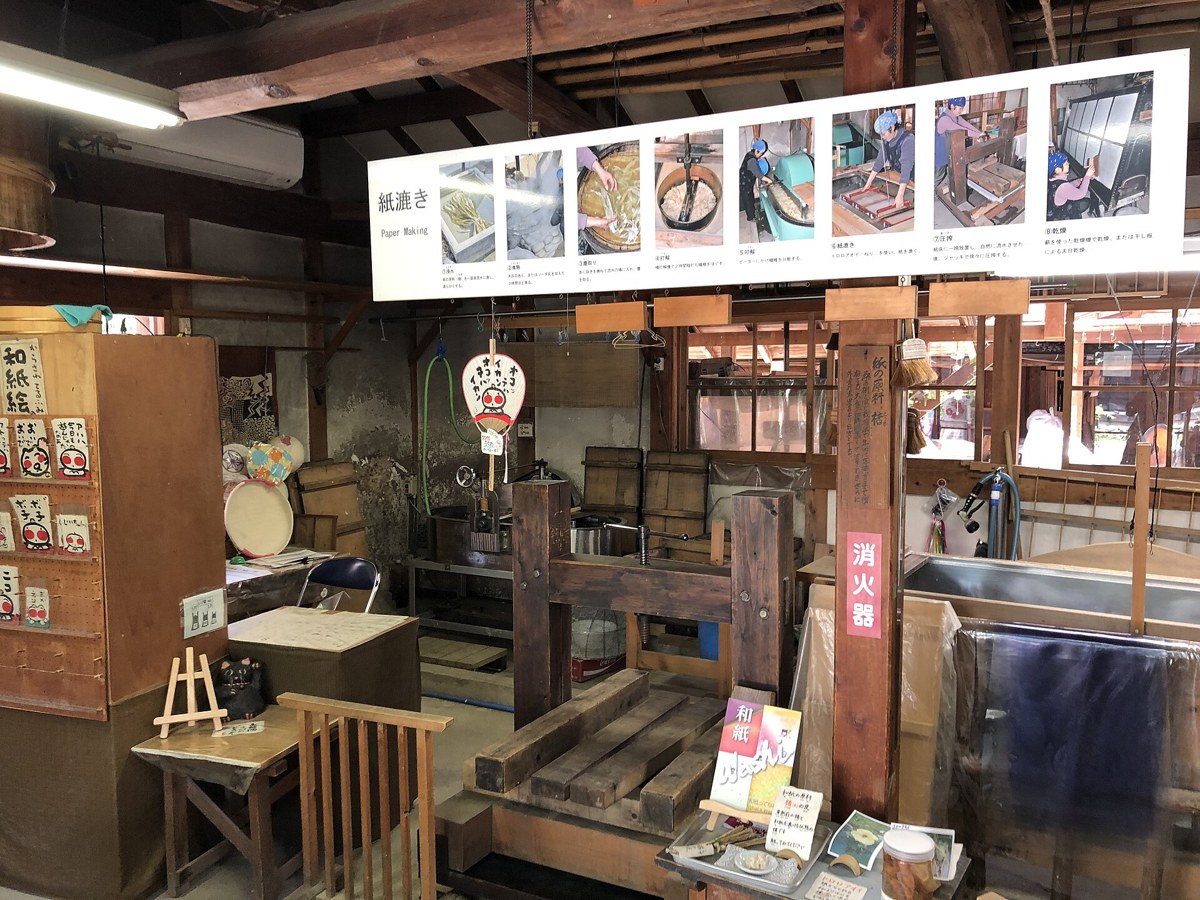
A traditional washi workshop interior with vat, frames and the process shown in panels

Stationery

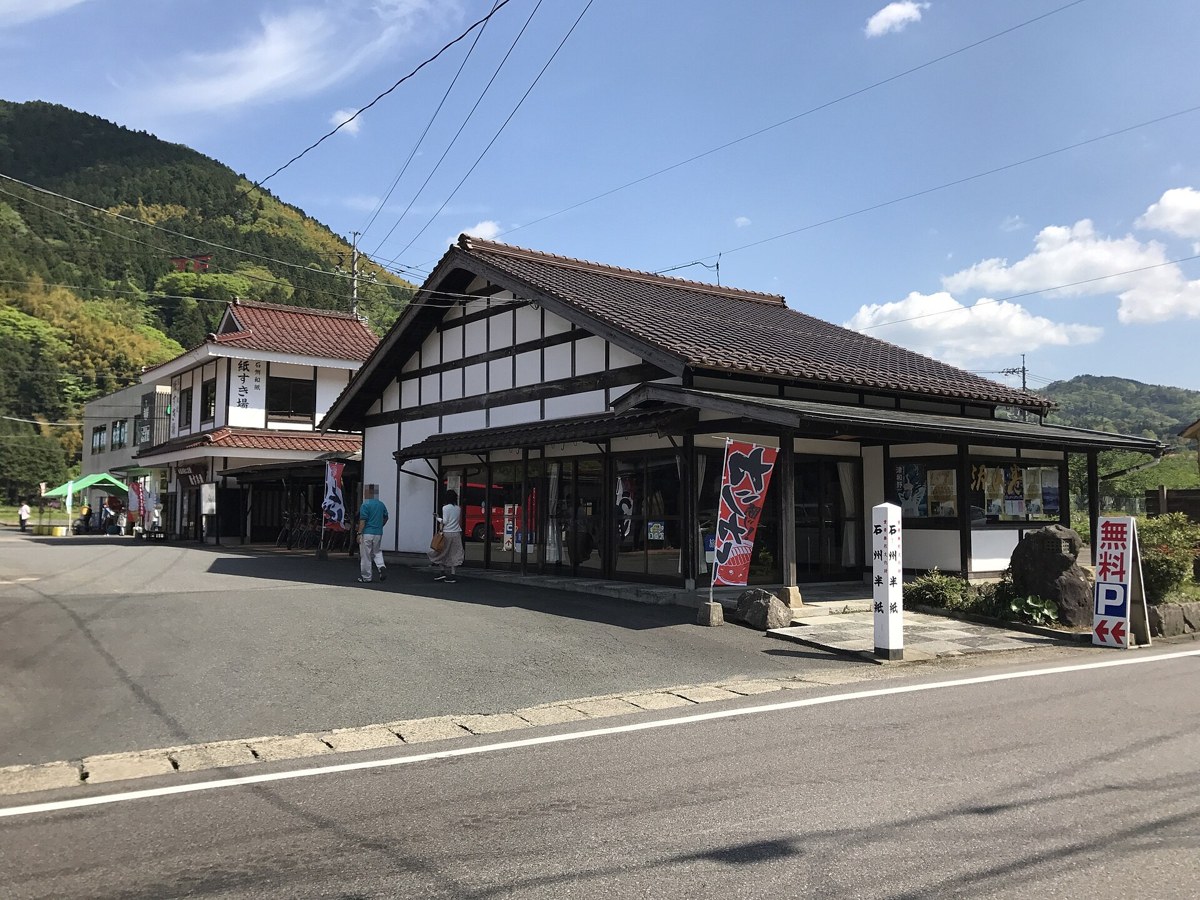
Inshu Washi — Tottori's Calligraphy Paper: 1,200 Years & a ¥594 Postcard Pad

Tottori's fifth story is the paper Japan writes on: Inshu washi, made at Aoya and Saji in the old Inaba province, documented in an eighth-century Shosoin record and designated in 1975 among the first Traditional Crafts. Its gasen-shi for calligraphy and ink painting is 60–70% of national output — the largest share in Japan. Maruman's Inshu postcard pad sells at ¥594 including tax.

Stationery · Aoya, Tottori City, Tottori

Naruto Kintoki sweet potatoes

Food

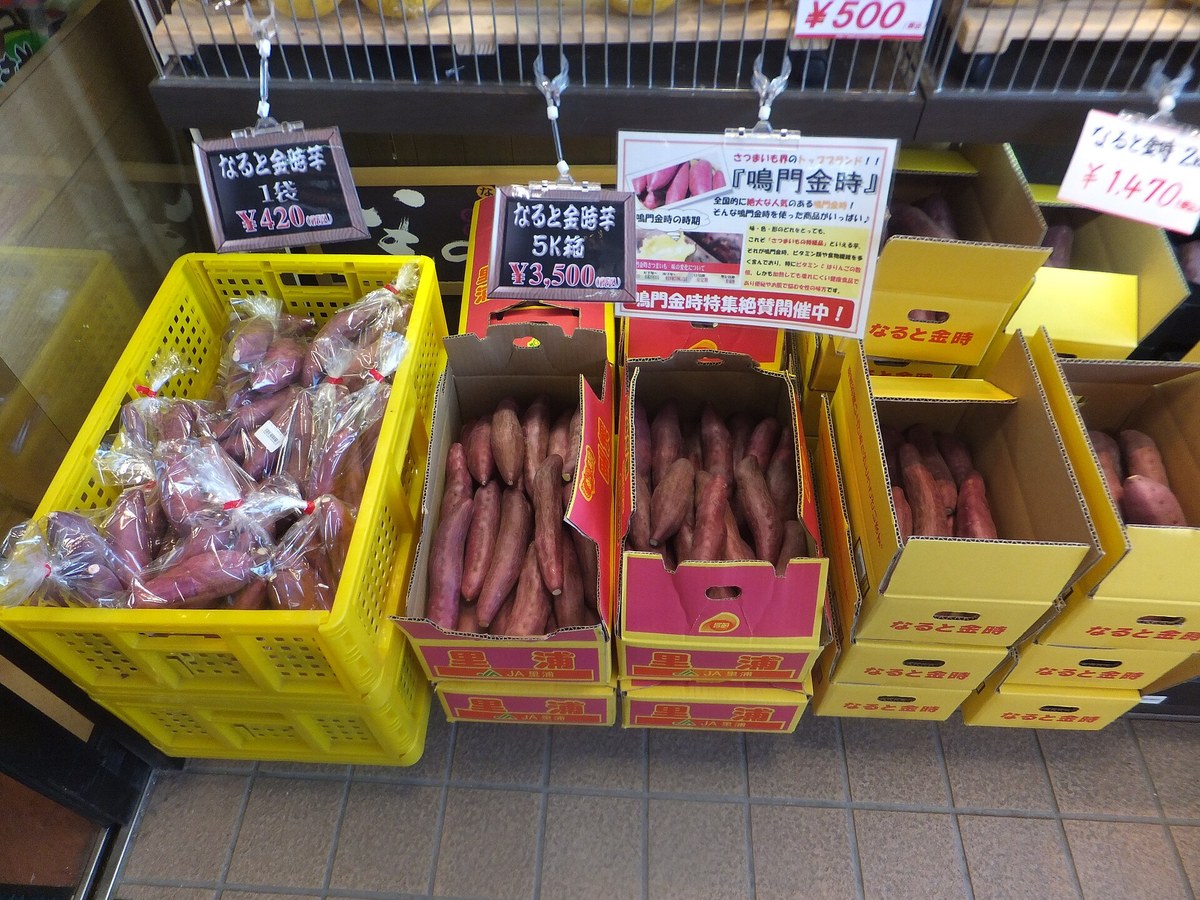
Naruto Kintoki — Tokushima's Trademarked Sweet Potato: Kokei 14 in Strait Sand, a Gold Flesh & a ¥4,860 Top-Grade Box

Naruto Kintoki is not a cultivar but a place with a trademark: sweet potatoes of the Kokei 14 line grown only in Naruto City, Tokushima City and Itano District, in the sandy fields by the Naruto Strait. Registered as a regional collective trademark in 2007, the brand's potatoes bake chestnut-fluffy with golden flesh — and its top Satomusume label comes from one cooperative's fields in Satoura.

Food · Naruto, Tokushima

Explore the other hubs

By subject

By place

New here? The places and editions guide explains how these editions work and how to check one before you travel.

Sources and checking

Membership of this hub is generated from the site catalogue, whose exclusivity statements were checked against maker and venue sources in November 2026 (original checks 5–15 November 2026). Hub membership and counts were re-verified at 369 stories on 15 November 2026. Availability is not monitored in real time; confirm stock with the shop before travelling.