The label is a promise and the village is the factory. Umaji, a mountain village in eastern Kochi with fewer than 1,000 residents, bet its future on yuzu — and its flagship is a 180 ml bottle containing nothing but yuzu, honey and water. Gokkun Umajimura ('gulp it down, Umaji village') has been sold since 1988 at ¥170 a bottle, squeezed from fruit pressed whole, peel and all, by the village agricultural cooperative.
A village that chose one fruit
Umaji sits in Kochi's mid-mountain country, and like many mountain villages it shrank as forestry faded. Its answer was a single crop: the cooperative organised the village around yuzu, and the Japan Rail Club's maker profile records the essentials — a population under 1,000, an industry built on yuzu, and ingredients sourced 100% locally for products like this drink and its ginger-yuzu sibling.
The drink was designed from the village outward. The Yomiuri's account of the cooperative's work says it was developed so that the village's children would enjoy it — taste-tested with local children, revised, and finally launched in bottles in 1988. It has been the village's calling card ever since.
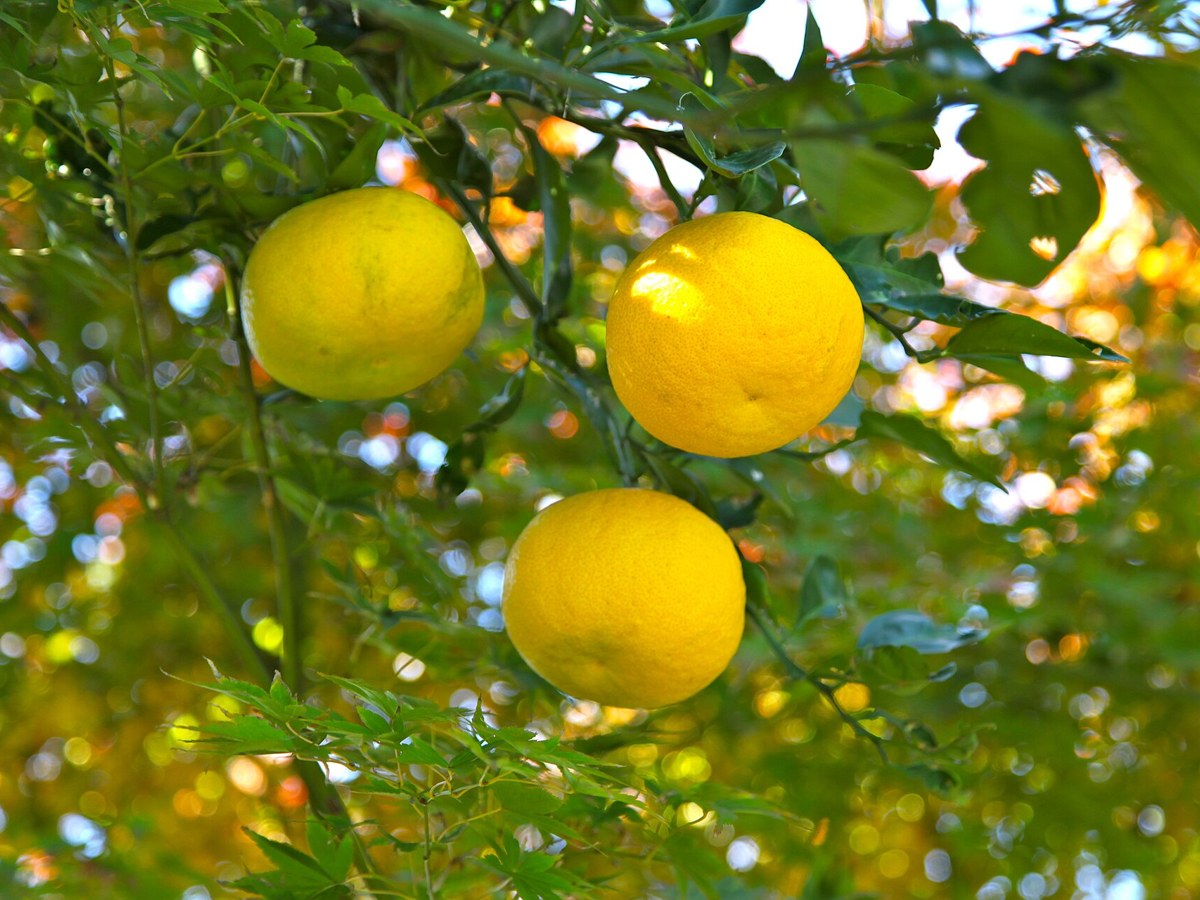
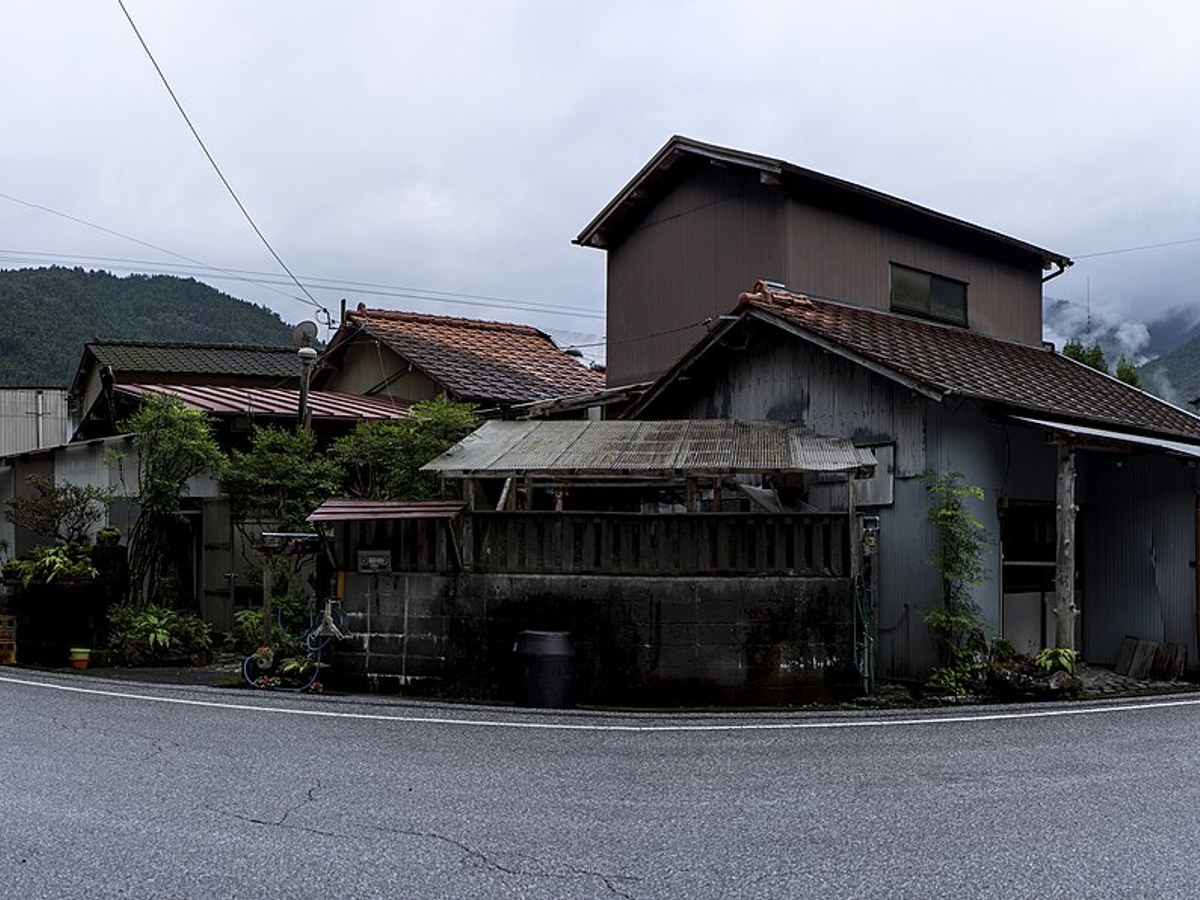
Yuzu, honey, water — nothing else
The ingredient list is the whole recipe: yuzu, honey, water. The cooperative's official shop states it plainly — no flavourings, no additives — and the Yomiuri adds the method that gives the drink its bite: freshly harvested fruit squeezed whole, with the peel, so the aromatic oils of the skin join the juice. The result is sweeter than raw yuzu and sharper than lemonade, with the peel's perfume on top.
Nutritionally it is a soft drink and makes no apology for it: 48 kcal per 100 ml on the maker's labelling. The bottle keeps four months from manufacture — long enough to be a souvenir, short enough to stay a farm product.
Practical details: price, formats, where to buy
Price (checked 9 November 2026): a single 180 ml bottle is ¥170, tax included, in the Yomiuri's regional-specialty listing (postage extra by mail order). The cooperative's official shop sells the drink by the case — aluminium cans of 180 ml, 24 for ¥4,000 — alongside the village's ponzu and yuzu lines.
Where to buy: Umaji village and Kochi souvenir and antenna shops, and the cooperative's official online shops — the maker's own channel is the standing exception to village retail. Type of edition: regional edition — a single village cooperative's product, made from that village's fruit.
Why a soft drink earns a page
Most regional drinks are a flavour applied to a generic base. Gokkun is the opposite: a place applied to a bottle. One village, one crop, one cooperative, three ingredients — the drink is Umaji's economy in liquid form, and drinking it cold on a Kochi platform is as direct a way of buying from a village of 900 people as exists.
It also keeps well as a gift with a story: few souvenirs can be explained in one sentence — 'a mountain village of under a thousand people makes this from its own yuzu, honey and water' — and fewer still taste as good as the sentence promises.
Scope: what 'limited' means here
Gokkun Umajimura is the Umaji Village Agricultural Cooperative's drink, made in Umaji, Kochi from the village's yuzu; the cooperative's official online shops are the standing exception. Checked 2026-11-09. Other makers' yuzu drinks are different products.
Sources — checked 9 November 2026
- The Yomiuri Shimbun (via Yahoo News): Gokkun Umajimura — Kochi's yuzu drink
- Japan Rail Club: Umaji Village Agricultural Cooperative (maker profile)
- Rakuten: Umaji Village JA official shop — Gokkun Umajimura listings
Original prose and official links only; no source text or maker media reproduced. Photos are credited Creative Commons works, not product photographs.
Editorial review 2026-11-09