Every prefecture has a drink its children grow up on; Tottori's is made by the prefecture itself, acting as one farm. Shirobara Coffee is the coffee milk of Daisen Nyugyo, the co-operative in Kotoura to which — by the co-op's own statement — every single dairy farmer in Tottori belongs. It gives Tottori its third story in this collection.
One prefecture, one co-operative
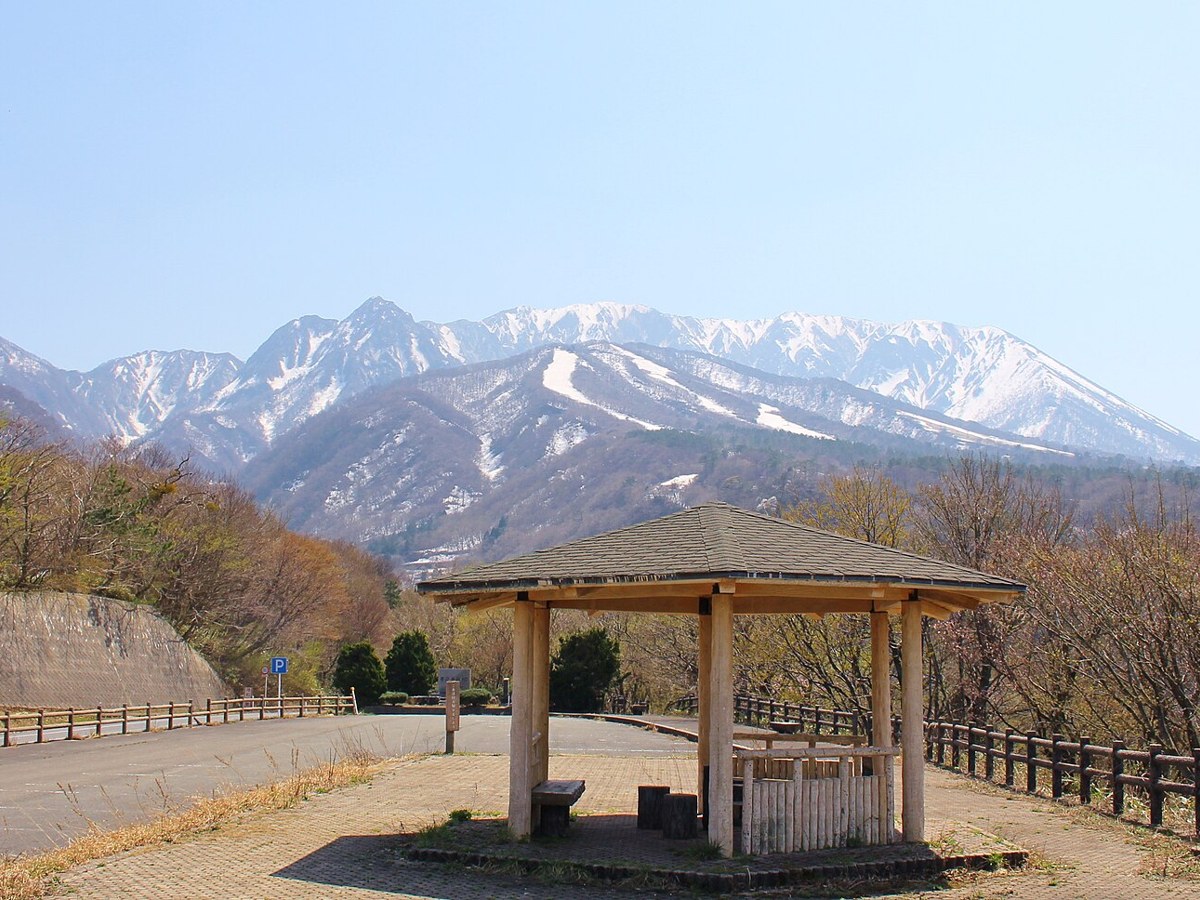
Daisen Nyugyo is a structure before it is a brand. In most of Japan, dairy farmers sell into large national processors; in Tottori, the farmers formed a single dairy-specialist agricultural co-operative — every dairy farmer in the prefecture a member — which collects their raw milk, processes it at its factory in Kotoura Town under Mt Daisen, and sells it under the white-rose Shirobara mark. The co-operative marked its eightieth anniversary on 21 July 2026, and its own anniversary release calls this prefecture-wide single-co-op system rare in Japan.
The scale is a prefecture's whole herd: about 160 tonnes of raw milk arrive at the Kotoura factory each day, by the count of a national newspaper's factory visit. That milk becomes the plain Shirobara milk in the white pack, the yoghurts and desserts — and the coffee milk that outsiders meet first.
The school-milk prefecture
Ask in Tottori what Shirobara is and the answer is biographical: it is the milk from school lunch. The co-operative states, in its own words, that Shirobara milk is served in every elementary and junior-high school in Tottori Prefecture, and that it has been loved as the prefecture's soul drink for more than fifty years. A brand that an entire prefecture drank daily as children does not need advertising; it needs only to keep tasting the same.
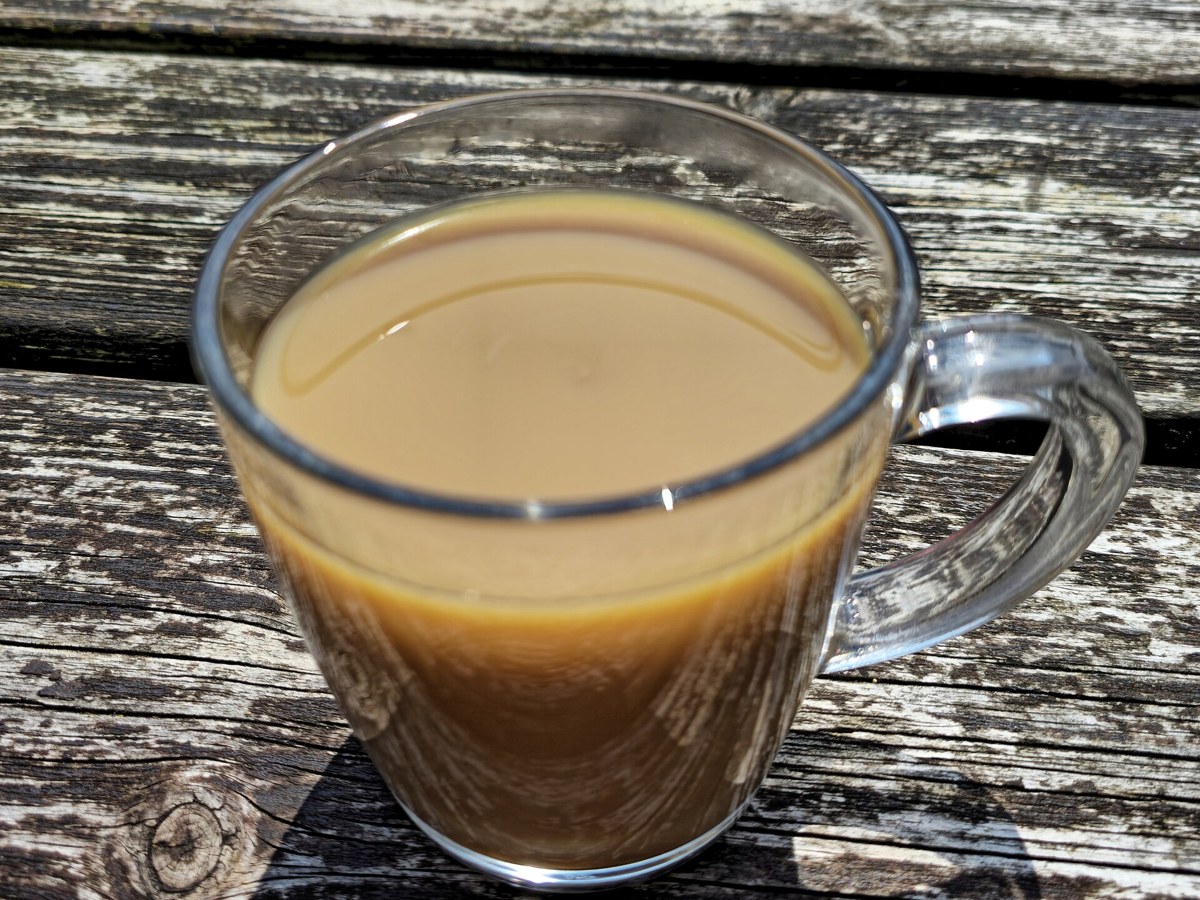
The coffee version keeps that promise in a stronger flavour: made since the 1970s with a high share of the co-op's raw milk — over seventy percent in checked accounts — and without leaning on caramel flavouring, so what you taste is milky first and coffee second. It comes in 200 ml, 500 ml and one-litre packs, with a small glass-bottle version that survives in delivery and bathhouse channels.
Drinking it at the source
The fullest range sits at the source: the co-operative's own shop, Cowie no Miruku-kan, on the factory site in Kotoura (10:00–17:00), and the Daisen Makiba Miruku no Sato farm park on the mountain's slopes. Both stock lines the supermarkets never see — a checked travel account singles out the Shirobara fresh roll cake, sold only at the direct shops and the official online store, at ¥1,500. Factory tours run on weekdays by reservation, free, for groups of two or more booked three days ahead.
Prices from the maker's own store list, revised 1 August 2025: Shirobara Coffee costs ¥215 for the 500 ml pack and ¥355 for the litre; the 200 ml bottles come in a six-pack at ¥710, and plain Shirobara milk's 200 ml six-pack is ¥680 — tax included in every case.
An honest note on finding it outside Tottori
This page was nearly not written: an earlier survey left Shirobara in reserve because its distribution scope could not be fixed from maker evidence. What changed is the maker's own evidence — the 2026 anniversary release fixing the co-operative's prefecture-wide structure and the school-milk fact, and the official store's current price list. Distribution, honestly, has widened: the official online store ships nationally, and premium supermarkets in Tokyo now stock the packs.
So the claim here is the one the evidence carries: Shirobara Coffee is made in one town, by one co-operative of one prefecture's farmers, from that prefecture's milk — a production exclusivity as definite as any kiln's. Finding a pack in a Tokyo supermarket does not move the factory; it just means Tottori travels well.
Sources — checked 10 November 2026
- Daisen Nyugyo Agricultural Cooperative 80th-anniversary release (Mapion News)
- Shirobara official online store: price revision list effective 1 August 2025
- Tabiyomi (Yomiuri Travel): In search of Tottori's soul drink, Shirobara milk
Original prose and official links only; no source text or maker media reproduced. Photos are credited Creative Commons works, not product photographs.
Editorial review 2026-11-10