Matsue runs on tea and sweets — it is counted among Japan's three great wagashi cities — and its signature is a green mochi with a poet for a godfather. Wakakusa ('young grass') is soft gyuhi dusted pale green, named from a poem by Matsudaira Fumai, the seventh lord of Matsue and one of Japan's great tea masters. The house that revived it, Saiundo, was founded in 1874 and still sells it at Matsue Station: ¥756 for three pieces.
A sweet named by a tea master's poem
Fumai — Matsudaira Harusato, lord of Matsue in the late Edo period — built the city's tea culture, and Matsue's confectioners still work in his shadow. Wakakusa takes its name from his poem on young spring grass: a pillowy gyuhi mochi, its coat of kanbaiko rice flour tinted the green of new shoots. It is a tea sweet in the strict sense — made to sit beside a bowl of matcha and be eaten slowly.
The form is deliberately plain: no filling, no decoration beyond the green dust. The craft sits in the gyuhi itself — Saiundo makes its own, cutting the soft slabs by hand — and in the balance of a coat that must read as grass, not as paint.
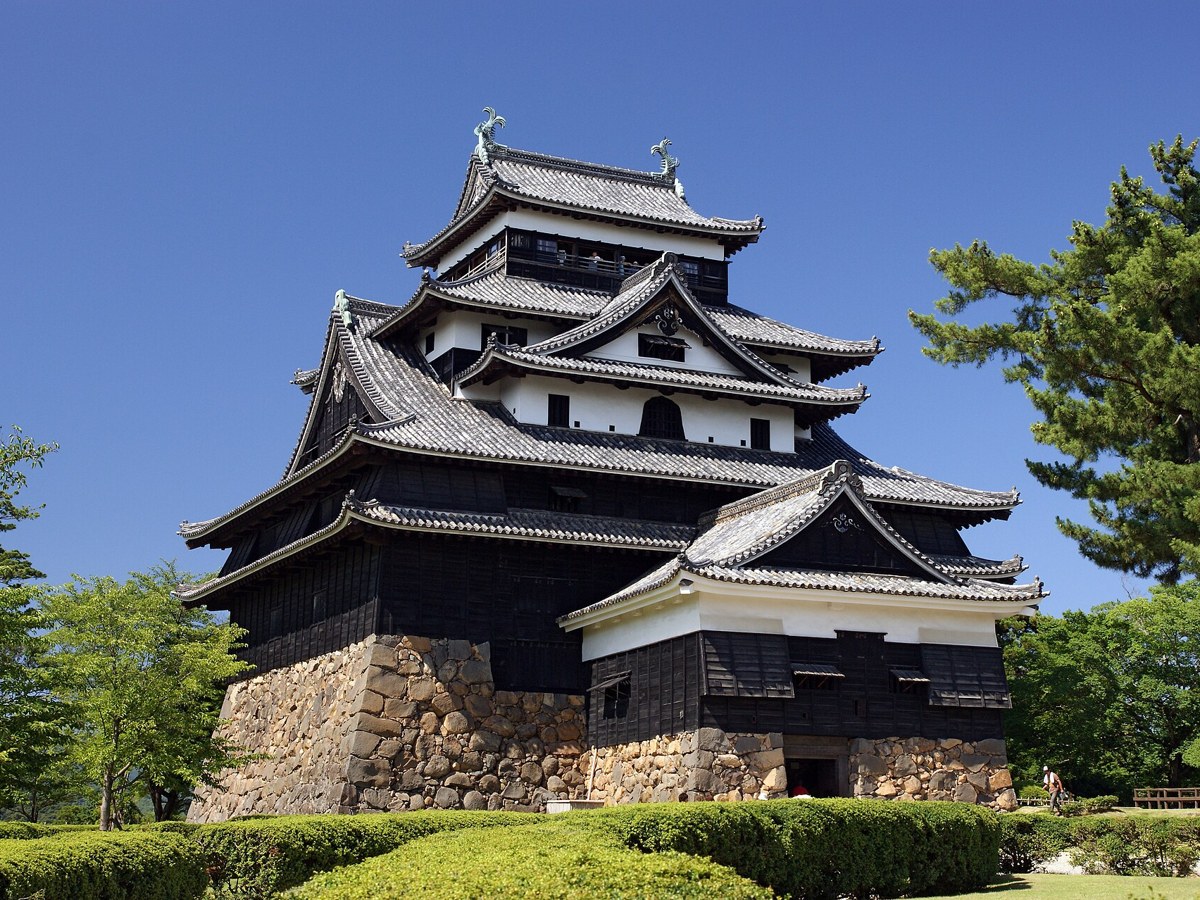

Saiundo: the house that brought Wakakusa back
Saiundo was founded in 1874, and its first head, Yamaguchi Zen'uemon, is credited with reviving Wakakusa in the mid-Meiji era, reconstructing it from the accounts of old people and tea practitioners — a sweet that had faded with the world that named it, rebuilt from memory and taste. The house still makes it with Shimane mochi rice, grown in the Okuizumo hills around Nita, and the sweet keeps 15 days including its shipping day.
Other Matsue houses make their own Wakakusa — the name belongs to the city as much as to any shop — and Matsue's sweet-lovers compare them. This page documents Saiundo's, the revival house's version, with its own prices and its station-front shop.
Practical details: prices, sizes, where to buy, online sales
Prices (checked 9 November 2026, the maker's official shop listings carried by JR West's official mall): three pieces ¥756, six pieces ¥1,512, nine pieces ¥2,268, tax included — a straight ¥252 a piece. The sweet is roughly 45 g a piece and keeps 15 days including the shipping day, so it travels better than most fresh mochi.
Where to buy: Saiundo's Matsue shops, including its store at JR Matsue Station (Shamine Matsue), where the station's Matsue-sweets corner also stocks it. Official online sales: yes — the maker's official online shop is the standing exception. Type of edition: regional edition — a Matsue tea-culture sweet in its revival house's form.
Tea first, sweet second
Wakakusa makes most sense inside Matsue's rhythm: the city still takes its sweets with tea morning and afternoon, a habit Fumai's court set and the castle town kept. Eaten with matcha, the gyuhi's gentle sweetness is the point; eaten alone as a snack, it can seem quiet. That quietness is the historical flavour — this is a sweet designed by a tea culture, not a confectionery contest.
Buy it at the station shop on your way out of Matsue, and if the comparison tempts you, the city's other houses' Wakakusa sit on nearby shelves. Matsue is one of the few places in Japan where comparing one sweet across five old houses is a normal afternoon.
Scope: what 'limited' means here
This page covers Saiundo's Wakakusa: a Matsue house sweet, revived by Saiundo and sold from its Matsue shops and official online shop. Sweets of the same name from other Matsue houses are different products. Checked 2026-11-09. Resale and stock unverified.
Sources — checked 9 November 2026
- WESTER Mall (JR West official mall): Saiundo Wakakusa, 9 pieces
- WESTER Mall (JR West official mall): Saiundo Wakakusa, 6 pieces
- Tabemono-nani: Matsue Wakakusa compared across five houses (official sites checked 2026-09-10)
- Hoshino Resorts Michikusa Guide: Izumo/Matsue cafes — Matsue among the three great confectionery centres
Original prose and official links only; no source text or maker media reproduced. Photos are credited Creative Commons works, not product photographs.
Editorial review 2026-11-09