It is named after a dance festival, bred for ten years by a prefectural laboratory, and it quietly outsells every famous name in Japanese chicken. Awaodori — Tokushima's GI-registered jidori — took the national jidori shipment crown in 1998 and has kept it for more than twenty years, ahead of Nagoya Cochin, Hinai and Satsuma. The meat is redder, leaner and firmer than broiler chicken, raised slowly on the floor for at least 75 days in the small farms of the Shikoku mountains. This is Tokushima's number-one brand hiding in plain sight.
Ten years of breeding, one dance festival name
Awaodori was born in 1989, after ten years of breeding work with superior stock at Tokushima's prefectural livestock research institute (GI registry). The elementary chicks come from a fixed cross — male gamecock with female White Plymouth Rock — supplied by the Livestock Production Research Section of the Tokushima Agriculture, Forestry and Fisheries Technology Support Center, so every bird sold under the name descends from the prefecture's own breeding programme. The name is borrowed from the Awa Odori, the great Bon dance festival of Tokushima City.
Tokushima chose this path deliberately. The prefecture's steep Shikoku-mountain terrain cannot host the giant sheds other regions built after 1970, so it doubled down on the small-lot, high-quality jidori built around its native Akazasa gamecock — a weakness of geography converted into a brand (GI registry).
How the bird is raised, and how it eats
Rearing follows the JAS Standards for the Meat of Jidori: the birds are floor-reared at not more than ten birds per square metre after 28 days of age, and the rearing period is 75 days or longer (GI registry); the My10 guide records more than 80 days in the prefecture's western and southern regions, and certification under Japan's Specific JAS standards for jidori in 2001. The meat that results is the brand's signature: a beautiful reddish colour, moderately chewy, low in fat and rich in umami components.
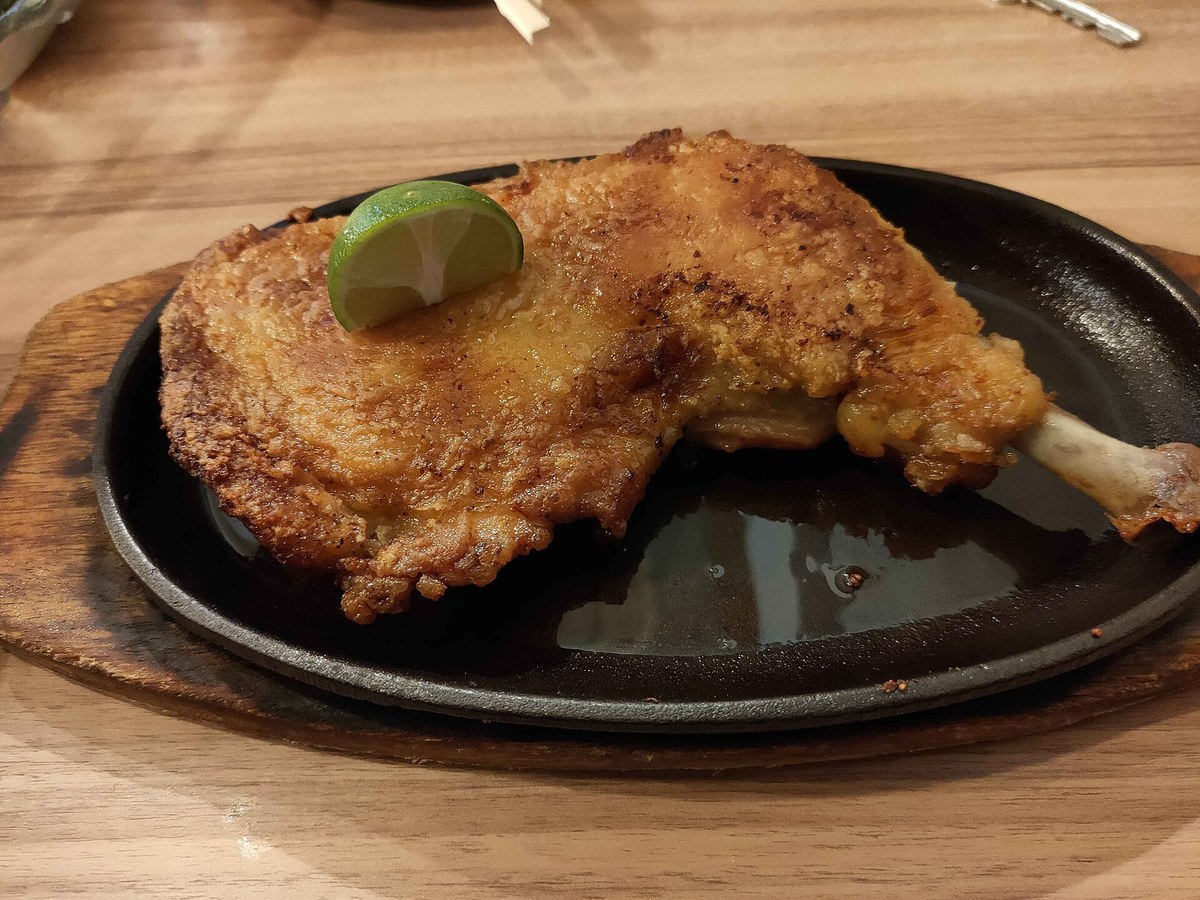
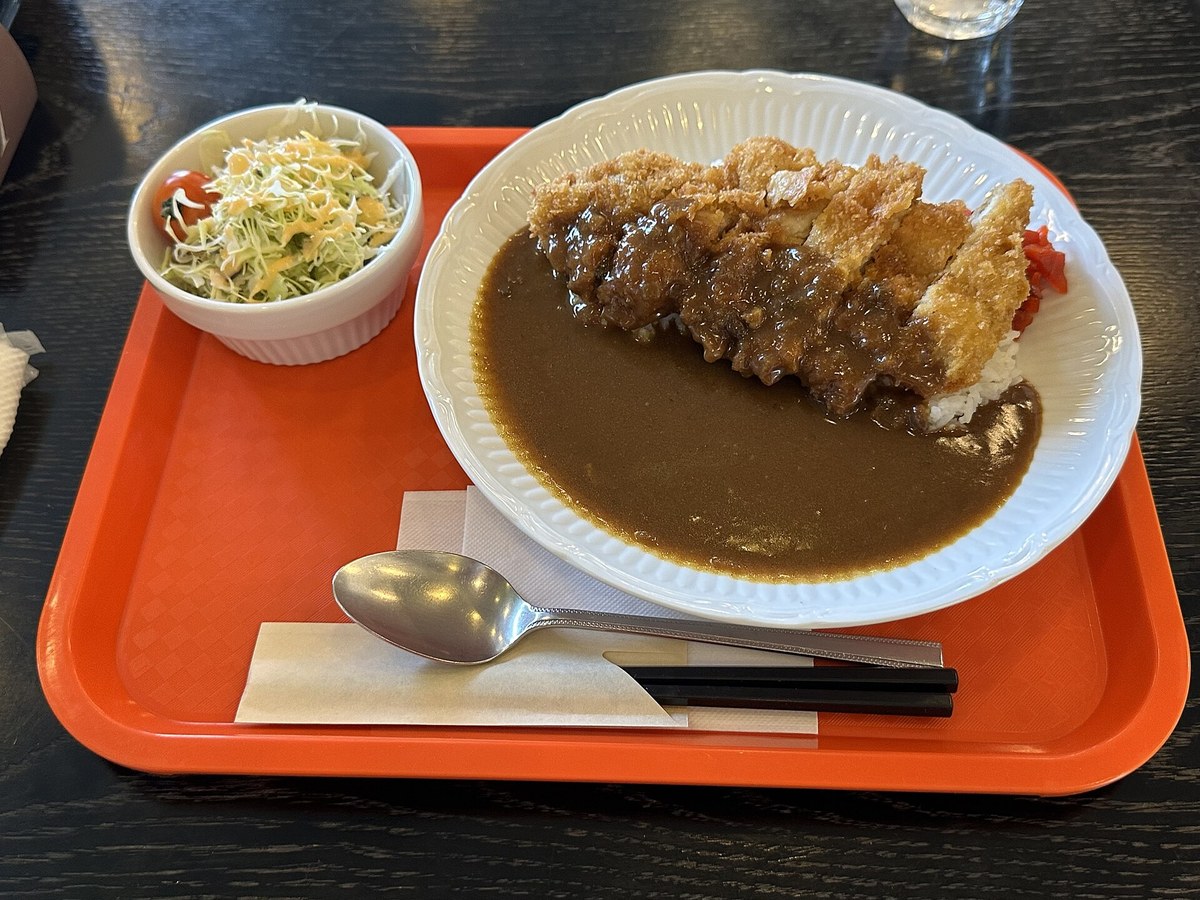
In Tokushima the bird is eaten every way a great chicken can be: grilled bone-in with a wedge of sudachi, as charcoal yakitori, in oyakodon, and as the chicken katsu in the prefecture's own chicken-katsu curry. The firm texture is the test — Awaodori does not melt; it makes you chew, and pays you back in flavour for it.
The quiet number one — and what it costs
The production figures explain the brand's confidence. At launch in 1989 only 20,000 birds were produced; shipments passed 600,000 in fiscal 1998, ranking Awaodori first in Japan for jidori production, and it has ranked first in domestic jidori shipments for more than twenty years since 1998 (GI registry). Since 2004 production has run at about two million birds a year, and exports to Hong Kong began in 2010. By shipment volume it stands ahead of the three traditionally renowned brands — Nagoya Cochin, Hinai-jidori and Satsuma-jidori.
To taste it at home, direct-sales sets ship nationwide: a tasting set of about two kilograms — thigh, cut thigh, breast and cut breast, about 500 g each — costs 6,550 yen including tax and shipping, which works out at 327.5 yen per 100 g (Sanchoku Online, page information dated 13 November 2025). In Tokushima City, jidori restaurants and yakitori shops around the Awa Odori Kaikan serve it grilled and in courses.
Why Awaodori is Tokushima-only
Awaodori is a registered Geographical Indication whose production area is Tokushima Prefecture: the breeding stock is supplied by the prefectural technology support centre, the birds are raised to the JAS jidori standard in the prefecture's small mountain farms, and the name itself is borrowed from the prefecture's festival. A chicken of the same cross raised elsewhere is not Awaodori.
It is the classic GI bargain — one prefecture, one recipe of blood, feed and time — and it produced the least boastful champion in Japanese food: the top-selling jidori in the country, from one of its smallest prefectures, named after a dance.
Sources — checked 13 November 2026
- Japan GI Registry — Awaodori (Geographical Indication product record, accessed 13 November 2026)
- Sanchoku Online (d Shopping) — Awaodori tasting set, about 2 kg (page information dated 13 November 2025)
- My10 Japan — Awaodori Chicken: Tokushima's Famous Premium Chicken
Checked 13 November 2026 (stored links re-fetched and judged per product): reserved where the page says so, with an editorial review note kept per product. Press, PR and travel use stays outside the grant.
Editorial review 2026-11-13