Some regional products claim a prefecture. This one has the paperwork: a Geographical Indication, a registration number, and a 98 per cent share of the national market. Sudachi — the small, fiercely sour citrus squeezed over grilled fish across Japan — is, by law and by harvest, a Tokushima fruit. It gives the prefecture its third story, beside its fine sugar and its brown ramen: the green jewel itself.
Registration No. 129
On 31 March 2023 the agriculture ministry registered 'Tokushima Sudachi' under Japan's Geographical Indication system, as Registration No. 129. The register's summary fixes the essentials in official language: the category is fruit — sudachi; the production area is Tokushima Prefecture; the registered group is the prefecture's Sudachi-Yuko Consumption Promotion Council. And it states the number that makes this page possible: Tokushima Sudachi 'accounts for 98% of all sudachi shipments in Japan'. The remaining two per cent is a rounding error with leaves.
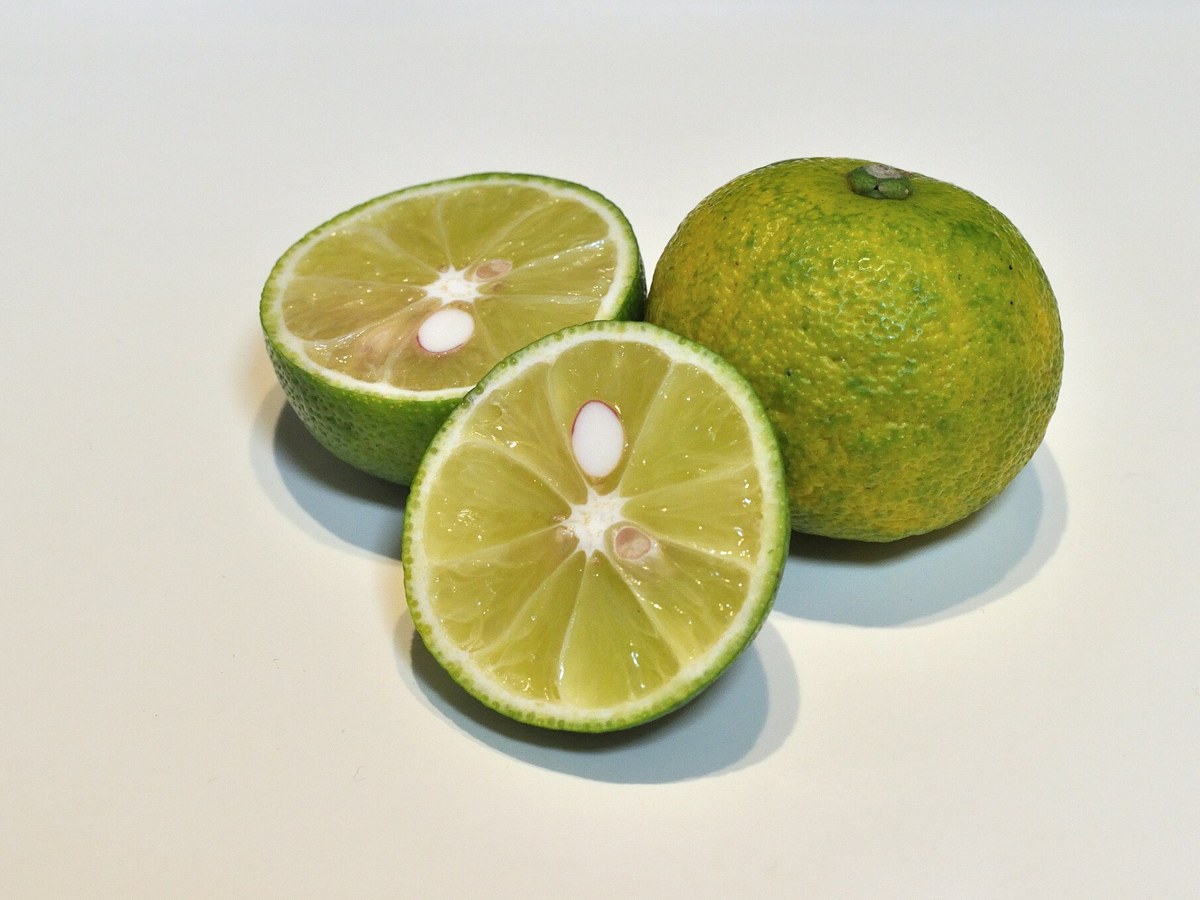
The register also fixes the fruit's form. Tokushima Sudachi is 'harvested when the skin is dark green' — picked unripe, deliberately, at the moment its aroma and acidity are sharpest — and is 'highly valued by consumers for its refreshing aroma and acidity'. It is a golf-ball-sized citrus, some three to four centimetres across, whose entire purpose is to be cut and squeezed: over sanma in autumn, over matsutake, into noodles, into ponzu, onto anything grilled that needs a green, cutting brightness.
Native since the Manyo poems
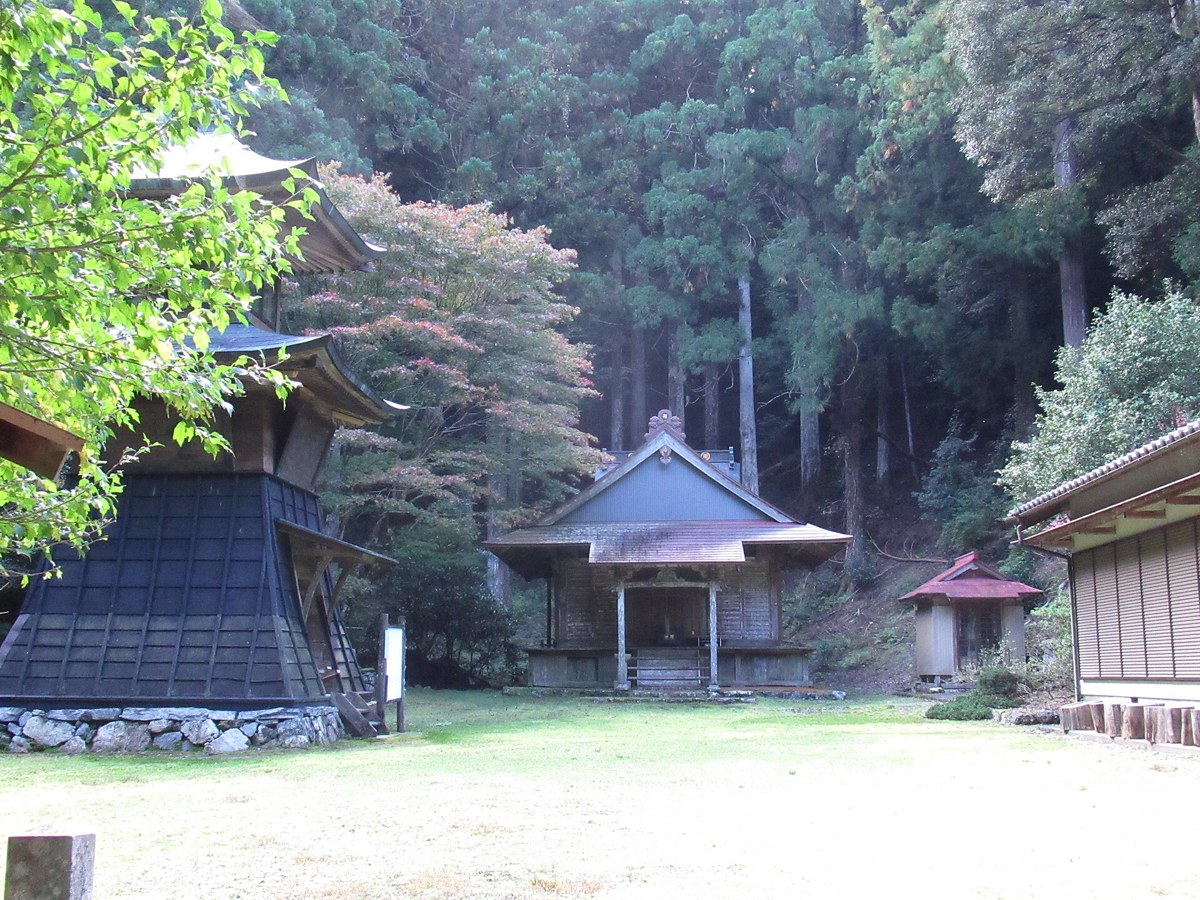
The ministry's account of the link with the place reaches back to Japan's oldest poetry anthology: sudachi, whose original name 'sutachibana' comes from its unique aroma and sourness, 'has been native to Tokushima Prefecture since the Manyo period', and was cultivated mainly for private use from ancient times. A wild fruit of one prefecture's hills, gathered for home tables for over a millennium — sudachi was Tokushima's long before it was Japan's garnish.
The commercial chapter is modern. From about 1965, the register records, Tokushima converted to commercial cultivation, developed and selected excellent varieties, and the fruit 'expanded nationwide'. In 1974 the sudachi flower was designated the prefectural flower, and sudachi 'has become a representative specialty product of Tokushima Prefecture'. At home the register's picture is total: in Tokushima households the fruit is used as a garnish for various dishes as a matter of course, and restaurant demand — Japanese restaurants, udon shops, fried-chicken shops — keeps the other end of the market hungry all year.
Green in August, present all year
A fruit harvested in a few autumn weeks would be a seasonal garnish; Tokushima built a system instead. Open-field sudachi peaks from late summer into autumn — the season of sanma and matsutake, the fruit's two great partners. Around that peak the prefecture wraps a year-round supply: stored fruit carries the winter, greenhouse fruit the spring and summer, all graded and shipped under the council's shipping standards, so that a Tokyo kitchen can squeeze a dark-green Tokushima sudachi in any month. The register notes the market's verdict on the system: quality high and stable through the year, demand strong and continuous.
The scale behind the serenity is worth stating. A few hundred hectares of orchard — much of it on steep mountain slopes in towns like Kamiyama, the prefecture's biggest sudachi ground — supply effectively the whole country's production, and the harvest has thinned in recent decades as growers age, which is one reason the GI registration matters: it defends the name, and the price, of the fruit the slopes still produce.
What a kilo of green costs
Sudachi's price is a season in miniature, and Tokushima Prefecture publishes it itself. Its Tokyo central wholesale market report for June — greenhouse season — records top-grade 2L fruit trading between ¥3,000 and ¥4,000 a kilo in the month's first dekad, easing through ¥1,500–¥3,600 mid-month to ¥1,100–¥2,500 by its end, with L-grade ten-fruit packs between ¥300 and ¥800 across the month. Autumn's open-field glut softens prices further; winter's stored fruit firms them again. As a squeezed garnish at a few fruits per meal, even the dearest kilo is a cheap luxury.
The fruit also travels as juice. JA Tokushima City's agricultural factory presses a straight 100% sudachi juice from the prefecture's fruit — its 100 ml bottle lists at ¥1,180 — for the months and the kitchens where no fresh fruit is at hand. But the fresh fruit is the exhibit: dark green, Tokushima-grown, GI-registered, and — at ninety-eight parts in a hundred — the only sudachi you have ever squeezed.
Sources — checked 10 November 2026
- MAFF GI Register: Product Summary, Registration No. 129 — Tokushima Sudachi
- MAFF GI Register Book, Registration No. 129 (31 March 2023): Tokushima Sudachi
- Tokushima Prefecture: Tokyo Market Report (June) — sudachi prices
Original prose and official links only; no source text or maker media reproduced. Photos are credited Creative Commons works, not product photographs.
Editorial review 2026-11-10