Shodoshima, the olive island of the Seto Inland Sea, presses its fruit every autumn and was left with mountains of bitter pulp. Rancher Masaki Ishii asked what cattle would make of it. The answer became Kagawa's most famous beef: Sanuki cattle finished on the dried, pressed olive fruit — on Shodoshima itself, under a rule strict enough to print on the box: at least 200 grams a day for the last two months, grade 3 or better, raised nowhere but Tonosho Town. This is Olive Beef, the island form.
A brand rule you can read on the listing
Most brand beef asks to be taken on trust; Shodoshima Olive Beef publishes its test. The Tonosho Town record states it clause by clause: the feed is made by drying the fruit left after olive-oil pressing, from olives grown 100% on Shodoshima; it is mixed into the ration at 200 grams or more per animal per day from two months before shipment; and only animals grading 3 or higher are selected for the name.
The geography is as strict as the diet. The same record states the cattle are raised only within Tonosho Town, by a handful of farms, and names the founder's own farm in the island's Shikai district. The prefecture-wide Olive-gyu is a wider church — any Sanuki-gyu in Kagawa meeting the council's feeding rule — but the Shodoshima name is fenced to one town on one island.
Thirteen centuries of cattle, one century of olives
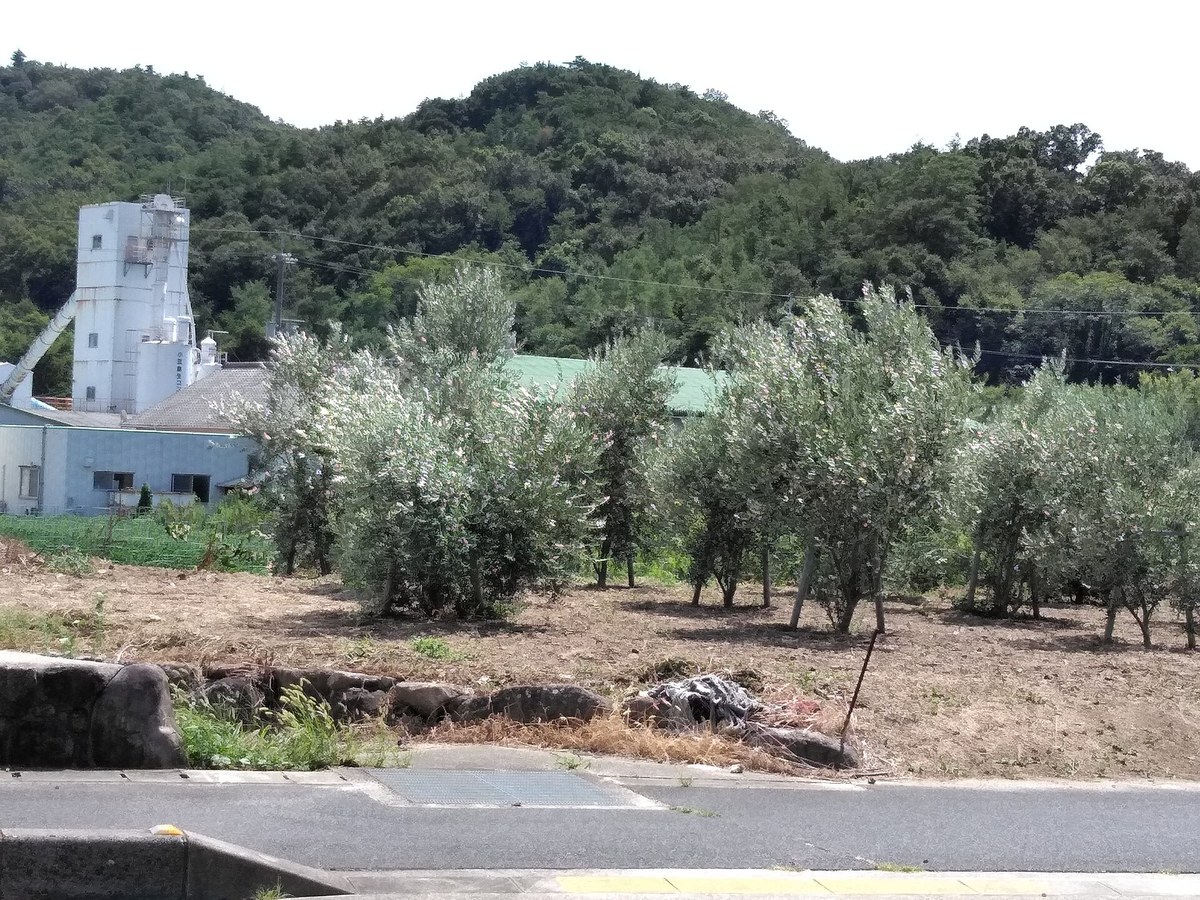
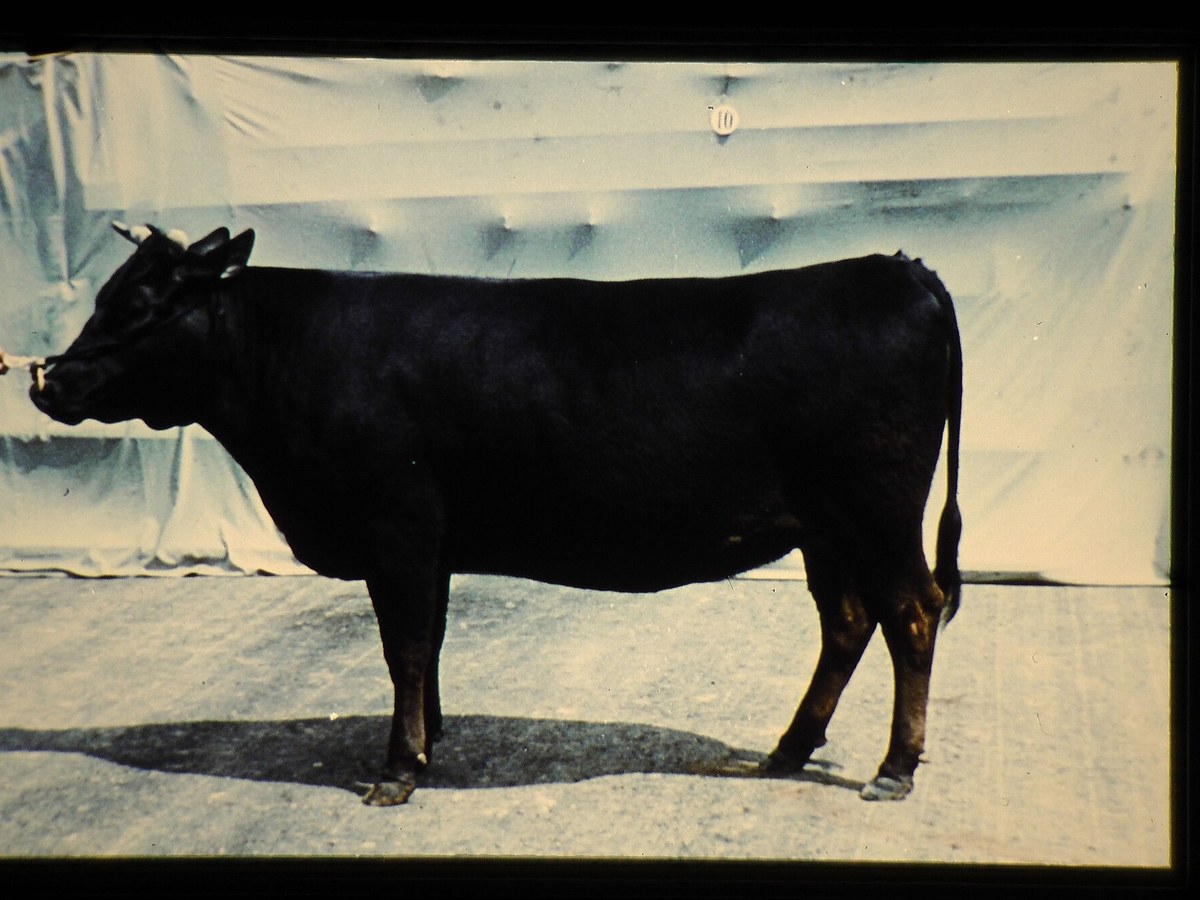
The Japan Tourism Agency's record gives the two timelines that collide in this beef. Beef-cattle raising in Sanuki — old Kagawa — reaches back to about the year 700. Olives are the newcomer: trial-planted in 1908 in Mie, Kagawa and Kagoshima with seedlings imported from America, they took on Shodoshima so completely that the island became Japan's olive ground, and the pressed lees became a local material looking for a use.
The ministry's export record dates the brand itself: 'Olive-gyu' was trademark-registered in 2011 and full shipments began that year, rising from 550 head to 1,817 by fiscal 2015, with the first EU export going to France in January 2015. The olive feed itself was trademarked in 2015 — the waste product had become the asset.
What the olives do to the beef
The records agree on the mechanism in plain terms. Olive lees are rich in oleic acid, which resists oxidation — the Tourism Agency record says it keeps the meat from oxidising and makes it tender and flavourful — and the Shodoshima Town record adds the eating qualities the island claims: beef rich in the umami amino acid glutamic acid, high in antioxidant components, marbled yet clean-tasting in its fat.
The loop matters as much as the flavour. The Tonosho record notes that the olive-fed cattle's manure goes back onto the island's olive groves as fertiliser — olives feed cattle, cattle feed olives. It is the rare brand story in which the sustainability claim is not a garnish but the original motive: the feed exists because the pulp had to go somewhere.
Buying Olive Beef
The hometown-tax listings are the cleanest public window. Shodoshima Town's momo shabu-shabu set — the island's beef from the town beside Tonosho — stands at a ¥24,000 donation, in stock at this run's check; Tonosho Town's own set, momo shabu-shabu 380 g with two 180 g loin steaks, stands at ¥55,000, also in stock. Both are the genuine island product by the towns' own descriptions, and both ship frozen.
In Kagawa the beef is served by the island's and Takamatsu's restaurants and sold by its butchers; abroad it appears in small, expensive drops — the herd is a few thousand head a year against the tens of thousands of the great wagyu brands. If a menu says Olive Beef without Shodoshima or Sanuki attached, it is borrowing the idea, not the brand.
Sources — checked 12 November 2026
- JAL Furusato — Tonosho Town, Kagawa: Shodoshima Olive Beef set, momo shabu-shabu + loin steak (checked 12 November 2026)
- JAL Furusato — Shodoshima Town, Kagawa: Olive-gyu momo shabu-shabu (checked 12 November 2026)
- Japan Tourism Agency multilingual resource record — Olive Beef (Kagawa Prefecture Tourism Association)
Original prose and official links only; no source text or maker media reproduced. Photos are credited Creative Commons works, not product photographs.
Editorial review 2026-11-12