Some souvenir cakes are flavoured with lemon. This one is built out of it. On Ikuchijima, an island in the Seto Inland Sea that Japan calls its lemon island, a patissier who came home from Kobe opened a shop in 2008 and spent years of trial and error putting the island's lemons — peel and all — into a small yellow cake. It gives Hiroshima its third story in this collection.
The island that grows lemons you can eat whole
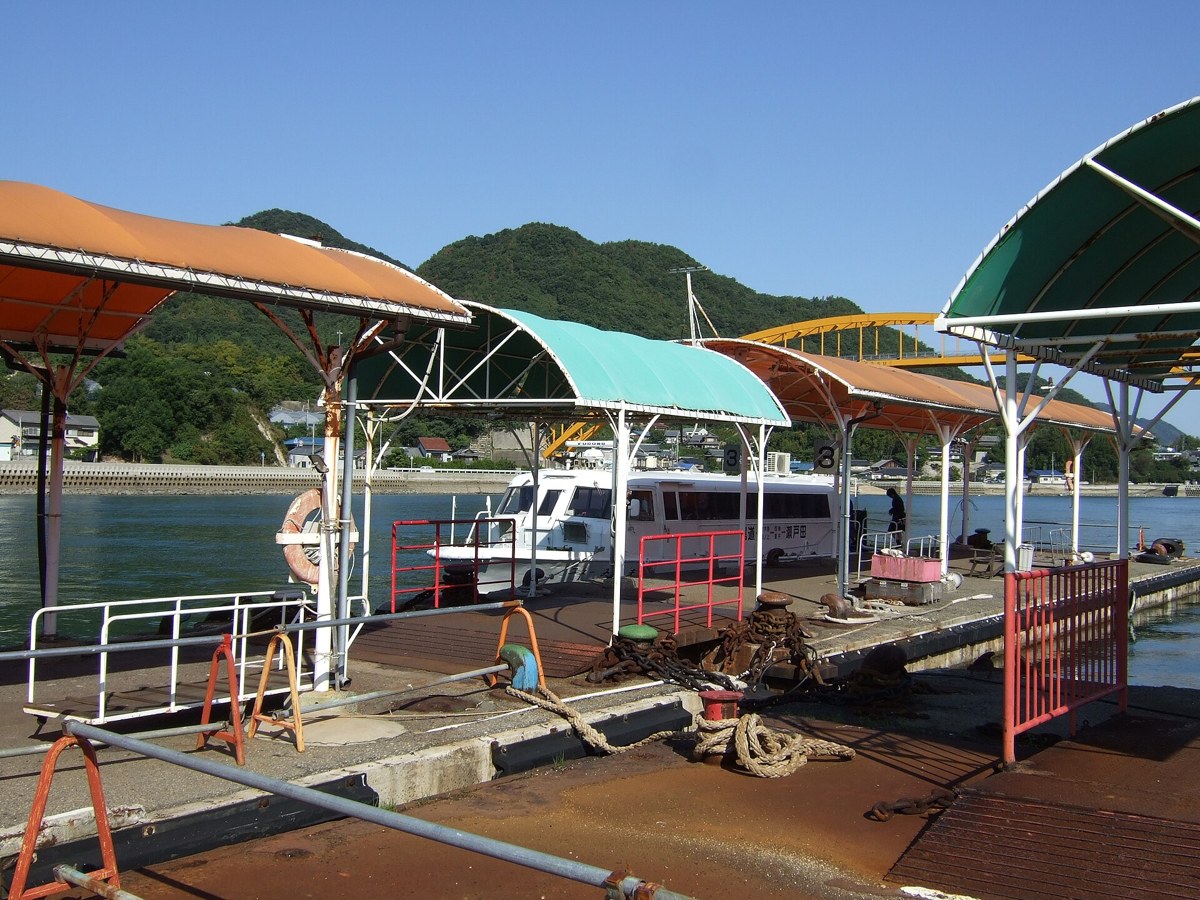
Setoda is the port town at the southern end of Ikuchijima, one of the islands of the Shimanami Kaido in Onomichi City. Hiroshima is Japan's top lemon-producing prefecture, and Setoda is its lemon heartland — the town is known across Japan as Lemon Island. The fruit's advantage is not only sunshine: after imported lemons and their antifungal coatings raised food-safety concerns in the 1960s, Hiroshima growers developed what the prefecture now certifies as the Eco Lemon, grown with minimal chemicals and none of the substances suspected of disrupting hormones.
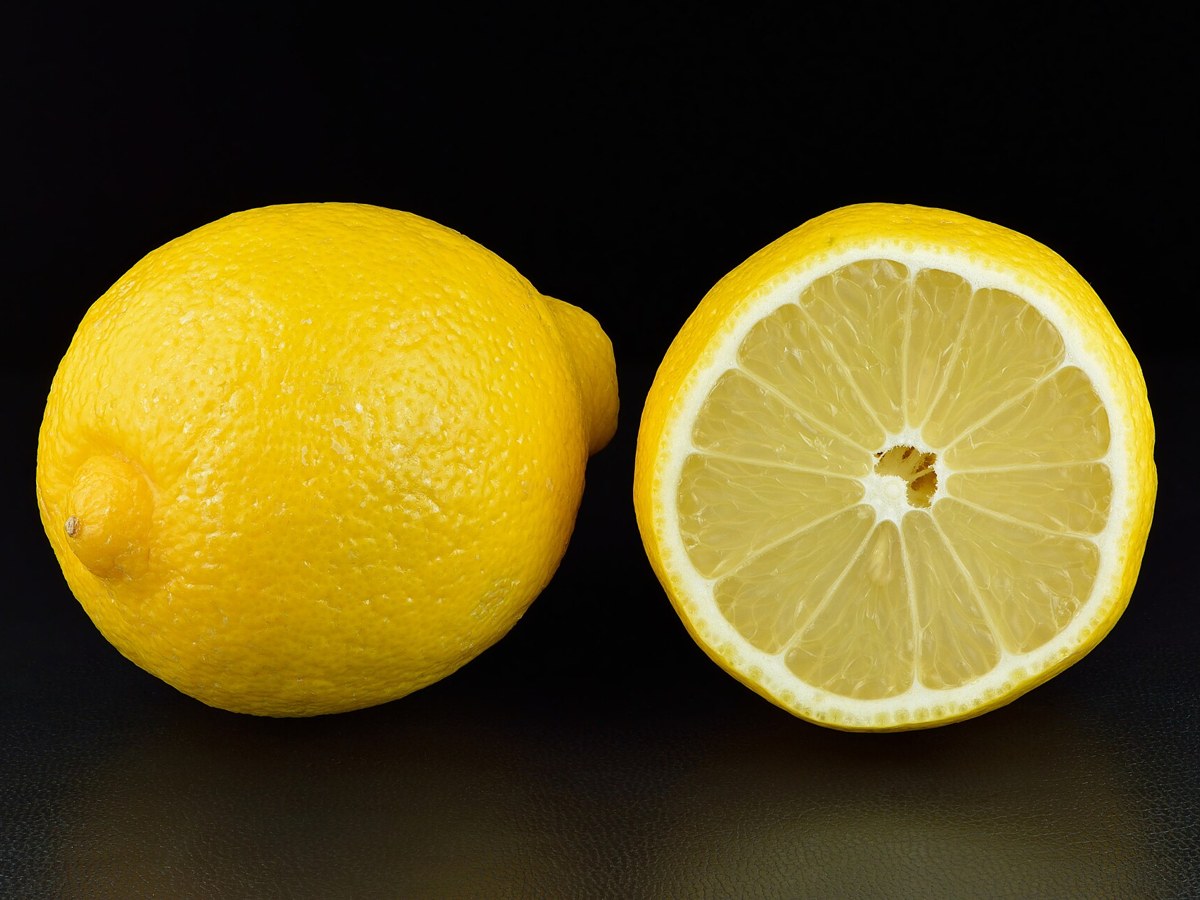
That certification changes what a baker can do. The aroma of a lemon lives in its skin, in the oil compound limonene — but a waxed, heavily treated skin is not something you grate into food. An Eco Lemon's skin is safe to zest, slice or eat, so Setoda's bakers work with the whole fruit. The seasons run long: sharp green lemons come off the trees from October to December, and the juicier yellow harvest follows from December to April.
One patissier, one jam, several million cakes
Shimagokoro was founded in 2008 by Ryuzo Okumoto, a patissier who had studied cake-making in Kobe and returned to his native Ikuchijima. His cake, in the verified directory's account of the maker's own story, was created after extensive trial and error with the hope of cheering people up through Setoda's locally grown lemons and the power of sweets. The method he settled on starts with a jam: the peel is cut carefully by hand — machine peeling would strip the aroma away — and simmered slowly with sugar alone, then mixed into a batter of 100% Japanese wheat flour whose proportions are adjusted with the season, and baked slowly in a large oven.
The island took to it. The checked guide, citing a 2018 interview with the shop, puts output at roughly 8,400 lemon cakes a day and sales at more than three million cakes in the maker's first decade. A seasonal sibling appears only from October to December: the green lemon cake, made with the sharper early harvest, sold in those months and no others.
The summit cake, and what it costs
In May 2023 the cake left the island for the largest stage Japanese confectionery gets: it was served as the tea sweet at the coffee break of the G7 Hiroshima Summit, presented to the visiting world leaders — a fact the souvenir trade now prints on the box, citing the Foreign Ministry. It remains, deliberately, a small cake at a small price: the checked guide prices a classic lemon cake at about ¥250, the verified directory lists ¥900 for a pack of three, and JR West's official mall sells ten for ¥3,000 including tax, with a best-before of 60 days from production.
The buying map starts at the Setoda main store on the island and fans out exactly as a regional edition should: the maker's shop at ekie Hiroshima Station, a Ginza shop in Tokyo, Hiroshima Airport, and Hiroshima department stores. The honest order is the island first — the main store sits above Setoda Port, reached by the roughly 40-minute high-speed ferry from Onomichi at ¥1,300 for an adult — and the station shops after, for the cake you meant to buy more of.
How to eat the island
Eat the first cake at room temperature on the Shiomachi shopping street or the ferry home, when the peel jam's aroma is at its fullest; the cake is moist and fluffy rather than dense, and one is a snack, not a commitment. Boxed cakes travel well inside the 60-day best-before, which is why the ten-pack exists. If you visit between October and December, the green lemon cake is the insider's order — sharper, greener, and gone by New Year.
Place the cake honestly among lemon cakes: Japan makes many, and Setouchi branding is now everywhere. What is specific here is the chain — one island town's certified fruit, one returning patissier, one hand-cut jam — and a summit table that chose the island's cake over every other sweet in the prefecture. That chain, not the yellow colour, is the edition this page documents.
Sources — checked 10 November 2026
- Japan Activity guide: Setoda lemon food and dessert guide
- GOOD LUCK TRIP directory (verified listing): Shimagokoro Setoda Lemon Cake
- WESTER Mall (JR West official): Setoda Lemon Cake Shimagokoro, 10 pieces
- JTB souvenir shop listing: Shimagokoro Setoda Lemon Cake (G7 Hiroshima Summit tea sweet)
Original prose and official links only; no source text or maker media reproduced. Photos are credited Creative Commons works, not product photographs.
Editorial review 2026-11-10