Read the bowl before you taste it: the broth is pale gold and translucent, the aroma toasty and faintly sweet — and there is no pork in the stock at all. Tottori gyukotsu ramen is built on beef bones, simmered long and seasoned with soy sauce or salt, served with wavy noodles, bean sprouts, menma and chashu. In the central and western half of Tottori Prefecture, more than a hundred shops serve it — family diners as much as ramen shops — and for most of its life it had no name at all, because there 'ramen' simply meant this. It took until 2009 for the locals to notice the rest of Japan found it strange.
The bowl that needed no name
The Food in Japan record tells the strangest part first: for most of its history Tottori's beef-bone ramen had no special name. Locals ordered ramen or chuka soba, because beef-bone broth was everyday food; the fan-group leader the record quotes says almost no shop used the gyukotsu name before the group formed in 2009. The Yomiuri record says the same from the counter side: in central and western Tottori Prefecture, the word 'ramen' has long meant 'gyukotsu ramen'. A style so normal it was invisible — that is the exclusivity, and the prefecture itself, on the record, calls beef-bone ramen rare across Japan.
What the bowl is, the record defines precisely: beef bones simmered into a pale-golden, translucent broth — toasty beef aroma, gentle sweetness, deep umami, a light clean finish, nothing like Hakata's cloudy pork tonkotsu — seasoned with soy sauce or salt, over wavy noodles that catch the broth and its thin film of fragrant fat, with bean sprouts, menma, green onion, chashu and sometimes kamaboko. Some shops blend pork bones in; the name promises the beef bone at the centre, not a pork-free bowl.
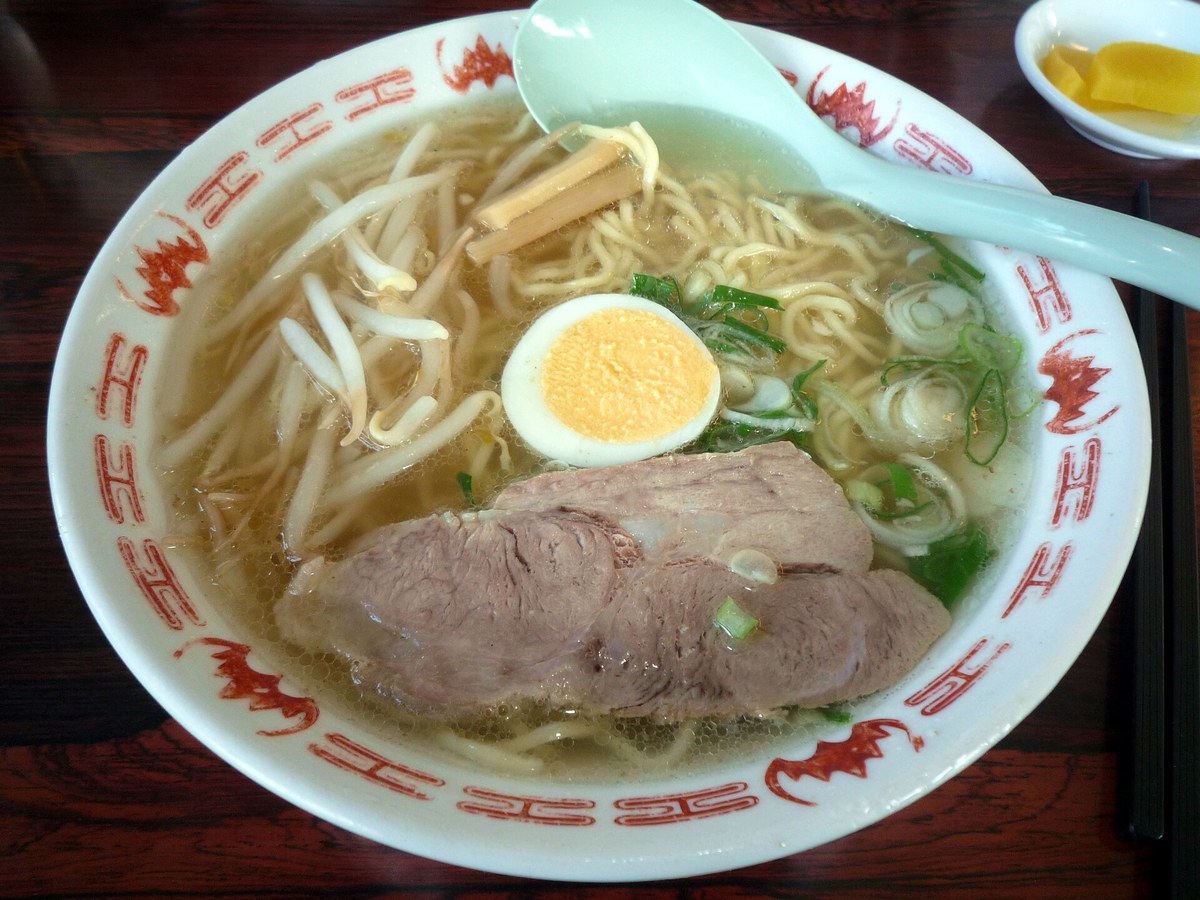
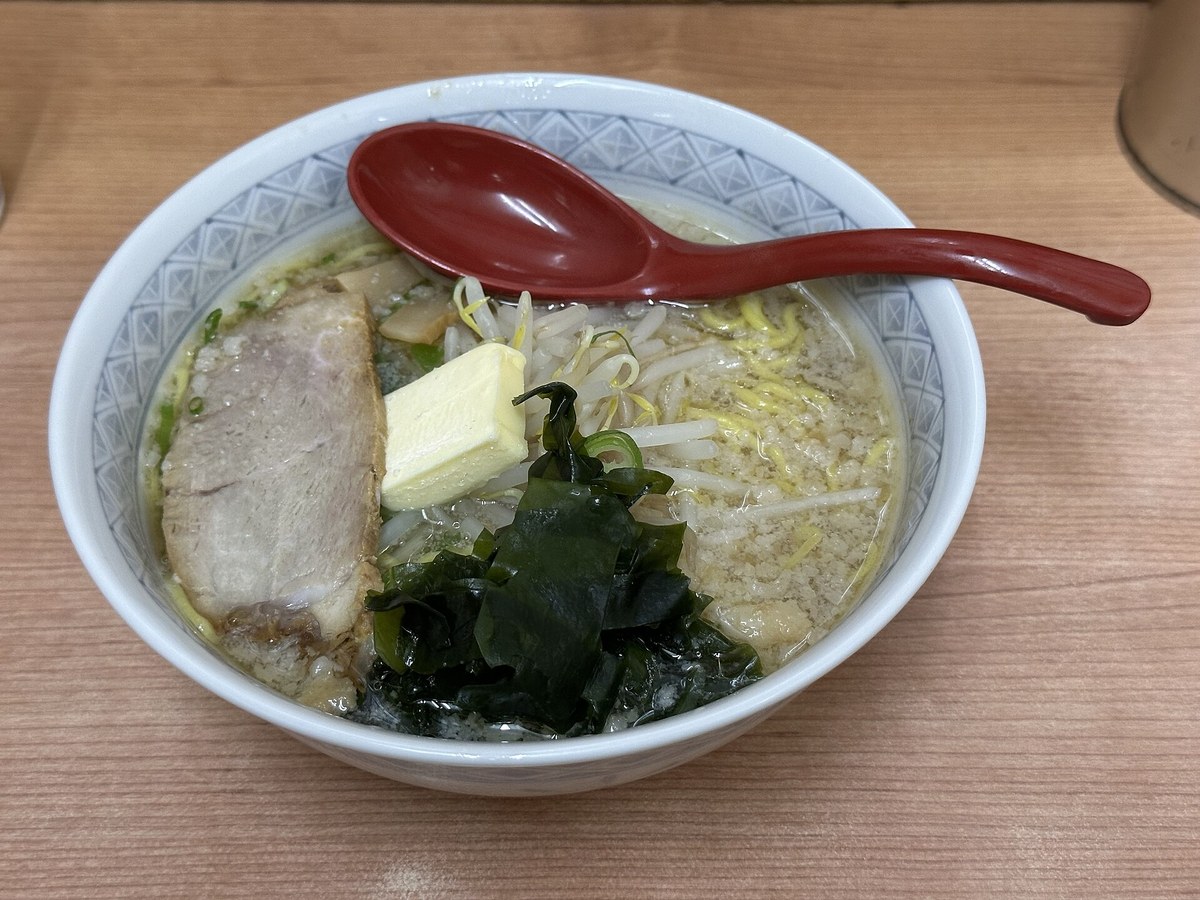
1946, Manchuria, and the cattle market
The origin the records agree on is postwar and practical. Local accounts link the beef-bone soup to Japanese residents who met it in Manchuria and, after returning to Tottori, opened shops serving their own version; the tourism federation describes Masumi of Yonago, opening in 1946, as the original, and the Yonago alliance points to a 1951 newspaper advertisement for Masumi's chuka soba as the oldest record of the style. The exact birthplace, the record is careful to say, is not settled — the Lanzhou link some writers suggest is a possible influence, not a proven origin.
Why it lasted here is documented better than where it began. Tottori's cattle trade ran deep: the Daisen cattle and horse market, meeting below Mount Daisen, was one of Japan's three great such markets in the Edo centuries, and Japan's first wagyu pedigree registration programme began in Tottori in 1920. A ramen style survives where its stock is cheap and always available — the shop owners' association's own point — and beef bones were exactly that in western Tottori. (The bowl is beef-bone ramen, the record insists, not wagyu ramen: no source says the bones are wagyu.)
Named in 2009, counted at a hundred shops
The naming, when it came, was a fan movement: the Tottori Gyukotsu Ramen fan group formed in 2009, the style placed second in a March 2010 national television ranking of new regional foods, the group took the bowl to the Tokyo Ramen Show in November 2011, and Kurayoshi hosted a gyukotsu ramen summit in 2014. An unnamed diner habit became, in five years, a prefectural specialty with a summit.
The federation's count gives the style its present size: more than 100 gyukotsu ramen shops, mostly in central and western Tottori — and not only ramen shops, since in Kotoura and Kurayoshi the family diners and former caterers serve it too. The Yomiuri record's Kamitoku shows the making at the senior end: the soup made daily from fresh beef thigh and rib bones, simmered slowly with light soy sauce, at a main shop that is not even a ramen specialist — it serves tonkatsu, oyakodon and curry beside the bowl its name now rides on.
Eating it in Tottori
Prices are diner prices. The federation's five profiled shops, checked 23 October 2026 on the Food in Japan record, list a standard bowl at about ¥550 to ¥750: Masagoya in Kurayoshi — a former caterer with one ramen on the menu — at ¥550; Ramen Goku in Yonago, simmering over 24 hours, at ¥600; Kamitoku in Kotoura at ¥650; Ramen Koga in Hokuei at ¥700; and Masumi, the 1946 original in Yonago, at ¥750. The Yomiuri visit record priced Kamitoku's signature bowl at ¥600 in December 2021 — the federation's later listing shows it at ¥650.
Choose one area and eat twice: Yonago for the history (start at Masumi; the local alliance promotes half-size bowls precisely so visitors can try several shops), or Kurayoshi and Kotoura for the diner belt. Scoop deep with the first spoonful, the record advises, so the fragrant fat floating on top mixes with the broth below — and do not be put off if the menu just says ramen or chuka soba: at the older shops that is the gyukotsu, wearing its working name.
Sources — checked 13 November 2026
- Food in Japan — Tottori Gyukotsu Ramen: Japan's Beef Bone Ramen (updated 9 November 2026)
- The Japan News (Yomiuri Shimbun) — Kamitoku Tottori Honten: No Beefing About This Specialty of Tottori Prefecture (visit record, published 28 December 2021; page updated 28 September 2026)
Original prose and official links only; no source text or maker media reproduced. Photos are credited Creative Commons works, not product photographs.
Editorial review 2026-11-13