Every papermaking region in Japan throws away the same layer of bark. One district in Shimane kept it — and UNESCO's verdict on the result is a superlative: 'the strongest paper produced in Japan'. Sekishu-banshi has been handmade in the Iwami hills for over 1,300 years, once filled merchants' account books across the country, and is now down to four producers — whose sheets are flown to the British Museum to repair other nations' treasures. Shimane's fourth story is the paper that refuses to tear.
The layer everyone else removes
The government's account gives the technique first. Sekishu-banshi is made through a traditional method that adds a viscous liquid taken from aibika root to the delicate, long fibres of locally grown kozo paper mulberry trees. The paper's character comes from one decision: the endocarp, the part of the tree between the bark and the core, is used here, while it is removed in the washi production of other regions. Because of this, the finished washi has a unique luster, a texture with a faint green tint, and is quite strong.
UNESCO's Committee decision describes the same process from the tree: locally grown kozo is harvested in winter, the outer bark steamed off, the fibres boiled, beaten by hand, mixed with mucilage in water, and then filtered with a wooden-framed bamboo screen to form sheets, which are dried on wooden or metal boards. The fibres at the paper's heart are, in UNESCO's words, the long, tough fibres just under the bark that are considered to have too many impurities for other forms of paper — Sekishu's strength is literally made of what its rivals discard.
Account books, umbrellas, and a world listing
The paper's first career was commercial. The government account records that it spread across Japan during the Edo period as a practical kind of paper, used for such things as writing paper for calligraphy, account books for shops, umbrellas and toys — a strong, everyday sheet for a merchant economy that kept its records on paper. UNESCO's decision adds the farmers' side: the paper was long made in the Iwami region originally as a side business for local farmers, and was once popular among merchants for those same account books.
The honours came in two waves. Sekishu-banshi was registered on UNESCO's Representative List of the Intangible Cultural Heritage of Humanity in 2009, and registered again in 2014 as part of 'Washi, craftsmanship of traditional Japanese hand-made paper', together with honminoshi of Gifu and hosokawashi of Saitama. UNESCO's decision states the ground plainly: the paper is inscribed as an Important Intangible Cultural Property on Japan's national inventory, its techniques passed from generation to generation through hands-on training in the papermakers' association.
Four producers, and the world's repair bench
The fall was steep. Though there were once over 6,000 producers, their numbers were reduced by the spread of machine-made washi and a decrease in demand during the Meiji period, and only four producers are left today in the Misumi area of Hamada City. Nishida Seigi, the seventh generation of washi producers at Sekisyu-Washi and head of the Craftsmen's Association the four producers form, notes that all four are blessed with successors — and that each producer must now handle every process, from cultivating the kozo to harvesting, processing and sales, as the old division of labour changes.
What the four pairs of hands mostly make may surprise a stationery buyer: more than 60% of the products made by Nishida are used in repairing cultural assets. Sekishu-banshi strengthens damaged paintings and books at the Shosoin treasure house in Nara, the Hongan-ji temples in Kyoto and Nagoya Castle, and is increasingly used to repair Western artwork and important documents, with many orders coming from art museums around the world with Japanese art collections, including the British Museum and the Museum of Fine Arts, Boston. At home, the paper still dresses its own region: the masks and costumes of Iwami Kagura, performed by over 100 groups, are made with it — local production for local consumption, in Nishida's phrase.
Make a postcard of the strongest paper
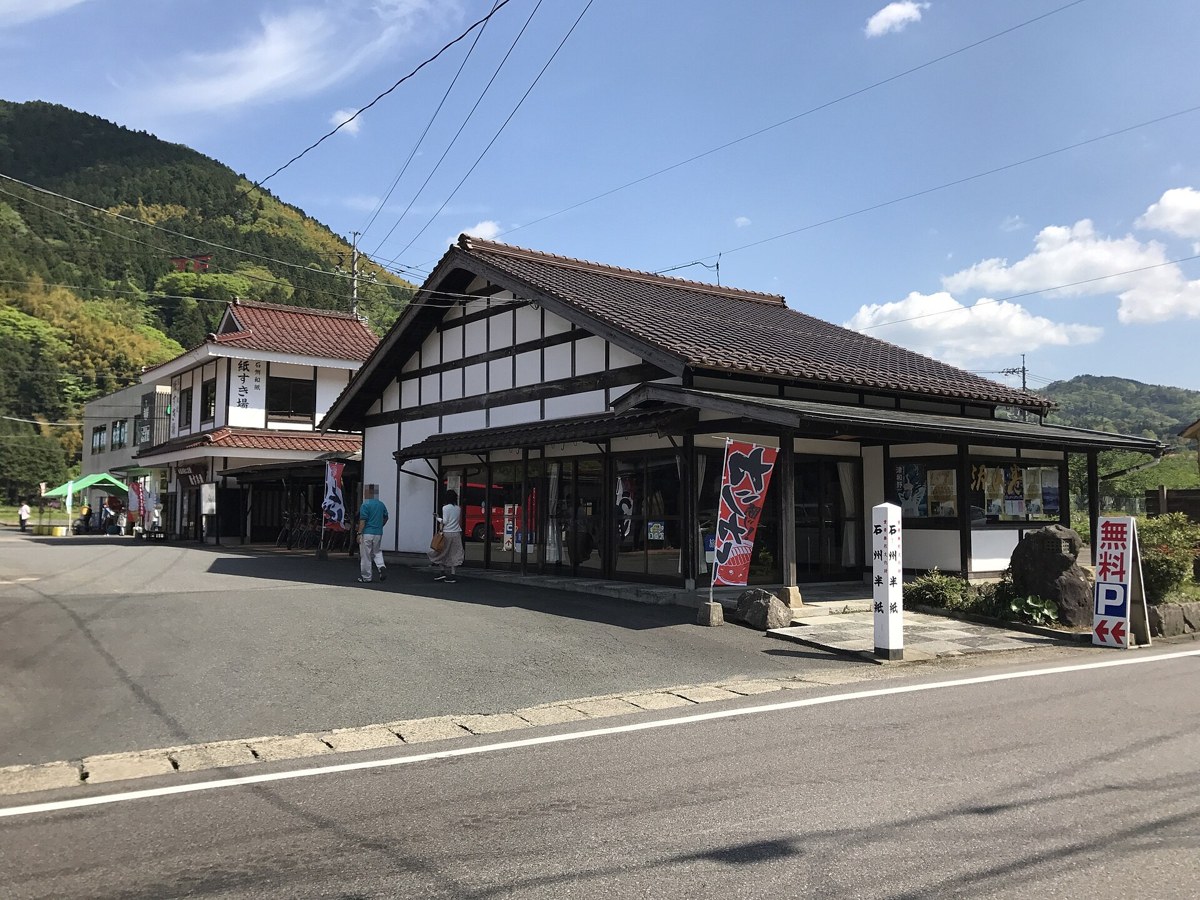
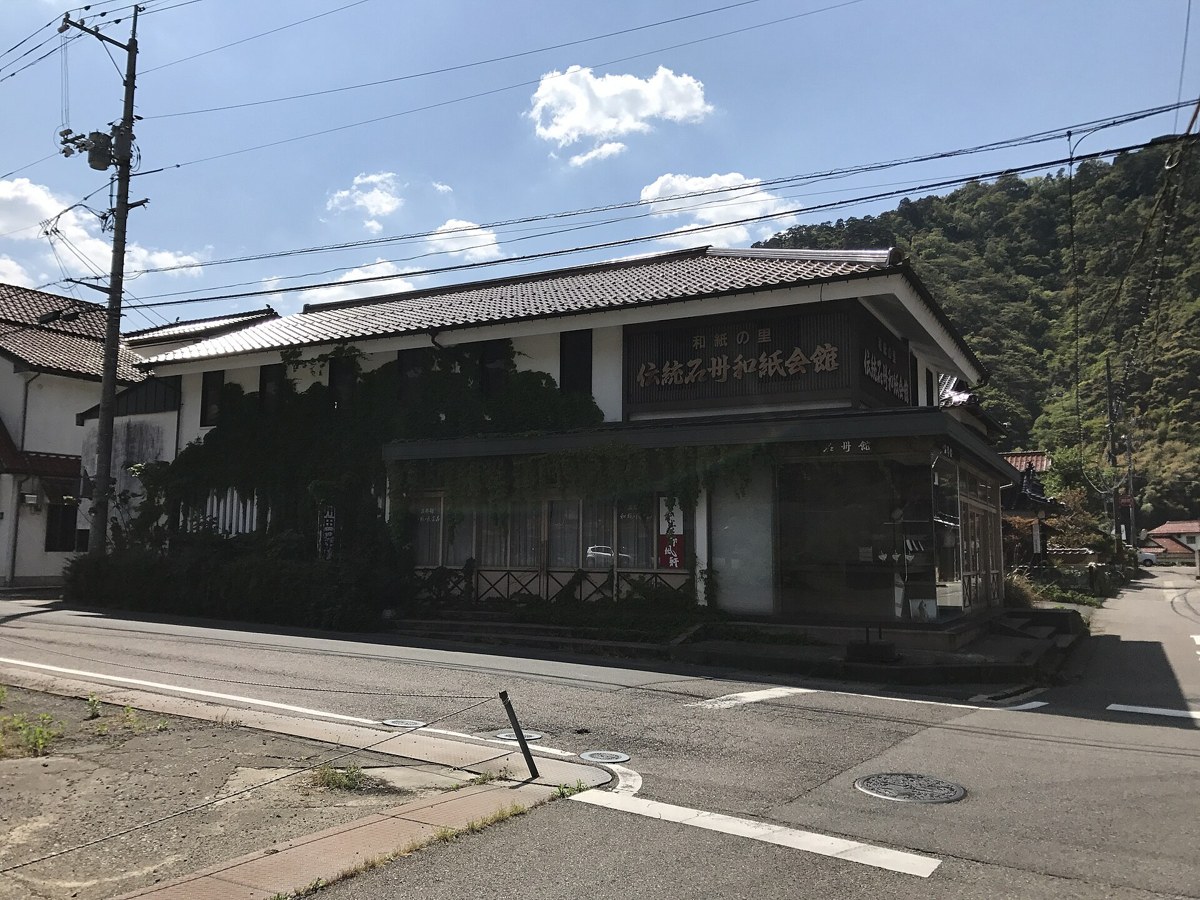
The producers' base, the Sekishu Washi Kaikan, was built in the district in 2008, and members of the Craftsmen's Association take turns working as instructors at the washi-making workshops it holds for locals and tourists. The checked travel record gives the visitor's terms at the Sekishu Washi Center, 589 Furuichiba, Misumi-cho, Hamada: entrance is free, the doors are open 9:00 to 17:00, closed Mondays and over the New Year, and about five minutes' drive from JR Mihomitsumi Station.
The hands-on offer matches the paper's practical soul: try making Sekishu washi yourself — a reservation is required — with postcard making starting from ¥540, and take the finished work home with you. For the price of a coffee, the strongest paper in Japan leaves the repair bench and sits, briefly, in a visitor's hands — the same winter kozo, the same bamboo screen, the same stubborn layer of bark.
Sources — checked 11 November 2026
- Highlighting Japan (Government of Japan): Sekishu-banshi — Supporting Culture and Art (checked official account)
- UNESCO Intergovernmental Committee, Decision 4.COM 13.56: Sekishu-Banshi (checked committee decision)
- ANA Japan Travel Planner: Sekishu Washi Center, Hamada (checked travel record)
Original prose and official links only; no source text or maker media reproduced. Photos are credited Creative Commons works, not product photographs.
Editorial review 2026-11-11