Paper strong enough to be money: Echizen Washi, handmade in the mill villages of Echizen City, Fukui, for some 1,500 years, was trusted to print Japan's first domain banknotes in 1661 and the young nation's early currency after that. The souvenir form is humbler and prettier — an Echizen washi letter set of envelopes, letterheads and cherry-blossom stickers at ¥1,650 from Fukui's official shop — but every sheet carries the district's name the way the banknotes did.
Fifteen centuries in one valley
The origin story is told as local scripture: about 1,500 years ago the papermaking technique came to Goka — the village cluster in today's Imadate district of Echizen City — taught, legend says, by Kawakami-gozen, an attendant travelling with the future Emperor Keitai. Scripture aside, the paper trail is real early: Echizen paper appears in the chronicle tradition of the Nihon Shoki, was sent to the capital as tax in sutra paper and materials by the eighth and tenth centuries, and won the patronage that made 'Echizen' the watermark of quality — artists from Rembrandt's circle to Picasso are said to have worked on it.
The valley organised itself around fibres — kozo (paper mulberry), gampi and mitsumata gathered from across Japan as local demand outgrew local supply — and around skill: dozens of mills, each with its water, its screens, its hand. The number of washi businesses in the district today is around seventy, making everything from sliding-door paper to art paper alongside the handmade sheets the name is famous for.
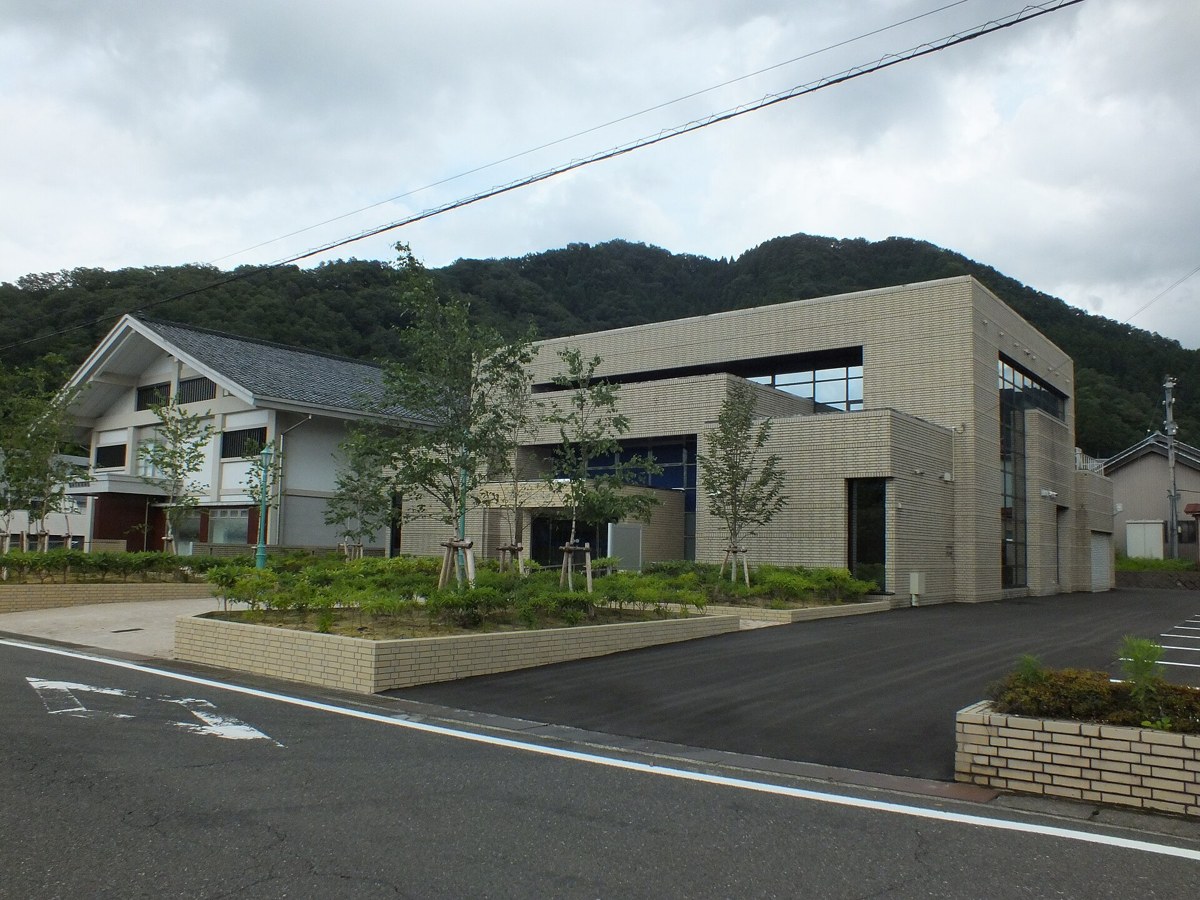
The paper they printed money on
The strongest testimony to washi is monetary. In 1661 the Fukui Domain issued Japan's first domain banknotes — hansatsu — and had them made on Echizen paper from Goka, because a currency is only a promise, and the promise had to be printed on something that would not tear, rot or fake easily. Other domains followed; when the Meiji state issued its first national notes, it reached for Echizen paper again, and the government's papermaking operation later sat in Goka itself for a decade.
That history is also the product pitch, three and a half centuries on. Washi's long fibres make it thin and tough at once — the letter set's envelopes feel delicate and behave like stationery armour — and the district's museums tell the banknote story beside the vats, so a visitor understands that the souvenir in the shop is the same material civilisation once used to store value.
Practical details: prices, where to buy, online sales
Prices (checked 9 November 2026): the Echizen washi letter set — envelopes, letterheads and cherry-blossom stickers in Echizen paper — lists at ¥1,650, tax included, at Fukui's official antenna shop (Fukui Minami-Aoyama 291, Tokyo) and its online store. At the source, the Echizen Washi no Sato (Paper & Culture Museum) in Echizen City charges ¥300 admission and sells washi kaishi sheets from ¥242, with the district's mills selling their own papers at every scale above that.
Where to buy: the mills and museum shops of the Goka/Imadate district in Echizen City; Fukui's official antenna shop in Minami-Aoyama, Tokyo, and its online store for the documented letter set. Official online sales: yes (the prefectural shop's online store). Type of edition: regional edition — a single district's named paper, sold with its origin as the brand.
Writing on 1,500 years
Use the letter set as it begs to be used: slowly. Washi takes fountain-pen ink with a slight, pleasurable drag and shows the fibre under raking light; a letter on it announces effort before a word is read, which is the whole argument the Fukui guide makes against the speed of e-mail. Buy a second set for the drawer — the district's papers are also sold as single sheets for wrapping, bookplates and prints, and the museum's shop is the place to feel the range (fusuma paper, art paper, card) in one room.
The framing to keep is origin discipline, the same rule this site applies to Hasami's porcelain and Mashiko's pottery: 'washi' is a family, 'Echizen Washi' is an address. The letter set's box names the address; that name is what you are paying ¥1,650 for, and the paper justifies it.
Scope: what 'limited' means here
Echizen Washi is documented as the paper of Echizen City's Goka/Imadate district, Fukui — a roughly 1,500-year place craft whose named goods (the ¥1,650 letter set among them) are sold by the mills and Fukui's official antenna shop, including online. Other washi regions are different crafts. Checked 2026-11-09.
Sources — checked 9 November 2026
- Living Guide in Japan (Fukui-linked guide): The story behind Washi — Echizen Washi
- The Kansai Guide (official regional tourism): Echizen Washi no Sato, Fukui
Original prose and official links only; no source text or maker media reproduced. Photos are credited Creative Commons works, not product photographs.
Editorial review 2026-11-09