In Sakai the work is divided, in Seki it is systematised; in Tosa one smith takes a bar of steel and hammers it, freehand, into whatever the order says. Kochi's fifth story is Tosa uchihamono — four hundred years of blades that began as tools for the mountain forests and never gave up the habit of being made one at a time.
Forestry first, kitchens second
The official Shikoku tourism account fixes the ground: Tosa uchihamono are forged in eastern and central Kochi Prefecture, and Tosayamada-cho, in today's Kami City, is the birthplace. The tradition runs back more than four hundred years, and it began with the region's work — forestry blades for the mountain country of the old Tosa domain, the axes, nata hatchets, sickles and hoes that a timber province consumed in quantity.
The craft account traces the skill itself further back, to sword making: a swordsmith named Gorozaemon Yoshimitsu is said to have come from Yamato Province around 1300, in the late Kamakura period, and the forging techniques of the Tosa smiths carry that sword ancestry. Production began in earnest in the Edo period, and when sword demand died the same hands were already making the tools the province actually used. Tosa uchihamono was designated a national Traditional Craft in 1998 — late paperwork for a craft this old, and itself a Tosa trait: the region settled its skill centuries before it settled its certificates.
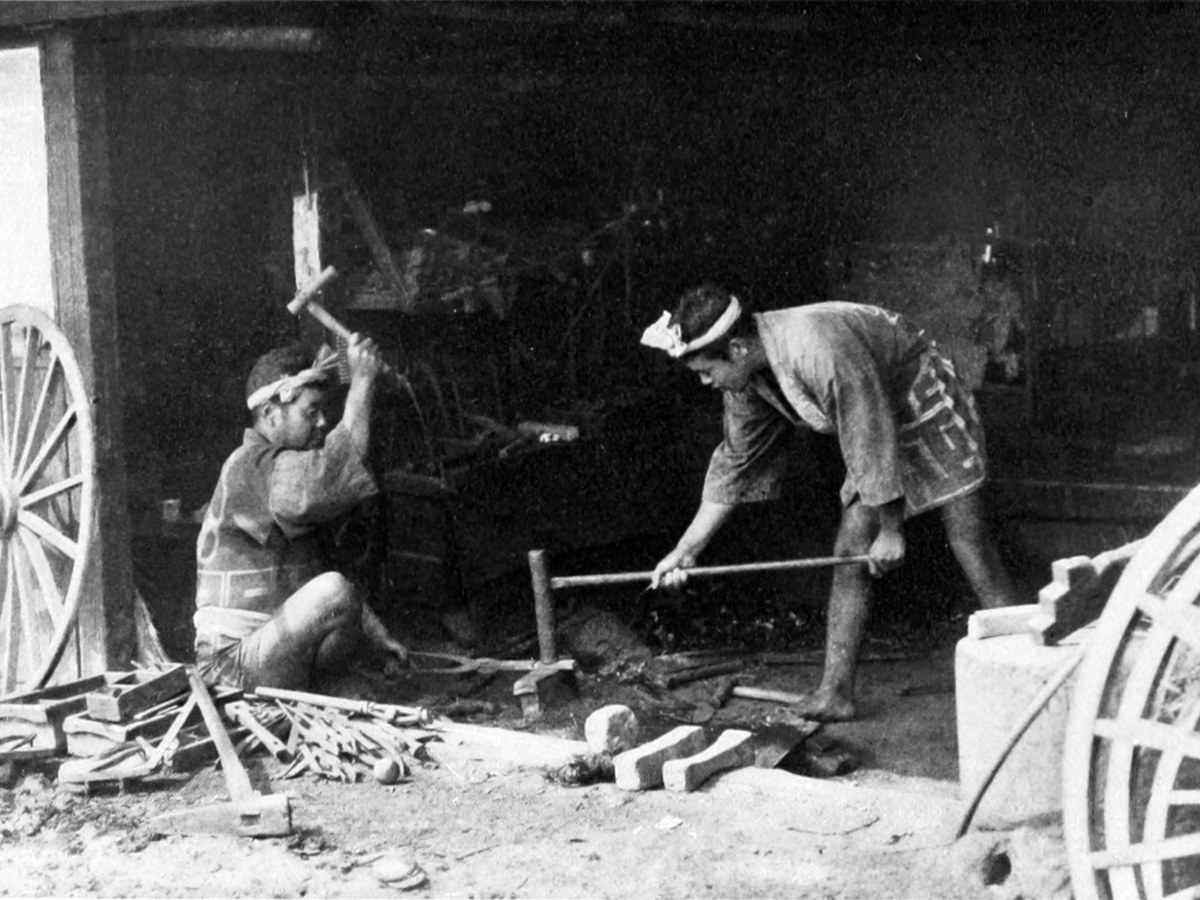
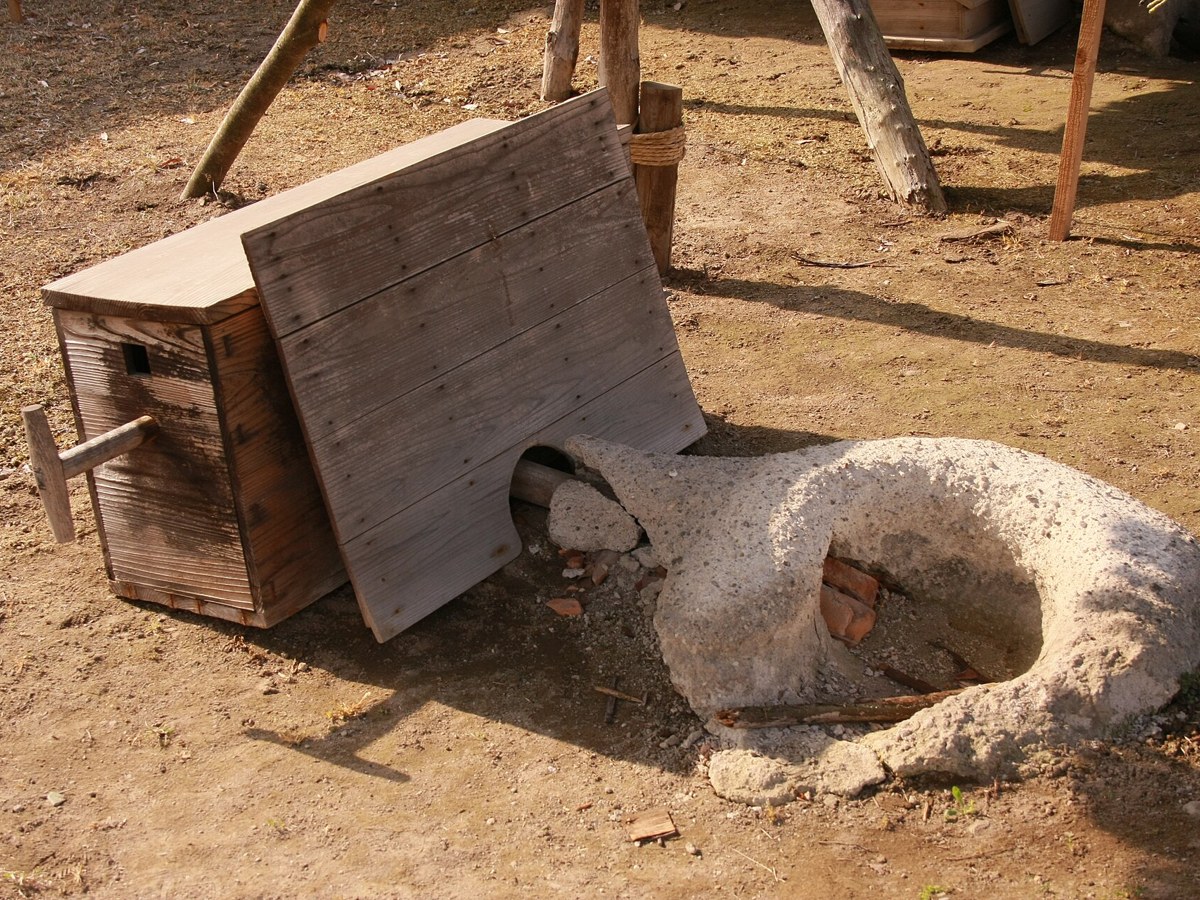
Free forging: the blade follows the order
Every great Japanese blade region has a system; Tosa's system is the absence of one. The craft account calls its method free forging and is explicit that it is not found in the other production areas: instead of division of labour or fixed forms, the smith shapes each blade by hand to its purpose and to the user's request. A Tosa craftsman, the account says, can manufacture a blade from a simple order form describing the size and shape wanted.
JNTO's record of the forge experience at Sakoda Hamono in Kochi describes the same thing from the visitor's side: free forging as a fully manual process in which artisans hand-hammer and shape heated steel, and the workshop lets a traveller do it — forging, hand-grinding and finishing a knife of their own across about six hours. The results the region claims for the method are consistent across accounts: blades exceptionally sharp, strong, long-lasting, and easy to re-polish when they dull.
The kurouchi range
The working face of the craft is the kurouchi finish: the black forge scale left on the blade's upper face, with only the edge ground bright. It is the finish of the sabaki knife priced below, and of the santoku and other everyday kitchen forms the producing country sells — a surface that announces a forged blade at a glance, on tools made to be used daily, not displayed.
Around the kitchen knives stands the full country kit the tourism account enumerates: sickles, nata hatchets, axes and hoes, farm and forestry blades beside home ones. That breadth is the free-forging economy in catalogue form — one skill, every edge the mountains and the kitchen require — and it is why Tosa, alone among the famous blade regions, is as much a toolmaking country as a knife country. The scale behind the breadth has patrons and machines in its past — the Yamauchi lords backed metalworking to serve the forests, and the belt hammer of the early Showa years raised output without displacing the hand finishing — and on the current survey of its workshops, Kochi remains Japan's largest producer of free-forged blades.
One smith, one blade, one buyer
The knife behind this page's price shows the tradition at its everyday level: a kurouchi sabaki — the thick-spined boning knife for breaking down fish and poultry — sold by Monotaro with the description 'a traditional Tosa hand-forged knife'. Its blade is fifteen centimetres of steel with soft-iron sides and a wooden handle, the classic forged construction, and the listing notes the thicker spine that keeps the edge from chipping on bone.
That is the level at which free forging survives: not masterworks, but a working knife whose shape a smith decided at the anvil. Buyers who want the method at its most personal go to the forges themselves — the Distribution Center in the producing country, or a workshop like Sakoda Hamono's, where the blade you take home is the one your own hands helped hammer.
Sources — checked 11 November 2026
- Tourism SHIKOKU: Tosa Uchihamono
- Japanese Traditional Crafts account: Tosa Uchihamono
- JNTO, Japan's Local Treasures: forge a Japanese knife in Kochi (Sakoda Hamono)
- Monotaro: Fine Craft kurouchi sabaki knife
Original prose and official links only; no source text or maker media reproduced. Photos are credited Creative Commons works, not product photographs.
Editorial review 2026-11-11