Every citrus region has a flagship. Kochi's weighs up to a kilogram and a half, ripens in the middle of winter, and then — this is the local genius — is put to bed under straw for a month before anyone is allowed to eat it. Buntan, the great pomelo, is grown 90% in Kochi alone, and the city of Tosa, which gave the fruit its name, is both its birthplace and its biggest producer. The Tosa buntan is what winter tastes like on the Shikoku coast.
The great pomelo, described
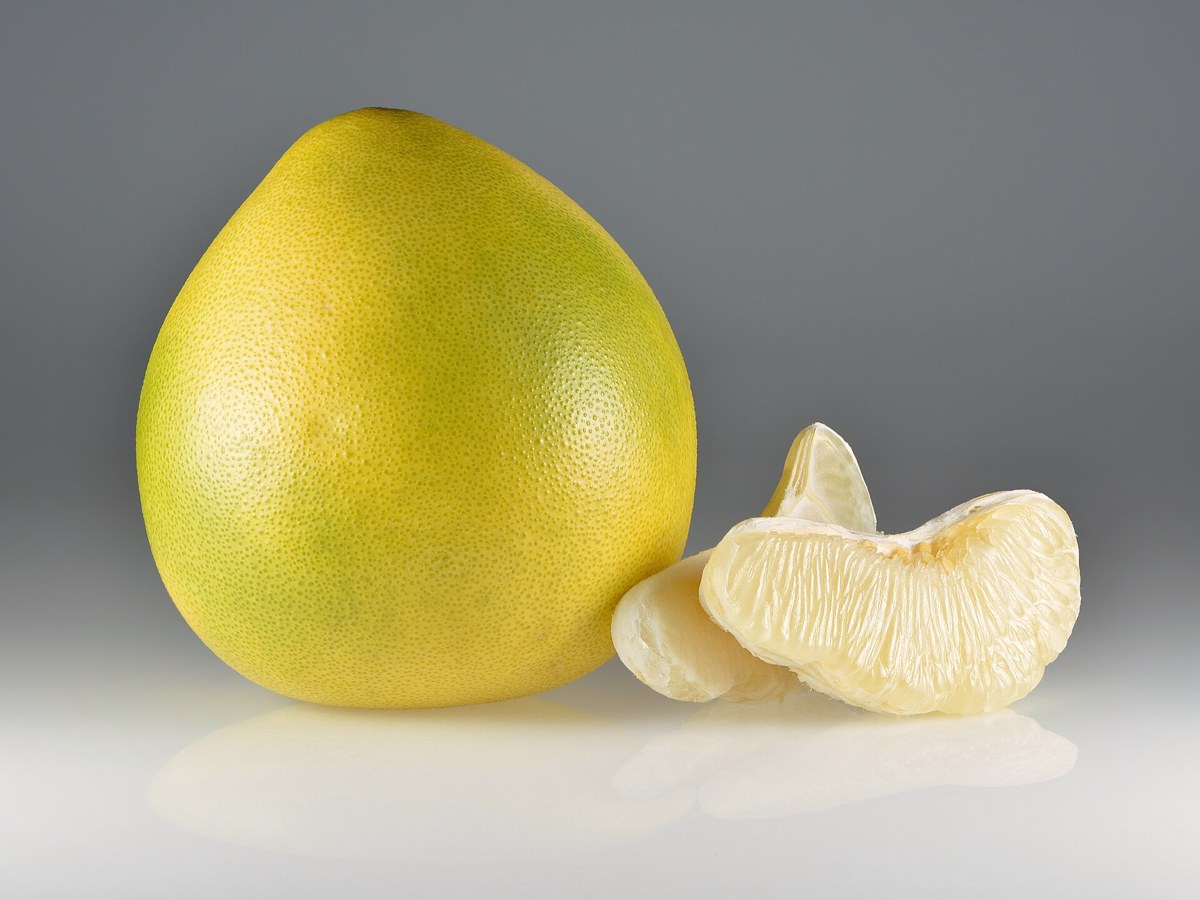
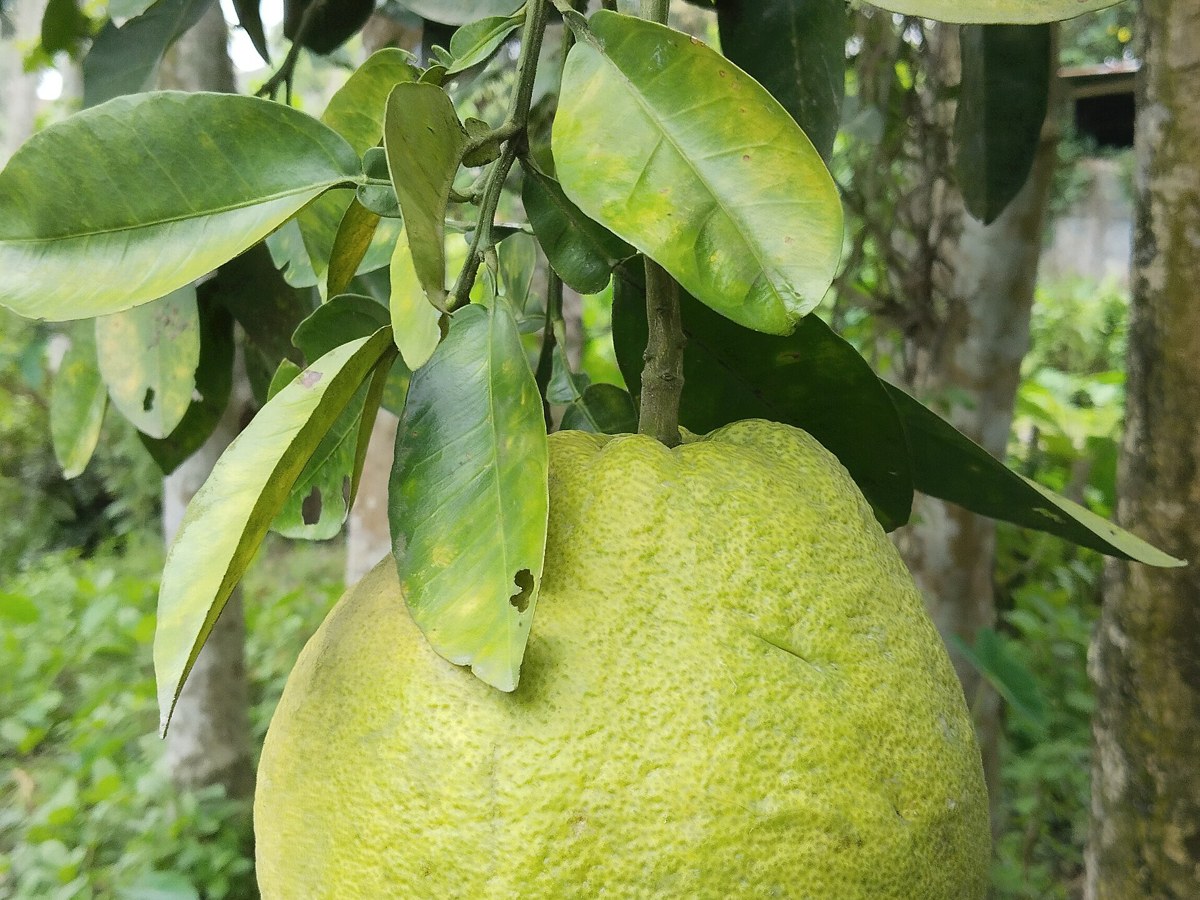
The reference describes a fruit built to a larger plan. Buntan, botanically Citrus maxima of the rue family, averages 15 to 25 centimetres in diameter, globular to sometimes flattened, with a thick rind that ripens from green to bright yellow — firm, glossy and semi-smooth, covered in small bumpy pores that release aromatic essential oils. Underneath, the flesh is pale green to yellow, divided into 8 to 16 segments by thin white membranes, and it is known for a balanced, sweet and slightly bitter flavour with mild acidity and notes of umami.
It is a family, not a single cultivar: over forty varieties of buntan are cultivated in Japan, natural mutations and hybrids of the pomelos that came from Southeast Asia by way of China in the Edo period. But the family's centre of gravity is one prefecture — ninety percent of all buntan in Japan are produced in Kochi, the reference states, and the name itself carries the map: Tosa is the old name of Kochi Prefecture.
Born in Tosa
JA Kochi's own season release gives the birthplace its due: a note on the release records that Tosa City is where Tosa buntan was born, and that the city boasts the nation's largest production of the fruit. In the city the crop is organised — 99 growers belong to the cooperative's Tosa Buntan group, and the fruit moves through JA Kochi's Hewa collection and shipping area in the city.
The scale follows from the concentration: in the release's season the cooperative expected to ship about 680 tons in total, at roughly 13 tons a day, with shipping running until mid-March — out of one city's orchards. It is, the cooperative's headline says, the citrus that represents Kochi, shipped at its peak in the middle of winter.
A month under straw
The Tosa method is patience, applied outdoors. The pomelos are harvested between December and January, at full size but still sharp; they are then rested for about a month in nogakoi — the traditional outdoor stores — to undergo after-ripening. For open-field fruit, the cooperative explains, it is this month of ripening that brings out the rich, mellow flavour — a duvet season for a field of melons.
In about a month, the account concludes, the pomelos' sourness goes away and they turn sweet and mellow. The reference's calendar agrees from the eater's side: buntan is harvested in the winter and can be stored through the early spring in Japan. Eaten fresh out of hand, the flesh goes into salads and noodle dishes, is pressed into juice, cooked into jams and marmalade, and flavours the desserts and candies of the Kochi citrus cookbook the prefecture's own representative office published — A Taste of Kochi Citrus.
Why Kochi, and what it costs
The reference assigns the near-monopoly to the land itself: Kochi is known for its extreme day-to-night temperatures, its long hours of daylight and its fertile, sloped orchards, creating a suitable environment for buntan growth. A fruit that needs a whole winter and a month of rest afterwards needs a coast that stays mild while the days stay bright — Shikoku's southern shore is the one place in Japan that offers both at scale.
The checked retail record prices the result: a Kochi direct-from-origin store sells home-use Tosa buntan — mixed L to 3L fruit, seven to twelve pomelos — in a 5 kg box at ¥4,900, shipping free anywhere in Japan. For the largest citrus most Japanese shoppers will ever hold, grown in the one prefecture that grows nine tenths of it, that is the whole proposition.
Sources — checked 11 November 2026
- Specialty Produce: Buntan (checked produce reference)
- JA Kochi: Tosa Buntan shipments reach their peak (checked cooperative release, January 2021)
- Yahoo! Shopping direct-from-origin store: Tosa Buntan home-use 5 kg (checked retail record)
Original prose and official links only; no source text or maker media reproduced. Photos are credited Creative Commons works, not product photographs.
Editorial review 2026-11-11