Some regional foods are famous. This one is close to exclusive by arithmetic: more than nine tenths of all the kabosu grown in Japan grows in a single prefecture. Kabosu is Oita's green sour citrus — a yuzu relative picked unripe, when its aroma is freshest and its sourness mildest, and squeezed over almost everything the prefecture eats. It began as medicine in the Edo period; it ended up as the taste of Oita itself, protected by law as Geographical Indication No. 33.
Harvested green, on purpose
The Ministry of Agriculture's GI summary defines the fruit by its timing. Oita Kabosu is a citrus harvested during its green period, as that is the most flavourful time; it is characterised by a refreshing aroma and a mild sourness, and it is used in a variety of dishes as a seasoning, bringing out the flavour of the main dish. Where most fruit is bred to be eaten ripe and sweet, kabosu is bred to be used unripe and sour — a condiment that grows on a tree.
The botanical reference fills in the fruit itself: kabosu, Citrus sphaerocarpa of the rue family, is closely related to the famous yuzu and utilised in the same ways, flavouring sauces, juices, seafood and main dishes; the fruits can be used in their unripe or mature stages. In Oita the green stage rules — the reference calls kabosu a specialty type of sour citrus produced in limited quantities in Oita Prefecture, valued there at every market and, outside the prefecture, rare and challenging to find.
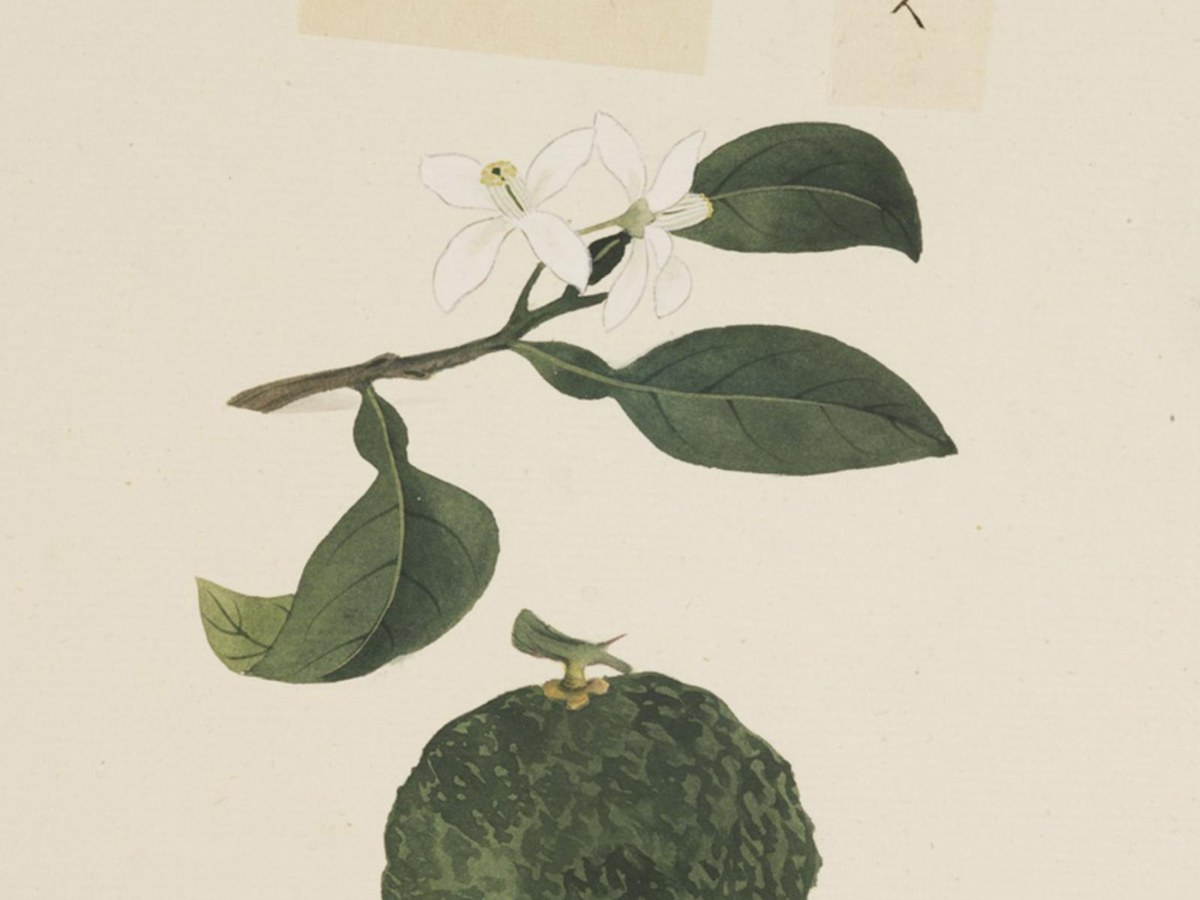
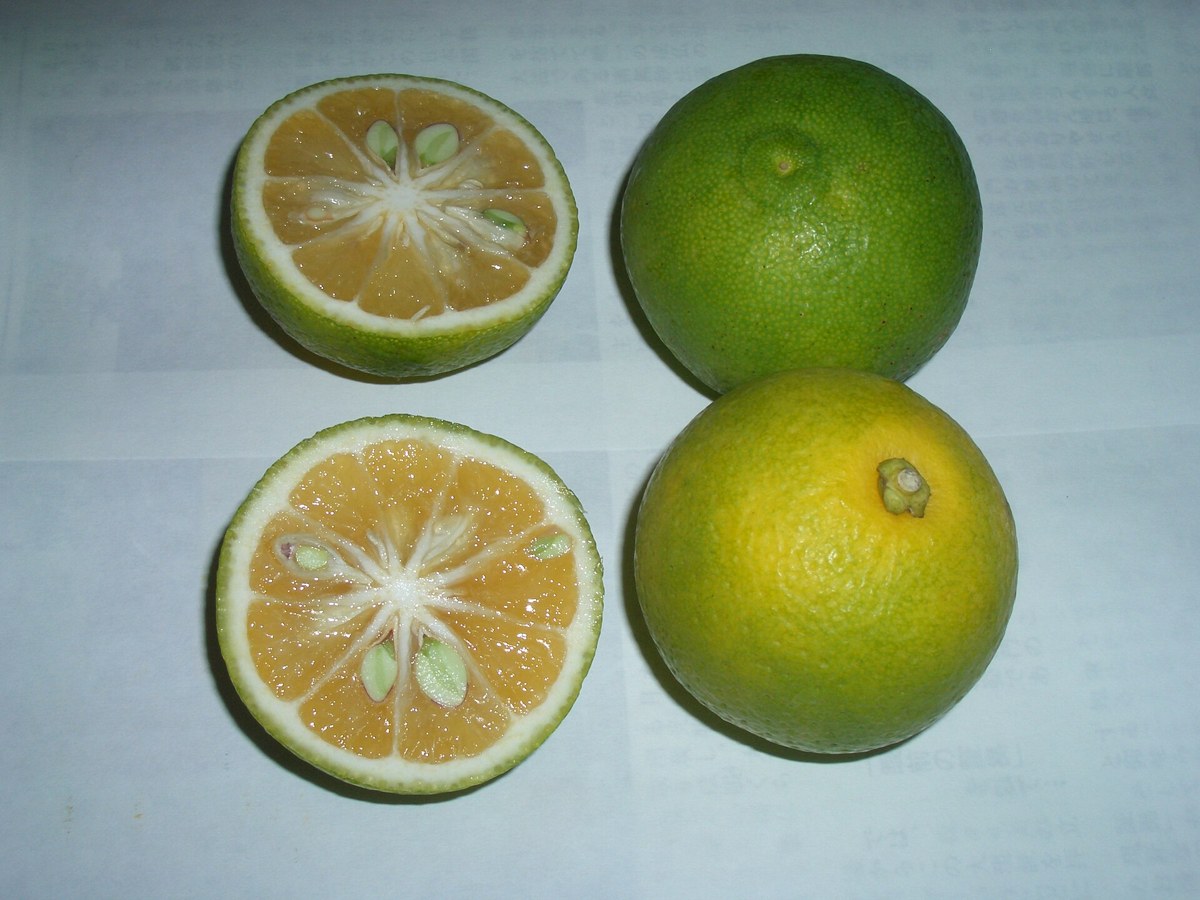
From Edo medicine to a prefecture's seasoning
The link with the place is the MAFF summary's own history. Kabosu has been cultivated in Oita Prefecture from the late Edo period, and it was initially used for medical purposes — a medicine chest before it was a seasoning. Today, the summary concludes, Oita Prefecture accounts for more than 90% of kabosu production in Japan, and the fruit is shipped throughout the year with the same high quality, the autumn harvest extended by storage and greenhouse growing.
The groves have their own antiquity. The botanical reference records that kabosu has been growing in Japan for over 300 years, with Usuki and Taketa among its main areas in Oita; an original kabosu tree, growing in a private garden, was identified and nationally protected in 1976 — it died in 1987, leaving behind a portion of its trunk — and 200-year-old trees in the prefecture can still produce their seasonal fruit. A crop whose individual trees outlive the republics of taste around them does not need to hurry.
The Oita table: fish, chicken, soup, shochu
The Tourism Agency's record describes the working life of the juice. Kabosu juice provides a light acidity to foods and is often used as a condiment; it pairs with Oita's local specialty toriten, deep-fried tempura chicken, served with a kabosu-based ponzu dipping sauce that adds a tangy accent to the crispy chicken; sashimi also pairs well with kabosu, the fruit squeezed directly over the fresh raw fish; and izakaya serve kabosu-flavoured drinks. The botanical reference adds the home uses — the rind as a natural air freshener and mosquito repellent, the fragrant flowers in the garden.
This ubiquity is what a 90% share tastes like from inside. In Oita, kabosu is not an ingredient a cook chooses; it is the default sourness, the squeeze that finishes grilled fish and hot pots and miso soup, in the way lemon finishes food in the Mediterranean. The GI registration — No. 33, held by the Oita Prefecture Kabosu Promotion Association — simply writes into law what the prefecture's kitchens had already decided over three centuries.
What the green gold costs
The handiest form is the bottle. A checked Yodobashi record sells Fujijin Shoyu's kabosu juice 100% — the pure squeezed juice of Oita-grown kabosu, from an Oita maker — in a 150 ml bottle at ¥432 including tax: a few drops season a dish, so the small bottle is the format the fruit's intensity demands. Fresh fruit rides the same logic, sold in season from August and, under the GI's year-round shipping, findable far beyond it.
Oita's standing stories are a bamboo craft, a yuzu-chilli paste and a pottery — Beppu's weaving, yuzukosho and Onta ware. Oita kabosu is the prefecture's fourth and its first citrus fruit: yuzukosho's sharper green cousin, from the same sour-citrus family that flavours half the prefecture's cooking. Between Oita's kabosu and Tokushima's sudachi, this collection now holds both of Japan's great green seasoning citrus — each with its own prefecture, its own registration, and its own dinner table.
Sources — checked 11 November 2026
- MAFF: Geographical Indication Product Summary, Registration No. 33 — Oita Kabosu (checked official record)
- Specialty Produce: Kabosu Citrus — information and facts (checked reference)
- Japan Tourism Agency record: Kabosu (checked official record)
- Yodobashi: Fujijin Shoyu kabosu juice 100%, 150 ml (checked retail record)
Original prose and official links only; no source text or maker media reproduced. Photos are credited Creative Commons works, not product photographs.
Editorial review 2026-11-11