Three ingredients, no cooking, and a warning implied by the serving size: yuzu kosho is a paste of yuzu peel, chilli and salt that you eat half a teaspoon at a time. It is Kyushu's condiment — the dab beside the hot pot, the yakitori, the sashimi — and Oita is where it became a product: the Usuki sauce maker Fundokin was the first company to sell it, after jars of the farmhouse paste turned up as souvenirs at Yufuin's hot springs. A 50 g bottle of the green costs ¥403.
The pepper that isn't pepper
Start with the name, because it lies helpfully. Kosho in standard Japanese means black pepper; in the Kyushu dialect it means chilli — and yuzu kosho contains no black pepper at all. It is yuzu peel and chilli ground with salt into a dense, fragrant paste: the citrus oils do the perfume, the chilli does the heat, and the salt does the preserving that made the whole thing possible in a farmhouse kitchen.
It comes in two colours, and the colour is a recipe, not a brand. Green yuzu kosho uses unripe green yuzu and green chillies and tastes sharp, bright and hot; red uses ripe yellow yuzu and red chillies and comes out rounder and sweeter with a longer burn. Makers across Kyushu produce both; households tend to swear by one and use the other without admitting it.
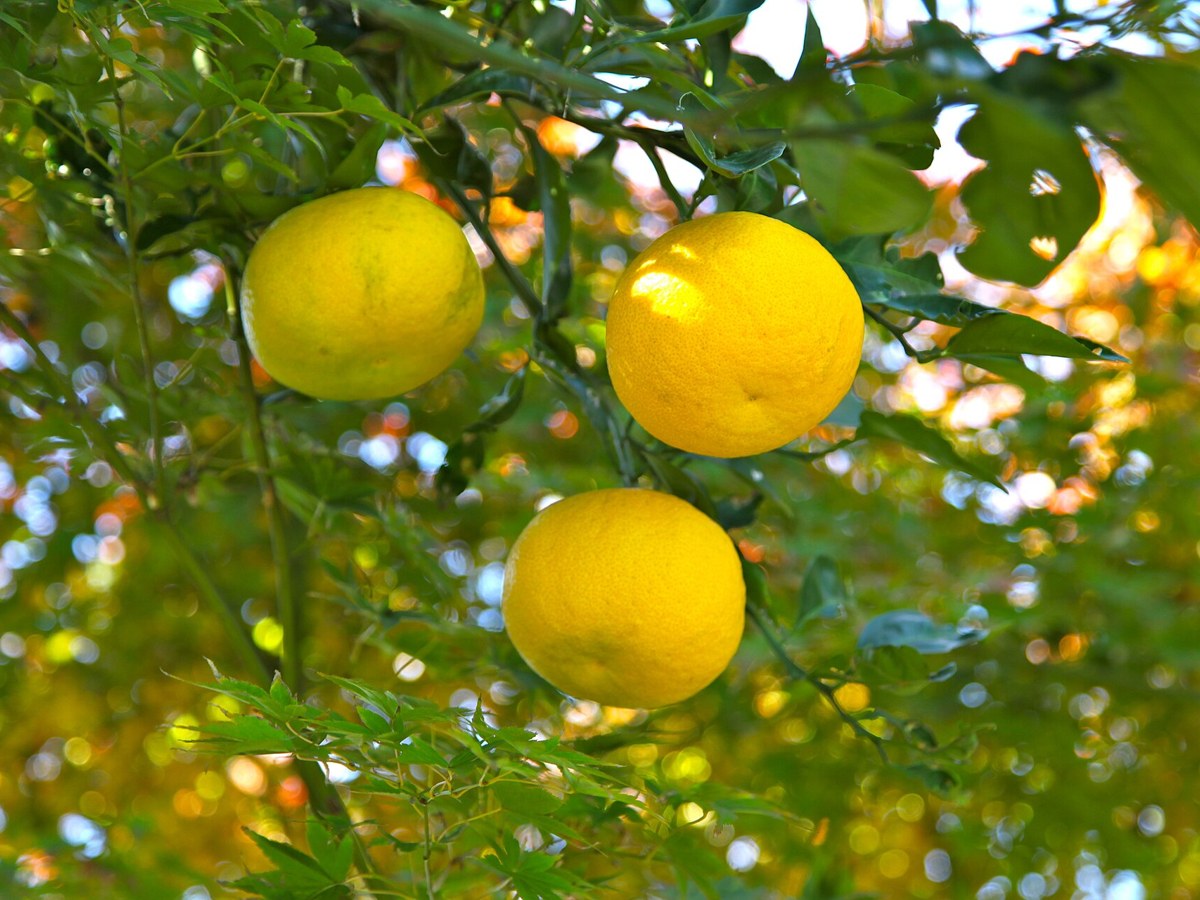
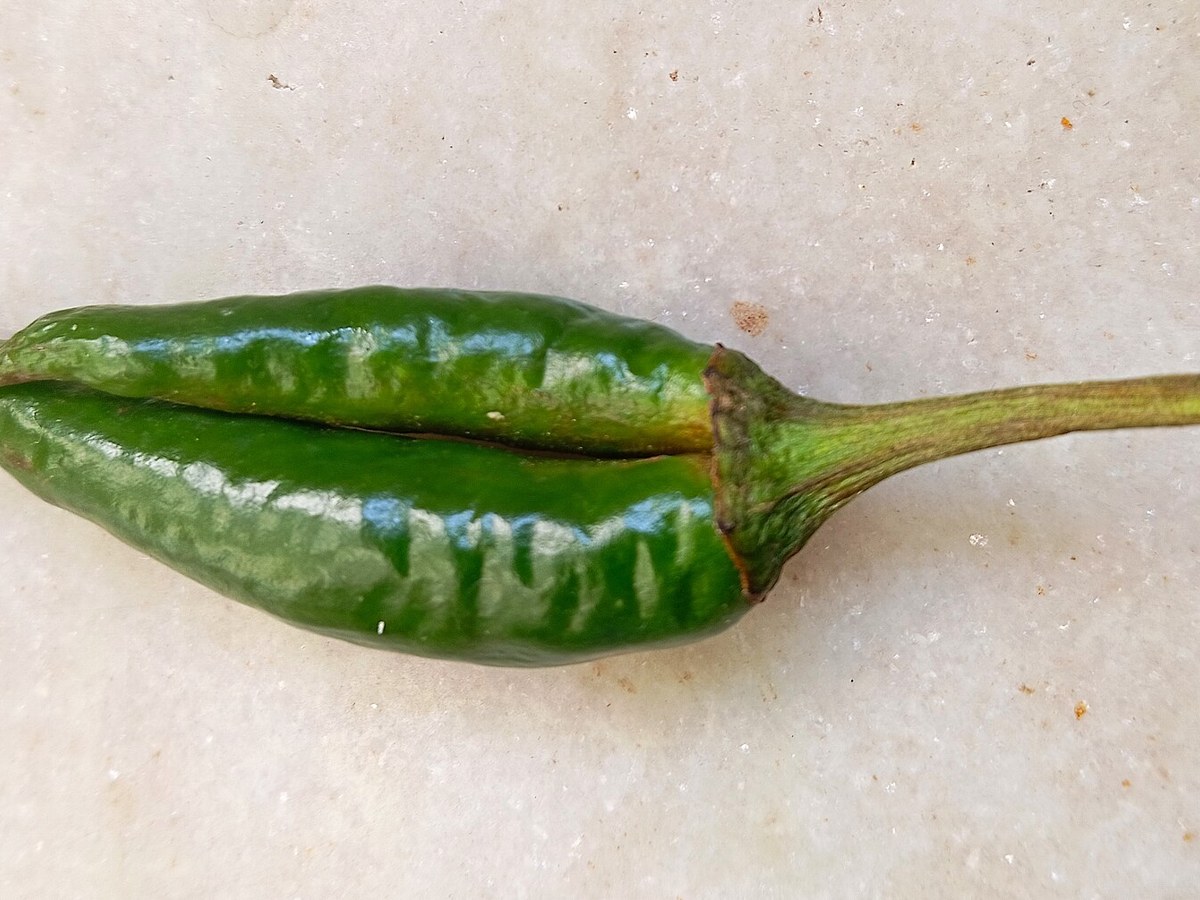
From farmhouse jar to Yufuin souvenir to factory
The paste itself is older than its name in commerce: a mountain-household way of keeping yuzu peel useful past its season. Its commercial life began about fifty years ago at Yufuin, Oita's elegant hot-spring town, where the jars were sold as a novelty souvenir — Kyushu's answer to a hot sauce — and travellers carried the idea home in their luggage.
Fundokin of Usuki, a major Kyushu producer of sauces and condiments, was the first company to produce it, and the factory bottle standardised what farmhouses had made by feel. The farm version never died: Oita makers such as Kushino Farm still build theirs from pesticide-free yuzu and handpicked green chillies grown in Oita, salted within a day of harvest and fermented a year or more.
Practical details: prices and how much to use
Fundokin's green yuzu kosho, 50 g bottle, sells at ¥403 at Yodobashi, with marketplace checks from ¥444; the red 50 g starts around ¥564. Brand guides put mainstream makers' small bottles at roughly ¥300–600 — this is among the cheapest souvenirs in this collection, and deliberately so: a bottle is a two-month supply, not a weekend's eating.
Use it the Kyushu way, in dabs. Half to one teaspoon seasons a bowl of soup or a plate of grilled chicken; a pea-sized smear is the correct first dose for sashimi or a hot pot. Stirred into miso soup, udon broth or pasta it disappears as perfume; left in a lump it will teach you respect. Refrigerate after opening — the paste is raw, salted and alive with citrus oil, and its brightness is the first thing to fade.
The condiment that measures Kyushu
Every region in this collection has a flavour it reaches for without thinking, and Kyushu's is this green dab. It works the way wasabi works — as punctuation, not sauce — but where wasabi is a mountain luxury, yuzu kosho is a hedge fruit and a garden chilli: the cheapest possible ingredients, made valuable purely by proportion and keeping quality.
That economy explains its spread better than any marketing could. A paste that costs almost nothing, keeps for months and transforms plain grilled food was never going to stay in the mountains of Oita. What the region kept, even as the bottles went national, is the dialect in the name — kosho that means chilli — a small flag planted in every supermarket in Japan.
Scope: what 'limited' means here
The limits are stated plainly: yuzu kosho is made across Kyushu today, and this page claims Oita's documented role — the Yufuin souvenir trade and Fundokin's first commercial production — not an exclusive invention. Within that scope the claim is exact: a three-ingredient Kyushu paste, commercialised in Oita, still made in Oita from Oita fruit by farm producers.
Sources — checked 9 November 2026
- The Jazz Chef: Fundokin Yuzu Kosho — Midori (Green)
- Pickslog: Yuzu kosho brand comparison (Kawazu, Fundokin, Umaji, Katori)
- Yodobashi.com community: Fundokin green yuzu kosho 50 g
- Kokoro Cares: Yuzu kosho (citrus chilli paste), Kushino Farm, Oita
Original prose and official links only; no source text or maker media reproduced. Photos are credited Creative Commons works, not product photographs.
Editorial review 2026-11-09