Craft
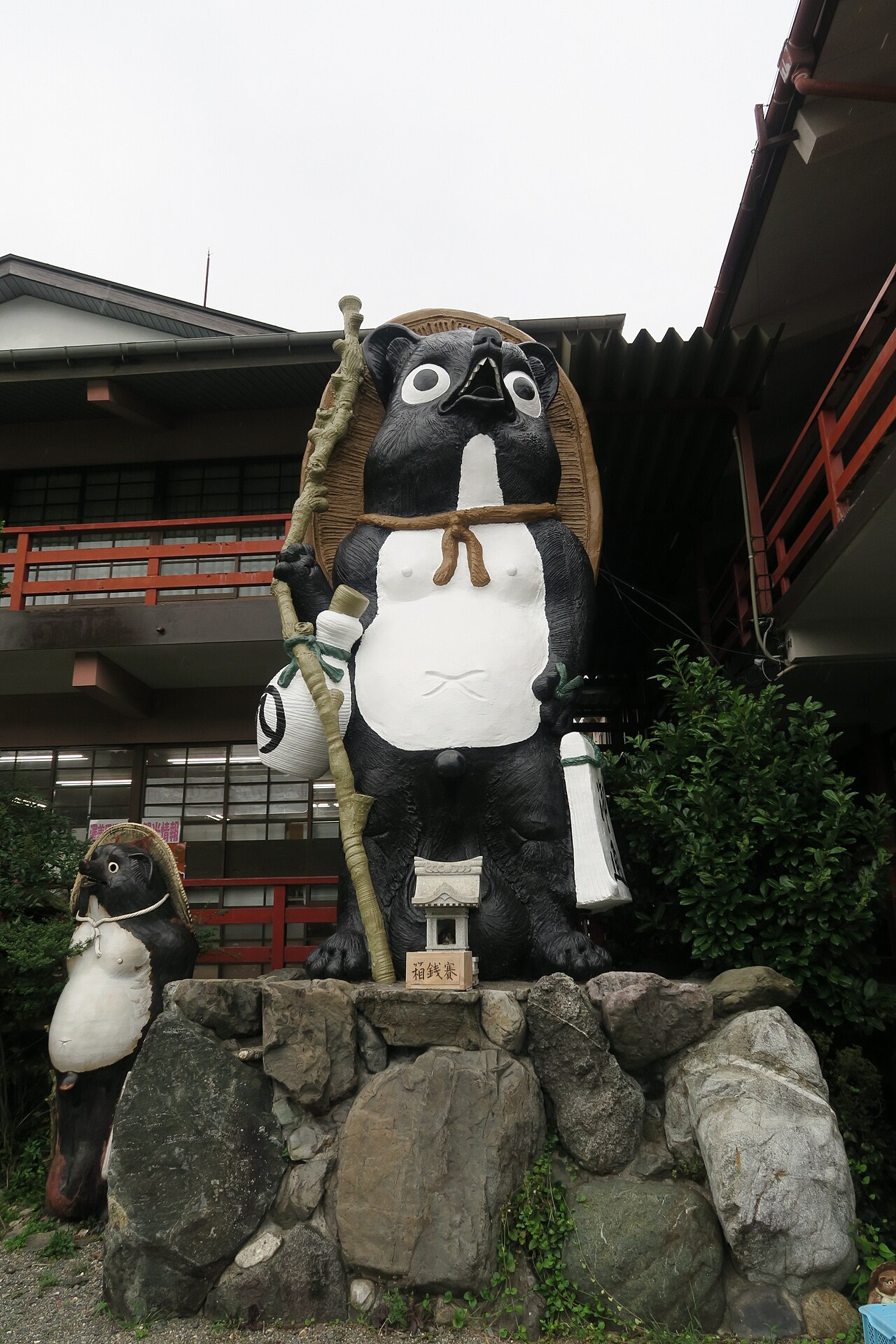
Shigaraki: a tanuki in the shape of a mug
The black Shigaraki mug links a local pottery tradition to daily use. Its regional scope belongs to a named JIMOTO Made product, not every mug with a Shiga connection.
Hub · Craft
Kilns, foundries and lacquer workshops whose named pieces are regional limited editions of their home towns — plus two venue shops that turn craft into souvenirs. Where to buy each piece, and what it costs, is in every story.
9 of the collection's 30 stories belong to this hub. Open any card for the full story: price, where to buy, official online sales and the dated sources behind the edition claim.
Craft
The black Shigaraki mug links a local pottery tradition to daily use. Its regional scope belongs to a named JIMOTO Made product, not every mug with a Shiga connection.
Craft
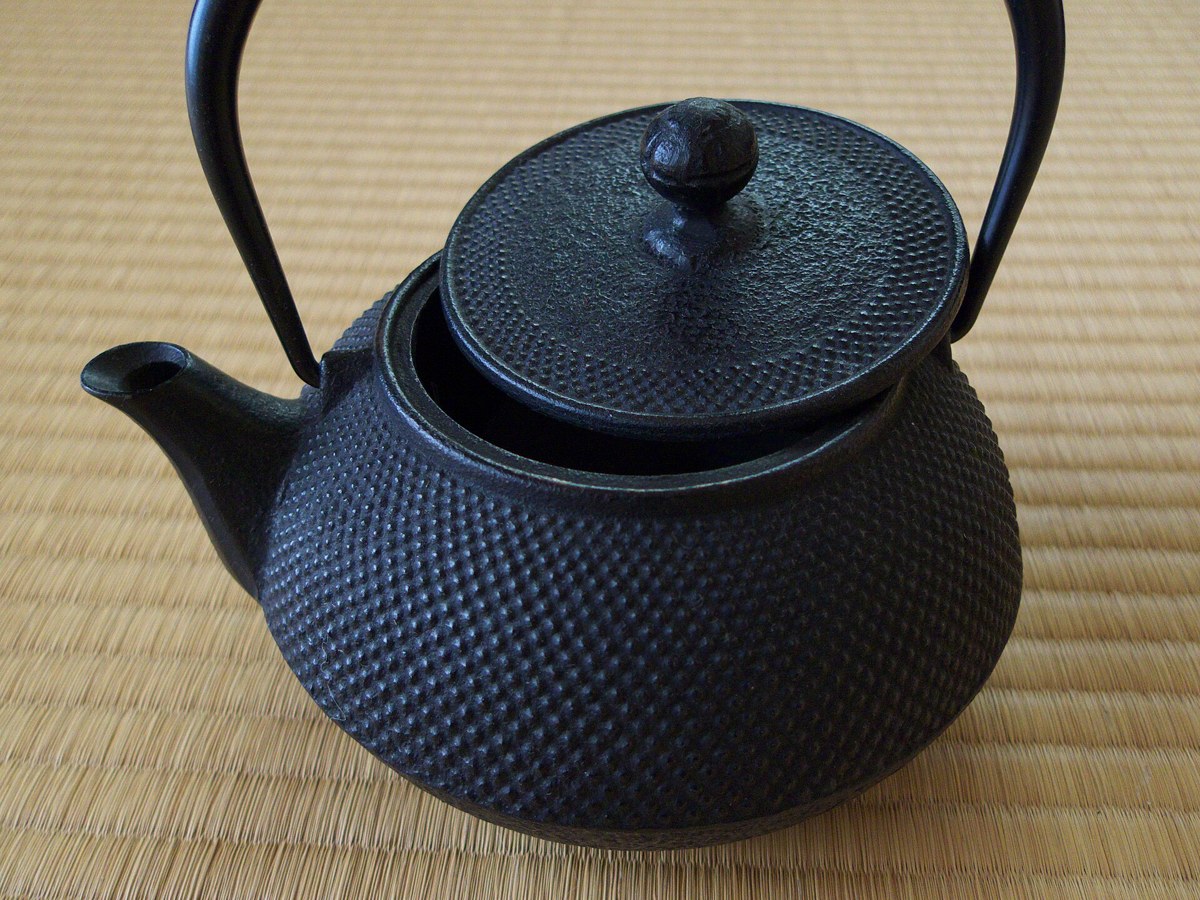
Morioka's cast-iron tradition in one object: Iwachu's 5-gata teapot-kettle (0.65 L, strainer, hobnail relief), catalogue-listed at ¥11,000 — Nanbu Tekki, a designated Traditional Craft since 1975.
Craft
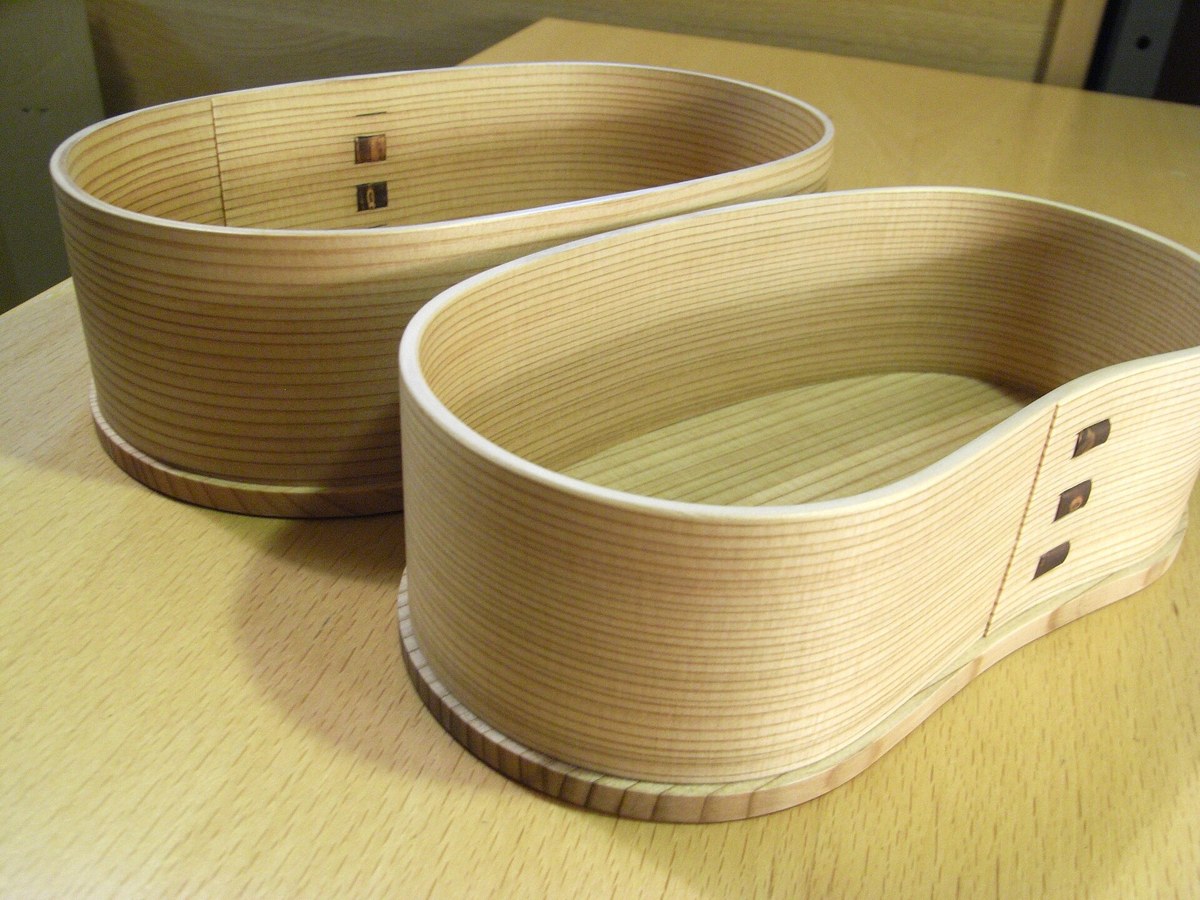
Akita cedar bent and stitched with cherry bark in Ōdate: Ōdate Kōgeisha's oval bento box (medium, 640 cc) at the maker's published price of ¥9,898 — a designated Traditional Craft, made under one roof since 1959.
Craft
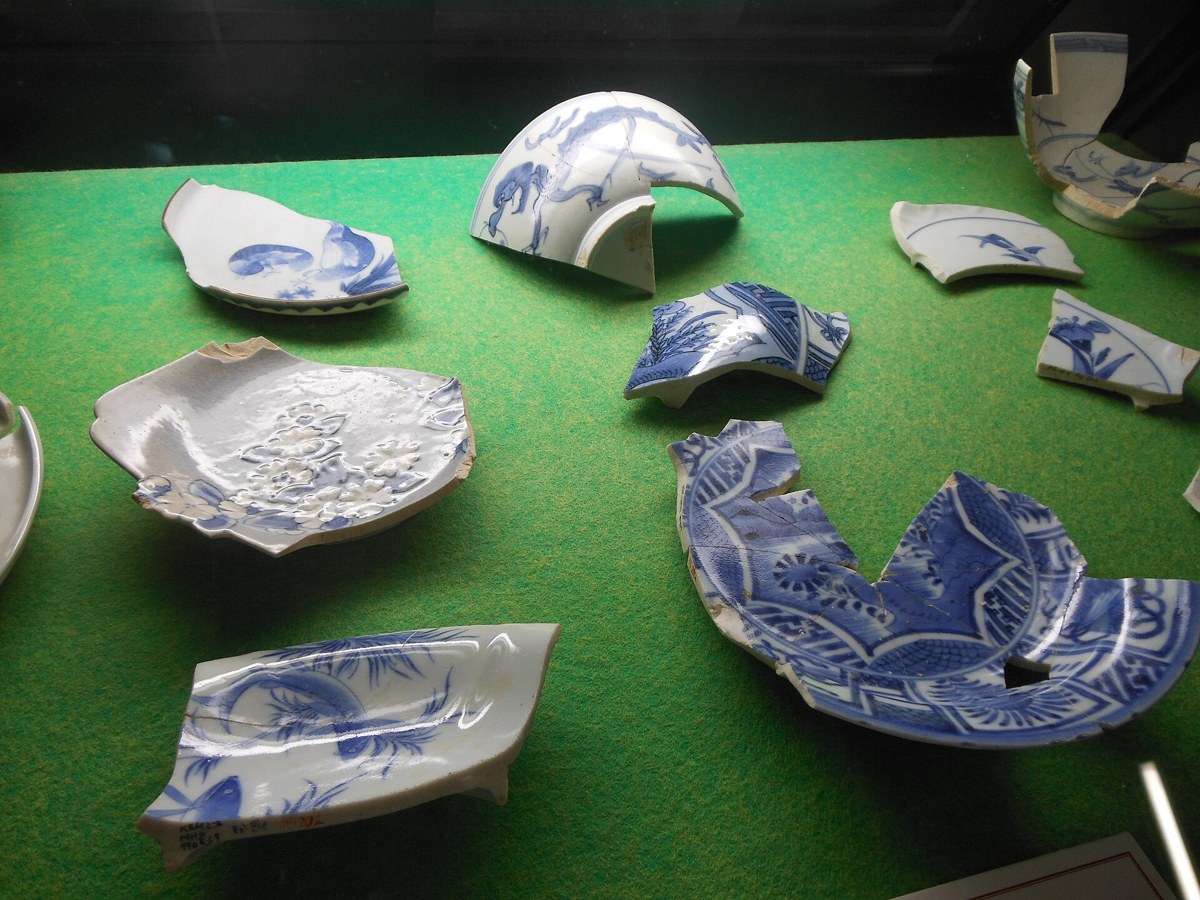
Arita ware is the porcelain of Arita, Saga — Japan's first porcelain district, four centuries old. A documented Saikaitoki Seishu-kiln sometsuke rice-bowl set is listed at ¥2,020; small dishes in the town run roughly ¥2,000–¥10,000. By definition it is made in Arita and its neighbouring kilns, nowhere else.
Craft
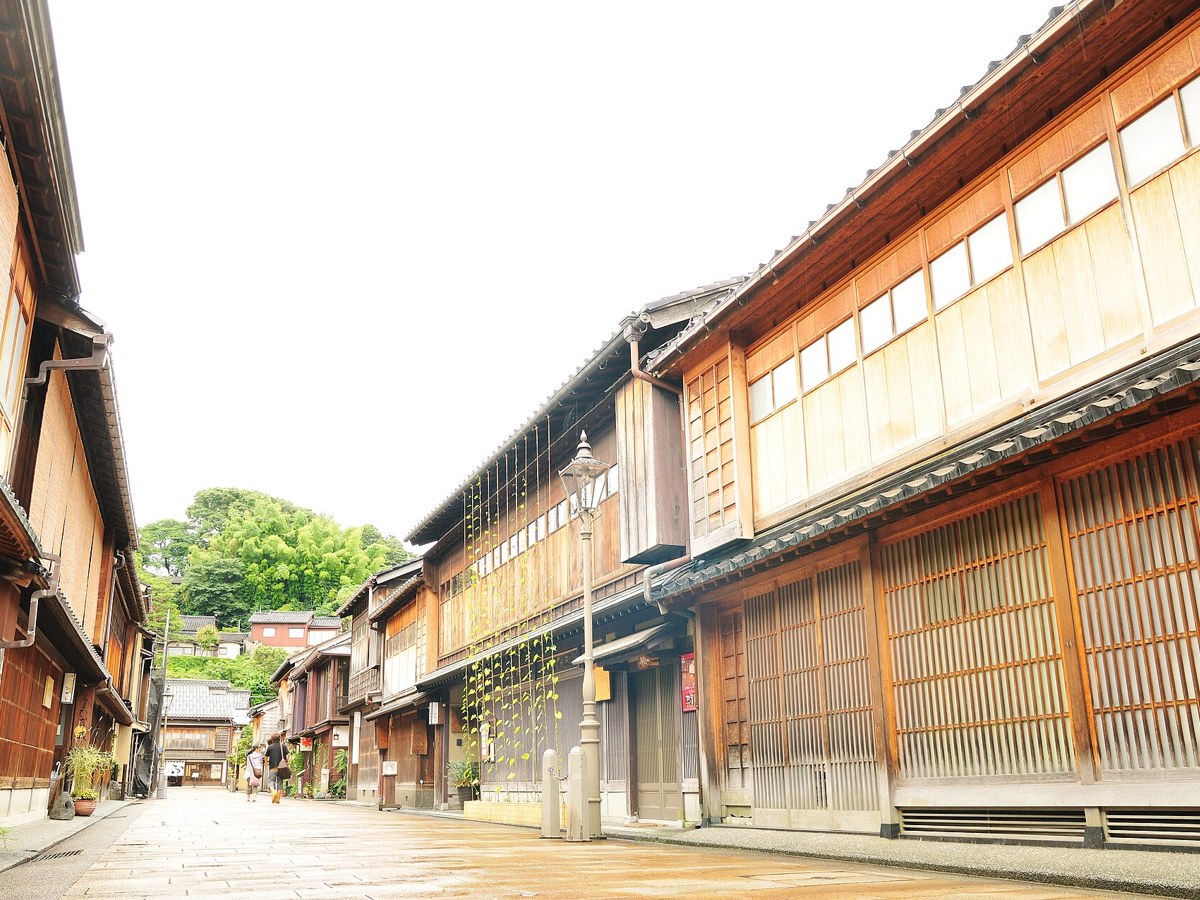
Kutani ware is the overglaze enamel porcelain of southern Ishikawa, begun in 1655 and painted in five vivid colours. Small cups in Kanazawa's Higashiyama shops run ¥2,000–¥8,000; you can paint your own at the Kosen Kiln in Nomi for ¥2,500–¥5,000. It is made in Ishikawa's kilns — Kanazawa, Komatsu, Kaga and Nomi.
Craft
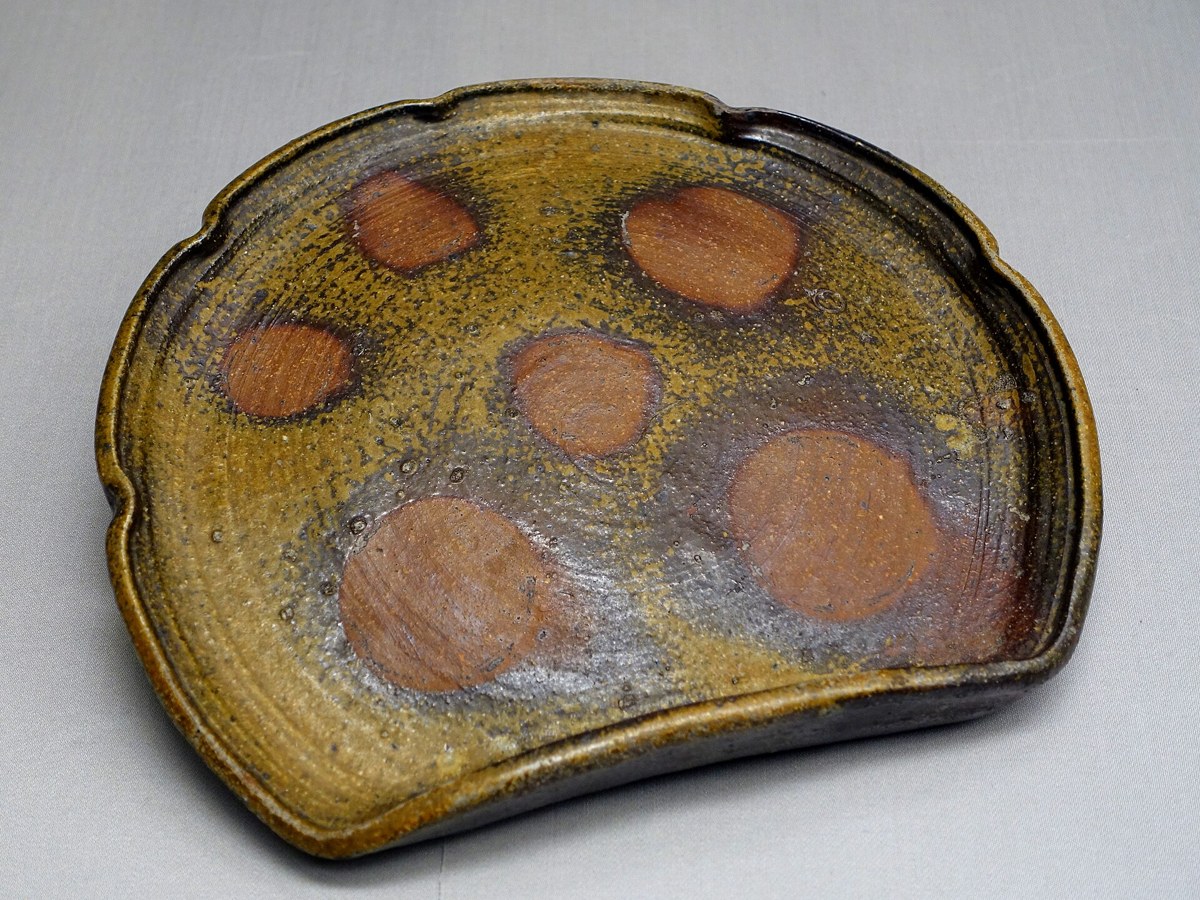
Bizen ware is Japan's most uncompromising pottery: unglazed stoneware fired for weeks in wood kilns in Imbe, Bizen City — and, as its potters state, it cannot be Bizen ware if it is made anywhere else. A kiln-transformed sake cup by potter Shibuta lists at US$139; a limited cup edition (100 pieces every six months) at US$68.
Craft
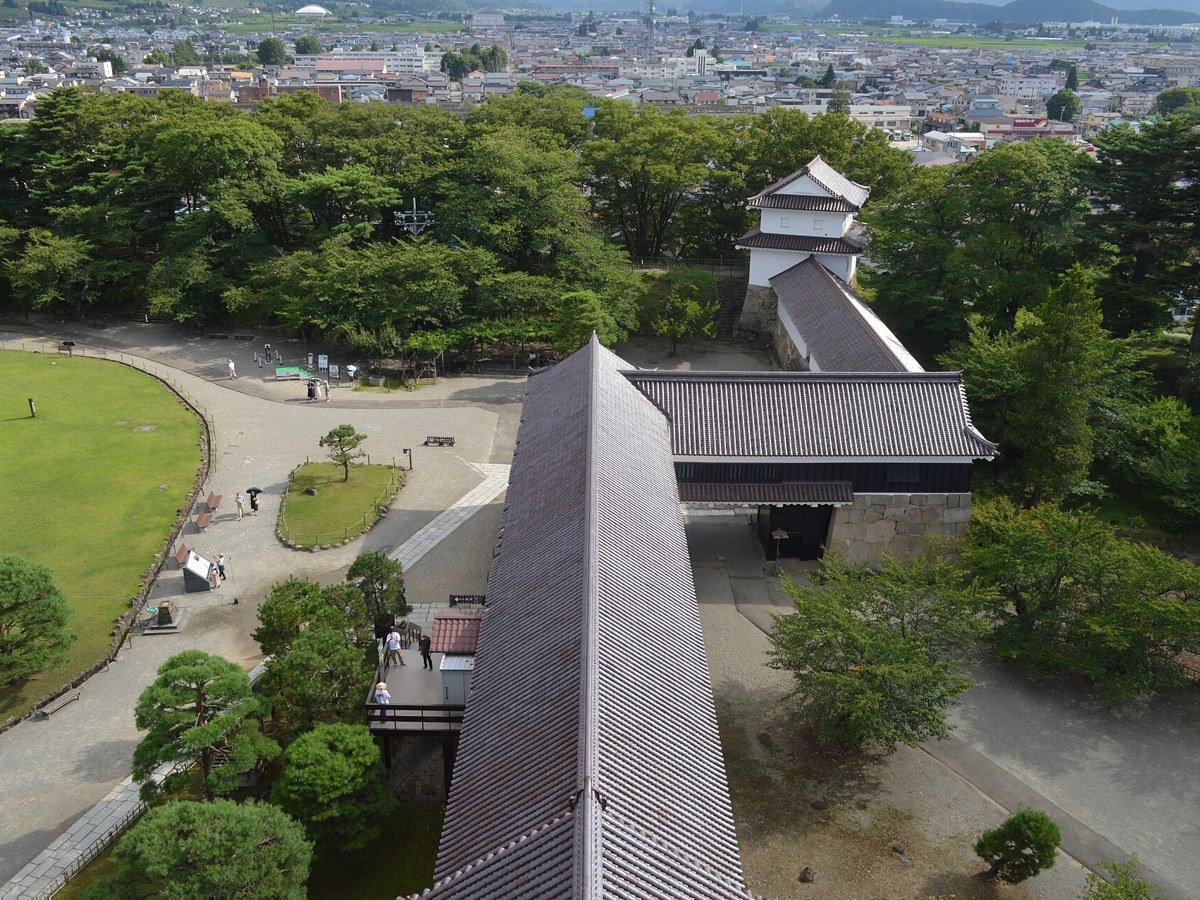
Aizu lacquerware (Aizu-nuri) is the urushi craft of Aizuwakamatsu, Fukushima — lacquer trees promoted since the Muromachi period, decoration in Aizu-e flower painting and maki-e gold. At Suzuzen, the craft's museum-store in the city centre, visitors paint their own piece from ¥2,400. The ware is made in the Aizu region and sold from its historic streets.
Craft
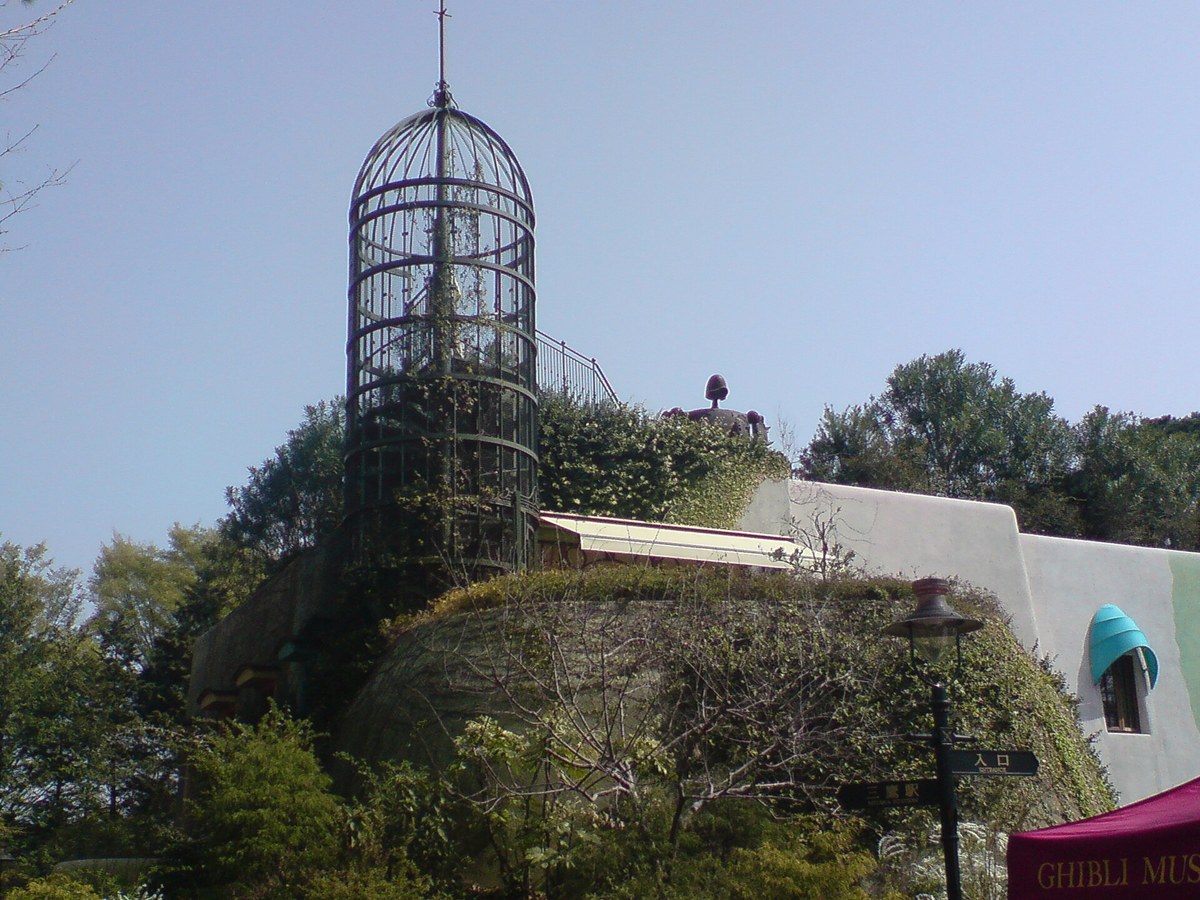
The Ghibli Museum's shop, MAMMA AIUTO!, sells goods original to the Museum — postcards, plush, stationery and handcrafted pieces not available anywhere else — to ticket holders only, inside the museum in Mitaka's Inokashira Park. Most items run ¥500–¥3,000, and there is no official online shop for the Museum originals.

Craft
Inside Okinawa Churaumi Aquarium, the Blue Manta shop and the capsule machines sell goods made for this aquarium alone — above all its cup-edge figurine series: seven designs (whale shark, turtle, ray, clownfish and a hidden squid) at ¥400 a turn, sold only inside the aquarium, with the official Umichurara store in Naha as the second chance.
Membership of this hub is generated from the site catalogue, whose exclusivity statements were checked against maker and venue sources between 5 and 7 November 2026. Availability is not monitored in real time; confirm stock with the shop before travelling.