Japan learned porcelain in one town. Arita, in the hills of western Saga, is where porcelain stone was found at Izumiyama in the early 1600s and where Japan's first porcelain was fired — four hundred years later, 'Arita ware' still means porcelain made in and around that town. A blue-and-white rice-bowl set from the Seishu kiln, documented in a current buying guide, lists at ¥2,020.
White clay, blue brushwork
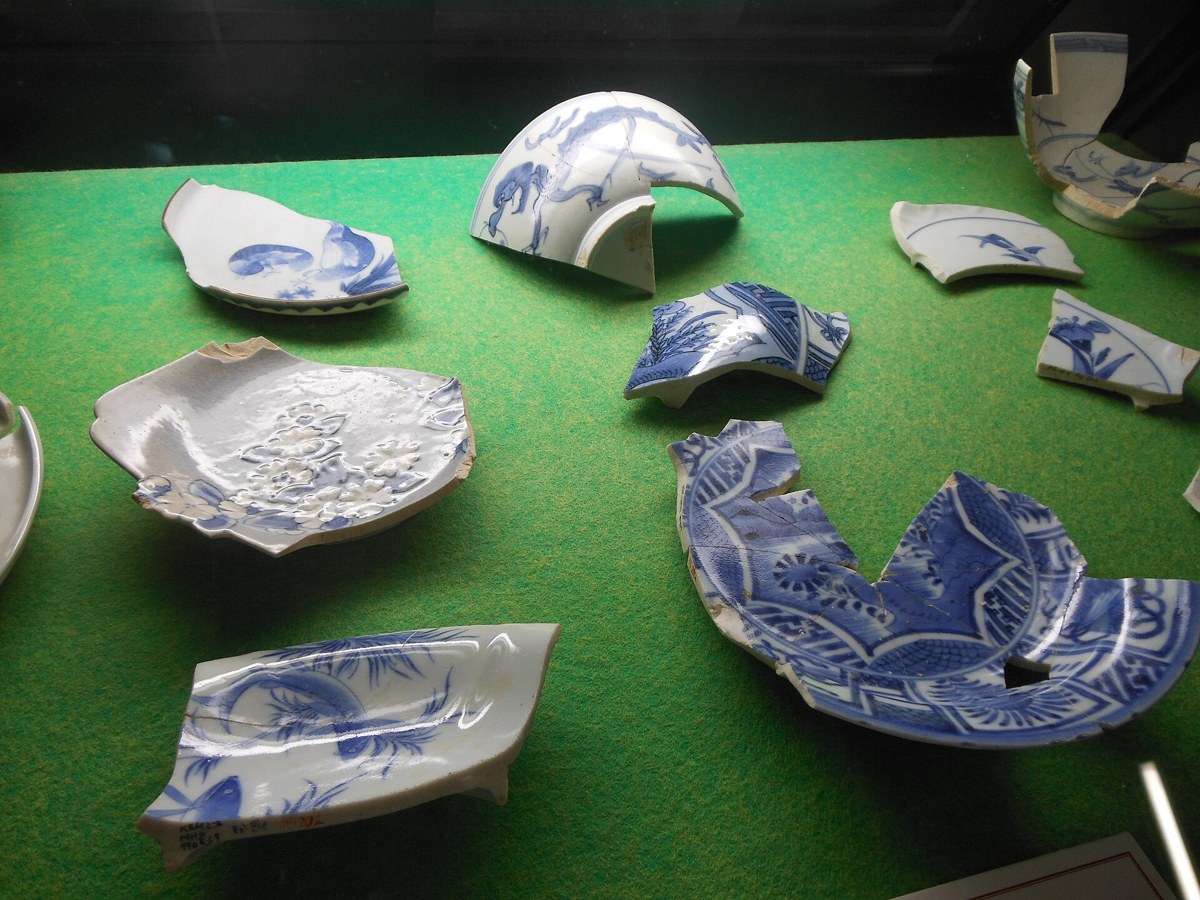
Sometsuke — cobalt blue painted under a clear glaze on white porcelain — is Arita's signature sentence. The white body is the town's argument: porcelain stone ground, washed and formed into a surface so clean that a brushstroke reads like ink on paper. Around that core the town developed its famous dialects — Kakiemon enamel colours, Nabeshima ware for the clan's gifts, Imari ware named for the port it shipped from — but the blue-and-white bowl remains the everyday masterpiece.
A rice bowl is the right scale to meet the craft. It is the most-handled object in a Japanese kitchen, and Arita has spent four centuries refining it: the foot ring, the weight, the way the pattern — five traditional patterns in the documented set — turns in the hand. The guide pricing this set notes its listing does not confirm whether decoration is hand-painted or transferred; that honesty is part of buying Arita well, and prices rise steeply when a kiln signs the brushwork.
A town built of kilns
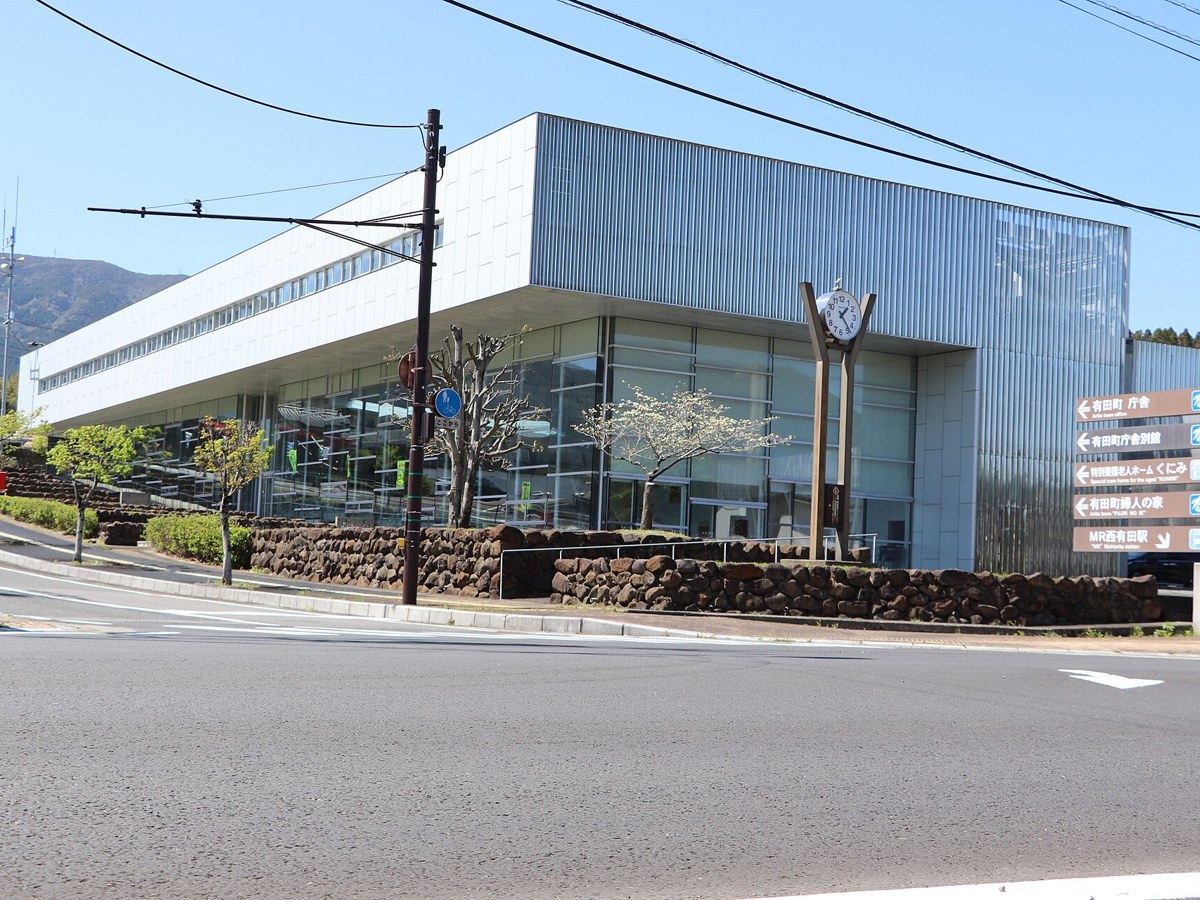
Arita's streets are a production system made visible: clay shops, kiln chimneys, porcelain wholesalers and the great ceramic shrine of Tozan Shrine, whose gate is porcelain. The Kyushu Ceramic Museum keeps the district's masterworks; the spring Arita Ceramic Fair turns the whole town into a market. Visiting buyers move between working kilns — Shingama and others — where pieces run from everyday dishes at a few thousand yen to signed works in another economy entirely.
Saikaitoki, the maker of the priced bowl set, is one of the district's established porcelain houses (Seishu kiln), producing the affordable end of that range: Japanese-made, microwave- and dishwasher-safe tableware in the five-pattern assortment the listing documents. This is Arita's quiet strength — the same district supplies museum shelves and student apartments, and the town's name guarantees the material either way.
Practical details: price, sizes, where to buy, online sales
Price and sizes (checked 7 November 2026): the documented Saikaitoki Seishu-kiln sometsuke rice-bowl set — bowls of about 12 cm diameter in a five-pattern assortment — is listed at ¥2,020. In Arita itself, dishes commonly run ¥2,000–¥10,000 and tea cups from around ¥3,000, with signed and collector pieces far above. Prices are per listing and kiln; confirm decoration method (hand-painted or transferred) when it matters to you.
Where to buy: the kilns and porcelain shops of Arita Town, Saga (nearest station: JR Arita, Sasebo Line), the Kyushu Ceramic Museum shop, and specialist dealers in Japan and abroad. Official online sales: Arita ware is widely sold online by dealers — the regional limit is on production, not sale. Type of edition: regional edition (production place defines the ware).
The first porcelain address
Every porcelain district in Japan after Arita — Kutani, Kutani's rivals, the Mino kilns — worked in the knowledge that Arita had done it first. That seniority is the town's real product: buying Arita ware buys the origin point of an entire national craft, in a form as humble as a rice bowl. This collection's other kilns answer it from their own ground — Bizen with unglazed fire, Shigaraki with ash and clay — but Arita's claim is chronological and total.
For the traveller, Arita rewards slowness. Go for the Ceramic Fair if you can; otherwise walk the kiln streets, handle bowls at three price levels, and let the town teach your hand the difference between a ¥2,020 listing and a signed piece. The bowl you choose will carry the town's name correctly only if it was made there — which, in Arita, is the one thing every seller can tell you.
Scope: what 'limited' means here
Arita ware is porcelain produced in and around Arita Town, Saga Prefecture — Japan's first porcelain district — as defined by the craft's own references checked 2026-11-07. It is sold nationally and internationally; the limit documented here is the place of making. Individual listings' piece counts and decoration methods are as stated in the sources.
Sources — checked 7 November 2026
- Japan Mono buying guide: Arita ware sometsuke rice bowl by Saikaitoki (Seishu kiln), ¥2,020
- Visit Inside Japan: Arita porcelain and café homes — prices and kilns
- Utsuwabi: Arita ware plate listing and the craft's definition
Original prose and official links only; no source text or maker media reproduced. Photos are credited Creative Commons works, not product photographs.
Editorial review 2026-11-07