Lacquer is tree sap turned to armour: coat, cure, coat again, until wood disappears under a surface that can outlast the tree it came from. Aizu lacquerware — Aizu-nuri, from Aizuwakamatsu in western Fukushima — decorates that surface with Aizu-e, bright floral painting in the region's own hand, and maki-e, pictures dusted in gold. In the city centre, Suzuzen's museum-store lets you try the painting yourself, from ¥2,400.
Sap, gold and peonies
Aizu's lacquer tradition begins with forestry: from the Muromachi period (1336–1573) the ruling clan promoted planting lacquer trees across the Aizu basin, securing the raw urushi that most regions had to import. On that foundation the region built a complete craft — woodturners for the bodies, lacquerers for the coats, and decorators for Aizu-e, its signature painting of peonies, plums and other auspicious flowers in clear, cheerful colour.
Beside Aizu-e stands maki-e, the aristocrat of lacquer decoration, in which the picture is drawn in wet lacquer and dusted with gold or silver powder before it cures. Aizu workshops practise both registers — festival-bright tableware for daily use and gold-dusted presentation pieces — which is why the craft fills both kitchen shelves and gift boxes in its home city, a lacquerware for use rather than only for ceremony.
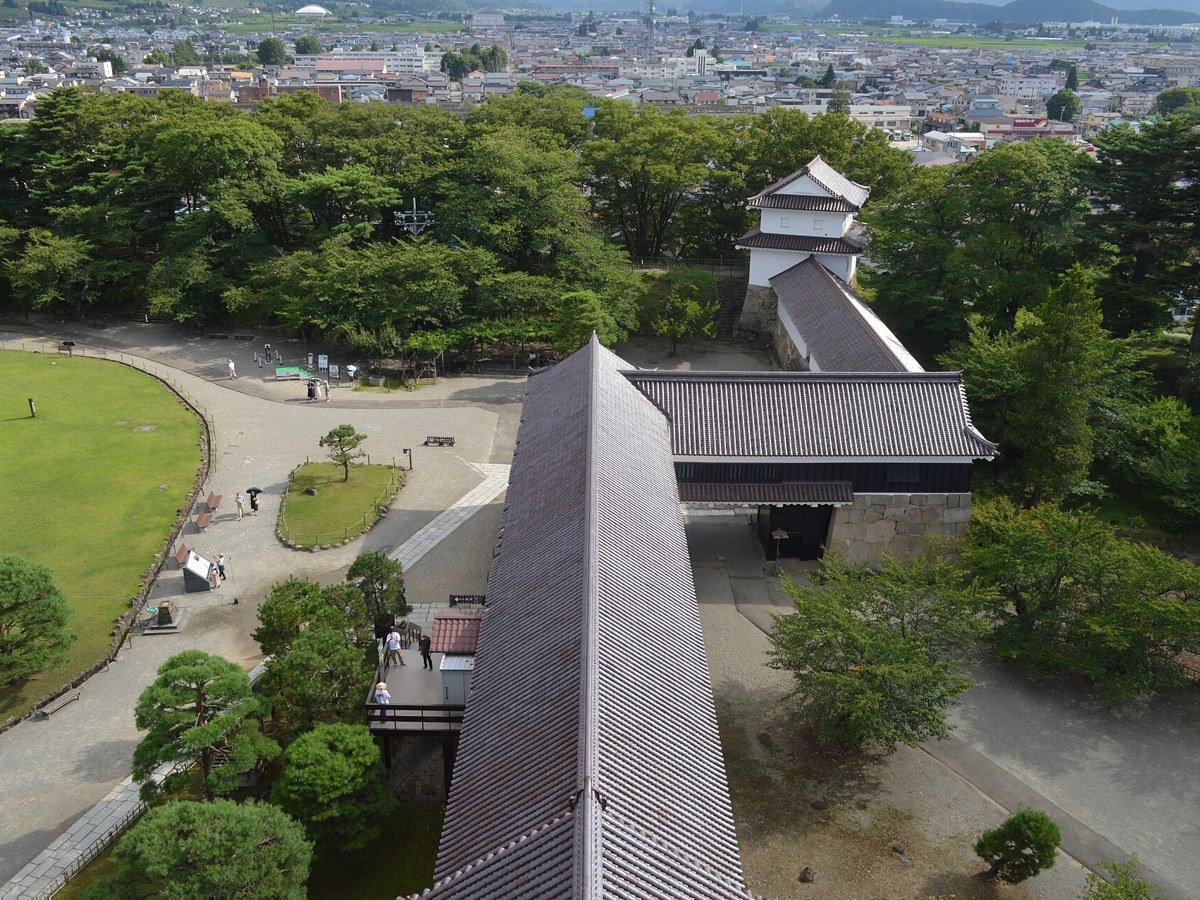
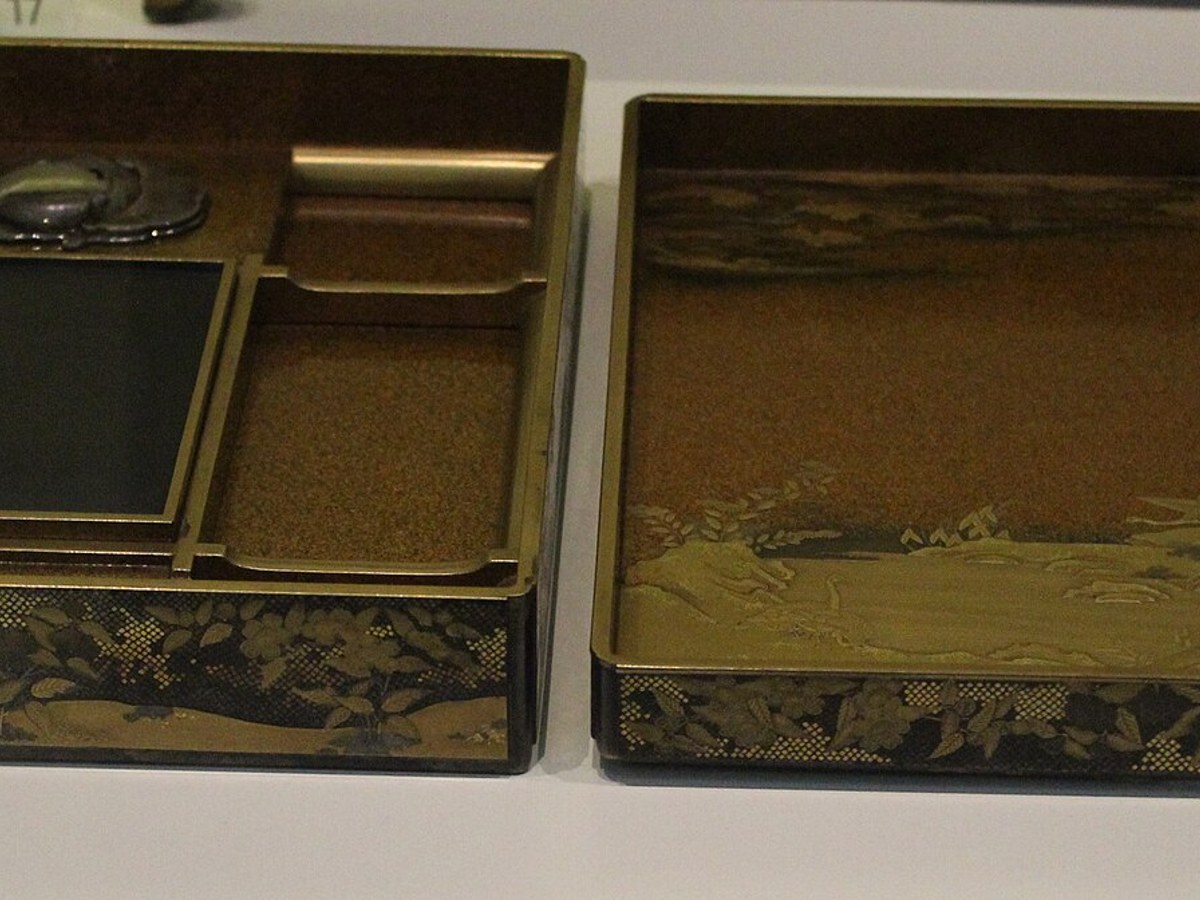
Nanukamachi-dori and Suzuzen
Aizuwakamatsu sells its craft from a handsome address: Nanukamachi-dori, a street of preserved storehouses and early-modern facades lined with lacquer shops — Studio Suzuran, which coats glassware in lacquer; Seki Lacquerware, a maker of over a century's standing; and Shirokiya, whose Renaissance-style store displays more than a thousand pieces and keeps a free museum of the craft upstairs.
The craft's headquarters is Suzuzen, in the city centre at 1-3-28 Chuo: part shop, part museum — a 'lore storehouse' of Aizu lacquer history, an 'art storehouse' of masterworks, and an experience space where visitors paint maki-e and Aizu-e designs onto blank pieces under a craftsman's guidance, from ¥2,400 for adults. Aizu is counted among Japan's leading lacquer regions, and its city has arranged the whole craft — trees to tableware to your own attempt — within a walkable centre.
Practical details: price, where to buy, online sales
Price (checked 7 November 2026): finished Aizu lacquerware is priced per piece — small decorated items in the Nanukamachi shops run from under ¥500 (an okiagari-koboshi charm at Seki) through everyday bowls and chopsticks to gold-leaf presentation pieces at the top of the range; international specialist listings price Aizu pieces individually (a collection listing from US$137). The Suzuzen painting experience — the craft tried first-hand — is ¥2,400 for adults and ¥1,400 for children.
Where to buy: Nanukamachi-dori lacquer shops and Suzuzen (1-3-28 Chuo, Aizuwakamatsu; open 10:00–17:00 per ANA's planner), in the Aizu region. Official online sales: Aizu lacquerware is distributed across Japan, exported, and sold online by specialists — the regional limit is the Aizu making tradition. Type of edition: regional edition (Aizu region, Fukushima).
A craft that survived its castle
Aizuwakamatsu is remembered nationally for 1868 — the Boshin War, the burning castle, the Byakkotai. The lacquerware is the city's other, longer story: a craft economy that predates the war by centuries and outlasted it, because bowls and chopsticks are needed in every regime. Buying Aizu-nuri in Nanukamachi is buying from the peacetime tradition of a city famous for a war.
For the traveller, Suzuzen's experience storehouse is the recommendation this article most wants to make. Painting a small piece — badly, happily, under a master's eye — teaches more about urushi in an hour than a shelf of finished bowls: the patience of the coats, the nerve of the gold dust. Then the shops' prices read as what they are: time, sold by the layer.
Scope: what 'limited' means here
Aizu lacquerware is the urushi craft originating from the Aizu region in western Fukushima, per the craft references checked 2026-11-07; it is distributed and exported beyond the region. The limit documented here is the place and tradition of making. Experience and piece prices are as cited in the sources.
Sources — checked 7 November 2026
- Musubi Kiln: Aizu lacquerware — origin, Aizu-e and maki-e, Muromachi lacquer-tree promotion
- ANA Japan Travel Planner: Suzuzen lacquerware, Aizuwakamatsu — address and hours
- Tsunagu Japan: Fukushima crafts tour — Suzuzen museum and painting experience prices
Original prose and official links only; no source text or maker media reproduced. Photos are credited Creative Commons works, not product photographs.
Editorial review 2026-11-07