Masking tape was industrial — beige, boring, made to be removed — until three women visited a Kurashiki factory in 2007 with a book of things they had made from it. Kamoi Kakoshi answered with mt, the first decorative washi tape, in 2008. Once a year the factory opens its doors: the Factory Tour, about two weeks each March, where visitors watch tape being wound and buy designs made only for the tour.
The book that changed a factory
Kamoi Kakoshi, founded in Kurashiki in 1923, made flypaper first and industrial masking tape for most of a century. In 2007 three women asked to tour the plant, carrying a small book of crafts made with coloured masking tape. The company had never imagined its product as a creative material; the book argued otherwise. Kamoi hired a graphic designer, listened to the trio, and by November 2008 had launched mt in twenty colours with what it called strong Japanese overtones.
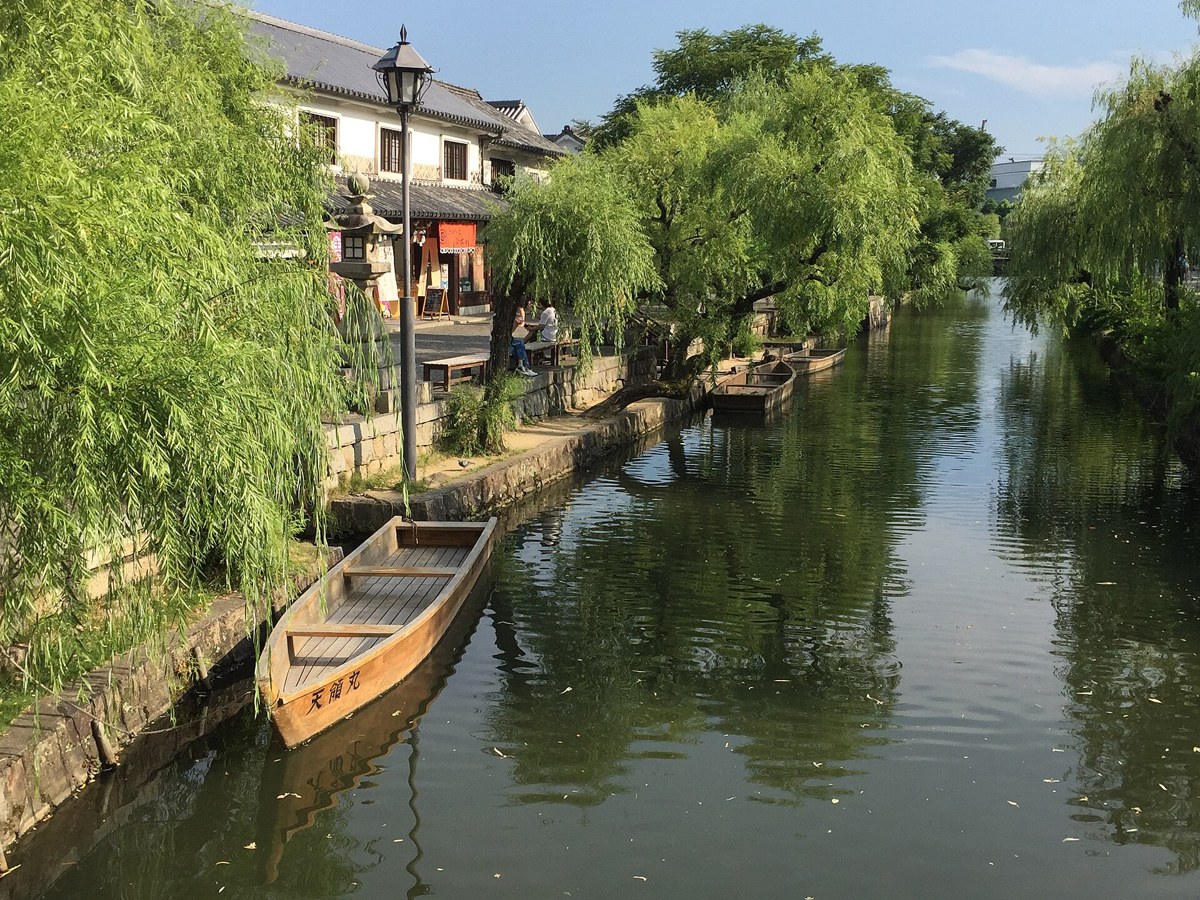
The brand was run like an art project from the start — premium branding, special events, limited editions — and it worked: washi tape became a global stationery category, and 'mt' became its generic name in much of the world. Kurashiki, a canal town of white-walled storehouses, became a pilgrimage site for tape collectors, its Bikan Historical Quarter full of shops selling rolls by the metre and by the design.

Two weeks in March
Since 2012 the company has opened the Kurashiki factory itself for about two weeks at the end of each March. Visitors walk the production line from winding to shipment, see the year's artist installation built from tape, and browse roughly 3,000 standard and limited-edition designs in the tour shop — including tapes made for the tour, which are the objects of this article. Demand is the constraint: for the sixth tour, in 2017, three applications arrived for each of the 12,000 places.
The tour matters because it reverses the usual souvenir geography. Instead of a famous product made somewhere anonymous, mt's home address is the attraction: the factory is the shop, the process is the exhibit, and the limited tape is the ticket stub you can stick in a notebook. JNTO now presents Kurashiki outright as 'the birthplace of Japanese masking tape'.
Practical details: price, where to buy, online sales
Price: Kamoi Kakoshi publishes no single official price for tour-limited tapes — designs and prices change each year — so none is listed here. Standard mt single rolls are small stationery items sold worldwide; the tour editions are priced at the factory shop during the tour.
Where to buy: the mt Factory Tour shop at Kamoi Kakoshi's Kurashiki factory, during the tour period (about two weeks in late March, by application). Year-round, mt is sold across Kurashiki's Bikan Historical Quarter and at mt events, but tour-limited designs belong to the tour. Official online sales: standard mt is sold widely online; the tour-limited editions are a factory-tour purchase. Type of edition: event exclusive (annual factory tour).
Tape as a place
Kurashiki sells two pasts at once: the Edo-period canal quarter, all white walls and willows, and a twenty-first-century stationery phenomenon born in a working factory across town. The mt story connects them — a 1923 company, a 2007 visit, a 2008 launch — close enough to living memory that the 'tradition' is still being written by the people who started it.
For the traveller, the calendar rules. March visitors should apply for the tour and treat the Bikan shops as the year-round fallback; everyone else should know that the tape in a Kurashiki shop window is not generic craft stock — it is the hometown product of a company that turned an industrial consumable into a design object, in this one city.
Scope: what 'limited' means here
The Factory Tour limited-edition tapes described here are sold during Kamoi Kakoshi's annual Kurashiki factory tour, as documented by Nippon.com's company profile checked 2026-11-07. Standard mt tapes are sold worldwide and are outside this claim. Tour dates, application results and stock unverified.
Sources — checked 7 November 2026
- Nippon.com: Kamoi Kakoshi and the mt brand — factory tours, limited editions, 3,000 designs
- JNTO Japan's Local Treasures: Kurashiki, the birthplace of Japanese masking tape
- Japan Travel: Kamoi Company's washi masking tape, Kurashiki
Original prose and official links only; no source text or maker media reproduced. Photos are credited Creative Commons works, not product photographs.
Editorial review 2026-11-07