Fine kamaboko is made from the best white fish, filleted clean. Jakoten is made from everything else — and Ehime prefers it. The south of the prefecture grinds its small fish whole, skin and bones and all, fries the paste in flat patties, and has eaten the result for four centuries. It gives Ehime its third story in this collection.
The cake that uses the whole fish
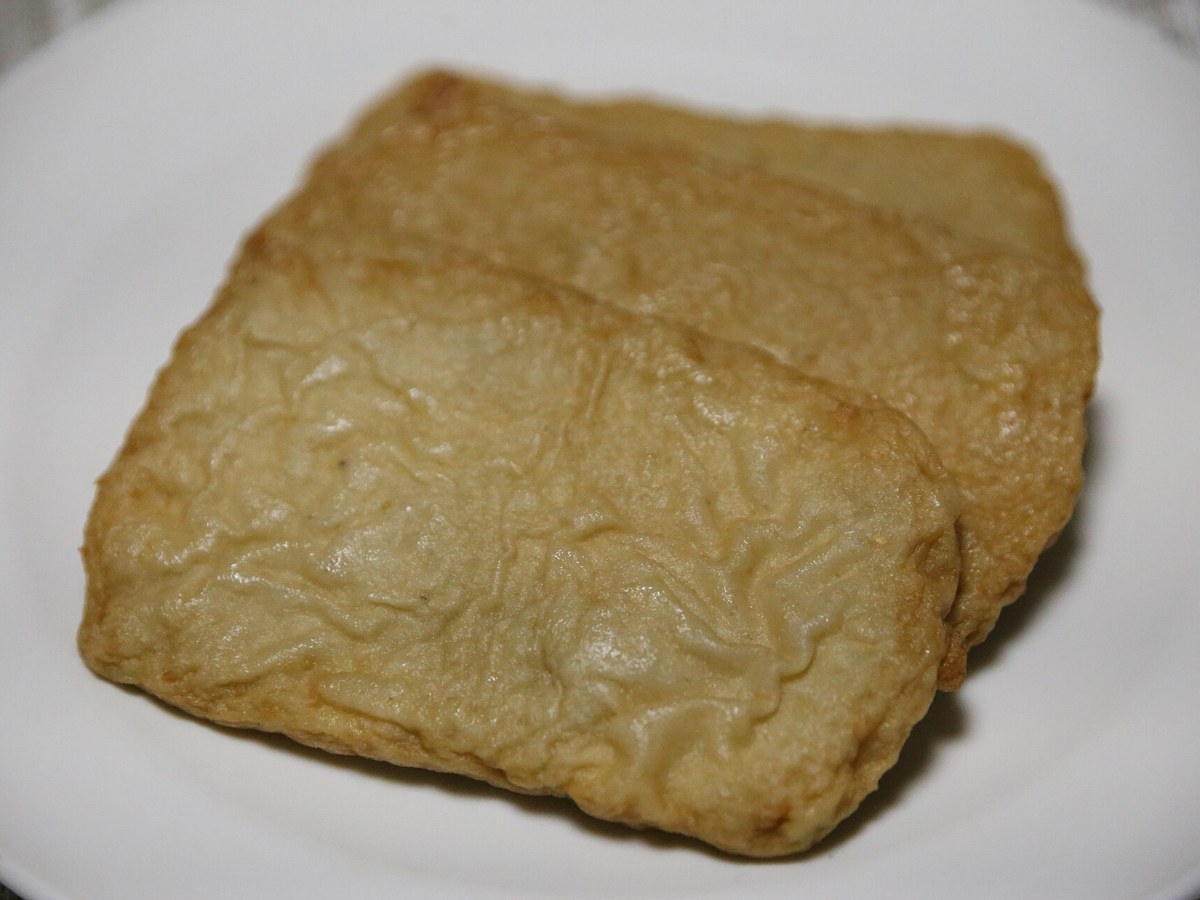
A jakoten starts where a kamaboko maker would stop. The fish are small — hotaru-jako, the little glowbelly of the Uwa Sea, is the classic main ingredient, joined by jack mackerel, goatfish, croaker and others in the prefectural portal's ingredient lists — and they go into the grinder entire: head, skin and bones included. The paste is seasoned, formed into flat oval patties and deep-fried until the outside crisps. The bones are the point, not a flaw: they give jakoten its rougher, crunchier texture and its stronger, almost roasted fish taste, quite unlike the smooth bounce of white kamaboko.
The form belongs to southern Ehime. The prefecture's own products portal, Ehime Hyakkasen, lists jakoten maker after jakoten maker with the same geography — fish from the waters off Yawatahama and Uwajima — and the national tourism account describes the same map: a specialty of the prefecture's south, sold at markets and fish shops across Ehime and eaten as a snack, a side dish, or sliced into oden and stir-fries at home.
1615: the lord who brought the fish-cake makers
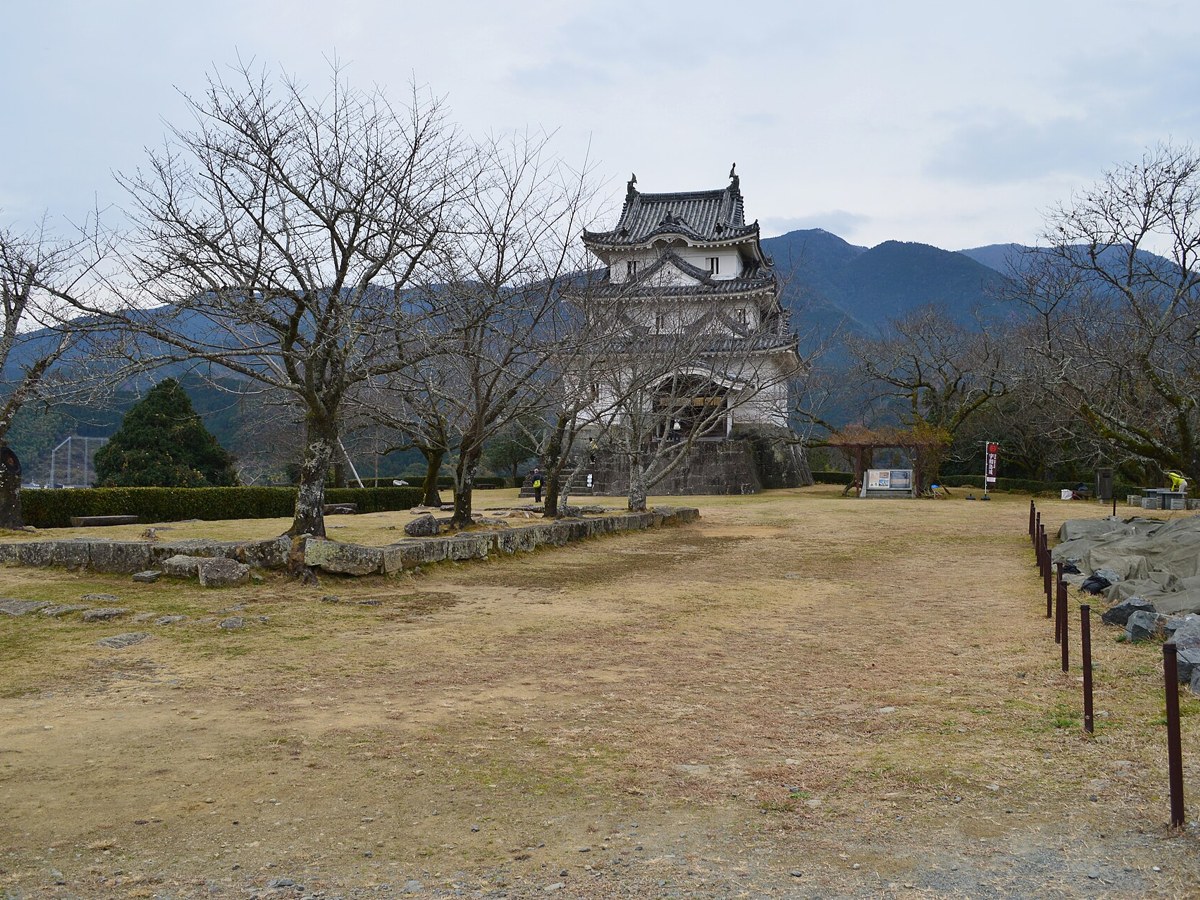
Local history gives jakoten a precise arrival. In 1615 Date Hidemune, first lord of Uwajima and a son of the great Date Masamune of Sendai, came south to his new domain bringing kamaboko craftsmen with him from Sendai. Fine kamaboko for the castle town used the best of the catch — and the small, bony fish that could not be used for it were ground whole and fried instead, a way of preserving fish that kept nothing back. The lord's luxury and the port's thrift are the same story told from two ends.
The makers are still named and dated businesses. Tanimoto Kamabokoten, founded in 1916, fries jakoten at its Dogo branch in Matsuyama as well as at home in the south; Kawachiya Kamaboko's handmade jakoten, listed on the prefectural portal with fish from Yawatahama and Uwajima, weighs 55 grams a piece. Yasuoka Kamaboko in Uwajima famously shipped jakoten as far as Akita in 2023, in a joint hot-pot set with that prefecture's kiritanpo — the two thrift foods of two distant prefectures in one pot.
Prices: the cheapest story in this collection
Jakoten is priced like the working food it is. On the prefectural portal, Kawachiya's handmade piece carries a suggested retail price of ¥160; Uwajimaya's vacuum-packed additive-free version is ¥450 for three pieces, and Tanimoto's listed pack is ¥350 for two sheets. At fish shops near Matsuyama's shopping streets, where the patties fry continuously through the morning, a single piece eaten hot costs ¥150 to ¥200 in the checked Ehime food guide — with grated ginger and a splash of soy sauce as the standard seasoning.
At Tanimoto's Dogo Onsen branch, the JAL guide lists jakoten at ¥380 and its breaded sibling jakokatsu at ¥530, tax included — the onsen-town price for the same south-Ehime craft. For taking home, the vacuum-packed six-pack is the standard souvenir at Matsuyama Station; the patties keep, travel flat, and reheat in a dry pan or a toaster oven until the edges crisp again.
How to eat it, and where it belongs
Eat the first one plain and hot, standing at the fryer if the shop allows it — that is the form at its best, crisp outside and densely fishy within. At the table it goes with ginger and soy; at home in Ehime it is sliced into oden, stir-fried in place of meat, and even curried, in the Uwajima habit the checked guides record of a 'tempura curry' built on jakoten instead of meat. Nothing about it is precious, which is precisely its four-hundred-year-old point.
Place it on the map honestly: the south is the home ground — Uwajima and Yawatahama, their ports and fish shops — while Matsuyama, the prefectural capital, is where most visitors meet it, at Dogo Onsen and the station. Either way the patty in your hand is the same southern form, made from the Uwa Sea's small fish, and priced so that nobody has ever needed a special occasion for it.
Sources — checked 10 November 2026
- Ehime Hyakkasen (Ehime Prefecture products portal): Kawachiya Kamaboko handmade jakoten
- Ehime Hyakkasen: Uwajimaya vacuum additive-free jakoten, 3 pieces
- Japan National Tourism Organization: Ehime's local flavours — jakoten
- JAL OnTrip guide: Dogo Onsen food tour — Tanimoto Kamabokoten
- Japan Special Traveler: Ehime food guide — jakoten
Original prose and official links only; no source text or maker media reproduced. Photos are credited Creative Commons works, not product photographs.
Editorial review 2026-11-10