Half the porcelain in Japan comes from four small cities in Gifu. Mino ware — the ceramics of the Tono region, Tajimi, Toki, Mizunami and Kani — is the country's largest porcelain heartland, a place industry so big that 'Mino' on a cup can mean anything from a factory mug to a tea master's bowl. This page documents the ware in the honest form the previous survey demanded: no invented price anchor, a documented buying route, and a named kiln where you can throw a pot yourself.
Japan's porcelain engine room
The Tono region's numbers frame everything: described in retail and industry listings alike as the largest porcelain production hub in Japan, at about half of national porcelain production. Where Bizen or Mashiko on this site are villages of kilns, Mino is an industrial landscape of them — centuries of clay, fuel and skill concentrated until the region became the default source of the nation's tableware.
That scale cuts both ways for a collector. Mino ware is not scarce, and this page does not pretend otherwise; what is place-bound is the making itself. A cup thrown and fired in Tajimi is Mino ware wherever it is sold; a cup in Mino style made elsewhere is not.
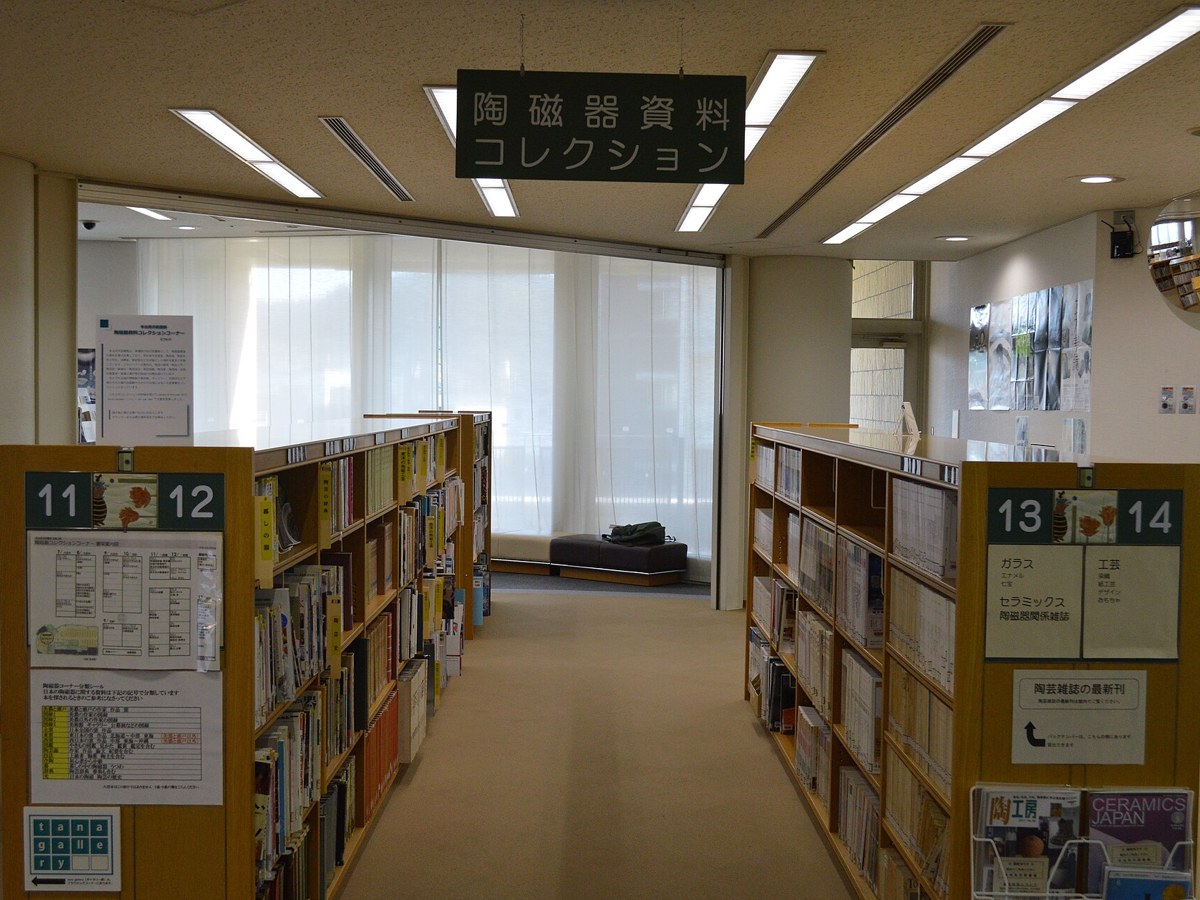
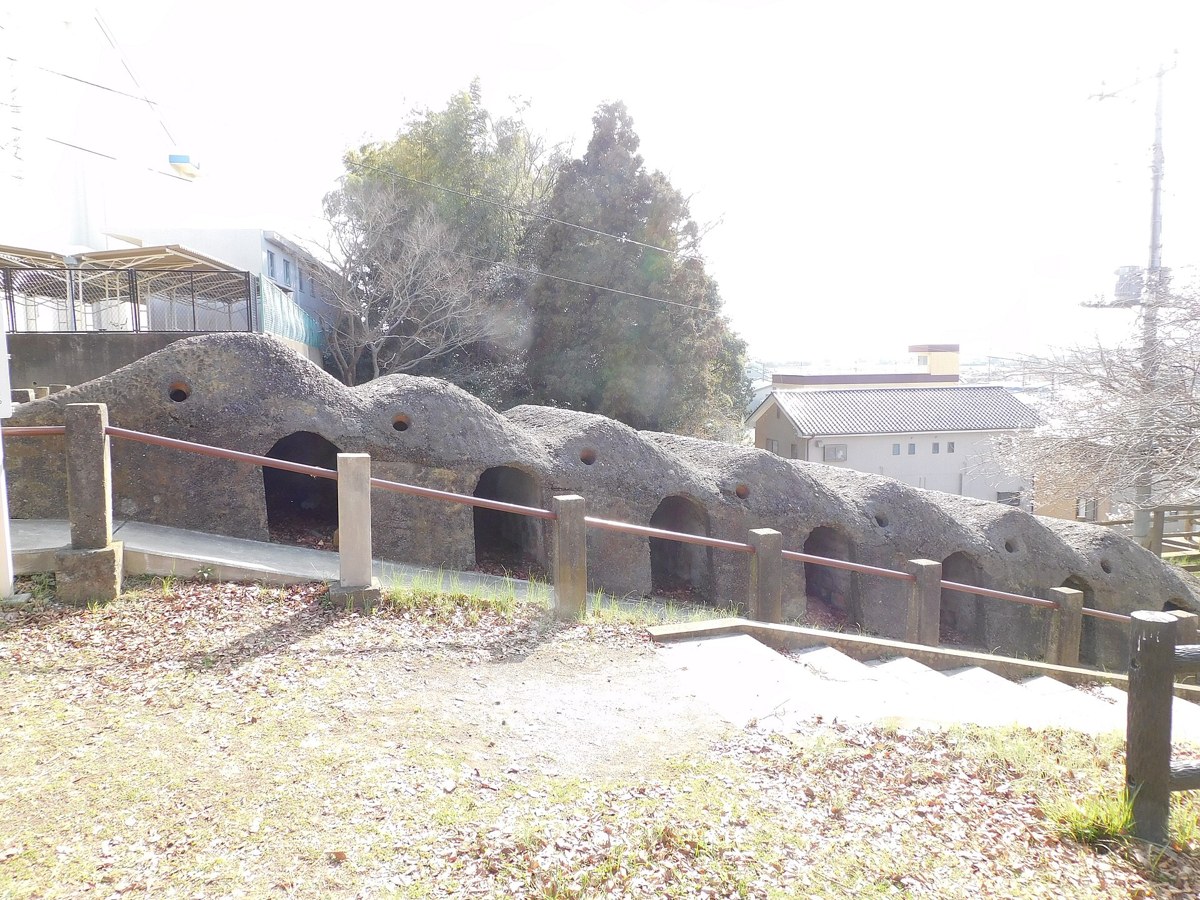
From tea bowls to cafe mugs
Mino's range is its identity: the region has produced celebrated tea ware for the tea ceremony — the Rakuten travel programme for Tajimi introduces its pottery-making through exactly that lens, 'the vital role of ceramics in the Japanese tea ceremony' — and, at the other end, the cafe-series mugs and everyday porcelain that fill Japan's kitchens. Both ends carry the same regional name because both are made in the same clay country.
For a visitor the practical consequence is a pottery town that rewards browsing at every budget: production shops and kiln outlets in Tajimi and Toki sell the region's output from factory seconds to signed pieces, and the towns' pottery festivals turn the whole district into a market.
Practical details: prices, where to buy, experiences
Price: there is no single price, and — after the previous survey held this ware for want of a kiln-direct price — this page states the position plainly rather than borrowing a marketplace band: Mino pieces run from a few hundred yen for production tableware to master-level tea ware, by kiln and piece. The documented anchor this page offers instead is a route: buy in Tajimi or Toki, where kiln shops price their own work at the source.
Where to buy: kiln shops, pottery outlets and wholesalers across Tajimi, Toki, Mizunami and Kani; Mino tableware is also sold nationally (the place claim is about making, not shops). Experience: pottery-making in Tajimi with Kusano Kashira Gama, whose master Futao Aoyama is introduced by Rakuten Travel Experiences as a Mino-ware scholar — book through that programme. Type of edition: regional edition — a place-defined industry ware.
How to buy Mino ware well
Buy it where it is made and the ware explains itself: kiln shops in the Tono towns will tell you who threw a piece, in what clay, at what firing — the provenance that a national department-store shelf cannot give you. For daily use, the region's production porcelain is Japan's best-value tableware precisely because half the country eats from it.
And if the tea end of the range tempts you, the experience route is the honest entry: throw a bowl in Tajimi under a Mino master, and the difference between a ¥500 cup and a tea bowl with a name stops being abstract.
Scope: what 'limited' means here
Mino ware is documented as a place industry: ware made in Gifu's Tono region (Tajimi, Toki, Mizunami, Kani), Japan's largest porcelain hub at about half of national output. It is sold nationwide as everyday tableware; no rarity or retail confinement is claimed. Checked 2026-11-09.
Sources — checked 9 November 2026
- Amazon.co.jp product reference: Mino ware description (Castle Enterprise cafe series listing)
- Rakuten Travel Experiences: Mino Ware Pottery Making in Tajimi City, Gifu
Original prose and official links only; no source text or maker media reproduced. Photos are credited Creative Commons works, not product photographs.
Editorial review 2026-11-09