Mashiko is a pottery with a postcode and a philosophy. The Tochigi town holds more than 300 working potters, fires its ware from iron-rich local clay, and owes its fame to one decision: in 1924 the potter Hamada Shoji — later a Living National Treasure — built his kiln here and made this farming town the capital of mingei, Japan's folk-craft movement. There is no Mashiko price list and this page will not fake one; instead it documents how the town actually sells its pottery — at two vast fairs a year, in kilns like Tsukamoto (founded 1864), and at workshop benches from a few thousand yen.
Hamada's town: mingei with an address
Before Hamada, Mashiko made useful things — jars, vats, teapots — from coarse local clay, a kiln town of the 1850s (the first kiln is credited to Otsuka Keisaburo) serving farms, not collectors. Hamada Shoji, who had worked with Bernard Leach in England and co-founded the mingei movement with Yanagi Soetsu, saw in that unpretentious ware the movement's whole argument: beauty in everyday objects made by unknown craftsmen. He settled in Mashiko in 1924, built his house and climbing kilns, and famously refused to sign his pieces — the work was to stand without a name.
The town still keeps his address as a museum: the Mashiko Sankokan, Hamada's former home and kilns, opened in 1977 and admits visitors for about ¥700 to see the folk crafts he collected from Korea, England and beyond beside his own work — the syllabus of mingei in one compound. Tsukamoto, the town's largest kiln (founded 1864), anchors the production side: thirty-odd artisans making everything from daily tableware to exhibition pieces, with workshops for visitors.
Earth colours: what Mashiko ware looks like
The clay decides the palette. Mashiko's iron-rich, sandy clay fires warm and rough, and the town's glazes answer it: persimmon browns, black tenmoku, white rice-husk ash, brush-marked hakeme. Forms follow the mingei brief — rice bowls that fill the hand and hold heat, generous mugs, big serving bowls — and wood-firing leaves each piece slightly its own, ash-kissed and unrepeatable. If Hasami ware (also on this site) is porcelain's factory discipline, Mashiko is its farmhouse cousin: stoneware that expects to be used until it is loved smooth.
Three hundred potters means the label covers multitudes, from traditional kilns firing climbing kilns to young studio potters making Mashiko's name mean something new. The town's discipline is not a style police; it is the place itself — clay, kilns, and a century of the argument that daily things deserve beauty.
Practical details: prices, fairs, workshops, where to buy
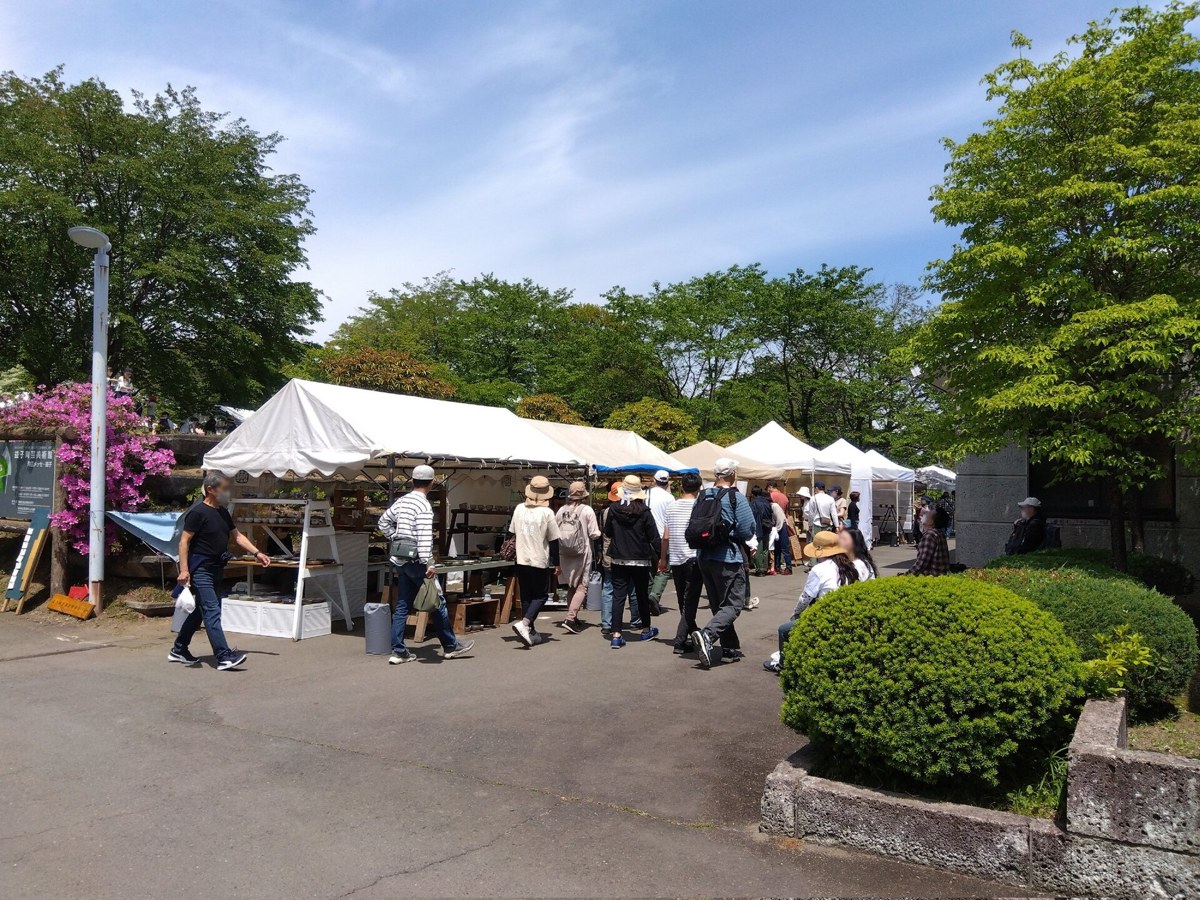
Prices: honestly, there is no single price — and any page quoting one for 'Mashiko ware' is inventing it. What can be documented (checked 9 November 2026): admission to the Mashiko Sankokan museum is ¥700; pottery workshops in town run roughly ¥2,000–¥5,000 by programme (Tsukamoto's run about ¥2,500–¥4,500, reservation required); and at the Mashiko Pottery Fair — held twice a year, late April to early May and late October to early November, with some 600 stalls — potters sell direct at below-retail prices, which is where the town's ware costs least.
Where to buy: Mashiko Town — kilns and galleries along its pottery streets (Jonaizaka above all), the Sankokan and Tsukamoto, and the fair when it is on. Official online sales: individual kilns and galleries sell online, including Tsukamoto's own channels; there is no single official shop. Type of edition: regional edition — a place-defined ware made in Mashiko Town.
How to buy in a town of 300 potters
Come during the fair if you can: 600 stalls collapse the whole market into one walk, seconds and samples surface, and you can handle a hundred bowls before breakfast. Off-season, the method is slower and better — walk Jonaizaka, enter the kilns, ask whose hands made what. Mingei's test still works: choose the piece you will use daily, not the one that performs pottery. A Mashiko rice bowl earns its place at the third meal, not the first glance.
First-time buyers should also know the town's etiquette of value: unsigned is not a warning sign here — Hamada himself refused signatures on principle, believing the piece should stand on its own merits. Judge weight, glaze, and the feel in the hand; Mashiko has been training buyers to trust exactly those senses for a hundred years.
Scope: what 'limited' means here
Mashiko ware is documented as a place ware: pottery made in Mashiko Town, Tochigi, by its 300+ potters — the town Hamada Shoji made the centre of the mingei movement in 1924. It is sold nationally by galleries and kilns; the limitation is origin. Checked 2026-11-09. There is no single price for the ware; documented anchors are museum admission, workshop fees and fair direct sales.
Sources — checked 9 November 2026
- Kyoto Nokaze global guide: Mashiko Pottery — where Japanese folk craft still lives
- JapanFlow: Mashiko Pottery Guide 2025 — kilns, workshops and shopping
- Omakase Forest: Tsukamoto Mashiko Ware product and kiln profile
Original prose and official links only; no source text or maker media reproduced. Photos are credited Creative Commons works, not product photographs.
Editorial review 2026-11-09