Some pottery towns sell masterpieces; Hasami sells breakfast. For over 400 years the kilns of Hasami Town in Nagasaki have made porcelain meant to be used hard and daily — light, strong, stackable tableware that survives microwaves and dishwashers. The prefecture's own tourism portal defines it with disarming simplicity: Hasami ware is anything made in Hasami Town. A HASAMI PORCELAIN mug lists at ¥2,750; Hakusan, headquartered in Hasami, sells bowls from ¥1,210; and every Golden Week about 150 makers sell direct at the town's festival.
Four hundred years of useful porcelain
Hasami's porcelain began in the late sixteenth century, when Korean potters brought to Japan settled in the kilns of the Omura domain, and the town found its role early: not the aristocratic presentation pieces of neighbouring Arita, but production — climbing kilns, division of labour, ware by the thousand for ordinary households. The stepped communal kilns of Hasami fired the region's tableware for centuries, and the town's name became a byword for the plates on Japanese tables rather than in their cabinets.
That identity is the brand today. Hasami ware is porcelain stone worked thin and fired hard, so it comes out light in the hand, resistant to chipping, and happy in a microwave or dishwasher. Modern makers have put designers onto the same foundations: the HASAMI PORCELAIN line (from Hasami trading house Saikai Toki, designed with Taku Shinomoto) exports the town's daily ware in matte glazes and strict geometry, while old houses like Hakusan keep the painted traditions running.
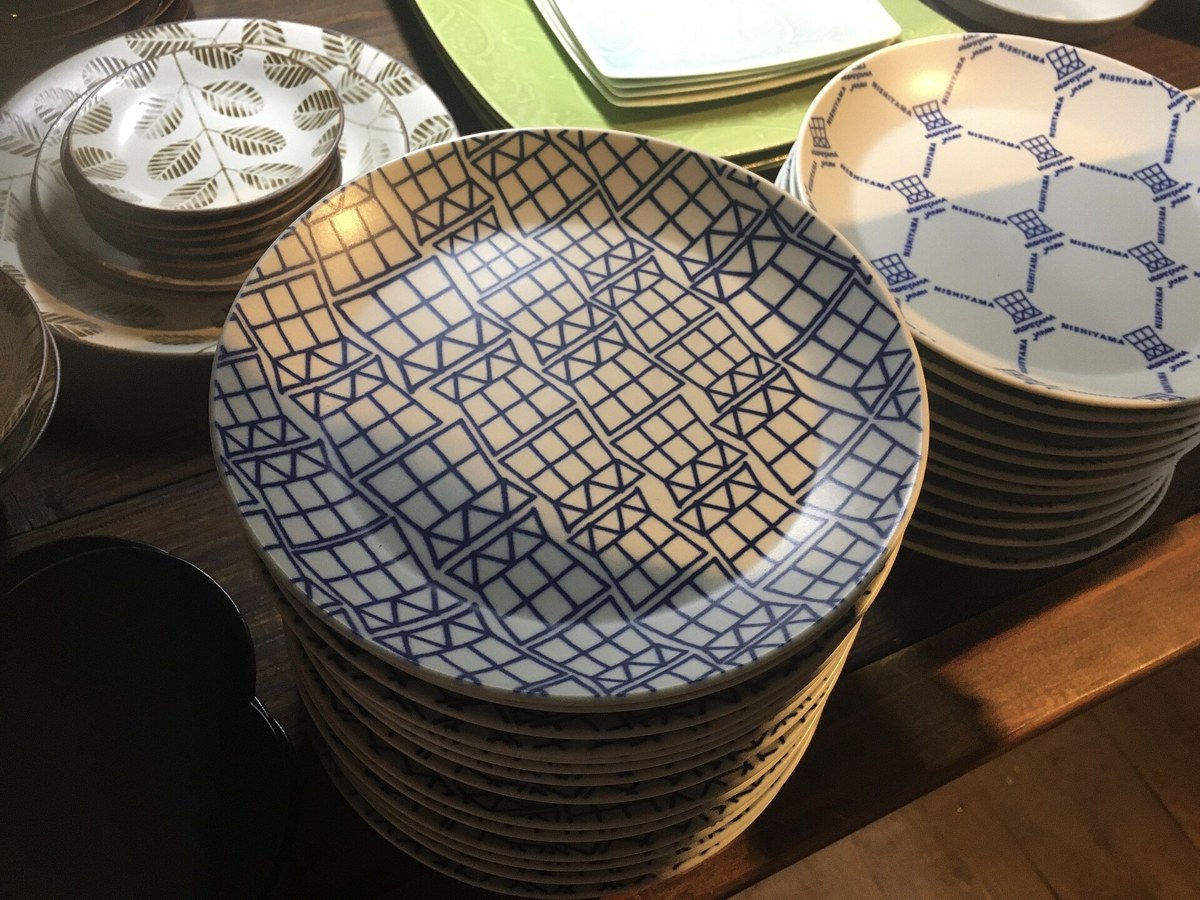
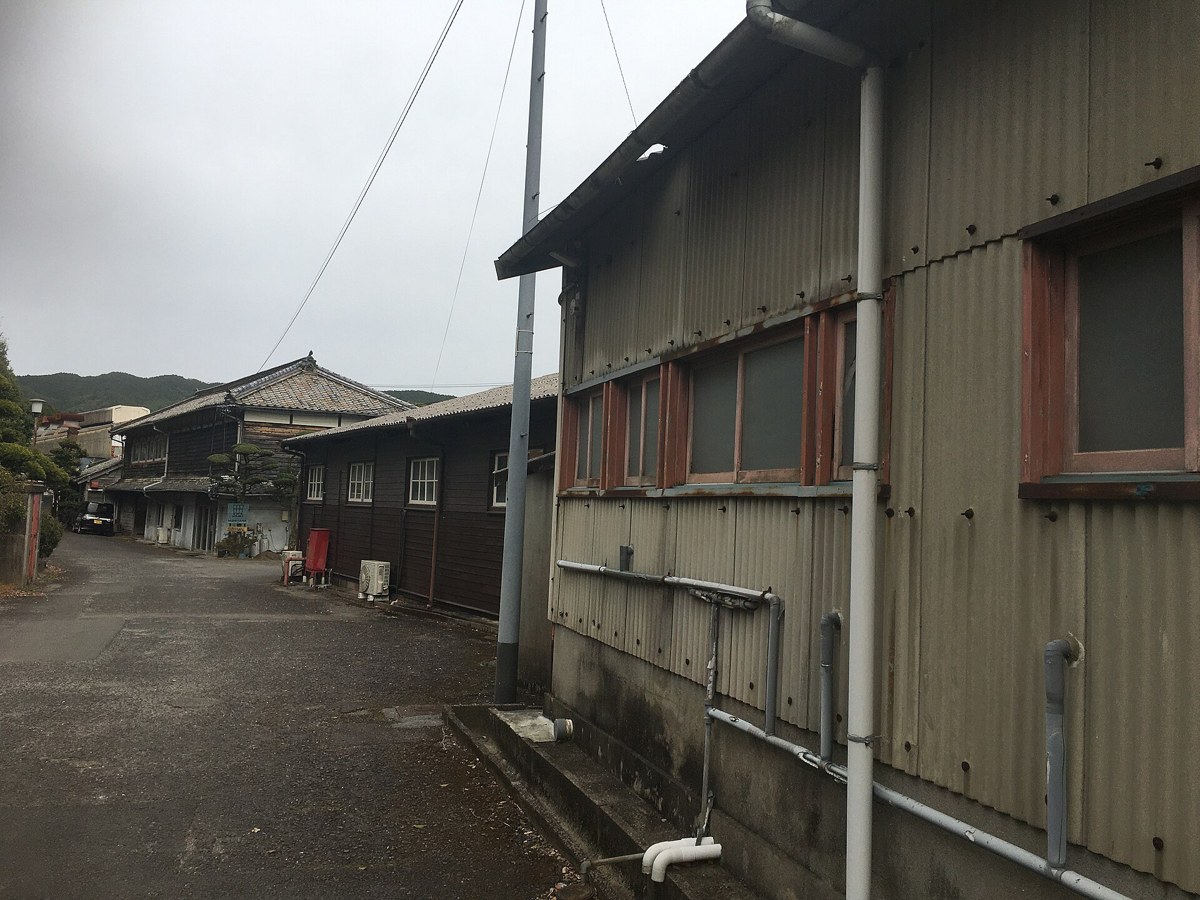
A town you buy from once a year, in person
The Hasami Porcelain Festival — held across Golden Week, 29 April to 5 May in the 2026 edition — is the town's showroom: about 150 makers and shops set out their seconds, samples and festival lines at direct prices, and the prefecture calls it the largest pottery event in Nagasaki. It is where restaurants come to buy a year's worth of bowls and where the rest of us learn how cheap good porcelain can be when the middlemen are standing behind the stall themselves.
Outside festival week, the town's kilns and wholesalers sell through their own shops and online stores — distribution was always Hasami's strength — so the practical question is not how to find Hasami ware but how to be sure it is Hasami's: buy from the town's makers and brands (Hakusan, Saikai Toki's lines, the kilns of the Nakao and Nishiyama districts) and the origin is printed on the box.
Practical details: prices, sizes, where to buy, online sales
Prices (checked 9 November 2026): HASAMI PORCELAIN's small mug (85 × 72 mm, 325 ml) lists at ¥2,750. Hakusan Toki — headquartered in Hasami — ranges its MARONA soup bowls and rice bowls from ¥1,320 to ¥3,850 and its IROHANI small bowls at ¥1,210 in its own shop's 2026 releases; department-store features put Hasami nesting-bowl sets around ¥5,060. Festival direct prices in the town undercut all of these.
Where to buy: Hasami Town itself — makers' shops around the Nakao kiln district, the town's wholesale showrooms, and the Golden Week festival (about 150 makers) — plus the brands' own shops and online stores nationwide. Official online sales: yes, extensively; the edition is about origin, not scarcity. Type of edition: regional edition — a place-defined ware, 'anything made in Hasami Town'.
Hasami or Arita? The honest comparison
Travellers in this corner of Kyushu meet both names, and the distinction is easy once stated: Arita (in neighbouring Saga, covered elsewhere on this site) is where Japanese porcelain began and where its painted artistry peaked; Hasami is the production town next door that put porcelain on every table. Buying Hasami is buying the industrial half of that history — ware designed to be replaced, stacked, and used three times a day without ceremony, which is why chefs and cafés across Japan quietly stock it.
For a single souvenir, the festival or a maker's own shop in town gets you the story with the object; for building a working set at home, the brands' online shops are the documented route and this page says so without pretending otherwise. What makes it an entry here is the definition itself — a whole town as the maker.
Scope: what 'limited' means here
Hasami ware is documented as a place ware: porcelain made in Hasami Town, Nagasaki, for over 400 years, defined by the prefectural tourism portal as anything made in the town. It is sold nationally by its brands; the limitation is origin, not retail. Arita ware is a separate ware. Checked 2026-11-09.
Sources — checked 9 November 2026
- Discover Nagasaki (official Nagasaki tourism portal): Hasami Ware & the Hasami Porcelain Festival
- Crouka: HASAMI PORCELAIN mug product listing (Saikai Toki brand)
- Have a Good Holiday: Hakusan Shop 23rd-anniversary releases (MARONA, IROHANI)
- Takashimaya: Hasami ware feature page
Original prose and official links only; no source text or maker media reproduced. Photos are credited Creative Commons works, not product photographs.
Editorial review 2026-11-09