Shigaraki's tanuki mug was Shiga's playful first story. Its second is the prefecture's heavyweight: Omi beef — the oldest of Japan's three great wagyu, older than Kobe and Matsusaka, raised on the Lake Biwa basin for over four hundred years, back when eating it at all had to be disguised as taking medicine.
The beef that travelled as medicine
Omi is Shiga's old provincial name, and the beef's records run back more than 400 years, the longest of the three great brands. The Edo-period account the sources repeat is extraordinary and is told here as the recorded account: with beef-eating officially banned, Hikone domain presented beef to the shogunate and great lords as a medicinal preparation — dried beef and beef marinated in miso, the preparation remembered as Henpongan — from the 17th century.
The modern brand is disciplined: Japanese Black cattle, raised mainly in Omi-Hachiman and Higashi-Omi by about eighty farms under the Omi Beef Association — founded in 1951 as Japan's first wagyu association — with only about 6,000 head shipped a year. Scarcity is not marketing here; it is arithmetic.
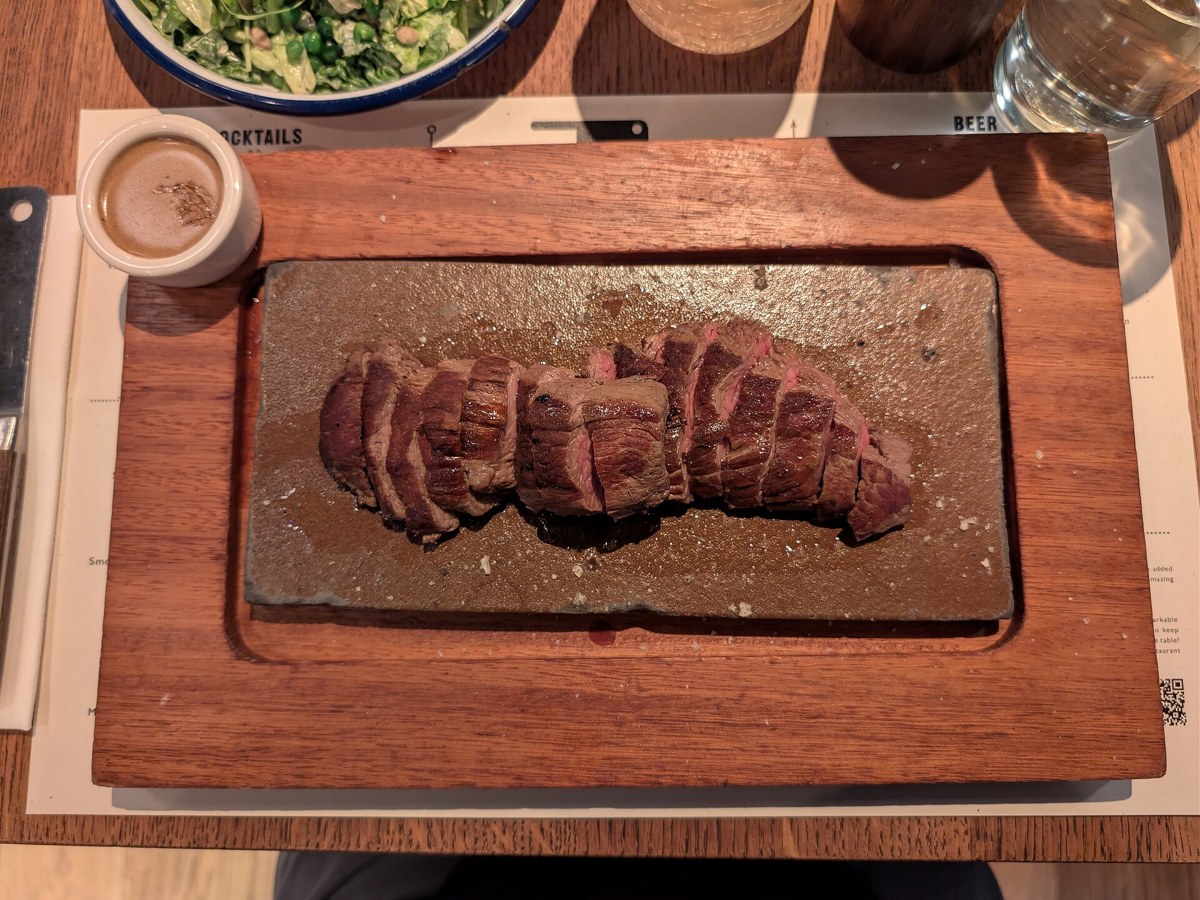
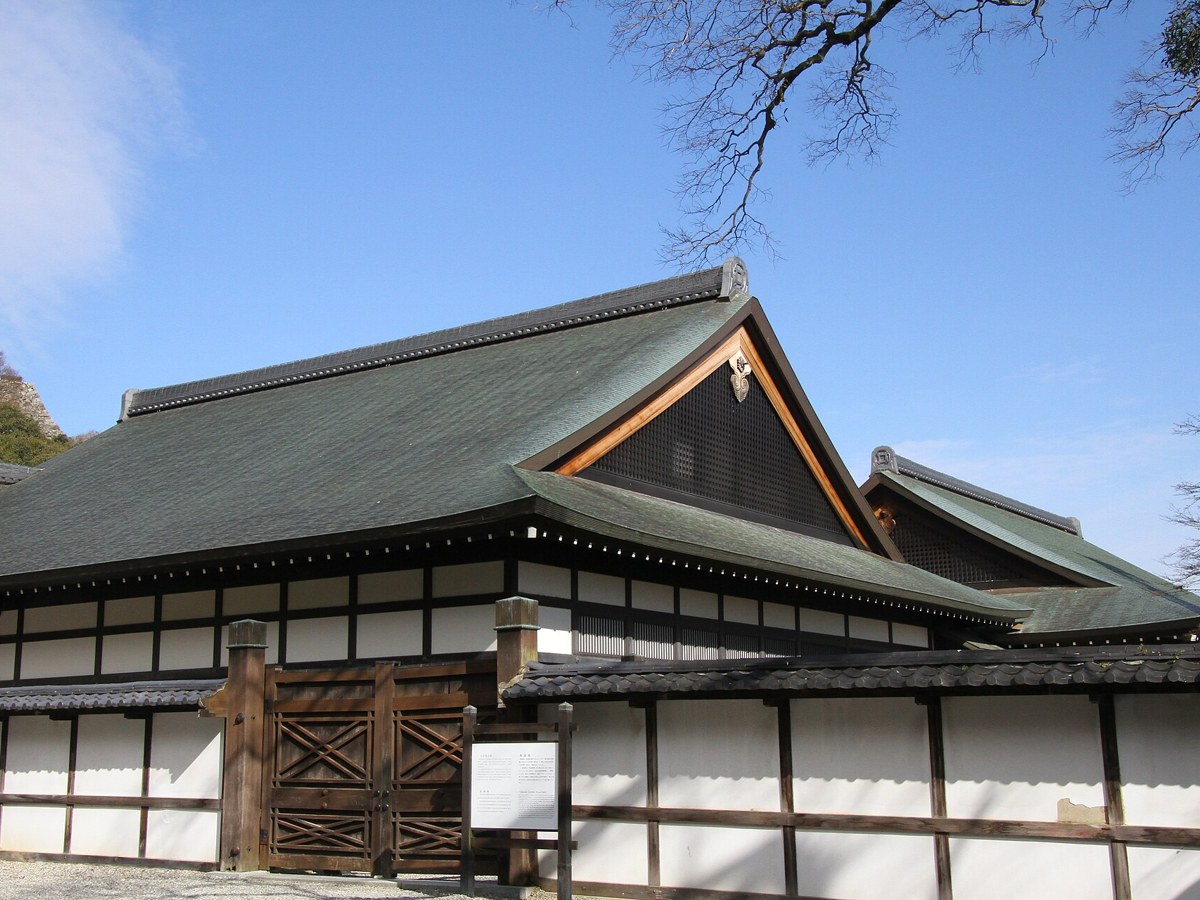
Fine marbling, clean finish
The three great wagyu are a study in contrasts, and Omi's stated character is fine, dense marbling with a mellow aroma and a relatively clean, sweet finish — cattle raised longer than in many regions, fed in the rich natural environment of the Biwa basin. It is served every way wagyu is served: sukiyaki and shabu-shabu in Hikone's castle town, yakiniku, steak — and, in the home prefecture, at lunch prices outsiders do not expect.
That range is the brand's quiet argument. Kobe and Matsusaka present themselves as ceremonies; Omi, the eldest, also appears as a ¥1,458 yakiniku rice bowl in the checked Tokyo showcase account — COCOSHIGA, Shiga's own antenna venue — without ceasing to be the same certified beef.
Practical details: from ¥2,100 to the full course
The checked guide range for Omi beef dishes starts at about ¥2,100 and runs to ¥10,000 for restaurant servings. At COCOSHIGA's Morishima restaurant, the Omi Beef Steak Set starts at ¥5,400 for 100 g, the price varying by cut — filet, sirloin or lean — and a full sukiyaki course there is ¥20,000 per person. In Shiga itself, Hikone and Omi-Hachiman hold the old houses: Morishima has served Omi beef since the Meiji era, and castle-town restaurants in Hikone pour the full sukiyaki-to-sushi progression.
Budget by format, not by fear: a bowl or lunch set in the low thousands, a steak set from ¥5,400, a course in the tens of thousands. All three are the same roughly 6,000-head-a-year beef; the ceremony is what scales.
Eldest of the three
Japan counts over 300 wagyu brands and argues about three. Omi's claim in that argument is seniority with evidence: the miso-medicine story, the Hikone presentations, the first association in 1951. Kobe beef and Matsusaka beef are a century-plus old; Omi's documents run four centuries, through a ban, disguised as health food.
There is a fitting Shiga symmetry in this collection: the province that hid its beef in miso jars also fired the tanuki mug in the neighbouring hub. One prefecture, two entries — the joke and the treasure — which is roughly what four hundred years of a food culture produces.
Scope: what 'limited' means here
The edition is the certified brand: beef from Shiga-raised Japanese Black cattle shipped under the Omi name through its association, about 6,000 head a year. Certified sales beyond Shiga do not change where the cattle are raised. The Edo medicinal story is labelled as the recorded account throughout.
Sources — checked 9 November 2026
- Food in Japan: Omi Gyu / Omi Beef
- Shiga Blog (Philbert Ono): Omi beef in Tsukiji, Tokyo
- LIVE JAPAN: Experience the best of Shiga at COCOSHIGA — Omi beef
- Snow Monkey Resorts: A gourmet guide to wagyu, region by region
Original prose and official links only; no source text or maker media reproduced. Photos are credited Creative Commons works, not product photographs.
Editorial review 2026-11-09