Most miso is a category. This one is an address. Hatcho miso — the dark, dense, bean-only paste behind Nagoya's miso-katsu and miso-nikomi — is made in one small district of Okazaki, Aichi, by exactly two breweries standing five minutes apart on the same street, in barrels weighted down with pyramids of river stones. It opens this collection's condiment axis, and it may be the most literally regional food in Japan: the district's name is a distance — eight cho from the castle.
Two breweries, one street, eight cho from the castle
Hatcho town takes its name from its distance: hatcho, eight cho — roughly 870 metres — west of Okazaki Castle, where Tokugawa Ieyasu was born. On the old Tokaido road, the district could pull in soybeans and salt and ship finished miso anywhere; two makers built the trade and still hold it. Maruya traces production on its site to 1337; Kakukyu began commercial production in 1645.
That duopoly is the fact to hold on to. Hatcho miso is not made by a region in the loose sense — it is made by two named breweries in one designated district of about 38 acres, both still working the same street, both running free tours of cellars a few minutes' walk from the same stations. Compare that with the hundreds of makers behind most famous Japanese foods and the claim needs no exaggeration.
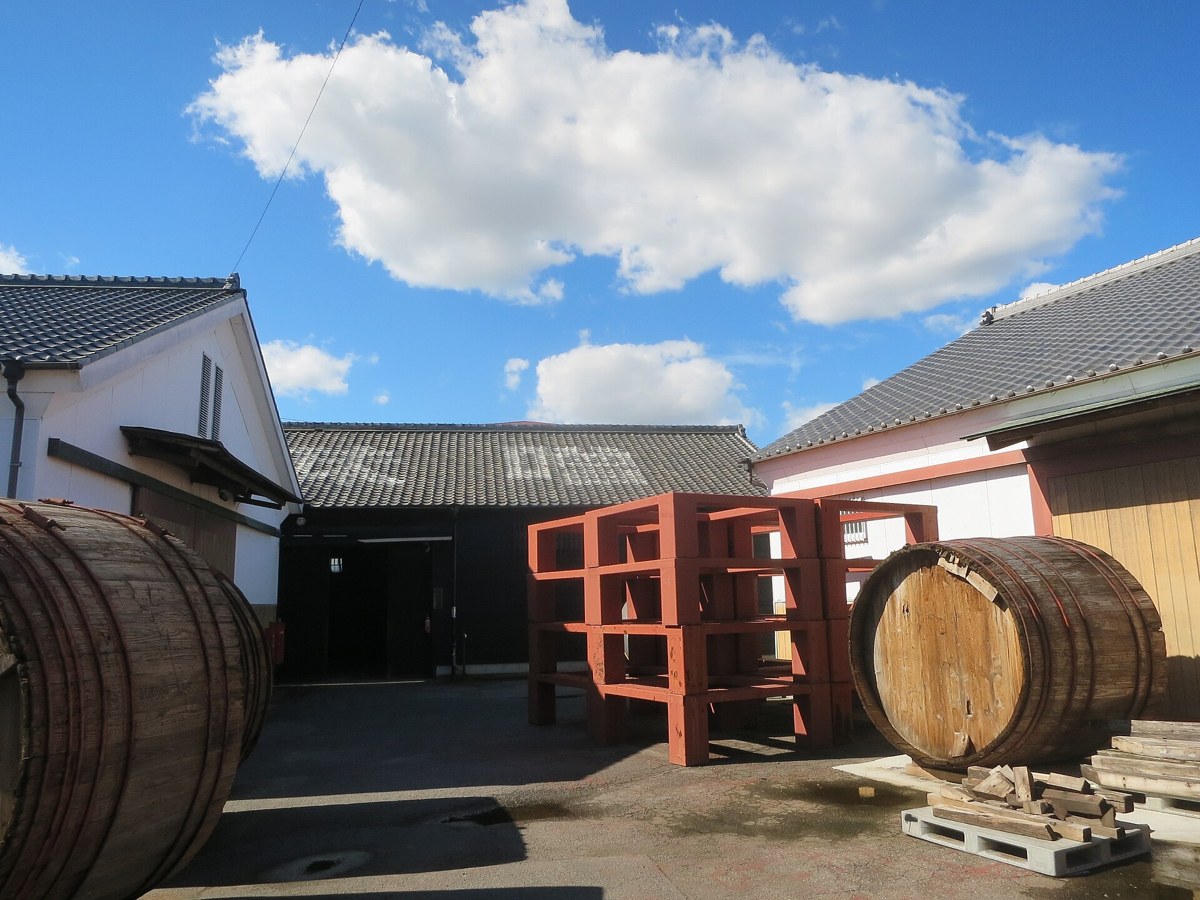
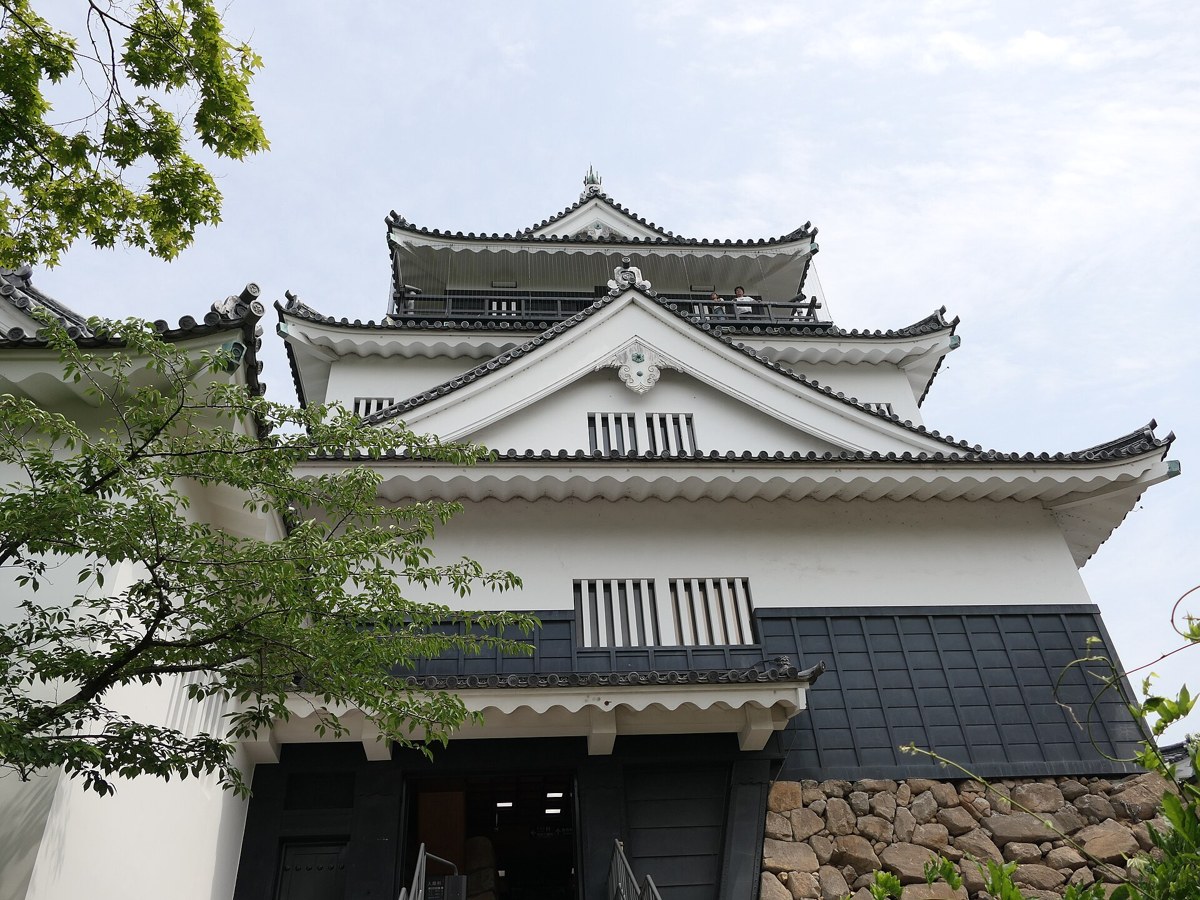
Beans, salt, water — and two summers of stones
The recipe refuses the usual helpers. Where most miso ferments soybeans with rice or barley koji, Hatcho miso uses soybeans, salt and water only, and the fermentation runs long: the paste ages in cedar barrels about 1.8 metres across for at least 24 months — through two full summers and two winters — under lids piled with river stones stacked into neat pyramids.
The result is a different substance from the miso of daily soup: darker, drier, lower in sweetness, and intensely savoury with a bitter, almost chocolate depth. It is the miso you build sauces and stews on rather than sip — the base of aka-dashi soup, of miso-katsu sauce, of the bubbling miso-nikomi udon that Nagoya eats in iron pots. A little seasons a lot, which is fortunate, because patience is its main ingredient.
Practical details: prices and the free tours
Buy the small bag first. Kakukyu's silver-bag Hatcho miso, 300 g of domestic-soybean paste, lists at ¥749 on Amazon.co.jp, and buying guides put both makers' 300 g bags in a ¥500–800 band. The makers also sell aka-dashi — Hatcho miso blended with rice miso for a milder soup — which is the friendlier daily product; the pure Hatcho bag is the reference taste, and the one this page is about.
Then go and see the stones. Both breweries offer free guided tours: Maruya, a minute from Okazaki Koen-mae Station, walks you through cellar, barrel rows and stone pyramids to a miso-dressed konnyaku tasting; Kakukyu, five minutes further along the same street, adds a museum in registered heritage buildings. No admission fee at either — check the official pages before a New Year visit, when both close.
A name worth fighting over
In January 2025, Japan's agriculture ministry added the two Okazaki makers' cooperative to the Geographical Indication scheme — formally recognising Maruya and Kakukyu under GI protection, eight years after a broader industry group had registered the same name on wider terms. The two registrations, and the court fights between them, tell you what the name is worth: 'Hatcho' had become valuable enough to litigate.
For the eater, the settlement that matters is simpler than the legal one. If the bag says Okazaki, names one of the two breweries, and lists soybeans and salt and nothing else, you are holding the original article — two summers of it. Everything else is a style, and styles, however honest, are not addresses.
Scope: what 'limited' means here
The scope is stated as narrowly as the makers' own: this page covers the bean-only miso of Okazaki's Hatcho district from its two original breweries. Miso in the Hatcho style is made elsewhere in Aichi and beyond, and the GI dispute is recorded here rather than resolved. What no other maker can copy is the street itself — two cellars, eight cho from the castle, still ageing under stones.
Sources — checked 9 November 2026
- Like Nagoya: Hatcho miso Okazaki — visiting Kakukyu and Maruya
- Aichi Now (Aichi Prefecture official travel guide): Kakukyu Hatcho Miso, Hatcho Miso Village
- Amazon.co.jp: Kakukyu domestic-soybean Hatcho miso, silver bag 300 g
Original prose and official links only; no source text or maker media reproduced. Photos are credited Creative Commons works, not product photographs.
Editorial review 2026-11-09