Of Japan's three great wagyu names, Matsusaka's is the one written down most precisely. It is not a breed and not a flavour claim: it is a register of individual heifers, a map of twenty-two old municipalities in Mie, and a rule that the longest and final fattening happens inside that map. It gives Mie its third story in this collection.
Four rules and a number
The Matsusaka Beef Council — fattening farms and local governments together — sets the definition in four parts. The animal must be a Japanese Black heifer that has never calved; it must be entered in the Matsusaka Beef Individual Identification Management System; it must be brought into the production area by twelve months of age; and its longest and final fattening must take place inside the area, after which it may not move outside. The area itself follows the map as it stood on 1 November 2004 — the former twenty-two municipalities around Matsusaka City — because later mergers redrew the modern borders.
The number is the visible part: registration is checked on site against the animal's 10-digit ear-tag identity, and the same number appears on the certificate and seal that accompany genuine beef, searchable in the council's own lookup. The system began in August 2002, the council formed in November 2004, and as of 31 March 2026 it counted 68 fattening farms across three cities and six towns, with 16,772 head in fattening.
Trademark, GI, and what A5 does not mean
The name is defended twice over. Matsusaka beef holds regional collective trademark No. 5022671 at the Japan Patent Office, and its narrowest tier — Special Grade Matsusaka beef, from Hyogo-born heifers brought in by twelve months and fattened at least 900 days — received Geographical Indication registration No. 25 in March 2017. Few food names in Japan carry both a collective trademark and a GI with a day-count in the rule.
One confusion is worth clearing at the table: the brand and the grade are different systems. The letters and numbers of the national carcass grade describe yield and meat quality; the Matsusaka name describes origin and management. A certified animal is not automatically A5, and an A5 stamp on an unrelated animal says nothing about Matsusaka. Matsusaka City's own research gives the brand's fat a character of its own — a 69.4 percent unsaturated share and an average subcutaneous melting point of 17.4 degrees in a dated sample of 2,850 animals — figures to cite as a sample, not a promise for every cut.
From work cattle to the 1935 prize
Matsusaka City's account begins with Tajima-line heifers reaching the area as working cattle in the Edo period. From the 1870s, dealers drove herds overland to Tokyo — the ushioi dochu, a walk of almost three weeks — and the name travelled with them. In 1935 Matsusaka cattle took top honours at a national livestock exposition in Tokyo, which the city credits with spreading the name nationwide; the Matsusaka Beef Cattle Show followed in 1949 and still anchors the brand's calendar.
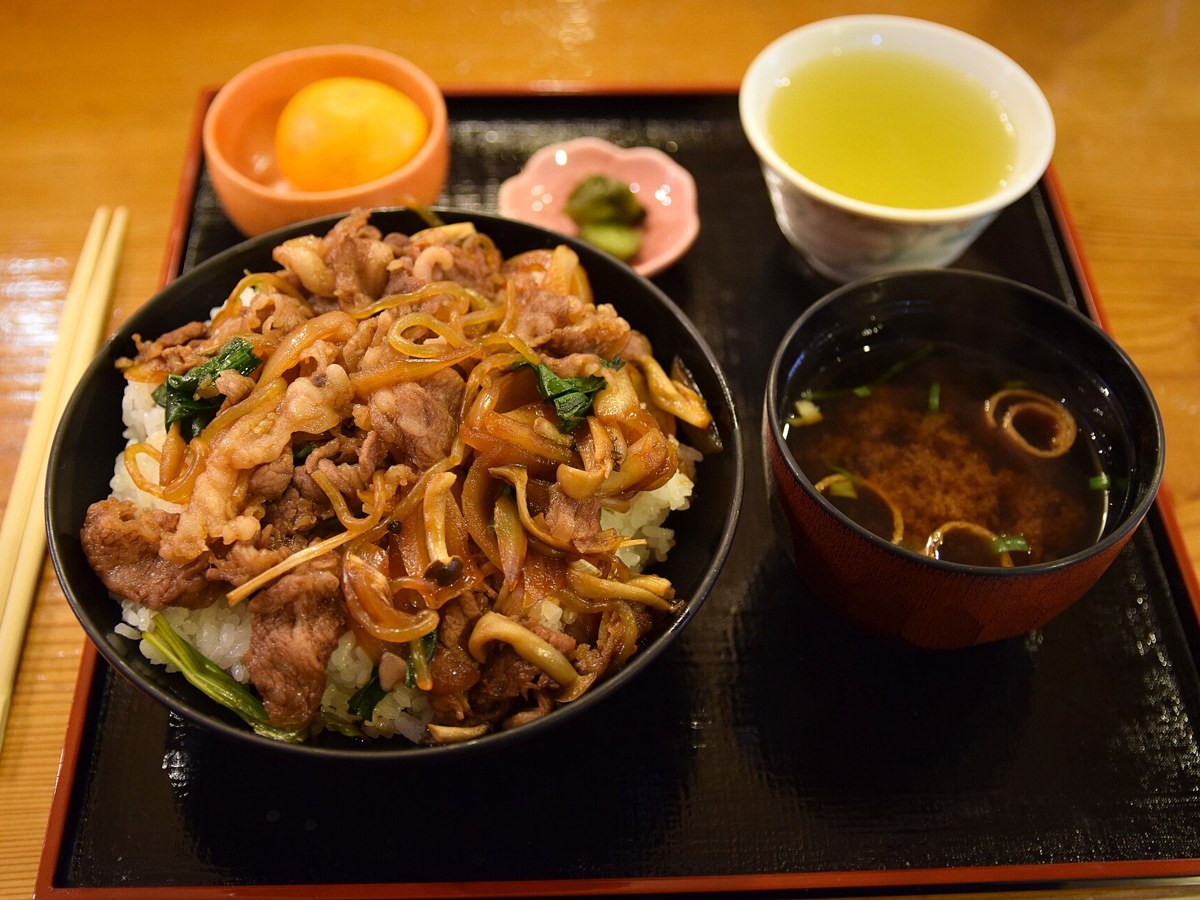
The eating house most bound to the name is Wadakin in Matsusaka itself, founded in 1878 and describing itself as the original Matsusaka meat restaurant, where sukiyaki is cooked at the table in an iron pan. Sukiyaki and shabu-shabu remain the canonical preparations: thin slices, gentle heat, and the sweet aroma the city calls wagyu-ko rising as the meat warms.
Practical details: what it costs
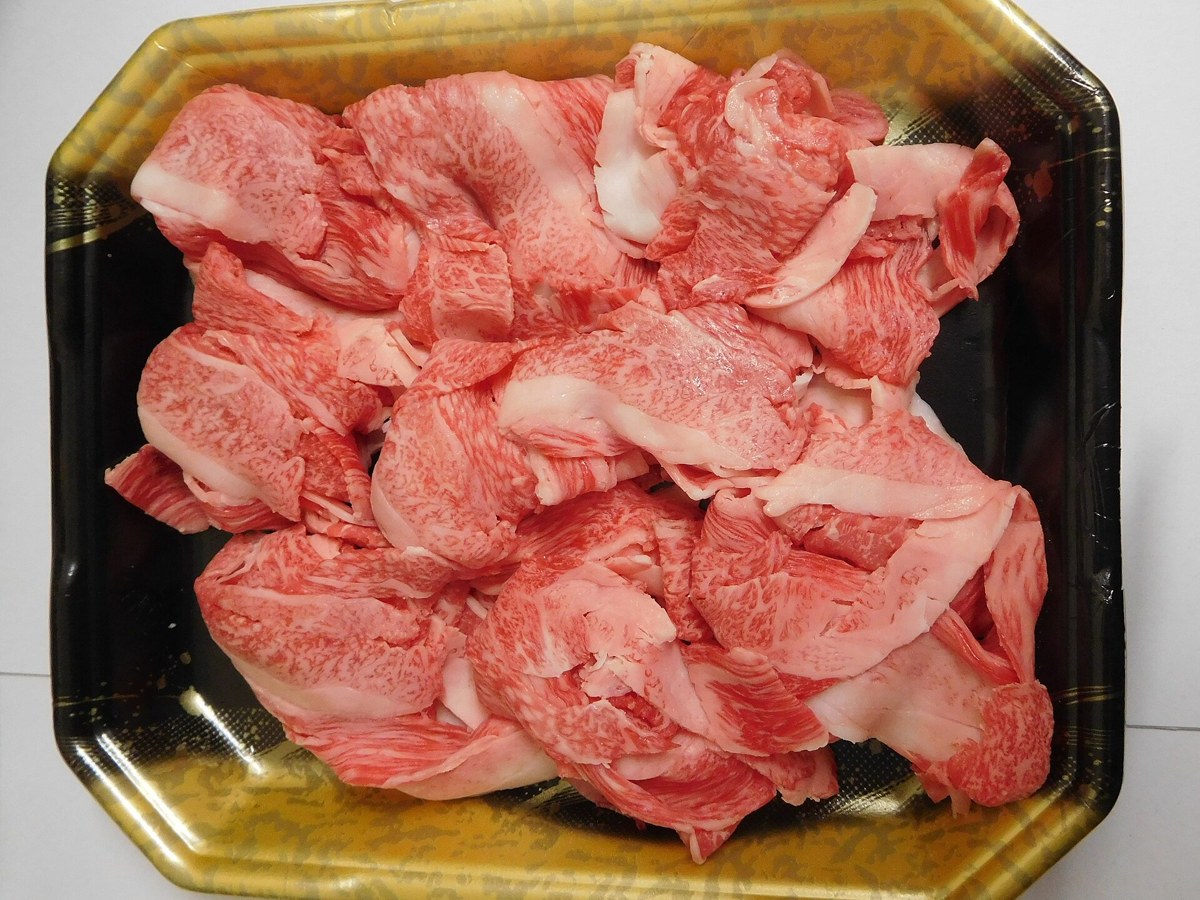
Retail first, from the Matsusaka Maruyoshi online shop's dated price tables (checked August 2026): sukiyaki slices of lean cuts run about ¥1,944 per 100 g, yakiniku cuts about ¥2,268, and loin and chuck-loin sukiyaki slices about ¥2,970. These are per-hundred-gram prices for certified meat with its paperwork — the honest comparison unit for any wagyu counter.
Eating in Matsusaka spans wider than the famous courses. Maruyoshi's own restaurant, beside its butcher shop near Matsusaka Station, serves a limited roast-beef bowl at ¥2,420–¥2,860 and a single sukiyaki order at ¥7,480; at the top of the city, Wadakin's sukiyaki course starts at ¥15,500 plus a 10 percent service charge. Whichever end you choose, ask for the certificate or the 10-digit ID — a genuine house can show it, and the council's lookup will confirm it.
Sources — checked 10 November 2026
- Food in Japan: Matsusaka Beef Guide — official definition, certification and dated price tables
- Japan Trove: Matsusaka beef — Mie's pampered wagyu brand and where to eat it
Original prose and official links only; no source text or maker media reproduced. Photos are credited Creative Commons works, not product photographs.
Editorial review 2026-11-10