The first sake in this collection was a single bottle aged in snow. The second is a landscape: five villages — Nishi-go, Mikage-go, Uozaki-go, Nishinomiya-go, Imazu-go — strung along twelve kilometres of Hyogo coast between Kobe and Nishinomiya, together brewing roughly a quarter of all the sake in Japan. Nada Gogo's museums are free, its water has a name, and its rice was invented in the prefecture behind it.
Five villages, one corridor
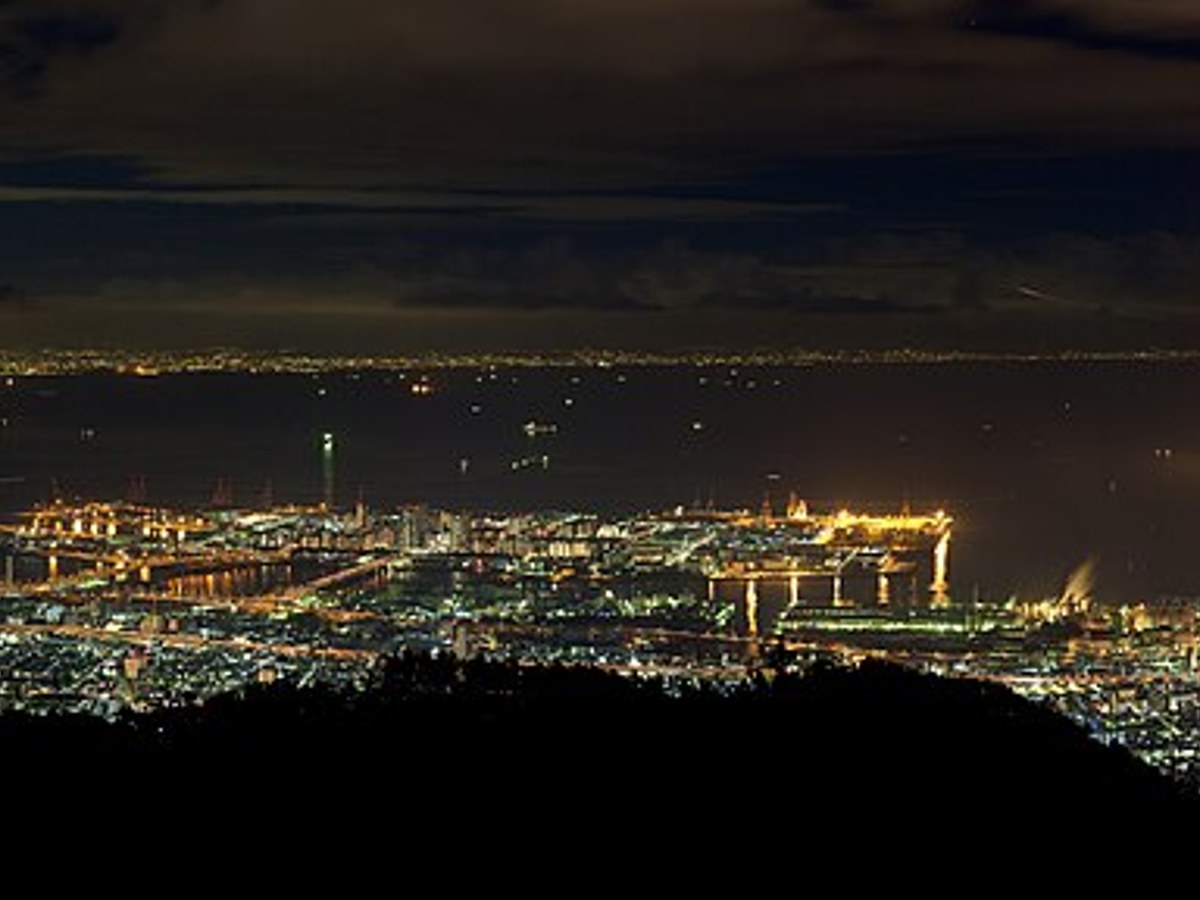
Nada Gogo means the five villages of Nada, and the name is literal geography. From west to east the brewing districts run Nishi-go, Mikage-go and Uozaki-go in Kobe, then Nishinomiya-go and Imazu-go in Nishinomiya — close enough that the brewery museums stand within a short train ride of each other along the Hanshin line, in what is still a working industrial quarter rather than a heritage park.
Brewing flourished here in the late 17th century, and scale followed: by the late 19th century Nada's fast cargo boats were shipping sake to Edo, and today the district still boasts the largest sake shipment volume in Japan. The sake carries a Geographical Indication, Nada Gogo, tied to its local water and rice.
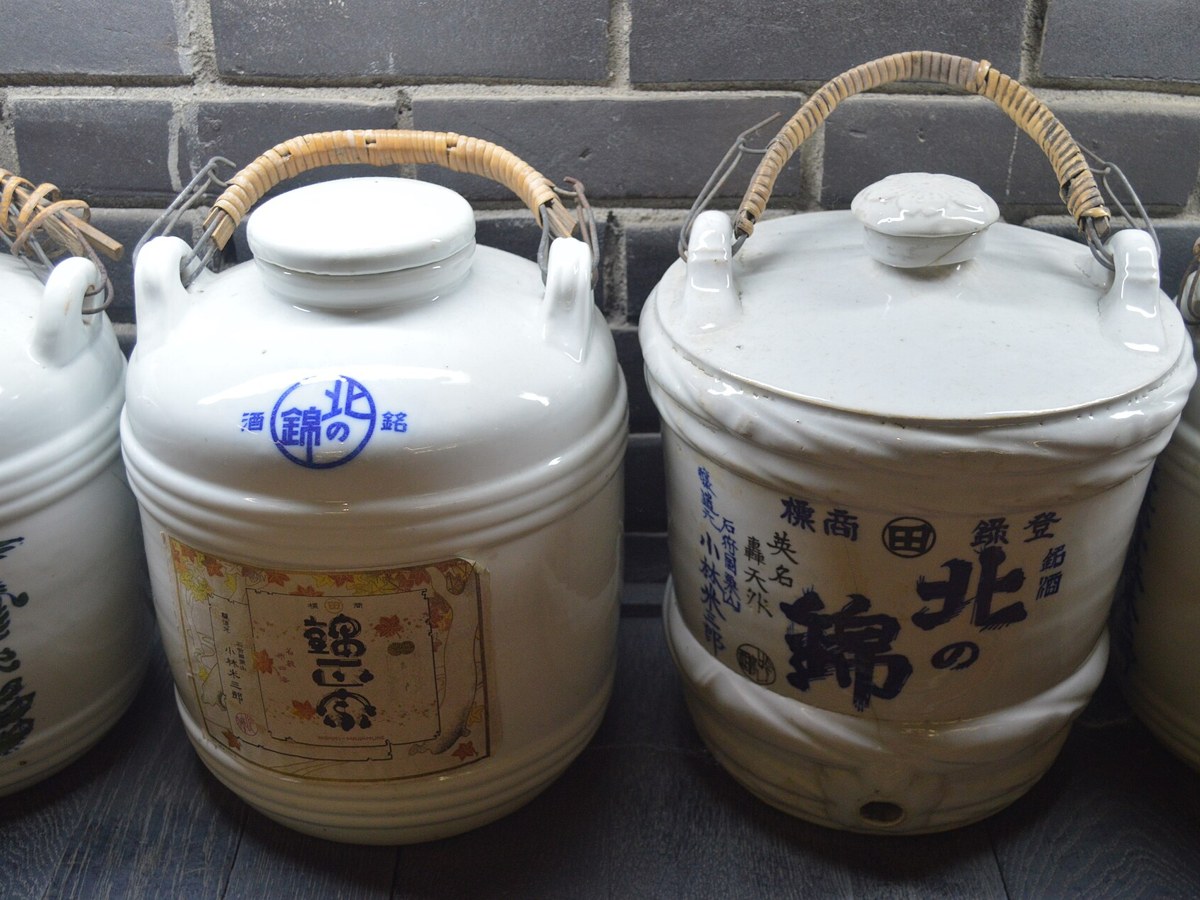
Miyamizu and the king of sake rice
Two ingredients explain the district. The first is Miyamizu, the mineral-rich underground water drawn from beneath the Rokko mountains — its source is Nishinomiya-go — a hard water that ferments vigorously and gives Nada sake its firm, dry, mineral character, the style drinkers call otoko-zake, men's sake. The second is the cold Rokko-oroshi wind that sweeps down off the mountain in winter, holding the breweries at natural fermentation temperatures.
The rice is local patriotism made grain: Yamada Nishiki, the strain behind most award-winning sake in Japan, was developed in Hyogo Prefecture in 1923. Water, wind and rice all come from within a few kilometres of the brewery gates — which is precisely what a geographical indication is supposed to mean.
Practical details: free museums, priced bottles
Start at the museums, which charge no admission: Hakutsuru (founded 1743, the district's largest producer, with life-size brewing dioramas), Kiku-Masamune (founded 1659, still making its yeast starter by the kimoto method), Sawanotsuru (1717) and Kobe Shushinkan, home of Fukuju (1751), which pairs its brewery with a restaurant. Tastings at the counters are free or a few hundred yen — one checked account lists paid pours at ¥100-400 and an exclusive two-sake set for ¥300.
To take the district home, buy where it is brewed. At Kobe Shushinkan's shop, Fukuju Junmai EcoZero — billed as the world's first carbon-zero sake — is ¥1,382 for 720 ml, and the gold-medal Fukuju Chotokusen Daiginjo is ¥5,500 for 720 ml. Those two bottles, entry and celebration, are the honest price anchors for the whole corridor.
A district, not a brand
Most famous drinks are one house's product. Nada Gogo is the opposite: dozens of breweries, five villages, one shared water table. Its rivals are not each other but the idea that sake is made somewhere in particular at all — and Nada's answer, given in shipping volume for three centuries, is that place can be an industry, not just a flavour.
That is also why the museums matter. A district confident enough to open its working breweries free of charge, and to let you taste at the counter, is selling the corridor as much as the bottle. Come for one museum and you will leave having walked a sake economy end to end.
Scope: what 'limited' means here
The edition claim is the GI district itself: sake brewed in the five villages, on Miyamizu, in the corridor this page maps. Nada's big houses distribute nationally and abroad, and nothing here pretends a Hakutsuru or Fukuju bottle cannot be bought in Tokyo. What cannot be moved is the twelve kilometres — the water, the wind, the rice country and the brewery streets in one walkable line.
Sources — checked 9 November 2026
- LIVE JAPAN: Picking the perfect plan — 3 ways to explore sake in Nada-Gogo, Kobe
- Japan Activity: Nada sake breweries Kobe — a guide to Nada-Gogo's five villages
- Kobe Sake Tour: Nada district breweries and tasting
Original prose and official links only; no source text or maker media reproduced. Photos are credited Creative Commons works, not product photographs.
Editorial review 2026-11-09