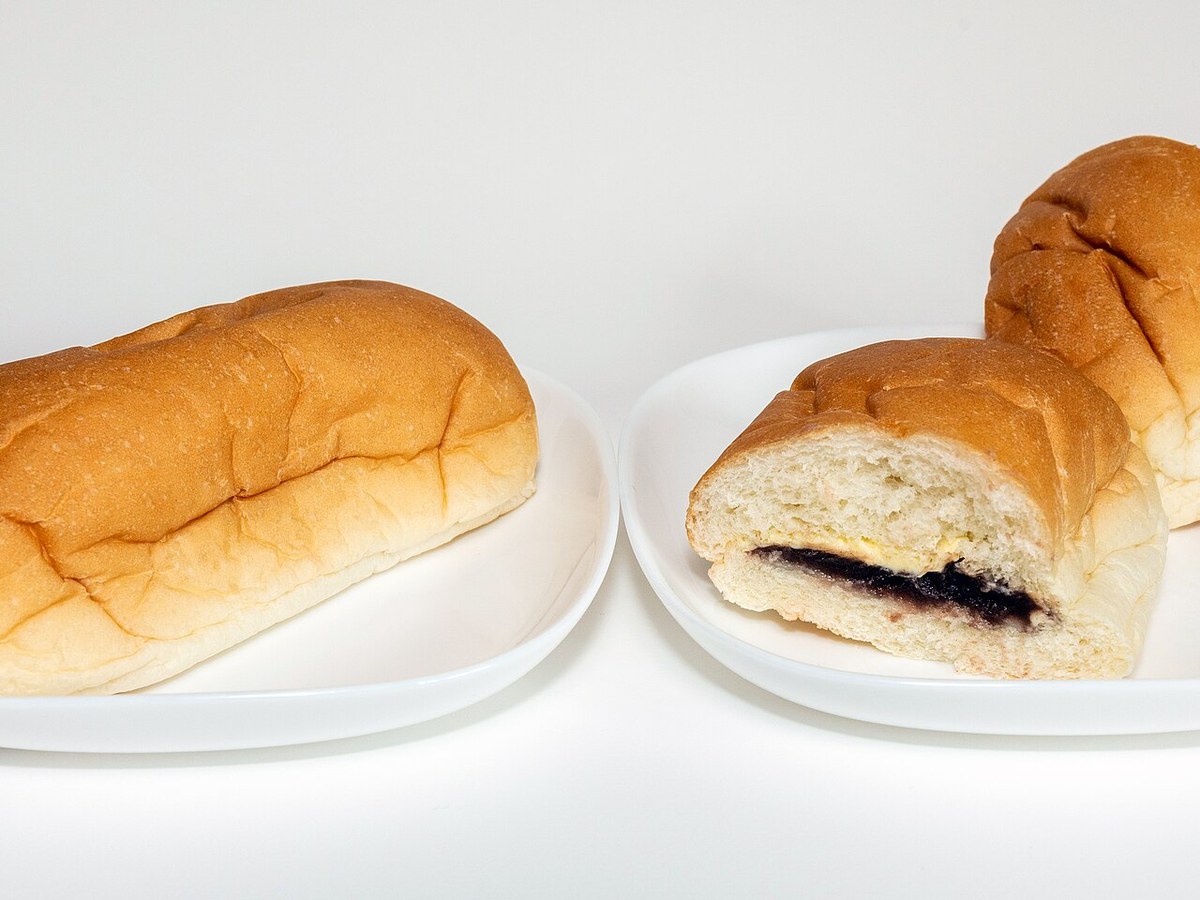
Morioka already has three famous noodle dishes in this collection. Its fourth food story is a bread roll. Fukuda Pan, founded in 1948 by a student of the poet Kenji Miyazawa, sells some 10,000 koppepan a day — big, soft, hot-dog-bun-shaped rolls split and spread to order with anything from red-bean-and-butter to corned beef and potato. The an-butter, the city's favourite, was invented by accident in the 1970s when two orders landed on one roll. Morioka has been ordering it on purpose ever since.
A roll built to feed students
Fukudapan's founder, Tomekichi Fukuda, was born in Hanamaki and studied under Kenji Miyazawa — later famous as a poet and fairy-tale author — at agricultural school. Applying his knowledge of yeast research, he founded the bakery in Morioka in 1948 and soon began selling bread at his alma mater, Iwate University (The Japan News by The Yomiuri Shimbun, 27 January 2026). Amid postwar scarcity he focused on the koppepan, the hot-dog-bun-shaped roll, with the idea of providing students with something cheap that fills them up: one roll provided calories equivalent to two bowls of rice and a bottle of milk.
The roll is still made the founding way. Its soft, spongy texture comes from the nakadane method, a two-stage dough kneading process used since the shop opened, and the dough alone weighs about 125 g in a roll roughly 17 cm long. The bakery now sells some 10,000 koppepan daily, and its main store, in a building that evokes a schoolhouse, keeps an eat-in corner for the queue.
Fifty fillings, two ways of spreading them
The system is the spectacle. About fifty fillings — sweet pastes, jams and creams on one side, cooked savoury fillings on the other — are spread into the split roll only after you order, so every roll is made in front of its eater. Two fillings can be combined, spread "mix" style, blended across the cut faces, or "half-and-half", one flavour at each end. For sweet combinations the price is simply the higher filling's price, which is why Morioka treats the menu as a construction kit rather than a list.
The savoury side runs to hundreds of combinations: egg, potato salad, spaghetti, yakisoba, chicken cutlet, hamburg. The sweet side is where the shop's history sits — jams, peanut cream, kinako, whipped cream — and where, sometime in the 1970s, the accident happened that gave Morioka its signature order.
The an-butter accident, and what rolls cost
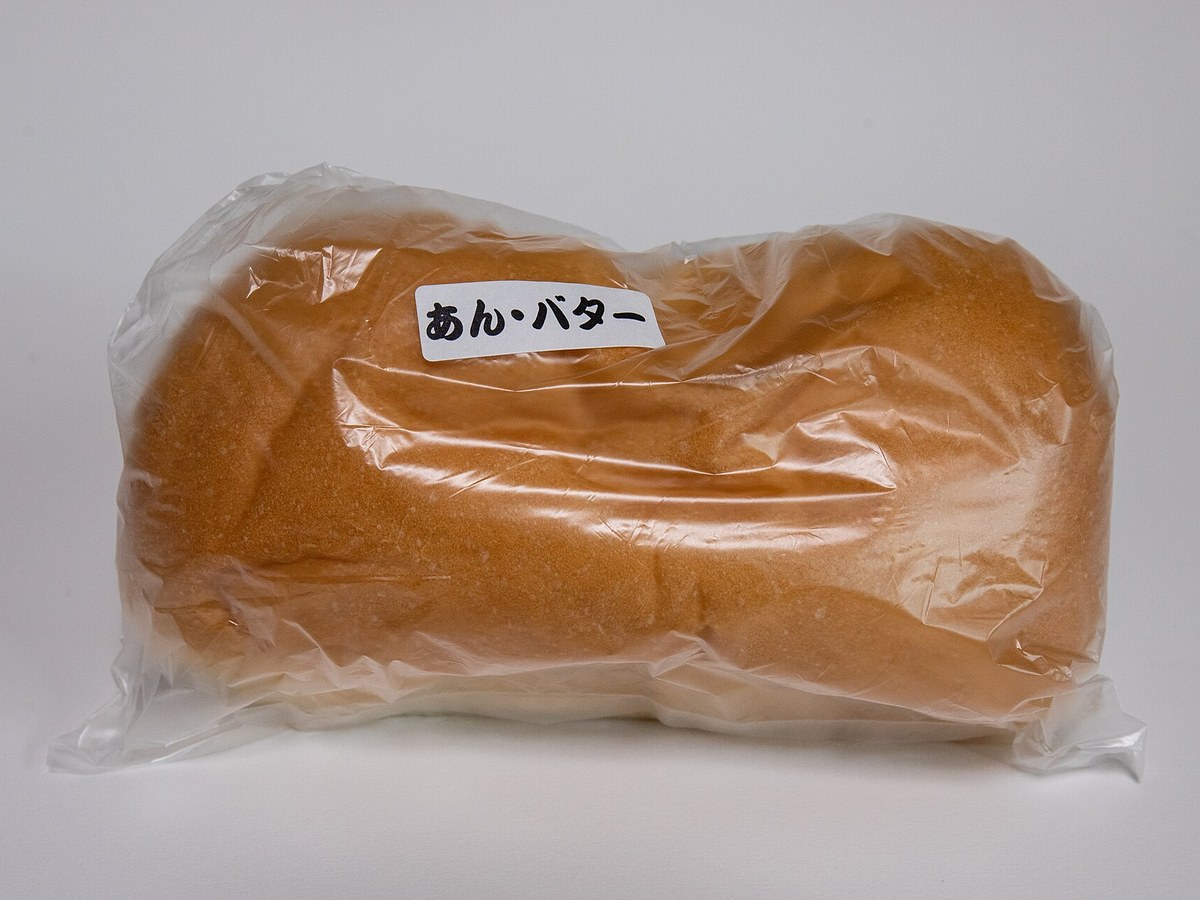
The most popular combination is red bean paste with butter. "It was born around the 1970s," third-generation owner Kiyoshi Fukuda told the Yomiuri: his mother, who worked at the shop, was asked to make one koppepan with red bean paste and one with butter — and accidentally spread them both on one roll. The salty-sweet filling against the rich butter-infused margarine turned out to be perfect, and an-butter has been the shop's signature ever since.
Prices from the Yomiuri record (January 2026): grated apple jam and butter 185 yen; jam and whipped cream 195 yen; matcha and whole peanuts 210 yen; chicken and egg 366 yen; corned beef with potato 366 yen; vegetable and jajamiso 531 yen. An October 2026 visit transcribed the main shop's menu board: rolls from 195 yen, anko with whipped cream at 225 yen, and daily specials such as strawberry milk with blueberry cream at 205 yen. Buy one for now and one for the train; the rolls are at their best the day they are spread.
Why Fukuda Pan is Morioka-only
Koppepan is a national school-lunch form, and filled rolls are sold in every city. Fukuda Pan is a place: one bakery house, founded in 1948 in Morioka, still fermenting its dough the founding way, still spreading every roll to order at the counter, and still selling the accident its founder's wife made in the 1970s as the city's first order. The Yomiuri calls the koppepan a cherished local favourite recognised by every citizen of Morioka — the fourth noodle-free pillar of the city's food identity.
It is also a document of its founder's schooling: a pupil of Kenji Miyazawa, Iwate's great writer of rural life, who applied yeast research to the practical problem of feeding students cheaply — and whose roll outgrew the university to feed a whole city, 10,000 times a day.
Sources — checked 13 November 2026
- The Japan News by The Yomiuri Shimbun — Morioka Bakery Fukudapan Sells 10,000 Koppepan Rolls Daily (27 January 2026)
- Bishoku-sou — Fukuda Pan, the koppepan begun by a pupil of Kenji Miyazawa (visited October 2026, updated 12 November 2026)
Checked 13 November 2026 (stored links re-fetched and judged per product): reserved where the page says so, with an editorial review note kept per product. Press, PR and travel use stays outside the grant.
Editorial review 2026-11-13