Order oyakodon in Odate and the chicken in the bowl has papers. Hinai jidori is Akita's certified eating bird: a cross bred in the 1970s from the prefecture's protected native chicken, raised for roughly three times as long as an ordinary broiler, and allowed to carry the name only when it meets the prefecture's own brand standards. It gives Akita its third story in this collection.
Two birds, one name to keep straight
There are two Hinai chickens, and confusing them is the classic mistake. The Hinai chicken (Hinaidori) is the original native breed of the Hinai district in northern Akita, raised since the Edo period and once paid as tax to the Kubota domain for the quality of its meat. In 1942 the surviving bloodline was designated a National Natural Monument — which protected it, and also ended its life as food: the pure breed is kept for conservation, not for the pot.
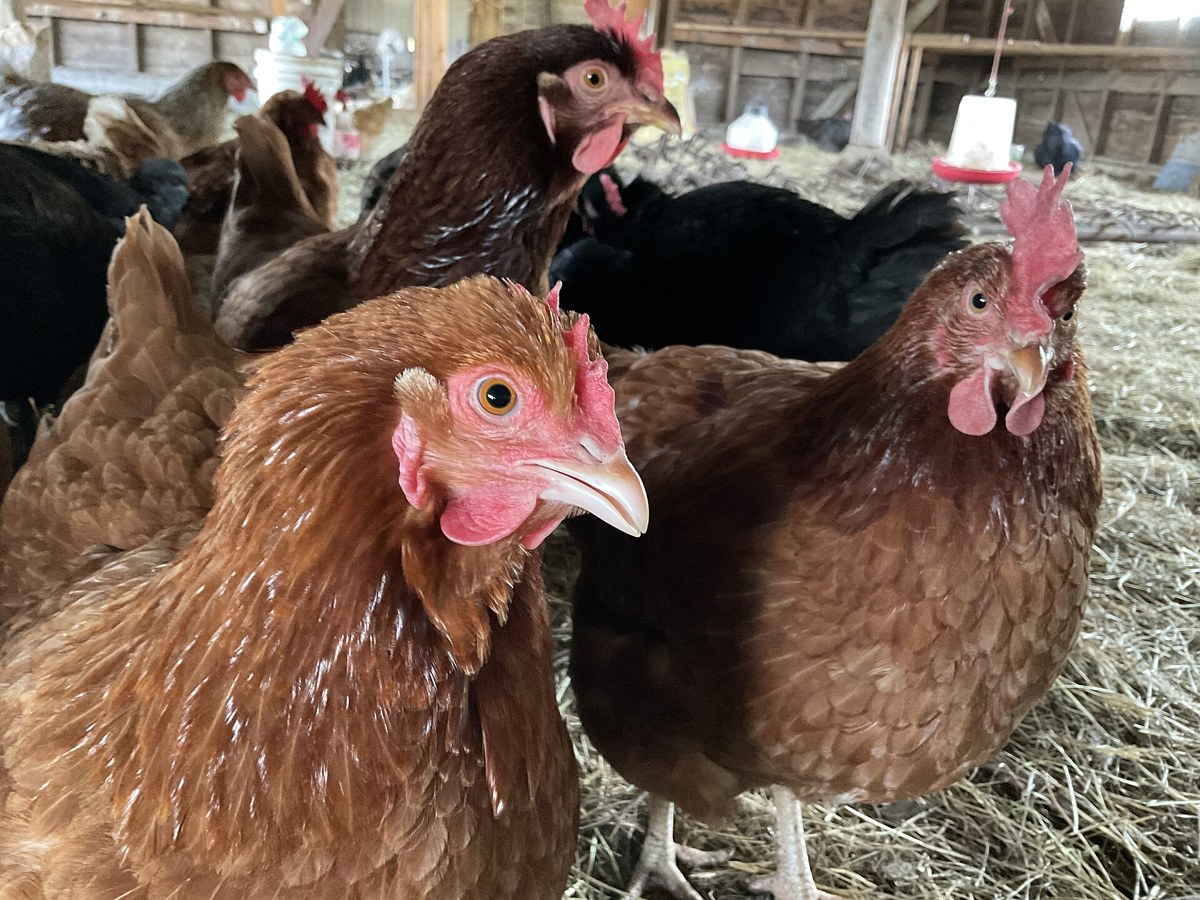
The bird on menus is its descendant. In the 1970s breeders crossed a male Hinai chicken with a female Rhode Island Red and produced Hinai jidori: an eating breed that keeps the native bird's firm, flavourful meat in a bird that can actually be farmed. Scientific studies of the brand note that almost all commercially sold Hinai jidori are female, and that the cross is fixed — an F1 whose Hinai sire line carries identifiable genetic markers.
The certificate is the product
What makes a Hinai jidori genuine is not the prefecture line on a map but a rulebook. The Akita Prefecture Hinai Chicken Brand Certification System certifies birds raised and produced under its production and management standards, and only those birds may be sold under the name. The standards, as summarised in checked guides to the prefectural guidelines, require a rearing period of around 100 to 150 days — a standard broiler gets 40 to 50 — with free-range keeping at under five birds per square metre after the birds are 28 days old.
Time is what you taste. The long rearing builds tighter muscle and a firmer, almost pheasant-like chew with high natural umami, a texture Akita cooks exploit rather than soften: the bird holds together through a simmering oyakodon and through the long bubbling of a kiritanpo hot pot, where a softer chicken would disappear. Breeders are blunt about the economics — a bird fed for about 150 days, four times a broiler's span, cannot be sold at broiler prices, which is exactly why the certificate exists.
Where it is eaten: Odate and Akita City
The home ground is Odate, beside the Hinai district itself. Akita Hinaiya's main store there (21 Omachi, Odate) was the first restaurant to use Hinai jidori for oyakodon and for yakitori, and is known as the birthplace of both dishes in this form; its kiritanpo nabe is built on the same bird. Checked directory prices put lunch there from ¥2,000 and dinner from ¥5,000. In Akita City, the producer-run Honke Abeya serves the bird as yakitori, hot pot and oyakodon, with set courses listed at ¥4,000 to ¥6,500 including tax in checked listings.
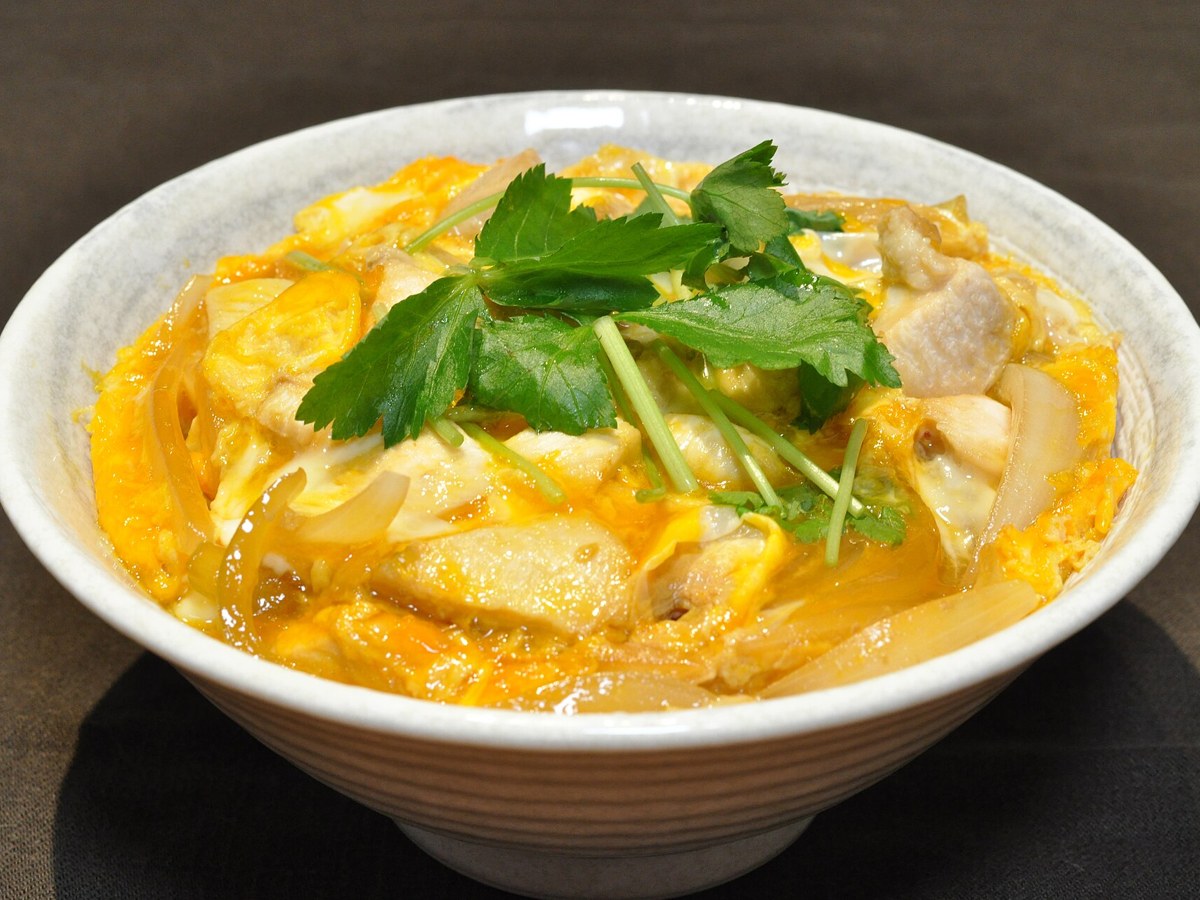
For a first taste, oyakodon is the standard order: the firm meat and rich eggs over rice show the breed's chew at lunch prices, while the kiritanpo nabe — the pounded-rice sticks of Akita's other story in this collection — is the fuller, shareable version for winter. Either way, ask which bird is in the pot: in Akita the answer should come with the certification behind it.
Prices and honest limits
A whole Hinai bird is a premium purchase: in May 2020, when restaurant demand collapsed, local sellers offered whole birds at ¥5,000 each in a sale the prefecture supported, moving 495 birds in five days — a useful anchor for what the slow-grown bird itself costs before a restaurant touches it. Restaurant eating runs from about ¥2,000 for lunch to course prices several times that, as the practical box records.
One limit to state plainly: the name travels. Certified birds are shipped and served outside the prefecture, including at producer-run shops in Tokyo, so this is not a food you can only eat in Akita. What stays in Akita is the raising and the certification — the 150 days on Akita ground under the prefecture's standard — and that, rather than the restaurant's postcode, is the edition this page documents.
Sources — checked 10 November 2026
- Japan Activity guide: Hinai Jidori Chicken in Akita
- NEFT guide: Odate's natural monument chickens and the Hinai jidori brand standards
- Kyodo News: Locals act to boost virus-hit sales of brand chicken in Japan
- Good Luck Trip directory: Akita Hinaiya Odate Main Store
Original prose and official links only; no source text or maker media reproduced. Photos are credited Creative Commons works, not product photographs.
Editorial review 2026-11-10