Every prefecture in Japan has one sweet that means home, and Fukushima's is a small golden bun with a Spanish name. Mamador — from an expression for a child drinking milk — is a milk-flavoured bean paste wrapped in buttery dough and baked, made by Sanmangoku of Koriyama since 1967. The company itself is older and stranger: founded in 1946 by a couple who came home from overseas after the war and started by selling amazake made from a brewer friend's sake lees. The bun outlasted everything else they made.
One maker's name for Fukushima
Mamador is not a style or a recipe shared by a region; it is a single product of a single company, Sanmangoku Co., Ltd. of Koriyama City, and the verified directory record — published with the owning party's confirmation — calls it the company's signature confection and a classic Fukushima souvenir. That narrowness is the exclusivity: if the bun in your hand is not Sanmangoku's, it is not Mamador, however milky it may be.
The record also fixes the shape of the product. Milk-flavoured bean paste is wrapped in a buttery dough and baked to a moist, bite-size bun, sold in packages running from 5 to 36 pieces — a range built for both the homeward traveller buying a small bag and the office gift-buyer carrying the big box. A chocolate sibling, Choco Mamador, appears only from October through May.
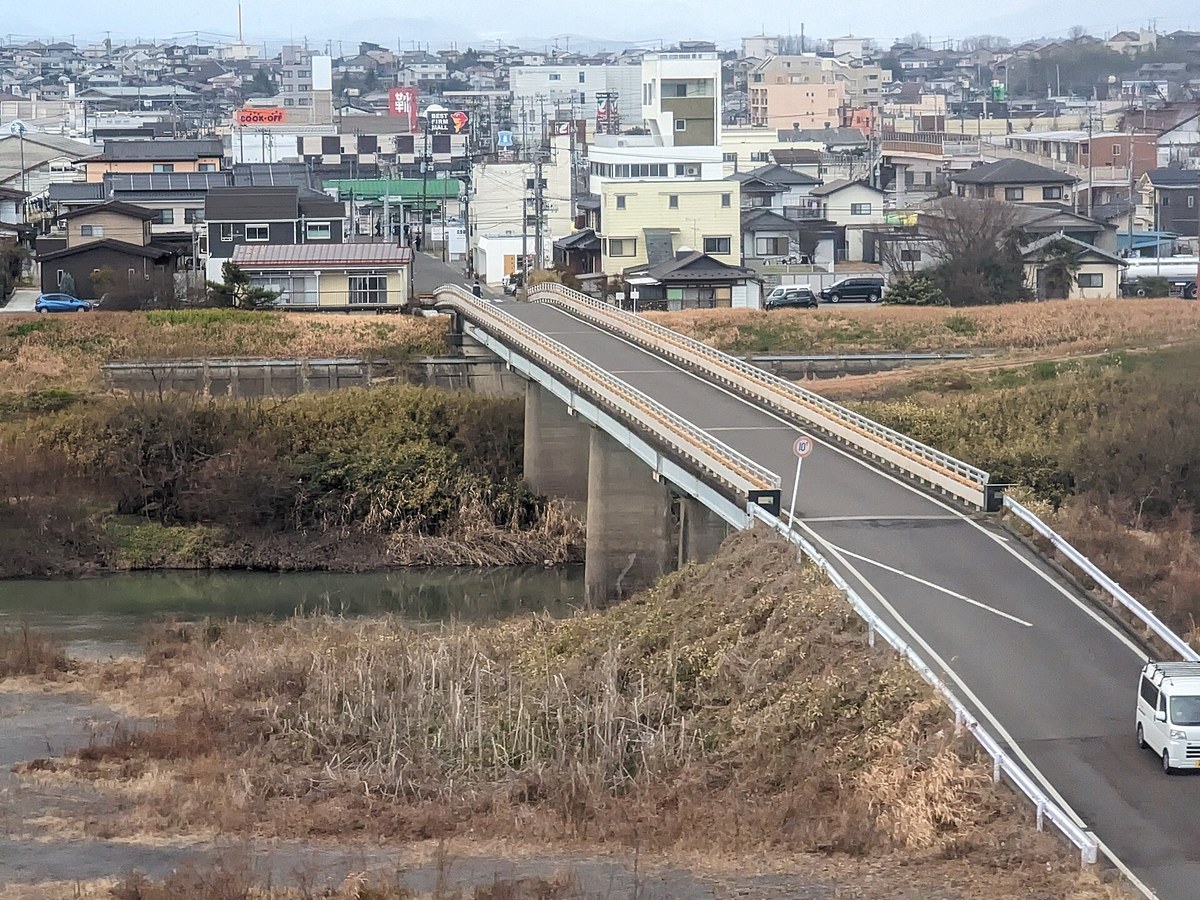
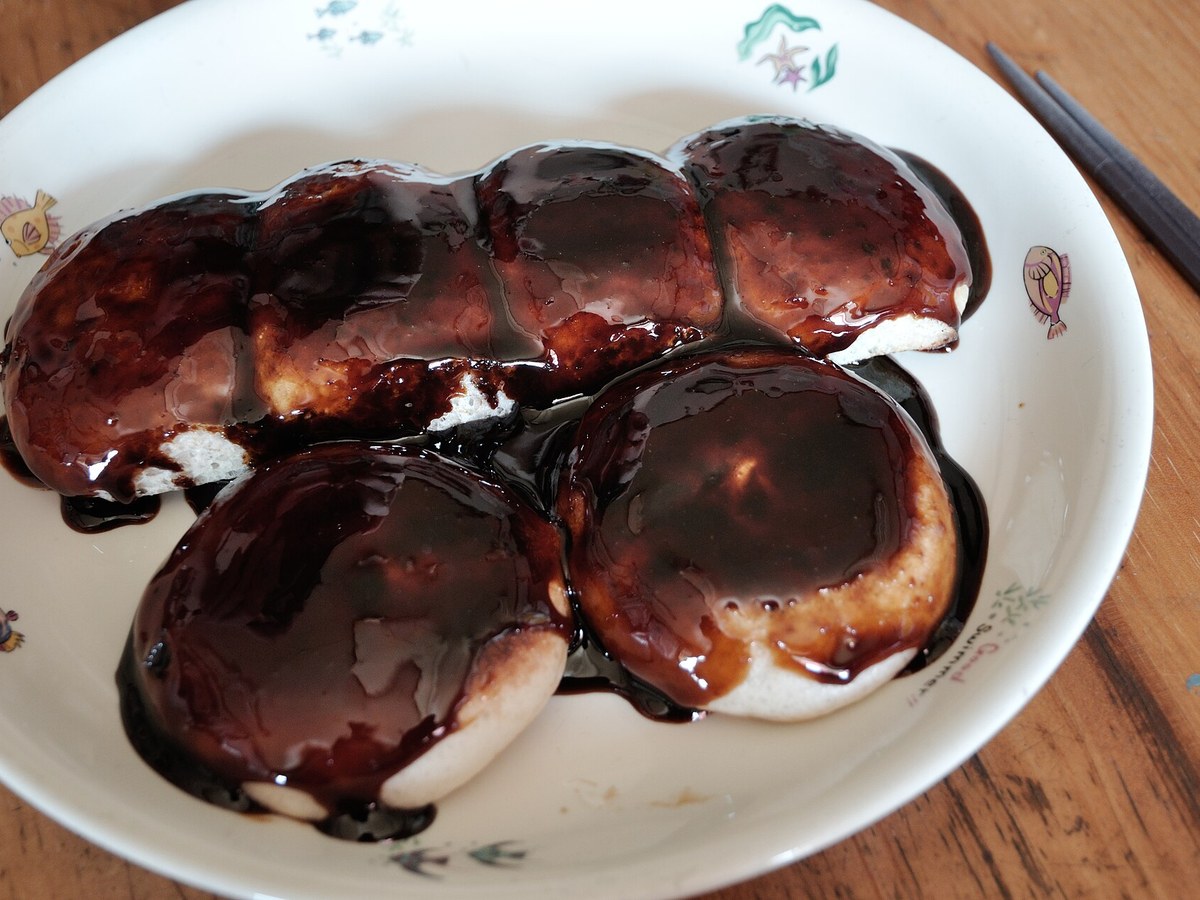
Amazake first: a company founded in 1946
Sanmangoku's own site tells the founding plainly. In 1946, just after the war, Sosuke and Toshii Ikeda returned to Koriyama from overseas; a brewer friend let them have sake lees, the amazake they made from it caught on, and the shop they founded as Fujiya grew into the confectioner that now signs its work 'from Fukushima–Koriyama to everyone in Japan'. Mamador arrived two decades later, in 1967, and has been sold for more than fifty years since.
The house creed printed on the same site — good ingredients before technique — is the sort of claim every maker makes, but Mamador's survival is the harder evidence: a single mild, milk-sweet bun, unchanged in concept across the decades when Japanese souvenir sweets chased every fashion, still anchors the company's name.
Why a Fukushima bun has a Spanish name
The name is the maker's favourite story about its own product: Mamador was inspired by a Spanish expression meaning 'a child drinking milk', and the bun was built to match the image — a moist texture and a mild, milk-forward flavour, soft enough that the filling gently crumbles and melts. It is a naming decision from 1967 that turned out to be permanent branding: no other major Japanese souvenir sweet carries a Romance-language name, and everyone in Fukushima can tell you what it means.
Treat the etymology as the maker's own account, which is how the record presents it. What is independently plain is the fit between name and thing — the filling really is a milk-flavoured bean paste rather than the usual plain sweet bean, and the dough really is butter-rich in the Western-style baking that post-war Koriyama was learning when the company was young.
Buying Mamador
The directory record prices Mamador from ¥675 for a bag of five, and lists where it is sold: Sanmangoku's stores within Fukushima Prefecture, highway service areas, department stores in Tokyo and the maker's online store. That spread — home prefecture first, the road and rail corridors second, the capital's gift floors third — is the classic geography of a Japanese regional souvenir, and it is why the bun turns up in Tokyo without ever stopping being Fukushima's.
Online, the maker's official Amazon storefront sells the 15-piece box at ¥2,250 including tax — ¥150 a piece — which gives a clean per-piece check against the bag price. One caution from the maker's own news column: a price revision was announced on 29 October 2026, so treat every figure here as the reading of 12 November 2026, not a promise.
Sources — checked 12 November 2026
- GOOD LUCK TRIP directory — Sanmangoku Co., Ltd. 'Mamador' (verified entry, confirmed by the owning party)
- Amazon.co.jp — Sanmangoku official storefront, Mamador 15 pieces (checked 12 November 2026)
Original prose and official links only; no source text or maker media reproduced. Photos are credited Creative Commons works, not product photographs.
Editorial review 2026-11-12