Barayaki is built from almost nothing: belly beef, onions, a sweet-spicy soy sauce and a screaming-hot iron pan. It was born about sixty years ago at a food stand outside the US base in Misawa, where cheap cuts had to feed a town, and it crossed into neighbouring Towada and took over — more than sixty shops in one small city, a promotion seminar, and in 2014 the B-1 Grand Prix, Japan's national championship of local comfort food. You cook it yourself, turning the beef over the onions until they go sweet and brown, and that small piece of theatre at the table is exactly why it never left home: barayaki is not a recipe, it is a Towada evening.
A base-town dish that became a city's soul food
Towada barayaki started in Misawa City about sixty years ago, after the war, when a food stand outside the US military base grilled cheaper cuts of beef to feed the town (Food in Japan, updated 9 November 2026). The dish uses beef belly — bara — and onions, marinated and grilled in a sweet, spicy soy-based sauce. It spread from Misawa through the south of Aomori and took root in neighbouring Towada City, where it became the city's soul food: more than 60 stalls and restaurants in Towada now serve barayaki.
The Towada Barayaki Seminar, founded in 2008, promoted the dish until it won the 9th B-1 Grand Prix in 2014 — Japan's national championship of local comfort food (NEFT). The originator shop is Aka Noren in Misawa, and Towada also serves a horse-meat version, a reminder that this is horse-and-beef country.
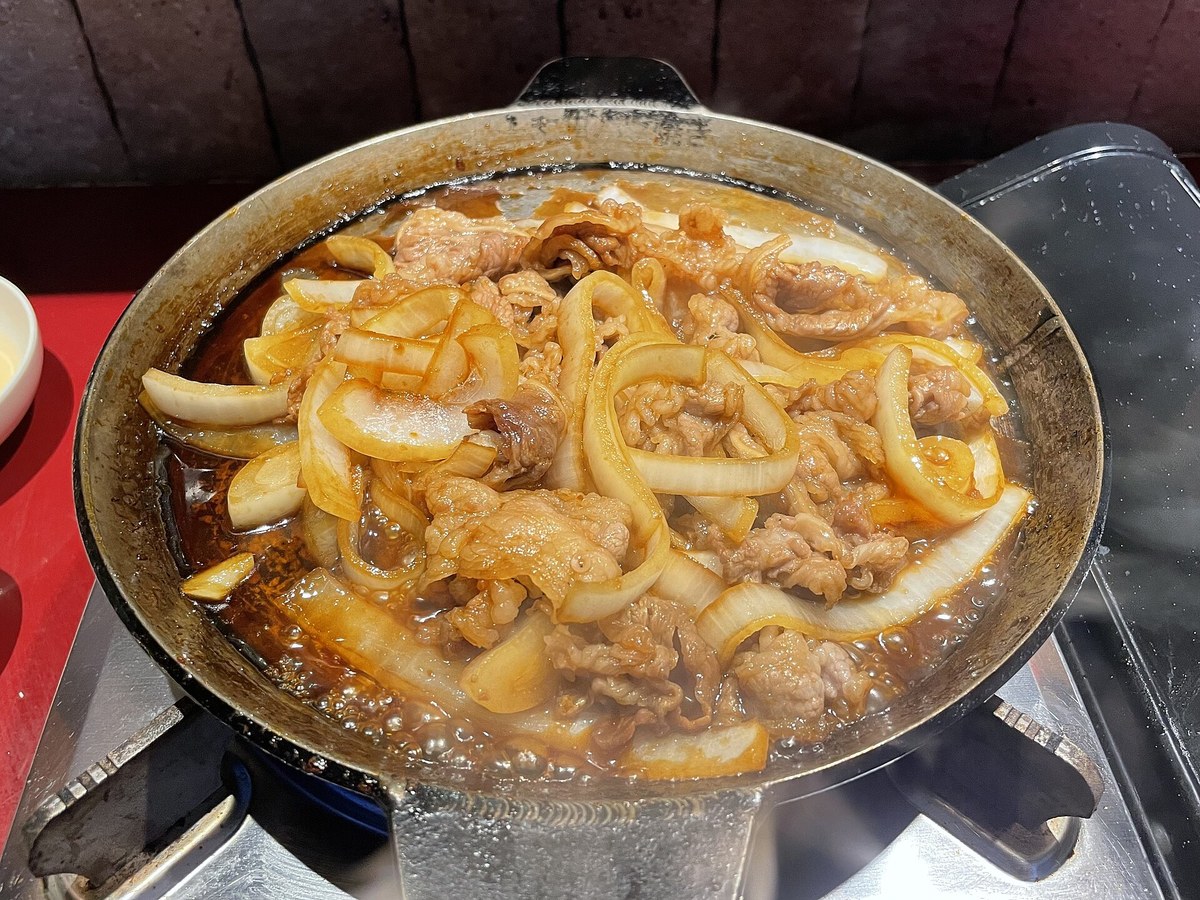
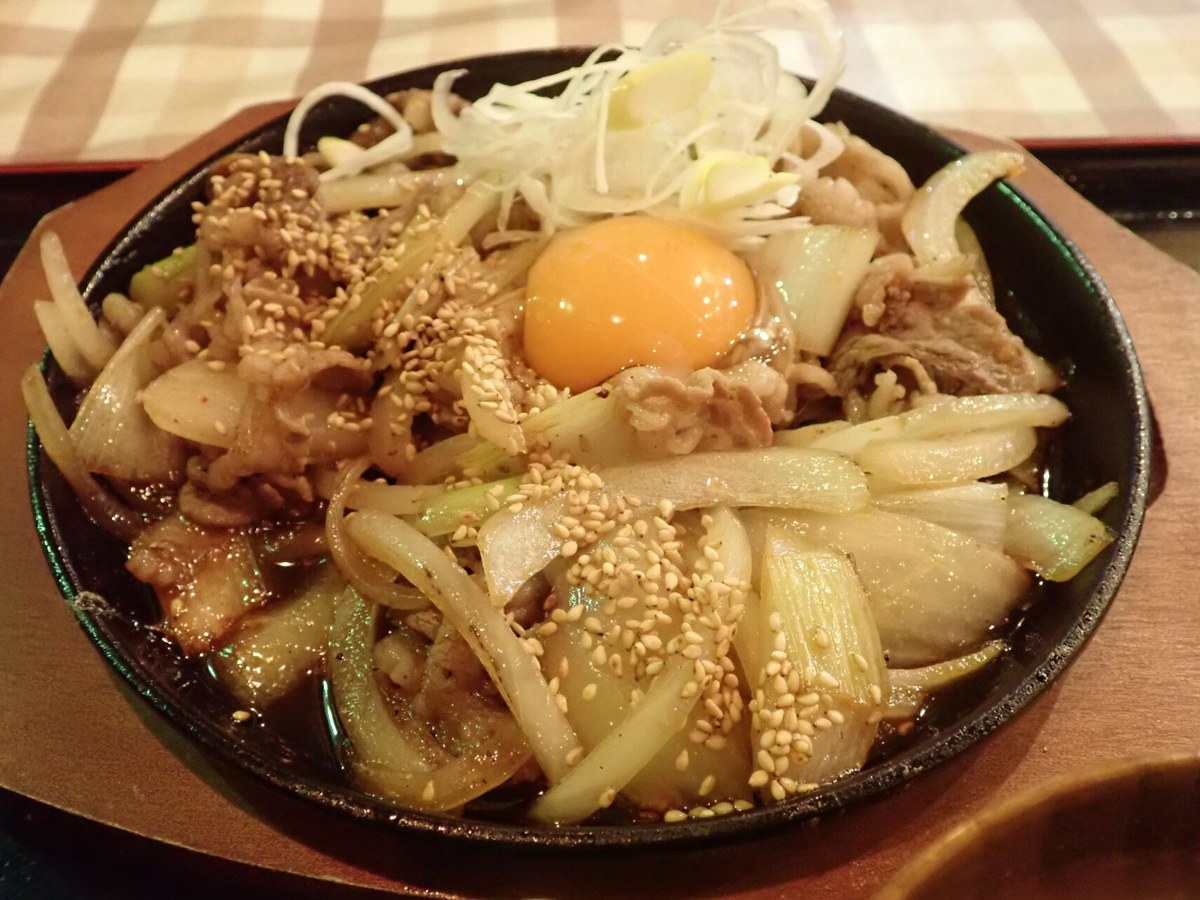
How it is cooked — and how you cook it
Thin beef slices arrive marinated in the house soy-based sauce and are grilled on a big iron pan with plenty of sliced onions, turned until the onions go light brown and the sauce caramelises (Food in Japan). At most Towada shops you cook it yourself: the meat and onions go on the hot plate together, and the trick is to keep the beef moving so it does not stick, then rest it on the layer of onions as it finishes.
Each house guards its sauce. The Oirase Beer Brewery & Restaurant serves its barayaki with the 'Versailles no Barakattare' sauce — a B-1 Grand Prix gold-winning sauce built on Towada garlic and Aomori apples — and will add local Oirase pork on request. Presentation varies too: Tsukasa builds the onions into a tower first, while older diners simply bring the pan and let you work.
Where to eat it, with prices
Taishoen Shokudo has served barayaki since 1963 and charges 770 yen a portion; its lunch set (11:00–15:00) adds rice and miso soup (Food in Japan). Tsukasa Barayaki Taishu Shokudo prices its beef lunch at 1,650 yen and pork at 1,430 yen, with free rice refills, salad and pickles. The Oirase Beer Brewery & Restaurant charges 1,100 yen for a single portion or 1,540 yen for the 'Stream Plate' set — pair it with the brewery's own beer.
With 60-plus places in one small city, barayaki is the easiest Aomori speciality to eat without a plan: pick any diner with the sign, order beef for the classic or pork for the budget version, and expect to leave smelling of grilled onions — that is part of the ritual.
Why barayaki is Towada-only in spirit
Beef-and-onion teppanyaki exists all over Japan, but barayaki as a named dish — belly beef, onions, sweet-spicy soy sauce, an iron pan, cooked by the diner — was codified in the Misawa–Towada corridor and is promoted by a dedicated local seminar that took it to a national title. The sauce culture is local too: Towada garlic and Aomori apples are the headline ingredients of the city's gold-winning blend.
It is, in other words, a dish you can imitate anywhere but can only eat properly here — at a formica table in Towada, sleeves rolled, turning your own beef while the onions go sweet underneath.
Sources — checked 13 November 2026
- Food in Japan — Towada Barayaki (updated 9 November 2026)
- NEFT — Towada Barayaki (Aomori local record)
Checked 13 November 2026 (stored links re-fetched and judged per product): reserved where the page says so, with an editorial review note kept per product. Press, PR and travel use stays outside the grant.
Editorial review 2026-11-13