Aomori's most colourful craft began underwater. Hokuyo Glass, founded in 1949, blew the glass floats that held up fishing nets — by 1973 it made more of them than anyone in Japan. When plastic took the floats' place, the glassblowers turned the same skills to the table, and in 1977 Tsugaru Vidro was born: free-blown bowls, glasses and vases in more than a hundred colours drawn from Aomori's seasons, starting at ¥1,430 for a small bowl.
From fishing floats to the table
The float trade was serious industry: a float that failed lost a fisherman his net, and Hokuyo's floats were prized for their strength. Blowing a hollow glass sphere that survives the sea teaches exactly the skills fine glassware needs — judging thickness by eye, keeping the gather centred, working fast before the glass cools.
When plastic floats displaced glass in the 1970s, that skill base could have died with the product. Instead the company re-aimed it: the same furnaces and blowers began making vases and tableware, and the line took the region's old name — Tsugaru, western Aomori — and the old word for glass, vidro.
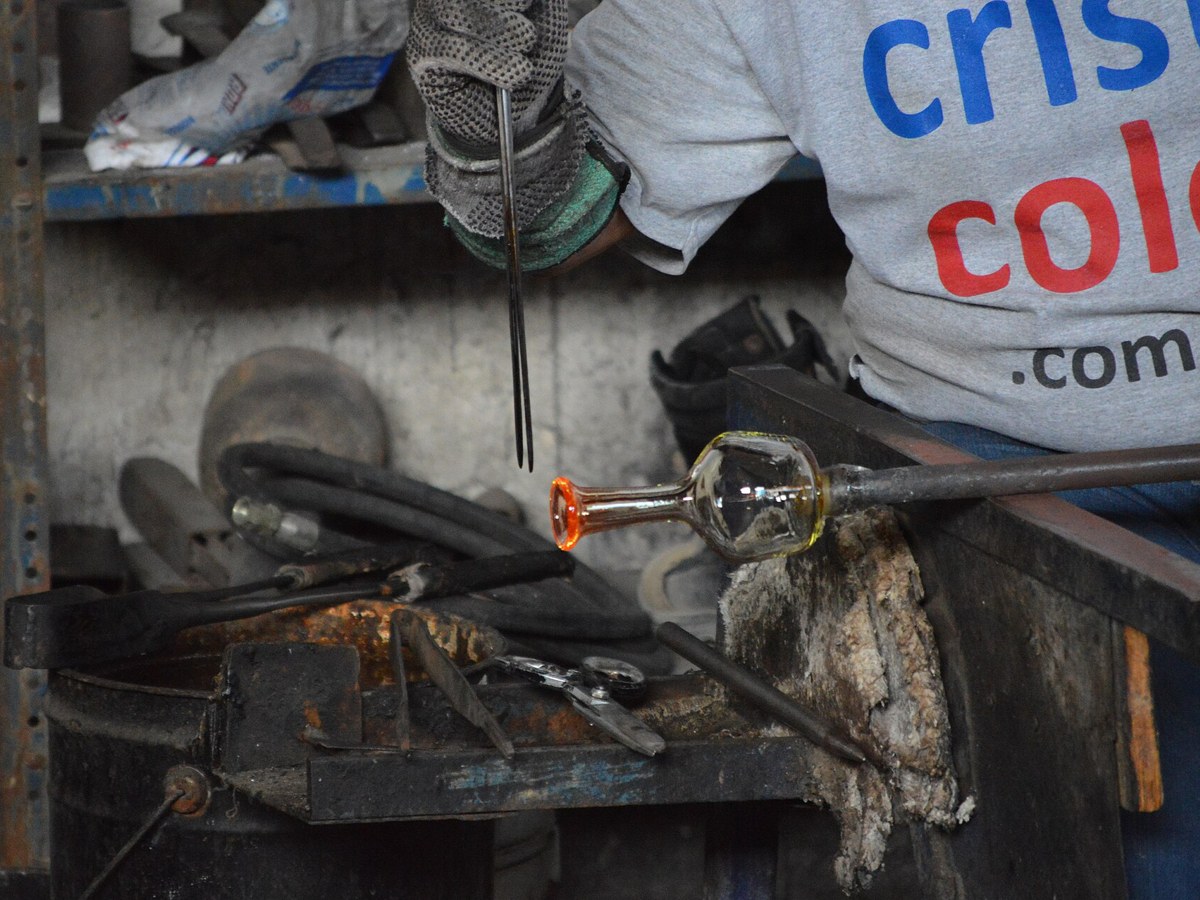
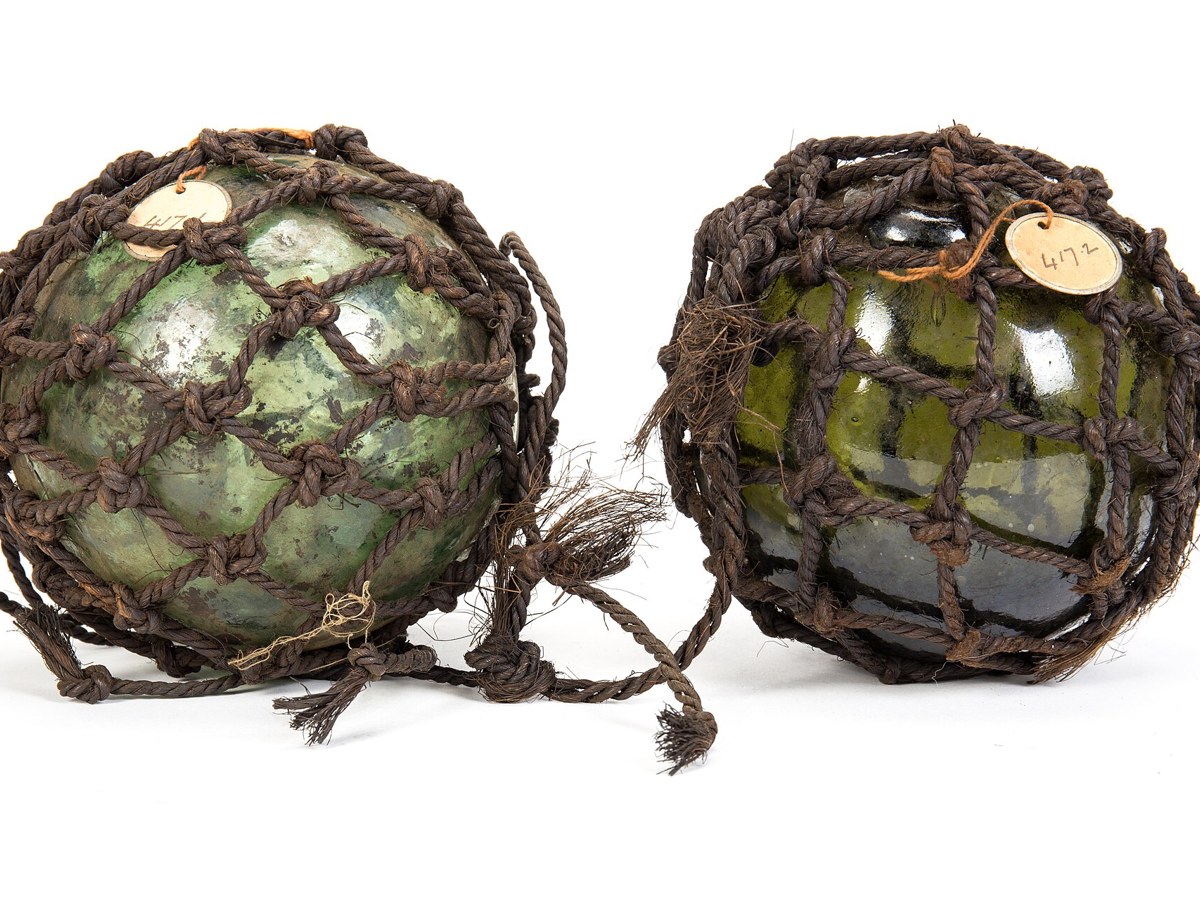
Free-blown, in Aomori's colours
Much Tsugaru Vidro is free-blown — shaped by breath and hand without a mould — so no two pieces are quite alike, and the small variations are the point rather than a defect. The colour library runs to more than a hundred shades, mixed by the craftspeople to evoke the prefecture: festival nights, apple blossom, the sea off the Tsugaru strait, snow light.
The 'Flowers of Tsugaru' series names its colours for the region's blooms; its newest colour, Katakuri — the pale violet of the dogtooth violet — arrived in October 2026 across bowls, glasses and plates. A second line, DOUBLE F, upcycles recovered glass fishing floats themselves, melted down and reborn as vases and wind chimes in a deep blue-green.
Practical details: prices, where to buy, online sales
Prices (checked 9 November 2026, tax included, from the maker's new-item announcement): in the 'Flowers of Tsugaru' Katakuri colour, a shallow small bowl is ¥1,430, a three-legged small plate ¥1,430, a free-form glass ¥1,650, a multipurpose bowl ¥2,530 and a glass noodle bowl ¥3,300. The upcycled-float DOUBLE F line runs higher: a single-stem vase ¥4,400 and a wind chime ¥6,600.
Where to buy: the maker's shops and factory in Aomori, and craft retailers in Aomori City and across the prefecture first of all; department stores and online shops carry the line beyond Aomori. Official online sales: yes — the origin claim is about making, not confinement. Type of edition: regional edition — a designated Aomori traditional craft from a single Aomori maker.
Glass you can use every day
Tsugaru Vidro's appeal is that it is art glass priced and built for the table: the small bowls and free-form glasses are the pieces owners actually use daily, and the free-blown wobbles and bubbles read as warmth rather than flaws. Start with one coloured glass and the set tends to grow.
As a souvenir it carries its story visibly — a visitor who has seen the Nebuta floats or the winter sea can find both in the colour chart. It is Aomori's landscape, functional and giftable, from the last people in Japan who blew glass for the sea.
Scope: what 'limited' means here
Tsugaru Vidro is documented as Hokuyo Glass's Aomori-made handmade glassware, a designated traditional craft of Aomori Prefecture; retail beyond Aomori exists and is stated. Checked 2026-11-09. Prices are the cited listings and vary by series.
Sources — checked 9 November 2026
- Osara Journal: Tsugaru Vidro — from fishing floats to glassware (maker story)
- HYAKKEI: Tsugaru Vidro 'Flowers of Tsugaru' new Katakuri colour items and prices
- Kodawari Times: Tsugaru Vidro DOUBLE F -UKIDAMA EDITION- upcycled float glass
- Japan Unknown: Tsugaru Vidro — Aomori glassware that reflects the four seasons
Original prose and official links only; no source text or maker media reproduced. Photos are credited Creative Commons works, not product photographs.
Editorial review 2026-11-09