In Kyoto they lift the skin from the edge of the pan, in a single gossamer sheet. In Nikko they plunge the skewer into the middle and fold the sheet over on itself — twice the thickness, twice the chew — and they write the result with a different second character, waves instead of leaves, as if to say the two foods merely share an ancestor. Nikko yuba is Tochigi's third story: the protein that carried a mountain full of vegetarian monks for twelve and a half centuries.
766: the year the temples, and the yuba, arrived
Tobu Railway's official feature on Nikko's food culture gives the tradition a founding date. Yuba was brought to the area in 766, when Buddhist temples were first founded in the Nikko mountains; it is, the railway says, nutritious and easy to process and carry, and it became an indispensable source of food for the monks and acolytes in training — a core of shojin ryori, the Buddhist vegetarian cuisine in which no animal product is used. The checked specialist guide, citing the Tochigi Guide, tells the same arc from the other end: for centuries yuba was the ascetic monks' essential protein in this sacred place, and only in the Meiji era did it become a food the general public could enjoy.
The setting did the rest. Nikko's shrine-and-temple town — today a World Heritage site — needed a cuisine of its own for the pilgrims and priests who filled it, and the pure mountain water that makes its soy milk made the yuba worth travelling for. Restaurants near the shrines still serve it the temple way, and at Nikko Hoshinoyado, an inn by the World Heritage precinct, guests can skim hikiage-yuba straight from the pot and eat what they have made, Tobu records — the production line and the lunch in a single gesture.
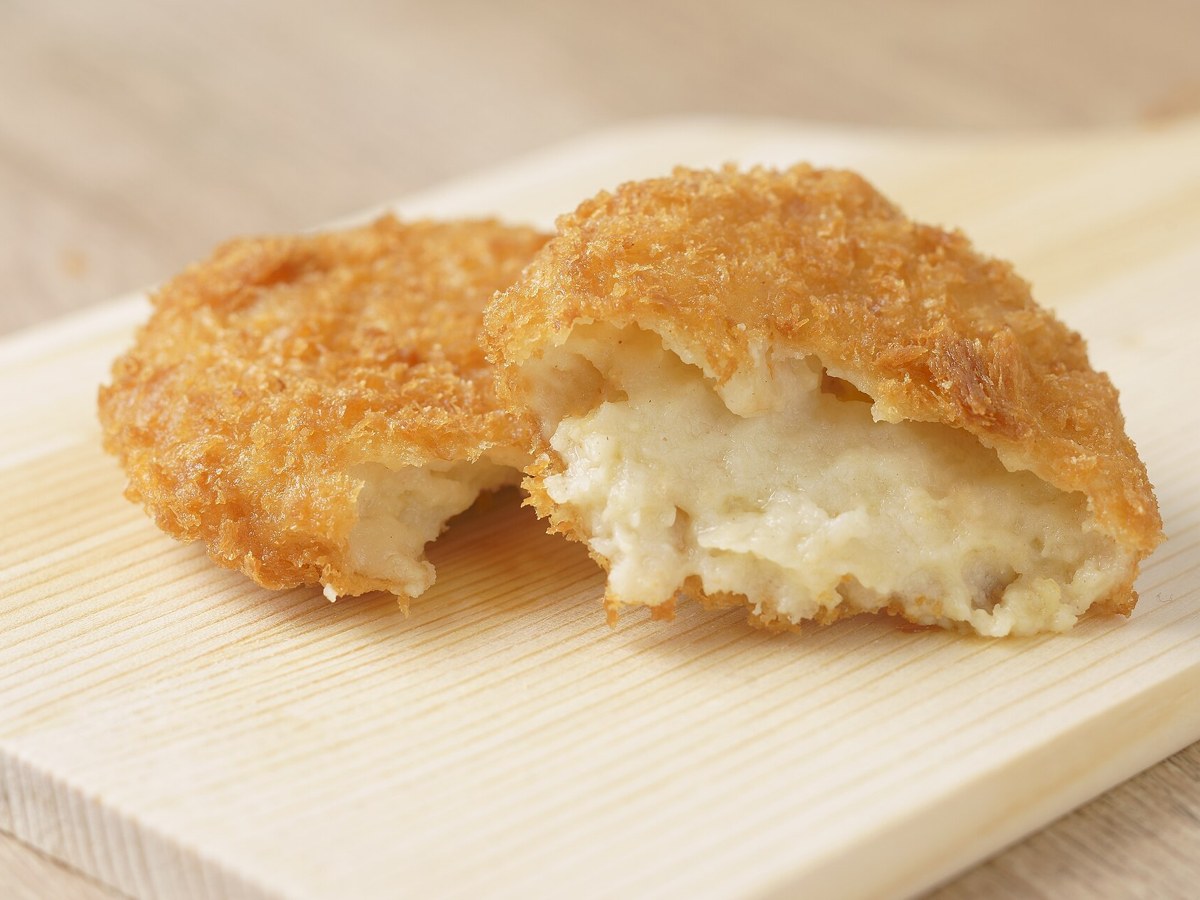
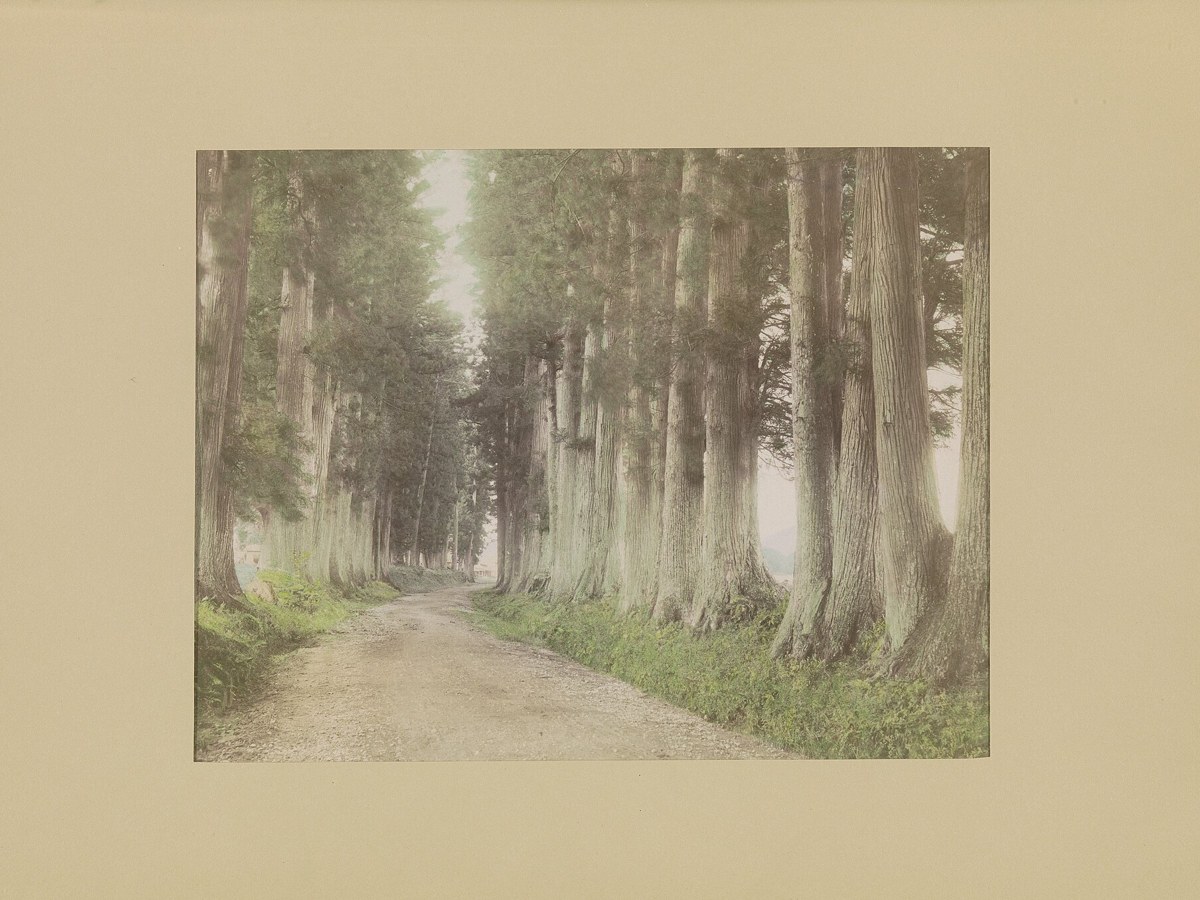
Folded, not lifted: the Nikko difference
The two yuba cities are separated by one movement of a skewer, and the movement is recorded precisely. Kyoto yuba is made by inserting a skewer through the edge of the thin soybean film and scooping it out, a single layer. Nikko yuba is made by inserting the skewer into the centre of the film and folding it on itself — the result thicker and firmer, able to be simmered, rolled and fried without dissolving. Even the spelling insists on the distinction: Kyoto writes 湯葉, hot-water leaves; Nikko writes 湯波, hot-water waves.
That body is why Nikko's repertoire runs wider than the raw sheet. The full course — a Yuba Gozen — moves through every preparation the fold makes possible: sashimi-style hikiage yuba served cold in soy milk, simmered yuba in dashi, agemaki yuba deep-fried in rolls, yuba tempura, and rice dishes to finish. The long-established reference point is Ganso Nikko Yuba Ryori Ebisuya, at 4-9 Honcho, one of the restaurants that originally made yuba a Nikko specialty, its courses still faithful to the Buddhist vegetarian principles the food was born under.
What it costs to eat the temple's protein
The ladder is gentle at the bottom. Yuba appears across the shrine approach as street snacks at ¥200 to ¥600 — no reservation, eaten standing — and as yuba soba, the standard day-tripper's lunch, at ¥1,000 to ¥1,800 a bowl, or ¥1,500 to ¥2,500 for a substantial set with yuba on the side. The full Yuba Gozen course, the complete argument in one sitting, runs about ¥3,000 to ¥7,000 per person at lunch, more at dinner in the grander houses. Plan the day around the town's early hours: many Nikko restaurants close before 18:00, and the popular yuba kaiseki rooms fill — the checked guide advises reserving at least a day ahead.
Tochigi's standing stories in this collection are a pottery town and a gyoza capital; Nikko yuba gives the prefecture its third register entirely — a temple food older than the shrines' famous lacquer, made from nothing but soy milk, mountain water and a fold. Eat the sashimi form first, cold, while the sheet still tastes of the pot it rose on.
Tochigi's shelf, stilled
Tochigi's standing pair are loud foods and loud crafts — Mashiko's earthy pottery and Utsunomiya's gyoza, eaten in quantity and argued about. Nikko yuba is the prefecture's quiet register: a food that exists because a religious rule forbade almost everything else, refined over twelve centuries into a course of a dozen preparations from a single skin. The three stories together are the prefecture whole — the kiln, the dumpling and the temple.
If you make only one yuba stop, make it a course lunch rather than a snack: the sashimi sheet, the simmered fold and the fried roll are three different foods wearing one name, and only the set shows why Nikko bothered to fold it double.
Sources — checked 10 November 2026
- Nikko Yuba: Japan's Secret Delicacy (checked guide citing the Tochigi Guide)
- Tobu Railway official feature: Time Travel Gourmet around Tokyo — Nikko yuba
- Nikko Yuba Food Guide (checked guide)
- Tsunagu Japan: a Nikko day with yuba cuisine (Aburagen, founded 1859)
Original prose and official links only; no source text or maker media reproduced. Photos are credited Creative Commons works, not product photographs.
Editorial review 2026-11-10