Ask Japan for its famous melon and the answer is Yubari. Ask where Japan's melons actually come from and the answer is Ibaraki — the country's top melon prefecture for more than twenty years, some 40,000 tons a year, centred on Hokota, a small Pacific-side city that is the largest single melon municipality in Japan. And Ibaraki did not rest on acreage: its own researchers spent a decade testing over 400 crosses to breed a flagship variety, released in 2011 under a name with the ambition stated on the label — Ibaraking.
The king was bred, not found
The compilation record gives the breeding programme in numbers a seed catalogue would envy: Ibaraking went on sale in 2011, but development began a full decade earlier; researchers at the prefecture tested more than 400 crossbreeding combinations before settling on the variety — the male parent a variety of Earl's melon, the female parent selected from a pool of 40,000 candidates. The result is a green-fleshed melon larger than standard spring melons, its flesh roughly ten percent thicker, smooth and dense, sweet with a clean aftertaste.
The name, the record notes, was chosen with the explicit goal of making the variety the king of melons in Ibaraki. A prefecture breeding its own flagship — rather than renting fame from a place name — is the Ibaraki method in one story.
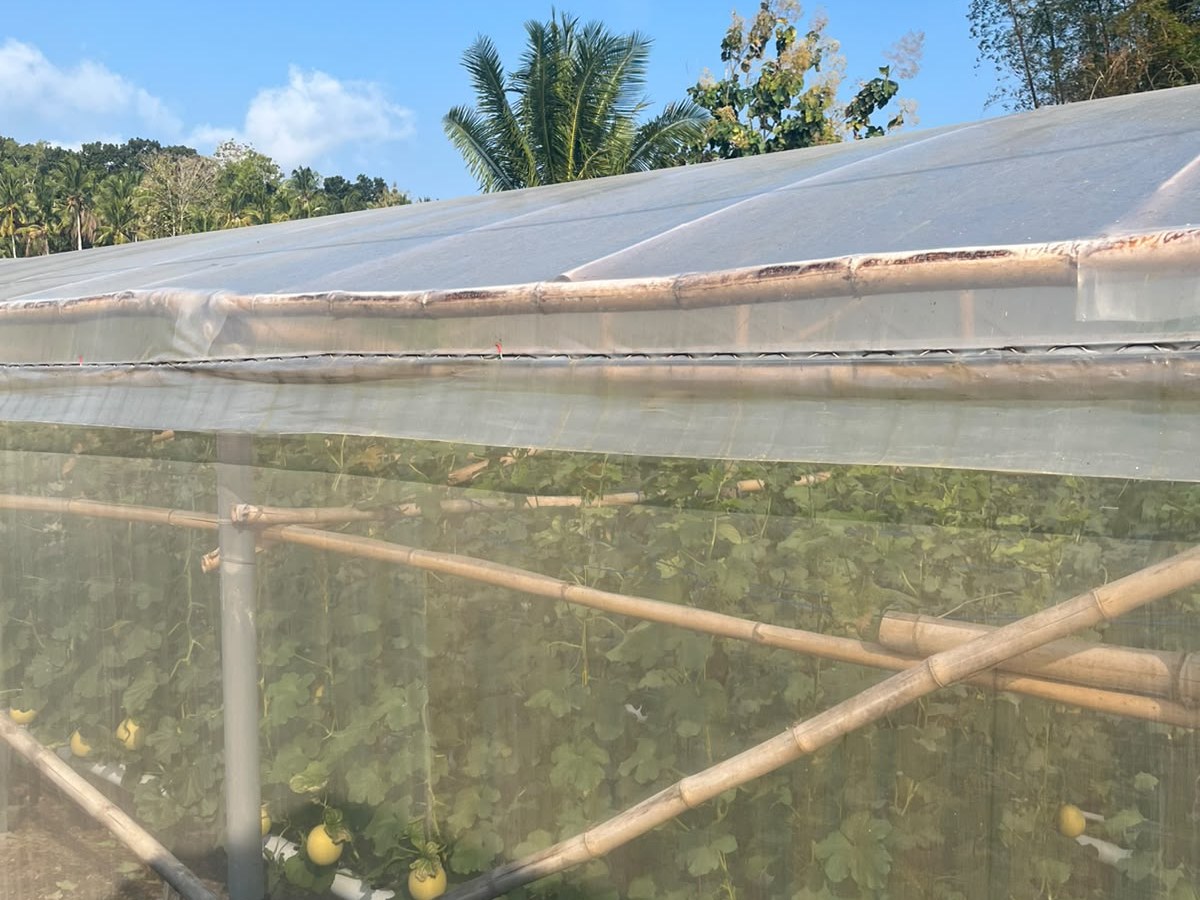
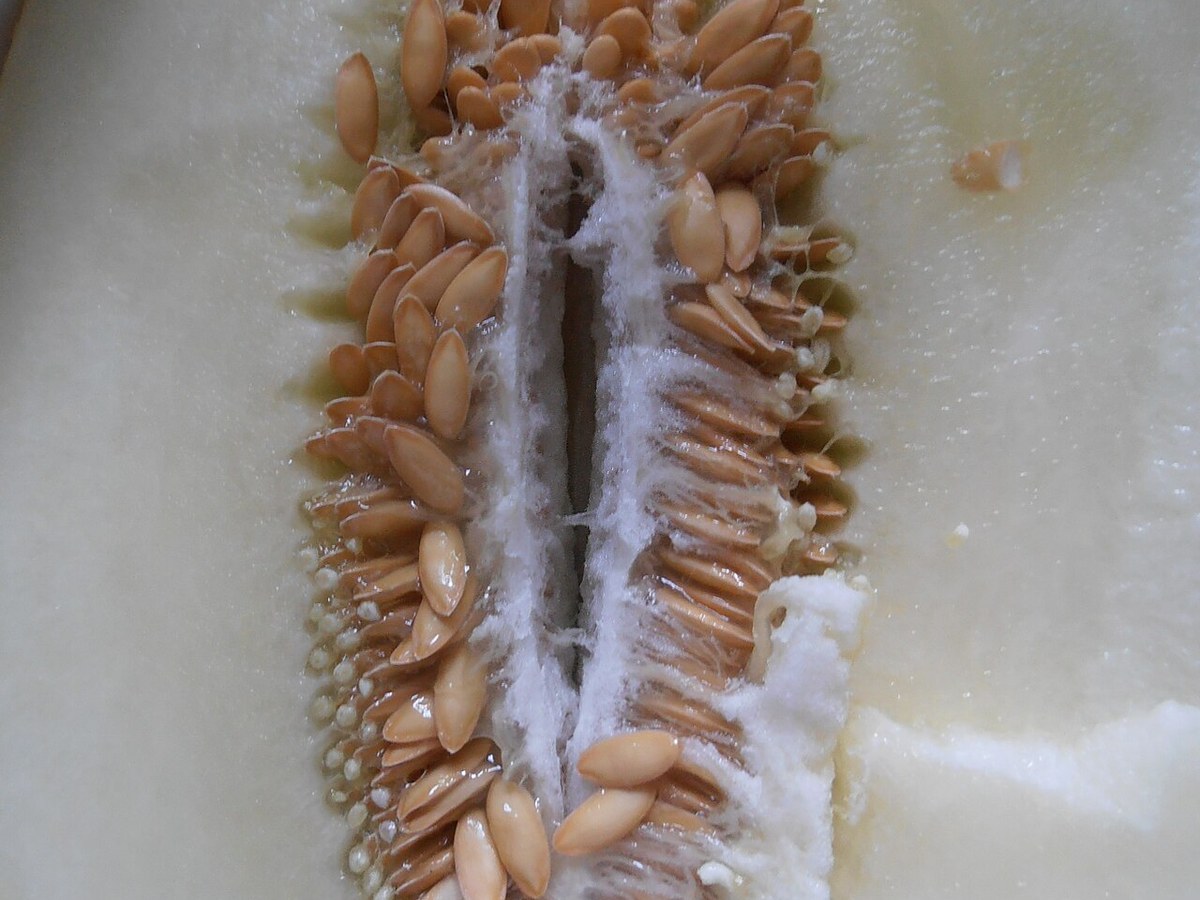
Hokota: Japan's melon capital by volume
The ground under the variety is as distinctive as the breeding. The Shun Gate record describes Hokota, ringed by the Pacific, Lake Hinuma, Kasumigaura and Lake Kitaura, boasting the largest melon production in Japan: sea breezes keep it cool in summer and mild in winter, the Kanto loam drains well and holds water, and the city — growing melons since the 1950s — quickly became the nation's top producer and still counts about 500 melon farms. The compilation adds the prefecture's arc: cultivation began in earnest in the early 1960s, and by the late twentieth century Ibaraki had captured the national top spot and never relinquished it.
The season is a relay, not a moment: on the Shun Gate account, spring melons run from Otome in early April through Andes and the orange-fleshed Quincy to Yuka in early July, then Earl's takes the summer — with Ibaraking itself in season from May to early June. The prefecture's export record puts the full Ibaraki melon selection on sale for half the year, April to October.
Measured before it may be premium
Premium Ibaraki melon is a measurement before it is a taste. The compilation records that the JA Hokota Melon Committee applies strict shipping standards to the premium Ibaraking label: each melon is measured for sugar content, ripeness and water saturation using optical sensors, and only fruit meeting the benchmark earns the 'High Quality Ibaraking' certification. The Shun Gate farm record shows the same discipline at JA Ibaraki Asahimura — every melon sensor-measured before shipping — and the growers' own corollary: the last two weeks before harvest are kept dry, because overwatered fruit tastes bland and withheld water drives the sugar up.
At the very top, the prefecture has lately pushed a certified-master grower tier whose first fruit reached a Tokyo department store in a paulownia box at ¥12,960 a melon, on the press record — Ibaraki openly chasing the gift-fruit crown its volume never bought it.
Buying Ibaraking
The checked retail record is Hokota City's listing on the Asahi furusato portal: Ibaraking melons, two to a box, at a ¥19,500 donation, shipped from mid-May to late June — the listing describing Hokota, facing the Kashima Sea, as Japan's top melon-producing city and Ibaraking as Ibaraki's original variety with a refined, refreshing sweetness. In Hokota itself, farms and roadside stations sell the same fruit direct at a fraction of Tokyo department-store prices during the May–June peak.
What to check on any box: the variety name Ibaraking and an Ibaraki — ideally Hokota — origin, and for the premium claim, the sensor-certified grade. An 'Ibaraki melon' without the variety name is the family, not the flagship.
Sources — checked 12 November 2026
- Food in Japan — Ibaraki Melon: Japan's top melon region and its best varieties
- Shun Gate — Hokota's melons: a new challenge for three generations of farmers
- Ibaraki Prefecture export product record — Melon
- Furulabo (Asahi furusato portal) — Ibaraking melons, 2 in a box, Hokota City (checked 12 November 2026, search reading)
Original prose and official links only; no source text or maker media reproduced. Photos are credited Creative Commons works, not product photographs.
Editorial review 2026-11-12