Every prefecture has a souvenir bun. Saitama's has a review printed on its reputation: 'delicious — too delicious.' Jumangoku manju is the steamed yam bun of a single Gyoda confectioner, its skin stamped with the house name and its slogan borrowed from the famous artist who refused to let it stay a local secret. It gives Saitama, whose two stories so far are a tea and a doll, its first sweet — and its most confident one.
A yam bun with the house name on top
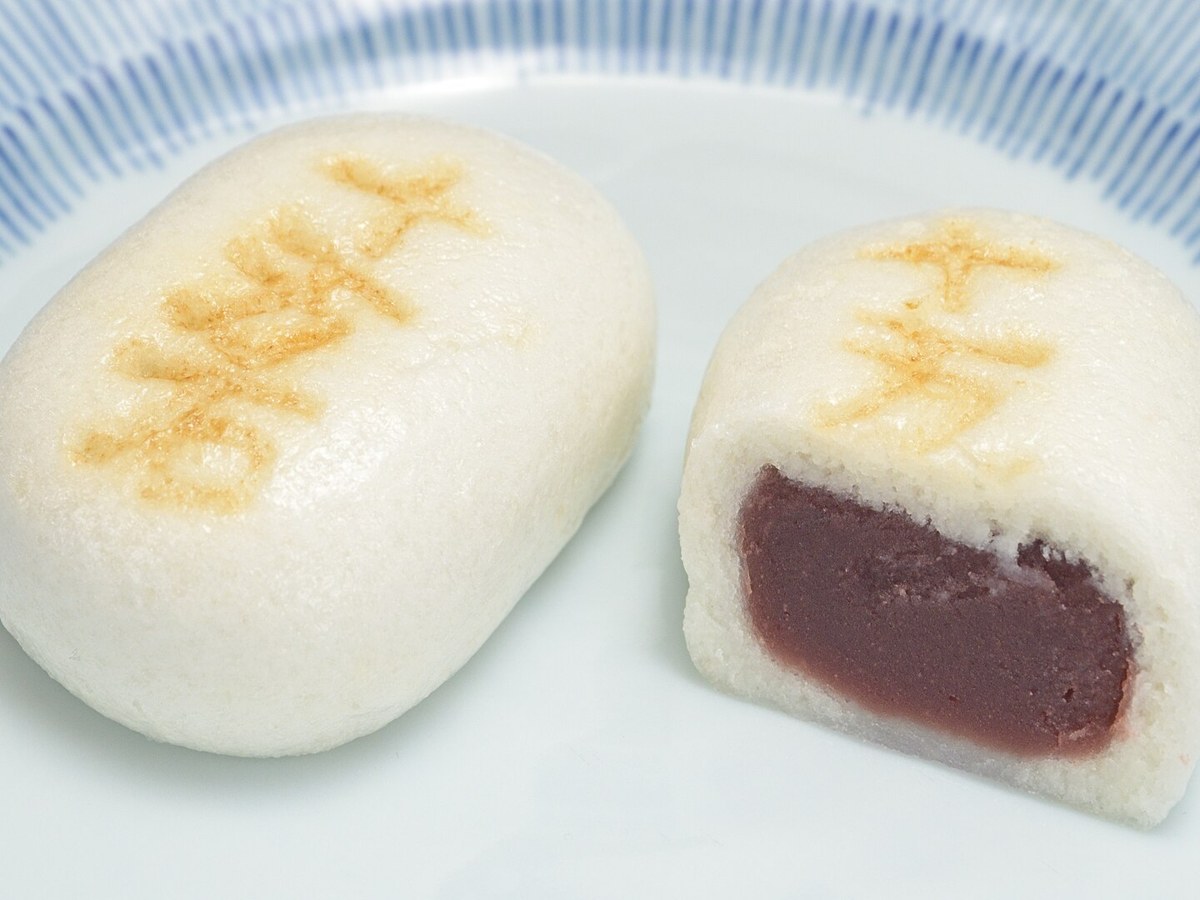
Jumangoku manju is a jōyo manju — the aristocrat of steamed buns. Where an ordinary manju skin is wheat, this one is built on rice flour, used in greater proportion than the wheat, and on tsukune yam, the sticky mountain yam that gives the skin its pale colour and its soft, almost melting chew. Inside is koshian, red-bean paste strained until it is completely smooth. The bun is small, white and domed, and across its top the maker stamps its own name in characters: Jumangoku, 'one hundred thousand koku', the old measure of a great domain's rice wealth.
The stamp matters because the bun is a single-house product. Jumangoku Fukusaya, whose head shop stands in Gyoda in northern Saitama, makes it and sells it through its own network — about forty direct shops at the recent counts, spread across Saitama and into neighbouring Gunma, with counters at Omiya Station and an official online shop. This is not a style that any Saitama baker may bake; it is one company's bun, made to one recipe, carrying one name.
'Too delicious to leave in Gyoda'
The bun's fame is a quotation. In the early 1950s the woodblock artist Munakata Shikō — later one of Japan's most celebrated modern printmakers — visited Gyoda and was offered the house's yam bun. His verdict, as the maker's own history tells it, was that it was 'too delicious to leave as merely a Gyoda specialty' — umai, umasugiru: delicious, too delicious. Fukusaya took the sentence for its catchphrase, prefixed in the famous television commercials with a line of pure Saitama weather: 'the wind speaks to you — delicious, too delicious, Jumangoku manju.'
Inside the prefecture, that commercial made the bun a piece of shared property: generations of Saitama schoolchildren grew up able to recite it. The bun's design plays along — once a month, on the house's 'sweets day', the stamp changes from the house name to a seasonal mark, and celebration orders can be stamped to order, in the red-and-white version for weddings and happy occasions. A souvenir that behaves like a local newspaper: same bun, monthly headline.
Five days of freshness
The bun's one strict rule is time. Jumangoku manju is a fresh sweet with no preservatives to speak of, and the maker states its shelf life plainly: five to six days from manufacture, the shortest life of anything in its gift sets. That brevity is the texture's price — the yam skin that melts on day one stales by the week's end — and it shapes how the bun is sold: baked for the maker's own shops and station counters, posted from the factory in assortments meant to be eaten, not kept.
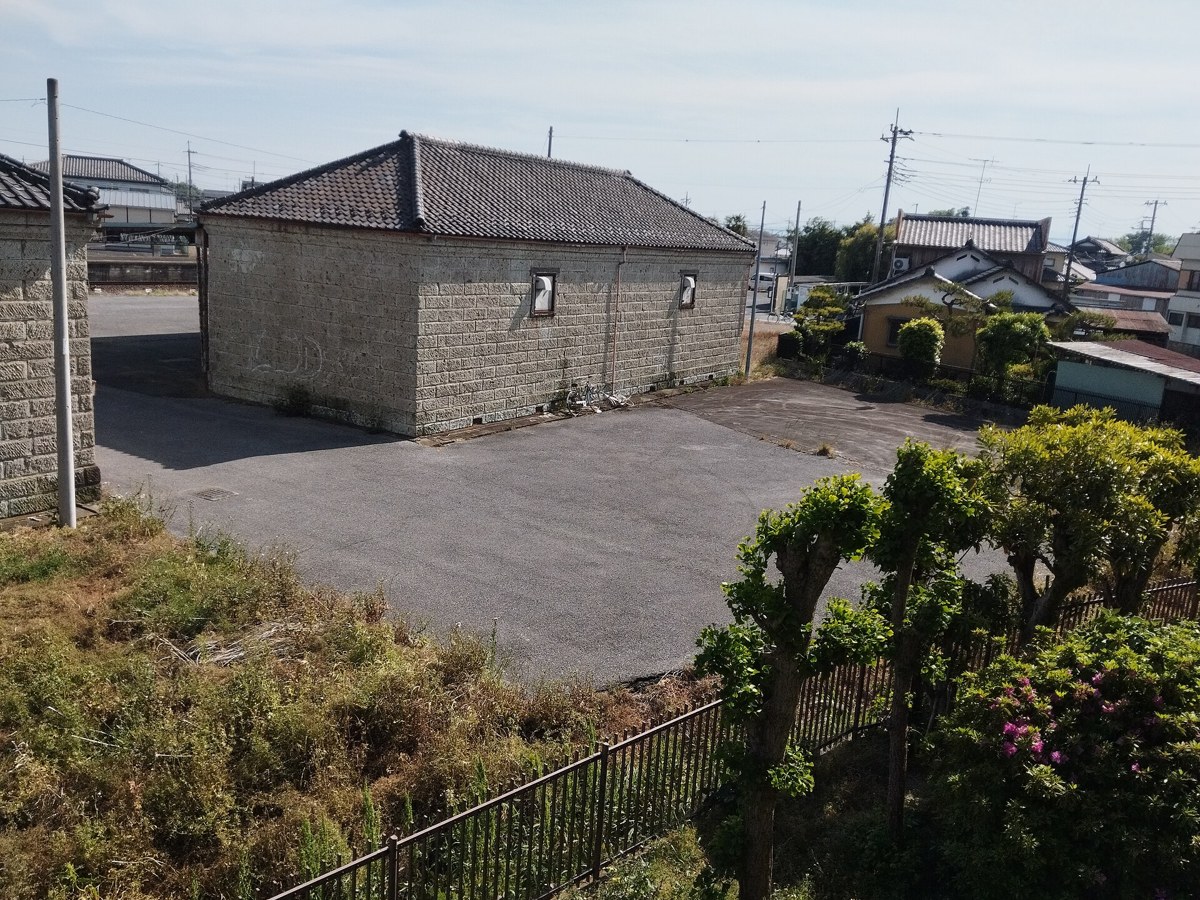
The maker's own prices, read on its official shop at this check, keep the boast affordable. Gift boxes run 5 pieces at ¥907, 10 at ¥1,901, 15 at ¥2,808, 20 at ¥3,672, 25 at ¥4,590 and 30 at ¥5,508, all tax included — roughly ¥180 to ¥190 a bun in boxed form. The head shop in Gyoda, a storehouse-style building in the castle town's old centre, is the pilgrimage version; the Omiya Station counters are the commuter version, and both sell the same five-day bun.
Saitama's shelf, completed
Set Jumangoku manju on this collection's Saitama shelf and it fills the gap the shelf was missing. Sayama tea gave the prefecture its drink and Iwatsuki's dolls its craft; the bun gives it the sweet that its own residents would name first. It also joins the collection's small class of single-maker signatures — a Yokohama shiumai, a Nagasaki castella house — products whose scope is not a region's tradition but one company's name, stamped, in this case, directly onto the food.
Buy it early in a trip, eat it within the five days, and if the month is right, check the stamp: on sweets day the house name gives way to the season. The wind, as the commercial promised, does the rest of the talking.
Sources — checked 10 November 2026
- Jumangoku Fukusaya official shop: Jumangoku Manju gift boxes
- Jumangoku Fukusaya official shop: seasonal assortment set
- Jumangoku Manju — checked encyclopaedic account
Original prose and official links only; no source text or maker media reproduced. Photos are credited Creative Commons works, not product photographs.
Editorial review 2026-11-10