Some regional foods are regional because a recipe stayed home. Konnyaku is regional because the crop did: the jelly-like block in Japan's oden and sukiyaki begins as a knobbly underground stem that takes two to three years to grow, and more than nine tenths of that harvest is dug in a single prefecture — Gunma. The prefecture's folk karuta, the card game every Gunma child learns, files the fact under the syllable 'ne': 'negi to konnyaku, Shimonita meisan' — negi and konnyaku, the famous products of Shimonita. This is the story of the town that mills half the country's konjac flour, and of the raw-potato blocks that carry the prefecture's name.
Ninety-five percent of a nation's crop
The Gunma Economic Research Institute's reading of ministry statistics is as one-sided as agricultural figures get: for 2023, Gunma's konnyaku-potato harvest was 48,500 tons, 95.3 percent of the national 50,900 tons, planted over 2,990 hectares, 92.6 percent of the national area. The prefecture's own portal tells schoolchildren the consumer-facing version of the same fact: over 92 percent of the konnyaku eaten in Japan is produced in Gunma, the nation's number-one konnyaku prefecture.
Within the prefecture the map narrows twice. The institute's municipal table puts the northern Agatsuma and Tone districts on top — Showa Village with the largest planted area, then Shibukawa and Numata — while Shimonita, eighth by area, holds the processing crown: town and cooperative accounts agree that about half of Japan's konnyaku potatoes are collected in Shimonita and milled there, and that the town's shipments of refined konjac flour run to some 50–60 percent of the national total.
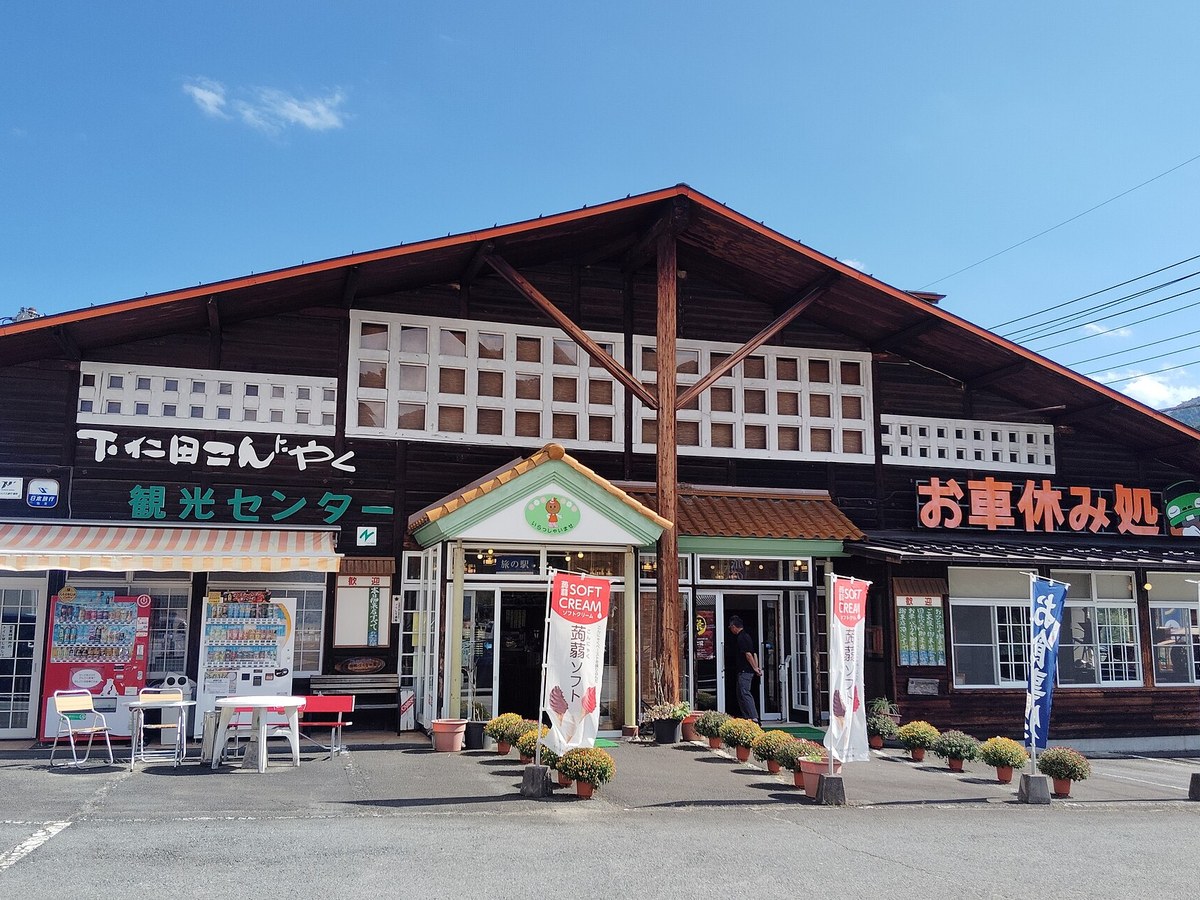
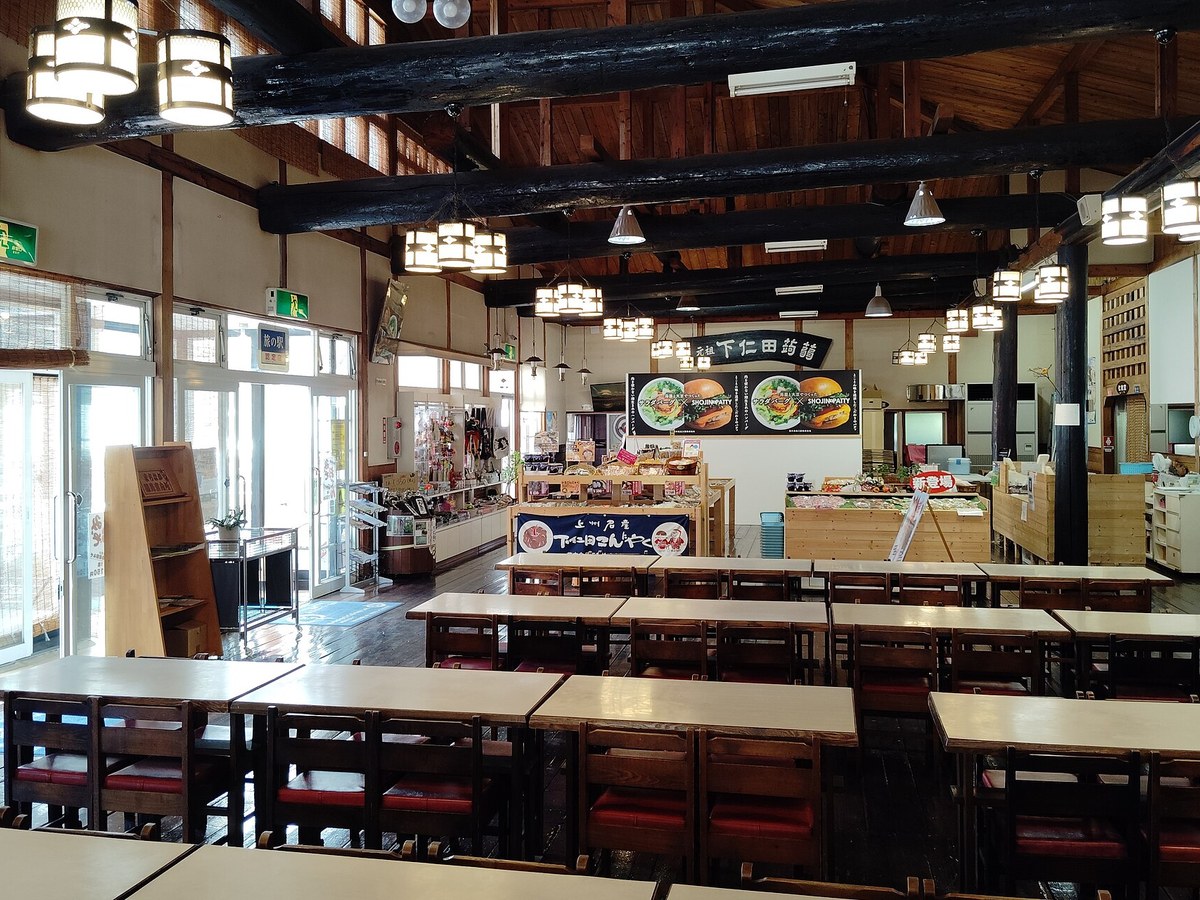
The town that passed a konnyaku law
Shimonita's attachment is old enough to be proverbial — the karuta pairing with the town's other emblem, its negi onions, predates modern branding by generations — and current enough to be legislated: in 2025 the town moved to enact a 'konnyaku tabeyou' ordinance, a formal eat-more-konnyaku health-promotion law, complete with subsidies for restaurants cooking with town konnyaku products. A town does not pass a law about a food it merely happens to grow.
The processing cluster is the reason the raw material flows there. Konnyaku potatoes are dug in autumn after two to three years in the ground — planted in spring, lifted, stored over winter and replanted — and must be milled promptly into flour or processed fresh. Shimonita's concentration of collectors and mills, organised through the national konnyaku raw-material cooperative headquartered in the town, is why half the national crop passes through one small mountain town.
Varieties, and the raw-potato difference
The specialist record kept by Nihon Mono's farm reporting names the modern varieties: Akagi-Odama and Miyamasari together account for over 97 percent of domestic production, with the older Harunakuro — the first improved hybrid — now under one percent and kept going by a handful of farms such as Shibukawa's Ubukata Farm, a sixth-generation konjac house. Shibukawa also hosts Japan's only konjac research institute, the prefecture's grip extending from field to laboratory.
What the eater notices is the processing fork: most konnyaku is made from dried flour, but namaimo (raw-potato) konnyaku is made from the fresh tuber, and tastes of it — firmer, cleaner, without the flour product's faint odour. Retail blocks that name their raw material tell the story in one line: the Yodobashi listing checked for this article specifies a raw-potato konnyaku made solely from Gunma-grown Miyamasari tubers, quality- and freshness-controlled, at 500 grams.
Buying Gunma's block
The checked retail record is that raw-potato product: Kumekichi's namaimo 100% chigiri konnyaku, 500 g, at ¥730 including tax in the Yodobashi online shop, its description stating Gunma-grown Miyamasari as the sole raw material. In Gunma itself the buying is theatrical: the Konnyaku Park in Kanra Town, run by a prefectural maker, offers factory tours and a free konnyaku buffet, and its seasonal raw-potato festival sets and simmered tama-konnyaku are the prefecture's own showcase of the fresh-tuber style.
What to check on any block: the raw-material line. 'Konnyaku flour' with no origin is the anonymous national product; 'namaimo 100%' with a Gunma variety named — Miyamasari above all — is this story in edible form. Shirataki noodles follow the same rule, being the same gel drawn thin: the prefecture behind the tuber is the prefecture behind the noodle, wherever the packing was done.
Sources — checked 12 November 2026
- NHK News — konnyaku-potato seed planting begins in Shibukawa, Gunma
- Gunma Economic Research Institute — Gunma economy monthly, May 2024 (konnyaku data page)
- Nihon Mono — Ubukata Farm, konnyaku farmer (Shibukawa, Gunma)
- Yodobashi — Kumekichi namaimo 100% chigiri konnyaku 500 g (checked 12 November 2026)
Original prose and official links only; no source text or maker media reproduced. Photos are credited Creative Commons works, not product photographs.
Editorial review 2026-11-12